
The Reservation That Vanished At Midnight
You book a hotel so a room is waiting when your flight lands, even if that landing is late, messy, and well past dinner. These days, that's just called "air travel." So it feels absurd when the front desk says your room is already gone just because you showed up after midnight. As maddening as that sounds, it can happen. Usually it comes down to hotel policy, credit card rules, and how your reservation was set up.
 Mikhail Nilov, Pexels, Modified
Yes, This Happens More Than People Think
Consumer complaints and travel forum posts have popped up for years from guests who arrived after midnight and found their room had been released or marked as a no-show. Guidance from major hotel brands shows that guaranteed and non-guaranteed bookings are treated differently. That difference matters a lot more than most travelers realize when they hit “book now.”
 LinkedIn Sales Solutions, Unsplash
The Big Issue Is Whether Your Room Was Guaranteed
Hotels often split reservations into guaranteed and non-guaranteed categories. A guaranteed reservation usually means the hotel agrees to hold the room all night, often because you gave a credit card or paid in advance. A non-guaranteed reservation may be released after a cutoff time, which at some properties can be fairly early in the evening.

Hilton Says It Plainly In Its Terms
Hilton’s reservation terms explain that if a reservation is not guaranteed for late arrival, the hotel can cancel it without notice after the stated cancellation hour. Hilton also says that if a guest has a guaranteed reservation and does not check in, the guest will usually be charged under the property’s no-show rules. In simple terms, a card on file does not just back up payment. It often protects a late arrival too.
 Peter McDermott , Wikimedia Commons
Marriott Uses Similar Language
Marriott’s help and reservation pages also separate guaranteed reservations from bookings that can be canceled if a guest does not arrive by a certain time. The chain notes that individual hotels may have their own rules, especially during busy periods or special events. So travelers cannot assume every booking is automatically safe until 2 a.m.
 Raimond Spekking, Wikimedia Commons
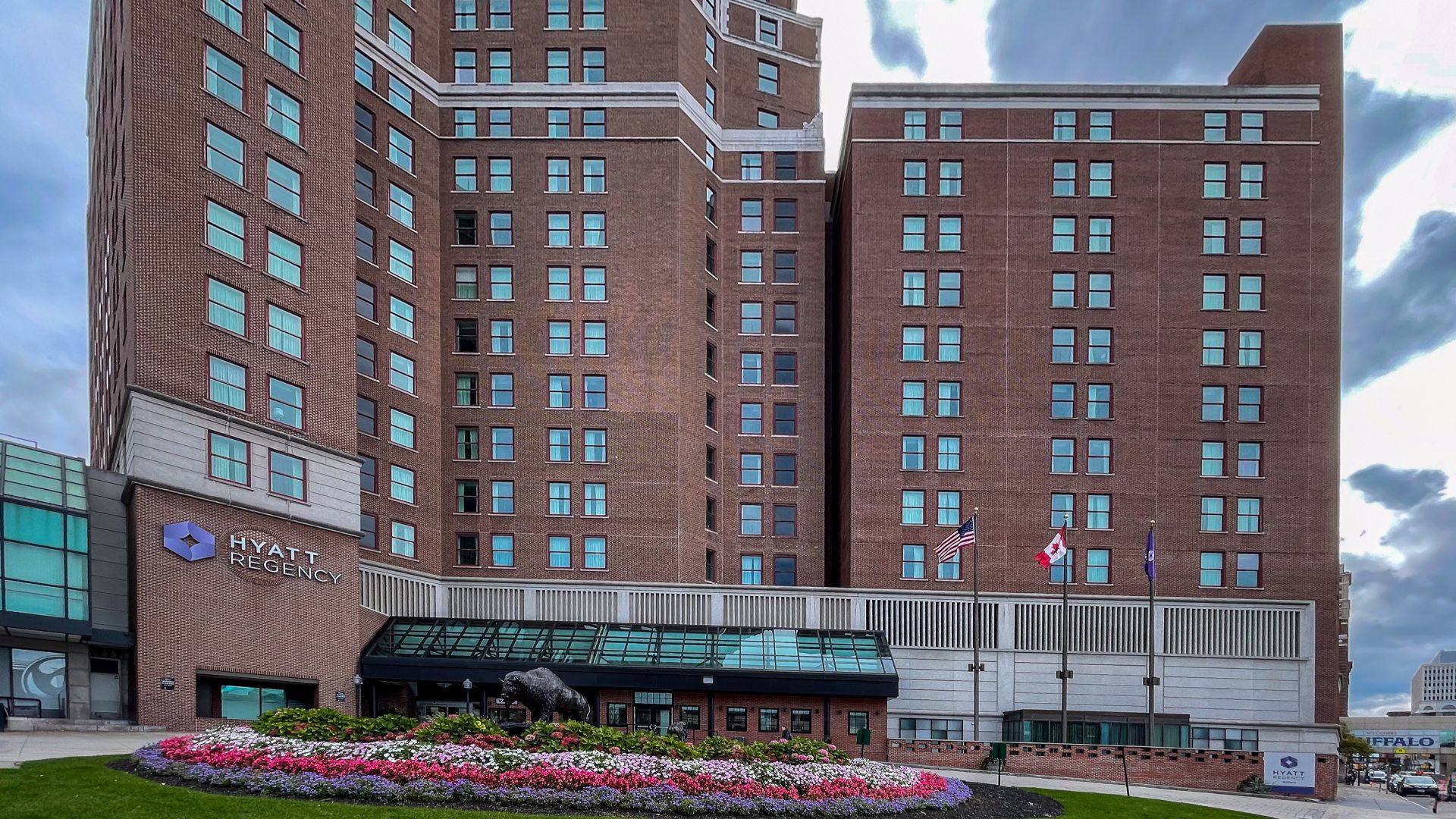
Hyatt Flags The Same Late-Arrival Problem
Hyatt says reservation rules vary by rate and property, and it tells guests to review the cancellation and guarantee terms shown at booking. Like other brands, Hyatt treats a guaranteed room differently from one that is not backed by the right payment or rate condition. The takeaway is simple. The fine print matters.
 Kenneth C. Zirkel, Wikimedia Commons
Booking Sites Can Make It Even Less Clear
If you booked through an online travel agency, what you saw at checkout may not line up as neatly as you expect with the hotel’s own operating rules. Expedia and Booking.com usually show property-specific check-in windows, no-show terms, and whether prepayment is required. Those details can decide whether your room is still there when your plane lands at 12:47 a.m.

Late Check-In Is Not The Same As A 24-Hour Front Desk
This is one of the biggest traps. A hotel can advertise a 24-hour front desk and still have rules about releasing non-guaranteed reservations. On the other hand, a hotel may allow very late check-in, but only if you notify them ahead of time or use a payment method that locks in the reservation.

Why Hotels Release Rooms In The First Place
Hotels sell a product that expires every night. Once that night passes, an empty room can never be sold again for that date. That is why many properties overbook, reassign, or release rooms when they think a guest is not coming, especially on sold-out nights.

Overbooking Is Legal And Common
The American Hotel & Lodging Association explains that overbooking is a standard revenue practice used by hotels to offset expected cancellations and no-shows. Usually guests never notice it. When it goes wrong, someone shows up exhausted at 1 a.m. and finds out there is no room left.

If You Had A Guaranteed Reservation, The Hotel Owes More
When a guaranteed reservation is not honored, many major hotel brands have “walk” policies. That usually means the hotel should help move you to another property and may cover transportation or the first night in certain cases. The exact compensation depends on the chain, the loyalty tier, and the situation.
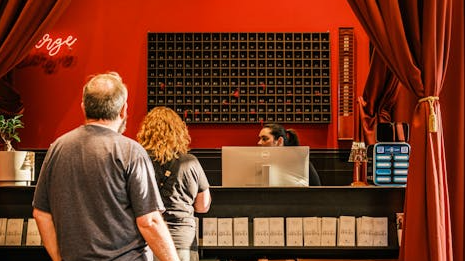
Marriott’s Ultimate Reservation Guarantee Is One Example
Marriott publicly lays out an Ultimate Reservation Guarantee for elite Bonvoy members when a participating property cannot honor a guaranteed reservation. Compensation varies by brand, but it can include cash and a room at another hotel. This is not blanket protection for every guest, but it shows how seriously chains treat guaranteed reservations on paper.

Hilton Has Its Own Reservation Guarantee
Hilton Honors also publishes reservation guarantee benefits for eligible elite members when a confirmed room is unavailable. Depending on the brand, the guest may get accommodations at another hotel plus a credit or points. Again, this applies only in certain situations and not every booking mistake, but it shows that a guaranteed reservation can carry real obligations.
 Anastasia Ilina-Makarova, Pexels
Independent Hotels Can Make Their Own Rules
Not every property belongs to a major chain with polished guarantees. Independent hotels may have stricter or more unusual late-arrival policies, and those can be perfectly legal if they are properly disclosed during booking. That is why screenshots of your confirmation page can be surprisingly valuable.

The Date Problem Catches Plenty Of People
Late-night arrivals create a calendar problem that trips people up all the time. If your flight lands at 12:30 a.m. on Saturday, you may need to book Friday night if you want to go straight to a room after landing. This matters most on red-eyes and flights that cross midnight.

Check-In After Midnight Can Still Count As The Previous Night
Hotels run on a nightly cycle, not a rolling 24-hour block that starts when you arrive. Standard check-in might begin at 3 p.m. and checkout might be at 11 a.m., so an arrival at 1 a.m. is still part of the previous night’s reservation period. If you booked the wrong date, the hotel may technically be right even if the situation feels ridiculous.

No-Show Rules Can Hit Hard
A no-show policy can mean you lose your room and still get charged for it. Consumer advice from major booking platforms and hotel chains regularly warns that if you do not arrive by the stated deadline and do not contact the property, your reservation may be canceled. That double hit is why late arrivals should never assume silence is safe.

The Smartest Move Is To Call Before Midnight
If your flight is delayed or your drive is dragging late into the night, call the hotel as soon as you know you will be late. Ask the staff to note your reservation for a late arrival and request an email or app message confirming it. That small step can be the difference between an easy check-in and a miserable scene in the lobby.

Use The App, Then Save Proof
Many big brands now let guests check in digitally through an app, sometimes even before arrival. That can create a visible record that you intended to use the room and may help if there is a dispute. It is still smart to save screenshots because app features and what happens at the property do not always match perfectly.

Read The Confirmation Like It Matters
Your booking confirmation often spells out the cancellation deadline, no-show charges, and any late-arrival requirement. Most travelers skim it because they are already thinking about the trip. That habit gets expensive when a property has a hard cutoff and your arrival is drifting toward 1 a.m.

Third-Party Reservations Need Extra Care
When you book through an online travel agency, call the hotel directly on the day of arrival if you expect to be late. Ask whether the reservation is fully guaranteed and whether the property needs anything else to hold the room. This matters because the hotel sees the reservation in its own system, and that system is what decides what happens at the desk.

If The Hotel Refuses Check-In, Start Gathering Facts
Ask calmly why the room was released and request that the staff show or explain the specific policy tied to your booking. Make note of the time, the employee’s name, and whether the property is sold out or claiming a no-show. Good notes can turn a terrible night into a complaint you can actually win later.

Escalate Fast If A Brand Is Involved
If the hotel is part of a major chain, contact customer service while you are still at the property. Brand support may be able to confirm whether the reservation was guaranteed and what compensation or relocation should apply. The sooner you escalate, the harder it is for the details to get muddy.

Ask For A Walk, Not Just An Apology
If the property cannot honor a guaranteed reservation, ask whether it will walk you to a comparable nearby hotel and cover transportation. That is standard practice in many parts of the industry when the hotel is at fault. Even if the staff seems reluctant, the question shows that you know this is a recognized fix.

Credit Card Disputes Are A Last Resort
If you were charged a no-show fee after the hotel refused to honor what you reasonably believe was a guaranteed reservation, a credit card dispute may be possible. Start with the hotel and brand first, because card issuers will want evidence. Keep your confirmation, receipts, screenshots, and any written messages about your late arrival.

Travel Insurance Usually Will Not Solve This
Standard travel insurance may help with delays, missed connections, or unexpected extra hotel costs in some cases, but it does not usually override a hotel’s reservation terms. Coverage depends on the policy and the reason for the delay. It is worth checking, but it is not your first line of defense here.

The Best Protection Is Boring But Effective
Book the correct night, use a credit card, review the guarantee language, and tell the hotel if you will arrive late. If the stay really matters, avoid vague rates and do not assume “pay at property” means “held forever.” It is not glamorous advice, but it is exactly what keeps a midnight arrival from turning into a midnight fight.

So Isn’t Late Arrival The Whole Point Of Booking?
In spirit, yes. In actual hotel operations, only if the reservation is properly guaranteed and the date is correct. That is the frustrating truth. A booking is not always a promise to hold a room all night unless the terms say it is, which is why a two-minute call can save a very long night.