
Wait, They Canceled My Flight And Still Kept My Money?
You get the dreaded cancellation notice, scramble to figure out your travel plans, and then discover the airline won’t give you a refund. Instead, they offer a voucher or some vague “future flight” option you may not even want. Naturally, your reaction is probably: how is that legal? If they canceled the flight, shouldn’t you automatically get your money back? In many cases, yes, you actually are entitled to a refund. The problem is that airlines don’t always make the process easy or obvious, and a lot of travelers end up accepting less than they’re legally owed without realizing it.
If The Airline Cancels The Flight, Refund Rules Usually Apply
Under US Department of Transportation (DOT) rules, if the airline cancels your flight and you choose not to travel, you are generally entitled to a refund, even for non-refundable tickets.
That’s true regardless of why the cancellation happened, whether it was weather, staffing, or operational problems.

Vouchers And Credits Are Optional
This is where many travelers get tripped up. Airlines often push travel credits or vouchers first because they’d rather keep the cash in their system. But if you qualify for a refund, you generally do not have to accept a voucher instead.
 Monkey Business Images, Shuttestock
The Fine Print Matters A Lot
Not every canceled-flight situation automatically guarantees cash back. Your rights can depend on whether the airline fully canceled the flight, significantly changed the schedule, or rebooked you onto another option that you accepted. Once you voluntarily accept certain alternatives, your refund rights can change.
Rebooking Changes The Situation
If the airline canceled your original flight but successfully rebooked you and you took the replacement flight, you usually aren’t entitled to a full refund anymore. That’s because the airline technically still transported you to your destination.
Significant Delays Count Too
The DOT also requires refunds for “significant” schedule changes or delays if you choose not to travel. Current guidelines generally define this as delays of three hours or more domestically and six hours internationally.
Airlines Don’t Always Explain Your Rights Clearly
One of the biggest frustrations travelers face is that airlines often present credits as if they’re the only option. Many people don’t realize they can specifically request a refund instead. That confusion has been a huge source of consumer complaints in recent years.
 Frame Stock Footage, Shutterstock
Automatic Refund Rules Have Expanded
Recent DOT rules strengthened refund protections by requiring airlines to provide more automatic refunds for canceled or significantly changed flights.
That means in many situations, passengers shouldn’t even have to fight for the money anymore, at least in theory.

But Airlines And Regulators Still Clash Over The Rules
The airline industry has pushed back against some refund regulations, and certain enforcement policies have changed over time.
So while refund rights exist, the practical reality can still get messy depending on the situation.
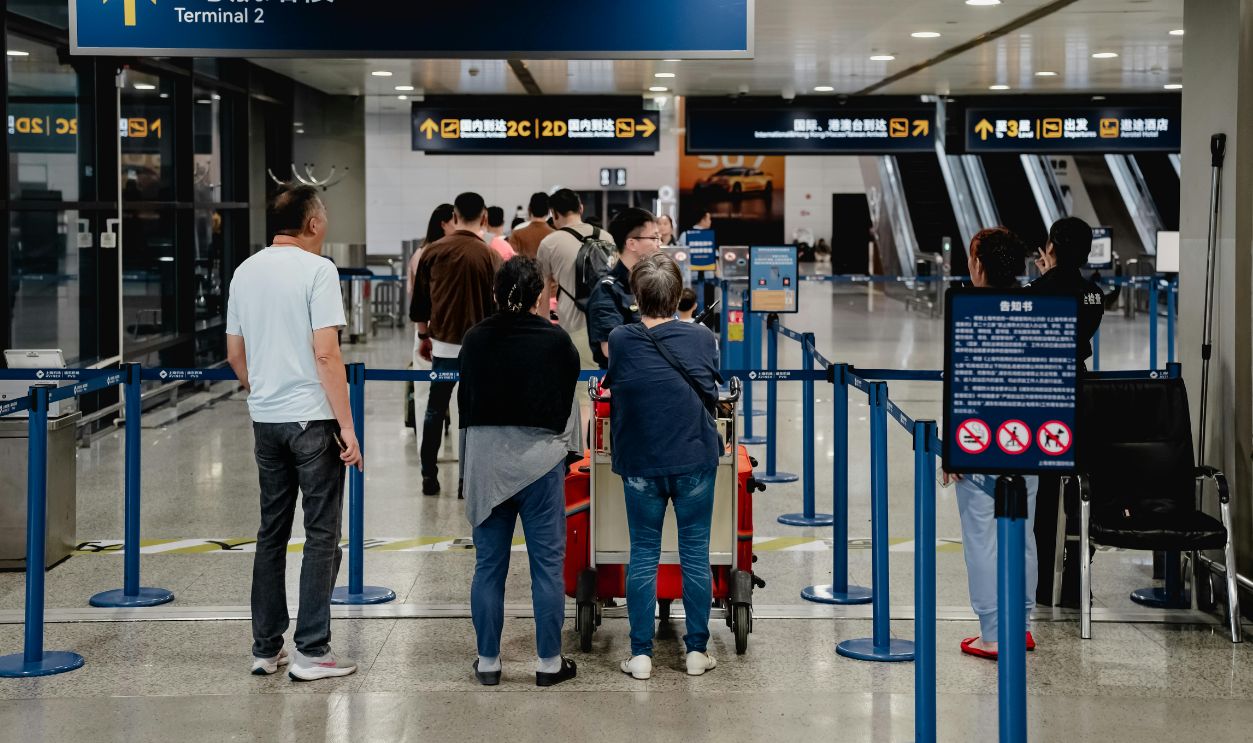
Step One: Confirm Whether The Flight Was Actually Canceled
This sounds obvious, but airlines sometimes label disruptions as “schedule changes” instead of outright cancellations. Pull up your emails, app notifications, and itinerary details to confirm exactly what happened. The wording can affect your refund rights.
 Gustavo Fring, Pexels, Modified
Step Two: Don’t Accept A Voucher Too Quickly
If you think you qualify for a refund, avoid immediately clicking “accept travel credit.” Once you voluntarily accept a voucher, it may become much harder to later demand cash back instead.

Ask Specifically For A Refund
When contacting the airline, don’t just say you’re unhappy. Clearly state that you are requesting a refund under DOT rules for a canceled or significantly changed flight. Using the right language can make a surprisingly big difference.

Keep Screenshots And Emails
Documentation matters a lot. Save cancellation notices, rebooking offers, receipts, and screenshots from the airline app or website. If you later need to escalate the issue, this evidence becomes incredibly useful.

Third-Party Bookings Can Complicate Things
If you booked through Expedia, Priceline, or another travel site, you may end up stuck between the airline and the booking platform blaming each other. It’s frustrating, but don’t let them bounce you around endlessly. Keep pushing both parties until someone processes the refund.

Credit Card Disputes Can Sometimes Help
If the airline refuses to issue a refund you believe you’re legally owed, you may be able to dispute the charge through your credit card company. This works best when you have strong documentation showing the flight was canceled and the airline refused reimbursement.

Filing A DOT Complaint Is An Option
The DOT allows consumers to file formal complaints against airlines over refund issues. Even if it doesn’t instantly solve the problem, airlines generally take DOT complaints more seriously than ordinary customer service requests.

Travel Insurance Might Cover Extra Costs
While travel insurance won’t always force an airline refund, it may help reimburse expenses caused by cancellations, especially hotels, meals, or replacement transportation. Coverage depends heavily on the policy and reason for the disruption.

International Flights May Have Stronger Protections
Depending on where you were flying, international passenger-rights laws may offer additional compensation beyond a refund. Europe’s EU261 rules, for example, can sometimes require airlines to pay compensation for cancellations under certain circumstances.
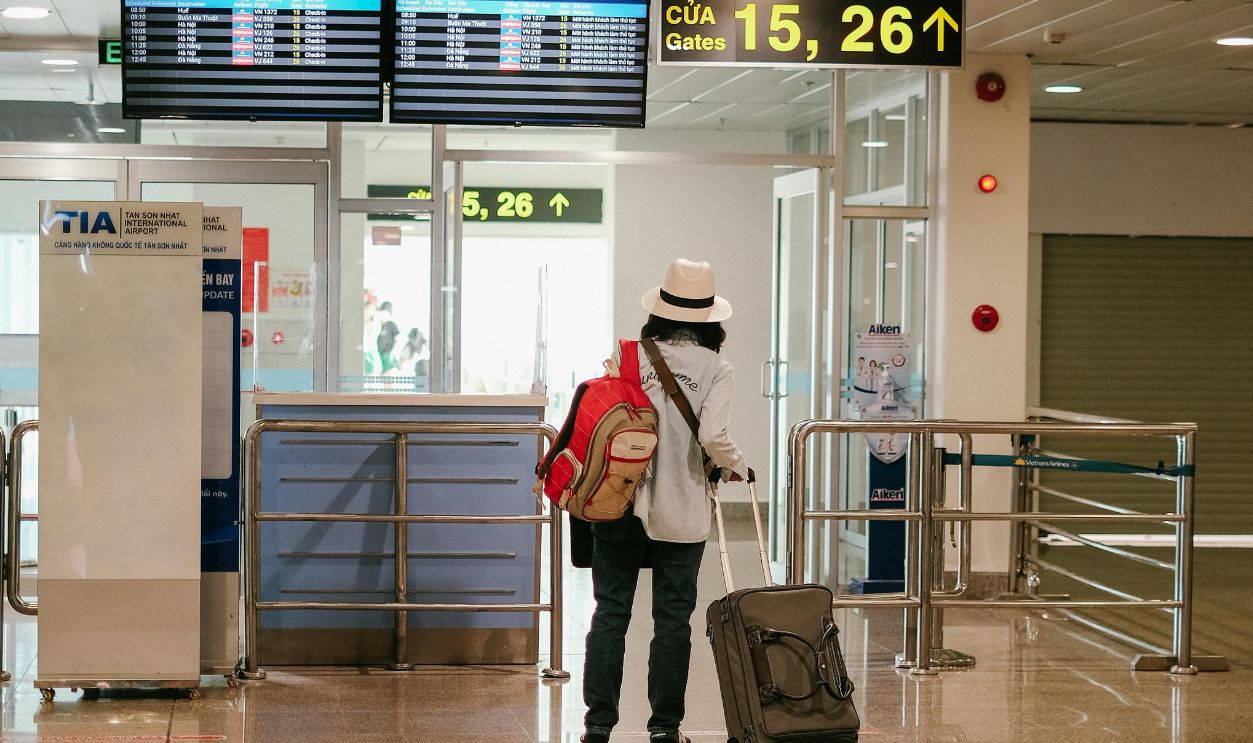
You Probably Have More Rights Than You Think
A lot of travelers assume the airline’s first answer is final. But refund rules are often much stronger than customer service reps initially make them sound. The key is understanding your rights and pushing back calmly but firmly.

So What Should You Do Right Now?
Start by confirming whether your situation qualifies for a refund under DOT rules. Then contact the airline directly and request cash reimbursement instead of a voucher if that’s what you want. If the airline refuses, keep your documentation and consider escalating through your credit card company or filing a DOT complaint.

Final Thoughts
If your flight was canceled and the airline refused to refund you, that does not automatically mean they’re in the right. In many situations, US law actually requires airlines to provide refunds when passengers choose not to travel after cancellations or significant schedule changes. The frustrating part is that airlines don’t always make those rights easy to claim. But with the right documentation, persistence, and understanding of the rules, you may still be able to get your money back.
 Nicoleta Ionescu, Shutterstock
You May Also Like: