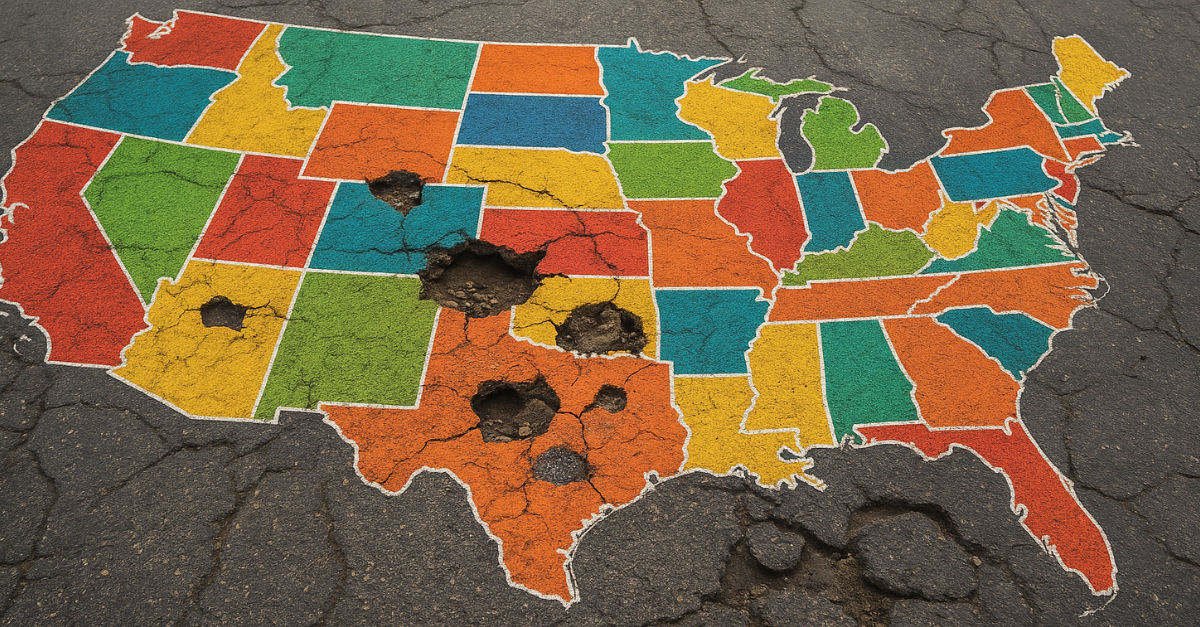
Wait…The Price Just Jumped $475 In Minutes?
You step away for a few minutes to double-check something simple. You come back ready to book… and suddenly it’s hundreds of dollars more. Same flight, same seat, totally different price. It feels instant, almost targeted, like something changed the second you left. Because something did.

Airline Prices Change Constantly
Flight prices aren’t fixed like most products. Airlines use dynamic pricing, which means fares can update in real time based on demand, availability, and competition. Some flights see frequent price updates throughout the day, especially on busy routes where demand is constantly shifting.
Real Price Swings Can Be Huge
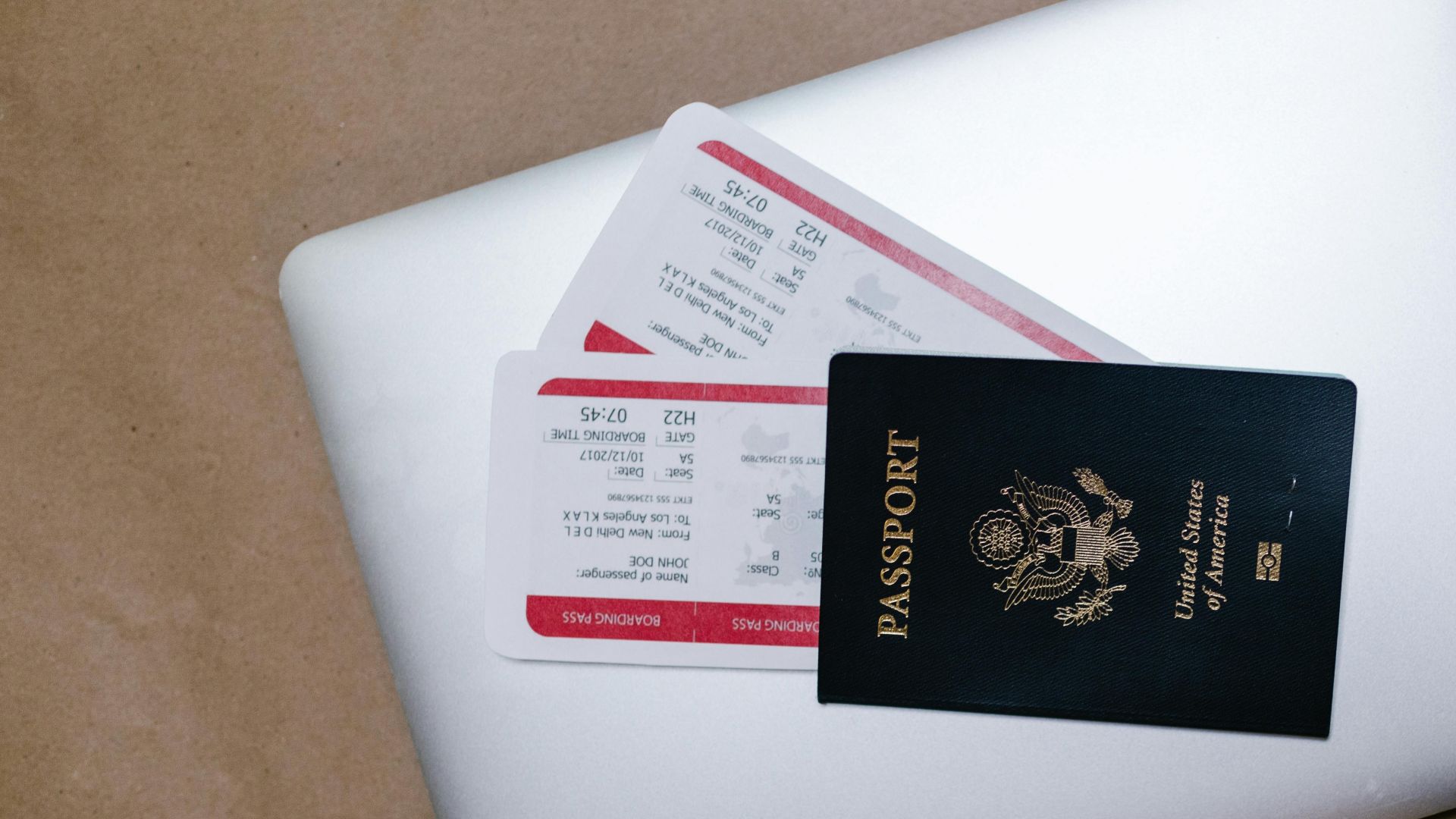
Airfare doesn’t just change—it can swing dramatically. On busy routes, it’s not unusual to see prices move by hundreds of dollars within the same day, especially when demand is high or seats are selling quickly and pricing tiers are being triggered.

Seats Are Sold In Pricing Tiers
Airlines divide seats into different fare “buckets,” each with its own price and rules. There may be only a handful of seats at the lowest fare, and once those are gone, the system moves to the next, more expensive tier.
Those Cheap Seats Can Disappear Fast
The lowest prices you see are usually extremely limited. On popular routes, those cheaper seats can be gone within minutes, especially if multiple people are booking at the same time or a deal has just become available.
Booking Speed Actually Matters
Airline pricing systems don’t pause while you decide. If a flight is filling up or demand is rising, even a short delay can mean missing a lower fare. In some cases, the difference between booking now and minutes later can be significant.
Booking Pace Can Trigger Price Jumps
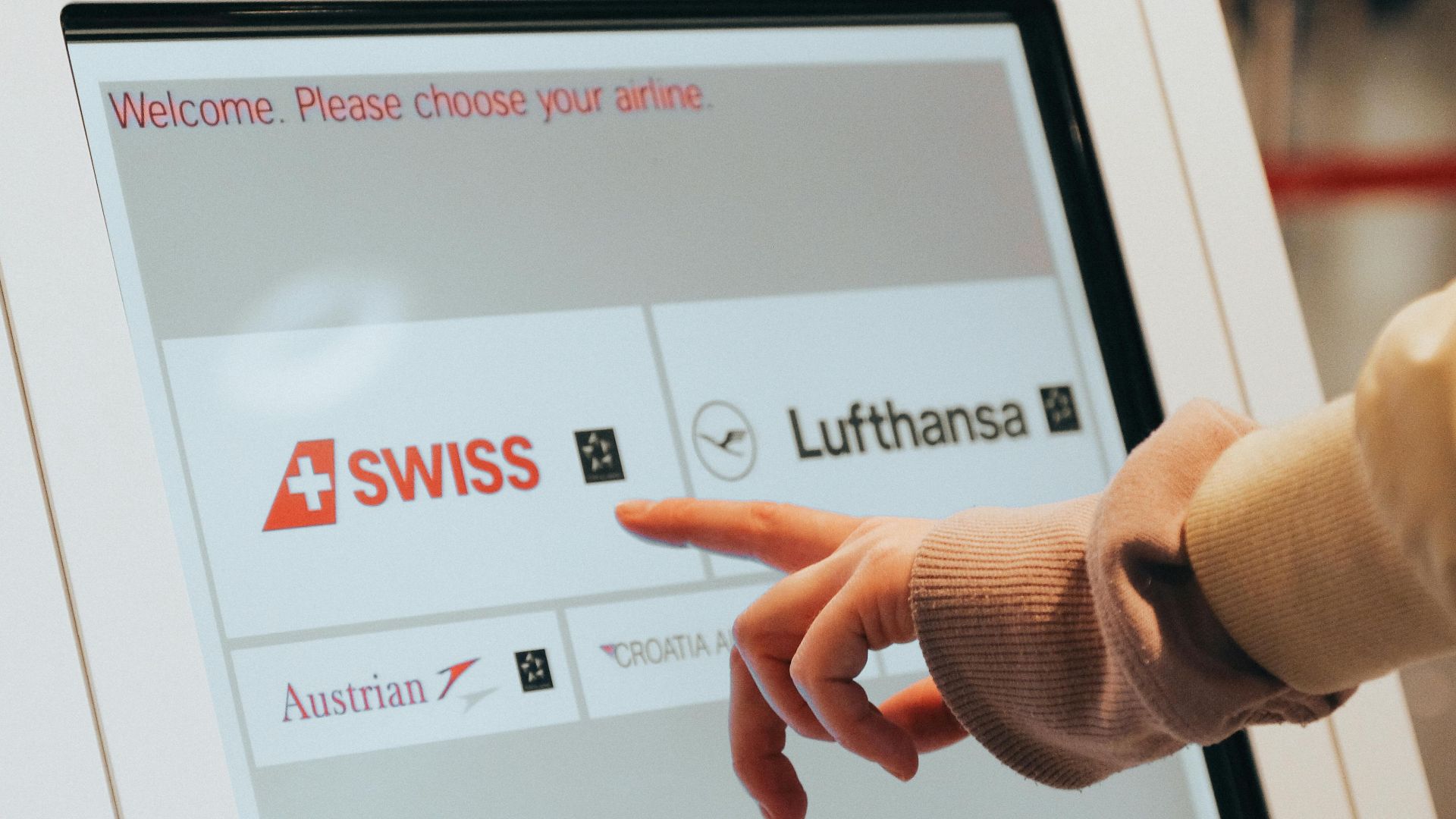
Airlines don’t just track how many seats are left—they also track how quickly those seats are selling. If bookings come in faster than expected, pricing systems may raise fares early, even if the flight still has many seats available.

You’re Competing With Other Buyers
Even if you stepped away briefly, other people may have booked during that time. If enough seats sold to move the flight into a higher pricing tier, the lower price disappears and is replaced with the next available fare level.

Demand Can Spike In Real Time
Airlines monitor search and booking activity continuously. If interest increases suddenly—like during peak travel periods or after a deal alert—prices can rise quickly to reflect that demand and capture higher willingness to pay.
Algorithms Are Doing The Work
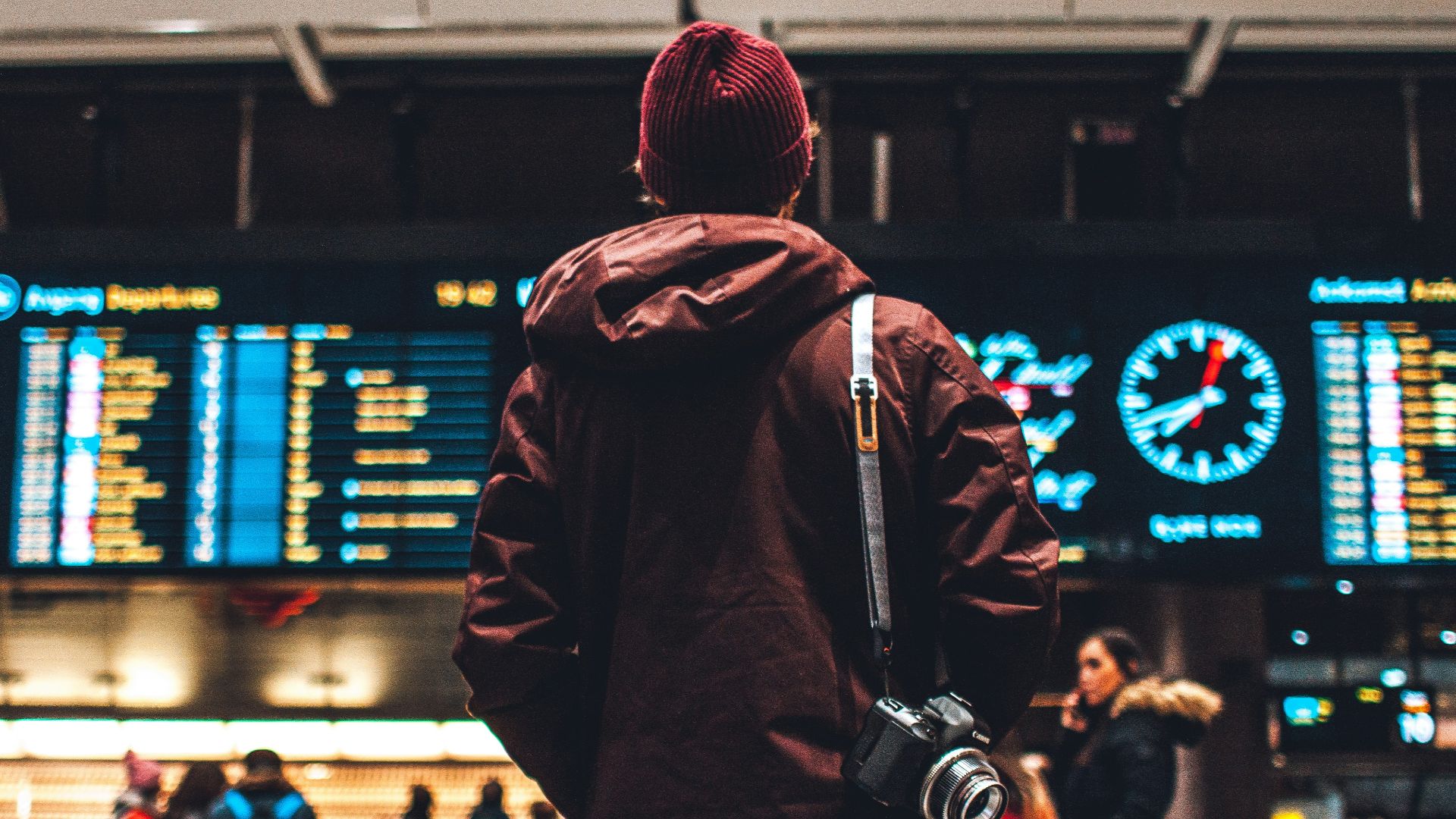
Airline pricing is driven by complex algorithms that factor in demand, booking pace, historical trends, and competitor pricing. These systems are designed to maximize revenue, which leads to frequent and sometimes unpredictable adjustments.

Prices Can Change Very Frequently
On high-demand routes, fares can update frequently—sometimes within short time windows—as inventory changes and bookings come in. Even small shifts in availability can trigger pricing updates in real time.
Your Search Didn’t Cause It
It might feel like the price changed because you looked at it, but there’s no consistent evidence airlines raise prices specifically for individual users based on searches. Changes are typically driven by overall demand and availability.
It Feels Personal—But It Probably Isn’t
Many people believe checking a flight repeatedly makes the price go up, and that incognito mode prevents it. While prices often rise between searches, testing hasn’t found consistent proof that airlines increase prices just for individual users.
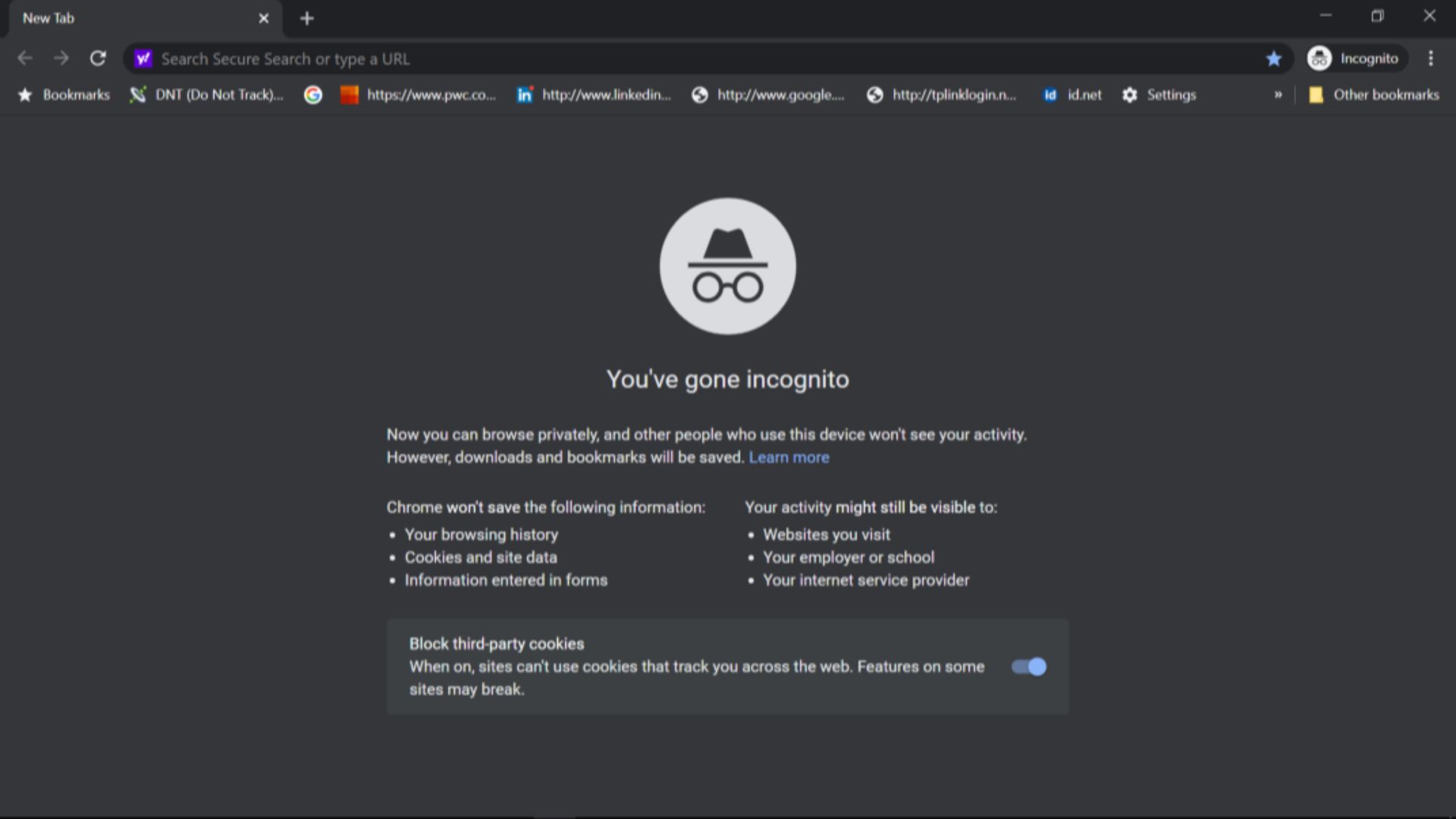 The Incognito Guy, Wikimedia Commons
So Why Does It Seem Like It Happens?
Because prices really are changing constantly in the background. If you check a flight, leave, and come back—even minutes later—the price may have changed due to bookings or shifting demand at that exact moment.

Cookies And Tracking Can Affect What You See
Travel sites can sometimes show slightly different fares based on location, device, or cached data. These differences are usually small, and large price jumps are almost always due to availability or timing rather than tracking.

There’s No Magic “Cheap Day” Anymore
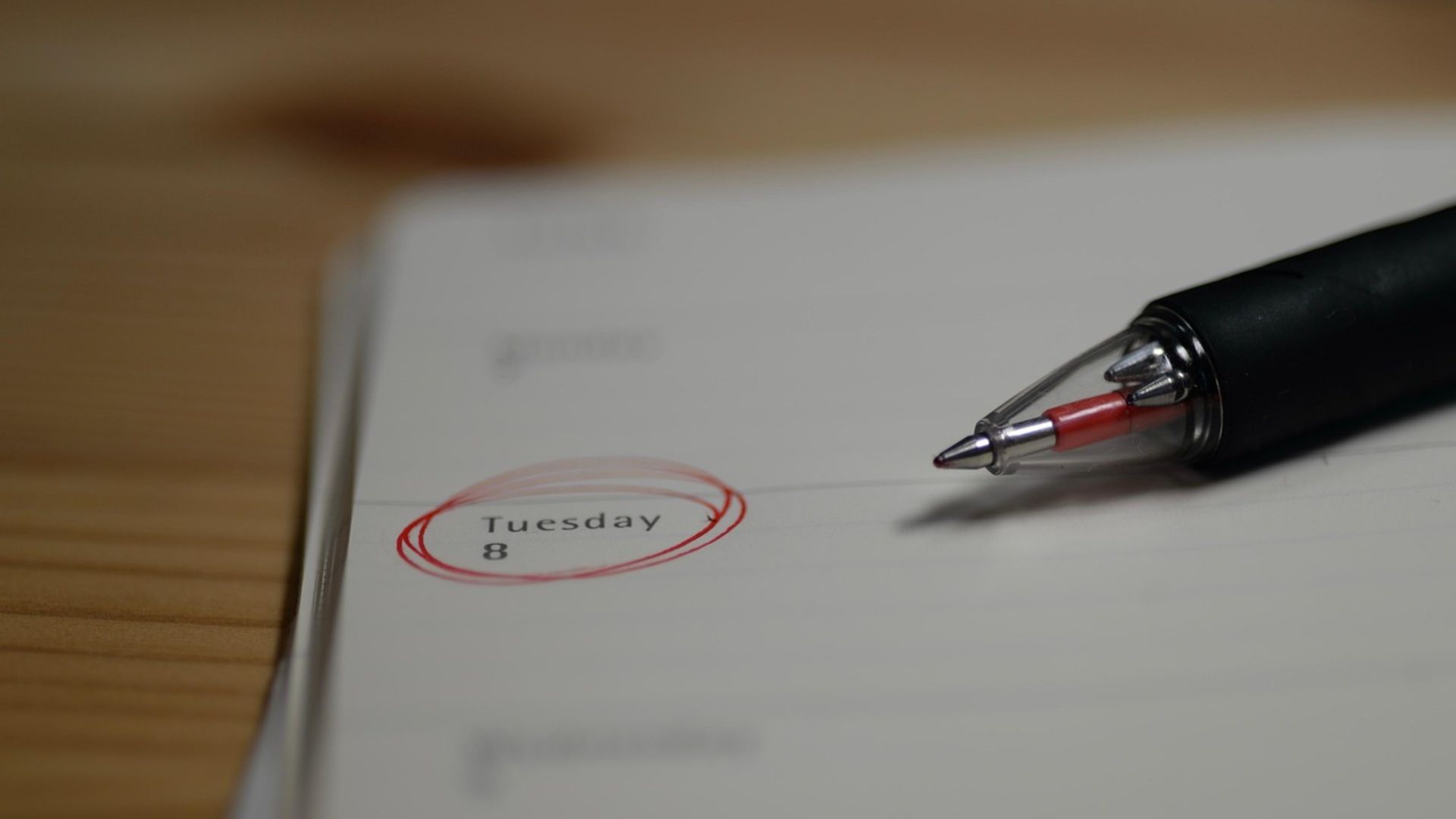
You’ve probably heard flights are cheaper on certain days, like Tuesdays. While that may have been true in the past, modern pricing systems run continuously, so there’s no guaranteed “best day” to book anymore.
Prices Can Go Down Too—Just Not Predictably
Airfares don’t only go up—they can drop if demand slows or airlines adjust pricing to stay competitive. Price drops are more common further from departure, while last-minute fares are more likely to rise.

Low Fares Are Extremely Limited
The cheapest tickets are usually offered in very small numbers. Once those seats sell out, the next pricing tier can be significantly more expensive, which is why prices can jump so quickly.
Popular Flights Move Faster
Flights at convenient times—like weekends, holidays, or early morning departures—tend to fill up quickly, which leads to faster and more noticeable price increases compared to less popular flights.
Flash Deals Don’t Last Long
Sometimes the price you saw was part of a limited promotion. These fares often apply to only a few seats, and once they’re gone, prices can jump back to normal levels without warning.
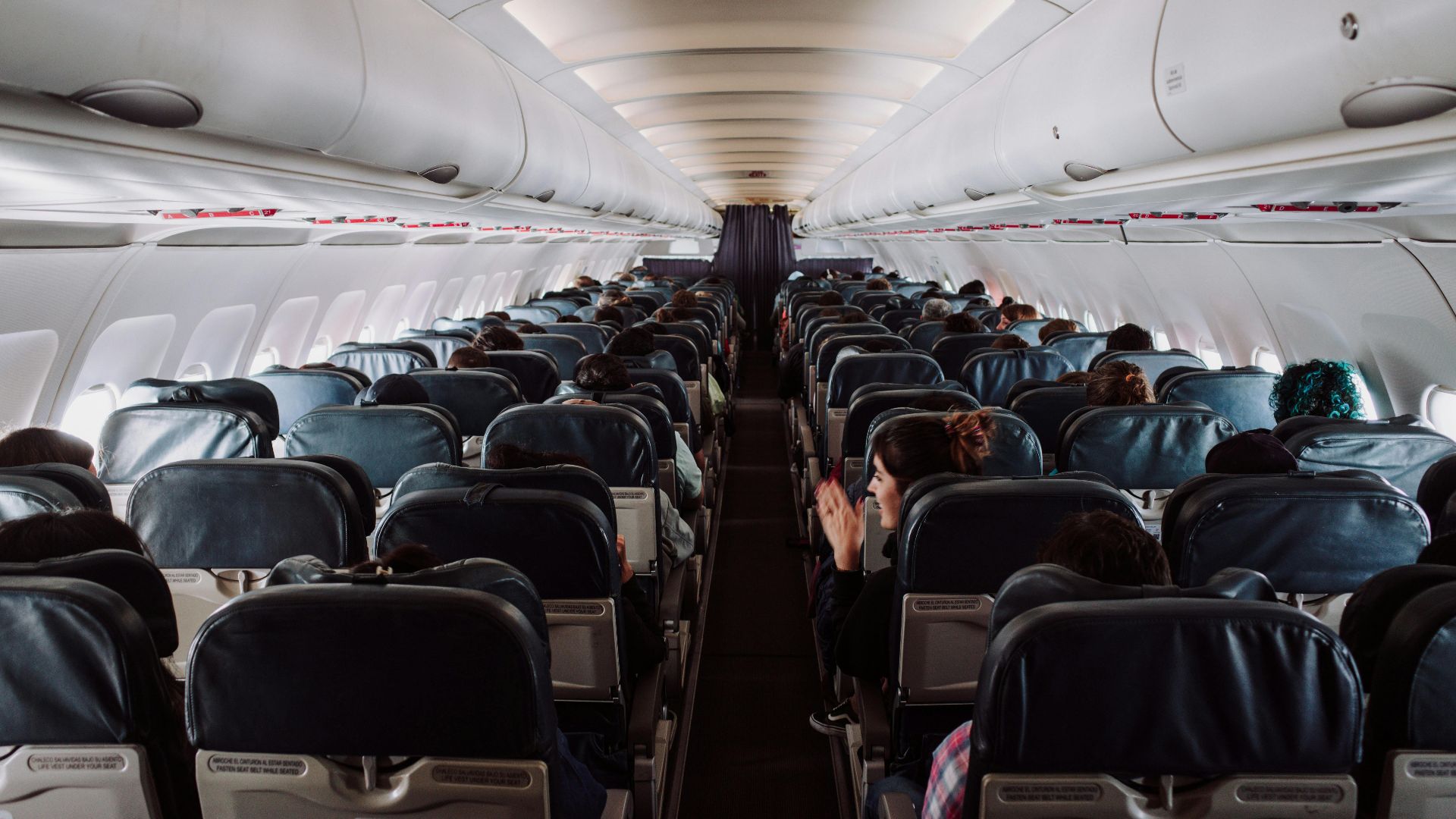
Airfare Is Highly Volatile
Compared to most consumer products, airfare is highly volatile. Prices can fluctuate significantly within hours, especially on routes with strong demand and limited seat availability.
 Rafael Minguet Delgado, Pexels
There’s No “Hold” On The Price
Unless you book the ticket or use a hold feature, that price isn’t reserved. Once you leave, those seats are available to others, and pricing can change at any time.

Prices Can Even Change Mid-Booking
In some cases, prices can update while you’re entering your details. If availability changes during checkout, the system may refresh to reflect the current fare before you complete the purchase.

Competitor Pricing Can Trigger Changes
Airlines monitor each other closely. If one airline adjusts pricing on a route, others may respond quickly, which can influence fares across multiple carriers within a short period.
Timing Matters More Than You Think
There’s a general booking window sweet spot, but even within it, small timing differences can lead to noticeable price changes, especially on high-demand flights with limited inventory.

External Events Can Push Prices Up
Weather disruptions, major events, or sudden increases in travel demand can all influence pricing. If demand spikes quickly, prices can adjust just as fast to reflect that surge.
Some Travelers Book First, Decide Later
In the U.S., many airlines allow free cancellations within 24 hours for flights booked at least 7 days in advance. Some travelers book immediately to lock in a price, then adjust plans afterward.

Flexibility Can Still Save You
Even after a price jump, adjusting your departure time, date, or nearby airport can sometimes bring the cost down. Small changes can lead to noticeable savings depending on the route.
The Real Takeaway
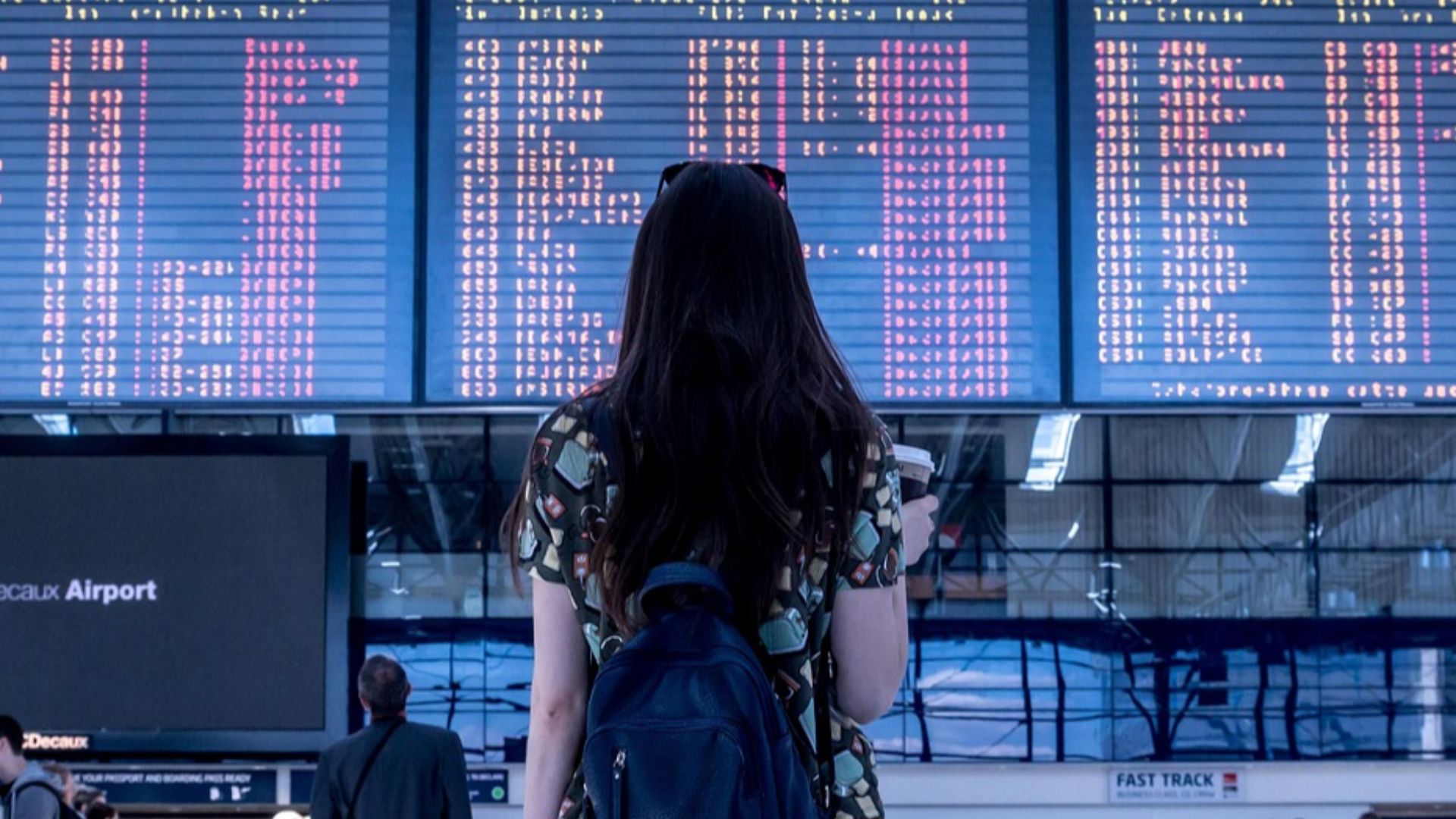
That $475 jump wasn’t personal—and it wasn’t random. It was a combination of limited seats, real-time demand, and automated pricing. The biggest lesson? If you see a price you’re comfortable with, waiting—even 12 minutes—can sometimes cost you.
 Global Residence Index, Unsplash
You Might Also Like: