When “Operational Issues” Mean Lost Trips
Airlines describe many delays as routine, but for travelers those setbacks can unravel their entire vacation. Missed cruises, prepaid hotels, and once-in-a-lifetime tours can disappear behind vague explanations. Understanding why these delays happen and how much responsibility airlines actually carry helps travelers know when and how to push back and when they are well and truly out of luck.
Mechanical Delays
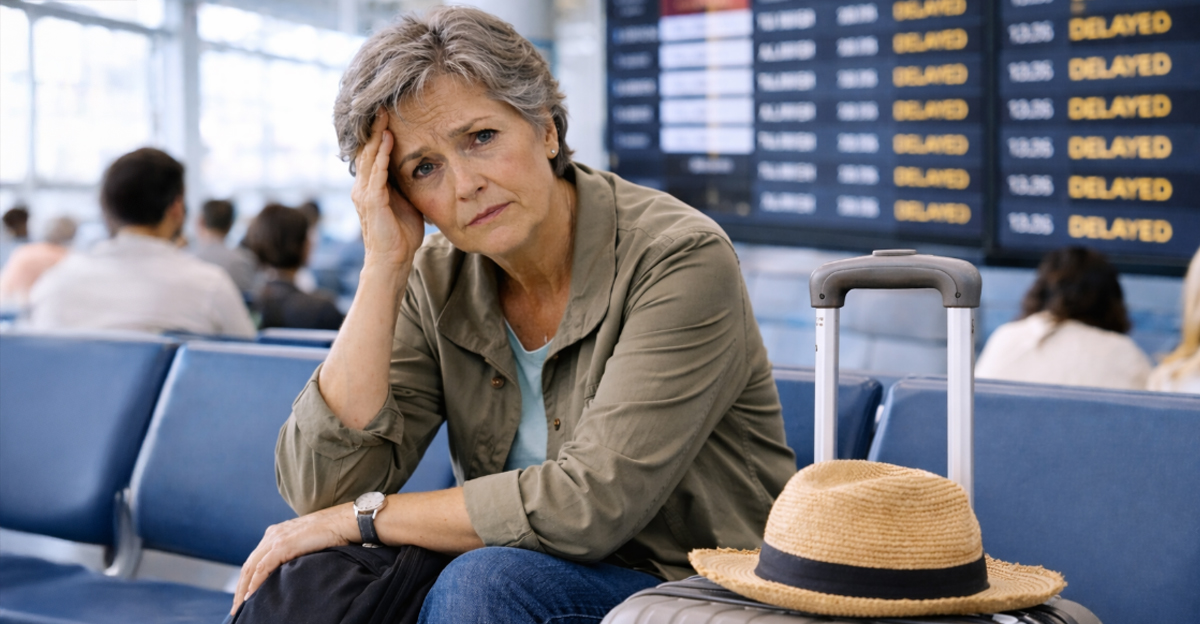
Mechanical issues are one of the most common causes of major delays. Airlines are fully responsible for aircraft maintenance, but they often classify these delays as unavoidable. While safety is critical, passengers are often left stranded without compensation. Under U.S. law, airlines owe limited assistance unless the delays stretch overnight.
Crew Availability Problems
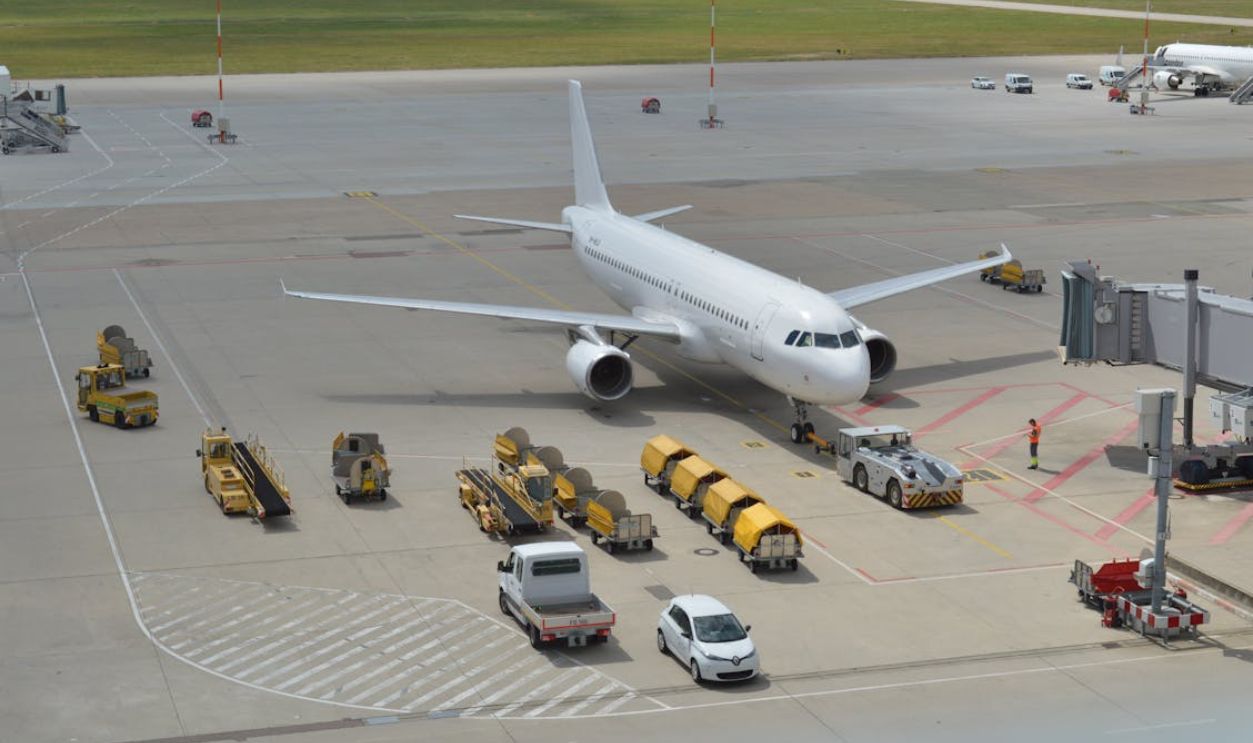
Flights are often delayed because pilots or flight attendants time out under their duty-day maximum hour rules. Airlines work on a tight schedule, and a single earlier delay can cascade into crew shortages. While airlines control staffing, regulations don’t require compensation for these delays, even if they were largely preventable if they had planned things better in advance.
Late Arriving Aircraft
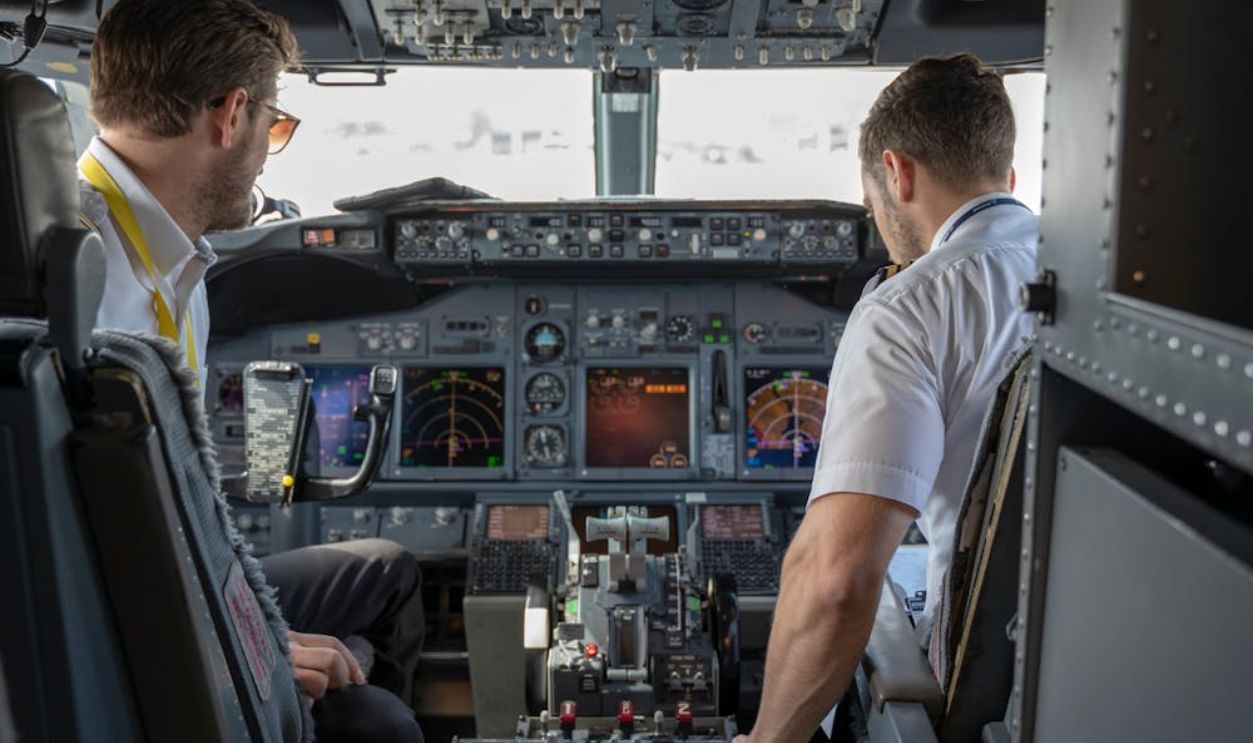
When an incoming plane turns up late at its arrival gate, the next flight leaves late as well. Airlines view this as an unavoidable operational reality. Passengers bear the brunt of the consequences even if they had no connection to the original disruption. Airlines rarely compensate for this type of delay, despite it being fully within their scheduling control.
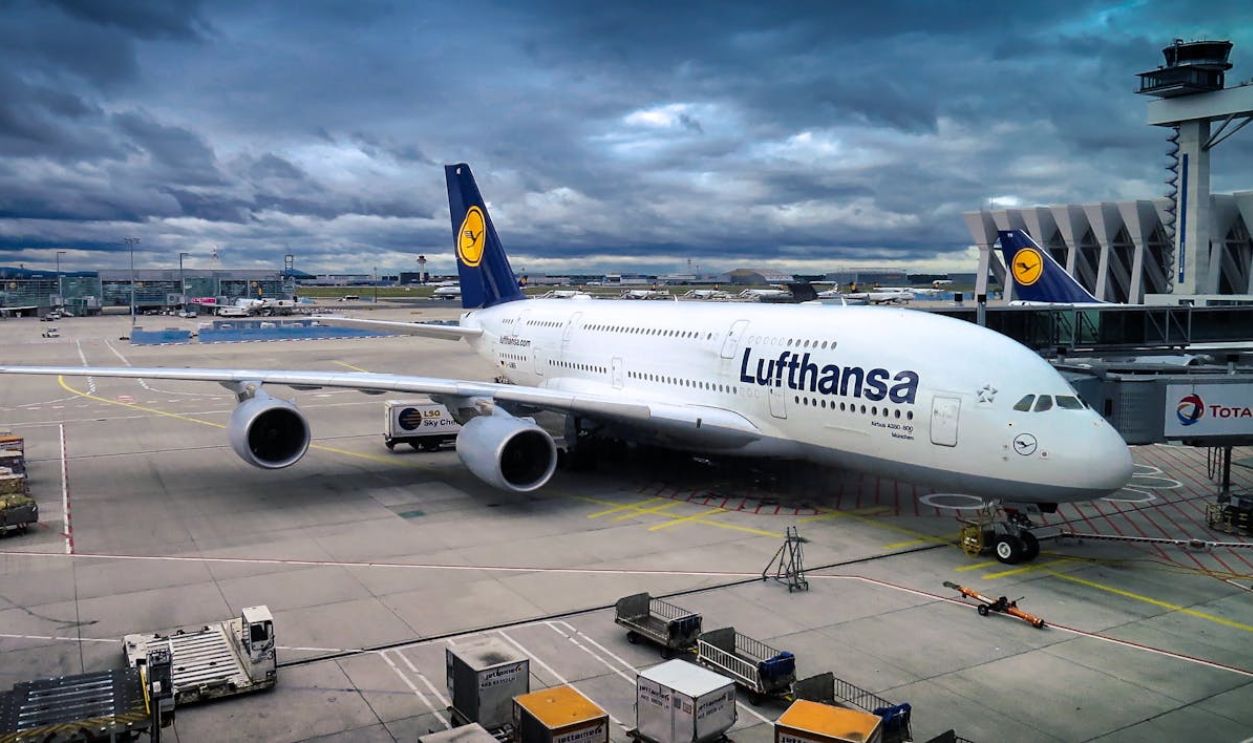
Weather Delays
Weather is the airline industry’s most common shield against responsibility. Thunder showers, snow, and wind are uncontrollable causes of real safety concerns, but airlines also cancel flights preemptively to protect schedules. These delays often come with no compensation, even though travelers lose hotels, tours, and nonrefundable reservations.
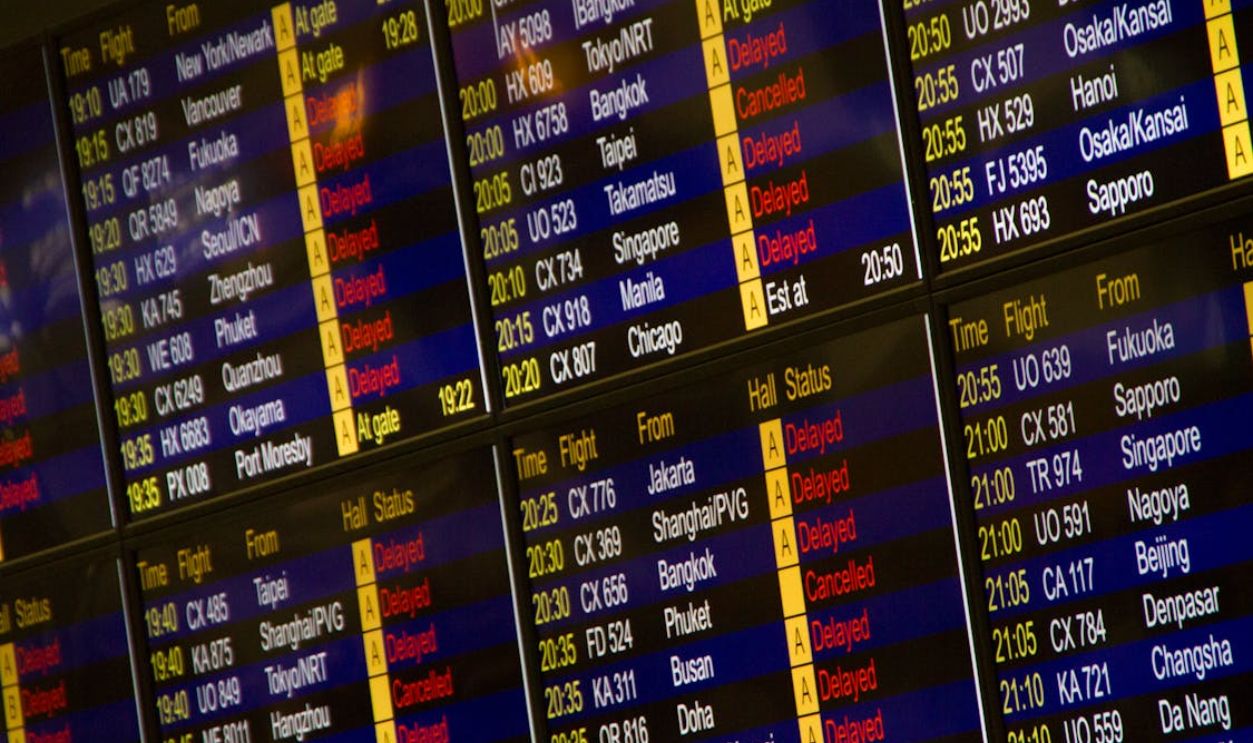
Air Traffic Control Restrictions
Government-imposed air traffic restrictions often slow or halt flights during congestion or staffing shortages. Airlines typically deny responsibility because the FAA controls the airspace. While this is a technically accurate point, the impact falls entirely on passengers, who rarely get refunded anything beyond basic ticket value.
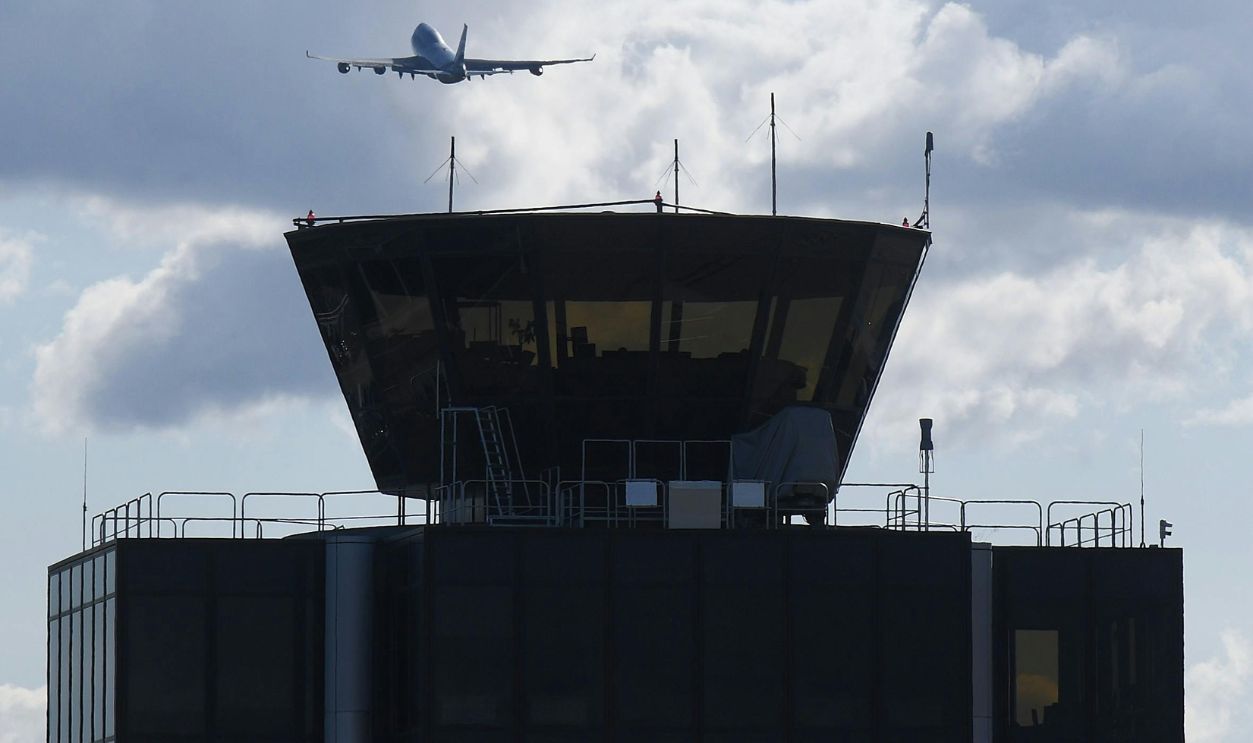
Airport Congestion Delays
Major hubs frequently suffer from runway congestion, gate shortages, or equipment failures. Airlines insist these delays are outside their control, and that there’s nothing they can do, even though they choose to operate heavy schedules at already overloaded airports. Passengers usually receive no compensation, even though congestion is predictable and frequent.
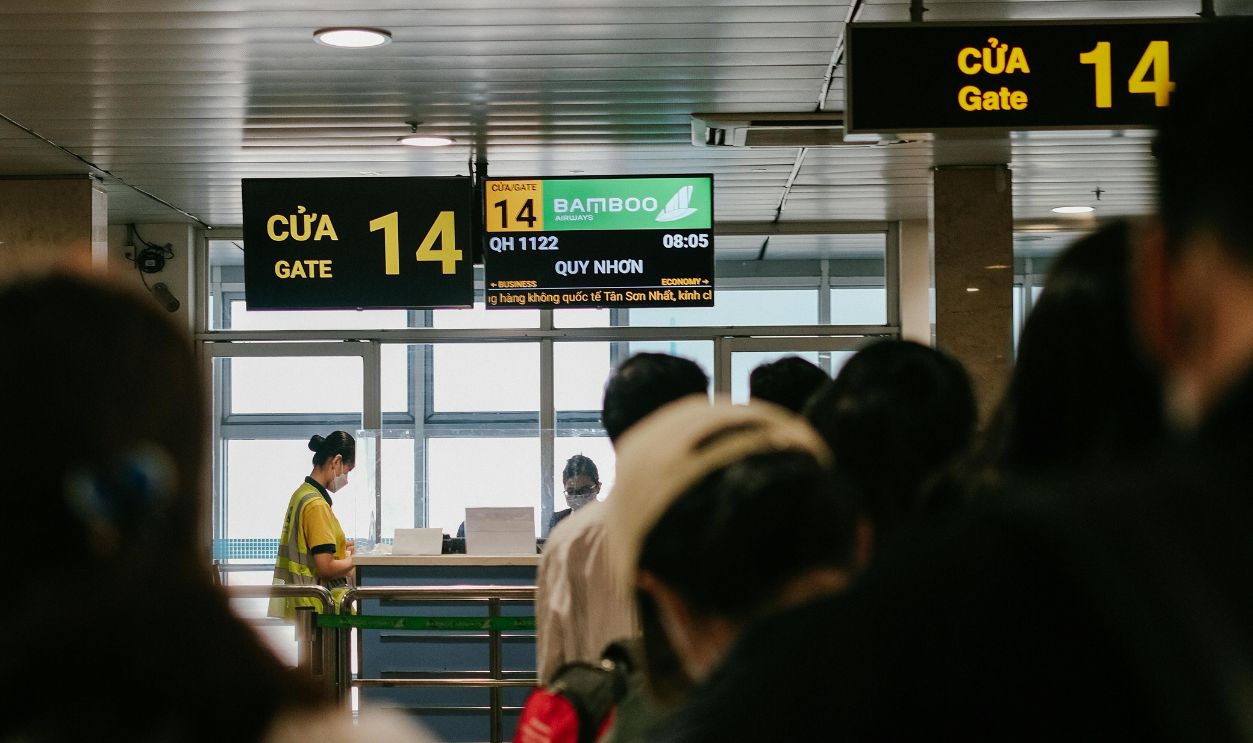
Ground Handling And Baggage Issues
Sometimes delays occur because there are no ground crews available to load luggage or fuel aircraft. These operational breakdowns fall squarely on airlines or their contractors. Despite clear responsibility, airlines rarely offer much more than minimal remedies unless delays become extreme or result in an overnight disruption.
Maintenance Paperwork Problems
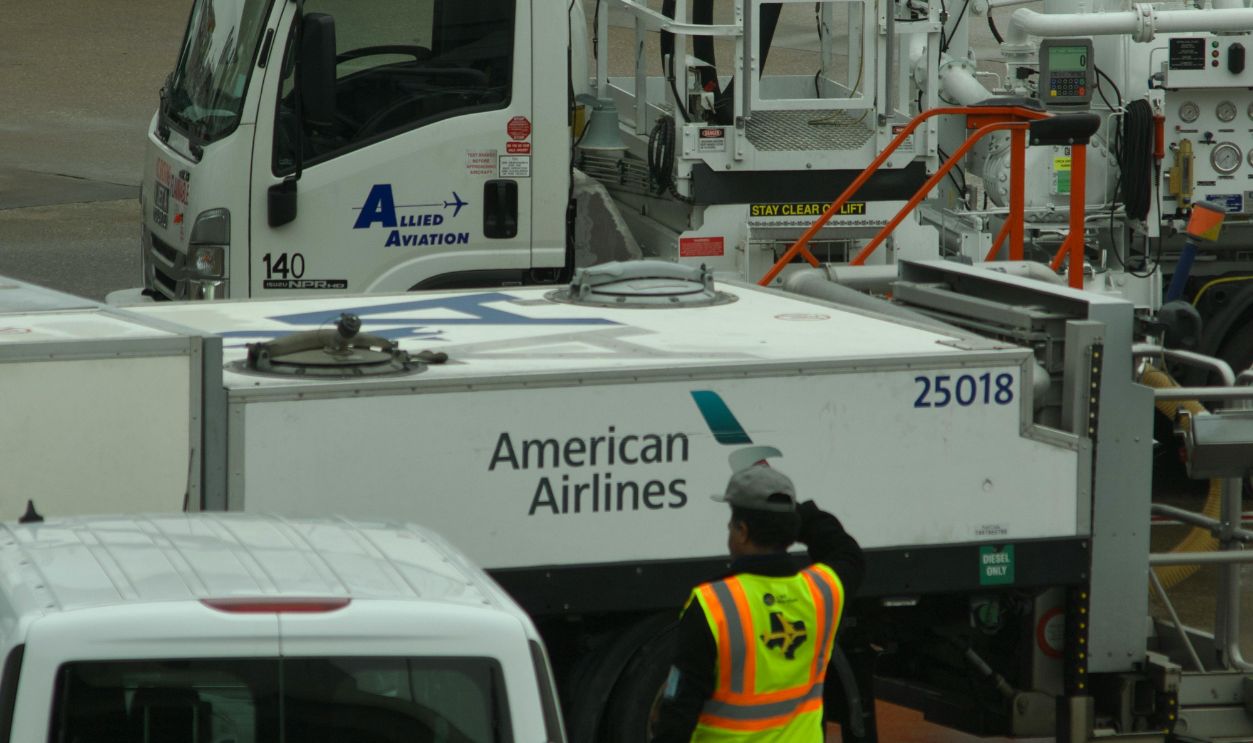
Occasionally aircraft are ready to fly but can’t depart due to missing paperwork or compliance documentation. These administrative delays are some of the most frustrating of all for passengers because no visible problem exists. Airlines run these processes but still treat them as routine operational delays rather than passenger rights issues.
Aircraft Swaps
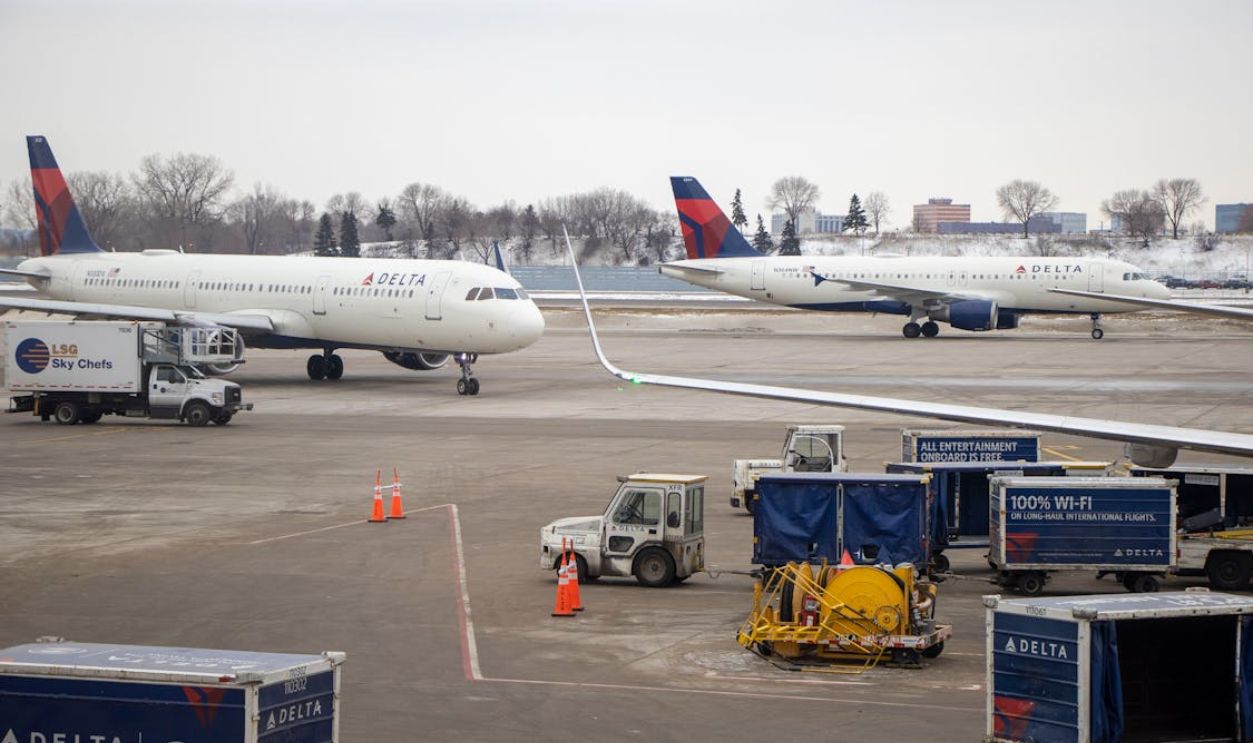
Last minute aircraft swaps are another curveball that can delay flights when replacement planes arrive late or require reconfiguration. Passengers on the affected plane absorb the disruption with little recourse or compensation.
Fueling Delays
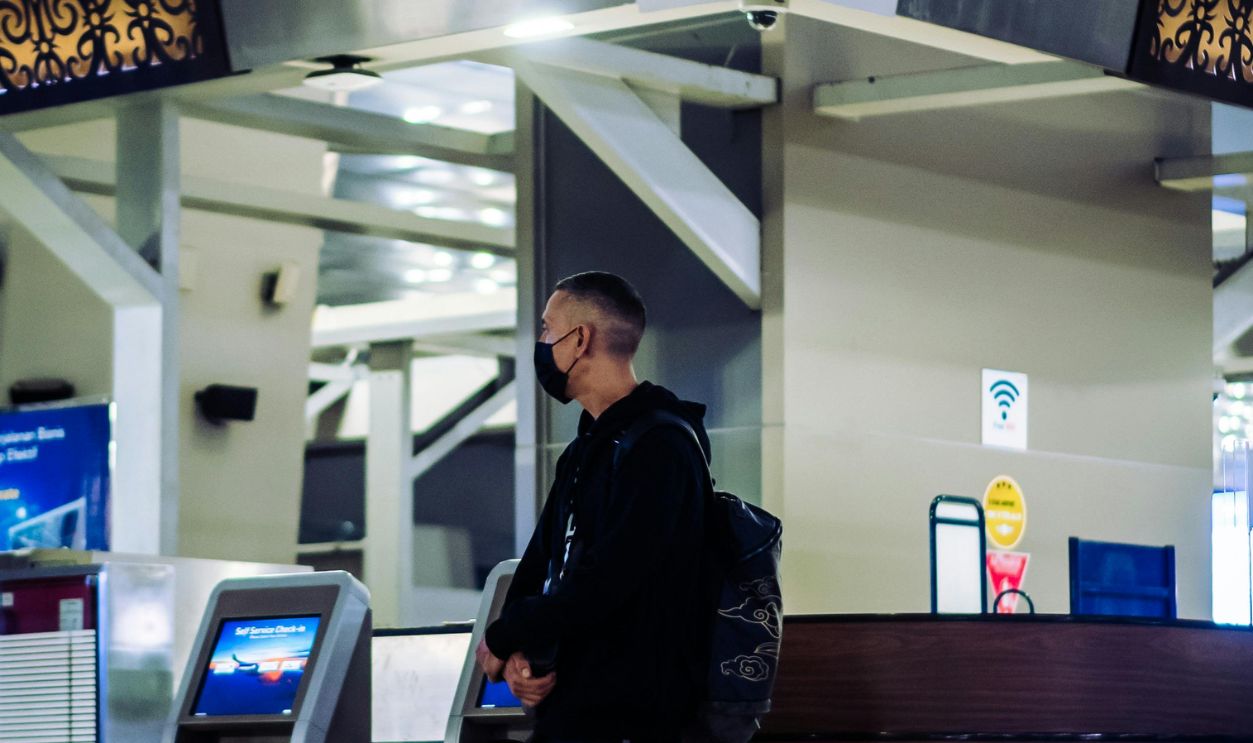
Fuel shortages or refueling delays sometimes ground planes, particularly at congested airports. These delays can come from supplier issues or airline miscoordination. Despite being logistical failures, they tend not to trigger compensation unless regulatory thresholds for extended delays have been breached.
Security Related Delays
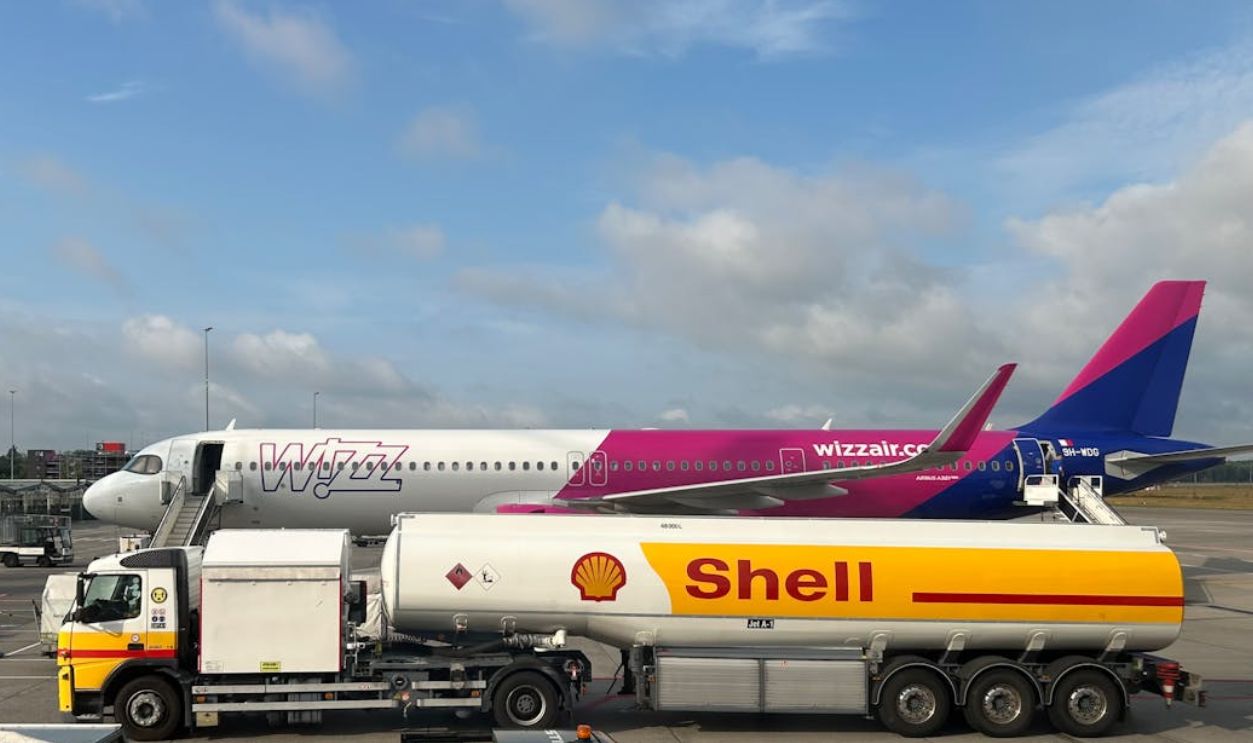
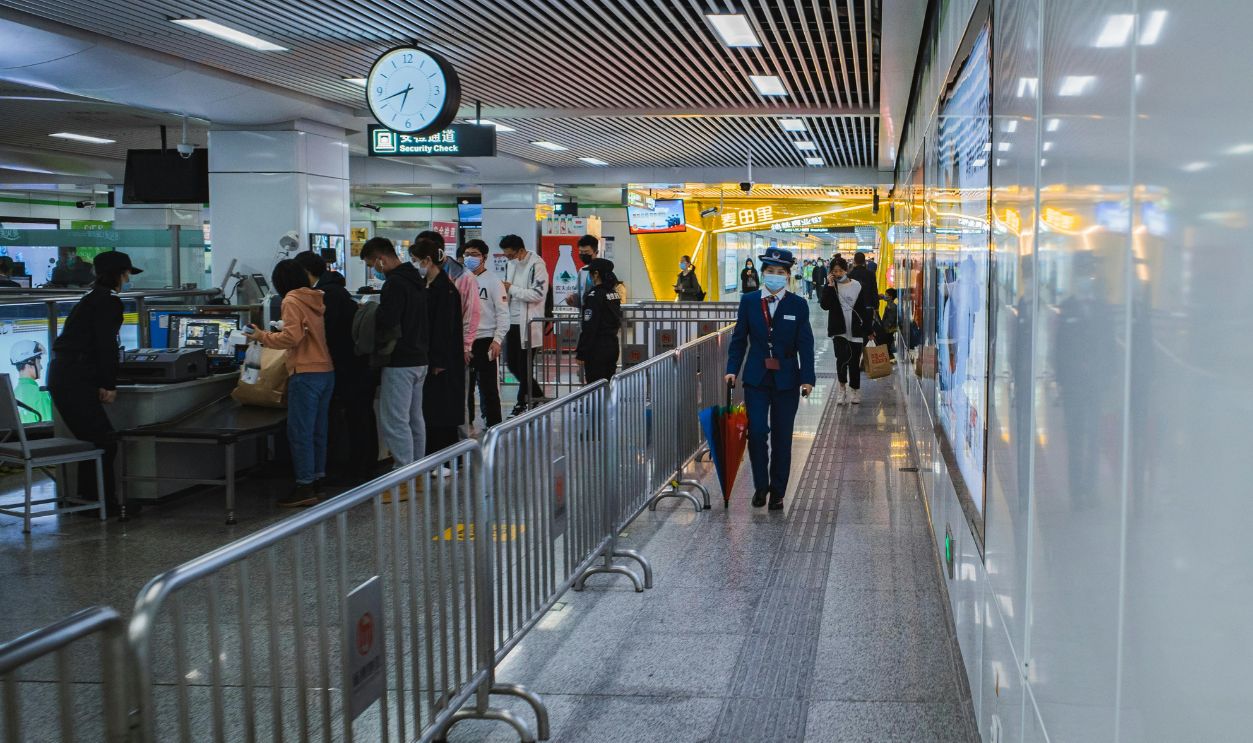
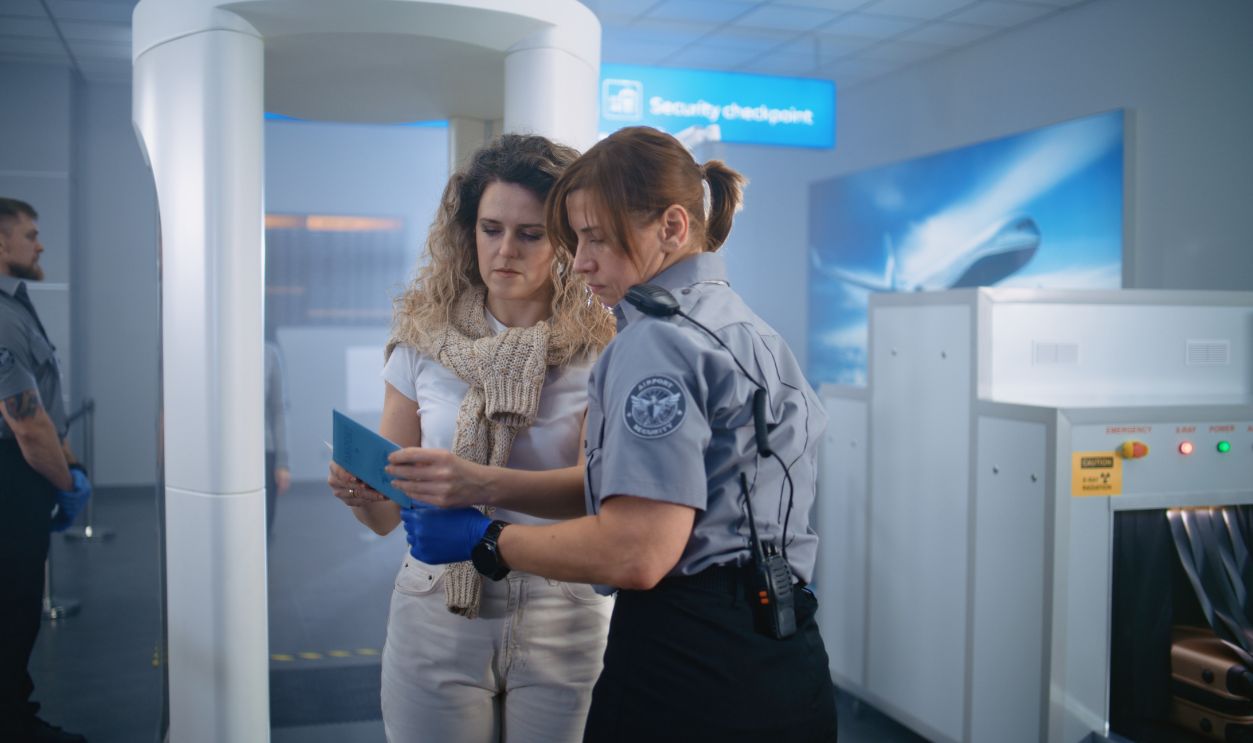
Heightened security screenings or onboard issues can delay departures for hours. While safety protocols are essential, airlines often deny any responsibility or any delays resulting from this. Travelers usually receive no compensation, even if the delay causes missed connections or entirely canceled their downstream travel plans.
Late Boarding Procedures
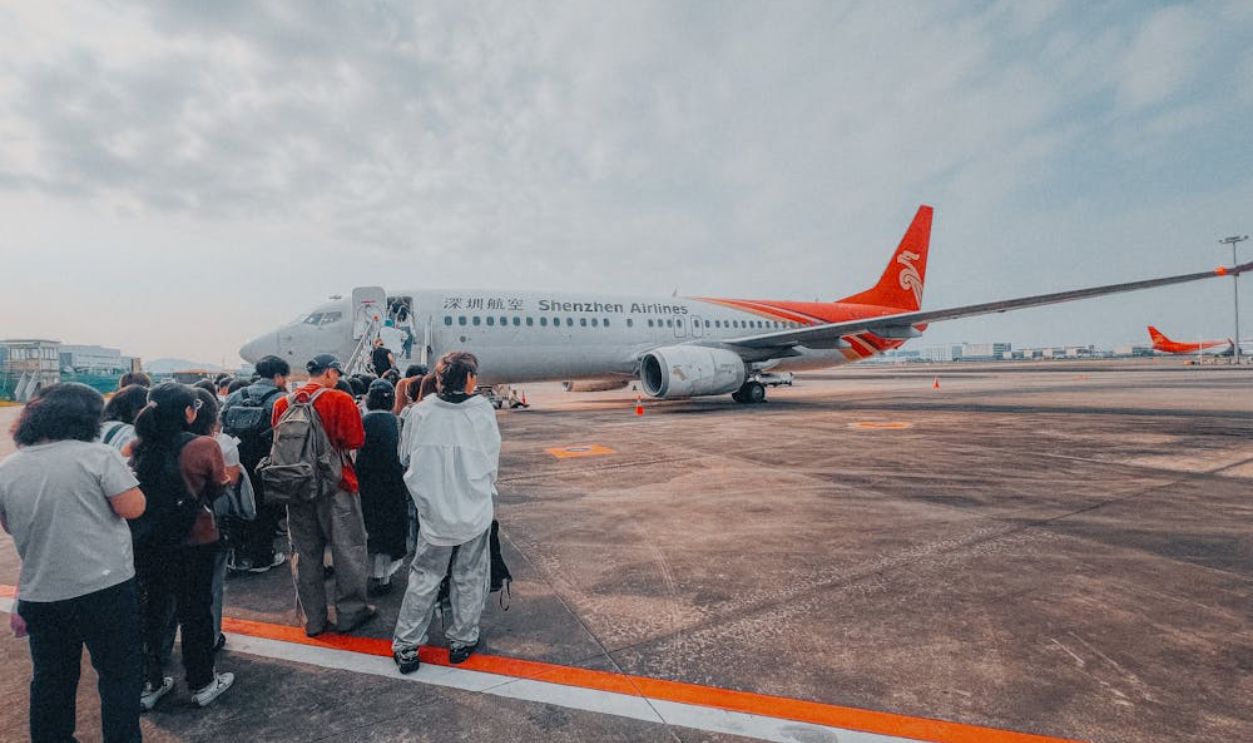
Slow boarding because of gate mismanagement, staffing issues, or passenger problems can snowball into missed departure windows. Airlines frequently blame passengers, but boarding flow is fully under airline control. These delays may not seem like a big deal but can ruin tight connections and this can cascade through entire itineraries.
Overbooking Fallout
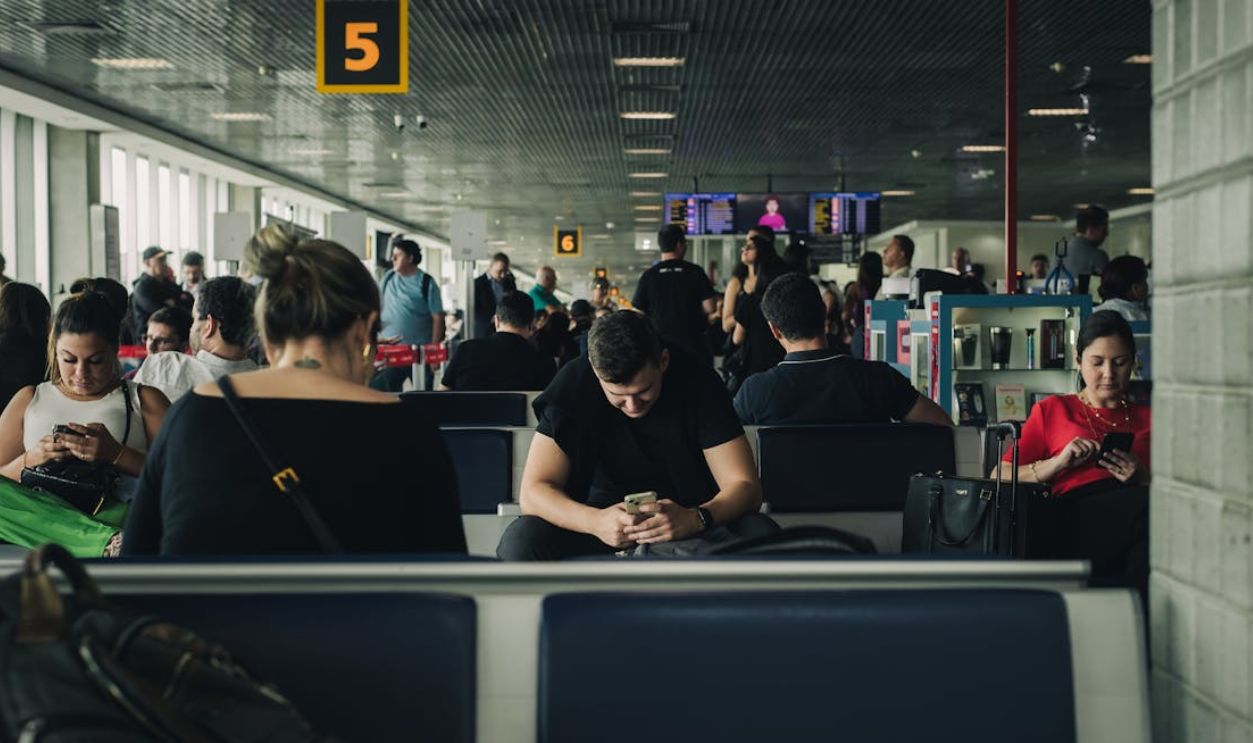
Overbooked flights sometimes leave late while airlines negotiate with bumped passengers. Although overbooking is intentional, airlines still classify the resulting delays as standard. Compensation usually applies only to passengers who were specifically denied boarding, but not those who were delayed while this tedious process drags on.
De-Icing Delays
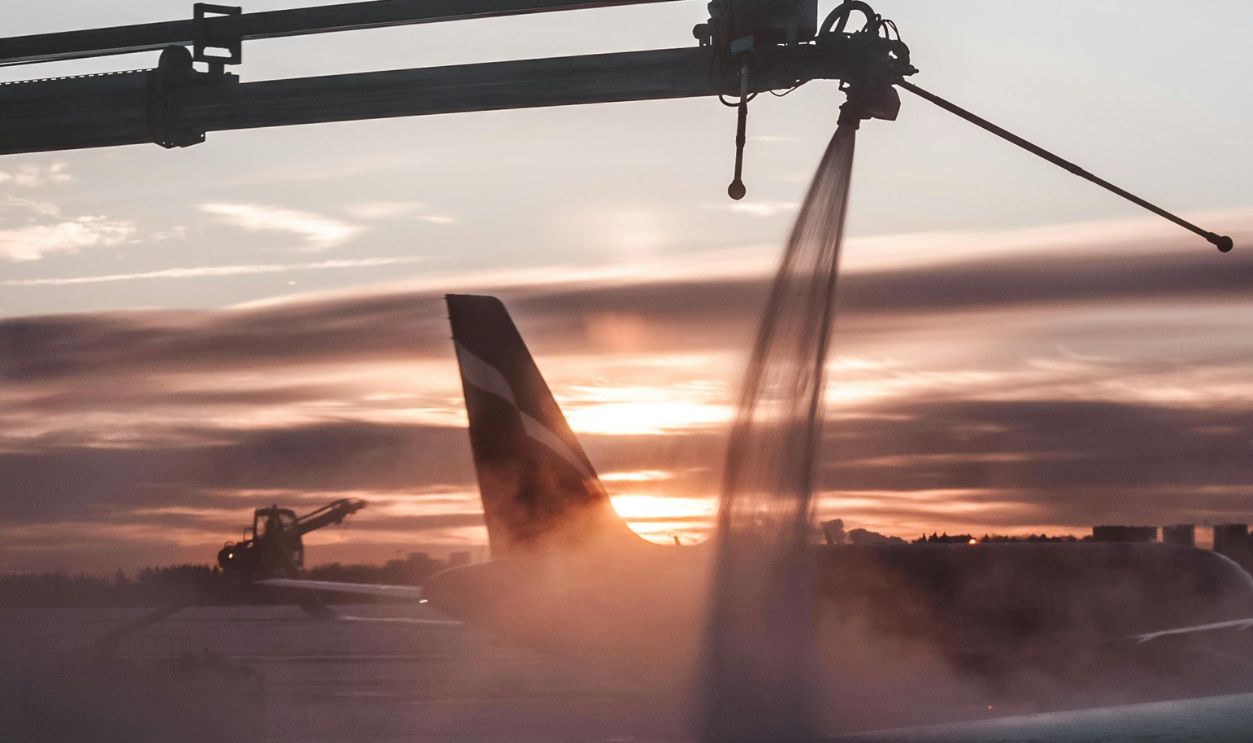
In winter conditions, de-icing can delay flights by a lot. While weather inevitably plays a role sooner or later, airlines often underestimate de-icing demand. Passengers typically receive no compensation even when poor planning, not snowfall, causes hours long ground delays.
Missed Connection Delays
Initial delays frequently cause missed connections, even when outbound flights eventually operate. Airlines may rebook passengers, but rarely cover additional hotel costs unless the disruption qualifies under carrier policy. Lost vacation days are treated as unavoidable collateral damage.

Maintenance Crew Shortages
Airlines increasingly operate with lean maintenance staffing. When technicians are unavailable, planes sit idle. These internal resource decisions affect passengers directly, yet compensation remains uncommon unless regulations mandate meals or hotel accommodations.
Late Paperwork Clearances
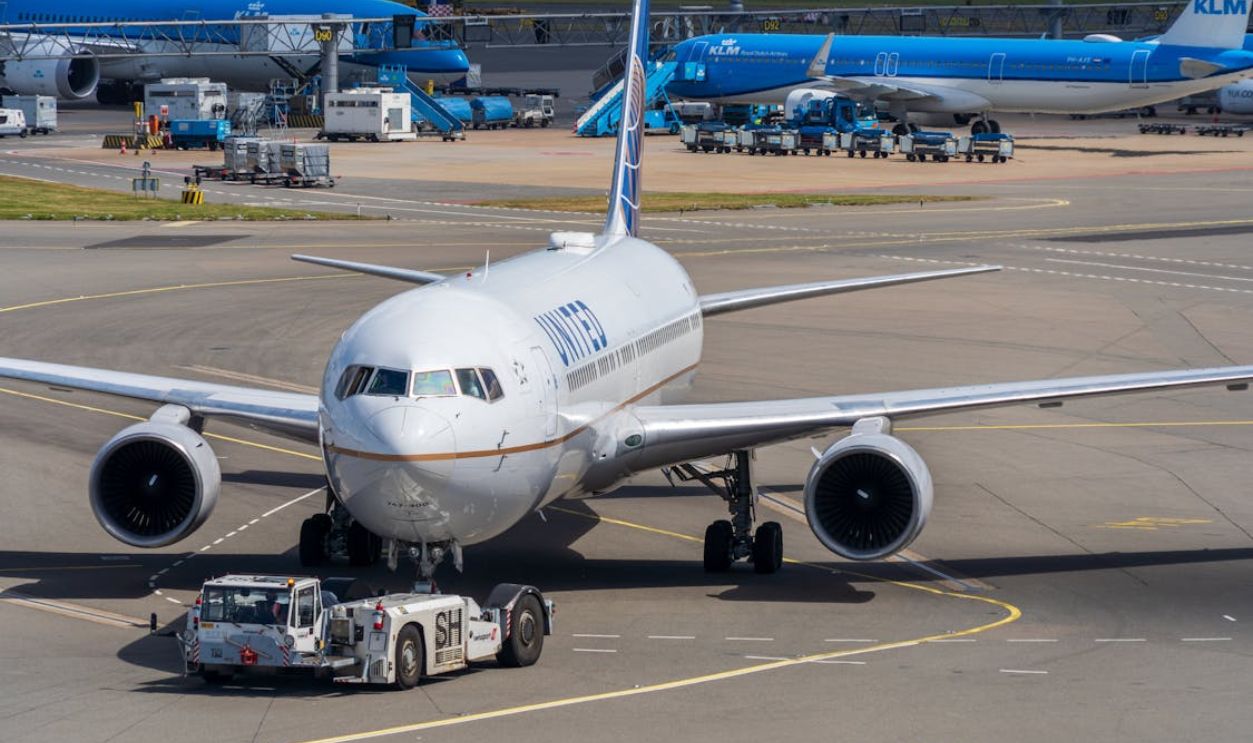
International flights can be delayed by customs or regulatory clearance problems tied to the aircraft or crew. Airlines are in the habit of labelling these as external issues, so passengers rarely receive compensation, despite airlines being responsible for regulatory compliance and documentation.
 Frame Stock Footage, Shutterstock
Delays Become Cancellations
Many delays quietly turn into cancellations after hours of waiting. Airlines minimize their cancellation statistics by stretching delays. Once the flight really is canceled, obligations may increase, but the damage to vacation plans is already done in terms of scheduling, leaving travelers scrambling around for alternatives.
How Can Travelers Protect Themselves?
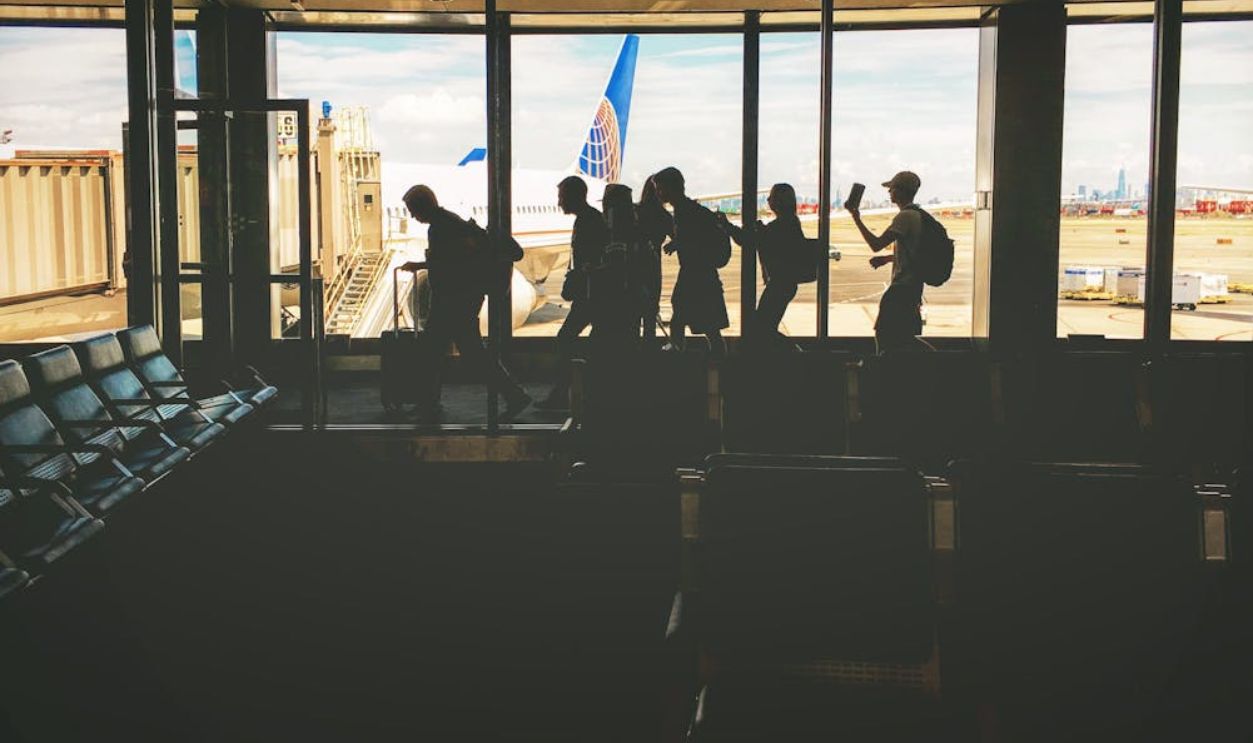
Now that you know the many ways flight delays occur, travelers aren’t powerless. While airlines often limit responsibility, smart planning and informed decisions can minimize exposure to disruption. The following strategies are practical steps you can take to protect your time, money, and travel plans when delays and cancellations inevitably strike.
Book For Earlier In The Day
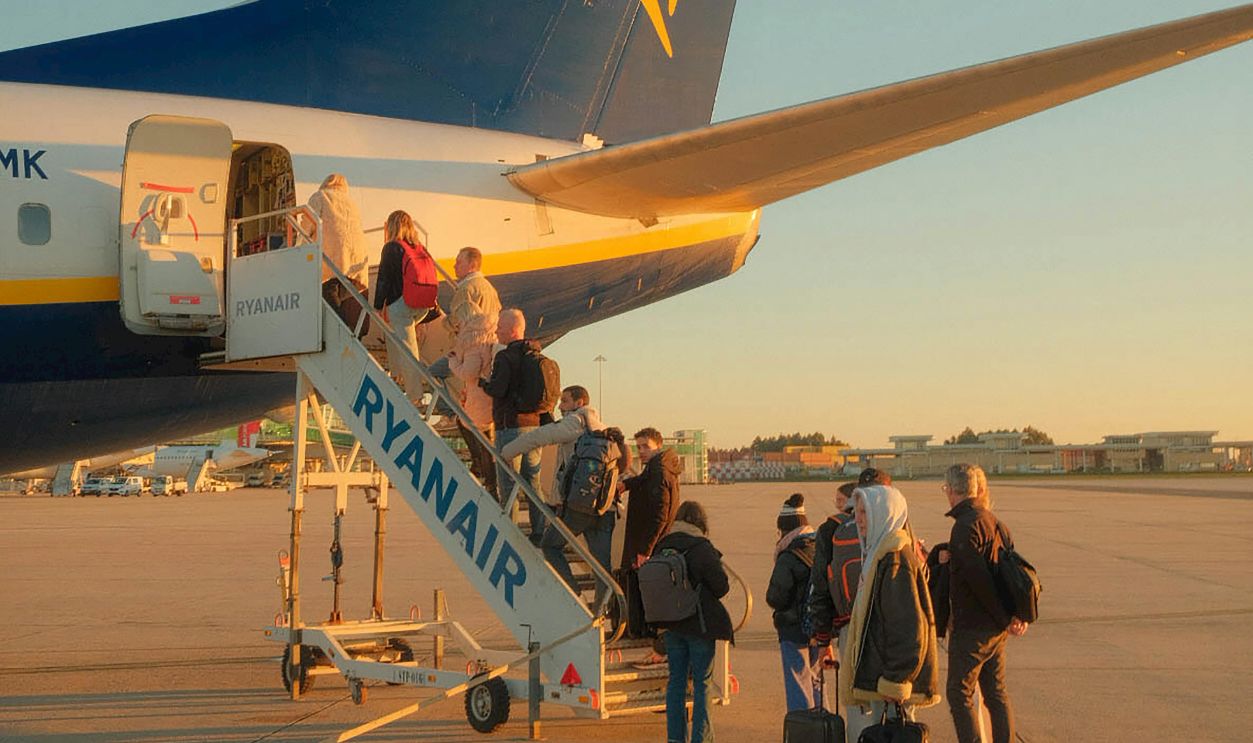
Early morning flights have bee proven statistically to be less likely to experience delays because aircraft, crews, and schedules are starting out fresh. As the day goes on, small disruptions accumulate on each other. Travelers who book the first departure of the day reduce their exposure to cascading delays that build across airline networks as planes and crews move from city to city.

Choose Airports With Frequent Alternate Flights
Passengers traveling through major hub airports benefit from more rebooking options when delays happen. Airlines can reroute travelers faster when lots of other daily departures exist. Smaller airports may give fewer alternatives, increasing the chance of overnight delays. Booking routes with dense flight schedules gives you a better chance of recovery when disruptions occur.
Avoid Tight Connections
Short connection windows don’t leave you much margin for error when delays occur. Passengers who schedule longer layovers have a better chance of making onward flights. While longer waits are inconvenient, they do give you a buffer of protection against missed connections that can strand travelers for days on end, especially when flying internationally or during peak travel seasons.

Use Credit Cards With Travel Protections
There are many premium credit cards out there that offer delay and cancellation insurance that reimburses meals, hotels, and transportation when airlines don’t. Travelers who book flights with cards offering travel protections get a financial safety net. These benefits often activate after modest delay thresholds and can make a big difference in offsetting disruption costs.

Track Flight Status And Aircraft Assignments
Smart travelers monitor inbound aircraft and crew assignments using flight tracking apps. Seeing delays before they’re officially announced gives passengers the leeway to rebook proactively. Acting early can often beat airline systems overwhelmed by mass disruptions and gives you more control during a dynamic unfolding delay situations.
Know Your Rights Before You Fly
Knowing airline policies and passenger rights before departure empowers travelers to advocate effectively in their own interests during unreasonable disruptions. Rules differ from one country and carrier to another. Travelers who understand refund eligibility, rebooking obligations, and duty of care requirements are better positioned to request assistance and document issues when airlines initially deny responsibility.

“Standard” Doesn’t Mean Harmless
Airlines may look on these delays as normal, but the financial and emotional cost for travelers is enormous. While regulations limit passenger rights, understanding each delay type empowers travelers to document issues, request assistance, and better protect future trips.
You May Also Like:
If You Want A Relaxing Vacation This Winter, Avoid These Overcrowded Tourist Hotspots