
The Delay That Ruined Your Cruise
You booked a flight to connect with a cruise departure, only for takeoff to be delayed by over seven hours. That missed connection cost you your cabin, activities, and embarkation day memories. The airline insists that it’s not responsible for what happened because the ticket contract exempts cruise disruptions. Now you’re left frustrated and out a large sum of money, seeking options to recoup your losses.

Understand The Airline’s Legal Position
Airlines typically argue that they’re not liable for missed cruise departures unless you bought a joint itinerary. They adhere to contract of carriage language; these terms are designed to limit responsibility. This likely feels unfair, but knowing the carrier’s legal stance helps you focus your efforts on more constructive avenues that actually might yield compensation or goodwill gestures.
Review Your Original Booking Proof
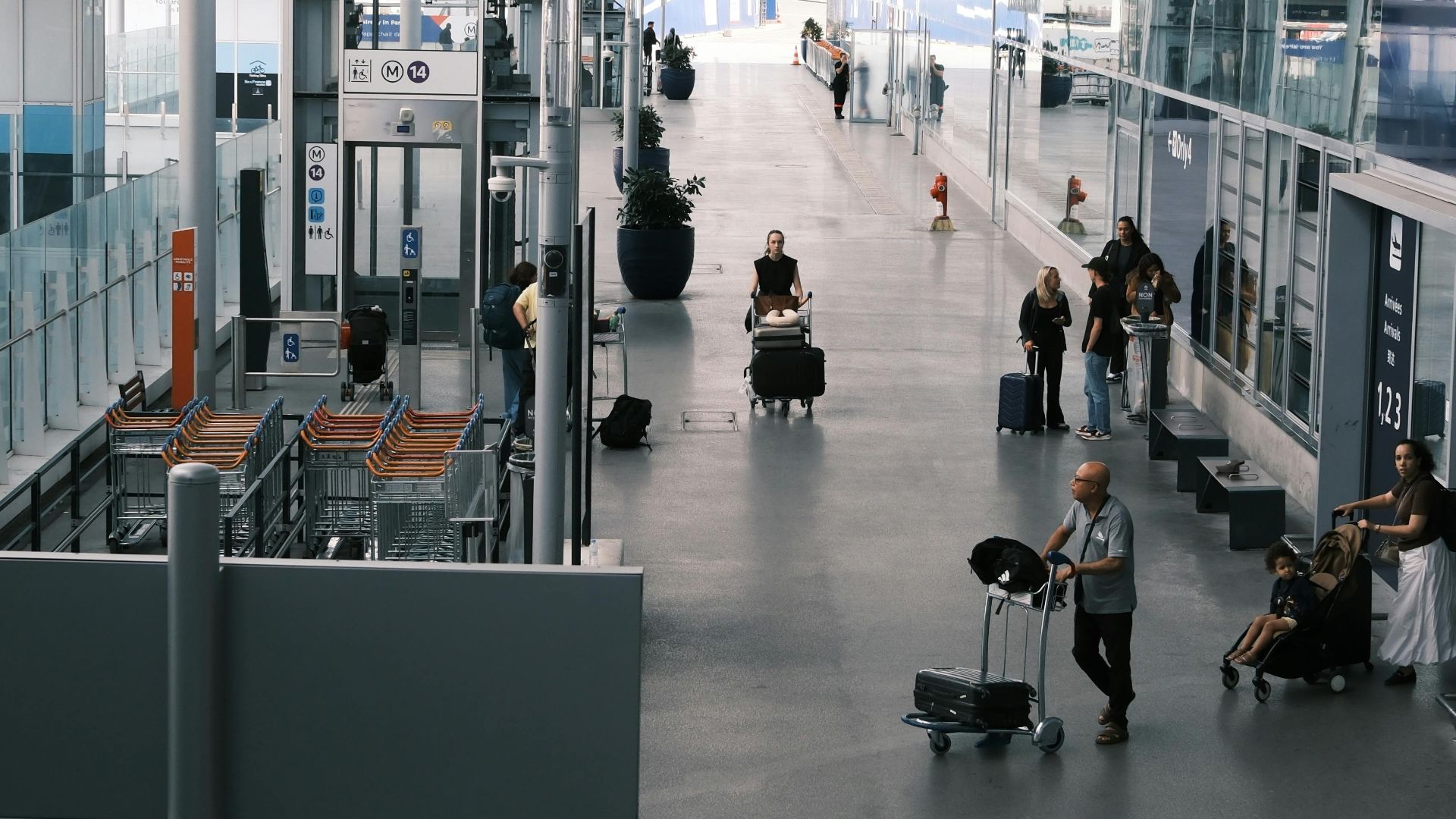
Dig out confirmations, boarding passes, cruise tickets, and receipts. Documentation of your itinerary, delays, and the cruise departure time backs up any reimbursement claim you make. Precise timestamps, flight numbers, and even photos of the departure board support your narrative. Good records also make potential insurance claims go a lot smoother and .

Check Your Airline’s Delay Policies
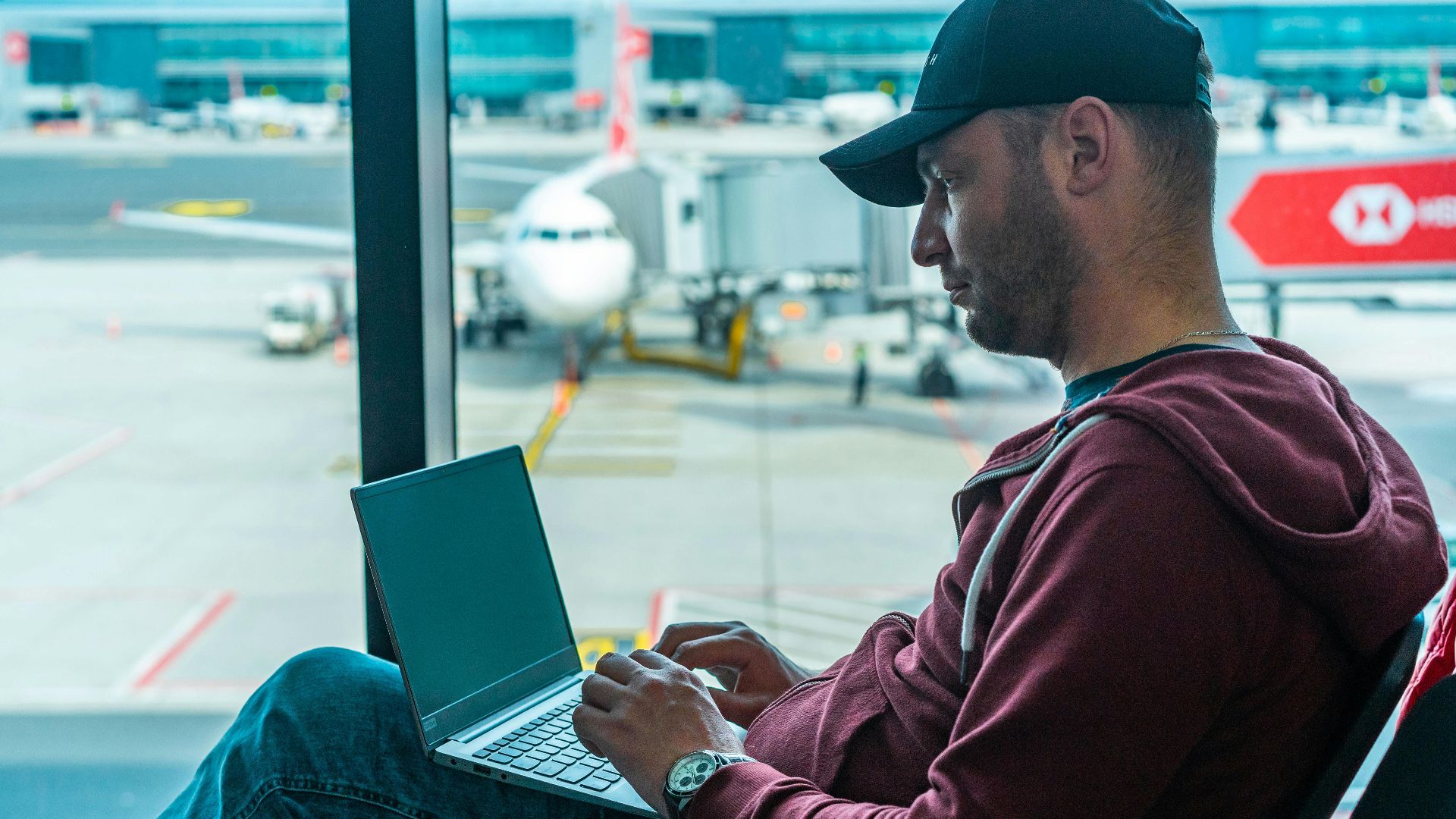
Even if the airline denies any responsibility for the cruise, it still has its own delay policies. Most airlines will rebook you free of charge for a delay over three hours, which means you may be able to catch your cruise at its next docking point. Some carriers offer meal vouchers, hotel stays, or travel credits for significant delays under certain specific conditions. Review your ticket terms online or ask customer relations for a written copy of their delay and disruption policy language.
See Whether You Bought A Protected Itinerary
If you purchased your flight through a travel agent or cruise package deal that included air and sea components, you may have purchased a protected itinerary. This often guarantees arrival before departure times. If so, your travel provider may have liability for rescheduling or compensation.

Check What Your Cruise Contract Says
Cruise lines also have contracts of passage. A lot of these will also state they are not responsible for guest delays. However, some offer protection plans that allow re-boarding at the next port or re-booking your cruise if delays occur early. Read your cruise terms closely to see if any of these protections apply.

Contact The Cruise Line Immediately
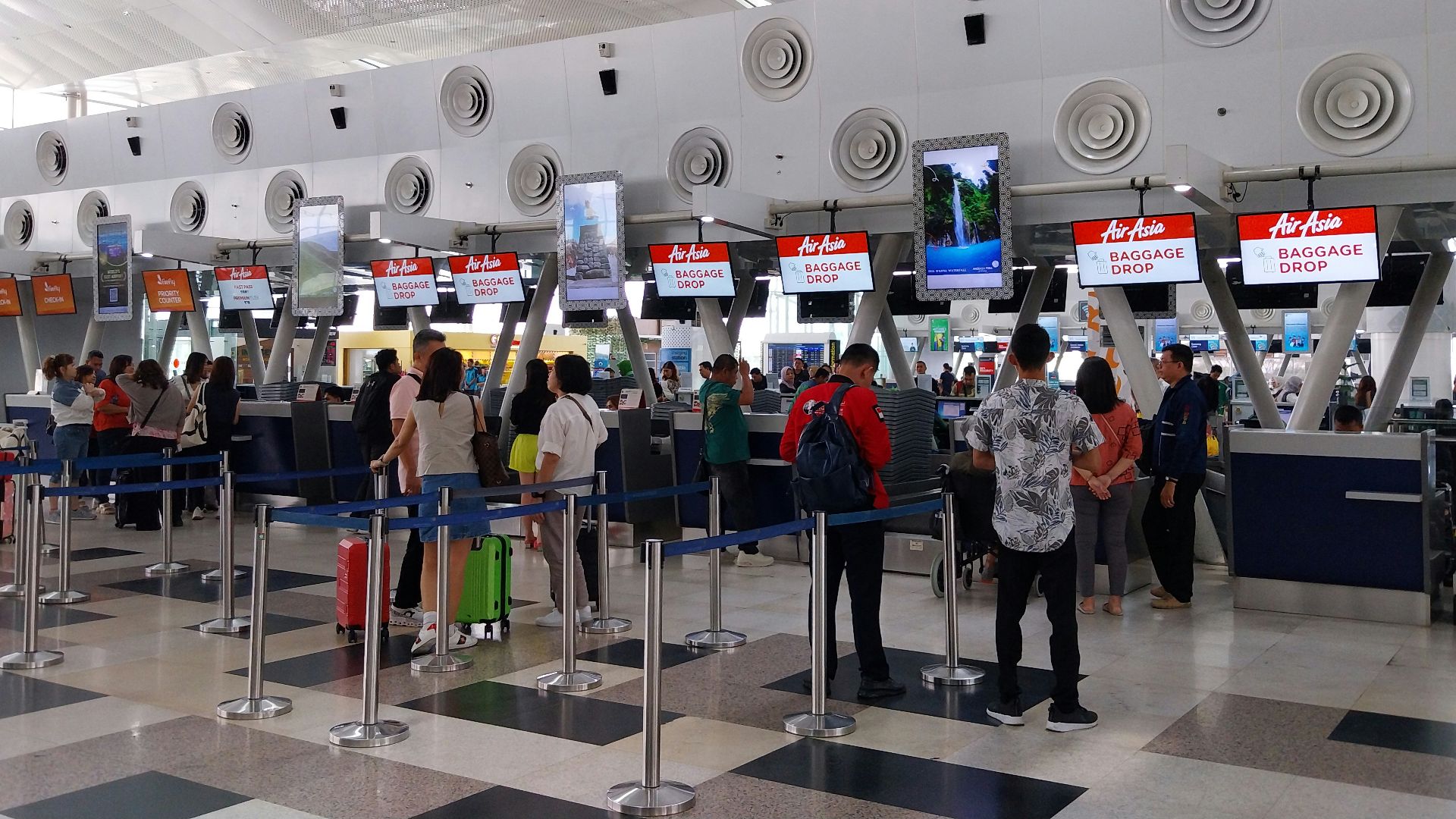
As soon as you realize you’ll miss departure, contact the cruise line’s customer service and shore operations teams. Some offer policies allowing re-boarding at the first port of call if you get there within a certain window. If you can rebook a flight with the same airline, this can save you a significant sum of money compared to writing off the entire trip and heading home.
 Karolina Grabowska www.kaboompics.com, Pexels
Ask For Written Delay Confirmation From The Airline
Request a delay confirmation letter from the airline. This document states the reason for the delay, its duration, and flight details. Travel insurance companies and cruise providers often require formal documentation instead of verbal explanations, which makes this a key piece of evidence.
Use Travel Insurance For Coverage
If you bought travel insurance that includes missed connection coverage, now is the time when you need to file. Many plans reimburse nonrefundable trip costs when a covered delay causes a missed departure. Make sure you submit delay confirmations, receipts, and proof of missed cruise costs when initiating your claim.

Understand What Travel Insurance Covers
Missed cruise coverage typically reimburses prepaid, nonrefundable costs when you miss a departure due to delays that were beyond your control. Policies vary, so review yours closely. Some cover hotel and meals during delays, while others reimburse only the lost cruise fare. The sooner you file the better your chances of being reimbursed.

Use Credit Card Travel Protection
Many credit cards offer travel protections if you purchased your airline ticket with that credit card. This can include missed connection benefits, covering expenses when delays cause you to miss connections. Check your card’s guide to benefits and file a claim with all required documentation.

File A Claim With The Airline Anyway
Even if the airline denies responsibility, it’s still worth submitting a claim through its customer relations channel. Include all your backup records, receipts, and a politely-worded explanation of the costs incurred. Some airlines offer goodwill gestures, travel credits, or miles even when the contract terms favor them.

Ask For Compensation Under EU Or Other Regulations
If your flight fell under EU Regulation 261 or similar national laws, you could be entitled to compensation just for the delay itself. This is entirely separate from any issues arising from the missed cruise. Even if the airline denies cruise liability, regulatory delay compensation can still apply.
Keep All Communication Professional And Polite
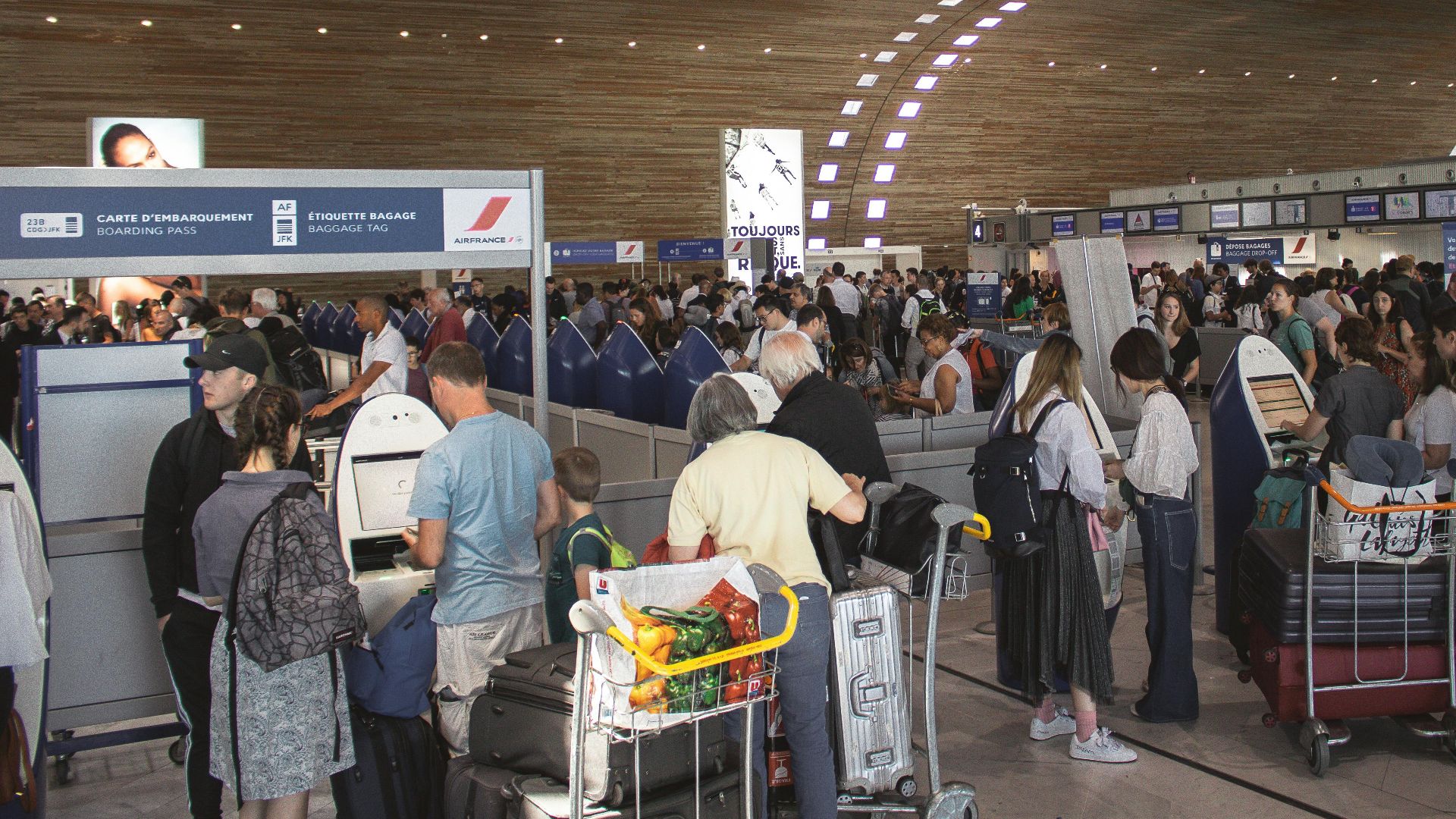
When writing or calling airlines, cruise lines, or insurers, always stay calm and factual. Attach documentation, timelines, and receipts. Emotional pleas and long-winded diatribes rarely succeed. A clear, respectful case gives you more credibility than the average passenger and improves the chances of escalation or approval.

Leverage Social Media To Get Attention
Public social media posts tagging the airline or cruise line can prompt faster responses from customer support teams. Be concise and factual, avoid finger-pointing, accusations, and exaggeration. Companies often respond more quickly in public channels to protect brand perception and put visible complaints to rest.

Use Small Claims Court If Necessary
If the airline or provider denies you compensation and you have documented evidence that their actions caused financial loss, small claims court may be another way to go. This is most practical for modest amounts of money when other avenues fall through. Review the local procedures before filing.

Look Into State Or National Consumer Protection
Some jurisdictions offer consumer protection agencies that accept travel complaints. While they may not guarantee refunds, filings can trigger reviews and give you some additional leverage. These agencies also help document patterns of airline behavior affecting travelers.

Understand Partial Refund Possibilities
Airlines sometimes refund unused portions of tickets or ancillary fees like seat upgrades. Review fare rules and ask for refunds for services you didn’t receive. Even partial refunds can offset some of the losses from missing your cruise.

Learn From The Experience For Next Time
Use the experience of this fiasco to adjust future travel plans. When cruises are involved, build in longer buffers, book protected itineraries, and purchase travel insurance with coverage for missed connections. Better planning greatly reduces the risk of repeat scenarios.

Bottom Line
Missing a cruise because of a flight delay is incredibly frustrating, but multiple options may help recoup losses. Travel insurance, credit card protections, regulatory compensation, and negotiation all play a role in salvaging something from the remnants of your broken plans. Strong documentation and persistence are the two key elements that give you the best chance of getting at least some relief.

You May Also Like:
If You Want A Relaxing Vacation This Winter, Avoid These Overcrowded Tourist Hotspots