
A Broken Seat Can Turn A Long Flight Into A Grind
If your airline seat was broken for a 10-hour flight, getting only 5,000 points can feel pretty thin. A broken seat affects comfort, sleep, personal space, and sometimes even basic seat functions like recline or controls. On a long flight, that is a real problem. Is 5,000 points enough?

Not Every Broken Seat Problem Is The Same
Airlines usually look at the details before deciding what to offer. A seat that will not recline in economy is not the same as a business-class lie-flat seat that will not work at all. Problems with tray tables, seatback screens, power outlets, and armrests may matter too, but airlines often treat those as separate issues. The more the problem affected the main thing you paid for, the stronger your case tends to be.

Five Thousand Points May Not Be Worth Much
Points can sound generous until you turn them into dollars. Depending on the airline and how you use them, 5,000 points may be worth around $50 to $75, sometimes a bit more and sometimes less. That is based on common travel-site estimates, not any fixed legal rule. So if you spent 10 hours in a broken seat, a lot of travelers would see that as a small gesture, not real compensation.

Your Cabin Matters A Lot
If this happened in basic economy or standard economy, airlines often offer less because the fare is lower and the seat itself is simpler. In premium economy, business, or first class, the seat is a much bigger part of what you paid for. A broken seat in a premium cabin can mean you did not get a key part of the product, especially on an overnight flight. In that kind of case, 5,000 points may look especially weak.

There Usually Is Not An Automatic U.S. Cash Rule
In the United States, there usually is no federal rule that says an airline has to pay cash just because a seat was broken. The U.S. Department of Transportation has rules in some areas, like refunds for certain paid services that were not provided, but seat comfort problems usually do not fall under a simple set payment. That means compensation often comes down to airline policy and customer service judgment. In real life, goodwill miles, vouchers, and partial refunds are more common than automatic payouts.

Europe May Give You More Leverage, But Not A Sure Payout
If your trip involved the European Union or a European airline, you might wonder if EU261 helps. It is a strong rule, but it mostly covers delays, cancellations, denied boarding, and some downgrades, not broken seats by themselves. If the seat issue led to an involuntary downgrade, reimbursement rules may apply. But a broken seat alone usually stays in the regular complaint category, not the automatic compensation category.
 Frame Stock Footage, Shutterstock
Downgrades Are A Bigger Deal
If you paid for business class and got moved to economy or premium economy because your seat could not be used, that is a much stronger claim. In Europe, passengers can be owed part of the ticket price back for involuntary downgrades under passenger-rights rules. Outside Europe, airline contracts of carriage may also cover downgrades, though the exact fix varies. In that situation, taking 5,000 points without asking for more could mean settling for too little.
 Frame Stock Footage, Shutterstock
The Contract Of Carriage Matters
Every airline has a contract of carriage or conditions of transport that explains what it promises and what it does not. These documents often give airlines a lot of room when equipment breaks, but they may also explain what happens if a paid service cannot be provided. They are not fun to read, but they can matter if you want to push your complaint further. If your seat problem involved a premium feature that was clearly part of the fare, the wording may help your case.
First Offers Are Often Based On Internal Rules
Airlines often use internal ranges for service problems, even if they do not publish them. A frontline agent may offer a standard number of miles, while a supervisor may be able to approve more. So the first offer is not always the final one. A 5,000-point offer may just be the starting point.
The Program Changes What Those Points Mean
Not all airline points have the same value. Five thousand points in one program may go a decent way toward a short flight, while in another program they may barely help. Since many airlines use dynamic pricing, the value of the same 5,000 points can vary a lot. Before you accept, it helps to think about what those points would really get you.
Compare The Offer To What You Paid
A simple way to judge the offer is to compare it with your fare. If the points are worth about $60 and your ticket cost $300, that is about 20 percent of the trip cost, which might seem fair for a moderate problem in economy. But if your fare was $2,000 in premium economy or business class, that same offer looks tiny. The more expensive and longer the flight, the less impressive 5,000 points usually looks.
 ANTONI SHKRABA production, Pexels
Proof Helps A Lot
If this happens, try to gather evidence while you are still on the plane. Take photos or a short video of the broken recline, bad controls, or damaged seat parts, and note the flight number, date, and seat number. If a flight attendant looked at the issue, politely ask if they can note it in the cabin report. That kind of proof makes it much easier to support your complaint later.
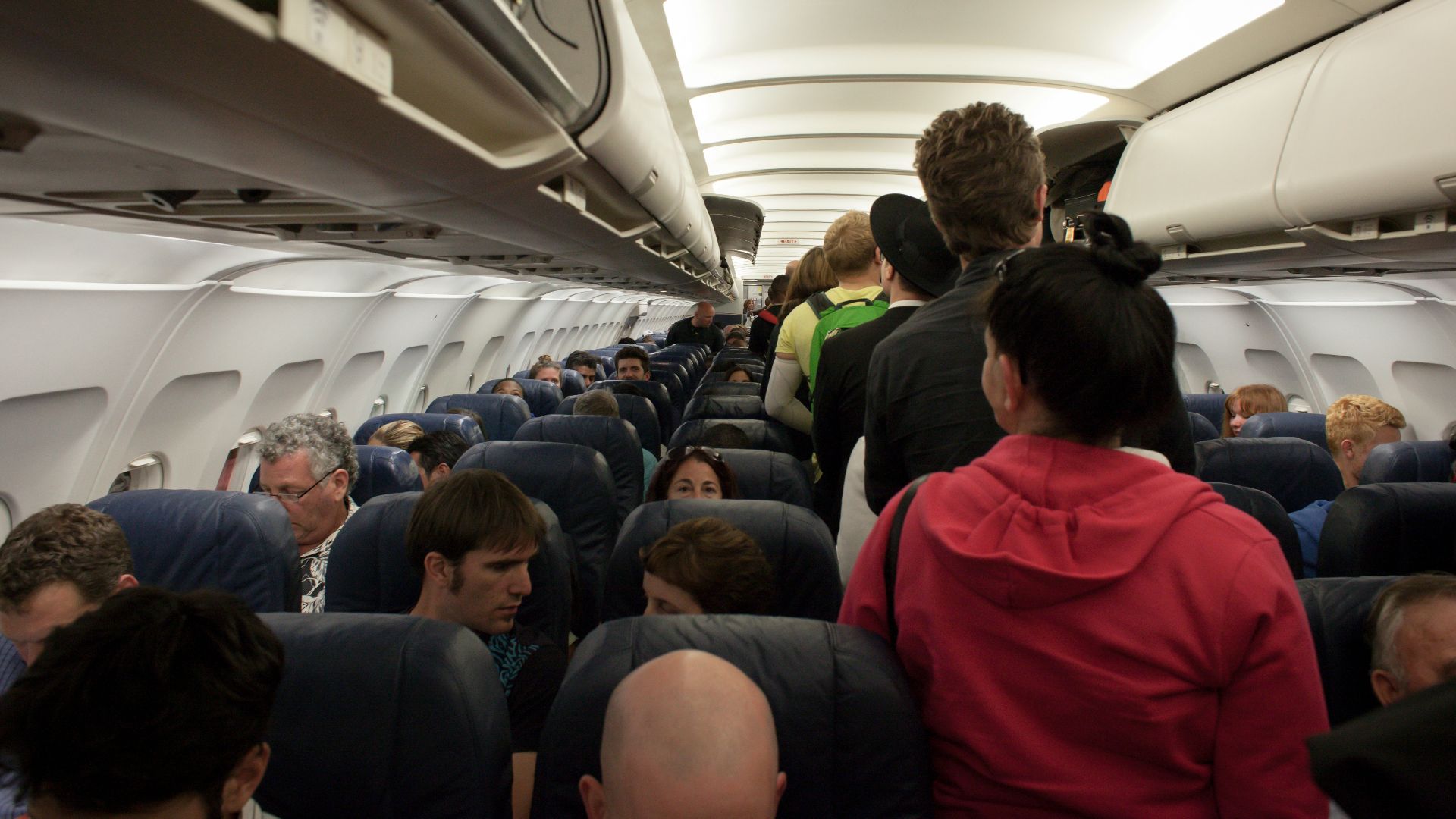
Tell The Crew During The Flight
Airlines are usually more responsive when the problem is reported right away. The crew may be able to move you, confirm the issue, or at least log it officially. If the flight is full and they cannot fix anything, the report still helps show that you gave the airline a chance to deal with it. A complaint made days later with no proof is easier for the airline to brush off.
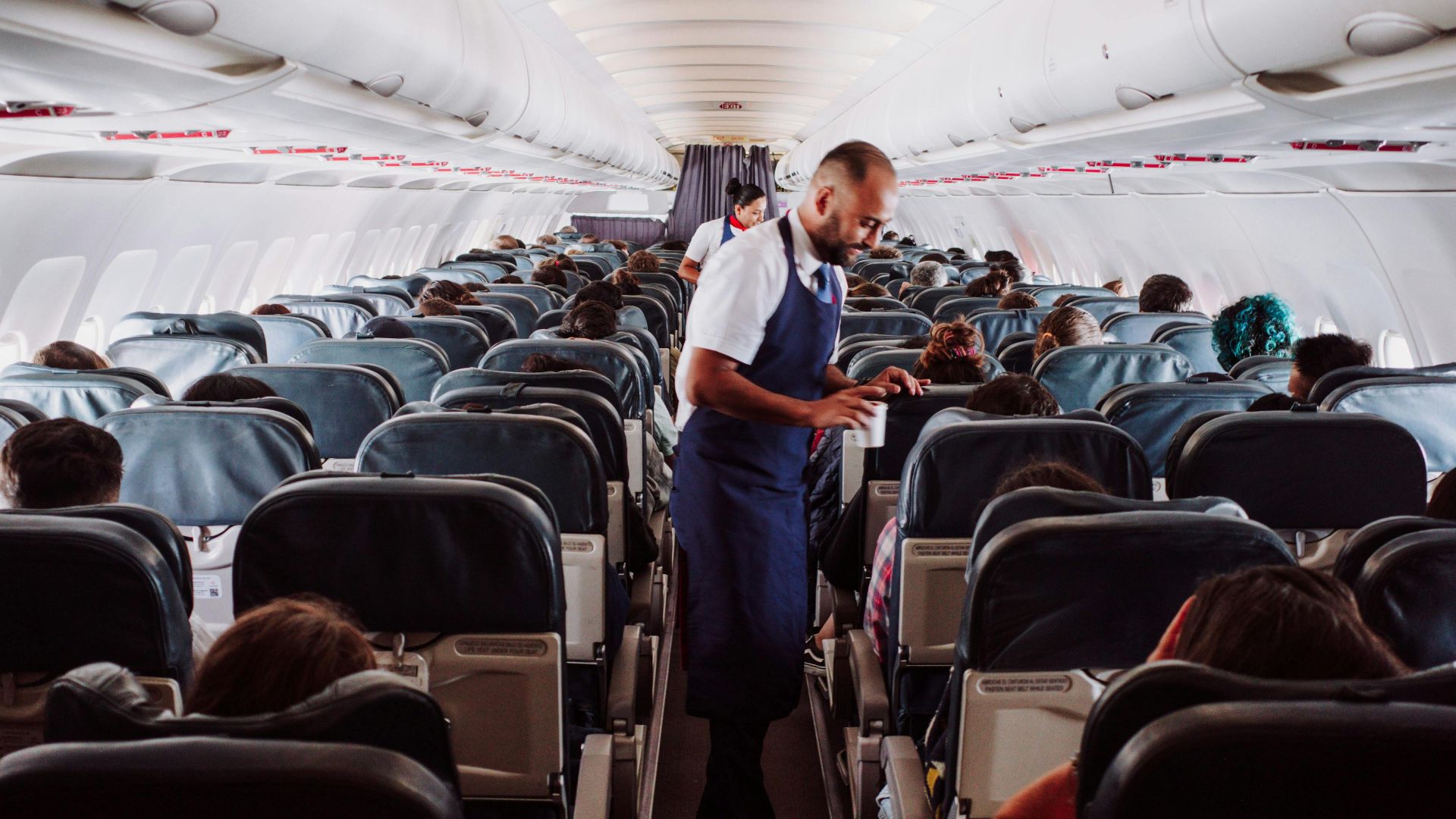
What A Better Offer Might Look Like
There is no universal chart, but many travelers would expect more than 5,000 points for a major seat problem on a 10-hour flight. Depending on the facts, a better outcome could be more points, a travel voucher, a partial refund, or reimbursement tied to a downgrade. In premium cabins, some passengers ask for a meaningful fare adjustment when the seat was the main reason they paid more. The real question is the value you lost, not just how annoyed you were.

Business-Class Seat Problems Are Different
When a lie-flat seat will not recline, will not stay upright, or has broken controls, the problem can be much bigger than simple discomfort. Airlines sell those seats as a main reason to pay far more than economy. If that product did not work for most of a long flight, a small mileage credit may not come close to matching the loss. In those cases, asking for a partial refund often makes more sense than taking a token number of points.

Economy Complaints Still Matter
Economy passengers may feel they have less leverage, but a broken seat is still a valid complaint. If your seat would not stay upright, had a broken cushion, had faulty seatbelt hardware, or made it hard to use your space for 10 hours, that is not a minor issue. Airlines may push back harder on larger payouts in economy, but that does not mean 5,000 points is automatically fair. A calm and specific complaint can still lead to a better result.

How To Push Back Effectively
The best complaint is calm, clear, and specific. Say what was broken, how long the problem lasted, whether the crew confirmed it, and how it affected your flight. Then explain why the 5,000-point offer does not match the problem. Asking for customer relations or a supervisor to review it is usually more useful than sending an angry message.
 CBP Photography, Wikimedia Commons
Ask For Something Specific
Instead of just saying the offer seems bad, say what you think would be fair. You might ask for more points, a travel credit, or a partial refund based on the seat feature that did not work. Specific requests are easier for airline staff to review than general frustration. If you were in a premium cabin, asking for compensation tied to the fare difference can be especially strong.

Credit Card Coverage Probably Will Not Help
Travel credit cards can help with delays, baggage issues, or cancellations, but they usually do not cover onboard discomfort like a broken seat. Unless the issue also caused some other covered problem, your card benefits probably will not pay for this. That means the airline is usually your main path to compensation. It is another reason to keep your complaint focused and well documented.

Regulators And Small Claims Are Usually Last Steps
If the airline refuses to do more and the loss was serious, some travelers think about filing with a regulator or going to small claims court. In the U.S., you can file a complaint with the Department of Transportation, though that does not guarantee money back. In Europe, national enforcement bodies may matter when passenger-rights rules apply. These steps usually make the most sense in bigger cases, like major premium-cabin failures, downgrades, or clear non-delivery of paid services.
 Michael Ball, Wikimedia Commons
So, Is Five Thousand Points Fair?
Sometimes yes, but often no. For a smaller economy-seat issue on a cheaper fare, 5,000 points could fall within the normal goodwill range, even if it still feels stingy. For a serious problem on a 10-hour flight, especially in premium economy, business, or first class, many travelers would expect more. In a lot of cases, 5,000 points looks more like a basic gesture than fair compensation.
 Monkey Business Images, Shutterstock
Treat The First Offer As Negotiable
If you already got 5,000 points, that does not always mean the matter is closed unless you clearly agreed to settle it. Reply with a short summary, include your proof, and explain why the offer does not fit the service problem. Airlines sometimes raise compensation when the complaint is clear and backed up. Staying polite and persistent usually works better than getting heated.