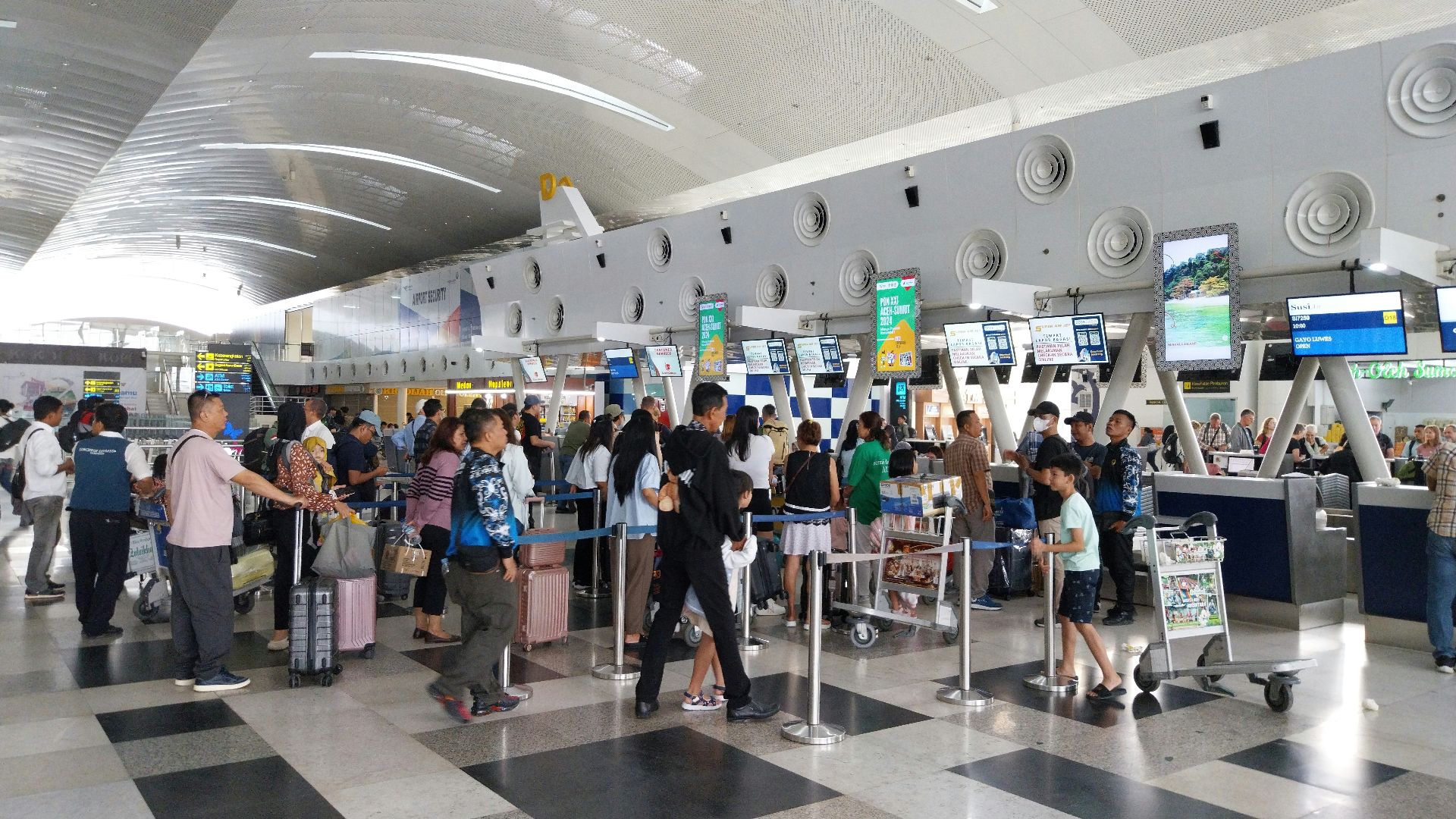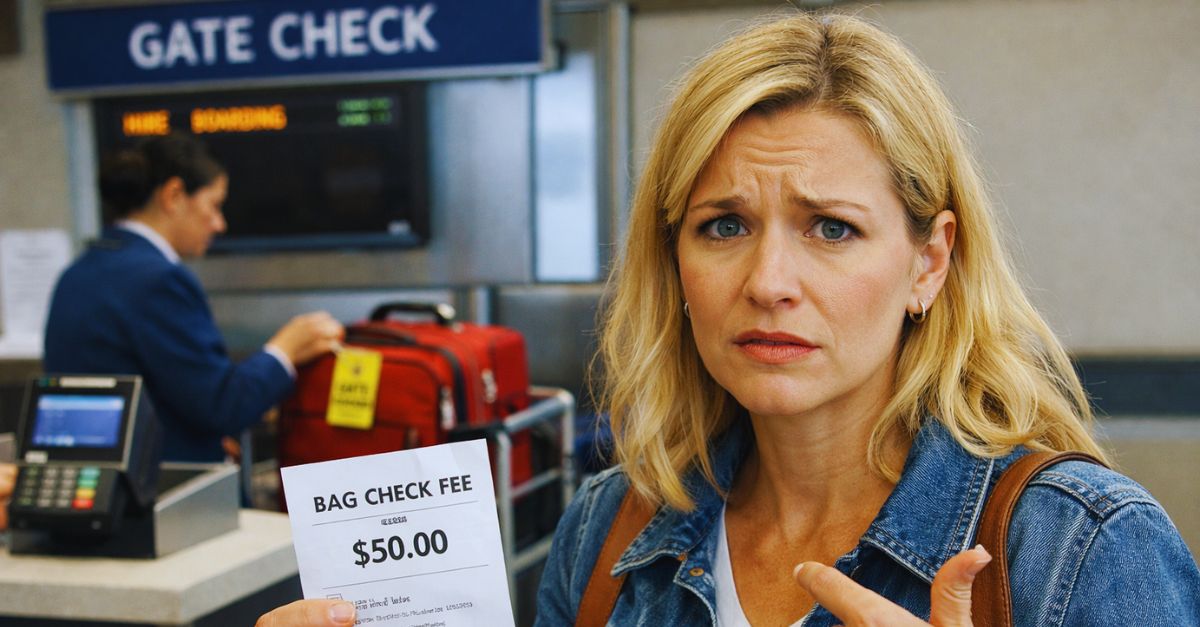
That Awkward Gate-Check Moment
Anyone who's flown recently has probably been asked—or even forced—to gate check their carry-on, but you usually don't expect to have to pay for it. Are they really allowed to charge you when it's their problem? The short answer is yes, it can be allowed, but it depends on why the bag was taken from you and what the airline’s posted rules say.
Why This Feels So Unfair
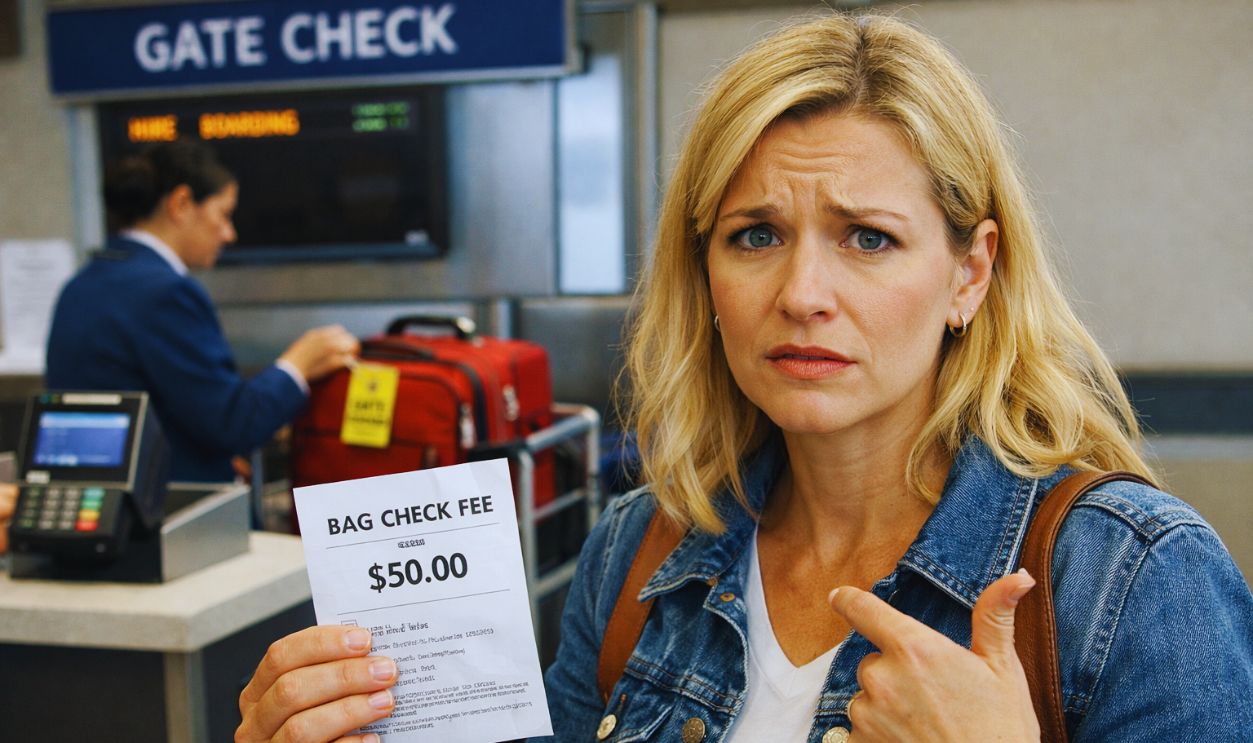
Most people hear “gate-check” and assume it’s a courtesy because overhead bins are full. In many cases, when an airline asks for voluntary gate-checking because of space limits, that bag is checked at no extra charge. The problem starts when the airline says the bag never should have been a free carry-on in the first place. If the bag is too large, too heavy, or not included in your fare, the airline may still charge its normal checked-bag fee even if the handoff happens at the gate.
There’s A Big Difference Between Gate-Checked And Valet-Checked
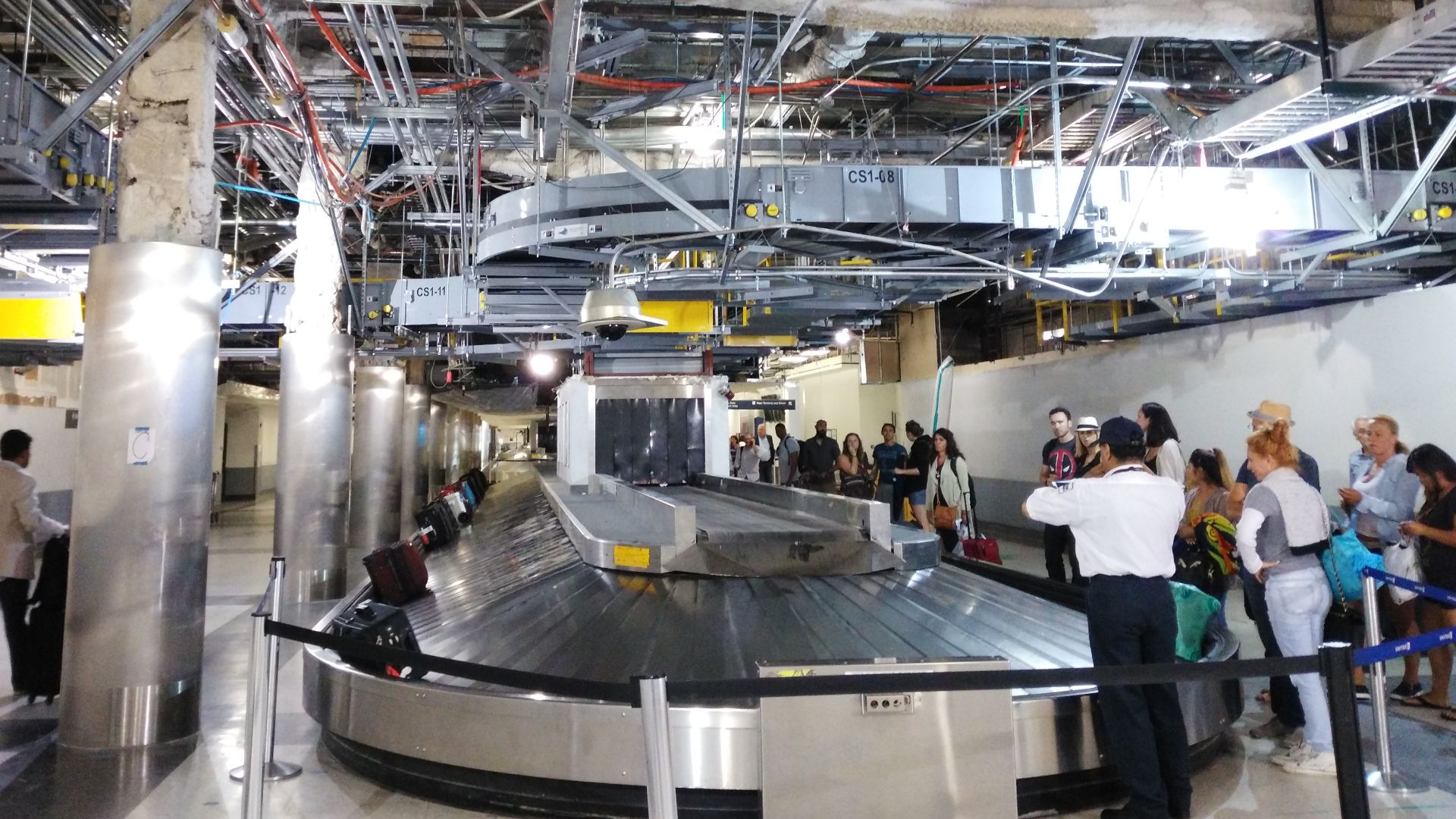
Airlines sometimes use similar terms for different situations. A standard gate-checked bag is usually tagged at the gate and sent through the baggage system to your final destination or a connection. A valet-checked bag, which is common on smaller regional aircraft, is often taken plane-side and returned plane-side after landing. That difference matters because valet-checking on tiny aircraft is often a free operational step, while a standard gate-check may still trigger normal baggage rules.
When Airlines Usually Don’t Charge
If your bag meets the airline’s carry-on limits and the only issue is limited bin space, airlines commonly check it for free at the gate. You’ll often hear agents ask for volunteers before boarding starts, especially on full flights. That helps save time and avoid boarding delays, so airlines usually don’t add a fee in that situation. Put simply, if the airline is solving its own space problem, travelers usually are not expected to pay extra.
When Airlines Often Can Charge
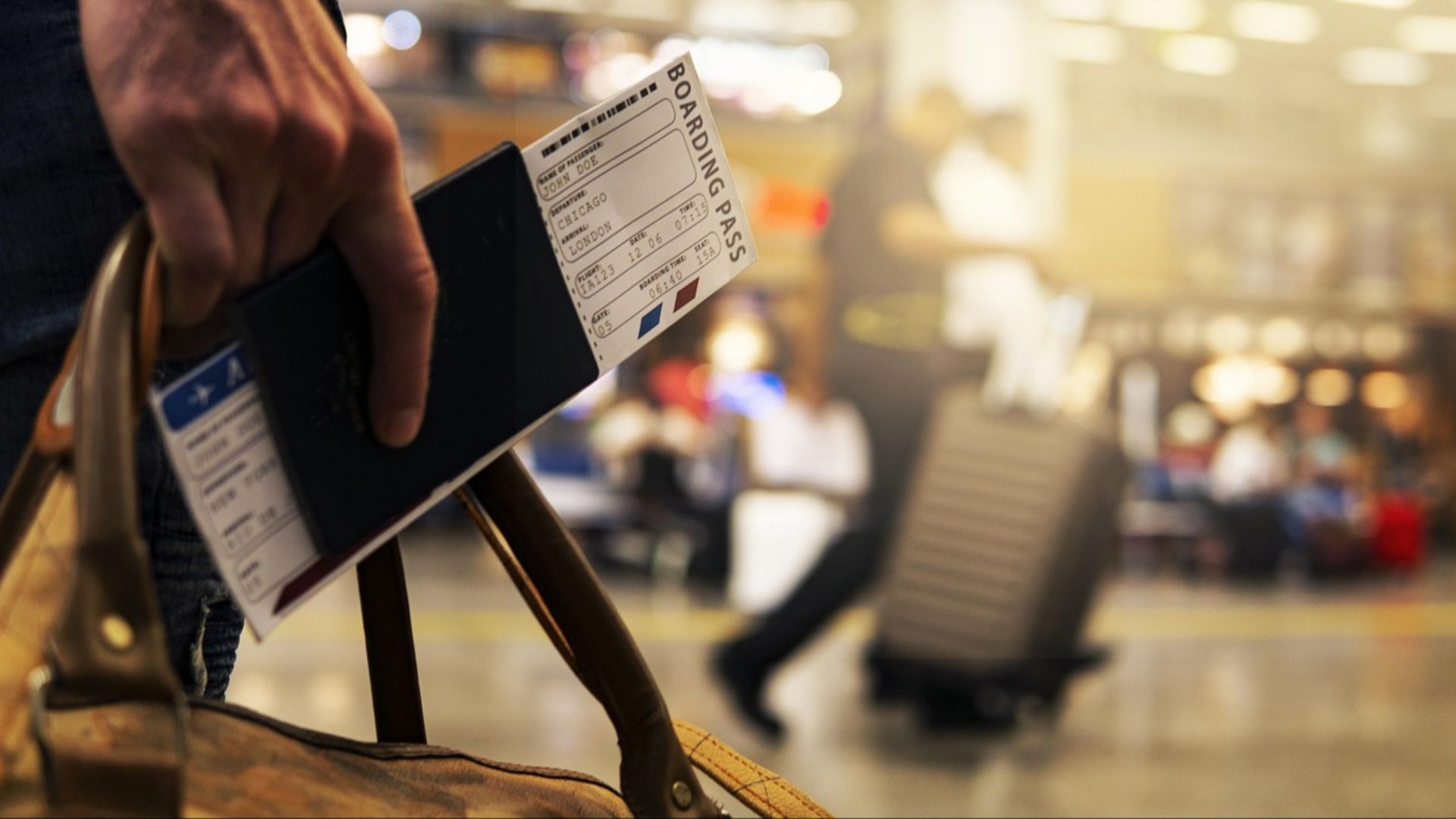
If your bag is over the airline’s posted size or weight limits for carry-ons, the airline can treat it as a checked bag. The same goes for fare types that do not include a full-size carry-on at all, which is common on some ultra-low-cost airlines and some basic economy tickets. In those cases, the fact that the bag was caught at the gate instead of the check-in counter does not automatically make it free. Some airlines even charge more at the gate than they do online or at the airport desk.
The Contract Of Carriage Is The Real Rulebook
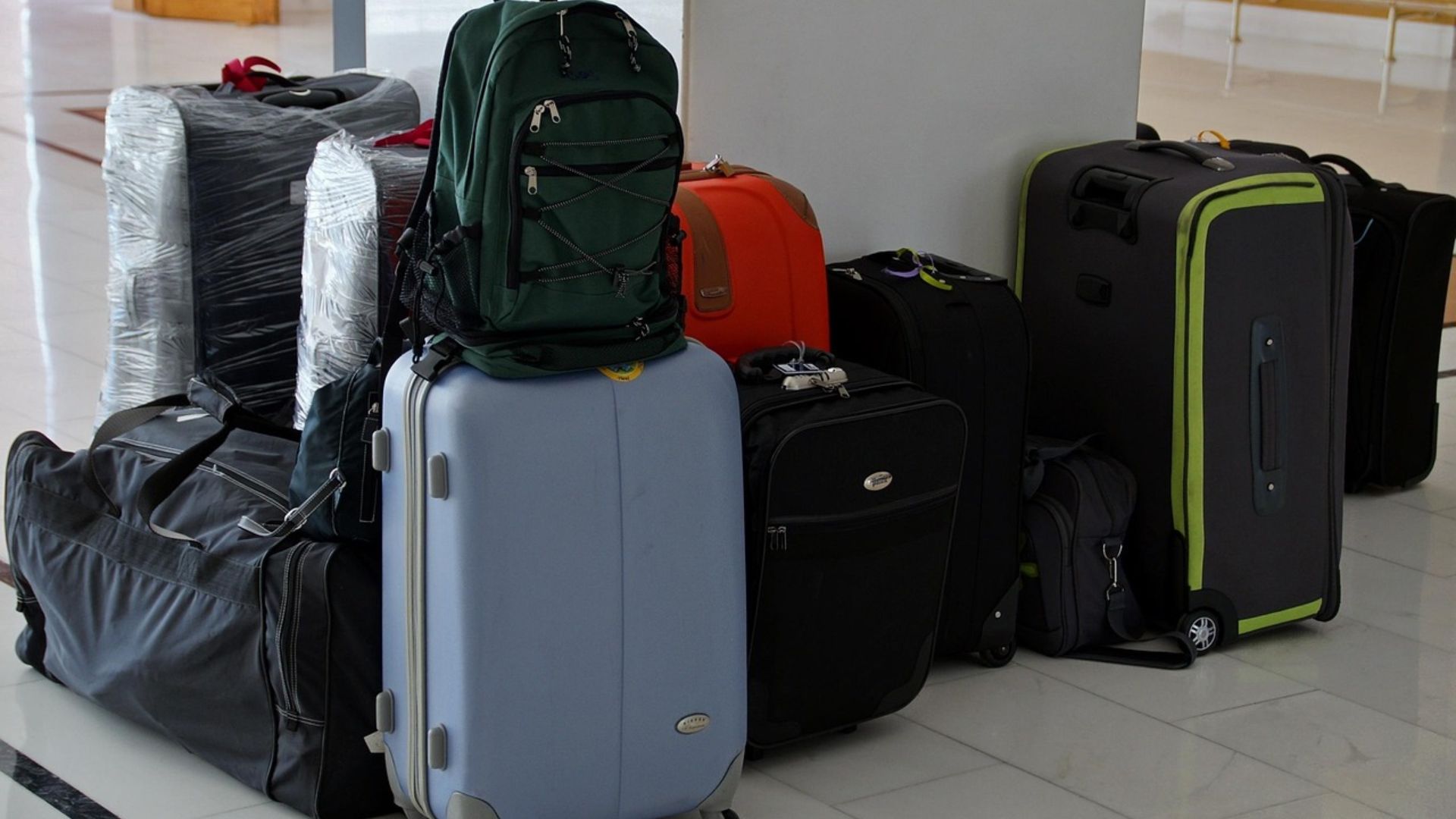
Every major airline publishes a contract of carriage or conditions of transport that lays out what it can require and charge. These documents usually say that passengers must follow baggage limits and pay any fees that apply. They also give the airline room to refuse cabin baggage and place it in the cargo hold when safety, aircraft size, or operational issues require it. It’s not fun reading, but it’s the key document if you’re trying to figure out whether a charge was allowed.

FAA Rules Explain Part Of The Problem
In the United States, carry-on baggage has to be stored properly, and airlines are responsible for safe cabin conditions. The FAA requires compliance with approved stowage and safety procedures, which is why oversized bags or bags with nowhere to go can’t just stay in the aisle or under any random seat. That means gate agents do have real safety authority to remove a bag from the cabin plan. What the FAA does not do is set passenger bag fees, so the money part usually comes from airline policy, not federal safety rules.

Airline Size Limits Matter More Than You Think
Travelers often assume a “carry-on” is a universal category, but each airline sets its own dimensions. One airline may allow a larger bag than another, and regional aircraft can have even tighter limits in practice. If your suitcase fit on your last trip, that doesn’t mean it fits this airline’s policy today. When a bag is outside the posted dimensions, the airline has a much stronger case for charging a checked-bag fee at the gate.

Basic Economy Can Change The Outcome
Not all tickets come with the same baggage rights. On some fares, especially on ultra-low-cost airlines and some basic economy products, a full-size carry-on is not included. If you bring one anyway and it gets flagged at the gate, the airline may charge the fee that applies, and sometimes a higher last-minute fee. That’s why two passengers on the same flight can get very different answers to the same gate-check question.
Ultra-Low-Cost Carriers Are The Most Likely To Do This
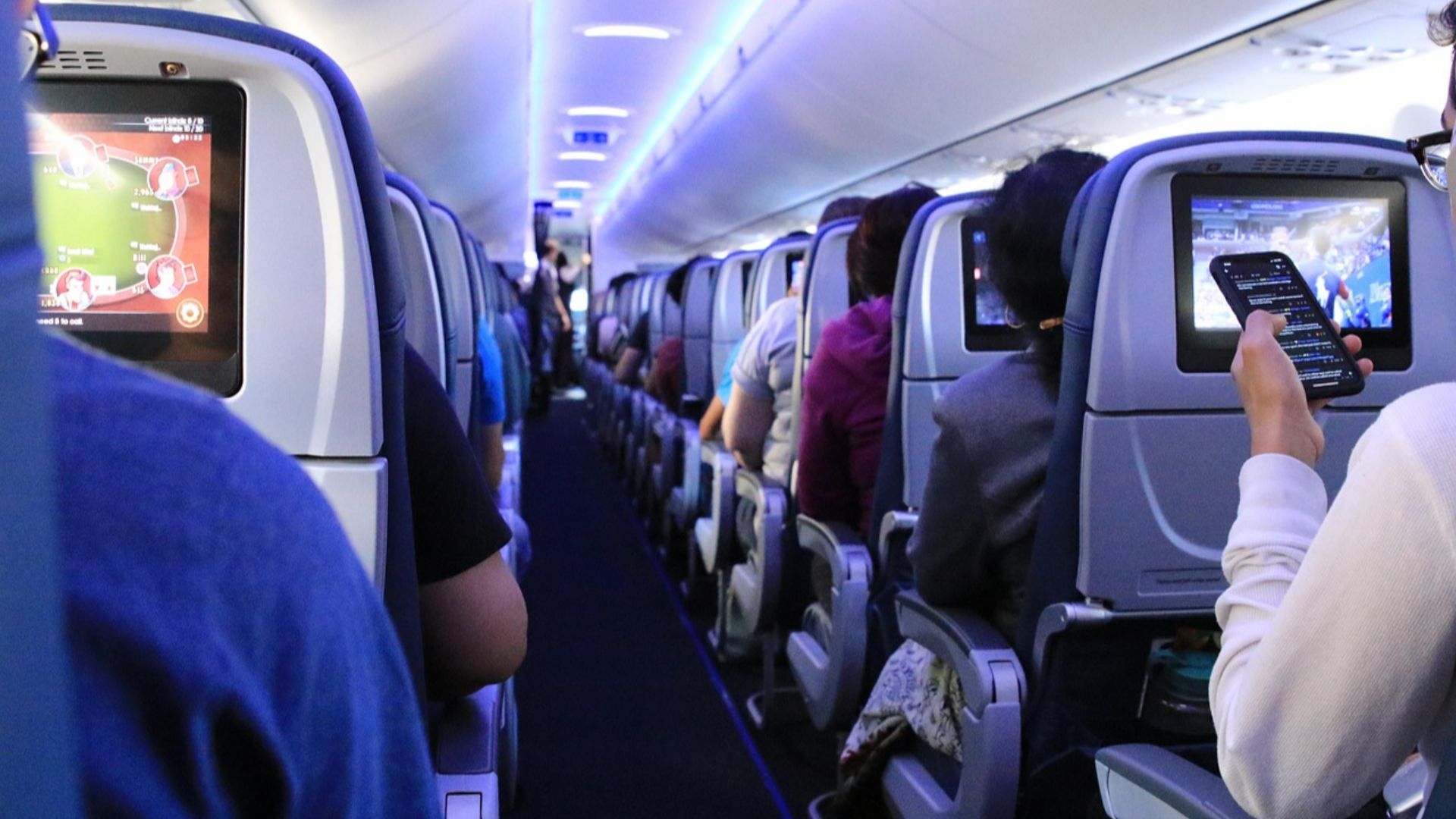
Airlines built around low base fares often split out almost every add-on, including carry-ons and checked bags. Their fee charts commonly warn that paying at the gate costs more than paying in advance. That means a gate charge may feel harsh, but it may still be exactly what the airline disclosed in its rules. If you’re flying an airline like Spirit or Frontier, it’s especially important to check the baggage page before you leave home.

Regional Jets Create A Different Kind Of Gate Check
On smaller planes, especially regional jets, even properly sized carry-ons may not fit in the bins. In those cases, plane-side or valet checking is routine and usually free because the aircraft itself creates the limit. Airlines usually return those bags on the jet bridge after landing instead of sending them to baggage claim. If that’s why your bag was taken, a separate fee would be much harder to justify unless your bag also broke the airline’s fare or size rules.

What Agents Usually Look For At The Gate
Gate agents are usually watching for bag size, boarding speed, overhead-bin capacity, and the fare rules tied to your reservation. If your bag clearly won’t fit in the sizer, they may stop you before you board. If your fare doesn’t include that type of bag, the system may flag it too. And if bins are filling up fast, they may start offering or requiring gate checks because of space. Those are very different situations, even though they can look the same from the passenger side.
 Delta News Hub, Wikimedia Commons
If The Bag Was Within Policy, A Fee May Be Worth Challenging
If your ticket included a carry-on and your bag met the airline’s posted size rules, then a gate-check charge deserves a closer look. Airlines often waive the fee when the gate-check happens because of overhead space shortages alone. If you were charged anyway, ask the airline to explain exactly which rule triggered the fee. A polite refund request, backed by the airline’s own baggage page and your boarding pass, can work better than people expect.

Get Proof Before You Leave The Airport
If this happens to you, document the basics right away. Take a photo of the bag, the bag tag, the receipt, and if possible the bag in the sizer if it fits. Screenshot the airline’s baggage policy for your fare type while you still have a signal and a fresh memory of what happened. Those details can matter a lot if you later ask for a refund or file a complaint.

Ask One Calm Question At The Counter
The most useful thing to ask is simple: “Can you tell me which baggage rule applies here?” That pushes the conversation toward a specific policy instead of a vague explanation. If the answer is “full bins,” that often supports a no-fee argument. If the answer is “your fare doesn’t include a carry-on” or “the bag exceeds size limits,” the charge is more likely to stand.
 Pavel Hrdlička (Czech Wikipedia user Packa), Wikimedia Commons
Credit Card Travel Protections Usually Won’t Solve This
Many travel cards offer trip delay, lost baggage, or baggage delay coverage, but that is not the same as getting reimbursed for a disputed airline fee. A gate-check fee is usually a contract issue between you and the airline. Unless the charge was clearly unauthorized or processed wrong, your card benefits may not help much. Your better option is usually a direct refund request to the airline, followed by a consumer complaint if the response doesn’t make sense.

The DOT Can Help, But It Won’t Rewrite Airline Pricing
The U.S. Department of Transportation accepts consumer complaints about airlines and tracks patterns in how carriers treat passengers. It can be a useful next step if you think an airline misapplied its own rules or failed to disclose a fee clearly. But the DOT does not set standard baggage fees for domestic airlines. Its role is more about disclosure, fairness, and compliance than deciding that every gate-check must be free.

Europe Has Similar Tension, Just Different Rules
In Europe, consumer protections around delays and cancellations are stronger in some areas, but carry-on rules still mostly depend on airline terms and conditions. Budget airlines there also rely heavily on baggage fees, and gate charges for non-compliant bags are common. The legal setup is not identical to the U.S., but the practical answer is similar: check the airline’s posted baggage policy first. If the airline clearly disclosed the limits and fees, it may be allowed to collect them.
What A Refund Request Should Say
Keep your message short and factual. State your flight number, date, bag fee amount, and why you think the fee was wrong, such as “my fare included a carry-on” or “the gate agent said the bins were full.” Attach the receipt and screenshots of the baggage policy you relied on. Asking for a specific fix, like a refund to the original form of payment, is usually better than sending a long emotional recap.

How To Avoid This On Future Trips
Check your airline’s baggage page every time, even if you fly often. Measure your bag including wheels and handles, and make sure you know whether your fare includes only a personal item or a true carry-on. If you’re on a smaller regional connection, expect possible plane-side checking and pack essentials accordingly. And if you’re flying a low-cost airline, paying for baggage in advance is usually much cheaper than dealing with it at the gate.

So, Is It Even Allowed?
Yes, sometimes. If the airline is forcing the bag into the hold because your fare, bag size, or bag type breaks its posted rules, it can often charge the normal checked-bag fee, and sometimes a higher gate fee if that was disclosed. But if your bag was allowed and the airline checked it only because of limited overhead space or aircraft limits, a fee is much harder to justify and may be refundable. The key is not the phrase “gate-check” itself, but the reason the bag was gate-checked in the first place.