Inflatable Mattress on a Train—Creative Travel Hack or Instant Rejection?
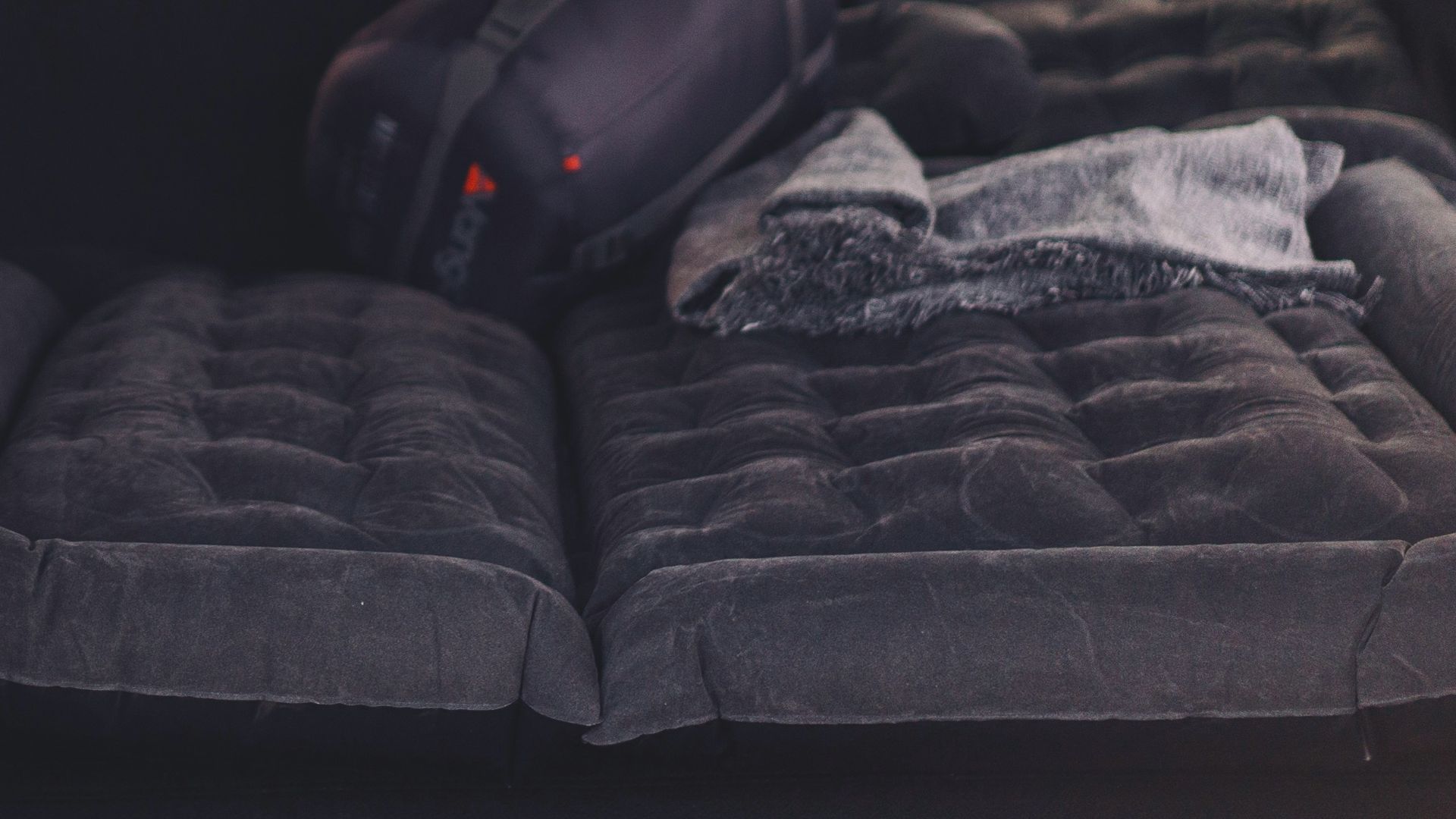
You’re boarding a sleeper train, feeling clever—you brought your own full-size inflatable mattress for peak comfort. But you're immediately stopped… and now you’re tossing it in the trash. Wait—doesn't everyone bring their own air mattress on the train?

Why This Feels Like It Should Be Allowed
You paid for a sleeper ticket, right? So bringing something to make it more comfortable doesn’t seem unreasonable. It’s not loud, not dangerous (you think), and definitely not unusual for travel hacks.

But Trains Aren’t Like Planes or Hotels
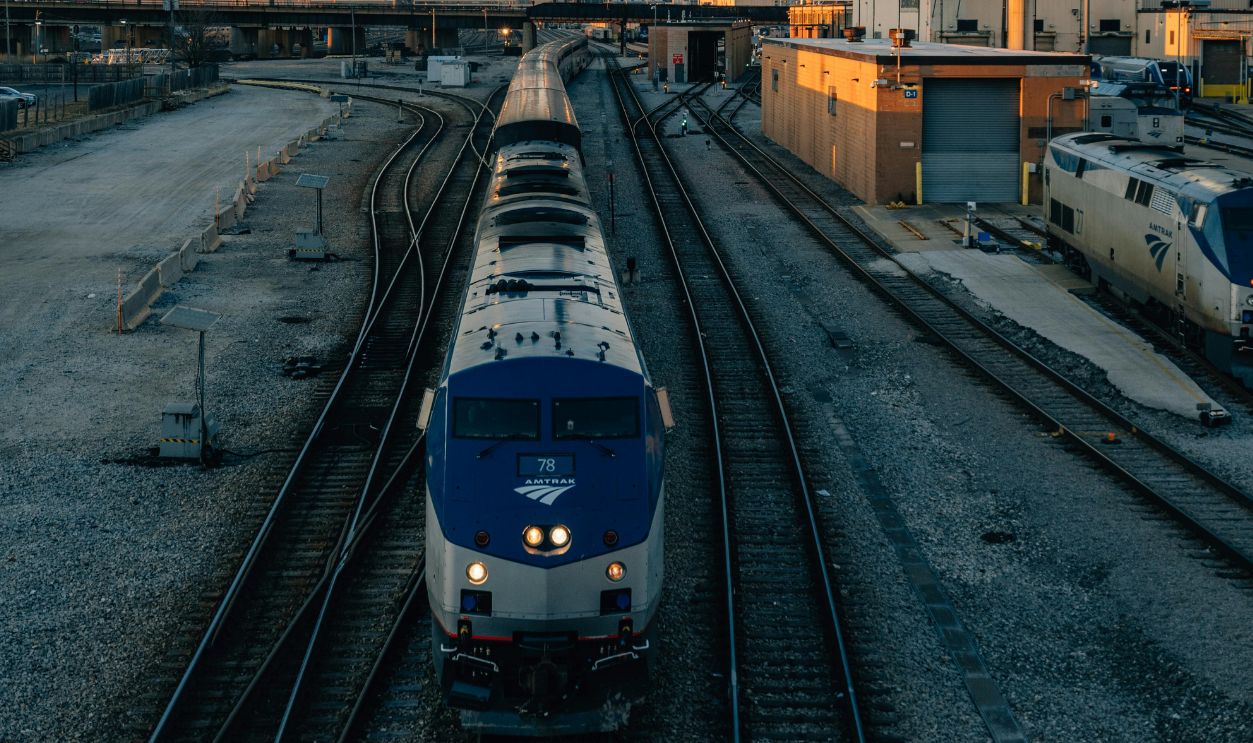
Here’s where expectations get mixed up. Sleeper trains are tightly controlled environments with specific layouts—and that limits what you can bring and use onboard.
The Big Issue—Space Constraints
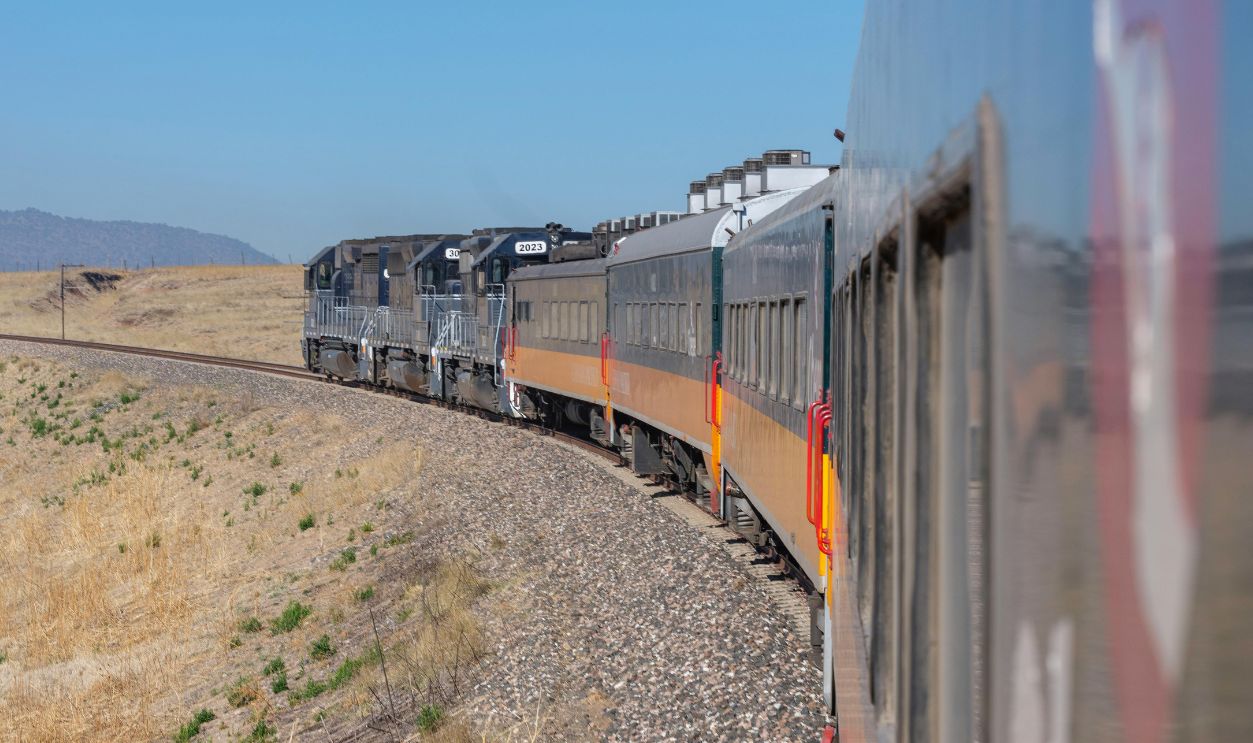
Train cabins, even sleeper ones, are designed down to the inch. A full-size inflatable mattress can block walkways, doors, or emergency exits—even if it fits “technically.”
Why Blocking Space Is a Serious Problem
Safety rules are strict. If your setup interferes with evacuation routes or access for staff, it becomes an immediate issue—not just an inconvenience.
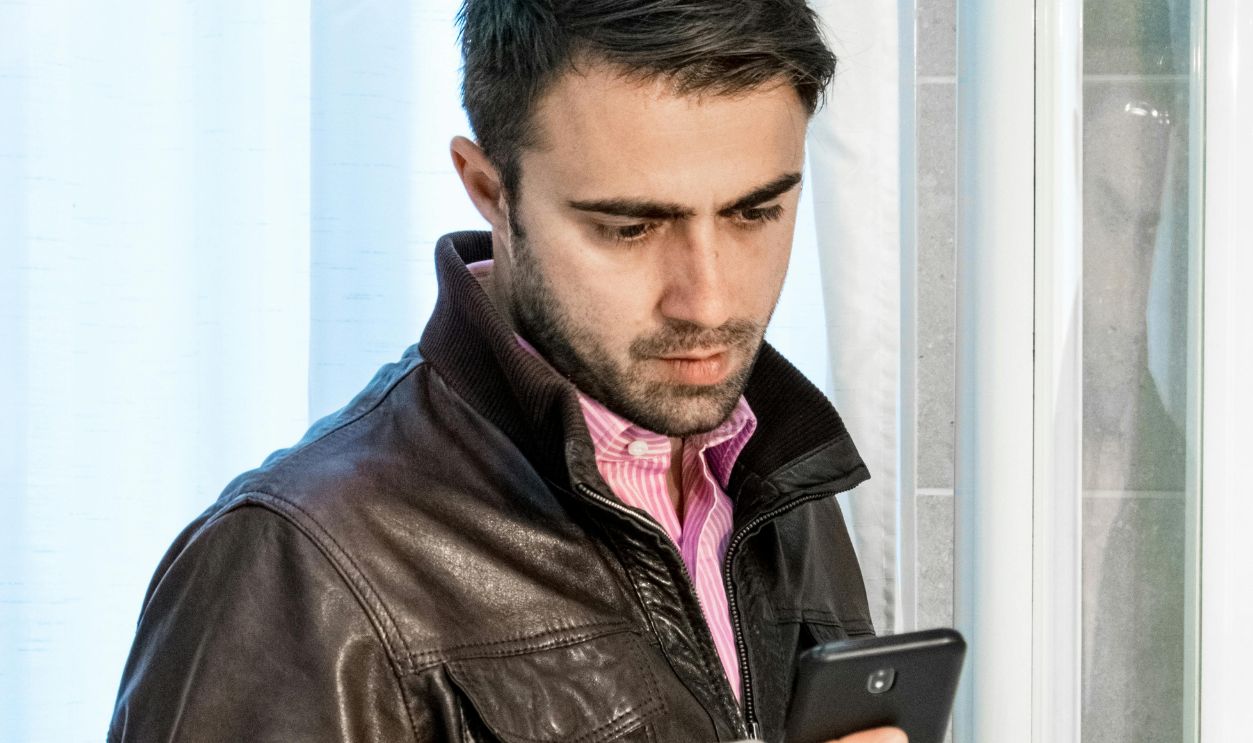
What About Your Assigned Sleeping Area?
Even in sleeper cars, you’re expected to use the provided bedding. Modifying that space with your own large items can violate company policies.
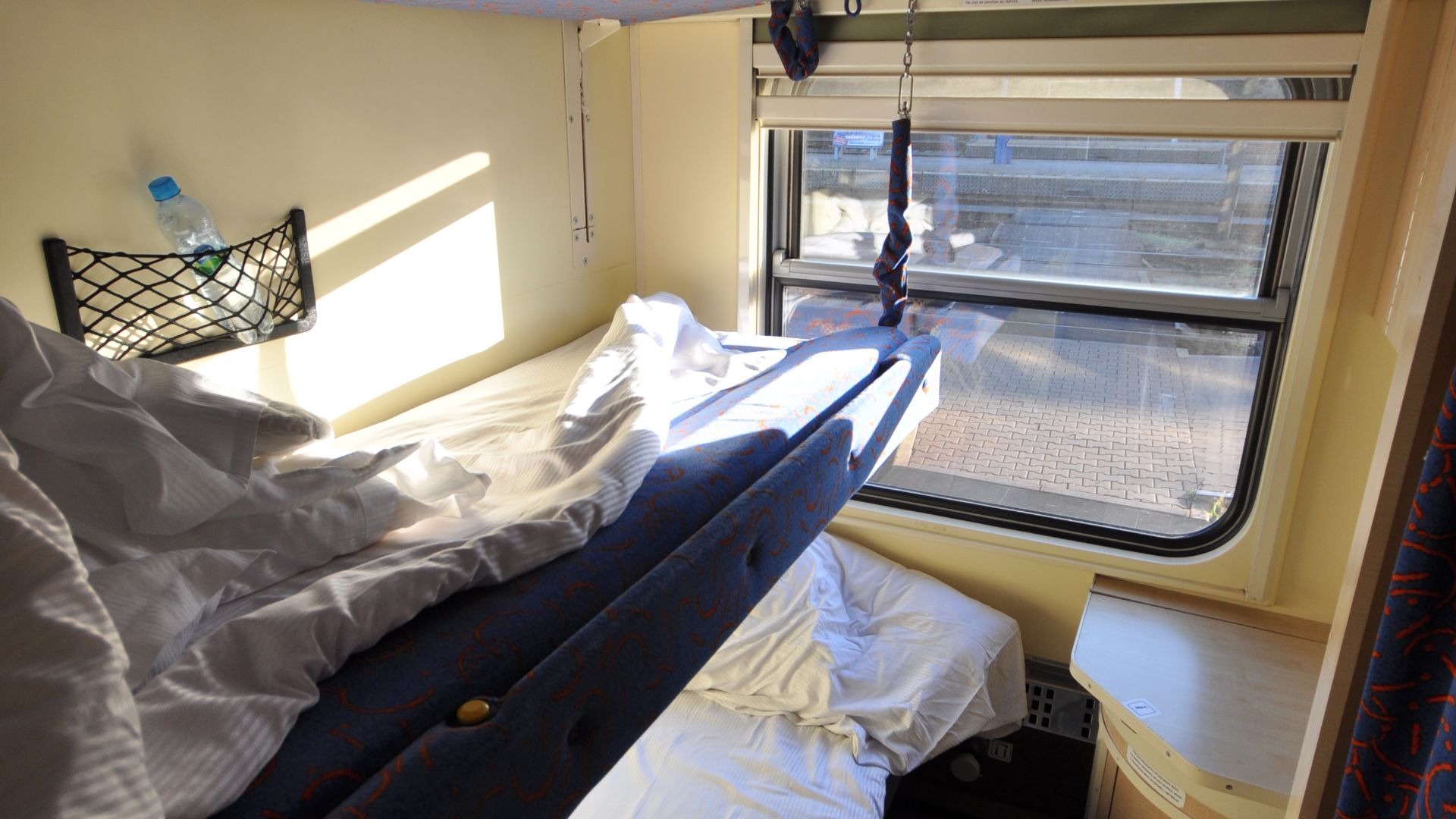 Jorge Láscar from Australia, Wikimedia Commons
Are There Actual Rules Against This?
Yes—most rail operators (like Amtrak in the US) prohibit large personal items that interfere with seating, sleeping arrangements, or safety access.

So It’s Not About the Mattress Itself
Exactly. It’s about the impact. A small pillow or blanket? Totally fine. A full mattress that changes the layout? That’s where the line gets crossed.

Could This Be Considered “Obstruction”?
Yes. If your item blocks aisles, exits, or access points—even temporarily—it can be classified as an obstruction, which is against safety regulations.
Why Staff Act Quickly on This
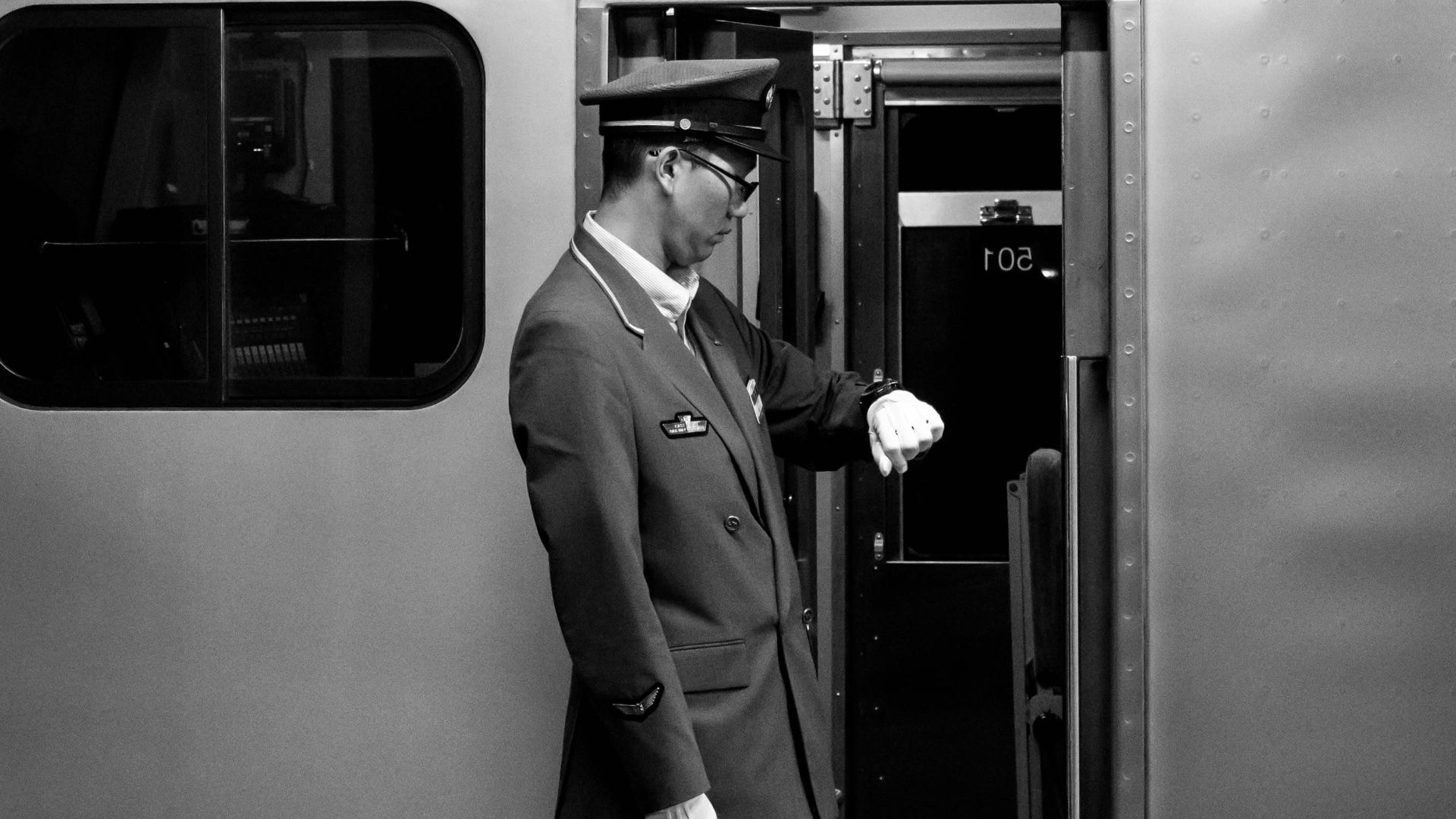
Train crews are responsible for passenger safety. If something looks like it could cause a problem, they don’t wait—they fix it immediately.

Could You Have Been Allowed to Store It Instead?
Sometimes—but not always. If it’s too large for overhead storage or luggage areas, staff may require you to remove it entirely.


Why They Might Make You Throw It Away
If there’s no safe place to store it and it can’t remain in your cabin, disposal becomes the only option—especially if you’re already boarding.

What About Refunds for Items Like This?
Unfortunately, no. The train company isn’t responsible for personal items you bring that violate policy—even if you didn’t realize it.

Could This Have Been Avoided?
Yes. Checking baggage policies ahead of time is key. Rail companies usually list size limits and prohibited items clearly.
What Is Allowed in Sleeper Cars?
Smaller personal comfort items—pillows, blankets, eye masks, even compact travel mattresses—are usually fine as long as they don’t interfere with space or safety.
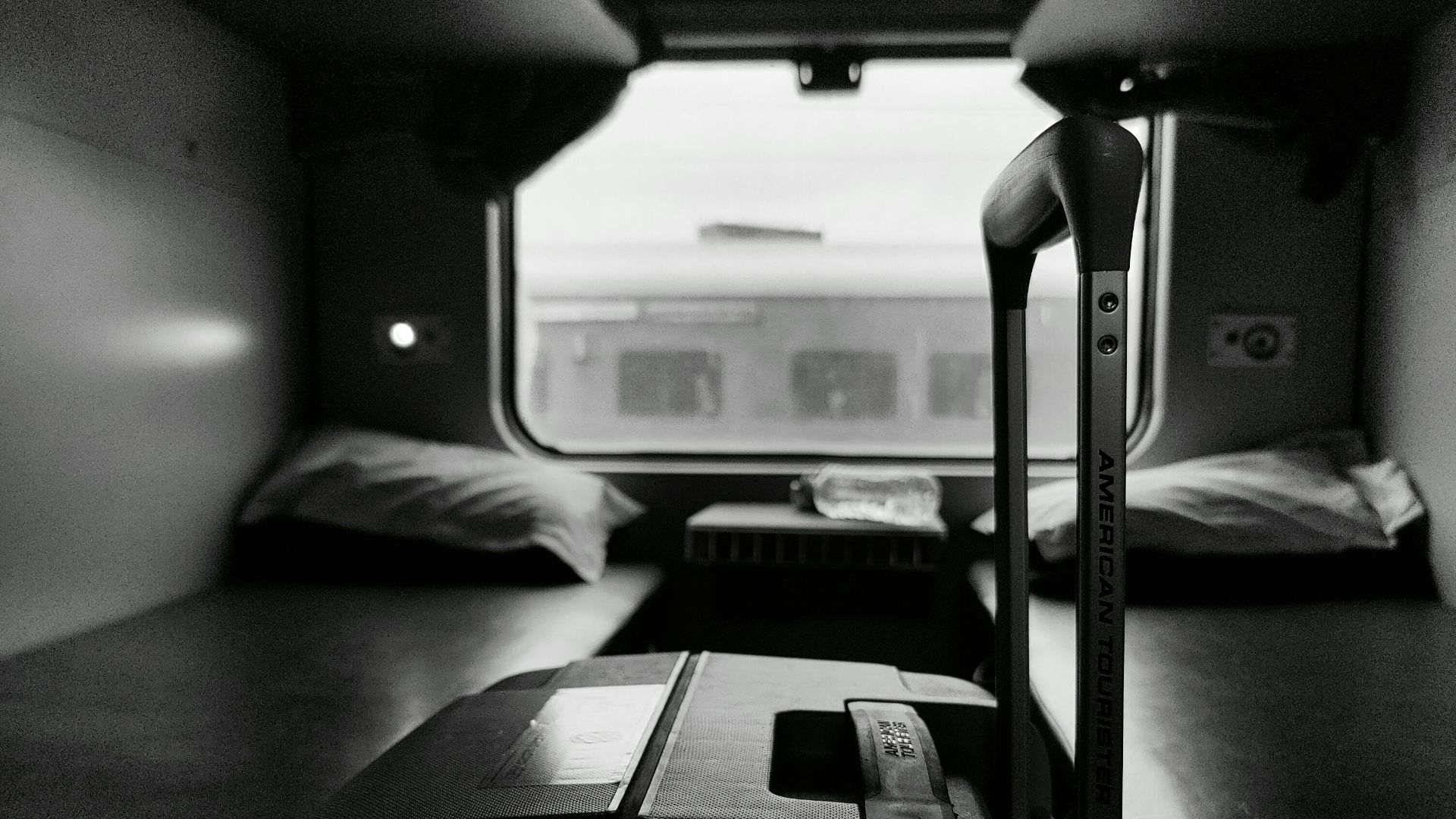 Er.Shyama Charan Prasad, Pexels
Why This Still Feels Frustrating
Because it seems like a harmless upgrade. You weren’t trying to break rules—you were just trying to sleep better.

So… Was It Actually Allowed?
No—not in the way you used it.
A full-size inflatable mattress typically violates train safety and space policies, especially in sleeper cabins where layout and access are tightly controlled.

The Smart Move for Future Trips
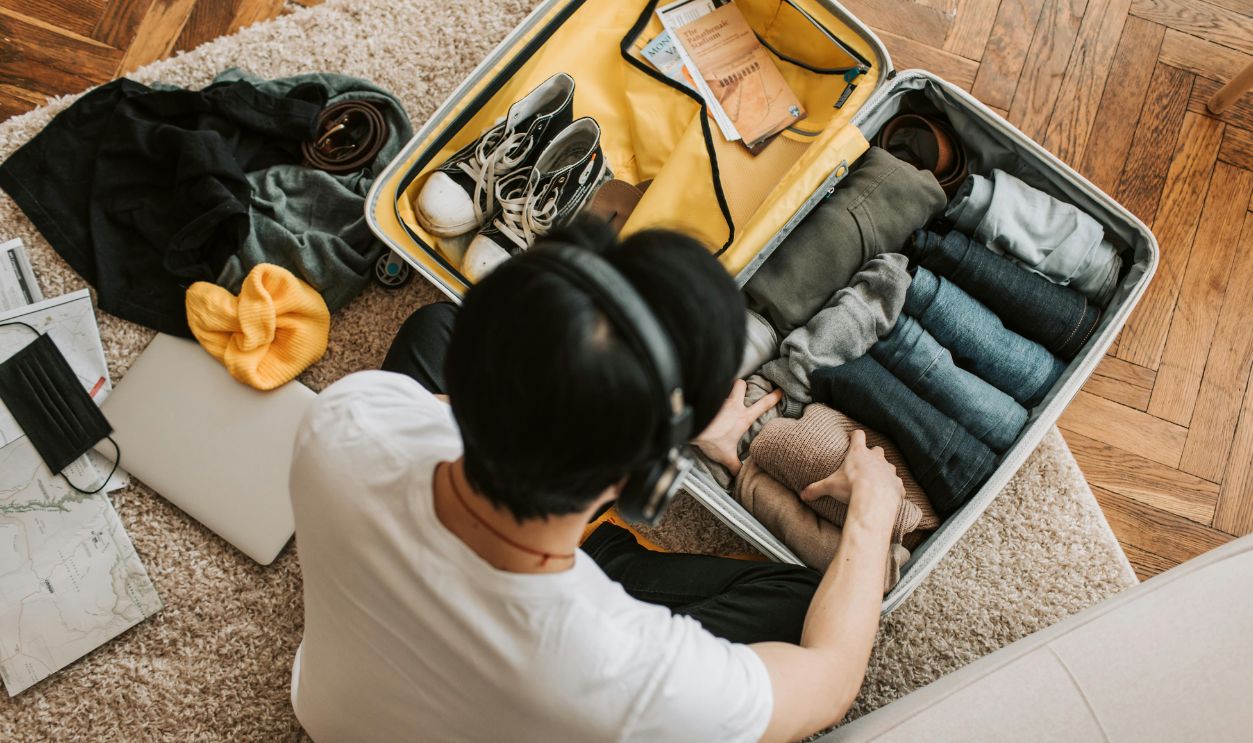
Stick to compact, travel-friendly items. If it can fit in your bag and stay within your assigned space, you’re usually in the clear.
The Bottom Line for Train Travel
It’s not about comfort—it’s about safety and shared space. On a train, even small changes can have big consequences.
One Last Thought Before Your Next Ride
Next time you pack for a sleeper train, ask yourself—will this fit me… or will it take over the whole cabin? Because on rails, space isn’t just limited—it’s regulated.
You May Also Like:
Costly Luggage Mistakes That Airlines Hope You Keep Making In 2026
I booked “hidden city” flights to save money, but my dad says airlines can ban me for that—is that actually true?