
A Vacation Mistake
You hand over the rental car keys to your wife for what seems like a harmless favor. Then the next thing you know, you're hearing a story of how your mother-in-law got distracted behind the wheel and collided with a pole, causing damage to the vehicle. The bigger problem is that she was never listed as an authorized driver. Now you're worried about insurance, liability, and a potentially expensive bill.
Stay Calm First
Your first priority is avoiding panic. Rental car accidents happen every day, and the situation is rarely improved by arguing with family members or making assumptions about who owes what. Start by gathering facts before making any financial decisions.

Review The Contract
Locate your rental agreement immediately. Most rental companies clearly identify who is authorized to drive the vehicle. If your mother-in-law was not listed, the rental company may view the accident as a violation of the rental contract.

Unauthorized Driver Problems
Rental companies generally require every driver to be specifically authorized. When an unlisted person drives the vehicle, the company may argue that certain protections, waivers, or contractual benefits no longer apply.

Determine The Damage
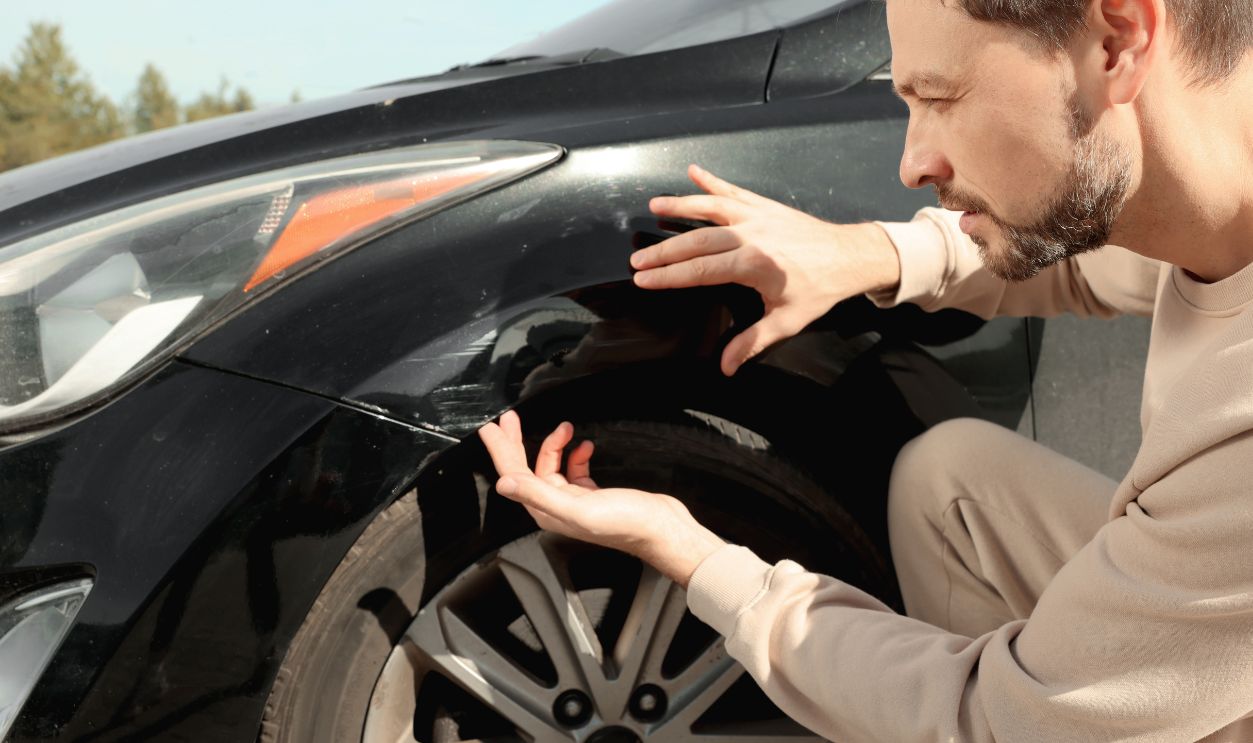
Find out exactly how much damage occurred. A small scrape on a bumper creates a very different situation than major body damage. Obtain photographs, repair estimates, and any accident reports before discussing payments with anyone.
Report The Accident
Most rental agreements require prompt reporting of any accident or damage. Delaying notification can create additional problems. Contact the rental company, explain what happened, and ask what documentation they need from you.

Do Not Misrepresent
It can be tempting to tell the rental company that you were driving instead. Resist that urge. Providing false information could create far more serious legal and insurance problems than the accident itself.

Check Personal Insurance
Many personal auto insurance policies extend some coverage to rental vehicles. Contact your insurer immediately and ask whether the rental car damage is covered and whether an unauthorized driver affects that coverage.

Review Credit Card Benefits
If you paid for the rental with a credit card, investigate any rental car protection benefits. Some cards provide coverage for collision damage, although coverage may become complicated if someone not listed on the rental agreement was driving.

Understand Waiver Limits
Many travelers purchase a collision damage waiver at the rental counter. However, these protections often contain conditions regarding who may operate the vehicle. An unauthorized driver can potentially jeopardize those protections.

Expect Tough Questions
The rental company will likely want to know who was driving, whether the driver was authorized, and how the accident occurred. Answer honestly and stick to the facts; don't try to weave a complicated tale filled with embellished details. By the same token, avoid speculating out loud about coverage or liability.

Your Wife's Decision
You may feel frustrated that your wife allowed her mother to drive. While that frustration is understandable, focusing on blame rarely helps resolve the financial side of the problem. Concentrate on determining available coverage and minimizing losses.
Mother-In-Law Responsibility
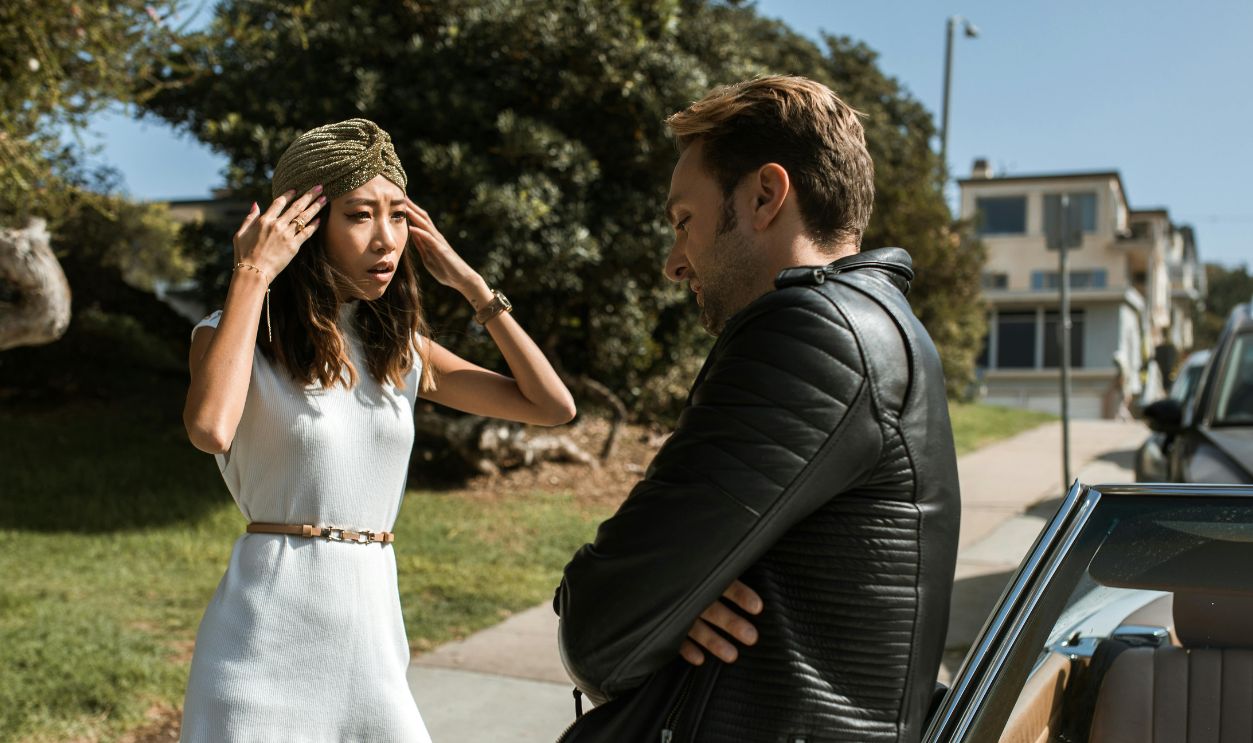
Even if the rental company initially pursues you because you signed the contract, that does not necessarily mean your mother-in-law escapes responsibility. Separate agreements between family members may determine who ultimately pays for damages.

Contract Holder Risks
Because your name appears on the rental contract, you are often the first person the rental company will contact. Rental companies generally pursue the renter because that is the person with whom they have a contractual relationship.

Additional Charges
Beyond repair costs, rental companies may seek reimbursement for towing, administrative fees, loss of use, diminished value, or other expenses. Understanding the full scope of potential charges helps you prepare for negotiations.

Gather Every Document
Create a file containing the rental agreement, photographs, police reports if any exist, insurance information, correspondence, and repair estimates. Organized records can make resolving disputes significantly easier.

Watch Insurance Deadlines
Insurance companies often impose deadlines for reporting claims. Missing those deadlines can jeopardize coverage. Notify insurers promptly, even if you are not yet certain which policy may ultimately apply.

Negotiate When Appropriate
Do not assume the first bill is the final bill. If the rental company presents charges you believe are excessive, request supporting documentation. Some fees can be negotiated or challenged if they appear unreasonable.

Learn Future Lessons
Many rental companies allow additional drivers to be added for a relatively modest fee. While travelers often skip this step to save money, one accident can transform a small savings into a very expensive mistake.

Consider Legal Advice
If damages are substantial or coverage is denied, a consultation with an attorney may be worthwhile. A lawyer can review the rental agreement, applicable insurance policies, and state laws governing rental vehicle liability.

Protect Family Relationships
Financial disputes involving in-laws can linger long after the vacation ends. Try to separate the legal and insurance issues from the personal relationship. A calm discussion about responsibility often works better than accusations.

The Bottom Line
Your biggest concern is not necessarily the pole your mother-in-law hit. It is the fact that she was driving without being listed on the rental agreement. Review the contract, notify insurers, document everything, and determine what coverage remains available before agreeing to pay any claim.
You May Also Like: