The Rental Counter Surprise
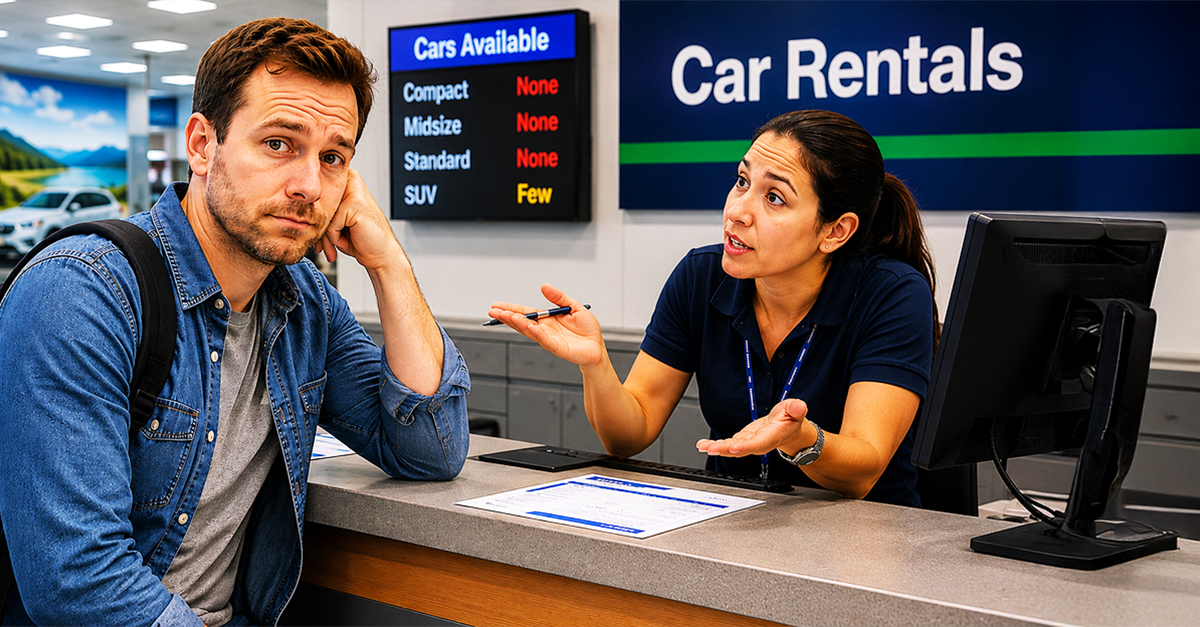
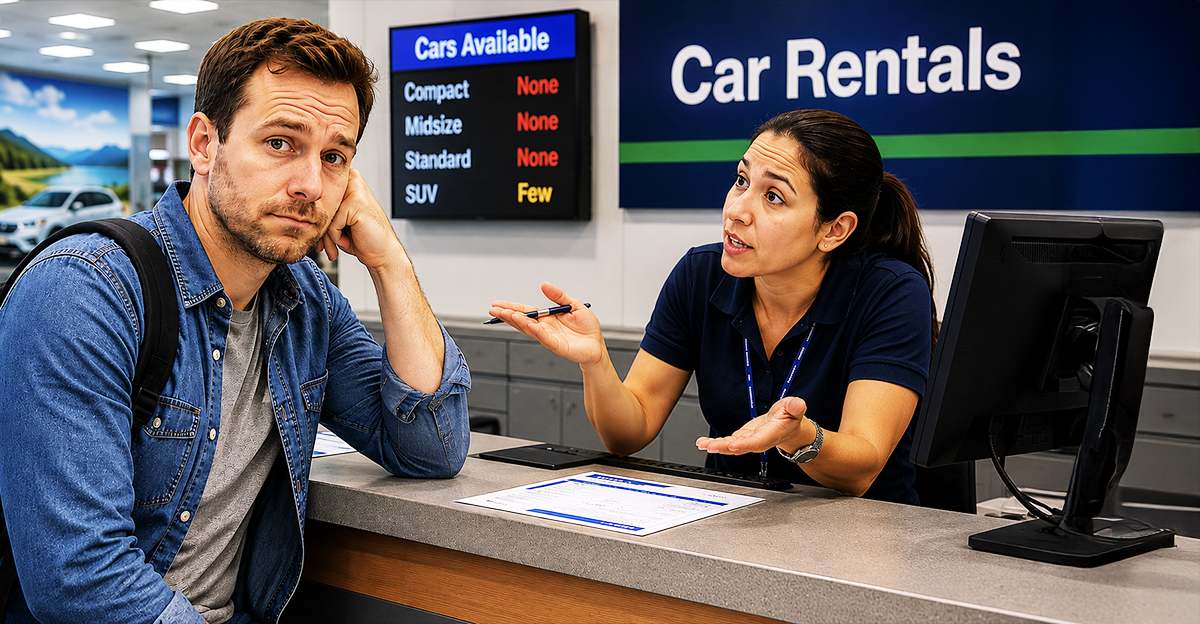
You reserved a mid-sized car through Priceline expecting to lock in a reasonable rate before your trip. But when you arrived at the rental counter, the agent claimed no mid-sized cars were available and said the only option was a larger vehicle that would cost an extra $40 a day.
Why This Happens So Often
Car rental companies frequently overbook certain vehicle classes, much like airlines oversell seats. Agencies know not every customer will show up on time, so they sometimes gamble that inventory shortages will balance themselves out by the end of the day.

A Reservation Isn’t Always A Guarantee
Many customers assume a reservation guarantees a specific vehicle. In reality, most rental agreements only promise a vehicle within a general class or “similar” category. The fine print often gives agencies broad flexibility when inventory problems arise.

Third-Party Booking Sites Add Complexity
When you book through Priceline or another travel platform, the rental agency may treat the reservation differently than a direct booking. Third-party reservations can sometimes receive lower priority during shortages because the rental company earns less profit from those bookings.

Priceline Usually Does Not Own The Reservation
Priceline acts as a booking intermediary rather than the actual rental provider. That means the rental company itself controls the final vehicle assignment, fees, and inventory decisions once you arrive at the counter.

Agencies Often Use “Or Similar” Language
Most rental confirmations contain wording like “mid-sized car or similar vehicle.” Rental companies sometimes interpret that broadly, especially when inventory becomes tight. Unfortunately, that wording can make disputes over upgrades more difficult for customers.

Forced Paid Upgrades Frustrate Travelers
The most aggravating part for many renters is being charged extra for an upgrade they never wanted. Customers often feel trapped because they may already be tired, stranded at an airport, or unable to easily find another vehicle elsewhere.

The Agency May Claim No Equivalent Cars Exist
Rental agents sometimes argue that no equivalent vehicles remain available within your reserved class. They may insist the only remaining option is a premium vehicle or SUV with higher daily costs, putting customers in a tough position at the counter.

Some States Offer Stronger Consumer Protections
Consumer protection laws vary by state. Some states prohibit deceptive advertising or unfair bait-and-switch tactics, but proving intentional misconduct can still be difficult unless the agency repeatedly advertises vehicles it knows are unavailable.

This Usually Isn’t A Criminal Matter
Even though the situation feels unfair, it generally falls under contract and consumer protection law rather than criminal fraud. The issue usually centers on whether the rental company violated the terms of the reservation agreement or misrepresented availability.

Airport Locations Are Known For This
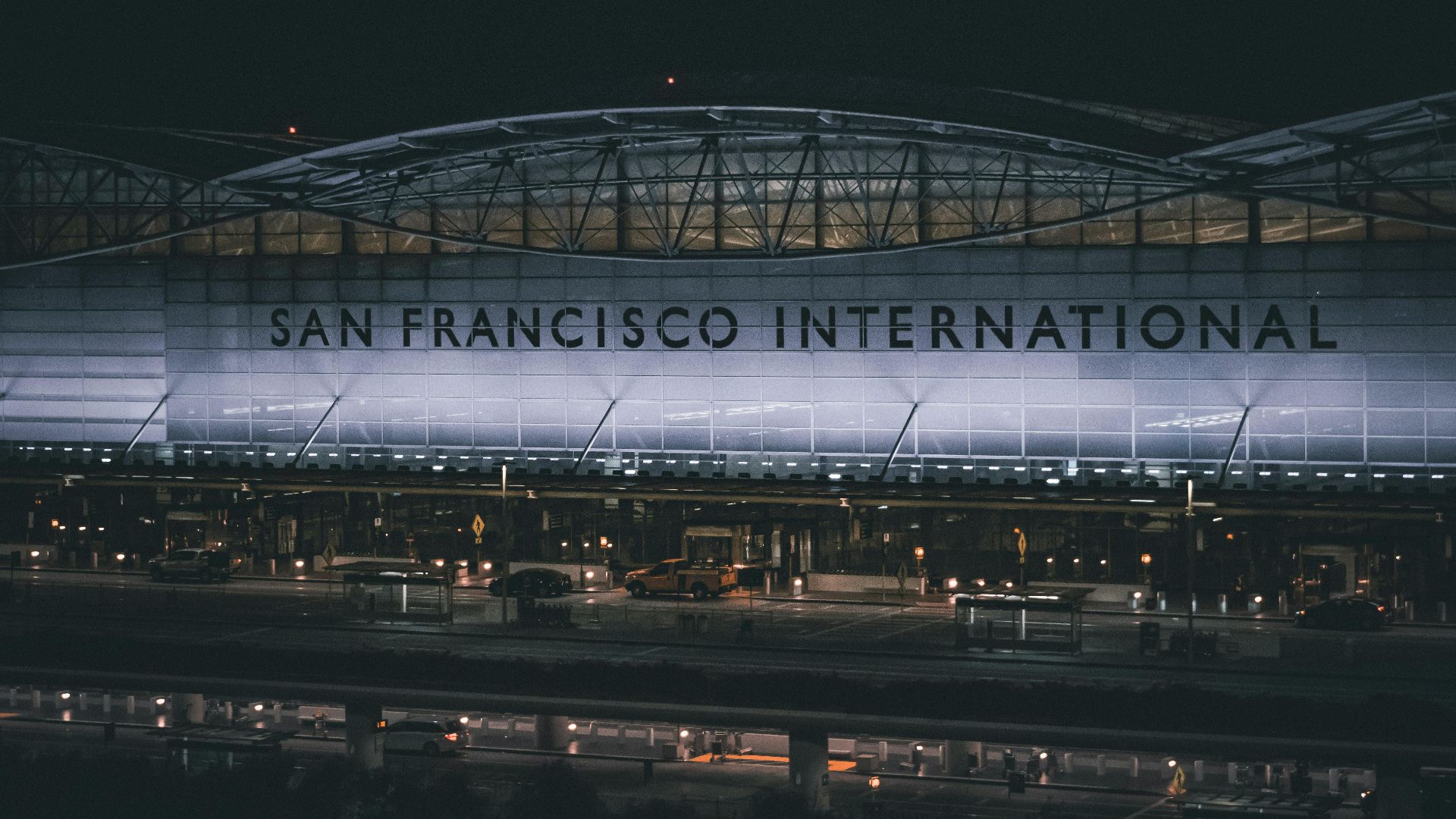
Airport rental branches often face the worst inventory problems because flight delays, late returns, and unpredictable travel surges constantly disrupt vehicle availability. Busy holiday weekends can make shortages even more common.
Booking Directly Sometimes Helps
Customers who book directly through the rental company occasionally receive better treatment during inventory shortages. Agencies may prioritize their own loyalty members and direct reservations over discounted third-party bookings from Priceline, Expedia, or similar platforms.

Loyalty Programs Can Help Your Odds
Frequent renter memberships sometimes provide access to priority service and vehicle selection. Even free loyalty programs can improve your chances of receiving the reserved class without extra fees during busy travel periods.

Documentation Matters During A Dispute
If you feel pressured into paying for an upgrade, save every piece of documentation. Keep screenshots of your reservation, pricing breakdowns, emails, and receipts. Written proof can become important if you later dispute the charge.

Ask The Agent To Note The Shortage
Before accepting an upgraded vehicle, ask the rental agent to document that your reserved vehicle class was unavailable. Having the shortage acknowledged in writing may strengthen your position when seeking reimbursement afterward.
 Henri Mathieu-Saint-Laurent, Pexels
Credit Card Protections May Help
Some credit card issuers allow disputes involving services that were not delivered as advertised. While success varies, customers occasionally recover upgrade fees when they can demonstrate that the reserved vehicle class was not properly honored.

Priceline Customer Service Has Limits
Travel platforms like Priceline may offer assistance after the fact, but their ability to override the rental company is often limited. Customers sometimes discover that Priceline mainly acts as a middleman relaying complaints between both sides.
 David Escala de Almeida, Pexels
Social Media Complaints Sometimes Work
Public complaints on social media occasionally produce faster responses than customer service phone lines. Rental companies often react more quickly when negative experiences become visible online and threaten their public reputation.

Alternatives May Exist Nearby
If you are not locked into a prepaid reservation, it may be worth checking nearby rental agencies before agreeing to a costly upgrade. Competing locations occasionally have available vehicles at lower rates, especially away from airports.

Travel Insurance Usually Doesn’t Cover This
Most travel insurance policies focus on cancellations, medical emergencies, or delays rather than rental car inventory disputes. Many travelers are surprised to learn that forced upgrade fees generally fall outside standard travel insurance coverage.

Timing Your Pickup Can Matter
Arriving late in the evening increases the odds of inventory shortages because many vehicles have already been assigned earlier in the day. Early pickup times can sometimes improve your chances of receiving the reserved class.

Some Renters Successfully Negotiate
Customers occasionally persuade agents to waive upgrade charges by remaining calm but firm. Politely pointing out the confirmed reservation, asking for a manager, or mentioning consumer complaints can sometimes encourage the agency to compromise.

The Fine Print Usually Favors The Agency
Unfortunately, rental contracts are often written heavily in favor of the company. Agencies typically include broad language allowing substitutions based on availability, which can limit customers’ legal leverage after an inventory shortage occurs.

Why Travelers Keep Feeling Burned
Many travelers feel baited by low advertised rental rates that become much more expensive at pickup. Extra fees, forced upgrades, and limited inventory create the impression that the original reservation price was never truly realistic.

The Best Protection Is Preparation
The strongest protection is understanding how rental reservations actually work before traveling. Booking directly, joining loyalty programs, saving documentation, and comparing nearby agencies can all reduce the odds of getting trapped in an expensive upgrade situation at the counter.

You May Also Like: