
The King Suite Vanishes
You booked a king suite expecting more space, one larger bed, and the room setup you actually chose. Then you open the door and find two double beds instead. It's a common hotel hangup for travellers, and it raises a pretty simple question: Is that really an equal replacement for the room you paid for?

Short Answer, Usually No
Most of the time, a room with two double beds is not the same as a king suite. The bed type is different, the sleeping setup is different, and the word suite usually means a bigger room or a separate sitting area. If you specifically booked a king suite, a standard two-bed room is usually a downgrade unless the hotel can show the room category and amenities are truly comparable.

Why The Word Suite Matters
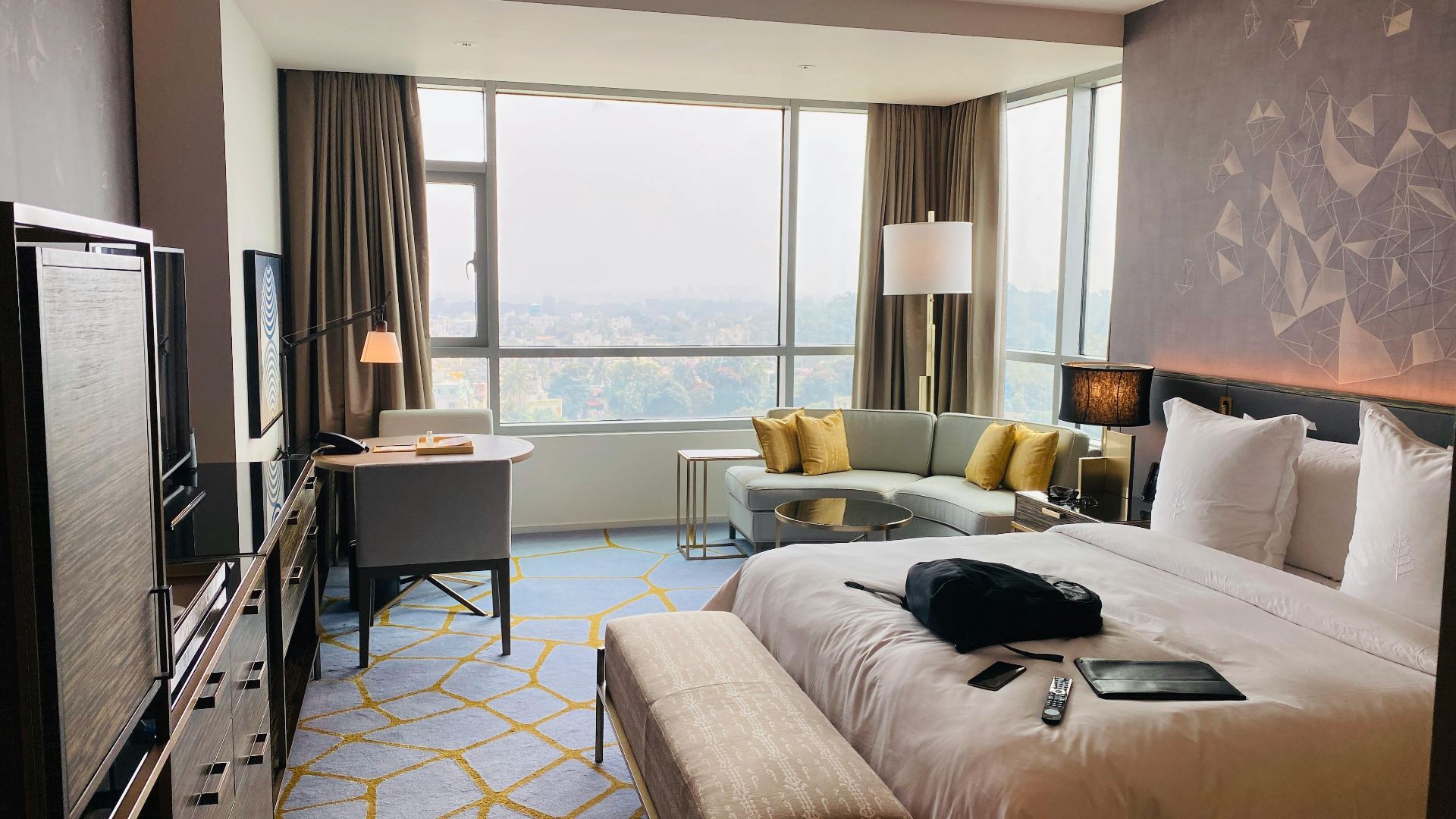
Hotels use room labels for a reason, even if there is no single legal standard for every property. A suite usually means more than just a different bed. Marriott’s room type guide, for example, says suites offer more space than a standard guest room and often include separate living and sleeping areas.
A King Bed Is Not Just A Preference
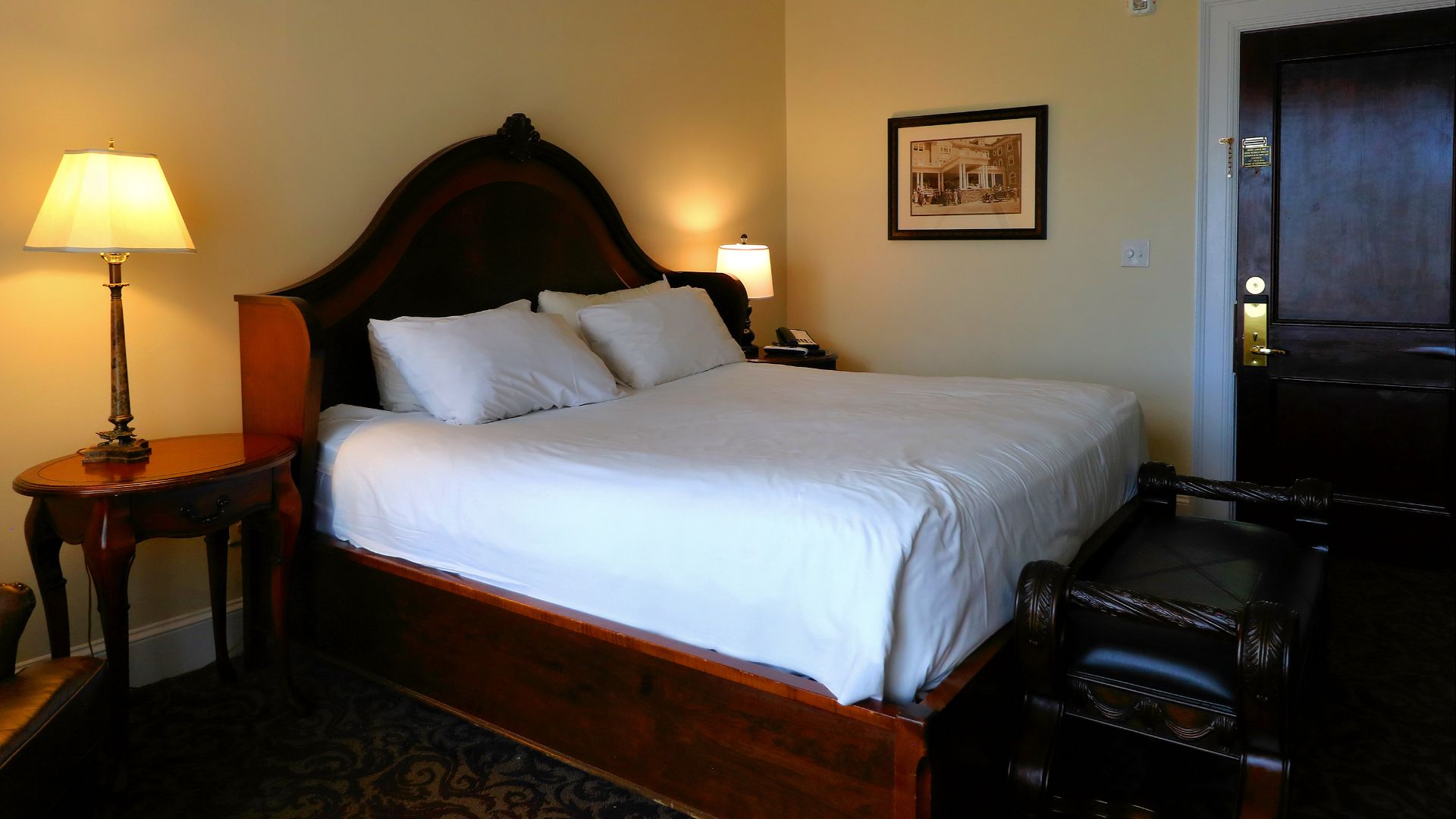
A king bed is not just a marketing detail. According to Sleep Foundation, a standard king mattress measures 76 inches by 80 inches. A full-size mattress, often called a double, measures 54 inches by 75 inches. That means two doubles are not the same thing as one king for couples who wanted to share one larger bed.
 Larry D. Moore, Wikimedia Commons
Two Doubles Sound Bigger But Feel Different
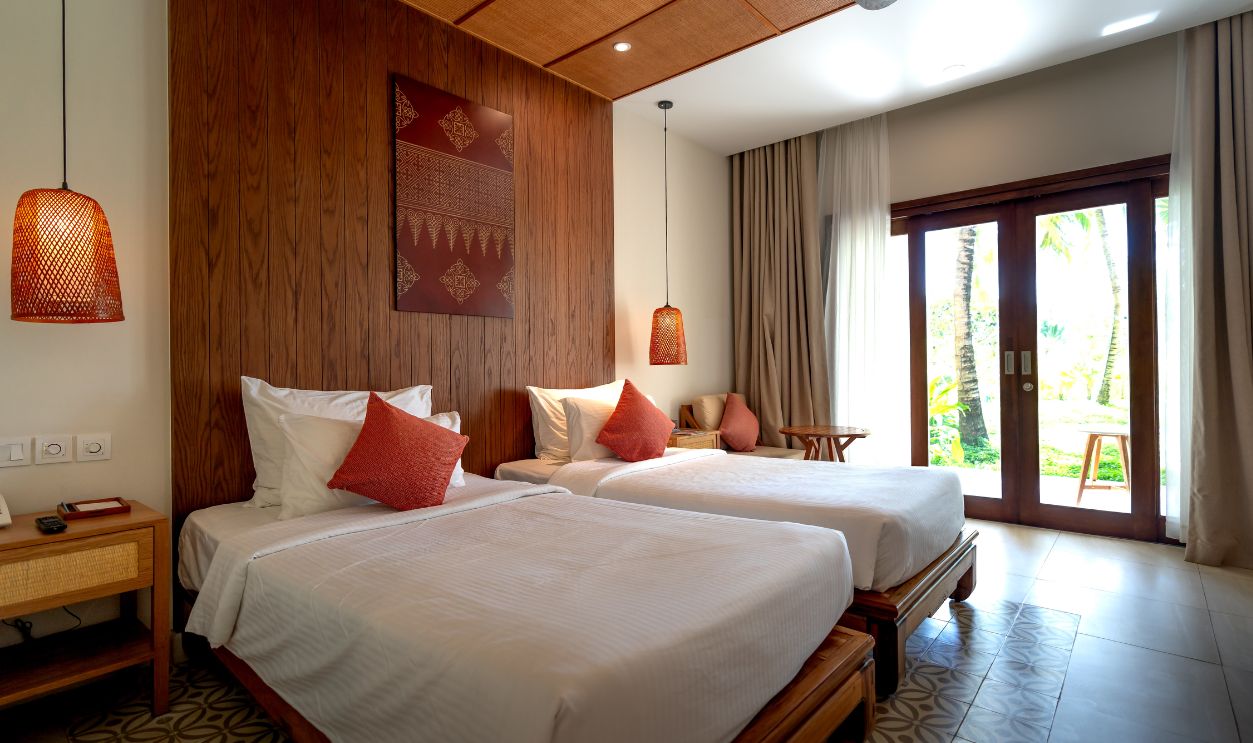
On paper, two doubles may seem like more total mattress space. But travelers do not sleep on paper. A couple who booked one king probably wanted to sleep together in one bed, and that experience is not replaced by splitting up into two full beds.
The Layout Changes Everything
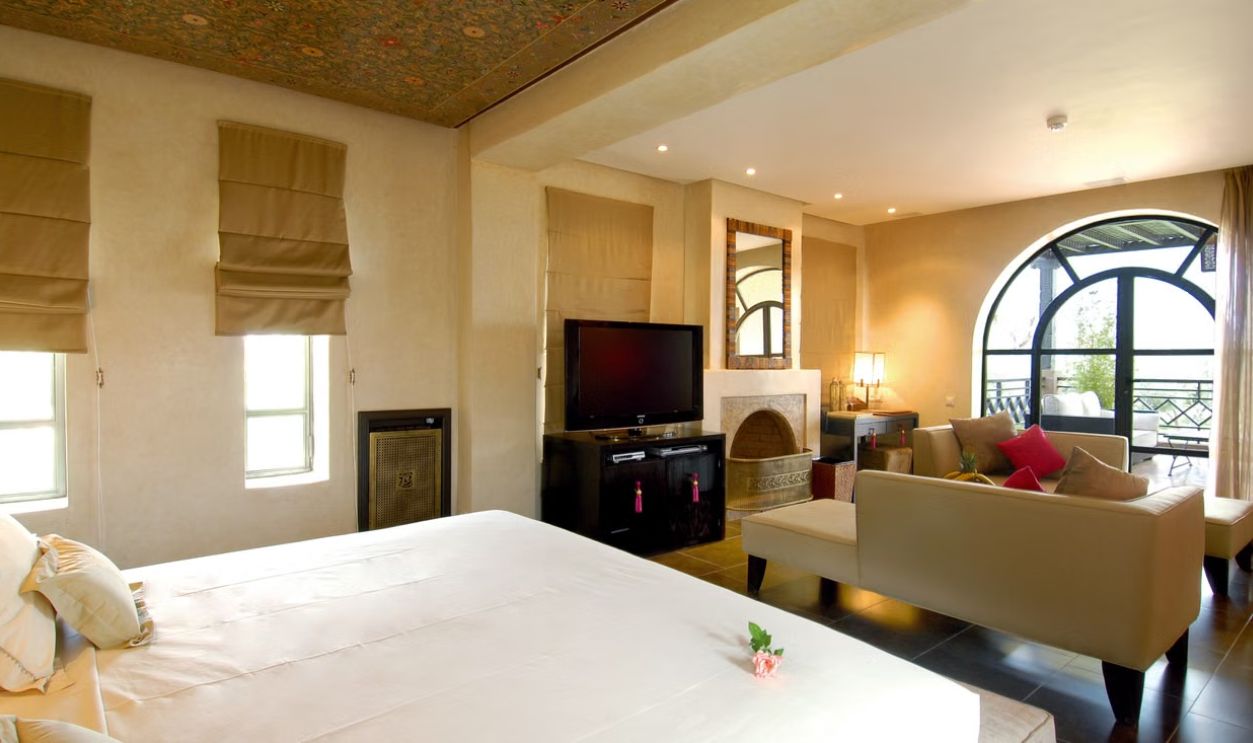
The swap can affect more than sleep. A suite may have a sofa, a real work area, or a separate room where one person can sleep while the other works or watches TV. A room with two doubles might be perfectly fine, but it often gives you a very different setup.
Hotel Booking Terms Usually Favor The Property
This is where it gets messy. Many hotel terms say room types and bedding preferences are requests or are subject to availability, especially if you booked through a third party or used a discounted rate. Choice Hotels, for example, says room type and bed type preferences cannot be guaranteed.

Not Every Reservation Is A Guarantee
Big online travel agencies often say the same thing. Expedia’s lodging booking terms note that room types and bedding can depend on availability at check-in and are not guaranteed by every property. That does not mean every substitute is fair, but it helps explain why front desks sometimes think they can make the switch.

Direct Booking Can Help, But Not Always
Booking directly with the hotel or brand can improve your chances of getting the room type you picked. It also gives you a cleaner way to escalate if something goes wrong. But even direct bookings can run into oversold rooms, maintenance issues, or plain old mistakes on busy nights.

Overbooking Is A Real Industry Practice
Hotels sometimes sell more rooms than they actually have because they expect cancellations or no-shows. That practice is common, but it can leave guests stuck when the numbers do not work out. The American Hotel & Lodging Association has consumer guidance that explains what hotels often do when they cannot honor a reservation, including trying to find another place for the guest to stay.

When Equivalent Really Means Comparable Value
If a hotel says the new room is equivalent, ask what exactly it is comparing. Is it the square footage, the occupancy, the nightly price, the floor, or the included features? If you booked a suite and the replacement is not a suite, the hotel should be able to explain why it thinks the value still lines up.

Square Footage Is A Useful Reality Check
One of the fastest ways to test the claim is to compare the listed room sizes on the hotel’s own site. Many hotels publish square footage or square meter ranges for each room type. If the king suite is clearly larger than the two-double room, that is strong evidence the replacement is not equal.

Bed Type Has Monetary Value Too
Check the live nightly rates for both room types on the date of your stay if that information is still available in your account or emails. If the king suite cost more than the double room, it gets a lot harder for the hotel to argue they are the same. A price gap can also help support a refund request or points credit.

Amenities Can Tip The Scale
Suites often come with extras like better views, lounge access at some brands, upgraded toiletries, more seating, or better placement in the hotel. If any of that disappeared when your room changed, make note of it. Small differences add up quickly when you are asking for compensation.

Families And Couples Are Affected Differently
For a family with kids, two double beds may work well enough, even if it still does not match the suite layout they booked. For a couple celebrating something special or simply wanting one bed, it can feel like a major miss. The replacement may be usable, but usable is not the same as equivalent.

Accessibility Can Make A Swap Worse
If your original booking met accessibility needs, any room change deserves close attention. The Americans with Disabilities Act requires hotels to provide accessible features consistent with what was reserved when those room types are held and booked properly. A non-equivalent switch can be more than an inconvenience if it takes away needed access features.

What To Say At The Front Desk
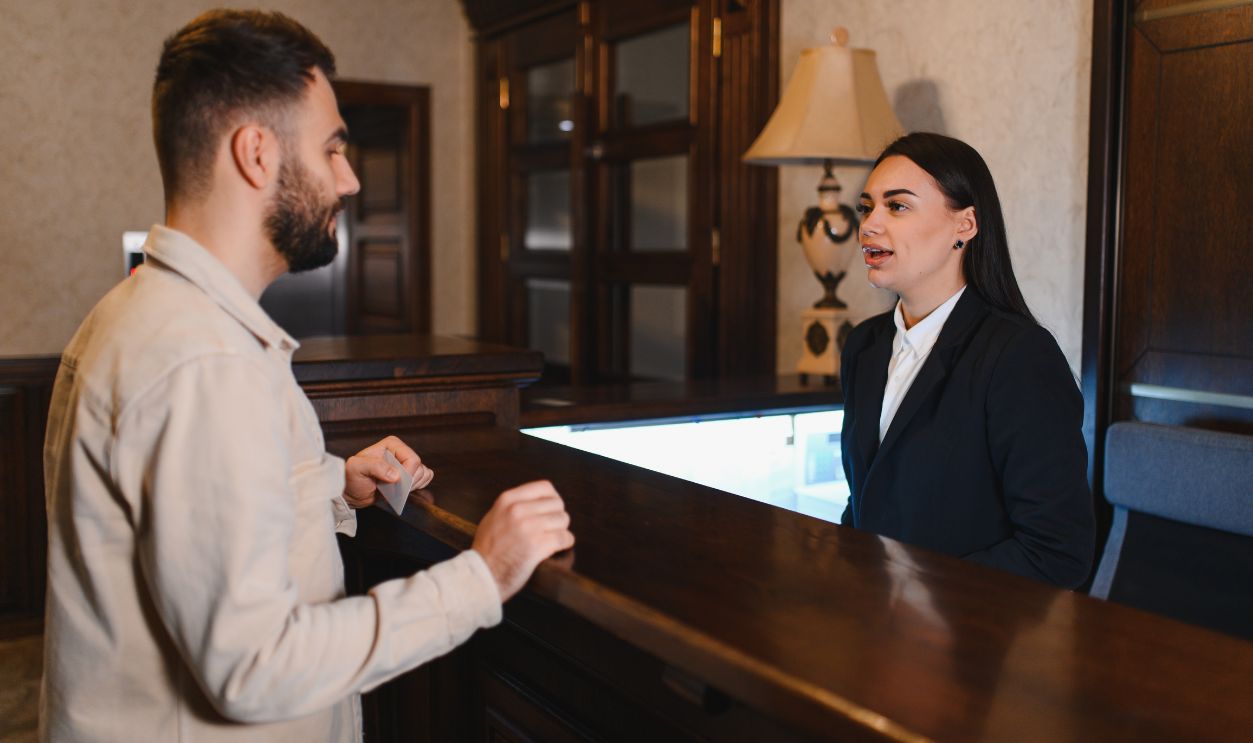
Keep it calm and specific. Say that you booked a king suite, you were given a room with two double beds, and you do not consider those room types equivalent. Then ask for one of three things: the room you booked, a truly comparable suite, or compensation that reflects the downgrade.

Ask The Right Questions Fast
Time matters because the best replacement rooms go first. Ask whether the issue is temporary, like a room that is not cleaned yet, or final, like a suite that is out of service. Then ask whether another room may open later that evening and whether the hotel can move your bags if it does.
 Hryshchyshen Serhii, Shutterstock
Document Before You Unpack
Take screenshots of your reservation confirmation showing the room category. Photograph the room you were given and the room number if needed. If the hotel’s website lists different room sizes or features, save those pages too before the descriptions or rates change.

Compensation Should Match The Downgrade
A fair fix depends on what you lost and how long you lost it. Common options include a partial refund, loyalty points, free breakfast, parking, or a future stay credit. If the replacement room sells for less than the one you booked, a rate adjustment is a reasonable place to start.

Do Not Let Vague Promises Slide
If a manager offers compensation, get the details in writing by email or in the folio notes before checkout if possible. Travelers are often told something will be handled later, only to find there is no record of it. A paper trail makes customer service disputes much easier.

Third Party Booking Adds Friction
If you booked through an online travel agency, the front desk may tell you to contact the agency for any refund difference. Then the agency may say it needs hotel approval. That loop is one reason many experienced travelers prefer booking direct when the room type really matters.

Credit Card Protections Are Limited
Some travelers assume a credit card dispute will solve the problem. In reality, card issuers usually focus on whether you received lodging at all, not whether the bed type matched your reservation. A dispute may still help in extreme cases, but it is usually better to press the hotel and booking channel first.
Elite Status Can Change The Outcome
Loyalty status does not fix everything, but it can give you more leverage. Brand customer care teams are often more responsive when a loyal member documents a clear service failure. If you have status, mention it politely and ask the hotel to review your booking history and original room category.

When The Hotel Walks You Elsewhere
If the property cannot provide a comparable room at all, it may offer to move you to another hotel. In the industry, that is often called a walk, and reputable properties usually arrange transportation and cover the first night’s rate difference if needed. If that happens, ask who is paying for what and get it in writing before you leave.

Equivalent Depends On Facts, Not Spin
The key point is simple. Equivalence is not about whether the replacement room sleeps the same number of people. It is about whether the hotel delivered a room that closely matches the reserved category, bed type, space, and amenities so the value stays about the same.

The Practical Verdict
If you booked a king suite and got a room with two double beds, that is usually not an equivalent replacement. It may be good enough in a pinch, but it is generally a different product with a different experience. The smartest move is to compare the room categories, document the downgrade, and ask clearly for either a true replacement or compensation.

How To Avoid This On Your Next Trip
Book direct when you can, confirm the room type a day or two before arrival, and check in earlier rather than later if the room really matters. Save screenshots of the room description and price when you book. A little prep will not stop every hotel mix-up, but it can make the front desk conversation much easier when your king suite suddenly disappears.