
The Tiny Bottle That Can Start A Big Fight
You check out, glance at your folio, and there it is: a charge for bottled water you never drank. It sounds minor, but it can be surprisingly hard to get removed once it lands on your bill—and it's the most expensive bottle of water you've ever seen. But in most cases, hotels do not need airtight proof. They usually rely on staff checks, minibar systems, and the terms you agreed to at check-in.

Why This Happens So Often
Hotels and resorts have long treated in-room snacks and drinks as minibar or convenience items, even when they are sitting out on a desk instead of inside a fridge. The American Hotel & Lodging Association advises guests to review their bill carefully before leaving because billing mistakes do happen. That matters here because a bottle can be charged through a routine room check even if no one actually saw you open it.

Proof Is Often Looser Than Guests Expect
Most travelers assume a resort must show a broken seal, a photo, or some kind of sensor record. In reality, the “proof” may be much simpler. It could be a housekeeper noting a missing item, a minibar attendant logging consumption, or the front desk relying on inventory records tied to your room.

What The Hotel Is Really Using
Hotels usually rely on business records, not detective work. If the bottle was placed in your room before arrival and later marked as missing or consumed, that can be enough for the charge to appear on your folio. Whether that would hold up in a deeper dispute depends on the details, but most checkout arguments never go that far.

Minibar Technology Changed Things
Some properties still use manual checks, but others use automated minibar systems that are meant to detect when an item is moved or removed. Bartech, a major minibar technology company, says its systems can register activity and automatically post charges to a guest folio. That creates a new problem: depending on the setup, even picking up a drink to read the label can trigger a charge.
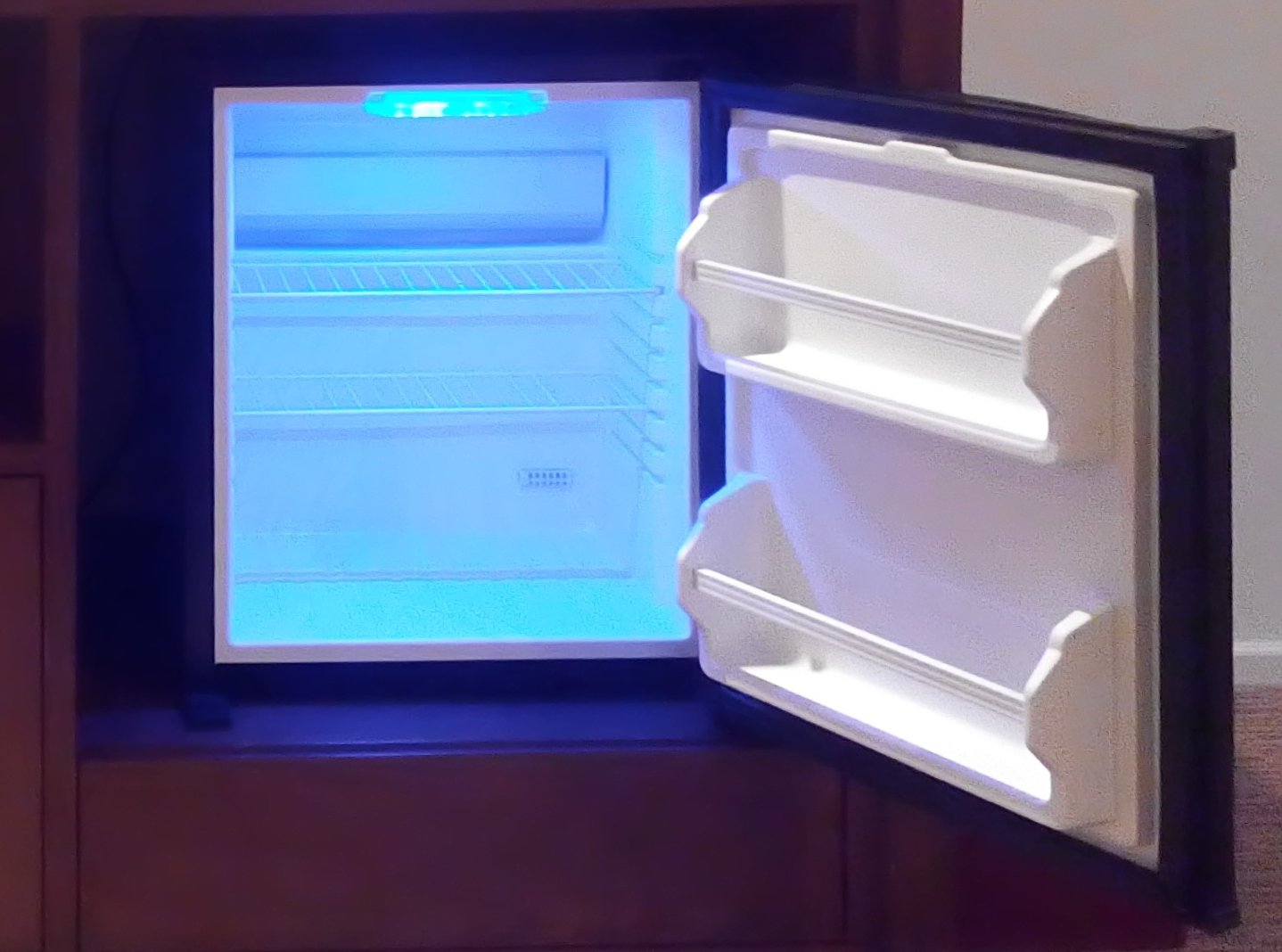 StagiaireMGIMO, CC BY-SA 4.0, Wikimedia Commons
Those Sensors Can Be Touchy
Travel advice sites have warned about sensitive minibar sensors for years. SmarterTravel has reported that some hotel minibars charge guests when an item is lifted for more than a short period, even if it is put back unopened. That means you can be billed without ever breaking the seal, which is why it helps to ask how the hotel tracks the item.

Not Every Water Bottle Is A Minibar Item
This is where things get blurry. A bottle left on a counter, next to the coffee maker, or by the sink may be free at one hotel and chargeable at another. Travel guidance regularly warns guests to look for a price list, tent card, or in-room notice because where the bottle sits does not always tell you whether it costs extra.
Resorts Usually Put The Terms In Writing
Hotels often spell out room charges, minibar rules, and incidental billing in their registration terms. Those terms may appear on a paper form, a digital check-in screen, or in a confirmation email. If the hotel says in-room beverages are chargeable unless marked complimentary, that wording becomes a big part of any dispute.

The First Thing To Ask
If you were charged for unopened water, ask the front desk exactly how the resort decided it was consumed. Keep it simple and direct. Was the bottle missing, moved, logged by a minibar system, or reported by housekeeping after checkout?

A Missing Bottle Is Easier For Them To Defend
If the bottle is gone from the room, the resort has a stronger practical case, even if you say you never drank it. Staff may say the item was not there during the room inspection and that the folio charge reflects replacement cost. That does not automatically make them right, but it gives them a clear inventory-based reason.
An Unopened Bottle Is Easier To Challenge
If the bottle was still in the room and still sealed, your position is stronger. Then the main question becomes whether the hotel has an automated system that posted the charge when the item was moved. If there is no sensor system and the bottle stayed there unopened, ask the hotel to explain the charge in plain English.
Ask When The Charge Was Posted
This is one of the most useful details you can get. A timestamp can show whether the charge was added automatically while you were still in the room or entered later after a housekeeping check. That timing can help you figure out whether you are dealing with a sensor issue, a room-check mistake, or a basic billing error.
 Monkey Business Images, Shutterstock
Ask For A Manager If Needed
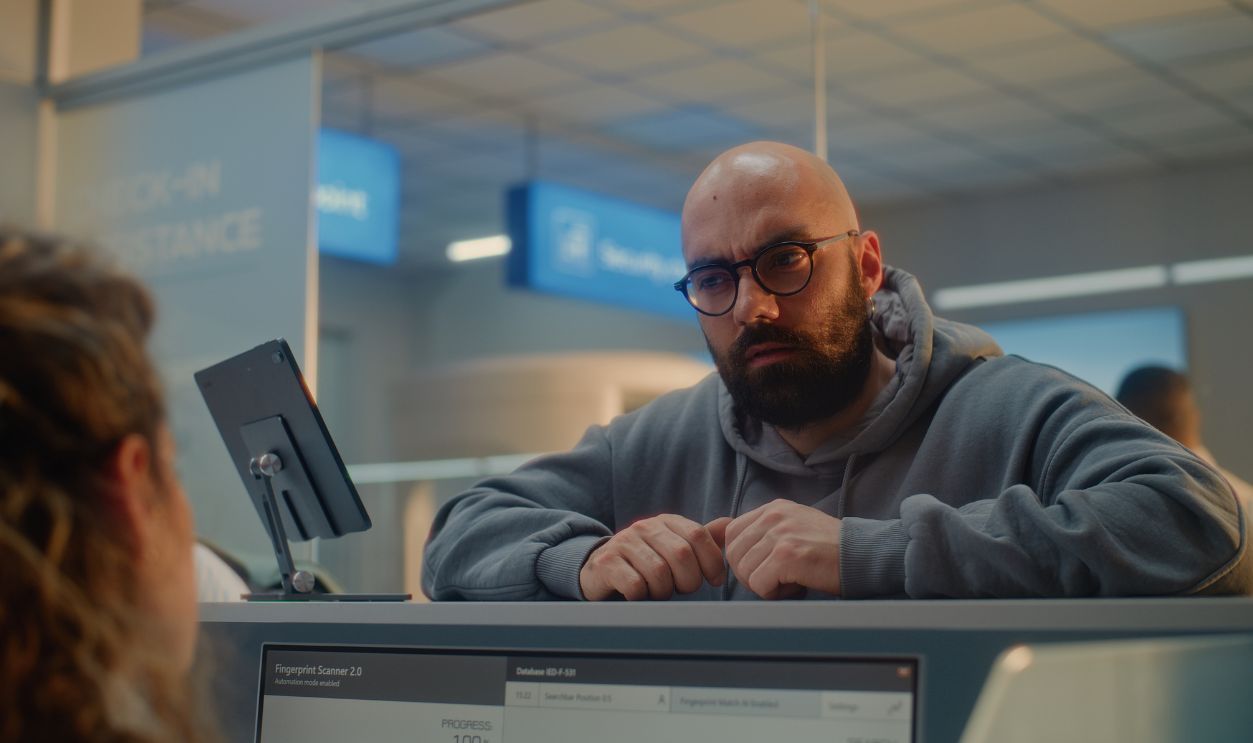
Front desk staff can often remove a small charge, but not always. If the employee says the system will not allow it, ask for a supervisor or manager to review the item history. Staying calm usually works better than getting into a long argument at a busy checkout desk.
 Frame Stock Footage, Shutterstock
Take Photos Before You Leave
This is one of the easiest ways to protect yourself. If there is chargeable water or minibar stock in the room, take a quick photo before checkout, especially if the pricing is unclear. It is not perfect proof, but it gives you a time-stamped record if something odd shows up later on the bill.

Check The Room Card And Welcome Materials
Many resorts disclose bottled water charges on a small card, in the guest directory, or on the minibar menu. If the water was supposed to be complimentary for loyalty members, certain room categories, or direct bookings, keep that paperwork or save a screenshot. The exact wording can make all the difference.

Sometimes “Complimentary” Has Fine Print
Some hotels offer free bottled water only on the first night, only to elite members, or only in certain room types. Others provide free basic water each day while premium brands in the same room cost extra. If your resort had both free and paid options, confusion is easy and the charge may have been an honest mistake.

Housekeeping Errors Happen
A room attendant may mark an item as missing when it was only moved, or a minibar restock could be logged under the wrong room number. The Federal Trade Commission’s general billing advice is to dispute charges quickly and keep records. That applies here too, because the sooner you raise the issue, the easier it is to fix a hotel’s internal mistake.

What If You Already Left
If you spot the charge after your trip, email the hotel right away and include your folio, reservation number, and a clear note that the bottle was unopened or untouched. Ask them to explain how they verified the charge. Written communication helps because it gives you a record if you need to push the issue further.

Use Credit Card Protections Carefully
If the hotel refuses to remove a charge you believe is wrong, you may be able to dispute it with your credit card issuer. The Consumer Financial Protection Bureau says consumers should send billing disputes in writing to protect their rights under the Fair Credit Billing Act. That step usually makes the most sense when the hotel cannot or will not give a reasonable explanation.
 Tony Webster, Wikimedia Commons
The Dollar Amount Is Not The Main Issue
A bottled water fee may be just a few dollars, but small charges add up and are easy to miss. Review your folio for minibar items, resort fees, parking, and taxes before you leave the desk. Tiny charges are often the ones people let slide, which is exactly why they can go unchallenged.

How Resorts Usually Win These Disputes
They usually win by having a clean paper trail, not dramatic proof. If the property can point to minibar terms, an inventory log, or an automated charge record, many guests stop fighting it. In other words, the hotel often does not need to prove you drank the water, only that its billing system shows the item as chargeable to your room.
How Guests Usually Win
Guests tend to do well when they stay calm, ask sharp questions, and bring details the hotel cannot easily dismiss. A photo of the room setup, a screenshot showing complimentary water, or a missing explanation for the timestamp can all help. A polite request for documentation often works better than a broad complaint that the charge is unfair.
 LightField Studios, Shutterstock
Do Hotels Need Video Or A Broken Seal
Usually not. There is no general rule requiring a resort to produce video footage or prove the cap was opened before posting a room charge. In most cases, this is just a billing and customer-service dispute handled under hotel policy and payment card rules, unless it escalates much further.

The Best Time To Fight It Is Before You Leave
Once you check out and go, the charge can feel more settled and the facts harder to pin down. Standing at the desk with your folio in hand gives you the best shot at getting it reviewed right away. If needed, ask staff to contact housekeeping or minibar control while you are still on the property.

A Good Script To Use At The Desk
Try this: “I see a charge for bottled water on my folio, but I did not consume it. Can you tell me exactly how the hotel determined that charge and when it was posted?” It is polite, direct, and focused on facts. It also nudges the conversation toward records instead of opinions.

What To Do If You Only Moved The Bottle
Say that clearly and ask whether the room uses a sensor-based minibar system. If it does, ask for a courtesy reversal, especially if the bottle stayed unopened. Travel publications have reported on accidental charges from these systems, so your explanation is hardly unusual.

The Bottom Line For Travelers
If a resort charges you for bottled water left in the room, it will usually “prove” the charge through room inspection records, automated minibar data, or its own billing policies, not through ironclad physical evidence. Your best defense is simple: read the room notices, photograph anything unclear, review the folio before leaving, and ask for a specific explanation the moment you spot the charge. It may be just a bottle of water, but small fees can leave the biggest headache.