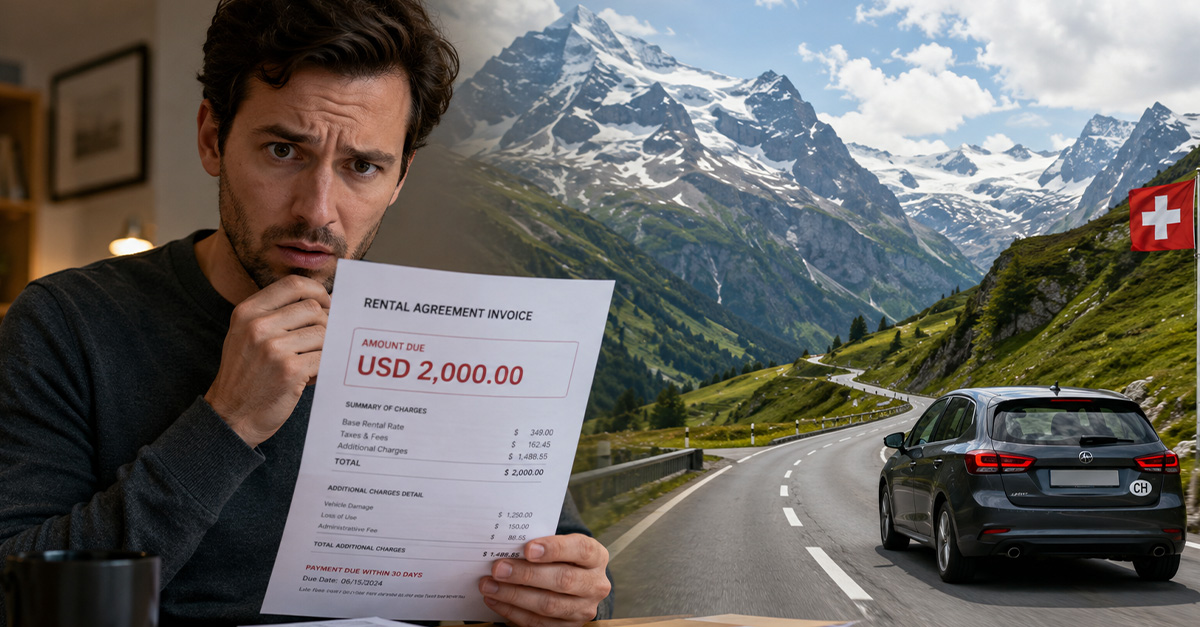
The $2,000 Surprise Nobody Wants
You came home from your international trip with souvenirs, photos, and maybe a mild addiction to foreign pastries. Then, two weeks later, your rental car company drops a $2,000 bill in your inbox. Suddenly, that “affordable” little hatchback feels like it came with a diamond-studded steering wheel.
First, Don’t Panic
A shocking rental car bill does not automatically mean you must pay it immediately. Rental companies make mistakes, local fees can be confusing, and some charges are negotiable. Your first move is not to smash the “pay now” button. It is to slow down and ask for proof.

Ask For An Itemized Bill
A vague charge called “damage,” “administrative fee,” or “traffic violation” is not enough. Ask the rental company for a full itemized invoice. You want dates, photos, repair estimates, police reports, toll records, and any documents that explain exactly why they believe you owe $2,000.

Figure Out What The Charge Is For
That bill could be for damage, tolls, speeding tickets, parking fines, fuel, late return fees, cleaning, or mysterious “loss of use” charges. Each category has different rules. A legitimate traffic ticket is very different from a suspicious scratch discovered days after you returned the car.

Check Your Rental Agreement
Yes, the rental agreement is boring. Yes, it looks like it was written by a committee of caffeinated lawyers. Read it anyway. Look for sections about damage, deposits, insurance, administrative fees, foreign fines, dispute deadlines, and what happens after you return the car.

Look At Your Return Paperwork
Did someone inspect the car when you returned it? Did you receive a final receipt or checkout document showing no damage? That paper is your travel superhero cape. If the car was accepted without notes, it can make the company’s later damage claim much harder to defend.

Gather Your Own Evidence
Dig through your phone. Look for photos or videos of the car at pickup and drop-off. Even casual vacation shots may show the vehicle’s condition. Receipts, emails, timestamps, GPS logs, hotel parking records, and messages with the rental desk can all help build your case.

Damage Claims Need Proof
If the company says you damaged the car, ask for before-and-after photos, the repair invoice, and proof the damage happened during your rental period. A blurry close-up of a bumper with no date, location, or car identification should not be treated as solid evidence.

Watch For The “Pre-Existing Scratch” Trick
Some travelers get billed for damage that was already there. This is why pickup photos matter. If you noticed dents, scratches, cracked mirrors, or stained seats at the start, compare them with the company’s claim. Pre-existing damage should not become your expensive vacation souvenir.

Traffic Tickets Can Arrive Late
In many countries, speeding cameras, bus-lane cameras, and parking systems can take weeks or months to process fines. The rental company may receive the notice after you are already home. They may also add an administrative fee for identifying you as the driver.

Tolls Are Sneaky Little Goblins
Electronic toll roads are easy to miss abroad. You may have driven through a toll zone without seeing a booth. A small toll can turn into a larger bill once service fees are added. Ask for toll records showing the date, time, road, and license plate.

Fuel Charges Are Easy To Challenge
If you returned the car full, send your fuel receipt and, ideally, a dashboard photo showing the tank level. Rental companies sometimes charge refueling fees by mistake. These fees can be wildly overpriced, so even a simple gas receipt can save you real money.
 Vodafone x Rankin everyone.connected, Pexels
Cleaning Fees Need Context
A rental car should be returned in reasonable condition, not museum condition. A few crumbs from a road-trip croissant are not the same as beach sand packed into every seatbelt buckle. Ask for photos and the cleaning invoice before accepting a large cleaning charge.

Check Your Credit Card Benefits
Many travel credit cards include rental car coverage, especially for collision damage. The rules vary, but your card may help if you declined the rental company’s insurance and paid with that card. Contact the card issuer quickly, because claim deadlines can be strict.

Call Your Travel Insurance Provider
Travel insurance may cover some rental car costs, legal expenses, or unexpected charges, depending on your policy. Do not assume you are covered, but do not assume you are not. Send them the invoice and supporting documents and ask exactly what they need.

Your Personal Auto Insurance May Help
Some domestic auto policies extend limited rental coverage abroad, though many do not. It depends on your insurer, your country, the destination, and the type of claim. A quick call can clarify whether you have any protection hiding in your policy.

Dispute The Charge In Writing
Phone calls are fine for gathering information, but disputes should be in writing. Email the rental company clearly and politely. Say you are disputing the charge, request documentation, attach your evidence, and ask them to pause collection while the matter is reviewed.

Keep Your Tone Calm
This is annoying, but rage-emailing the rental desk rarely helps. Write like a reasonable person building a strong case. “Please provide the repair invoice and dated photos” is much more effective than “You vacation goblins are stealing my money,” even if that feels accurate.

Don’t Ignore The Bill
Ignoring the bill can make things worse. The company may charge your card, send the matter to collections, or involve local authorities if there are unpaid fines. Even if the charge looks ridiculous, respond quickly and create a paper trail.

Check Whether They Already Charged You
Sometimes the “bill” is a warning. Sometimes the money is already gone. Check your credit card statement, including pending transactions. If they charged your card without enough evidence, you may be able to dispute it through your card issuer.

Understand Credit Card Chargebacks
A chargeback is not a magic refund button, but it can help when a merchant cannot justify a charge. Provide your card company with the rental agreement, emails, return documents, photos, and your written dispute. The stronger your evidence, the better your chances.

Country Rules Can Be Different
Rental car rules vary widely by country. Some places allow companies to pass along traffic fines and admin fees easily. Others have stricter consumer protections. If the amount is large, check the rental company’s local terms and the destination country’s consumer complaint options.

Contact The Booking Platform
If you booked through a travel site, airline portal, or third-party rental platform, contact them too. They may not control the final bill, but they can sometimes pressure the rental company, review the case, or explain what protections came with your booking.

Escalate To Corporate
If the local branch is unhelpful, escalate to the company’s national or global customer service team. Include a concise timeline, your booking number, and your evidence. Big brands often care more about documented complaints than a busy airport counter does.

When Paying Might Be Necessary
If the charge is clearly supported by documents, matches your contract, and relates to something that happened during your rental, you may have to pay. But even then, you can ask for a reduction, removal of admin fees, or a payment plan.

When You Should Push Back Hard
Push back if the company cannot prove the charge, the damage was pre-existing, the dates do not match, the amount seems inflated, or the car was returned and accepted without issue. A $2,000 demand deserves more than a shrug and your credit card number.

The Road Home
So, do you really have to pay? Maybe—but not until the company proves the charge is real, valid, and connected to your rental. Ask questions, gather evidence, involve your card issuer or insurer, and keep everything in writing. Your vacation may be over, but your rights are still traveling with you.

You May Also Like: