The Trip I Thought I Was Taking
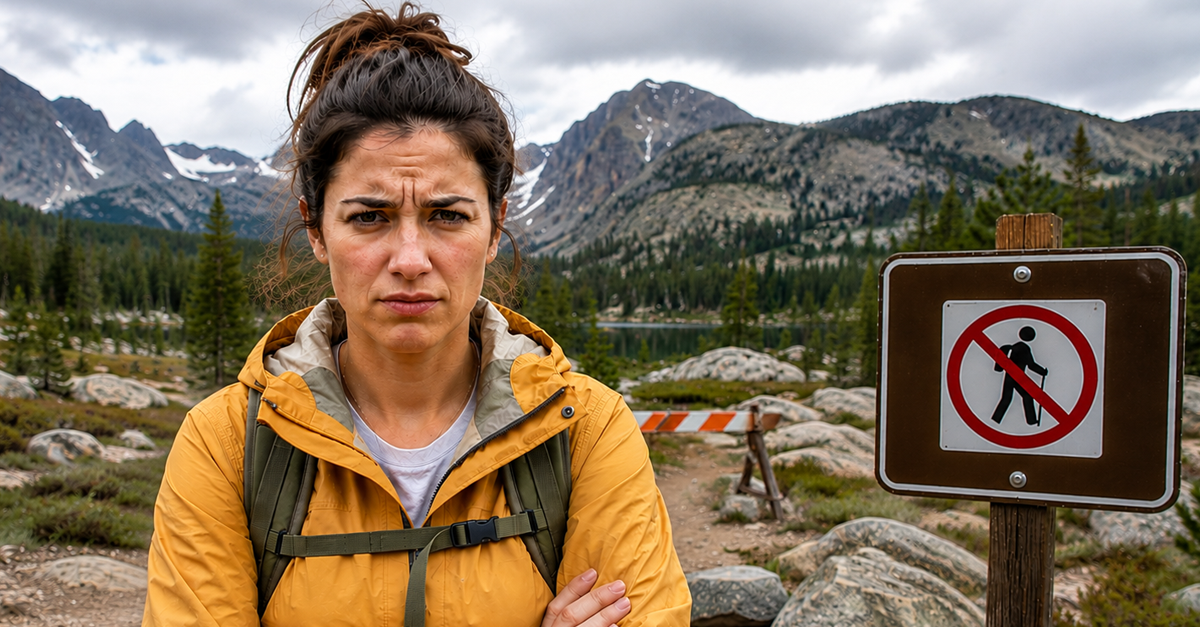
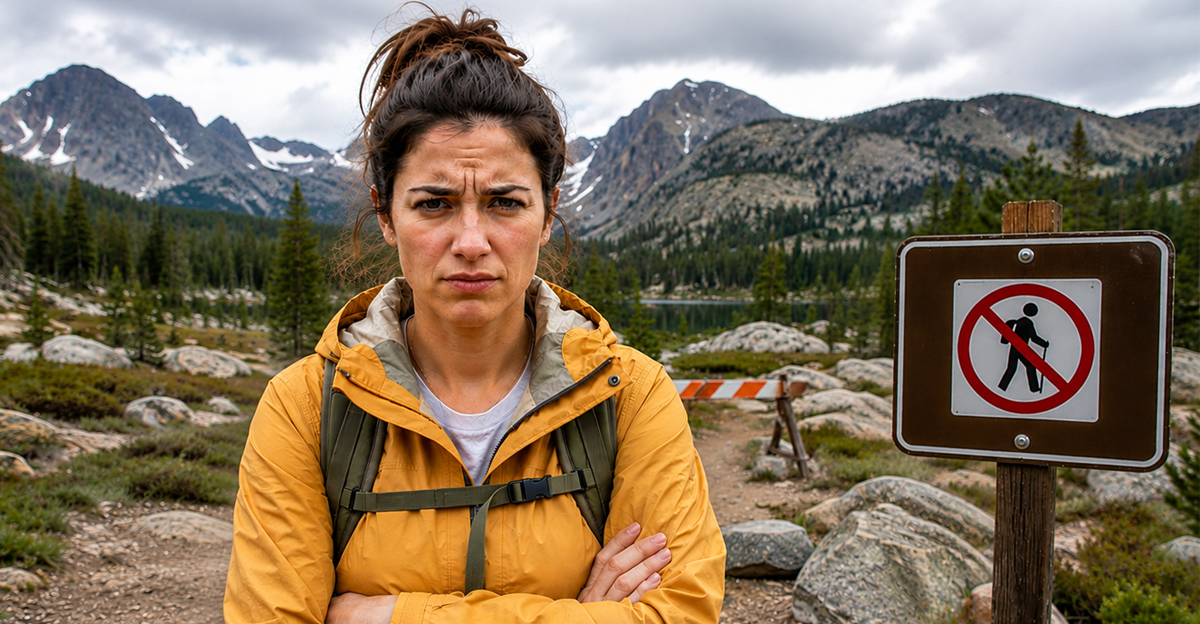
You spend months planning the perfect national park vacation. You picture scenic hikes, wildlife viewing, backcountry camping, and maybe a few ranger-led adventures. Then you arrive and discover that trails are closed, campfires are banned, and certain areas are off limits. Many travelers wonder whether something went wrong. In most cases, the answer is no. Environmental restrictions are a normal and expected part of visiting national parks.
Why National Parks Have Restrictions
National parks are designed to balance recreation with conservation. Their mission is not only to provide enjoyable visitor experiences but also to protect landscapes, wildlife, ecosystems, and cultural resources for future generations. The protection side of that mission often requires limits on what visitors can do. That means some activities may be restricted even during peak travel seasons.
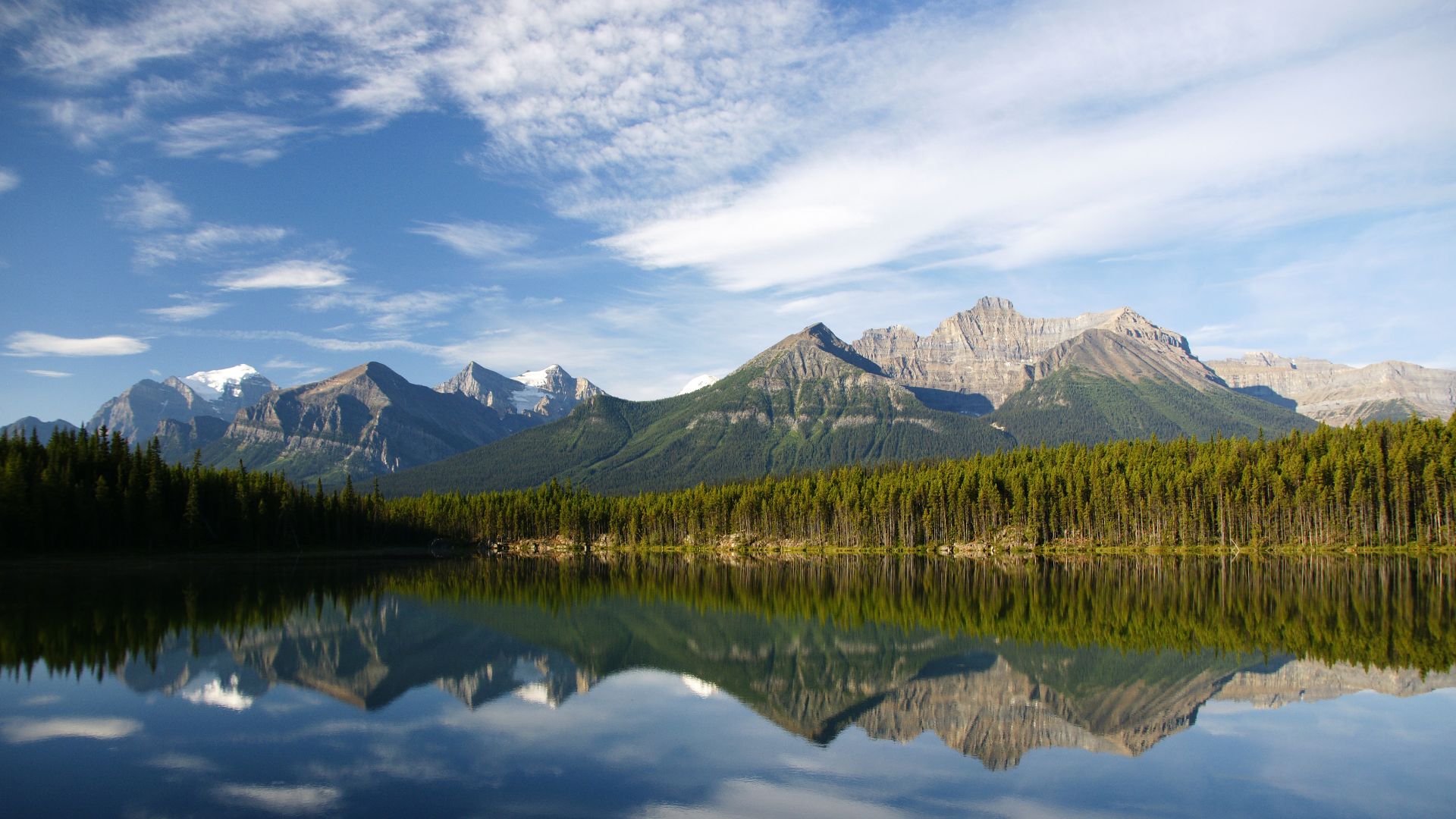 Philippe Cabot, Wikimedia Commons
Protecting Nature Comes First
Many visitors are surprised to learn that conservation takes priority over convenience. Park managers are responsible for protecting natural resources from damage caused by human activity, weather events, invasive species, and environmental change. When officials determine that an activity threatens those resources, restrictions can follow.
 Luca Casale, Wikimedia Commons
Trail Closures Are Extremely Common
A closed trail does not necessarily mean something is wrong. Trails may close because of erosion, storm damage, wildlife activity, flooding, rockfalls, or restoration projects. These closures help protect both visitors and the landscape.
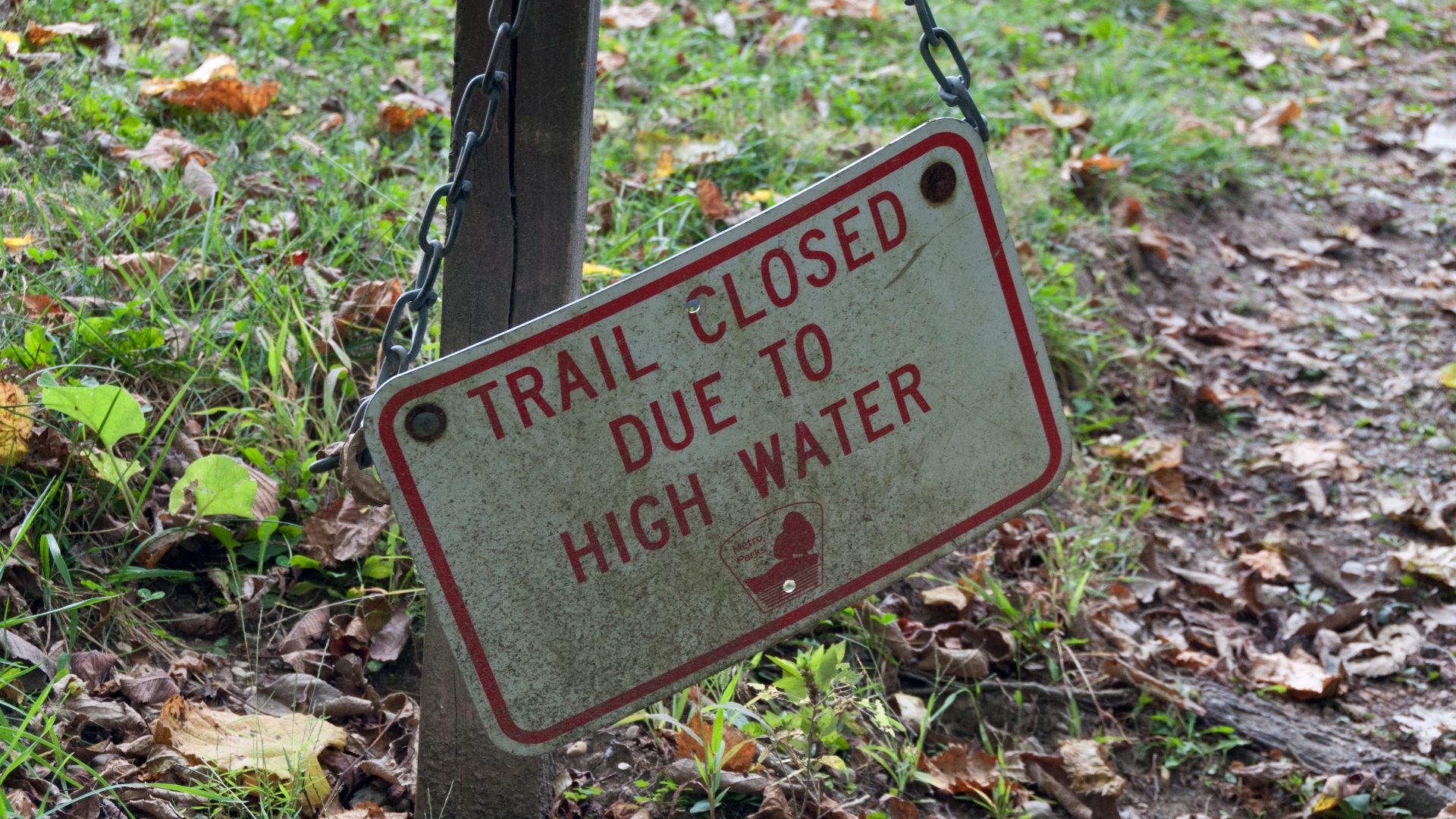 Sixflashphoto, Wikimedia Commons
Wildlife Needs Space
Some restrictions exist specifically to protect animals. Certain areas may close during nesting, mating, migration, or denning seasons. Temporary closures can reduce stress on wildlife and improve survival rates for vulnerable species.
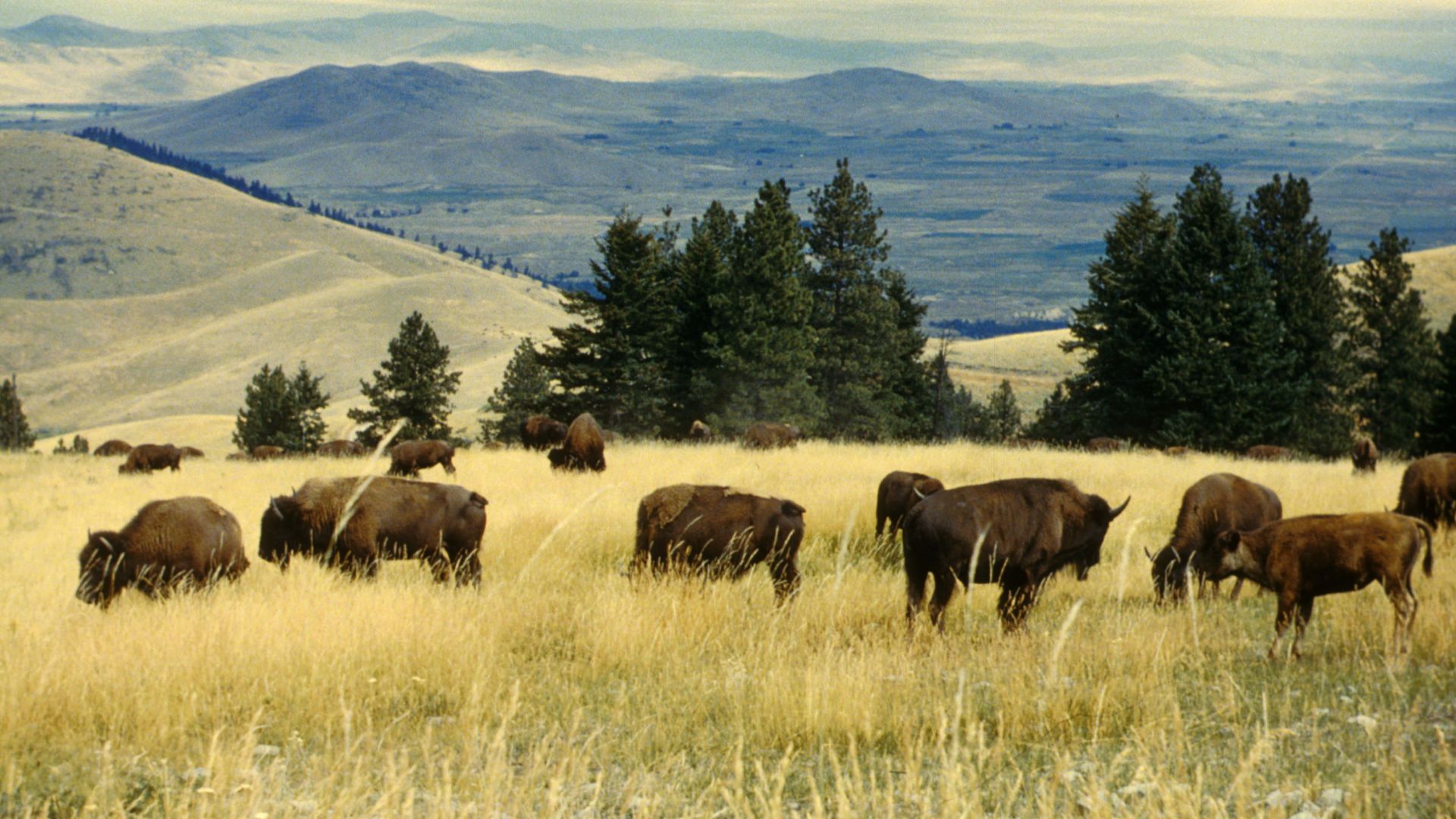 U.S. Fish and Wildlife Service Headquarters, Wikimedia Commons
Endangered Species Can Trigger Restrictions
If a threatened or endangered species occupies part of a park, managers may limit access to protect critical habitat. Even a relatively small number of visitors can disturb sensitive species. As a result, trails, campsites, or climbing routes may be closed seasonally or indefinitely.
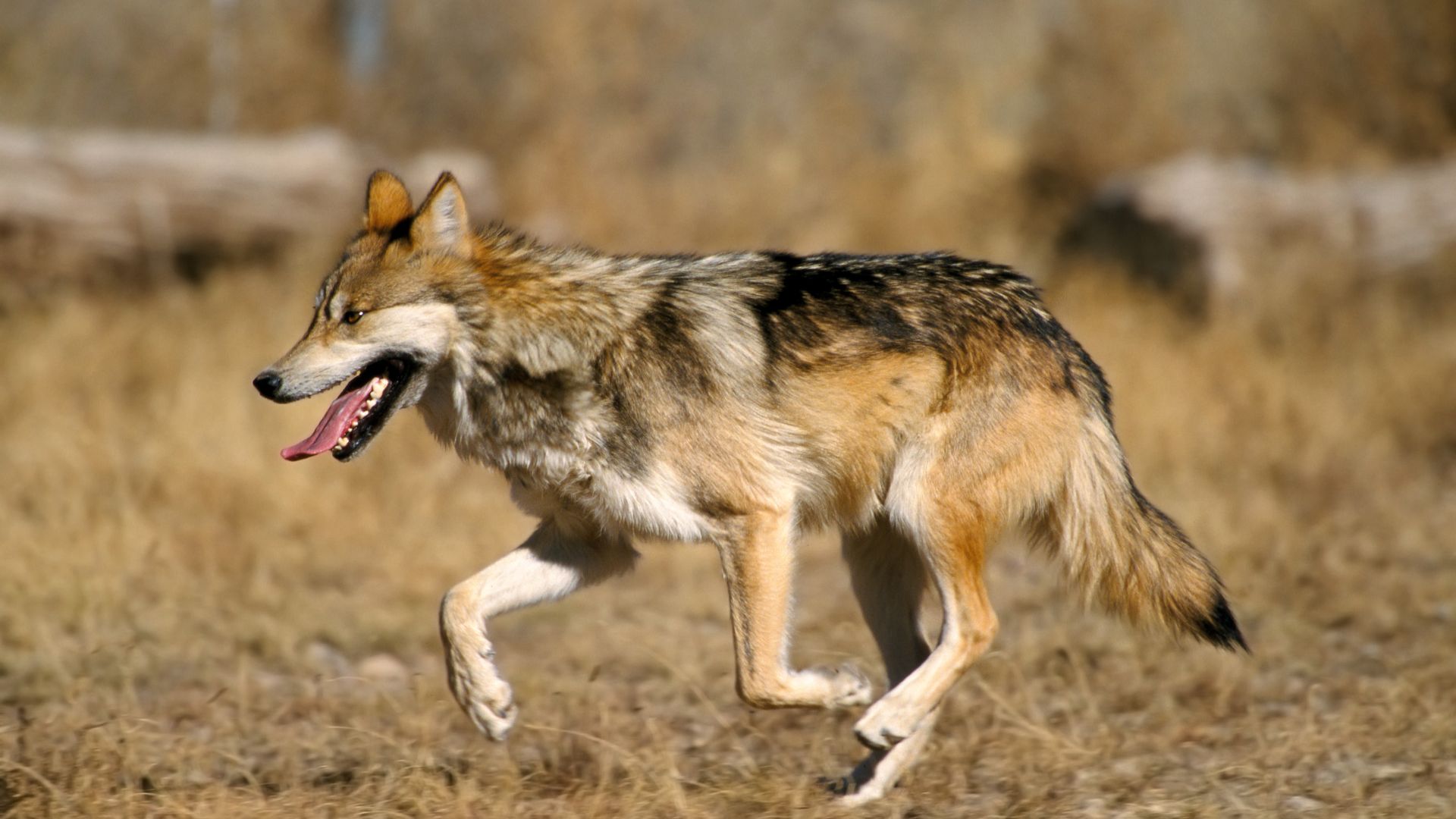 Clark, Jim (U.S. Fish and Wildlife Service), Wikimedia Commons
Fire Restrictions Are Increasing
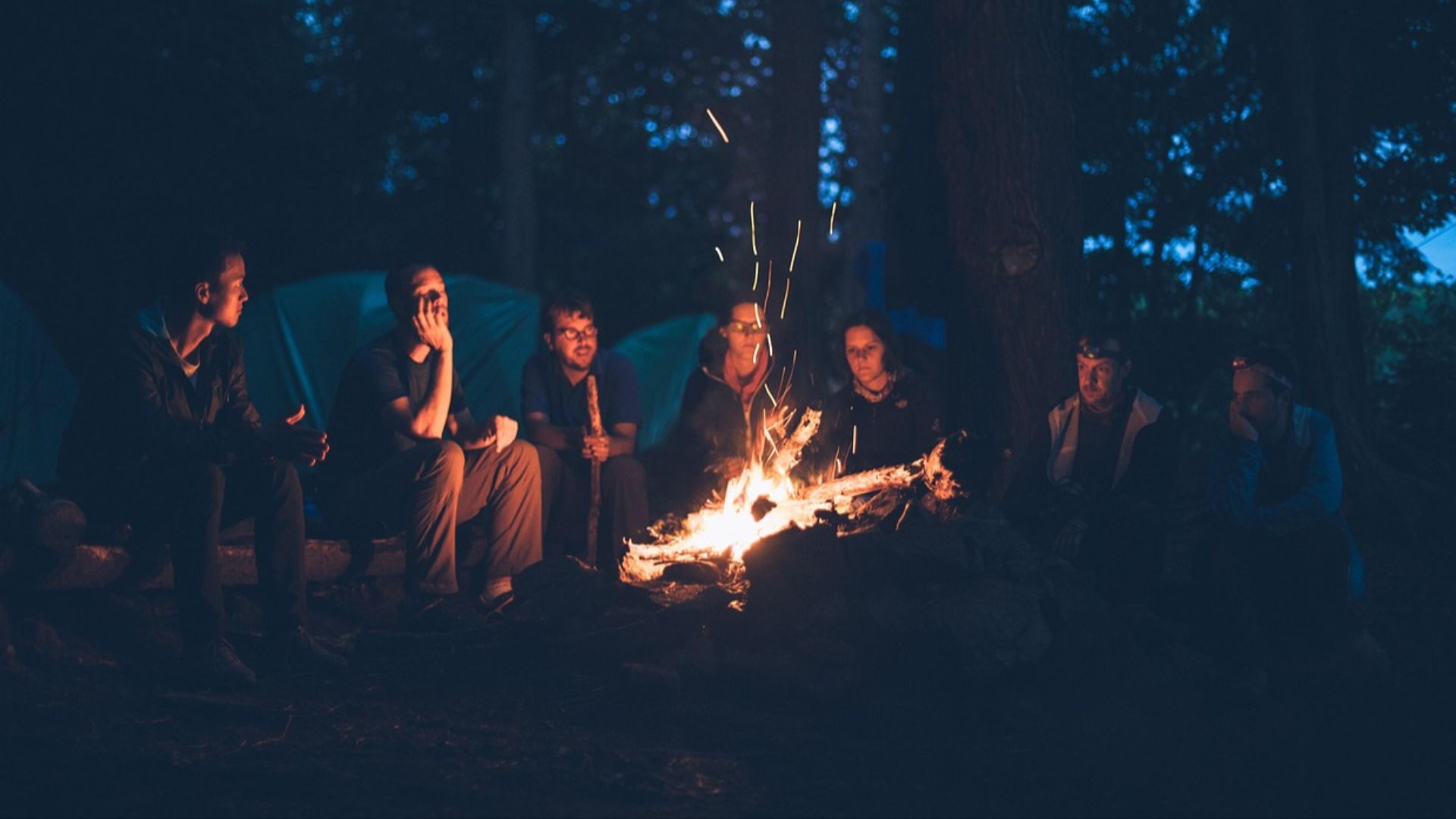
Campfire bans have become more common across North America. Drought conditions, extreme heat, and elevated wildfire risk can lead to temporary fire restrictions. While disappointing for campers, these rules help prevent devastating wildfires.
Water Levels Affect Recreation
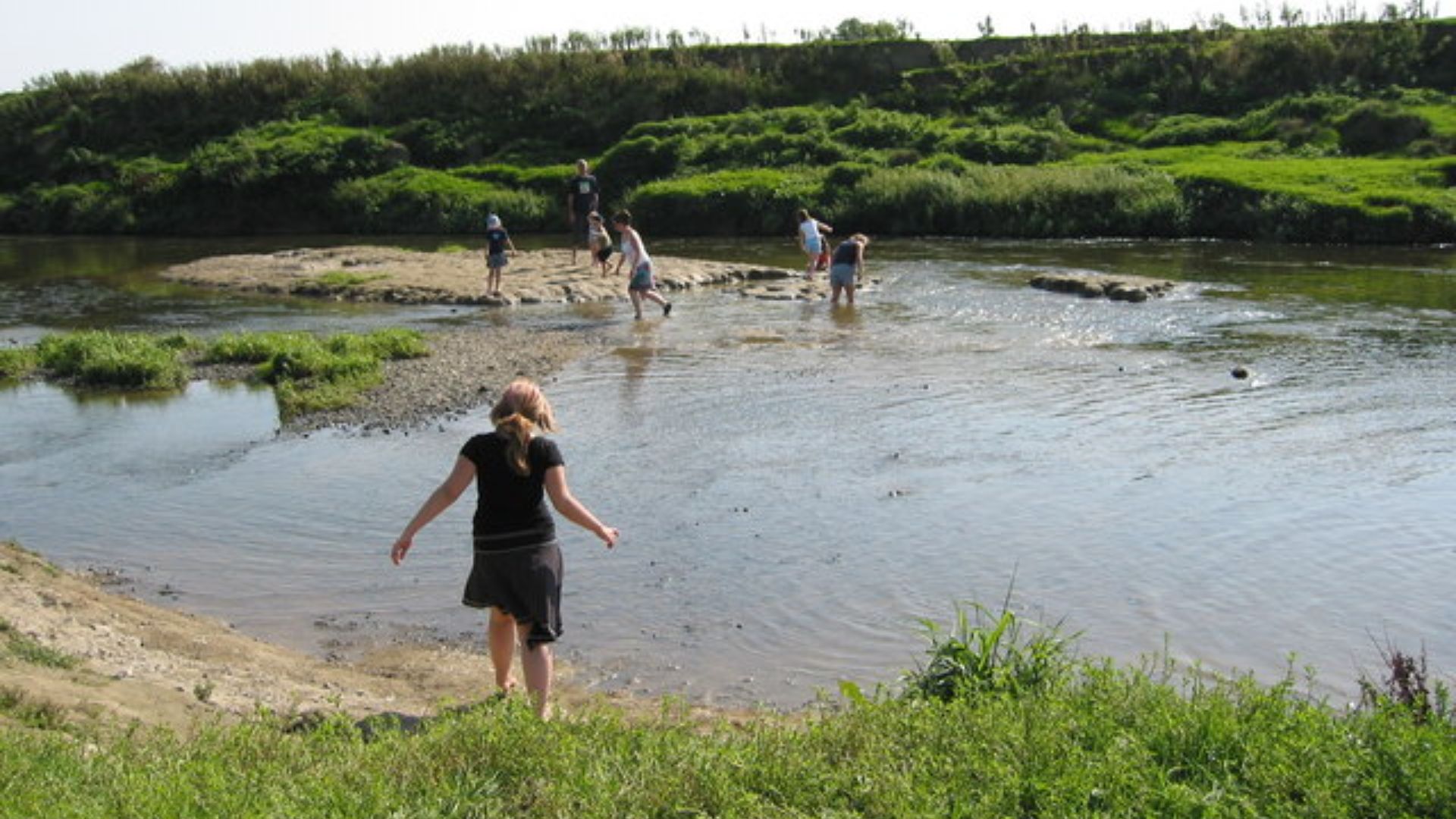
Lakes, rivers, and streams are constantly changing. High water, low water, flooding, and seasonal runoff can make boating, fishing, swimming, or rafting unsafe. Park managers frequently adjust access based on current conditions.
 Dave Croker, Wikimedia Commons
Backcountry Permits Help Manage Crowds
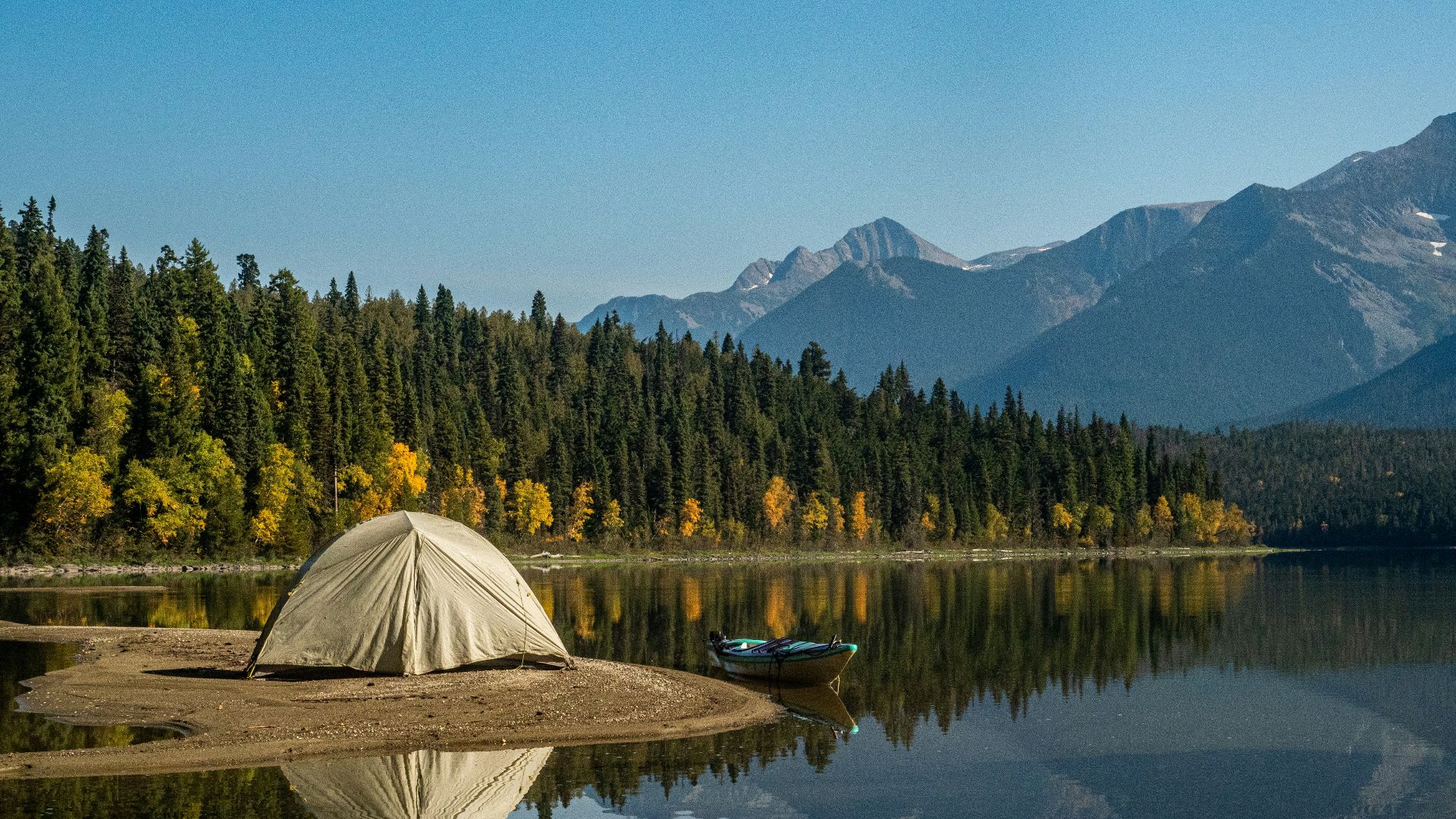
Many travelers discover that wilderness camping requires permits. These systems are not designed to make travel difficult. Instead, they help prevent overcrowding and reduce environmental impacts in fragile areas.
Some Areas Need Time To Recover
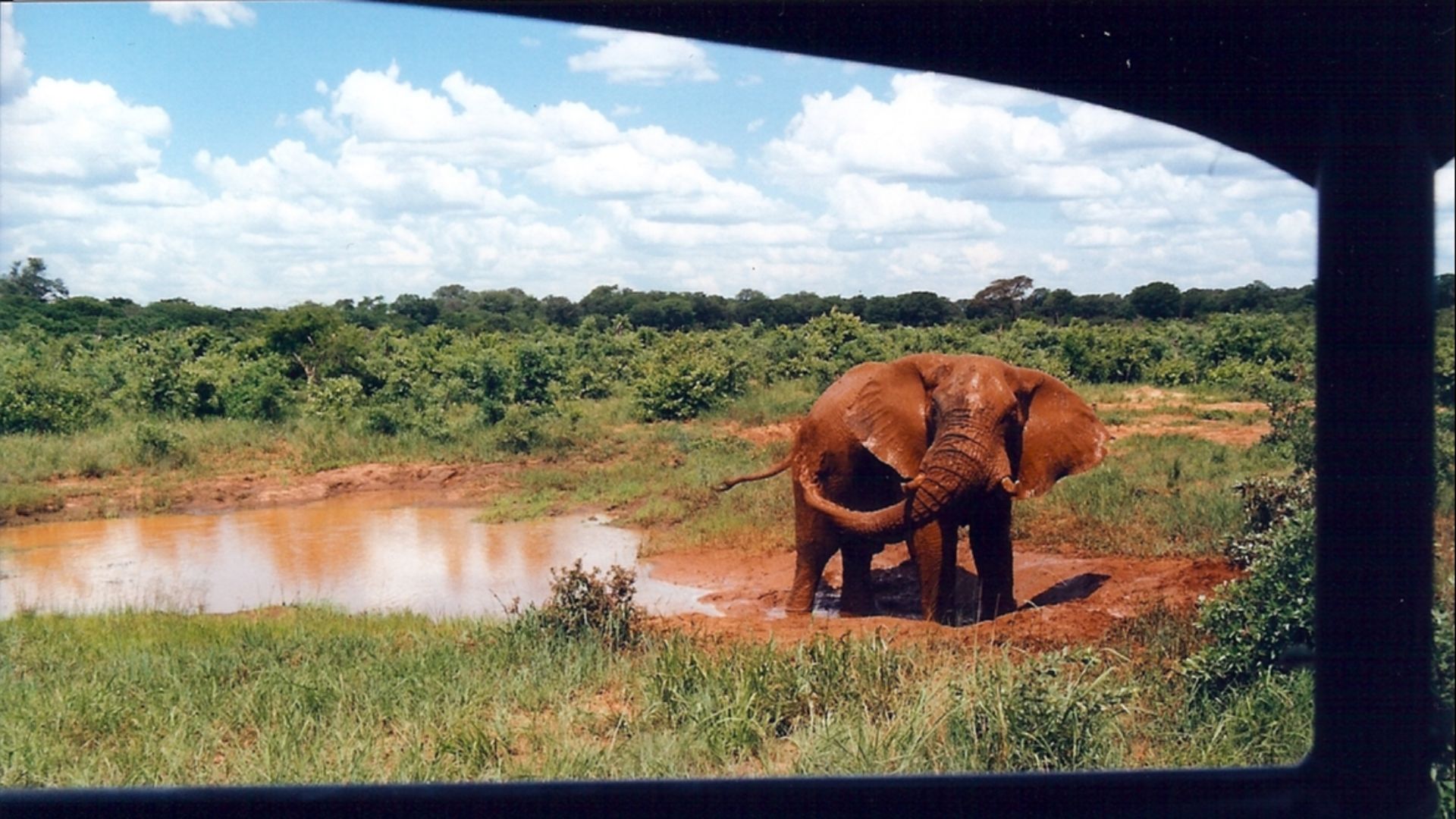
Popular destinations can suffer from heavy visitor use. Soil becomes compacted, vegetation is damaged, and wildlife behavior changes. Temporary closures allow ecosystems time to recover from human pressure.
The Rise Of Reservation Systems
In recent years, several parks have adopted reservation systems for popular roads, trails, and attractions. These systems help control visitor numbers during busy periods. They can feel restrictive, but they often improve the overall visitor experience.
Seasonal Closures Are Part Of Park Management
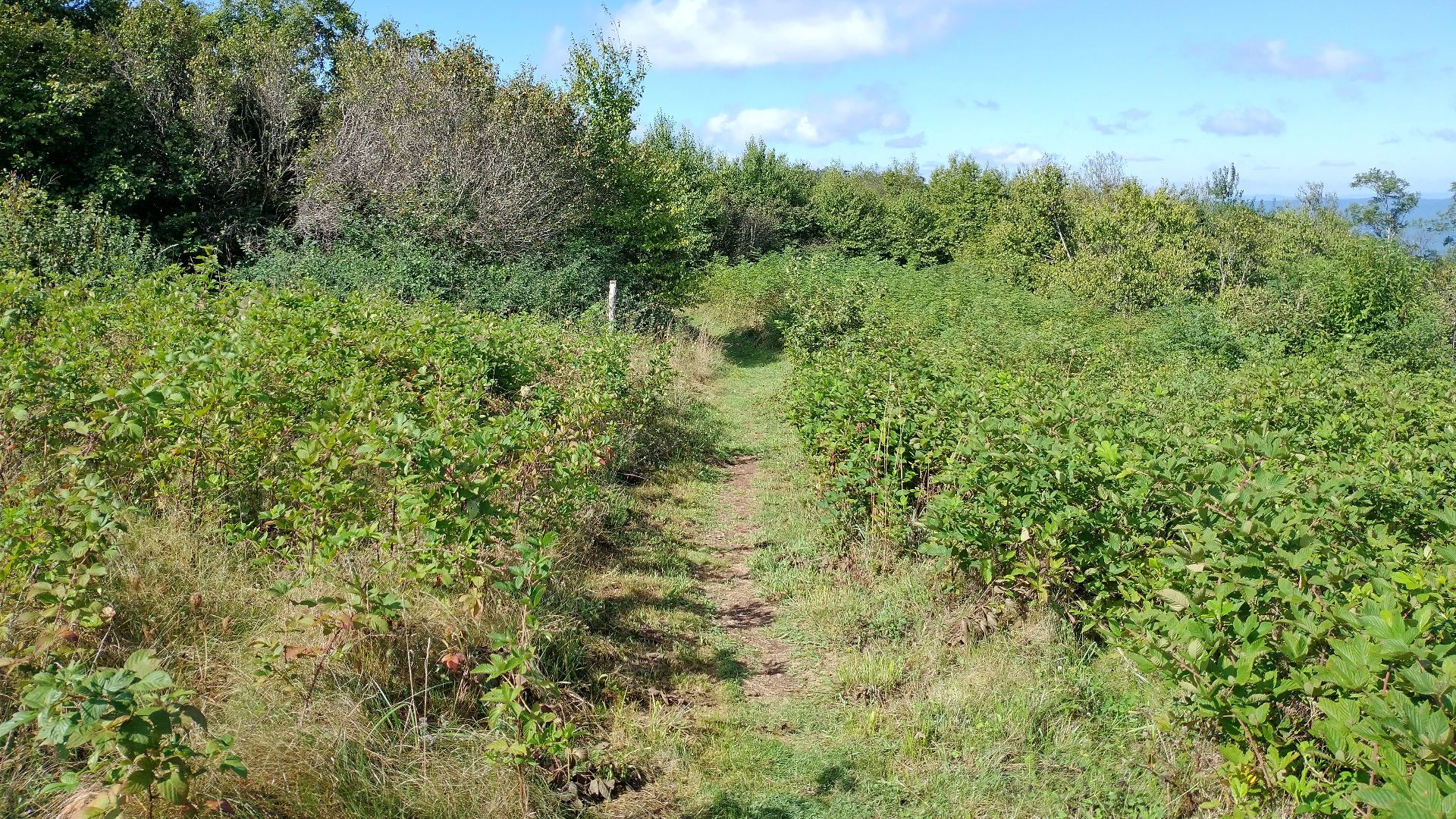
Many restrictions follow predictable annual patterns. Snow, mud, wildlife activity, and vegetation growth can all influence when areas open and close. Experienced park travelers learn to check seasonal conditions before arriving.
 Queen Asali, Wikimedia Commons
Weather Plays A Bigger Role Than You Think
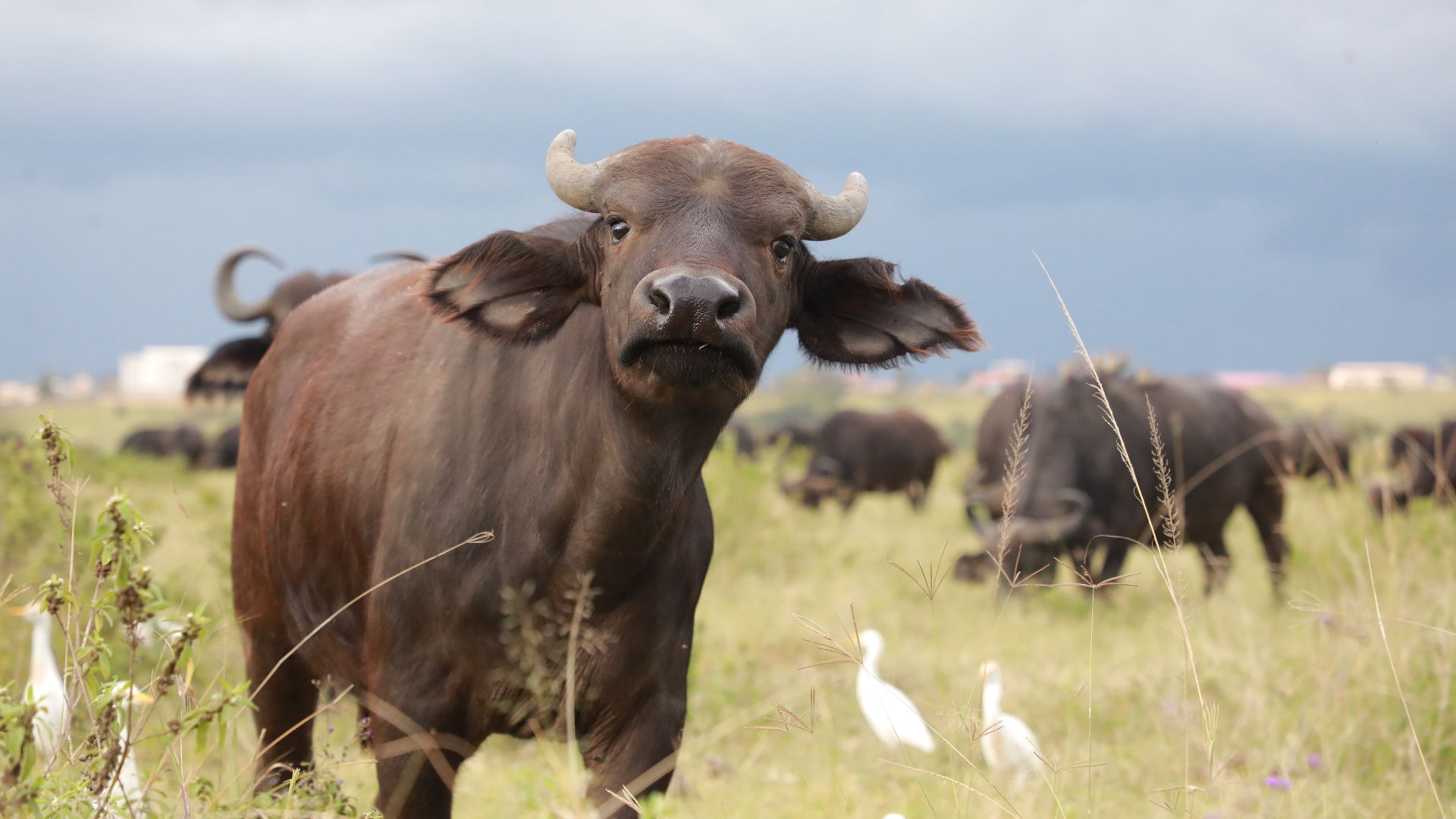
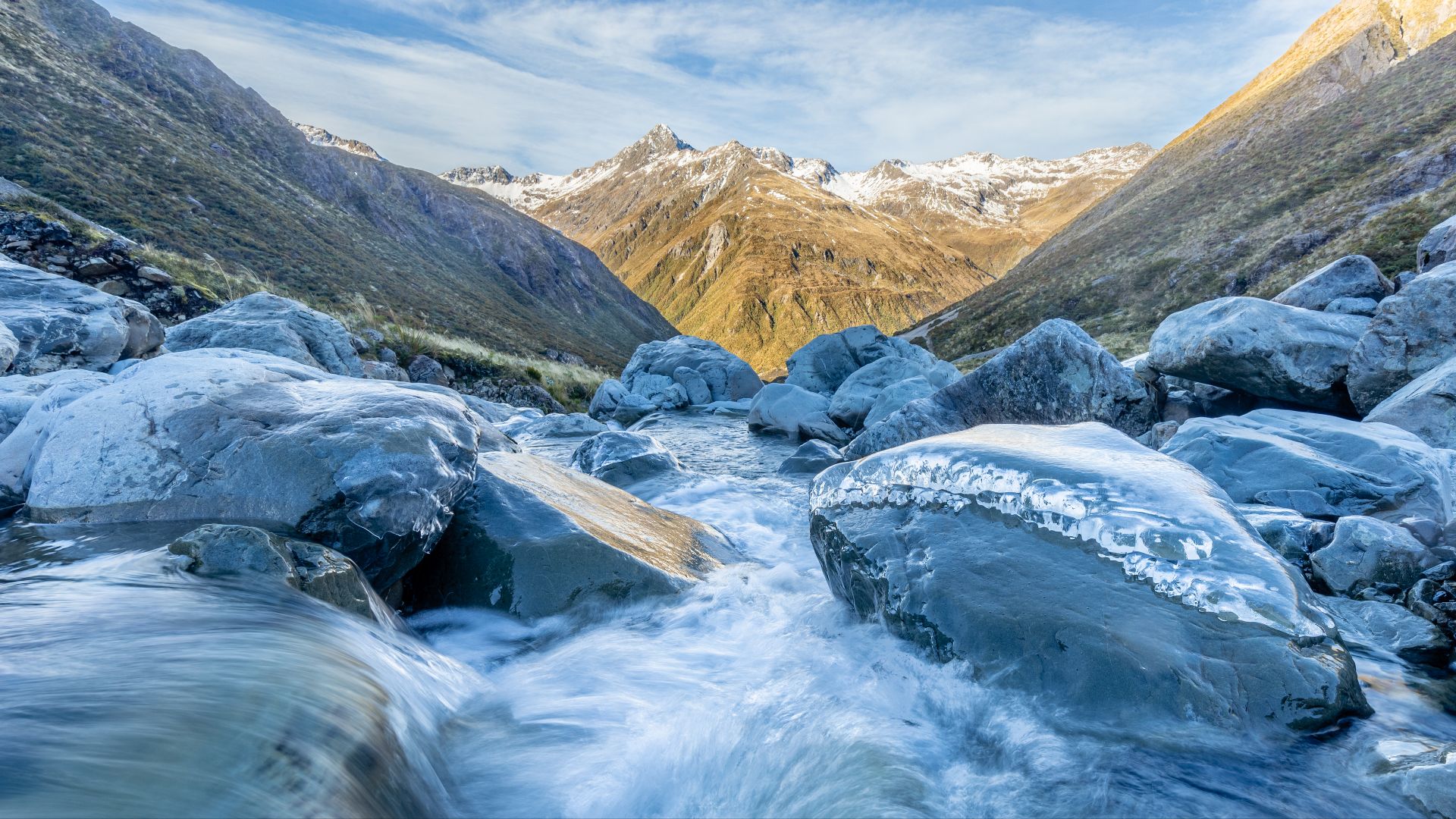
National parks are outdoor environments, not amusement parks. Weather can quickly change access conditions. A sudden storm, heavy snowfall, or heat wave may force temporary closures without much notice.
 Michal Klajban, Wikimedia Commons
Not Every Restriction Is About The Environment
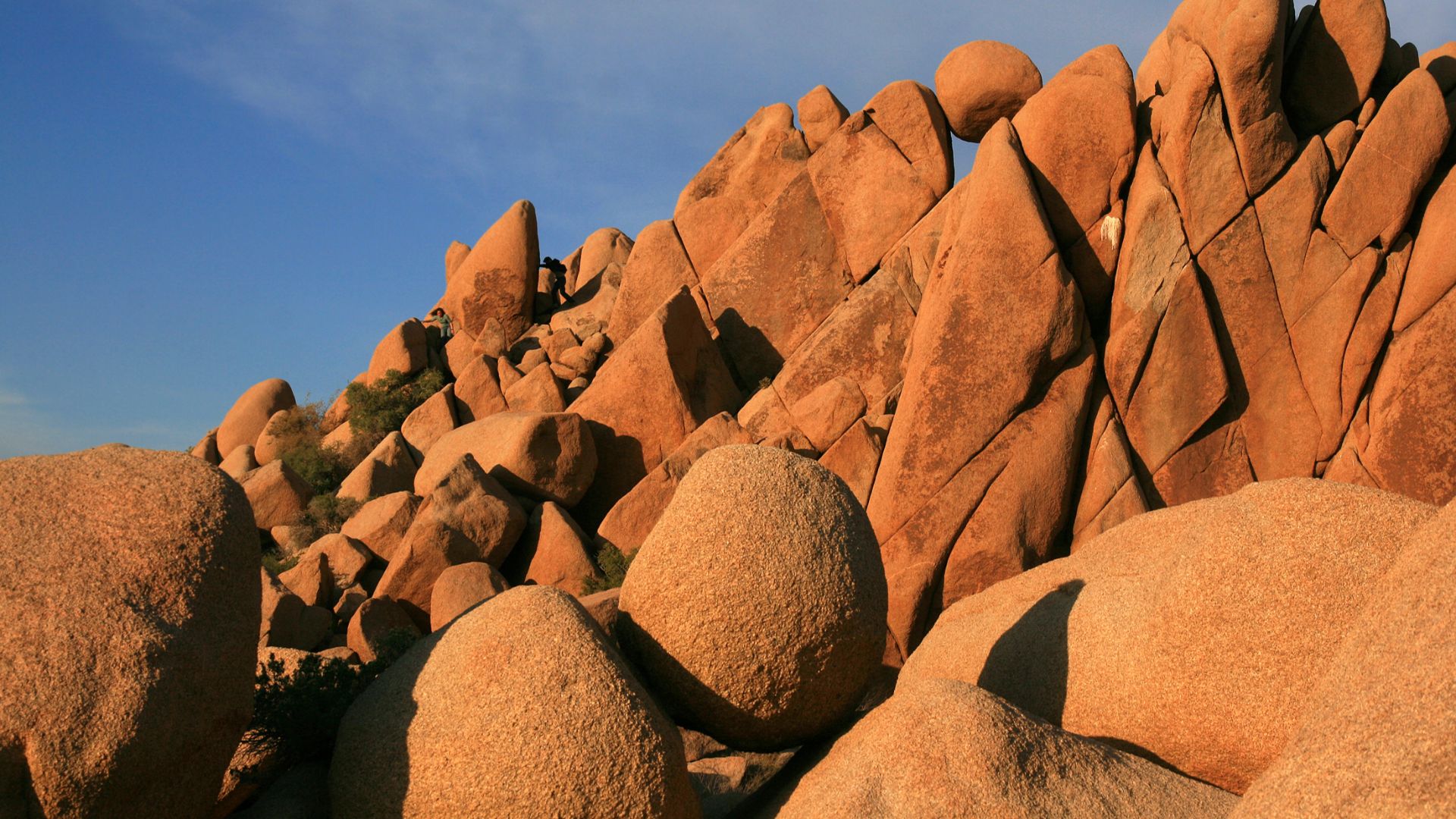
Some closures exist for visitor safety. Dangerous cliffs, unstable terrain, damaged infrastructure, and hazardous conditions may require immediate action. Safety concerns often overlap with environmental protection goals.
 Brocken Inaglory, Wikimedia Commons
Rangers Have Legal Authority To Limit Access
Park superintendents have the authority to impose closures and public use limits when necessary. These actions may be taken to protect natural resources, cultural sites, public safety, or scientific research. Such authority is built into park management regulations.
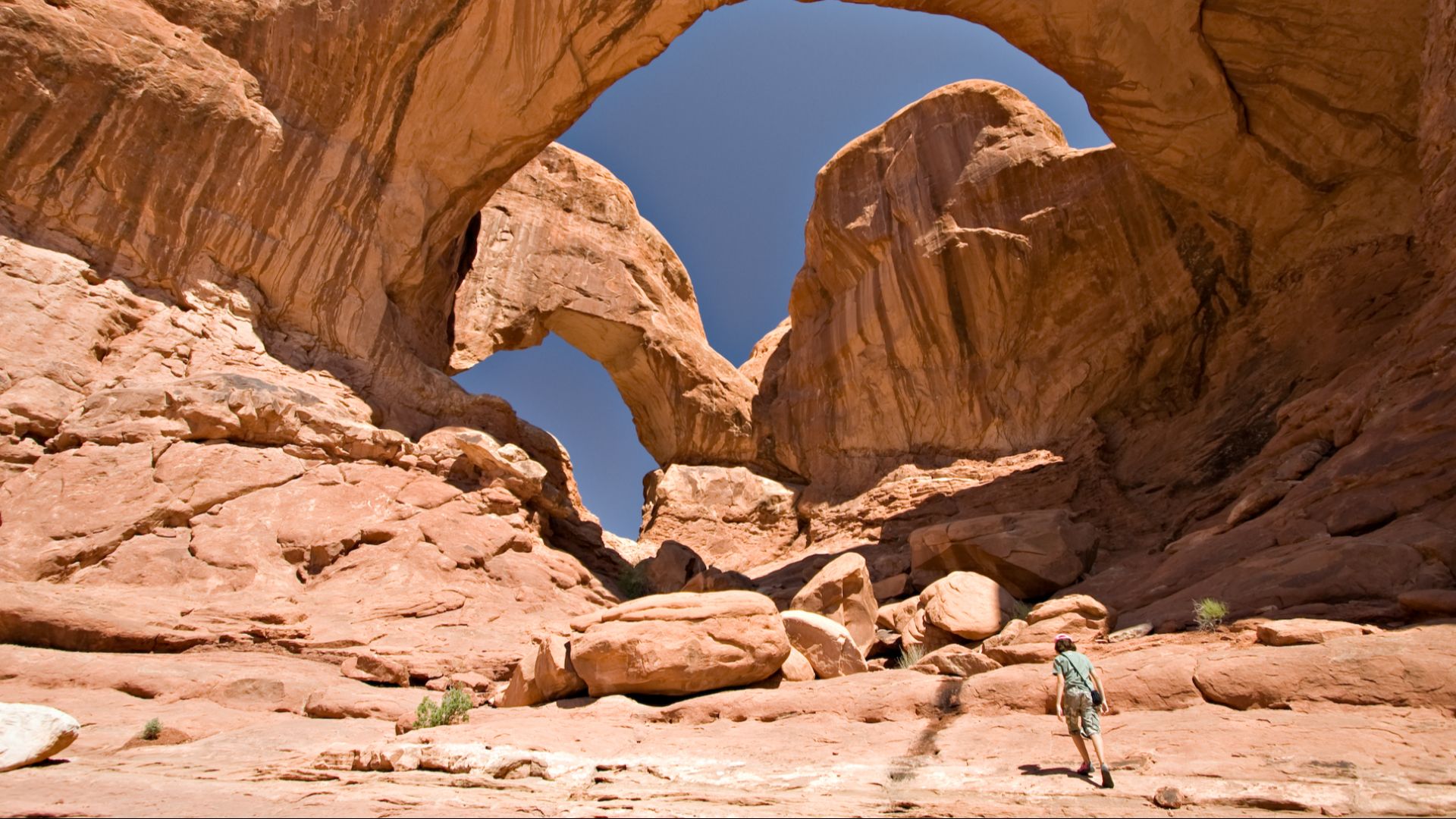 Luca Galuzzi (Lucag), Wikimedia Commons
Habitat Restoration Is Ongoing
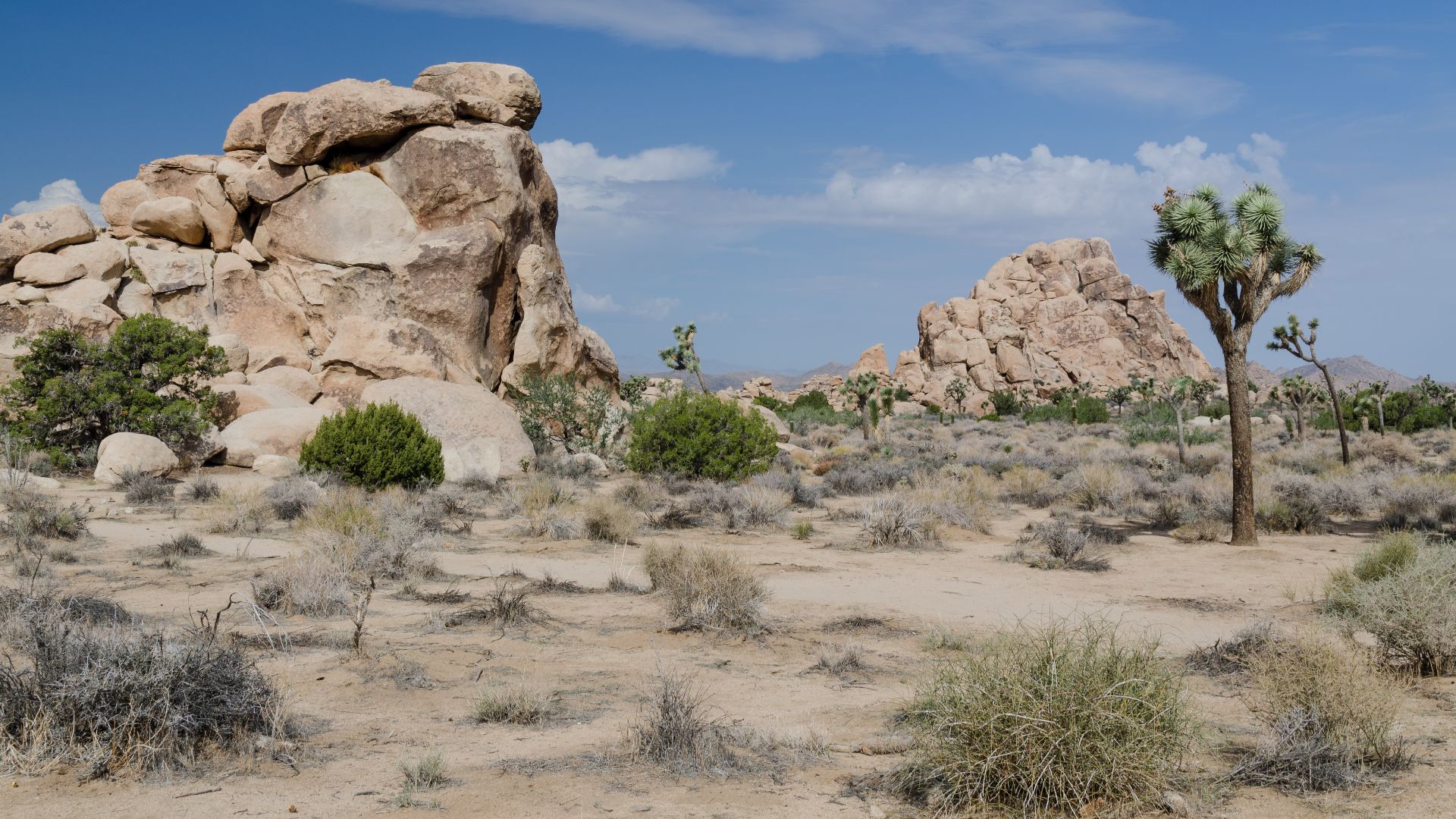
National parks are not static landscapes. Restoration projects occur regularly to improve ecosystem health. Visitors may encounter closures while crews repair trails, remove invasive species, restore wetlands, or rehabilitate damaged habitats.
Camping Restrictions Can Surprise Visitors
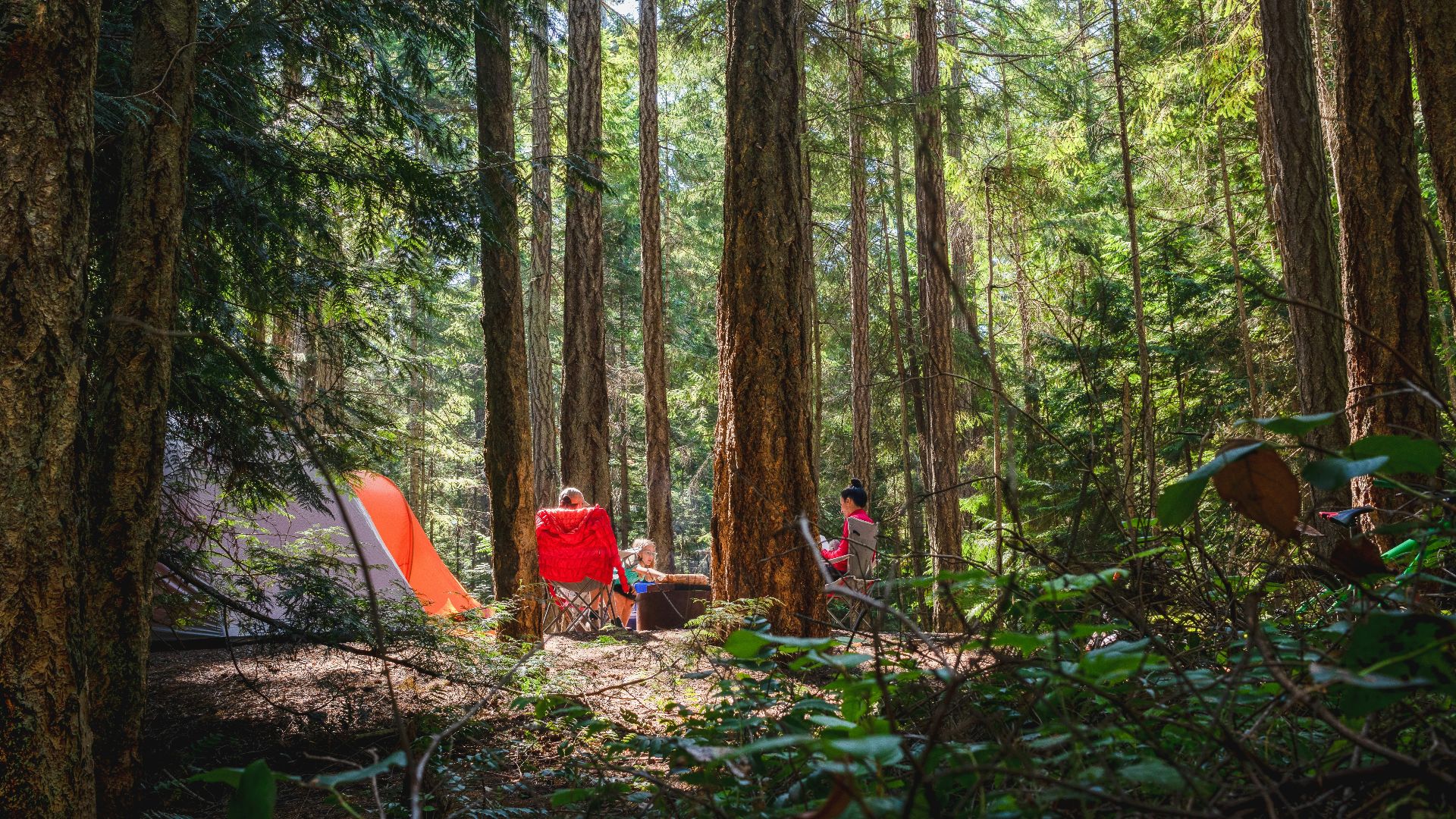
Certain campsites may close seasonally or permanently. Reasons range from wildlife concerns to erosion and vegetation recovery. These closures often help preserve the quality of the camping experience over the long term.
Wildlife Viewing Has Rules Too
Visitors cannot simply go wherever wildlife happens to be. Viewing distances and access restrictions are often enforced. These rules protect both animals and people from dangerous encounters.
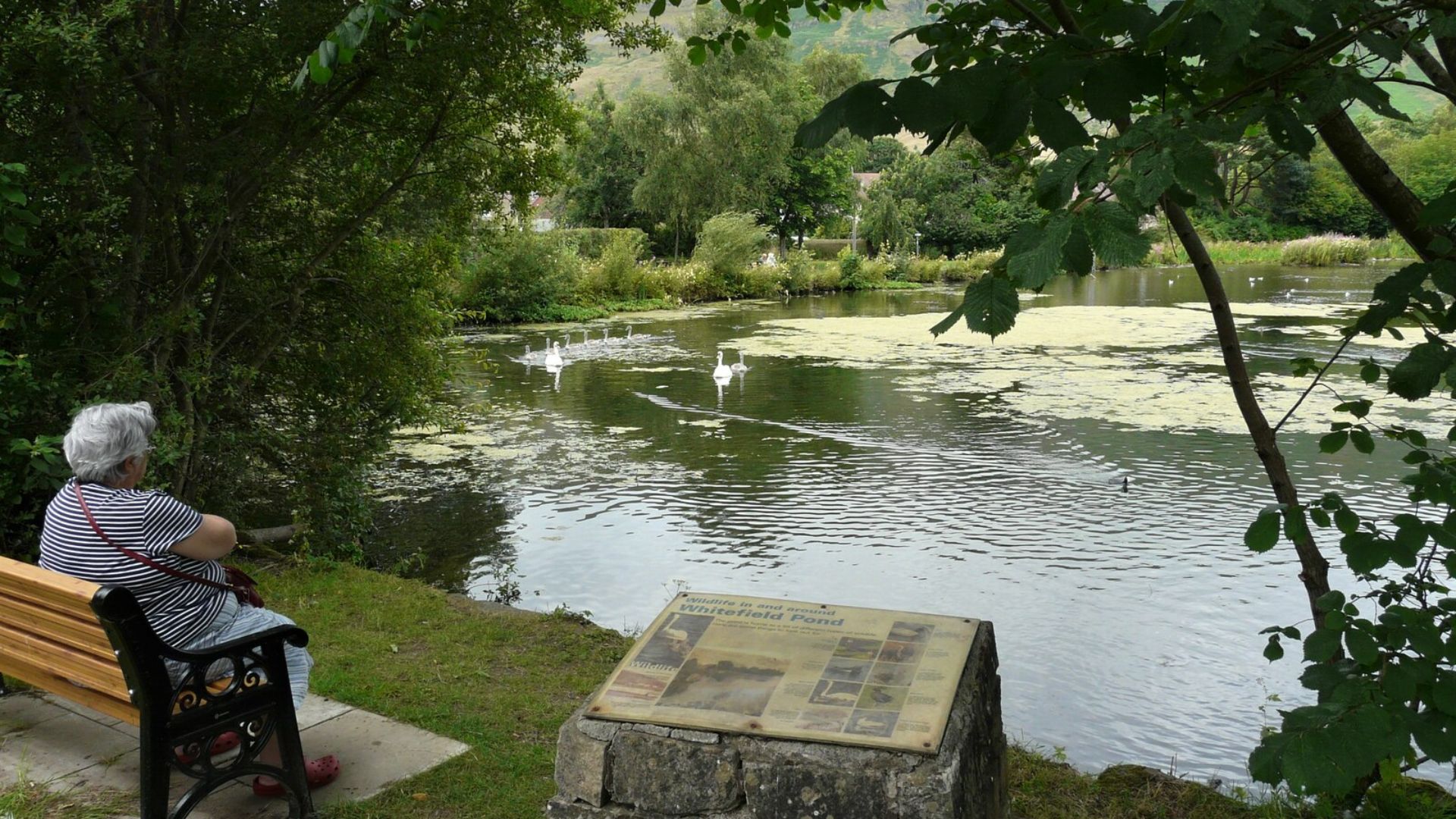 Richard Sutcliffe , Wikimedia Commons
Leave No Trace Influences Many Policies
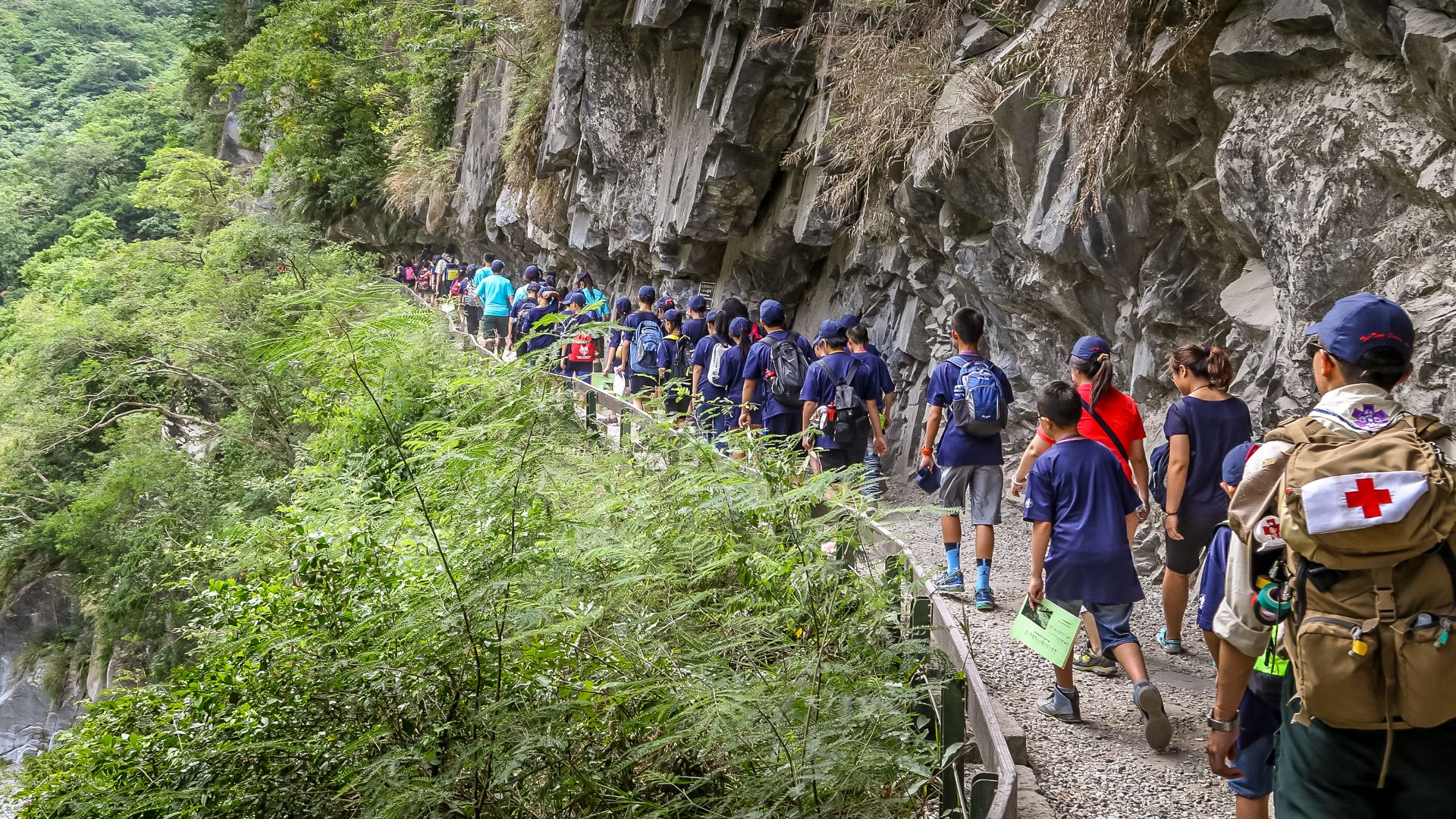
Many park regulations are based on Leave No Trace principles. These guidelines encourage visitors to minimize their impact on natural environments. The goal is to preserve parks while still allowing public enjoyment.
 Jakub Hałun, Wikimedia Commons
Crowds Can Damage Fragile Areas
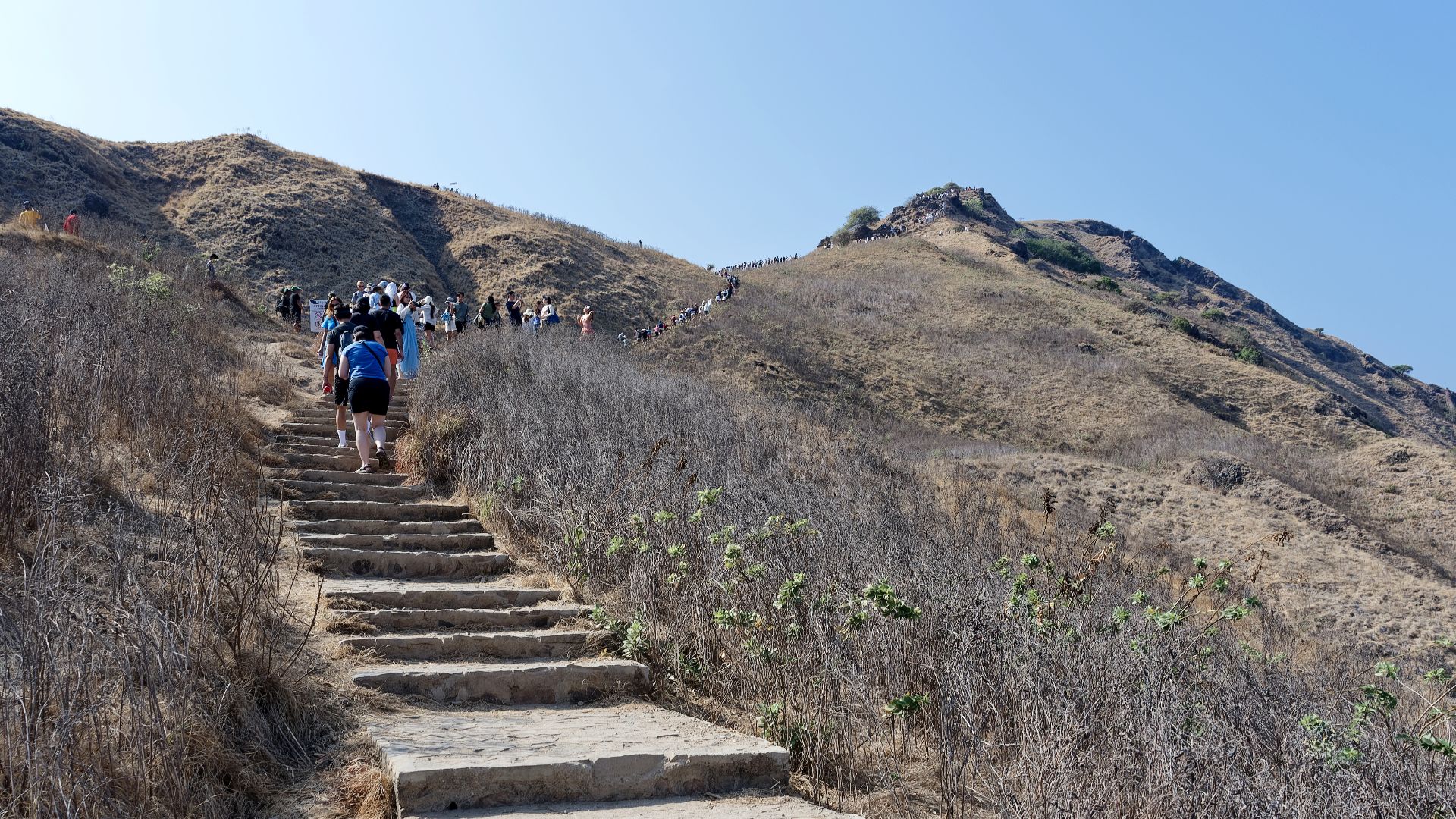
Popular destinations sometimes attract millions of visitors annually. High visitation can strain trails, campsites, wildlife habitats, and infrastructure. Restrictions help reduce the cumulative impact of heavy tourism.
Wilderness Areas Have Additional Rules
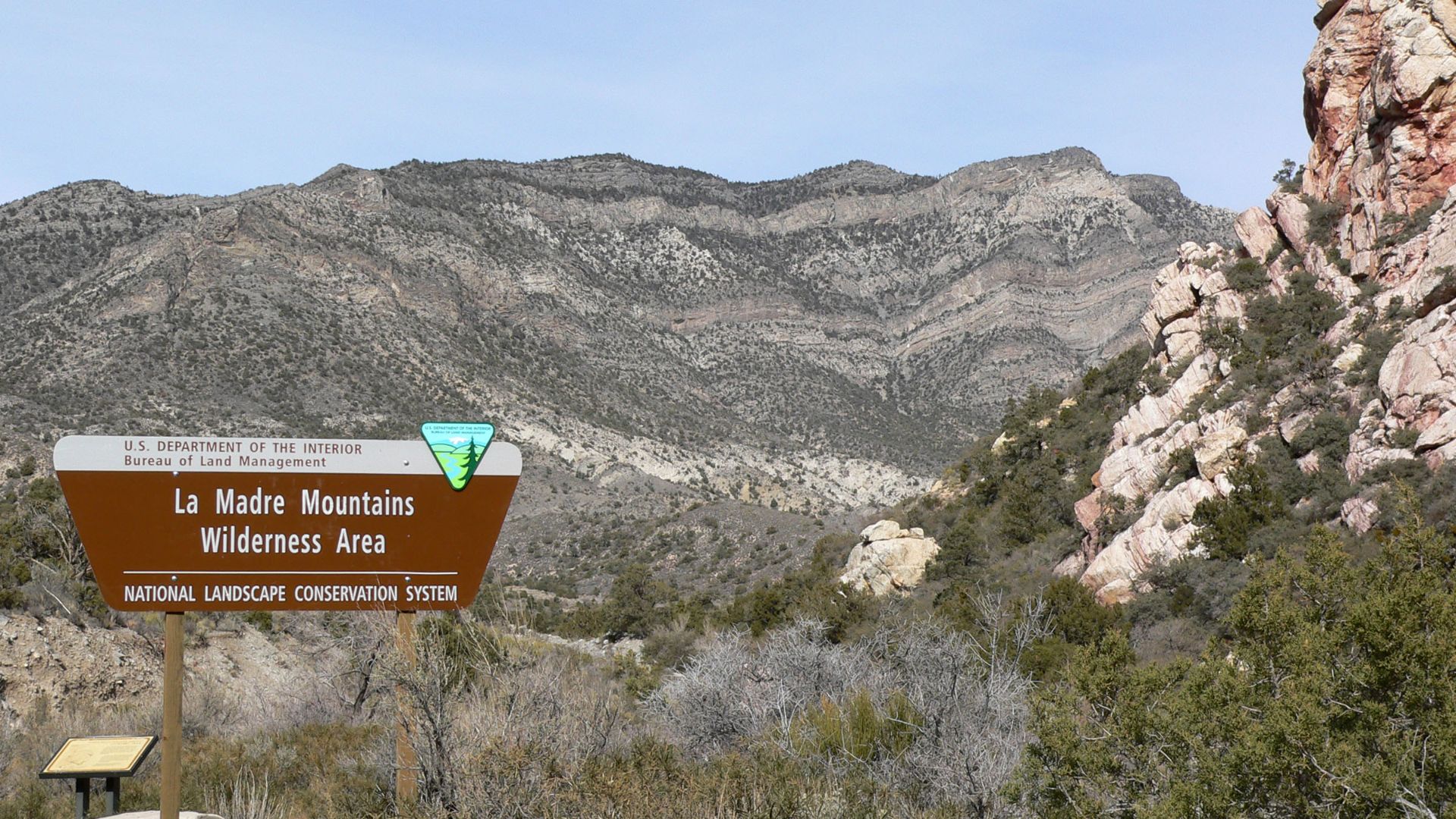
Some national parks contain designated wilderness areas. These locations often have stricter regulations regarding transportation, camping, and recreation. The intent is to maintain a more natural and undeveloped environment.
Climate Change Is Affecting Park Operations
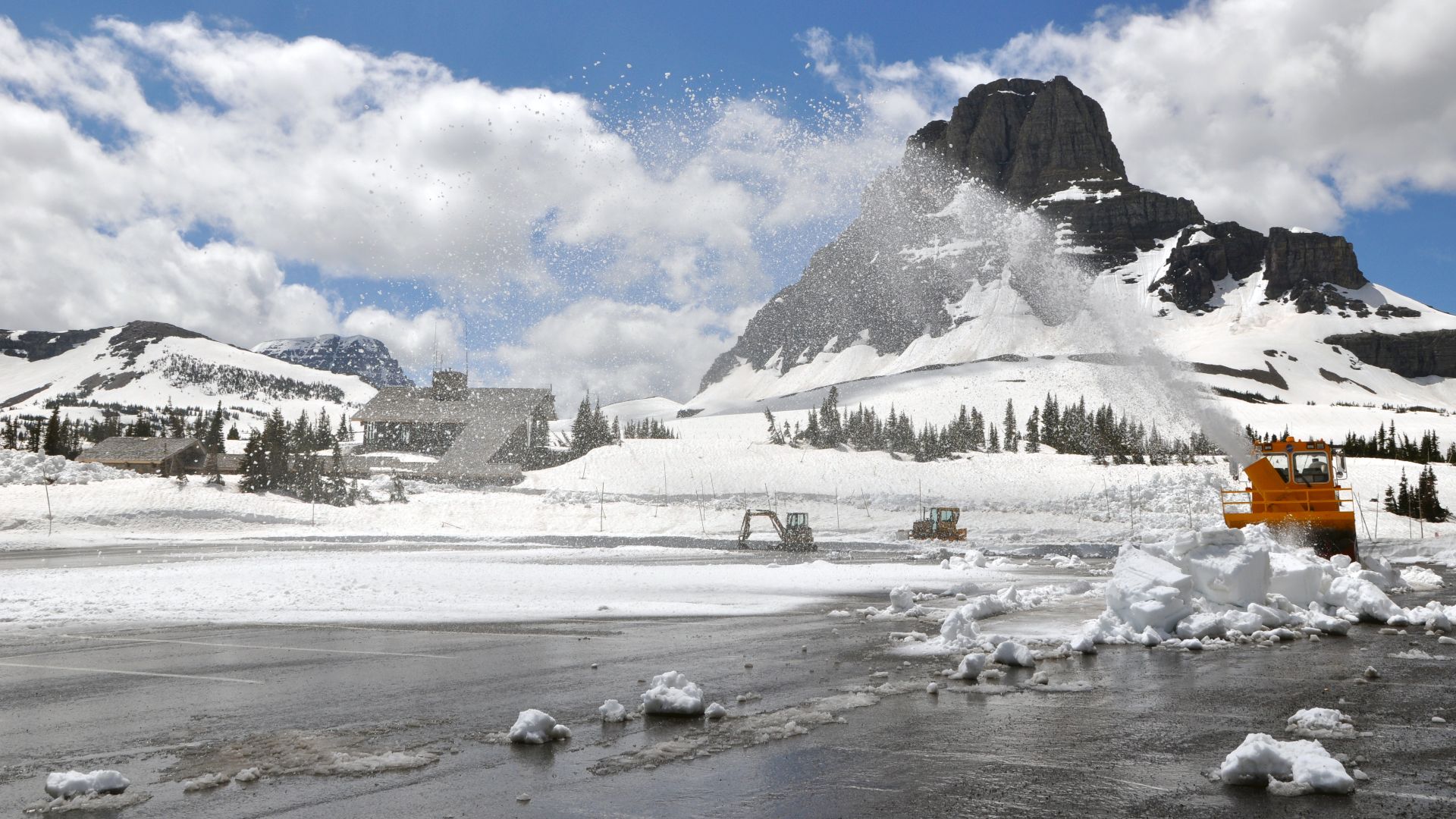
Changing environmental conditions are influencing how parks are managed. Longer fire seasons, stronger storms, shrinking glaciers, and shifting wildlife patterns all affect visitor access. As conditions evolve, restrictions may become more common.
 NPS Climate Change Response, Wikimedia Commons
Ranger Programs Are Sometimes Affected
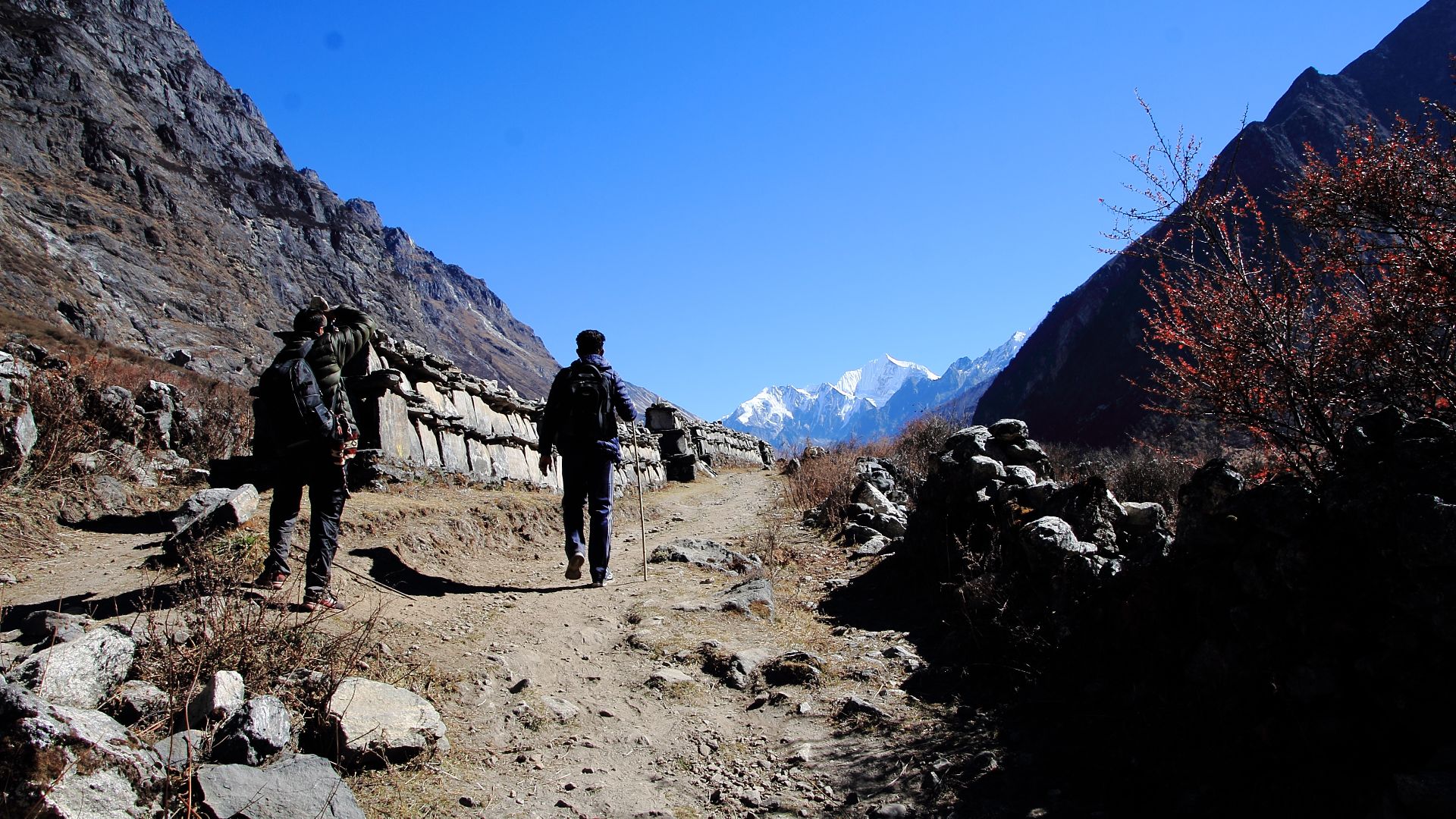
Visitors occasionally discover that guided tours or ranger programs have been reduced or canceled. Staffing shortages, environmental conditions, and operational challenges can all contribute. These changes may alter vacation plans but are increasingly common.
 Santosh Yonjan, Wikimedia Commons
Research Projects Require Protection
National parks often support scientific research. Certain areas may close temporarily to protect study sites or ongoing monitoring efforts. Scientific work helps managers make informed conservation decisions.

Checking Conditions Before Arrival Matters
One of the best ways to avoid disappointment is to review current park alerts before traveling. Conditions can change rapidly, even within a few days. Official park websites provide the most reliable information.

Flexibility Is The Secret To A Better Trip
Experienced national park travelers rarely build an itinerary around a single activity. Instead, they create backup options and remain flexible. That mindset makes unexpected closures much easier to handle.

Restrictions Usually Mean The Park Is Working
It may feel frustrating when a favorite trail or activity is unavailable. However, restrictions often indicate that park managers are actively protecting the resources that make the destination special. Without those protections, the landscapes people love could be permanently damaged.
So, Is It Normal?
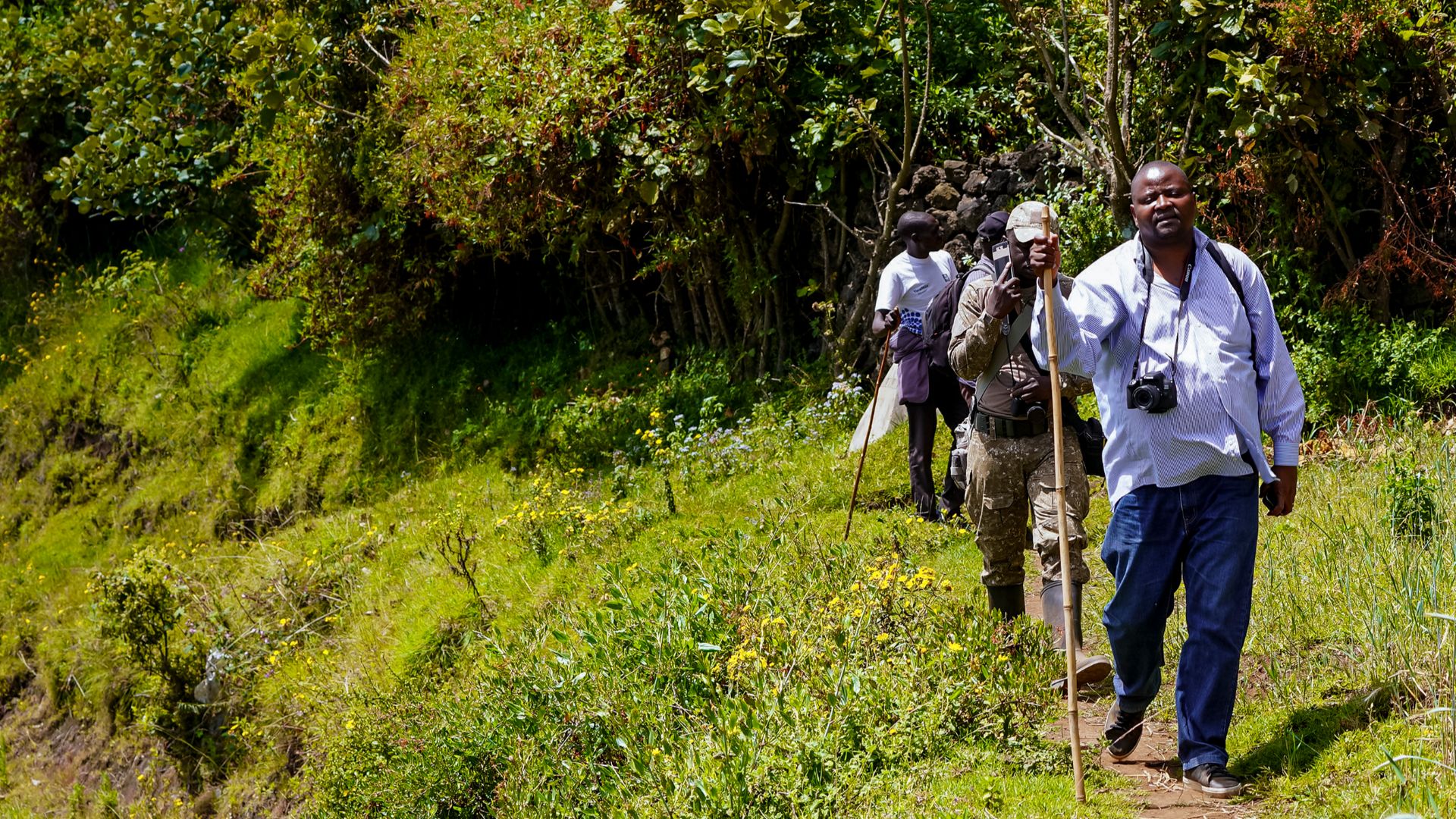
Yes, it is completely normal. Environmental restrictions are a routine part of national park management and have existed for decades. While they can occasionally disrupt travel plans, they help ensure that future visitors will be able to enjoy the same remarkable places. In the long run, that tradeoff is exactly what national parks are designed to achieve.

You May Also Like:
The Grand Canyon: America’s Most Dangerous Tourist Attraction