Paying For The Experience And Getting Half Of It
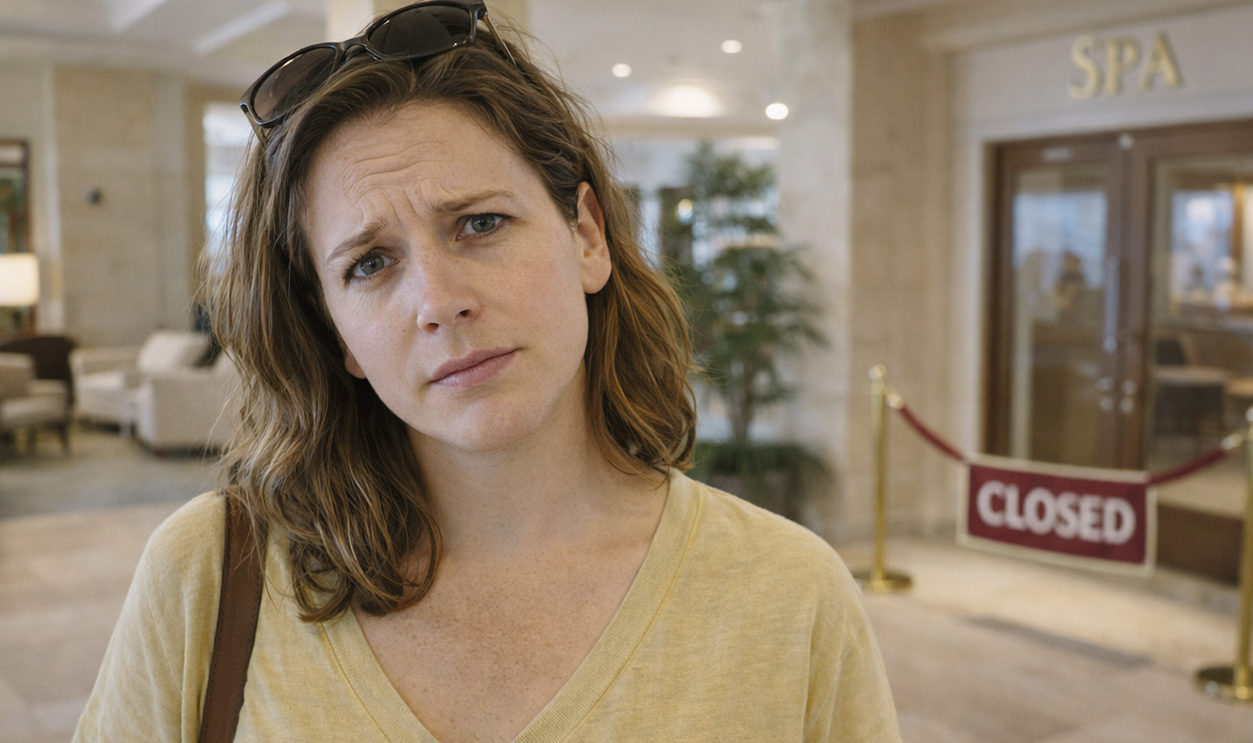
You splurged for a reason: the spa, the pools, the fitness center, maybe even that adults-only lounge were part of the appeal. Then you arrive and find out some of those amenities are closed or “temporarily unavailable”. Suddenly, the luxury price tag feels a lot less justified. If you’re wondering whether you can ask for a refund or compensation when a resort’s headline features are off-limits, the answer is yes, but it depends on timing, disclosure, and how the resort marketed the experience.
Why Resorts Still Charge Full Price When Amenities Are Closed
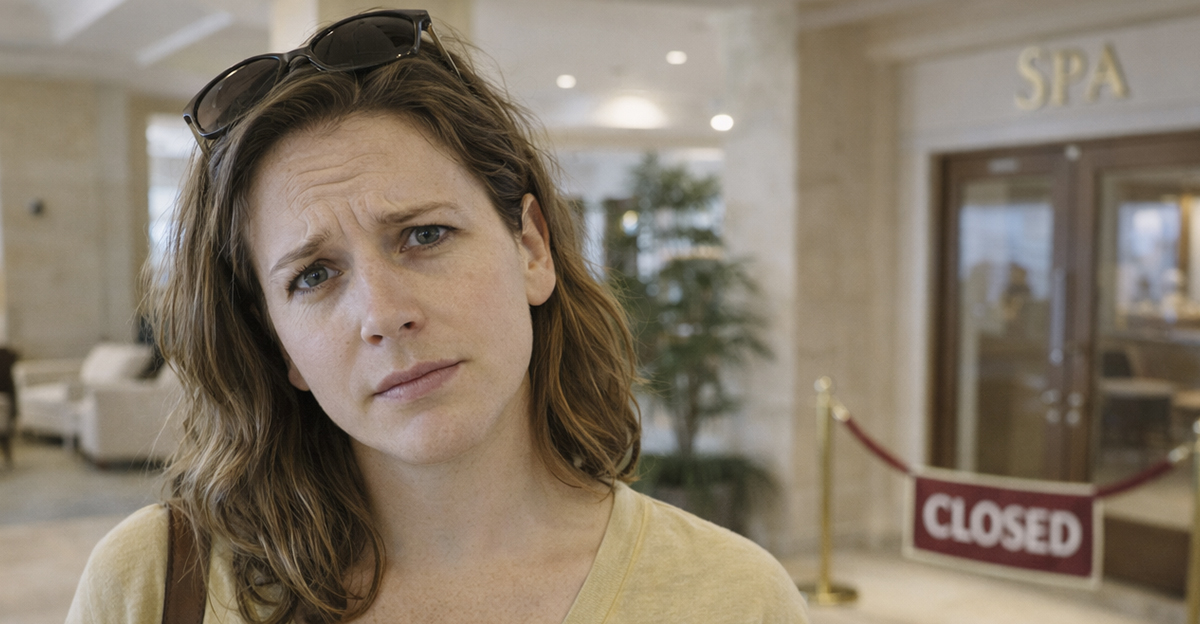
Resorts often argue that your room was still available and that amenities are not guaranteed. Many booking terms include language allowing temporary closures for maintenance, staffing, or weather. From their perspective, you paid for lodging first and extras second. From a guest’s perspective, those extras are often the entire reason the resort costs more in the first place.

Disclosure Is The Make-Or-Break Factor
Whether the closure was disclosed before you booked matters a lot. If the resort clearly stated on its website or booking page that the spa or other amenities would be closed during your dates, your chances of a refund are lower. If the information was hidden, vague, or not disclosed at all, your case gets much stronger.

The Difference Between One Closed Feature And A Pattern
A single closed hot tub is annoying but often not enough for compensation. Multiple closures, especially of major amenities like the spa, pools, or signature restaurants, are more likely to be considered a material change to the stay. The more the closures undermine the core selling points of the resort, the more leverage you have.

Why “Luxury” Changes The Conversation
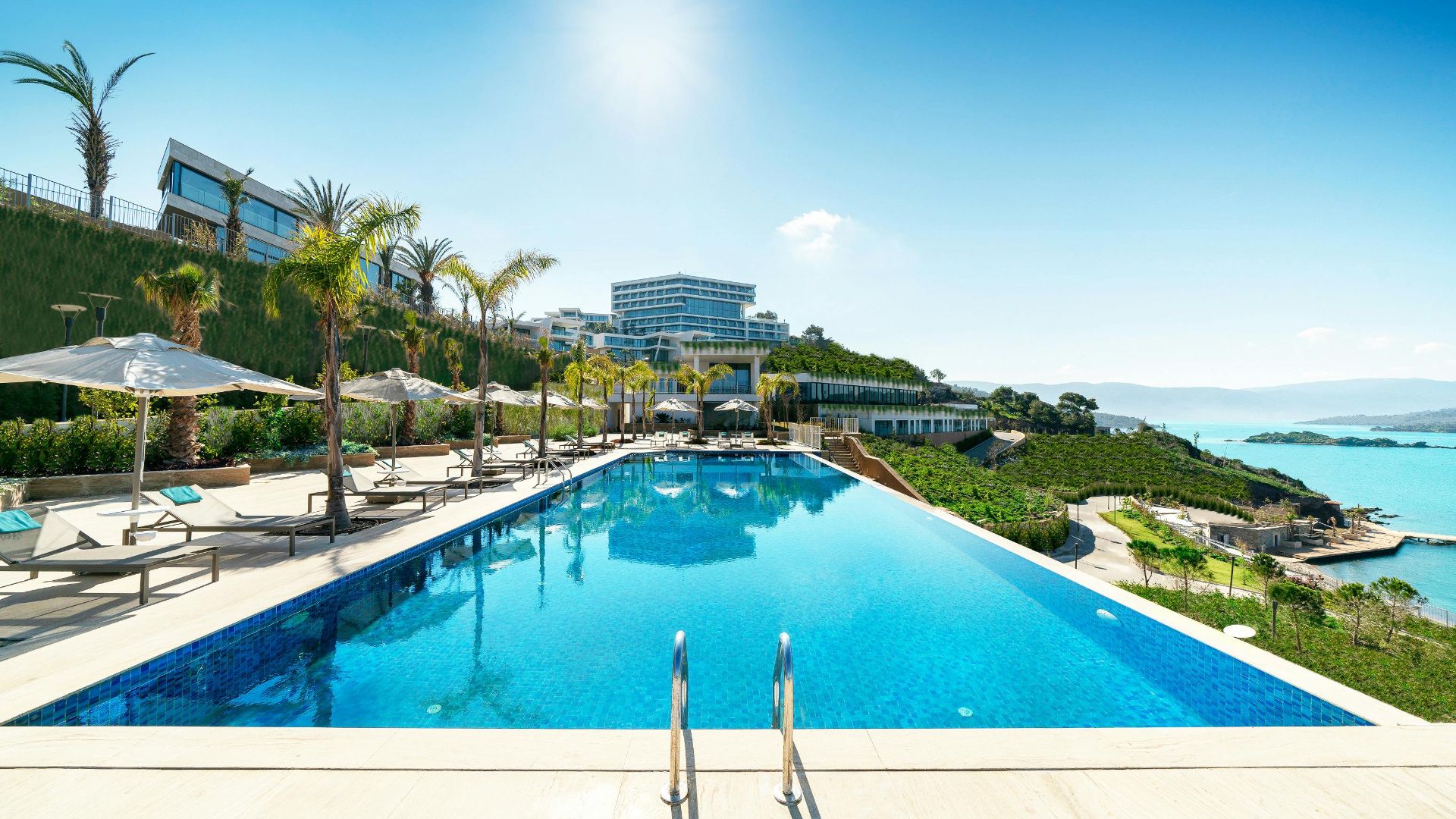
Luxury resorts market experiences, not just beds. When a resort brands itself around wellness, relaxation, or exclusive amenities, those features become part of what you paid for. If they are unavailable, the value proposition changes, and that matters when asking for a refund or partial credit.
Timing Matters More Than Most Guests Realize
If you discover the closures before or at check-in and raise the issue immediately, you are in a better position. Waiting until checkout or after the stay makes it easier for the resort to argue that the issue was not serious enough to warrant compensation.

What To Do As Soon As You Learn About The Closures
Document what is closed and how it differs from what was advertised. Take photos of posted signs, closed facilities, or reduced hours. Save screenshots of the resort’s website or listing that highlight the amenities you expected to use. This turns your complaint into a factual discussion instead of a subjective one.

Talk To The Resort First, Not Your Card Company
Start by speaking with the front desk or guest services manager. Calmly explain that you booked the resort specifically for certain amenities and that their closure significantly affects your stay. Ask what they can do to make it right. Many resorts will offer a resort credit, spa voucher for a future stay, or a partial refund without much pushback.

Why Partial Refunds Are More Common Than Full Ones
Most of the time, resorts will not refund the entire stay unless the closures make the property unusable. Instead, they may offer a partial refund, nightly rate adjustment, or on-property credits. This is their way of acknowledging the issue without admitting total failure.

Third-Party Bookings Add A Layer Of Complexity
If you booked through Expedia, Booking.com, or another platform, you may need to loop them in. The resort still controls the amenities, but the booking platform can help mediate, especially if the listing failed to disclose the closures.
 Christian Velitchkov, Unsplash
What Happens If You Leave Early
Leaving early can strengthen your argument, but only if you involve the resort or booking platform first. Leaving without notice makes it easier for them to say the departure was your choice rather than a response to the closures.

Resort Fees And Closed Amenities
Resort fees are a common pain point in these situations. If you paid a daily resort fee and several included amenities were unavailable, you have a reasonable argument for a refund of those fees, even if the room rate itself is not fully refunded.

How Reviews Can Support Your Claim
If other guests mention the same closures in recent reviews, it helps show this was not a one-off issue. It also supports the idea that the resort knew about the closures and should have disclosed them more clearly.

When Maintenance Closures Are Legitimate
Not every closure is unreasonable. Emergency repairs or safety issues happen. Resorts are allowed to fix problems. The issue is whether the closure was foreseeable, prolonged, or central to the resort’s identity.

Credit Card Disputes As A Last Option
If the resort refuses any adjustment and the amenities were a major part of what you paid for, disputing the charge with your credit card issuer is an option. This works best when you can show that the stay was materially different from what was advertised.

Why These Situations Feel Like A Bait-And-Switch
Guests do not mind minor inconveniences. What they resent is paying a premium for features that are unavailable without warning. That mismatch between expectation and reality is why these disputes feel personal, even though they are ultimately contractual.

How To Protect Yourself On Future Resort Stays
Before booking, check recent reviews for mentions of closures. Look for updates on the resort’s website or social media. If amenities matter a lot to you, call the resort directly and ask what will be open during your dates.

When It Is Probably Not Worth Fighting
If the closures were brief, minor, or clearly disclosed before booking, pushing for a refund may not be worth the time and stress. Not every disappointment rises to the level of compensation.

Keep Your Request Reasonable And Specific
When asking for compensation, be clear about what you want. A partial refund, waived resort fees, or a credit often lands better than demanding a full refund. Specific requests are easier for staff to approve.

Final Thoughts: You Paid For More Than A Room
When a luxury resort’s key amenities are closed without proper disclosure, asking for a refund or compensation is reasonable. The strength of your case depends on how central those amenities were to the booking and how quickly you raise the issue. Act early, document everything, and focus on the gap between what was promised and what you actually received.

You May Also Like:
I got food poisoning on an all-inclusive vacation. Can I hold the resort responsible?