When Standing In Line Becomes The Whole Vacation
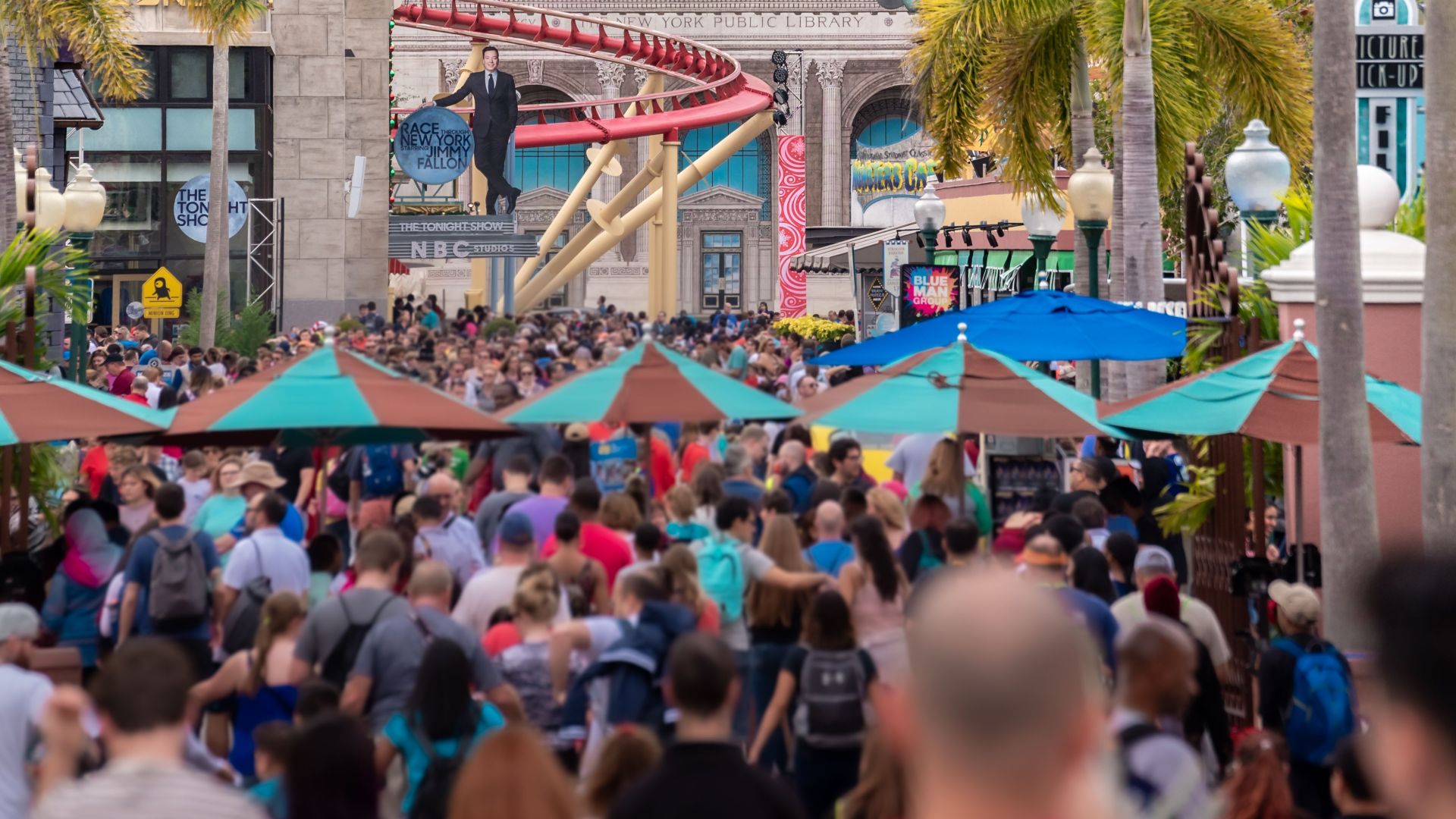
You save up for a theme park trip expecting thrills, entertainment, and a few unforgettable memories. Instead, you spend half the day staring at your phone, trying to grab virtual queue spots, navigating crowd-control checkpoints, and watching ride reservations disappear before you can claim them. It's a situation that has left plenty of visitors wondering the same thing: if these new crowd-management systems made the experience miserable, can you get your money back?
 Nicoleta Ionescu, Shutterstock Images
Theme Parks Usually Reserve The Right To Change Things
When you buy a ticket, you're also agreeing to the park's terms and conditions. Most major parks include language that allows them to change attractions, operating procedures, schedules, and admission policies whenever necessary.

Crowd Control Is Now A Permanent Part Of The Industry
Timed entry windows, attendance caps, reservation systems, and virtual queues have become common features at many parks. Operators argue that these systems help improve safety and manage heavy crowds more efficiently.
Being Disappointed Is Not The Same As Being Entitled To A Refund
Nobody enjoys spending a fortune only to leave frustrated. However, consumer dissatisfaction by itself usually is not enough to trigger a refund under a park's ticket policies.
Your Ticket Gets You Into The Park
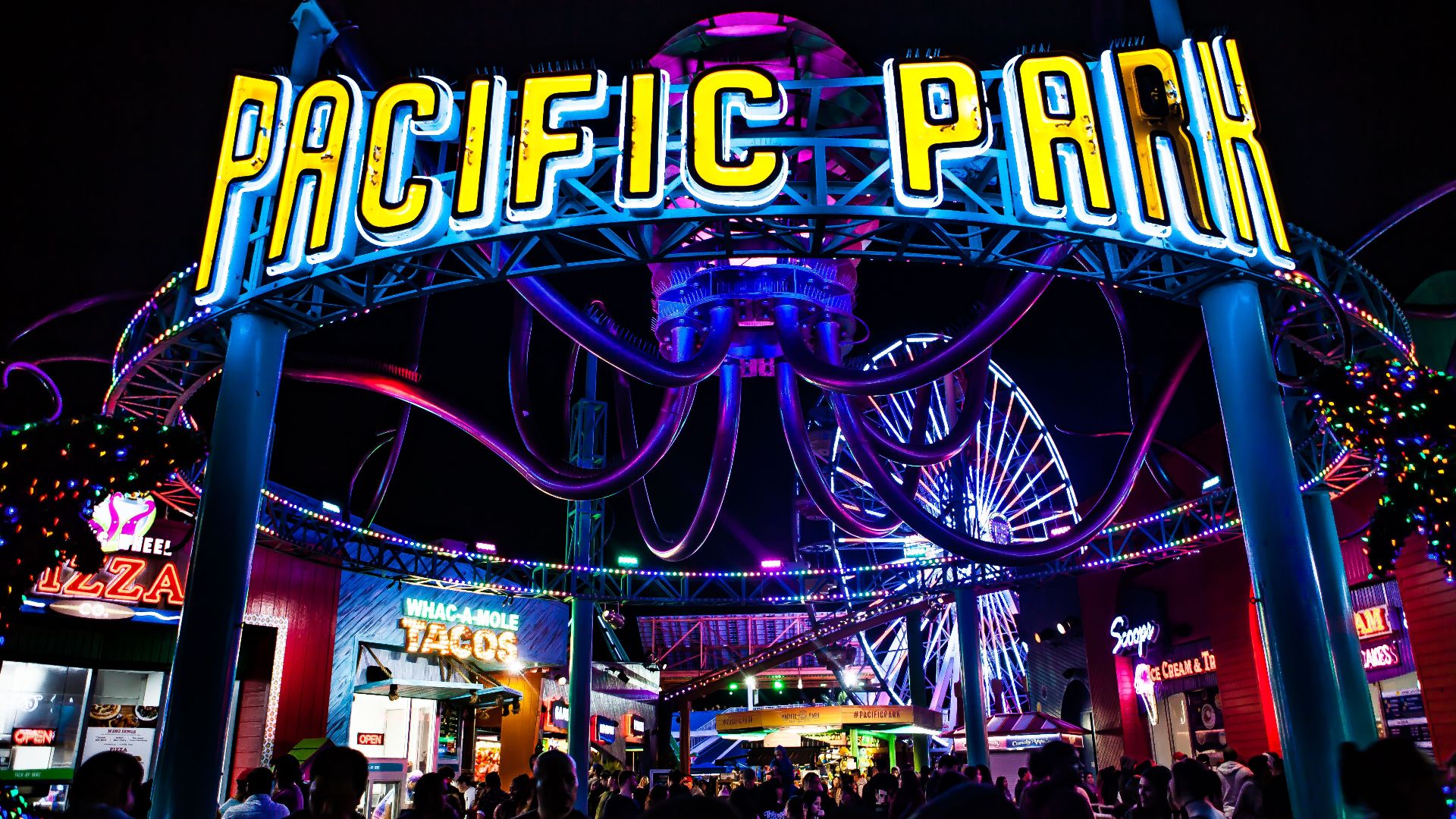
One important detail many guests overlook is that admission and ride access are not the same thing. A ticket generally grants entry to the park, but it does not guarantee access to every attraction or experience.
Reservation Systems Changed The Way Guests Visit Parks
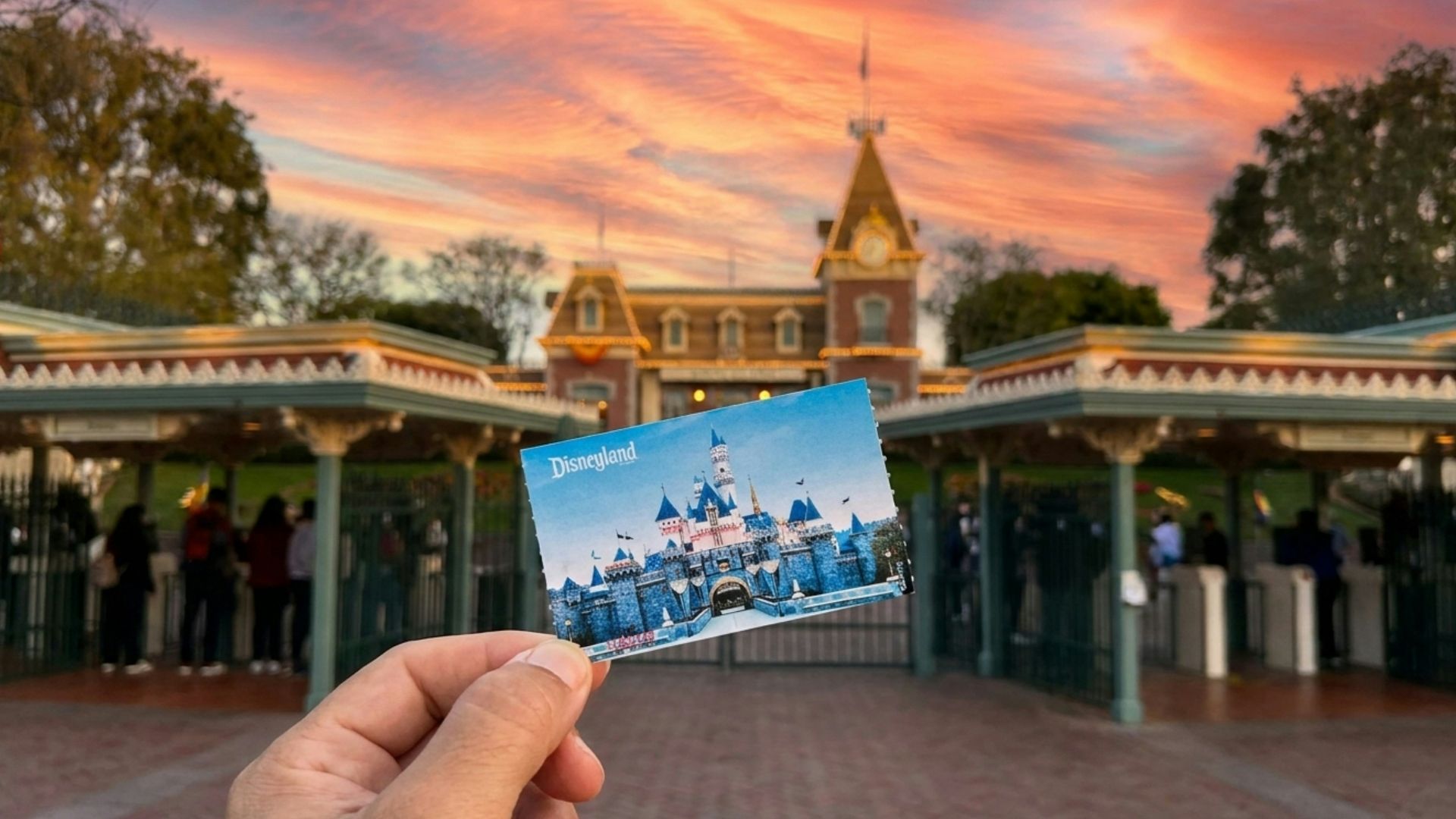
Many visitors now have to plan their day long before they arrive. Some parks require advance reservations, while others use virtual systems that determine access to popular rides and attractions.

Capacity Limits Are Usually Built Into The Rules
Parks often warn guests that attendance restrictions, attraction closures, and operational changes can happen without notice. These disclosures are usually included in ticket agreements and park policies.

Virtual Queues Are A Frequent Source Of Complaints
For some guests, virtual queues feel like a convenient alternative to standing in line. For others, they create stress and confusion, especially when access to major attractions depends on securing a reservation through an app.
Undisclosed Changes Could Strengthen A Refund Request
The situation becomes more interesting if a park made major operational changes without clearly informing guests beforehand. A lack of disclosure may give consumers a stronger basis for requesting compensation.
Evidence Can Make Or Break Your Claim
If you decide to pursue a refund, documentation matters. Screenshots, confirmation emails, park announcements, and photos can all help demonstrate what actually happened during your visit.

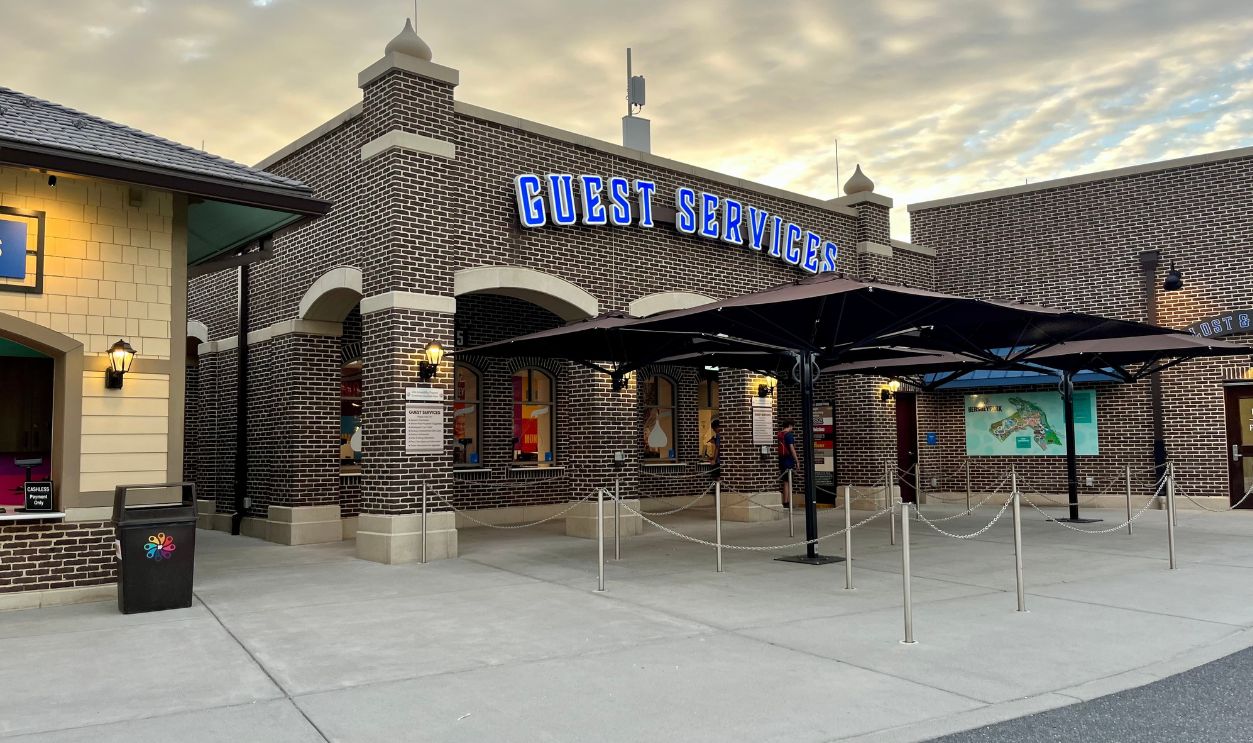
Guest Services Should Be Your First Stop
Before escalating the issue, start with the park's customer service department. Many disputes are resolved through guest relations teams without requiring formal complaints or chargebacks.
Be Specific About What Went Wrong
A complaint that says "the park was crowded" is unlikely to get much attention. A complaint explaining that advertised attractions were inaccessible because of unexpected crowd-control measures is usually more persuasive.

Don't Wait Too Long To Speak Up
Guests often have better luck when they raise concerns during their visit or shortly afterward. Waiting several months makes it harder for the park to investigate what happened.

Credits Often Replace Refunds
Even when parks acknowledge a guest's frustration, they frequently offer future admission credits, complimentary tickets, or other goodwill gestures instead of returning cash.

Nonrefundable Doesn't Always Mean Impossible
Many theme park tickets are sold as nonrefundable. That said, exceptions sometimes happen when unusual circumstances or major operational issues affect the guest experience.
Advertising Can Become An Important Factor
If a park heavily promoted specific attractions or experiences that guests later could not reasonably access, questions about advertising accuracy may come into play.

Consumer Protection Agencies May Be Worth Contacting
When guests believe they were misled, consumer protection agencies can sometimes provide guidance. Filing a complaint also helps regulators identify recurring issues affecting larger numbers of consumers.

Credit Card Companies Sometimes Review Disputes
Some visitors choose to contact their credit card issuer if they believe the service provided was significantly different from what was advertised. Whether a dispute succeeds depends heavily on the facts and supporting evidence.
 TommyStockProject, Shutterstock
Read The Fine Print Before Escalating
Ticket agreements often contain important details about refunds, dispute resolution procedures, and liability limitations. Understanding those terms can save time and prevent unrealistic expectations.

Safety Measures Usually Receive Extra Protection
When crowd-control systems are implemented for safety reasons, parks generally receive significant flexibility in how they manage guests. Courts and regulators often recognize the importance of these safety considerations.

Public Complaints Occasionally Get Results
While social media is not a legal remedy, polite and well-documented complaints sometimes attract attention from customer-service teams looking to resolve issues before they become larger public relations problems.

The Strongest Cases Involve More Than Long Lines
At the end of the day, the best refund requests usually involve clear evidence of undisclosed restrictions, misleading advertising, major attraction closures, or significant differences between what was promised and what was delivered. Simply disliking a virtual queue or crowd-control system may be frustrating, but it usually is not enough on its own to guarantee compensation.

You May Also Like: