That “Just Say You’re Friends” Message Is A Real Red Flag
If an Airbnb host tells you to say you are “friends visiting” if a neighbor asks, take that seriously. It usually means the host is worried about getting reported for breaking building rules, lease terms, or local short-term rental laws. That does not always mean the place is unsafe, but it does mean the booking may not be on solid ground.
Why It Feels Off Right Away
Before you have even checked in, the host is asking you to help hide what the stay really is. That shifts the mood fast. Instead of getting simple arrival details, you are being pulled into a cover story. A weekend trip can turn stressful in a hurry when neighbors, building staff, or security get involved.

Airbnb’s Rules Go The Other Way
Airbnb says hosts and guests must follow the law and any rules that apply to the property. The company also says hosts are responsible for following leases, condo rules, homeowners association rules, and local restrictions. If a host wants you to hide that you are a paying guest, it is fair to wonder what rule they think they are dodging.

It May Mean The Listing Breaks Building Rules
Many apartment and condo buildings limit short-term rentals or ban them completely. A host who is nervous about neighbors may be trying to avoid a complaint that could lead to fines or eviction. That makes your reservation a lot shakier than it may look in the app.

Lease Problems Are Also Common
If the host is renting the unit rather than owning it, they may be subletting without permission. Airbnb notes that hosts need approval when a lease or other contract restricts subletting. If that approval is missing, the guest can end up being used as cover.

Local Laws Can Change Everything
Short-term rental laws can be strict, and they can vary widely from one city to another. In New York City, Local Law 18 took effect in September 2023 and tightened the rules for short-term rentals. If a host wants secrecy in a city with active enforcement, that is not a detail to brush off.

New York City Shows How Quickly Rules Can Hit
New York City began enforcing Local Law 18 on September 5, 2023, after setting up a registration system for short-term rentals. The law sharply limited many whole-home rentals of fewer than 30 days unless specific conditions were met. A host asking guests to pretend they are friends may be reacting to that kind of pressure.

San Francisco Has Tight Rules Too
San Francisco, Airbnb’s hometown, also regulates short-term rentals and requires hosts to register in many cases. The city says booking platforms can process reservations only for registered hosts. So if a host wants the stay kept quiet, they may be trying to stay out of a system meant to keep rentals visible and accountable.

Las Vegas Is Another Good Example
Clark County, Nevada, has detailed short-term rental rules, including licensing requirements and limits in some areas. That shows how specific these laws can get. Whether a rental is legal may come down to whether the property has the right approval, and neighbors are often the first to notice when it does not.

Neighbors Usually Know Something Is Up
If the host is worried about the neighbors, that tells you where trouble is most likely to start. Full-time residents often complain about noise, security, or a steady stream of strangers coming and going. A host who asks you to lie may already know the building is tense.

The Biggest Risk Is A Stay That Falls Apart
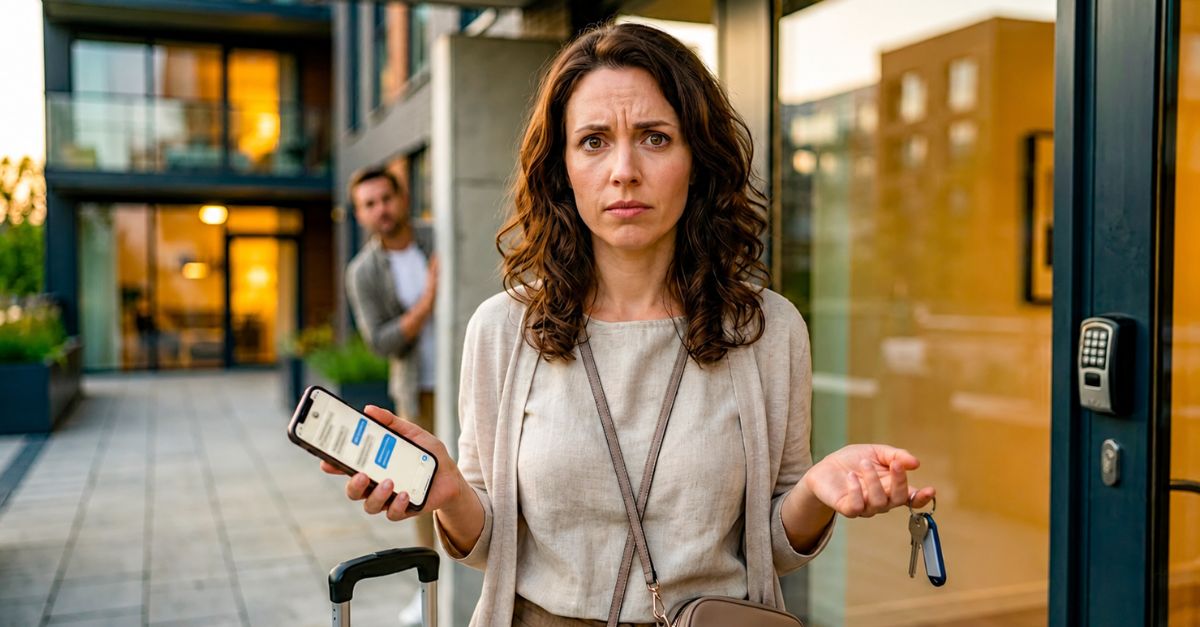
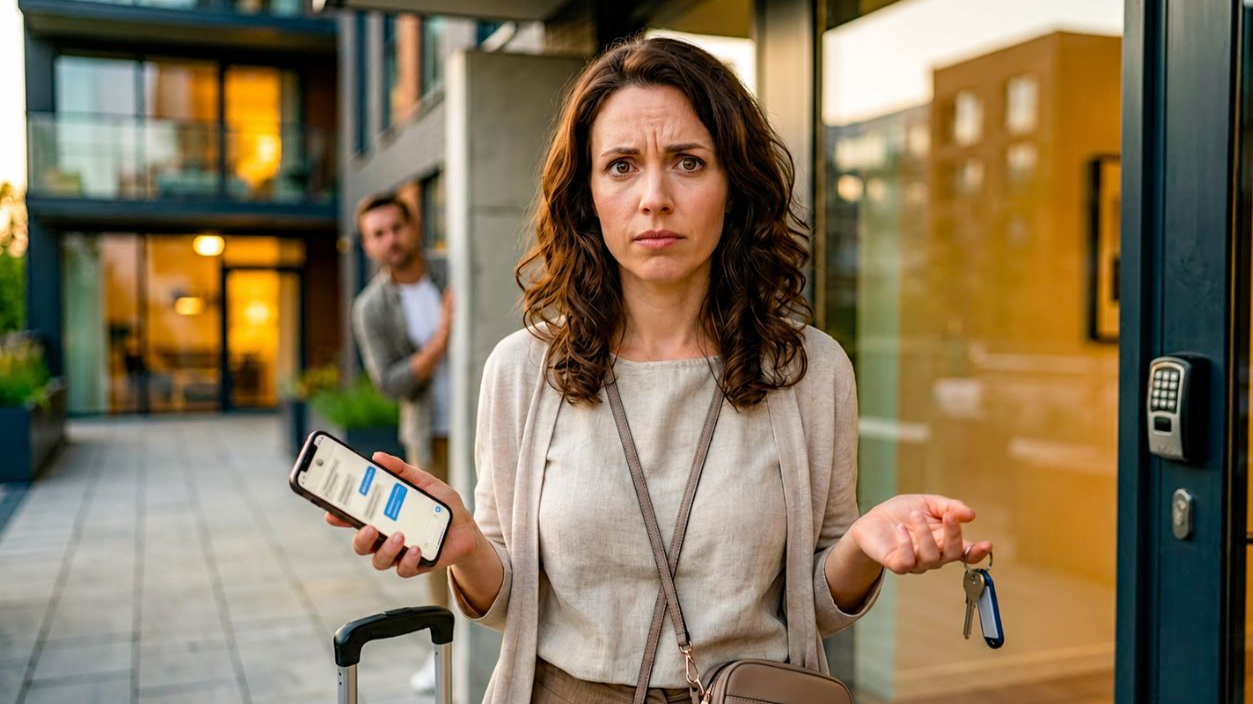
The real problem is not just getting caught. It is what happens if the booking blows up in the middle of your trip. You could arrive to find the lockbox gone, the entry code changed, or staff refusing to let you in. Even if you get a refund later, losing your place to sleep on a busy travel night is a mess.

Consumer Experts Have Warned About Illegal Listings
Consumer advocates have pointed out for years that illegal short-term rentals can create major problems for guests, not just hosts. If a city or building shuts down the stay, the traveler is often the one left scrambling. That is why a message about pretending to be “friends” is more than awkward. It is a practical warning sign.

Airbnb Does Have A Rebooking And Refund Process
Airbnb’s AirCover for guests says the company can help find a similar place or provide a refund if a host cancels before check-in or if you cannot check in and the host cannot fix the problem. That is useful, but it is not a perfect safety net. On busy dates, the replacement may cost more, be farther away, or just be worse.

It Can Also Raise Safety And Access Issues
Hosts who are trying to sneak guests into a property may skip normal check-in steps. That can mean unclear entry instructions, pressure to arrive at odd hours, or requests to avoid staff. None of that is ideal if you are traveling with kids, hauling bags, or showing up late at night.

Insurance And Liability Can Get Messy
If a stay breaks local rules or building policies, it is fair to wonder what happens if something goes wrong. Airbnb has support systems and host liability programs, but unauthorized stays can still create confusion in the real world. If there is a dispute over entry or property rules, the guest often knows the least.
Privacy Is Not The Same As Secrecy
Plenty of travelers like privacy, and there is nothing wrong with a host giving low-key check-in instructions. But privacy is about protecting your information and making arrival smooth. Secrecy is when a host asks you to hide that a paid booking is happening. Those are two very different things.
Look For Other Warning Signs
If you get a message like this, take a closer look at the listing. See whether it mentions registration numbers, building restrictions, or clear signs that the host is following the rules. Then read recent reviews for hints about hard check-ins, angry neighbors, canceled stays, or strange instructions.

Read Reviews Differently
Reviews often reveal patterns once you know what to look for. Phrases like “check-in was complicated,” “the host was very particular about being quiet,” or “neighbors seemed unhappy” can mean more than they first appear to. If several guests hint that the building was not happy about the rental, pay attention.

Ask The Host Directly And Keep It In The App
If you are unsure, send a calm, direct message through Airbnb. Say you are not comfortable misrepresenting your stay and want confirmation that the rental follows building and local rules. Keeping that exchange in the app gives you a record if you need support later.

Do Not Move The Conversation Off The Platform
If the host makes these requests by text, WhatsApp, or phone, ask them to repeat the important details in Airbnb messages. Airbnb advises users to communicate and pay on the platform when possible because it helps with support and documentation. If the host resists, that is another warning sign.

When To Contact Airbnb Before The Trip
If the host clearly asks you to lie to neighbors, building staff, or security, it makes sense to contact Airbnb before check-in. Share exactly what was said and ask whether the booking may violate policy or whether you can cancel without penalty. It is much easier to deal with this before you are standing outside with luggage.

What To Say If A Neighbor Asks
You do not have to play along with the host’s story. A simple answer like “I’m staying here through Airbnb” is honest and keeps things straightforward. If that causes a problem, the problem was already there, and it belongs to the host, not you.

Should You Cancel Immediately
Not always, but you should think hard about it if the message is direct, especially if it comes with other red flags. Those include being told to avoid staff, pick up keys somewhere else, use a back entrance, or never mention Airbnb. If your gut says the stay could unravel fast, listen to it.

When It Might Be Less Serious
There are cases where a host may just be trying to avoid drama with neighbors in a building where short-term rentals are allowed but unpopular. Even then, asking guests to lie is still a bad sign. A legitimate host should be able to say clearly that the stay is allowed and properly documented.

The Ethics Matter, But The Risk Matters More
Yes, being asked to lie is uncomfortable on principle. But for most travelers, the bigger issue is simple: risk. You are paying for dependable lodging, and secrecy is the opposite of dependable.
A Smart Traveler’s Checklist
Before the trip, confirm the address, read the house rules again, screenshot the listing, and keep all communication in the app. If the city requires permits or registration, ask about that too. And have a backup hotel option in mind in case the host’s instructions start sounding less like check-in and more like a bad undercover mission.

The Bottom Line
So is it a major red flag if an Airbnb host asks you to pretend to be “friends visiting”? In most cases, yes. It strongly suggests the host may be hiding the booking from neighbors because the rental could violate a lease, building rules, or local law. And if things go wrong, you may be the one stuck dealing with the fallout.
 Boys in Bristol Photography, Pexels