
The Upgrade That Suddenly Feels Smaller
You check in, hear the words “we’ve upgraded you,” and expect a better stay. Then comes the catch: breakfast is no longer included. What sounded like a perk starts to feel like a swap.

Why This Question Matters
For a lot of travelers, breakfast is not some tiny extra. It can be a real daily cost, especially at resorts, airport hotels, and city properties where breakfast can run $20 to $50 per person or more. So if the room gets better but the benefits get worse, it is fair to ask whether the hotel really upgraded you at all.

What Hotels Usually Mean By Upgrade
In hotel terms, an upgrade usually means a better room category than the one you booked. That could mean more space, a better view, club-level access, or a suite. But the fine print depends on the brand, the rate you booked, and whether your original reservation came with extras that do not automatically follow you to a different room.

Marriott’s Fine Print Is A Good Example
Marriott Bonvoy’s terms say complimentary upgrades for eligible elite members are based on room type and availability at participating properties. The language focuses on enhanced rooms, selected standard suites, and premium rooms at some brands. It does not say every amenity tied to your original rate has to stay attached if the new room category is sold under a different package.

Hilton Draws The Line Around Room Type
Hilton Honors uses similar language. Its elite benefits describe space-available room upgrades as upgrades to certain room types, often at the hotel’s discretion and with brand-specific exclusions. That matters because the promise is about the room itself, not always every meal or package perk tied to your original booking.
 ProtoplasmaKid, Wikimedia Commons
Hyatt Also Frames Upgrades Around Accommodations
World of Hyatt does much the same. Its rules for club room access awards, suite upgrade awards, and elite upgrades are built around room category and access benefits. The details are extensive, but the basic idea is the same as its rivals: the upgrade is usually about the room, while rate inclusions may be handled separately.

Breakfast Is Often A Rate Benefit, Not A Room Benefit
This is where travelers often get caught out. A hotel may sell a bed-and-breakfast rate, a package with lounge access, or a deal that includes meals only in certain room categories. If the hotel moves you into a room sold under a different rate structure, staff may treat breakfast as something that does not automatically carry over.

Consumer Experts Have Warned About This Before
Travel troubleshooter Christopher Elliott has repeatedly said travelers should confirm exactly what an “upgrade” includes before accepting it. His advice is simple: ask whether all your original benefits still apply, and if possible, get that answer in writing.

A Better Room Can Be A Worse Deal
Picture this: you book a standard room with breakfast for two. At check-in, the front desk moves you to a bigger room, but that room does not include breakfast and the hotel now wants to charge $35 per person each morning. Unless the room is worth a lot more to you, that “upgrade” may actually be worse value.

Why Hotels Sometimes Handle It This Way
Part of the problem is operational. Hotels manage inventory by room type and package code, and front desk systems do not always move perks over neatly when a reservation changes. There is also a money issue. Breakfast, parking, lounge access, and resort credits can all be treated as separate benefits with real internal cost.

The Industry Does Not Have One Universal Rule
There is no single law or hotel-wide rule saying an upgraded room must keep every amenity from the original booking. Instead, the answer usually comes down to brand rules, rate terms, loyalty terms, and general consumer law against misleading offers. In other words, it depends on what the hotel promised and how it presented the change.
 Fotointheworld, Wikimedia Commons
What Counts As Misleading
If a hotel clearly tells you before you agree that the new room does not include breakfast, that is usually a disclosed tradeoff. But if staff call it an upgrade and only later remove a key inclusion without warning, the situation starts to look a lot shakier. Consumer regulators generally care about whether the offer was misleading or unfair.

European Guidance Points To Transparency
European consumer authorities have spent years pushing travel companies to make pricing and included services clearer. The main idea is simple and relevant here: if an important part of the offer changes, especially something that affects the total price, the traveler should be told clearly before agreeing.

In The United States, Contract Terms Still Matter Most
For U.S. travelers, the booking confirmation is often the strongest proof of what was purchased. If it shows breakfast included, that helps establish the deal you made. If the hotel wants to move you into a different room, many travel advocates say it should either keep those inclusions in place or give you the option to refuse the move.

Elite Status Can Complicate Things Further
Loyalty members may assume their status solves this problem. Sometimes it helps, but not always. Marriott, Hilton, and Hyatt all publish elite benefit terms, but those rules mostly cover upgrade eligibility, breakfast or food-and-beverage benefits at certain brands, and exceptions by property type.
 Wanwajee Weeraphukdee, Shutterstock
Breakfast Benefits Are Already A Patchwork
That matters because breakfast is not handled the same way across major chains. Hyatt gives full breakfast as a Globalist benefit at many brands, Hilton often offers a daily food-and-beverage credit instead of free breakfast in the United States, and Marriott’s breakfast benefit varies a lot by brand. So when a room change also changes your package, the breakfast question can get messy fast.

Resorts And Club Floors Create The Biggest Confusion
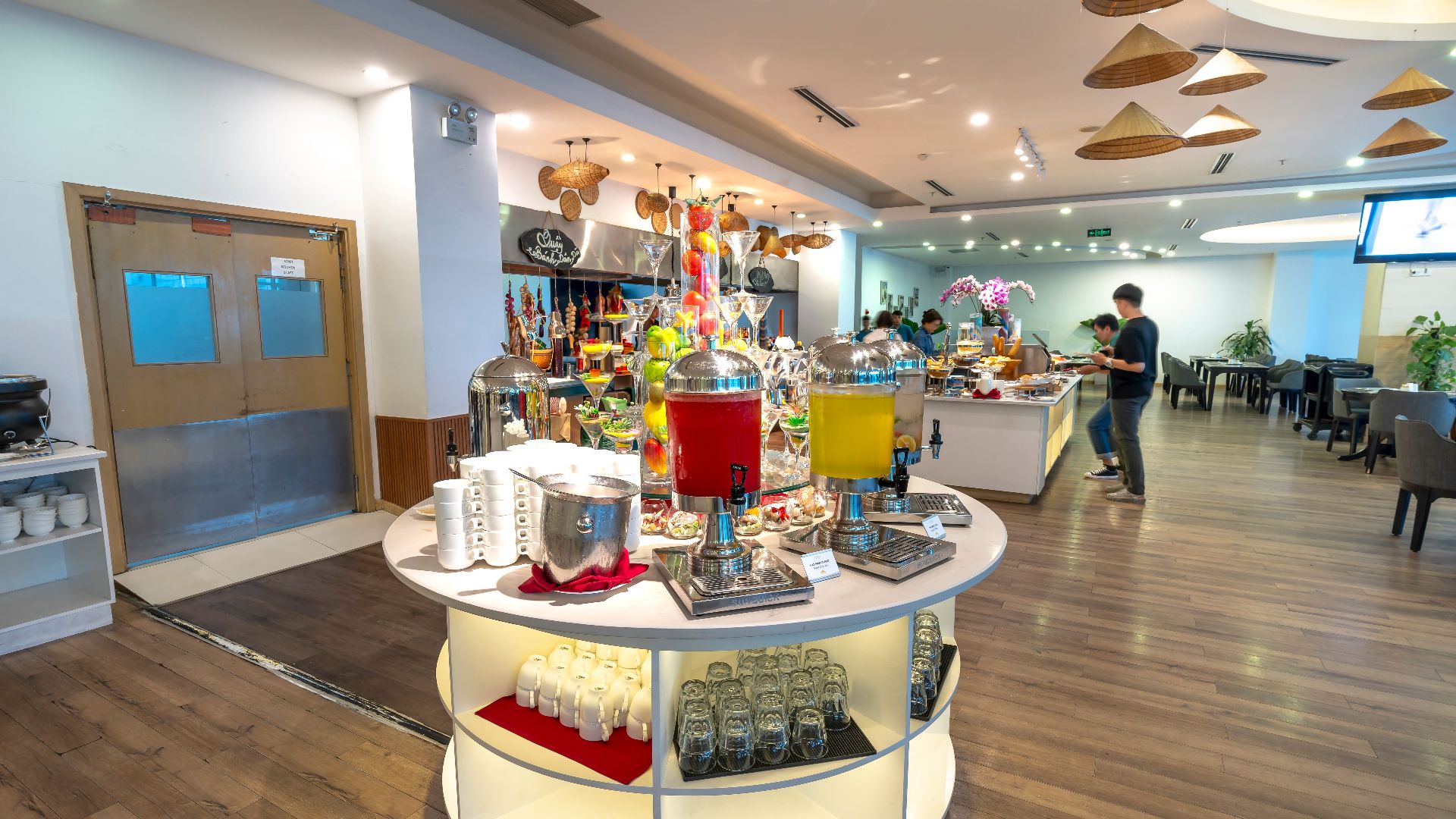
Club-level rooms and resort packages are where this issue often gets most confusing. They may bundle breakfast, snacks, or lounge access into a specific room type or rate plan. Move out of that exact product, and those extras may vanish. That is often how a “better room, fewer benefits” situation happens.
How To Judge If It Is Actually An Upgrade
Think about total value, not just room size. Compare the better room with the cash value of what you may be losing, whether that is breakfast, lounge access, parking, or late checkout. If the numbers do not come out in your favor, it is completely reasonable to say no.

The Smart Question To Ask At Check-In
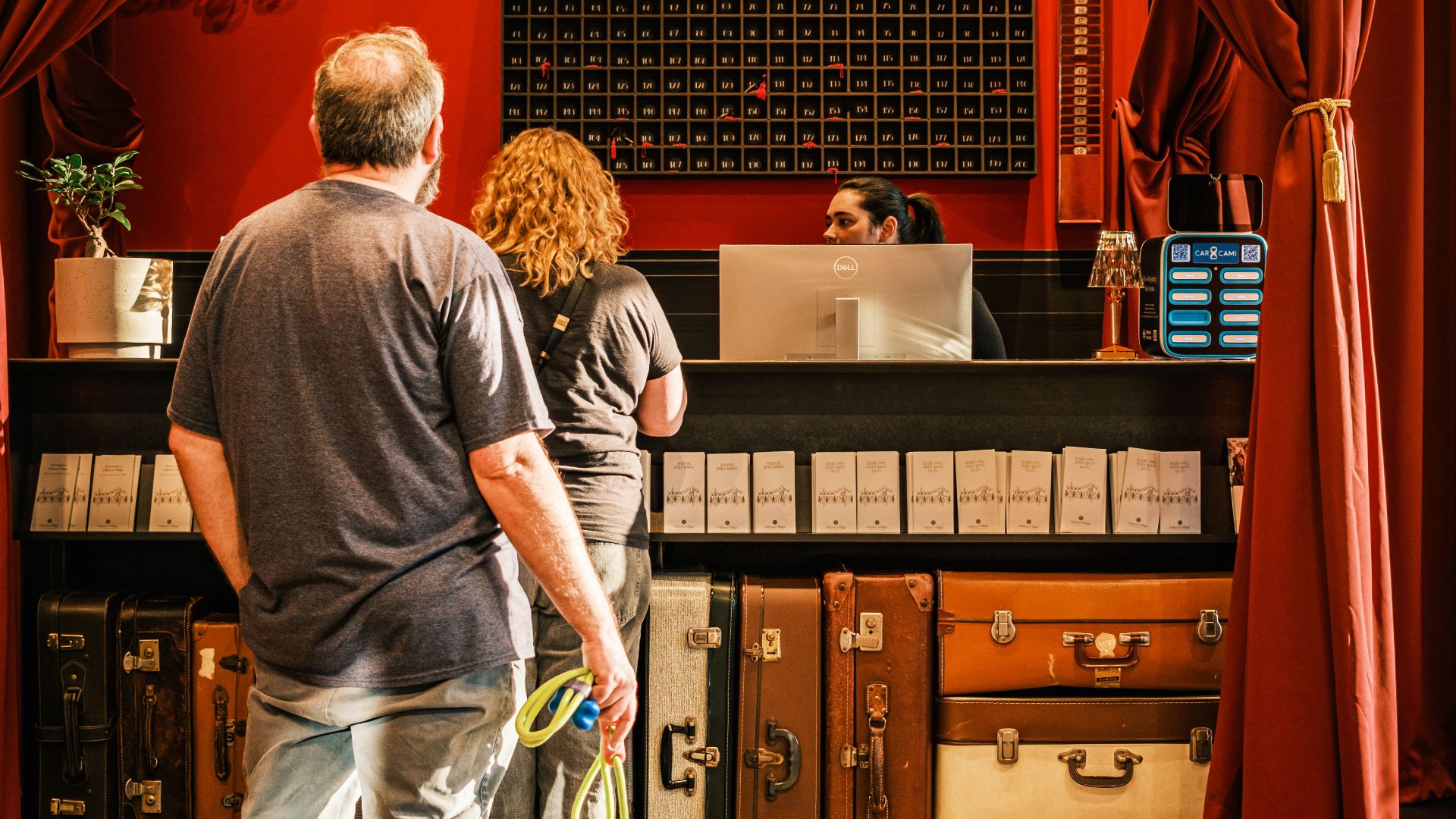
One question cuts through the sales pitch: “Will all the benefits of my original booking remain exactly the same?” If the answer is anything other than a clear yes, ask for the details before you agree to the change.
Get It In Writing If You Can
This does not have to be a big production. A quick message in the hotel app chat, an email, or a printed registration slip showing breakfast included can make a big difference if there is confusion the next morning. Written proof beats a fuzzy memory.

Do Not Be Afraid To Decline
Some travelers feel awkward turning down an “upgrade,” but you do not have to accept it. If your original room comes with benefits you value more, sticking with that booking may be the smarter move. Once you raise the issue, the hotel may even find a way to keep the extras.
If You Already Accepted, There Is Still A Way Forward
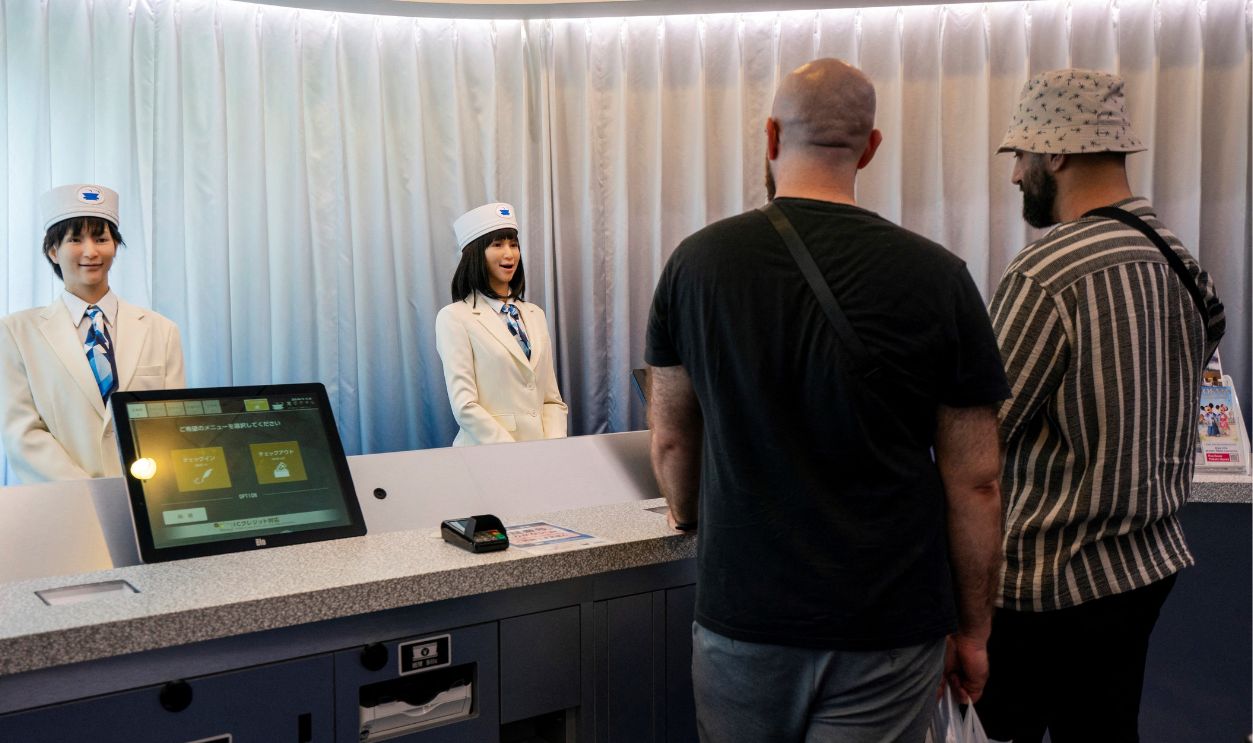
Go back to the desk calmly and explain that you accepted the room believing your original inclusions would stay the same. Show your confirmation with breakfast listed. Ask the hotel to honor the meal benefit, move you back to the original room type, or offer a similar substitute such as lounge access or a food-and-beverage credit.

Escalate In The Right Order
Start with the front desk, then ask for a manager if needed. If the hotel is part of a chain and the issue is still not fixed on property, contact the brand’s customer care team and include your confirmation and any written messages. If you have loyalty status, mention it, since elite benefit handling can affect the outcome.

When A Complaint Is Worth Filing
If the hotel presented the change as a straight upgrade and did not mention that you were losing a paid inclusion, you may have grounds to dispute the charge or complain to consumer authorities. Keep your receipt, booking confirmation, and notes on who said what and when. Specific names and dates matter much more than general frustration.

How To Avoid The Trap Next Time
Before you arrive, review your reservation for included perks and take a screenshot. If the hotel offers you a different room, ask whether breakfast, lounge access, parking, and any credits stay attached. The more expensive the destination, the more that quick check can save you.

So Is It Actually An Upgrade
Not necessarily. If the hotel gives you a better room and keeps the value of what you booked intact, that is a real upgrade. If it quietly takes away breakfast or another meaningful inclusion, then you may have a different room, but not a better deal.
 Anastasia Ilina-Makarova, Pexels
The Bottom Line For Travelers
The word “upgrade” sounds great, but the real question is simple: are you getting more value than you paid for in the first place? If the answer is no, you are well within your rights to push back, ask for your original benefits, or politely decline the so-called perk.