The Upgrade That Backfired
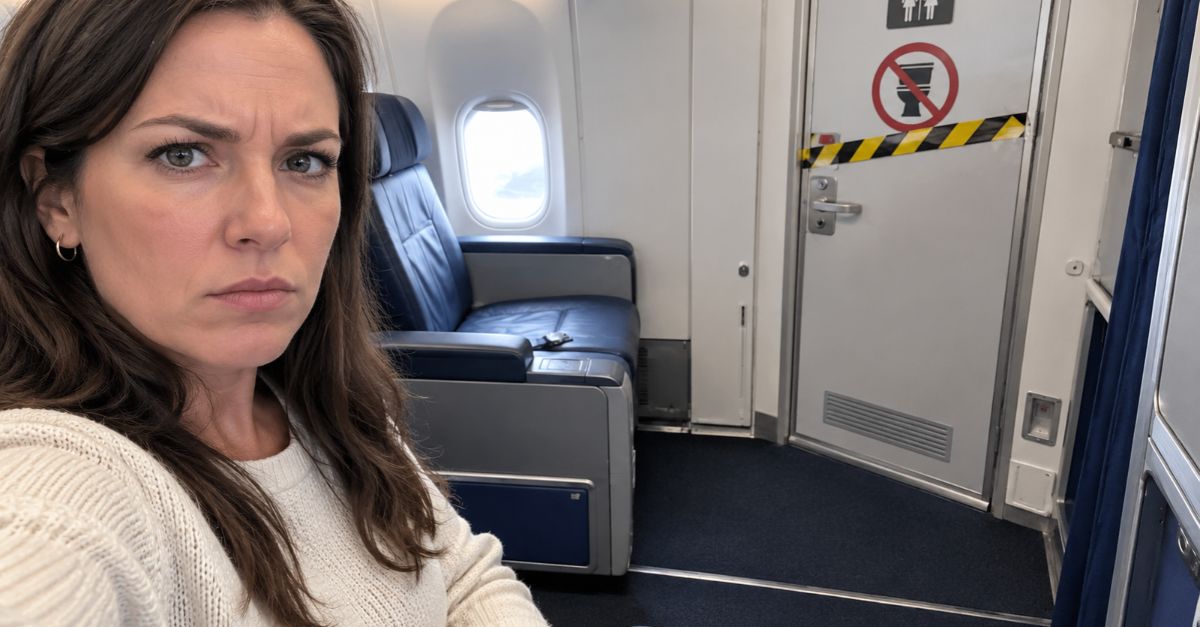
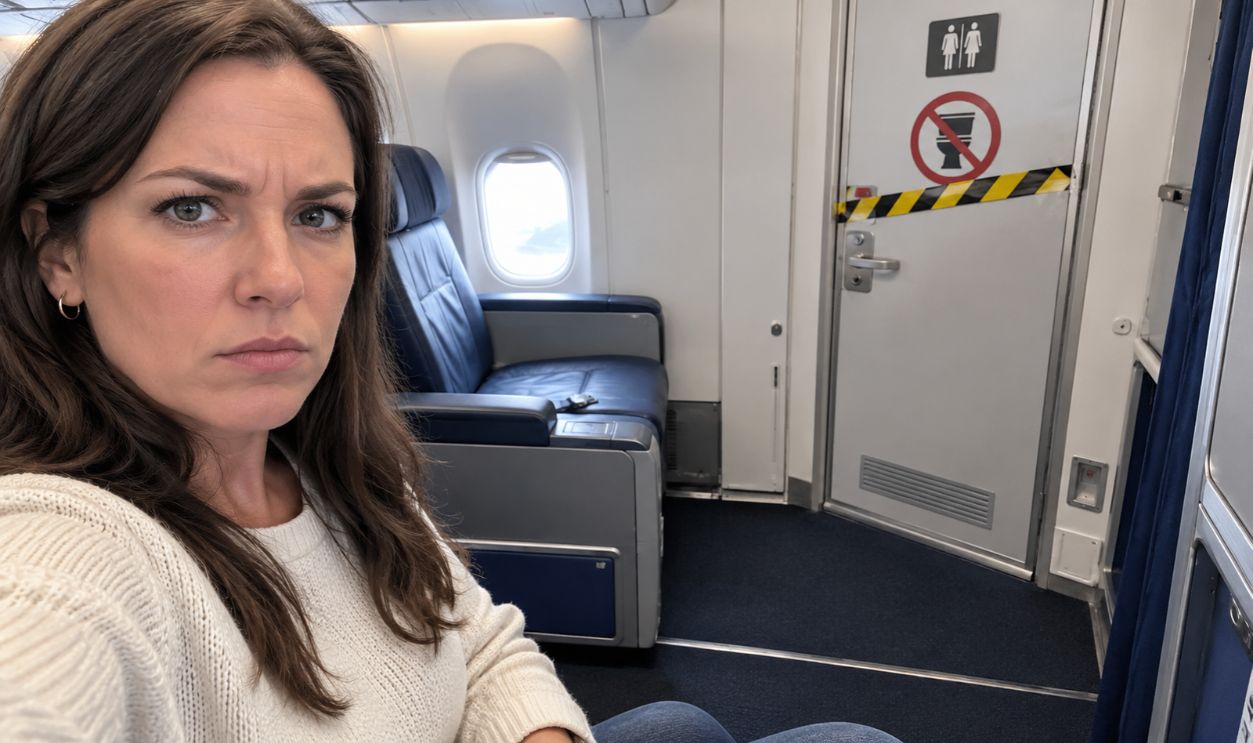
Paying extra for more legroom is supposed to make a flight easier to handle. But if that seat sits next to a broken restroom, with a steady line of passengers and a bad smell hanging in the air, the upgrade can feel like a rip-off. In some cases, you may have a real shot at getting some or all of that seat fee back.
Why This Question Comes Up So Often
Airlines now charge separately for seat assignments, extra legroom, early boarding, and other add-ons. So travelers are not just taking whatever seat they get. They are paying for a specific perk. When that perk gets undercut by a problem onboard, the refund question gets a lot more serious.
What Counts As An Extra Legroom Seat
Airlines use different names for these seats, including Economy Plus, Main Cabin Extra, Even More Space, and other extra-legroom options. They usually come with more pitch, earlier boarding, or a better spot in the cabin. Even though you are still in economy, the airline is selling that seat as an upgrade.
The Broken Restroom Problem Is More Than Annoying
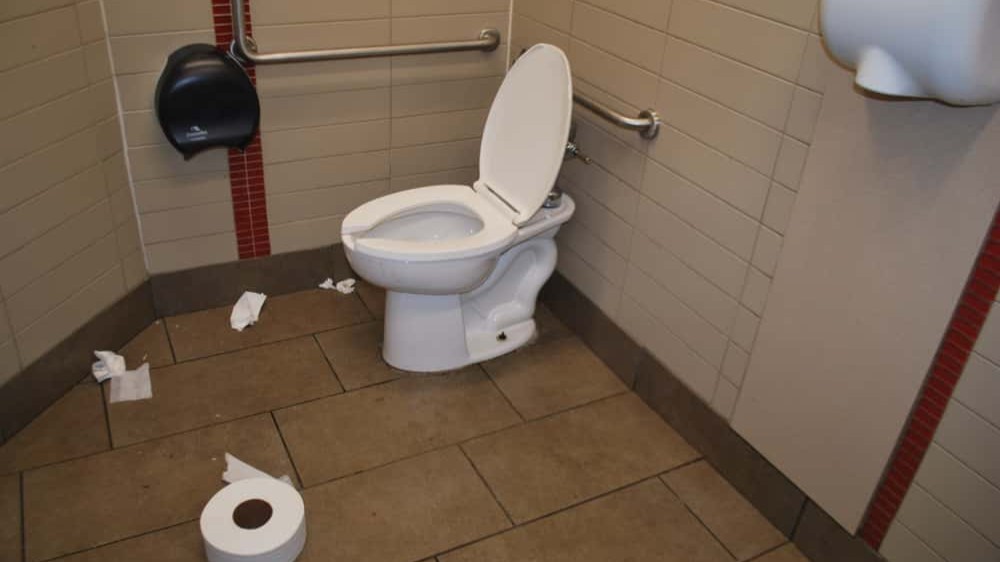
A restroom issue near your seat can bring odor, noise, foot traffic, and constant interruptions. If the lavatory is out of service, passengers may crowd your row while looking for another one. That can wipe out a lot of what you thought you were paying for when you bought the upgrade.
What The Transportation Department Says About Fees
The U.S. Department of Transportation has taken a tougher line in recent years on airline fee refunds when paid services are not provided. Its airline customer service dashboard shows what major airlines say they will do when things like seat selection or inflight extras are unavailable. That matters because your argument gets stronger when a paid feature was not delivered as promised.
A Key Rule Took Effect In 2024
In April 2024, the Department of Transportation announced a final rule requiring airlines and ticket agents to give automatic cash refunds when passengers are owed one. The rule focused on canceled flights, major schedule changes, delayed bags, and certain extras that were not provided. DOT’s point was simple: travelers should not have to fight for money they are clearly owed.
What The New Refund Rule Covers
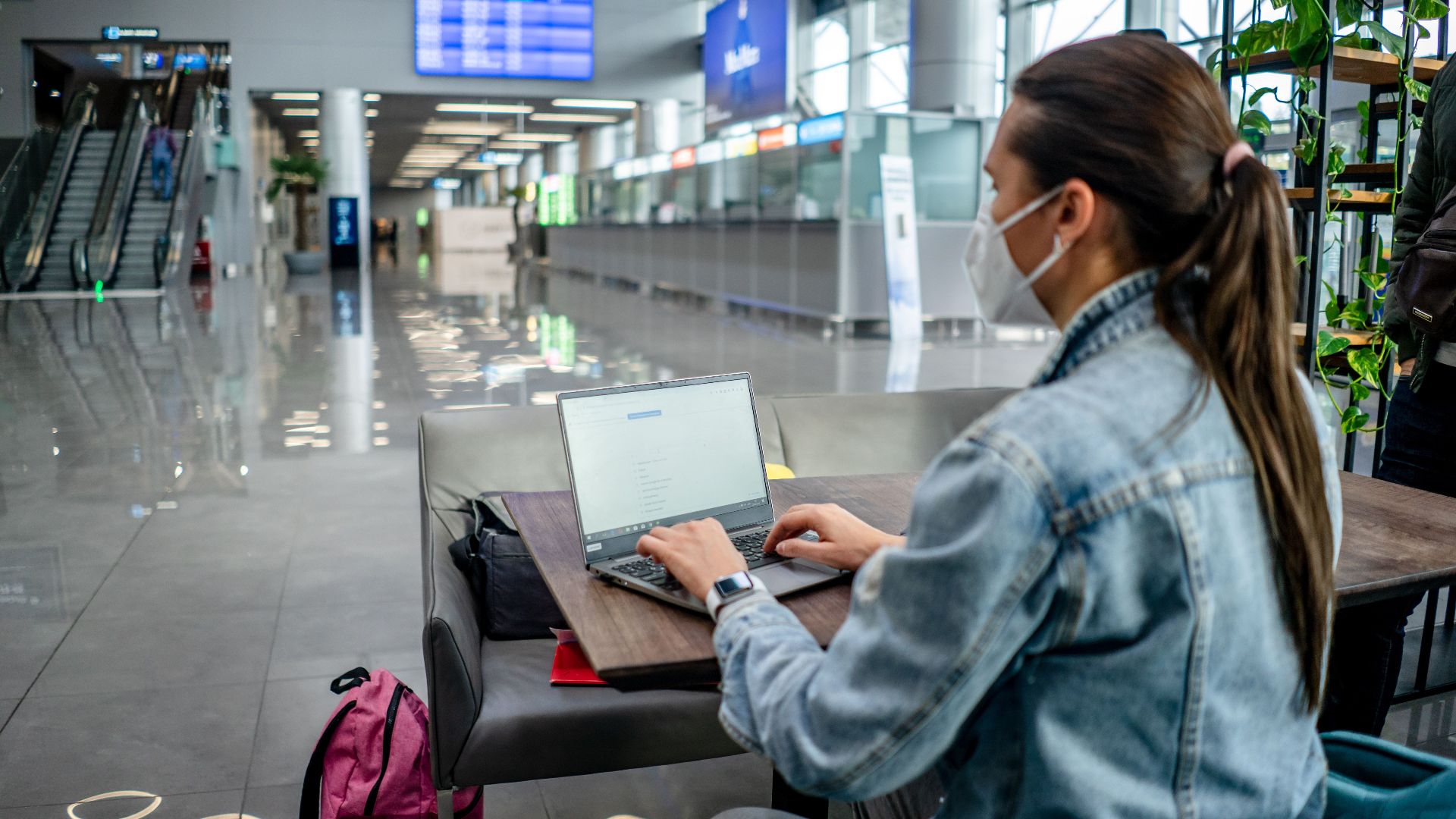
DOT said travelers are entitled to automatic refunds for fees paid for ancillary services if the airline fails to provide them. The rule gives examples such as paid seat selection, inflight Wi-Fi, and checked bags when the service does not happen. That does not settle every broken-restroom dispute by itself, but it does give travelers a useful framework.

The Big Catch In Seat Fee Cases
The tricky part is showing that the extra-legroom product you bought was not really provided. If your seat still had the promised extra pitch, the airline may say it delivered what you paid for. Your case gets stronger if the restroom problem made the seat much less usable or made that location materially worse than what was sold.
Contracts Of Carriage Matter More Than Most Travelers Realize
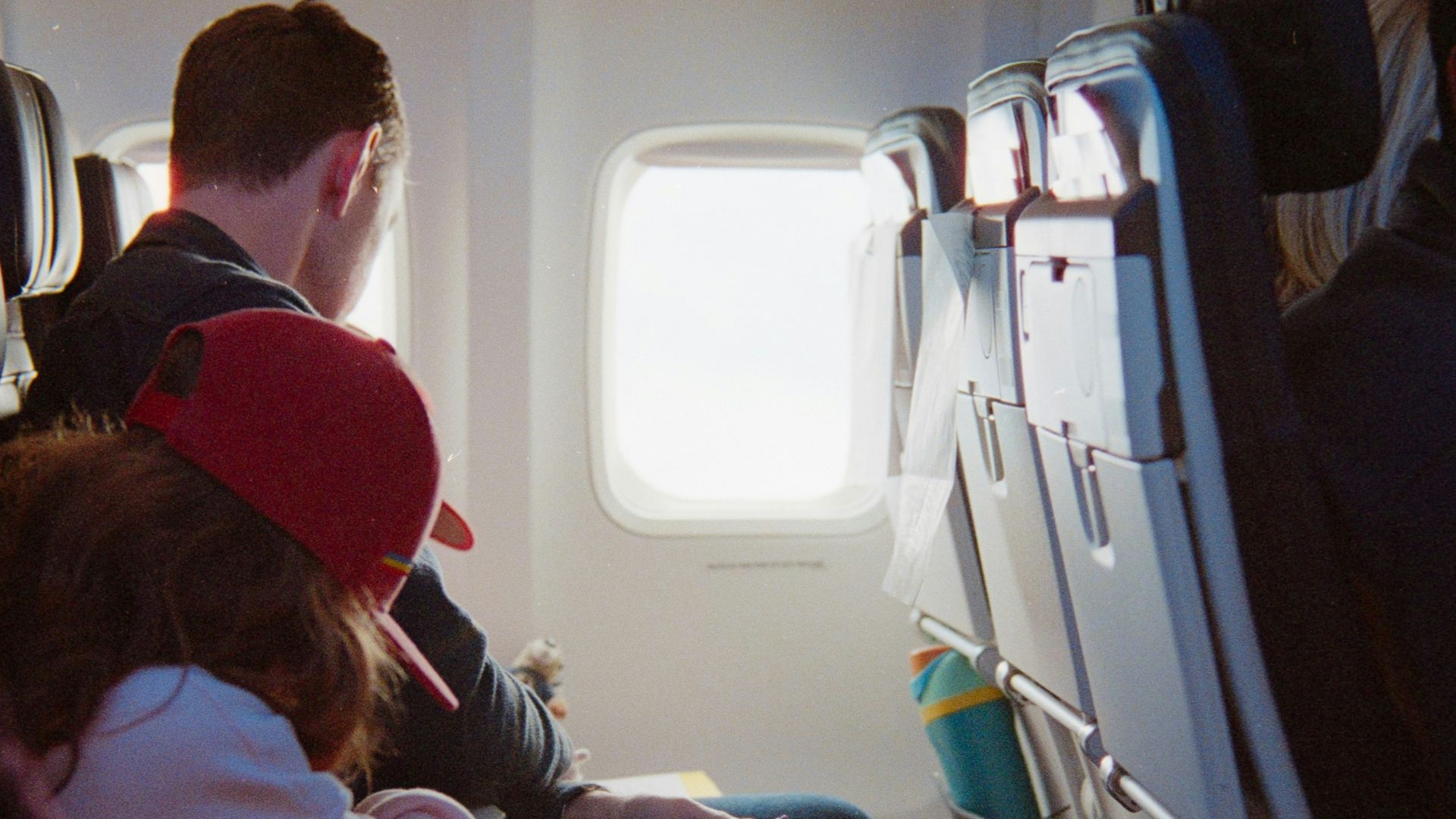
An airline’s contract of carriage lays out the legal terms for transportation, seating, irregular operations, and liability limits. These documents often give airlines wide leeway when planes change, seats are reassigned, or onboard problems come up. They can also make clear that exact seat locations are not guaranteed in every situation, which is why refund fights often come down to the details.
American Airlines Leaves Room To Ask
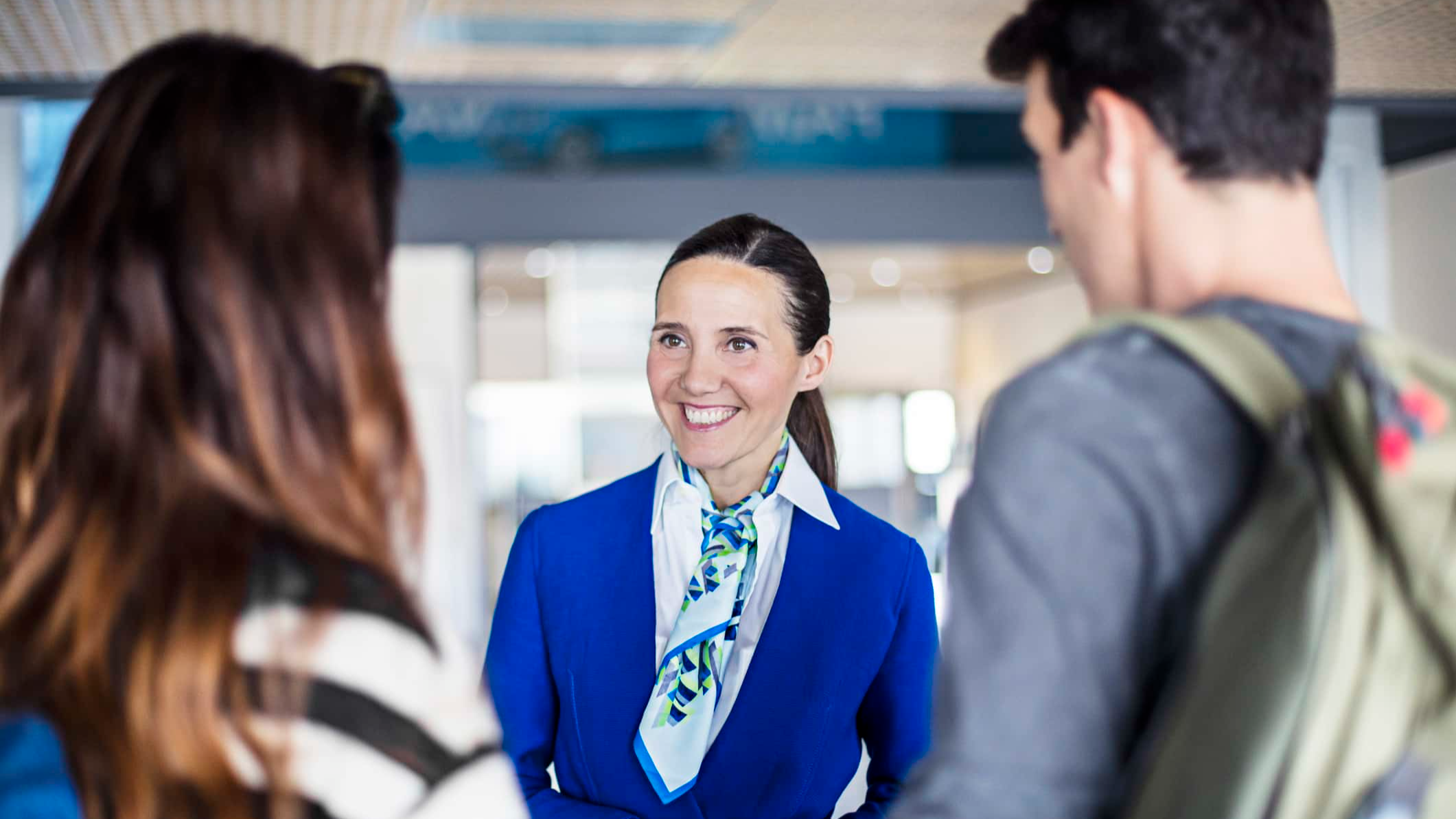
American Airlines says seat fees may be refunded in some situations, including when the airline cannot provide the seat that was purchased. Its refund guidance also mentions involuntary changes. That does not mean a broken-restroom complaint will automatically win, but it does leave room to argue that the experience was materially different from what was sold.
 Frame Stock Footage, Shutterstock
Delta Also Ties Refunds To Failed Delivery
Delta says optional seat purchases may be eligible for refunds if it could not accommodate the passenger in the purchased seat or a comparable one. That wording matters because it centers on whether Delta delivered the product the traveler paid for. A seat next to a malfunctioning restroom may not automatically qualify, but it can help support the argument that the experience was not really comparable.

United Gives Travelers A Way To Submit Claims
United lets customers request refunds for seat purchases in certain cases through its refund process. Like other airlines, its terms generally protect the carrier when operational needs force changes. Still, if your premium seat came with a major problem in the area around it, it is worth asking and laying out exactly what happened.

JetBlue And Other Airlines Use Similar Logic
JetBlue, Southwest, Alaska, and other carriers have their own seat and refund rules, but the basic idea is much the same. If the airline did not provide what you paid for, your claim is stronger than if the seat technically stayed the same. The clearer you show the gap between what was sold and what you got, the better.
 Frame Stock Footage, Shutterstock
Why Photos And Timing Can Make Or Break Your Case
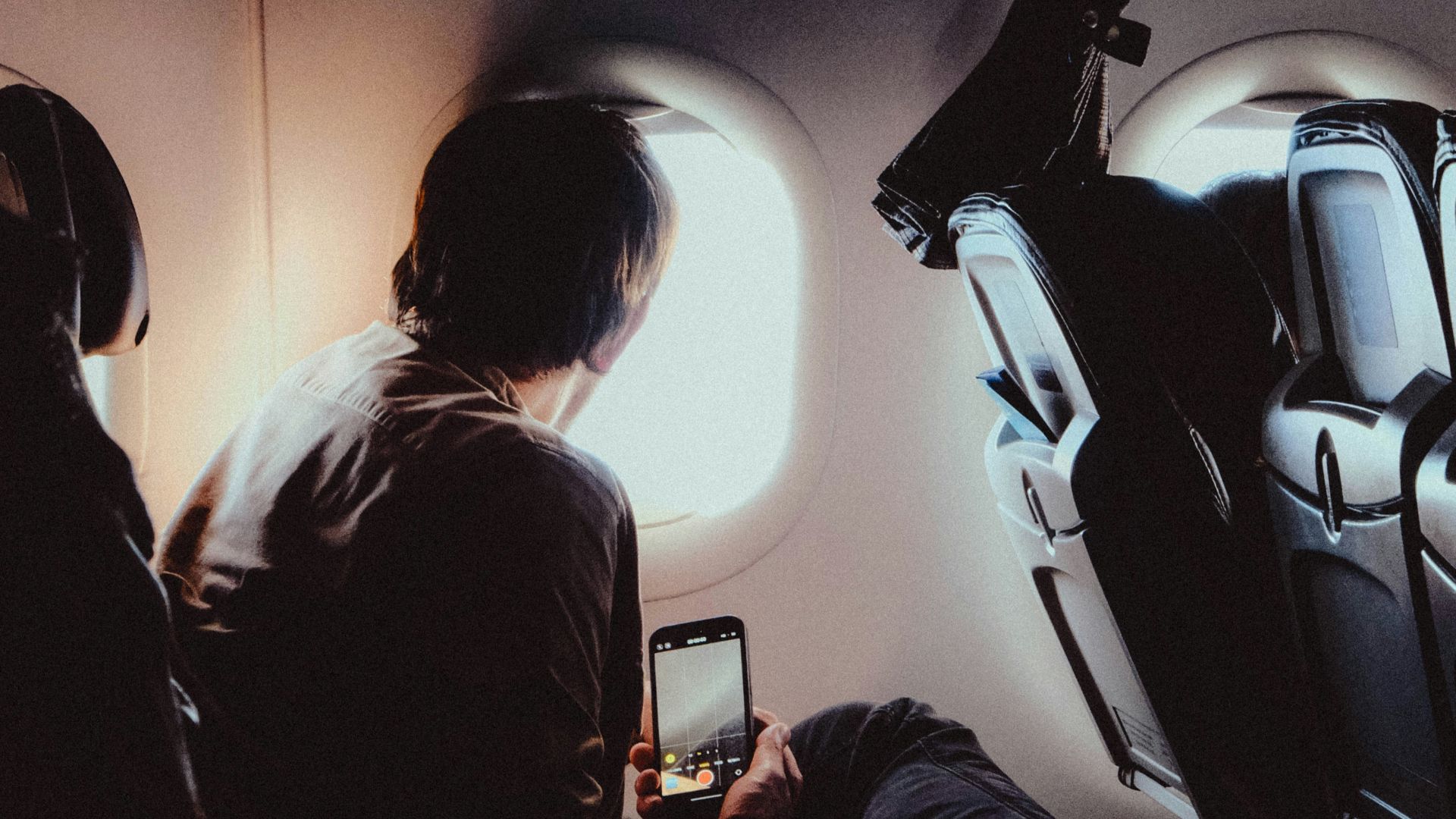
If you want a refund, gather evidence while the flight is still fresh. Take a photo of the out-of-service lavatory sign if allowed, and note the flight number, date, aircraft type, and seat number. Also write down whether the problem lasted the whole flight or only part of it, because that can matter.
Tell The Crew, But Stay Realistic
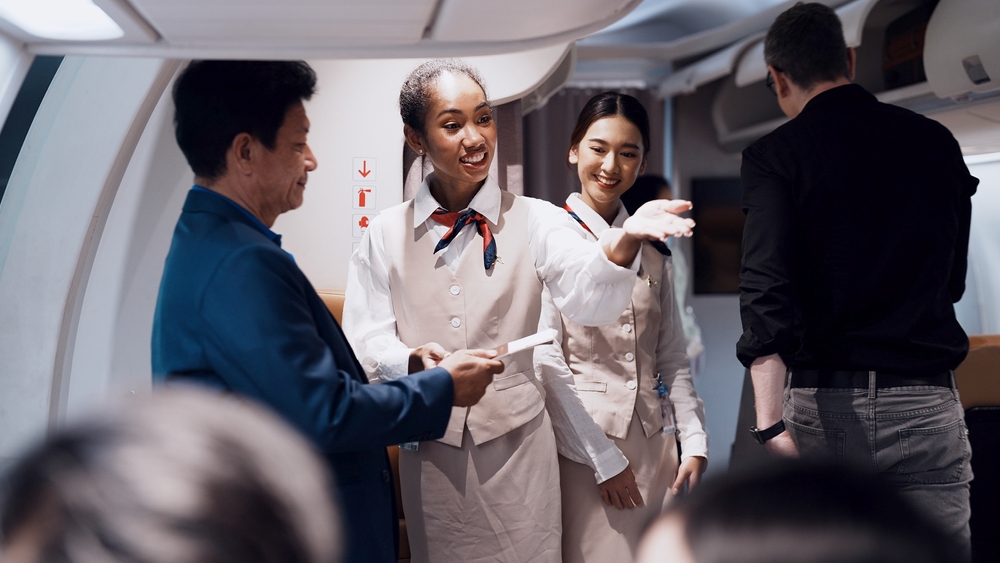
Tell a flight attendant during the flight if the issue is affecting the seat you paid extra for. The crew may be able to move you, confirm the lavatory was broken, or note the disruption in a report. They usually cannot promise a refund on the spot, but their acknowledgment may help later.
Ask For A Written Record If Possible
If a crew member or gate agent agrees the seat was seriously affected, ask politely whether the issue can be added to your reservation or service record. Even a brief note can help back up your complaint after the flight. You are not asking for special treatment. You are building a paper trail.
What To Say In Your Refund Request
Keep it short and specific. Say that you paid an upgrade fee for an extra-legroom seat and explain how a broken nearby restroom sharply reduced the value of that purchase through odor, crowding, noise, or constant disruption. Include your receipt, booking reference, photos, and any acknowledgment from the crew.

Do Not Just Ask For Mercy
Your best argument is not that the flight was miserable. It is that you paid a separate fee for a premium seating product that was not delivered in a meaningful way. A complaint framed around failure to provide a paid ancillary service is often stronger than one based only on discomfort.

How Much Money Should You Request
Start by asking for the full upgrade fee back, especially if the restroom issue affected the entire flight. If the problem lasted only part of the trip, a partial refund or travel credit may be more realistic. Asking for a clear dollar amount often works better than leaving it open-ended.
 Monkey Business Images, Shuttestock
When A Travel Credit May Be The First Offer
Airlines often answer complaints with miles, vouchers, or travel credits before offering cash. If you paid a separate seat fee and the service was not provided, you can push back and ask for that fee to be refunded to your original form of payment. That lines up more closely with DOT’s language on unprovided ancillary services.

If The Airline Says The Seat Was Still Extra Legroom
This is the airline’s most predictable defense. The carrier may say the seat still had more pitch than standard economy, so the product was delivered. Your reply should focus on the real conditions attached to that seat on that flight and why the broken restroom next to you made it materially different from the premium experience that was sold.

When To Escalate To The Department Of Transportation
If the airline rejects your complaint or does not answer, U.S. travelers can file a complaint with the Department of Transportation. DOT does not act as your lawyer, but complaints are sent to the airline and can increase pressure for a response. They also help regulators spot patterns involving seat fees and service failures.
 CBP Photography, Wikimedia Commons
Credit Card Disputes Are A Backup Option
If you paid a separate upgrade charge by card and believe the service was not delivered, a chargeback may be possible in some cases. Card issuers usually want proof that you first tried to work it out with the airline. This option is best used carefully, because the airline may argue that the seat itself was still technically provided.

European And UK Travelers May Face A Different Landscape
If your trip involved Europe or the United Kingdom, consumer protections may be different, but seat-fee disputes still often come down to the airline’s terms and the facts. EU and UK passenger-rights rules are mostly known for delays and cancellations, not seat comfort issues. So your evidence and the airline’s own policies still matter a lot.
 AutoRentals, Wikimedia Commons
What You Are Unlikely To Win
You probably are not going to get a big payout just because the flight was unpleasant. In most cases, the realistic goal is getting the upgrade fee back, maybe along with a goodwill voucher. Keeping your expectations in check can make the process less frustrating and your request more convincing.

The Best Time To Complain Is Soon After Landing
Submit the complaint as soon as you can after the trip, while the records are easy to check and the details are still fresh. Many airline websites have refund or customer-relations forms for optional service issues. Wait too long, and your claim may sound vague and become easier to brush off.
So Can You Ask For Your Money Back
Yes. Whether you get it depends on how clearly you show that the premium seat you bought was not truly delivered because of the broken restroom next to you. If you document the problem, point to the paid upgrade, and keep the request focused on the fee itself, you have a solid case worth making.