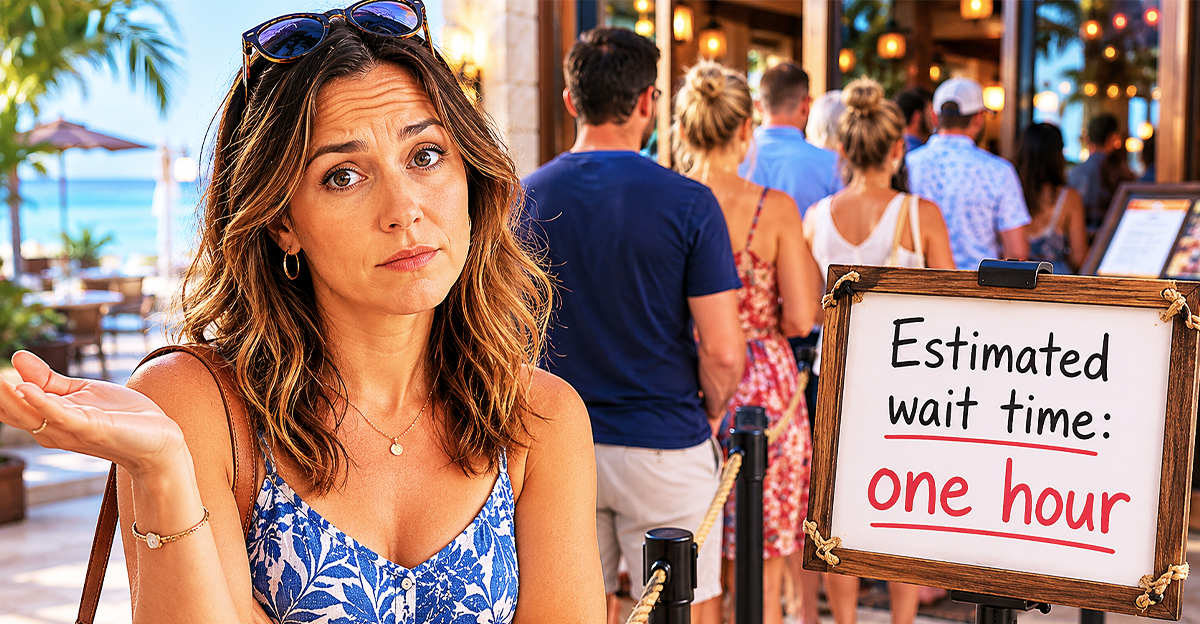
Unlimited But Unavailable
You booked an all-inclusive resort expecting unlimited dining options throughout your stay. After arriving, however, you discovered that most specialty restaurants were fully booked for days. The buffet remained available, but the restaurants featured in the marketing materials seemed almost impossible to access. Naturally, you feel misled.
Understanding All-Inclusive Claims
In the United States travel market, 'all-inclusive' generally means meals, drinks, lodging, and certain activities are included in the upfront price. It doesn't automatically guarantee immediate access to every restaurant, at every time, throughout your stay.

Reservations Are Common
Many all-inclusive resorts require reservations for specialty restaurants. These venues often have limited seating and operate separately from buffet facilities. While dining may technically be included, availability can depend heavily on reservation systems and guest demand.
Marketing Creates Expectations
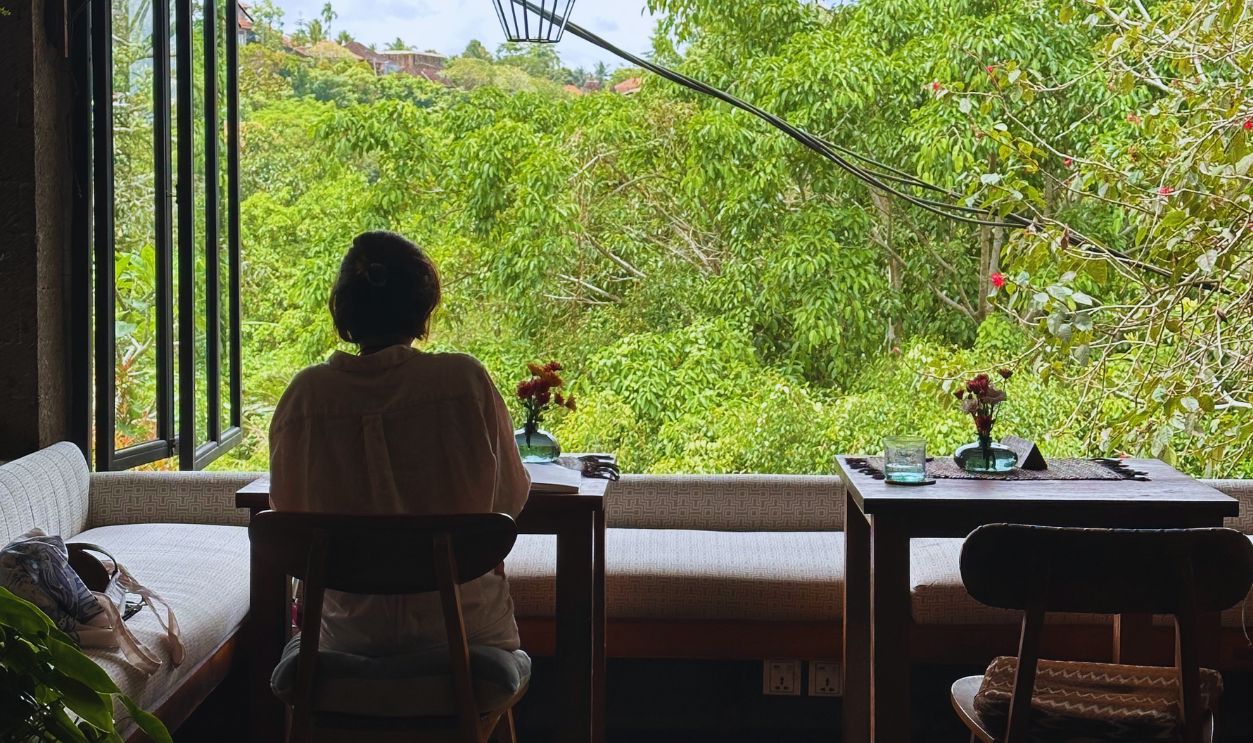
Resort advertisements frequently showcase elegant steakhouses, seafood restaurants, and international dining venues. When those restaurants appear prominently in promotional materials, guests may reasonably assume they will be readily available during their vacation rather than fully booked for days ahead of time.
Read The Fine Print
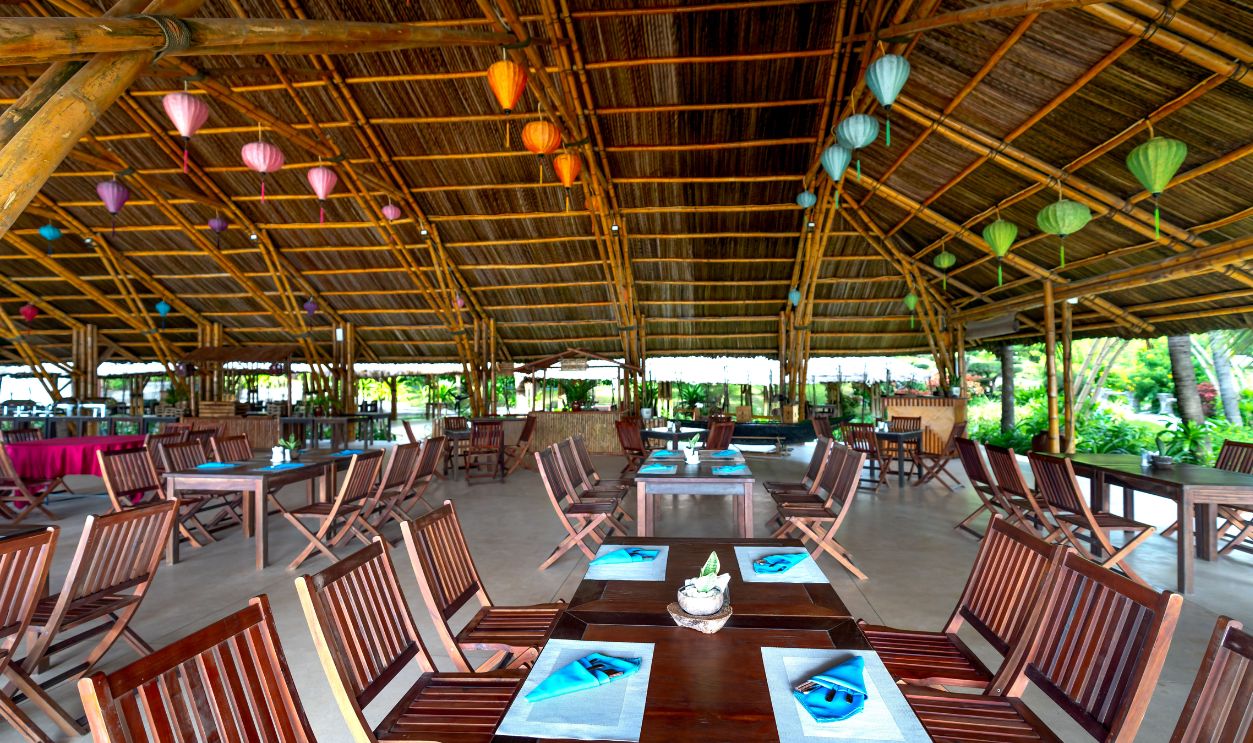
Many resort websites disclose reservation requirements in their terms, frequently asked questions, or dining descriptions. These disclosures may not be prominently displayed during booking, but they often explain that access is subject to availability rather than guaranteed.

Unlimited Doesn't Mean Immediate
The term 'unlimited dining' usually refers to the number of meals you may consume rather than guaranteed seating whenever you choose. Resorts often interpret the phrase as allowing unlimited visits to participating restaurants when reservations can be obtained.

Arrival Timing Matters
Guests who arrive earlier in the week or check in before peak periods often have more success securing restaurant reservations. Travelers arriving during busy seasons may find that many dining slots have already been reserved by guests who checked in earlier.

Popular Restaurants Fill Fast
Steakhouses, sushi restaurants, and chef-driven dining venues tend to be the most sought-after options at many resorts. Limited seating combined with high demand can cause reservations to disappear quickly, especially during holidays and school vacation periods.
The Buffet Backup Plan
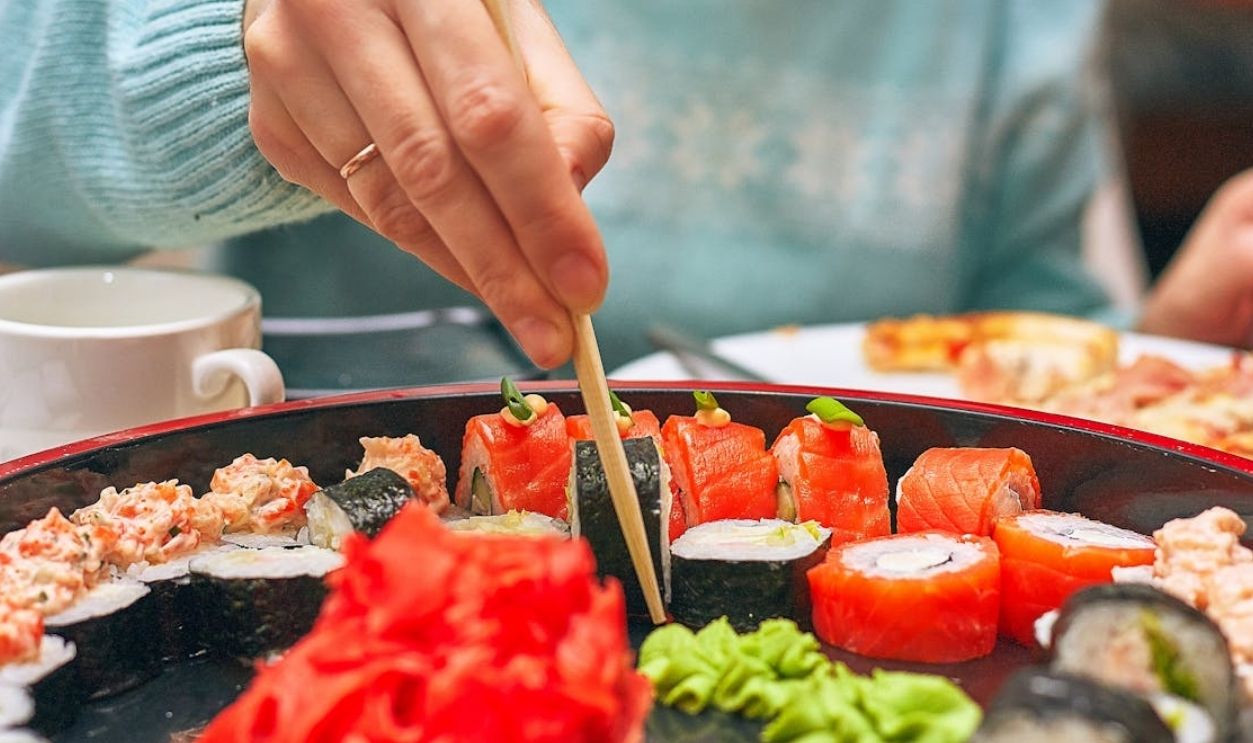
Many resorts rely on buffet restaurants to absorb overflow demand. From the resort's perspective, dining remains available because guests still have meal options. From the guest's perspective, however, repeatedly eating at the buffet may feel very different from what was advertised.

Ask Immediately
If you discover reservation shortages after arrival, contact guest services immediately. Waiting several days reduces your chances of obtaining cancellations or newly released reservation slots. Early communication often provides the best opportunity to improve your dining options.

Request Cancellation Lists
Many resorts maintain waiting lists for popular restaurants. Guests frequently cancel reservations as plans change. Asking to be placed on a cancellation list may provide access to restaurants that initially appeared completely unavailable.

Consider Flexible Dining Times
Prime dinner hours often book first. You may have greater success obtaining reservations during earlier or later seating times. Flexibility can significantly improve your chances of experiencing specialty restaurants during your stay.

Document The Situation
If you believe the resort's advertising material differed from reality, keep records. Screenshots of promotional claims, reservation availability, confirmation emails, and photographs can help support any later complaint or compensation request you make.

What Consumer Law Says
In the United States, advertising generally cannot be materially deceptive. However, proving that a resort's marketing crossed the line from optimistic promotion into actionable misrepresentation can be difficult when reservation limitations were disclosed somewhere in the booking process.

Seek On-Site Resolution
Before leaving the property, ask management for assistance. Resorts sometimes offer alternative reservations, dining credits, upgraded experiences, or other accommodations when guests express reasonable concerns about unavailable amenities.

Credit Card Disputes Are Difficult
Many travelers immediately think about disputing charges. However, credit card disputes can be challenging when lodging, meals, and most advertised services were provided. A disagreement over restaurant availability alone may not guarantee a successful chargeback.

Reviews Can Be Valuable
Online reviews often reveal whether reservation shortages are an isolated problem or a recurring issue. Reading recent guest experiences before booking can provide valuable insight into how difficult it may be to secure restaurant reservations.

Research Before Booking
Future trips may benefit from additional research. Some resorts allow restaurant reservations before arrival, while others operate on first-come, first-served systems. Understanding the process beforehand can help prevent unpleasant surprises.

Compare Different Resort Models
Some travelers actually prefer resorts that require reservations because they reduce wait times and crowding. Others prefer first-come, first-served dining because it offers greater flexibility. Neither system is inherently better, but knowing the difference matters.

When Compensation Makes Sense
Compensation requests are generally strongest when marketing heavily emphasized dining experiences that proved largely inaccessible throughout the stay. The greater the gap between advertising and reality, the stronger your argument becomes.

Managing Expectations
The phrase 'all-inclusive' can mean different things to different travelers. Understanding that included amenities may still be subject to reservations, capacity limits, and scheduling restrictions can help keep your expectations in line with how most resorts actually operate.

The Bottom Line
If meals remained available through buffets and some restaurants, the resort may technically have delivered an all-inclusive experience. However, if most featured dining venues were effectively unavailable during your stay, your frustration is understandable, and a polite request for at least partial compensation may be worth pursuing.

You May Also Like:
The resort fined me for moving a lounge chair into the sun. Can they actually control that?
My hotel added a “resort fee” at checkout even though I didn’t use any amenities. Can I fight this?