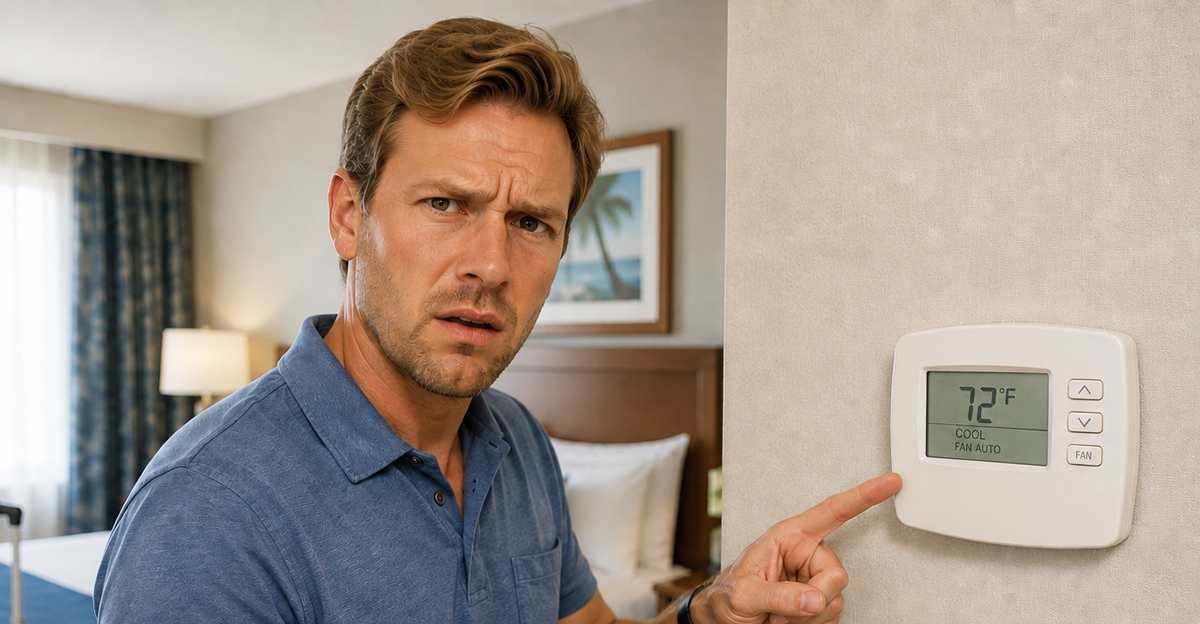
Are They Controlling The Temperature In My Room?
Few hotel frustrations are as immediate as walking into a room that's too hot or too cold and discovering the thermostat doesn't seem to do anything. Many travelers eventually start wondering whether the hotel is secretly controlling the thermostat. In some cases, the answer is yes, but that doesn't necessarily mean you're stuck with the situation.
Hotels Often Use Centralized Climate Systems
Many modern hotels use centralized energy-management systems that allow staff to monitor and control room temperatures remotely. These systems can help reduce energy consumption, lower operating costs, and manage heating and cooling across hundreds of rooms. While guests usually retain some control, the thermostat may not be as independent as it appears.

The Temperature Range May Be Limited
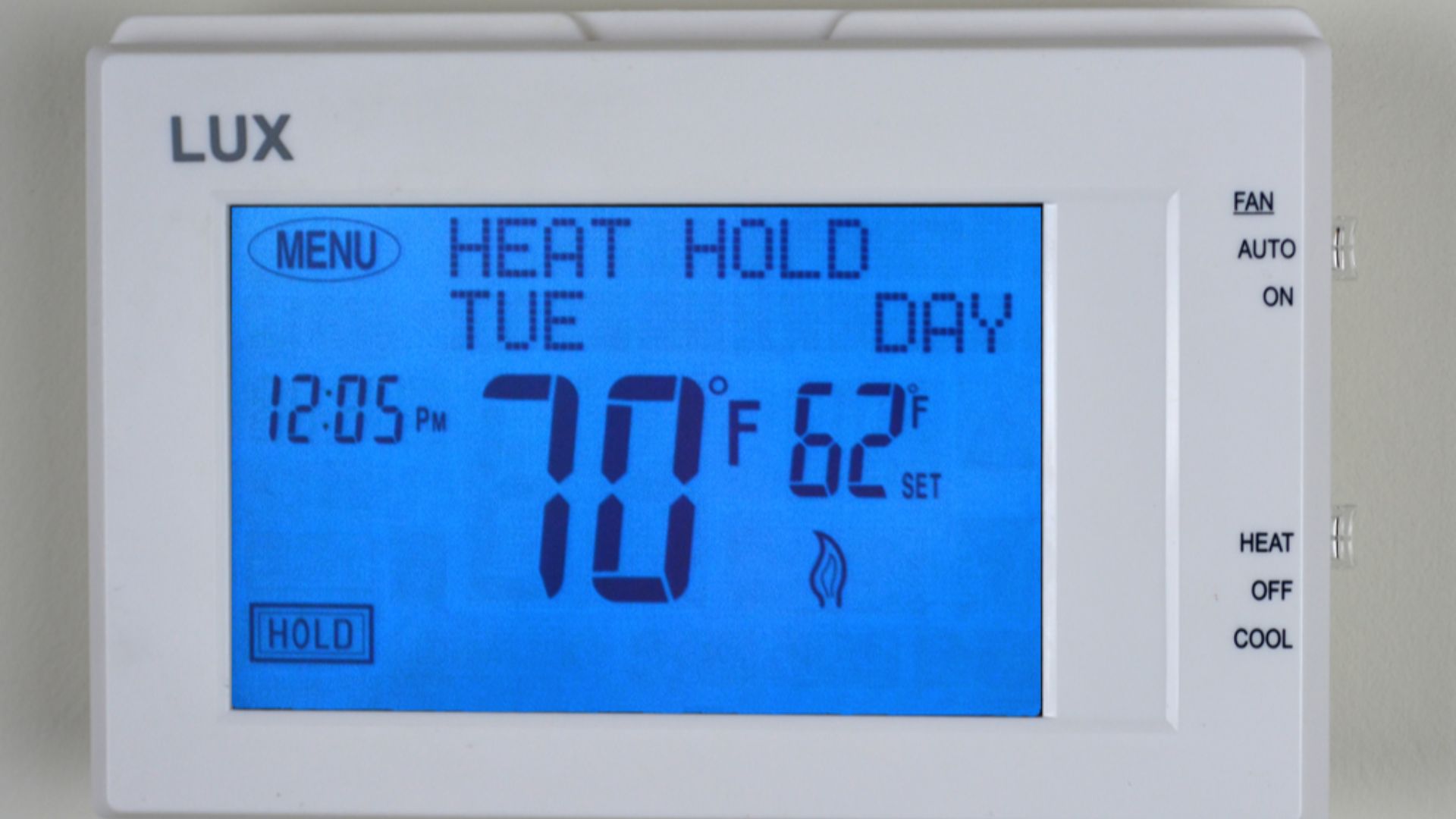
One of the most common hotel practices is setting minimum and maximum temperature limits. The thermostat may allow adjustments, but only within a predetermined range. For example, a guest might be allowed to select temperatures between 68 and 74 degrees, even if the display suggests broader control. This can make the room feel less responsive than expected.
 Dennis Murphy, Wikimedia Commons
The Display Doesn't Always Tell The Whole Story
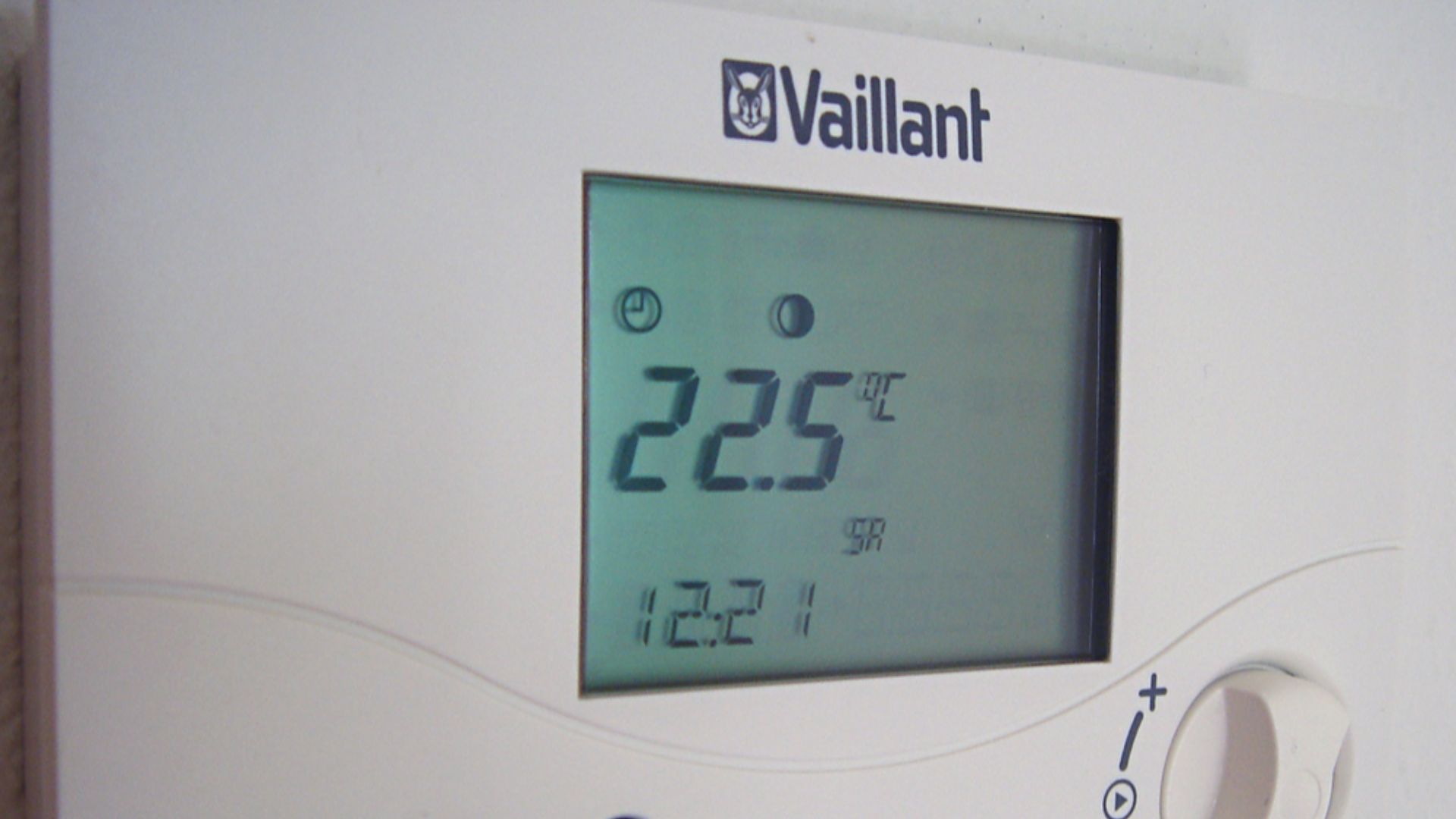
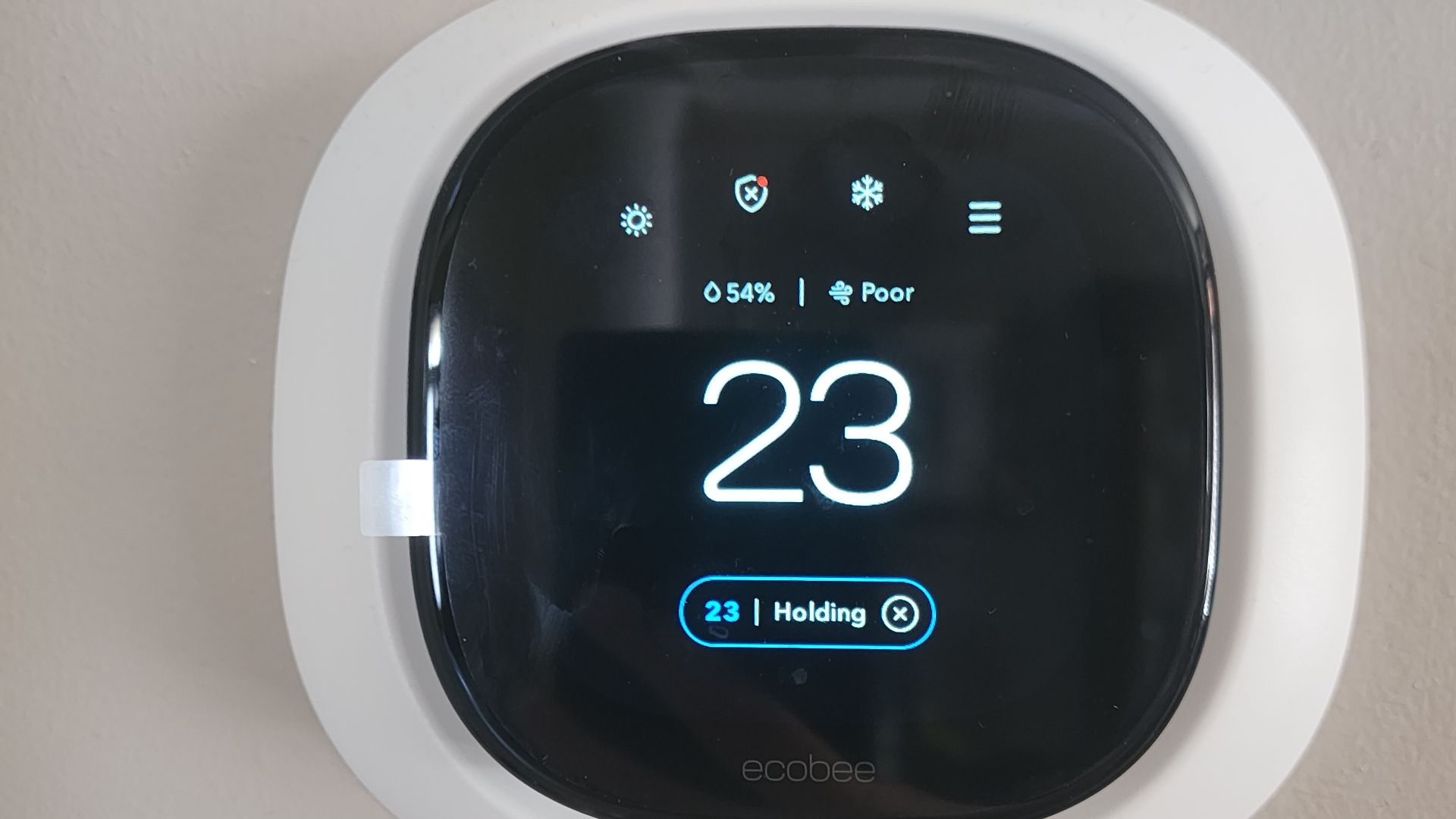
Some thermostats display requested temperatures rather than actual operating temperatures. A guest may lower the setting several degrees and assume the air conditioner should immediately respond. However, the hotel's system may still be operating within predefined limits behind the scenes. That can create the impression that the thermostat is broken when it's actually following programmed restrictions.
 Andy Butkaj, Wikimedia Commons
Occupancy Sensors Are Becoming Common
Many hotels now use occupancy sensors to conserve energy. These systems may reduce heating or cooling when the room appears unoccupied. The idea is simple: don't waste energy conditioning an empty room. Unfortunately, guests sometimes encounter situations where the system incorrectly assumes nobody is present.
Motion Sensors Can Create Confusion
Some energy-management systems rely on motion detection. If a guest is sleeping, working quietly, or reading for long periods, the system may mistakenly conclude the room is vacant. This can cause temperatures to drift away from the preferred setting until movement is detected again.
Window Sensors May Also Affect Cooling
Certain hotels connect climate systems to window and balcony-door sensors. If the system detects an open door or window, it may automatically reduce or disable heating and cooling. This prevents energy waste but can confuse guests who don't realize the sensor exists.
 Anastasia Ilina-Makarova, Pexels
Not Every Thermostat Is Actually Disabled
Sometimes the issue isn't hotel control at all. Hotel thermostats are often less intuitive than residential systems. Different operating modes, fan settings, occupancy controls, and energy-saving features can make the unit seem unresponsive. Reviewing the controls carefully may reveal a simple solution.
Ask The Front Desk First
Before searching for thermostat tricks online, contact the front desk. Many guests are surprised to learn that staff can sometimes adjust room settings remotely. In some cases, the hotel may be able to widen the temperature range, reset the system, or move the guest to another room with better climate control.

Medical Needs May Receive Special Consideration
Guests with medical conditions, mobility concerns, respiratory issues, or heat sensitivity may have stronger reasons for requesting temperature adjustments. Hotels are often more willing to work with guests when health concerns are involved. Politely explaining the situation can sometimes produce better results than simply complaining about comfort.

Room Location Matters More Than Many People Realize
Not every room performs the same way. Corner rooms, top-floor rooms, south-facing rooms, and rooms near elevators or mechanical equipment may experience different temperature patterns. Sometimes the thermostat is working properly, but the room itself is more difficult to cool or heat.
Older Buildings Create Additional Challenges
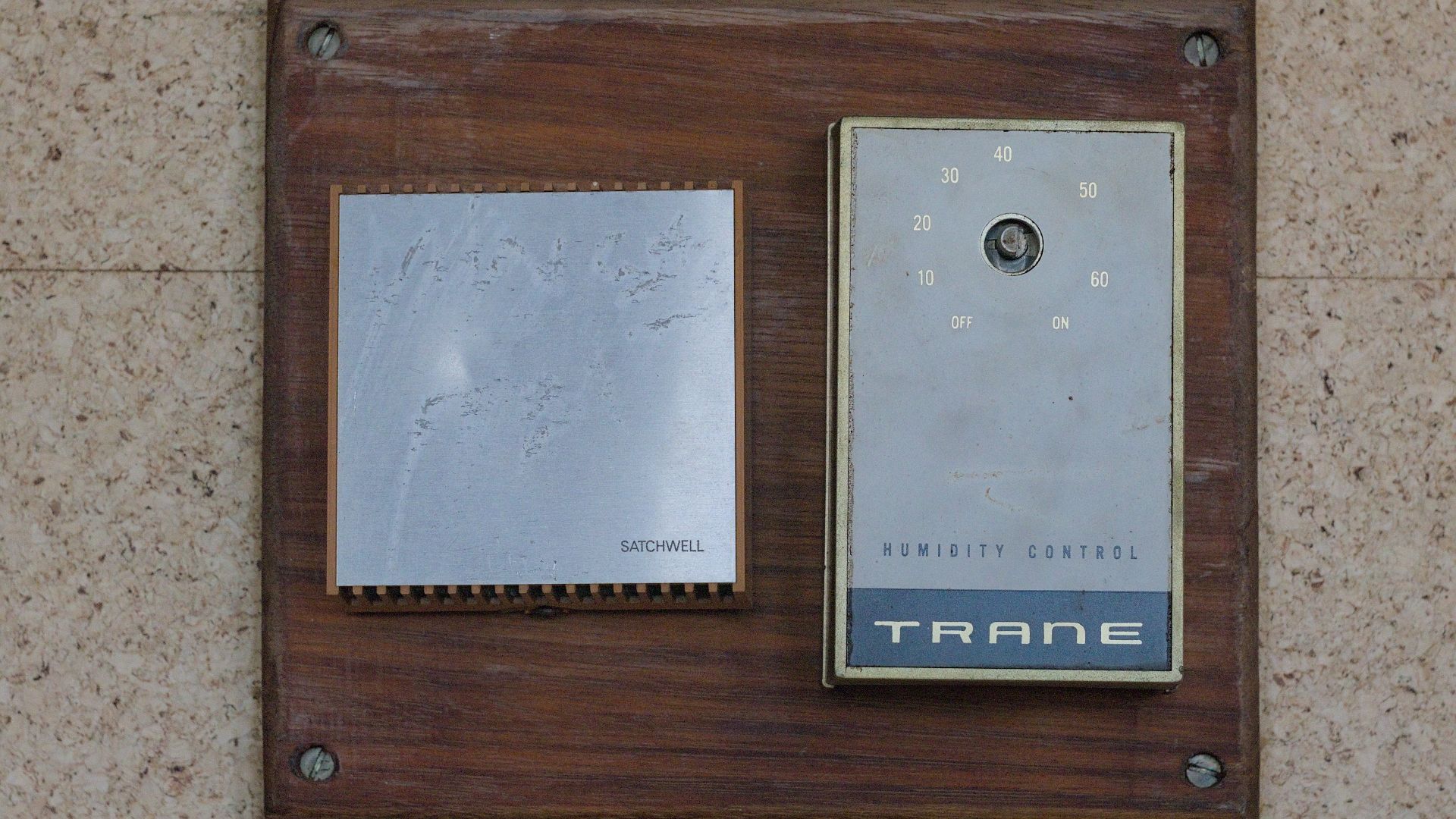
Historic hotels and older properties may have climate systems that simply don't offer the same level of precision found in newer buildings. Guests sometimes assume the hotel is intentionally restricting temperatures when the reality is that the equipment has practical limitations.
Some Online "Hacks" Can Cause Problems
The internet is full of videos claiming to unlock hidden thermostat menus or bypass hotel restrictions. While some may work on certain models, others can interfere with system settings or violate hotel policies. Accidentally changing maintenance settings could create more problems than it solves.

Be Careful With Sensor Tricks
Some travelers attempt to fool occupancy sensors by hanging objects, running fans, or creating artificial movement. While these tricks occasionally circulate online, they aren't guaranteed to work and may not be appreciated by hotel management. Asking for assistance is usually the safer approach.

Portable Fans Can Help
If the room feels stuffy despite the thermostat settings, requesting a fan may improve comfort considerably. Many hotels keep portable fans available for guest requests. Increased airflow often makes a room feel cooler even when the temperature itself remains unchanged.

Blackout Curtains Matter
Guests often underestimate how much heat enters through windows. Closing curtains during the day can significantly reduce solar heat gain, especially in warmer climates. A room fighting direct sunlight may struggle to maintain the desired temperature regardless of thermostat settings.

Humidity Can Affect Comfort
Sometimes the issue isn't temperature at all. High humidity can make a room feel much warmer than the thermostat reading suggests. Dehumidification performance varies between hotels, and humidity problems can create discomfort even when temperatures appear reasonable.

Newer Hotels Often Prioritize Efficiency
Many recently built hotels are designed with energy efficiency as a major goal. Automated climate systems, occupancy sensors, and centralized controls help reduce operating costs. From the hotel's perspective, these systems can save substantial amounts of energy across hundreds of rooms.
Guest Satisfaction Still Matters
Despite the focus on efficiency, hotels generally don't want uncomfortable guests. Poor climate control generates complaints, negative reviews, and lost business. Most properties are willing to work with guests when legitimate comfort issues arise. The key is communicating the problem clearly.

Loyalty Status Sometimes Helps
Frequent travelers occasionally find that elite status or loyalty-program membership helps when requesting room changes or special accommodations. While not guaranteed, hotels may be more flexible when dealing with repeat guests.

A Room Change May Be The Best Solution
If the climate-control issue can't be resolved, requesting a different room may be the simplest answer. Mechanical issues, sensor problems, sunlight exposure, and building-layout factors can all vary dramatically between rooms. A move can sometimes solve the problem immediately.

Document Persistent Problems
If the room remains uncomfortably hot or cold despite multiple requests for assistance, keep records of your communications. This can be useful if you're later seeking compensation, refunds, loyalty points, or other customer-service remedies.

Compensation Isn't Automatic
A thermostat dispute doesn't automatically entitle a guest to a refund. However, if the room was genuinely uncomfortable, the hotel failed to address the problem, and the issue significantly affected the stay, some form of compensation may be available. Outcomes vary widely based on the circumstances.

Most Guests Can't Fully Override The System
The reality is that many hotel climate systems are designed specifically to prevent guests from having unlimited control. Centralized management, occupancy sensors, temperature limits, and energy-saving settings are often intentional features rather than malfunctions. Whether guests like it is another question entirely.

The Best Solution Is Usually The Simplest One
If your hotel thermostat seems disabled or ineffective, the first step should be contacting the front desk rather than assuming you're powerless. Many hotels can adjust settings remotely, provide alternate accommodations, supply fans, or troubleshoot system issues. While guests generally cannot completely override centralized climate controls, they often have more options than they initially realize.
 Tony Webster, Wikimedia Commons
You May Also Like: