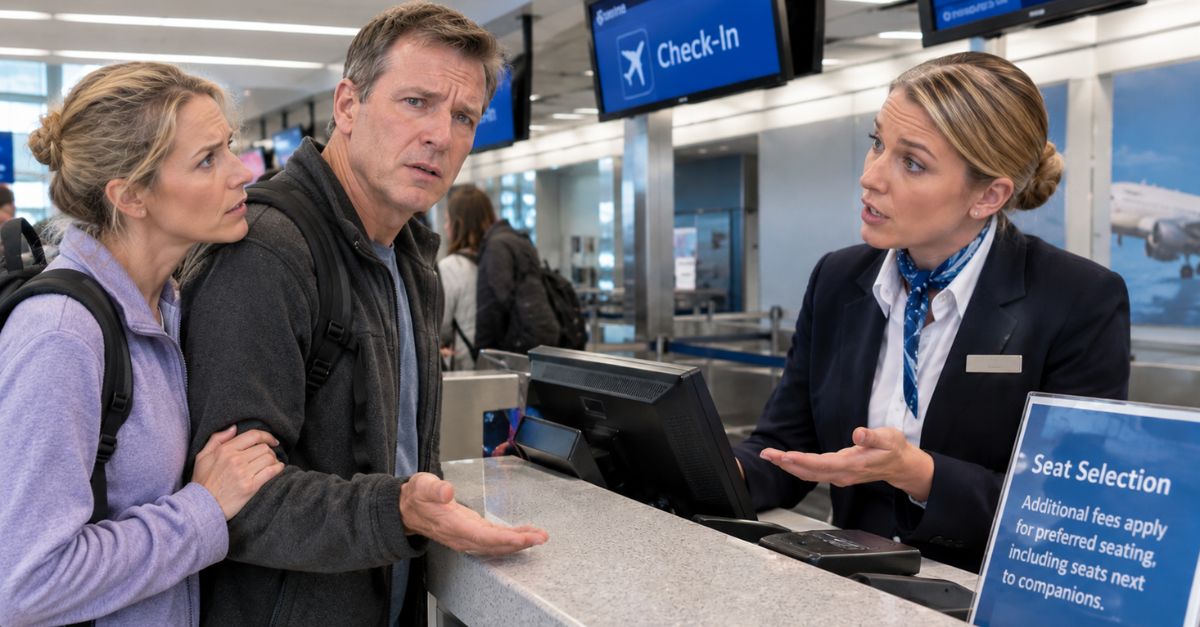
My Flight Got Delayed And The Airline Left Me Hanging
Few travel experiences are more frustrating than learning your flight is not leaving until the next day. After spending hours at the airport, many travelers assume the airline will automatically provide a hotel room, meal vouchers, or other assistance. Then they reach the customer service desk and are told they are responsible for their own accommodations. While that feels incredibly unfair, the good news is that even if the airline initially says no, you still have options for recovering some of your costs.
The Cause Of The Delay Matters More Than You Think
The biggest factor in determining compensation is usually the reason for the delay. Airlines generally treat weather, air traffic control issues, security concerns, and mechanical problems very differently. A delay caused by a thunderstorm is often handled differently than a delay caused by a maintenance issue that originated with the airline. Before arguing about compensation, try to find out exactly why the flight was delayed and get that explanation documented if possible.
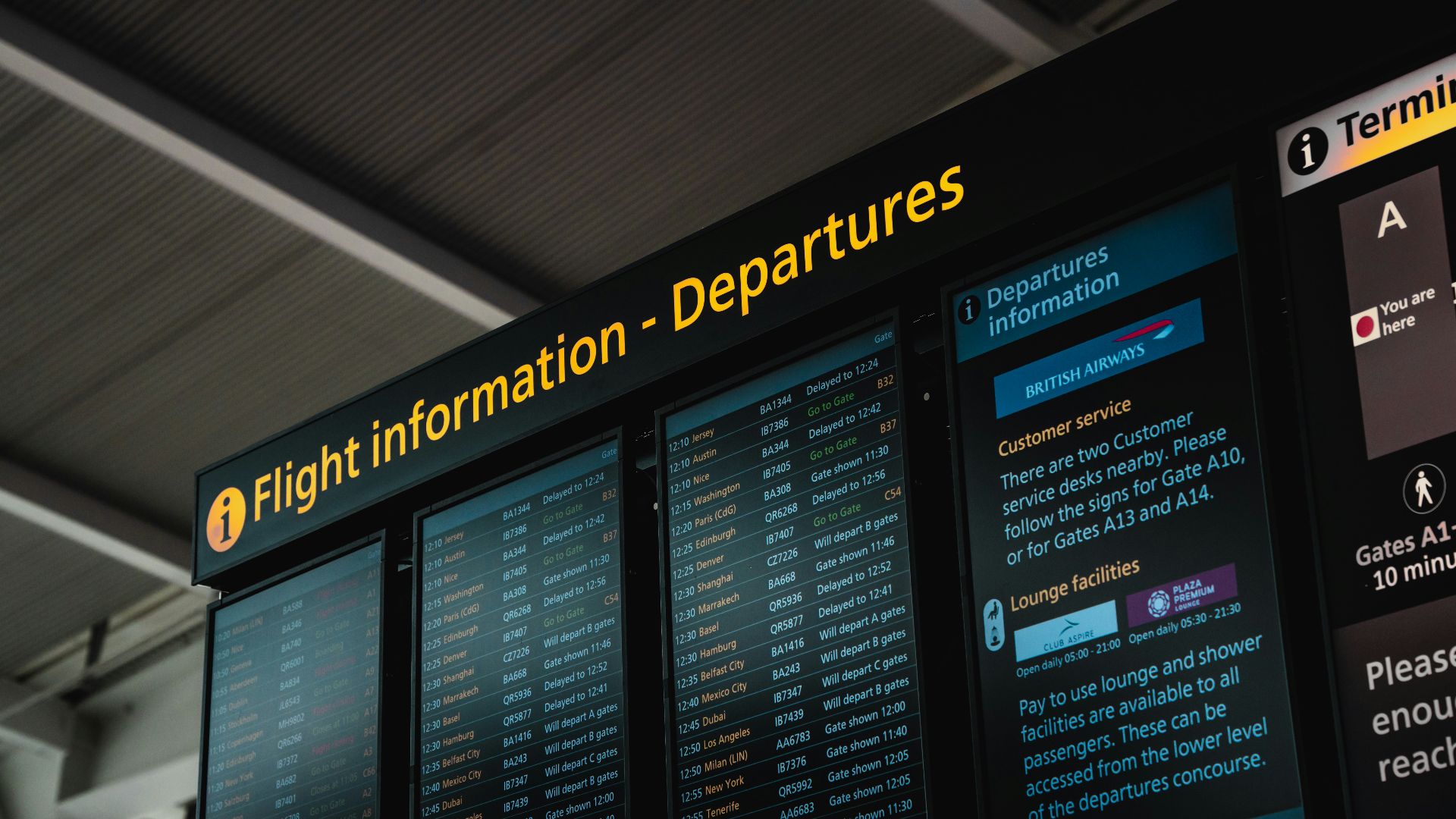
Weather Delays Usually Have Fewer Protections
Airlines often classify severe weather as a circumstance beyond their control. When weather causes an overnight delay, many airlines do not automatically provide hotel accommodations, meals, or reimbursement. That can feel harsh when you are stranded far from home, but weather-related disruptions typically come with fewer passenger protections under airline policies. Travel insurance sometimes becomes more important in these situations.
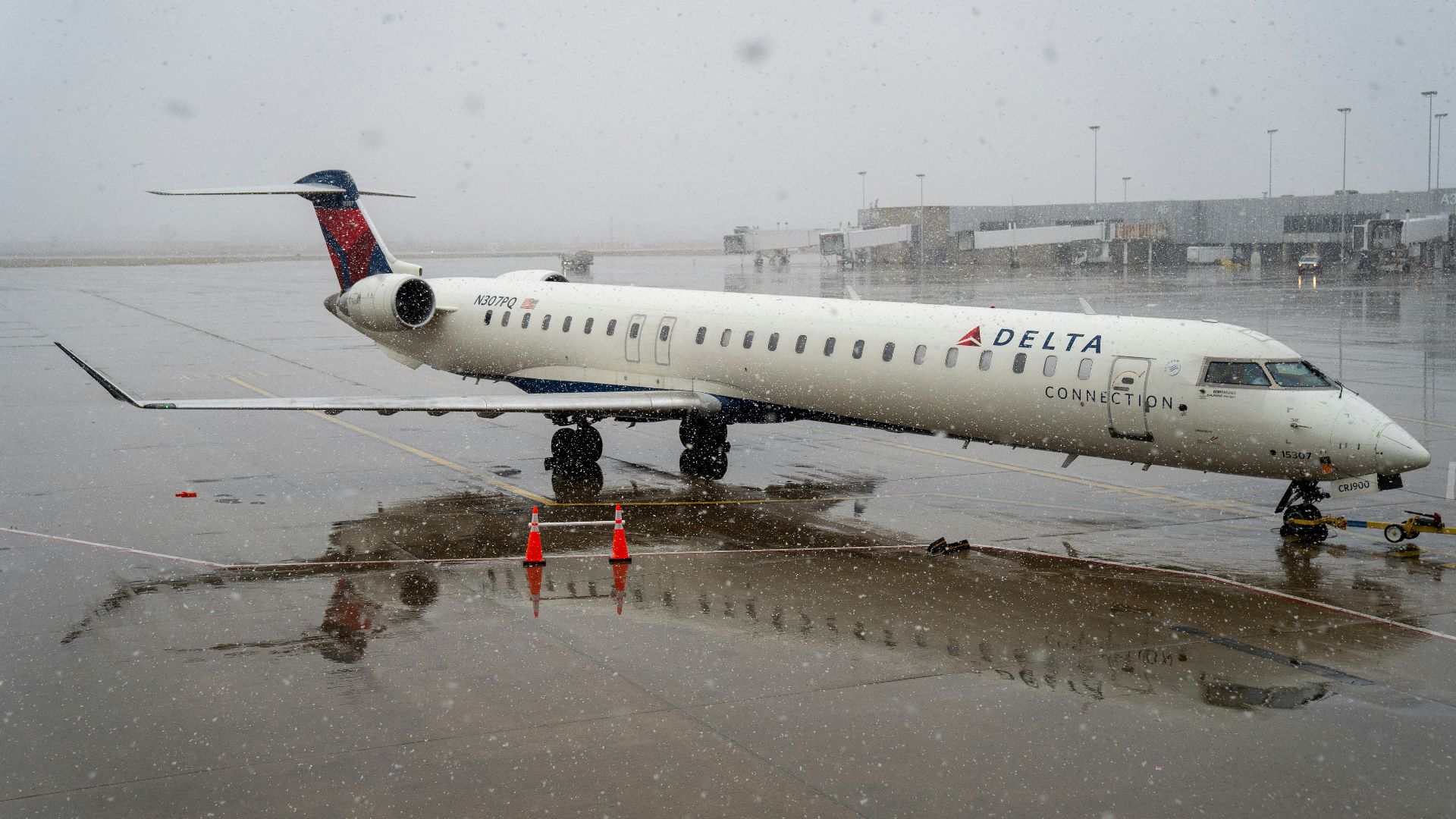
Mechanical Problems Are A Different Story
When an overnight delay is caused by maintenance issues, equipment failures, or other problems within the airline's control, passengers may have stronger arguments for compensation. Many airlines voluntarily provide hotel rooms, meal vouchers, transportation assistance, or travel credits in these situations. Policies vary widely between carriers, but airline-controlled disruptions generally create more opportunities for reimbursement than weather-related delays.
The Airline's Policy Is Extremely Important
Every airline has its own customer service commitments and compensation policies. Some carriers publish detailed guidelines explaining when hotels, meals, and transportation assistance will be provided. Others leave more discretion to employees handling the situation. Reading the airline's official policy can help you understand what assistance you may be entitled to request before accepting an initial denial.

The United States Has Different Rules Than Europe
Many American travelers are surprised to learn that US passenger rights differ significantly from those in Europe. In the United States, airlines are generally not required by federal law to provide hotel accommodations for most delayed flights. In contrast, European Union regulations often require airlines to provide meals, accommodations, and other assistance during qualifying delays regardless of whether cash compensation applies.
European Flights May Trigger Additional Rights
Flights covered by European Union Regulation 261, often called EU261, may provide substantial protections for delayed passengers. Depending on the circumstances, travelers may qualify for hotel accommodations, meals, transportation, and potentially financial compensation. Eligibility depends on factors such as the route, airline, length of delay, and reason for the disruption. These rules are often much stronger than what many passengers receive elsewhere.

Canada Has Passenger Protection Rules Too
Canada's Air Passenger Protection Regulations provide certain rights for passengers affected by delays and cancellations. Depending on the airline, the reason for the disruption, and the length of the delay, travelers may qualify for assistance or compensation. The rules are complex and depend heavily on whether the disruption falls within or outside the airline's control. Understanding which category applies can make a significant difference.
Ask For Written Documentation
One of the smartest things you can do during a major delay is request documentation explaining why the flight was disrupted. Airlines may not always provide formal letters, but screenshots, emails, app notifications, and written communications can help establish what happened. If you later seek reimbursement or compensation, having proof of the airline's stated reason for the delay can be extremely valuable.
Save Every Receipt
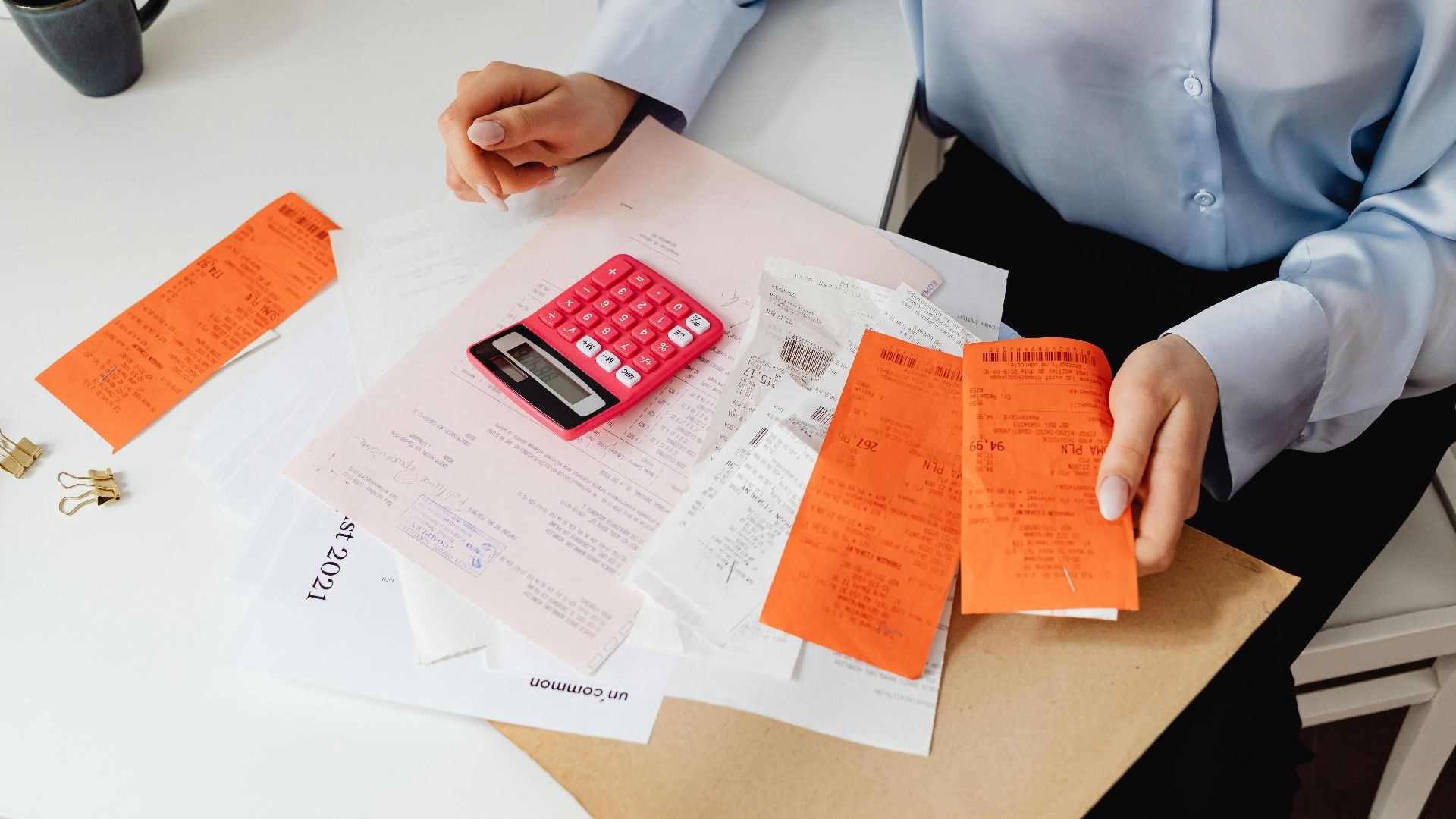
If you end up paying for a hotel, meals, transportation, toiletries, or other unexpected expenses, save every receipt. Many passengers lose potential reimbursement opportunities because they cannot document their costs properly. Even if the airline initially refuses compensation, receipts may become important if policies change, appeals succeed, or travel insurance becomes involved. Good documentation often strengthens your position considerably.
Travel Insurance May Cover More Than The Airline
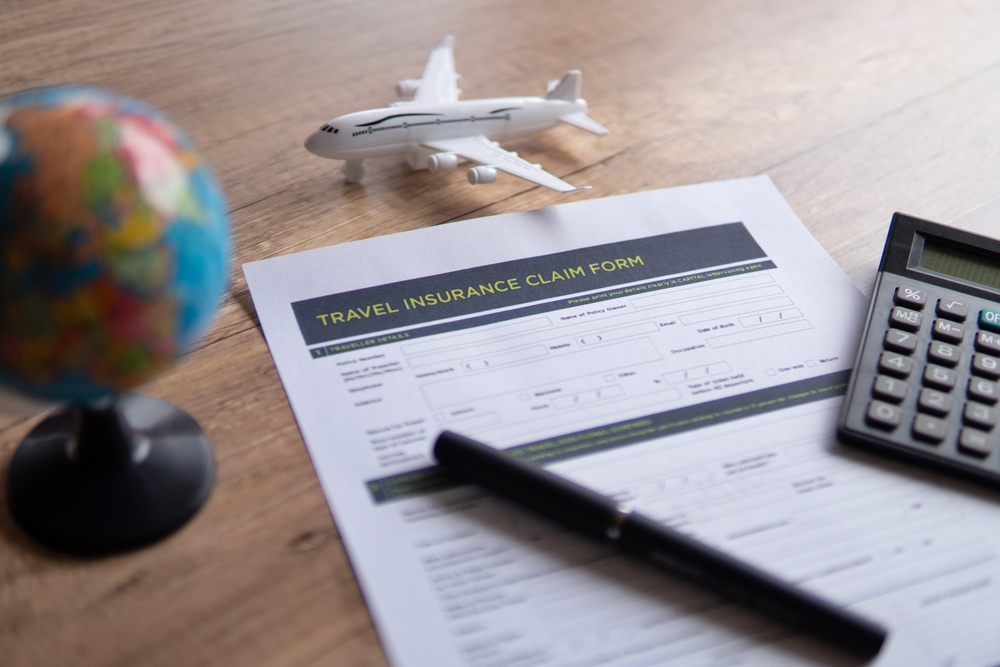
Many travelers overlook their travel insurance until a disruption occurs. Depending on the policy, coverage may include hotels, meals, transportation, and other reasonable expenses caused by qualifying delays. Policies vary significantly, so it is important to review the exact terms rather than assuming coverage exists. In some cases, travel insurance provides better protection than the airline itself.
Your Credit Card Might Help
Many premium travel credit cards include trip delay benefits that can reimburse certain expenses when flights are delayed for a qualifying period. Covered expenses often include hotels, meals, transportation, and essential purchases. The requirements vary between card issuers, but many travelers are surprised to discover they already have useful protections through a card they used to book the trip.

Do Not Accept The First Answer Automatically
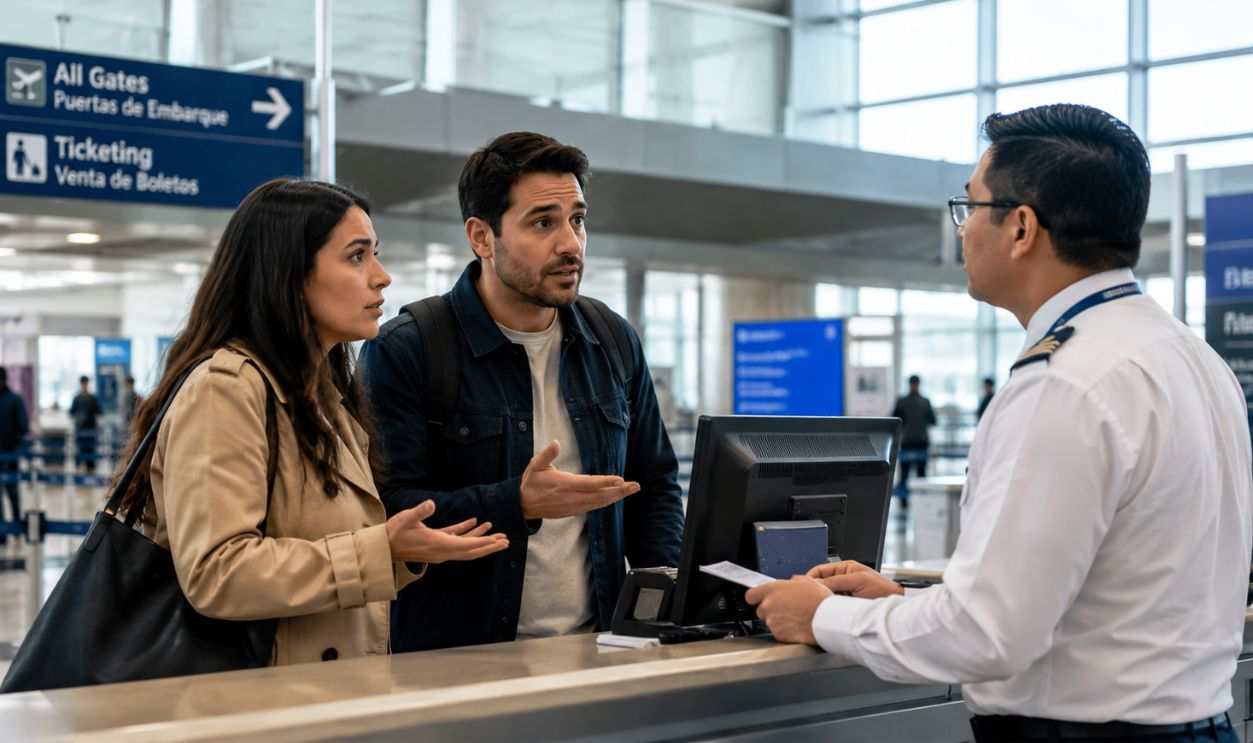
The first employee you speak with may not always have authority to approve compensation. Customer service representatives often work within specific guidelines and may not review every possible option immediately. Politely escalating the issue to supervisors or customer relations departments sometimes produces different results. Persistence does not guarantee success, but many travelers recover compensation only after making additional requests.

Airport Vouchers Sometimes Exist
Even when airlines refuse to cover hotels, they may still provide meal vouchers, transportation assistance, lounge access, or other forms of goodwill support. Some passengers never receive these benefits simply because they do not ask. It is worth inquiring about all available options before leaving the airport. Small benefits may not solve everything, but they can reduce out-of-pocket costs.
Rebooking Options Can Matter
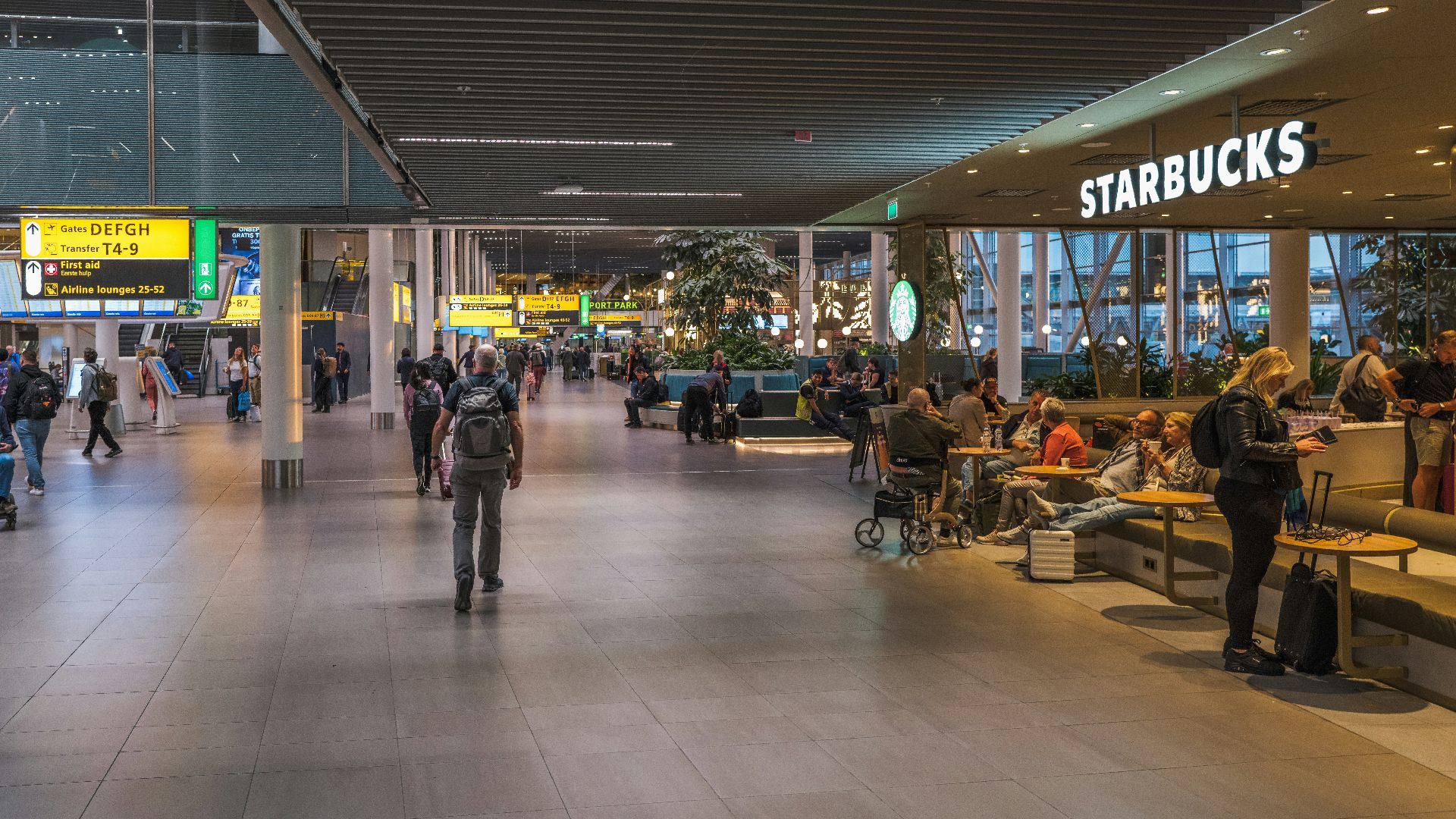
Sometimes the fastest way to minimize losses is finding an earlier alternative flight. Airlines occasionally rebook passengers on partner carriers, alternate routes, or different departure times during major disruptions. While that does not directly address hotel costs, it may help avoid an overnight stay altogether. Exploring all available routing options can sometimes save both time and money.
Social Media Can Get Attention Fast
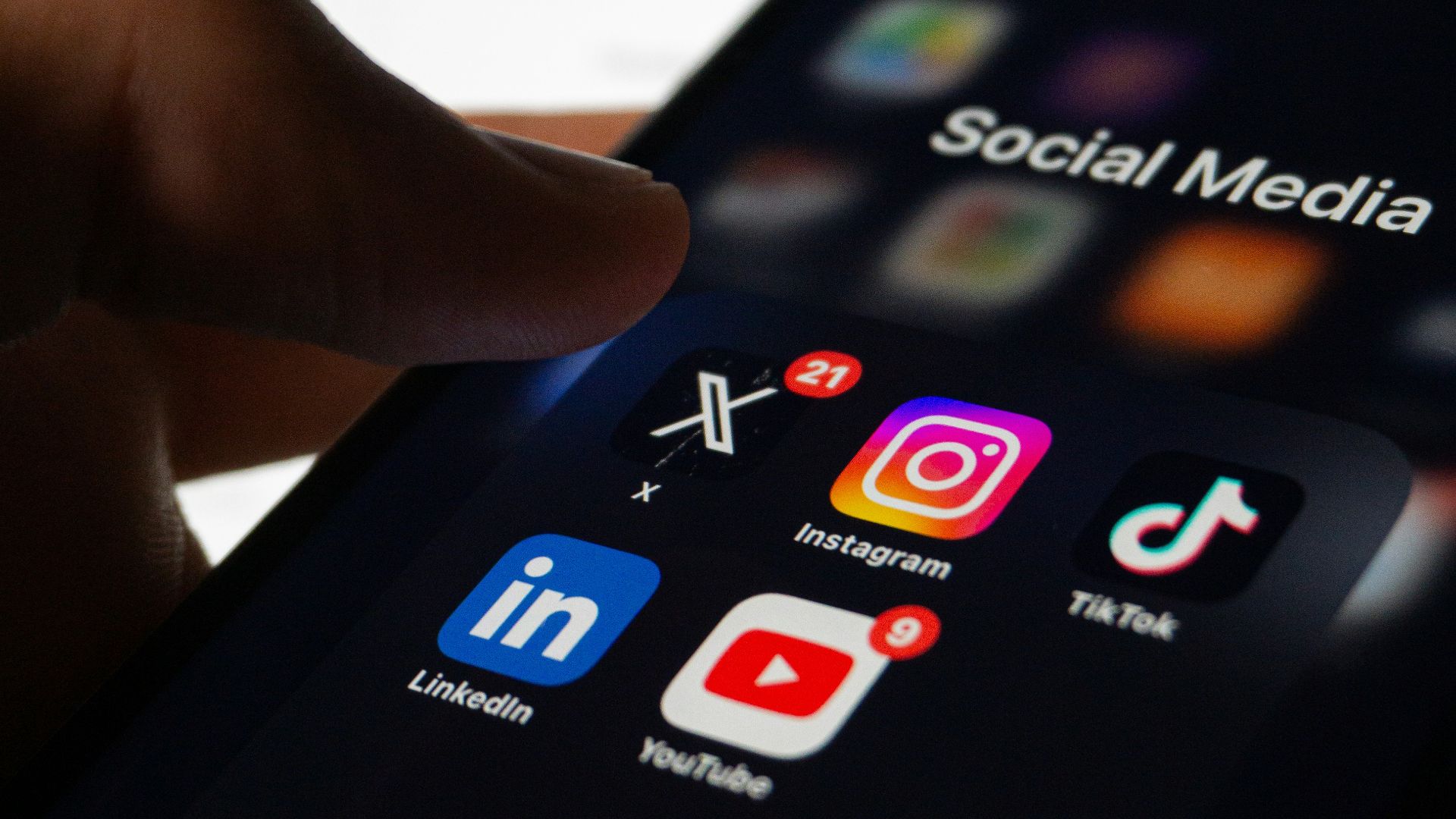
Many airlines closely monitor social media platforms because public complaints can spread quickly. A factual and professional description of what happened may attract attention from customer support teams that are separate from airport staff. This approach does not guarantee compensation, but it has helped many travelers reach employees with greater authority to resolve problems.
Airline Apps Can Reveal Useful Information
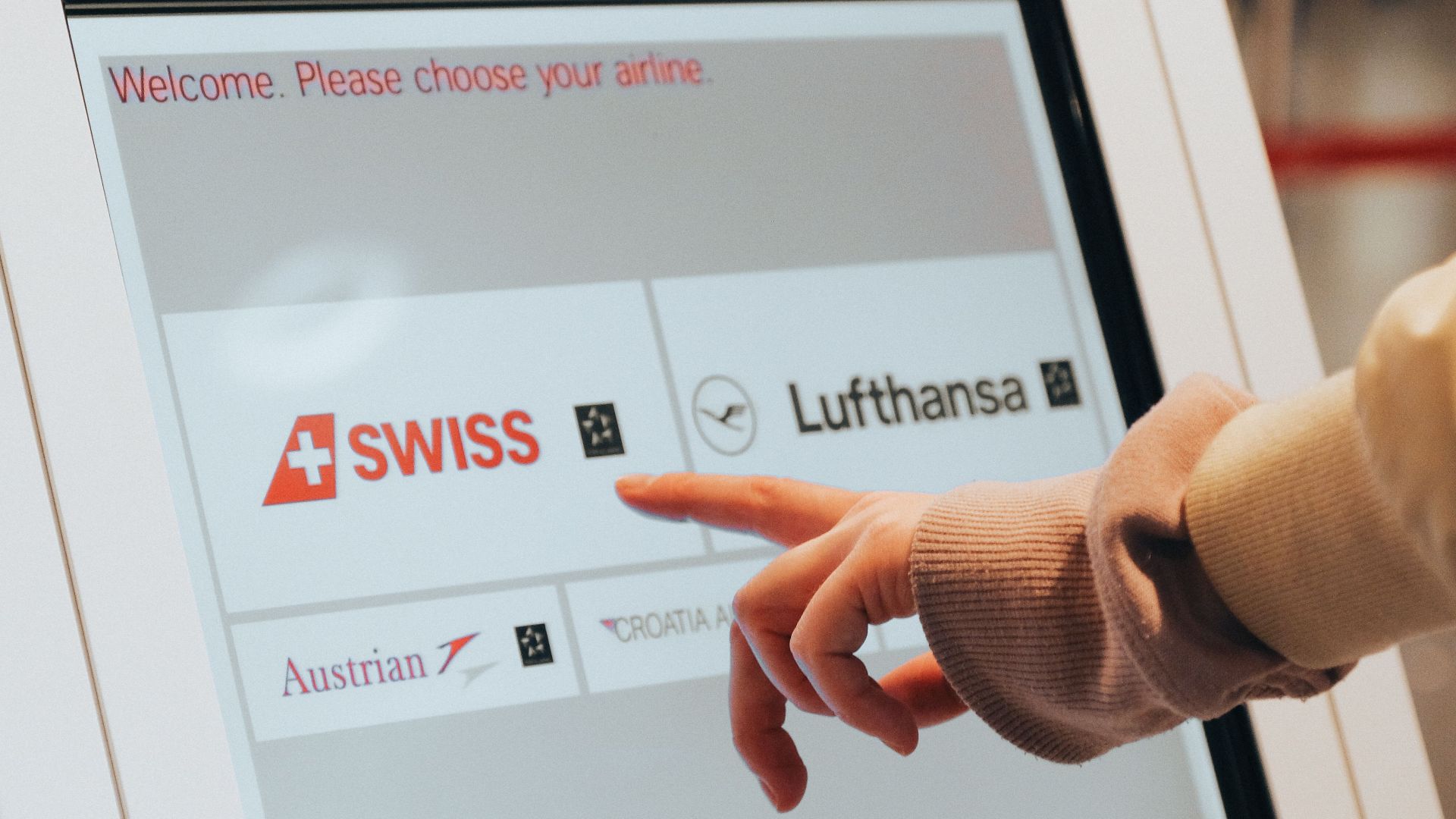
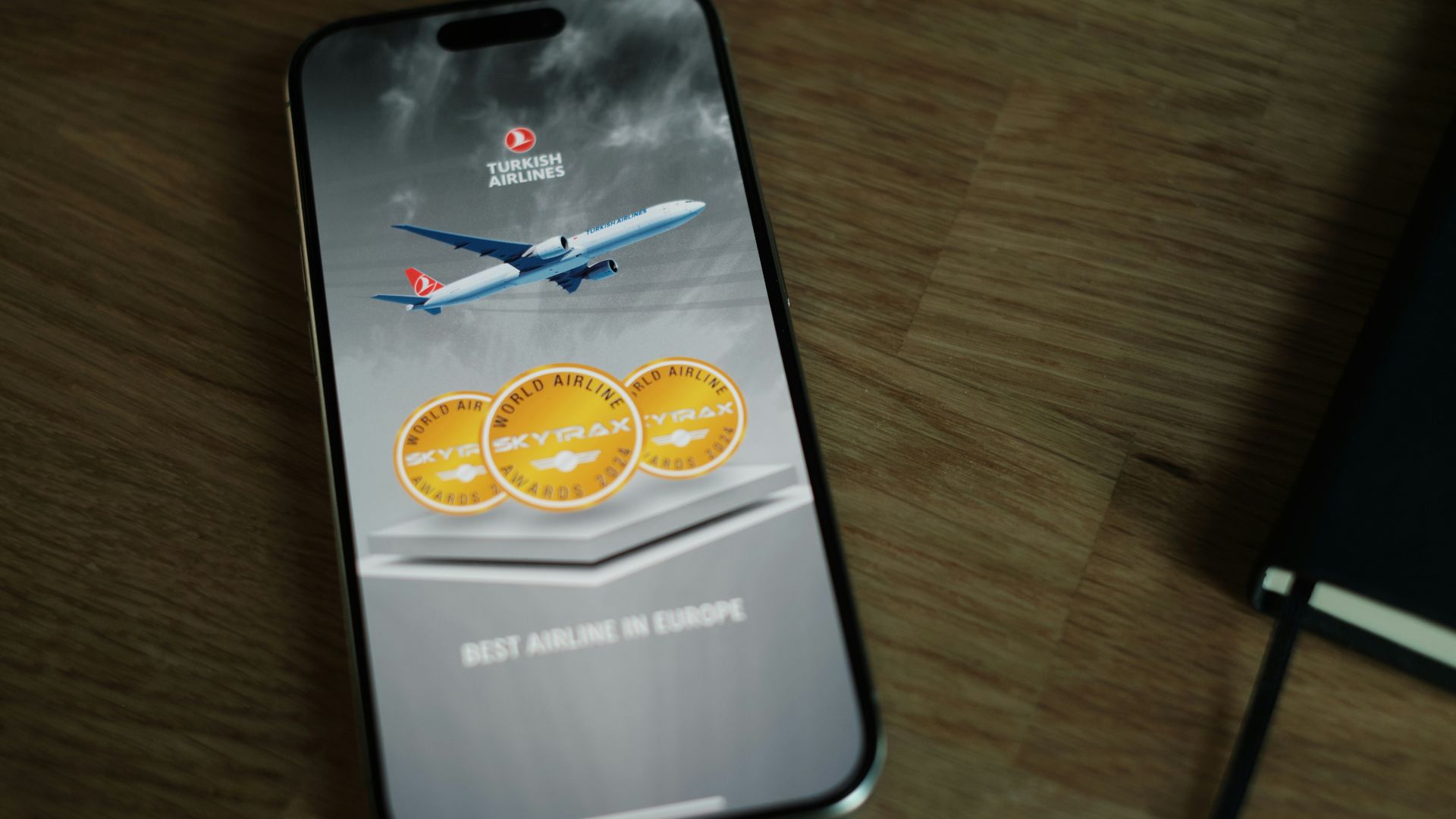
Modern airline apps often contain details that are not immediately available at crowded service counters. Delay reasons, rebooking options, hotel offers, and compensation information sometimes appear in the app before employees have time to communicate them directly. Checking the app regularly can help you stay informed while waiting for assistance.
Know The Difference Between Compensation And Reimbursement
Travelers often use these terms interchangeably, but they are not always the same thing. Reimbursement typically involves recovering actual expenses such as hotels, meals, or transportation. Compensation may refer to additional payments, credits, vouchers, or statutory amounts required under certain passenger-rights laws. Understanding the distinction helps when discussing your claim with the airline.

Filing A Formal Complaint May Help
If the airline refuses assistance and you believe you were treated unfairly, a formal complaint may be worthwhile. Many airlines have customer relations departments specifically dedicated to reviewing disputes after travel is complete. A well-documented complaint supported by receipts and evidence often receives more serious review than a hurried discussion at the airport.

Government Agencies Accept Complaints Too
In some situations, passengers may file complaints with transportation regulators or consumer protection agencies. These agencies do not resolve every dispute individually, but they often track patterns of complaints and may encourage airlines to respond. The complaint process can also create an additional record of the issue if further action becomes necessary.

Small Claims Court Sometimes Enters The Picture
When substantial expenses are involved and negotiations fail completely, some passengers explore small claims court. These cases often depend on the airline's published policies, passenger-rights laws, receipts, and documentation surrounding the delay. Most travel disputes never reach this stage, but it remains an option in certain circumstances.
Many Travelers Give Up Too Soon
One reason airlines sometimes avoid paying compensation is that many passengers simply stop pursuing the issue after the first rejection. Some travelers are entitled to reimbursement or assistance but never receive it because they do not appeal, escalate, or document their claim properly. Taking a few extra steps can sometimes make a surprisingly large difference.
You May Be Entitled To More Than You Think
An overnight flight delay can leave you exhausted, frustrated, and facing unexpected expenses. While airlines do not automatically owe hotels in every situation, especially during weather disruptions, many passengers have stronger rights than they realize when delays are within the airline's control or covered by specific passenger-protection laws. The key is identifying why the delay occurred, documenting every expense, understanding the rules that apply to your trip, and pushing back when an initial denial does not seem right.
You May Also Like: