
Why Can’t I Use My Other Passport?
A lot of dual citizens assume they can travel using whichever passport is most convenient at the time. Then suddenly an airline employee tells them they must use their American passport to board a flight to the United States, even though their foreign passport is perfectly valid. It feels confusing and unnecessary at first, especially for people who regularly travel internationally without problems. But US citizenship rules often work differently than many travelers expect once America becomes the destination.
Dual Citizenship Is Completely Legal In The United States
Some people still mistakenly believe the United States prohibits dual citizenship entirely. In reality, the United States generally allows citizens to hold citizenship in other countries as well, even if the other country also recognizes dual nationality. Millions of Americans maintain valid foreign passports alongside their US passports, and for most dual citizens, traveling internationally becomes fairly routine once they understand which passport to use in different situations and keep their documents up to date.
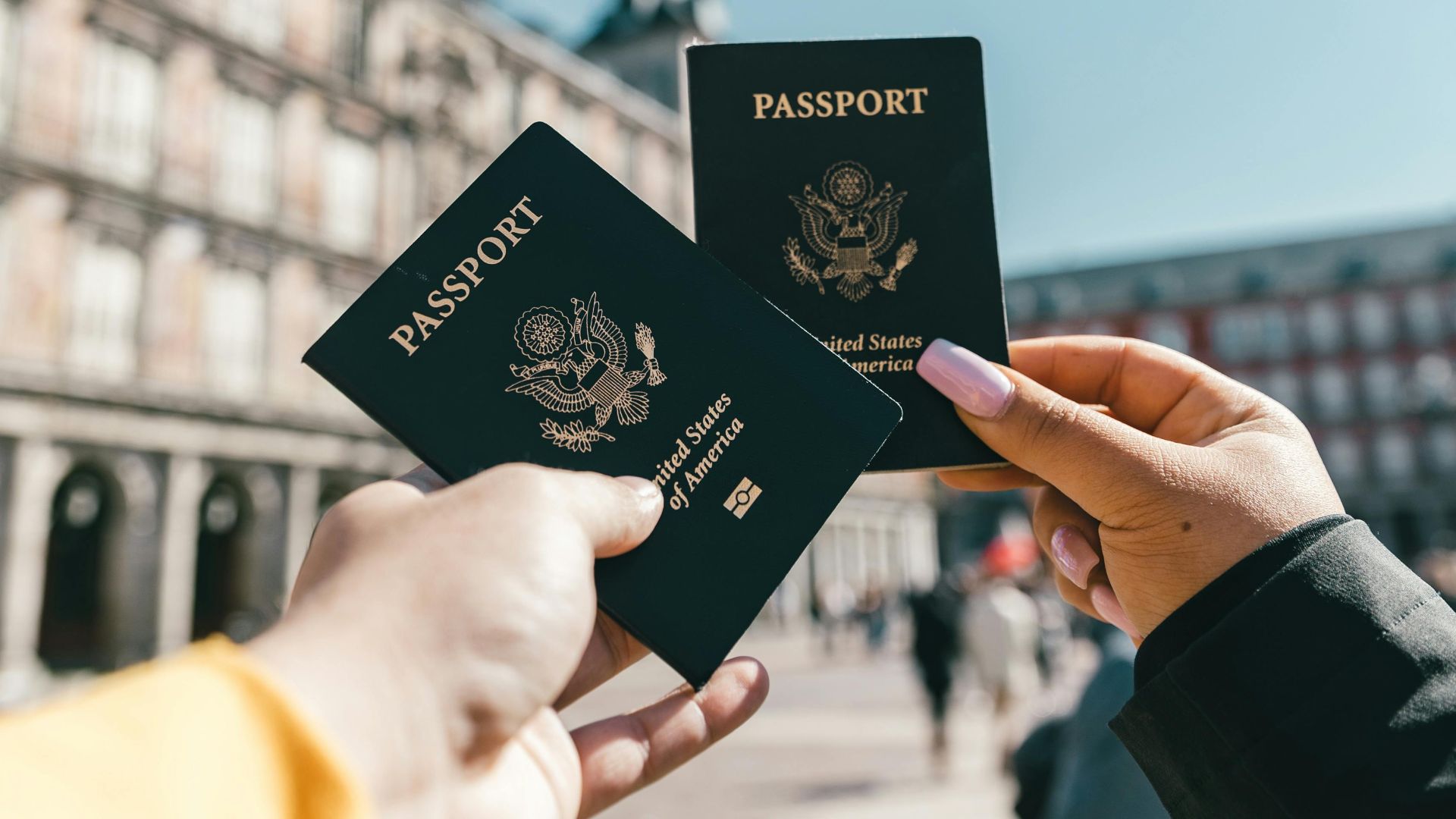
The US Still Treats You Primarily As An American Citizen
This is the key issue underlying most of these travel disputes. Once you are a US citizen, the American government generally expects you to identify yourself as a US citizen when entering or leaving the country, regardless of any additional citizenships you hold elsewhere.
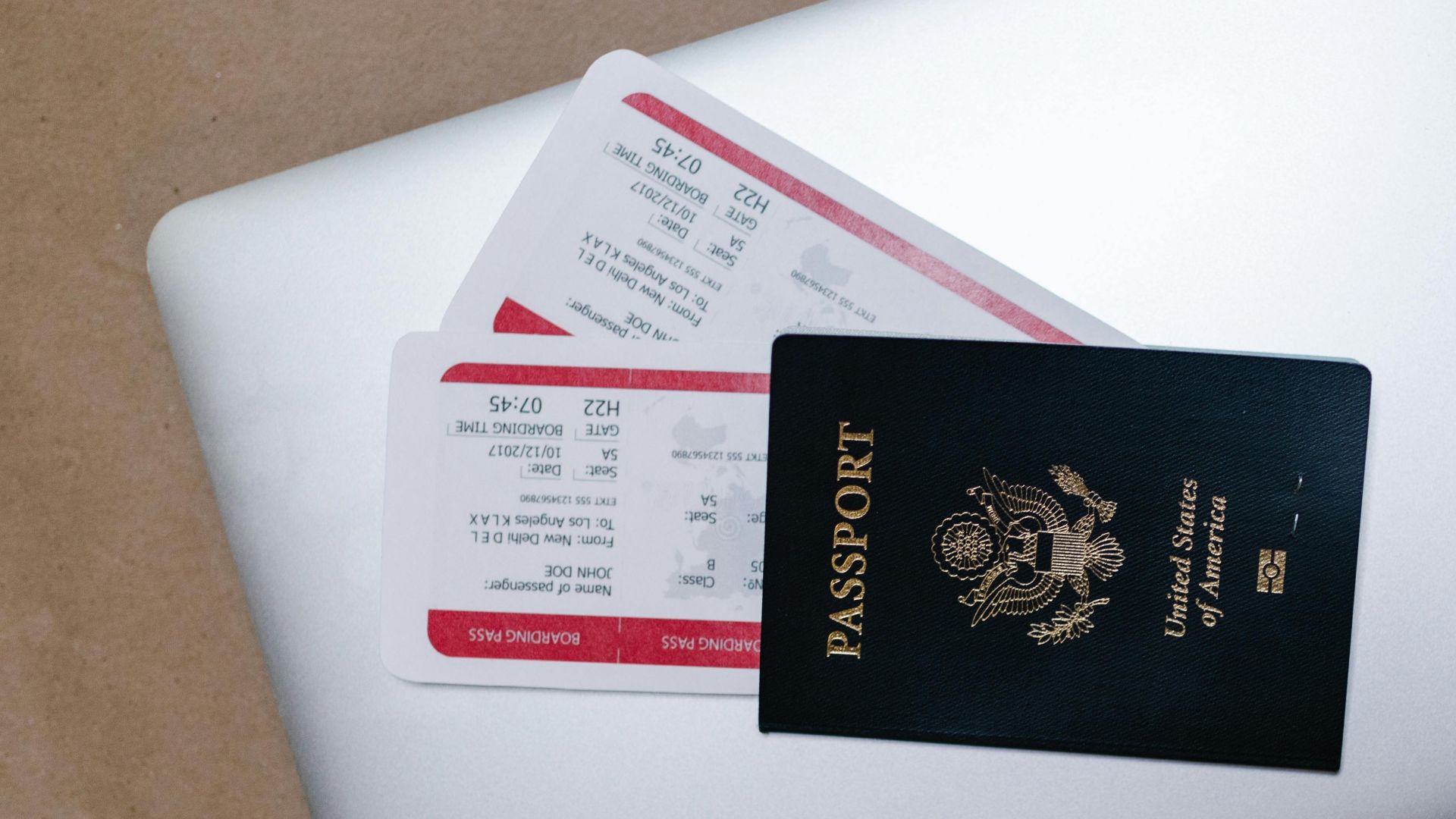
Federal Law Requires US Citizens To Use A US Passport
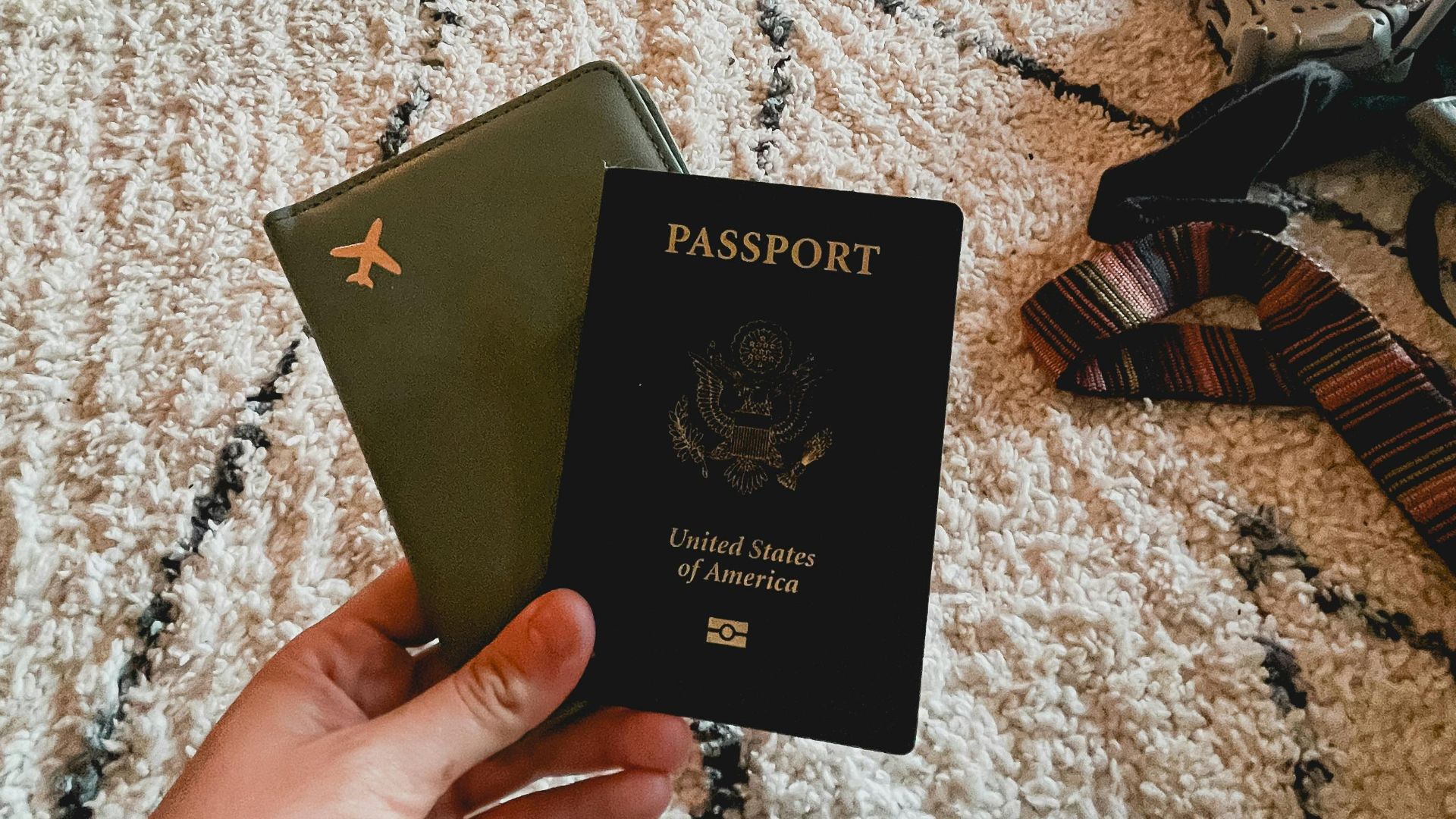
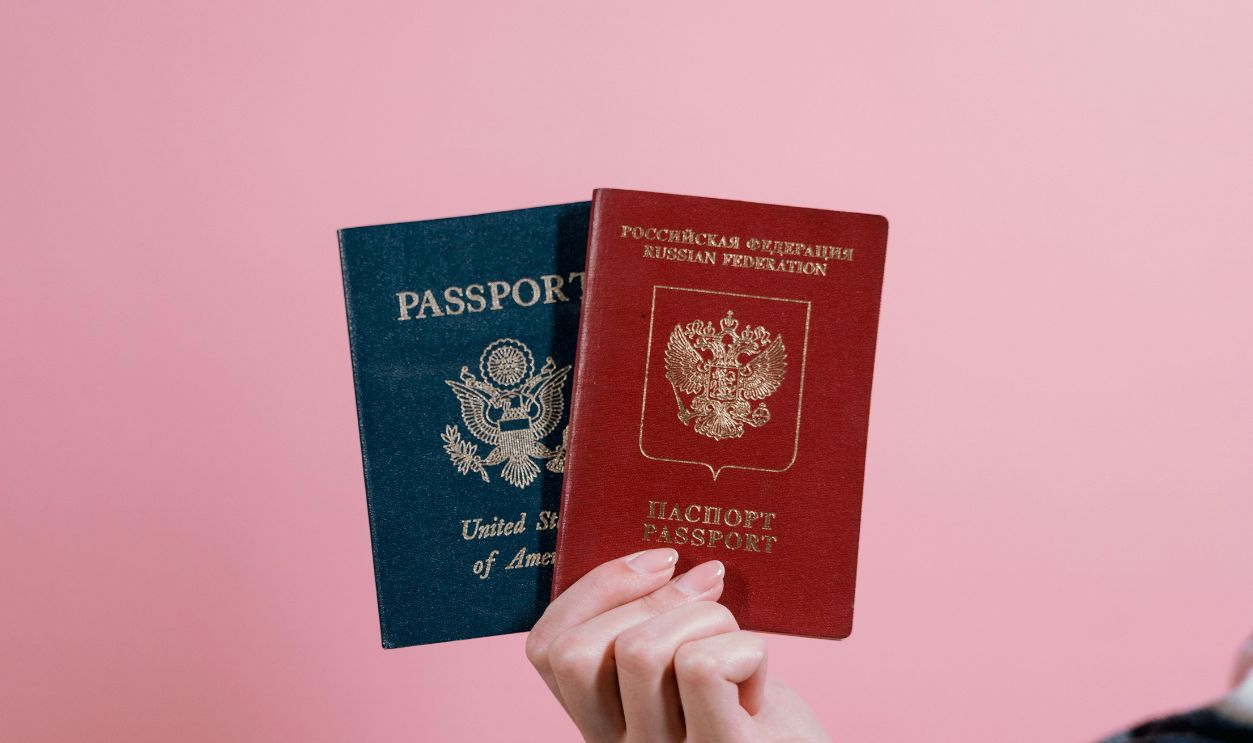
Under US law, American citizens are generally required to enter and depart the United States using a valid US passport. This rule applies even if you also possess another nationality and valid foreign travel documents.

Airlines Often Enforce These Rules Before You Even Fly
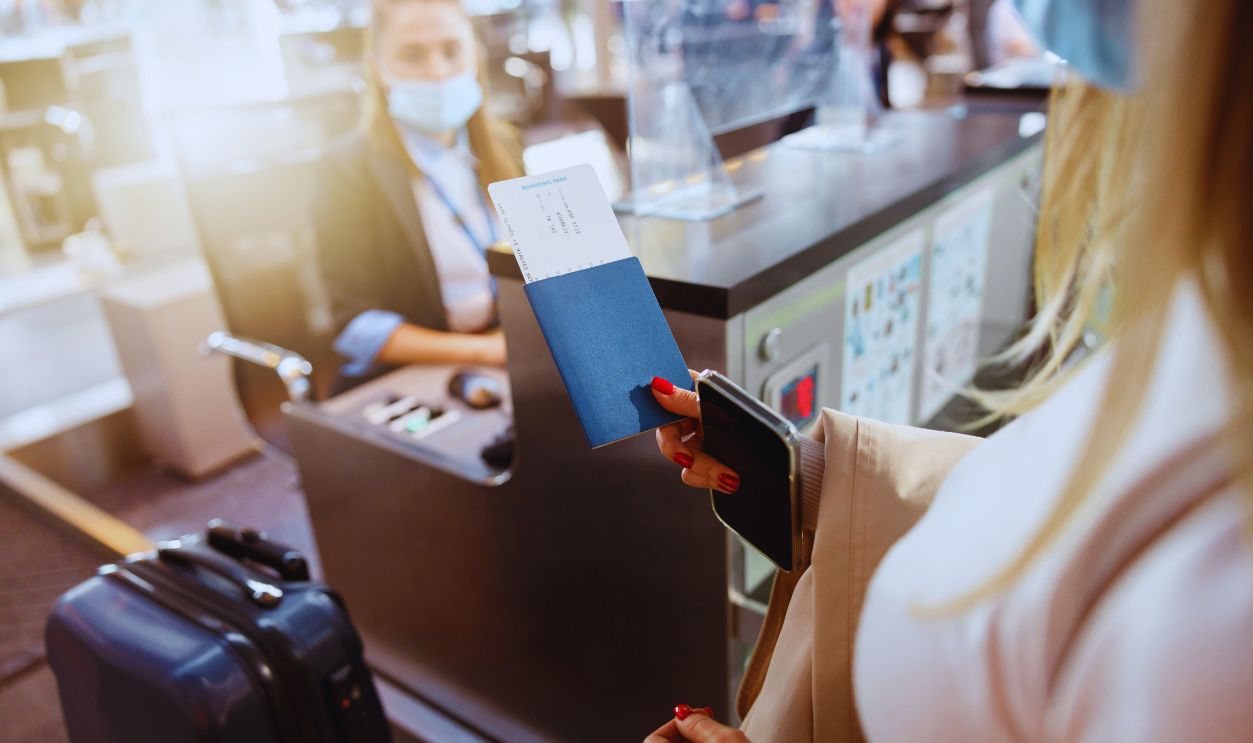
A lot of travelers assume immigration officers are the only concern. In reality, airlines play a major role because carriers can face fines and penalties if they transport passengers who lack proper entry documents. That’s why airline staff often scrutinize passports before boarding international flights to the US.
 User:Mattes, Wikimedia Commons
Your Foreign Passport May Still Be Useful During The Trip
This part confuses many dual citizens initially. You may still use your foreign passport in other situations during travel, particularly when entering or exiting your second country of citizenship. The key issue is usually which passport you present when dealing with US authorities specifically.
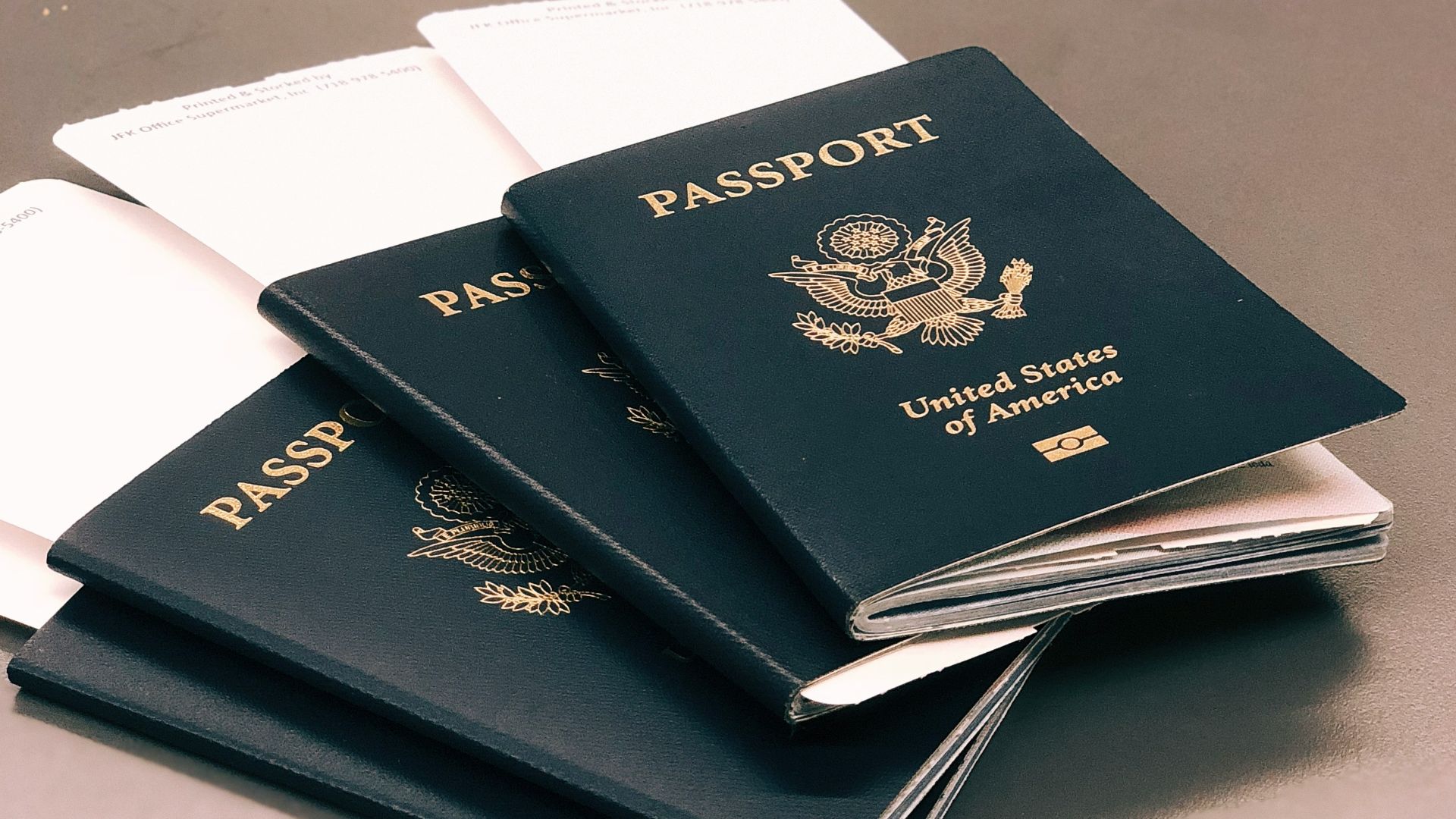
Airlines Sometimes See Only The Destination Requirements
When checking passengers in, airlines often review automated entry systems tied to the destination country’s immigration requirements. If the system flags that a traveler is a US citizen but lacks a US passport, airline staff may refuse boarding even before immigration officials become involved.
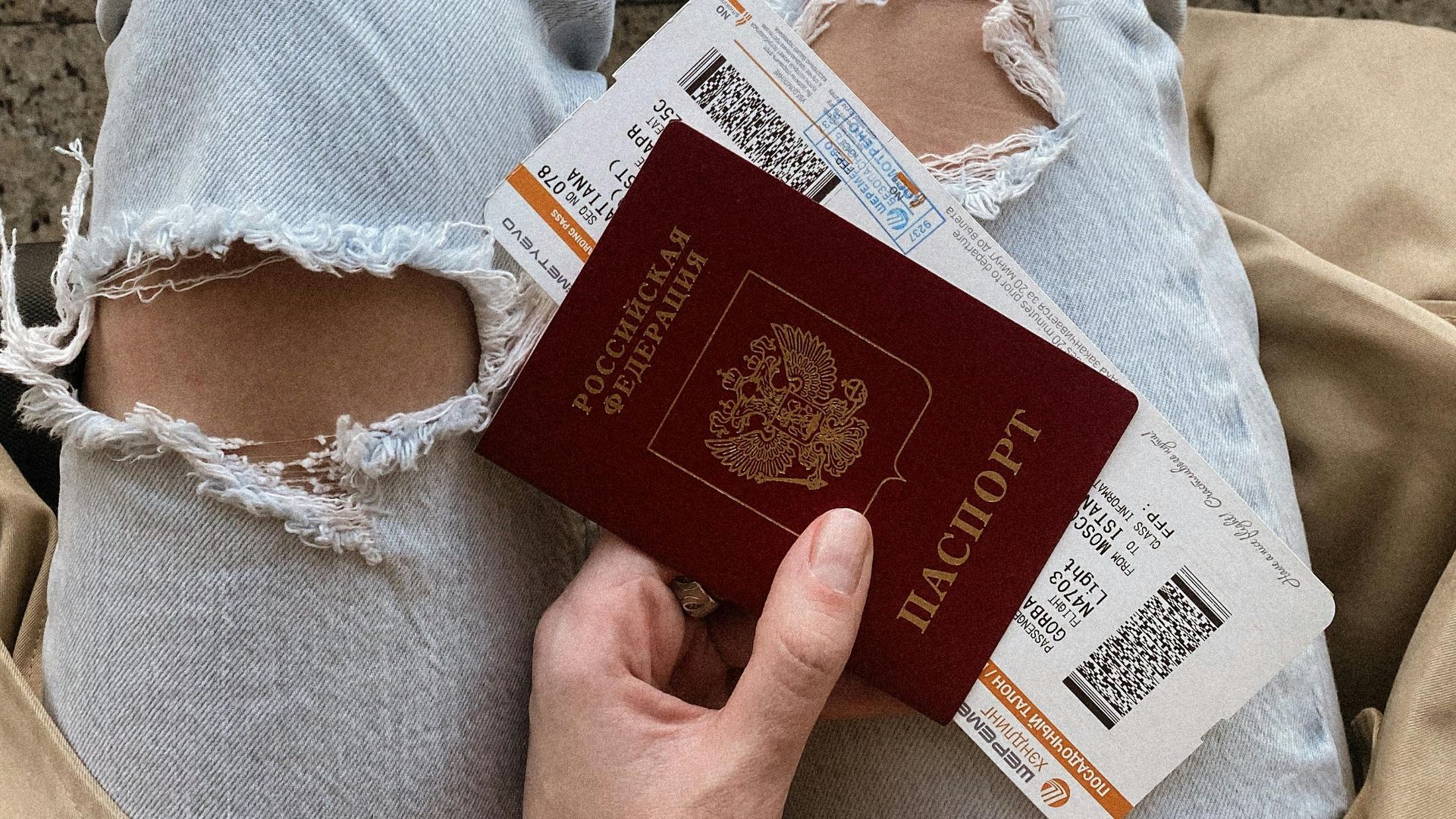
Expired US Passports Create Major Travel Problems
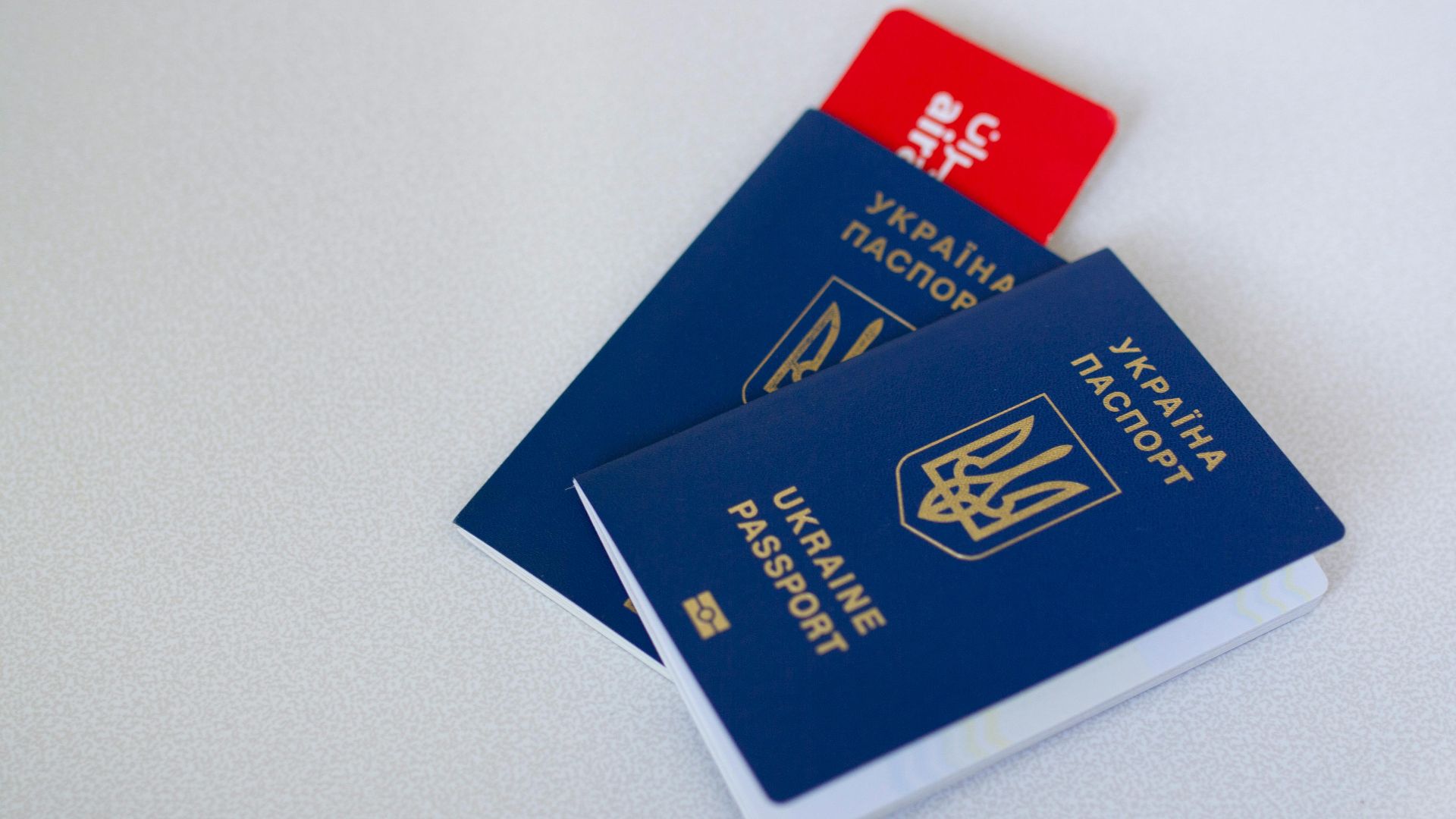
Many dual citizens only discover these rules after their US passport expires while their foreign passport remains valid. Unfortunately, airlines may still refuse boarding to the United States if the traveler cannot present acceptable American documentation.
Emergency Exceptions Sometimes Exist
There are occasionally limited exceptions involving emergencies, special waivers, or temporary travel flexibility. During certain periods, US authorities have allowed citizens with expired passports to return under temporary emergency policies, though those exceptions are not permanent guarantees.

Entering Another Country May Work Differently
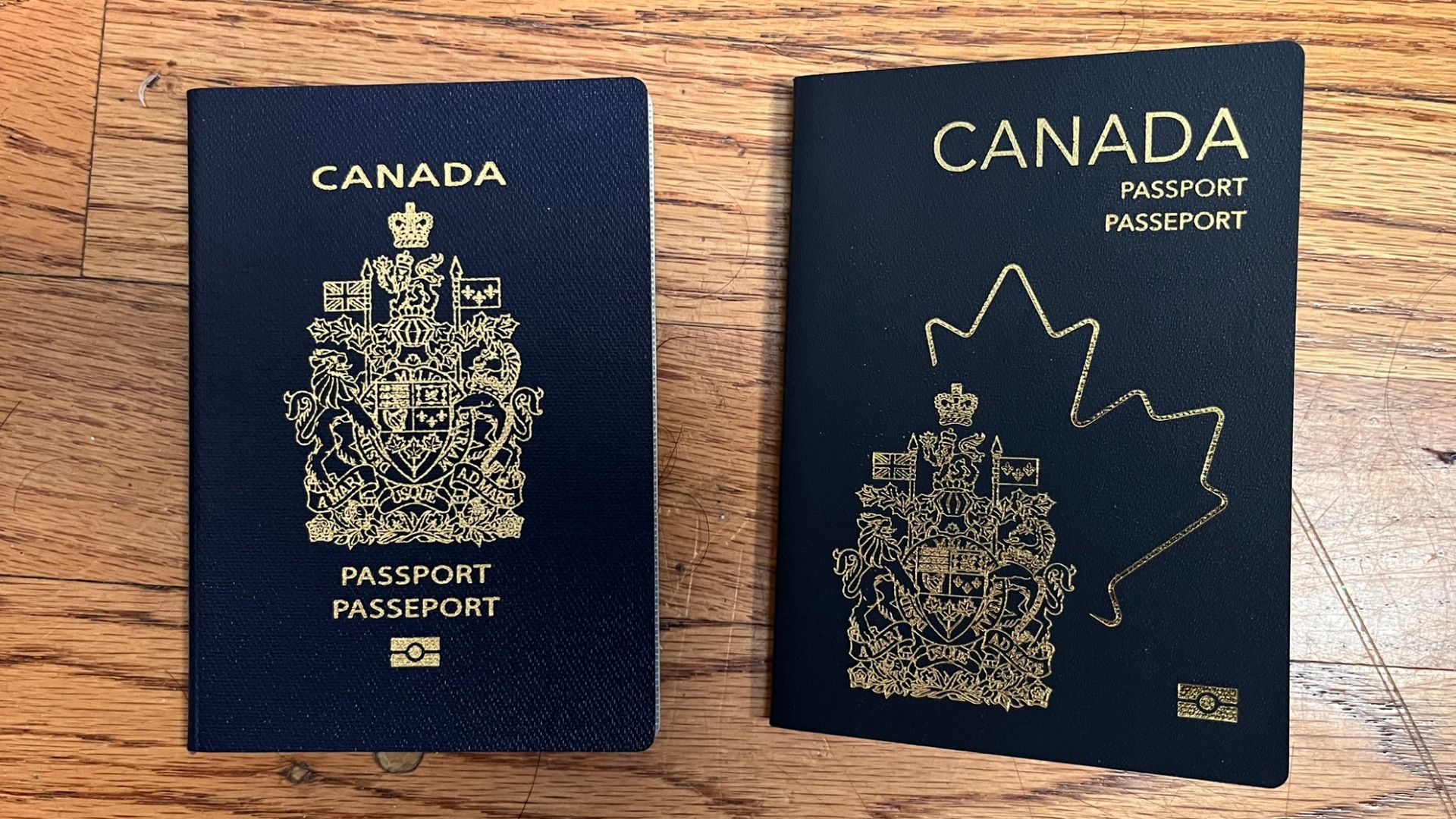
Dual citizens often switch passports strategically depending on the country involved. For example, someone might enter Canada using a Canadian passport but still use a US passport when returning to the United States afterward.
Your Second Country May Have Its Own Rules Too
Some countries also require their own citizens to use local passports when entering or exiting. That means dual citizens sometimes end up traveling with two passports and switching between them depending on which country’s border they are crossing.
Airline Staff Sometimes Misunderstand The Rules
This part can become incredibly frustrating for travelers. Airline agents are not immigration lawyers, and sometimes misunderstandings happen regarding visas, dual nationality, or entry requirements. Still, arguing at the airport rarely helps much once the airline refuses boarding.
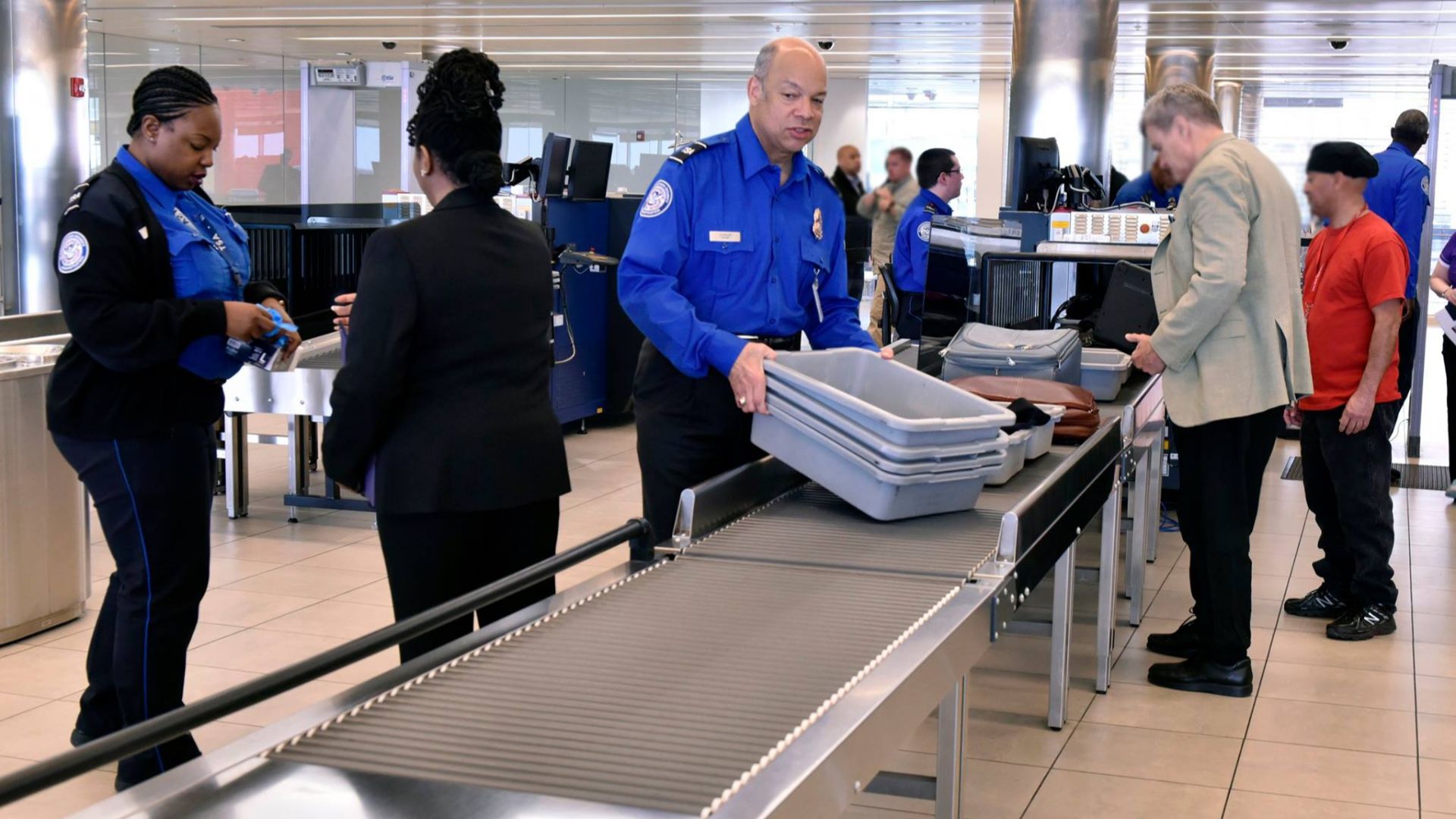
TSA And Immigration Are Different Agencies
Many travelers confuse airport security with immigration enforcement. TSA primarily handles security screening, while Customs and Border Protection handles entry into the United States. Airline check-in agents often become the first line of document enforcement long before immigration officers are involved.
 U.S. Department of Homeland Security (DHS), Wikimedia Commons
You Usually Won’t “Lose” Your Other Citizenship
Some dual citizens worry that using a US passport somehow weakens or cancels their foreign citizenship. In most cases, simply complying with American passport rules does not affect your status in your second country at all.
Visa Rules Often Don’t Apply The Same Way To Citizens
This is another reason airlines focus heavily on citizenship status. Foreign travelers usually need visas or ESTA authorization to enter the United States, but US citizens do not. The airline wants proof that you legally qualify for entry as an American citizen instead.
 Global Residence Index, Unsplash
Documentation Mismatches Can Create Delays
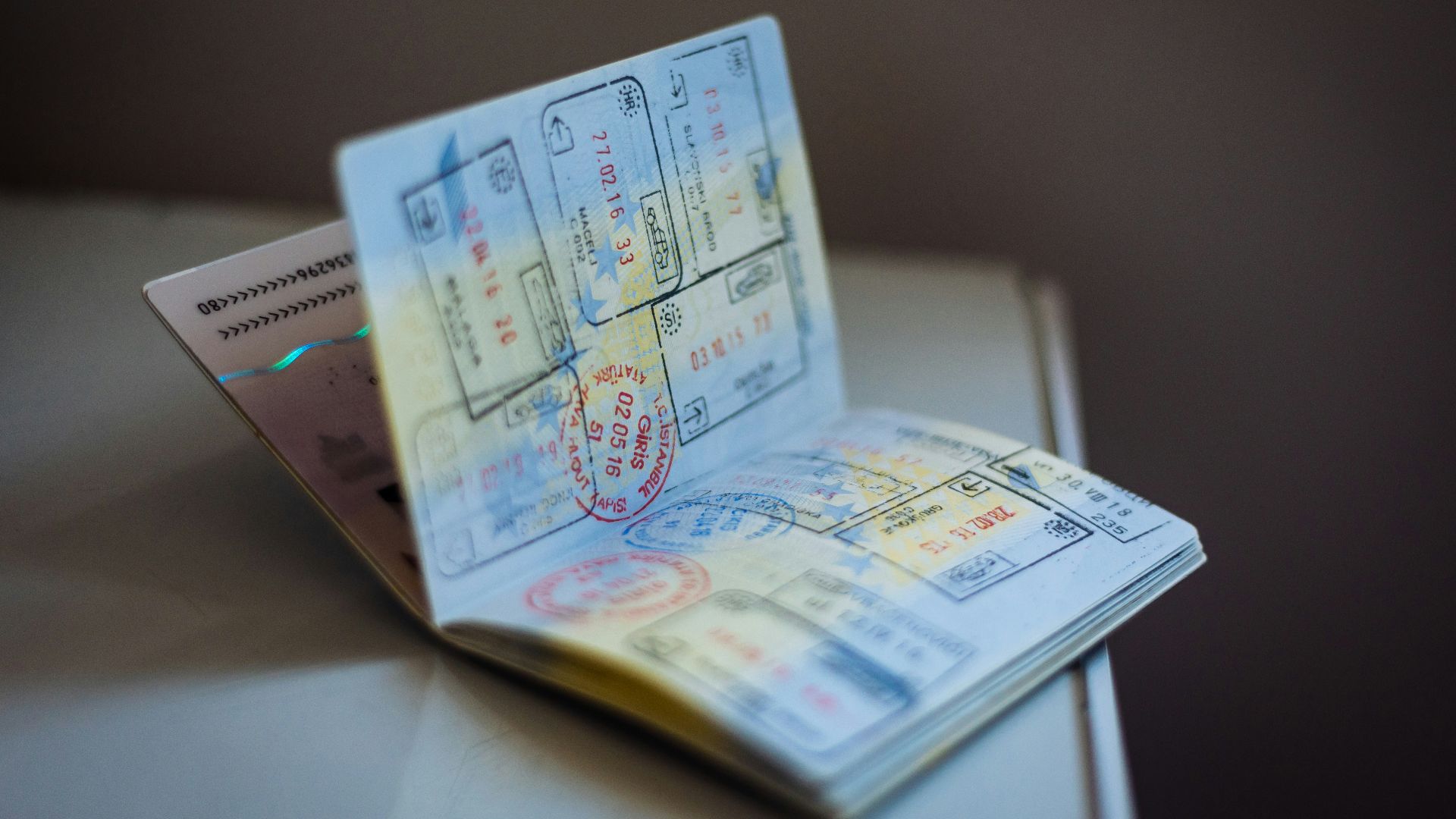
Travel problems often happen when tickets, passports, visas, and citizenship records do not match properly. Different names, expired documents, or conflicting nationality information sometimes trigger additional scrutiny during check-in or border processing.

Some Travelers Carry Both Passports At All Times
Experienced dual citizens often travel internationally carrying both valid passports together. This helps avoid confusion and allows them to present whichever document is legally required depending on the country involved.
Border Officers Usually Already Know About Dual Citizenship
Some travelers worry they are somehow “hiding” their second nationality by presenting different passports in different countries. In reality, dual citizenship itself is extremely common and generally not considered suspicious on its own.
 Kosovo Police, Wikimedia Commons
US Citizens Generally Cannot Be Permanently Denied Entry
This is the part many dual citizens find reassuring. While airlines may refuse boarding without proper documentation, American citizens themselves generally cannot simply be barred permanently from entering the United States altogether. Once citizenship is verified, Customs and Border Protection officers still have obligations toward US citizens attempting to return home.
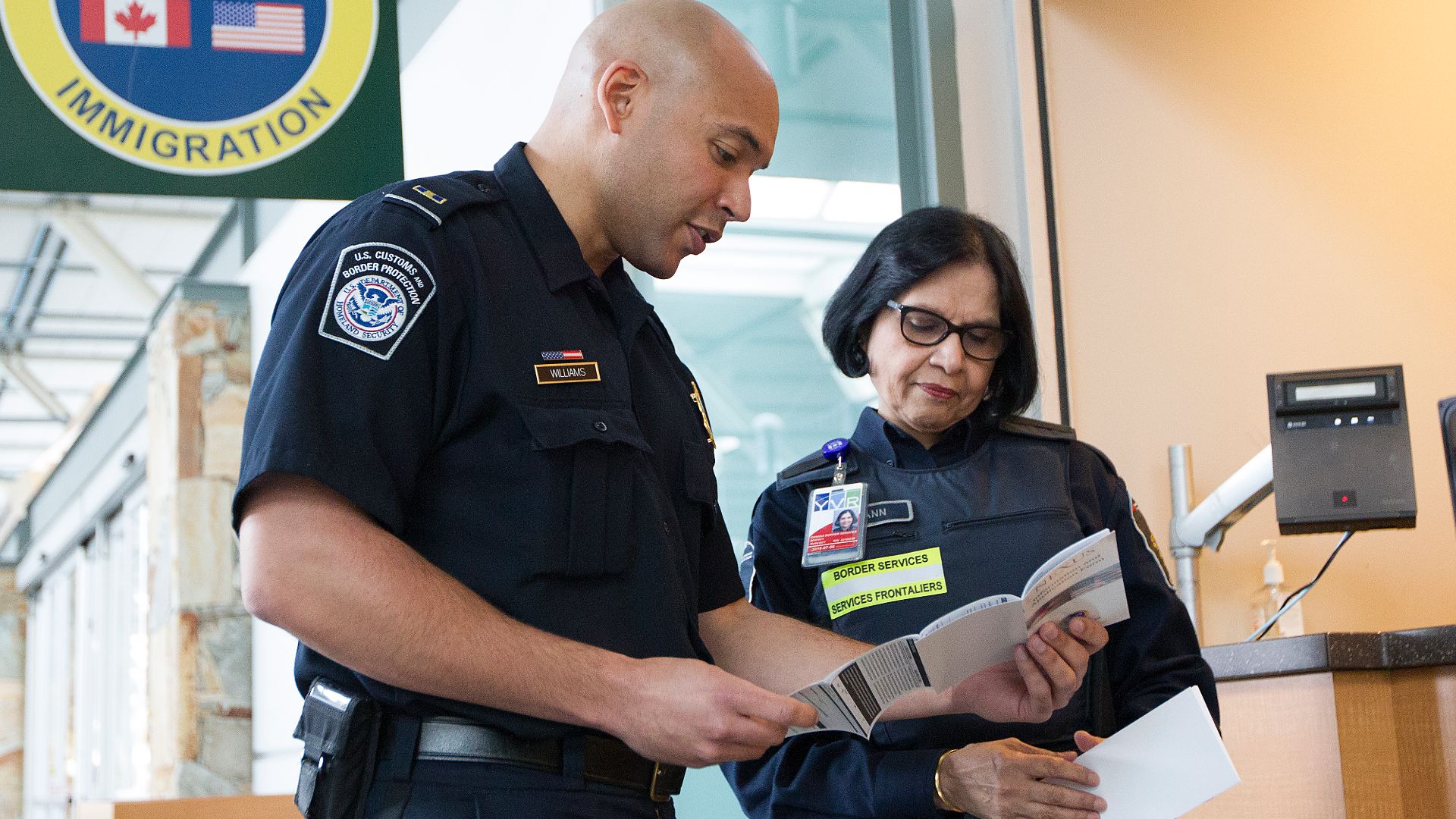 U.S. Customs and Border Protection, Wikimedia Commons
There May Still Be Other Ways To Re-Enter The Country
If getting a new US passport immediately is impossible, travelers sometimes contact the nearest US embassy or consulate for emergency travel assistance. In some situations, emergency passports, temporary travel documents, or special authorization letters may help citizens return to the United States. Land border crossings can also sometimes work differently than airline boarding procedures because border officers have more direct authority to verify citizenship in person.

Renewing A US Passport May Still Be The Simplest Long-Term Solution
Even though emergency options sometimes exist, the easiest long-term fix is usually keeping your American passport current and valid. Many dual citizens only realize how important this rule is after running into travel problems unexpectedly abroad.
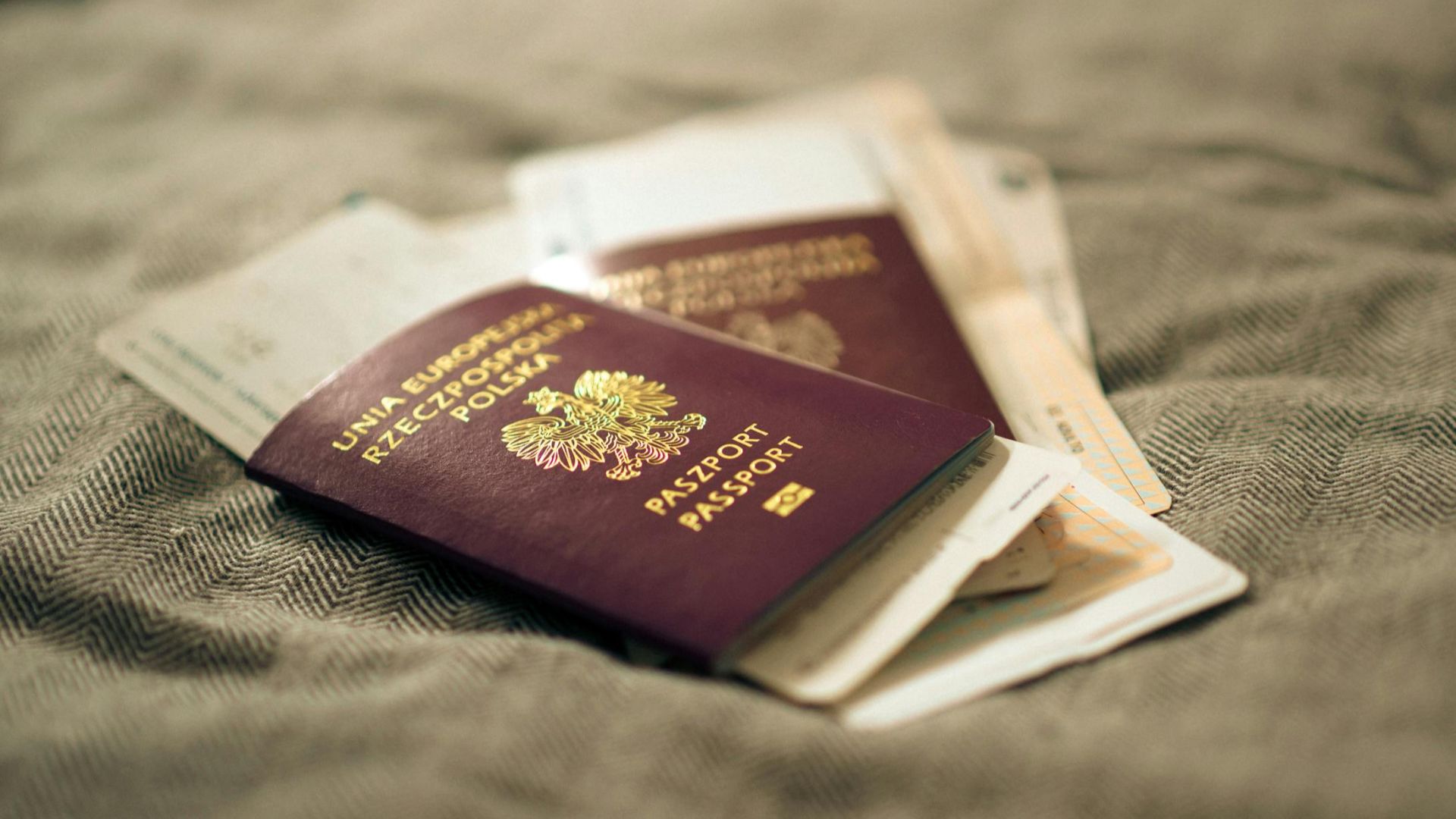
So What Should You Do Right Now?
If you are a US citizen traveling to the United States, check whether your American passport is still valid before flying, even if you also hold another nationality. Carry both passports when traveling internationally if possible, and make sure your airline bookings and travel documents align properly with the citizenship requirements for each country involved.
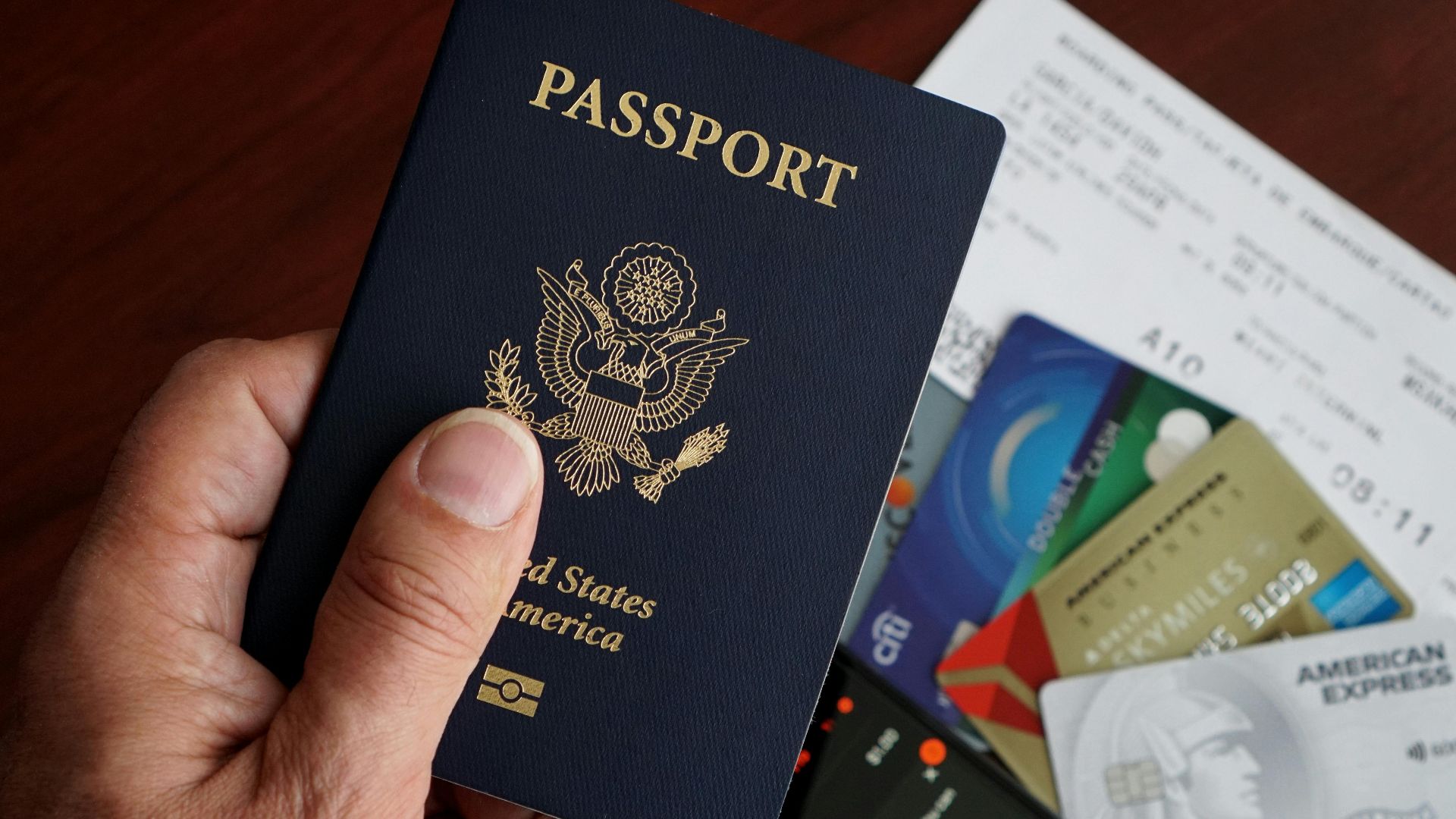
Final Thoughts
Yes, in most situations, airlines are correct when they say American dual citizens are expected to enter the United States using a valid US passport rather than relying solely on a foreign one. That rule often surprises travelers because dual citizenship itself is perfectly legal, and many people assume either passport should work interchangeably everywhere. The good news is that these situations are usually documentation problems rather than serious legal crises. Once you understand how the passport rules work, future travel generally becomes much smoother and far less stressful.
 Gustavo Fring, Pexels, Modified
You May Also Like:
Countries Where You Can Get Dual Citizenship Just By Buying Property—Or Through Other Investments
Sources: 1, 2, 3, 4