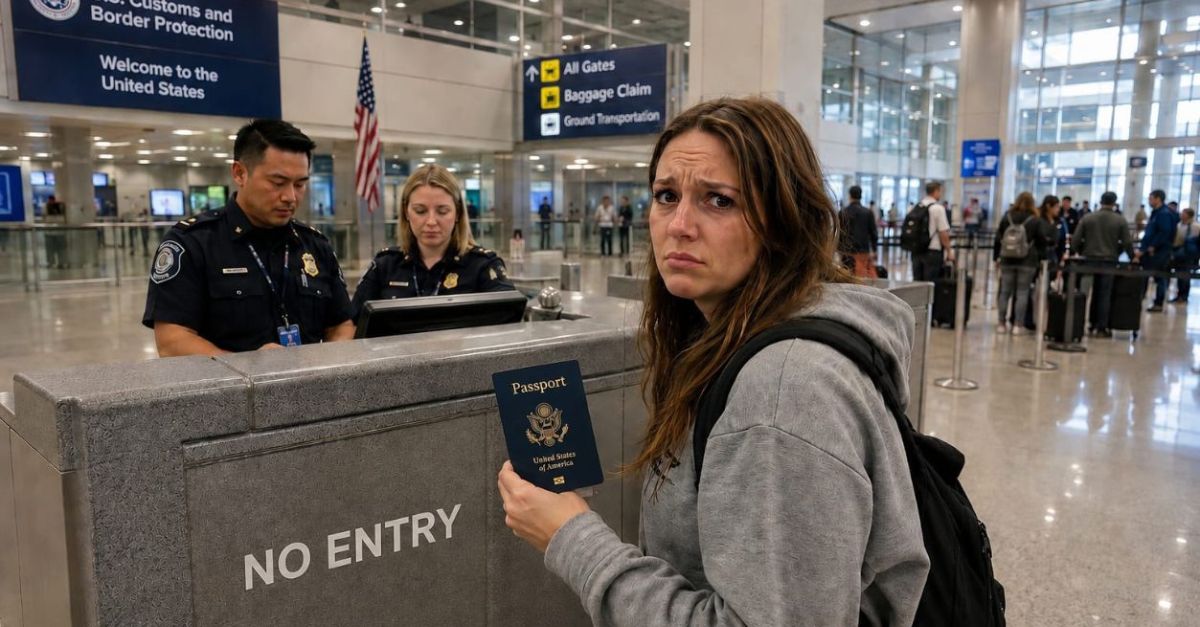
The Passport Shock That Catches Travelers Off Guard
You can have a passport that looks perfectly valid and still get turned away at the airport or border. It has ruined an entire trip for many travellers caught unawares. It sounds harsh, even ridiculous but airlines and border officials enforce this rule every day due to very real governmental regulations. But what will happen to you depends on your destination.
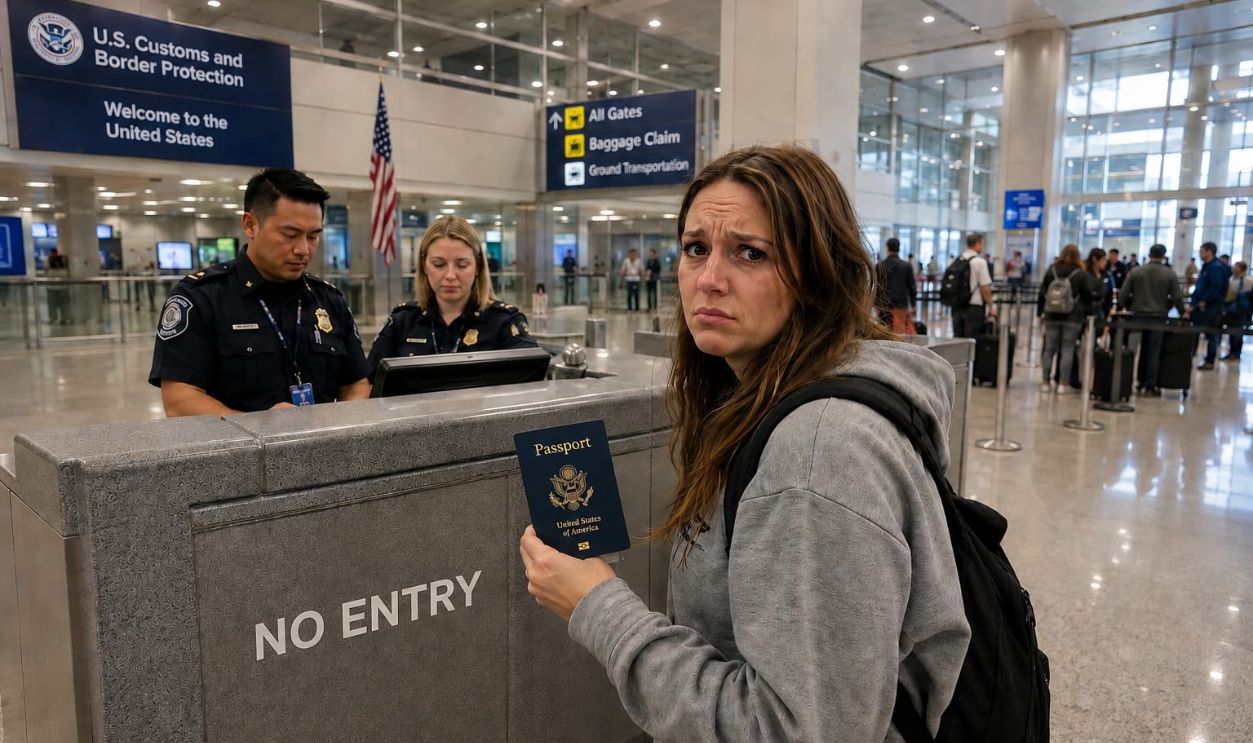
Why Five Months Can Still Be A Problem
If your passport expires in five months, you might be fine for one trip and blocked from another. Many destinations require at least six months of validity, while others want three months or use different date rules. The frustrating part is that your passport is not expired, but that still may not be enough to meet entry requirements.

The Rule Is Not A Myth
The U.S. Department of State warns travelers that some countries require passports to be valid for six months beyond the dates of travel. It also says airlines can refuse boarding if a passenger does not meet the destination’s rules. That means your trip can end at check-in before you even get near immigration.

Airlines Often Catch It First
Many travelers think the final decision starts at the border, but airline staff are usually the first ones to stop a problem. Airlines can be fined or forced to fly passengers back if they carry someone without the right documents. Because of that, check-in agents tend to take passport-validity rules very seriously.

Why The Rule Exists In The First Place
The main idea is simple. Governments want a safety cushion in case your trip changes unexpectedly. If you get sick, your flight is canceled, or an emergency keeps you abroad longer than planned, officials do not want your passport expiring while you are still in the country.

It Is Also About Administrative Headaches
An expired passport can create problems with deportation, consular help, and onward travel. When a country lets in a foreign visitor, it wants some confidence that the traveler’s document will stay usable for the full trip. The extra validity window helps avoid a paperwork mess later.
 Monkey Business Images, Shuttestock
The Famous Six-Month Rule
The best-known version is the six-month validity rule. According to travel guidance from the U.S. Department of State and the UK government, many countries require at least six months left on a passport at entry. That is why a passport with only five months remaining can lead to a denial.

But Not Every Country Uses Six Months
There is no single worldwide standard. Some places require three months of validity, often counted from your planned departure date instead of your arrival date. Others only require your passport to be valid for the length of your stay, which is why checking the exact country rule matters so much.

Europe Has Its Own Version
For travel to the Schengen area, the European Union says a passport must have been issued within the previous 10 years and must be valid for at least three months after the date you plan to leave. That is different from the usual six-month rule. It still catches plenty of travelers who assume any unexpired passport will work.

The UK Explains The Schengen Detail Clearly
The UK government’s foreign travel advice lays out the Schengen rule in plain English. It says many non-EU travelers need a passport issued less than 10 years before the date of entry and valid for at least three months after the planned departure date. That mix of rules has surprised many people, especially since post-Brexit travel rules changed for British passport holders.

Timatic Is The Quiet Power Behind Many Check-In Counters
One big reason airlines enforce these rules so consistently is Timatic, a database used across the airline industry to check passport, visa, and health-document requirements. IATA says airlines use Timatic to confirm whether passengers have the documents needed for their trip. If Timatic shows that your passport does not have enough validity left, the check-in desk is unlikely to bend the rules.
 Wutthichai Charoenburi, Wikimedia Commons
Border Officers Still Have The Final Say
Even if an airline lets you board, entry is never guaranteed. U.S. Customs and Border Protection says a visa does not guarantee entry to the United States, and the same basic idea applies around the world. The immigration officer at the border decides whether you meet the legal requirements for admission.
 Kosovo Police, Wikimedia Commons
Why Countries Want A Cushion Beyond Your Planned Stay
Travel does not always go as planned. Bad weather, medical emergencies, labor strikes, and family crises can leave people stuck abroad longer than expected. By requiring extra passport validity, governments lower the risk that someone ends up stranded with an expired document during the trip.

It Can Affect Transit Too
This is not just about the country where you plan to spend your vacation. Transit hubs can have their own document rules, especially if you need to change terminals, pick up bags, or pass through immigration. A trip that looks simple when you book it can fall apart if even one stop has stricter passport-validity requirements.

The Rule Varies By Nationality
The same destination can apply different rules depending on the passport you hold. Governments set entry requirements based on local law, bilateral agreements, and reciprocity. That is why advice for U.S. citizens, UK citizens, and other travelers can differ even for the same country and the same travel dates.
 CBP Photography, Wikimedia Commons
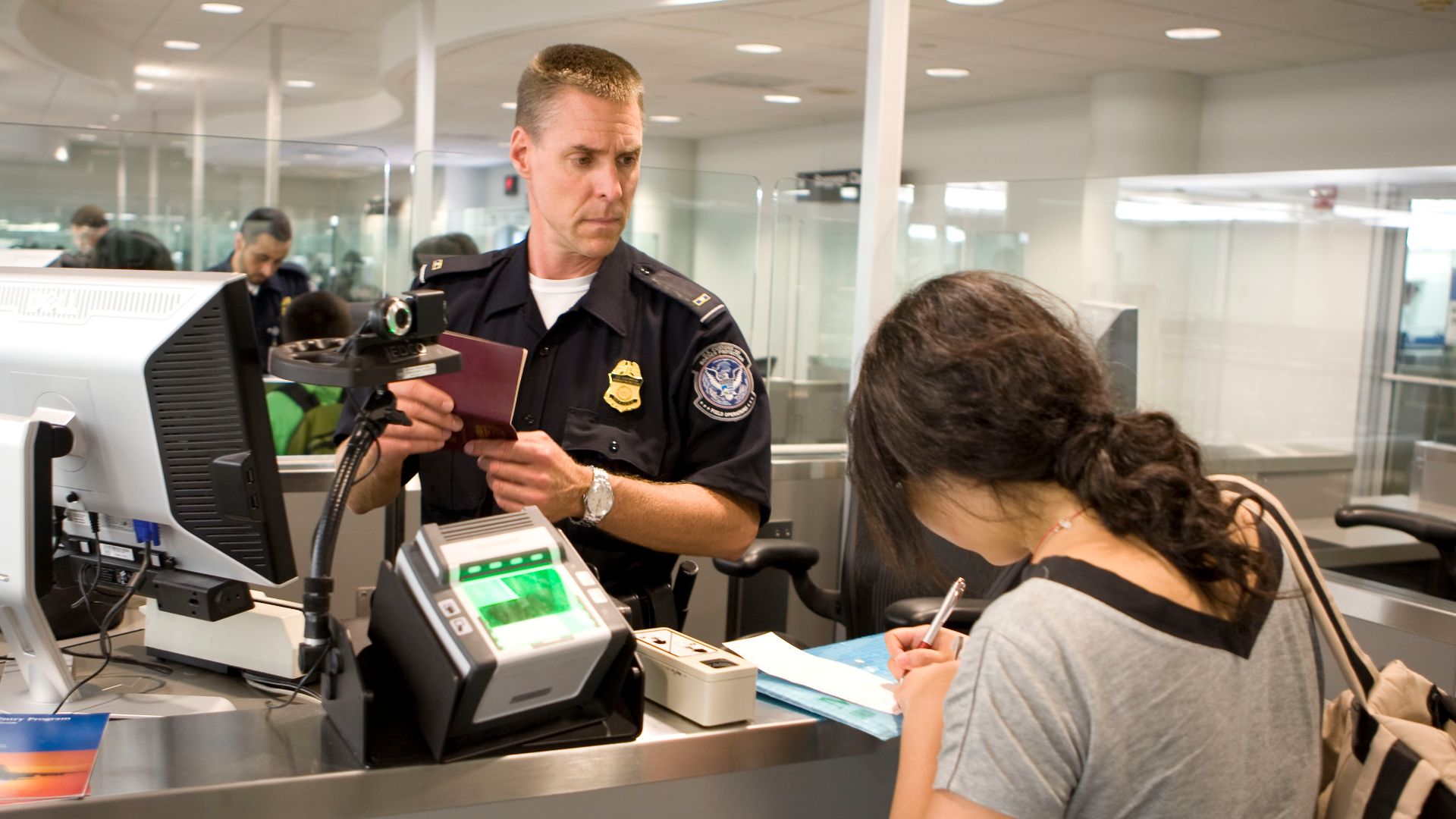
Visas Do Not Override Passport Validity Rules
Some travelers think a valid visa will save them if their passport is close to expiring. Usually it will not. A visa lets you ask for entry, but your passport still has to meet the destination’s separate validity rule.
 Frame Stock Footage, Shutterstock
Renewing Too Late Is A Common Mistake
This is one of the most avoidable travel problems out there. People often check whether the passport is expired, but forget to check how long it stays valid after the trip. Governments, including the U.S. State Department, advise renewing well before international travel if your remaining validity is getting low.

Even A Return Ticket May Not Save You
Showing that you plan to fly home in a week does not fix a passport with only five months left if the rule is six months. The requirement is about the document’s remaining validity, not just your itinerary. Officials do not have to treat your return ticket as proof that nothing will go wrong.
 Everythingforall, Shutterstock
The Difference Between Entry Rules And Airline Policy
Sometimes travelers blame the airline for creating the problem. In most cases, the airline is enforcing the destination’s published entry rules through industry systems and internal checks. It can feel maddening in the moment, but the airline is usually trying to avoid penalties and the cost of carrying a passenger who will be denied entry.

Children Are Not Always Exempt
Families should not assume these rules are looser for kids. Many destinations apply the same basic passport-validity standards to children that they apply to adults. On top of that, minors can face extra consent and documentation checks, which makes it even more important to verify everything before the trip.

Cruises And Multi-Country Trips Raise The Stakes
Passport-validity rules get trickier when your itinerary includes several countries. A cruise passenger might focus on the departure port and miss a stricter rule at a later stop. The safest move is to check every country on the route, including transit points and places you could be diverted to unexpectedly.

The Official Advice Is To Check Early
The U.S. Department of State tells travelers to review destination entry requirements before they go. The UK government and EU travel pages say the same, especially for Europe’s date-based passport rules. Waiting until online check-in or airport arrival is how a small oversight turns into a wrecked trip.

Where To Check The Rules
Start with the destination country’s embassy or consulate and your own government’s travel advice page. Airline information pages can help, but official government sources should matter most. If you are flying, remember that airline staff may also be checking Timatic, so your documents need to match what appears there.

What To Do If You Are Close To The Line
If your passport has only five or six months left, do not guess and hope for the best. Check the exact rule for your destination before you travel. Renewing before the trip is usually safer than trying to figure out whether an exception applies. If departure is close, some countries offer expedited passport services, though appointment slots can be limited.

When Three Months Is Enough
There are destinations where five months of validity would be enough because the rule is only three months after departure, or simply valid for the duration of your stay. That is why the answer to “why was I denied?” is not always “because of a six-month rule.” More often, it is because your passport did not meet the specific rule for that destination. The details matter, right down to the country, route, and passport nationality.

The Rule Feels Unfair Because It Is Counterintuitive
Most people hear “valid passport” and naturally assume that means they can travel. Border rules are not that straightforward. In practice, “valid” often means “valid long enough under the destination’s rules,” not just “not expired yet.”

The Best Way To Avoid The Heartbreak
One simple habit can save a trip. Check your passport as soon as you book, then compare the expiration date with the destination’s official rules and any transit-country requirements. If there is any doubt, renew early and give yourself a comfortable buffer instead of testing your luck at the airport.