The Family Seating Shock
It is one of the most stressful moments in air travel. You arrive at the gate, scan the boarding passes, and realize your child has been assigned a seat next to a stranger while you are rows away. Many parents assume airlines must fix that situation, but in the United States the answer has often been messier than travelers expect.
Why This Keeps Happening
Airlines now rely heavily on assigned seating, basic economy fares, and extra fees for preferred seats. That means families who do not pay to pick seats in advance can end up scattered when the aircraft fills up. Last-minute aircraft changes and irregular operations can make the problem even worse.
The Big Question
So is it really acceptable for an airline to tell a parent that swapping seats is not guaranteed. The practical answer has long been yes, at least under loose federal rules, even though that does not make it good policy. The legal and regulatory landscape has been evolving, but it still does not create a simple universal guarantee in every case.
What The FAA Says
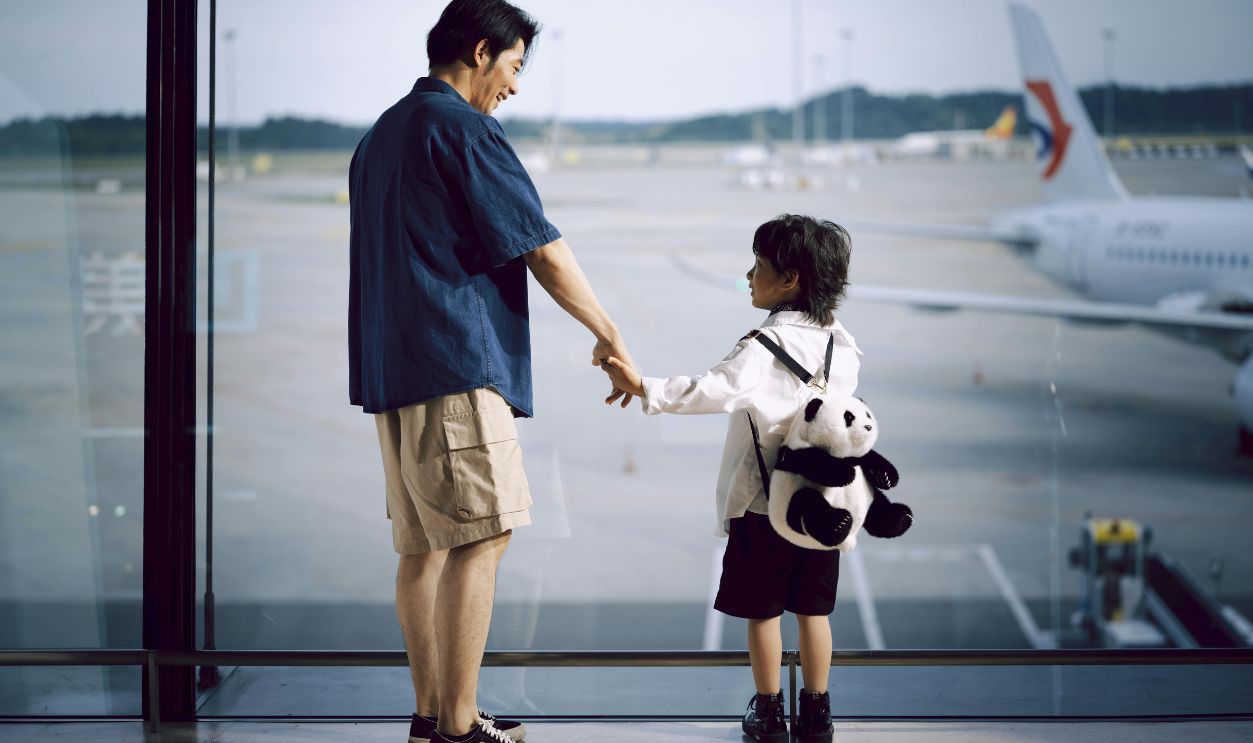
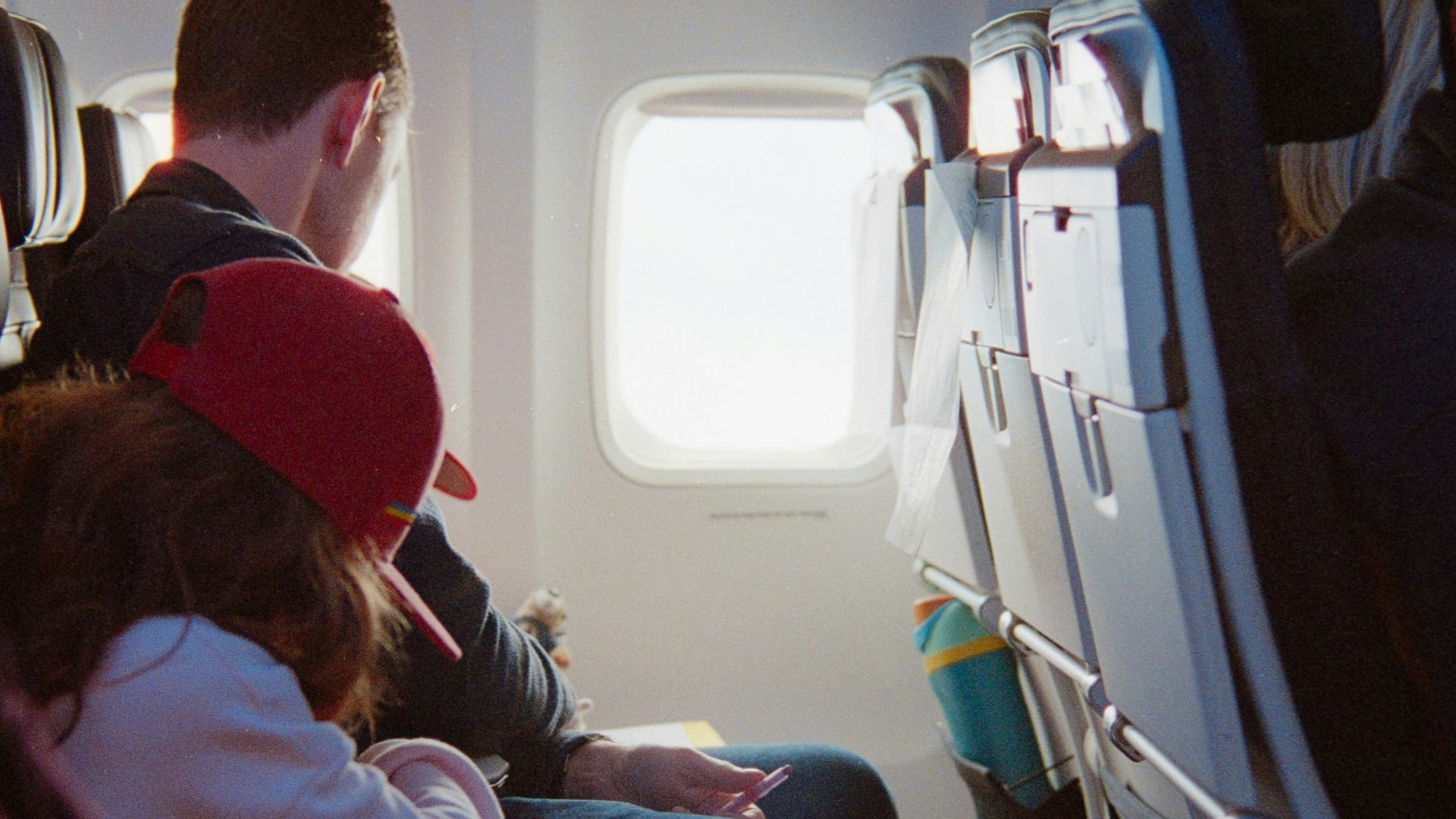
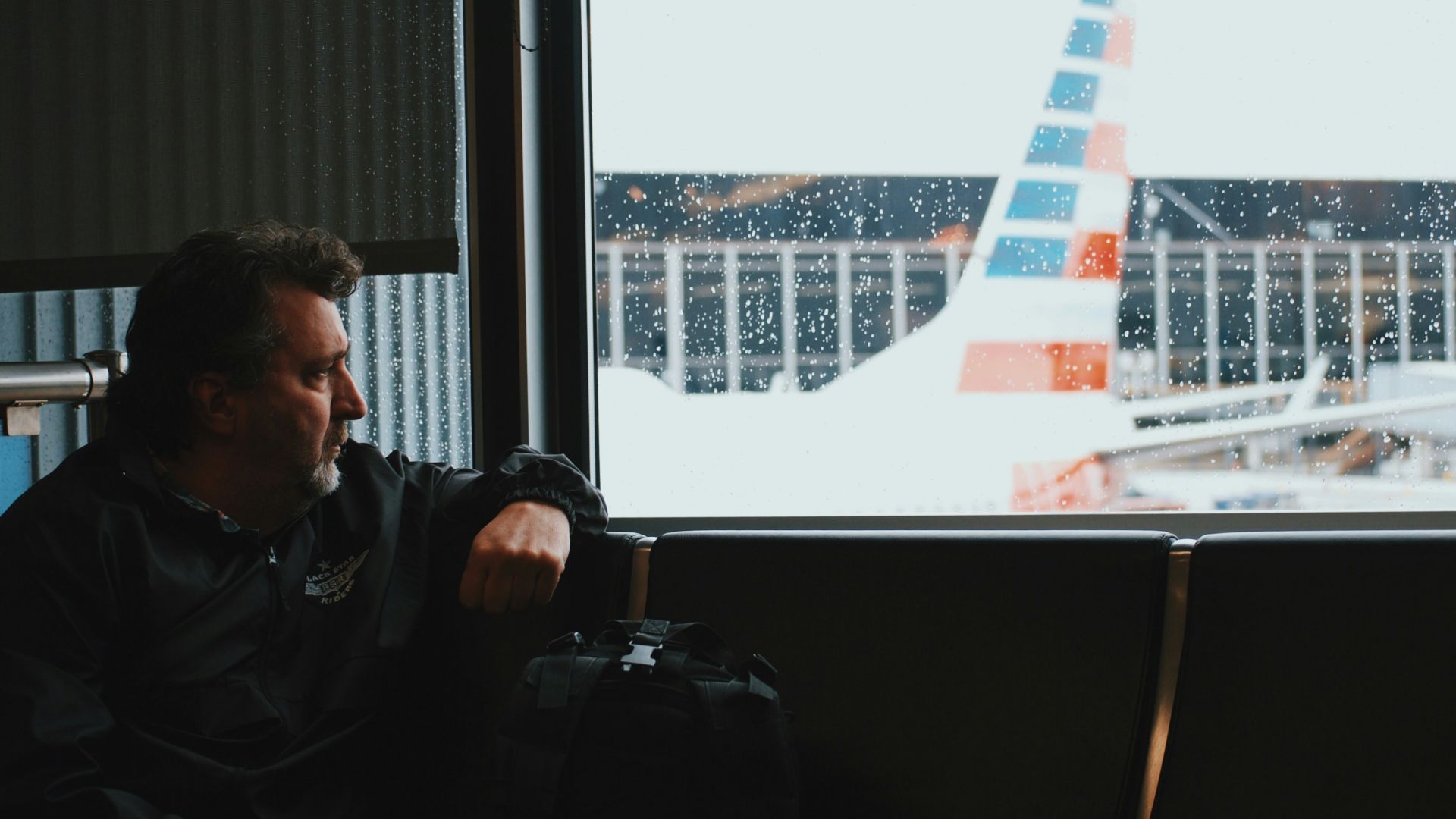
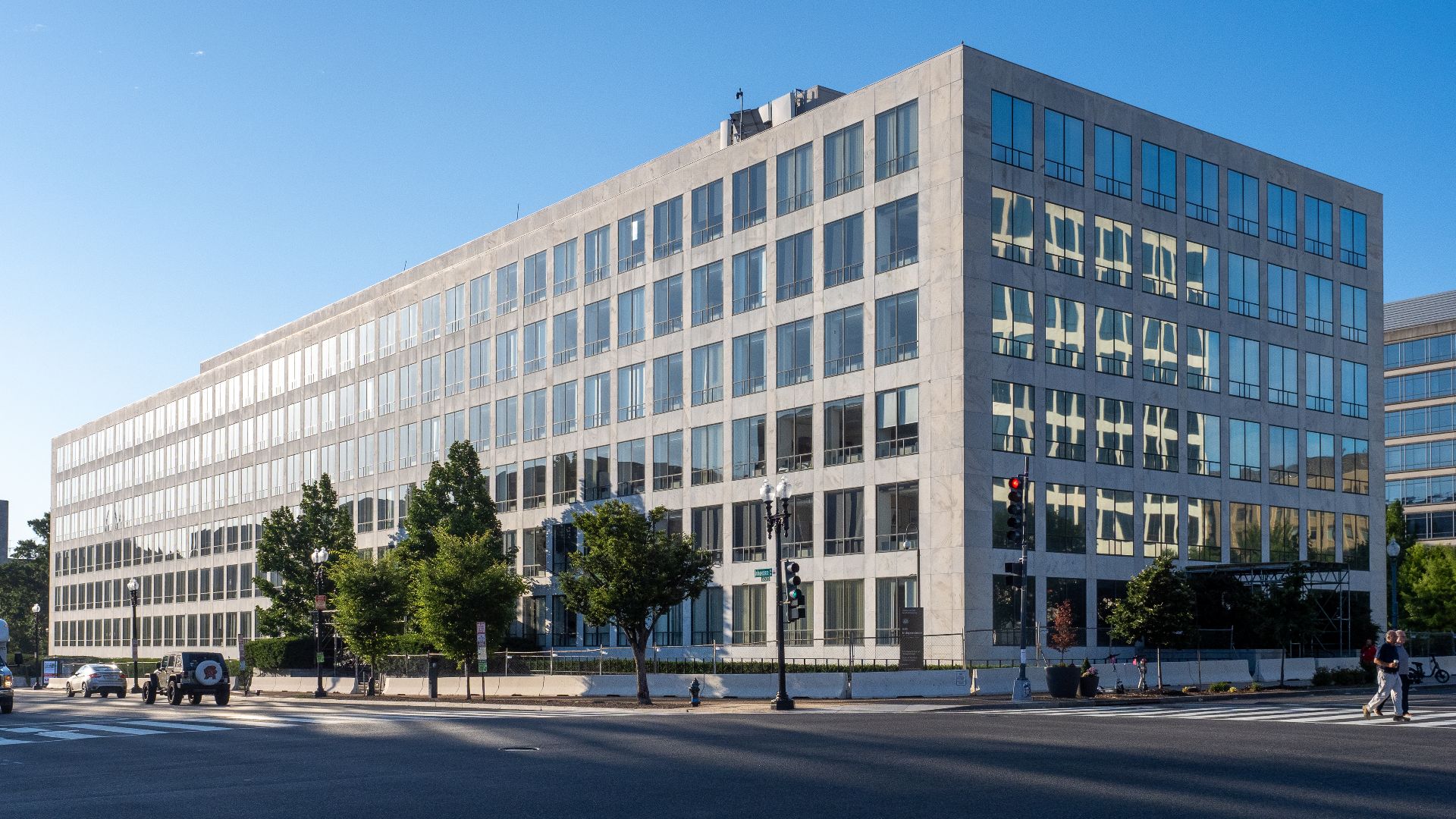
The Federal Aviation Administration has made its safety view clear. The agency says children who are 13 years old or younger should be seated next to an accompanying adult whenever possible. The FAA has also warned that asking nearby passengers to swap seats can create delays and stress, especially after boarding has already begun.
 ajay_suresh, Wikimedia Commons
The FAA's Advice To Parents
The FAA urges families to plan ahead because there is no broad federal requirement that airlines seat them together in every circumstance. Its public guidance tells parents to contact the airline directly and ask about family seating policies before flying. It also suggests booking seats early and avoiding connections when possible.

The DOT Stepped In
Pressure increased in July 2022 when the U.S. Department of Transportation under Secretary Pete Buttigieg began publicly spotlighting airline family seating policies. The department said seating young children next to accompanying adults without extra fees should be a basic customer service standard. It also launched a dashboard so travelers could compare airline commitments.

The Family Seating Dashboard
The DOT's family seating dashboard became one of the clearest public accountability tools on this issue. It identifies which airlines promise to seat children age 13 or younger next to an accompanying adult at no additional cost. That matters because it distinguishes between optional courtesy and an actual published commitment.

Who Made The Commitments
By 2023 and 2024, several major U.S. airlines had made commitments listed on the DOT dashboard, including American, Alaska, Frontier, and JetBlue, with varying details. The point was not that every seating issue vanished overnight. The point was that the airlines publicly told the federal government and consumers they would try to avoid charging families simply to sit together.

American Airlines Faced A Fine
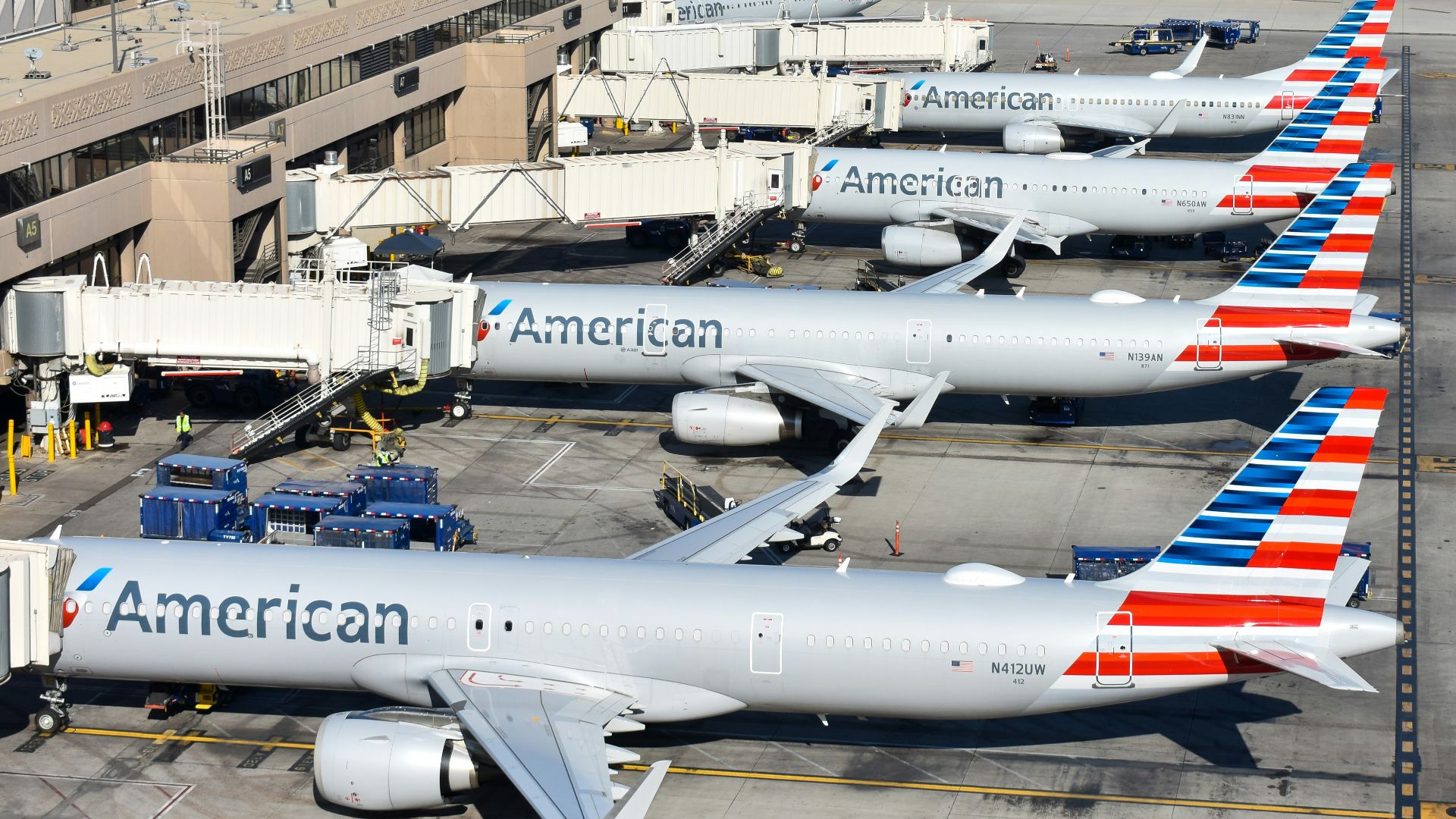
In January 2024, the DOT announced a $4.1 million civil penalty against American Airlines for violating rules protecting passengers with disabilities. In that same announcement, the department also said it had received family seating complaints involving American. The agency said one complaint described a 14-month-old child assigned a seat away from a parent.
Why That Case Got Attention
A toddler seated apart from a parent is the kind of detail that makes this issue impossible to shrug off. It also underscored that family seating complaints were not just theoretical annoyances. They were reaching federal regulators as examples of potentially serious customer service failures.

Congress Added More Pressure
The Federal Aviation Administration Reauthorization Act of 2024 added fresh momentum. Congress directed the DOT to review and, if appropriate, issue a rule on family seating. That did not instantly create a universal automatic right, but it showed lawmakers wanted stronger federal action instead of relying only on airline promises.

What The New Law Tries To Do
The 2024 law pushes regulators to look at seating families together without charging extra fees for adjacent seats for young children. It is part of a broader recognition that parents should not have to gamble at the gate. The details still depend on rulemaking and implementation, which takes time.

There Is Still No Simple Universal Guarantee
That is the key reality for travelers today. Even with the DOT dashboard and the 2024 FAA reauthorization law, there is not yet a simple one-line rule that guarantees every family will always sit together on every flight. In practice, airline policies, seat availability, and the timing of the booking still matter a great deal.

Age Matters More Than Many Realize
Federal guidance and airline commitments usually focus on younger children, often those 13 and under. That means parents traveling with teenagers may find fewer protections or weaker expectations. The younger the child, the stronger the public policy argument for seating them with an accompanying adult.

Basic Economy Can Be The Trap
The cheapest fares often come with the biggest headaches. Basic economy tickets commonly limit advance seat selection, which makes it far easier for a family to be split up. That low headline fare can become expensive if the only way to sit together is to pay extra for assigned seats.
Why Gate Agents Sometimes Cannot Fix It
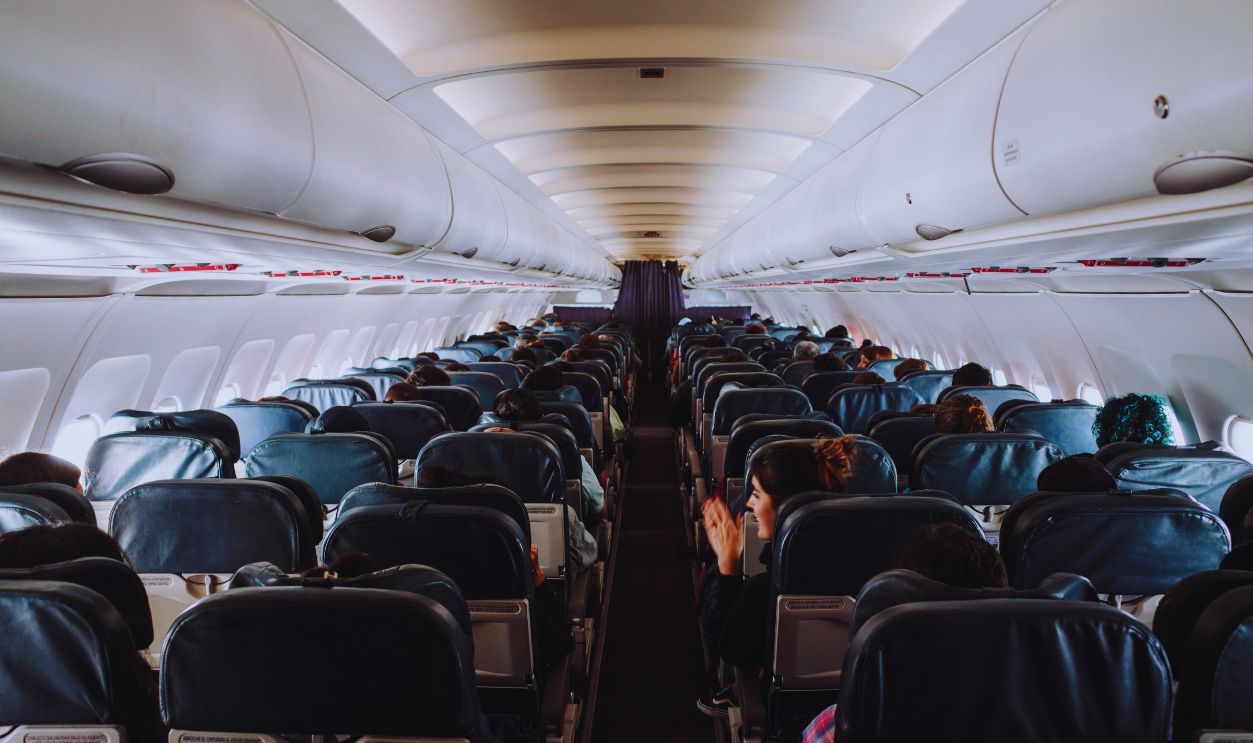
Travelers often assume a gate agent has a magic button to rearrange everyone. Sometimes there simply are no adjacent seats left, especially on a full flight after upgrades, standby clearances, and equipment changes. In those situations, the airline may ask for volunteer seat swaps because there is no clean seating solution left in the system.
The Awkward Swap Request
This is where tensions rise fast. A parent is stressed, a stranger is being asked to give up a better seat, and the crew is trying to depart on time. The FAA has explicitly noted that these onboard negotiations can create pressure and delay, which is one reason regulators want the issue addressed before boarding.
Is It Safe To Separate A Young Child
The FAA's position strongly suggests this is not a trivial inconvenience. The agency has said young children should be seated next to an accompanying adult whenever possible, partly because emergencies and routine in-flight needs are harder to manage when families are separated. Safety and supervision are central to the concern.

What Airlines Usually Promise
Most airline policies do not promise any seat a family wants. Instead, they generally promise to try to place a child next to at least one accompanying adult without additional fees if adjacent seats are available. That is better than nothing, but it is very different from a blanket guarantee.

What Acceptable Really Means
If by acceptable you mean common under current airline practice, then yes, it has happened often enough to trigger federal intervention. If by acceptable you mean ideal, fair, or passenger-friendly, federal officials have made clear they do not think families should be forced into this position. The policy trend is moving against the old shrug-and-swap approach.

What Parents Should Do Before Booking
Check the airline's family seating policy on its website before you buy the ticket. Then compare it with the DOT family seating dashboard, which gives a more standardized summary of airline commitments. If sitting together is essential, the safest move is often to avoid fares that do not include seat selection.

What To Do Right After Booking
Do not wait until check-in day and hope for the best. Review the seat map immediately and contact the airline if the family has been split up. The FAA specifically recommends reaching out to the carrier in advance rather than relying on an airport fix.

What To Do At The Airport
If the issue is still unresolved, speak to the airline before boarding starts. Be calm, be specific, and explain the child's age and which adult must sit with them. The earlier the airline knows, the better the chance of solving it without putting other passengers in the middle.

What To Do If You Are Asked To Swap
If another family asks you to switch seats, you are generally not obligated to say yes. That said, many travelers do help when the trade is fair and the child is young. A polite request and an equivalent seat usually go much farther than pressure or guilt.
If The Airline Charges You Extra
Save screenshots, booking records, and any messages showing the seating issue. If the airline's published policy or DOT-listed commitment appears to have been ignored, documentation matters. You can use that record in a complaint to the airline and, if needed, to the U.S. Department of Transportation.

How To File A Complaint
The DOT accepts aviation consumer complaints through its website, and those reports are one of the ways regulators track recurring problems. Include the flight date, airline, confirmation number, the ages of the children involved, and what happened when you asked for help. Specific details are much more useful than a general complaint.

The Bottom Line For Families
So, is it really acceptable for an airline to seat your child next to a stranger and say a swap is not guaranteed. Under the system that has existed for years, it has been possible, but federal agencies and Congress have increasingly signaled that it should not be the norm. For now, families still need to plan aggressively, document problems, and know that the rules are improving but not yet airtight.