When A Border Mistake Ruins The Trip
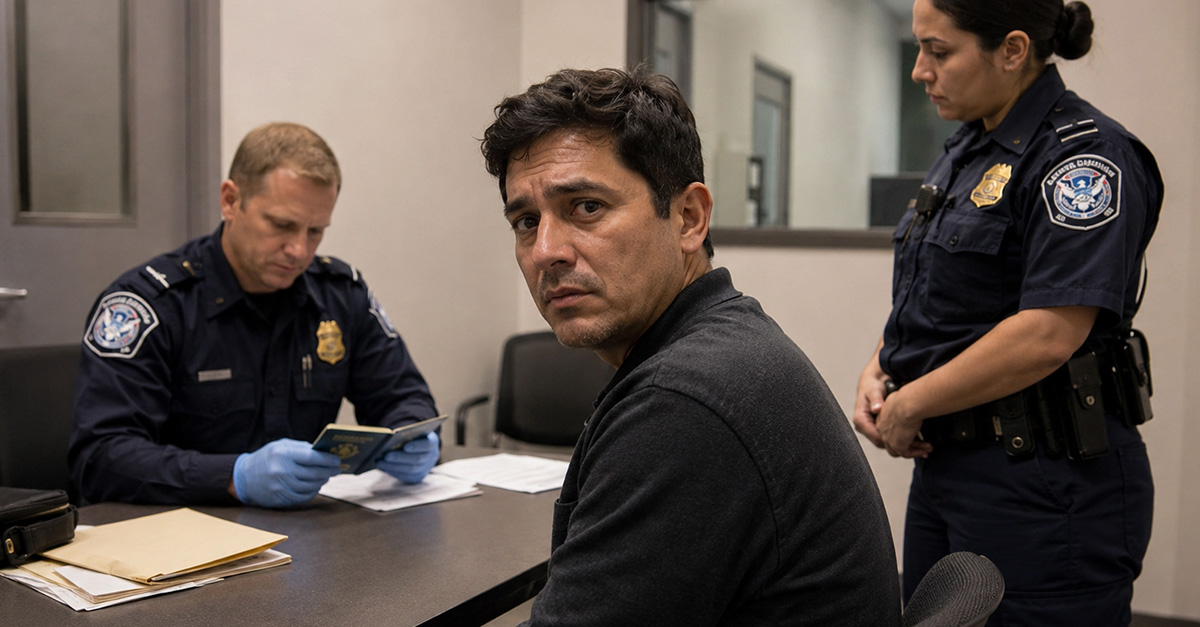
Getting detained at the border is nobody’s idea of a vacation highlight. One minute you’re picturing tacos, castles, beaches, or duty-free snacks. Next, you’re in a secondary inspection room explaining a typo you didn’t make. So yes, it feels deeply unfair. But does unfair automatically mean compensation? Not always.

First, Take A Breath
Border delays are stressful, embarrassing, and sometimes expensive. You may miss flights, hotels, tours, or family events. Still, the first question is not “Who owes me?” It is “What exactly happened?” The answer depends on who made the mistake, what damage it caused, and whether anyone acted negligently.

A Mistake Is Not Always A Paycheck
Here is the frustrating truth: a mistake on travel documents does not automatically create a right to compensation. Governments and airlines usually have rules that protect them from paying for every delay. To recover money, you often need to show a real loss and a clear link to someone else’s error.

Who Made The Error?
Start by identifying the source. Was your passport printed incorrectly? Did a visa office enter the wrong date? Did an airline employee mistype your name? Did a travel agency submit bad information? Or did border officers misread a valid document? Each possibility points to a different complaint path.
Your Passport Matters Most
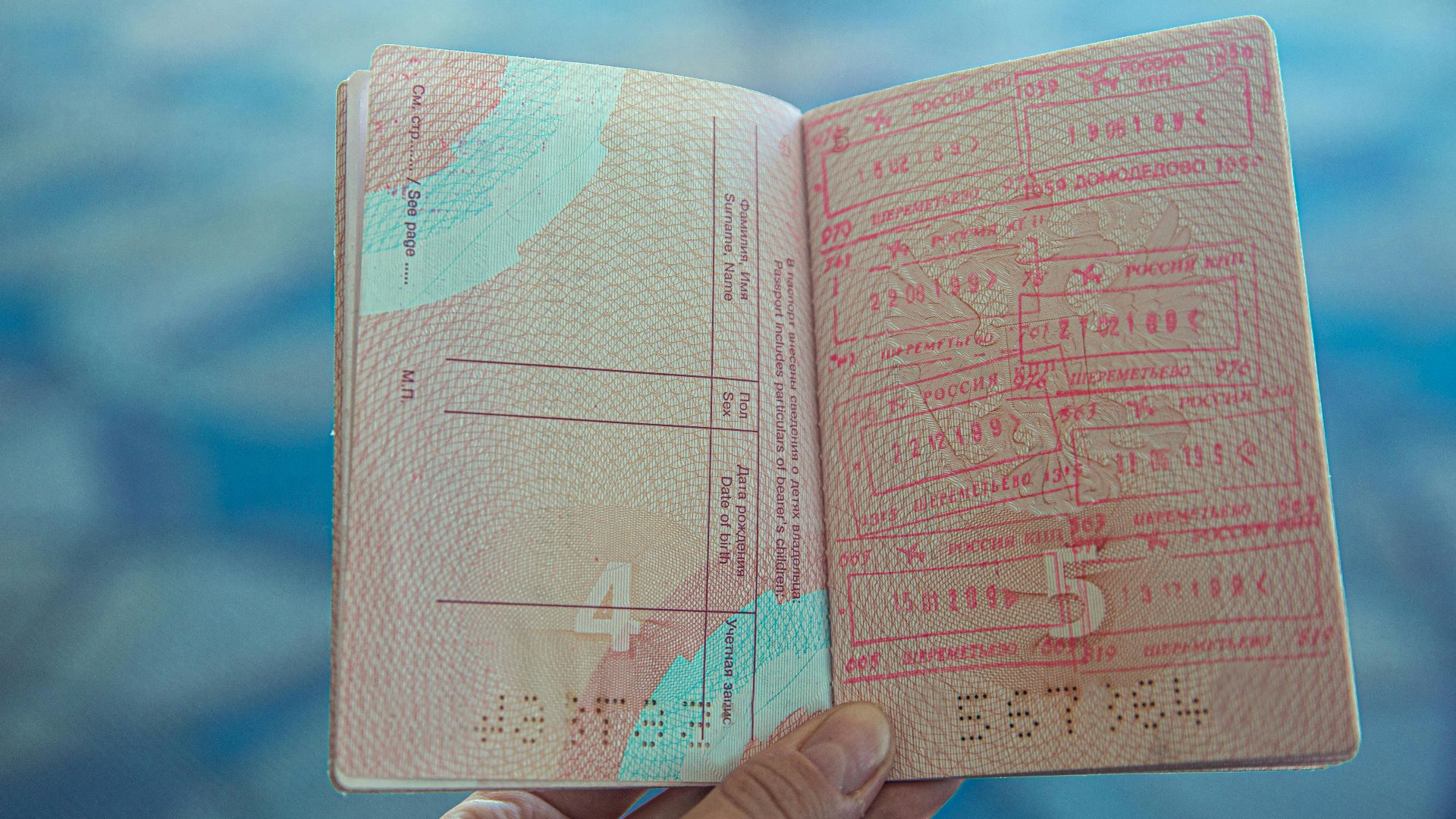
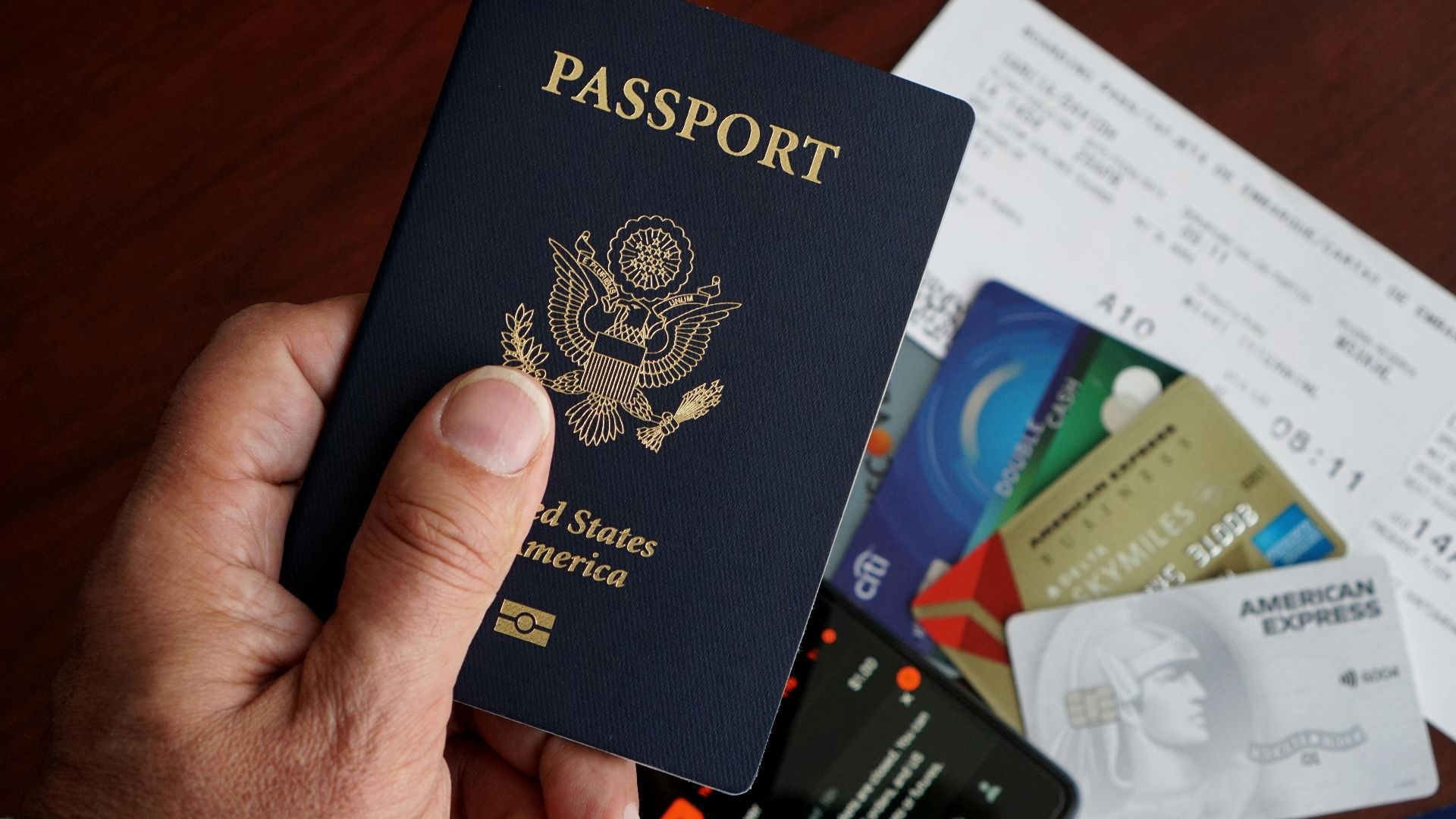
For Americans, the passport is the golden ticket. If your U.S. passport contains an official printing error, the State Department may be able to fix it. But compensation for missed plans is another story. Government agencies usually focus on correcting the document, not reimbursing your ruined weekend in Rome.
Visa Errors Can Get Messy
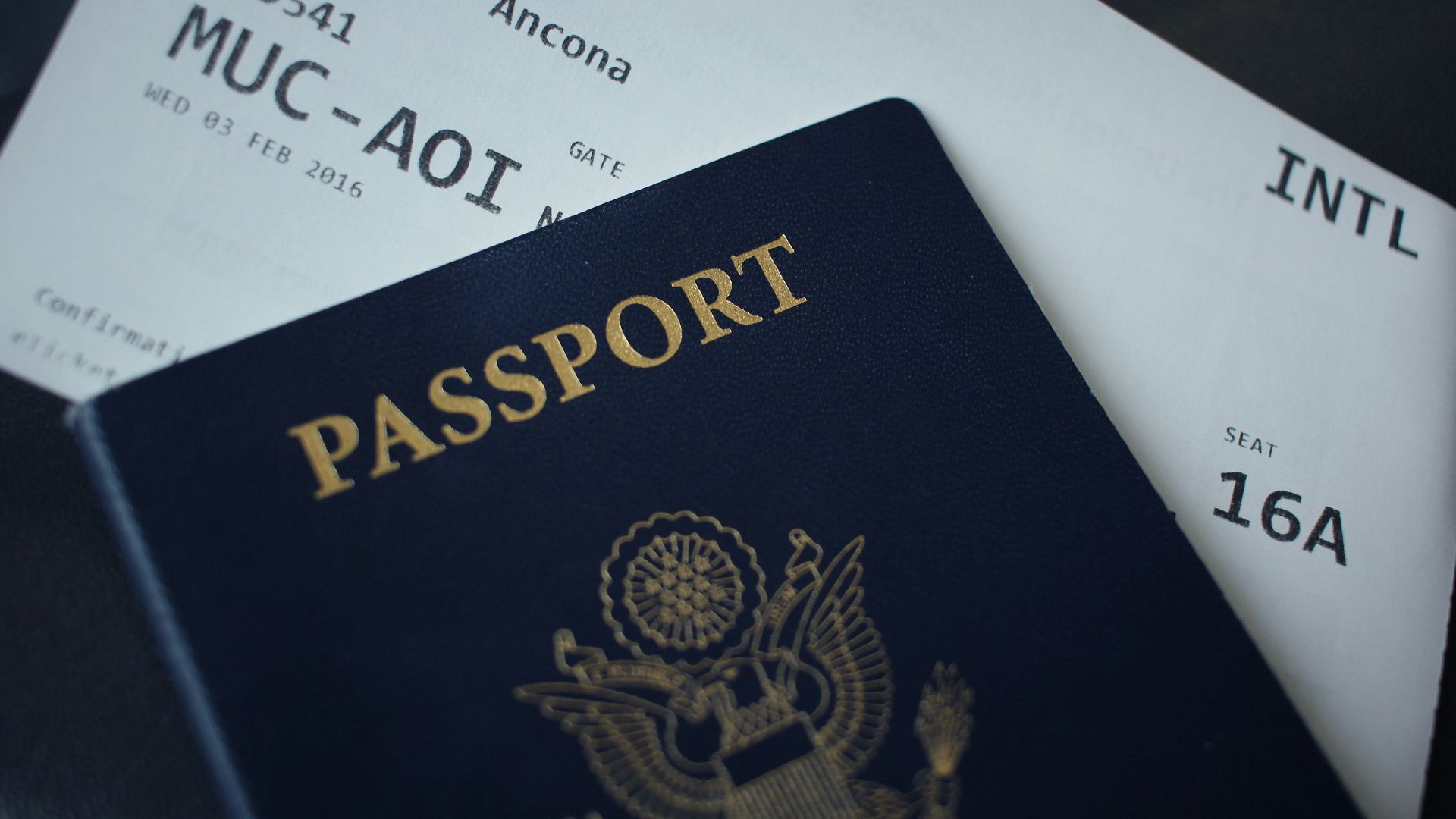
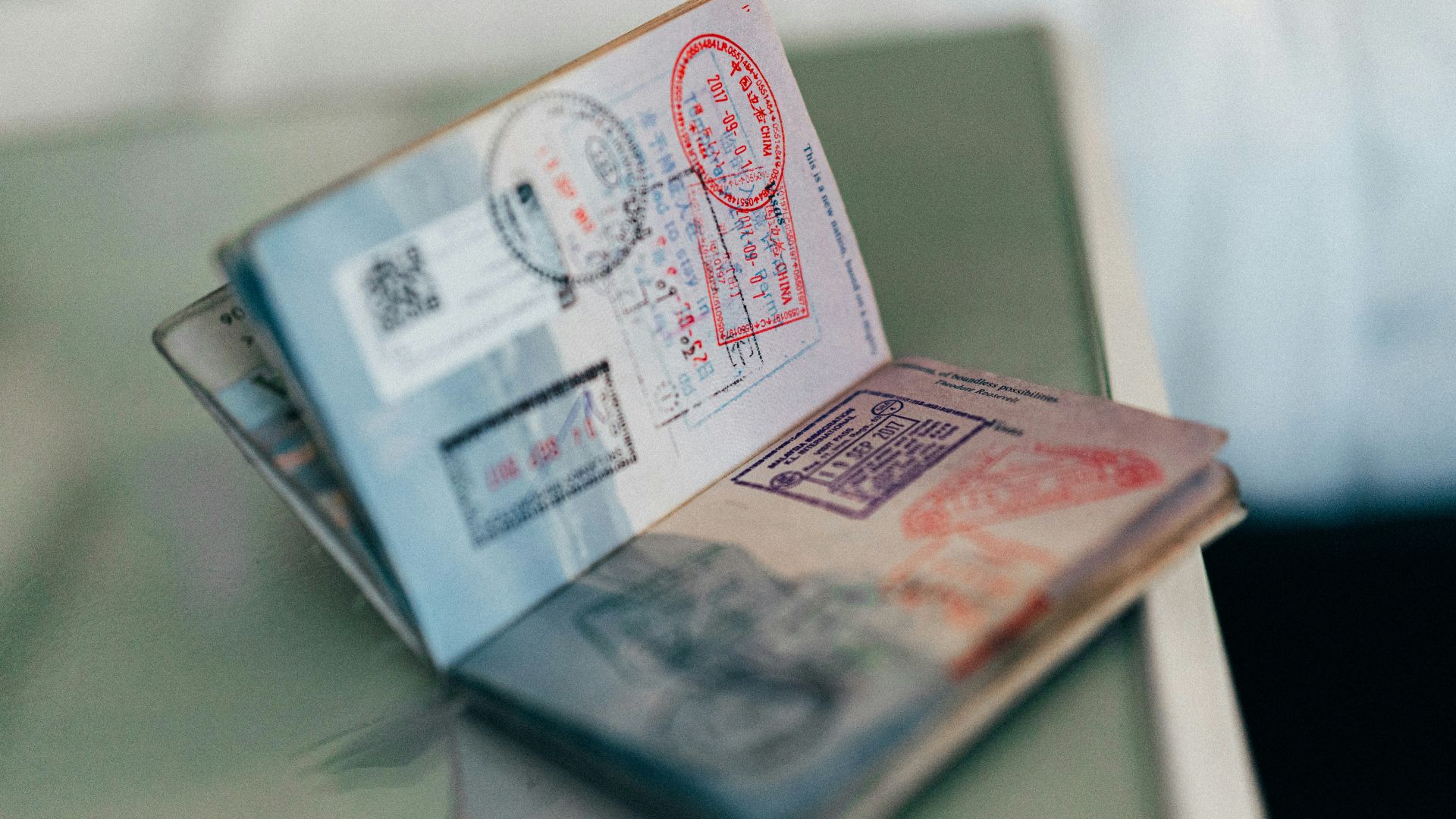
Visa mistakes are especially tricky because different countries control their own entry rules. If a foreign consulate issued a visa with the wrong name, date, or category, you may need to deal directly with that consulate. Unfortunately, foreign governments are not always easy to hold financially responsible.
 Kit (formerly ConvertKit), Unsplash
Airline Typos Are Different
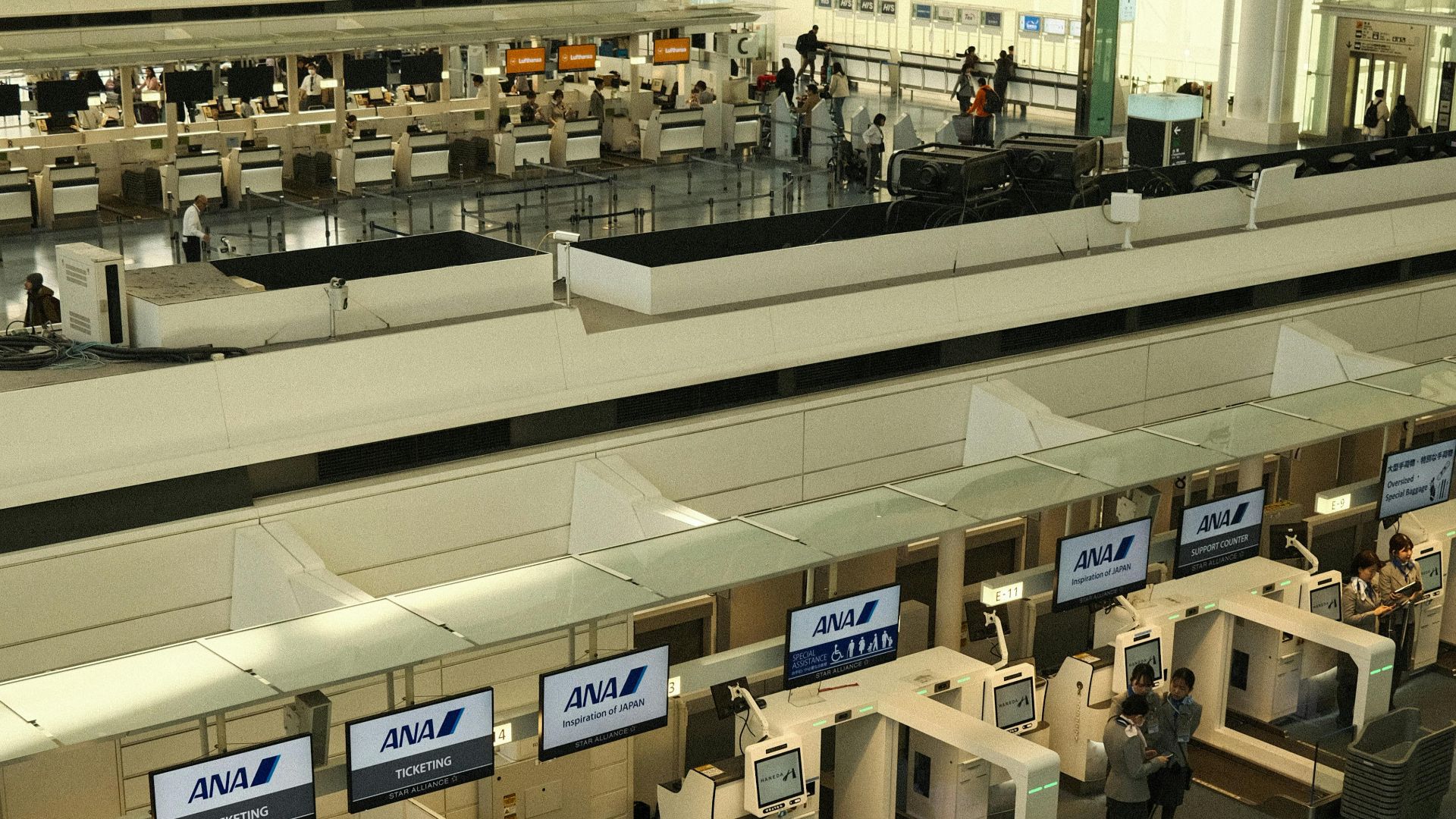
If an airline or booking platform entered your information incorrectly, you may have a stronger customer service argument. Airlines often say passengers must check details before travel, but that does not end the conversation. If you can prove their staff caused the error, ask for refunds, rebooking, or reimbursement.
Travel Agents Are Not Off The Hook
A travel agent, tour company, or visa service that submitted the wrong information may be responsible under its contract or terms of service. Before demanding cash, read the fine print. Some companies limit liability, but a polite, evidence-heavy complaint can still produce credits, refunds, or insurance support.

Border Officers Have Broad Power
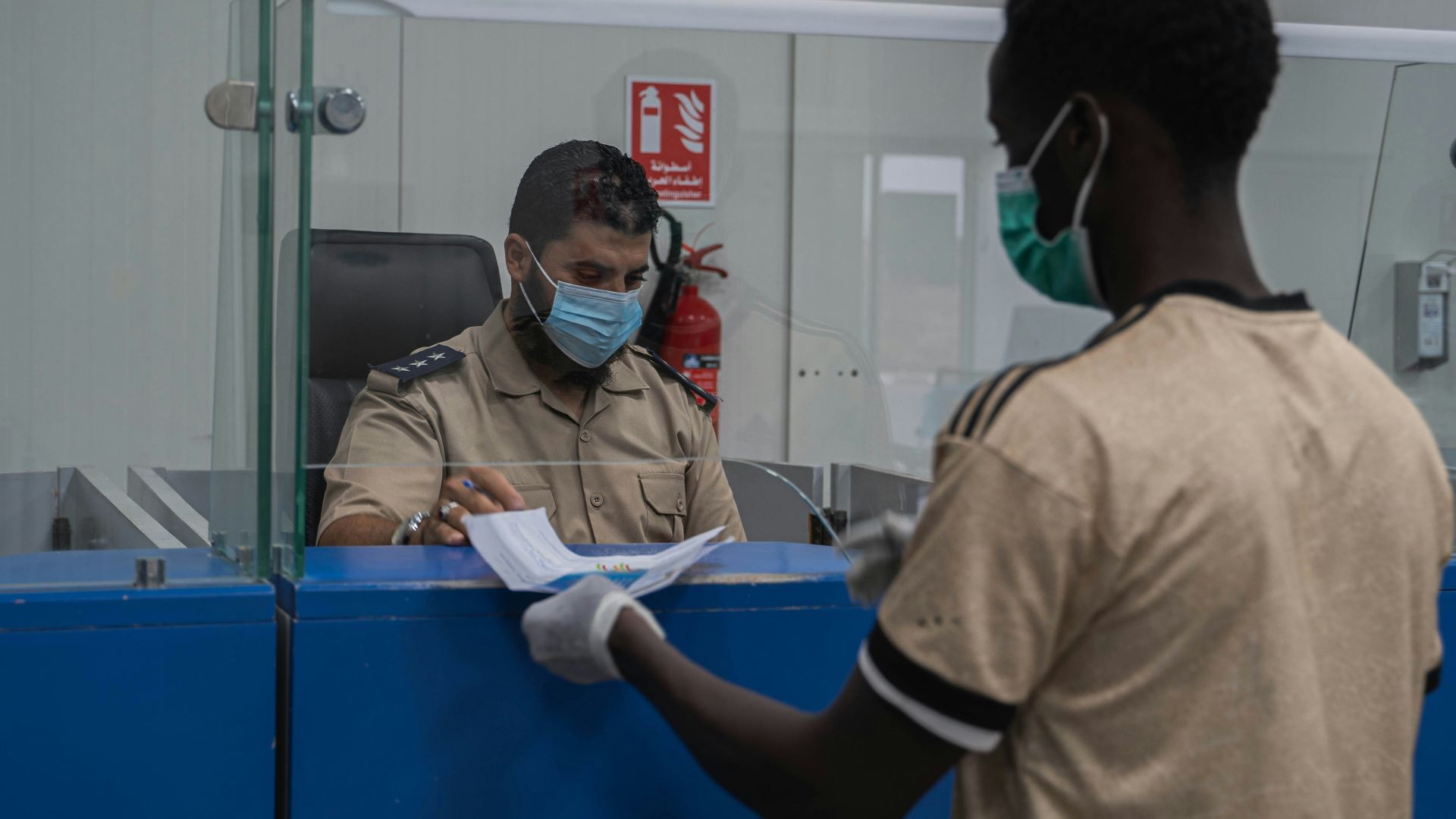
U.S. border officers and foreign border officials have wide authority to question travelers, inspect documents, and delay entry while they verify information. That can feel personal, but legally, border screening is treated differently from ordinary customer service. A delay alone usually is not enough for automatic compensation.

Detained Does Not Always Mean Arrested
Travelers often use “detained” to describe any forced wait in secondary screening. Legally, there is a difference between being delayed, questioned, refused entry, or formally arrested. That distinction matters. A long, uncomfortable wait may be lawful, even if the original paperwork problem was not your fault.
Keep Every Scrap Of Proof
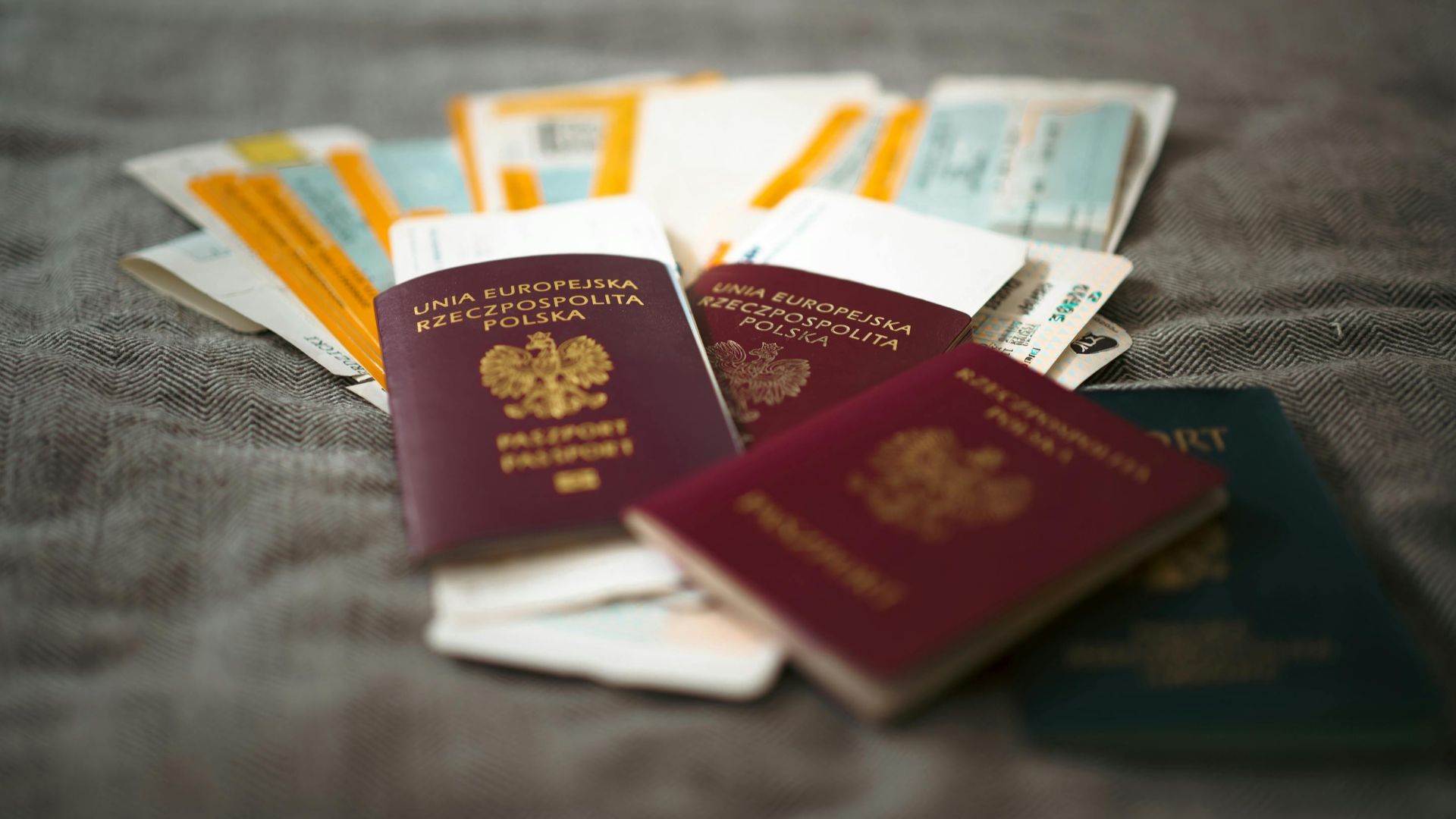
Your best friend is documentation. Save boarding passes, passport scans, visa pages, emails, receipts, hotel cancellation notices, missed flight records, and names of officials or airline employees. Write a timeline while the details are fresh. Boring paperwork can become your superhero cape later.
Ask For The Reason In Writing
When possible, ask why you were delayed or refused. You may not get a detailed explanation, especially at the border, but request any available written notice. A vague memory of “they said something about the date” is weaker than a document showing the exact issue.

Check Your Travel Insurance
Travel insurance may help with missed flights, extra hotel nights, or trip interruption costs. But policies vary wildly. Some cover document theft or lost passports, while others exclude government delays or paperwork errors. Call the insurer quickly and ask what proof they need before tossing any receipt.

Credit Card Benefits May Help
Many premium credit cards include trip delay or interruption benefits. These benefits often require that you paid for the trip with that card. They may not care who made the document mistake; they care whether your situation fits the policy. It is worth checking before giving up.

File A Complaint With The Right Place
If U.S. Customs and Border Protection was involved, you can use CBP customer service channels. If you are repeatedly delayed during U.S. travel screening or border crossings because of mistaken identity or records, DHS TRIP is the official redress program. It is about fixing the problem, not handing out vacation cash.

DHS TRIP Is Not A Magic Wand
DHS TRIP can help correct recurring travel-screening issues, especially when you are repeatedly sent to secondary inspection or confused with someone else. It may lead to a redress control number. But it is not designed as a general compensation desk for missed cruises, hotel deposits, or emotional stress.

Compensation Usually Needs Damages
To ask for money, you need actual damages. That means measurable losses: a missed nonrefundable flight, extra lodging, rebooking fees, or lost prepaid tours. “I was upset” may be true, but it is harder to price. Keep your request tied to dollars you can prove.

Negligence Is The Big Word
In many claims, the key question is negligence. Did someone have a duty to handle your documents correctly? Did they fail? Did that failure directly cause your loss? If the answer is yes, you may have leverage. If the mistake was harmless or partly yours, the case gets weaker.

Suing The Government Is Complicated
If a U.S. federal employee’s negligence caused property damage, personal injury, or certain financial losses, the Federal Tort Claims Act may provide a path. But it has strict rules, deadlines, and exceptions. This is not a casual “send me a check” process. Legal advice may be smart.

Deadlines Can Bite
Government claims often have short, unforgiving deadlines. Airlines, insurers, and travel companies also set filing windows. Do not wait six months while rage-aging like cheese. File complaints promptly, even if you are still gathering documents. You can usually supplement your file later.

Be Polite, But Specific
The best complaint letters are calm, clear, and painfully organized. Explain what happened, identify the mistake, attach proof, and ask for a specific remedy. “This ruined my life” is understandable. “Please reimburse $684.22 for the attached rebooking fee caused by your data-entry error” works better.

Start With A Practical Ask
Do not begin with a lawsuit threat unless you really mean it. Start by asking for the simplest fix: corrected documents, refund, rebooking, fee waiver, travel credit, or reimbursement. Companies are more likely to solve a tidy problem than fight a dramatic manifesto.

Emotional Distress Is A Tough Sell
Being detained can be frightening, humiliating, and exhausting. Still, compensation for emotional distress is usually difficult unless the facts are extreme and legally actionable. For most travelers, the strongest claims are financial: missed transport, extra lodging, replacement documents, and unavoidable expenses.

What If You Were Treated Badly?
A document mistake is one issue. Mistreatment is another. If officers or staff were abusive, discriminatory, or reckless, document names, times, locations, and witnesses. File a formal complaint with the relevant agency or company. Serious misconduct may justify talking to an attorney, especially if you suffered major harm.
 Abdiel Hernandez Villegas, Pexels
Prevent The Sequel
Before your next trip, compare every document carefully: passport name, visa name, date of birth, passport number, expiration date, and entry dates. Check airline tickets against your passport, not your nickname. If anything looks off, fix it before you reach the airport drama machine.

When To Call A Lawyer
Call a lawyer if you lost significant money, were denied entry, were held for an unusually long time, were harmed, or believe discrimination or official negligence was involved. A short consultation can tell you whether you have a real claim or just a deeply annoying travel story.

The Bottom Line For Travelers
You may be owed compensation, but not simply because the mistake was not yours. The winning formula is proof, responsibility, damages, and the right complaint channel. Get the document fixed, preserve your receipts, file quickly, and ask clearly. Border chaos is awful, but paperwork power is real.
You May Also Like:
States With The Most Loyal Residents—And Why They Never Leave