The Complaint That Took Off
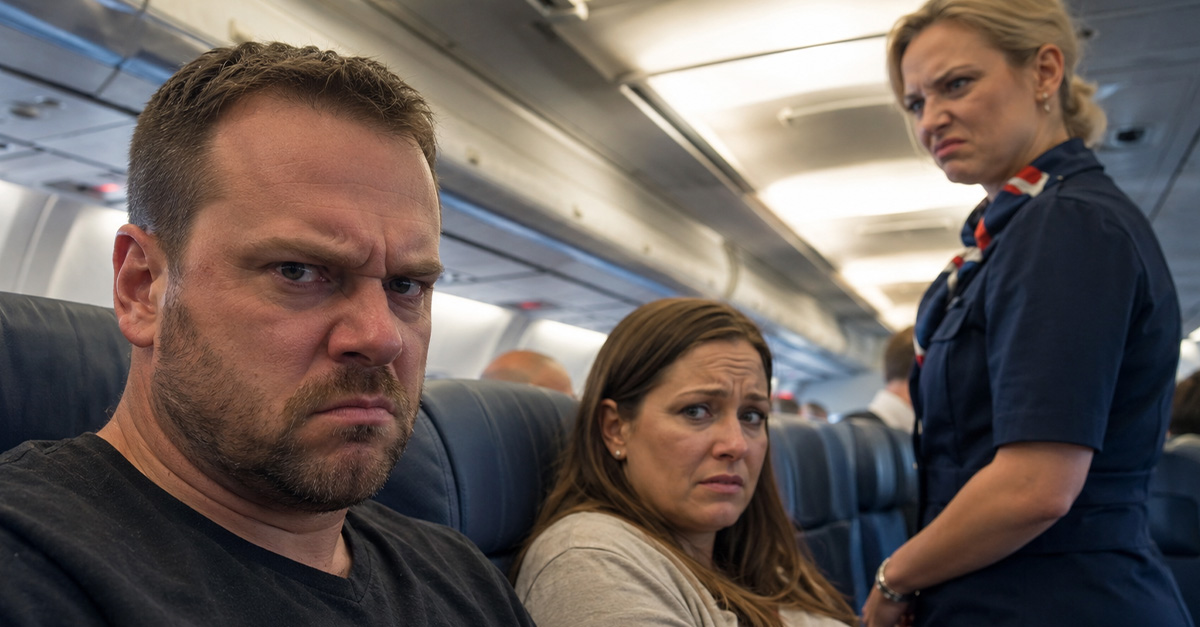
It started like many travel dramas do: with a cramped cabin, frayed nerves, and a flight attendant who, according to one passenger, treated his wife rudely. After landing, he complained to the airline. Then came the shocking twist: the family says they were blacklisted from flying with that airline again.
Can An Airline Really Ban You?
Yes, an airline can ban passengers in certain situations. Airlines have broad authority to refuse transport when they believe someone may be unsafe, disruptive, abusive, or unwilling to follow crew instructions. The U.S. Department of Transportation notes airlines can refuse transport for reasons including interference with crew duties.
But Complaining Is Not A Crime
Here’s the important part: filing a polite complaint is not the same as causing a scene. Passengers are allowed to report rude service, discrimination, safety concerns, or unfair treatment. The DOT even has an official airline complaint process that forwards complaints to airlines and tracks patterns.

The Sky Has Rules
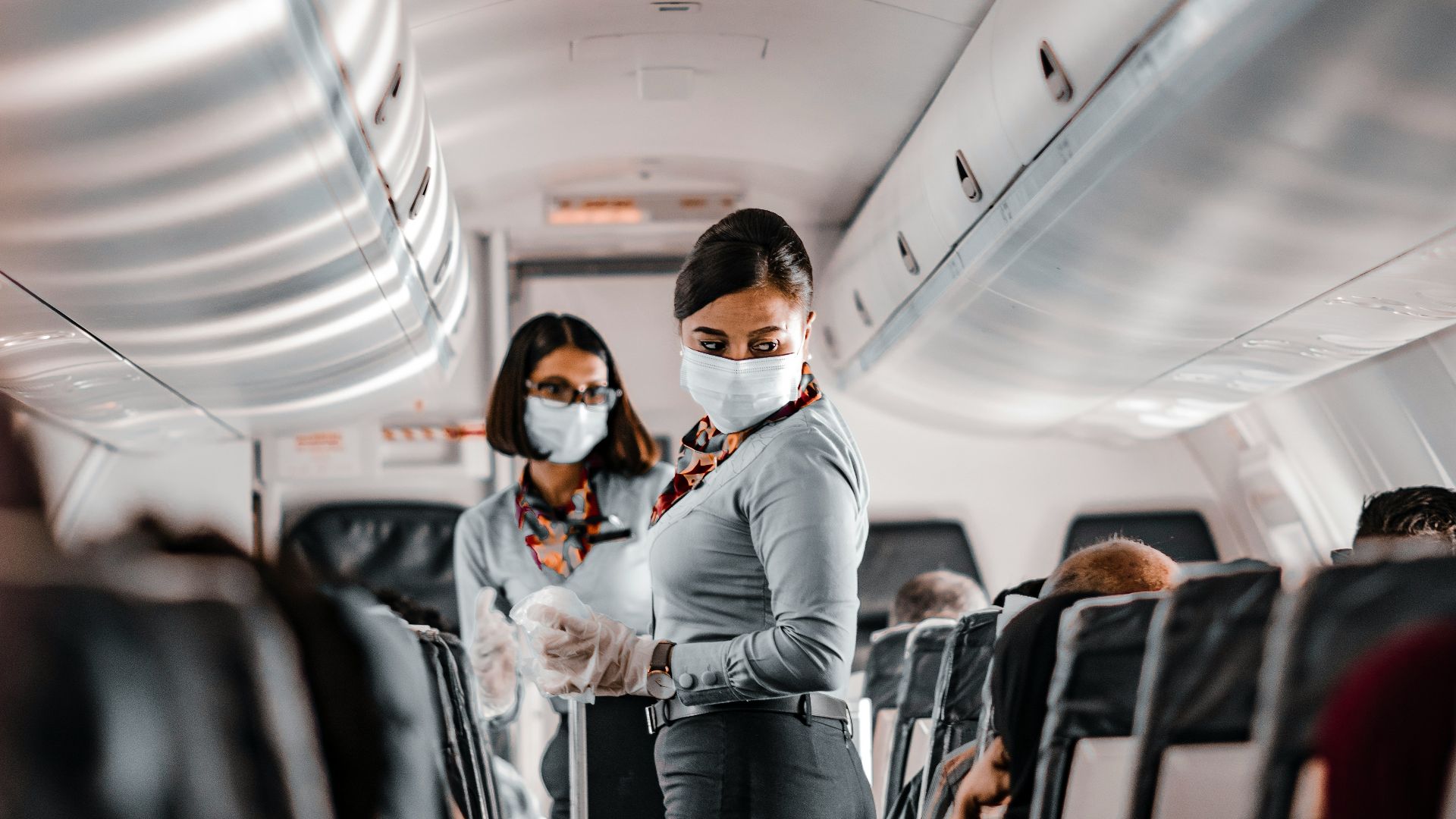
Air travel is not like sitting in a coffee shop and arguing over a cold latte. In the air, crew authority matters. Flight attendants are responsible for safety, not just snacks. If a passenger threatens, harasses, or refuses instructions, the airline may treat that as a serious issue.

The Contract You Never Read
When you buy a ticket, you agree to the airline’s contract of carriage. It is not glamorous reading. Nobody prints it for beach vacation prep. But it matters because it explains when the airline can deny boarding, remove passengers, cancel tickets, or refuse future transport.

A Blacklist Sounds Dramatic
“Blacklisted” sounds like something from a spy movie, but airlines may simply call it an internal no-fly list or refusal-to-transport list. It is different from the federal no-fly list. One is an airline company decision; the other is a government security matter.
Family Bans Are Trickier
Banning the person who allegedly behaved badly is one thing. Banning an entire family is another. If the wife and children did nothing wrong, the airline should have a clear reason. Otherwise, the decision may look unfair, retaliatory, or poorly handled.
Was The Complaint Heated?
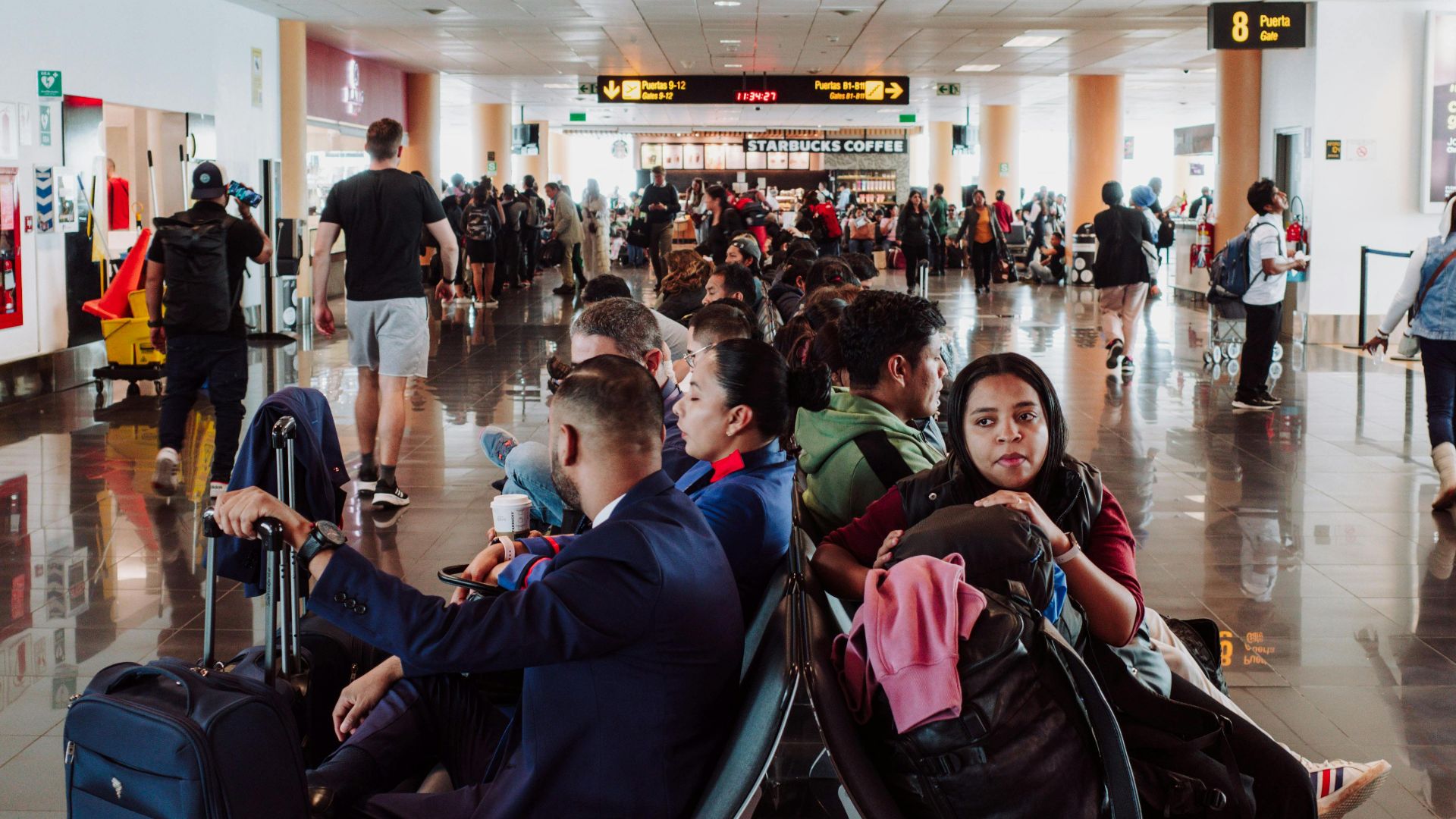
This is where details matter. Did the passenger send a calm email? Did he threaten staff? Did he post names online? Did he shout at the gate? Airlines may see aggressive behavior very differently from a customer who simply says, “Your employee was rude.”

Tone Can Change Everything
A complaint that says, “I’m disappointed and want this reviewed” is very different from “You’ll regret this.” The first sounds like customer service. The second sounds like a security file. In airline world, words can travel faster than checked luggage.

Airlines Fear Escalation
Since 2020, airlines and regulators have been especially alert to unruly passenger behavior. The FAA tracks and investigates incidents reported by crews, and airlines have become more willing to act early when they think a traveler could create a safety problem.
The Crew Gets The Benefit Of The Doubt
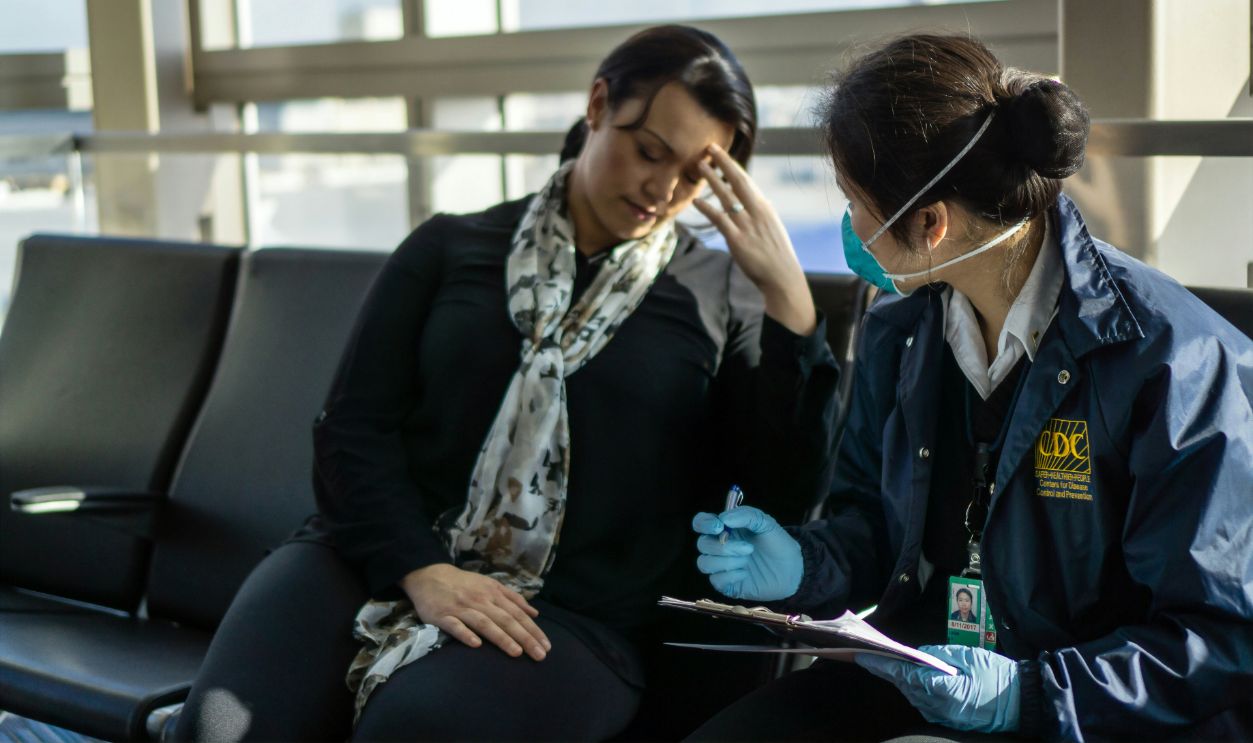
Fair or not, airlines often give serious weight to crew reports. If a flight attendant says a passenger was abusive or disruptive, the airline may act before hearing the passenger’s full side. That can feel maddening, especially when the passenger believes the crew caused the problem.
 Ismail Mohamed - SoviLe, Unsplash
Retaliation Would Be A Problem
If the airline truly banned the family only because they complained, that is a different story. Companies can protect employees from abuse, but punishing customers for using a complaint process is hard to defend. The key question is whether the airline had another legitimate reason.
Ask For The Reason In Writing
The family should ask the airline for a written explanation. Not a phone call. Not a vague “security concern.” A written response helps reveal whether the ban is based on behavior, a crew report, a misunderstanding, or a customer service meltdown that got wildly out of hand.

Keep The Receipts
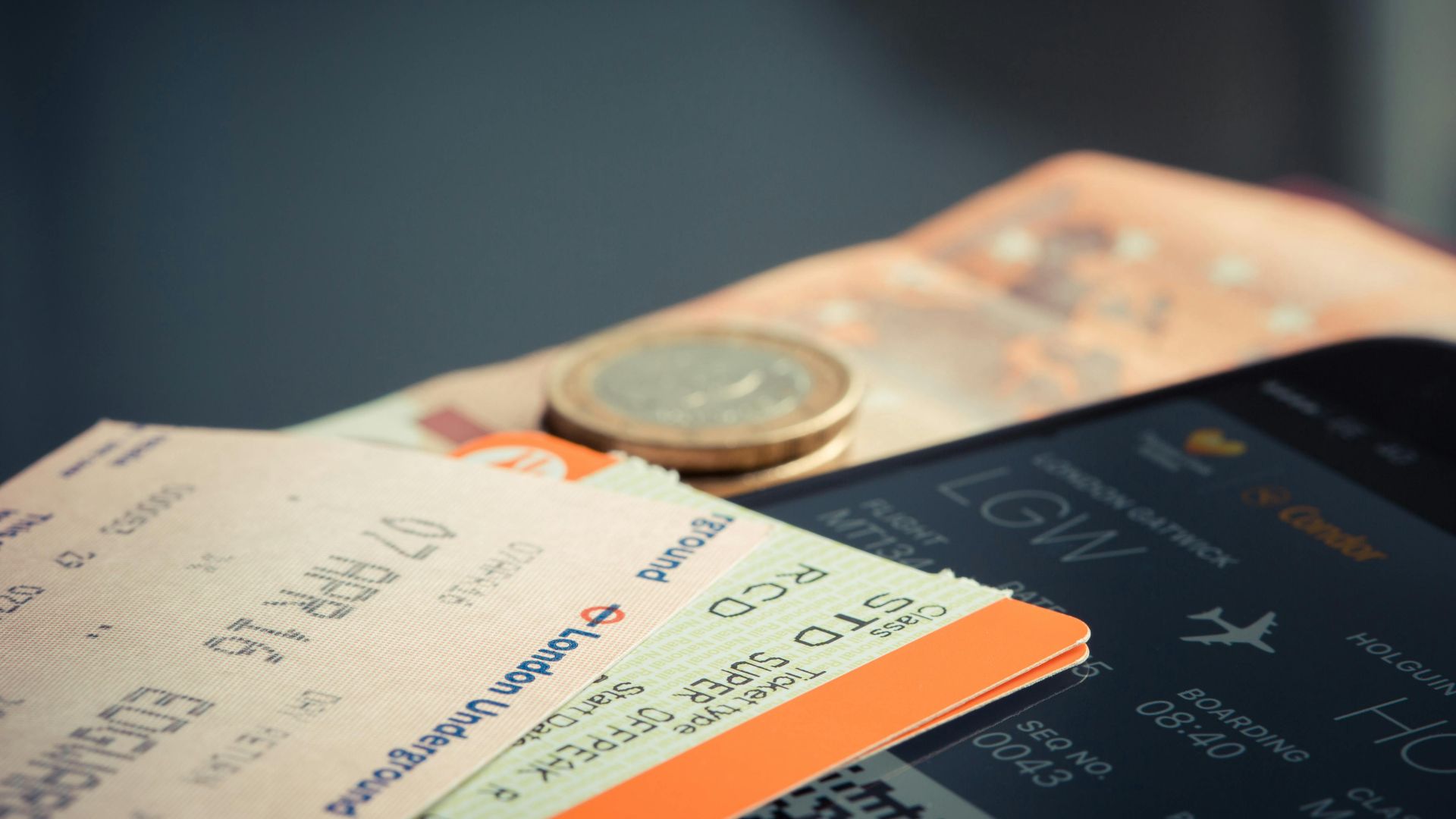
Every email, chat transcript, boarding pass, case number, and screenshot matters. If the passenger complained calmly, those records help. If the airline replied vaguely, that matters too. Travel disputes are often won by the person with the neatest paper trail.
Do Not Make It Worse
This is the moment to resist the urge to fire off a spicy email. No insults. No threats. No “I’ll destroy you online.” The smarter move is boring but powerful: calm language, dates, flight numbers, names if known, and a clear request for review.

File A DOT Complaint
For U.S. air travel, passengers can file a complaint with the Department of Transportation’s Office of Aviation Consumer Protection. DOT forwards complaints to the airline and requires a response to the consumer, with a copy to DOT.
Look At The Airline’s Rules
Before arguing, read the airline’s contract of carriage. Search for phrases like “refusal to transport,” “abusive behavior,” “crew interference,” “safety,” and “denied boarding.” The airline may cite one of these sections when defending its decision.

Children Should Not Be Collateral Damage
If children were included in the ban, the family should challenge that specifically. Ask what conduct by each family member justified the restriction. A blanket family ban may be easier for the airline administratively, but that does not automatically make it fair.
A Lawyer May Help
If the ban affects major travel plans, business, custody arrangements, disability access, or international travel, legal advice may be worth it. This does not mean storming into court immediately. Sometimes a carefully written attorney letter gets more attention than ten angry emails.

Small Claims Is Sometimes An Option
If the airline caused financial loss, such as canceled tickets or replacement flights, small claims court may be possible depending on the facts and the contract. But emotional frustration alone usually is not enough. Courts tend to want receipts, damages, and a clear breach.

Public Pressure Can Backfire
Posting the story online may feel satisfying, but it can also harden the airline’s position. If the post includes employee names, accusations, or heated language, the airline may use it as evidence that the passenger is hostile. Vent carefully, or better yet, wait.
What The Airline Should Do
A smart airline would review the crew report, the passenger complaint, any airport notes, and communication records. Then it should explain the decision clearly. A lifetime-style ban based on a single customer service complaint would be a public relations disaster waiting for boarding.

What The Passenger Should Request
The family should ask for three things: the reason for the ban, the length of the ban, and the appeal process. If the airline made a mistake, ask for reinstatement, refund of unusable tickets, and written confirmation that the family can book again.

So, Can They Really Do That?
Yes, airlines can ban passengers when there is a legitimate safety or conduct reason. But no, they should not ban an entire family simply because someone made a normal complaint about rude service. The airline needs a defensible reason, not just bruised feelings.
The Bigger Travel Lesson
Airline complaints work best when they are calm, specific, and documented. The goal is not to win the angriest email contest. The goal is to sound like the reasonable adult in the room, even if the room is technically a pressurized metal tube.
Final Boarding Call
So, can the airline blacklist the family? Maybe. Can it do so unfairly, vaguely, or as payback for a legitimate complaint? That is where passengers should push back. Ask for the reason, file with DOT, save everything, and keep the tone smoother than a first-class landing.
You May Also Like:
I booked a flight, but hidden fees doubled the price. Is that actually legal?
Chief Pontiac’s Brutal Fight For Freedom
My flight was canceled, but I couldn’t get a refund. Is that legal? How do I get my money back?