The Cheap Flight Trap: Why Budget Airfare Often Costs More Than You Expect
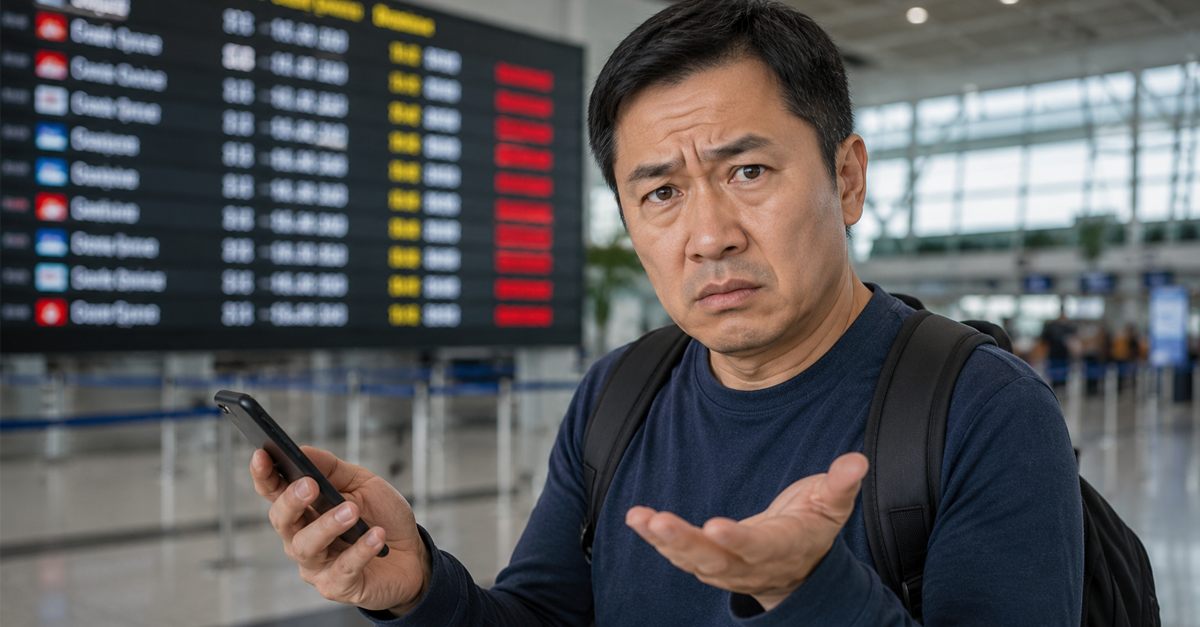
I thought I scored the perfect travel deal when I found a flight advertised for just $39. But by the time I went to check out, the price had tripled. Suddenly there were baggage fees, seat selection charges, booking costs, and taxes that barely appeared in the original fare. What seemed like a bargain quickly started to feel like a classic bait-and-switch, and it raised an obvious question: how much of the real price are airlines actually allowed to hide?
Budget Airlines Love The Attention-Grabbing Price
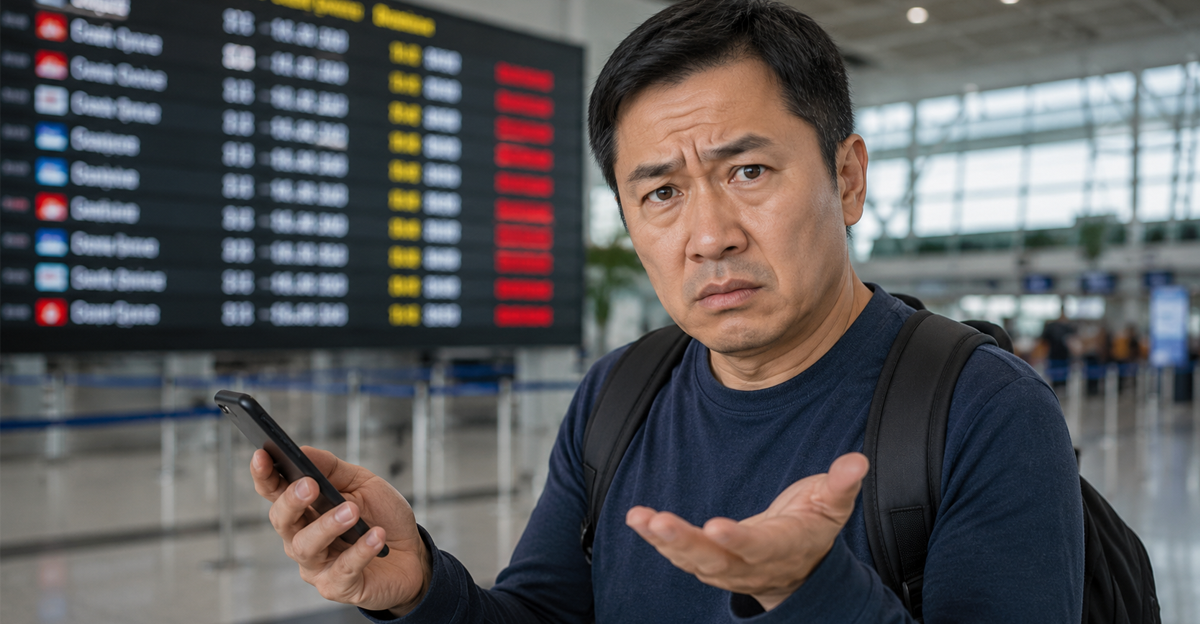
Low-cost carriers compete fiercely for travelers searching online for the cheapest possible airfare. Airlines know that a super low advertised fare grabs attention and increases clicks. Once customers are invested in the booking process, many continue even after fees pile up. The strategy has become a standard part of the ultra-low-cost airline business model.

The Base Fare Is Often Only Part Of The Real Cost
The advertised ticket price usually covers only the seat itself. Almost everything else may cost extra, including checked bags, carry-on luggage, seat assignments, snacks, printing boarding passes at the airport, and even customer service assistance. Some airlines charge more for changes or cancellations than the original ticket cost. Travelers often discover these fees only after moving through several booking screens.

Taxes And Government Fees Are Usually Legitimate
Not every added charge is a sneaky airline trick. Governments and airports impose taxes and mandatory fees that airlines must collect from passengers. These can include airport improvement charges, security fees, and international departure taxes. In many countries, airlines are required to display those mandatory charges before payment is completed.

The Rules Depend On Where You Book
Consumer protection laws vary dramatically around the world. In the United States, airlines must display the full fare including mandatory taxes and fees when advertising prices. In Canada and the European Union, similar transparency rules also exist. However, optional add-ons such as baggage and seat fees can still appear later in the booking process.

The U.S. Has Strict Airline Advertising Rules
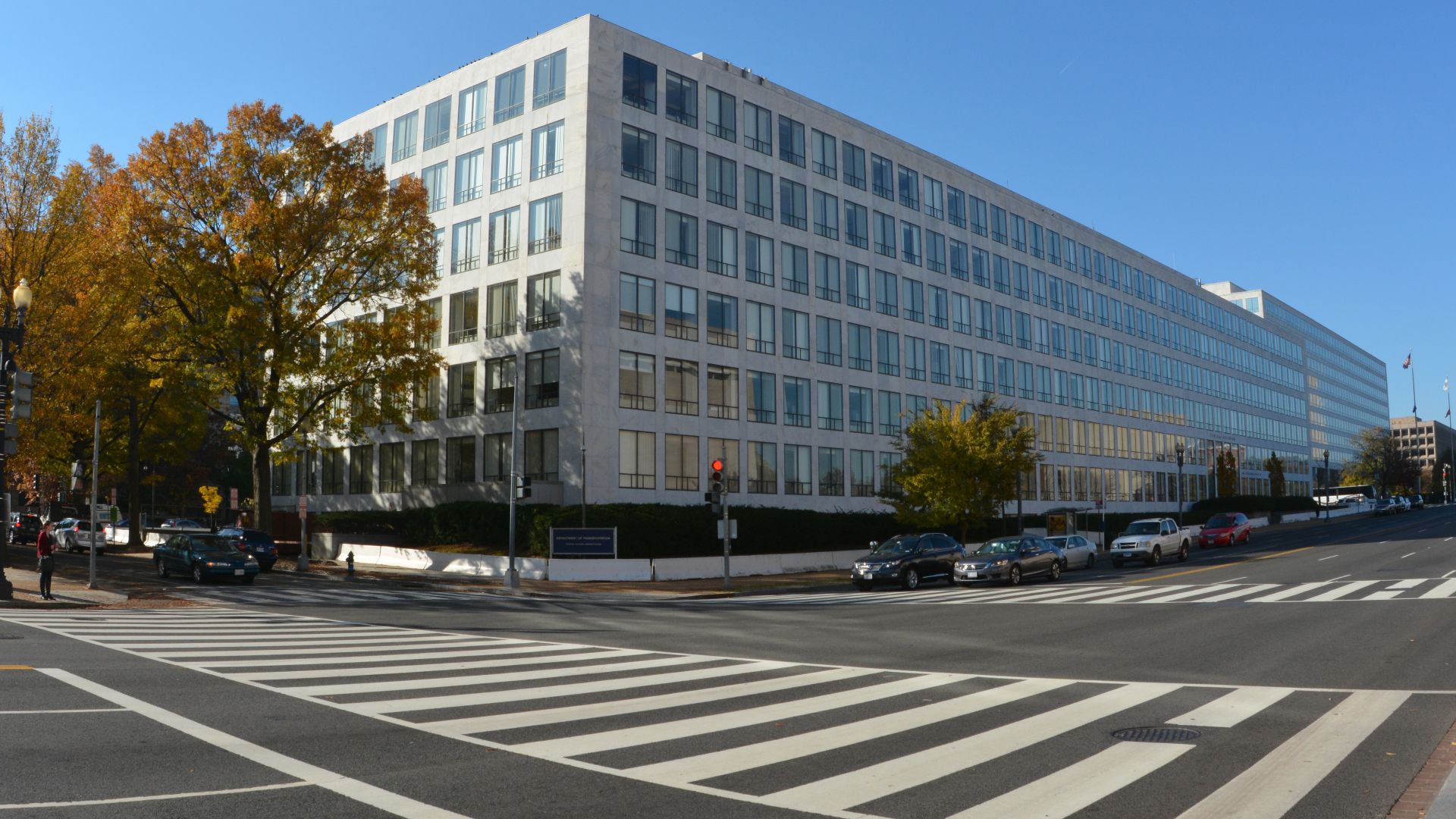
The U.S. Department of Transportation requires airlines and travel websites to advertise the total mandatory price upfront. That means the fare shown must already include taxes and unavoidable charges. Airlines cannot legally advertise a $39 ticket if every customer must pay another mandatory $40 fee afterward. Optional services can still be separated from the base fare.

Europe Also Cracked Down On Hidden Costs
European Union regulations require airlines to display the final ticket price from the beginning of the booking process. The rules were designed to stop misleading fare advertising that confused consumers. Airlines operating in the EU must clearly separate optional extras from unavoidable charges. Consumer groups in Europe continue to push for even more transparency.

Canada Introduced All-In Pricing Rules
Canada requires airlines to include all mandatory fees and taxes in advertised ticket prices. The Canadian Transportation Agency says advertised fares must represent the total amount a traveler must pay. Optional charges like baggage and seat selection can still be added separately. Many Canadian travelers still complain that the extras are not always obvious enough.

Those Cheap Flights Usually Come With Tradeoffs
Ultra-low-cost airlines intentionally separate services to keep the base fare low. Travelers who pack lightly and skip extras can sometimes save money. People traveling with families, luggage, or flexible schedules often end up paying much more than expected. The cheapest ticket is not always the cheapest overall trip.
Carry-On Bags Became A Huge Revenue Stream
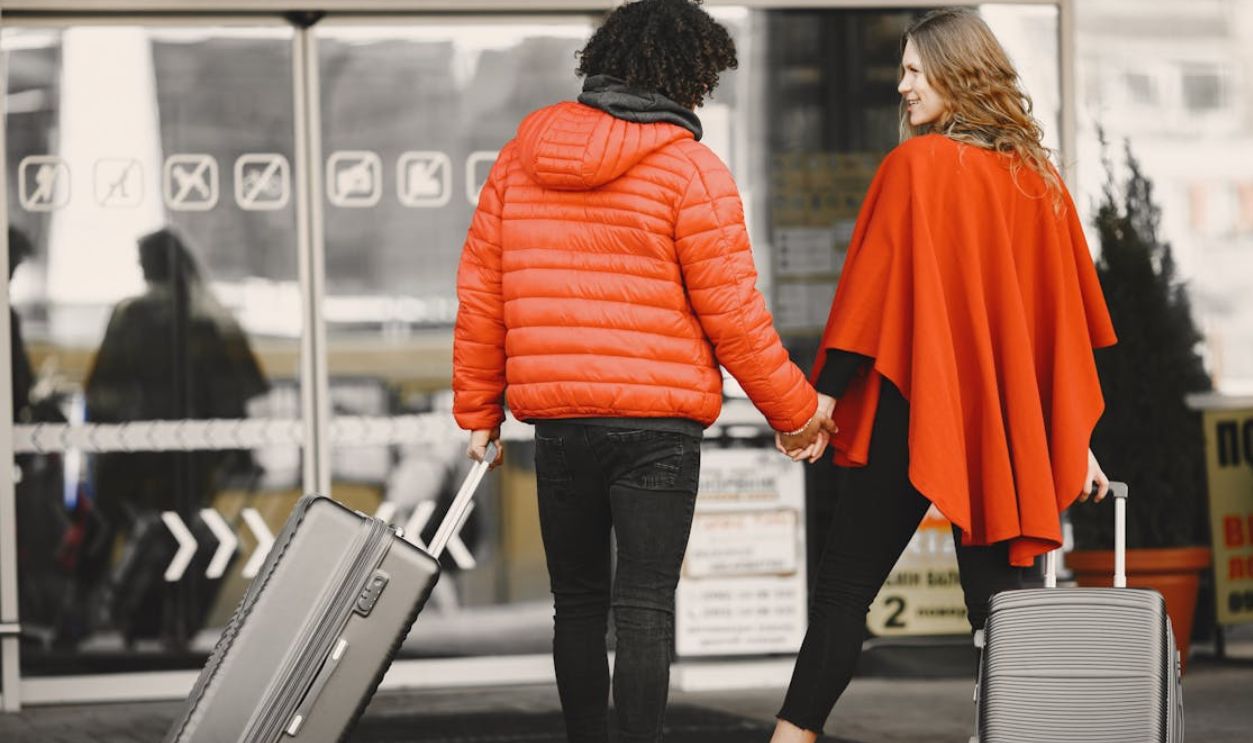
Many travelers assume a carry-on bag is included in the fare. Some budget airlines now charge substantial fees for overhead-bin luggage. In certain cases, the carry-on fee can cost more than the ticket itself. Airlines earn billions of dollars annually from baggage charges worldwide.

Seat Selection Fees Surprise Many Travelers
Paying extra to choose a seat has become extremely common. Families who want to sit together often feel pressured to pay these charges. Some airlines randomly assign seats for free, which can split up groups. Regulators in several countries have debated whether airlines should seat young children with parents at no additional cost.

Booking Fees Can Feel Especially Frustrating
Some airlines and travel sites add processing or booking fees near the end of checkout. These fees may vary depending on payment method or booking channel. Travelers often feel misled because the initial fare appears much lower than the actual final cost. Consumer advocates argue that these charges should be included earlier in the process.

Third-Party Booking Sites Add Another Layer
Online travel agencies sometimes display fares differently from airlines themselves. Additional service fees, booking charges, or upsells may appear after selecting the ticket. Some sites also make refunds and customer support more difficult. Booking directly with the airline can reduce surprises in many cases.

Dynamic Pricing Makes Everything More Confusing
Airline ticket prices constantly change based on demand, timing, and browsing behavior. A fare can increase while you are still comparing options. Some travelers mistakenly assume the airline is adding hidden fees when the price itself has simply changed. The fast-moving nature of airfare pricing adds to customer frustration.

Budget Airlines Defend The Practice
Low-cost carriers argue that unbundled pricing gives travelers flexibility. Customers who travel with only a small personal item can pay less than passengers who need more services. Airlines say optional fees allow travelers to customize their experience. Critics respond that the marketing often makes the true cost difficult to understand upfront.
 Manuel Camacho-Navarro, Pexels
Consumer Groups Want Stronger Transparency
Advocacy organizations have repeatedly pushed governments to simplify airline pricing. Critics argue that fee-heavy booking systems waste consumers’ time and undermine trust. Some groups want regulators to require clearer side-by-side comparisons of total travel costs. Others want baggage and family seating fees restricted altogether.

The Biden Administration Proposed New Rules
The U.S. Department of Transportation has proposed stricter rules requiring airlines to disclose baggage, cancellation, and change fees earlier in the booking process. Officials say travelers deserve to compare total prices before selecting a flight. Airlines have challenged some of these efforts in court. The debate over so-called junk fees continues across the travel industry.
 Don Ramey Logan, Wikimedia Commons
Hidden Hotel And Resort Fees Created Similar Problems
Airlines are not the only travel companies criticized for surprise charges. Hotels have faced backlash over resort fees and destination fees added during booking. Rental car companies and ticket sellers have also been accused of hiding costs until checkout. Governments worldwide are increasingly scrutinizing pricing transparency.

Reading The Fine Print Can Save Money
Experienced travelers know to inspect every step before completing a booking. Checking baggage rules, cancellation policies, and seat fees ahead of time helps avoid unpleasant surprises. Many budget airlines explain the fees clearly, but only in detailed terms and conditions. Taking a few extra minutes to review the rules can prevent expensive mistakes.

Travel Credit Cards Sometimes Offset Extra Costs
Some travel credit cards include benefits like free checked bags or travel credits. Frequent flyer memberships may also waive certain airline fees. Travelers who fly regularly can sometimes reduce costs through loyalty programs. Casual travelers may not receive the same savings.

Packing Light Is The Ultimate Budget Travel Hack
The easiest way to avoid extra fees is often to travel with less luggage. Many budget airlines allow one small personal item for free. Travelers who can fit everything into a backpack often save the most money. Minimalist packing has become almost essential for ultra-cheap airfare.

Screenshots Can Protect You During Booking
Taking screenshots of advertised fares and fee breakdowns can help if pricing disputes arise later. Some travelers have successfully challenged unclear charges with customer service or credit card companies. Documentation becomes especially useful when third-party booking sites are involved. Keeping records can make resolving problems easier.

Complaints About Airline Fees Keep Rising
Consumer frustration over airline fees has become a regular topic on social media and travel forums. Many passengers feel overwhelmed by constantly changing rules and extra charges. Others accept the system as the price of accessing cheap airfare. The divide reflects how differently travelers value convenience, transparency, and low prices.

Cheap Flights Are Real, But They Rarely Stay Cheap
Budget airfare can absolutely save money for flexible travelers who understand the rules. The problem starts when the advertised fare creates unrealistic expectations about the final price. Airlines are generally allowed to charge optional fees, but laws increasingly require them to be more transparent about mandatory costs. Before clicking “Book Now,” it pays to calculate the real total, not just the flashy number at the top of the screen.

You May Also Like:
I booked a flight, but hidden fees doubled the price. Is that actually legal?
My hotel added fees at checkout that weren't shown when booking. Can they do that?