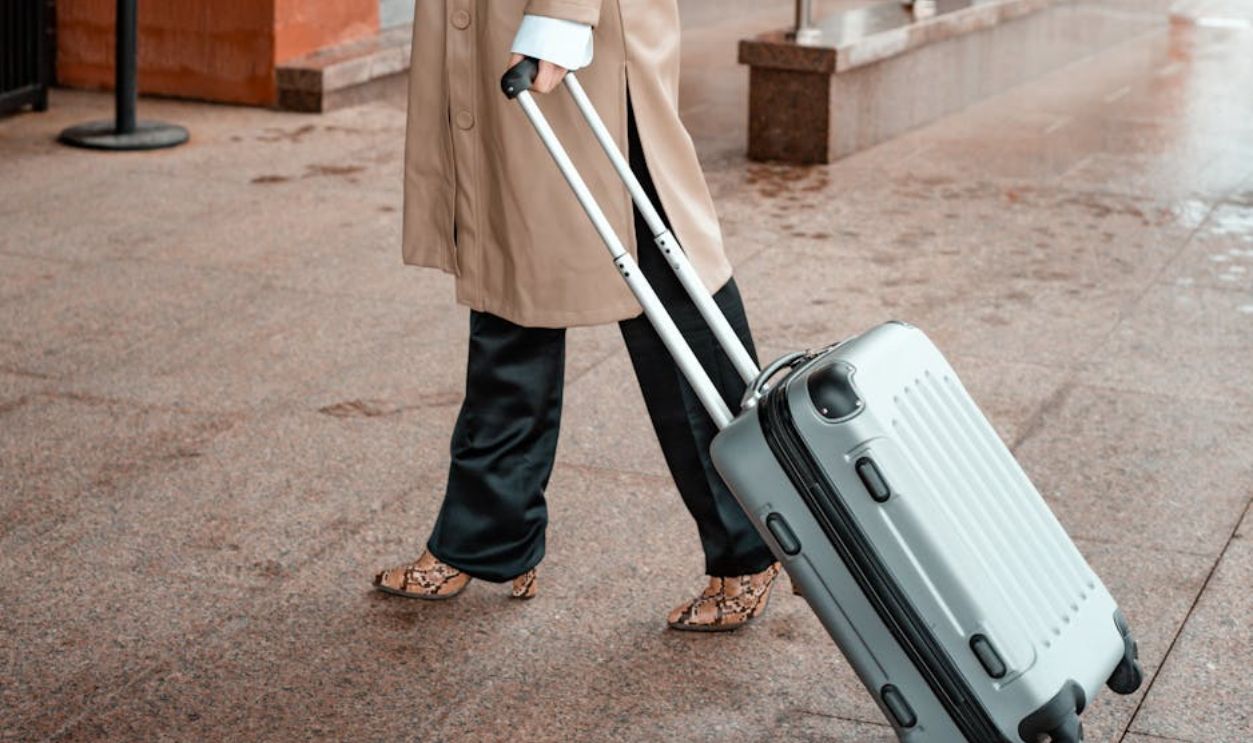
The $75 “Essentials” Offer That Feels Like A Joke
You land, head to baggage claim, and watch the carousel stop, your bag nowhere in sight. Just as your overtired brain is about to lose it, the airline tells you they will give you $75 for “essentials.” It barely covers a shirt and socks at the airport.
They should pay more for losing your luggage, but do they need to? Well, the answer depends on where you flew and what kind of baggage problem this is.
 Gustavo Fring, Pexels, Modified
First, Clarify What “Lost” Means
Airlines and regulators treat “delayed,” “lost,” and “damaged” luggage differently. A bag can be “delayed” for a day or two and still not be considered “lost” under many airline policies. Your rights and the paperwork you need can change based on that label, so it matters.
 Frame Stock Footage, ShutterstockStart With The Most Important Detail: Domestic Or International?
The rules are very different depending on whether your trip was within the U.S. or involved another country. For international itineraries, most major airlines follow an international treaty called the Montreal Convention. For domestic U.S. trips, U.S. Department of Transportation rules and the airline’s contract of carriage drive what you can claim.

If You Flew Internationally, The Montreal Convention Usually Applies
The Montreal Convention is the key legal framework for most international baggage claims. It covers liability for checked baggage that is delayed, lost, damaged, or destroyed. It also sets a maximum amount an airline can be required to pay, unless you made a special higher-value declaration before your flight.

The International Cap Is Based On “SDR,” Not Dollars
Under the Montreal Convention, baggage liability is capped at 1,288 Special Drawing Rights (SDR) per passenger. SDR is an International Monetary Fund unit, so the exact dollar value changes with exchange rates. In many cases, it works out to well over $75, which is why a tiny “essentials” payment is often not the end of the story.

In The U.S., Domestic Flights Use A Different Ceiling
For baggage lost, damaged, or delayed on domestic U.S. flights, DOT rules allow airlines to limit liability up to a set maximum. As of recent DOT guidance, that cap is $3,800 per passenger for domestic itineraries. That number is far above $75, and it is one reason passengers often have leverage if they document their losses.
 Abdiel Hernandez Villegas, Pexels
So Is The Airline Required To Pay More Than $75?
Not automatically on day one, and not just because you are upset. But if you have reasonable, documented expenses due to baggage delay, airlines often must reimburse you up to applicable limits, depending on the trip type and their policies. A small upfront amount can be a “goodwill” or interim payment, not the final settlement.

What “Reasonable Expenses” Usually Means In Practice
Think basics you need because your bag is missing: underwear, a shirt, toiletries, maybe a charger, and weather-appropriate items. Many airlines will not reimburse luxury purchases or a full replacement wardrobe right away. Your best bet is to buy only what you truly need to function, then submit receipts.
 Gustavo Fring, Pexels, Modified
Do Not Let The Word “Essentials” Shrink Your Claim
Airlines use “essentials” in customer service conversations, but legal liability is not always limited to a one-time essentials voucher. If the Montreal Convention applies, claims are typically assessed based on actual loss and documented expenses, up to the cap. If DOT rules apply, the airline still has to consider your documented, reasonable costs.

Step One At The Airport: File A Report Before You Leave
If your bag does not arrive, go straight to the airline baggage service office and file a Property Irregularity Report. This creates a reference number and a paper trail that matters later. Ask what documentation they want and where to upload receipts.

Ask For The Delivery Plan In Writing
Get clear answers about when the airline expects to deliver the bag and where it will be sent. Many airlines will deliver delayed checked bags to your hotel or home, but you should confirm the address and contact number on the claim. If an agent offers a voucher, ask if it is an advance against later reimbursement.

Keep Receipts Like You Are Building A Case
Save itemized receipts and take photos of what you bought. Write down why each item was necessary for your trip, especially if you are traveling for work, a wedding, or an outdoor activity. A tidy, well-supported claim is harder to dismiss.

Use Your Phone To Create A Timeline
Make a quick note of flight number, arrival time, the time you filed your report, and the names of anyone you spoke with. If you submit receipts over several days, list them by date. Claims often go smoother when your story is organized.

Delayed Bag Reimbursement Is Often Separate From “Lost Bag” Compensation
If the airline later returns your bag, you can still seek reimbursement for necessary purchases made during the delay. If the bag never comes back, you can typically submit a separate claim for the value of the contents, subject to limits. The $75 offer is not a magic settlement unless you accept it as one.
When Does A Bag Become “Lost”?
There is no single universal clock, because different airlines have different internal timelines. Some carriers treat bags as lost after a set number of days, while treaties and rules focus more on whether the passenger can prove loss and value. The safest move is to file quickly and follow up regularly.
International Claims Often Have Tight Deadlines
Under the Montreal Convention, deadlines can apply to written complaints, especially for damage and delay. If you are flying internationally, it is smart to complain in writing as soon as possible and keep proof you sent it. Waiting too long can weaken your position even if your claim is valid.

Domestic U.S. Claims Have Deadlines Too, But They Vary
U.S. airlines set baggage claim deadlines in their contracts of carriage. Those deadlines can differ by carrier and by issue, such as damage versus delay. Check your airline’s baggage page and contract, then submit your claim within their stated window.

If The Airline Says “We Do Not Cover That,” Ask For The Policy
If you are denied reimbursement for something you believe was reasonable, ask the airline to point to the specific policy language they are relying on. Sometimes denials are based on incomplete paperwork, not the actual rules. A polite request for the written policy can reset the conversation.

You Can Negotiate If Your Expenses Were Truly Necessary
$75 might be what an agent can give immediately without review, not what you are owed after review. If you had to buy a coat due to weather, or dress shoes for a business event, explain that clearly. You are more likely to win when you connect each purchase to the specific trip need.

Credit Cards And Travel Insurance Can Fill Gaps
Many travel credit cards offer baggage delay insurance that reimburses essentials when bags are delayed beyond a certain number of hours. Separate travel insurance policies can also cover baggage issues, sometimes with different limits and definitions. This can matter if your airline drags its feet or denies part of your claim.

Do Not Double Dip Without Disclosing It
If you claim reimbursement from your airline and your credit card insurer, read the rules carefully. Some insurers require you to seek compensation from the airline first, and they may subtract what the airline paid. Keep everything transparent so you do not create new problems.

What About Carry-On Items You Had To Replace?
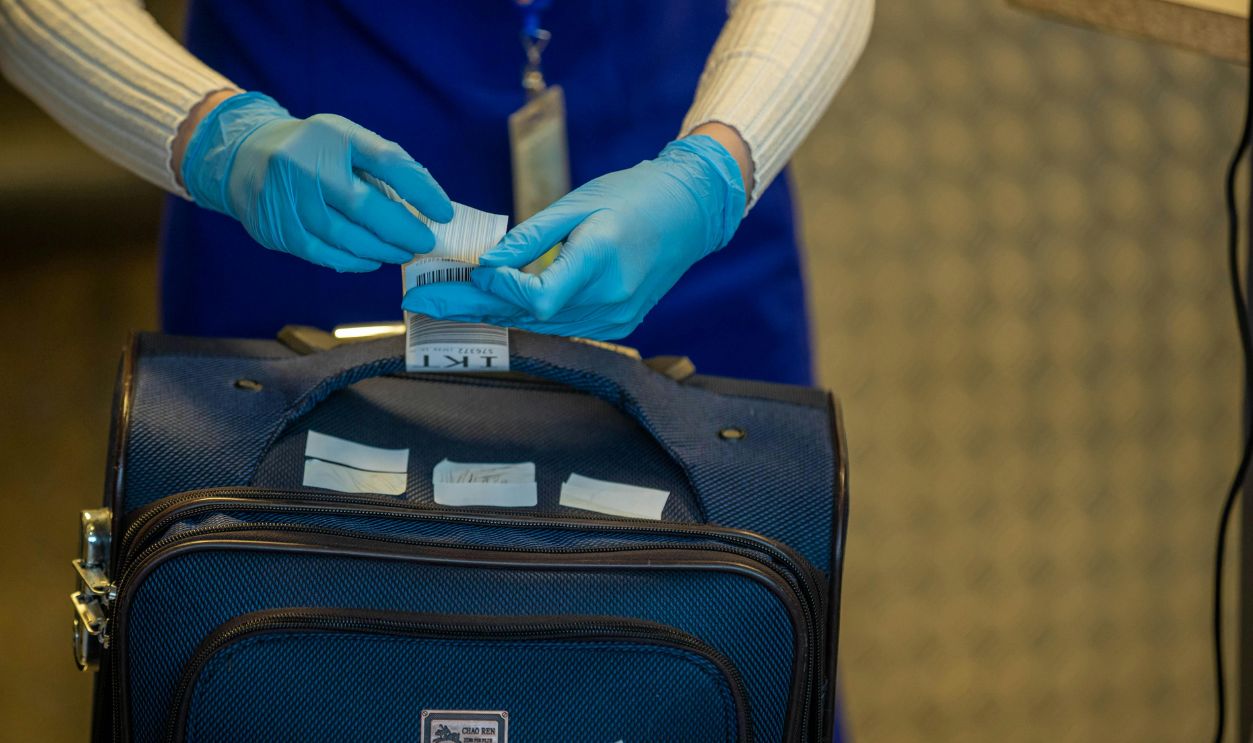
If the airline caused you to gate-check a bag, treat it like a checked-bag issue and document that it was taken at the gate. If you voluntarily checked the bag, the airline will generally treat it as normal checked baggage. Your documentation and the bag tag can make a difference.

A Quick Reality Check On Valuables
Airlines often exclude or limit liability for certain high-value items in checked luggage, like jewelry or cash, under their contracts. The Montreal Convention still sets overall liability rules, but airlines may dispute certain categories. If you packed valuables, be prepared for extra scrutiny.

If You Want More Than The Cap, There Is Only One Clean Way
For international flights, the Montreal Convention allows higher recovery if you made a special declaration of interest and paid any required supplementary fee at check-in. Most travelers do not do this, and you cannot usually add it after the bag is gone. It is worth knowing for future trips with expensive gear.

When Complaints Escalate, DOT Is A Pressure Point For U.S. Flights
If you believe an airline is violating DOT rules or mishandling a claim, you can submit a complaint to the U.S. Department of Transportation. DOT complaints do not guarantee a payout, but they can prompt a response and help regulators track patterns. Keep your complaint factual and attach your documentation.

For International Travel, The Treaty Is Your Backbone
If your trip is covered by the Montreal Convention, cite it calmly in your written claim and focus on receipts and documented losses. You do not need to threaten a lawsuit to be taken seriously. You need a clean record that shows what you spent, why you spent it, and that the airline had your bag.

The Bottom Line On That $75 Offer
An airline is not automatically allowed to cap your real reimbursement at $75 if your documented, reasonable expenses are higher. Your likely maximum is determined by the trip type, either the Montreal Convention cap for many international flights or DOT liability limits for domestic U.S. flights. Treat the $75 as a starting point, not the final word, and build a claim that is easy to approve.