When “Eventually” Is Not Good Enough
If your bag is delayed and you are only on a 3-day trip, “eventually” is not a very helpful answer. The good news is that in many cases you may be able to get paid back for basic essentials, at the very least. Airlines are generally required to compensate passengers for provable expenses caused by delayed baggage on domestic trips. On international trips covered by the Montreal Convention, similar rights apply, though the rules and deadlines can be different.

Start At The Baggage Desk Before You Leave
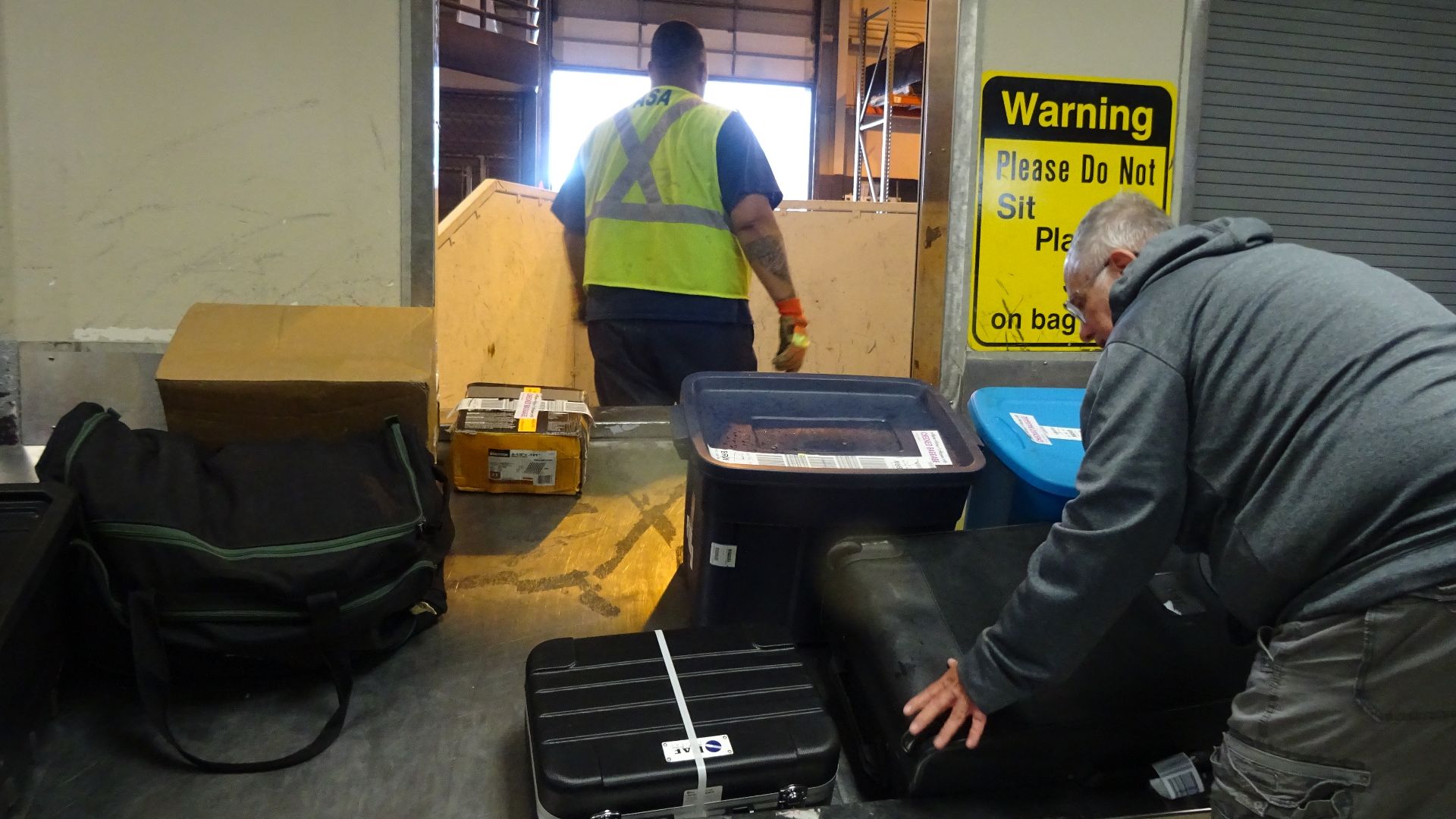
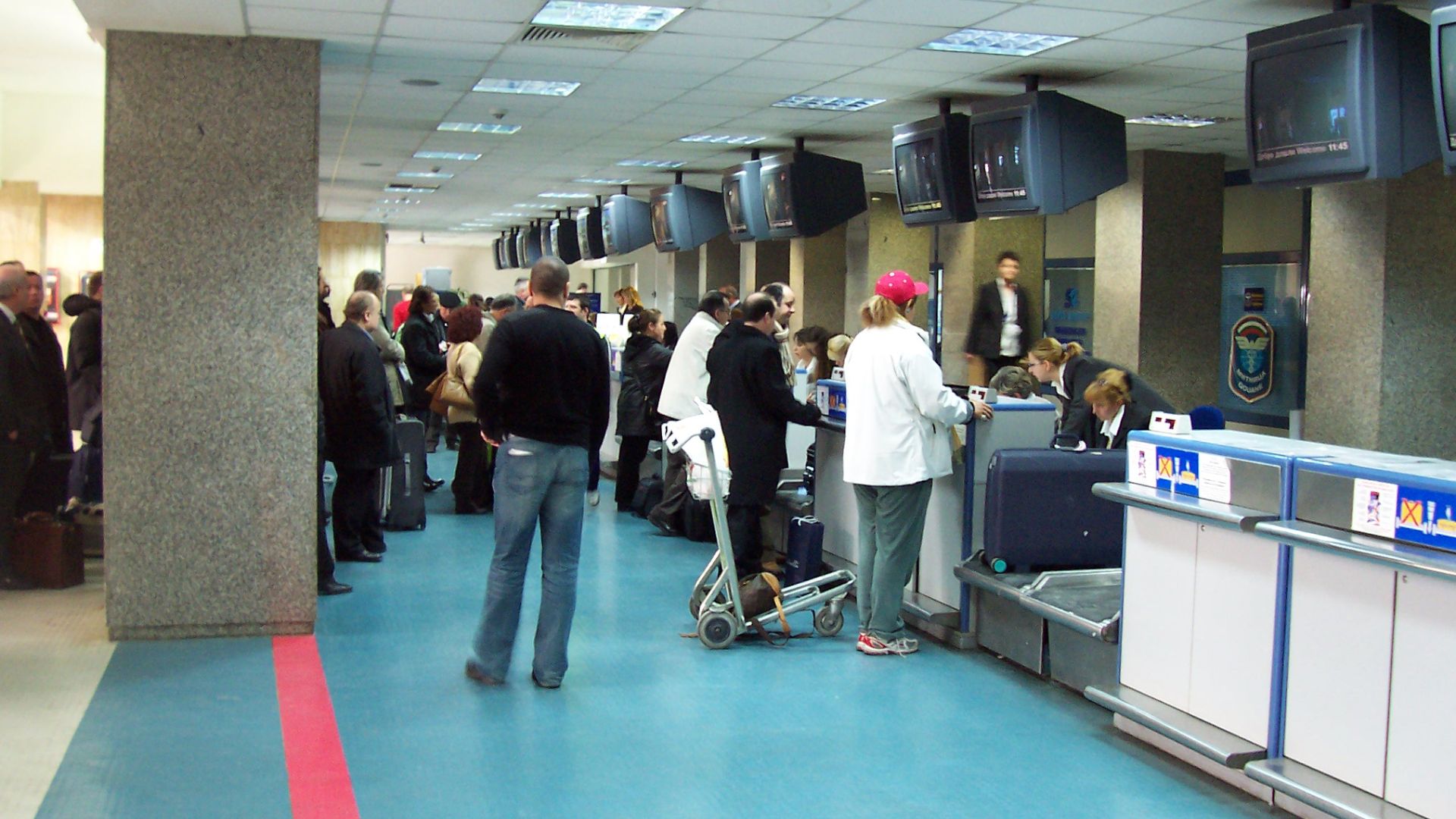
Do not leave the airport and hope for the best. Go straight to the airline’s baggage service office and file a delayed baggage report before leaving the arrivals area, because that creates the official record tied to your claim. Ask for the reference number, often called a PIR or file locator, and take a photo of any paperwork they give you. Without that report, it can be much harder to show when the delay started and what the airline told you.
 Oxfordian Kissuth, Wikimedia Commons
Get The Claim Number And The Agent’s Name
You want more than a vague promise that the bag will show up later. Ask for the file reference, the agent’s name, the date and time of the report, and a direct phone number or website where you can track updates. If the airline offers text or email notifications, sign up right there. That small bit of paperwork can matter a lot if you later need reimbursement or need to push the issue further.
 Martin Ehrensvärd from Copenhagen and Fuglsø/Mols, Denmark, Wikimedia Commons
Ask The Question That Actually Matters
Instead of asking, “When will it get here?” ask, “When is the next confirmed scan, flight, or courier handoff?” Airline staff often do not know the exact delivery time, but they may be able to see whether the bag has been found, loaded, or transferred. You are trying to separate a real update from a guess. If there is no scan at all, you should plan as if the bag may not arrive during your trip.
 User:Mattes, Wikimedia Commons
Make Sure They Have The Right Delivery Address
If you are staying at a hotel, rental, or conference venue, give the airline the exact address, your room details if you have them, and a phone number that will actually reach you. Confirm whether they can deliver to that location the same day, overnight, or only during certain hours. If your trip is short, tell them your departure date so they understand the delivery window is tight. A bag arriving after you already left is not much help.

Tell The Airline It’s A Short Trip
This is one of those times when context matters. Calmly explain that you are on a 3-day trip and need to know whether the bag is likely to arrive in time to be useful. Some airlines may note the urgency in the file or offer local pickup if the bag reaches the airport before a courier can deliver it. It does not guarantee faster service, but it can help staff understand that “tomorrow or the day after” may really mean “too late.”

Buy Only The Essentials First
If you need clean clothes, toiletries, medication-related basics, or chargers, buy what you need to get through the short term. Keep your purchases reasonable and fit for the trip, because airlines usually reimburse essential items rather than unlimited replacement shopping. A toothbrush, underwear, a shirt, and basic toiletries are easier to justify than a whole new wardrobe. Think practical.

Keep Every Receipt Like It’s Gold
Receipts are your best friend in a delayed baggage claim. Save paper receipts, email confirmations, and screenshots of any purchases made because your luggage did not arrive. If you pay cash and the receipt is faint, take a photo right away. Airlines usually require proof of purchase and may deny or reduce reimbursement if you cannot document your expenses.

Know The Basic Domestic Rule In The U.S.
For domestic flights involving U.S. airlines, the Department of Transportation says airlines are responsible for compensating passengers for reasonable, verifiable, and actual incidental expenses caused by delayed bags, subject to maximum liability limits. The current maximum liability for lost, delayed, or damaged baggage on domestic flights is $4,700 per passenger. That does not mean you automatically get $4,700, but it does mean the airline cannot simply refuse all reimbursement for necessary purchases. What counts as reasonable depends on the situation, length of delay, and type of trip.
International Trips Follow A Different Rulebook
If your trip is international and covered by the Montreal Convention, baggage liability is generally capped in Special Drawing Rights instead of dollars. The convention sets airline liability for destruction, loss, damage, or delay of baggage up to 1,519 SDRs per passenger, unless a higher value was declared and accepted. The amount in local currency changes with exchange rates, so the exact dollar figure moves over time. The main point is that international rights exist too, but you should pay close attention to claim deadlines and paperwork.

Don’t Assume The Airline Will Buy You A Whole New Trip Wardrobe
Travelers sometimes hear “reasonable expenses” and think that means a blank check, but airlines usually read that pretty narrowly. Your reimbursement is more likely to cover basics you really needed during the delay, not premium upgrades or replacements for everything you packed. A business traveler may reasonably need different items than someone on a beach weekend, and that can matter. If you are unsure, ask the airline’s baggage office what kinds of spending they usually approve.

Medication And Medical Items Need Special Attention
If essential medication or a medical device ended up in your checked bag, deal with that right away. Contact your doctor, pharmacy, travel insurer, and the airline as soon as possible, because replacing medication can take time and paperwork. If you have costs directly tied to the baggage delay, keep those receipts and records too. Going forward, this is also a strong reminder to keep medication and medical essentials in your carry-on whenever possible.

Check Whether Your Credit Card Has Baggage Delay Coverage
Some travel credit cards offer baggage delay insurance if you paid for the trip with that card. These benefits often reimburse emergency purchases like clothing and toiletries after a set delay period, but the coverage amount, exclusions, and required documents vary a lot. You may need to file with the card benefits administrator within a certain number of days and provide the airline report plus receipts. This can be especially helpful if the airline reimbursement process moves slowly.

Travel Insurance Might Fill In The Gaps
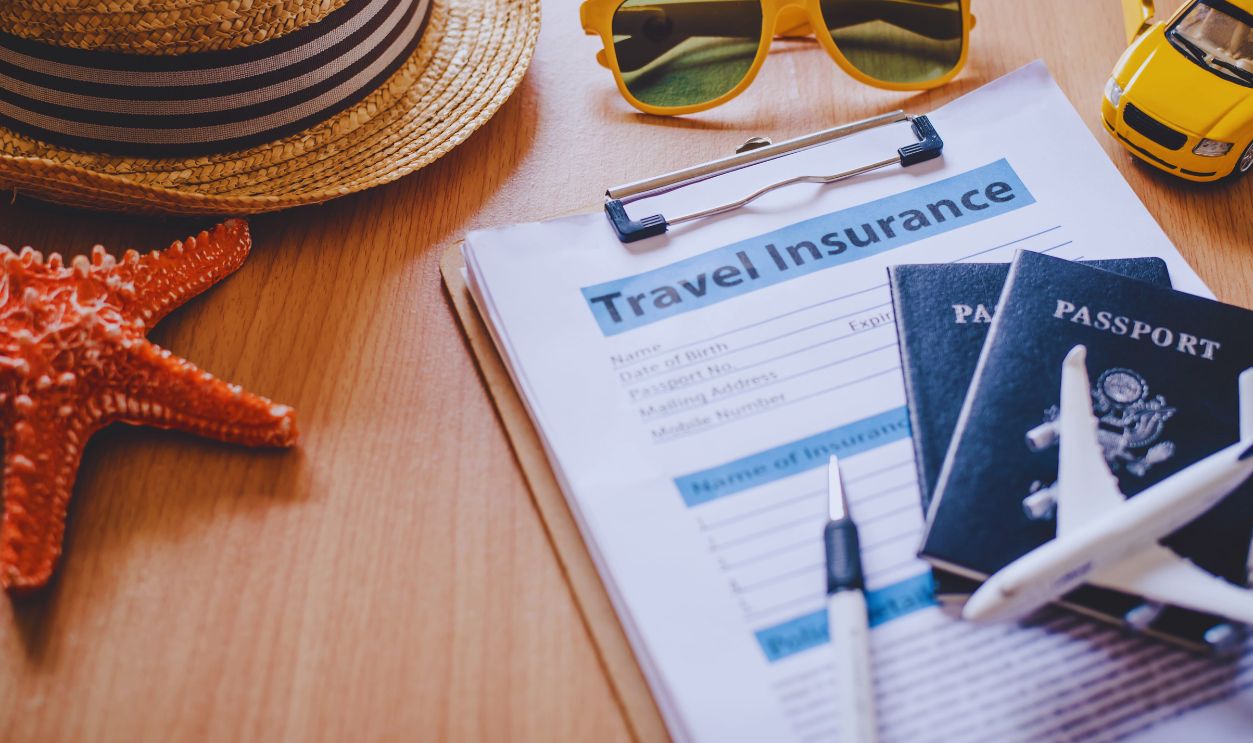
If you bought a separate travel insurance policy, check the baggage delay section right away. Many policies reimburse reasonable extra expenses after baggage is delayed for a minimum number of hours, and some have daily or total limits. Insurers also usually require prompt notice and supporting documents, including the airline’s delayed baggage report. If both your card and insurance policy may apply, check how the two work together so you do not miss a deadline.
Use The Airline’s Tracking Tools, But Verify
Many airlines now let you track delayed bags through their app or website, which can be genuinely useful. You may see updates when the bag is found, sent to another airport, or handed to a delivery service. Still, automated systems are not perfect, and sometimes the app lags behind what an agent can see internally. If timing matters because your trip is so short, it is worth following up by phone or chat.

If The Bag Shows Up, Check It Before You Walk Away
When your luggage is finally delivered, inspect it as soon as possible. Make sure it is actually your bag, and check for missing contents or damage before the delivery driver leaves if you can. If something is broken or items are missing, report that quickly under the airline’s baggage rules. A delayed bag can easily turn into a damaged baggage claim if you wait too long to look inside.
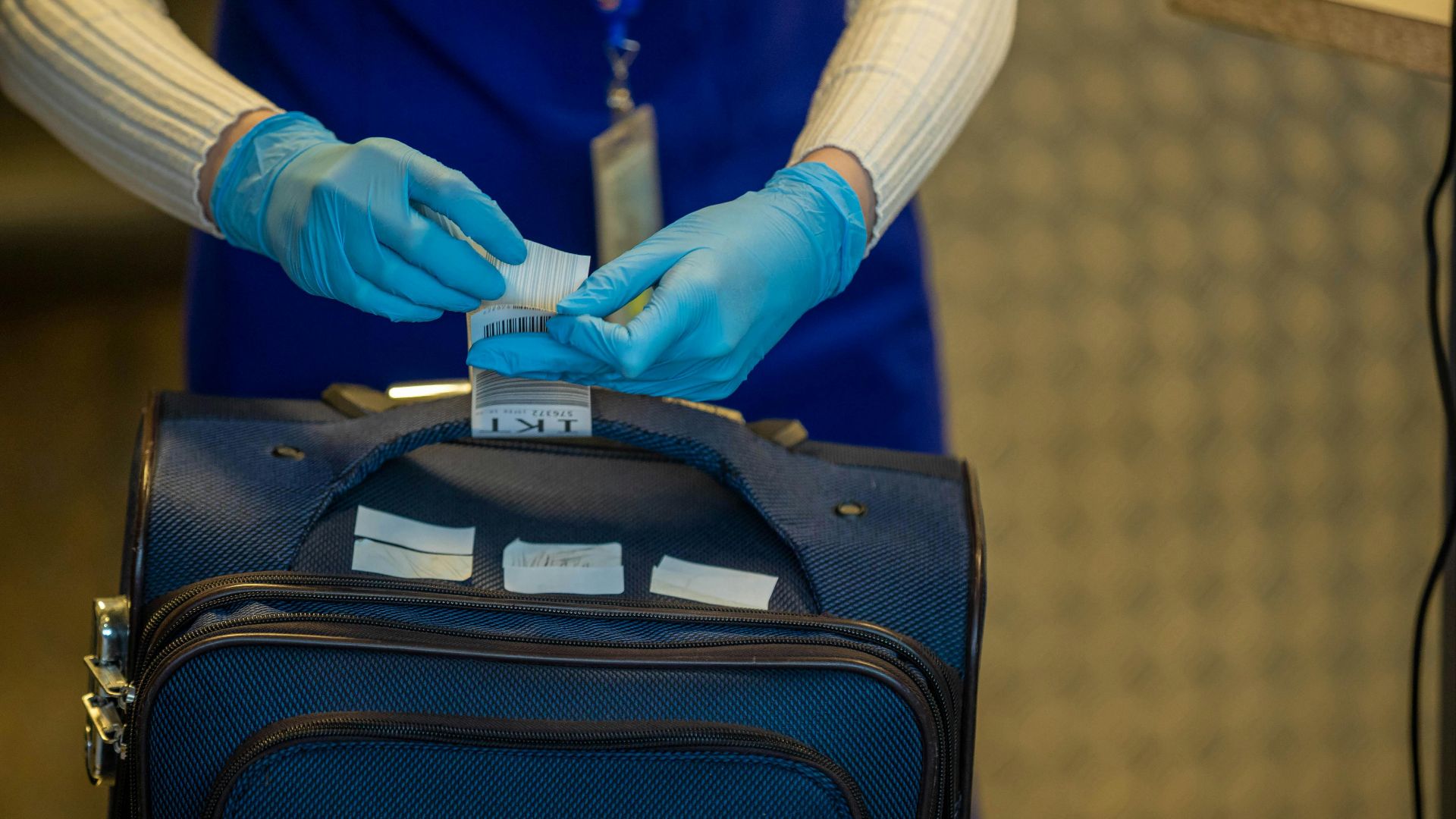
If The Bag Never Arrives During Your Trip
If your 3-day trip ends before your luggage gets to you, tell the airline where the bag should be sent next. That may be your home address, a later hotel, or another destination, depending on your schedule. Confirm that the airline updates the delivery instructions in writing or in the case notes. Also ask when a delayed bag is considered officially lost under that airline’s policy, because the claims process may change at that point.
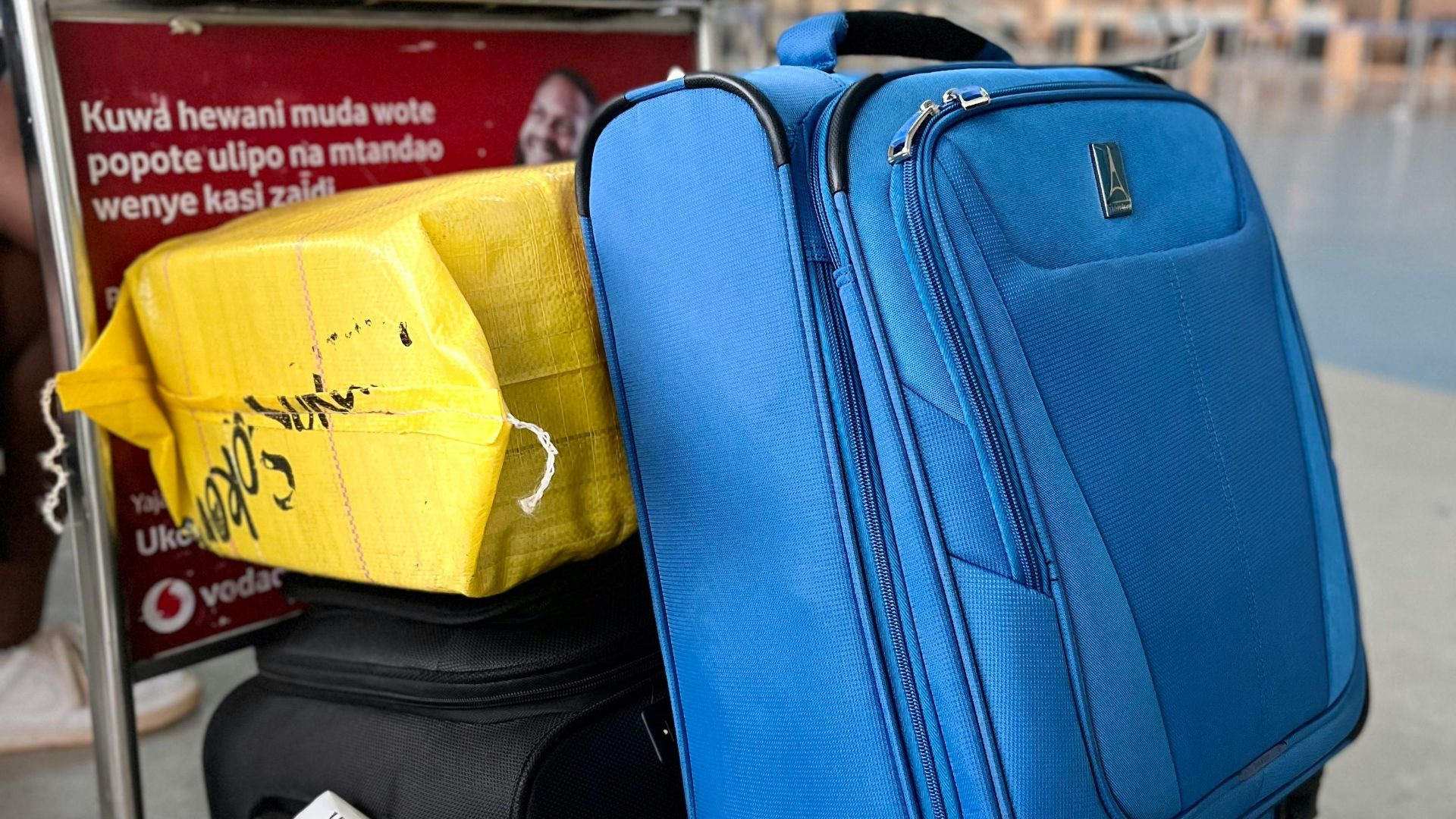
File The Reimbursement Claim Promptly
Do not wait around for weeks assuming the airline will contact you. Submit your reimbursement request as soon as you have your receipts and the bag situation is sorted out, using the airline’s claim portal or written process. Include the delayed baggage report number, copies of receipts, a short explanation of why each purchase was necessary, and any proof of your short trip dates. Clear, organized claims are easier for agents to review and harder to brush aside.

Be Brief, Specific, And Calm In Writing
Your claim does not need a dramatic essay. A simple timeline, a list of essential purchases, and the total amount requested usually works better than a long emotional rant. If you were on a 3-day business trip and had to buy one change of clothes, toiletries, and a charger, say exactly that. The goal is to show that your spending was reasonable, necessary, and directly caused by the delay.

If The Airline Pushes Back, Ask For The Written Policy
If an airline representative says your expenses are not covered, ask them to point you to the written baggage policy or contract of carriage that supports that position. Airlines can set procedures, but they cannot just make up rules as they go. For U.S. domestic travel, DOT guidance is clear that passengers may be reimbursed for reasonable incidental expenses due to delayed baggage, subject to limits. Getting the response in writing can also help if you need to escalate later.

Escalate If You Hit A Wall
If you cannot get a fair response, move up the chain. Ask for a supervisor, use the airline’s formal customer relations channel, and keep copies of all messages. For issues involving U.S. domestic air travel, consumers can also file a complaint with the U.S. Department of Transportation. If your trip was booked with a credit card that includes baggage delay coverage, that may become the faster path to partial reimbursement while you keep dealing with the airline.

The Smartest Move Is To Pack For This Exact Problem
No one likes hearing “next time” when they are already missing their bag, but a little preparation really helps. Put one change of clothes, medications, chargers, valuables, and toiletries that meet carry-on rules in your cabin bag. If you are traveling for only a few days, think about skipping checked luggage entirely if you can. A short trip is exactly when delayed baggage hurts the most, because there is almost no time for the airline to recover.
Your Best Plan For A 3-Day Trip
If your bag is delayed on a very short trip, the practical strategy is simple: file the report right away, get the claim number, buy only the essentials, save every receipt, and keep checking for real tracking updates. Make sure the airline knows your trip end date and where the bag should go if it misses your stay. You may not be able to force the suitcase to appear faster, but you can protect your time, your budget, and your right to reimbursement. In a situation built around uncertainty, that is about as close to control as you can get.