When “Included” Stops Meaning Included
The description of the tour went in-depth into all the amazing activities you can do while on board. That sealed it for you, and you booked the trip—only to find out that half of the advertised activities are going to cost you extra. It's incredibly frustrating, because the cruise wasn't cheap on its own, and it can raise real questions about what the cruise line actually promised and what it is allowed to change after you book.
Why So Many Cruisers Get Caught Off Guard
Cruise ads love words like “included” and “complimentary.” But the fine print often matters just as much as the headline. If an activity was clearly advertised as included, a later fee may be open to challenge, but it depends on what was promised, how it was described, and when the disclosure appeared.

What Cruise Lines Usually Point To
Most major cruise lines build broad change rights into their passenger contracts. Those terms often say fares, itineraries, onboard offerings, and amenities can change without notice. That does not mean every surprise fee is fair, but it does explain why cruise lines often say they had the right to make the change.

The Contract Is The First Thing To Check
Cruise ticket contracts are not fun reading, but they matter in any dispute. Carnival, Royal Caribbean, and Norwegian all publish terms that let them change schedules, ships, amenities, and services. If a fee for an activity appeared after booking, that contract language is one of the first things that will shape whether you have a real claim.

Carnival’s Terms Leave It Room To Make Changes
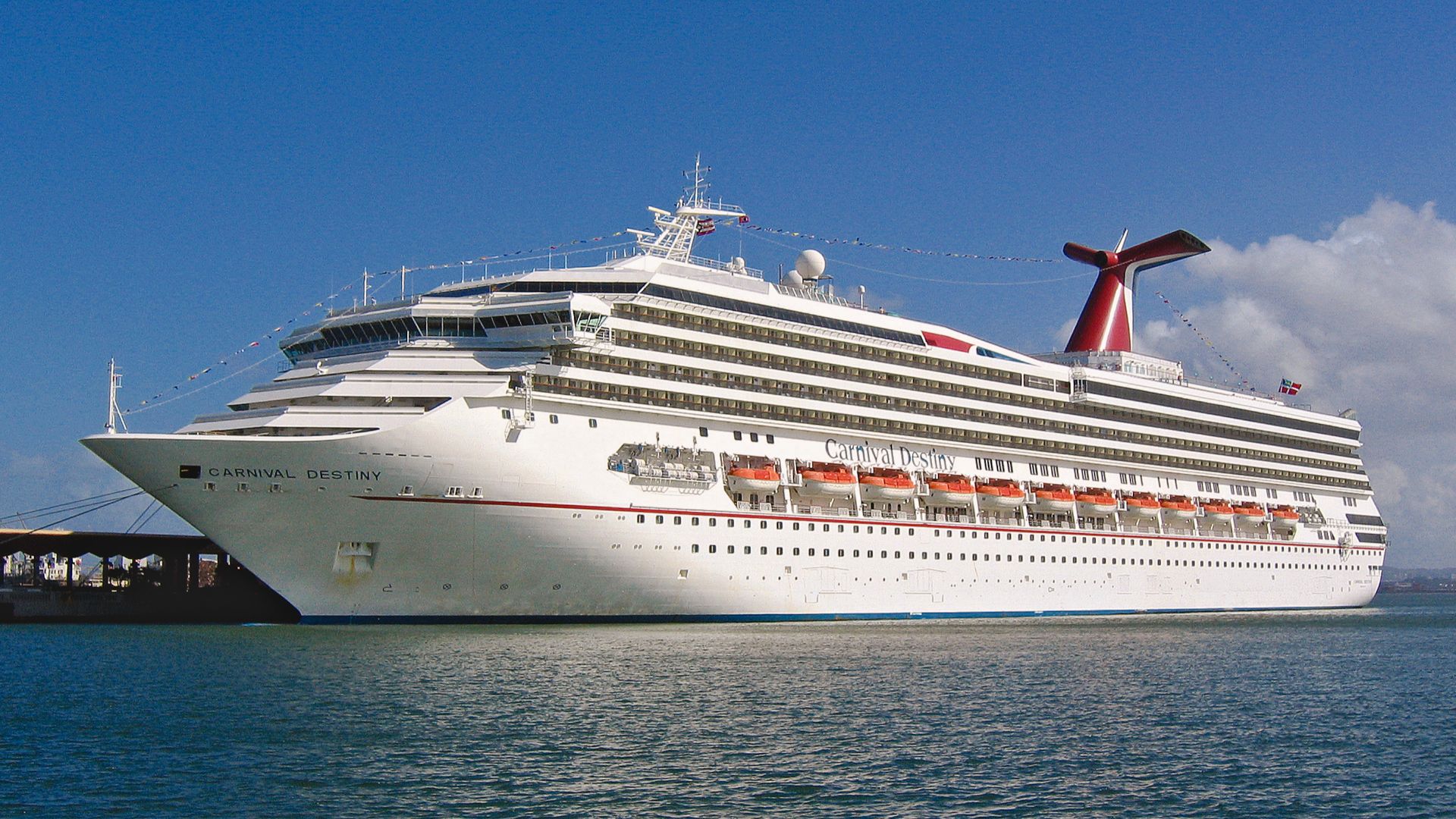
Carnival’s ticket contract says schedules, ports, hours, itineraries, accommodations, and other parts of the cruise can change. It also says Carnival can substitute services and facilities when needed. That does not give the company a free pass to mislead people, but it does give it a strong defense when an onboard feature changes from what passengers expected.
Royal Caribbean Uses Similar Language
Royal Caribbean’s ticket contract also gives the company broad power to change itineraries, schedules, ships, and other parts of the voyage. Those terms are meant to protect the line when onboard experiences shift. If an activity was advertised in general language instead of guaranteed in writing, the cruise line may quickly point to that contract.
 Matthew T Rader, Wikimedia Commons
Norwegian’s Terms Matter Too
Norwegian Cruise Line’s guest ticket contract also says arrangements are subject to change. That includes onboard programs and services tied to operating or safety needs. For passengers, the lesson is simple: save screenshots and confirmations, because your proof may matter more than the sales pitch.
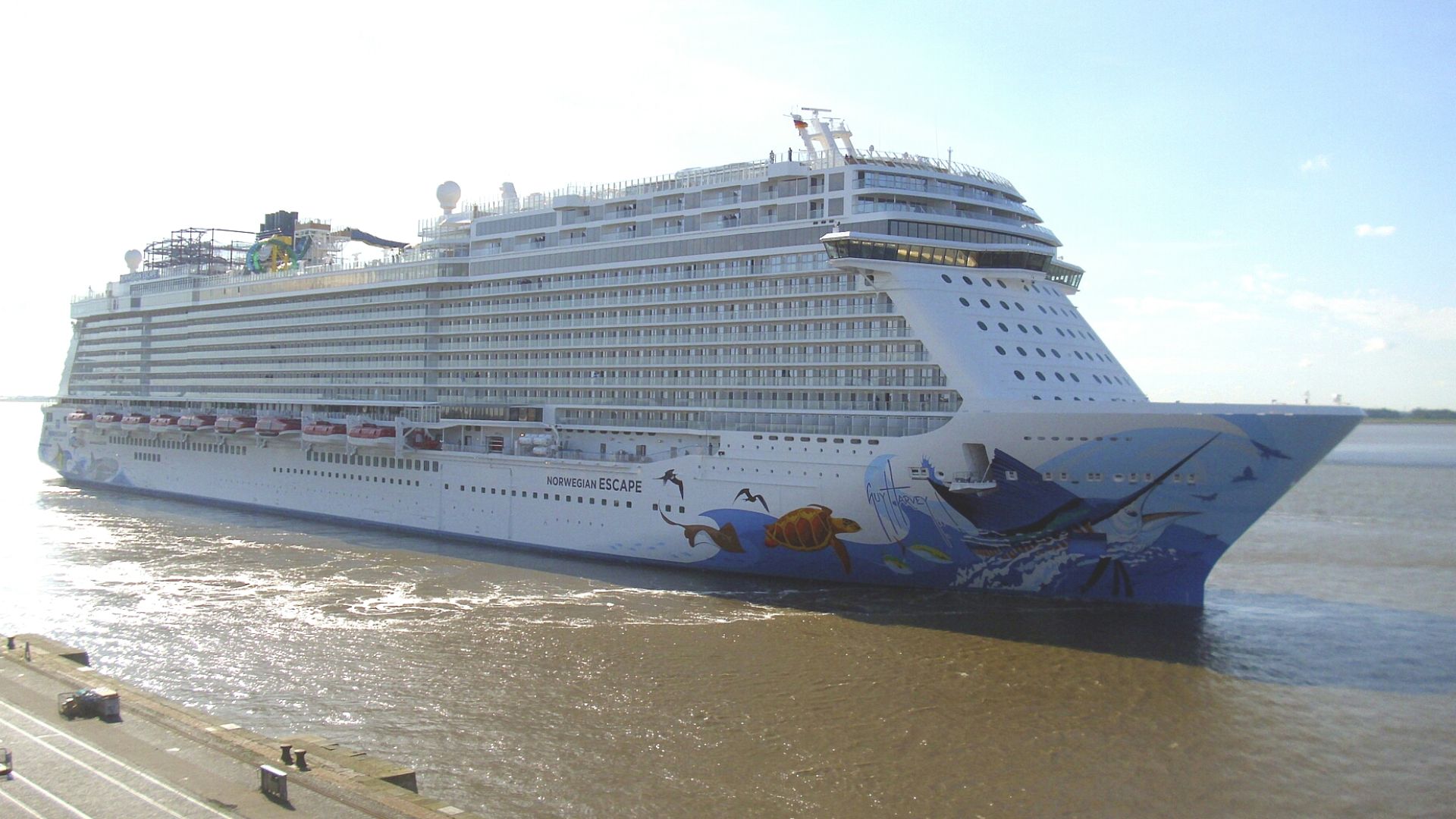 Tvabutzku1234, Wikimedia Commons
Advertising Law Still Sets Limits
Even a broad cruise contract does not erase consumer protection law. The Federal Trade Commission says advertising must be truthful, not misleading, and supported when needed. If a cruise line specifically advertised an activity as included, then charged for it without clear disclosure, that could raise problems under basic truth-in-advertising rules.

The FTC’s Standard Is Simple
The FTC’s guidance is straightforward. Ads must tell the truth and cannot mislead reasonable consumers. In plain terms, if the average traveler would take “included” to mean no extra fee, a hidden charge can become a real issue.

But Context Changes Everything
This is where things get tricky. If the cruise line disclosed somewhere that some sailings, times, or versions of an activity cost extra, it may argue the ad was not misleading overall. If the fee only appeared after booking and was never clearly disclosed before purchase, your complaint gets much stronger.

There Is A Big Difference Between An Amenity And An Upgrade
Cruise lines often split an activity into a basic version and a premium one. A class, attraction, or event might be included in a limited form, while reserved spots, private sessions, special equipment, or enhanced access cost extra. That line is not always obvious in the marketing, which is why passengers can feel blindsided.
Timing Can Make Or Break Your Complaint
When did you first learn about the charge? That question matters a lot. If the fee showed up before final payment and you still had time to cancel, your leverage may be weaker than if the charge first appeared once you were already onboard.
 Rafael Alexandrino de Mattos, Pexels
What The Department Of Transportation Does And Does Not Cover
The U.S. Department of Transportation closely regulates airfare advertising, including rules on full fare pricing. But cruise onboard activity fees are generally not regulated the same way. That means there is no simple cruise version of an airline fee rule for every onboard extra. In practice, these disputes usually end up in customer service channels, card disputes, state consumer complaints, or private lawsuits.

State Consumer Protection Laws Can Still Matter
Many states have unfair or deceptive acts and practices laws, often called UDAP laws. Those laws can sometimes apply when something is marketed one way and delivered another way. A passenger who can show a specific promise, a specific fee, and a clear lack of disclosure may have a stronger complaint under state law than under the cruise contract by itself.

Florida Often Comes Up In Cruise Disputes
Many cruise companies are based in Florida, and some disputes involve Florida consumer or contract law. That does not mean passengers automatically have an easy case. But it does mean the governing law and forum clauses in your ticket contract are worth checking before you assume where and how you can complain.

Your Best Evidence Is Usually A Screenshot
If you think an activity was advertised as included, save the proof right away. Take screenshots of the booking page, fare description, activity listing, confirmation email, and any app language that used words like “included” or “complimentary.” Memories are weak evidence. Date-stamped screenshots are much stronger.

Read The Confirmation Email Closely
Sometimes the clearest disclosure shows up only after checkout in a confirmation email or booking summary. That may not feel fair if the sales page suggested something else, but it can still affect your claim. If the two versions conflict, save both, because they may show mixed messaging.

Ask The Cruise Line To Show You The Disclosure
One of the smartest moves is also one of the simplest. Ask customer service to show you exactly where the charge was disclosed before purchase. If the representative cannot point to a clear pre-purchase disclosure, you have a stronger basis to ask for a refund or onboard credit.
 Monkey Business Images, Shutterstock
Do Not Lead With A Legal Threat
Most fee disputes go better when you start calm and specific. Explain what activity was advertised as included, where you saw that claim, when you booked, and when the fee appeared. A focused refund request often works better than a broad accusation of fraud.

If You Paid By Credit Card, You May Have Another Option
The Consumer Financial Protection Bureau says consumers can dispute billing errors and unauthorized charges with card issuers, and card networks also have chargeback processes for some misrepresented services. That does not mean every cruise fee dispute will succeed. But if you were charged for something you reasonably believed was included, it may be worth asking your card issuer about your rights.

Keep Any Card Dispute Tight And Clear
If you go through your credit card company, include the ad, your booking records, and your messages with the cruise line. State clearly that the service was advertised as included and was later billed separately. Banks usually respond better to short, organized documentation than to a long emotional account.

Government Complaints Can Still Add Pressure
You can also file a complaint with the FTC or your state attorney general if you think the advertising was deceptive. These agencies do not act as your personal lawyer, and they may not get your money back directly. But a complaint can create a record and sometimes push a company to resolve the issue faster.

The BBB Is Not A Regulator, But It Can Help
The Better Business Bureau is not a government agency, but companies often respond to BBB complaints to protect their public profile. If regular customer service goes nowhere, a BBB complaint can sometimes trigger a higher-level review. It is not the strongest tool, but it can still be useful.

Watch For Wording That Hints At Extra Charges
Words like “select,” “enhanced,” “specialty,” “limited,” or “reservation required” can signal that a fee may be involved. Small notes that an experience varies by ship or sailing can mean the same thing. If the page sounds exciting but gives few hard details, that is a good reason to slow down and ask questions.

Shore Excursions Are Usually A Different Story
Passengers sometimes assume all listed activities are part of the fare, but shore excursions are usually sold separately unless a package says otherwise. The same often goes for spa treatments, specialty dining, escape rooms, select fitness classes, and some kids’ programs on certain lines. The label matters. Included entertainment is not the same as every activity on the ship being free.

When A Fee May Be Easier To Challenge
Your case is strongest when the cruise line used a direct promise like “included in your fare” or “complimentary for all guests,” then billed you anyway without prior disclosure. It also helps if the fee was mandatory instead of optional. Surprise mandatory charges usually get more scrutiny than optional paid upgrades.

When The Cruise Line May Have The Better Argument
If the activity changed because of weather, staffing, maintenance, or safety issues, and the contract gave the line broad discretion, a refund may be harder to force. The same is true if the cruise line can point to a pre-purchase note saying some sessions or versions cost extra. In that kind of case, you might still get goodwill compensation, but a legal claim is less clear.

The Short Answer Is Sometimes
Can a cruise line add fees for activities advertised as included? Sometimes yes, especially when the contract allows changes and the disclosure appeared somewhere in the booking process. But if the company clearly promised the activity was included and did not disclose the extra charge until later, you may have a solid reason to complain and ask for a refund.

How To Protect Yourself Before You Sail
Before booking, search for the exact activity name on the cruise line’s website and app, and check the fare terms. Screenshot anything that says it is included. After booking, read your confirmation, watch the app for changes, and ask questions before final payment if you can. It is not glamorous trip planning, but it can save you from a nasty surprise onboard.