Global Kitchens: Where Food Tells The Story
Food is history you can taste. Trade routes, colonization, migration, religious traditions, and geography all shape a country’s cuisine, creating dishes that tell the story of how cultures mixed and evolved. Some nations stand out for having especially diverse or unique culinary identities with bold combinations of ancient methods, imported influences, and regional specialties.
Using global food-variety analyses, historical research, and insights from professional chefs, here are 20 countries with the most unique cuisines.
20. Kenya
Kenya’s cuisine is shaped by more than 40 ethnic groups, centuries of Swahili Coast trade, and British colonial influence. Coastal dishes like coconut-rich stews and pilau reflect Arab and Persian connections, while inland foods such as ugali and nyama choma mirror traditional agricultural lifestyles. The country’s varied climates, from highlands to coastline, also contribute to its broad culinary range.
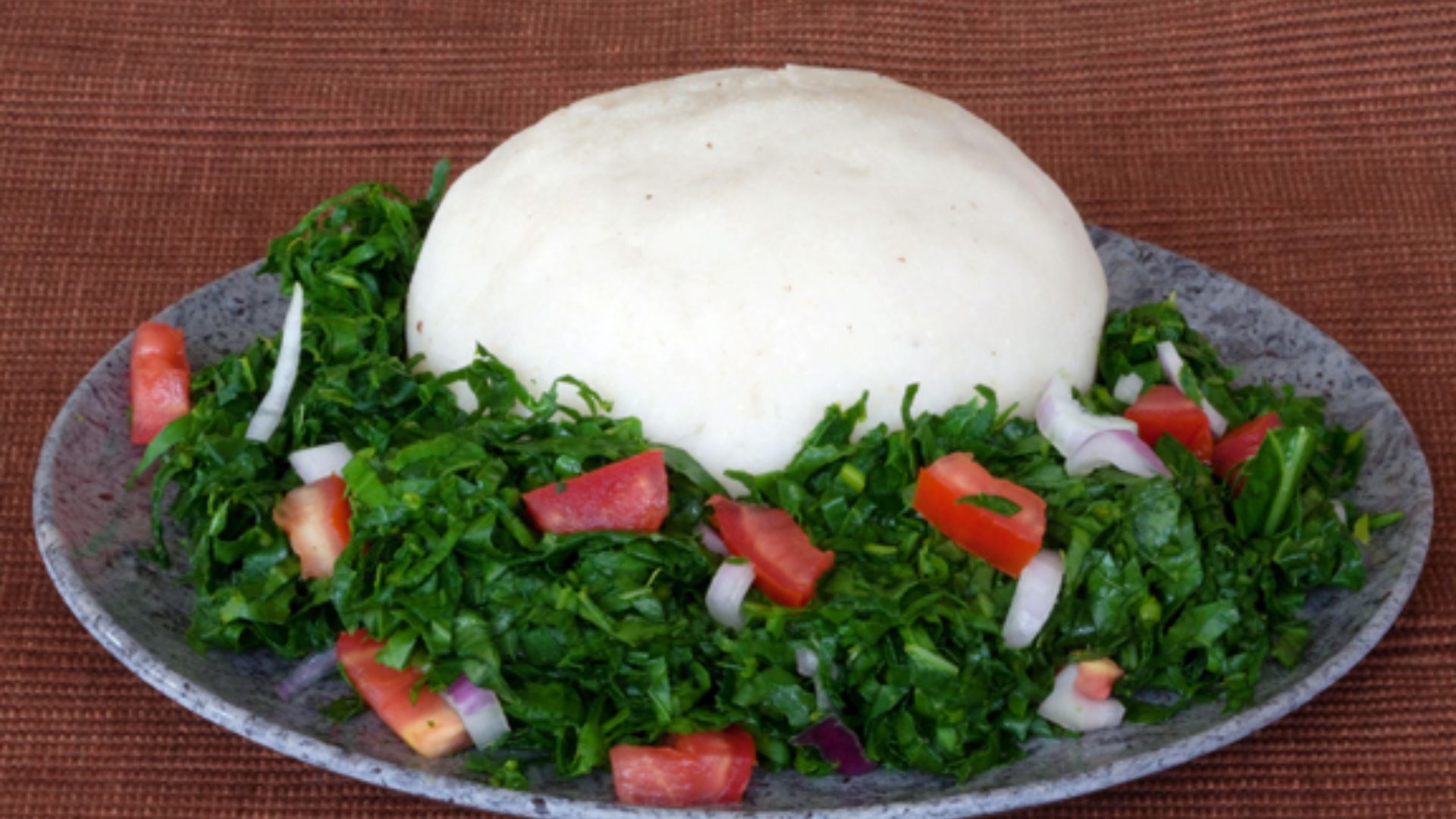 Paresh Jai from Nairobi, Kenya, Wikimedia Commons
19. Morocco
Morocco’s food draws from Berber, Arab, Andalusian, and Sub-Saharan traditions, influenced by centuries of Silk Road spice exchange. Dishes such as tagine and harira demonstrate how warm spices, preserved lemons, and olives became staples through ancient trade routes. French colonization added pastries and refined techniques, deepening Morocco’s already complex culinary personality.
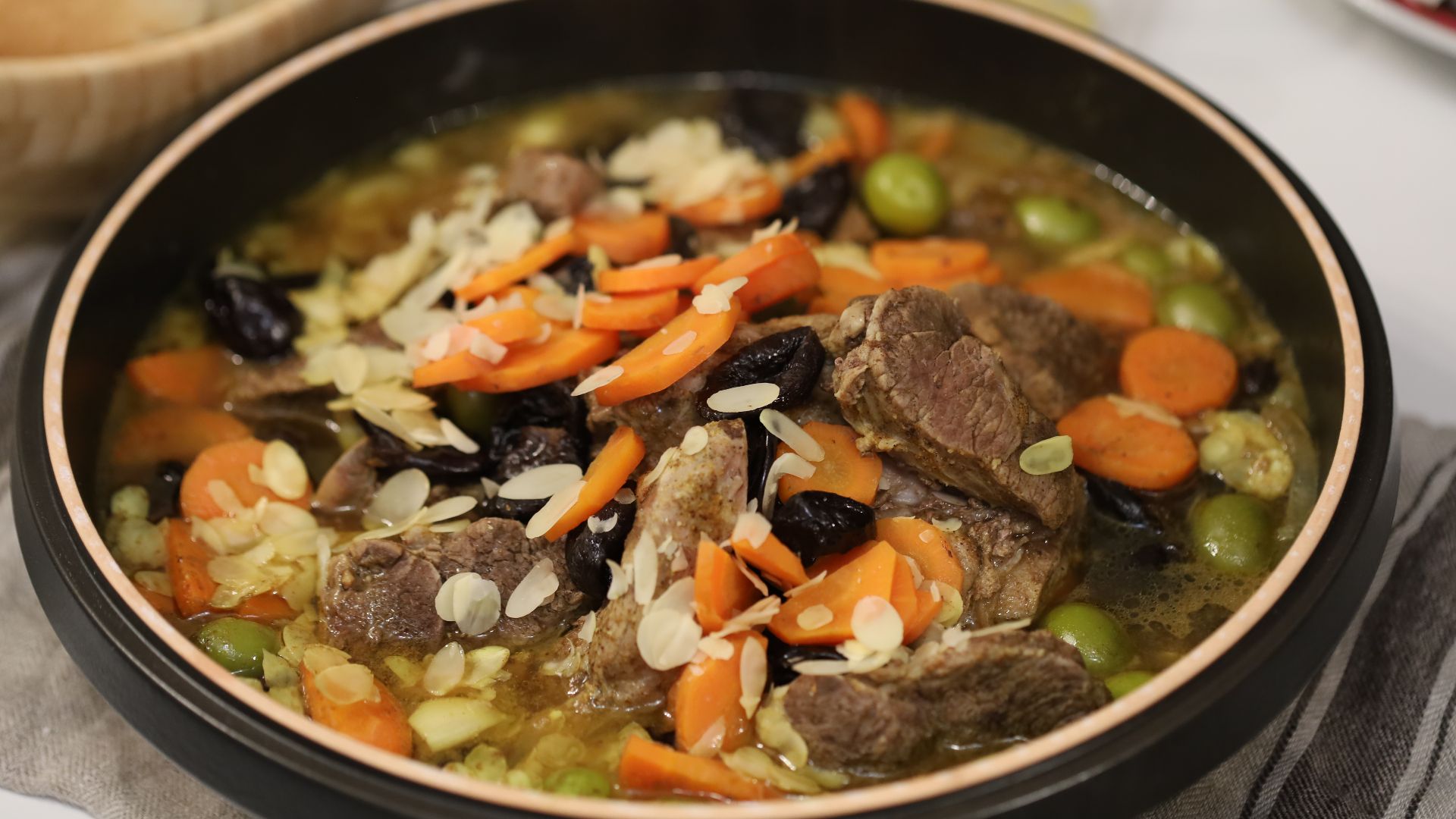 Yanygin Maxim, Wikimedia Commons
18. Malaysia
Malaysia’s multicultural population of Malay, Chinese, Indian, and Indigenous communities shaped a cuisine rich in layered flavors and mixed techniques. Laksa, nasi lemak, and stir-fried noodles highlight how traders and migrants brought spices, chili pastes, and cooking styles that blended seamlessly with local tropical ingredients. Colonial history and interconnected port cities helped turn Malaysia into one of Asia’s most diverse food hubs.
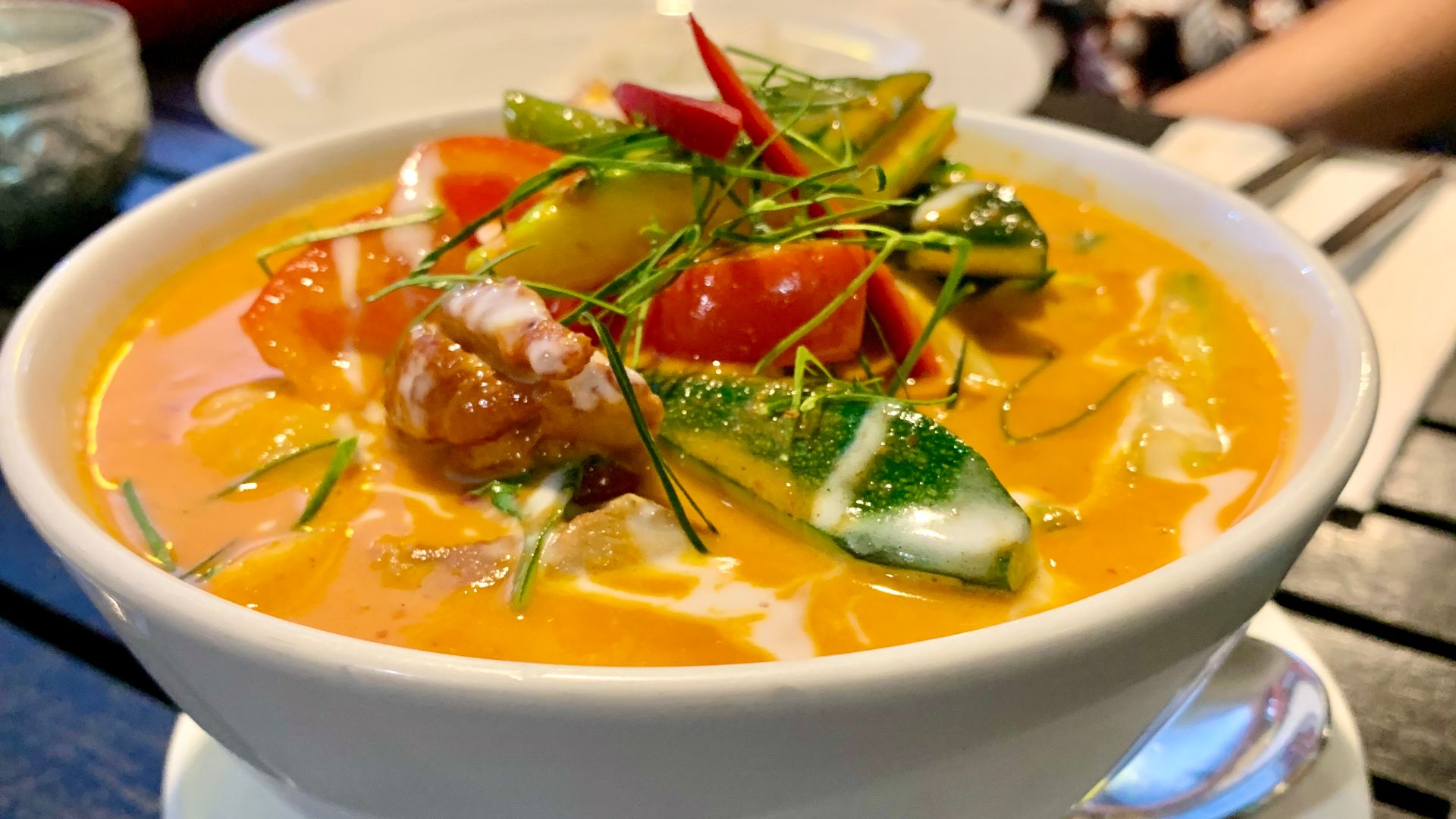 Chris Olszewski, Wikimedia Commons
17. Mexico
Mexico’s cuisine blends Indigenous traditions with Spanish, African, and Asian influences. Long before colonization, the foundations (corn, beans, cacao, and chilies) were deeply established. Regional dishes like mole in Oaxaca or cochinita pibil in Yucatán reflect local histories, while global trade routes introduced ingredients such as cinnamon and citrus. The result is one of the world’s most layered flavor profiles.
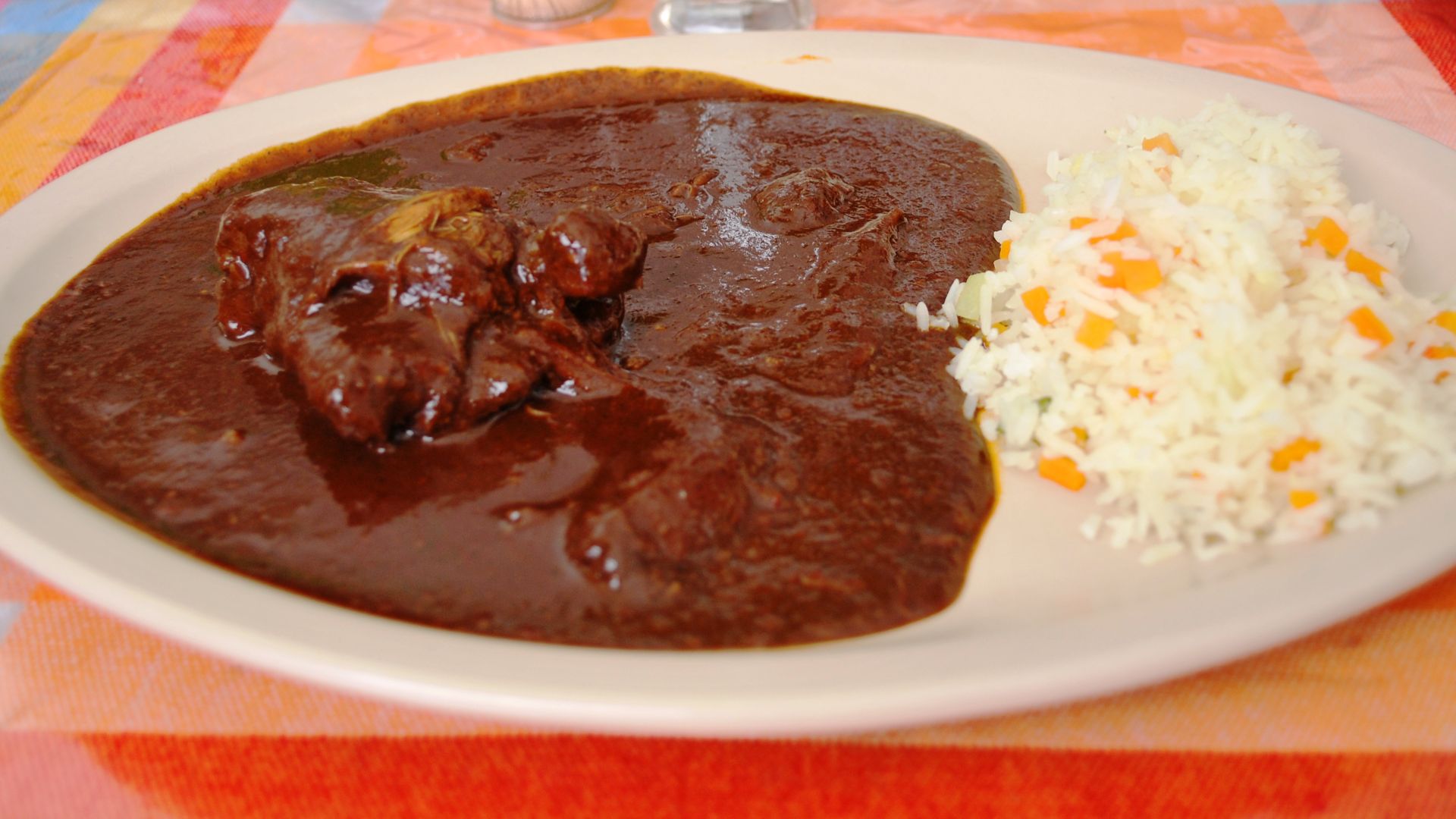 AlejandroLinaresGarcia, Wikimedia Commons
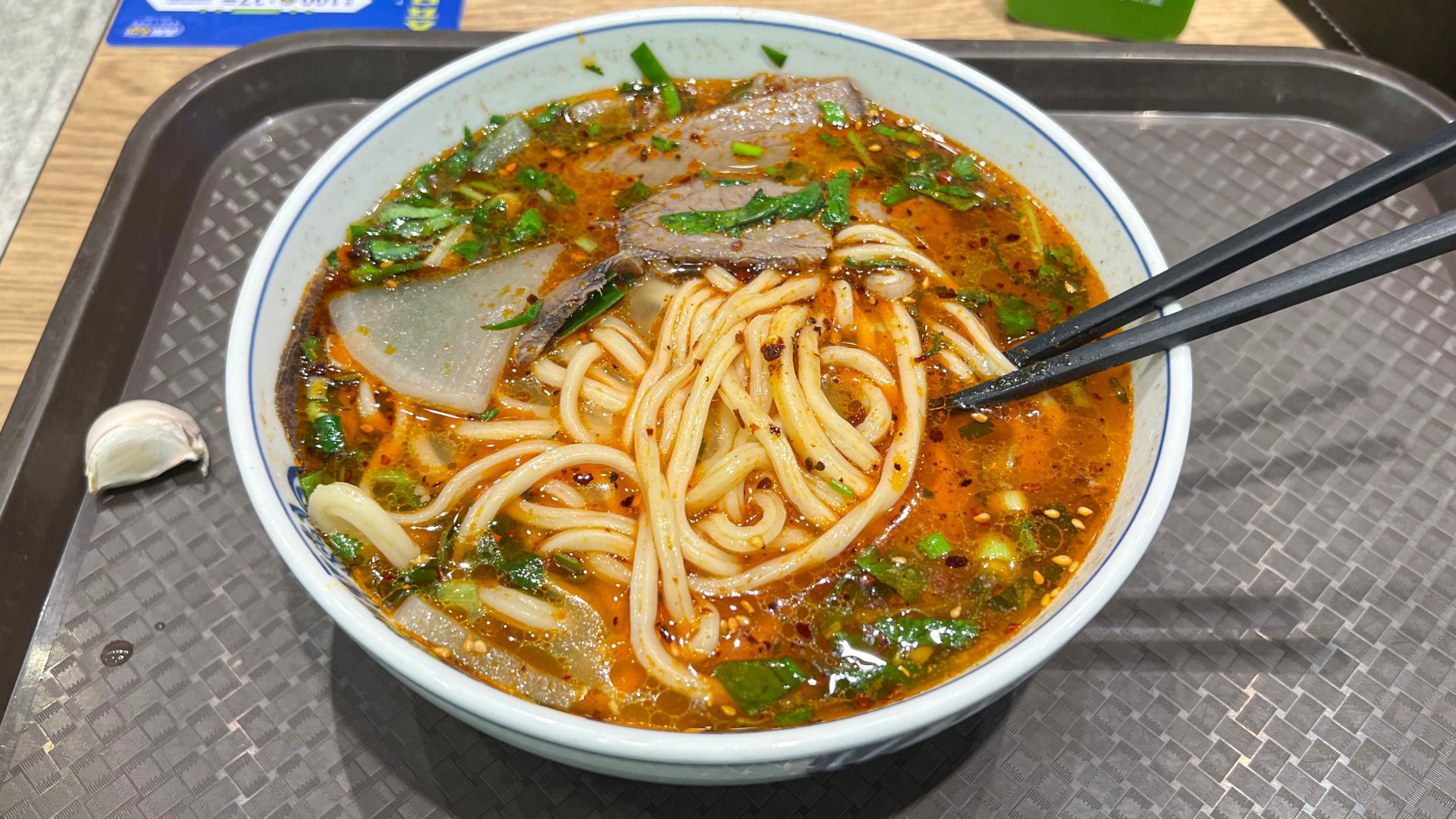
16. China
China’s culinary range developed over millennia through dynastic rule, migration, and Silk Road trade. Its major regional cuisines, like Sichuan, Cantonese, and Shandong, feature distinct philosophies shaped by geography and climate. From dim sum to hand-pulled noodles, Chinese cooking reflects regional ingenuity and a history of adapting outside influences into highly refined traditions.
15. Indonesia
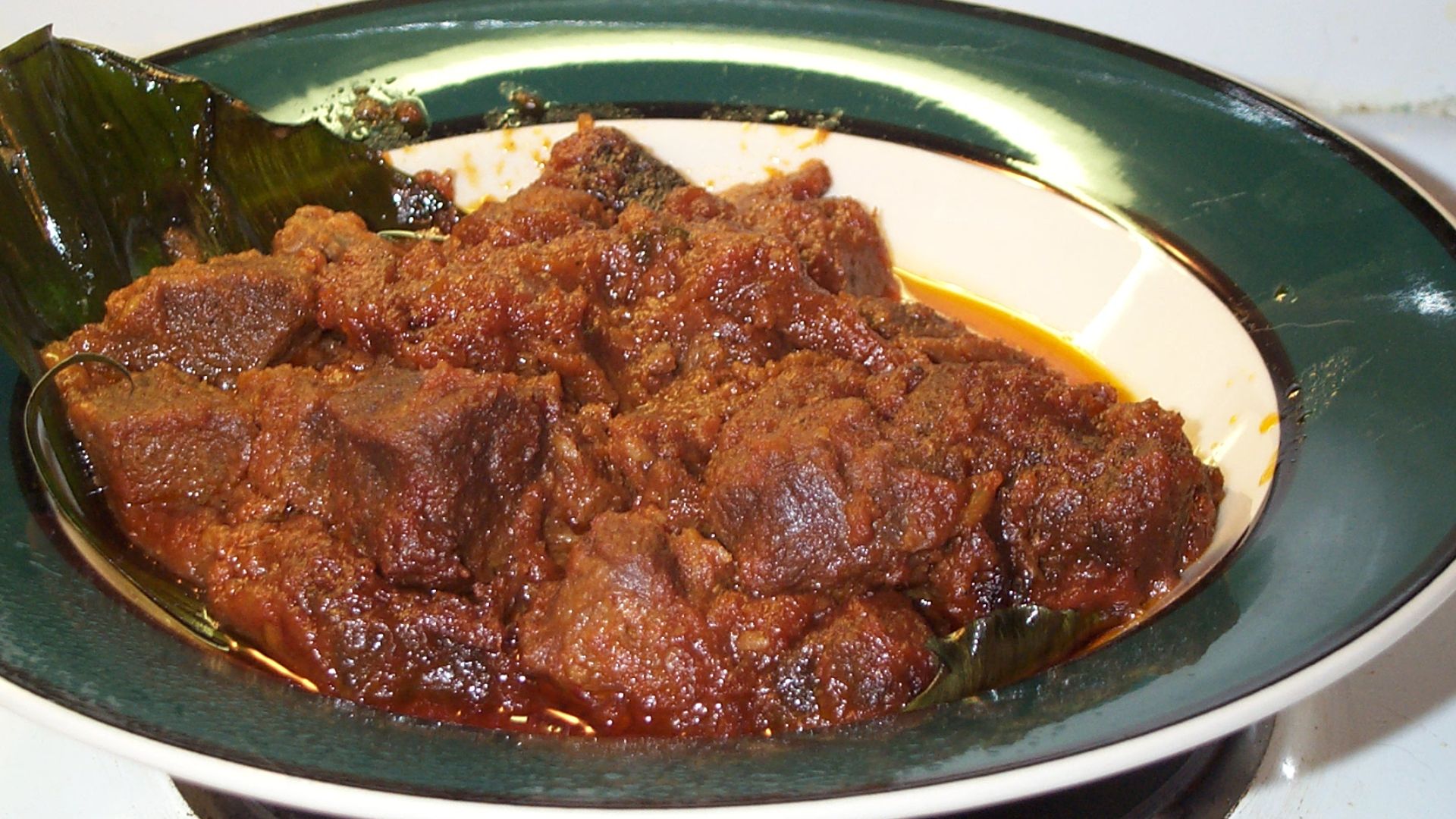
Indonesia’s position along ancient spice routes turned its thousands of islands into culinary crossroads. Indian curries, Chinese noodle traditions, and Middle Eastern spice blends mingled with local herbs and tropical staples. Dishes such as satay, nasi goreng, and rendang showcase how inter-island trade and colonial history created an extraordinarily diverse archipelago of flavors.
14. India
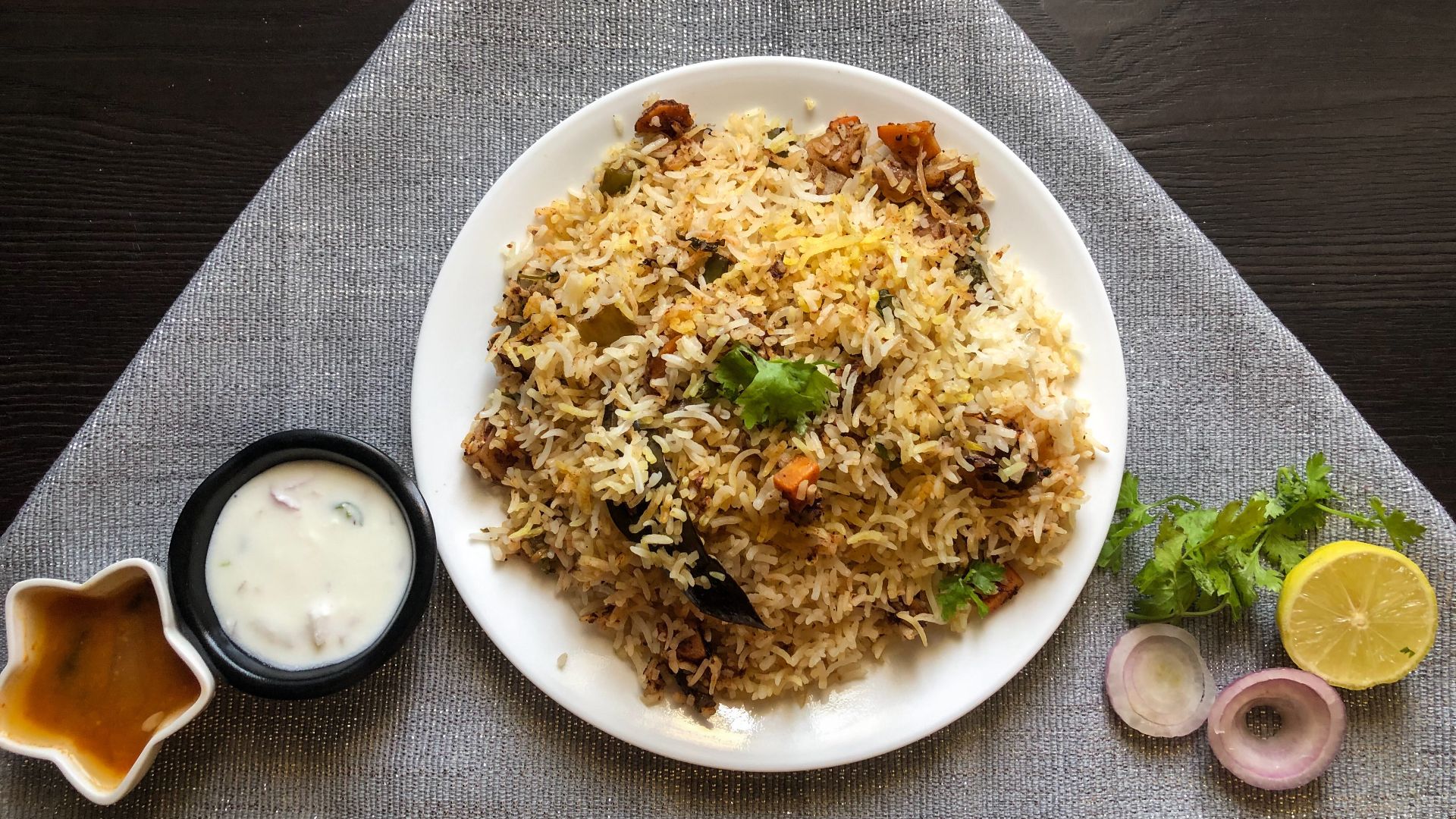
India’s vast geography, religious diversity, and long history of empire shaped its cuisine into one of the world’s most varied. Mughal courts introduced rich biryanis and kormas, while southern regions developed coconut-based curries and dosa traditions. From aromatic street snacks like chaat to elaborate regional feasts, India’s food reflects centuries of cultural layering and spice cultivation.
 Mahi Tatavarty, Wikimedia Commons
13. Peru
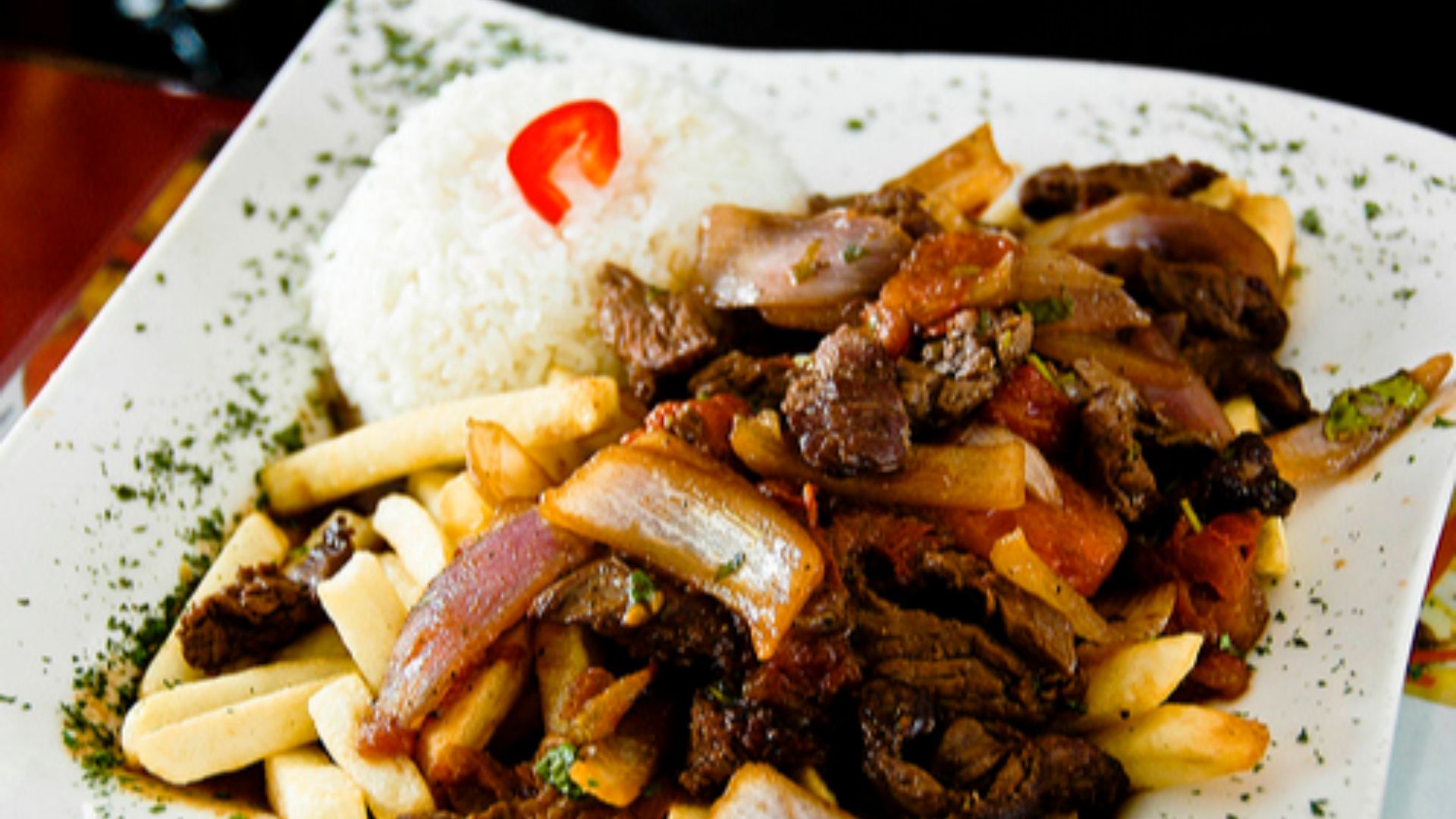
Peru’s cuisine is rooted in Indigenous Andean traditions and shaped by Spanish colonialism, African influence, and waves of Asian immigration. Dishes like ceviche and lomo saltado show how Japanese and Chinese techniques blended with local ingredients. Its extreme geography—from Amazon to coast to mountains—contributes to one of the world’s most biodiverse food supplies.
12. Thailand
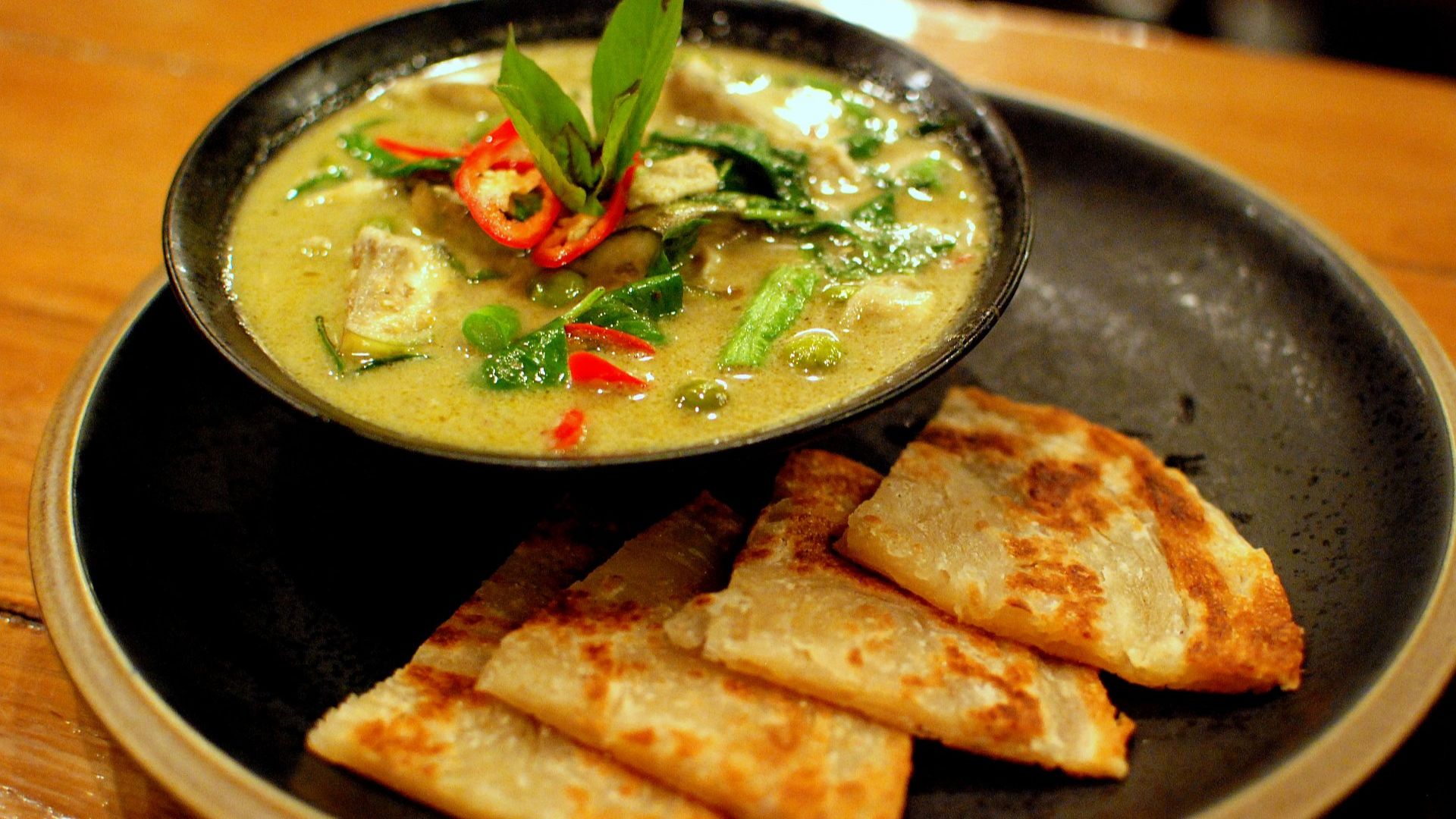
Thailand’s cuisine balances sweet, sour, salty, and spicy elements, a harmony shaped by centuries of Buddhist traditions, royal culinary refinement, and migration from China and India. While dishes like tom yum and green curry are now global icons, their origins reflect centuries of cultural exchange and a landscape rich in herbs, tropical fruits, and fresh seafood.
11. Greece
Greek cuisine evolved from ancient Mediterranean agriculture, maritime trade, and centuries of Ottoman influence. Early staples like olives, grains, and legumes blended with spices, yogurt, and kebab-style preparations. Meals such as moussaka and souvlaki illustrate how the country’s position between Europe and Asia created a food culture both rustic and deeply historic.
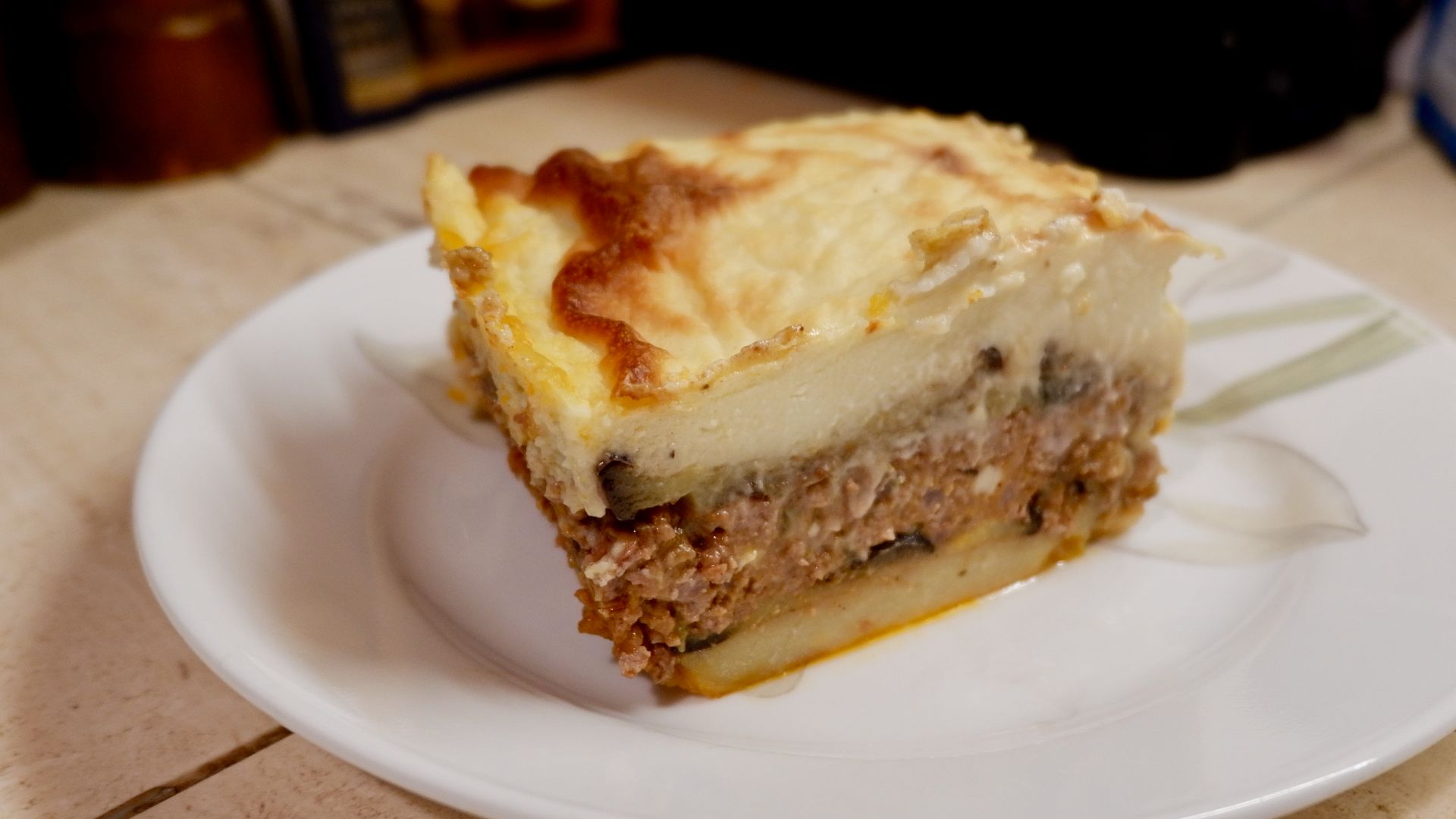 Key West Wedding Photography, Wikimedia Commons
10. Japan
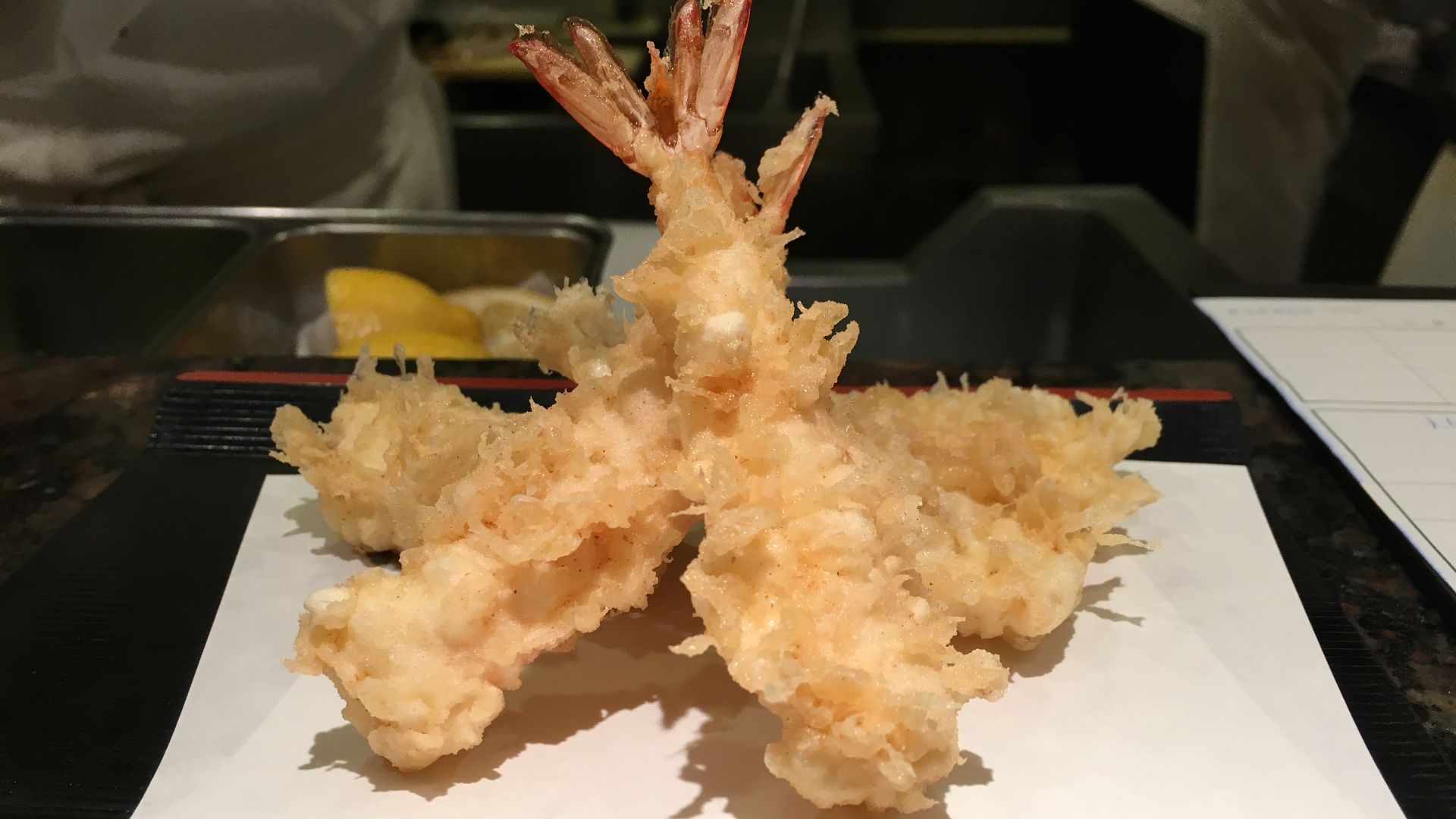
Japanese cuisine emphasizes seasonality and precision, shaped by Shinto and Buddhist food traditions, centuries of fishing culture, and selective adoption of Chinese and Korean techniques. Ramen, sushi, tempura, and regional specialties like Hokkaido seafood reflect how isolation during the Edo era and later modernization produced a cuisine both ancient and evolving.
9. France
France’s culinary prestige comes from centuries of regional farming, medieval guild traditions, Renaissance innovation, and royal influence. Classic dishes like coq au vin, bouillabaisse, ratatouille reflect the country’s diverse landscapes and historic trade connections. The French Revolution democratized fine cooking, spreading sophisticated techniques throughout everyday cuisine.
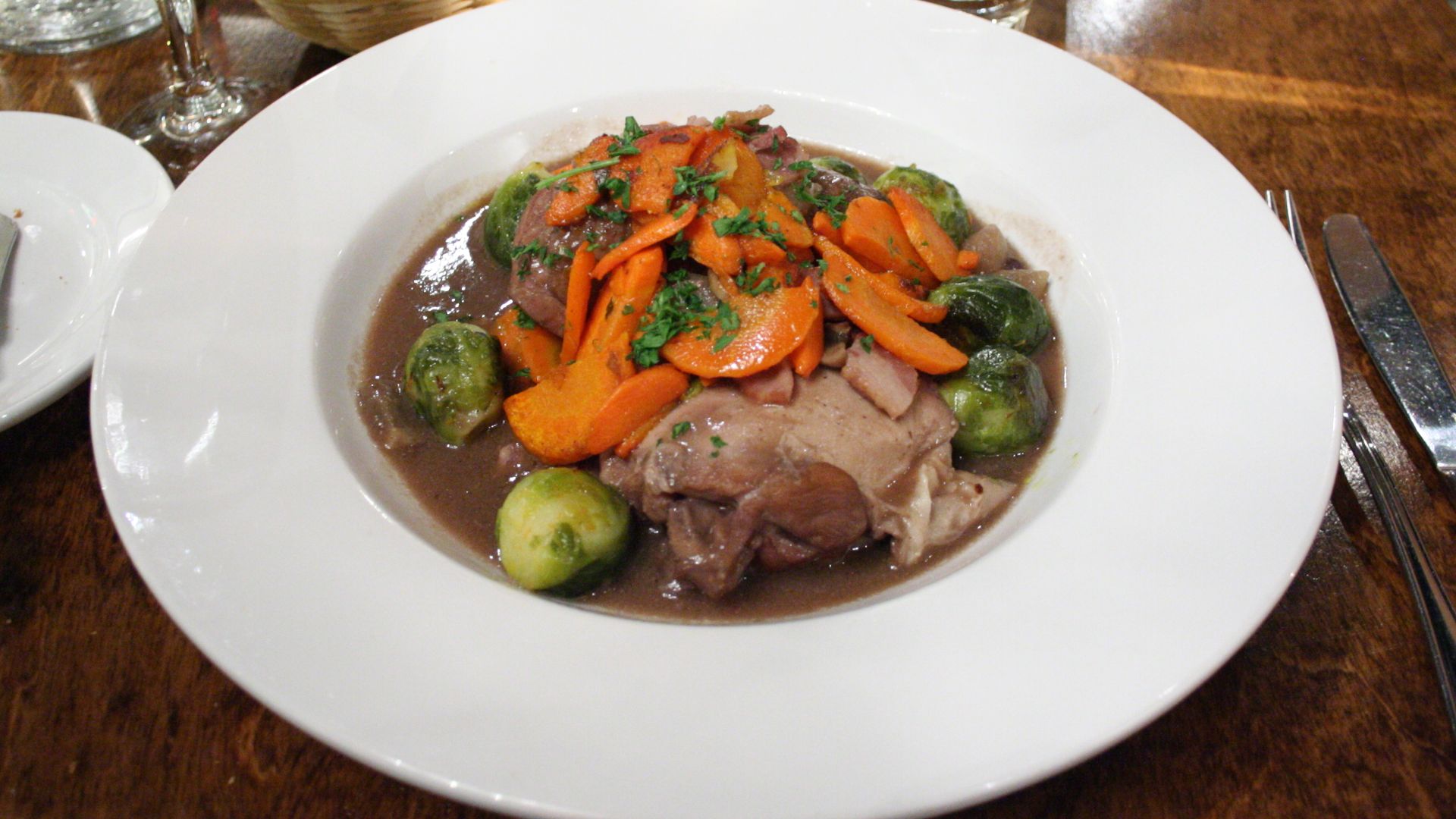 Geoff Peters from Vancouver, BC, Canada, Wikimedia Commons
8. Spain
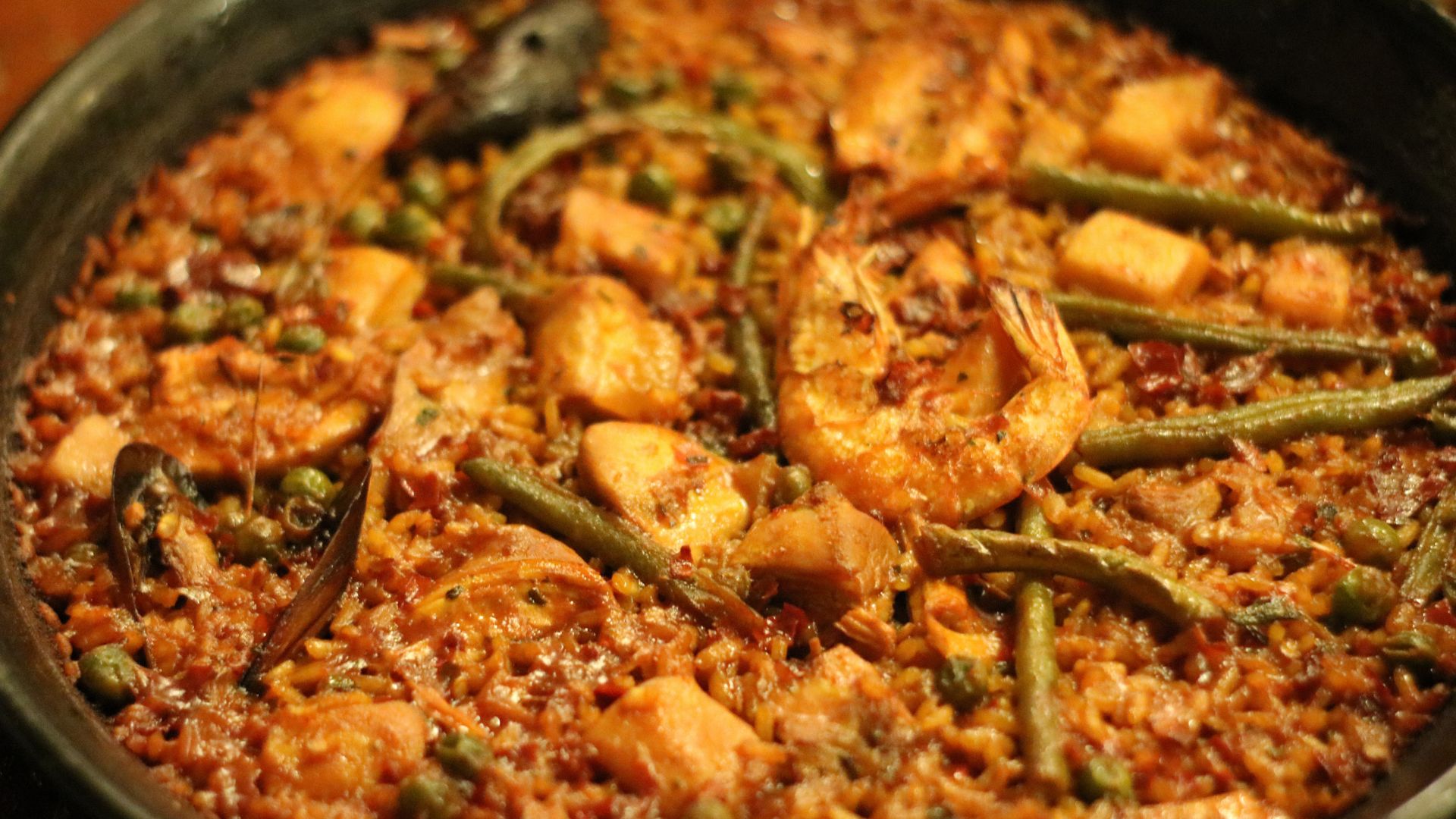
Spain’s food carries the imprint of Roman agriculture, centuries of Moorish rule, Jewish traditions, and New World ingredients like tomatoes and potatoes. Whether it’s paella shaped by Valencian rice culture or Basque pintxos rooted in local fishing communities, Spanish cuisine celebrates regional identity and historical blending in every bite.
7. Italy
Italy’s cuisine evolved from Roman culinary habits, Renaissance creativity, and centuries of regional independence. Northern dishes like creamy risottos contrast with Southern tomato-based sauces and seafood traditions. Pizza, pasta, polenta, and artisanal cheeses all reflect local agriculture and historic trade routes that shaped Italy’s endlessly diverse food culture.
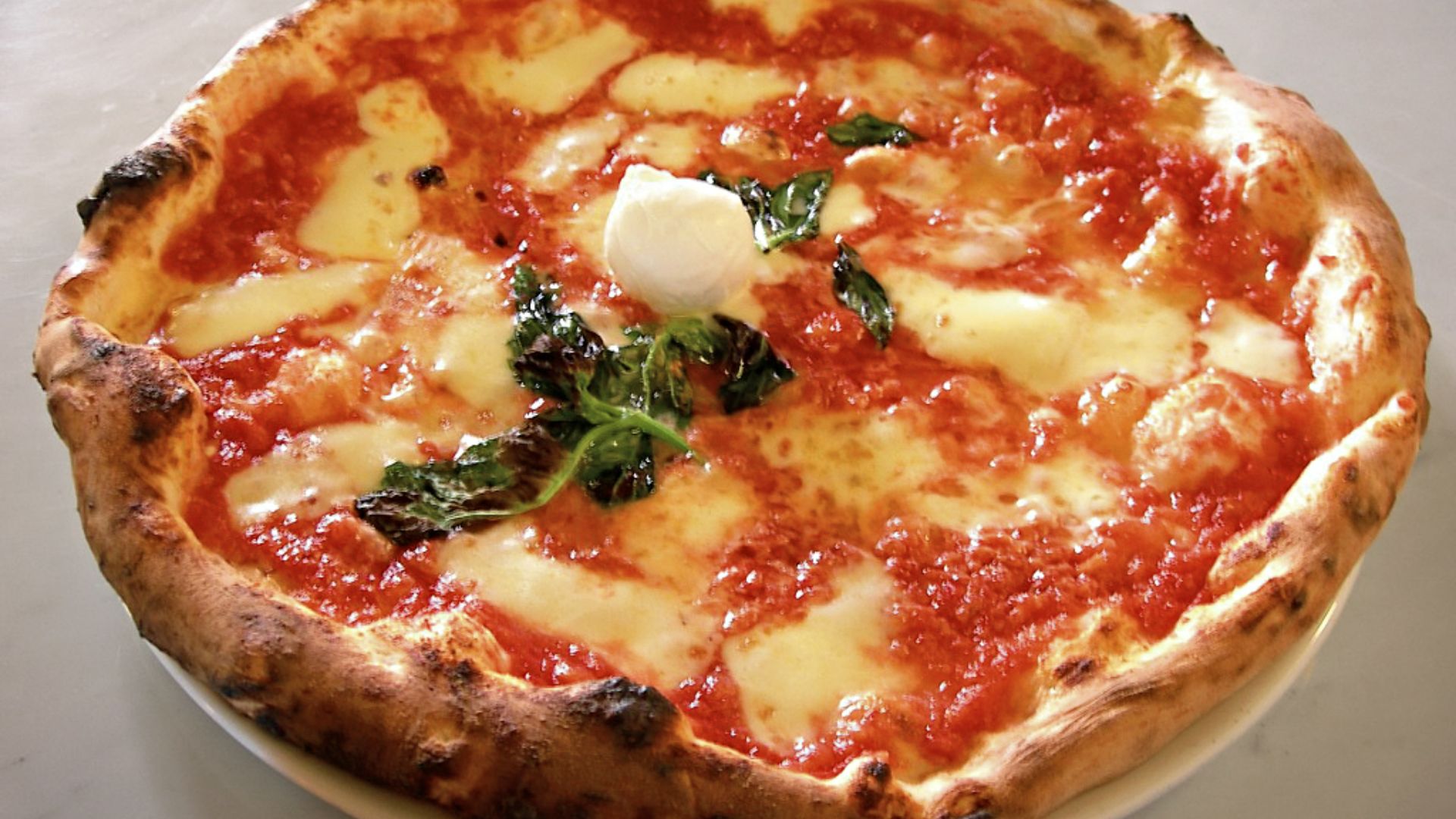 Valerio Capello at English Wikipedia, Wikimedia Commons
6. Turkey
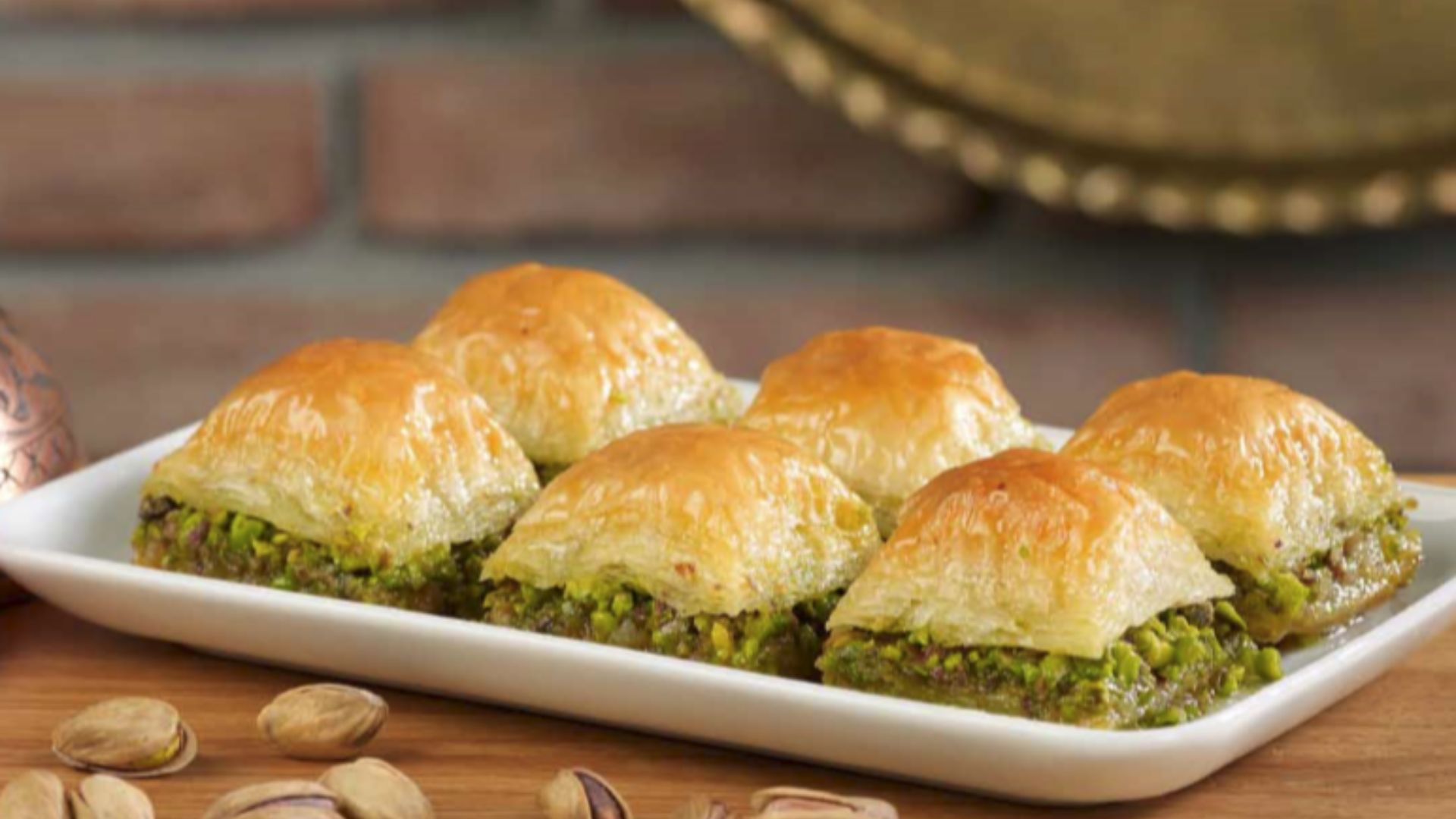
Turkey’s cuisine sits at the crossroads of Europe and Asia, carrying influences from the Ottoman Empire, Central Asian nomadic traditions, and Mediterranean agriculture. Dishes such as dolma, kebabs, and baklava highlight the empire’s reach and centuries of culinary exchange. Its regional difference, from Aegean olive-oil dishes to southeastern spice-forward stews, add depth and cultural richness.
5. Ethiopia
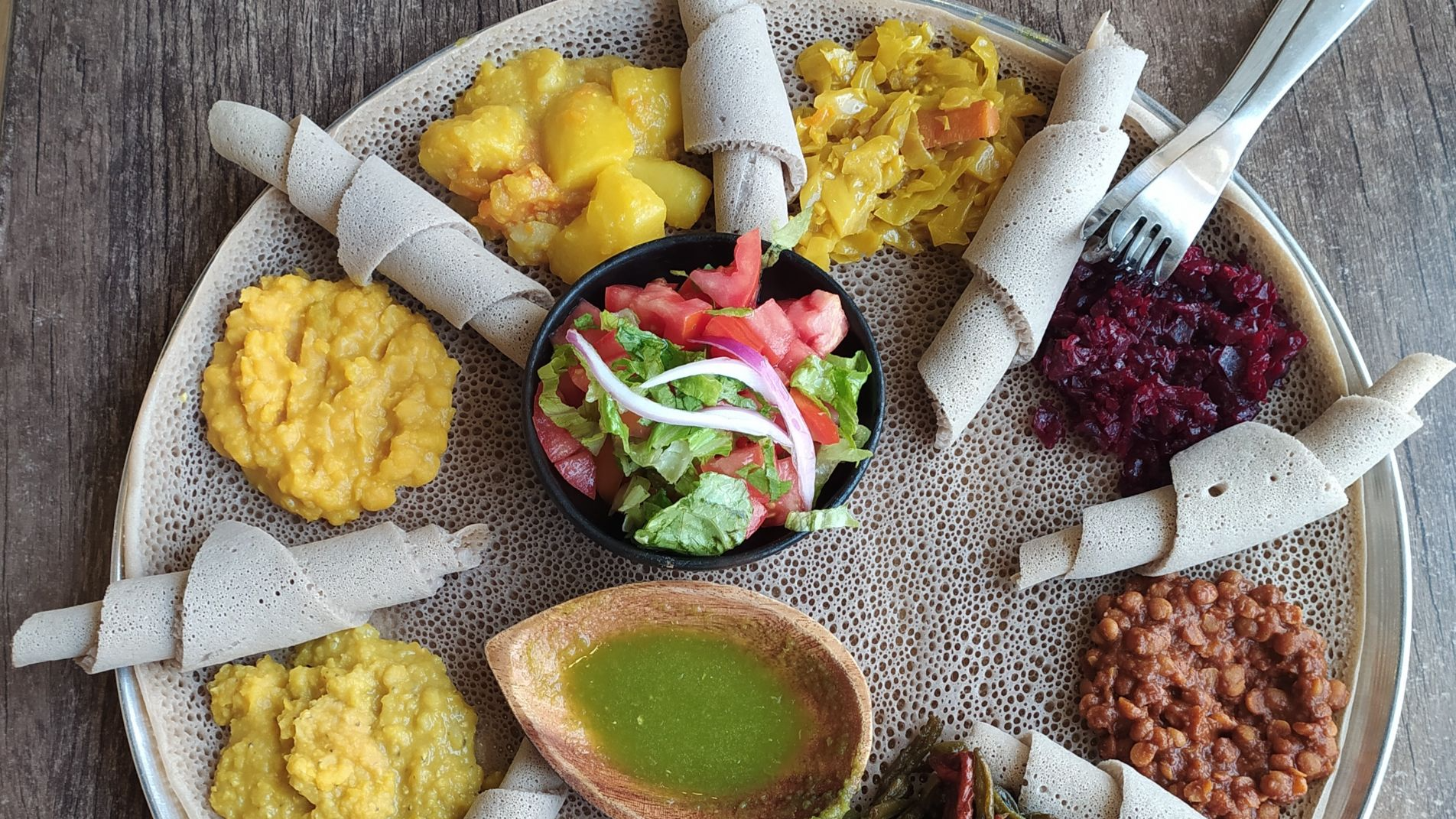
Ethiopian cuisine is shaped by ancient Christian traditions, trade with the Arabian Peninsula, and the country’s unique highland agriculture. Injera, lentil stews, and spice blends like berbere reflect Indigenous cooking that predates many global food systems. Its communal eating style and long history of trade create a cuisine unlike any other.
4. Vietnam
Vietnam’s food blends Indigenous Southeast Asian traditions with Chinese culinary techniques and French colonial influence. Pho, banh mi, and fresh herb-driven dishes show how the country adapted outside elements into a uniquely Vietnamese flavor identity. Rice paddies, river deltas, and coastal fishing shaped ingredients that define the nation’s fresh, aromatic style.
 Vinnie Cartabiano, Wikimedia Commons
3. Lebanon
Lebanon’s cuisine reflects thousands of years of Mediterranean trade and cultural exchange with Phoenician, Ottoman, and Arab empires. Mezze traditions, grilled meats, and dishes like tabbouleh and kibbeh demonstrate how spices, grains, and herbs shaped a deeply aromatic, communal food culture. Its coastal geography made it a historic trading hub for culinary ideas.
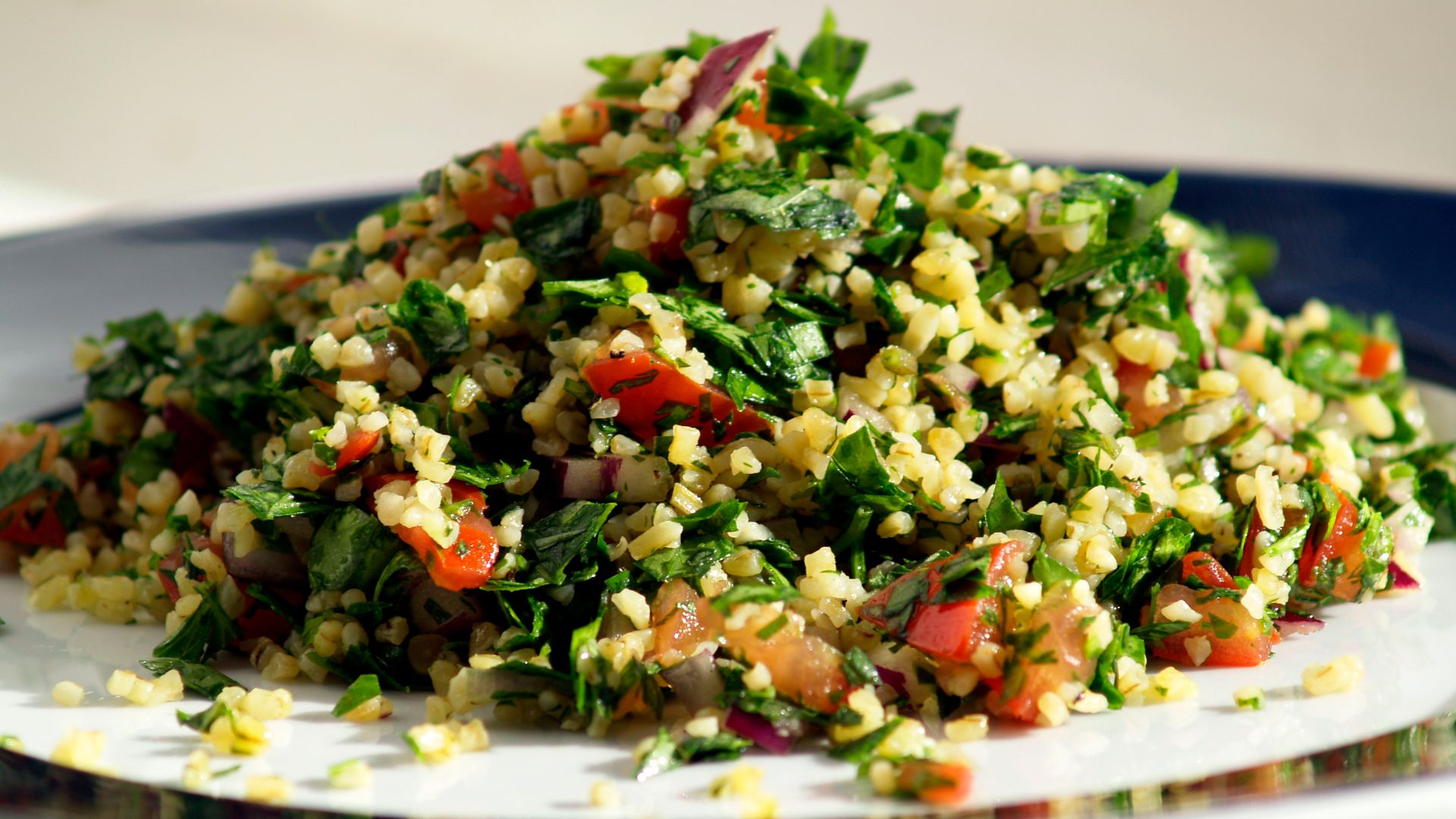 cyclonebill, Wikimedia Commons
2. South Korea
Korean cuisine combines ancient preservation techniques, Buddhist vegetarian traditions, and modern influences from trade and colonization. Fermentation is central (kimchi, doenjang, gochujang) and dishes like bibimbap and bulgogi reflect a balance of flavor, health, and seasonal agriculture. Rapid cultural change in the 20th century added new layers to Korea’s already rich culinary story.
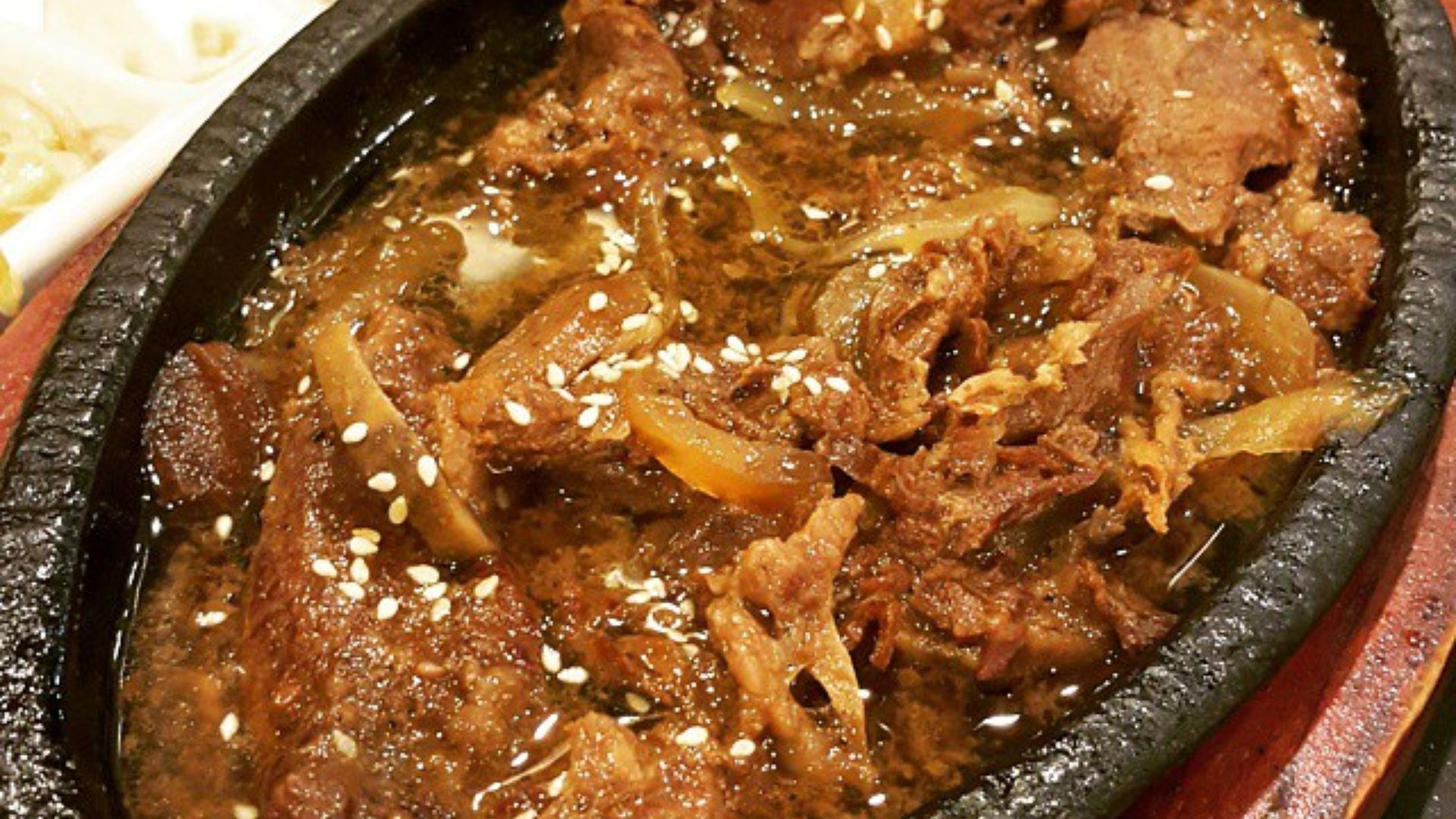 Debbie Tingzon, Wikimedia Commons
1. Thailand
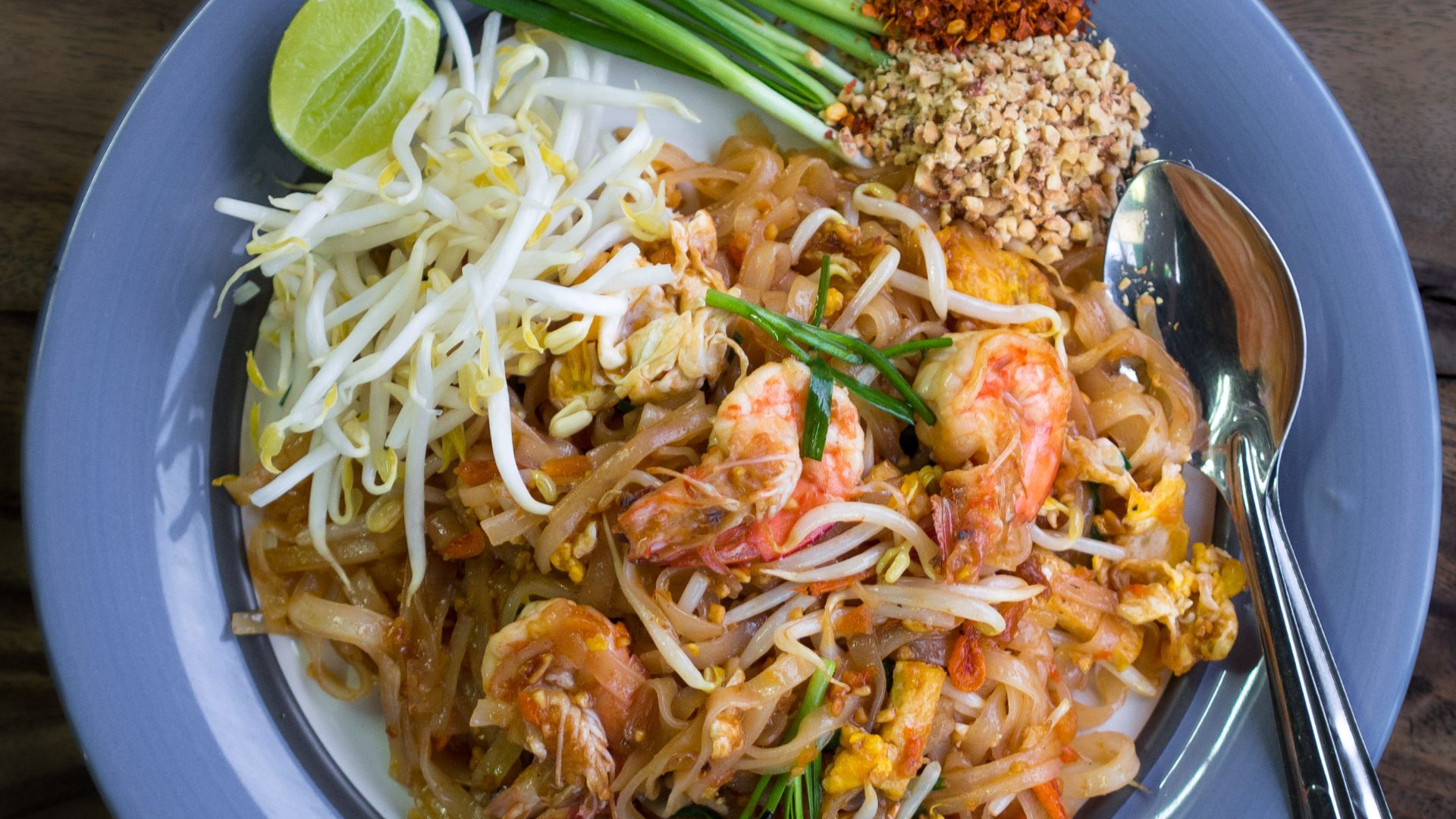
Thailand takes the top spot as one of the most historically layered and flavor-balanced cuisines in the world. Centuries of migration, Indian spice routes, Chinese noodle traditions, and royal culinary refinement shaped dishes like pad Thai, massaman curry, and som tam. Its regional diversity and mastery of sweet—sour—salty—spicy harmony give Thai cuisine unparalleled global appeal.
You May Also Like:
The Countries With The Spiciest Food—Ranked, According To Professional Chefs
Ranking The US Cities With The Best Coffee Scenes—According To Locals
Ranking The Top 25 Food Festivals In The World—According To Foodies