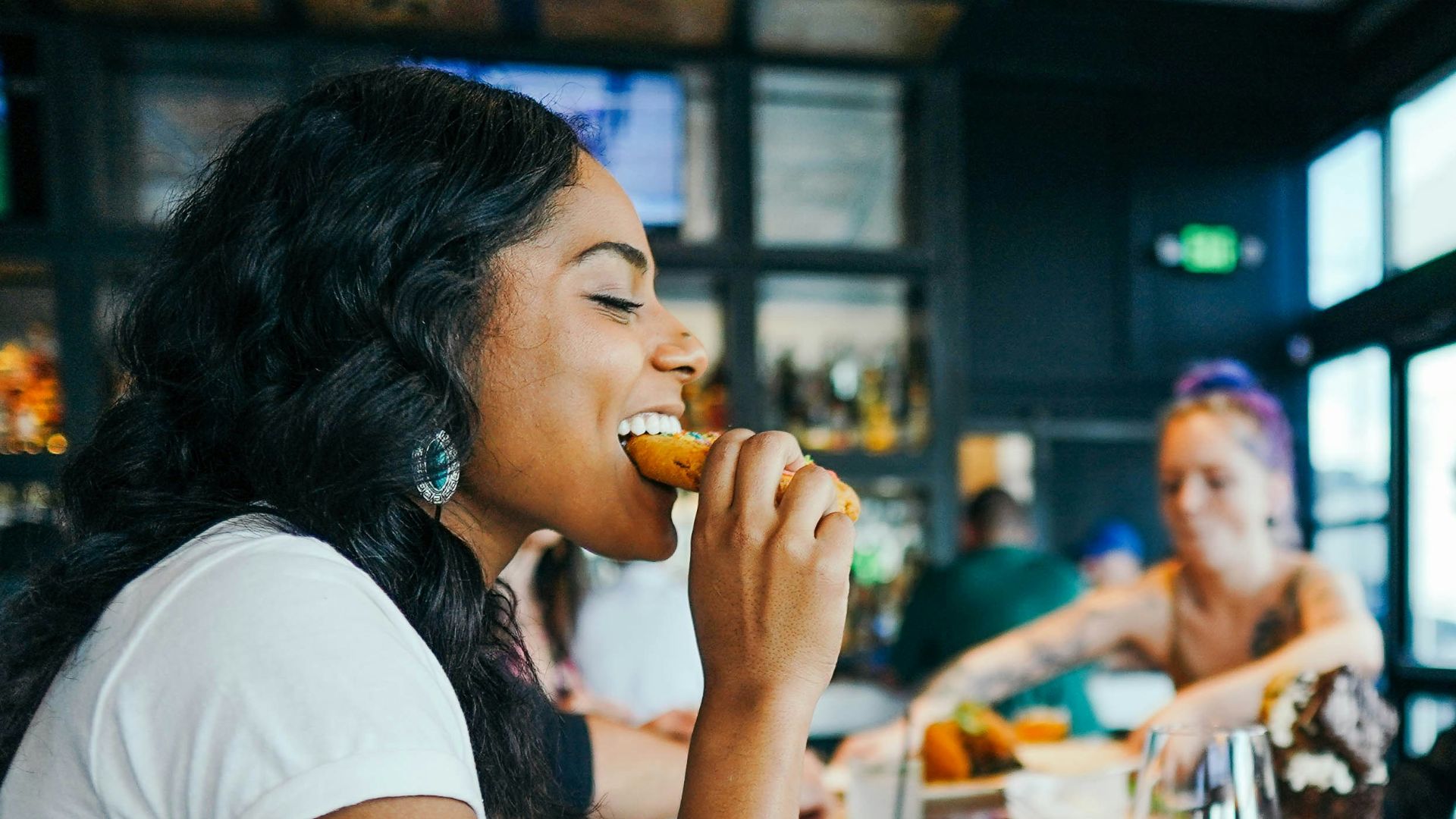
The Reservation Fight Starts Early
Group trips can get tense fast when one person wants every meal to be at a buzzy, hard-to-book restaurant. If your friend only wants trendy spots, you are not rude for wanting to split off for a meal or two. Etiquette experts and travel advisors mostly agree on the real issue: not whether you eat separately, but whether you say it clearly and respectfully.
 cottonbro studio, Pexels, Modified
Why Food Becomes the Flashpoint
Meals are where vacation budgets, energy, and expectations all crash into each other. One person sees dinner as the main event. Another just wants something easy after a long day of walking around. Travel experts at Condé Nast Traveler have pointed out that mismatched priorities are a common source of tension on group trips, especially when plans are fuzzy.

What Etiquette Experts Actually Say
Guidance from the Emily Post Institute comes back to the same basics: be considerate, communicate, and do not assume everyone wants the same thing. That applies to travel too. If your goals around meals are different, it is more polite to say so than to quietly resent every reservation.

Separate Meals Are More Common Than You Think
Travel advisors have long suggested building some independence into group trips. Rick Steves, whose travel advice has shaped American vacations for decades, flat-out recommends agreeing ahead of time that travelers do not need to do everything together. Meals are often the easiest thing to split up without throwing off the whole trip.

The Real Rude Move Is Springing It Last Minute
There is a big difference between planning a solo lunch and bailing on a table someone booked weeks ago. If a friend spent time locking down a reservation, especially at a place that is hard to get into, backing out at the last second can feel inconsiderate. Good manners usually mean giving people enough notice to change plans and costs.

Money Changes the Conversation
Trendy restaurants often mean tasting menus, service charges, and expensive cocktails that not everyone wants to pay for. NerdWallet and other consumer finance outlets regularly advise travelers to talk about budgets before a trip because food spending can swing wildly, even in the same city. If your friend wants every dinner to be a splurge, it is fair to say that is not your plan.
 https://kaboompics.com/, Pexels
Time Matters Too
A fashionable dinner can swallow an entire evening between getting there, waiting, and sitting through multiple courses. For some travelers, that is the perfect night. For others, it means missing neighborhoods, museums, or simple downtime they care about more.
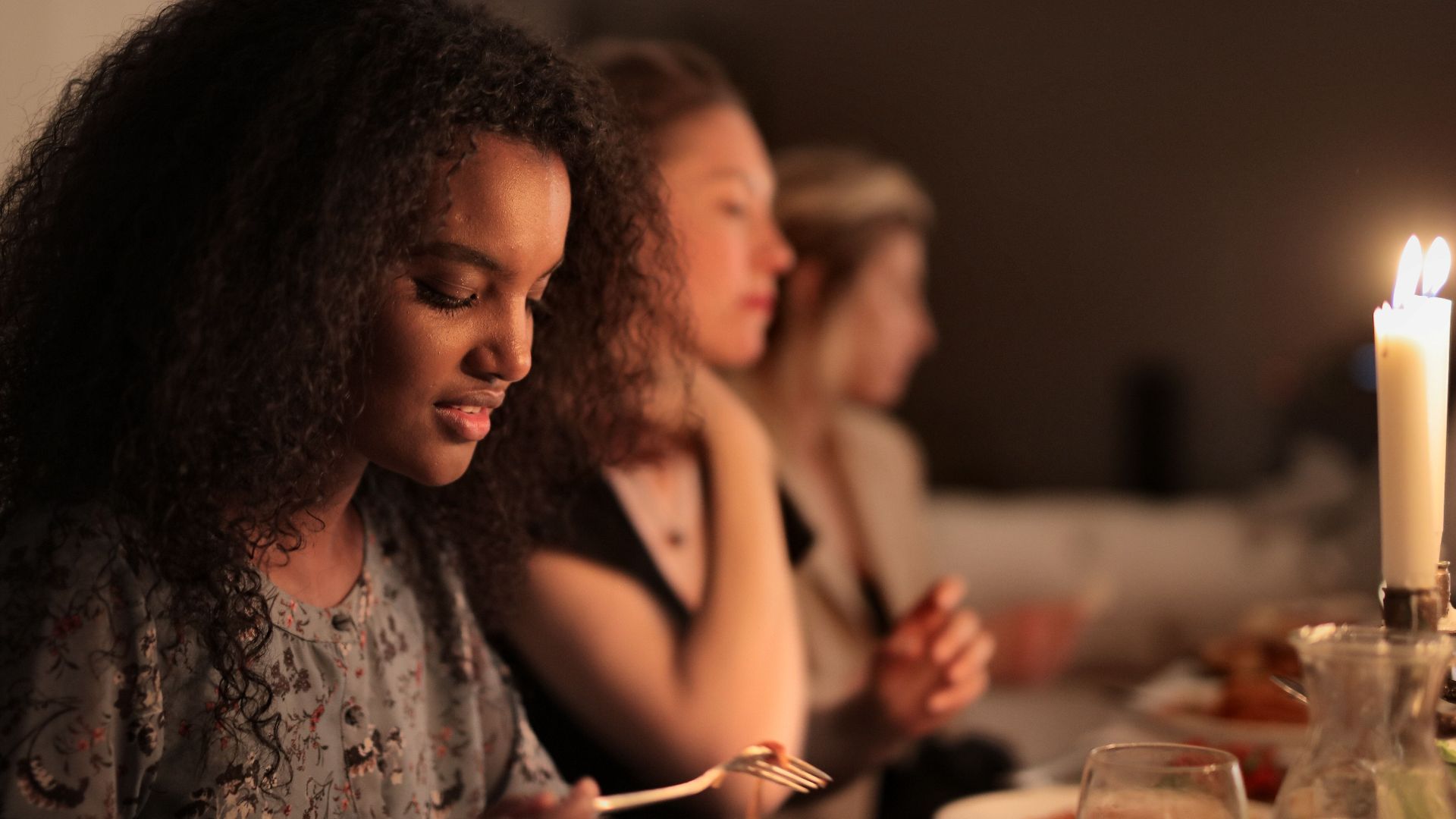
You Do Not Need the Same Vacation Style
One of the most useful truths about adult travel is that getting along does not mean doing everything the same way. The best group trips leave room for different rhythms. The U.S. travel industry has leaned more into flexible itineraries because travelers want both time together and some freedom, a pattern widely discussed in travel coverage after leisure travel bounced back.

Set Expectations Before the Plane Takes Off
The best time to bring this up is before the trip, not when everyone is hungry and standing on a sidewalk. Keep it simple and specific. You might say you want one special dinner together but would rather keep some lunches flexible. That sounds cooperative, not dismissive.

A Shared Meal Quota Can Save the Trip
If your friend loves destination dining, offer a middle ground. Maybe you agree on two big restaurant nights during a five-day trip and leave the rest open. That gives the food-focused traveler something to look forward to without turning every meal into a production.
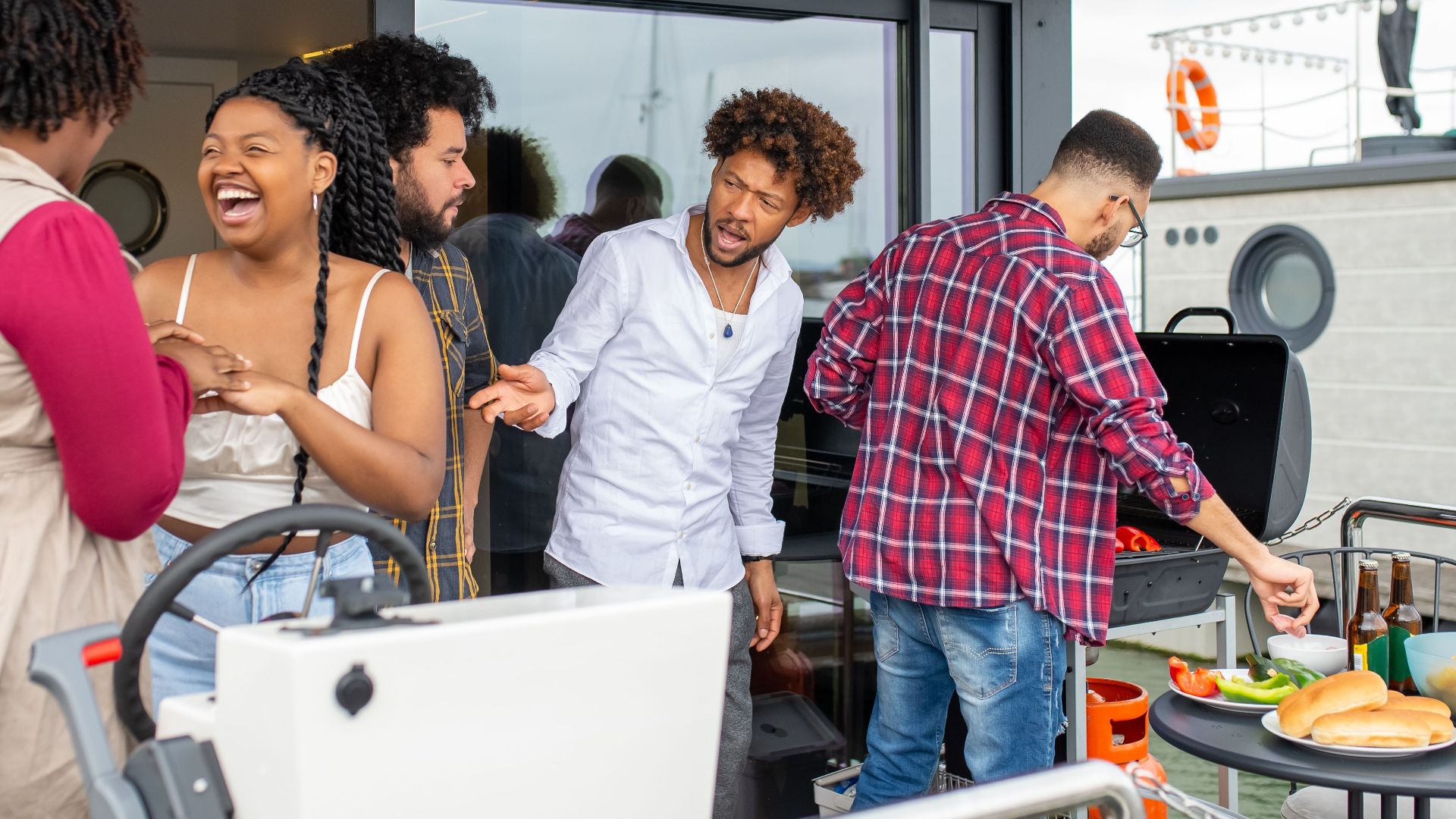
Lunch Is the Easiest Place to Flex
Separate lunches usually carry less emotional weight than separate dinners. People naturally split off during the day for shopping, museums, beach time, or naps. Meeting up again later can keep the peace while giving everyone more freedom.
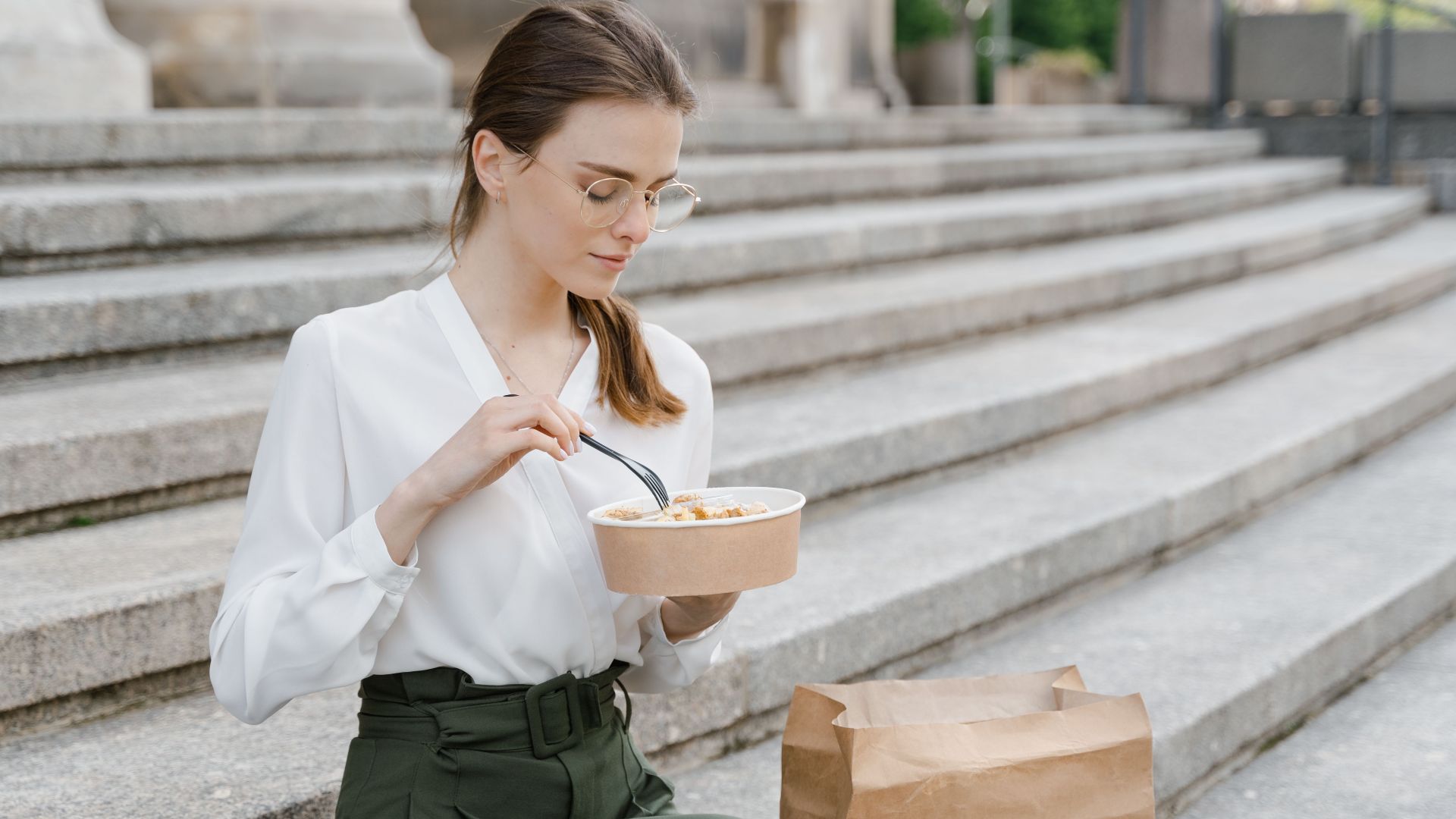
Breakfast Can Be Your Escape Valve
Breakfast is often the easiest time to do your own thing. If your friend wants to wait in line for the city’s hottest brunch, you can grab coffee and a pastry nearby without much drama. Starting the day separately can also take some pressure off the hours ahead.

Destination Reality Can Strengthen Your Case
In many major cities, top restaurants need reservations weeks or even months ahead. OpenTable and major travel guides regularly note that demand for viral or Michelin-starred places can outstrip supply, especially in cities like New York, Paris, London, and Tokyo. That alone is a good reminder that not every meal can or should revolve around the hardest table in town.
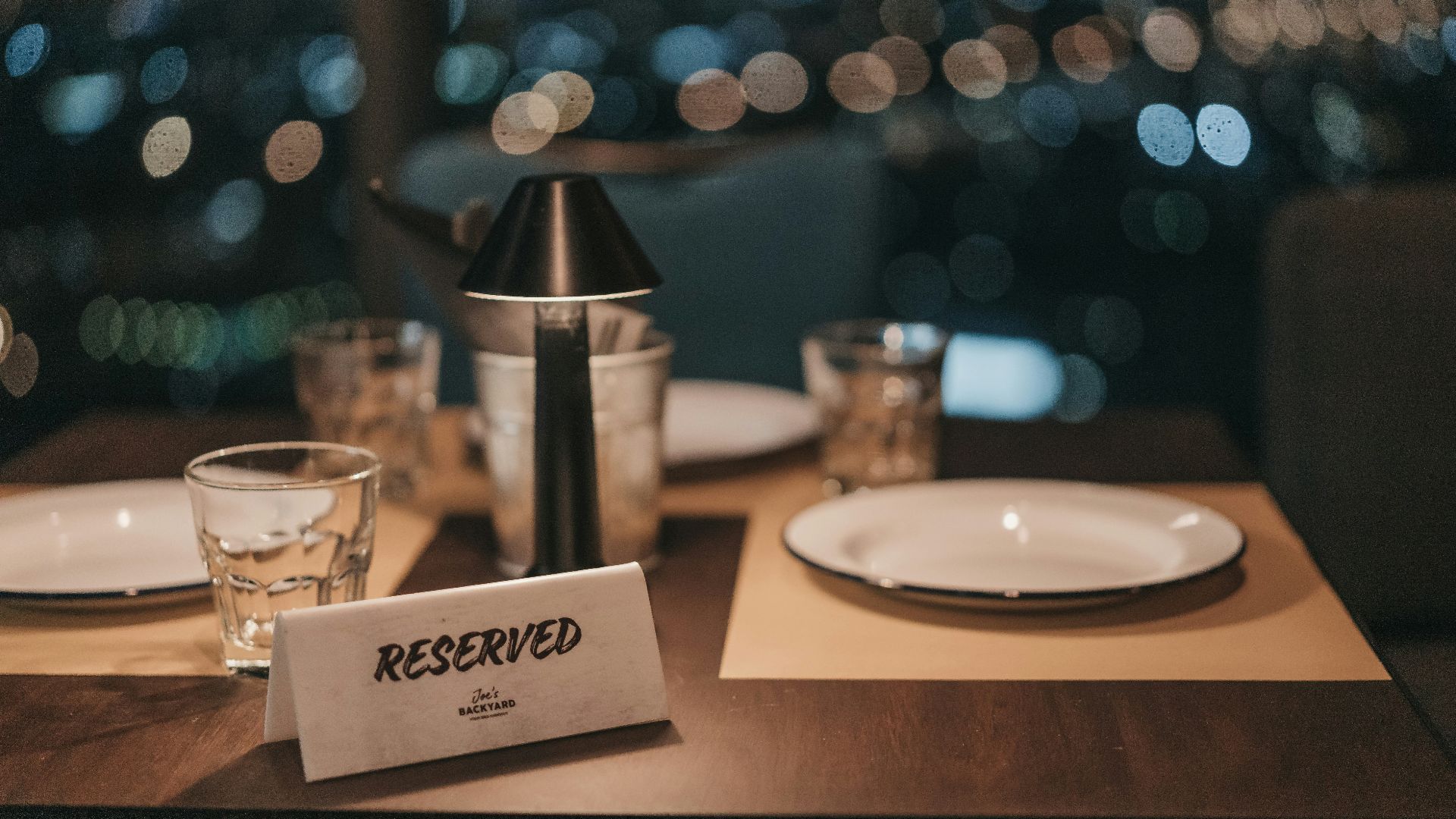
Social Media Often Fuels the Tension
A lot of trendy restaurant picks come from TikTok, Instagram, and “what’s hot right now” lists. That can be fun, but it can also turn meals into a checklist. If you would rather eat well without chasing hype, that is a preference, not an insult.

How to Say It Without Sounding Snobby
Use “I” statements and keep it light. Say you would love one or two special meals together, but you also want some low-key food stops on your own. That will land better than calling your friend’s choices overrated or touristy, even if you think they are.
How to Say It If Budget Is the Issue
Talking about money can feel awkward, but being direct is kinder than dodging the subject. Say you are sticking to a food budget and cannot do every dinner at high-end places. Most etiquette advice backs honest, calm clarity over vague excuses that create confusion later.
 Henri Mathieu-Saint-Laurent, Pexels
How to Say It If Energy Is the Issue
Sometimes the problem is not cost. It is stamina. Maybe you do not want a two-hour tasting menu after walking ten miles. Framing it around pace can help your friend see that you are trying to enjoy the trip, not avoid their company.

Do Not Turn the Group Into a Jury
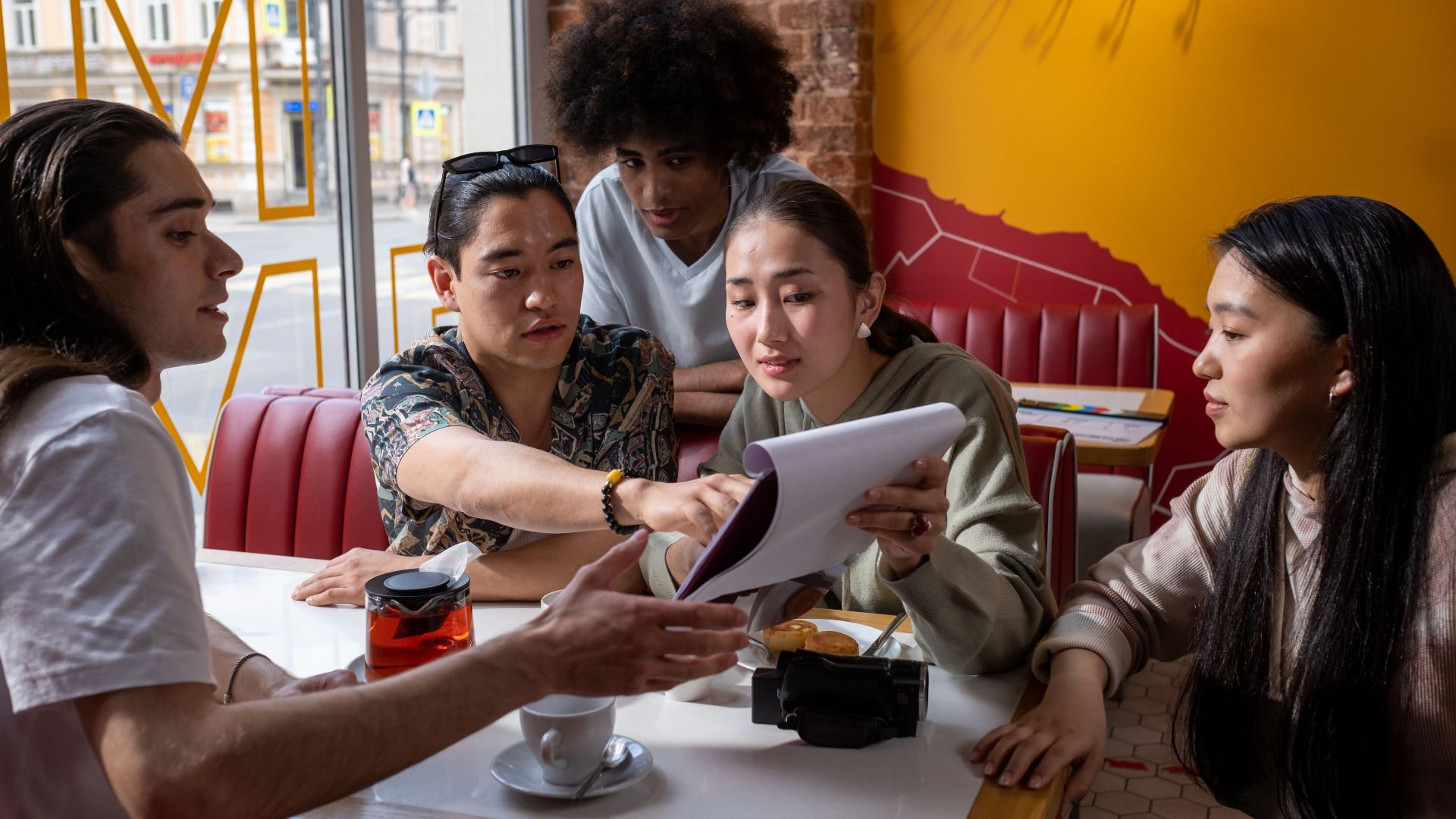
If this is really between you and one friend, do not make everyone else pick sides. Ask whether anyone wants in on the reservation, then let people choose for themselves. Group trips get ugly fast when every personal preference turns into a group vote.
One Person Can Join You, Or No One Can
Once you make your plan clear, let people opt in without pressure. Maybe another traveler also wants a casual noodle bar or a street food market. Maybe everyone else wants the trendy place. That is fine too.
Check the Reservation Details Carefully
Before you back out, make sure you know what is at stake. Some restaurants charge cancellation fees or require prepaid menus. If leaving would cost the group money, the polite move is to cover your share if it is too late to cancel.
 https://kaboompics.com/, Pexels
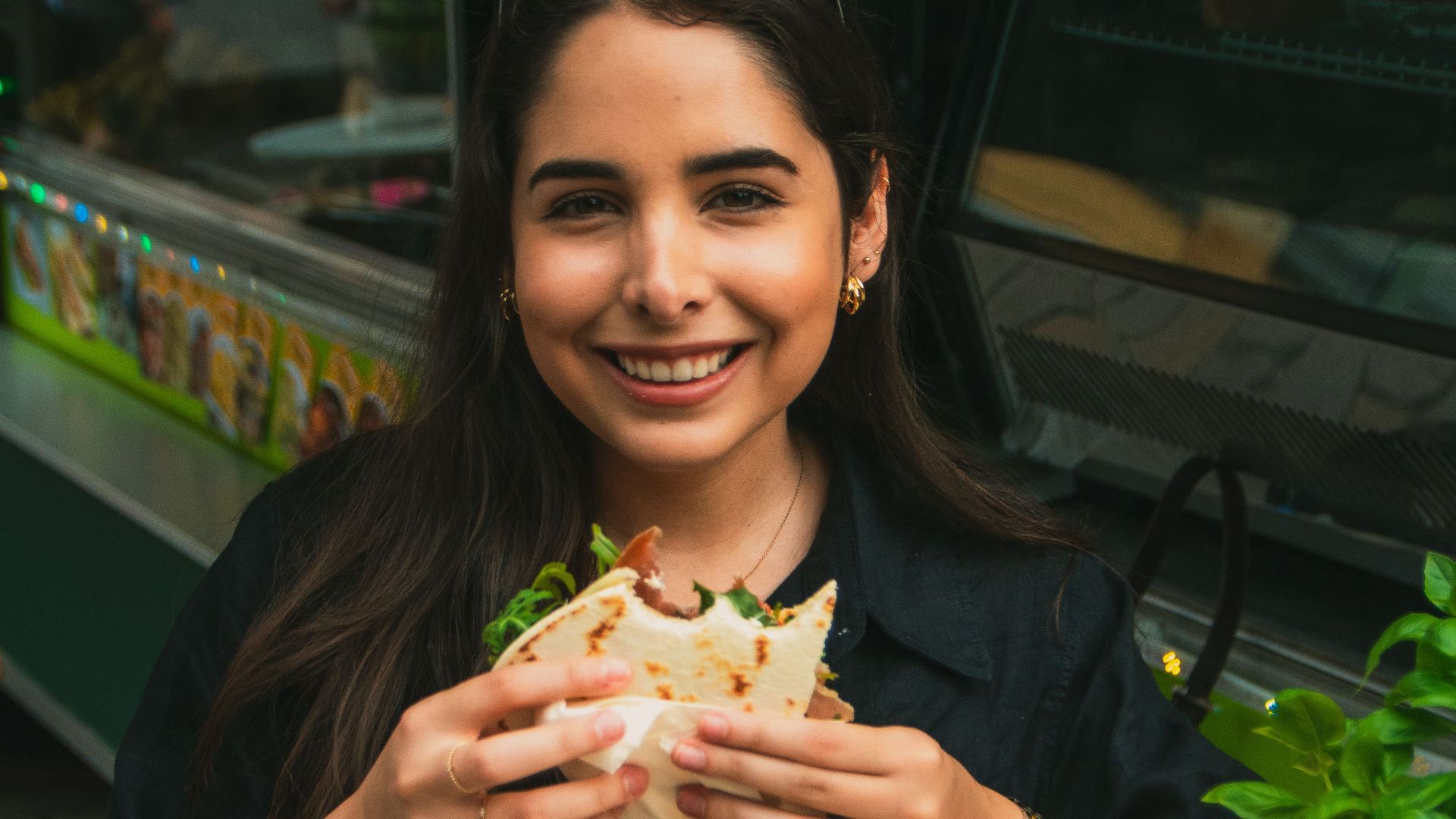
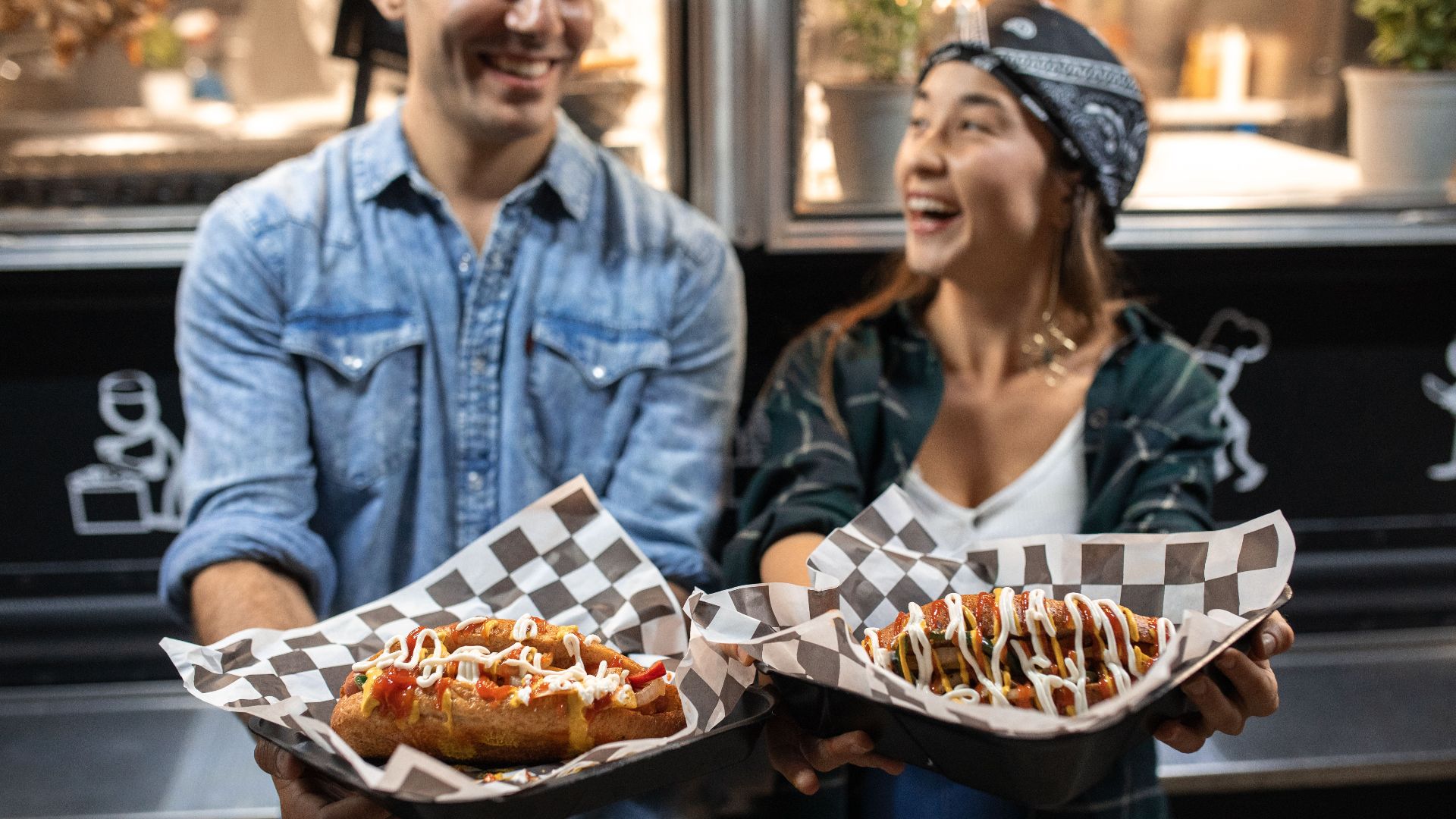
Street Food and Small Spots Count As Real Travel
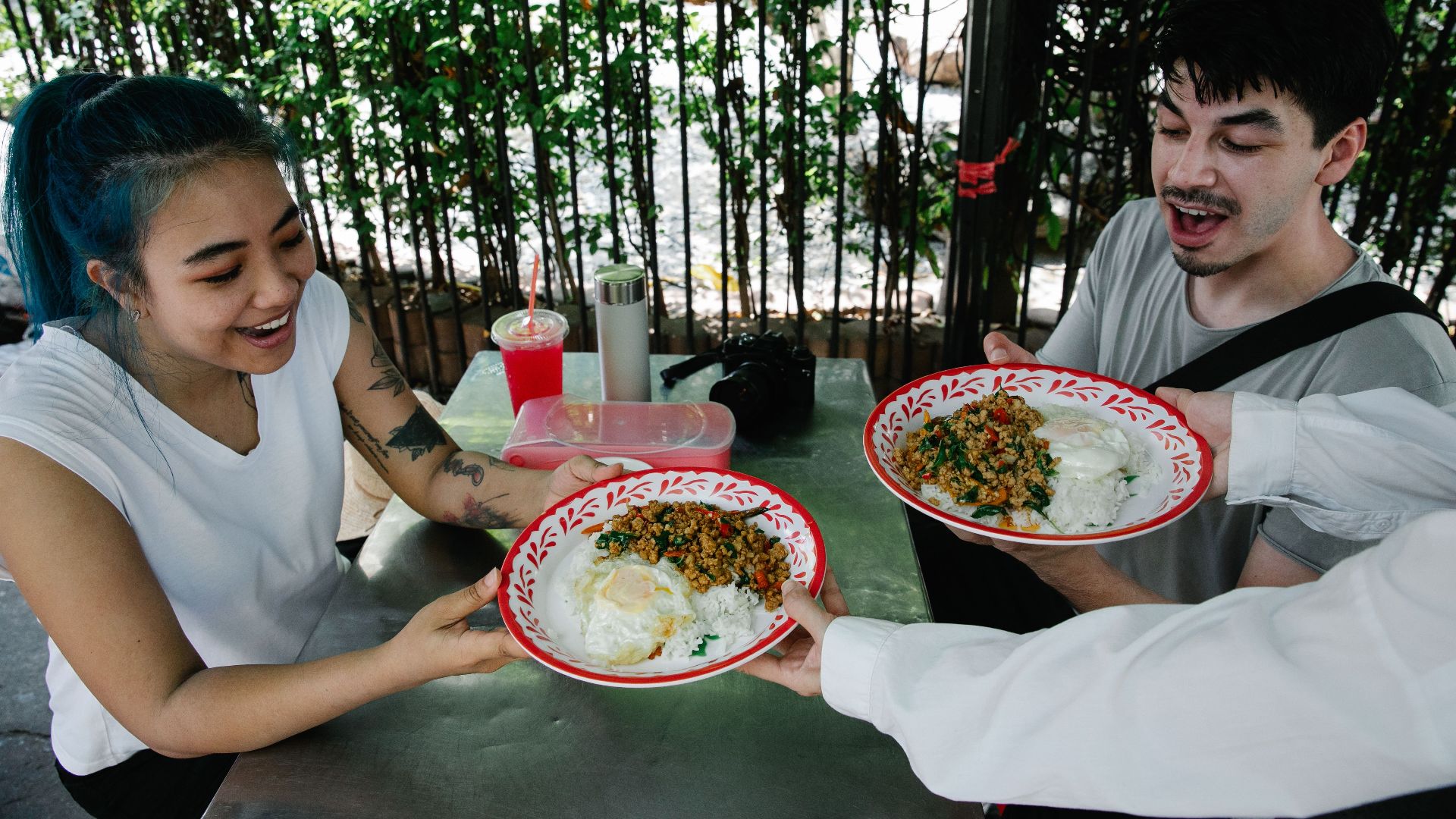
Not every great meal comes with a waitlist. Many seasoned travelers argue that neighborhood cafés, market stalls, and family-run spots often show you more of a place than a polished hotspot does. Travel coverage from outlets like Lonely Planet to major newspapers has repeatedly made the same point: local food experiences can matter just as much as famous reservations.
If You Are the Trendy Restaurant Friend
There is nothing wrong with building part of a trip around food. The problem starts when one traveler assumes everyone shares that priority. If you are the planner with the spreadsheet full of reservations, leave some breathing room so your friends do not feel boxed in by your tastes.

If You Already Snapped, Repair It Fast
Food stress can make good people short with each other. If things already got tense, reset quickly with a short apology and a practical plan. Something like “I should have said this sooner, but I want to mix in some separate meals” can cool things down without making it a whole scene.

When Eating Separately Might Actually Be Rude
There are a few times when splitting off can land badly. It is more questionable if the meal is tied to a birthday, anniversary, or one-time group celebration. It can also feel rude if you keep disappearing without talking about it first and leaving other people to rearrange their plans around you.
When It Is Perfectly Reasonable
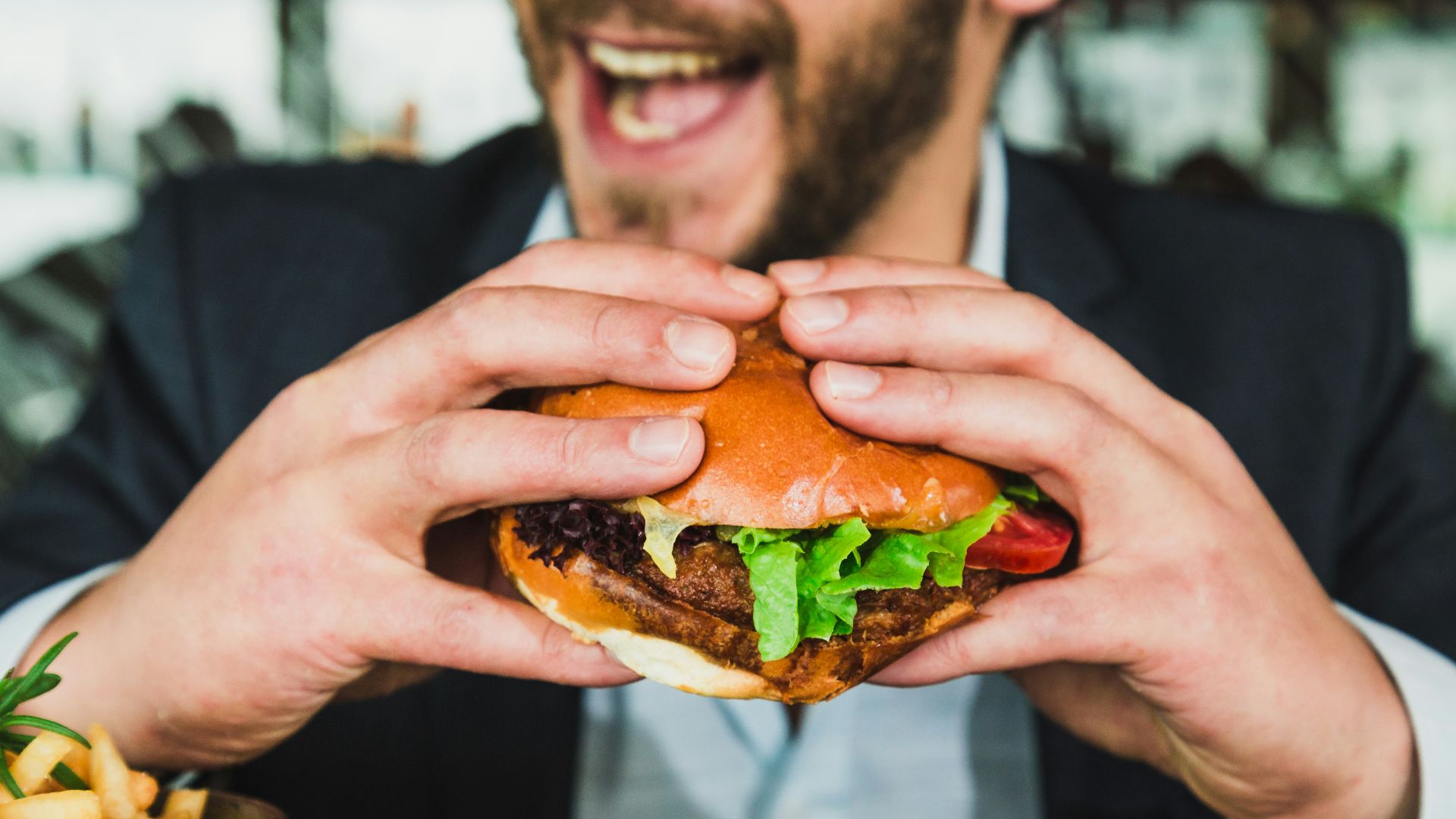
It is usually reasonable to eat separately when priorities, diets, budgets, or energy levels do not line up. It is also normal on longer trips, when too much togetherness can wear people down. In fact, many travel experts say planned solo time is one of the best ways to stop resentment before it starts.

The Best Group Trips Build In Breathing Room
The smartest vacations are not military operations. They leave room for changing moods, spontaneous choices, and different appetites. A little freedom around meals often protects the bigger goal: enjoying the trip and getting home still liking each other.

The Bottom Line at the Table
No, it is not rude to eat separately on a group vacation just because your friend insists on trendy restaurants only. What matters is timing, tone, and whether you respect other people’s plans, budgets, and reservations. Handle it early and kindly, and your group can enjoy both the hot reservation and the humble sandwich without turning dinner into a fight.