Months Of Planning Didn't Prepare You For This
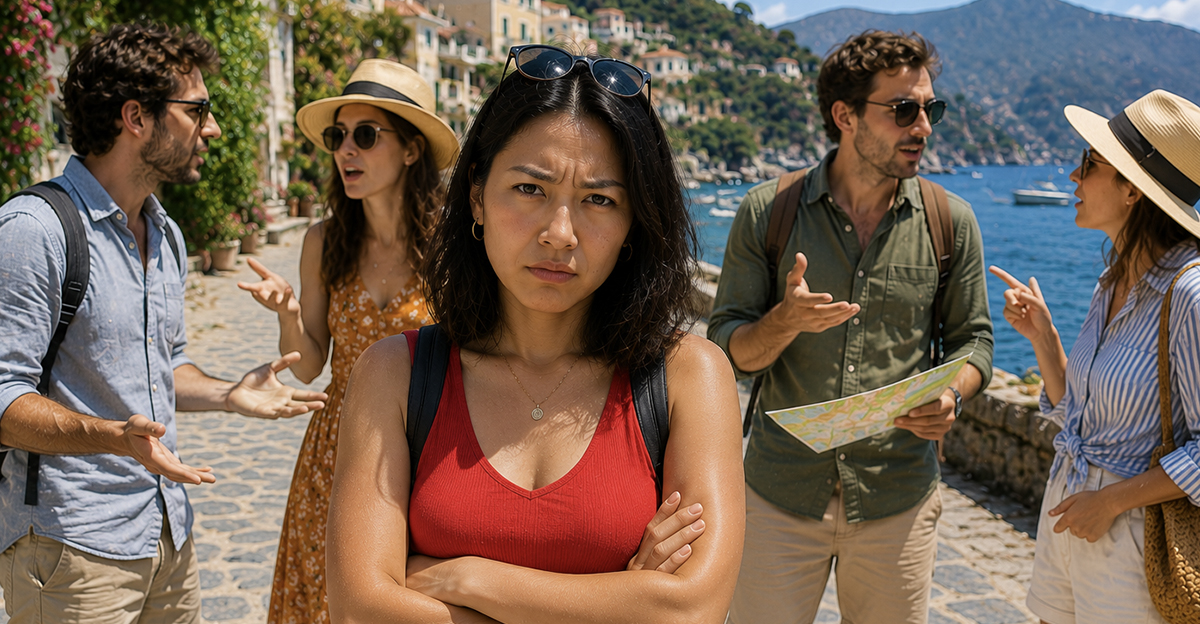
Planning a group vacation can take months of coordination and scheduling. Everyone agrees on the destination, books the flights, and counts down the days. Then you arrive, and suddenly one person wants to hike, another wants to shop, someone else wants to sleep in, and another insists on squeezing five attractions into every day. If this sounds familiar, don't worry. Group trips rarely go exactly as planned, but they don't have to fall apart either.
Different People Picture Different Vacations
The biggest problem often starts long before anyone packs a suitcase. When people say they want to visit the same destination, they may imagine completely different experiences. One traveler pictures lazy beach days, another wants museums and history, while someone else dreams of nightlife or outdoor adventures. Agreeing on the destination doesn't necessarily mean everyone agreed on the vacation itself.

Nobody Should Expect To Do Everything Together
One of the biggest myths about group travel is that the group has to stay together from breakfast until bedtime. In reality, many successful group vacations include plenty of independent time. Splitting up for a few hours often makes everyone happier and reduces unnecessary compromises.
Talk About Expectations Before You Leave
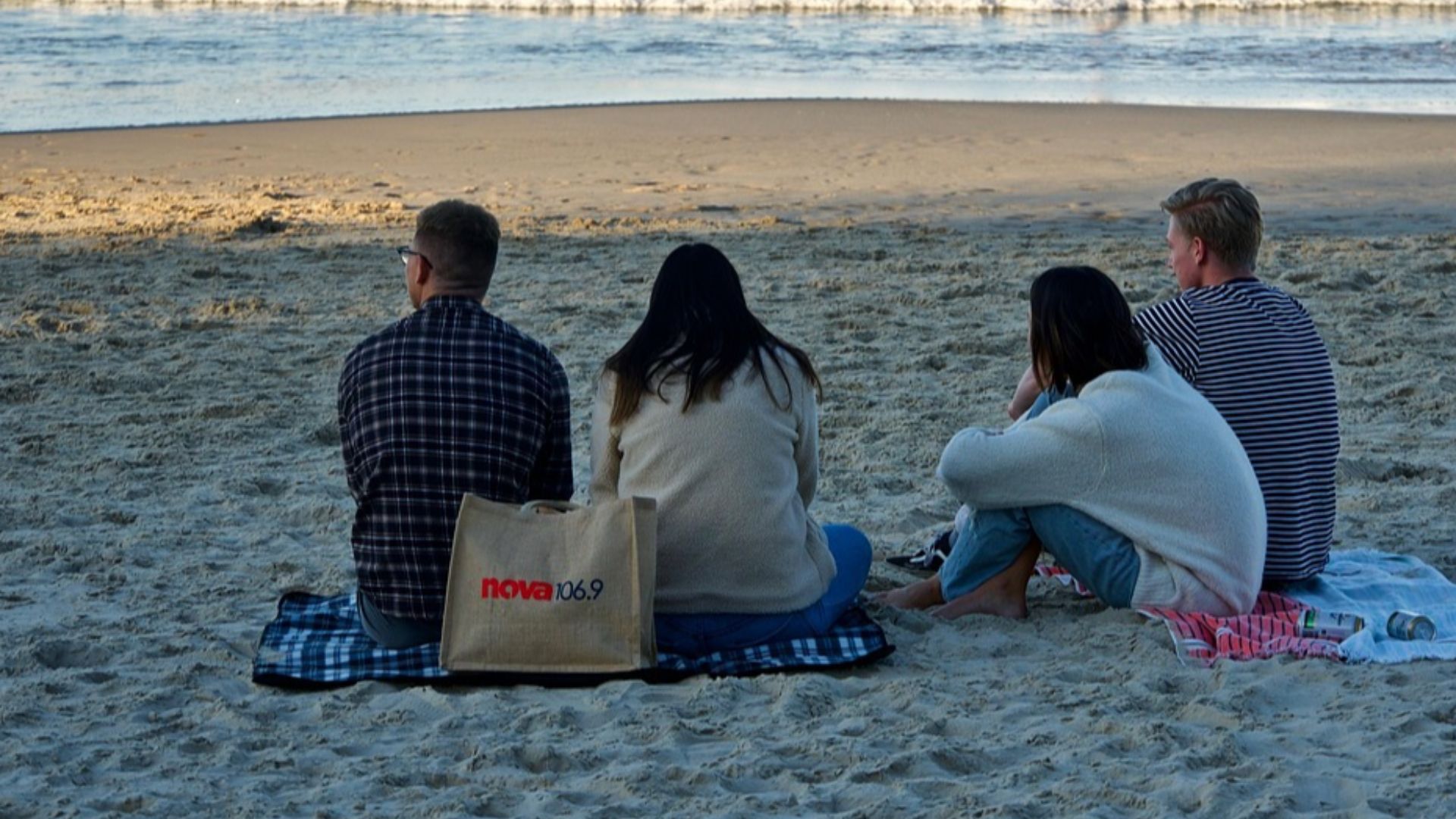
Many travel conflicts can be avoided with one simple conversation before booking the trip. Discuss what everyone hopes to do, how much downtime they want, preferred mealtimes, budgets, and must-see attractions. The more expectations are discussed upfront, the fewer surprises there are after arrival.

Prioritize The "Must-Dos"
Ask each traveler to identify one or two experiences they absolutely don't want to miss. Maybe someone has always dreamed of seeing a famous museum, while another wants to take a sunset boat cruise. Building those priorities into the itinerary helps everyone feel included without trying to satisfy every wish every single day.
Don't Overschedule
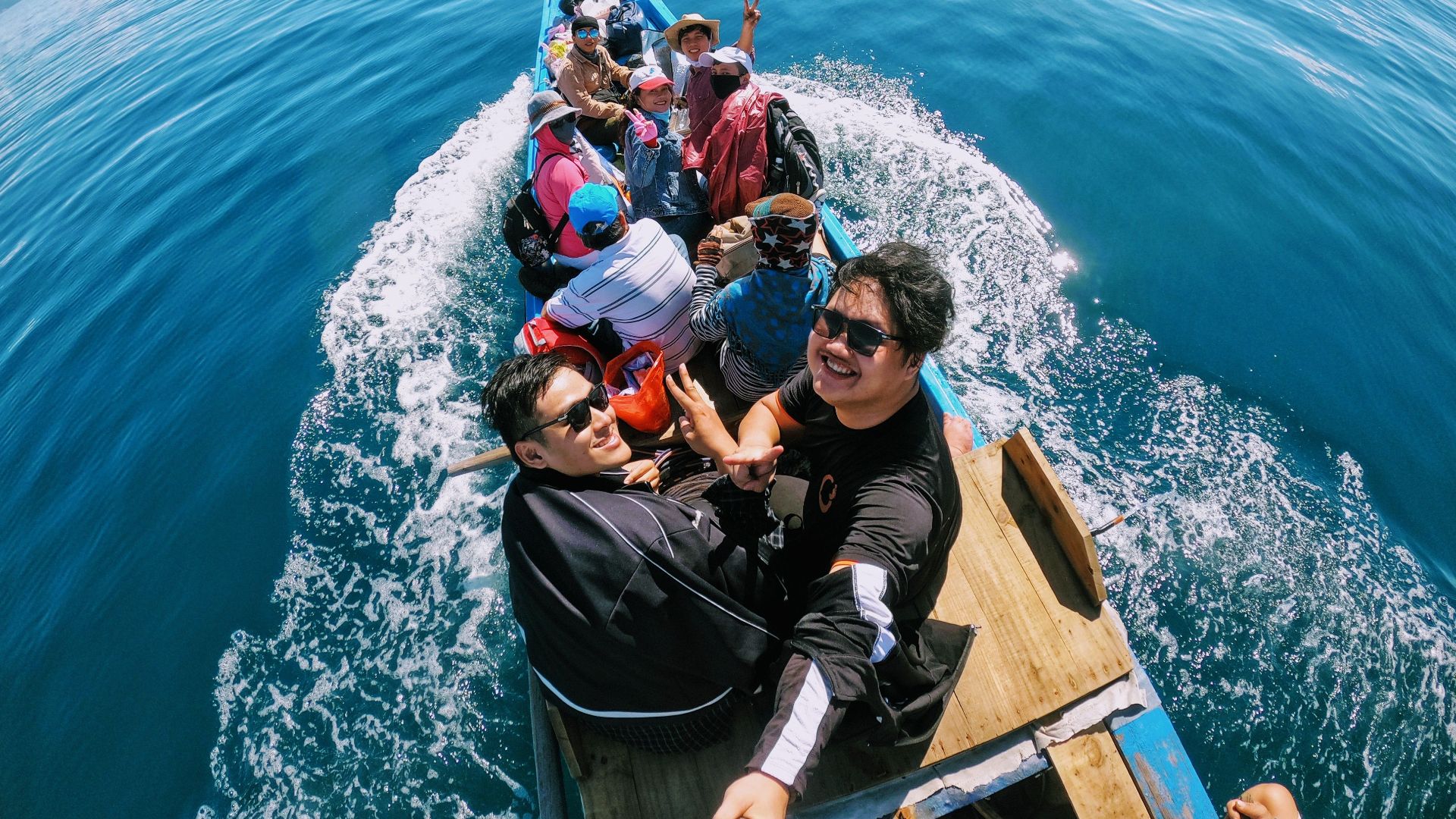
Packing every hour with activities often creates unnecessary stress. Delays, weather, fatigue, and changing moods are all part of travel. Leaving free time in the schedule allows people to relax or pursue spontaneous opportunities without feeling like the entire itinerary has fallen apart.

Build In Free Afternoons
One simple strategy is to schedule group activities in the morning and leave afternoons open. Those who want to continue sightseeing can do so, while others can relax at the hotel, visit a spa, shop, or enjoy the beach. Everyone reunites later for dinner with new stories to share.

Budgets Can Create Hidden Tension
Even close friends and family members often have very different vacation budgets. One person may happily book luxury restaurants while another is trying to save money. Discuss spending expectations before the trip so nobody feels pressured into activities they can't comfortably afford.

Not Everyone Has The Same Energy Level
Some travelers are ready to start sightseeing at sunrise. Others prefer sleeping in and taking a slower pace. Neither approach is wrong, but forcing everyone onto one schedule usually leaves someone unhappy. Accepting different travel styles makes the trip more enjoyable for everyone.

Meals Don't Always Need To Be Group Events
Trying to coordinate breakfast, lunch, and dinner for a large group every day can become exhausting. It's perfectly reasonable for people to eat separately sometimes. Meeting later for one shared meal each day often provides plenty of time together without turning every restaurant decision into a negotiation.
 Pablo Merchán Montes, Unsplash
Use Technology To Stay Connected
Group messaging apps make it easy to split up without losing track of one another. Sharing live locations, restaurant recommendations, or updated plans allows people to enjoy independent activities while still coordinating meetups later in the day.

Respect Different Interests
Not everyone will love every activity. If someone wants to spend two hours in an art museum while another prefers exploring local markets, there's no reason both people have to compromise into doing something neither truly enjoys. Sometimes the best solution is letting everyone pursue what interests them most.

Be Flexible When Plans Change
Travel rarely unfolds exactly as expected. Weather, transportation delays, sold-out attractions, or simple fatigue may force last-minute adjustments. Groups that adapt gracefully usually have much more enjoyable vacations than those trying to rigidly follow every original plan.

Don't Keep Score
It's easy to start thinking, "We did your activity yesterday, so today should be mine." Keeping a mental scoreboard often creates resentment instead of cooperation. Focus on making sure everyone gets at least some of what they hoped for rather than calculating exact equality.

Speak Up Before Frustration Builds
If you're feeling disappointed or left out, don't let those feelings simmer for several days. A calm conversation early in the trip is usually much easier than an emotional argument later. Most travel companions don't realize there's a problem until someone says something.

Choose Your Battles
Not every disagreement needs to become a debate. If your companions want to spend an extra 20 minutes browsing a souvenir shop, it may be worth simply enjoying the slower pace. Saving your energy for the issues that truly matter often leads to a happier vacation.

Alone Time Isn't A Failure
Some travelers worry that splitting up means the vacation has gone wrong. In reality, a little independence often makes group travel stronger. Spending a few hours apart allows everyone to recharge and return with renewed enthusiasm for spending time together.

Remember Why You Came Together
It's easy to become so focused on the itinerary that you forget the real purpose of the trip. Chances are you wanted to spend time with people you care about. Missing one attraction is usually far less important than preserving the relationships that made the vacation possible in the first place.

Designate One Planner—Not A Dictator
Large groups often benefit from having one person organize reservations and logistics. However, that doesn't mean one traveler should control every decision. A coordinator keeps things running smoothly, while the group still shares input on major plans.

Leave Room For Spontaneous Fun
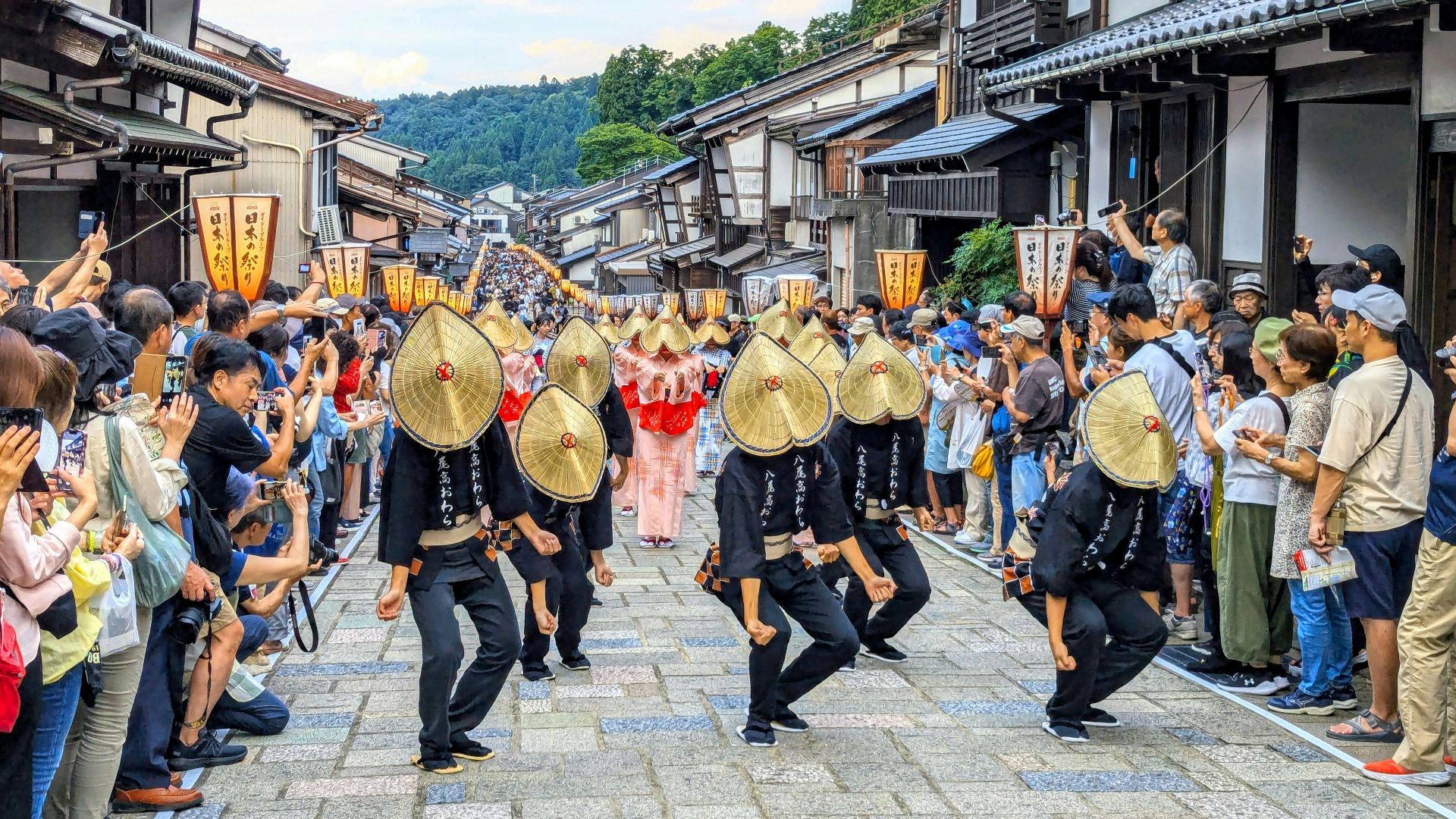
Some of the best travel memories aren't planned months in advance. You might stumble across a local festival, discover a hidden café, or spend an afternoon watching street performers. Leaving space for unexpected experiences often becomes one of the highlights of the trip.
Accept That No Vacation Is Perfect
Even the best-planned group vacation will include small disappointments. Someone may miss an activity they wanted, a restaurant might be fully booked, or the weather may refuse to cooperate. Accepting a little imperfection helps prevent minor setbacks from overshadowing an otherwise wonderful trip.
Learn For Next Time
Every group vacation teaches you something. Maybe next time you'll schedule more free time, book separate excursions, choose a smaller group, or discuss expectations more thoroughly before booking. Those lessons often lead to much smoother trips in the future.

The Best Group Trips Balance Togetherness And Independence
The most successful group vacations aren't the ones where everyone does everything together. They're the ones where people enjoy shared experiences while still making room for individual interests. A little flexibility, honest communication, and realistic expectations allow everyone to return home with great memories instead of lingering frustration.

A Great Vacation Doesn't Require Identical Travel Styles
If everyone wanted completely different experiences after arriving at your destination, it doesn't mean the trip was a mistake. It simply means your group included different personalities, interests, and travel styles. By discussing expectations early, respecting individual preferences, building flexibility into the itinerary, and remembering that it's okay to split up occasionally, group vacations can become far less stressful. In the end, the goal isn't to experience every moment together. It's to come home with both great memories and friendships that are just as strong as when the trip began.

You May Also Like: