

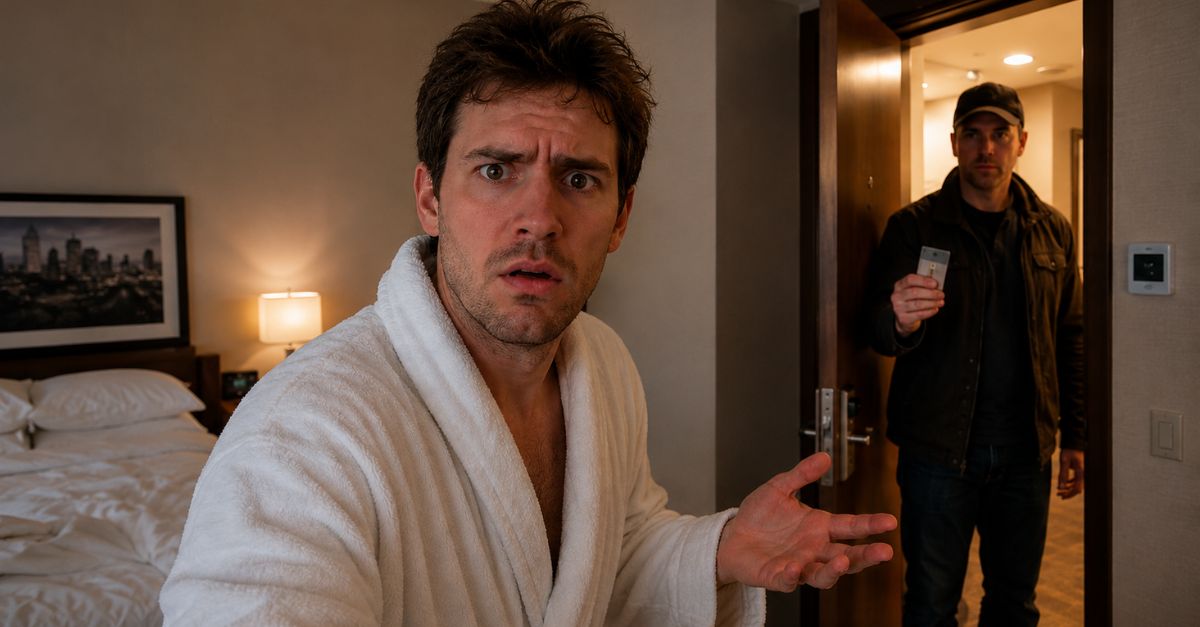
The Knock You Never Want To Hear
You're in your hotel room, maybe half asleep or just out of the shower, and suddenly a stranger opens the door. But this person didn't break in; They had a working key. It sounds like a random mistake, but travelers have been reporting this kind of thing for years. The troubling part is that it can be a simple front-desk error and a real safety problem at the same time.
Why This Feels So Serious
A hotel room is supposed to be your private space, not a place where access gets mixed up. When a hotel gives a key to the wrong person, it can expose guests to theft, confrontation, or worse. Even if nobody gets hurt, the fact that someone else can walk in means the hotel’s basic safety system has failed.
Hotels Have Long Promised Better Locks
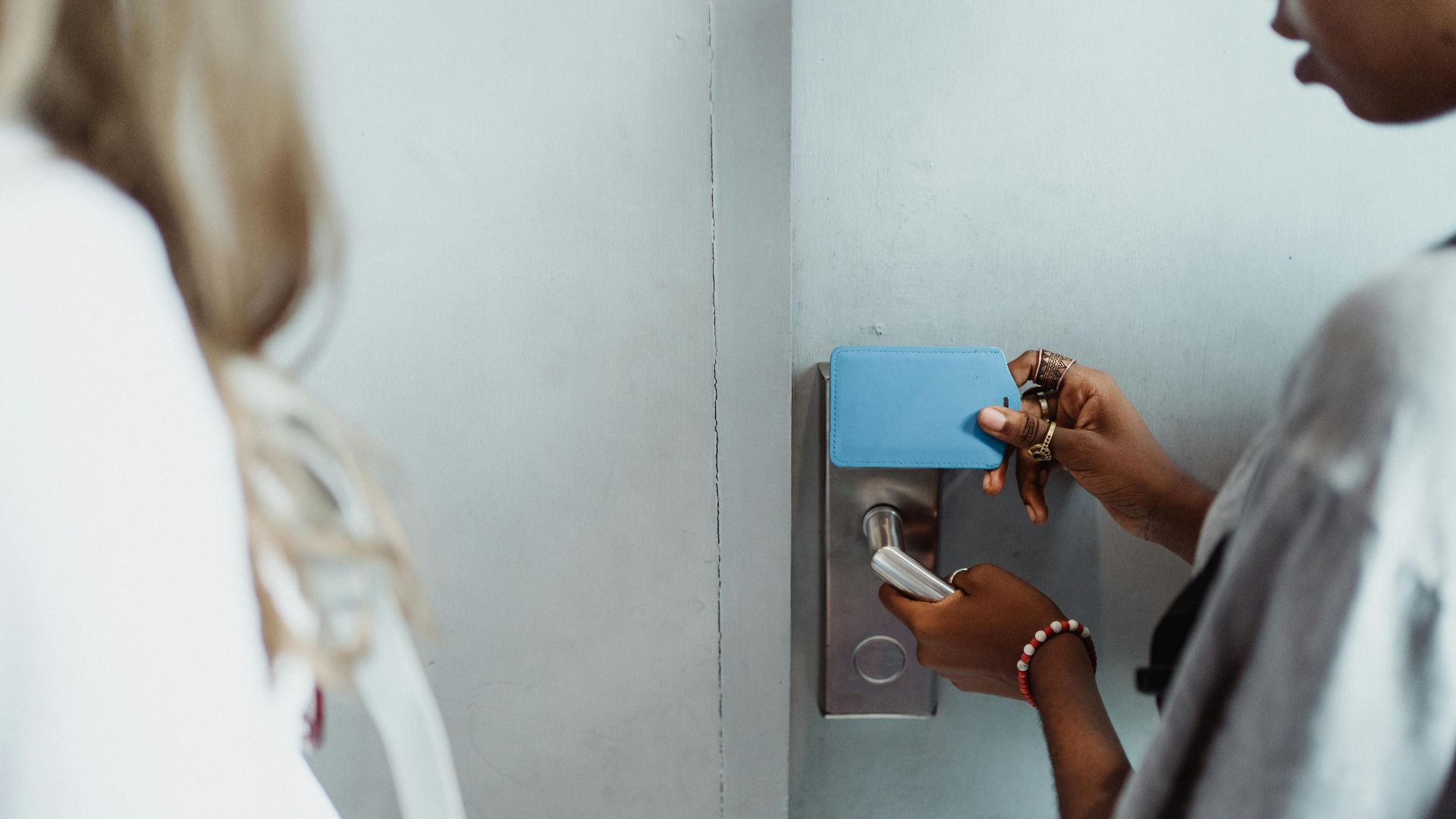
Electronic key card systems were sold as a safer, easier upgrade from old metal keys. They let staff disable cards, track entries, and reassign rooms fast. But convenience has not gotten rid of human error, and in some cases it has created new technical risks too.
 Tony Webster from Laramie, Wyoming, United States, Wikimedia Commons
A Major Wake-Up Call Came in 2012
In 2012, security researcher Cody Brocious publicly showed a flaw in Onity hotel locks, one of the most widely used systems in the industry at the time. His research showed that many locks could be opened in seconds with a simple homemade device. Reporting by Wired pushed the issue into the spotlight and made it clear that hotel room access was not just a customer service issue. It was a security issue too.
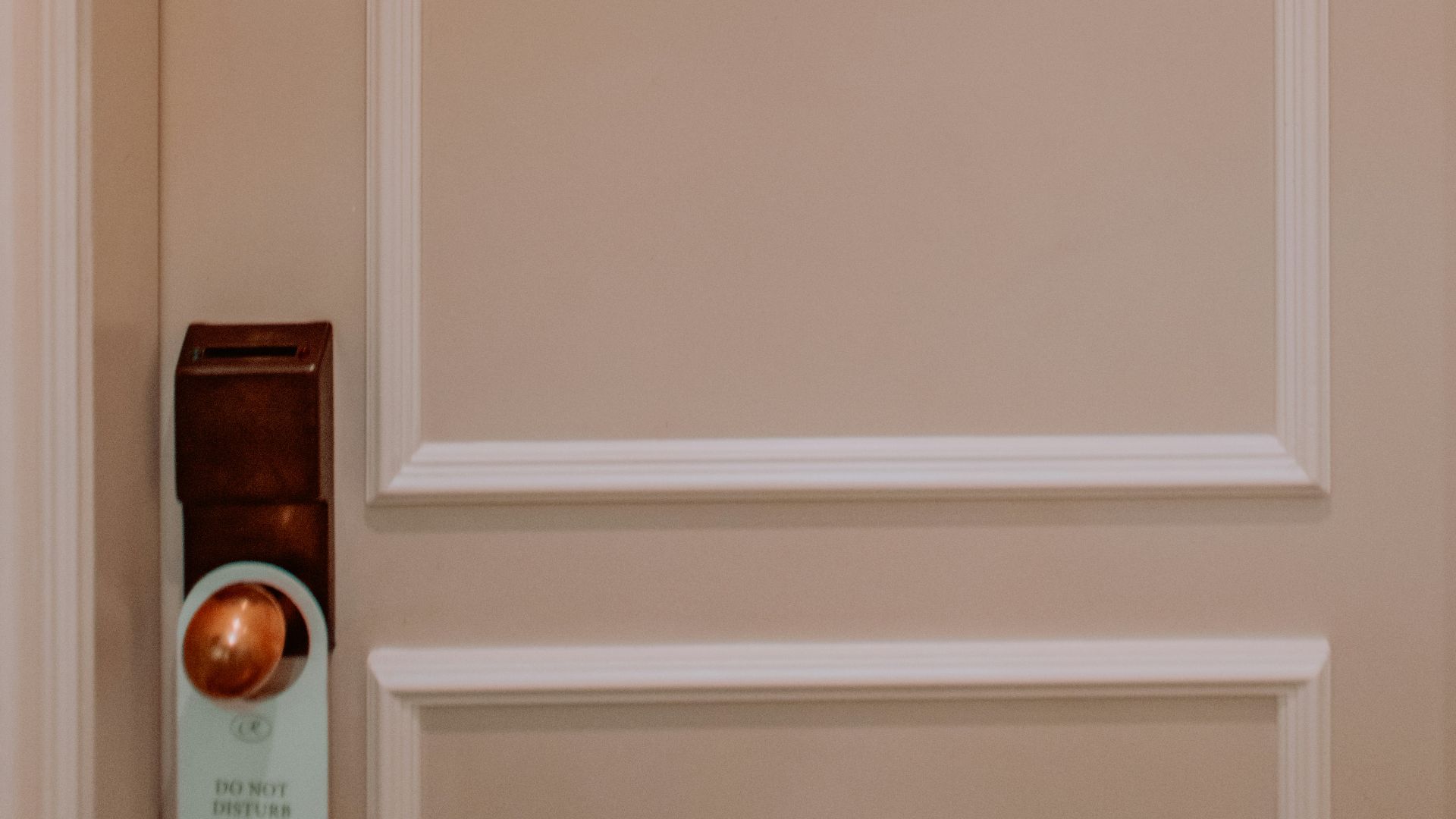 Mohamed Jamil Latrach, Unsplash
What Brocious Actually Found
Brocious found that by plugging into a port on certain Onity lock models, an attacker could pull data and trigger the lock to open. Wired reported on the discovery in July 2012, and the story spread quickly because Onity locks were installed on millions of hotel room doors around the world. That did not mean every hotel was suddenly unsafe, but it showed that access systems could fail on a huge scale.
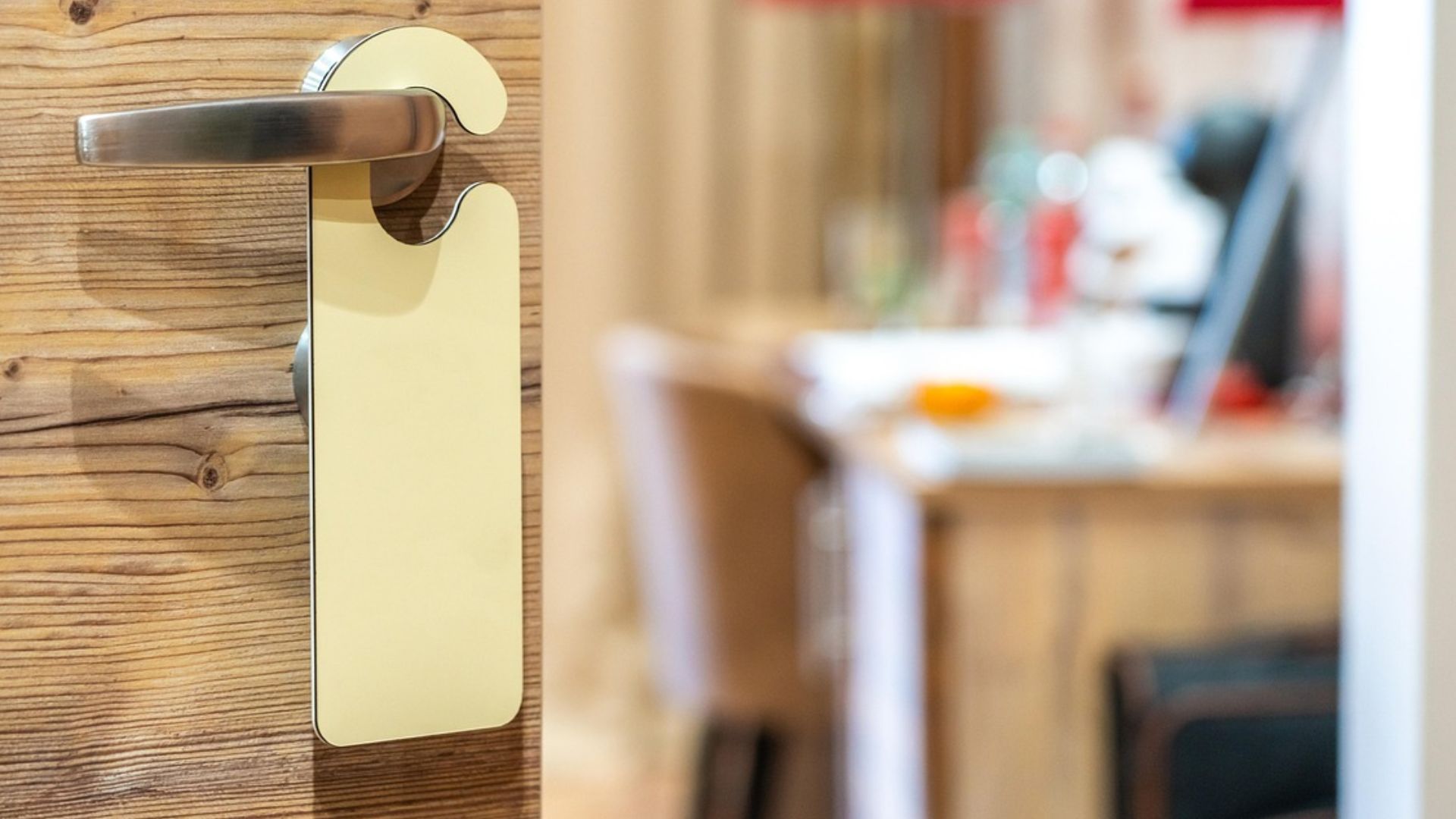
The Industry Response Was Not Instant
After the 2012 disclosure, Onity announced a response that included software and hardware fixes, but security experts questioned how quickly every affected lock would actually be updated. Hotels do not replace door hardware overnight, especially across large properties. That delay matters because a known weakness stays a weakness until it is fixed at the door.
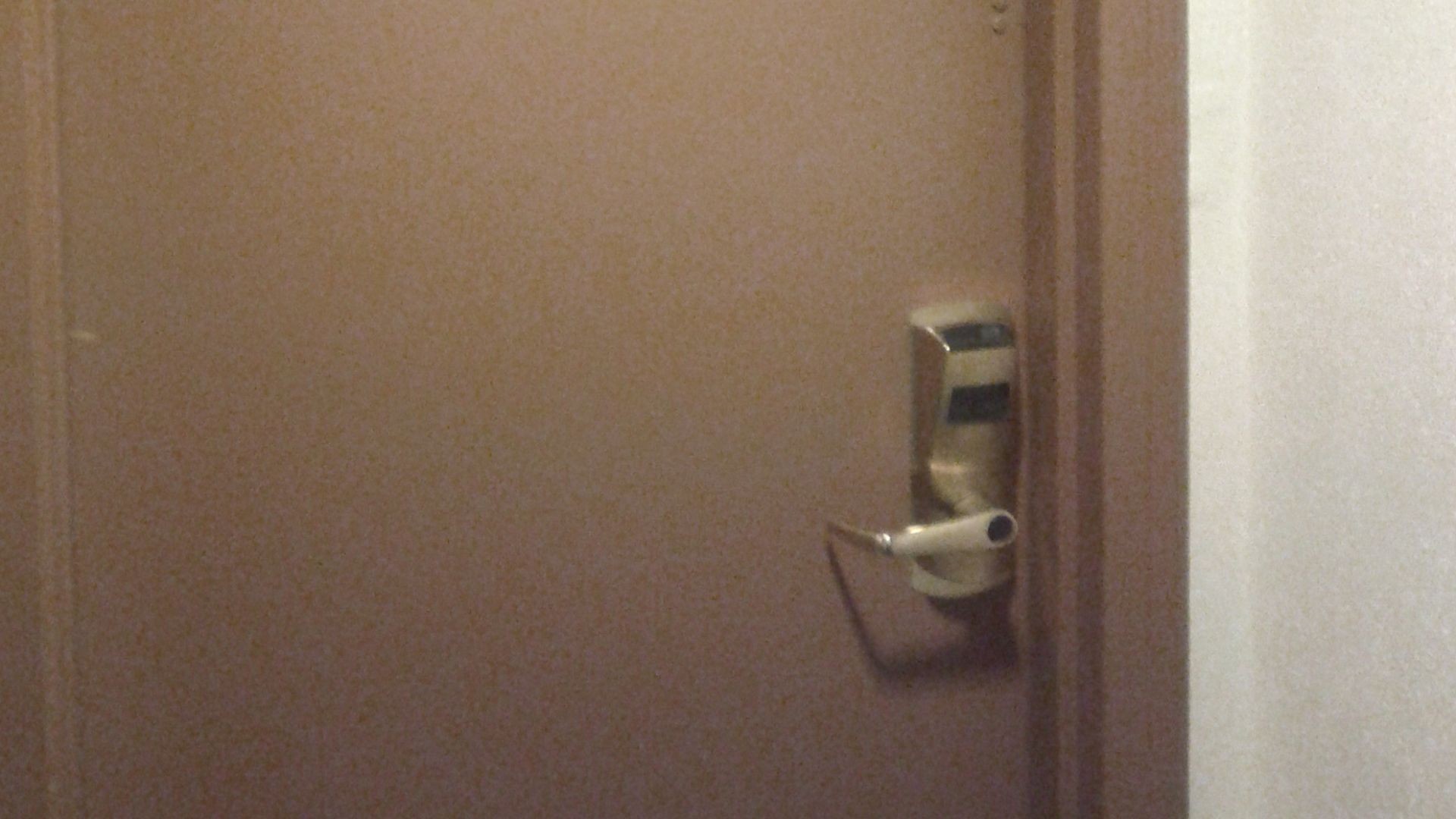 Simone Cortesi, Wikimedia Commons
Then Came Another Troubling Discovery in 2017
In March 2017, F-Secure researchers Tomi Tuominen and Timo Hirvonen disclosed another hotel lock issue, this time involving Assa Abloy’s VingCard system. They said they had found a way to create a master key card by using data from discarded key cards. Their findings suggested that even something as ordinary as a used room card left behind could become part of a larger security problem.
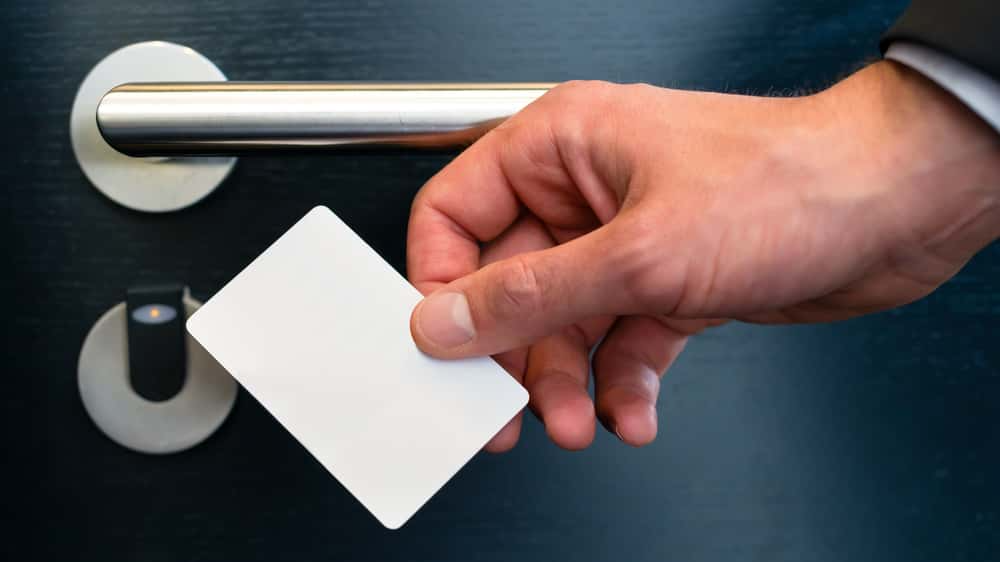
How The VingCard Research Raised The Stakes
F-Secure said the issue affected older VingCard systems used by many hotels around the world. The company said an attacker could gather data from key cards and use it to make a card that opened rooms in the same property. Assa Abloy said it had worked with researchers and developed software updates, but the episode was another reminder that lock technology is only as safe as its setup and upkeep.

So Is Your Situation The Same as a Hack
Not necessarily. If another guest was given a key to your occupied room, the most likely reason is still a front-desk or housekeeping error, not a criminal exploit. But from your point of view inside the room, the result is the same: your safety and privacy were breached.
 Point3D Commercial Imaging Ltd., Unsplash
The Most Common Cause Is Usually Human Error
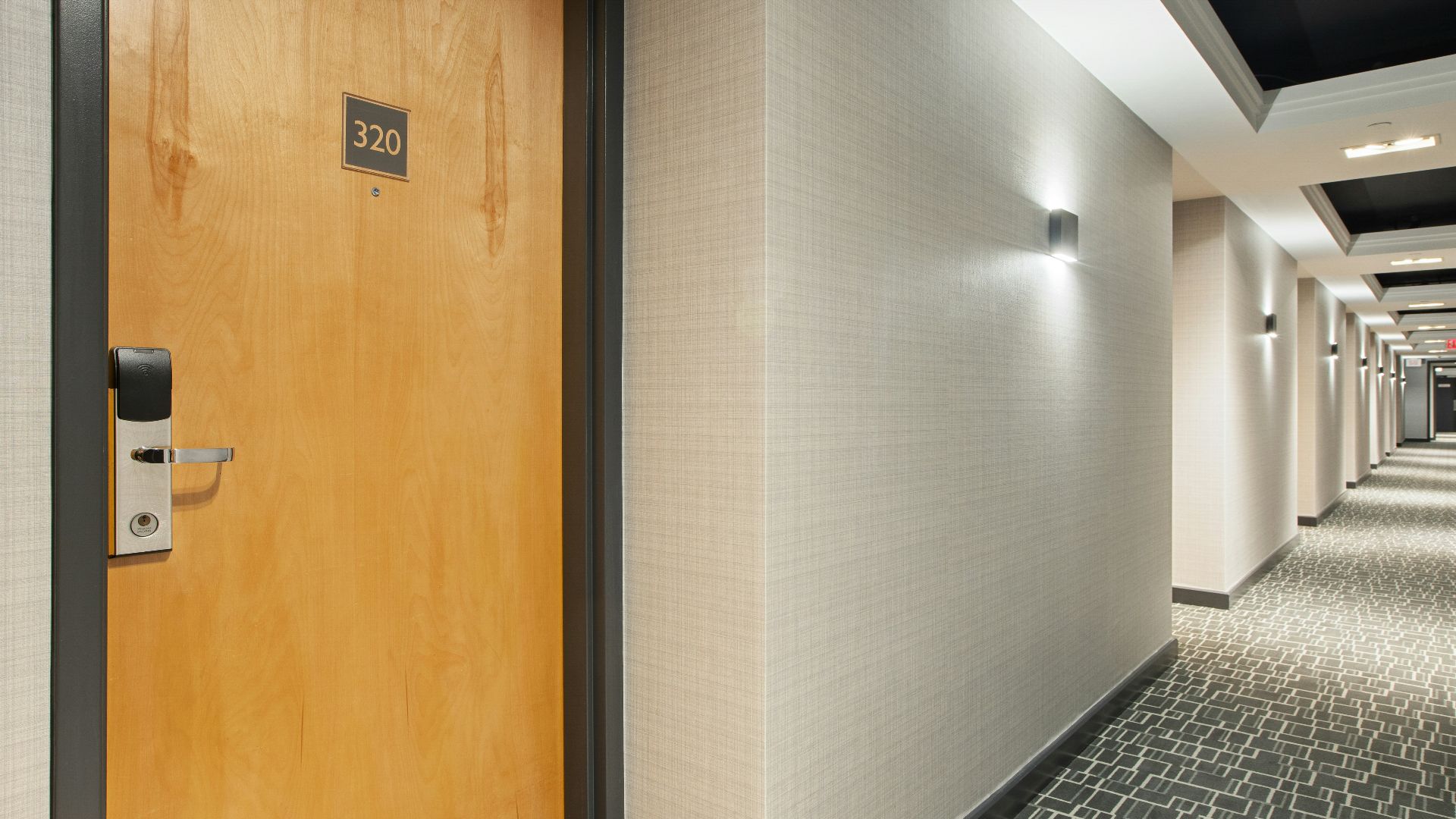
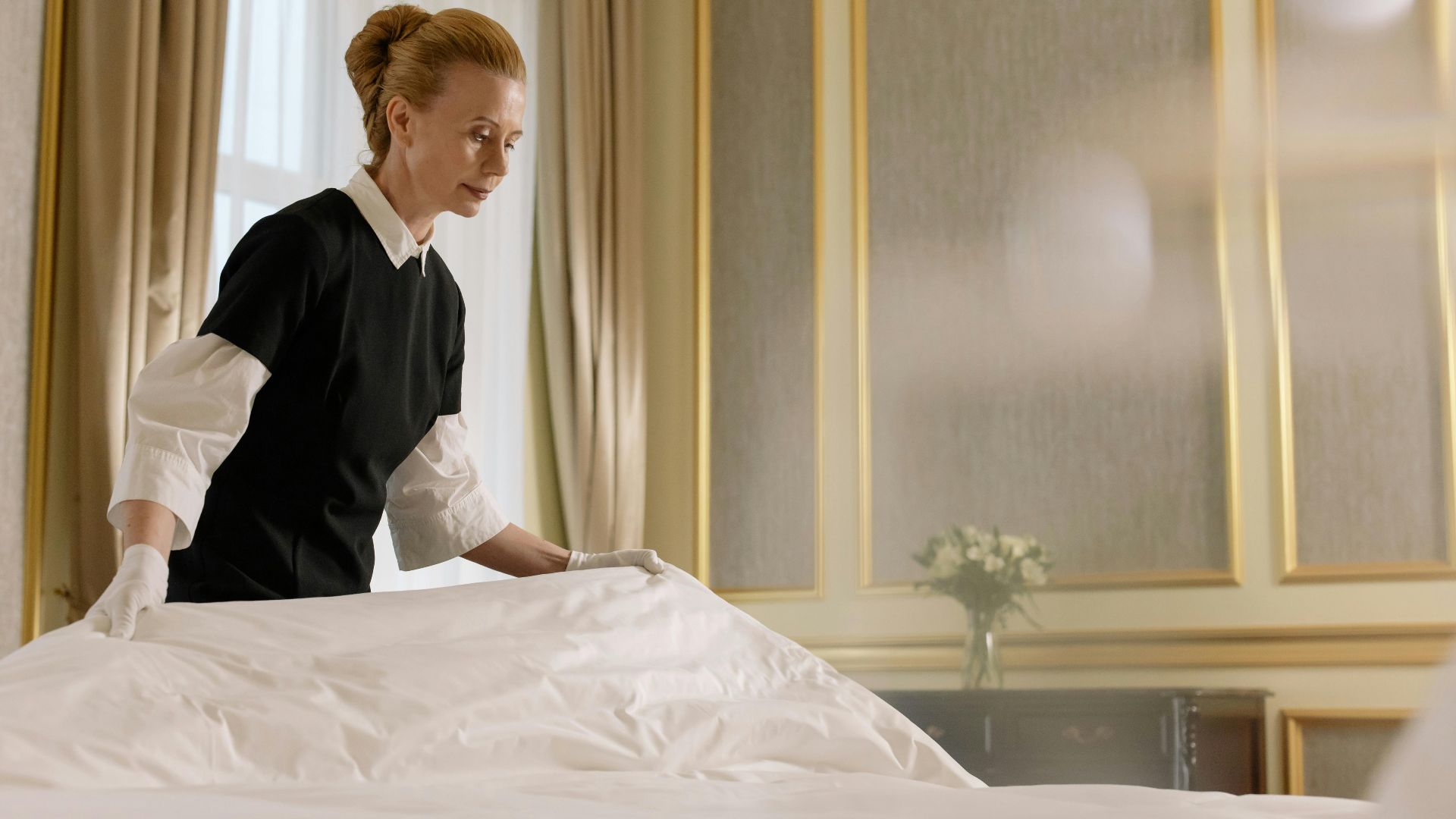
Hotels juggle constant check-ins, room changes, late cleanings, and no-show updates. If a room is mistakenly marked vacant or clean in the property system, the front desk may assign it to someone else and encode a working key. That makes it an administrative mistake, but the consequences can still be serious.
Consumer Safety Experts Treat This as More Than a Minor Mix-Up
Consumer advocates have long told travelers to treat unexpected room entry as a safety issue, not just an annoyance. Groups like Travelers United advise guests to use every extra barrier available, especially because key control is never perfect. The message is simple: do not assume the main lock alone is enough.
Your Door’s Extra Lock Matters
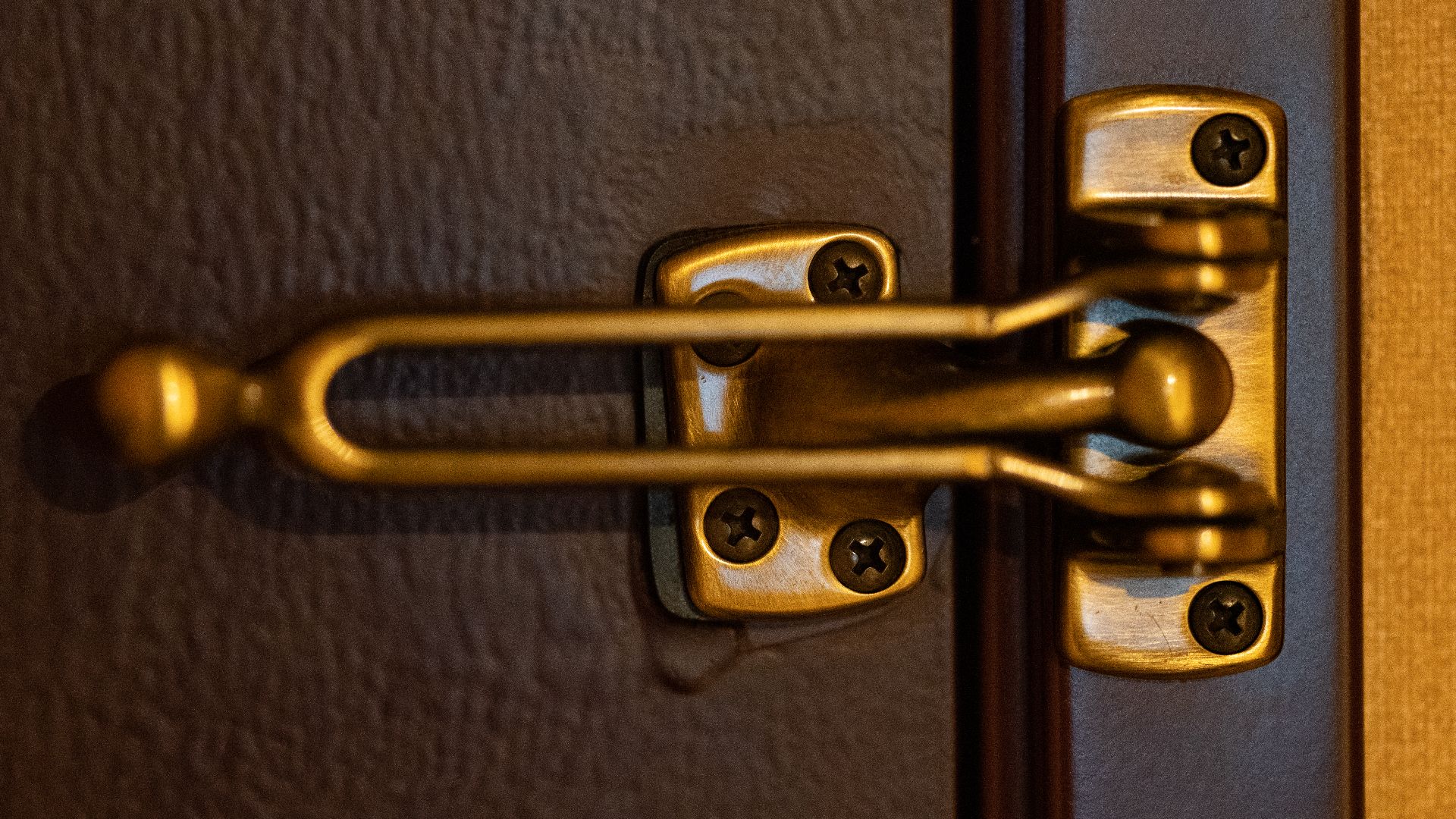
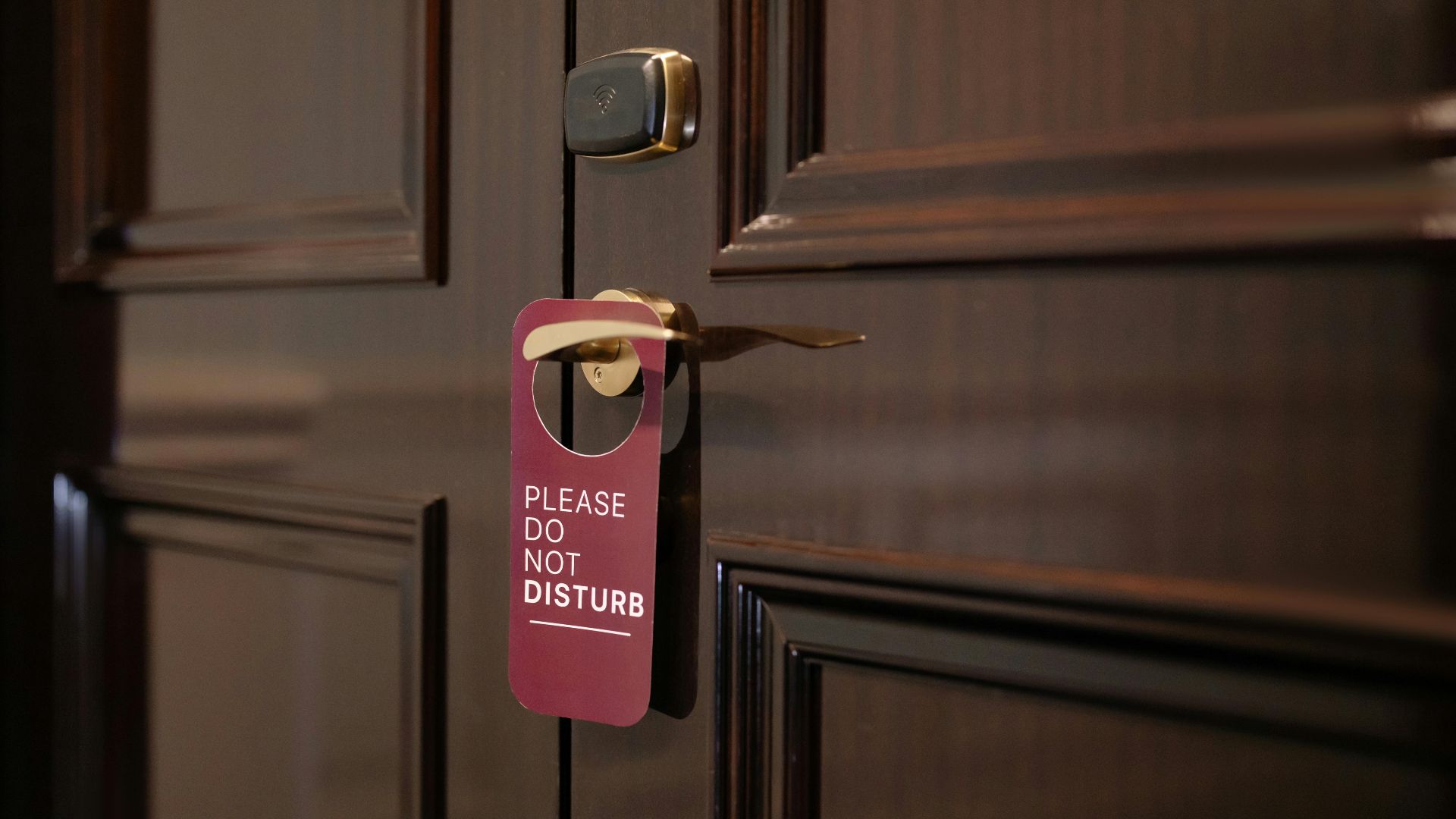
If your room has a deadbolt, security latch, or swing bar, use it whenever you are inside. These simple barriers can stop a stranger or even a staff member from walking straight in with an active key card. They are not just decorative hardware. They are one of the easiest ways to limit the damage from a keying mistake.
The CDC Also Offers Practical Hotel Safety Advice
The Centers for Disease Control and Prevention includes hotel and motel safety basics in its travel guidance, including using door security features and keeping windows and doors locked. The CDC is not commenting on individual hotel mistakes, but its advice reflects a broader point: lodging security matters. If a federal agency tells travelers to use every lock, it is worth taking seriously.
 Daniel Mayer, Wikimedia Commons
What To Do in the First Minute
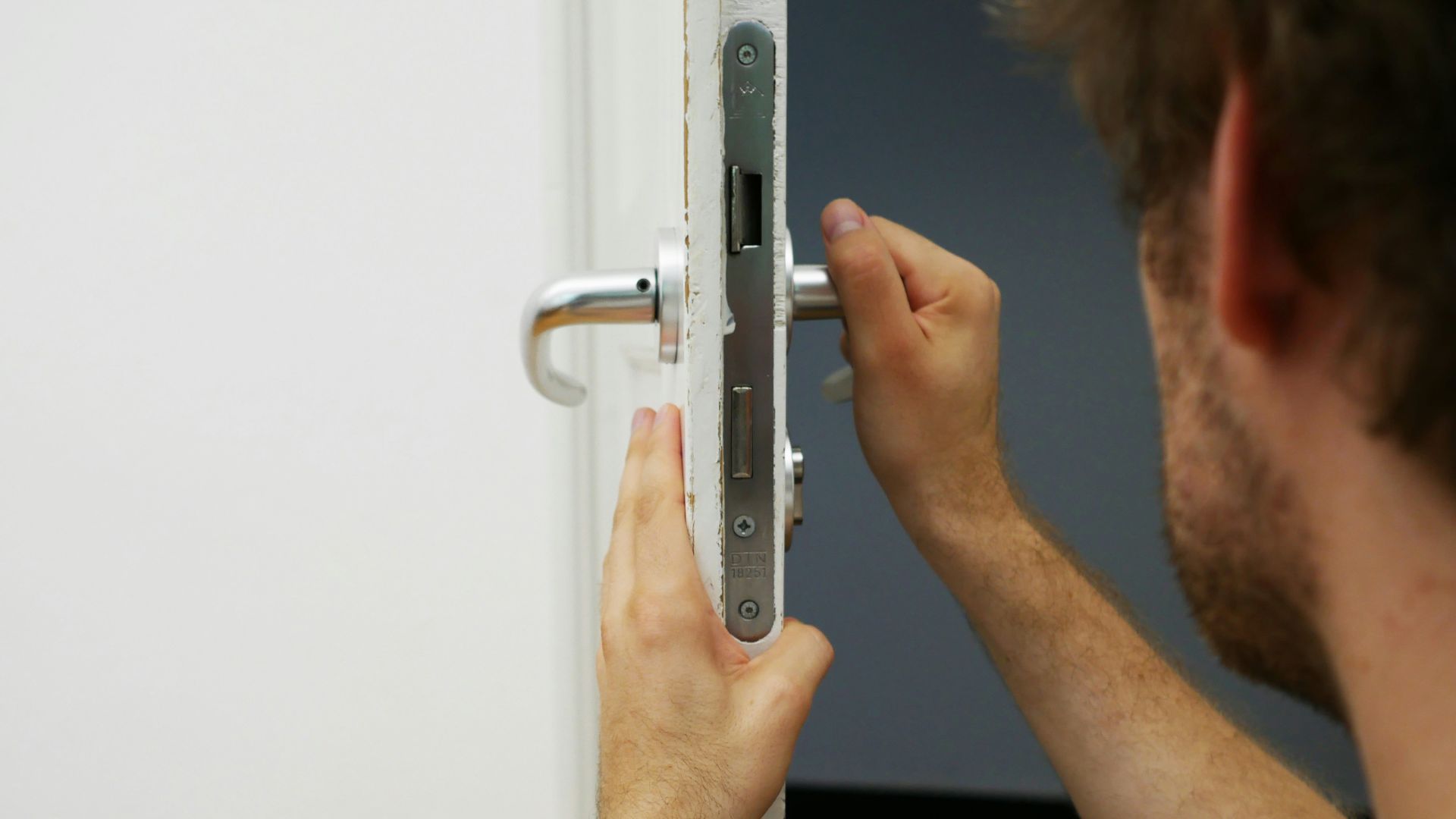
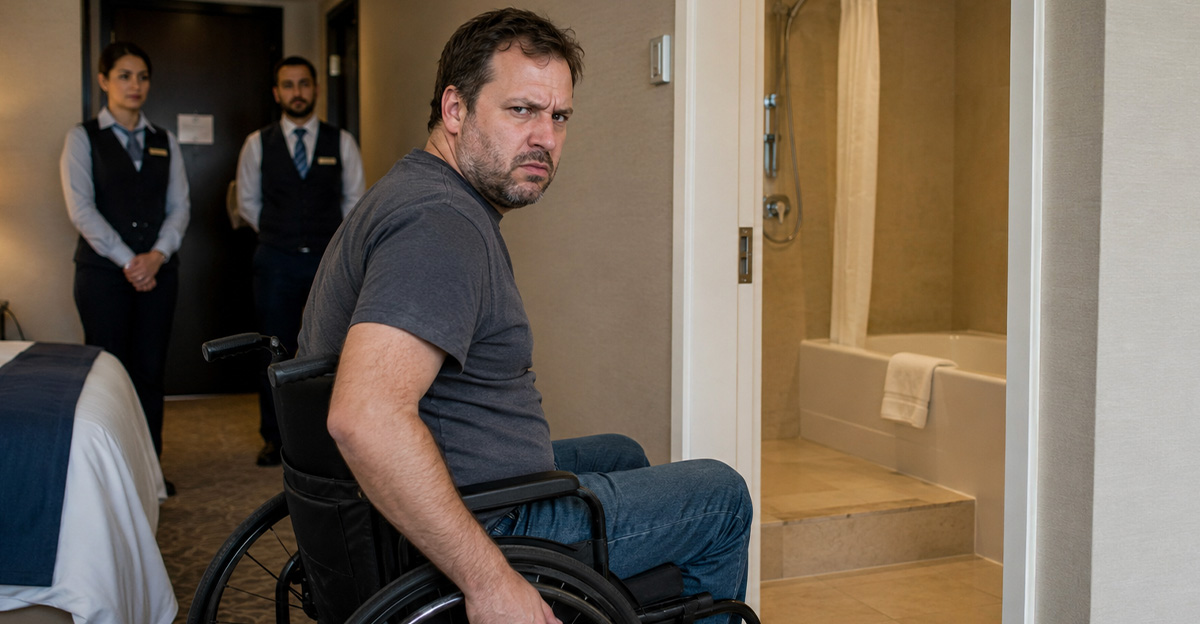
If someone opens your door, secure the room first and make sure the person leaves right away. Use the interior lock, check that everyone in your party is okay, and call the front desk immediately. If you feel threatened or the person refuses to leave, call local emergency services without waiting.
What To Ask the Front Desk
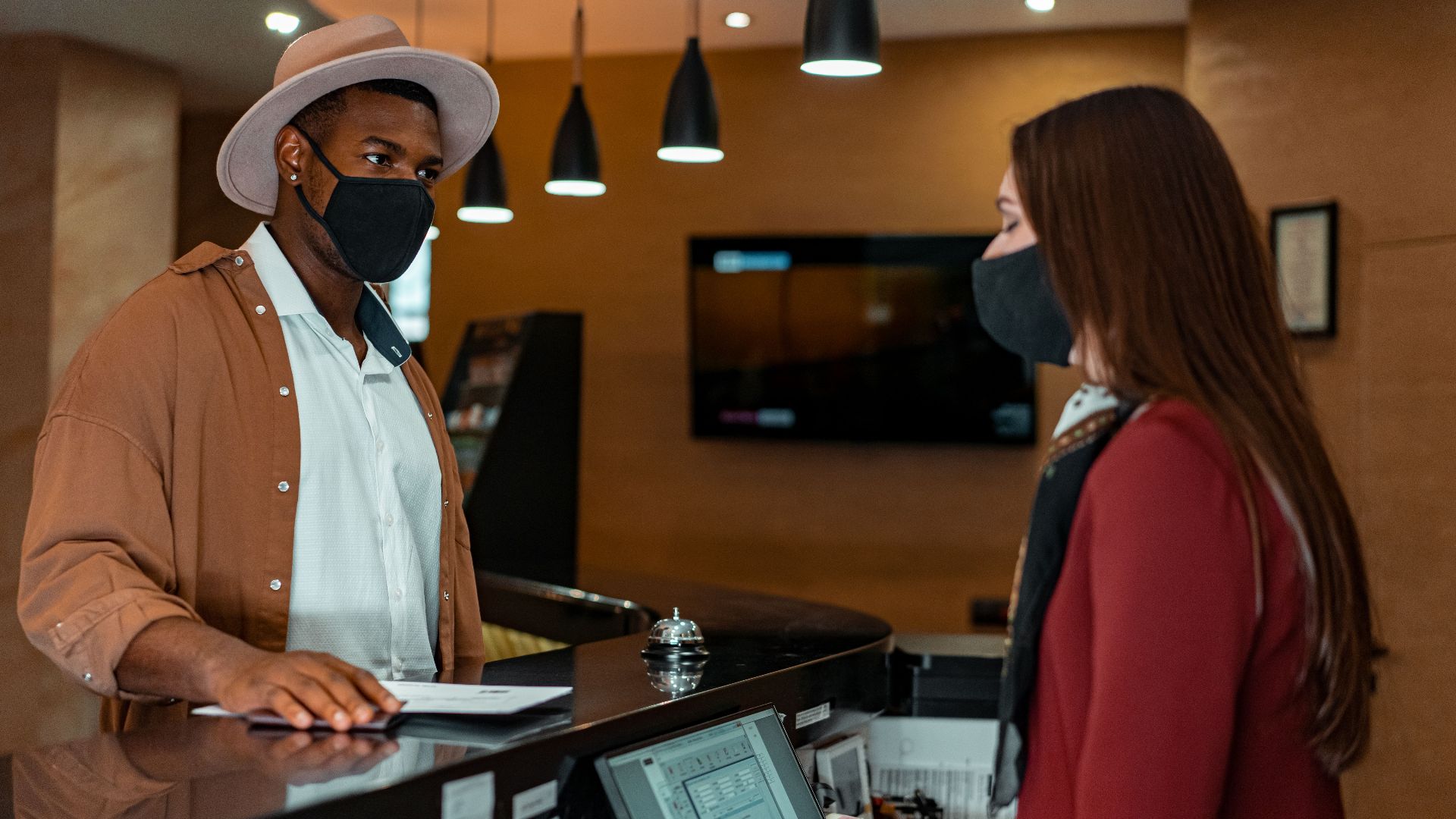
Ask whether your room was mistakenly assigned to another guest and whether any extra key cards are still active. Ask the hotel to rekey the room electronically and confirm that only your party has access. If you no longer feel comfortable, request a room change, ideally on another floor.
Document Everything While It Is Fresh
Write down the time, date, room number, and exactly what happened. Keep screenshots of calls or messages with the hotel if you use an app, and note the names of staff members you spoke with. That record can help if you later ask for a refund, file a complaint, or need proof for a travel insurance claim.

Why A Room Change Is Often the Smart Move
Even if the hotel says the issue is fixed, you may not want to stay in the same room after a stranger has already been keyed into it. A new room cuts down the uncertainty and may help you feel safe enough to sleep. If the hotel hesitates, that is a good reason to escalate the matter to a manager.

Do Not Forget Your Belongings
Check your valuables right away, including passports, wallets, electronics, and medication. Most accidental entries end with confusion and an apology, but it is still smart to make sure nothing is missing. If anything is gone, report it immediately and ask the hotel to preserve access logs and any relevant security footage.
Electronic Locks Can Create A Trail
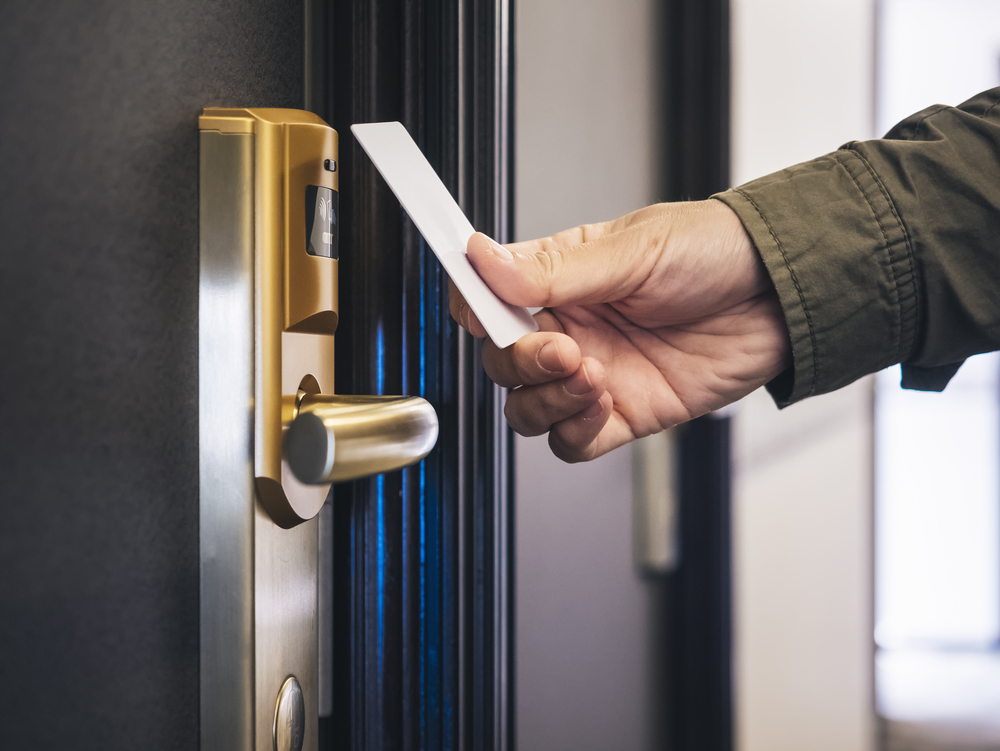
One advantage of modern lock systems is that many record entries and card use. If the hotel takes your complaint seriously, it may be able to review which key accessed the room and when. That log can help confirm whether the problem was a duplicate guest key, staff access, or something more unusual.
When This Crosses Into A Bigger Problem
If the hotel brushes off the incident, refuses to reissue keys, or cannot explain how access was granted, the issue becomes more serious. Repeated unauthorized entries, missing property, or signs of tampering deserve escalation. In those cases, asking for corporate contact information and filing a written complaint is completely reasonable.
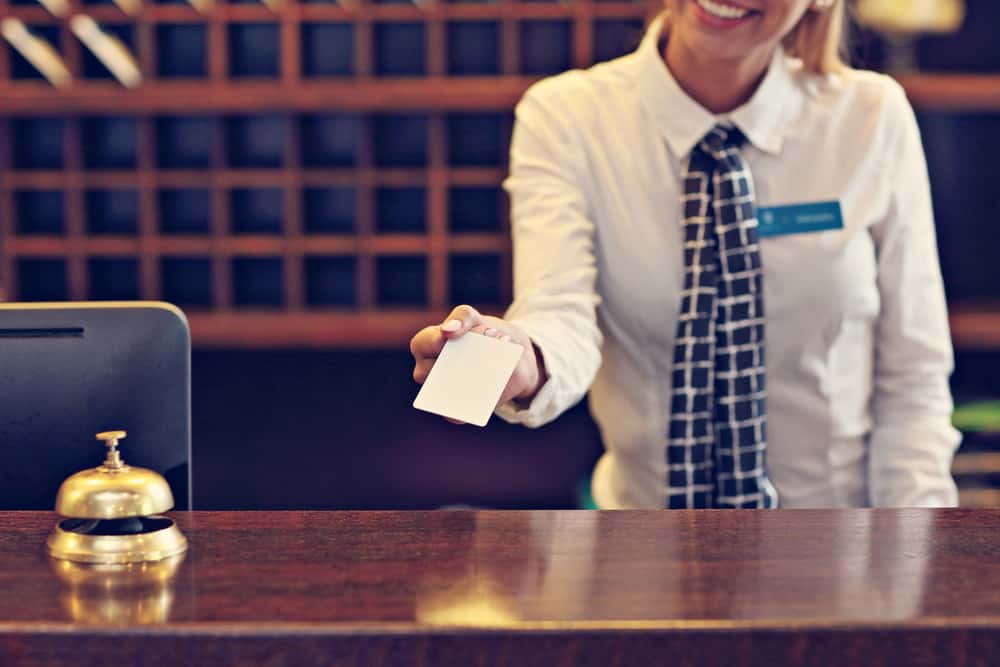
It Is Fair To Expect Compensation
A wrong-room key incident can wreck a night’s sleep and undercut the whole point of paying for private accommodation. Depending on what happened, guests often ask for a room move, rate reduction, points refund, or even a full refund for the stay. Compensation is not guaranteed, but the request is far from unreasonable when the hotel has failed at room access control.
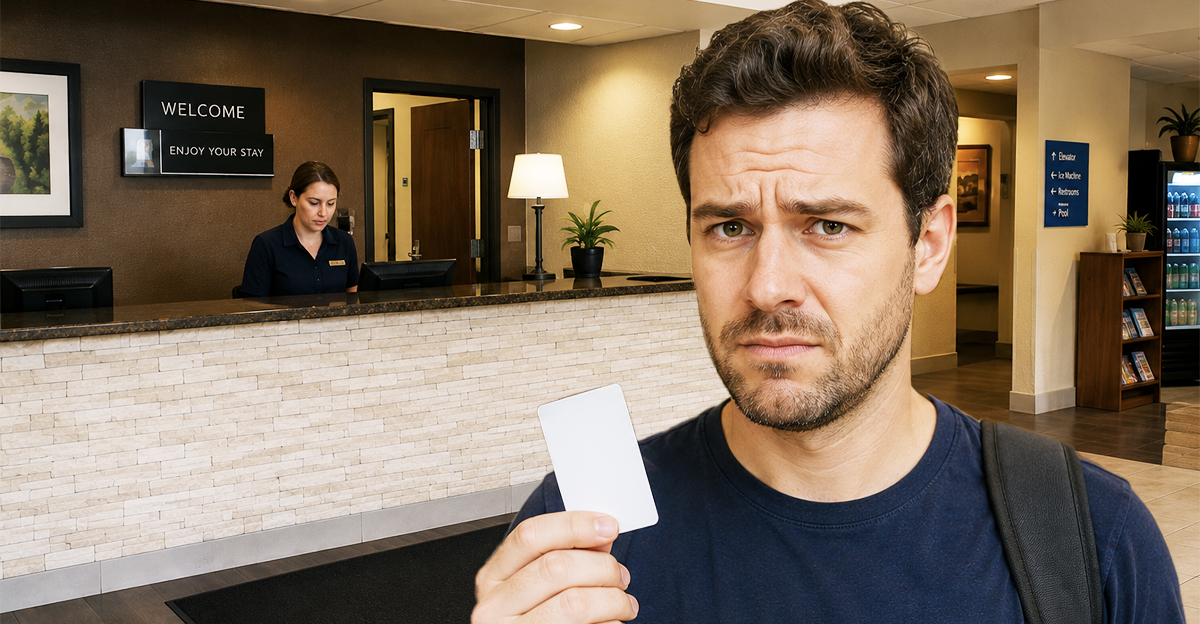
How Hotels Should Handle It
The best response is immediate and practical. Staff should apologize, secure the room, deactivate stray keys, offer a room change, review system records, and follow up in writing. A vague apology with no action is not enough when the problem involves unauthorized room access.
 Frame Stock Footage, Shutterstock
What This Says About Hotel Safety Overall
The bigger lesson is that hotel safety depends on both technology and people. Researchers like Cody Brocious, Tomi Tuominen, and Timo Hirvonen showed that lock systems themselves can have serious weaknesses. Everyday operational mistakes show that even a well-designed system can still fail when room status or key issuance goes wrong.
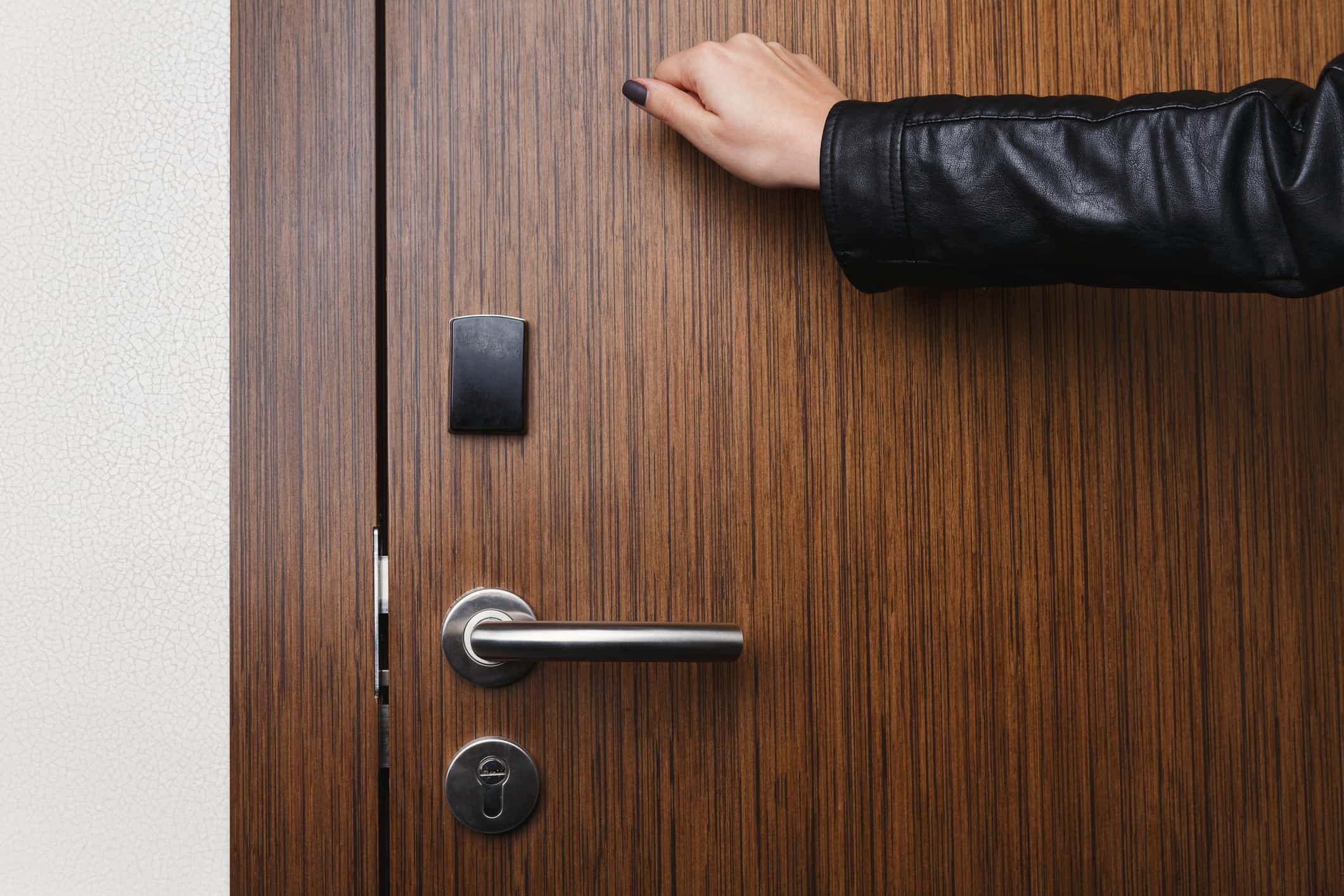
A Small Travel Habit That Can Help
Many experienced travelers pack a portable door lock or doorstop alarm for extra peace of mind. These devices are not a substitute for hotel security, but they can add another layer when you are inside the room. They are especially popular with solo travelers and anyone staying in busy city hotels.
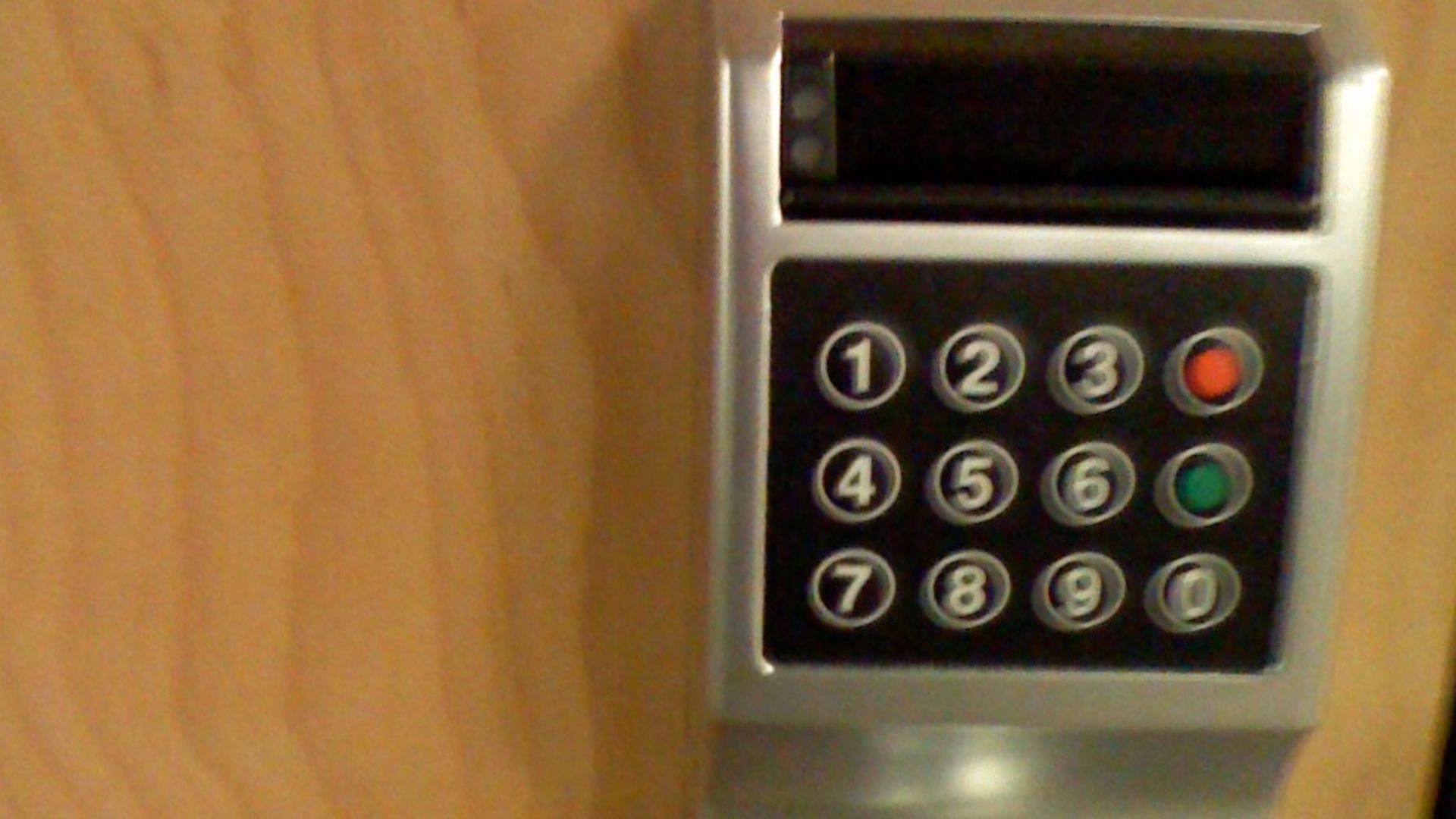 No machine-readable author provided. Tas50 assumed (based on copyright claims)., Wikimedia Commons
Trust Your Instincts After An Incident
If you no longer feel safe, trust that feeling. A hotel stay is supposed to give you rest, not keep you awake wondering whether another key still works. Moving rooms or even changing hotels can be the right move if the staff response does not inspire confidence.

Mistake Or Serious Safety Issue
The honest answer is both. In many cases, the hotel likely made an administrative mistake rather than uncovering a criminal plot or lock hack. But the moment a stranger can enter your room because of that mistake, it becomes a serious safety issue.
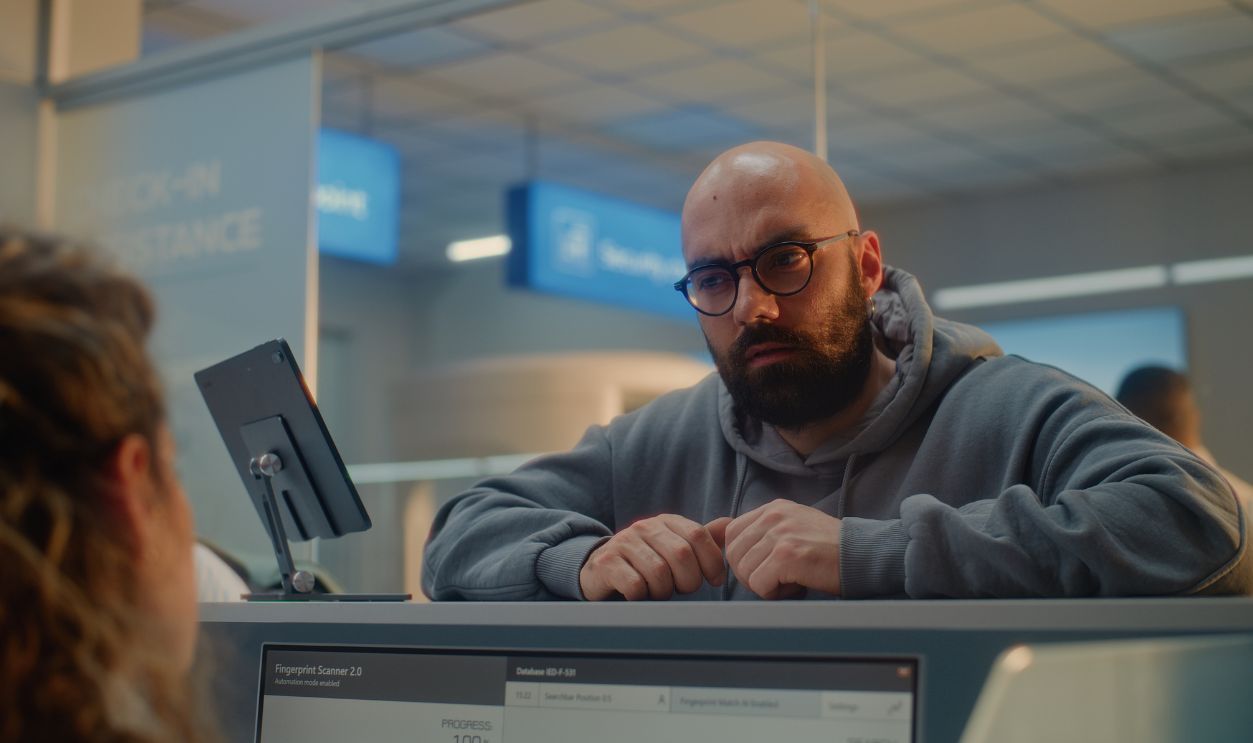 Frame Stock Footage, Shutterstock
The Bottom Line For Travelers
Treat an accidental room key mix-up as a real security breach, even if the hotel calls it a misunderstanding. Use every interior lock, report the incident right away, document it, and ask for clear steps to secure the rest of your stay. The hotel industry has known for years, from the high-profile lock research in 2012 and 2017 to everyday guest complaints, that room access is not a small detail.





.jpg)