The Vacation Rental Surprise Nobody Expects
You finally arrive at your vacation rental after a long day of traveling. Then the host tells you that check-in requires logging into a social media account for identity verification. But you don't use social media. Can they really make that a requirement?

It Sounds Too Strange To Be Real
Most travelers expect to show an ID or enter a booking confirmation number. Being asked to use Facebook, Instagram, or another social media account catches many people completely off guard.
So, Can They Actually Require It?
Sometimes they can, but it depends on the rental platform, the host's policies, and local consumer protection laws. In many cases, hosts can set reasonable house rules, but they also need to follow the terms of the booking platform.
Social Media Isn't A Legal Form Of ID
A Facebook or Instagram account isn't an official identity document. It may help verify that someone is a real person, but it isn't the same as a government-issued photo ID.
Most Rentals Don't Require This
The good news is that requiring a social media account is still fairly uncommon. Most vacation rentals simply verify guests through the booking platform and an ID check.
Why Would A Host Ask?
Some hosts have dealt with fake bookings, parties, or property damage in the past. They may believe that reviewing a guest's online presence helps them feel more comfortable.

Booking Platforms Already Verify Many Guests
Major rental platforms often perform their own identity verification. In many situations, hosts never need to ask for additional proof beyond what the platform already provides.
Some Hosts Go Too Far
Occasionally, hosts create their own extra requirements that aren't listed anywhere in the original booking. That's when problems can begin.

Always Read The Listing Carefully
Before booking, read the listing from top to bottom. Some unusual check-in requirements are disclosed in the house rules or additional policies.
The Fine Print Matters
Many travelers skip the rules section because they're excited about the trip. Unfortunately, that's exactly where unusual requirements are often hiding.

Privacy Is A Legitimate Concern
Not everyone wants strangers viewing their social media accounts. Some people don't use social media at all, while others keep their profiles private.
You Don't Have To Create An Account
If you don't already have a social media account, you generally aren't required by law to create one simply to travel. However, refusing could create problems if it violates terms you agreed to when booking.
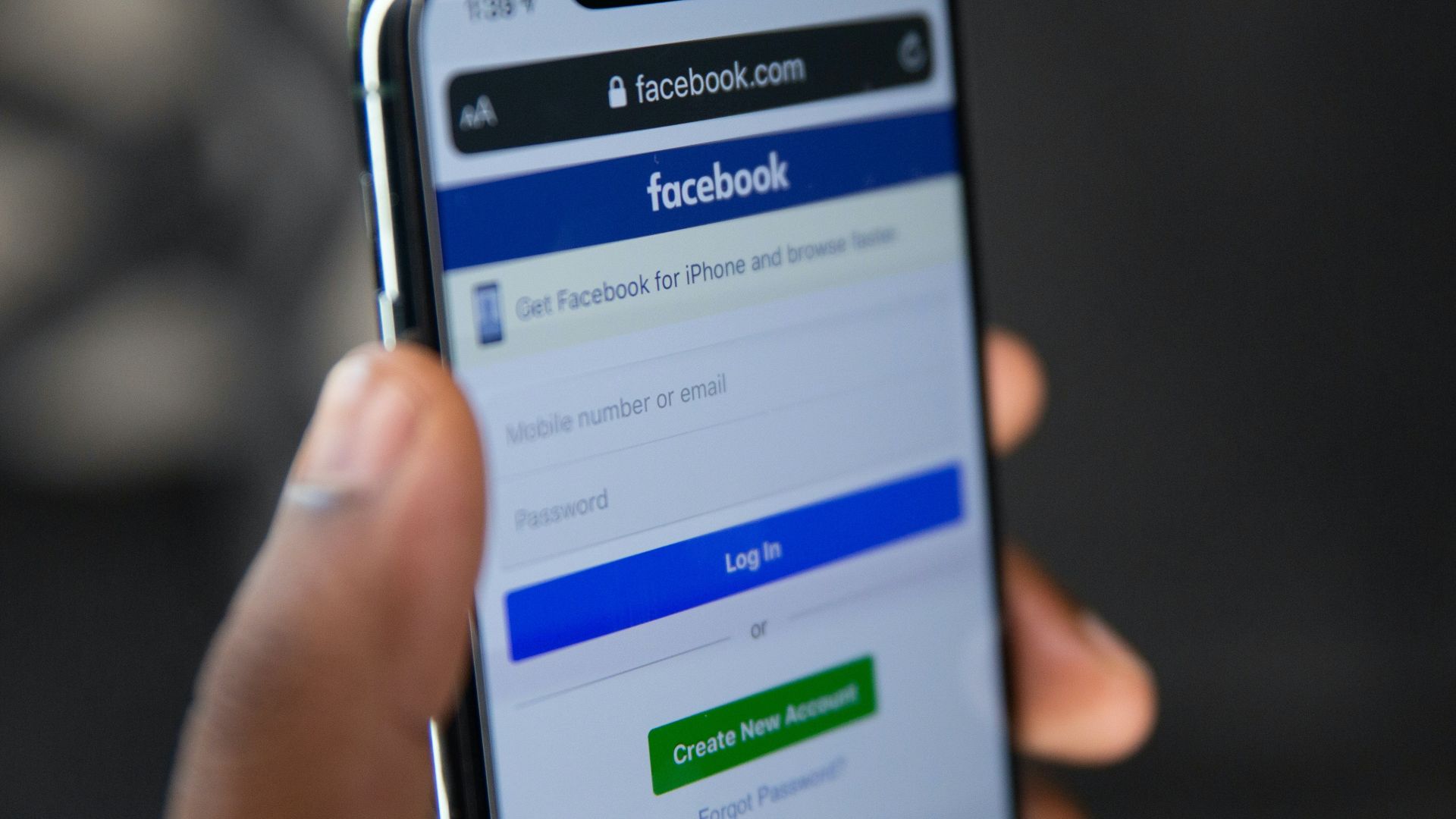
Ask Before You Arrive
One simple phone call or message can prevent a major headache. Ask exactly what identification is required and whether any apps or online accounts are needed.

Get Everything In Writing
If a host suddenly introduces a new requirement, communicate through the booking platform whenever possible. Written messages create a record if a dispute develops later.

Contact The Booking Platform
If the requirement wasn't disclosed before booking, contact customer support immediately. Many platforms will review whether the host is following its policies.

Don't Hand Over More Than Necessary
Even if identity verification is reasonable, be cautious about sharing unnecessary personal information. You should understand why it's being requested and how it will be used.

Government ID Is More Common
Hotels and vacation rentals around the world frequently ask for passports or driver's licenses during check-in. That's much more common than requesting social media access.
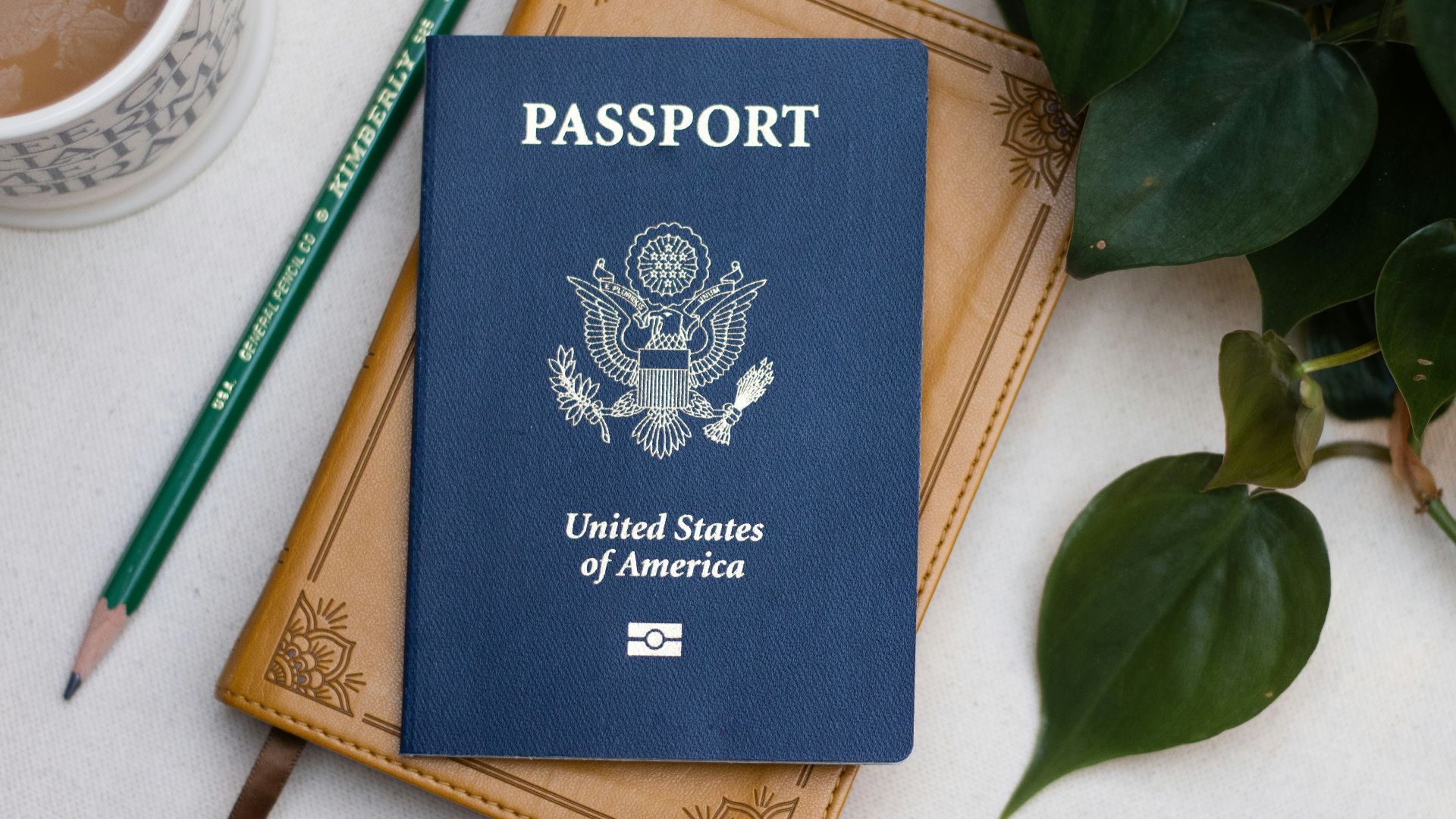
Every Country Handles Things Differently
Some countries require accommodations to register guests with local authorities. Those legal requirements usually involve official identification—not social media profiles.
 Frame Stock Footage, Shutterstock
Last-Minute Surprises Create Stress
Imagine arriving late at night after a long flight only to learn you can't check in because you don't have the 'right' app. That's exactly why confirming requirements ahead of time is so important.

Reviews Can Reveal Red Flags
Previous guests often mention unusual check-in experiences. If several reviews complain about unexpected verification requirements, take that seriously before booking.

A Good Host Communicates Clearly
Professional hosts generally explain important check-in procedures well before arrival. Nobody likes unpleasant surprises after dragging luggage across a parking lot.

Hotels Usually Work Differently
Traditional hotels rarely require social media accounts. Their verification process typically relies on government-issued identification and payment information.

Don't Assume Every Rental Is The Same
Some hosts offer completely self-service check-in, while others personally greet every guest. Policies can vary dramatically from one property to the next.

The Biggest Mistake Travelers Make
Many people book the cheapest rental without reading the details. Spending five extra minutes reviewing the listing can prevent hours of frustration later.

What If You're Already Standing At The Door?
Stay calm and contact the host through the booking platform. If the requirement wasn't disclosed, contact the platform's customer support before agreeing to anything you're uncomfortable with.

Most Problems Can Be Resolved
Many misunderstandings come from poor communication rather than bad intentions. Hosts and booking platforms often have alternative ways to verify your identity.

So, Is Social Media a Must?
Sometimes, if the requirement was clearly disclosed before booking and complies with the platform's rules. If it appears unexpectedly or conflicts with platform policies or local laws, you may have grounds to challenge it.
 Fernanda da Silva Lopes, Pexels
The Best Travel Hack Is Still The Simplest
Before you book, read every part of the listing—not just the photos. It may not be as exciting as dreaming about the beach, but it can save your vacation before it even begins.

You May Also Like:
I rented jet skis on vacation and now they’re claiming I caused damage. How do I prove I didn’t?