
The Vacation Phone Call Nobody Wants To Get
Your trip is over, the photos are posted, and life is back to normal. Then the rental company calls. They claim the jet ski was damaged and say you're responsible. Before you panic, there are several important things you need to know.

The First Question Is Simple
Did the company actually prove you caused the damage? Many travelers assume the rental operator automatically wins these disputes. That's not always true. Responsibility often depends on evidence, documentation, and the rental agreement.

Damage Claims Happen More Than People Think
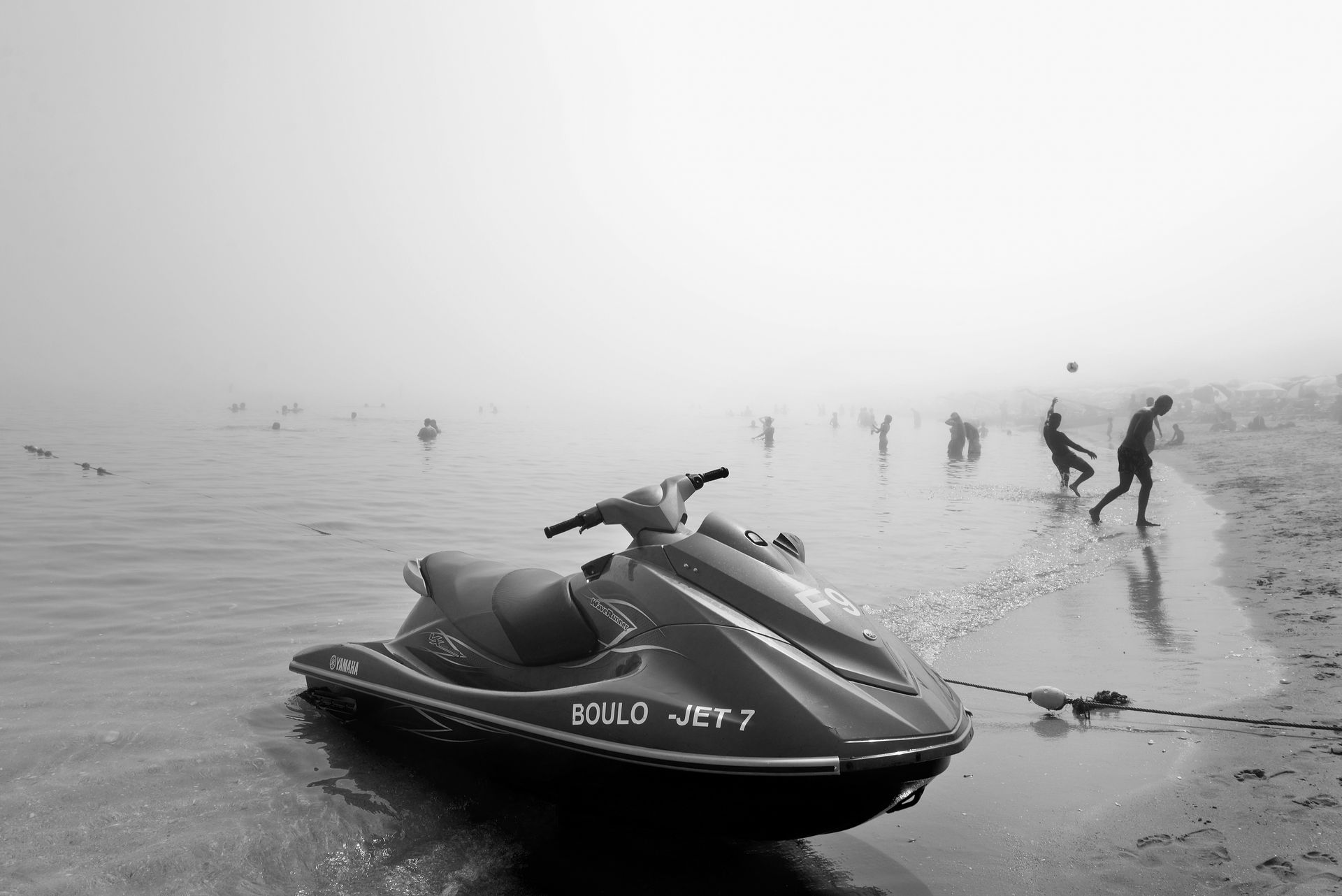
Jet skis operate in harsh conditions. They hit waves, docks, sandbars, and floating debris regularly. Because these machines take abuse, disputes over scratches, dents, and mechanical problems aren't uncommon in tourist destinations.
Stay Calm Before Responding
A damage claim doesn't automatically mean you owe money. Avoid admitting fault immediately, even if the company sounds confident. The first step is gathering facts rather than arguing.

Ask For Detailed Evidence
Request photographs, videos, inspection reports, repair estimates, and timestamps. A legitimate claim should be supported by evidence. If the company cannot show when or how the damage occurred, their case may become much weaker.

Your Own Photos Can Become Your Best Friend
This is where many travelers either win or lose. If you photographed the jet ski before riding, you may have proof that existing scratches, cracks, or dents were already present before you touched it.

Videos Are Even Better
A quick walkaround video taken before departure can capture dozens of details that photos miss. Many experienced travelers now record every rental vehicle, boat, golf cart, and jet ski before use.

The Rental Agreement Matters
Buried in the paperwork is usually a section explaining damage responsibility. Some agreements make renters liable for any damage occurring during the rental period. Others require proof that the renter caused it.

Pre-Existing Damage Is A Huge Issue
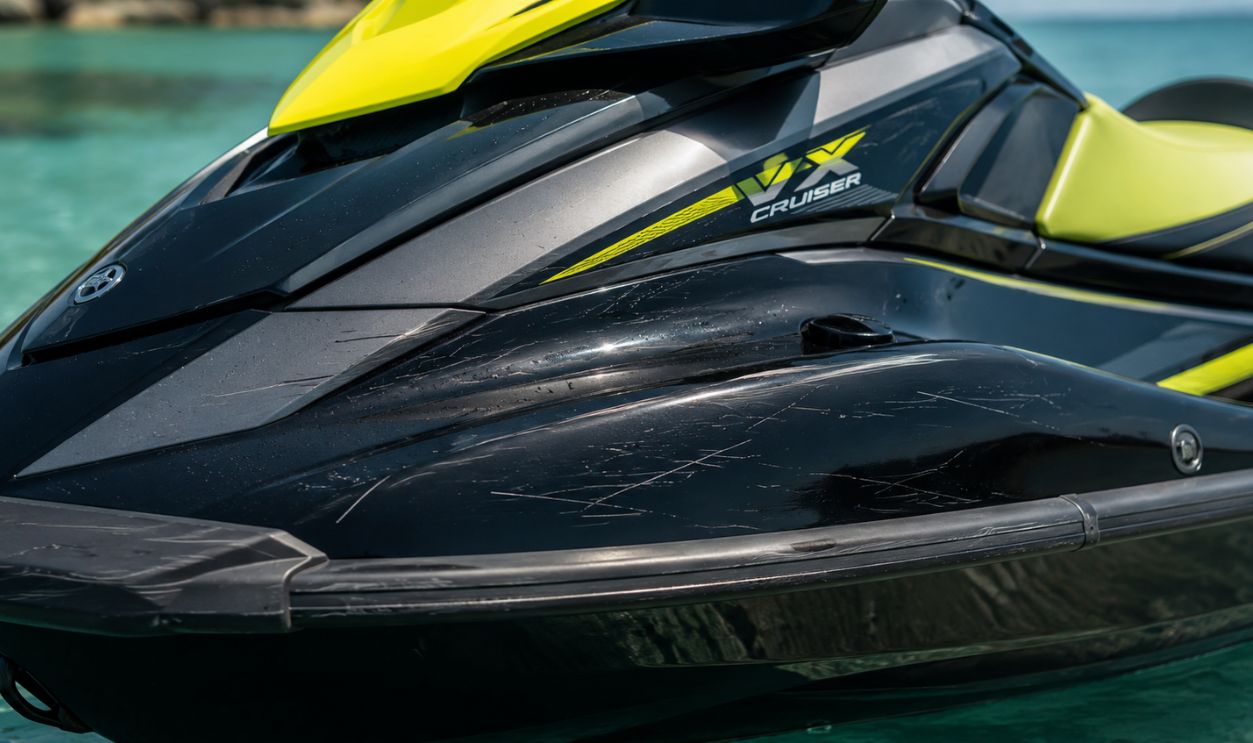
Many disputes involve damage that was already there. A scratched hull, chipped fiberglass, or damaged bumper may have existed long before your rental began. Without documentation, proving that can become difficult.

Mechanical Failures Aren't Always Your Fault
Not every breakdown results from misuse. Engines fail, parts wear out, and equipment ages. If a mechanical component failed because of maintenance issues, responsibility may not automatically fall on the renter.

Who Usually Has The Burden Of Proof?
The answer depends on local laws and contract terms. In many cases, the rental company must show evidence connecting the damage to your rental period. Simply making an accusation isn't always enough.

Credit Card Protection Can Help
Some travel-focused credit cards offer rental protections or dispute assistance. Coverage varies widely, but it's worth reviewing your card benefits before paying a claim you believe is unfair.

Travel Insurance Might Play A Role
Certain travel insurance policies include rental equipment coverage. If you're facing a large claim, check your policy documents. Some travelers discover they have protection they didn't know existed.

Watch Out For Immediate Payment Demands
A major red flag is pressure to pay immediately without documentation. Reputable operators typically provide evidence and explain the basis for the charge. High-pressure tactics deserve extra scrutiny.

Common Rental Tricks Travelers Report
Some tourists report being shown vague photos, unclear repair bills, or damage images with no timestamps. That's why obtaining your own evidence before riding is so valuable.

What To Do If You're Certain You Didn't Cause It
Politely dispute the claim in writing. Request supporting evidence and maintain copies of every communication. Written records are often far more valuable than verbal conversations later.

Small Scratches Create Big Arguments
Jet skis frequently pick up cosmetic wear during normal operation. Not every scratch justifies a major repair bill. The difference between normal wear and actual damage is often where disputes begin.
The Best Protection Starts Before The Ride
Inspect the entire jet ski before leaving the dock. Photograph every side, the handlebars, seat, hull, bumpers, and engine area if accessible. Spend two minutes documenting everything.

Never Skip The Employee Walkaround
Ask an employee to note existing damage before you leave. If possible, have them acknowledge visible scratches or dents in writing. That simple step can eliminate many future headaches.

Read The Fine Print Carefully
Many vacationers sign paperwork without reading it because they're eager to get on the water. Unfortunately, liability clauses, damage policies, and inspection procedures are often hidden in those pages.

So, How Do You Prove You Didn't Cause The Damage?
The strongest evidence is documentation created before your rental began. Photos, videos, written inspection reports, witness statements, and timestamped records can demonstrate that damage existed beforehand or that the company's claim lacks support.

The Lesson Most Travelers Learn Too Late
The best defense starts before you ever touch the throttle. A two-minute inspection and a thirty-second video can save hundreds or even thousands of dollars later. When it comes to rental disputes, documentation usually beats memory.

You May Also Like:
I booked “hidden city” flights to save money, but my dad says airlines can ban me for that—is that actually true?
My friend says TSA can’t make you unlock your phone. My cousin says they absolutely can at some airports. Who’s telling the truth?