
Something May Be Missing
Most people assume their body arrived with the same standard equipment as everyone else’s. Two arms, two legs and all the usual pieces hidden beneath the skin.
But there’s a pretty good chance something is missing...and you’ve never noticed.

Your Body Is Not A Standard Model
Anatomy diagrams make the human body look remarkably consistent. In reality, people can be born with extra muscles, unusually positioned tendons or certain structures missing entirely. Most of these variations cause no trouble, meaning their owners can go through life without ever discovering them.

Meet The Palmaris Longus
The palmaris longus is a thin muscle running along the front of the forearm. It begins near the inside of the elbow and continues toward the wrist, eventually connecting with the thick sheet of tissue beneath the palm known as the palmar aponeurosis.
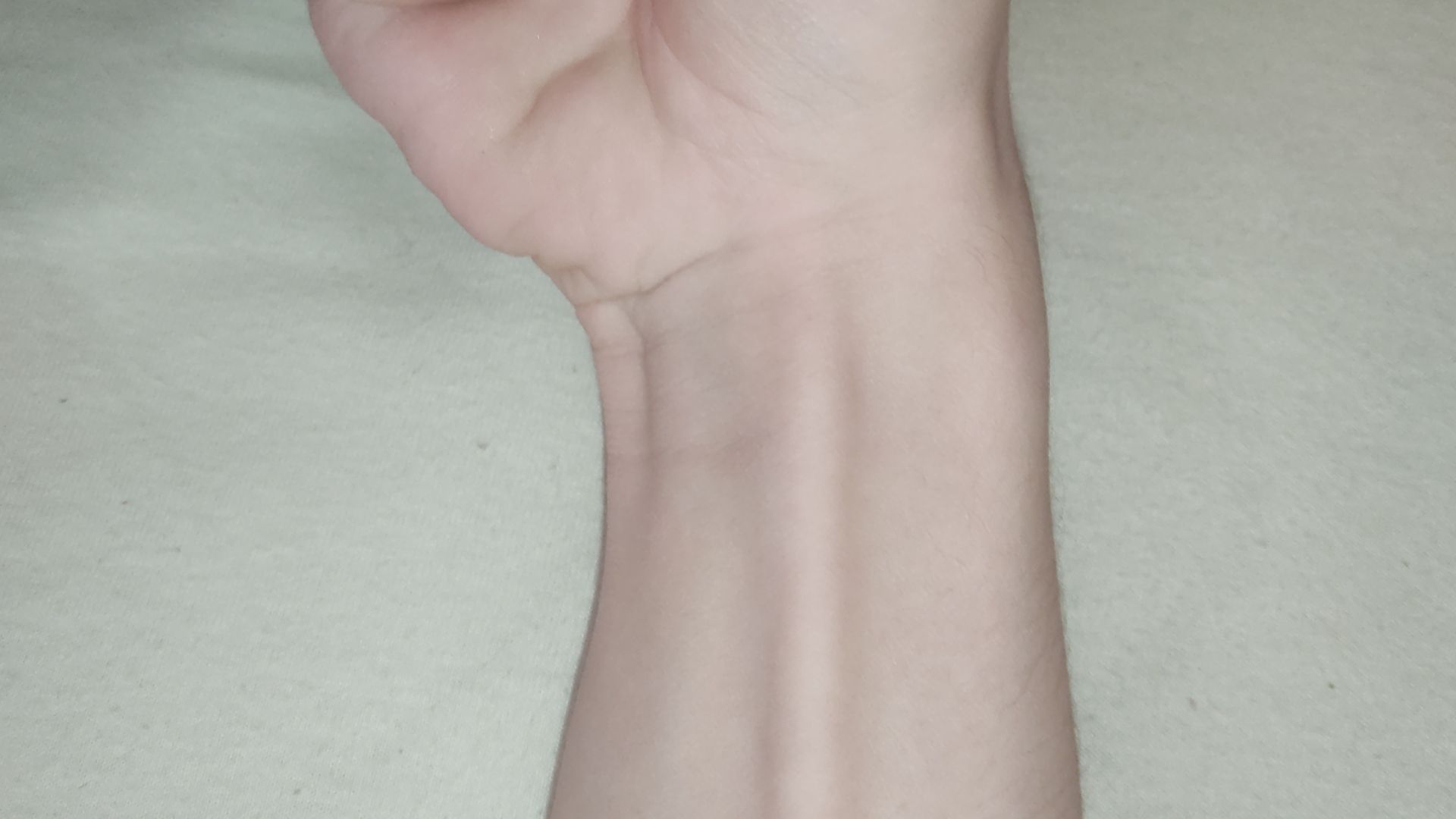
It Is Mostly Tendon
Despite being classified as a muscle, much of the structure you can actually see is a long, narrow tendon. When the palmaris longus contracts, that tendon may rise beneath the skin near the middle of the wrist—assuming yours exists in the first place.
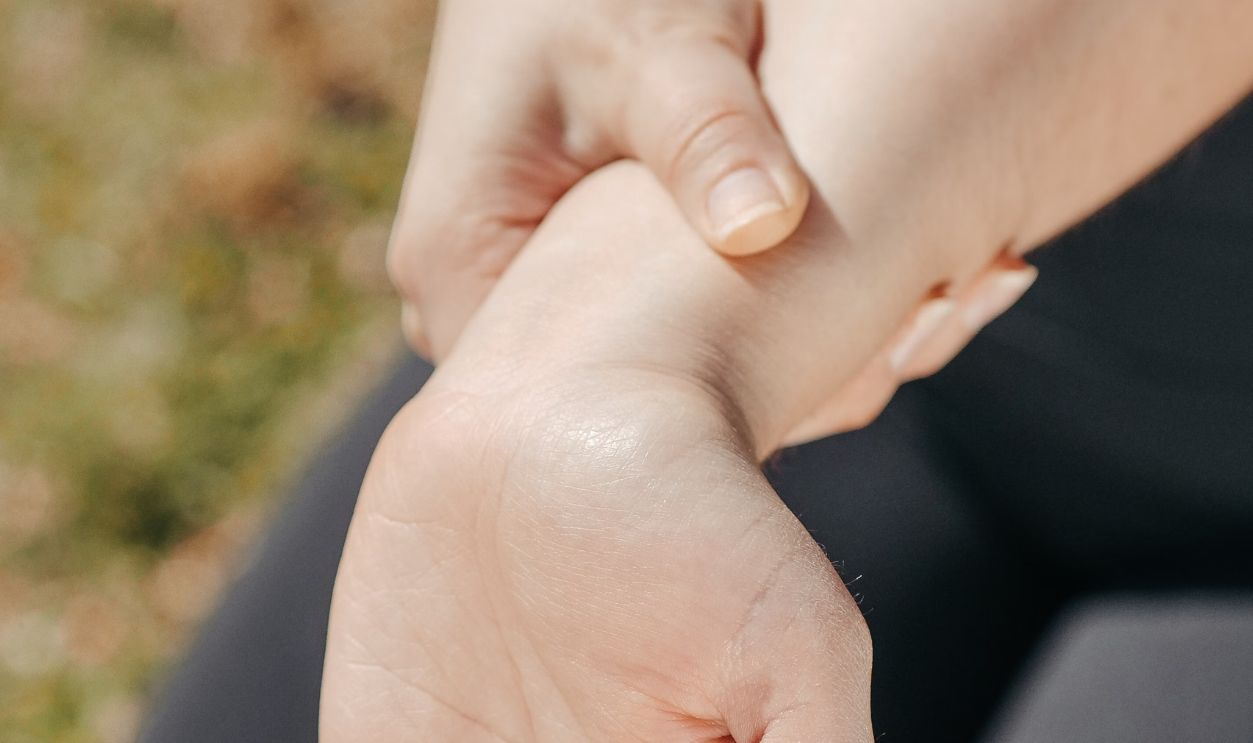
It Has A Job—But Your Wrist Has Backup
The palmaris longus helps flex the wrist and tighten the tissue across the palm, but its contribution is fairly minor. Other muscles can easily cover for it, which is why someone without one can type, lift, drive and wrestle with a stubborn pickle jar without noticing anything unusual.

It Was Never Lost
People without a palmaris longus did not damage it, wear it out or slowly lose it from lack of use. The muscle simply never developed. The medical term is agenesis, meaning the structure has been absent since before the person was born.
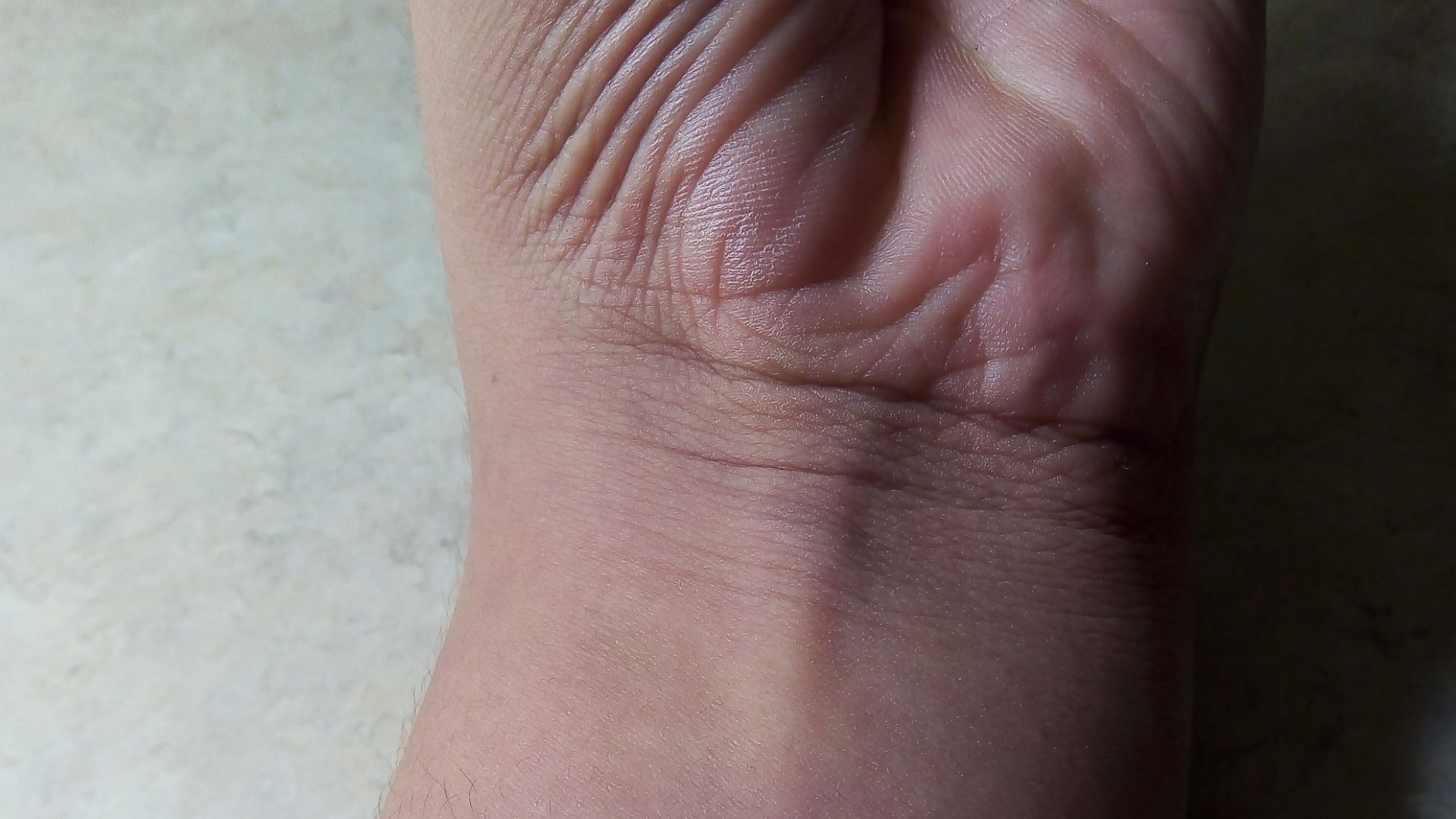 Couch-scratching-cats, Wikimedia Commons
One Arm Can Be Different
This is where things get even stranger. The palmaris longus can be present in both arms, missing from both arms or appear on only one side. Your left and right forearms may contain slightly different collections of body parts—and have been quietly doing so your entire life.

You Are Definitely Not Alone
One major meta-analysis estimated that approximately 20% of people are missing the palmaris longus, although other reviews have placed the worldwide figure closer to 15%. Individual studies have reported dramatically different numbers depending on the population examined and how researchers looked for it.

Now For The Easy Check
Fortunately, you do not need an X-ray, a medical degree or one of those anatomy-lab tables nobody wants to see around lunchtime. The best-known check is based on Schaeffer’s test, a simple clinical movement designed to make the tendon stand out.
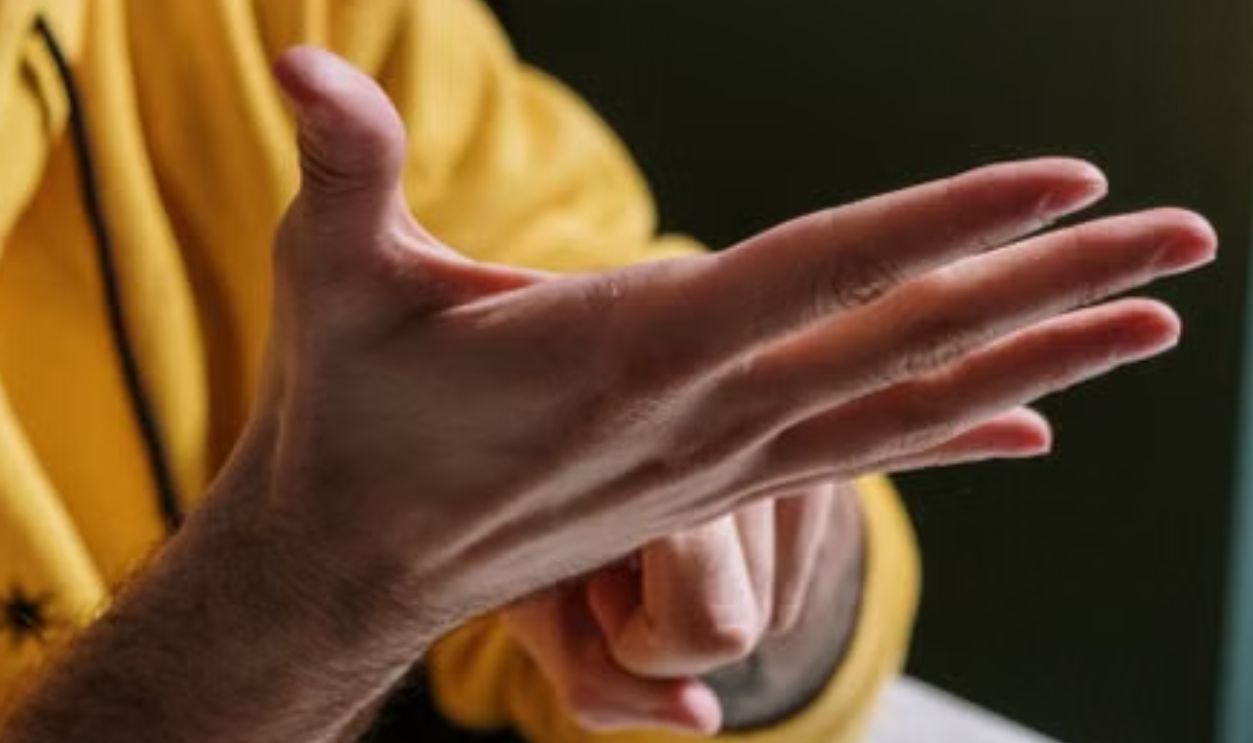
Turn Your Palm Up
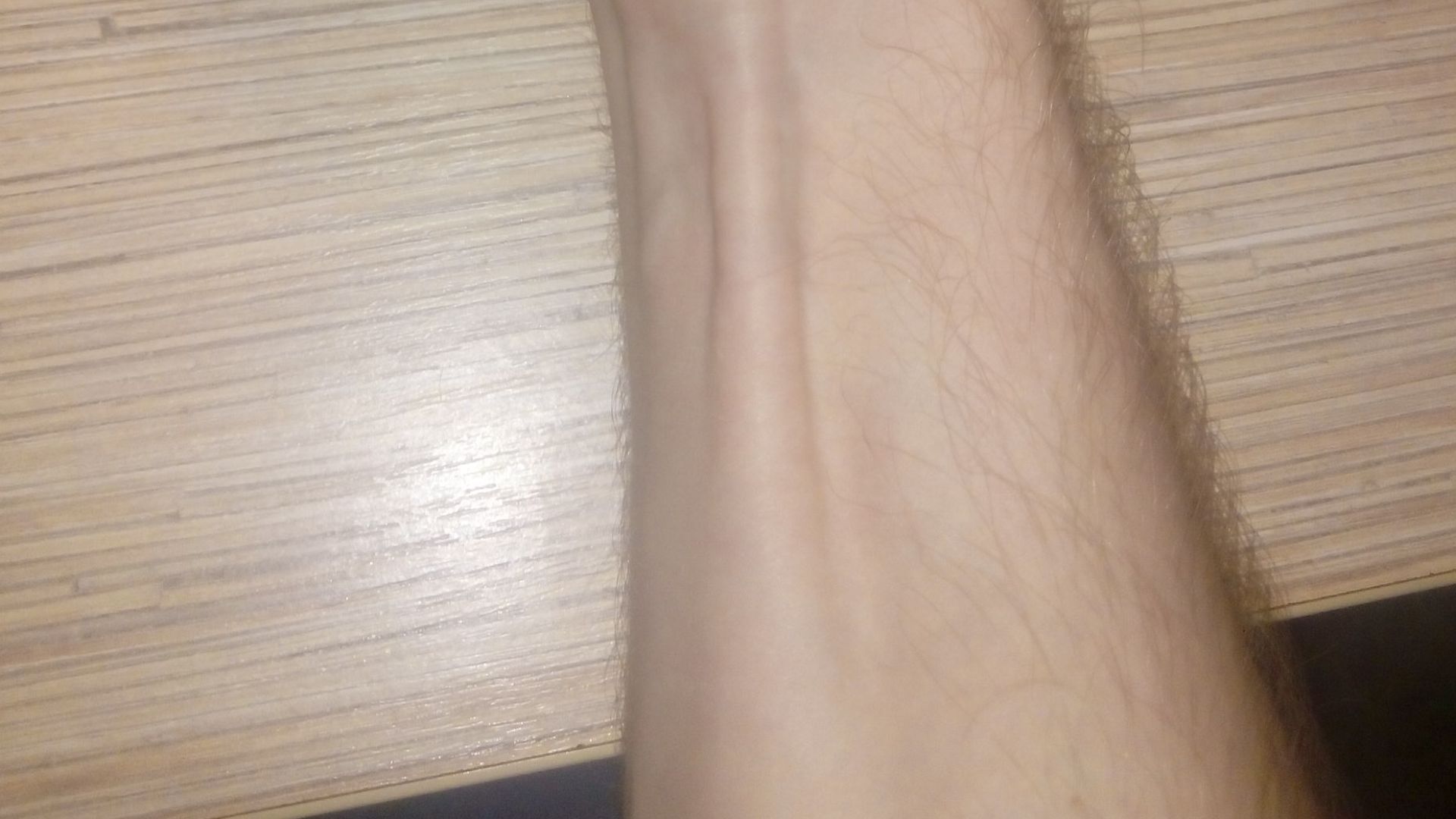
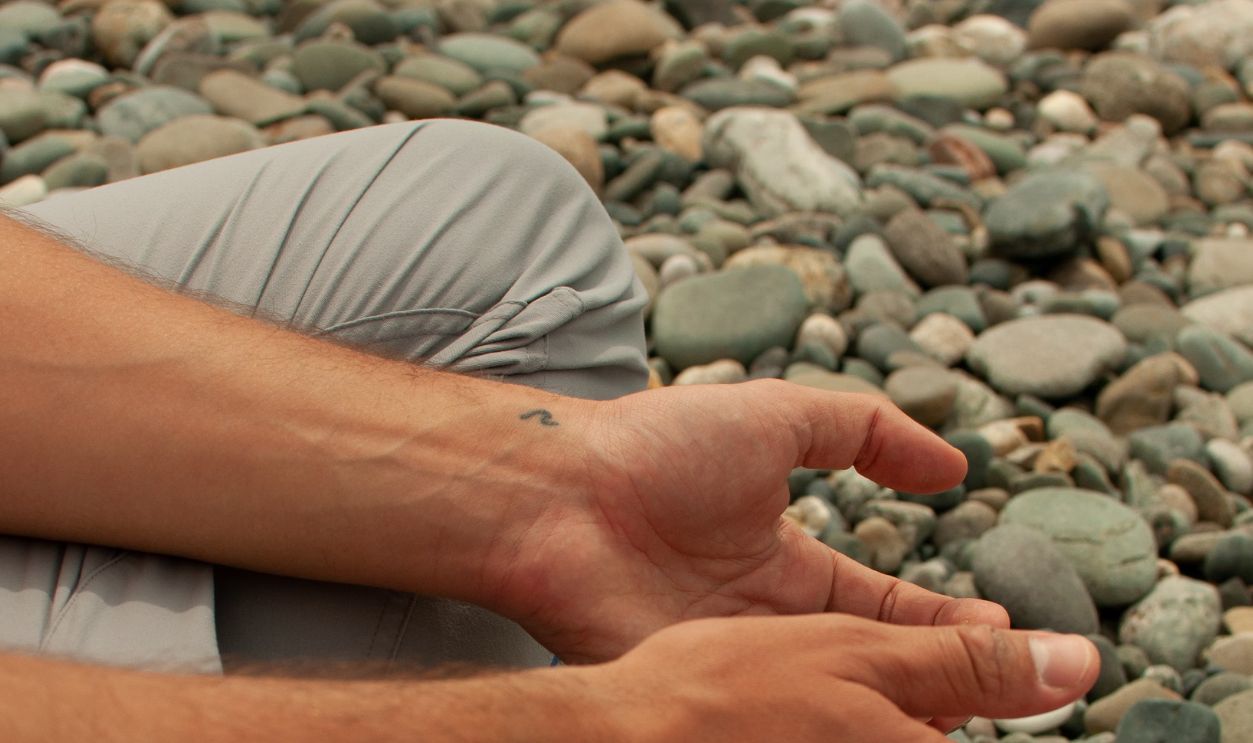
Hold one arm in front of you with the palm facing upward. Keep your forearm relaxed enough that you can clearly see the inside of your wrist. You will be watching the area near the centre rather than the stronger cords already visible closer to either side.

Bring Two Fingers Together
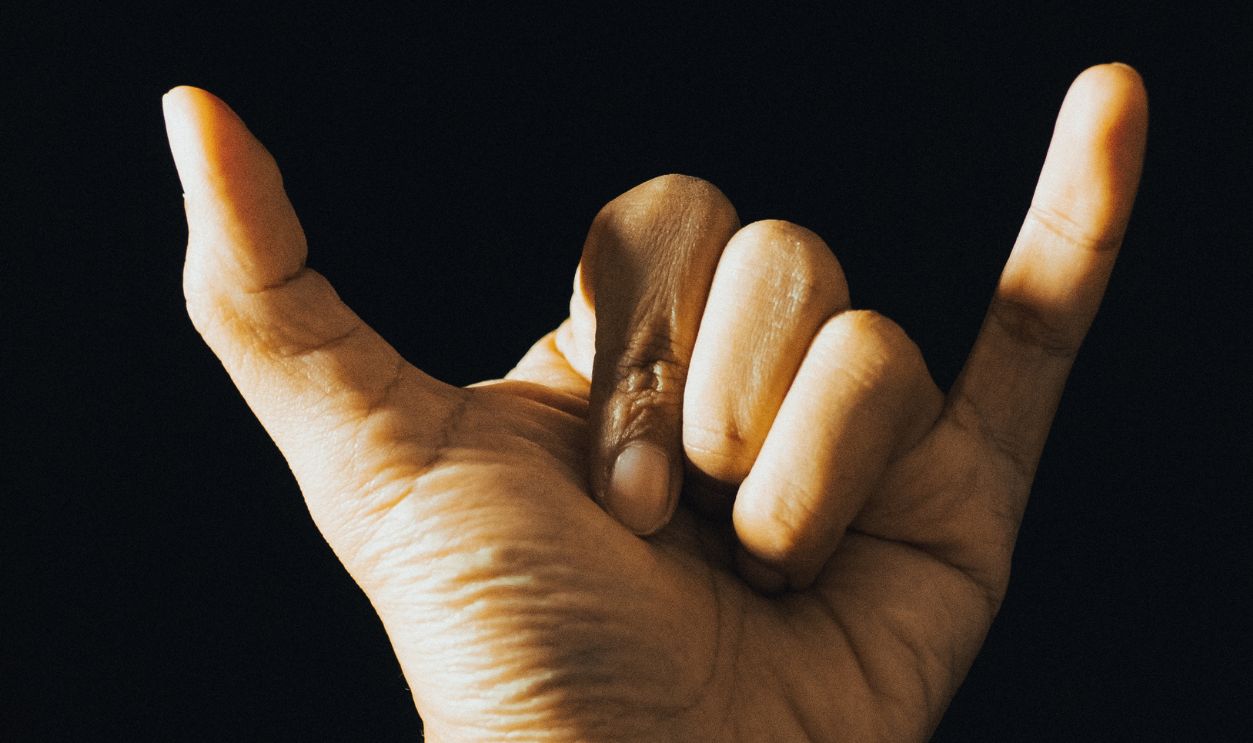
Touch the tip of your little finger to the tip of your thumb. Keep them together while gently flexing your wrist, bringing your palm slightly toward the inside of your forearm. This tightens the palmaris longus and, when your anatomy cooperates, pulls its tendon closer to the surface.
Look For The Mystery Cord
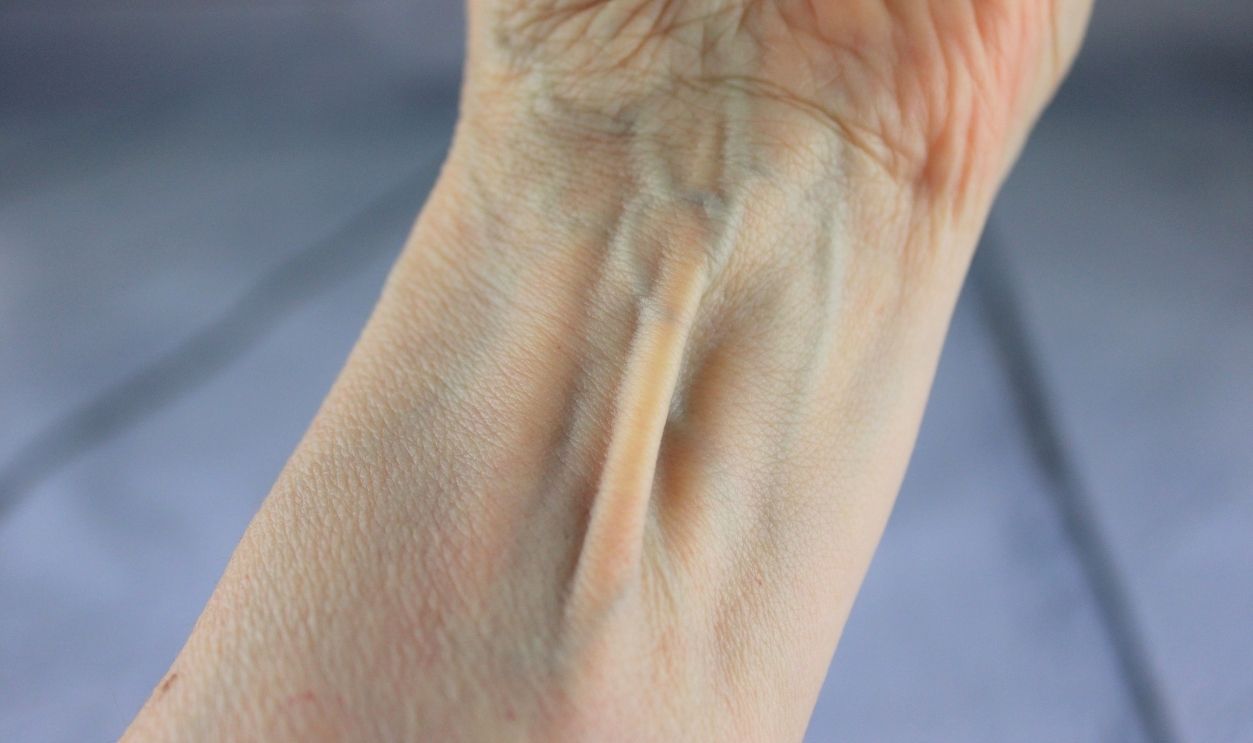
A narrow raised tendon may appear near the centre of your wrist, running lengthwise toward the palm. Congratulations: that is probably your palmaris longus finally introducing itself after spending your entire life without so much as a Christmas card.
Now Check The Other Arm
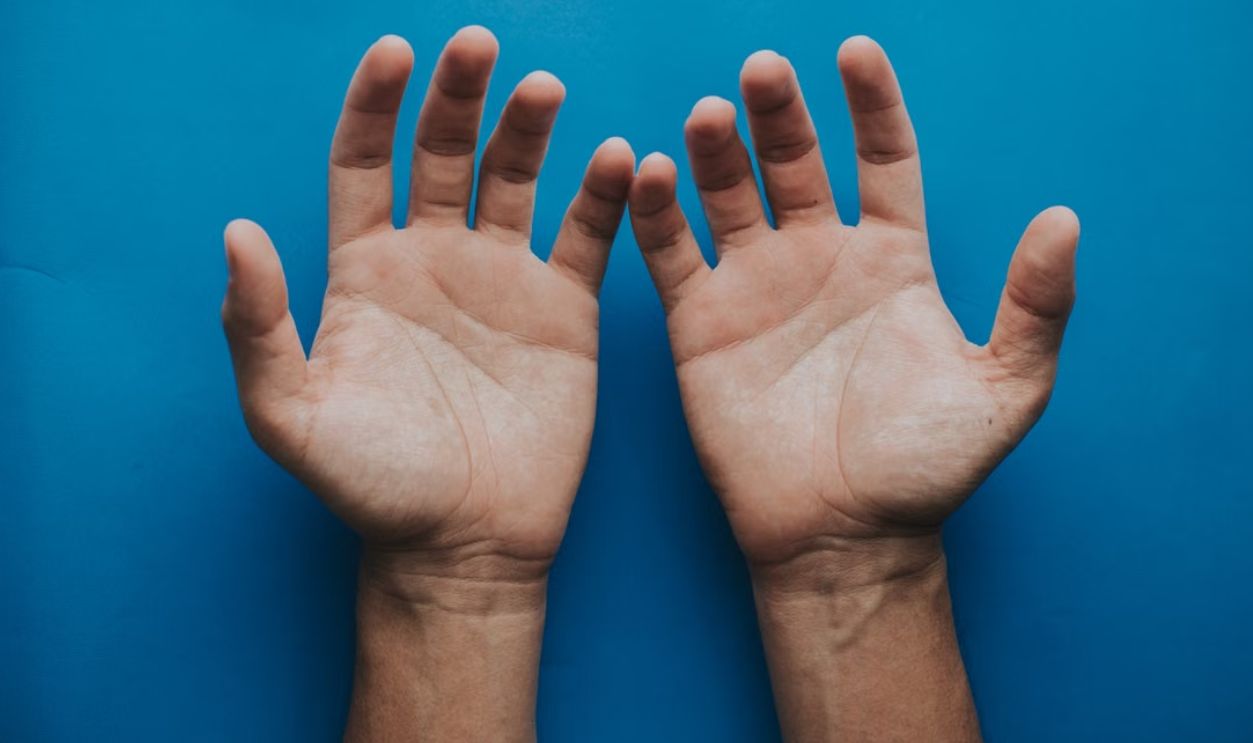
Do not assume the result will be the same on both sides. Repeat the movement with your opposite wrist. Some people will see a tendon in both arms, some will see nothing in either arm and others will discover that only one side received the optional equipment package.

Nothing Appeared?
A missing ridge does not always prove that the muscle is absent. The tendon may be unusually thin, positioned differently or confused with a nearby structure. Schaeffer’s test is useful but not perfect, and ultrasound is the most reliable way for a clinician to confirm what is actually there.
Missing It Does Not Make You Weak
Despite some dramatic claims online, lacking the palmaris longus does not mean your hand is defective. Studies have generally found no meaningful reduction in overall grip strength, although some researchers have reported small differences in certain finger-pinch measurements.

You Are Not More Evolved
The muscle is sometimes presented online as a test revealing who is supposedly more evolved. That is not how evolution works. People without it are not upgraded humans, and people with it are not prehistoric leftovers stubbornly refusing to leave. Both versions are completely normal.

Vestigial Does Not Mean Pointless
The palmaris longus is frequently described as functionally vestigial because humans can operate normally without it. But vestigial structures are not necessarily useless. They may retain smaller or altered jobs after losing the much larger role they once performed in distant ancestors.

It May Be A Clue From Our Climbing Past
Comparative anatomy research has found a more developed palmaris longus in some highly arboreal primates, leading researchers to suggest that it may be more useful during gripping and climbing. That makes its decline in humans an intriguing evolutionary possibility—but not a completely settled story.

Surgeons Are Very Happy It Stayed
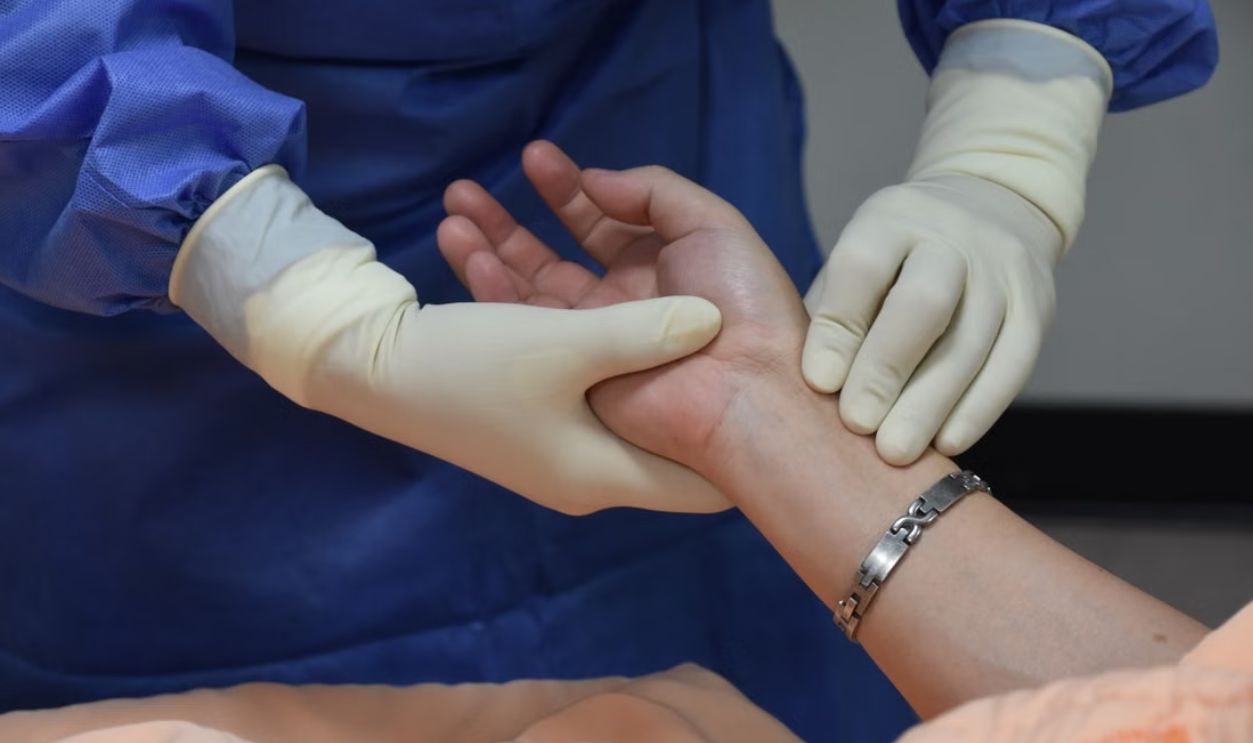
The palmaris longus may contribute little to ordinary wrist function, but its long tendon can be extremely useful in reconstructive surgery. Surgeons can harvest the tendon, usually with little noticeable loss of wrist function, and use it to repair damaged tendons and ligaments elsewhere in the body.
The Body’s Spare Replacement Part
The tendon has been used during procedures involving the hand, face and eyelid. It is essentially biological replacement material conveniently stored inside the patient, although calling it a spare part makes evolution sound far more organized than it probably deserves.
Missing It Can Finally Matter
Someone without a palmaris longus generally needs no treatment and may never experience any consequence. However, a surgeon hoping to use the tendon must first confirm that it exists. When it does not, another suitable tendon or reconstructive material has to be chosen.

Presence Is Not The Only Surprise
The palmaris longus is one of the body’s more unpredictable muscles. Instead of being absent, it can be duplicated, divided, enlarged or arranged backward, with the muscular portion and tendon positioned differently from the neat little version shown in anatomy textbooks.

A Backward Version Can Cause Trouble
Rare reversed or enlarged versions can occasionally occupy space near important nerves and contribute to pain, swelling or nerve compression. So while the ordinary muscle is usually harmless—and its absence even less concerning—some unusual variations can finally make it noticeable.

Your Body Never Mentioned It
Whether your palmaris longus showed up or not, your arm has probably worked perfectly well without you ever giving it a thought. That may be the strangest part: an entire muscle can be present, missing or different on each side—and most people will never know until someone tells them where to look.
You Might Also Like: