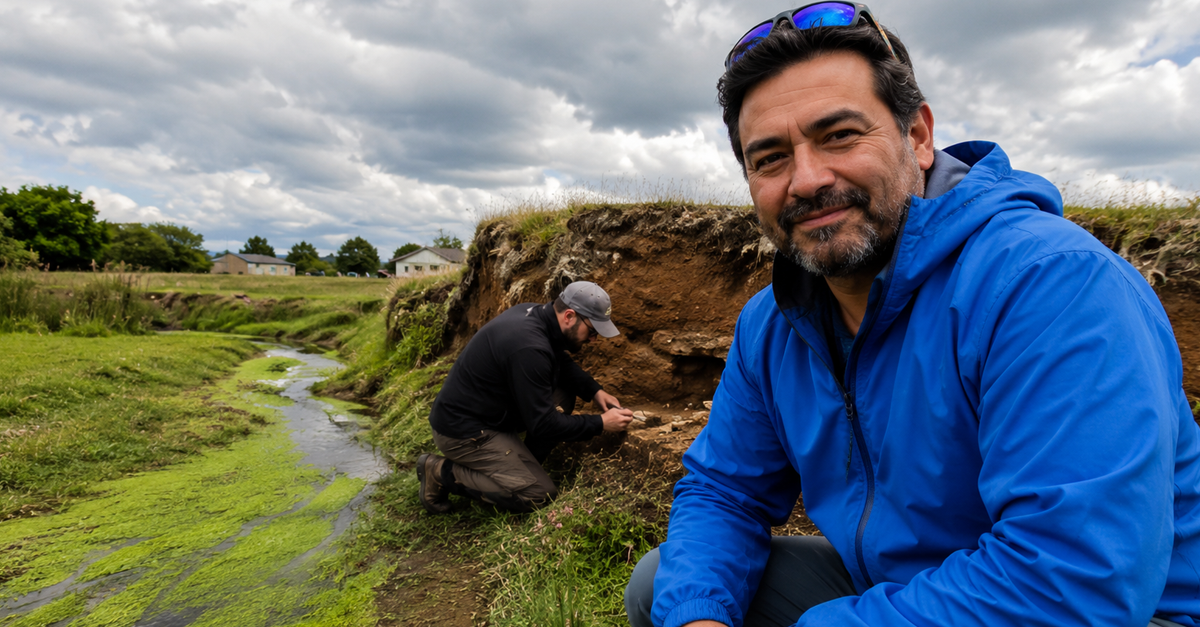
A Famous Site Faces A Stunning Challenge
For decades, Monte Verde in southern Chile has been one of archaeology's strongest pieces of evidence that people reached the Americas before the Clovis culture spread across North America. The site was widely dated to around 14,500 years ago. New research now argues that its main occupation may be thousands of years younger, although that conclusion has triggered fierce opposition.
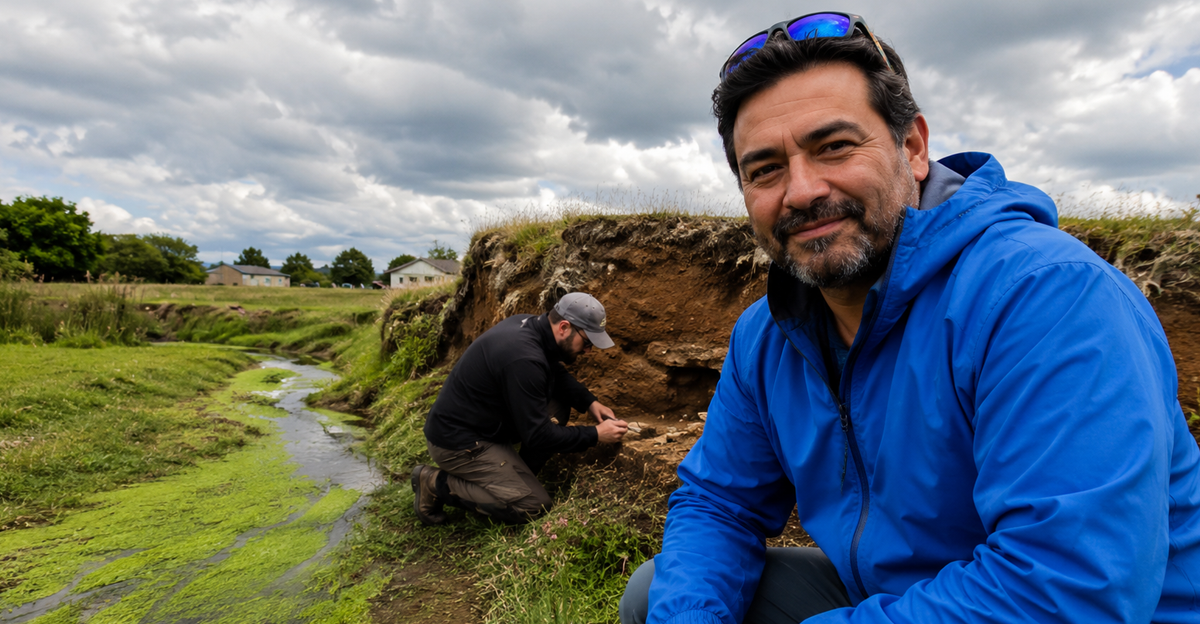
Monte Verde Changed American Prehistory
Monte Verde became famous because its accepted age placed people near the southern end of South America more than 1,000 years before Clovis sites flourished farther north. That timing suggested humans must have entered the Americas considerably earlier than once believed. It also forced researchers to reconsider how quickly people could have travelled across two continents.
 Geologia Valdivia, Wikimedia Commons
The Site Sits In Southern Chile
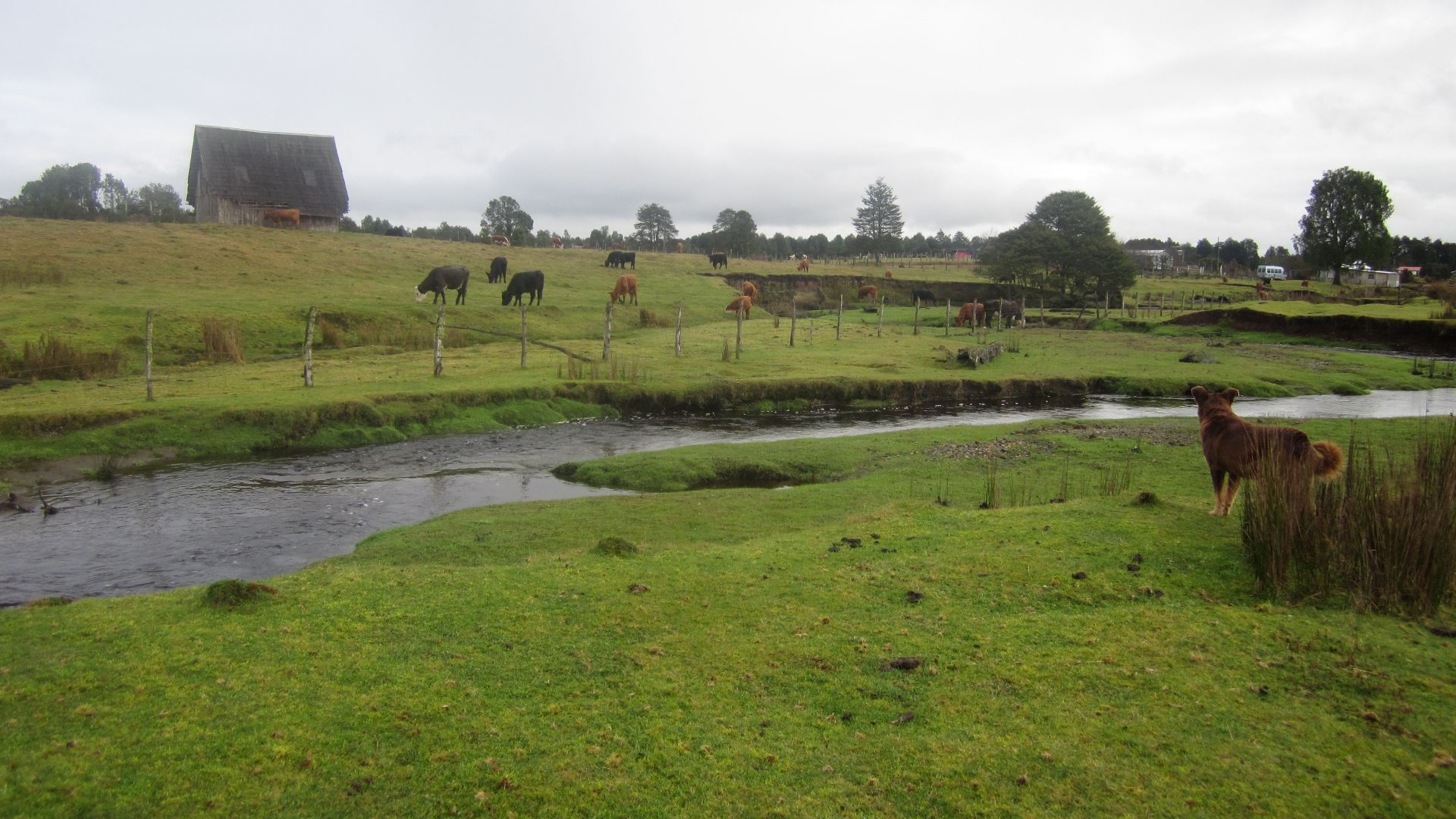
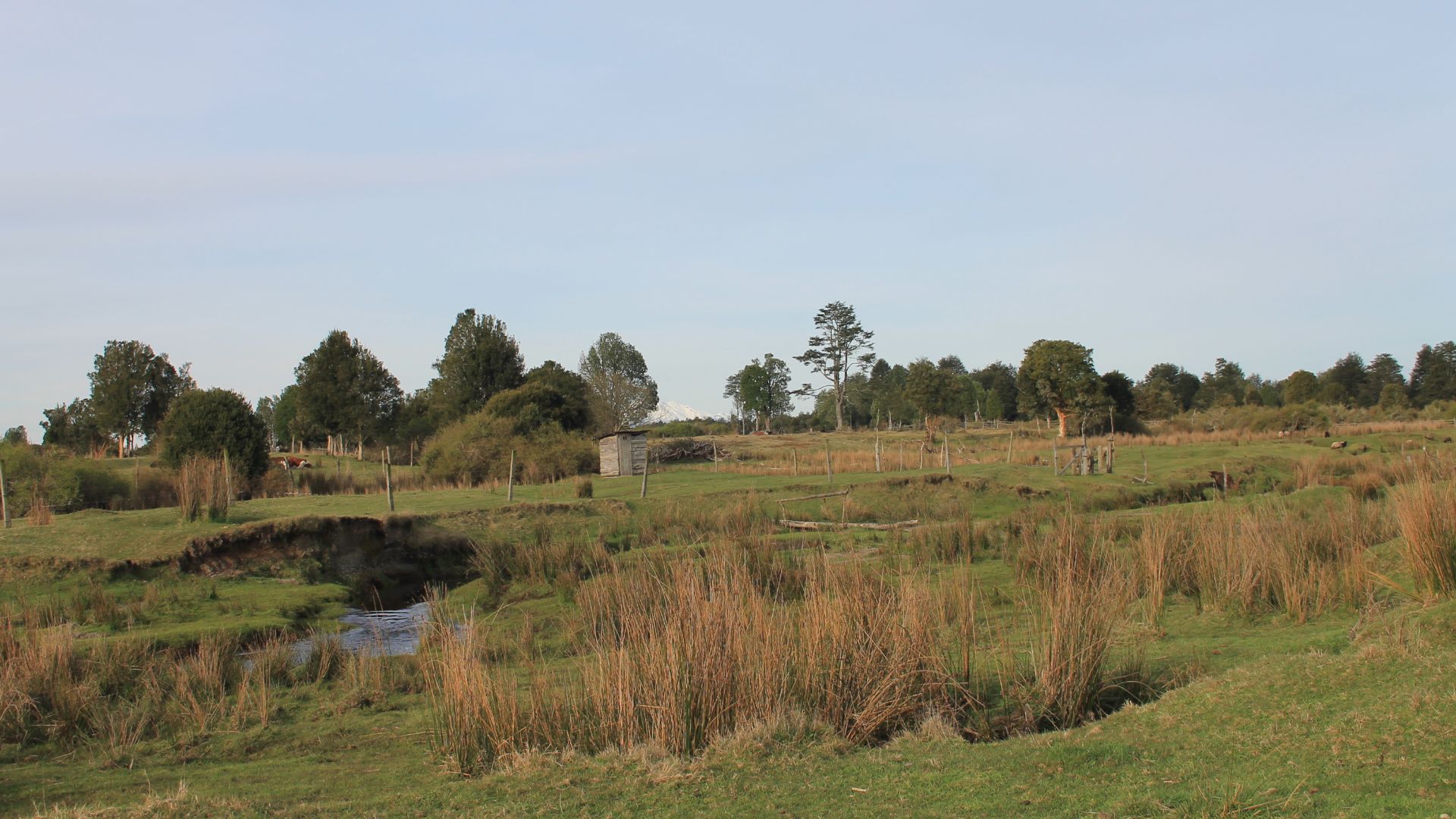
Monte Verde lies near Puerto Montt in Chile's rainy Los Lagos Region. It is positioned beside Chinchihuapi Creek, where shifting water and wet soils helped shape the landscape. The location is thousands of miles south of the Bering Strait, making its proposed early date especially remarkable.
 Rodolfo Ditzel Lacoa, Wikimedia Commons
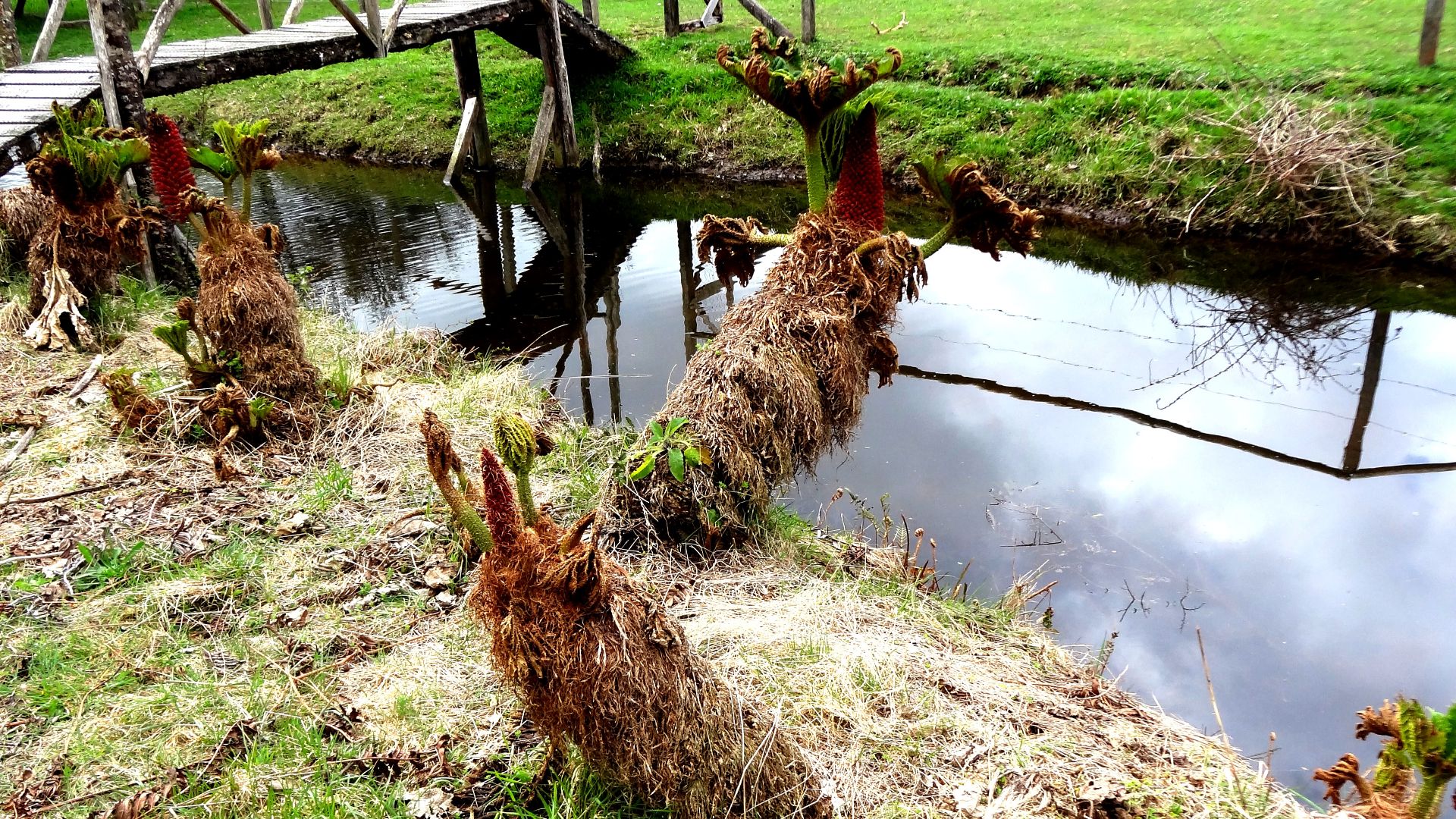
Wet Ground Preserved Unusual Evidence
Many ancient open-air camps lose their organic materials through decay. At Monte Verde, waterlogged and oxygen-poor conditions preserved wood, plant remains, animal material, and other fragile objects. That exceptional preservation gave archaeologists a much richer picture than stone tools alone could provide.
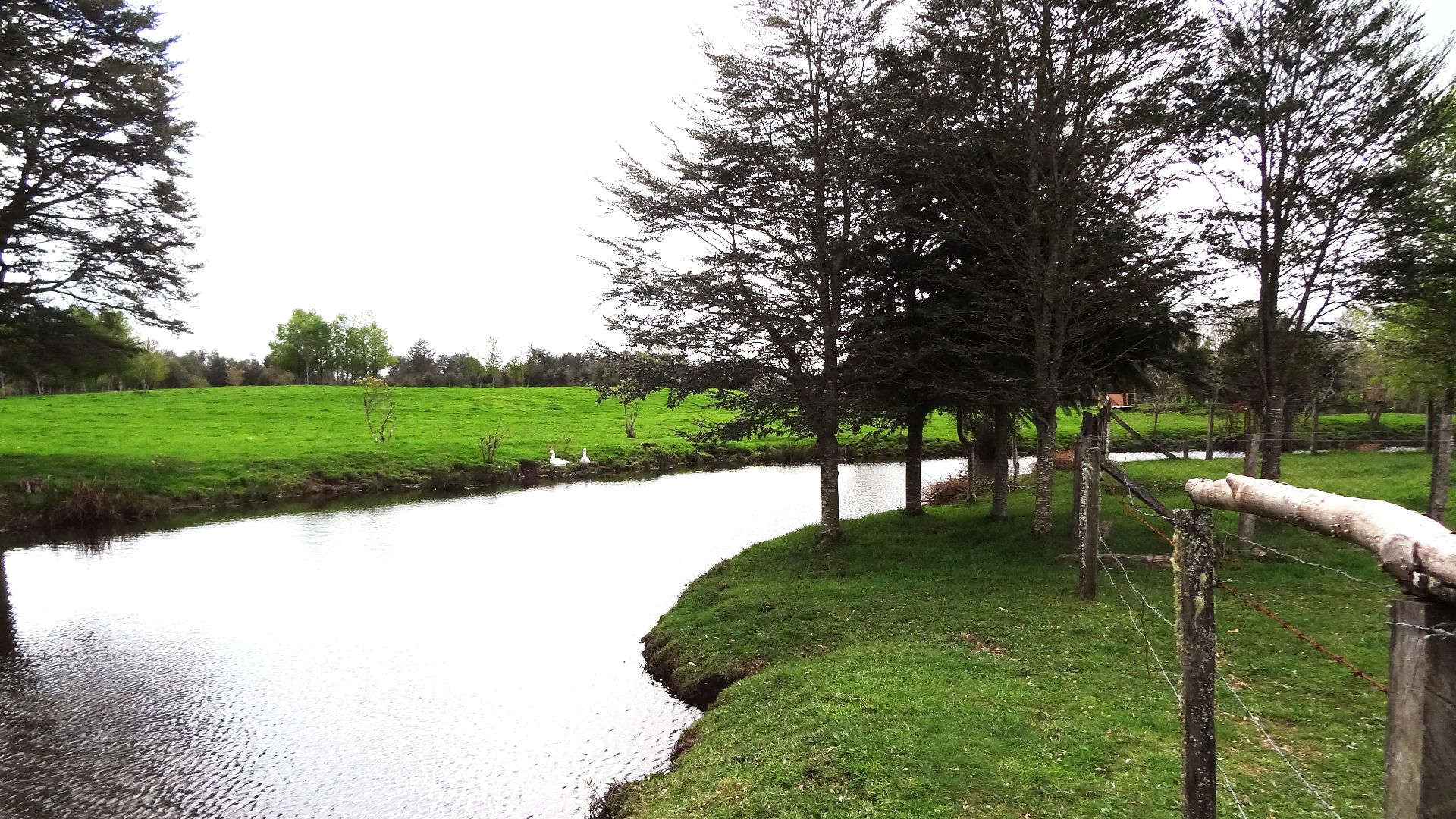 Rodolfo Ditzel Lacoa, Wikimedia Commons
Excavations Revealed Everyday Life
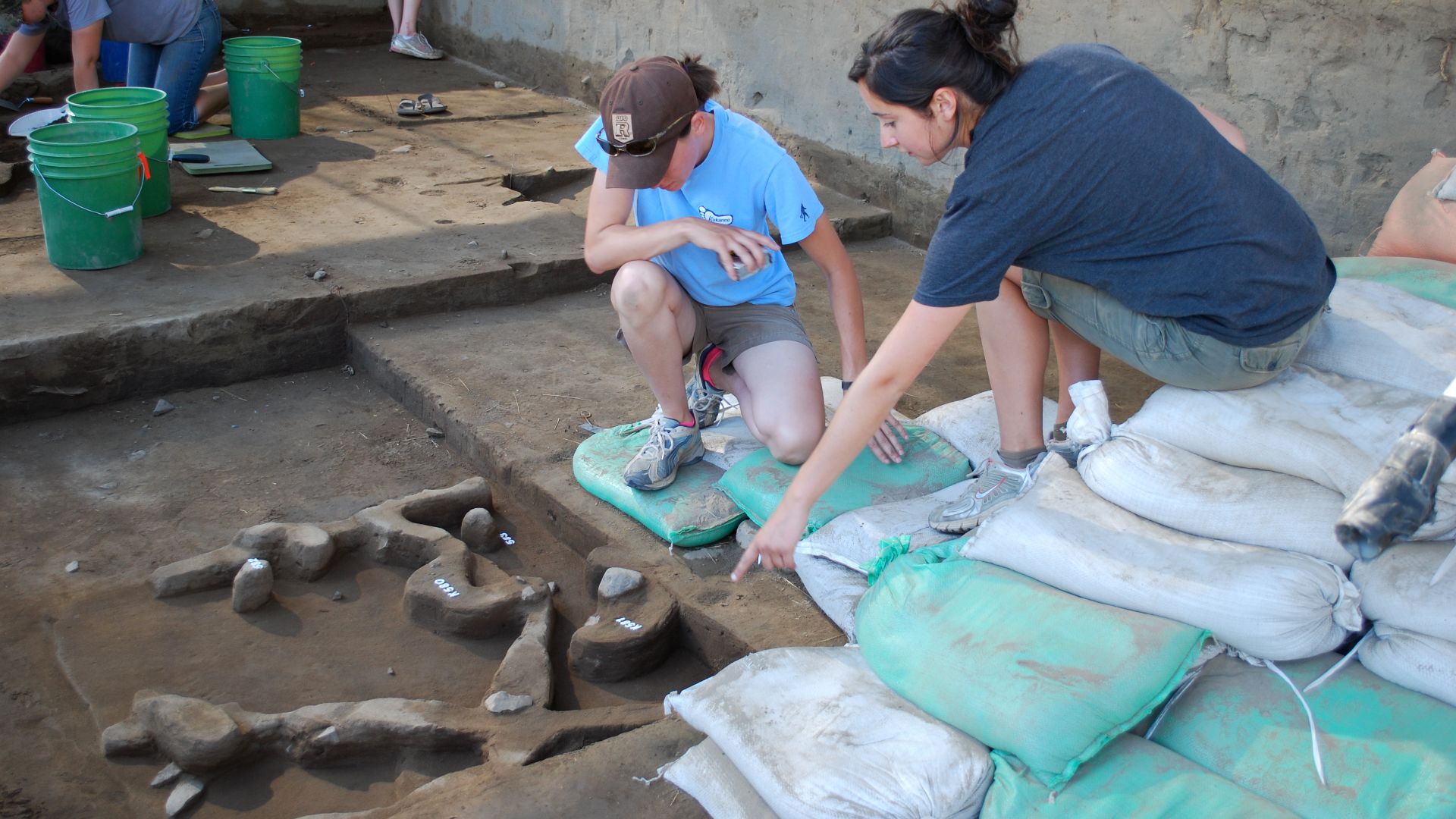
Excavations uncovered wooden shelter remains, hearths, tools, cordage, edible plants, animal bones, and what appeared to be a human footprint. Together, these discoveries suggested a well-organized campsite rather than a brief stopover. The exceptional preservation offered a rare glimpse into the daily lives of some of the Americas' earliest inhabitants.
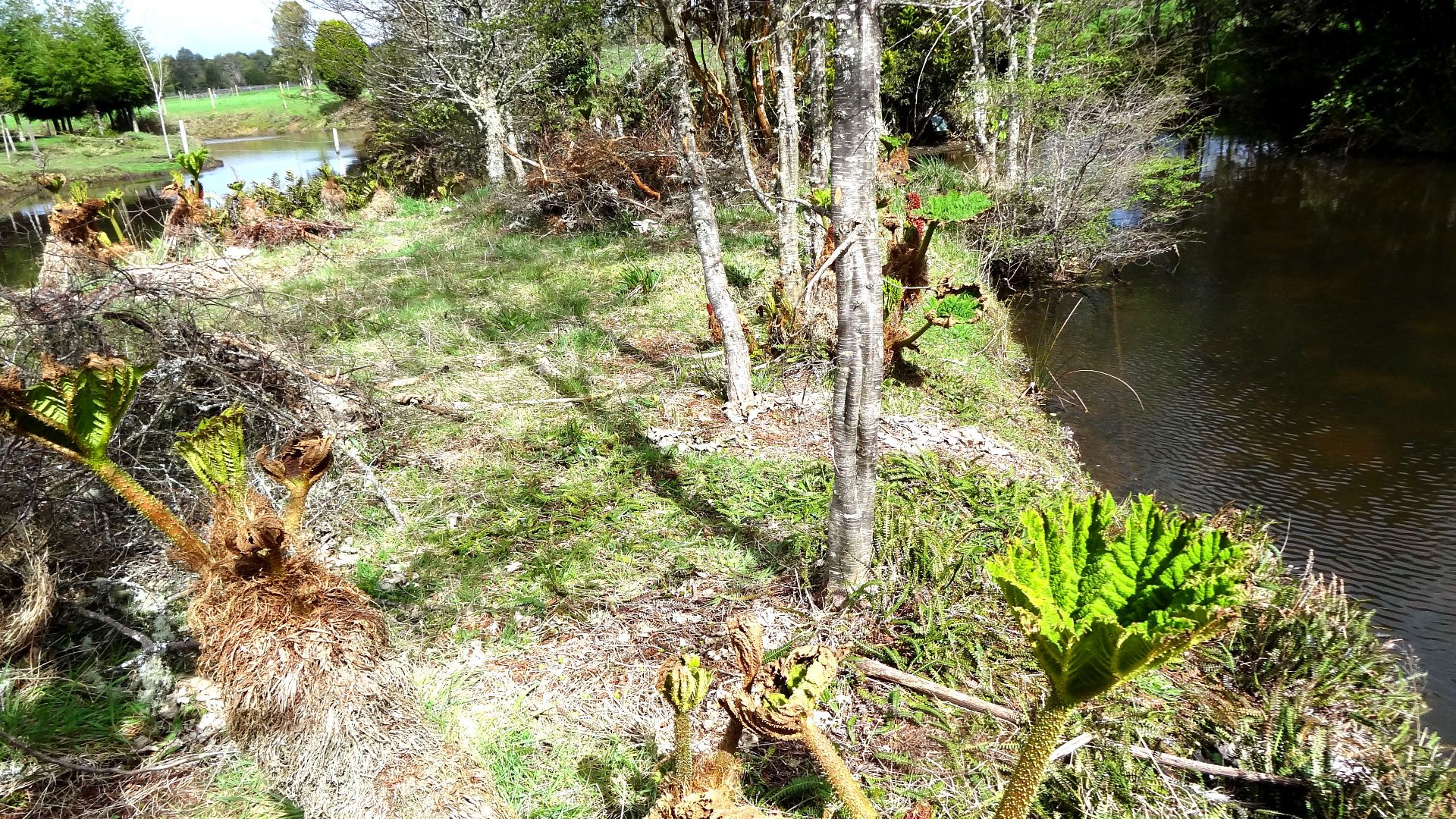 Rodolfo Ditzel Lacoa, Wikimedia Commons
Radiocarbon Dates Built The Timeline
Organic samples associated with the principal occupation level, known as Monte Verde II or MV-II, produced dates supporting an age of roughly 14,500 years. Archaeologists connected those dates with artifacts and features found in the same general archaeological context. Over time, that chronology became central to discussions about the first Americans.
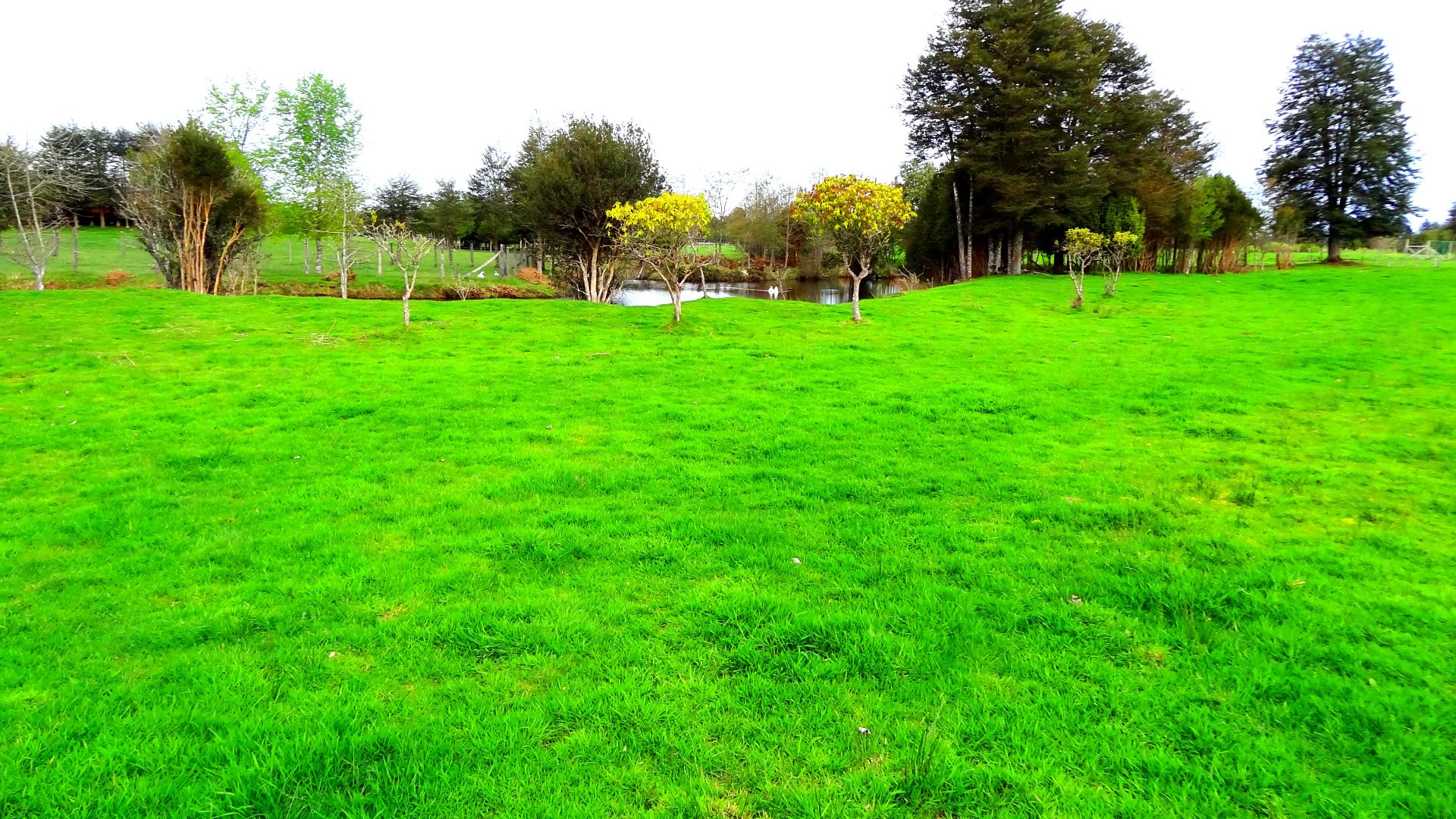 Rodolfo Ditzel Lacoa, Wikimedia Commons
Clovis Once Defined The Beginning
For much of the 20th century, many archaeologists believed the earliest widely dispersed people in the Americas belonged to the Clovis culture. Clovis sites are known for distinctive fluted stone points and generally date to about 13,000 years ago. This interpretation became known as the Clovis-first model.
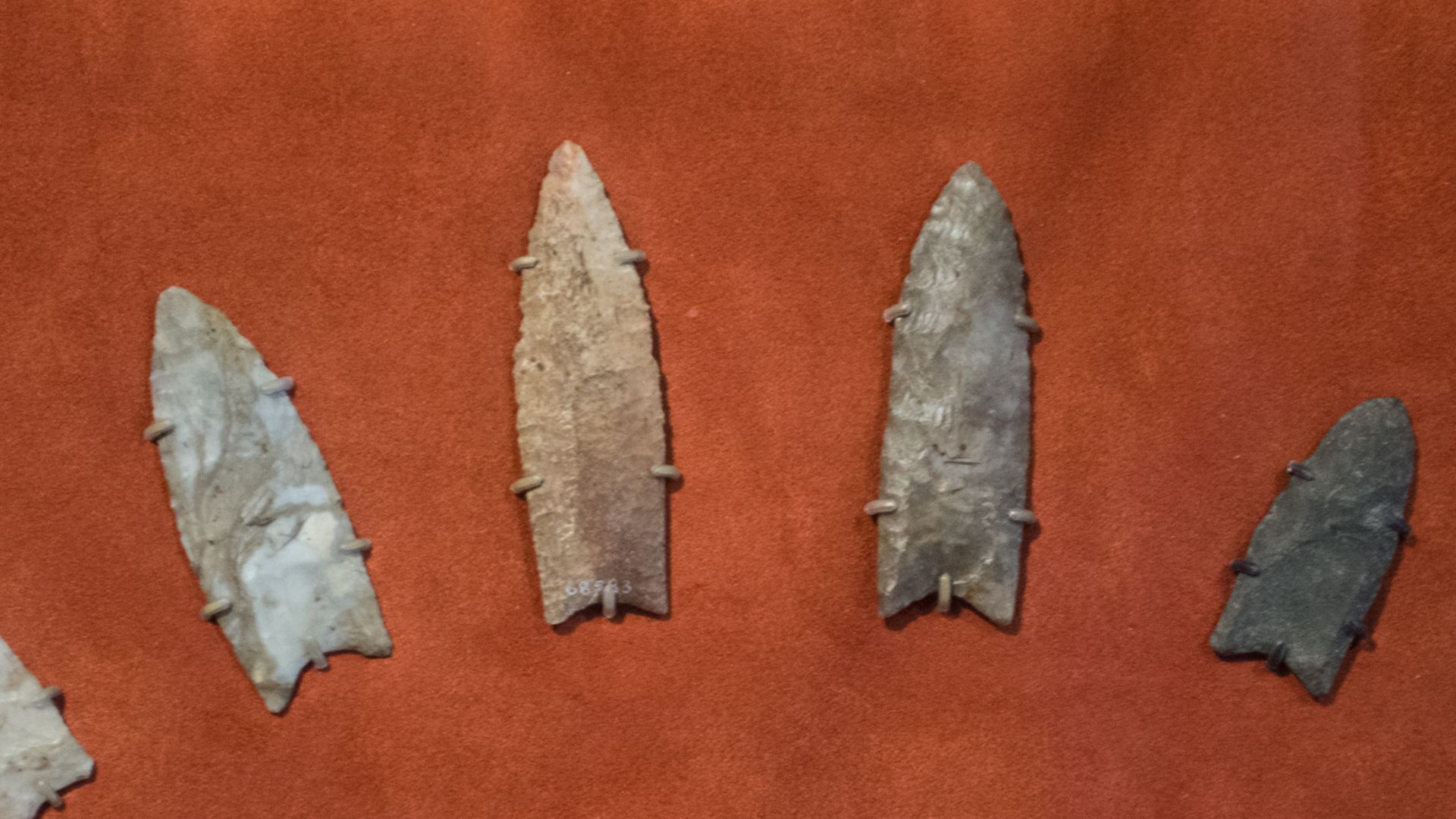 Tim Evanson, Wikimedia Commons
Monte Verde Broke The Old Model
A well-supported 14,500-year-old settlement in Chile could not easily fit a story beginning with Clovis people in North America. Humans would have needed time to enter the continents, travel south, and establish themselves in Patagonia. Monte Verde therefore helped push the initial migration much deeper into the past.
Acceptance Did Not Come Easily
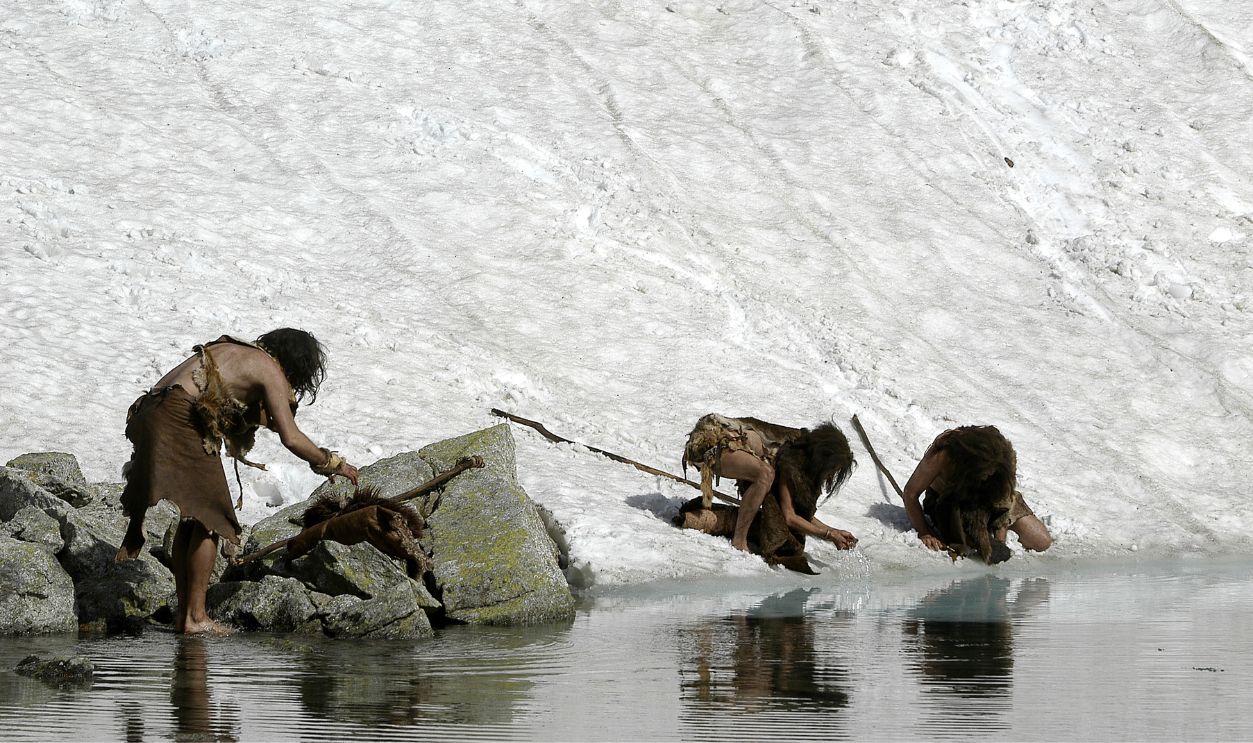
The site's early dates initially met considerable skepticism. Critics questioned whether the artifacts were genuinely made by humans and whether dated organic material was securely associated with the occupation. After further review and a high-profile visit by outside specialists in the 1990s, Monte Verde gained broad acceptance as a pre-Clovis site.
 Rodolfo Ditzel Lacoa, Wikimedia Commons
A Coastal Route Became More Plausible
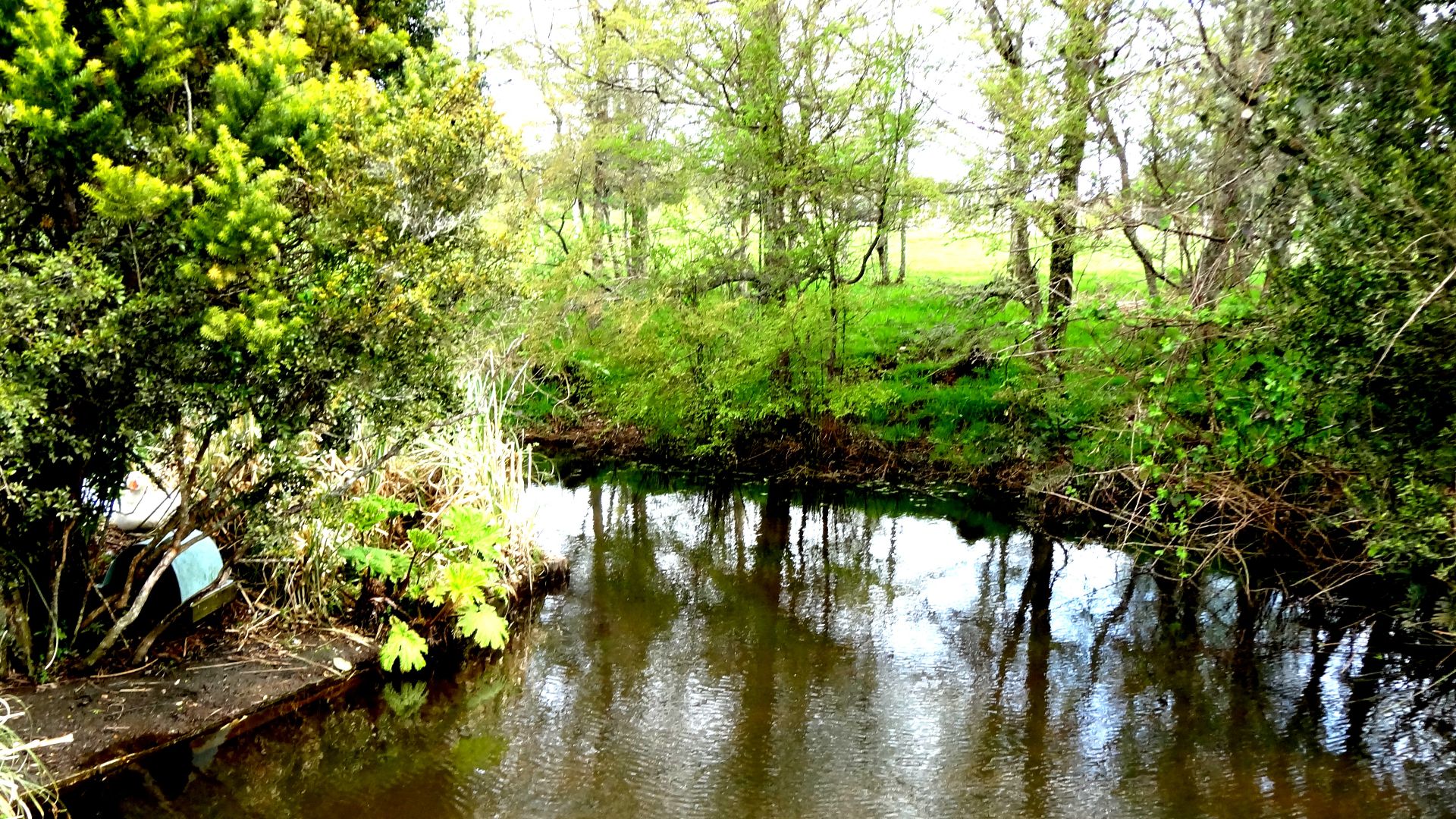
Monte Verde also strengthened interest in the idea that early migrants travelled along the Pacific coast. A coastal journey could have allowed people to move south using shorelines, boats, and marine resources. Evidence that Monte Verde's occupants used seaweed added another intriguing piece to that broader discussion.
The Latest Study Reopened The Case
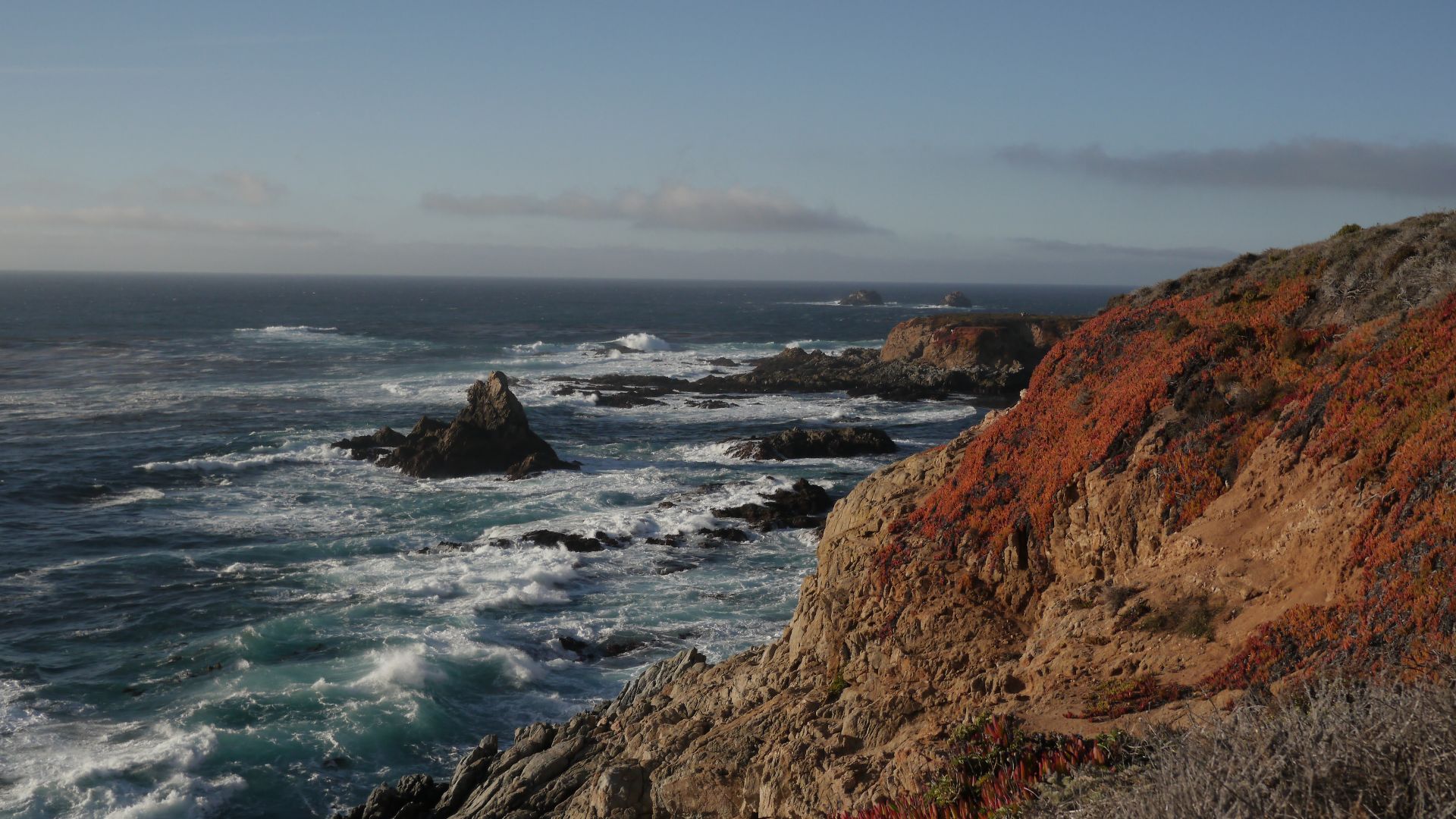
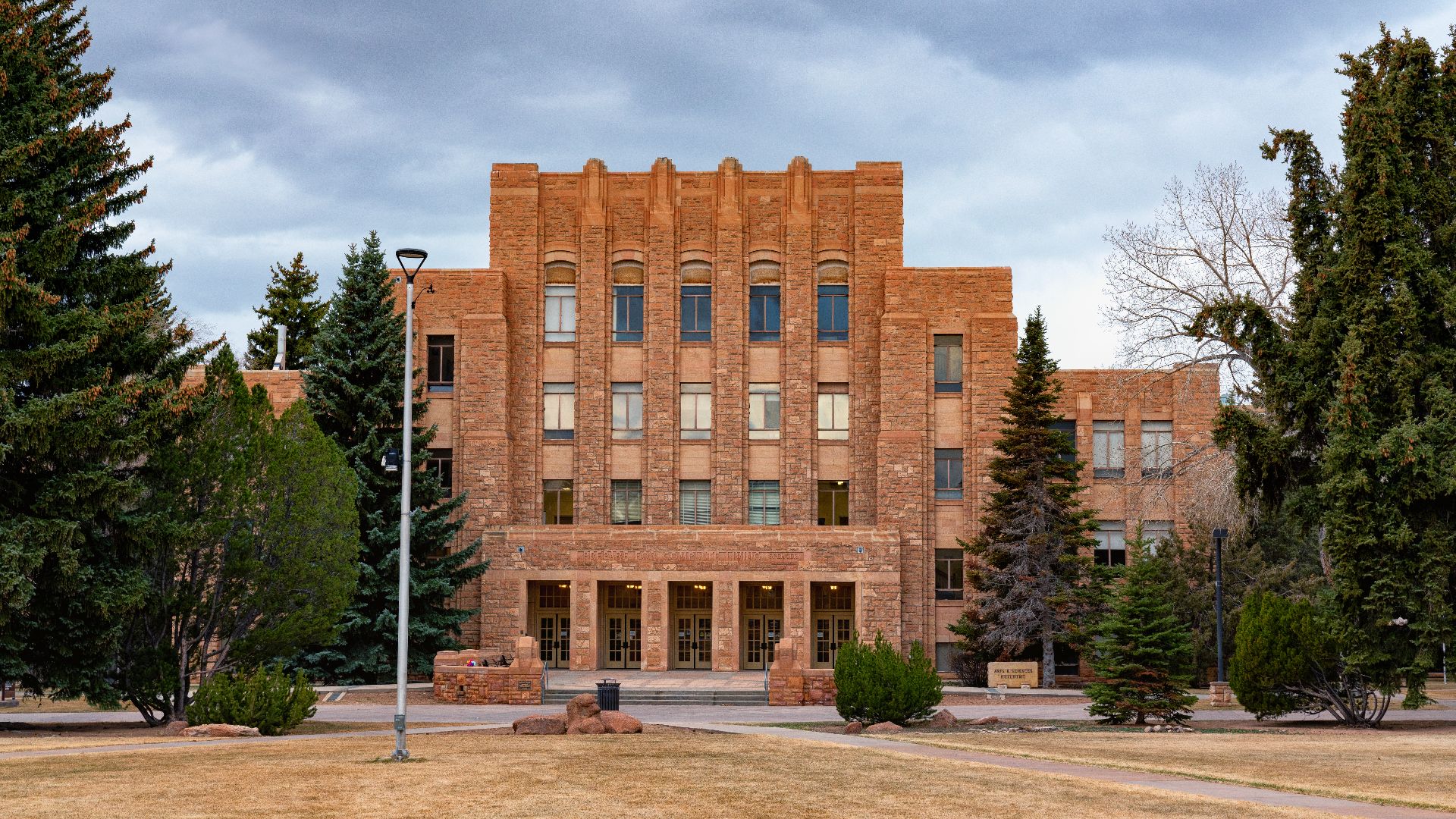
A team led by University of Wyoming archaeologist Todd Surovell published a major reassessment of Monte Verde in Science in March 2026. Instead of focusing only on previously excavated artifacts, the researchers examined the surrounding landforms and sediment layers. Their conclusion was dramatic. The occupation may date to the middle Holocene rather than the late Ice Age.
 Tony Webster, Wikimedia Commons
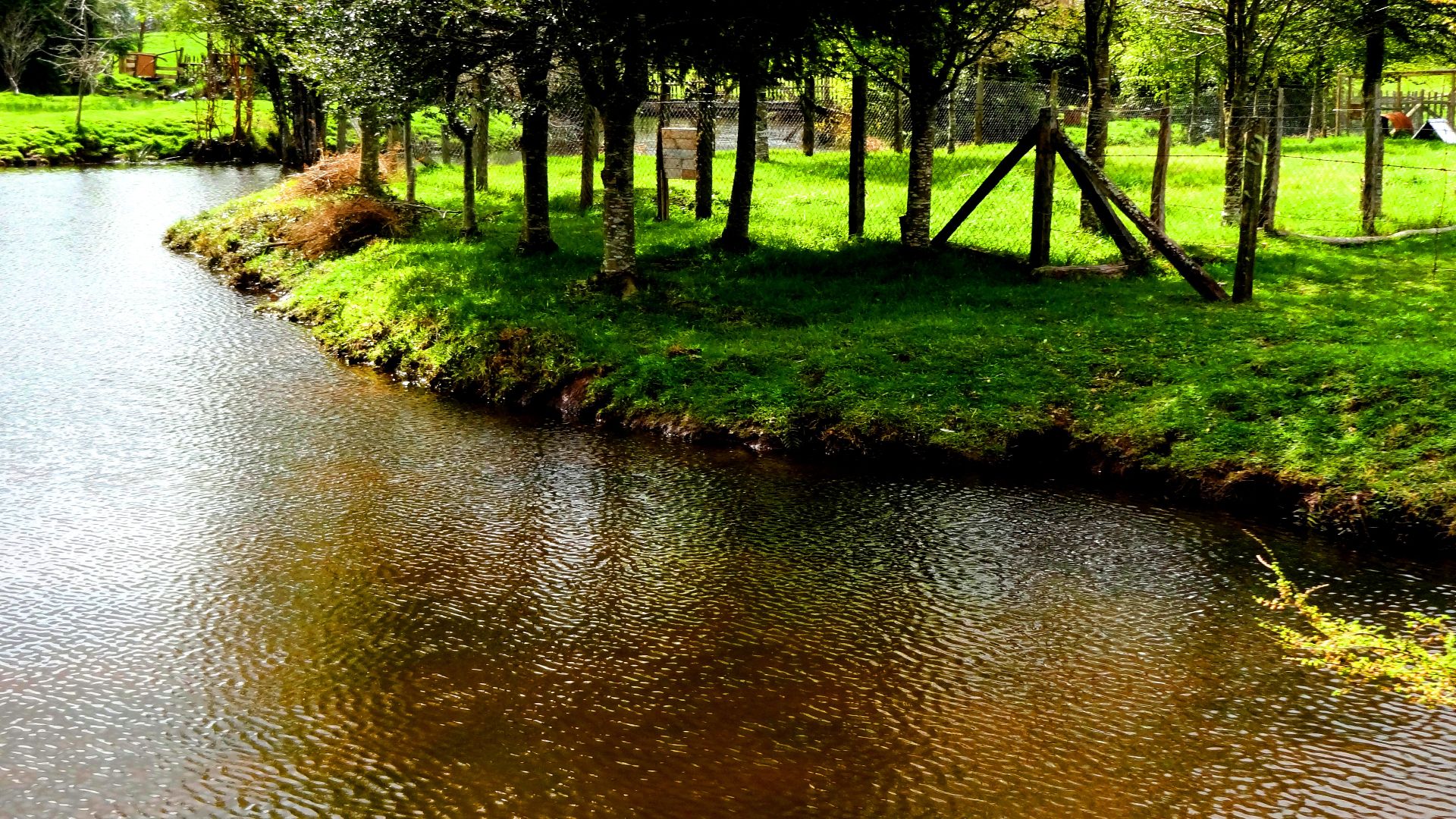
Researchers Studied The Creek Valley
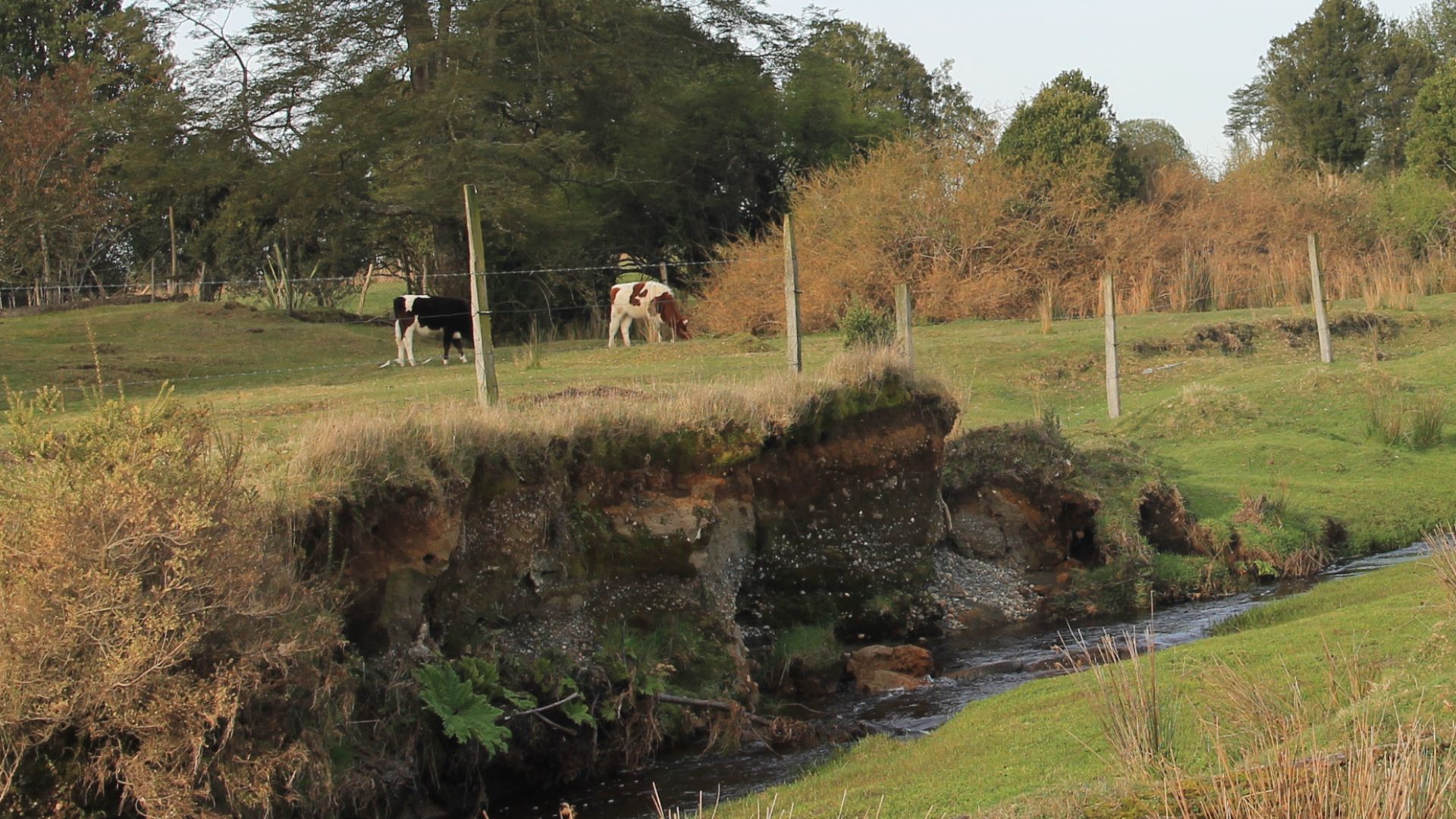
The team examined geological exposures within, upstream, and downstream of the Monte Verde area. They documented sediments along Chinchihuapi Creek and collected samples for multiple forms of dating. Their goal was to reconstruct how the valley changed before and after people occupied it.
 Rodolfo Ditzel Lacoa, Wikimedia Commons
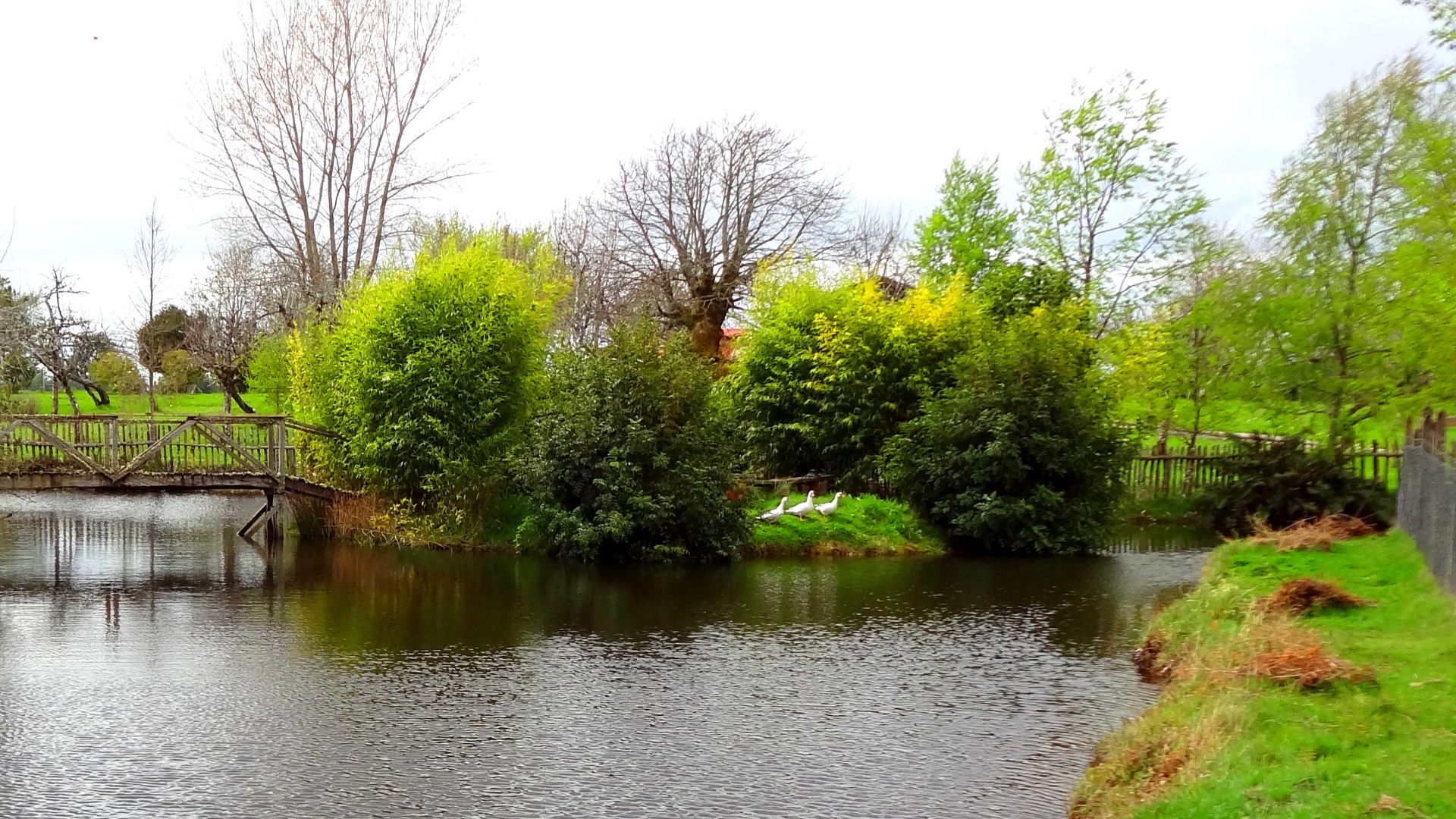
Volcanic Ash Became A Crucial Clue
The researchers identified a layer they interpreted as Lepué Tephra, ash from a volcanic eruption approximately 11,000 years ago. They argued that the landform holding Monte Verde II developed above this ash. If that interpretation is correct, the archaeological occupation could not be 14,500 years old.
 Rodolfo Ditzel Lacoa, Wikimedia Commons
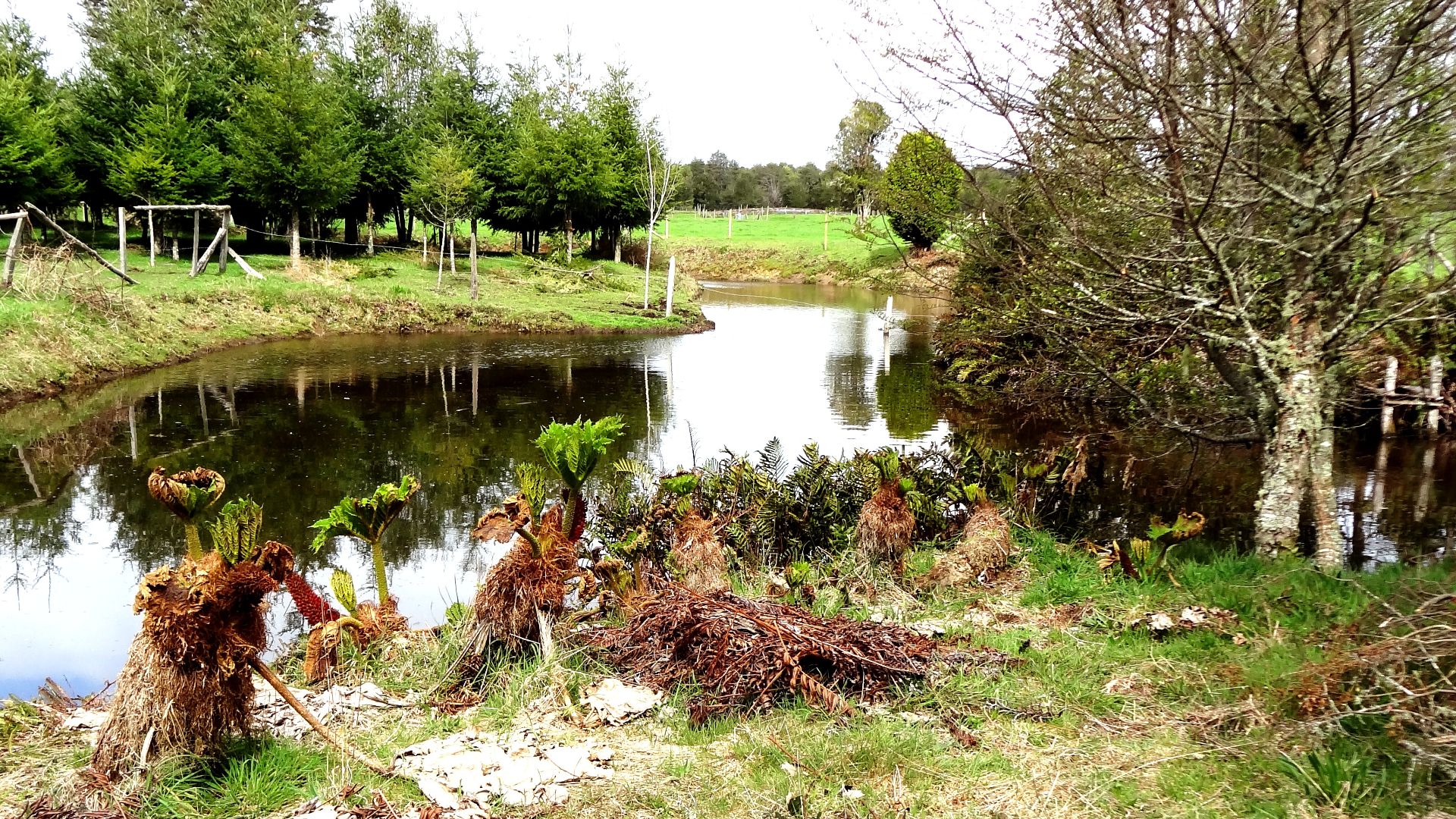
The Landscape May Have Lost Time
Sediment layers do not always accumulate in a neat, uninterrupted sequence. Creeks can erode older deposits, cut new channels, and later refill those spaces with younger material. The new study argues that an erosional break removed part of the geological record beneath Monte Verde.
 Rodolfo Ditzel Lacoa, Wikimedia Commons
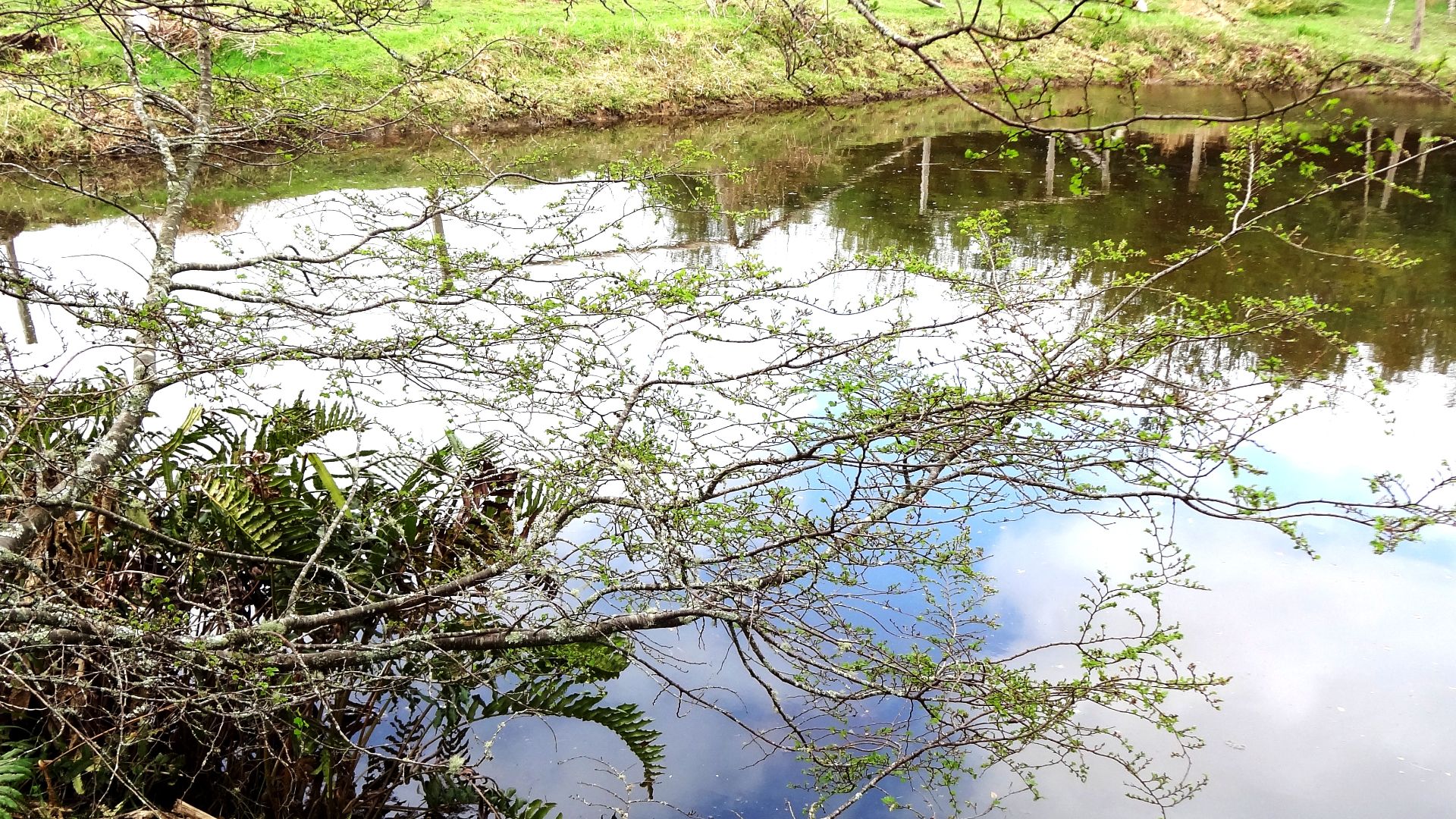
Old Wood Could Mislead Archaeologists
The study's authors proposed that ancient wood and other organic matter may have washed out of older sediments and been redeposited in younger ground. Radiocarbon testing would accurately measure the age of the wood, but not necessarily the age of the human activity surrounding it. Archaeologists call this the problem of inherited or reworked material.
 Rodolfo Ditzel Lacoa, Wikimedia Commons
The Proposed New Age Is Much Younger
The research team concluded that Monte Verde II may date from approximately 4,200 to 8,200 years ago. That would make it less than two-thirds, and possibly less than half, of its traditionally accepted age. It would remain an archaeological site, but it would no longer document the earliest settlement of the Americas.
 Omardonesklein, Wikimedia Commons
Artifacts Still Need An Explanation
The new interpretation does not claim that every object reported at Monte Verde is natural. Instead, it questions whether ancient-looking artifacts and old organic samples all belong to one late Pleistocene occupation. The key dispute concerns their geological context and whether older materials were mixed into a younger landscape.
 Mauricio Anton, Wikimedia Commons
The Original Excavator Strongly Disagrees
Tom Dillehay, who led decades of work at Monte Verde, has rejected the younger chronology. He argues that numerous artifacts and features were directly associated with radiocarbon dates around 14,500 years old. In his view, the reassessment fails to account for the full body of archaeological evidence.
 Puren Rodrigo Vidal castro, CC BY-SA 3.0, Wikimedia Commons, Modified
Critics Questioned The Sampling Locations
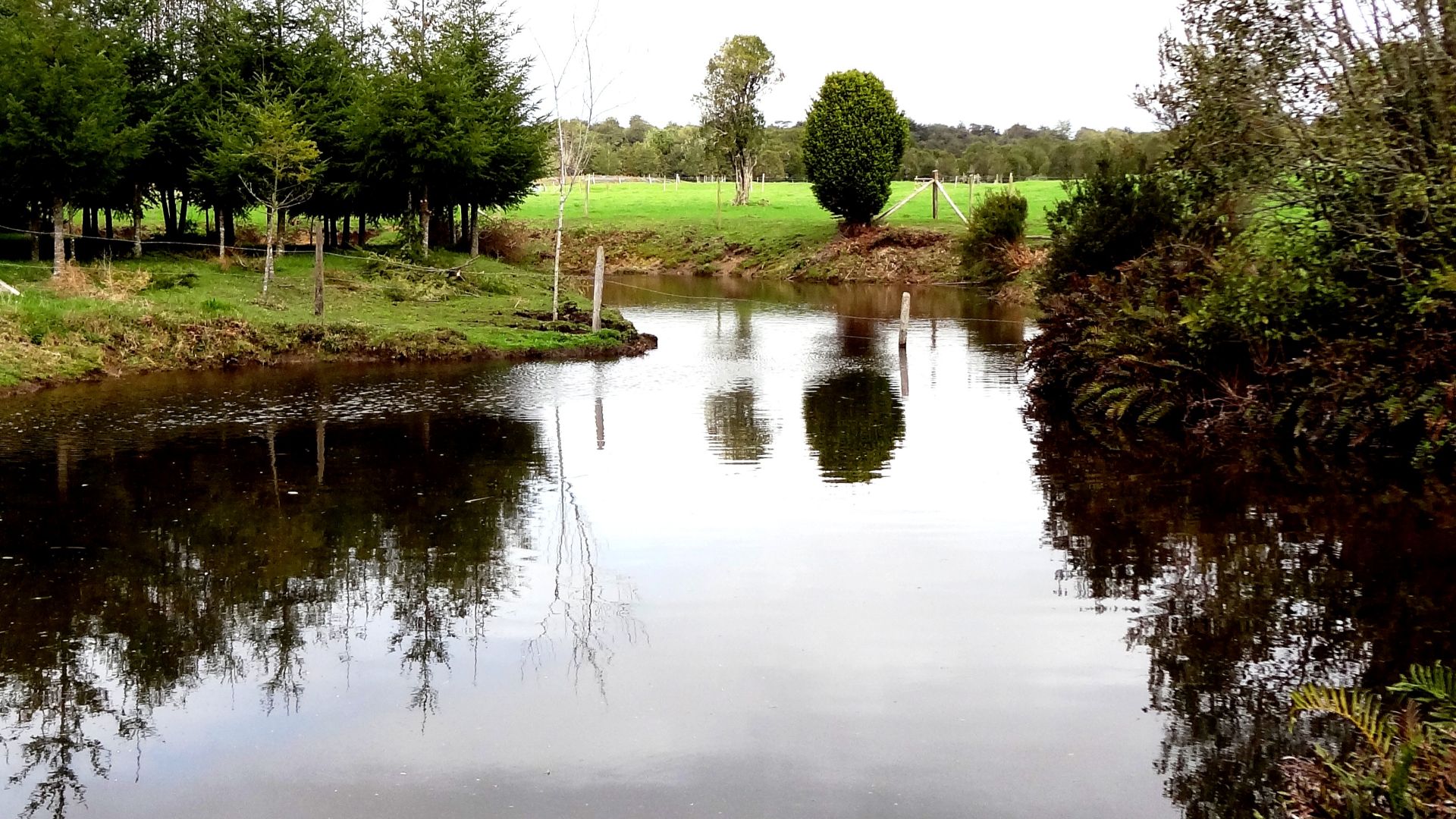
Several archaeologists noted that much of the new geological work was conducted beyond the precise limits of the original MV-II excavation. They argue that sediments elsewhere along the creek may not match the layers beneath the archaeological component. The new study's authors respond that understanding the wider valley is necessary to reconstruct the site's formation.
 Rodolfo Ditzel Lacoa, Wikimedia Commons
Experts Disputed The Ash Layer
Critics have also challenged whether the supposed Lepué Tephra was correctly identified beneath Monte Verde II. They contend that the sampled deposit may represent a different layer containing fungal material, iron oxides, and volcanic particles. Because the ash forms a central part of the younger chronology, its identification matters enormously.

Thirty Researchers Published Critiques
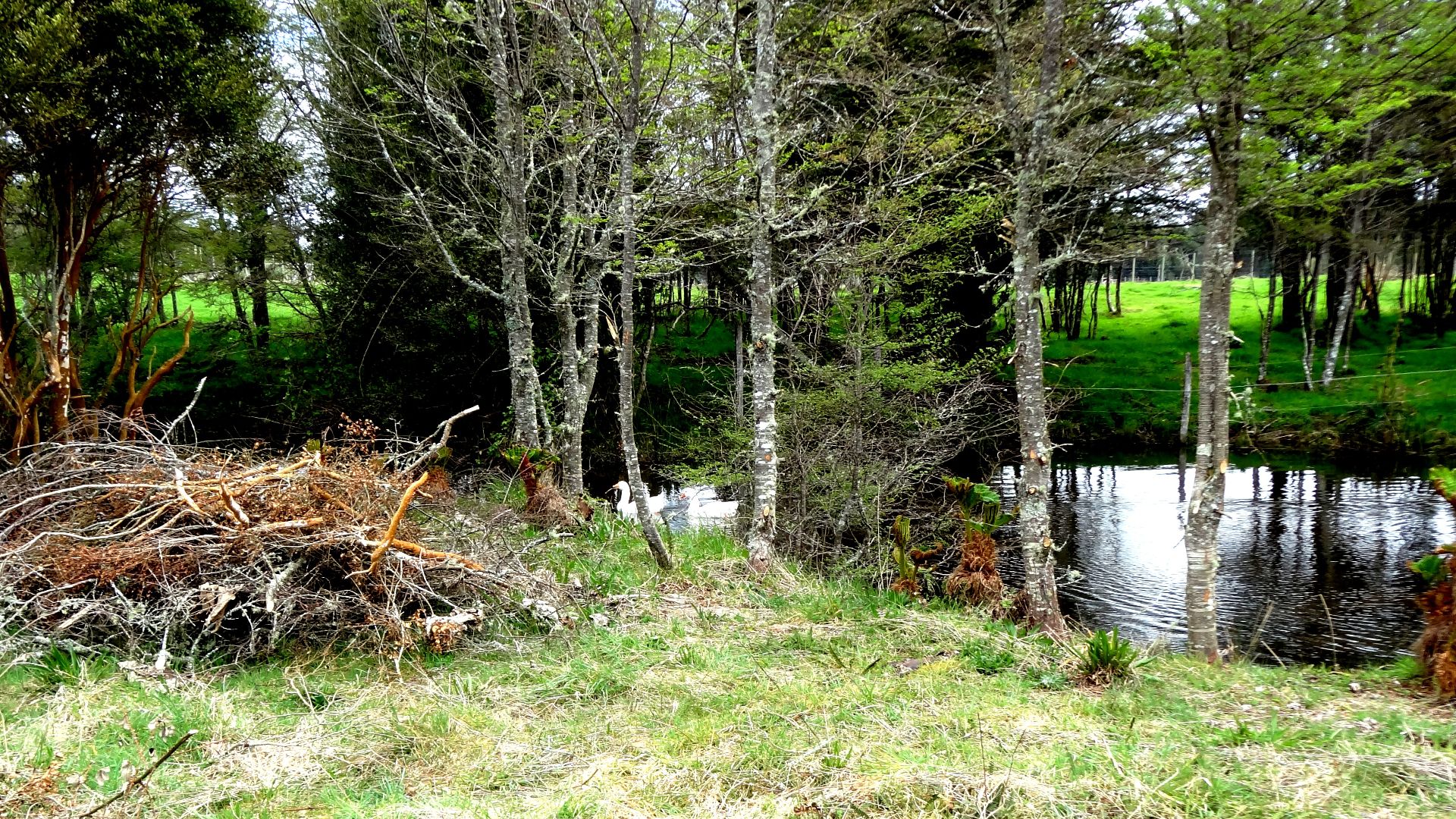
In May 2026, groups involving approximately 30 researchers published three detailed responses through Science. They accused the new study of misrepresenting Monte Verde's stratigraphy and relying too heavily on speculative redeposition. The responses defended the late Pleistocene age and called for greater attention to decades of archaeological and environmental data.
 Rodolfo Ditzel Lacoa, Wikimedia Commons
The New Team Stands By Its Findings
Surovell and his colleagues have maintained that their landform reconstruction provides a more reliable limit on the occupation's age. They argue that ancient radiocarbon results cannot establish a human occupation if the dated materials were already old when deposited. The team has said it intends to address the published criticisms formally.

This Does Not Automatically Restore Clovis First
Even if Monte Verde ultimately proves younger, the broader pre-Clovis debate would not simply return to its 20th-century starting point. Archaeologists have since reported early evidence from sites including Paisley Caves in Oregon, the Debra L. Friedkin and Gault sites in Texas, and Cooper's Ferry in Idaho. Each site has its own strengths, uncertainties, and ongoing debates.
Genetics Also Points To Earlier Migrations
Genetic research indicates that ancestral Native American populations separated into distinct lineages before the Clovis period. Those findings support human movement south of the major North American ice sheets before about 13,000 years ago. Archaeological sites and genetic models do not always align perfectly, but they provide independent ways to test migration timelines.
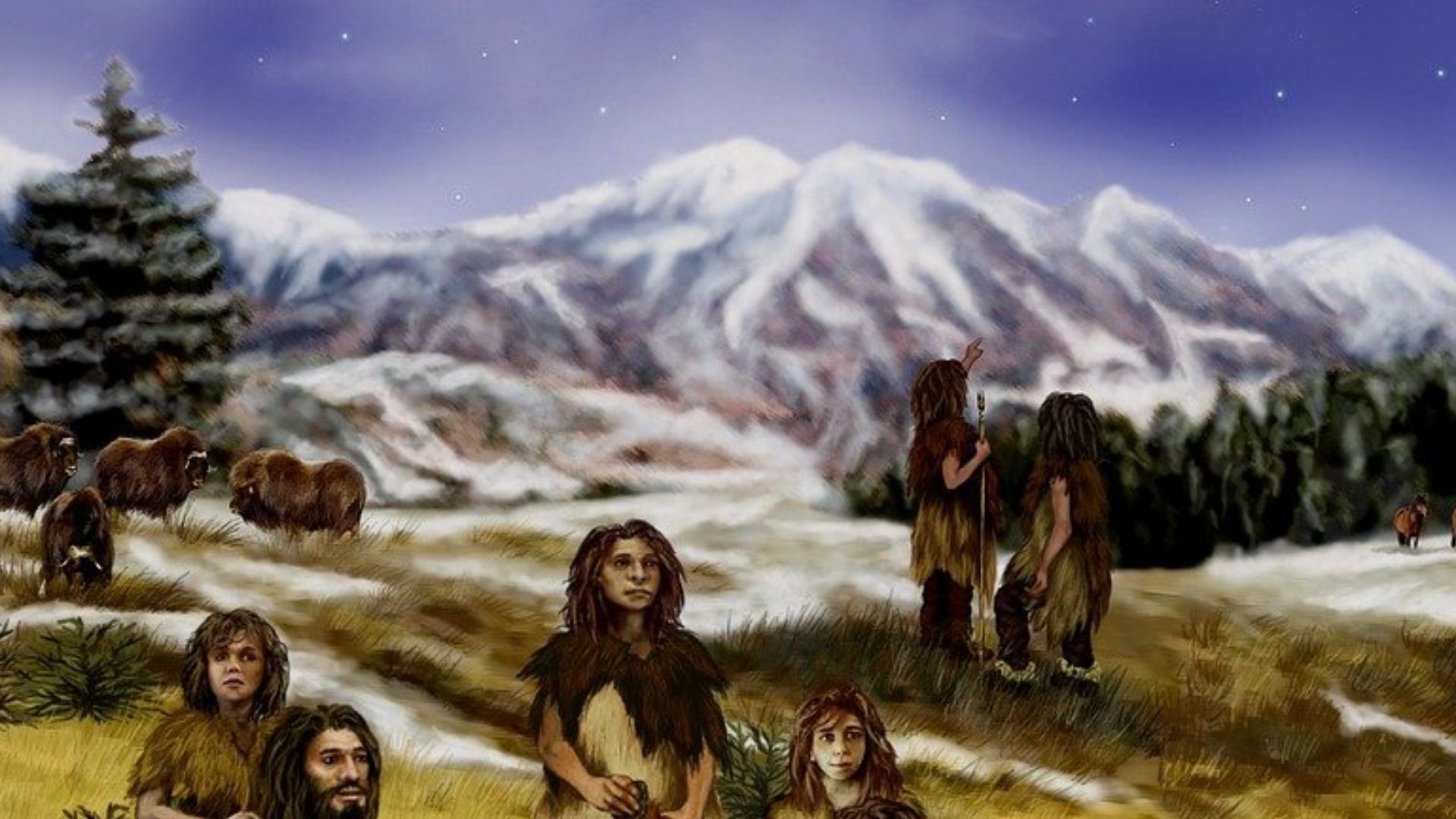
South America Still Holds Early Clues
Researchers have proposed other early sites across South America, including locations in Peru, Brazil, Argentina, Uruguay, and Chile. Some claims are widely debated because artifacts can be difficult to distinguish from naturally broken stone or burned material. Monte Verde gained unusual importance because its preservation and archaeological context once appeared stronger than most alternatives.
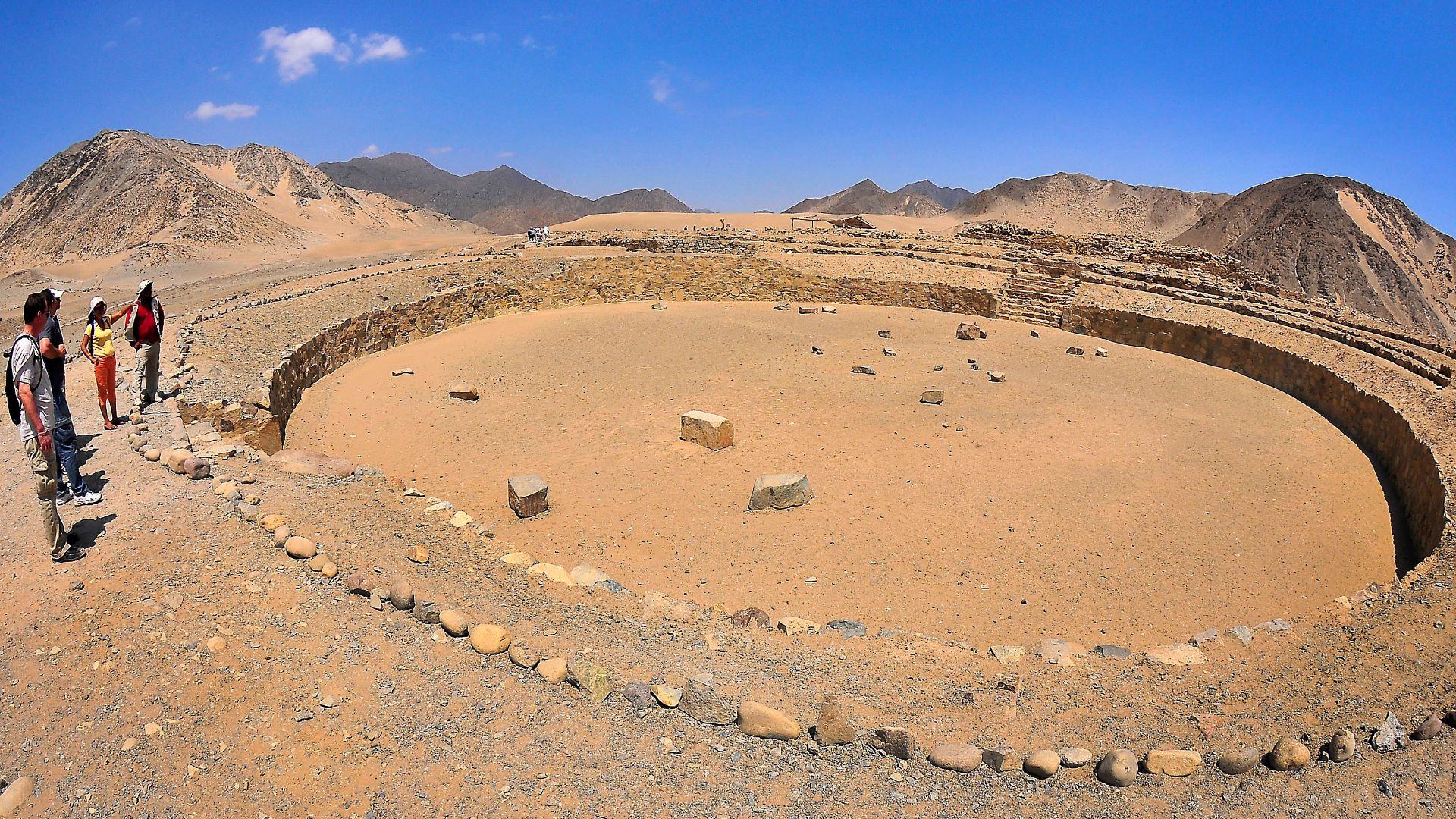 Petty Officer 3rd Class Daniel Barker, Wikimedia Commons
Independent Testing Has Become The Bigger Story
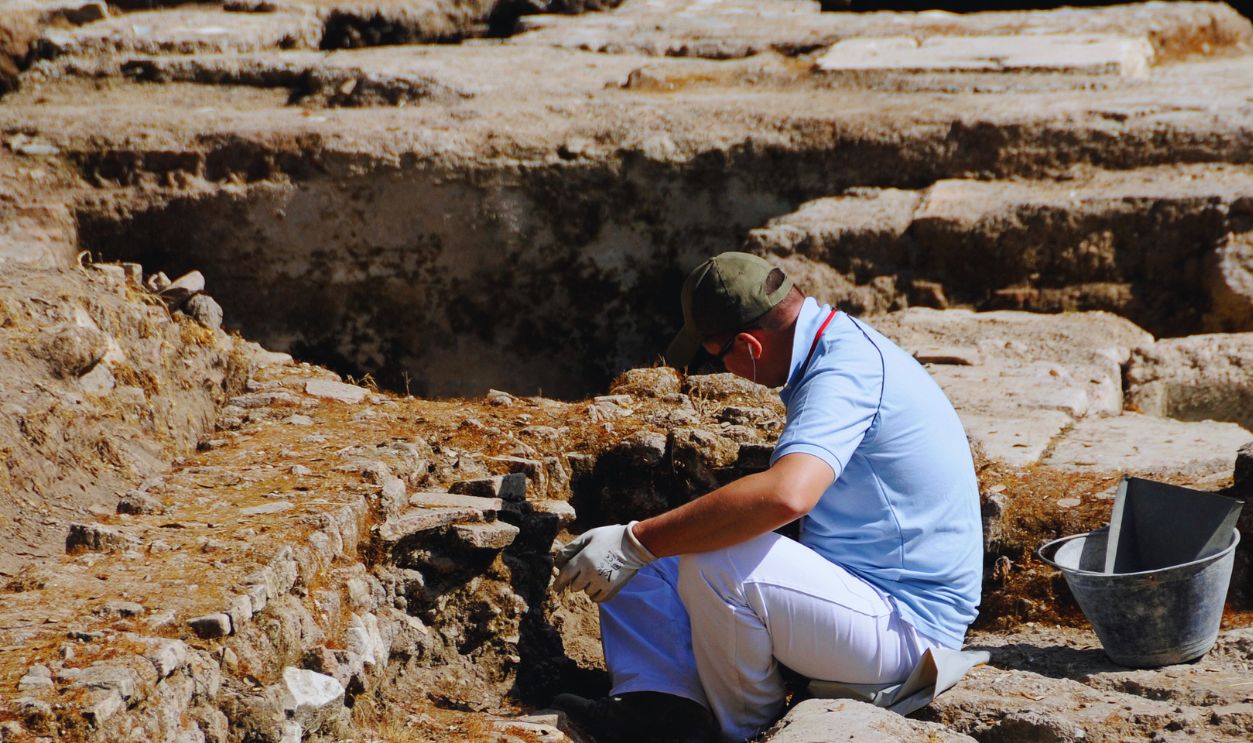
The controversy highlights why famous sites benefit from repeated investigation by different teams. Geological methods, dating techniques, and archaeological standards continue to improve. Independent testing can strengthen a major claim, refine it, or reveal that the landscape is more complicated than anyone recognized.
 Son of Groucho from Scotland, Wikimedia Commons
Monte Verde's Age Remains Unsettled
The 2026 study offers a serious challenge, but it has not produced a new consensus. One group sees evidence that the site must be younger than 8,200 years, while another argues that the reassessment examined the wrong deposits and ignored directly associated artifacts. Additional excavation, sediment analysis, and dating will be needed before the dispute is resolved.
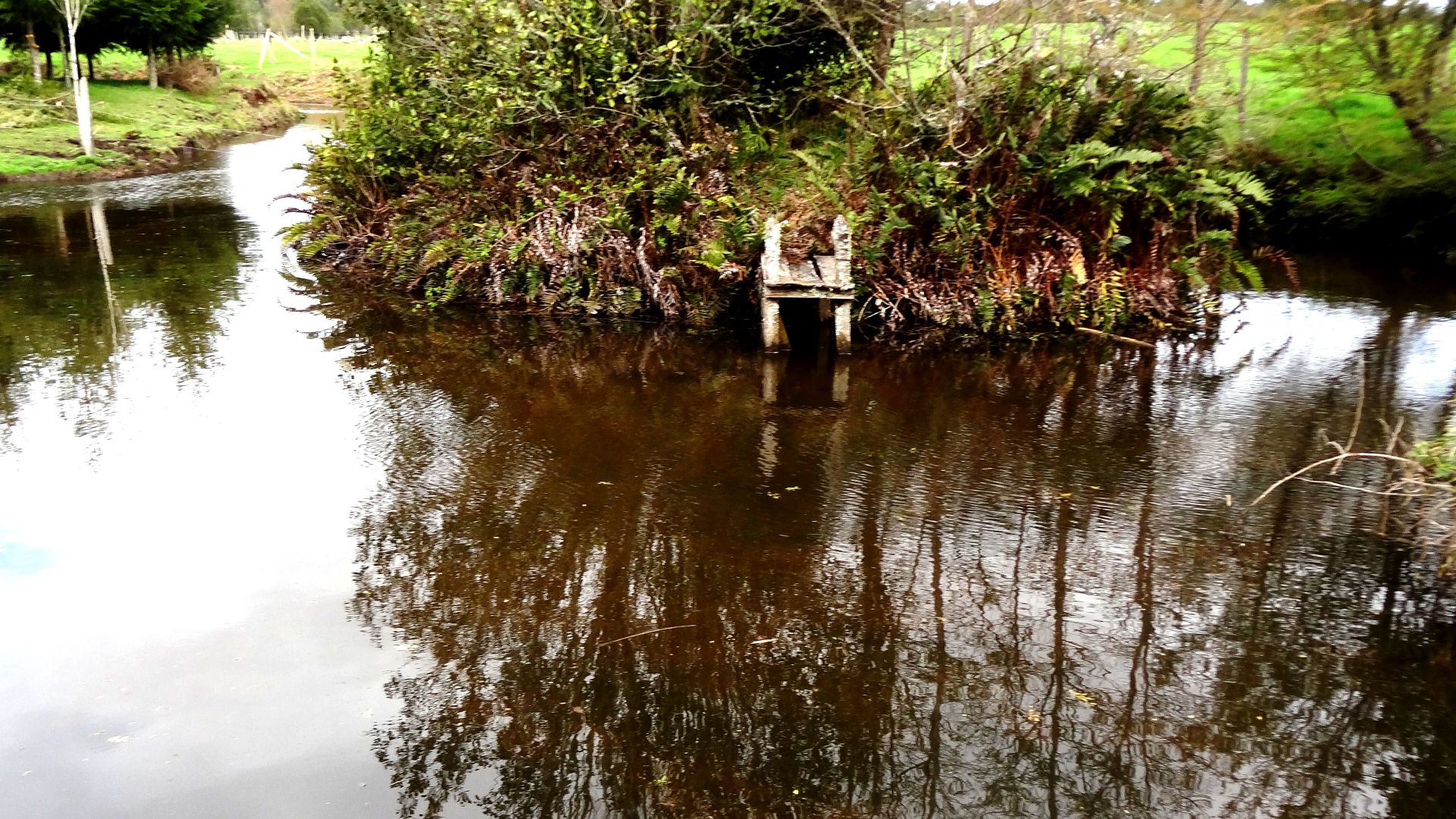 Rodolfo Ditzel Lacoa, Wikimedia Commons
Science Is Rewriting The Story Again
Monte Verde first transformed archaeology by helping overturn the Clovis-first model. Now, the same site is testing how confidently researchers can connect artifacts, radiocarbon dates, and changing landscapes. Whether the younger chronology survives or fails, the debate is already sharpening the search for the first Americans.
 Omardonesklein, Wikimedia Commons
You May Also Like:
Archaeologists Discover 140,000-Year-Old Underwater Ecosystem Linked to the Lost World of Sundaland