
The Vacation Seemed Perfect
Booking one vacation package can feel much simpler than arranging flights, hotels, transfers, and activities separately. Everything appears to come together under a single itinerary, giving travelers confidence that someone is coordinating the details. Then my booking unexpectedly collapsed, and every company involved insisted someone else was responsible.
The Blame Game Started Immediately
The airline directed me to the online travel agency. The travel agency blamed the tour operator. The hotel insisted it had never received a confirmed reservation. Instead of solving the problem, everyone seemed focused on proving it belonged to somebody else.

Modern Vacation Packages Can Be Surprisingly Complicated
Many vacations involve several businesses working together behind the scenes. One company may sell the package, another may operate it, while airlines, hotels, transfer providers, and excursion companies each fulfill separate parts. That complexity is mostly invisible until something goes wrong.

Not Every "Package" Is The Same
The word "package" does not always describe the same legal arrangement. Some bookings qualify as legally protected package holidays, while others are simply several separate reservations purchased during one shopping session. The distinction can determine who is legally responsible if problems arise.

Linked Travel Arrangements Look Similar
Many travel websites invite customers to add hotels, rental cars, or activities after booking another service. Depending on how the purchases are connected and whether the legal conditions are met, the result may be a linked travel arrangement rather than a package. Linked travel arrangements generally provide more limited protection than packages.

Why Companies Point Fingers
Different providers may have separate contracts with the traveler, the package organizer, an intermediary, or another supplier. If a reservation disappears somewhere between those systems, each company may argue that another party caused the problem. That can leave customers caught in the middle while the businesses investigate.

Booking Systems Are Constantly Communicating
Airlines, hotels, agencies, wholesalers, and booking platforms may rely on interconnected reservation systems. When information is not transmitted or reconciled correctly, one business may show a reservation that another cannot locate.

Hotels Sometimes Never Receive The Reservation
Travelers occasionally arrive with confirmation emails only to discover the hotel has no record of the booking. This can happen if the reservation failed somewhere between the intermediary and the property's reservation system. An intermediary’s confirmation shows what the intermediary says was booked, but it may use a different reference from the hotel’s internal confirmation. Confirming directly with the property can reveal transmission or identification problems before arrival.

Airlines And Hotels May Never Speak Directly
Many suppliers communicate through wholesalers or technology platforms instead of dealing with each other directly. That means the airline may not actually manage your hotel booking, and the hotel may have no way to modify your flight reservation. Each company controls only its own portion.

The Seller Is Not Always The Organizer
The website accepting your payment may simply act as the retailer. Another company may legally organize and assemble the vacation package. Reading the booking confirmation carefully often reveals which business is identified as the organizer or principal travel provider.

Consumer Protection Depends On Where You Book
Different countries regulate package travel differently. In the European Union, package holidays receive broad statutory protections, while linked travel arrangements receive fewer guarantees. Other countries rely more heavily on contract law and consumer protection statutes.

Package Holidays Often Have One Responsible Organizer
Under European package travel rules, the organizer generally remains responsible for the proper performance of the travel services included in the package, even if another supplier actually provides them. That gives travelers one primary point of contact instead of chasing multiple businesses.

Passing The Blame May Not Be Legal
Contractual complexity does not automatically allow every company to refuse responsibility. When EU package travel rules apply, the organizer generally remains responsible for the proper performance of the included services, even when another company caused the failure. The blame game often persists because travelers do not know which legal arrangement they purchased or which business the documents identify as the organizer.

Linked Bookings Can Create Gray Areas
If your booking qualifies as a linked travel arrangement instead of a package, each supplier may remain responsible only for its own contract. That makes resolving problems much more complicated because there may not be a single business responsible for fixing everything.
 Mangkorn Danggura, Shutterstock
Your Confirmation Emails Matter
Save every booking confirmation, invoice, payment receipt, itinerary, and email. If something goes wrong, those documents establish what you purchased and who promised to provide each service. Good records often speed up complaint investigations.

Screenshots Can Save The Day
Prices, room descriptions, cancellation policies, and included services sometimes change after booking. Taking screenshots during checkout preserves exactly what was advertised when you made your purchase. That evidence can become valuable later.

Contact The Seller First
Start with the company identified on your documents as the seller, organizer, or merchant that accepted payment. For an EU package, the organizer is generally responsible for correcting failures in the included services, although travelers may also be able to contact the retailer.

Escalate In Writing
Phone conversations can be useful, but written complaints create a record. Summarize dates, names, booking numbers, and the outcome you are requesting. Professional, organized complaints are often easier for companies to investigate.

Credit Card Protections May Help
In some countries, paying by credit card can provide additional consumer protections when purchased services are not delivered. Chargeback rights vary depending on the country, payment network, and specific circumstances. Contact your card issuer promptly if you believe the merchant failed to provide the purchased service.

Travel Insurance Has Limits
Many travelers assume insurance solves every booking problem. Travel insurance policies vary widely, and a dispute over whether a supplier fulfilled its contract may not be a covered event. Some policies offer supplier-failure or insolvency coverage, but only under specified conditions. Always read the policy carefully before assuming you are covered.

Insolvency Protection Is Different
Financial protection programs generally apply when a travel company becomes insolvent. They usually do not cover ordinary reservation errors or disputes over responsibility. Knowing the difference helps set realistic expectations.

Check For Financial Protection
Depending on where you live and how you book, your vacation may qualify for financial protection programs. For example, Ontario travelers booking through registered travel businesses may benefit from protections under provincial travel laws, while some countries operate separate package travel protection schemes.

Read The Fine Print Before Paying
The terms and conditions identify who is selling the trip, who organizes it, cancellation rules, and dispute procedures. Few people read these documents carefully. They become extremely important only after something goes wrong.

Be Careful With Multiple Confirmation Numbers
Different suppliers often issue different booking references. Keep them all together before departure. Having every confirmation number available can save valuable time during an emergency.
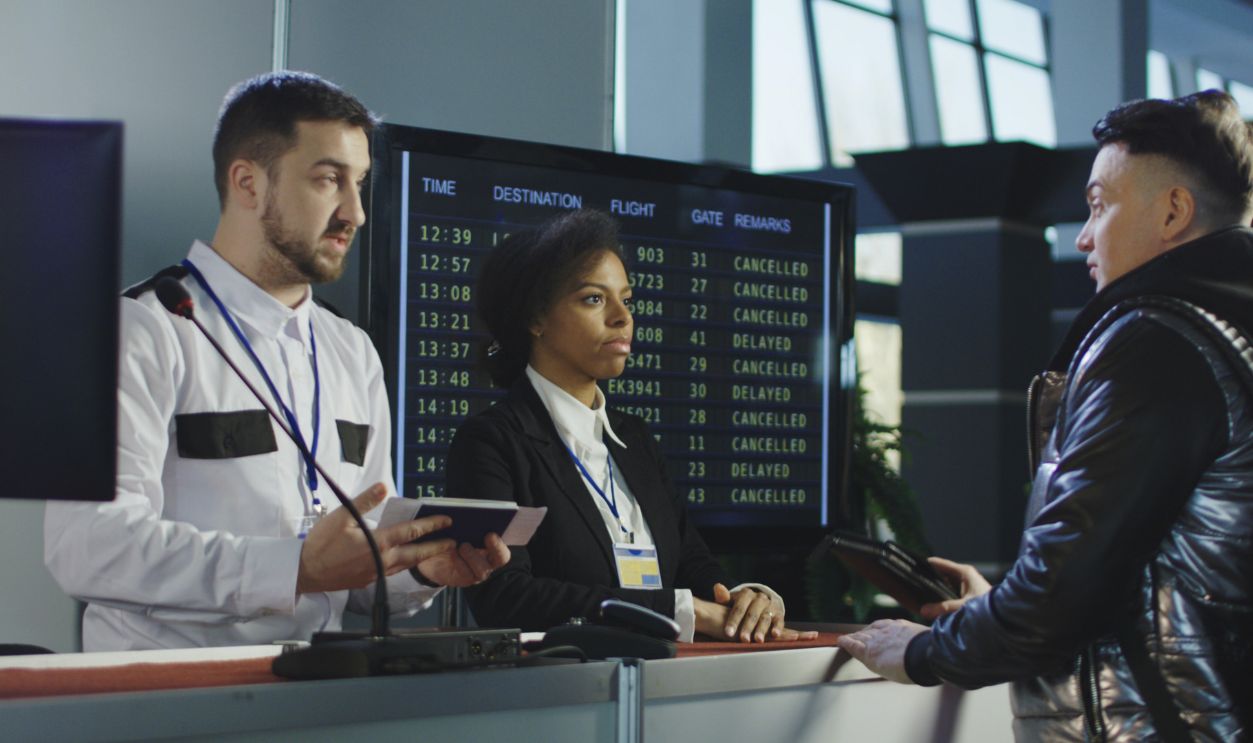 Frame Stock Footage, Shutterstock
Verify Important Reservations
For expensive vacations, consider contacting the hotel or tour provider a week or two before departure. Confirm that they have your reservation and the correct details. Discovering a problem early usually provides more options than finding out at check in.

Independent Bookings Are Not Always Better
Booking everything separately provides flexibility, but it also places coordination entirely on the traveler. Package vacations can offer valuable protections in many situations. The best choice depends on your priorities and the legal protections available where you book.

Compare More Than The Price
A very low price is not automatically a warning sign, but it is worth comparing what each company actually provides. Look at customer support, cancellation terms, financial protection, and the identity of the organizer as well as the final cost. Value is about more than price alone.

Know Who Owns The Problem Before You Travel
Before confirming any vacation, identify exactly who is organizing your trip and who you should contact if something fails. Knowing that information ahead of time can reduce confusion during a stressful situation. A few minutes of research before booking can prevent hours of frustration later.

You May Also Like:
I used a travel booking site, and now multiple hotels say they never received payment. What do I do?