Food That Should Have Remained Part Of The American Diet Post-1776
When America declared independence in 1776, it wasn’t just rejecting taxation without representation. It was also—tragically, perhaps unknowingly—ghosting an entire culinary tradition. Sure, the British Empire wasn’t exactly beloved, but in the heat of revolution, a few perfectly good foods got thrown out with the powdered wigs. Fast-forward a couple of centuries, and Americans have reclaimed tea, embraced curry, and turned fish and chips into a coastal novelty. But there are still plenty of British staples that never fully crossed the Atlantic—or did so in sad, misunderstood forms.
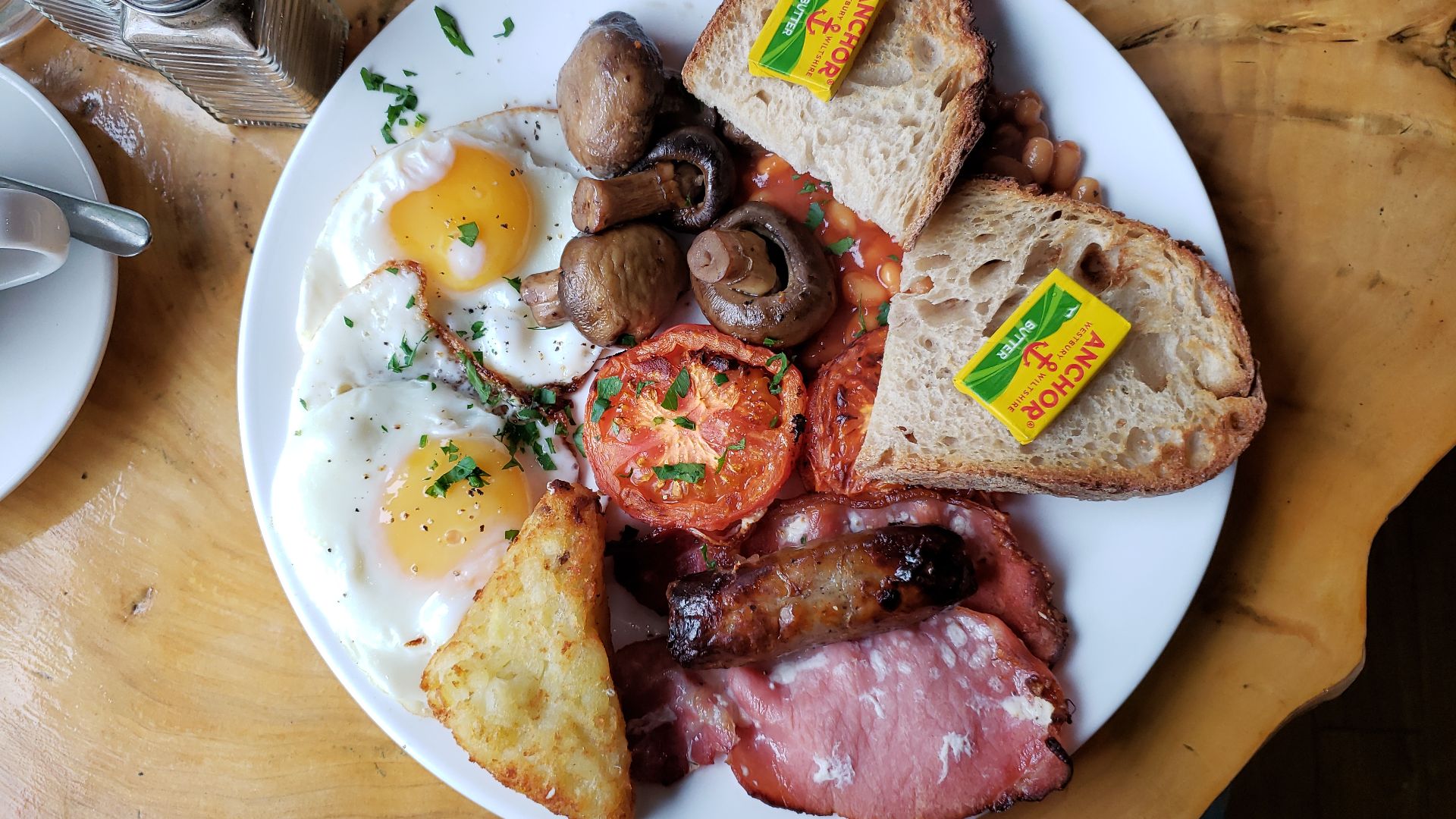
The Full English Breakfast
Let’s start strong. The Full English Breakfast isn’t just a meal—it’s a lifestyle choice. Eggs, bacon, sausages, beans, mushrooms, tomatoes, black pudding, toast… sometimes all on one plate, sometimes spilling dangerously close to the table edge. Americans love big breakfasts, yet somehow stopped short of embracing beans next to eggs. A mistake. The Full English is hearty, unapologetic, and designed to fuel a full day of doing very British things like complaining about the weather and standing in queues. It’s diner food’s more sophisticated cousin, and it deserves U.S. citizenship.
Black Pudding
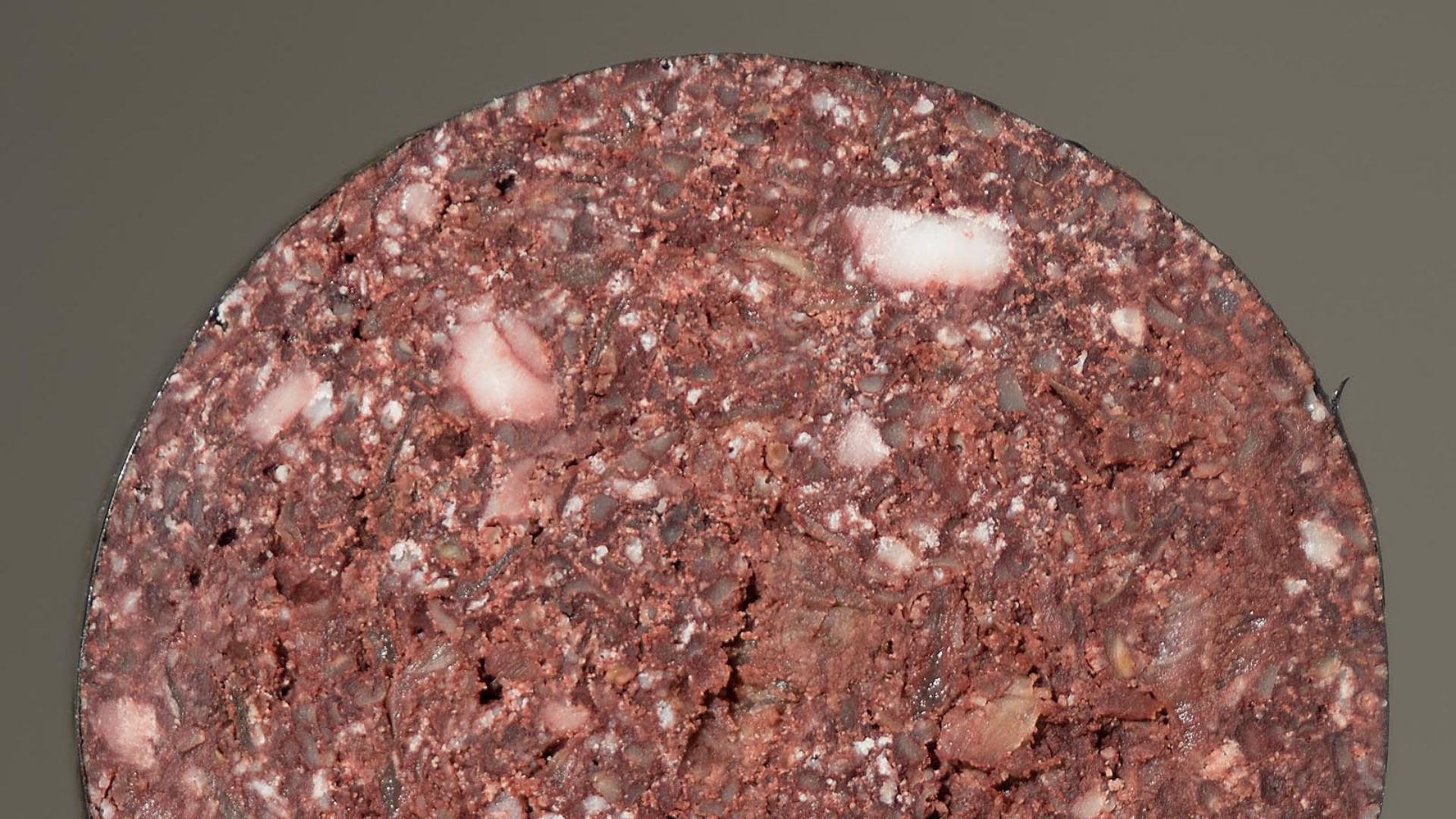
Yes, it’s made with blood. No, that’s not as horrifying as it sounds. Americans happily eat hot dogs without asking too many questions—this is just honesty in sausage form. Black pudding is rich, savory, and oddly comforting once you get past the name. It’s a staple of British and Irish breakfasts and pairs beautifully with eggs and toast. If Americans can embrace nose-to-tail dining and artisanal charcuterie boards, they can handle black pudding. Grow up, it’s delicious.
Sausage Rolls
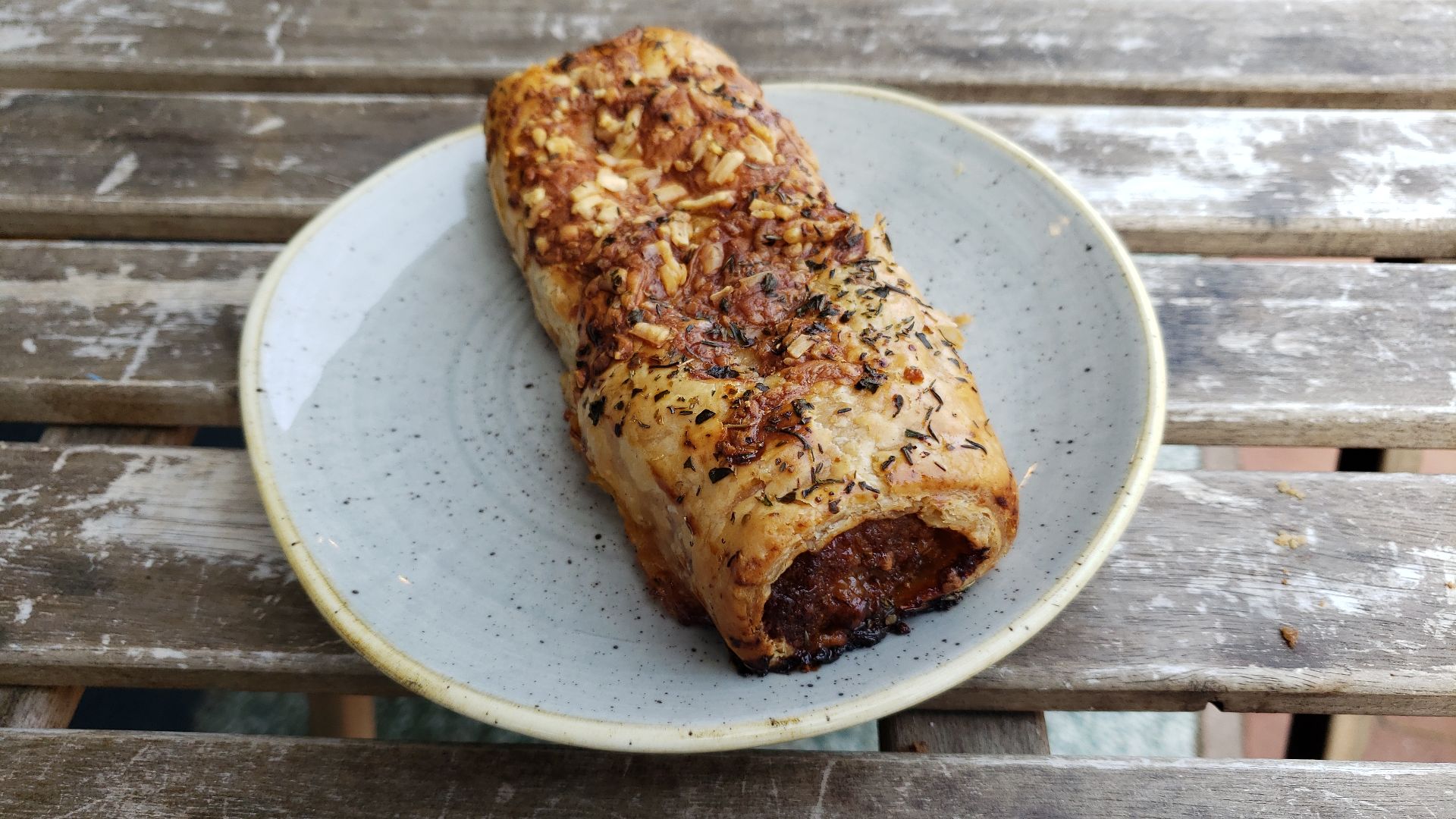
If Britain had an official handheld food, this would be it. A sausage roll is simply seasoned pork wrapped in flaky pastry—but that description wildly undersells its power. Found in bakeries, petrol stations, and at every social event where “just a light bite” turns into six of them, sausage rolls are endlessly snackable. Americans have pigs in blankets and kolaches, but somehow missed this pastry-meat masterpiece. A national oversight.
Scotch Eggs
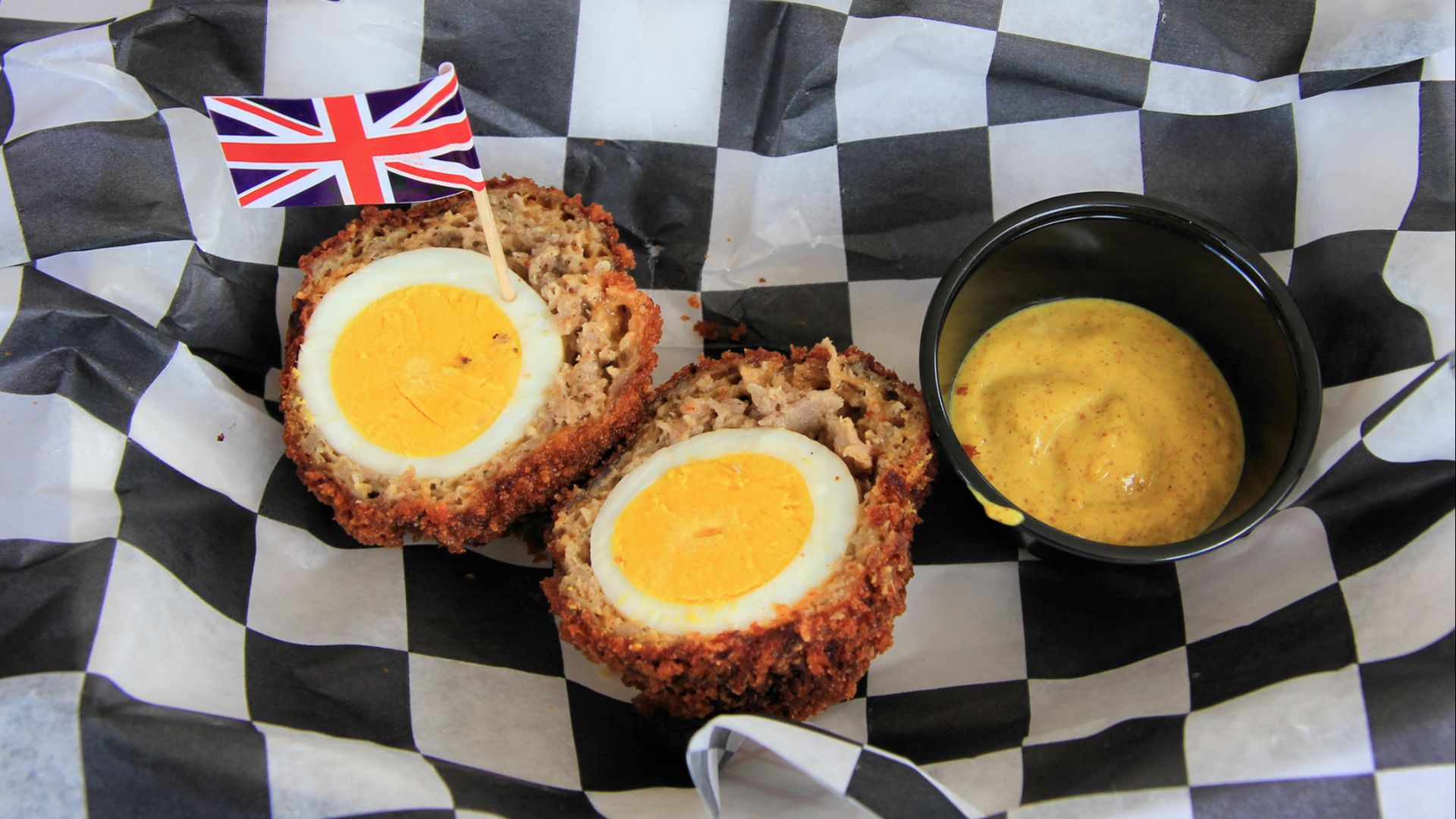
A hard-boiled egg wrapped in sausage meat, breaded, and fried sounds like something invented at a state fair—and yet Americans barely acknowledge it. Scotch eggs are portable protein perfection. Picnic food, pub food, road-trip food. They’re rich, satisfying, and oddly elegant when done well. If the U.S. can deep-fry butter, it can certainly embrace a Scotch egg without judgment.
 Larry D. Moore, Wikimedia Commons
Meat Pies
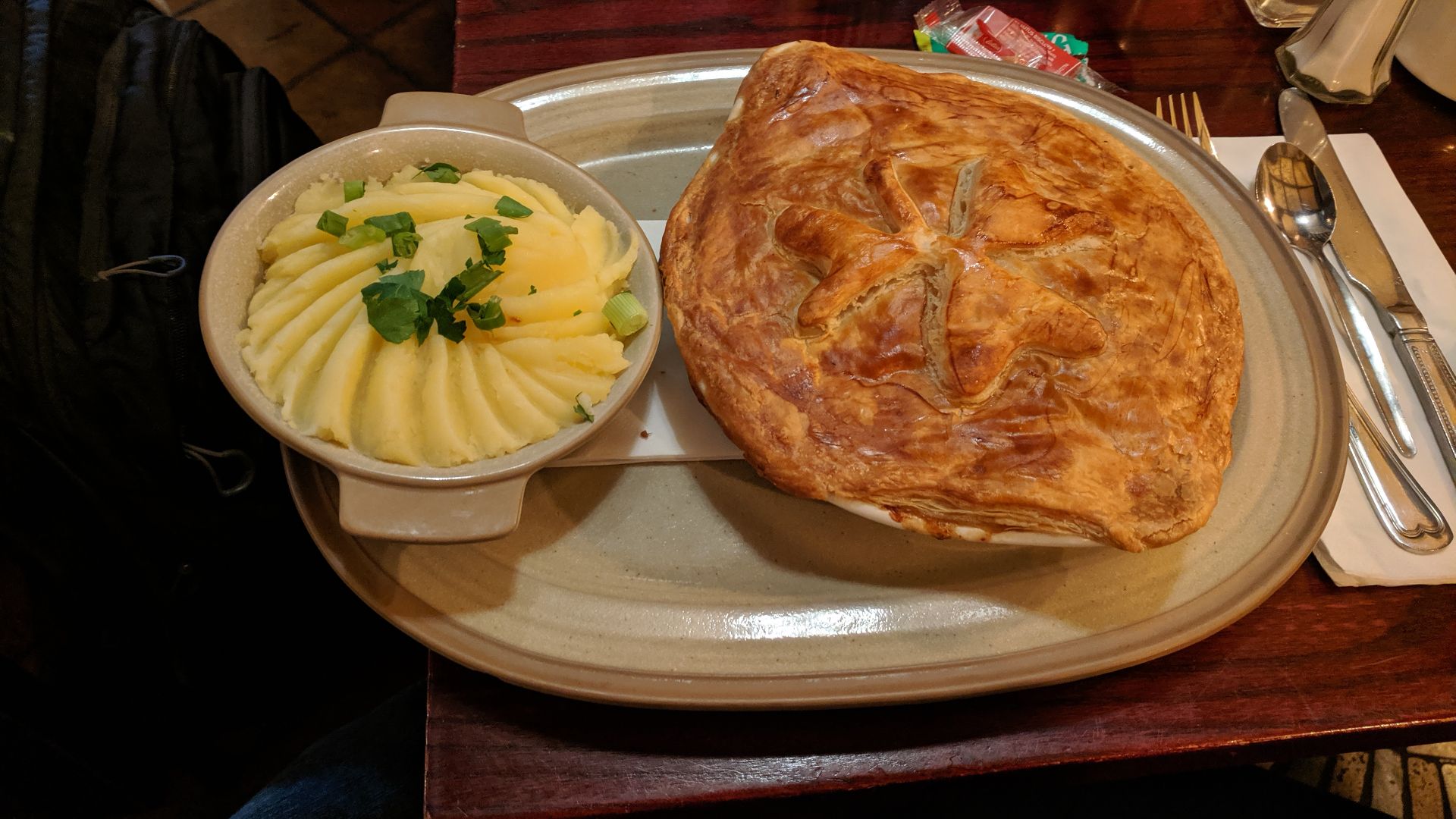
Americans love pie. Americans love meat. Yet somehow, meat pies never fully took hold outside of niche British pubs. British meat pies—steak and ale, chicken and mushroom, lamb and mint—are cozy, gravy-filled wonders. They’re practical, comforting, and require zero utensils if you’re doing it right. Pot pie is nice, but it’s a distant cousin that forgot how to be portable.
 Grendelkhan, Wikimedia Commons
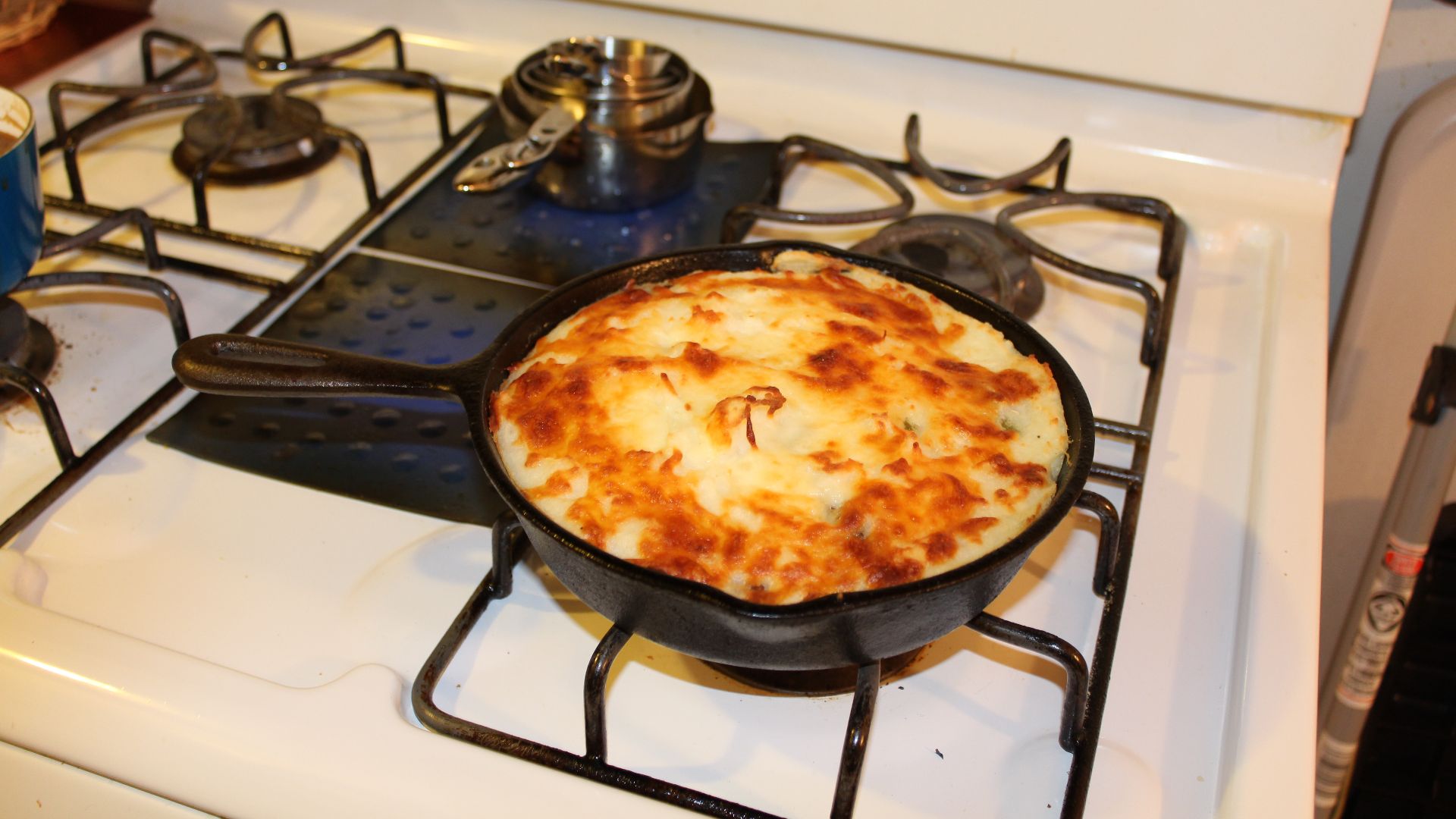
Shepherd’s Pie (The Real One)
Let’s clear something up: shepherd’s pie is made with lamb. If it’s beef, it’s cottage pie. Britain cares deeply about this distinction. This dish is pure comfort—savory minced meat in gravy, topped with creamy mashed potatoes and baked until golden. It’s humble, filling, and infinitely customizable. Americans make casseroles by the dozen; this one should’ve been adopted immediately.
 Dwight Burdette, Wikimedia Commons
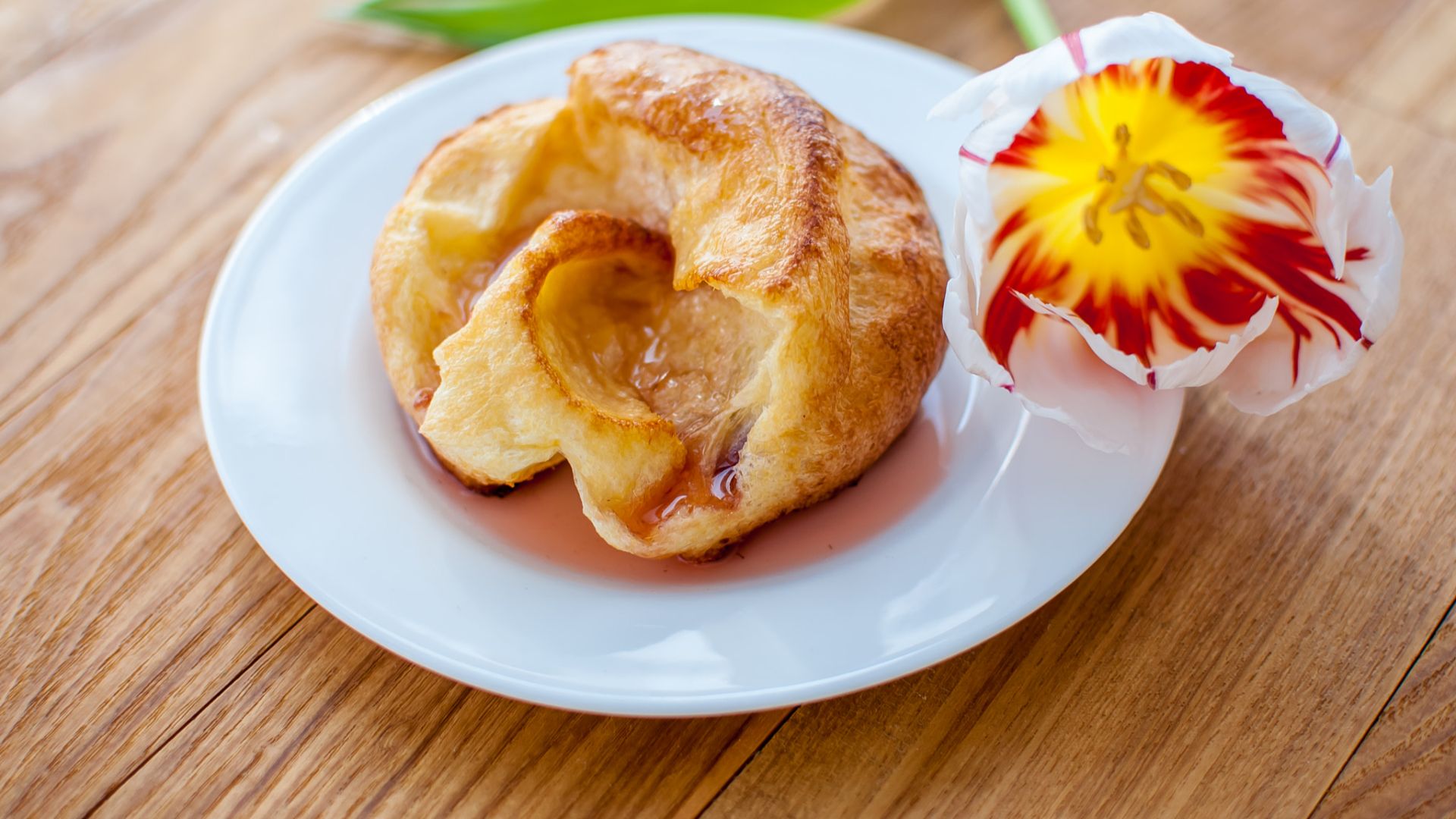
Yorkshire Pudding
Despite the name, this is not dessert. It’s a puffy, crispy-edged batter that soaks up gravy like it was born for the job—because it was. Yorkshire pudding is essential to a proper roast dinner and is basically what would happen if a popover reached its full potential. Americans already love popovers. Yorkshire pudding is just the final, gravy-drenched evolution.
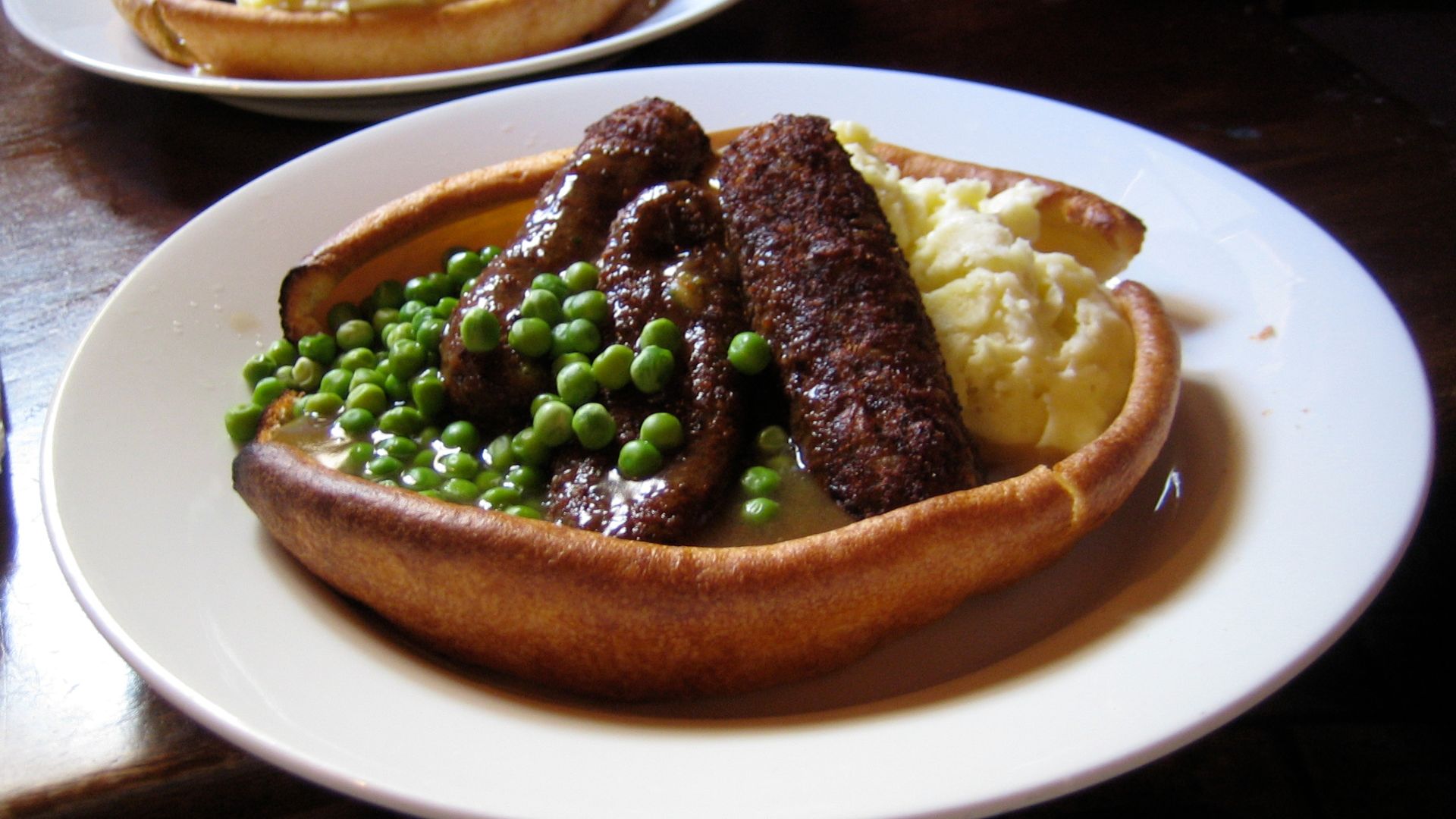
Bangers And Mash
Sausages. Mashed potatoes. Onion gravy. That’s it. That’s the dish. Bangers and mash is proof that simple food, done well, doesn’t need reinvention. It’s comforting, deeply satisfying, and perfect pub fare. Americans serve sausages and mashed potatoes separately all the time—this is just the version that knows what it’s doing.
 Gordon Joly from London, UK, Wikimedia Commons
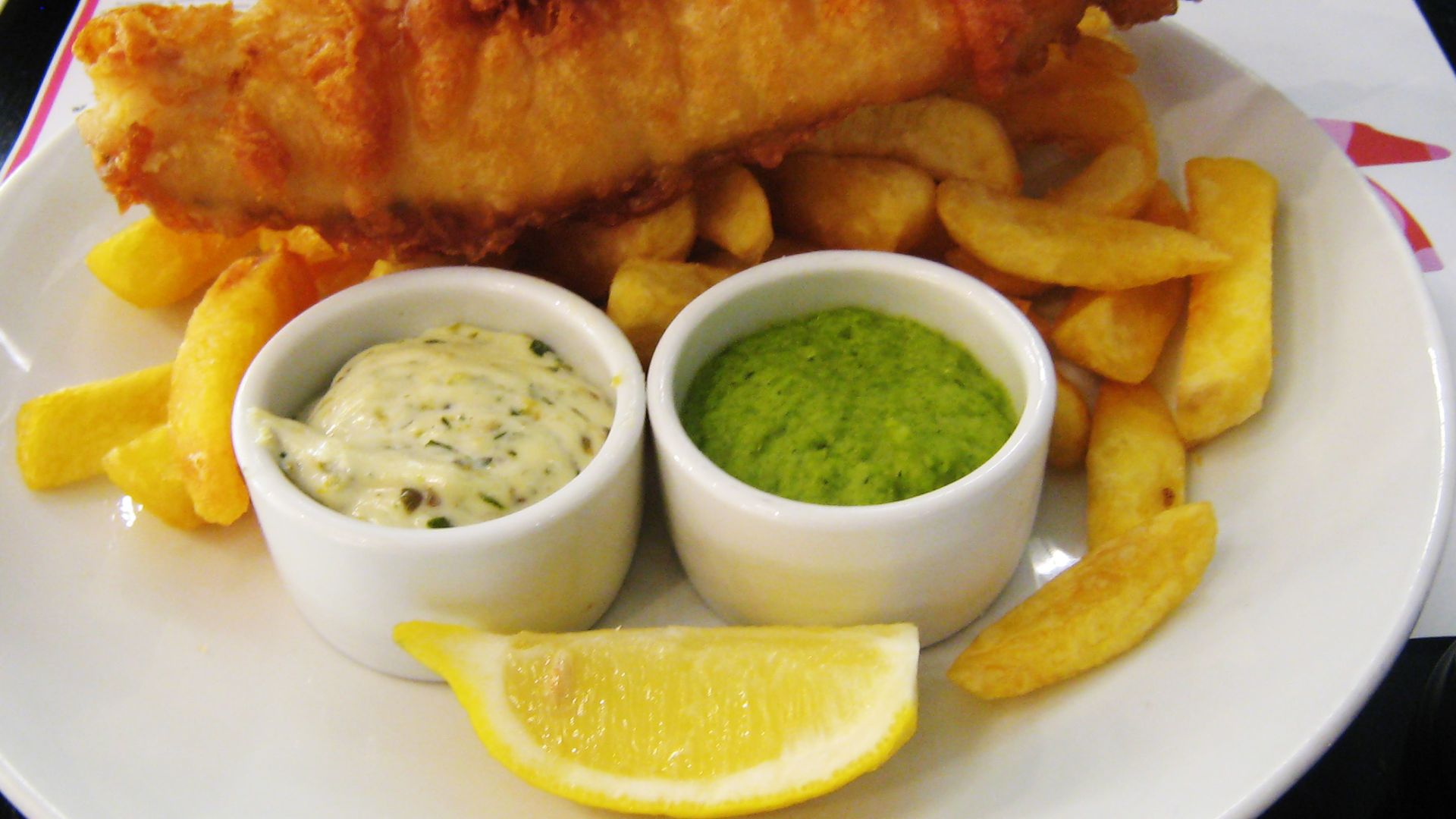
Mushy Peas
Yes, they’re green. Yes, they’re soft. No, that’s not a reason to dismiss them. Mushy peas are a classic companion to fish and chips, offering salty, buttery, minty balance to fried food. Americans have creamed corn and mashed potatoes—mushy peas are just Britain’s contribution to the “surprisingly good vegetable side” category.
 Charles Haynes from Bangalore, India, Wikimedia Commons
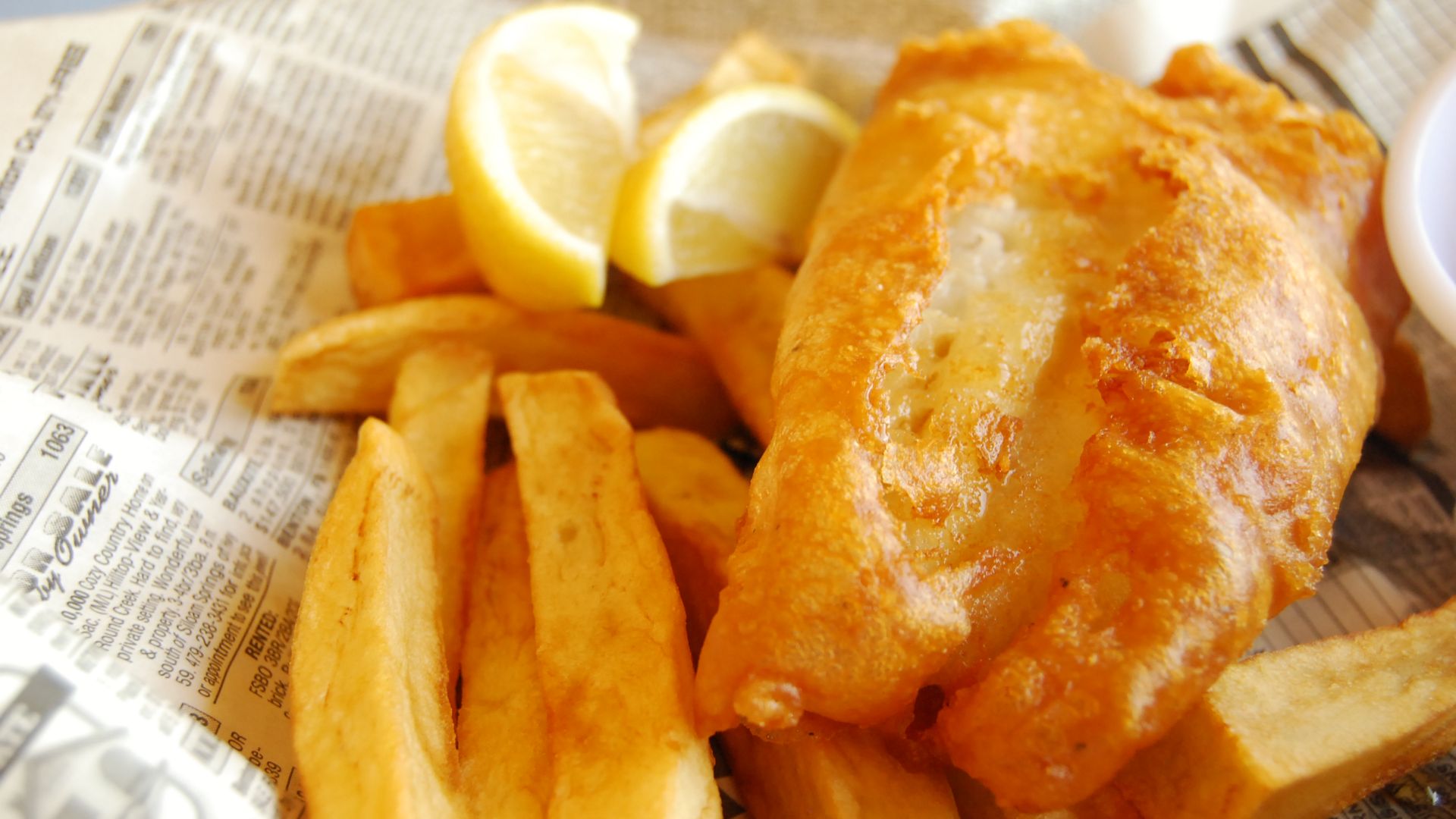
Proper Fish And Chips
America has fish fries. Britain has fish and chips wrapped in paper, eaten by the seaside while being judged by seagulls. The British version focuses on thick-cut chips, flaky white fish, malt vinegar, and simplicity. No fancy sauces required. It’s humble, nostalgic, and best enjoyed slightly burned from holding the paper too long. Americans kept the idea—but not the soul.
 LearningLark from United States, Wikimedia Commons
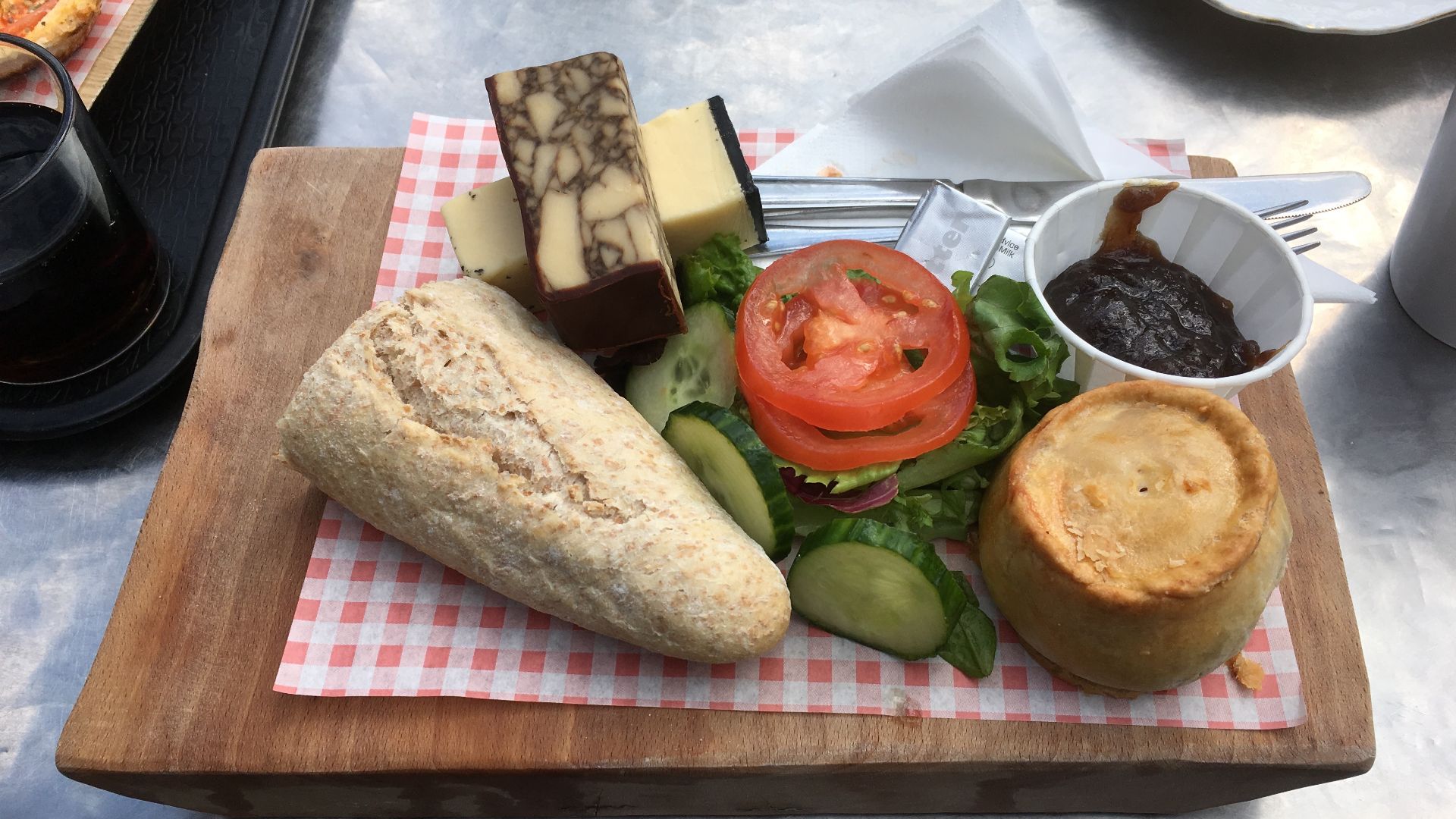
Ploughman’s Lunch
A meal that proudly says, “I refuse to cook.” Cheese, bread, pickles, maybe some ham, maybe an apple. That’s it. The ploughman’s lunch is the original charcuterie board, minus the pretension. It’s perfect pub food and proof that good ingredients don’t need fuss. Americans love grazing plates—this one walked so your artisanal boards could run.
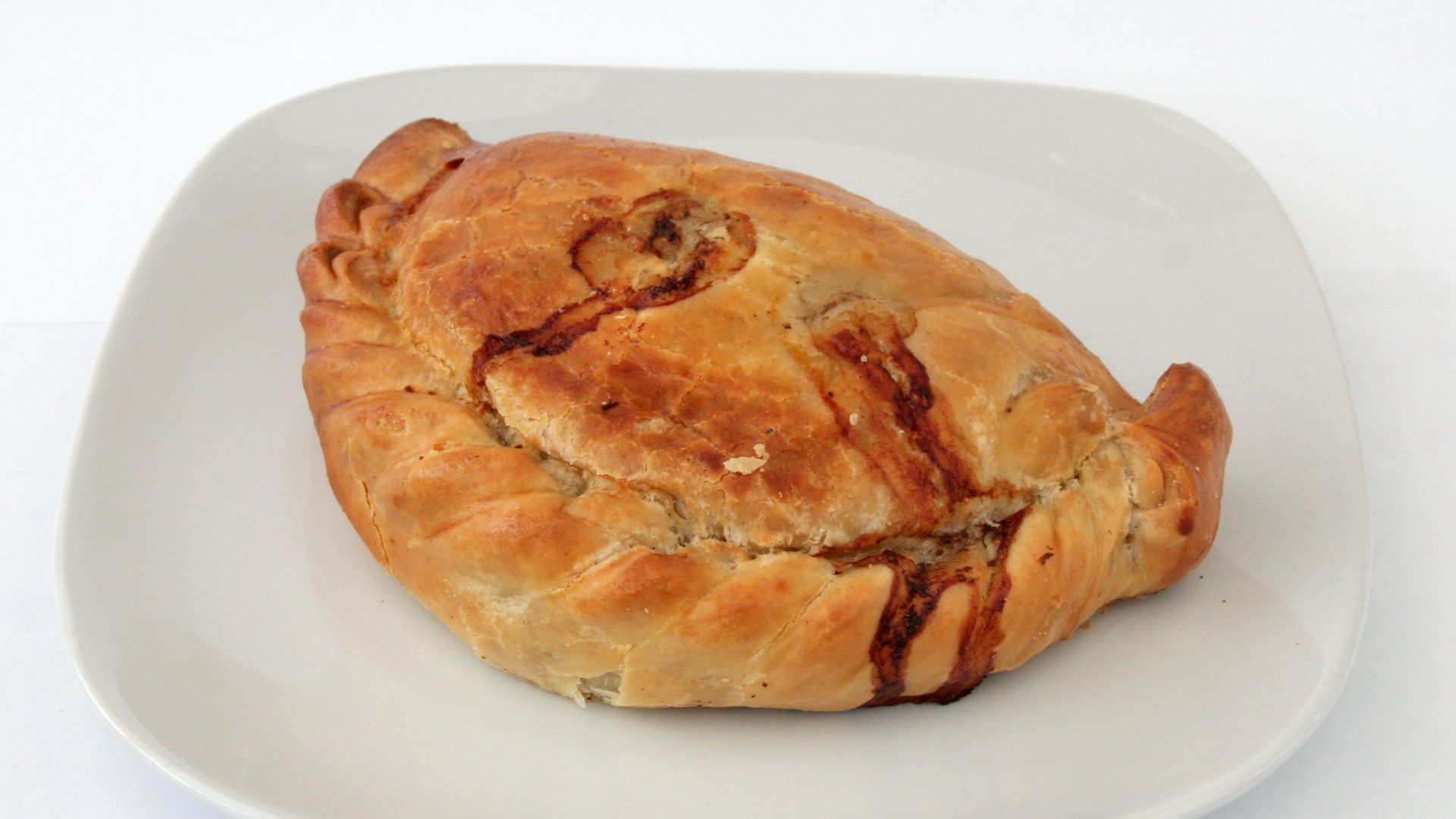
Cornish Pasties
Originally designed for miners, Cornish pasties are sealed, sturdy pastries filled with meat and vegetables—basically edible lunchboxes. They’re filling, practical, and incredibly comforting. The crimped edge was meant to be held with dirty hands and discarded, which is both clever and a little metal. Americans appreciate practical food; this should’ve been a hit.
 David Johnson [1], Wikimedia Commons
Crumpets
A crumpet is not an English muffin. It’s better. Soft, spongy, and full of little holes designed to trap butter like delicious potholes, crumpets are peak breakfast bread. Toasted and slathered with butter (or honey, or jam), they’re comfort food at its finest. Americans, you missed out.
 Kolforn (Wikimedia), Wikimedia Commons
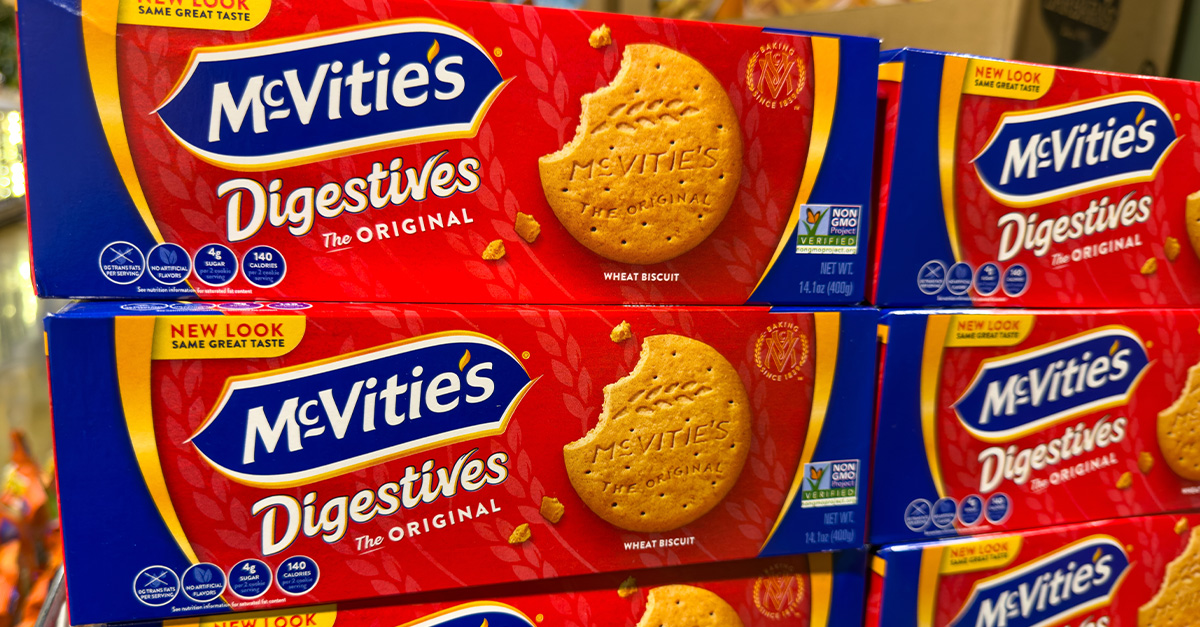
Digestive Biscuits
Despite the name, these are not medicinal. They’re lightly sweet, wheaty biscuits perfect for tea-dunking or cheesecake bases. Digestives are understated in a way Americans don’t usually go for—but once you get them, you really get them. Not everything needs to be aggressively sugary. Sometimes subtlety wins.
 LearningLark from United States, Wikimedia Commons
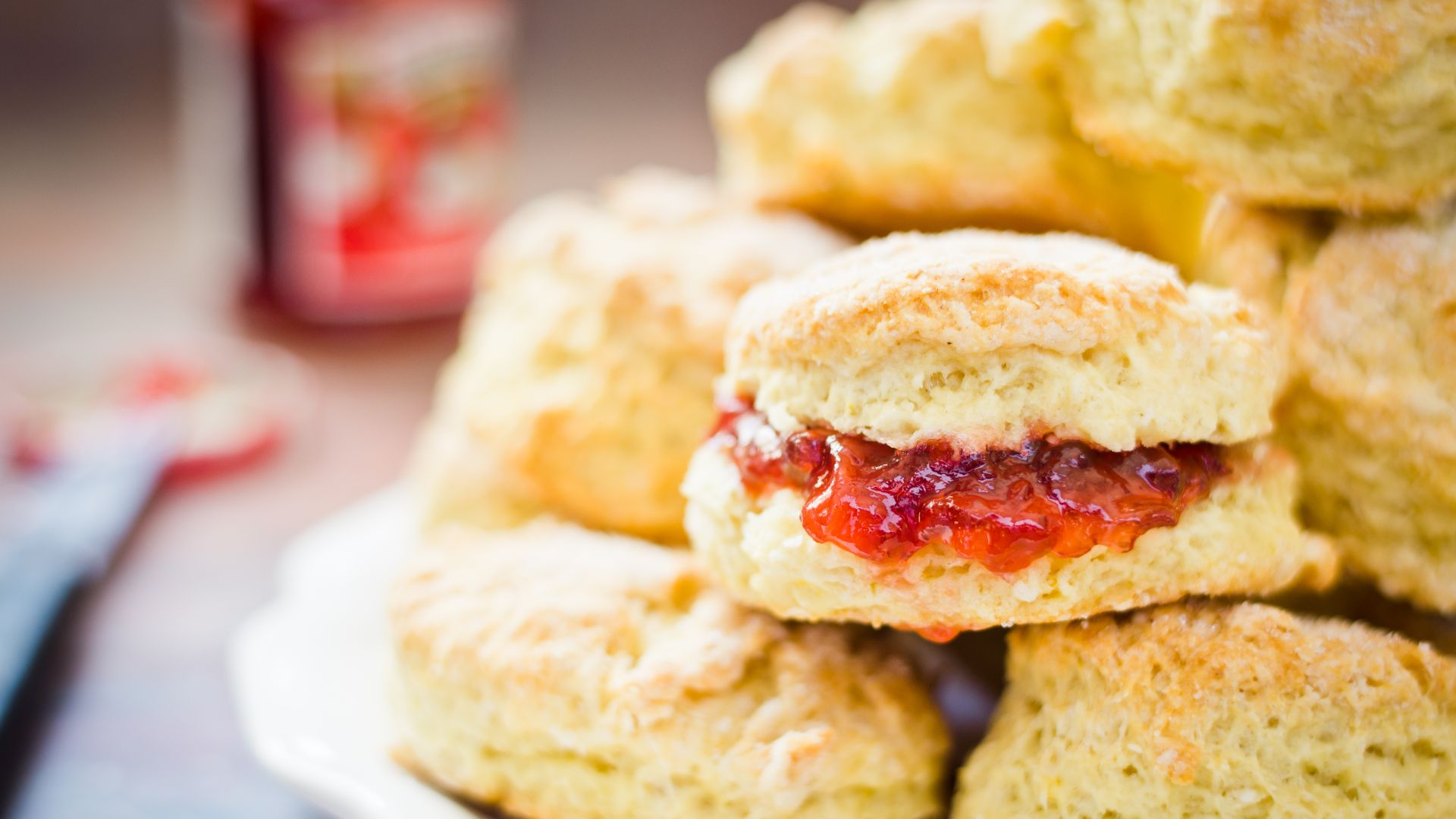
Scones (Done Properly)
British scones are lightly sweet, crumbly, and designed to be split and topped with clotted cream and jam—not glazed into submission. They’re afternoon tea royalty and infinitely better than the dry hockey pucks that sometimes pass for scones in the U.S. A proper scone is simple, elegant, and deserves redemption.
 Benson Kua from Toronto, Canada, Wikimedia Commons
Clotted Cream
Speaking of clotted cream—this stuff is outrageous. Thick, rich, and somewhere between butter and whipped cream, it makes everything better. Spread it on scones, spoon it onto desserts, or eat it straight if no one’s watching. Americans love decadent dairy; it’s shocking this never became mainstream.

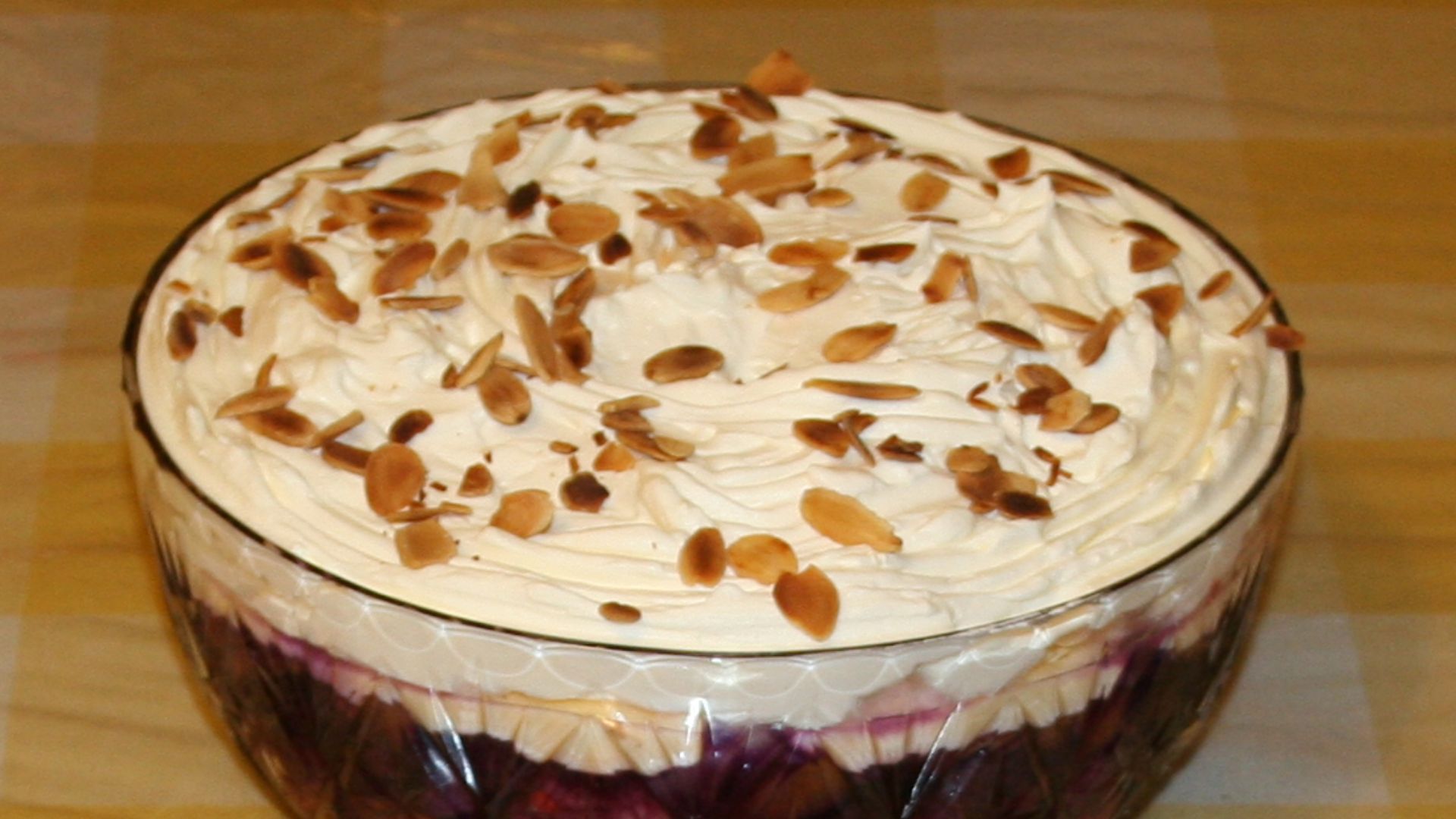
Trifle
Layers of sponge cake, custard, fruit, and cream all living together in one beautiful glass bowl. Trifle is maximalist dessert energy. It’s indulgent, nostalgic, and surprisingly refreshing when done right. Americans love layered desserts—trifle walked so parfaits could jog.
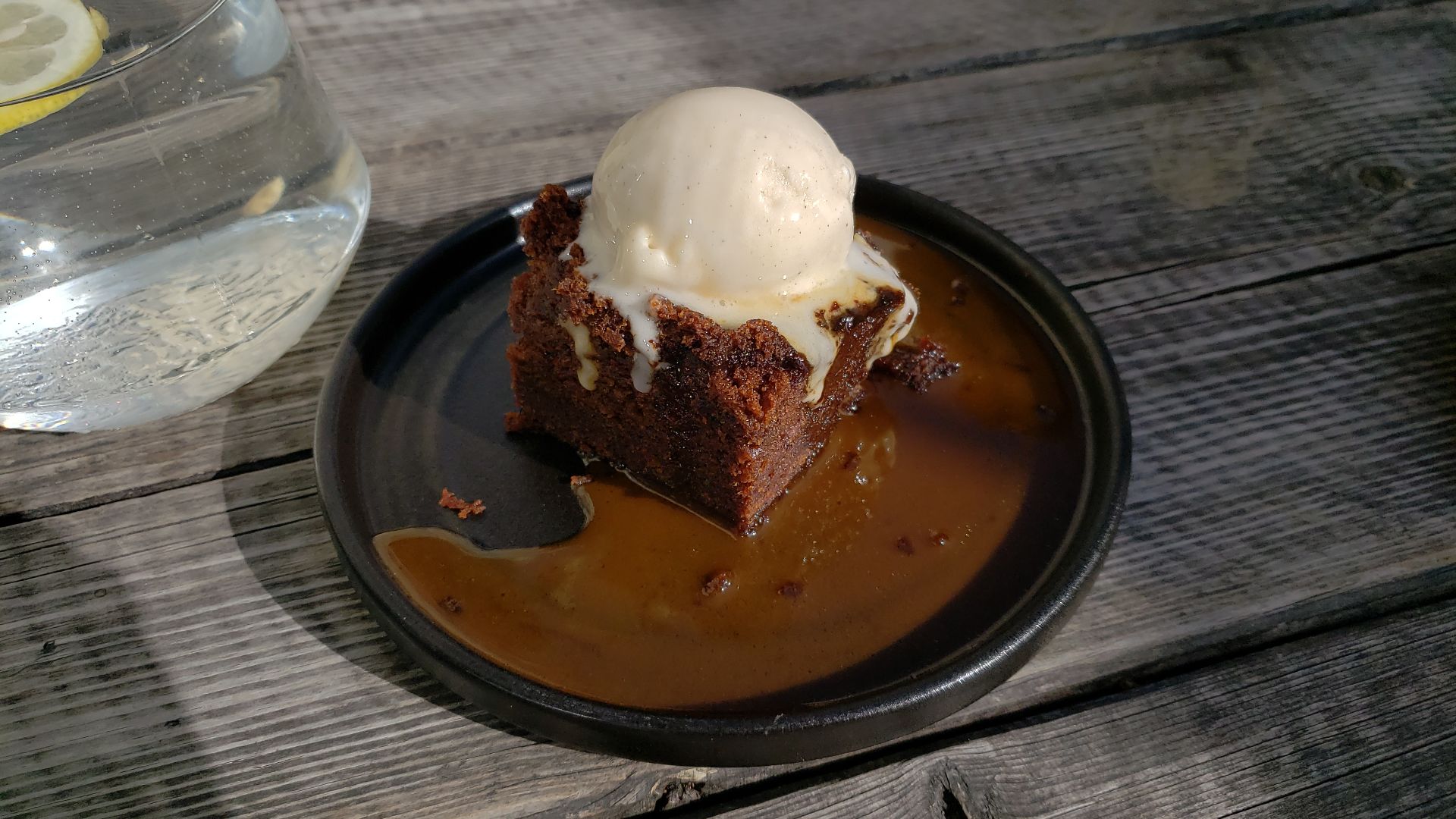
Sticky Toffee Pudding
Despite the name, it’s a cake—and a phenomenal one at that. Moist sponge cake made with dates, drenched in hot toffee sauce, often served with custard or ice cream. It’s rich, comforting, and basically designed to improve bad days. This should be mandatory winter food everywhere.
Custard (The Real Kind)
British custard is warm, pourable, and unapologetically comforting. It goes on pies, puddings, cakes, and sometimes just into a bowl with a spoon. Americans use custard as a component; Britain uses it as emotional support. Both approaches have merit, but the British one wins.

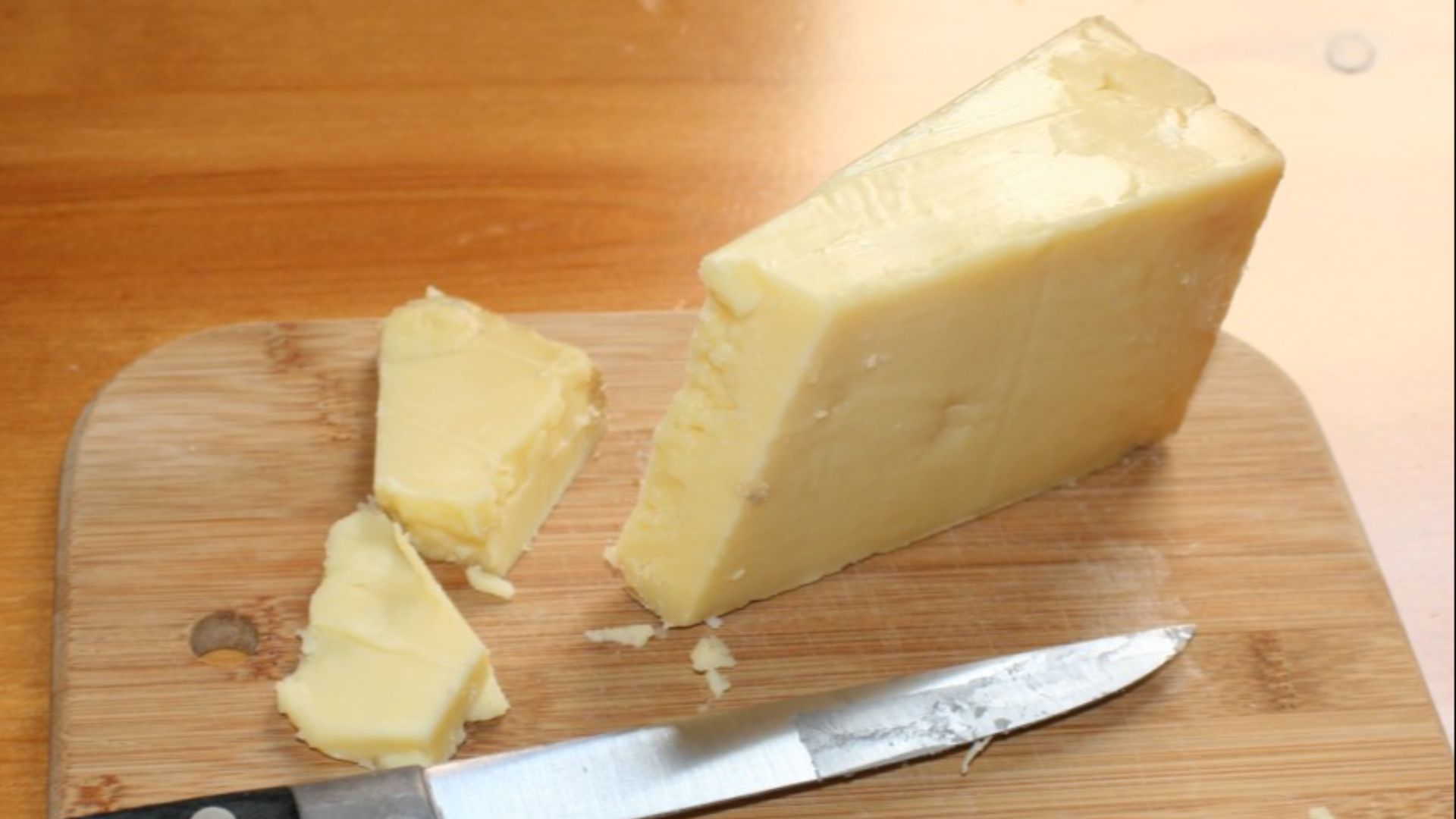
British Cheddar
Not all cheddar is created equal. British cheddar is sharp, crumbly, and full of character. It melts well, ages beautifully, and actually tastes like something. Americans make plenty of good cheese—but the original cheddar deserves more respect on this side of the Atlantic.
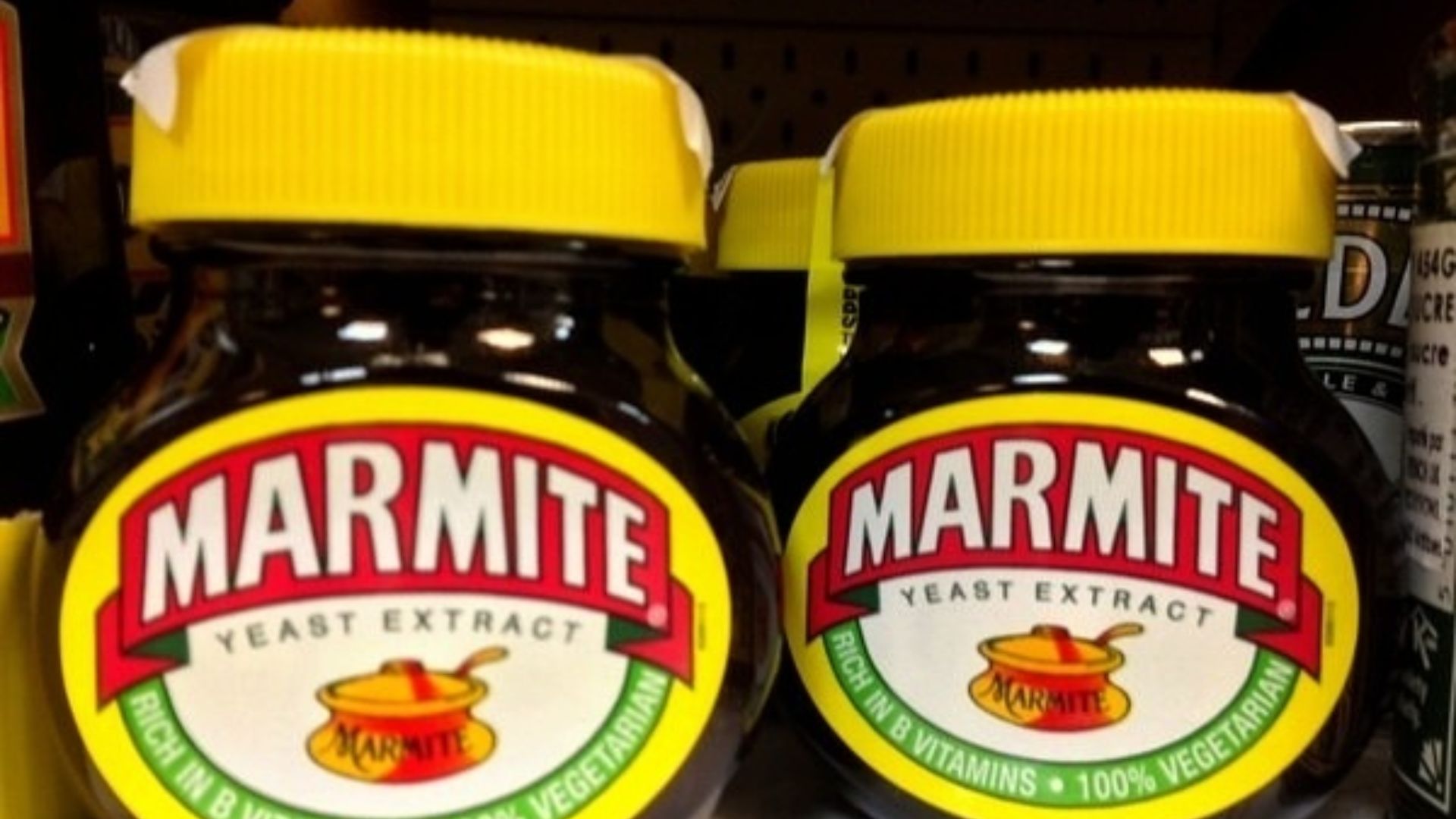
Marmite
This one is divisive, and Britain knows it. Marmite is salty, savory, and intensely flavorful—a spread that demands commitment. Americans love umami, even if they don’t always call it that. Marmite might not win everyone over, but it would absolutely find its people.
 WestportWiki, Wikimedia Commons
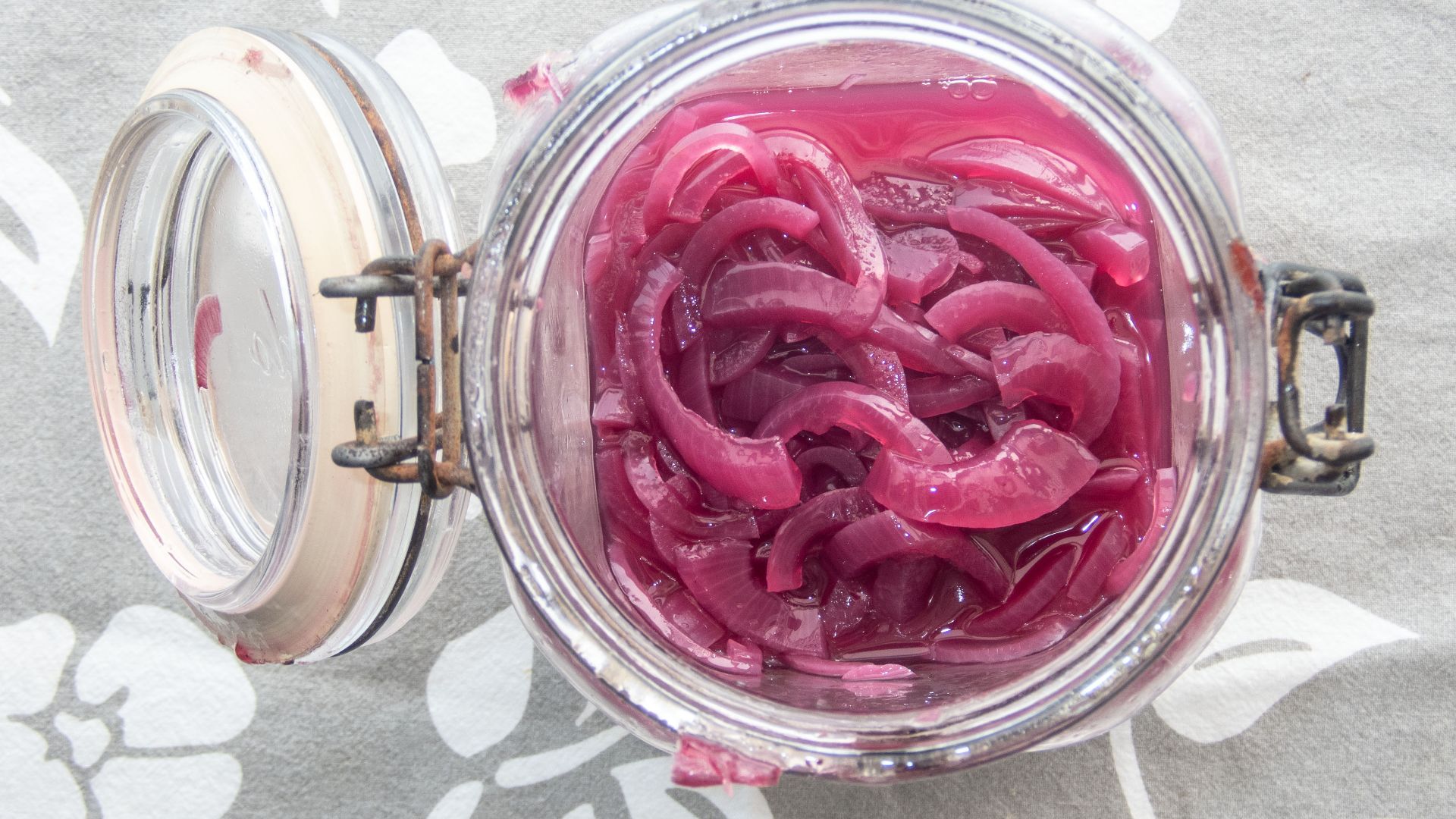
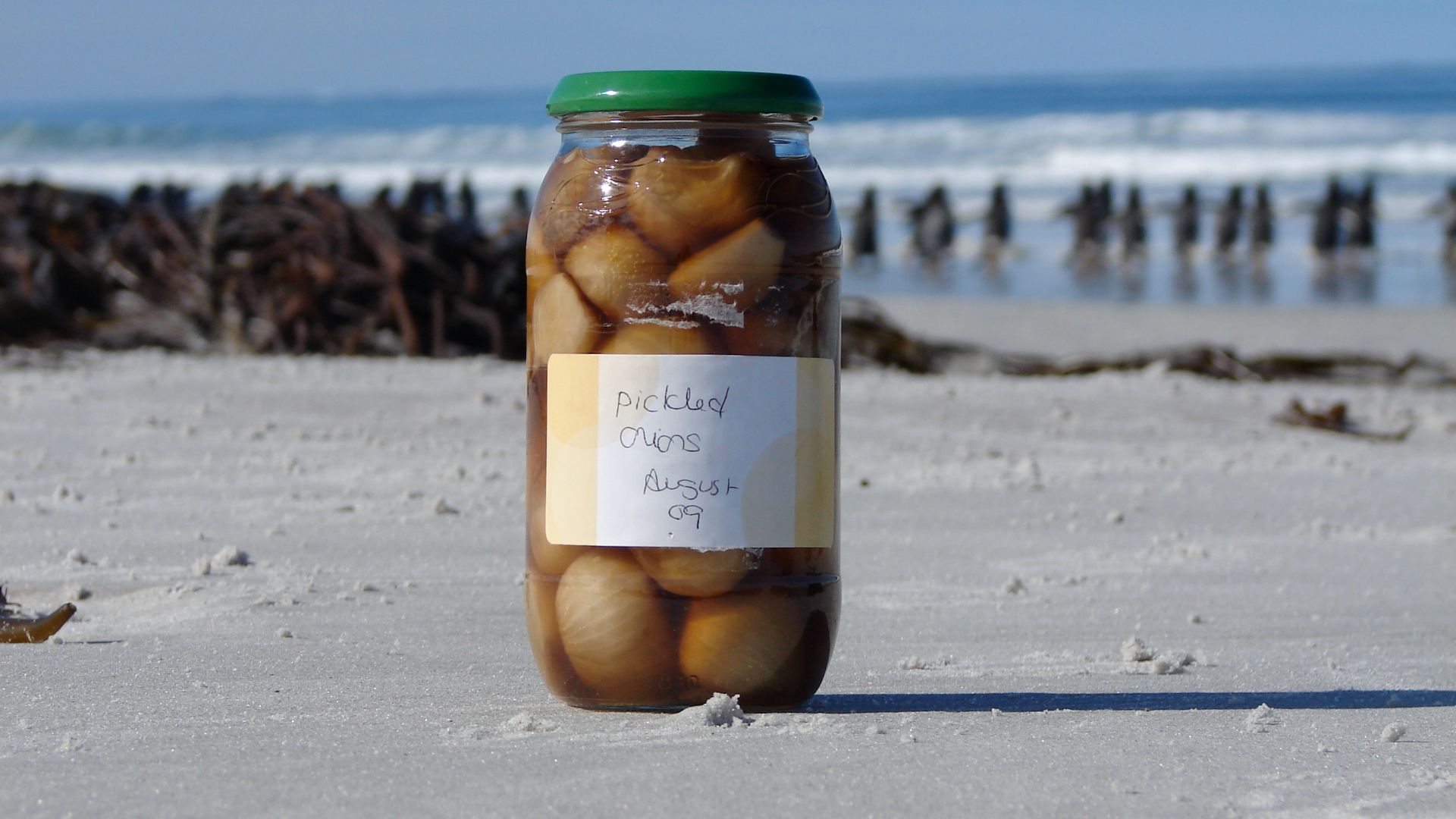
Pickled Onions
Sharp, tangy, eye-watering in the best way—British pickled onions are pub staples for a reason. They cut through rich food, wake up your palate, and pair beautifully with cheese and beer. Americans pickle everything else; it’s time onions got the respect they deserve.
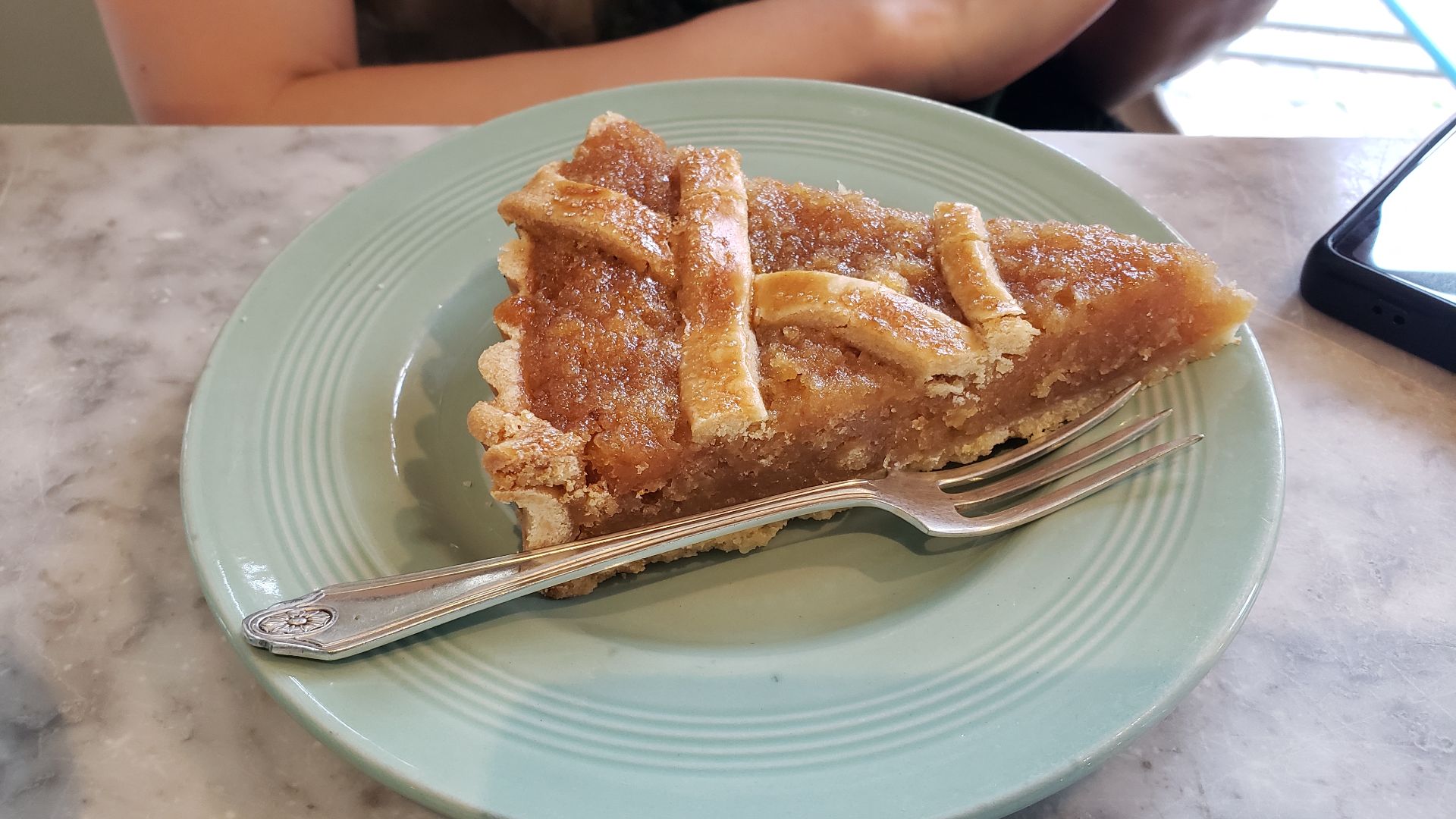
Treacle Tart
A golden syrup-based dessert with lemon and breadcrumbs, treacle tart is sweet, sticky, and deeply comforting. It’s old-fashioned in the best way and proof that you don’t need chocolate to make an incredible dessert. Sometimes sugar, citrus, and nostalgia are enough.
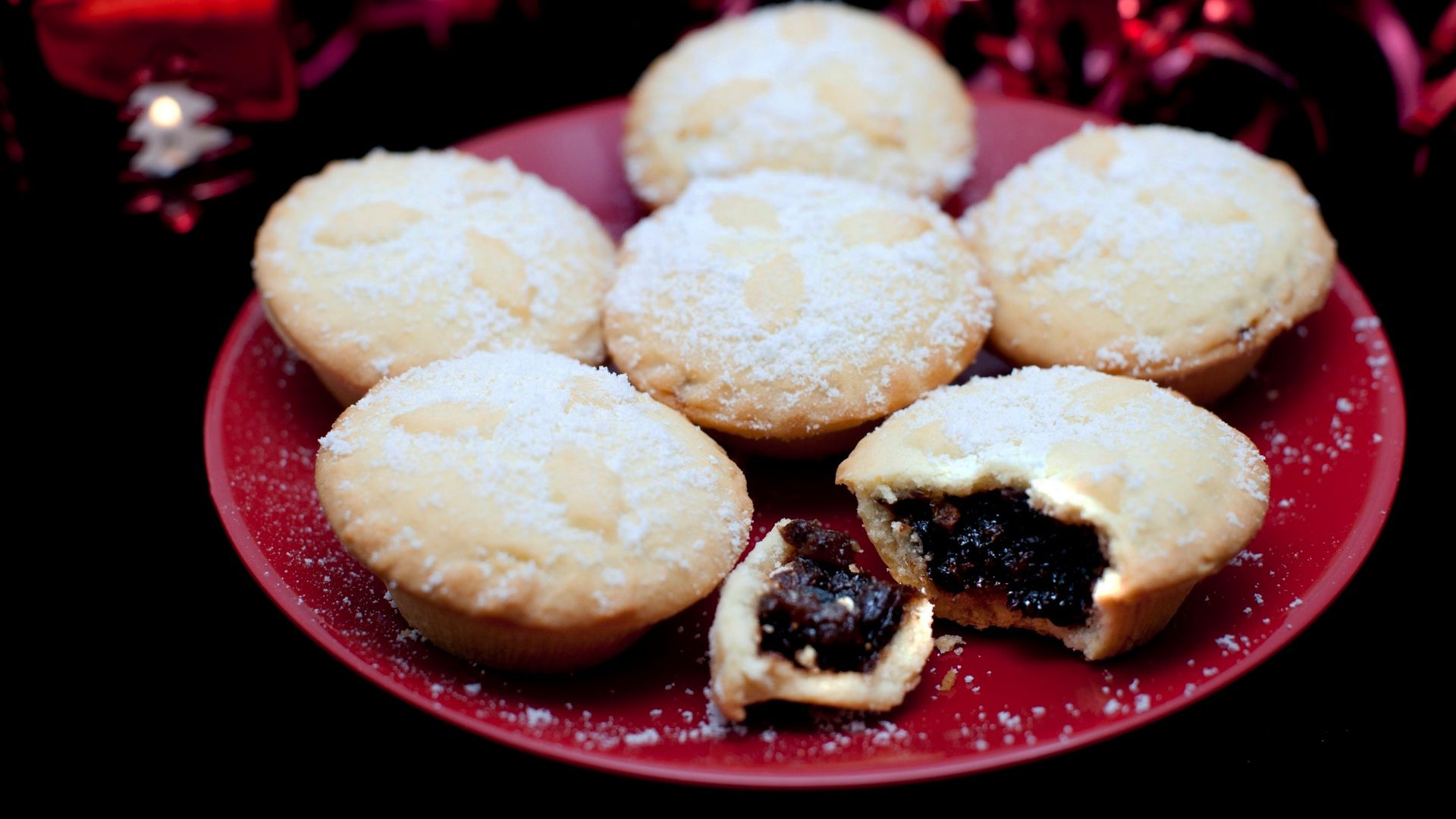
Mince Pies
Tiny, spiced, fruit-filled pastries that appear every Christmas and disappear just as quickly. Despite the name, there’s no meat involved anymore—just dried fruits, spices, and buttery pastry. Americans love seasonal desserts; these should’ve been adopted immediately.
 christmasstockimages.com, Wikimedia Commons
A Culinary Revolution Worth Reconsidering
Declaring independence was probably the right call—politically, at least. But when it came to food, America may have overcorrected. British cuisine has its quirks, sure, but it also excels at comfort, practicality, and knowing exactly what it is. The good news? Independence doesn’t mean you can’t go back for seconds. Many of these dishes are finally getting their due in the U.S., one pub menu and adventurous home cook at a time. Long live culinary diplomacy—and may your gravy always be plentiful.
 Stevesouthern, Wikimedia Commons
You May Also Like: