Communities That Shape Identities
Across the United States, vast reservation lands hold stories rarely told in full. These places reflect sovereignty, survival, and ongoing influence in law and culture. Understanding their scale and significance explains how Native nations continue to impact modern America.
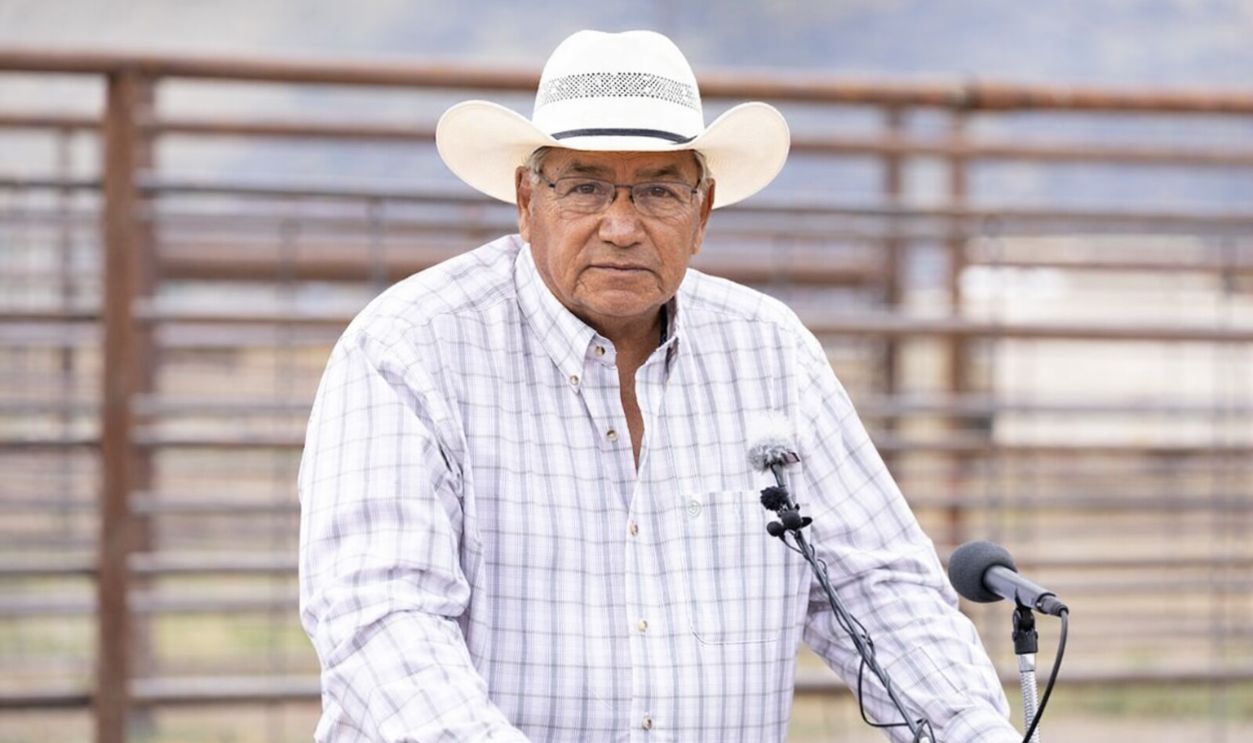
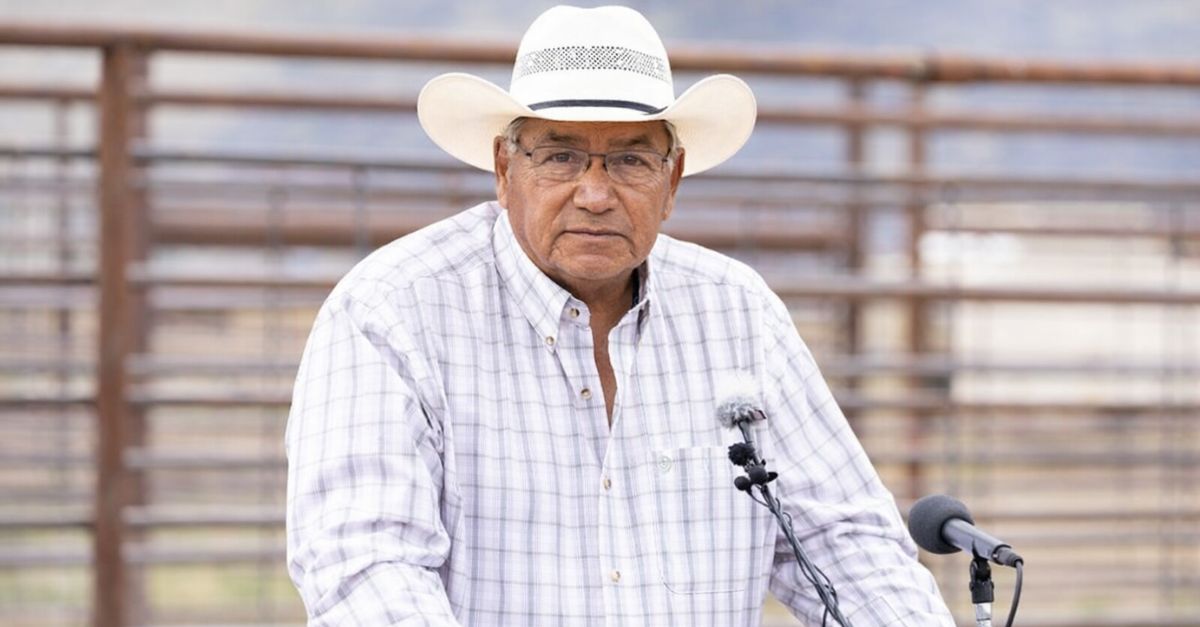
Navajo Nation
As one of the largest Native American reservations in the US, this reservation covers parts of Utah, Arizona, and New Mexico. Its vast territory includes deserts and mountain regions that have supported Dine communities for generations. The Nation operates its own government and judicial system.
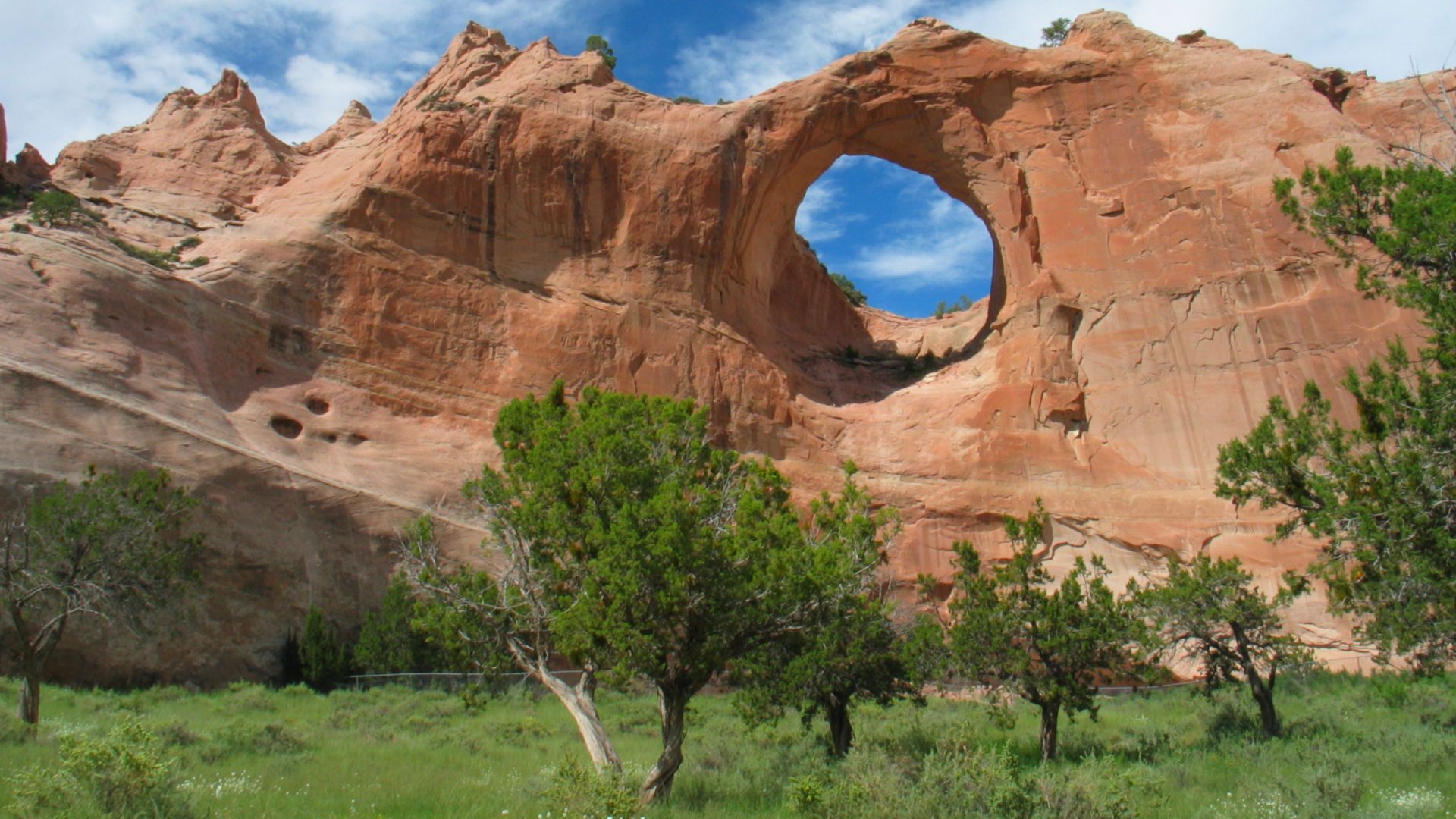 Ben FrantzDale, Wikimedia Commons
Navajo Nation (Cont.)
It reflects a high degree of self-governance with more than 300,000 enrolled members. It’s also one of the most populous Native nations. Beyond size, the Navajo Nation plays a significant role in energy development and cultural education.
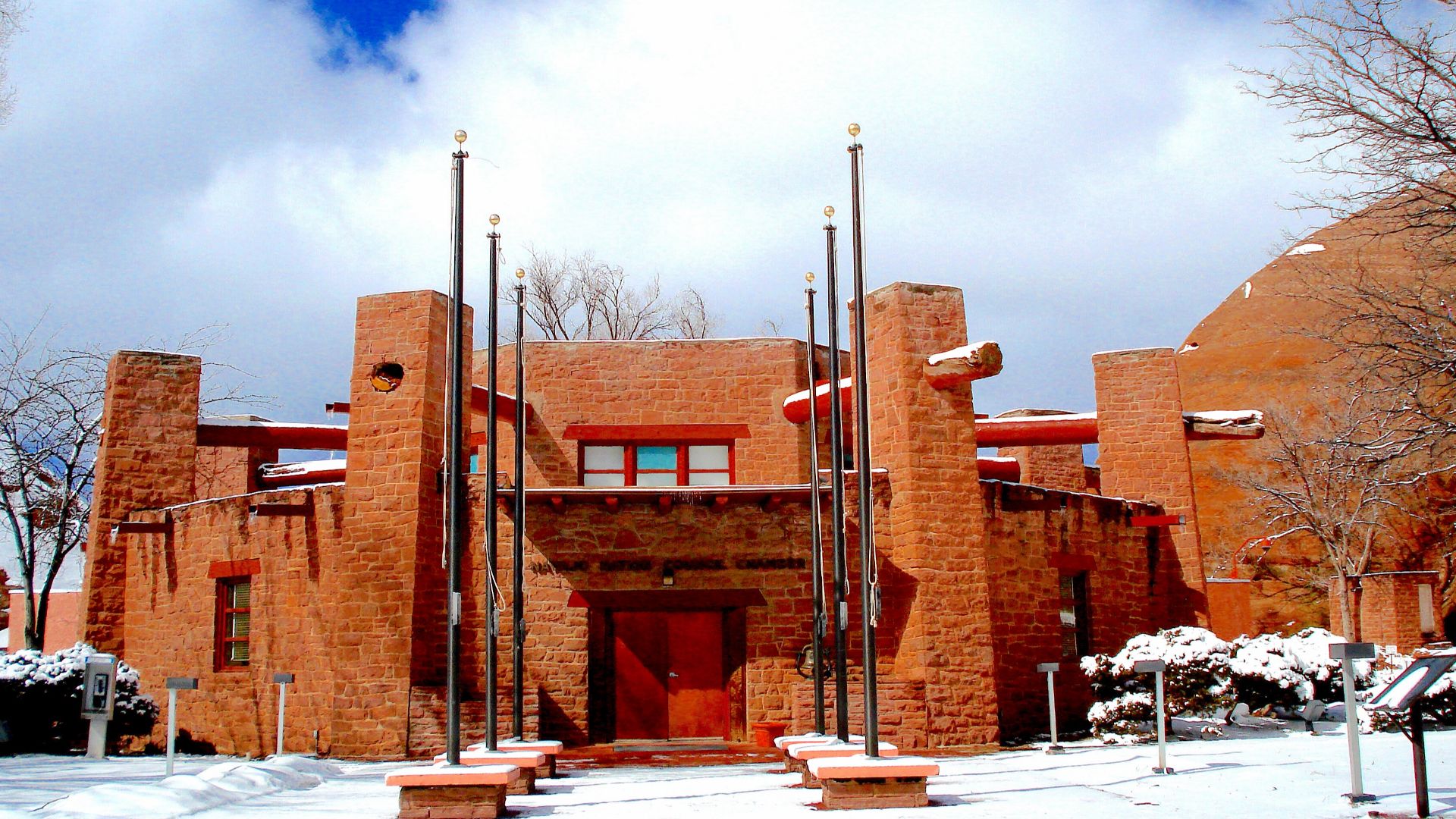 William Nakai https://www.flickr.com/photos/nihihiro/ (shihiro & nihihiro), Wikimedia Commons
Uintah And Ouray Reservation
In eastern Utah, the Uintah and Ouray Reservation houses the Ute Indian Tribe. Established through 19th-century treaties, it contains significant energy resources, which play a big role in the region’s economy while maintaining tribal governance.
Fort Apache Reservation
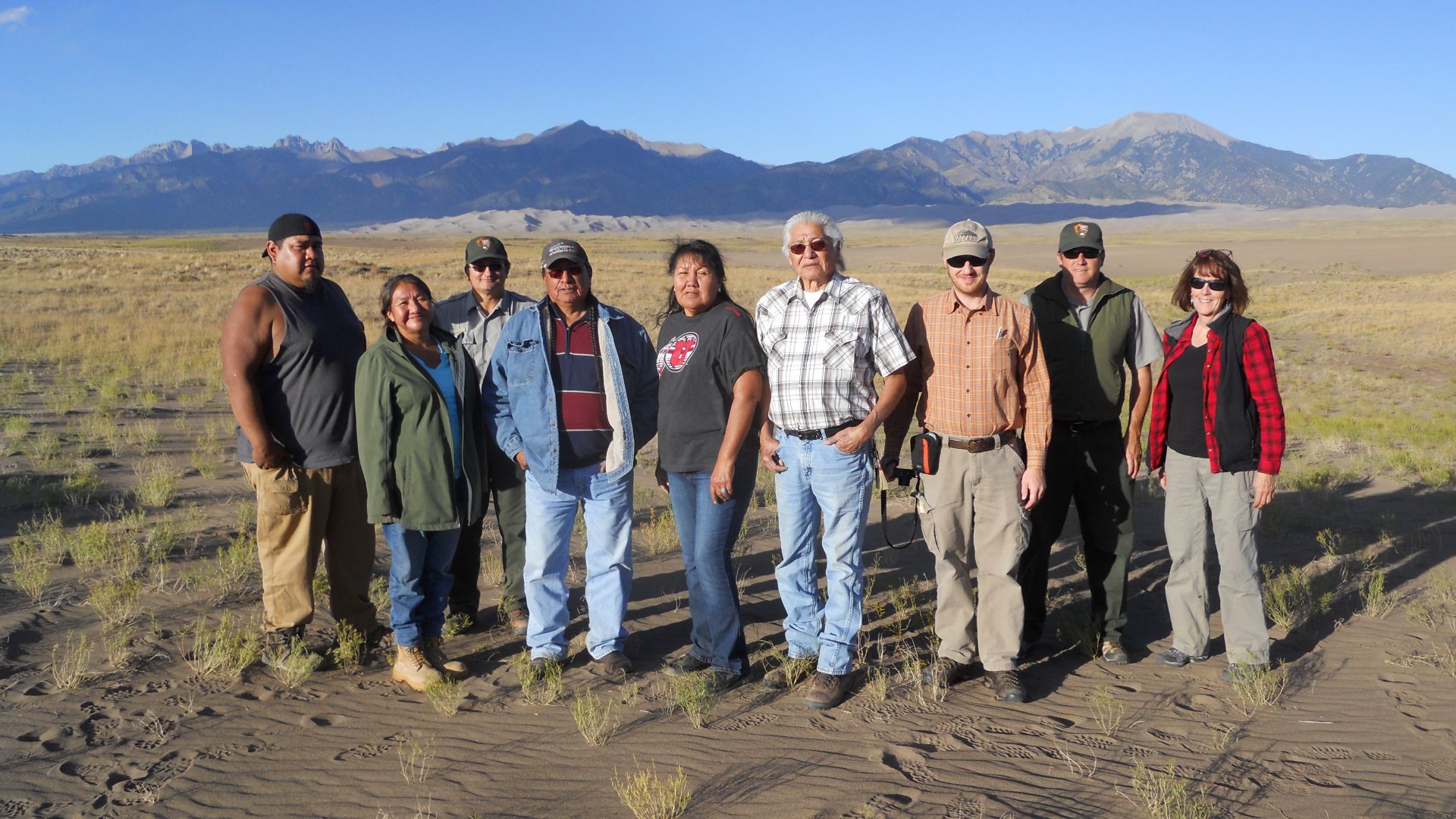
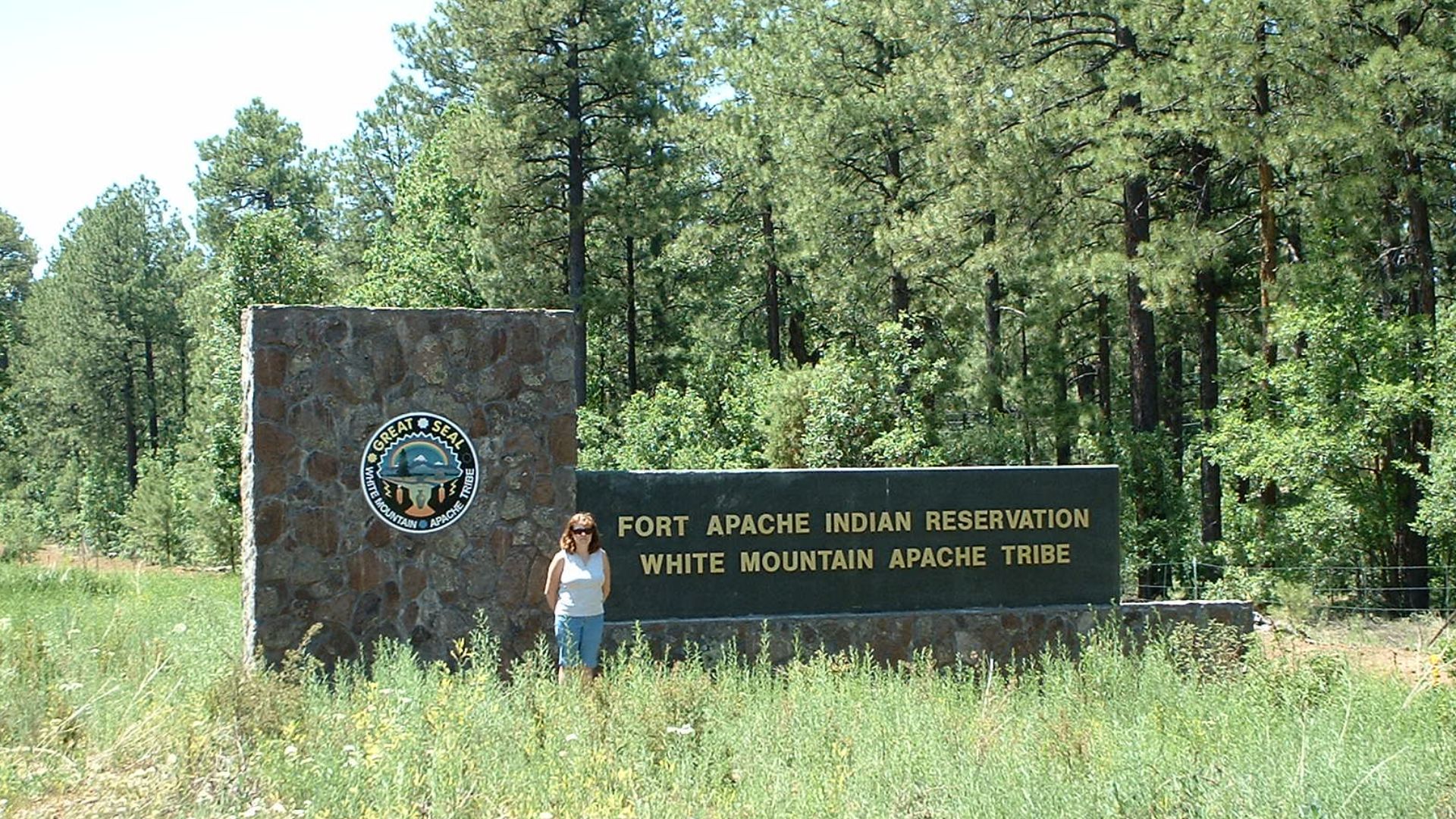
Set within eastern Arizona’s White Mountains, the Fort Apache Reservation belongs to the White Mountain Apache Tribe. Once associated with US military operations, it now supports forestry, tourism, healthcare, and education. The tribe continues to prioritize land stewardship and cultural traditions.
 Travisl at English Wikipedia, Wikimedia Commons
Blackfeet Reservation
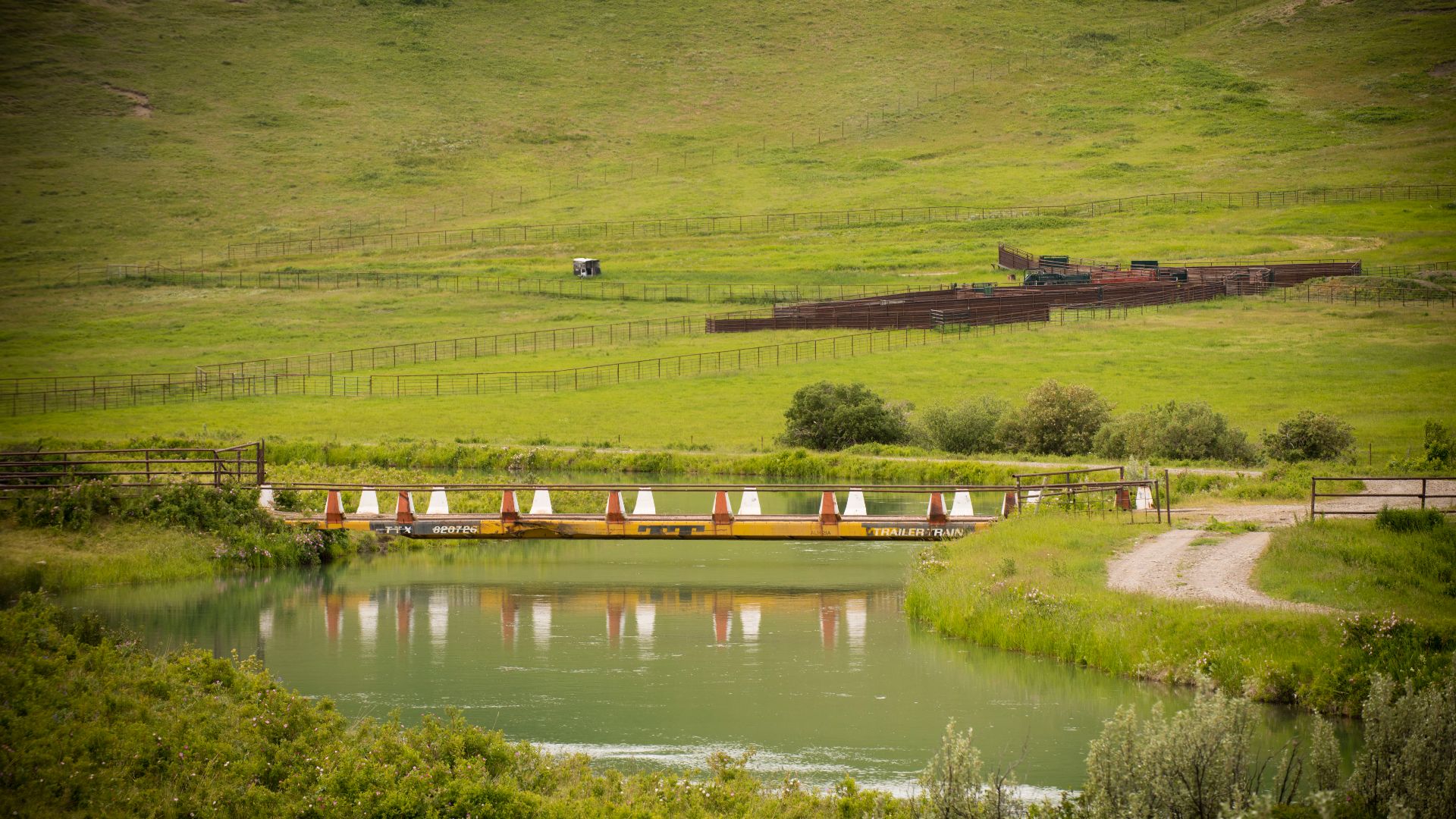
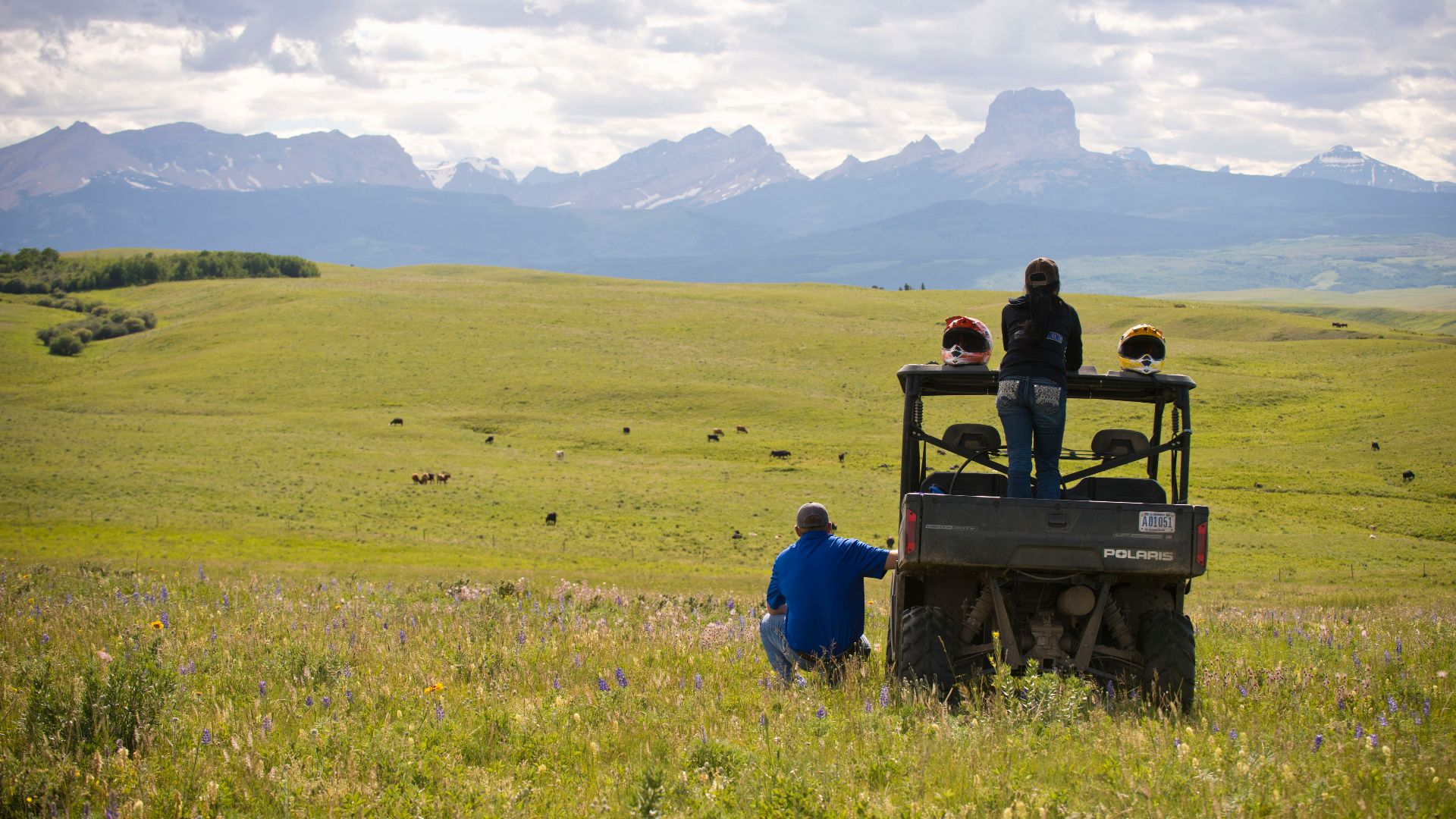
Featured in Bring Them Home, the Blackfeet Reservation is located in northern Montana along the eastern boundary of Glacier National Park. It’s the ancestral homeland of the Blackfeet Nation. The landscape holds deep cultural and spiritual meaning, shaped by centuries of connection to the plains and nearby mountains.
 USDA NRCS Montana, Wikimedia Commons
Blackfeet Reservation (Cont.)
Today, the reservation’s economy blends ranching, tourism, and tribal government services, providing employment while supporting local communities. Cultural preservation remains a priority, with ongoing efforts focused on language, traditional knowledge, and the protection of sacred sites.
 USDA NRCS Montana, Wikimedia Commons
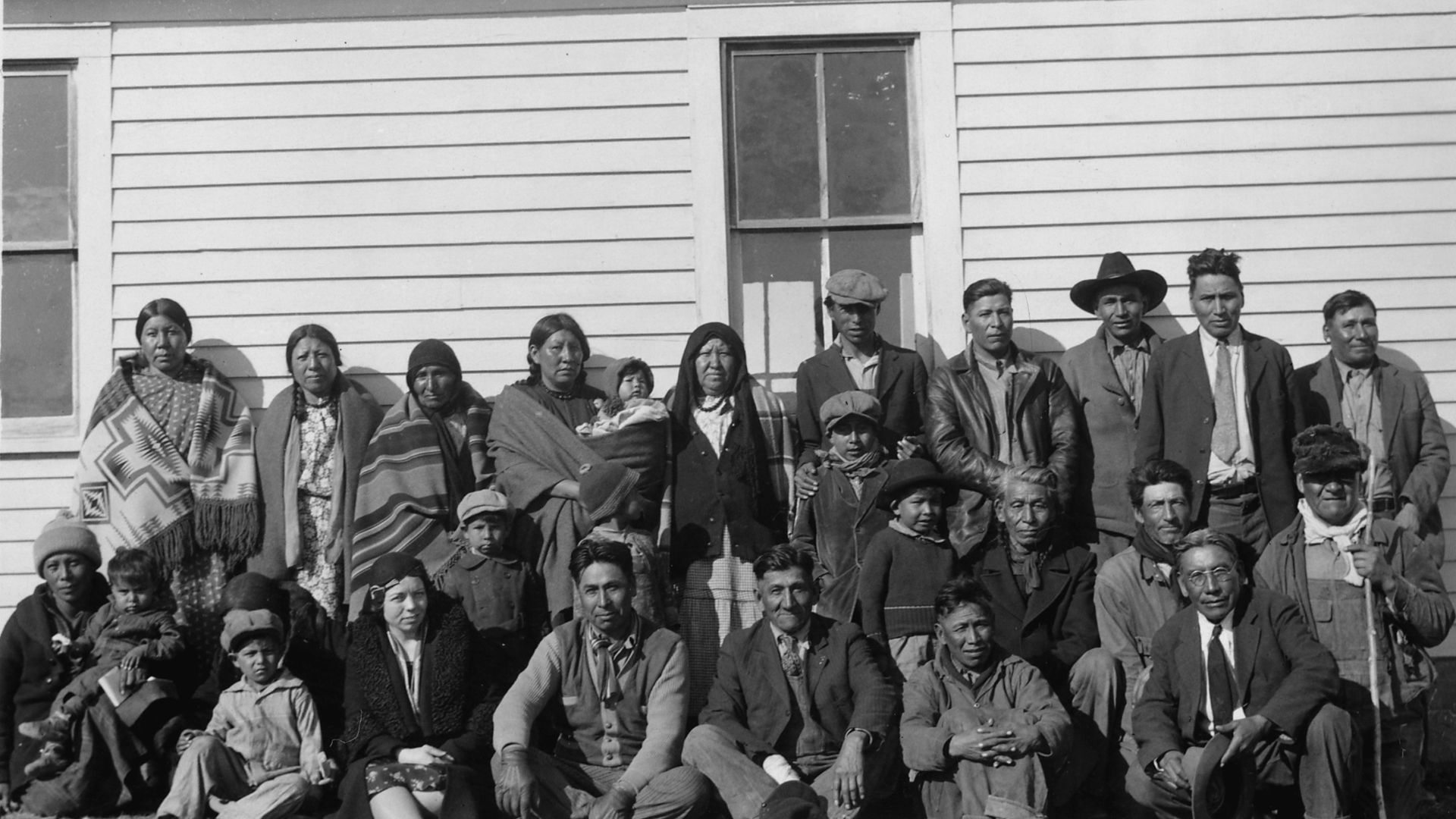
Standing Rock Reservation
Straddling North and South Dakota, the Standing Rock Reservation is home to Hunkpapa Lakota and Dakota citizens. It became nationally recognized during opposition to the Dakota Access Pipeline, as it drew attention to treaty enforcement and tribal sovereignty issues.
 Unknown authorUnknown author or not provided, Wikimedia Commons
Yakama Indian Reservation
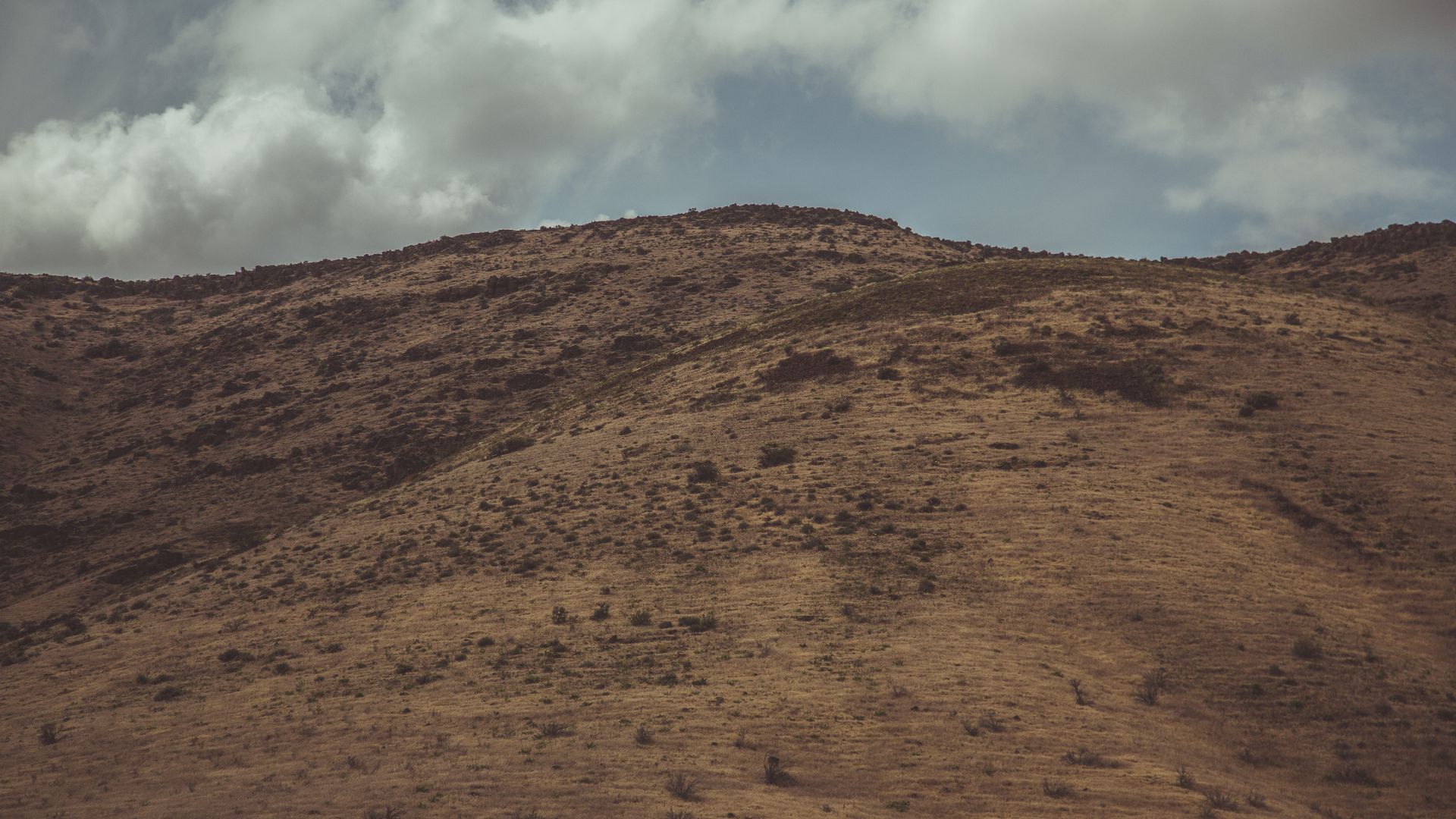
Known officially as the Yakama Indian Reservation, this expansive area lies in south-central Washington. Established in 1855, it supports agriculture and renewable energy. The Yakama Nation maintains strong treaty rights and plays a role in regional legal and environmental matters.
 Tony Webster from San Francisco, California, Wikimedia Commons
Warm Springs Reservation
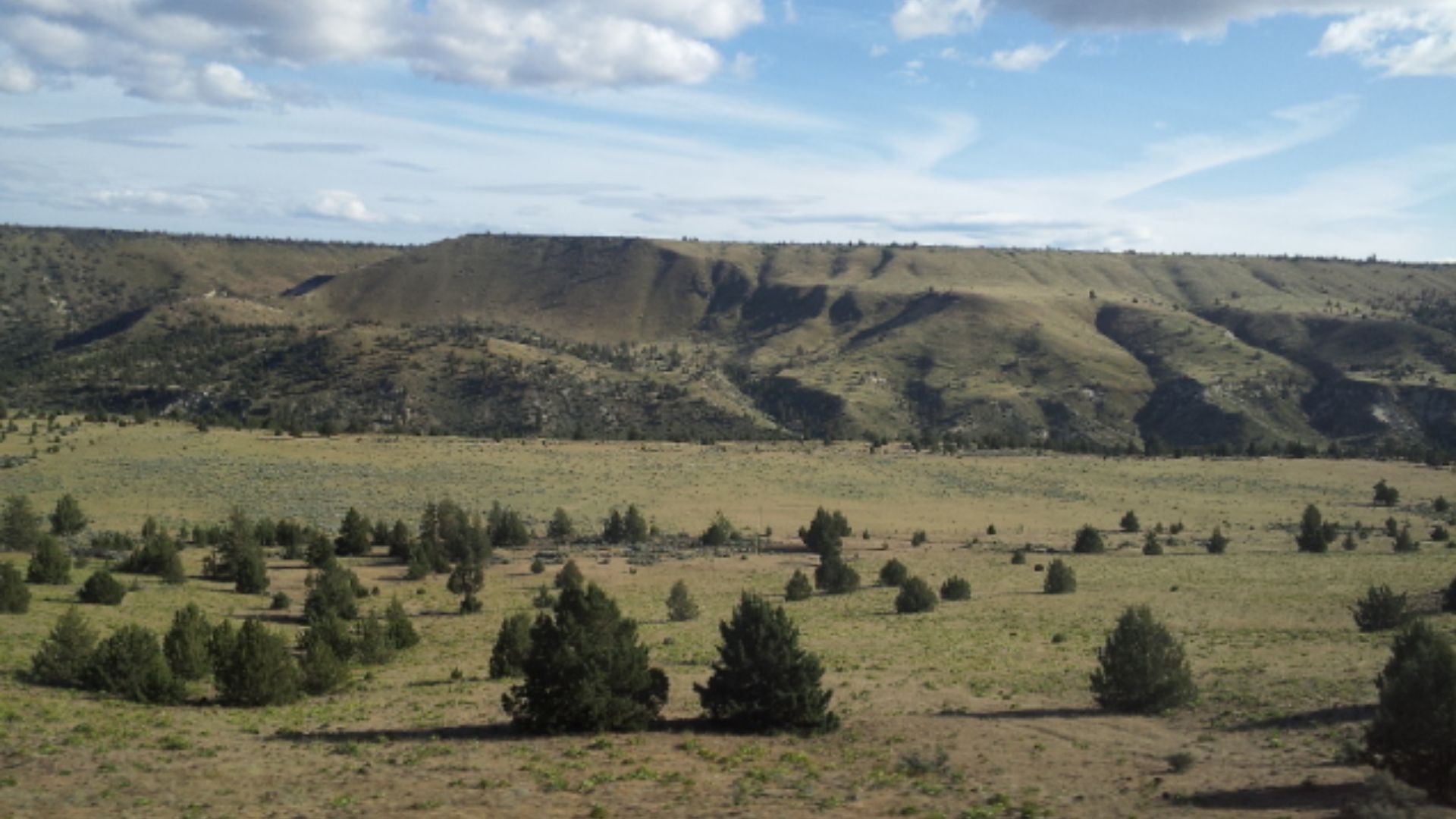
Situated in central Oregon, the Warm Springs Reservation houses the Confederated Tribes of Warm Springs. The reservation combines forested land and river systems with cultural importance. Tribal enterprises include forestry and energy, while governance emphasizes education and long-term protection of resources.
 User:Another Believer, Wikimedia Commons
Crow Indian Reservation
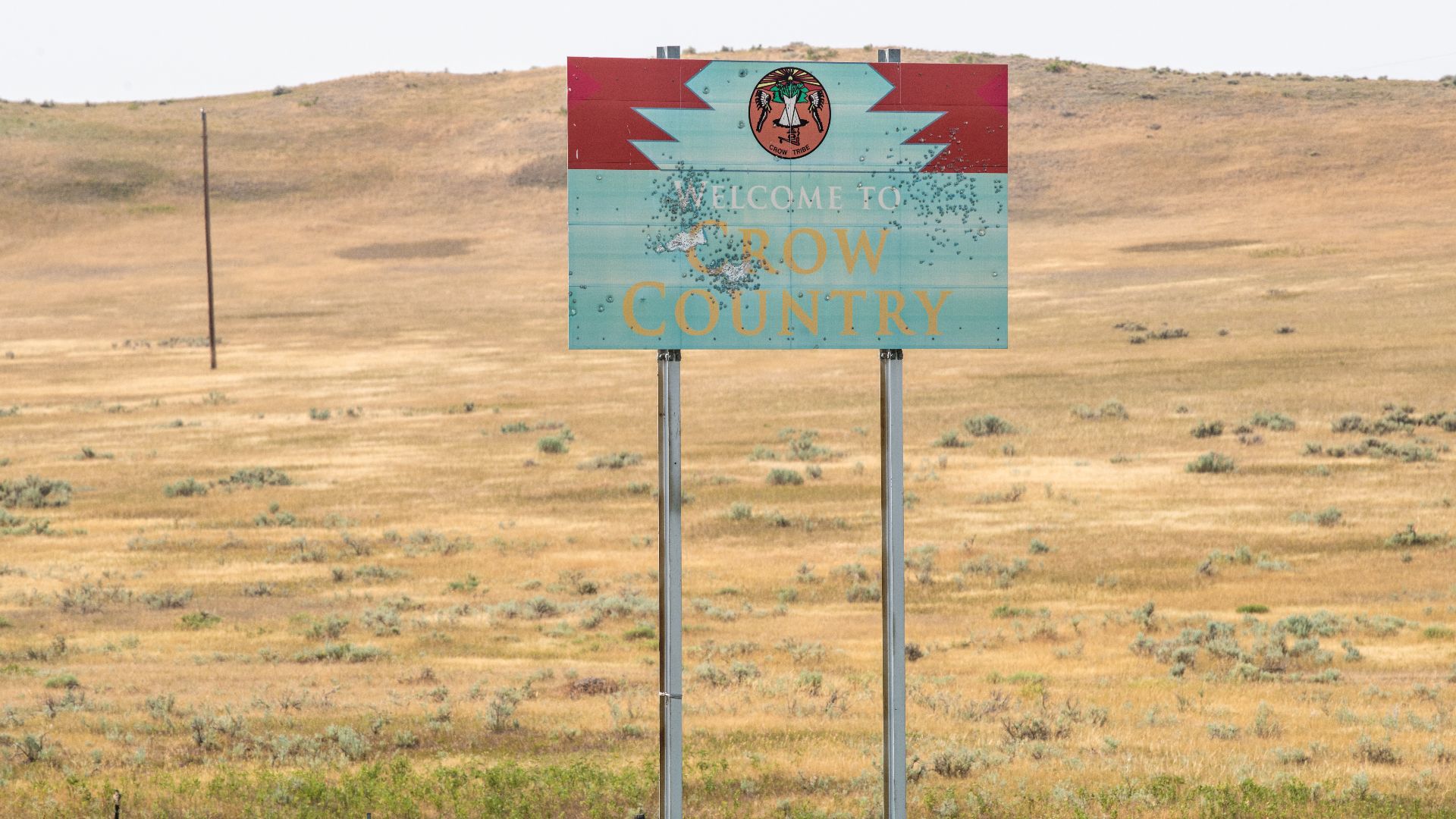
In south central Montana, the Crow Indian Reservation is the ancestral homeland of the Apsaalooke people. It is one of the largest reservations by land area. Tribal government and energy development support the economy while cultural identity remains central to community life.
 U.S. Department of Agriculture, Wikimedia Commons
Choctaw Nation Reservation
Covering much of southeastern Oklahoma, the Choctaw Nation Reservation supports one of the largest enrolled tribal populations in the US. The Nation operates extensive healthcare and infrastructure systems, and modern governance blends treaty-based sovereignty with economic development initiatives.

Chickasaw Nation
Based in south central Oklahoma, the Chickasaw Nation is widely recognized for strong economic performance and self-governance. Its reservation area supports healthcare networks and business enterprises. Tribal leadership emphasizes education and language preservation.
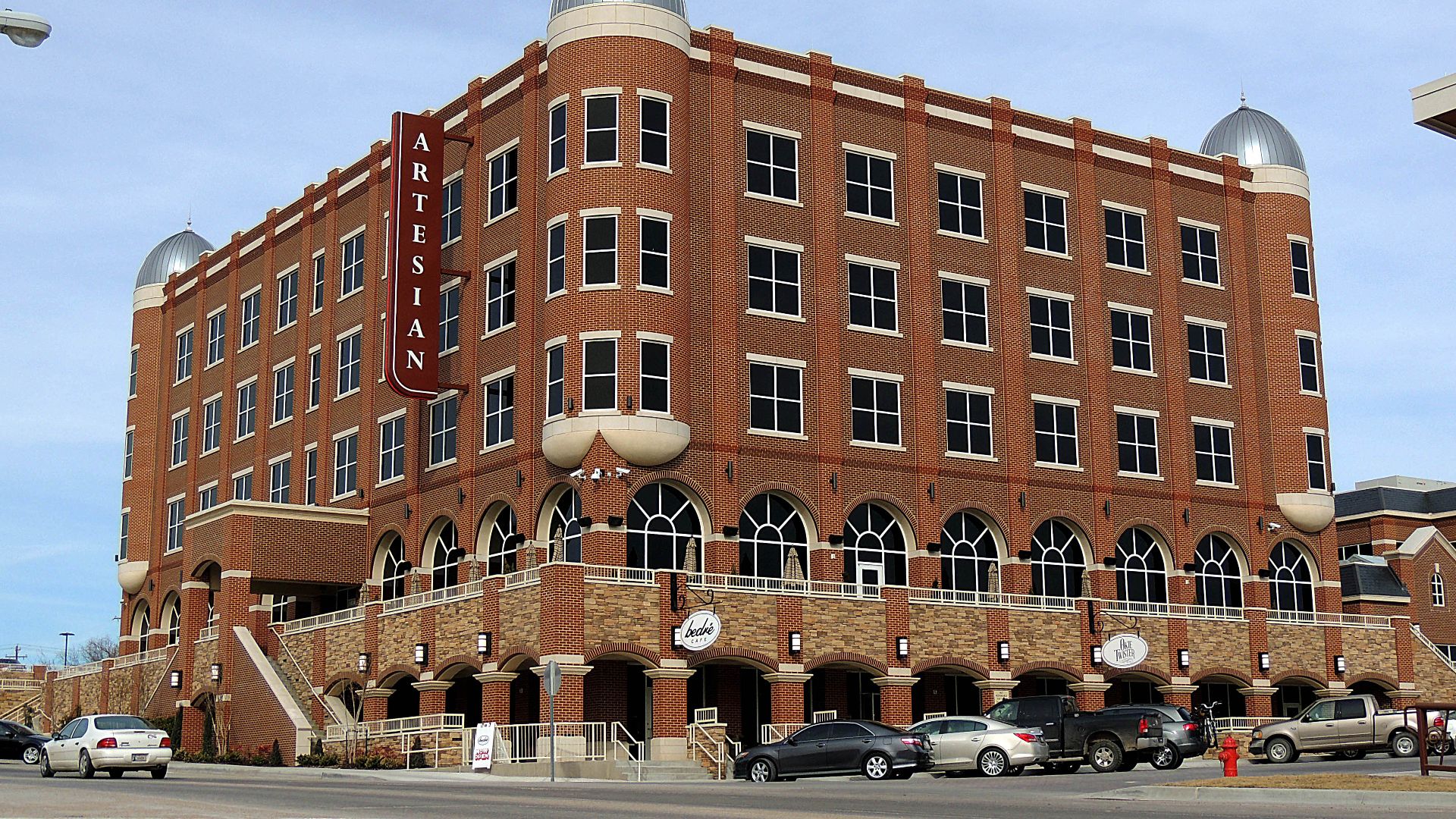
Osage Nation Reservation
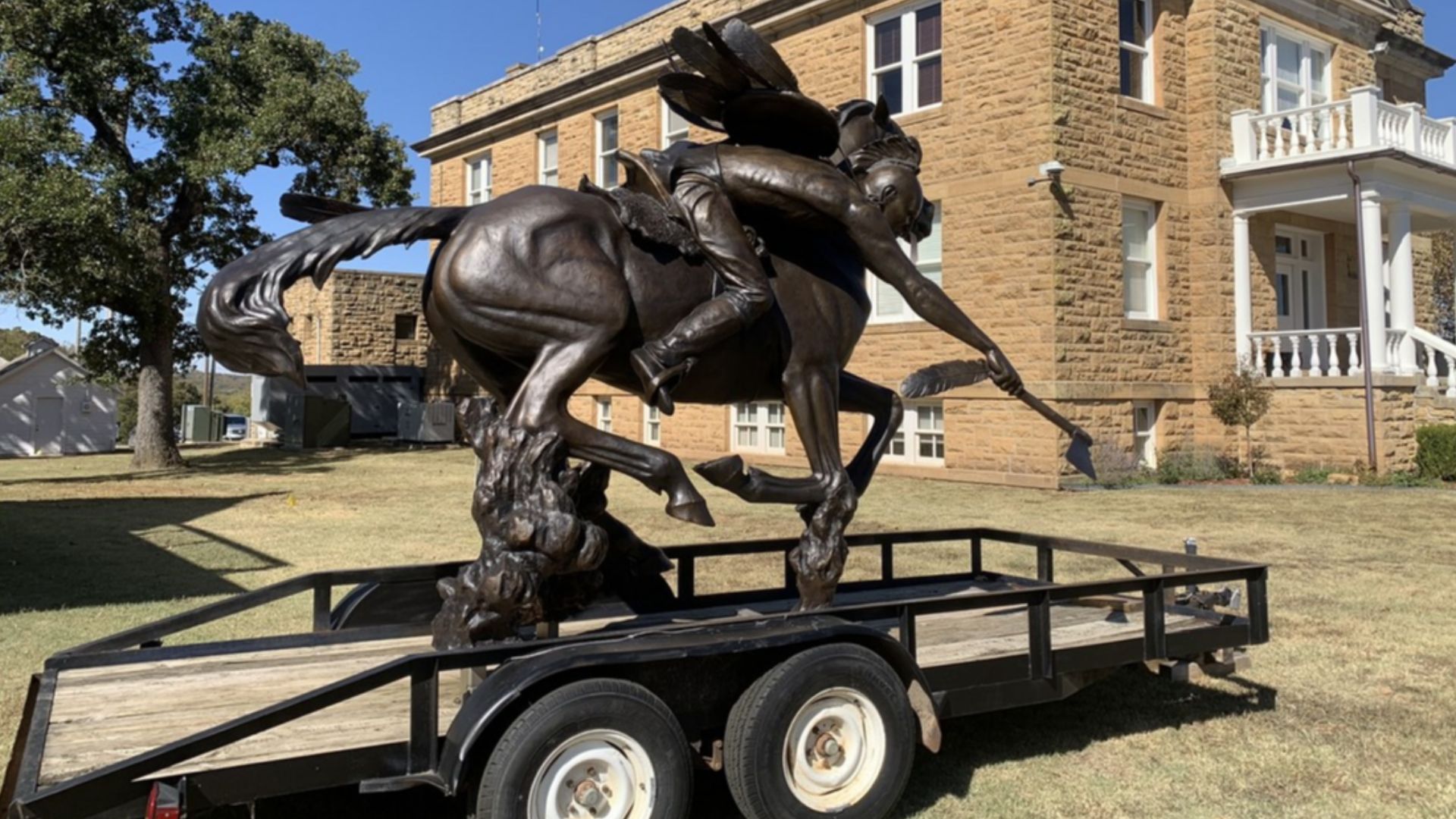
Situated in northeastern Oklahoma, the Osage Nation Reservation is historically notable for retained mineral rights established in the early 20th century. Oil revenues affected federal Indian law and tribal wealth. Today, the Osage Nation balances cultural preservation and economic diversification efforts across its territory.
 NorthCentralOklahoma, Wikimedia Commons
Fort Peck Reservation
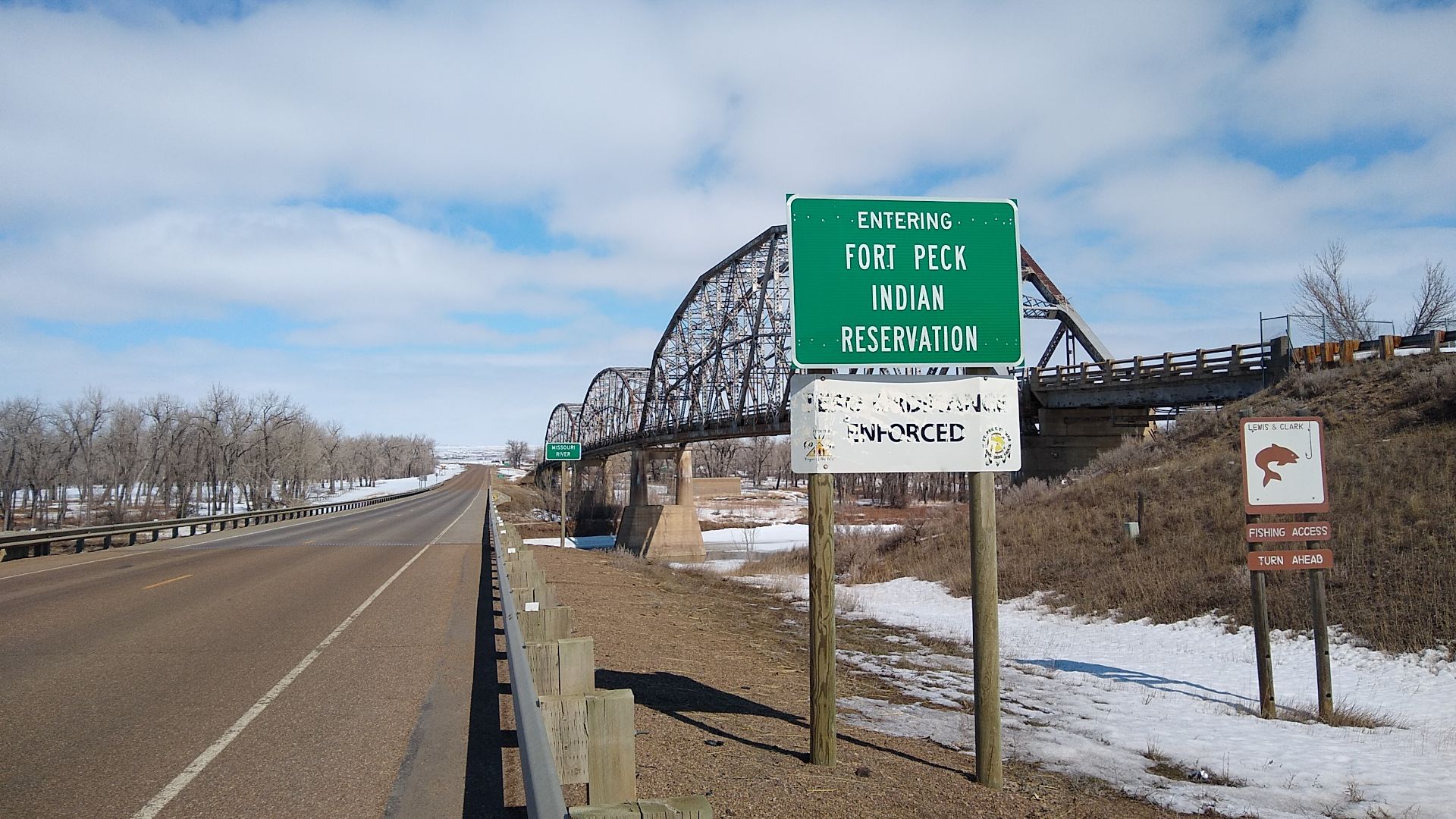
Located in northeastern Montana, the Fort Peck Reservation houses the Assiniboine and Sioux Tribes. Established in 1888, the inhabitants focus on agriculture, energy development, and tribal enterprises to support the economy.
 Thayne Tuason, Wikimedia Commons
Hoopa Valley Reservation
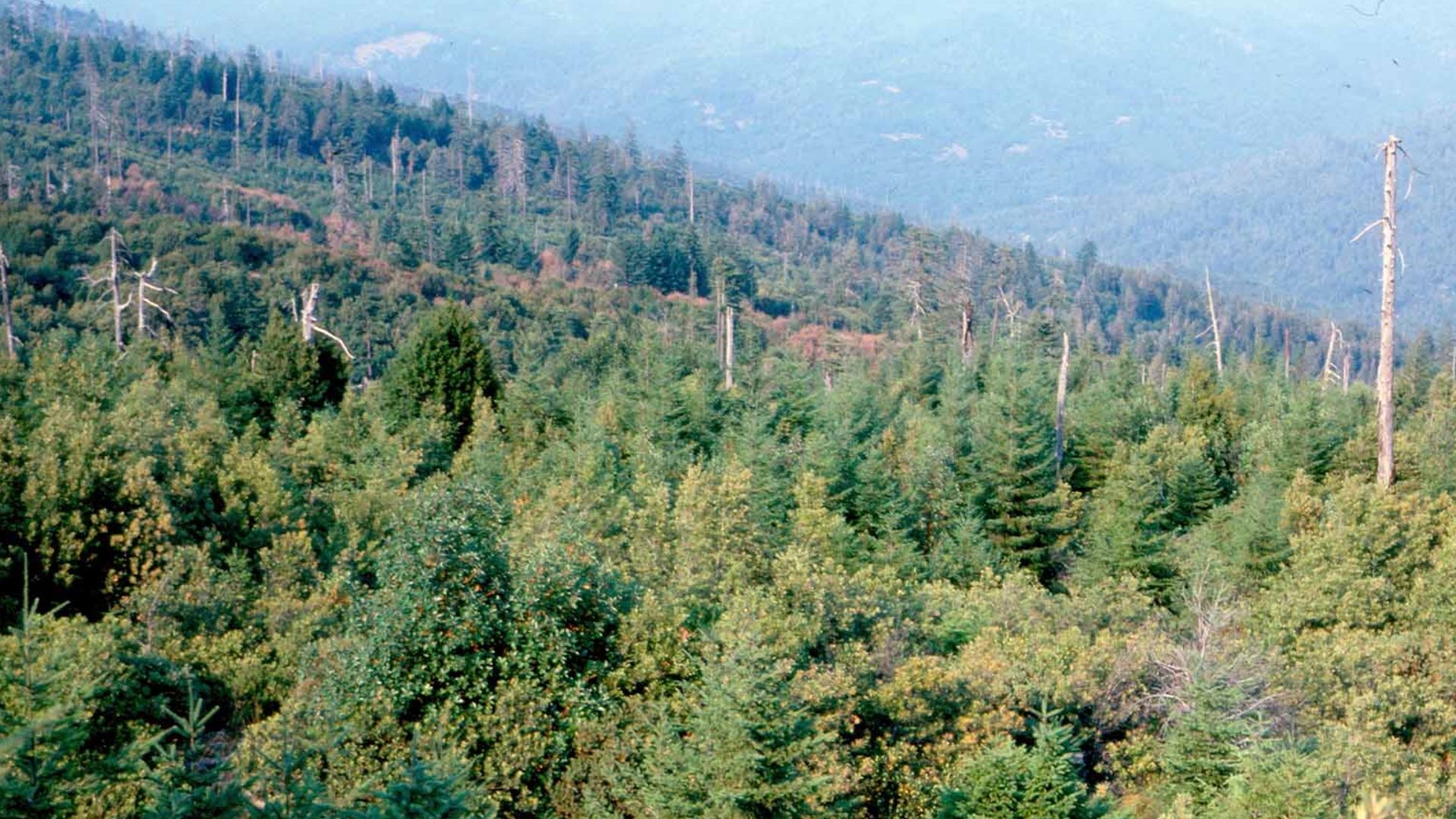
The Hoopa Valley Reservation in northern California is home to the Hoopa Tribe and includes forested mountains and river systems. It is among the largest reservations in the state. Fisheries and forestry shape daily life and long-standing environmental management practices.
 California Department of Fish and Wildlife from Sacramento, CA, USA, Wikimedia Commons
Wind River Reservation
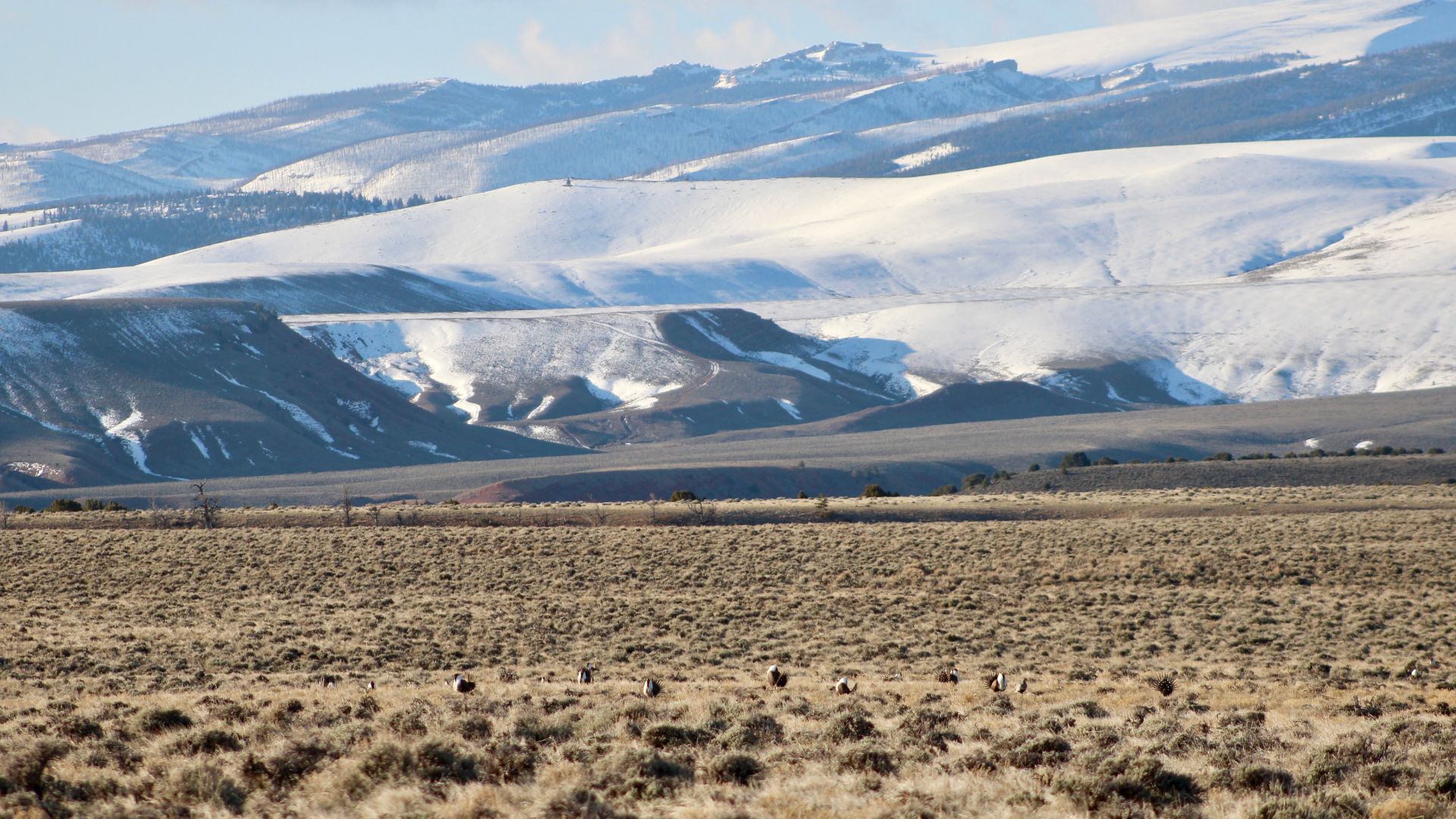
Established in 1868 in central Wyoming, the Wind River Reservation is jointly home to the Eastern Shoshone and Northern Arapaho tribes. It plays a significant role in federal Indian law. Tribal governments oversee education and resource management while maintaining distinct cultural identities.
 Angela Burgess, USFWS., Wikimedia Commons
Tohono O’odham Nation
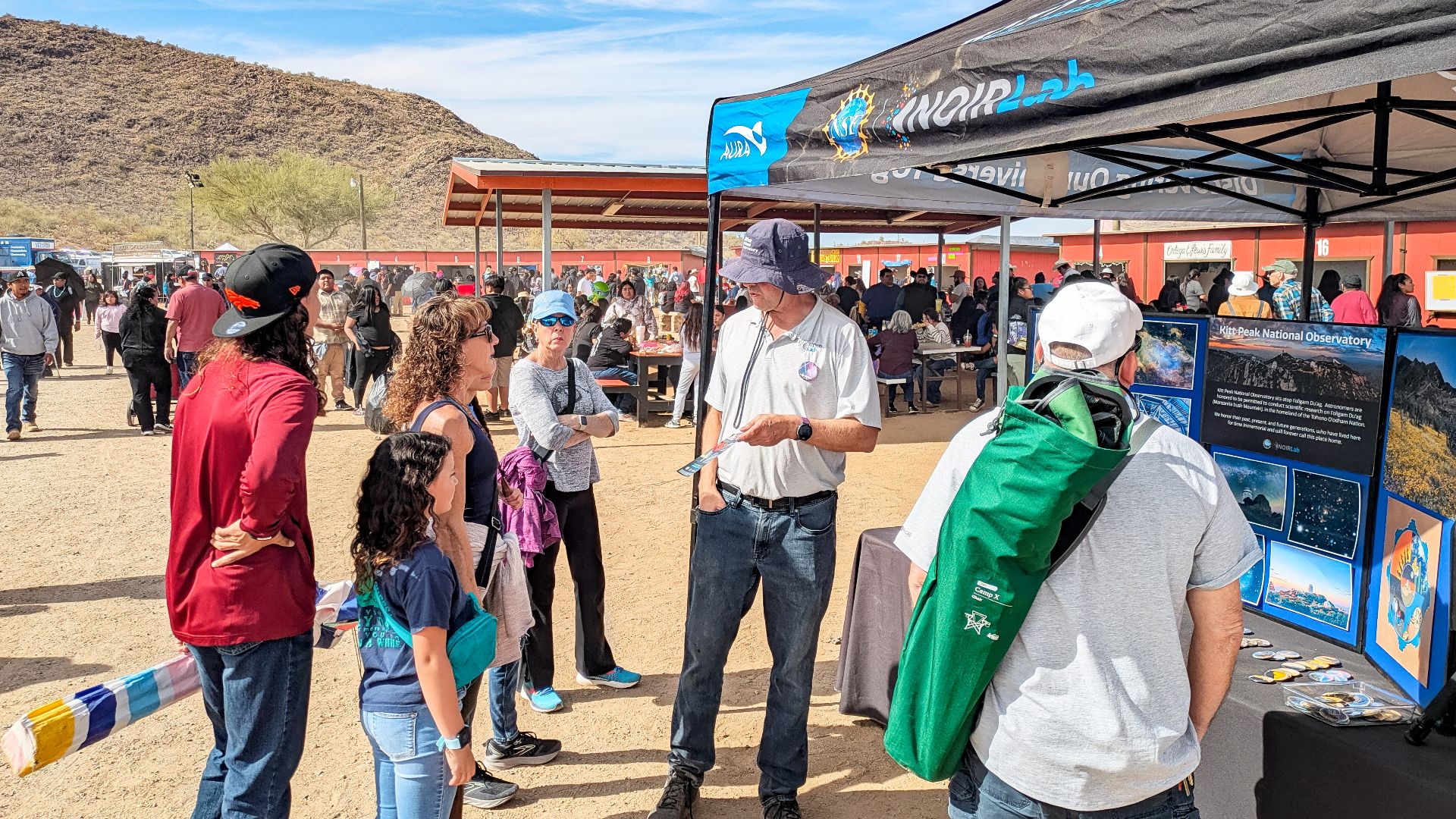
Stretching across southern Arizona along the United States–Mexico border, the Tohono O’odham Nation is one of the largest Native American reservations. Its people have lived in the Sonoran Desert for centuries, developing cultural practices closely tied to the region’s climate and environment.
 NOIRLab/NSF/AURA, Wikimedia Commons
Tohono O’odham Nation (Cont.)
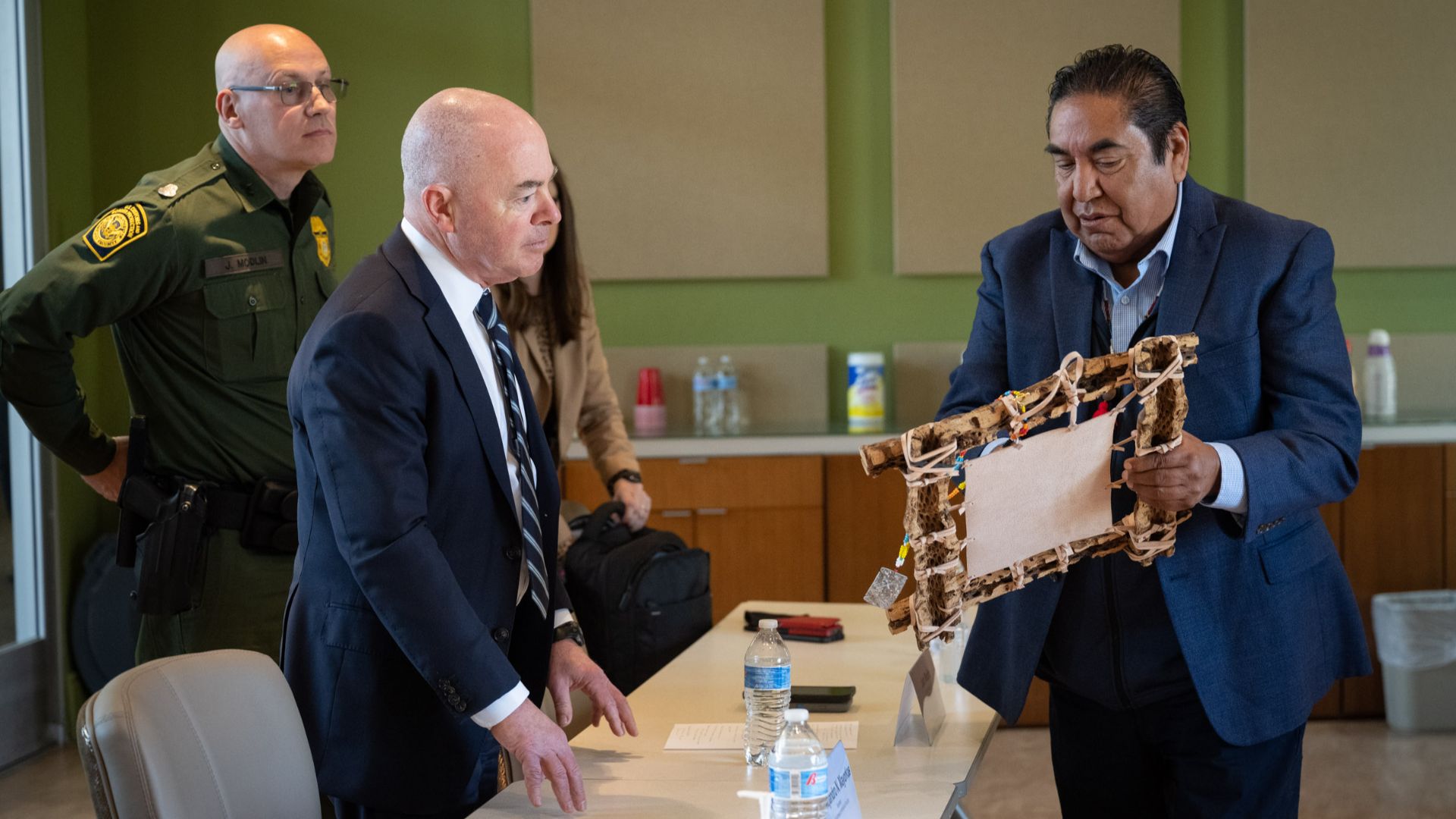
The Nation maintains its own government and actively preserves the O’odham language and ceremonial traditions. Modern challenges include border enforcement and access to resources across divided ancestral lands. Despite these pressures, the Tohono O’odham Nation continues to balance tradition and governance.
Menominee Reservation
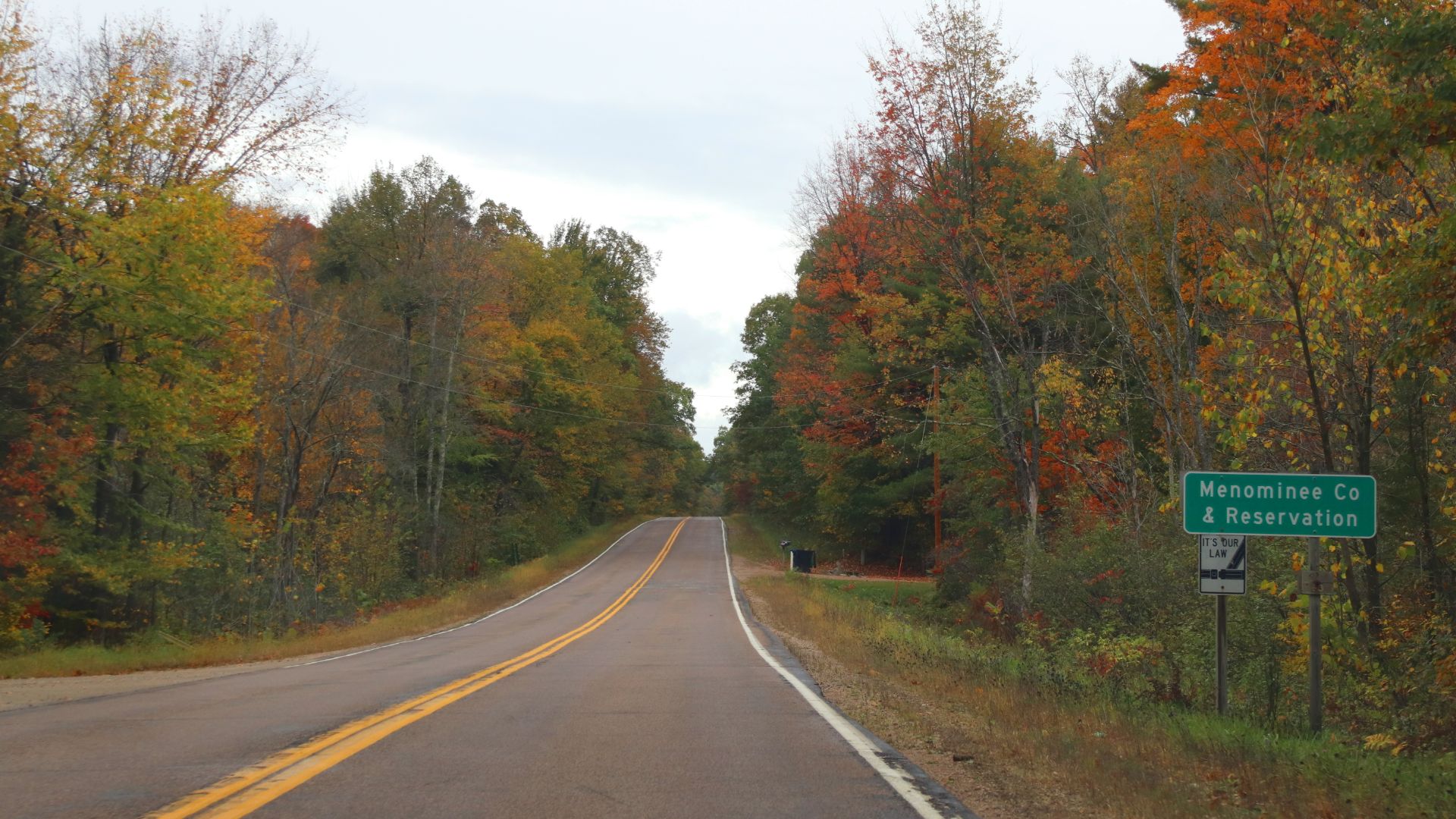
The Menominee Reservation in northeastern Wisconsin is nationally recognized for sustainable forestry practices. After termination and restoration in the 20th century, the tribe regained control of its land. Today, forest management and healthcare remain central to economic stability.
Lummi Nation Reservation
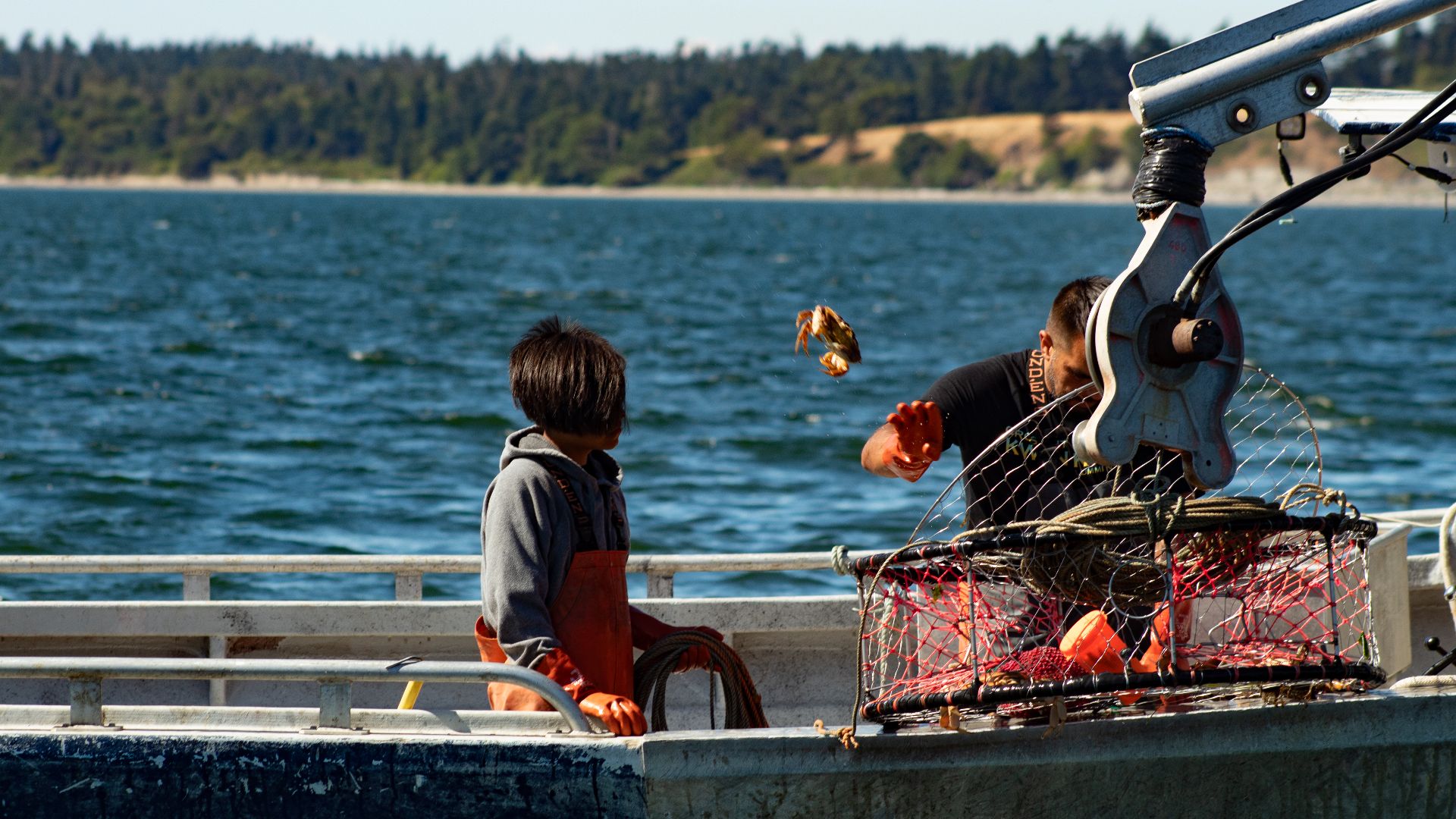
Along Washington’s northern coast near the Canadian border, the Lummi Nation Reservation is deeply connected to the Salish Sea. Fishing rights play a vital economic and cultural role. Tribal leadership actively engages in environmental protection and treaty enforcement.
Miccosukee Reservation
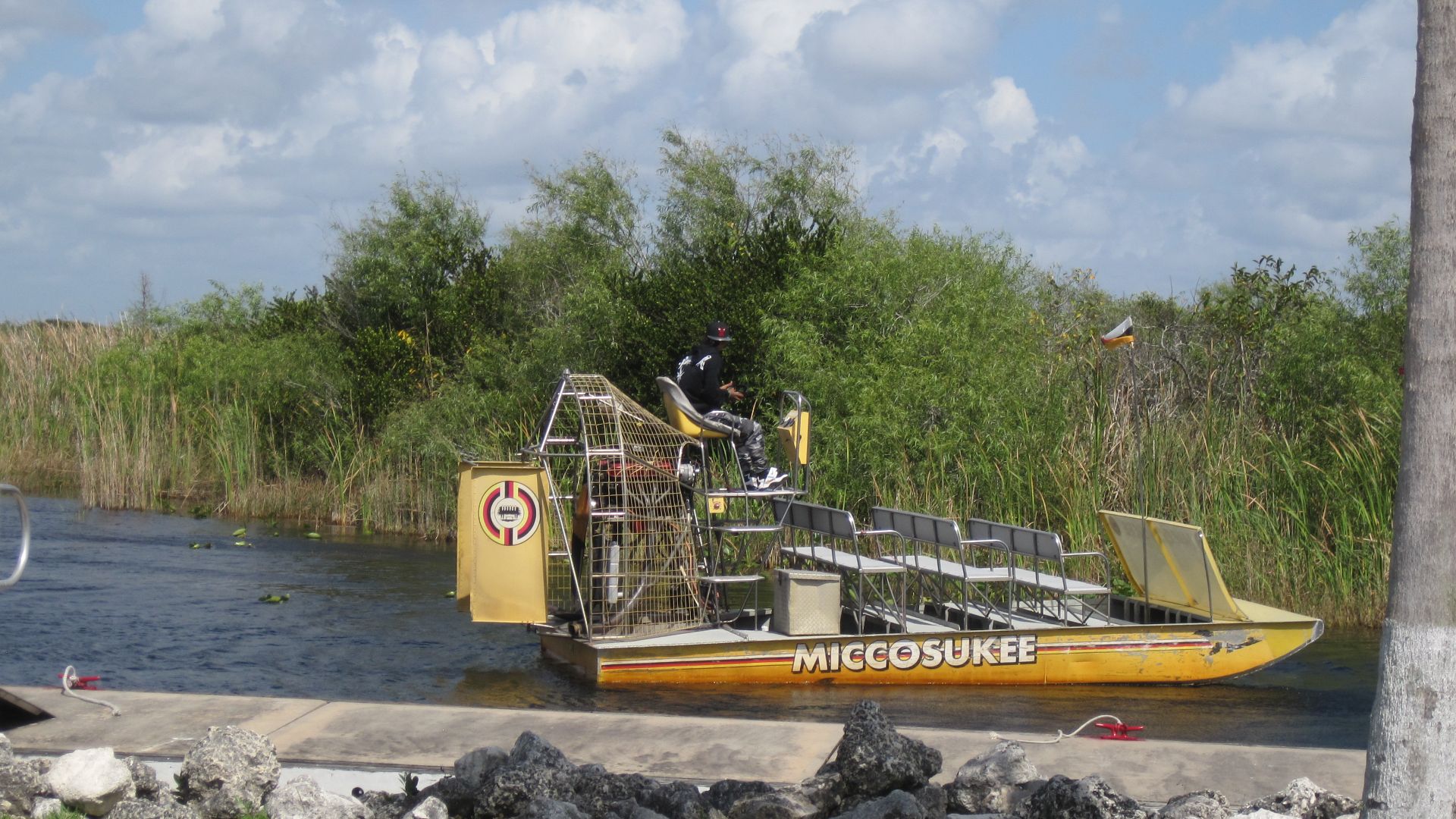
The Miccosukee Reservation in southern Florida lies within the Everglades and is home to the Miccosukee Tribe of Indians. The tribe maintains a strong connection to traditional lifeways while balancing tourism and governance focused on protecting wetlands and tribal sovereignty.
 Palmtreeshadows, Wikimedia Commons
Pueblo Of Laguna
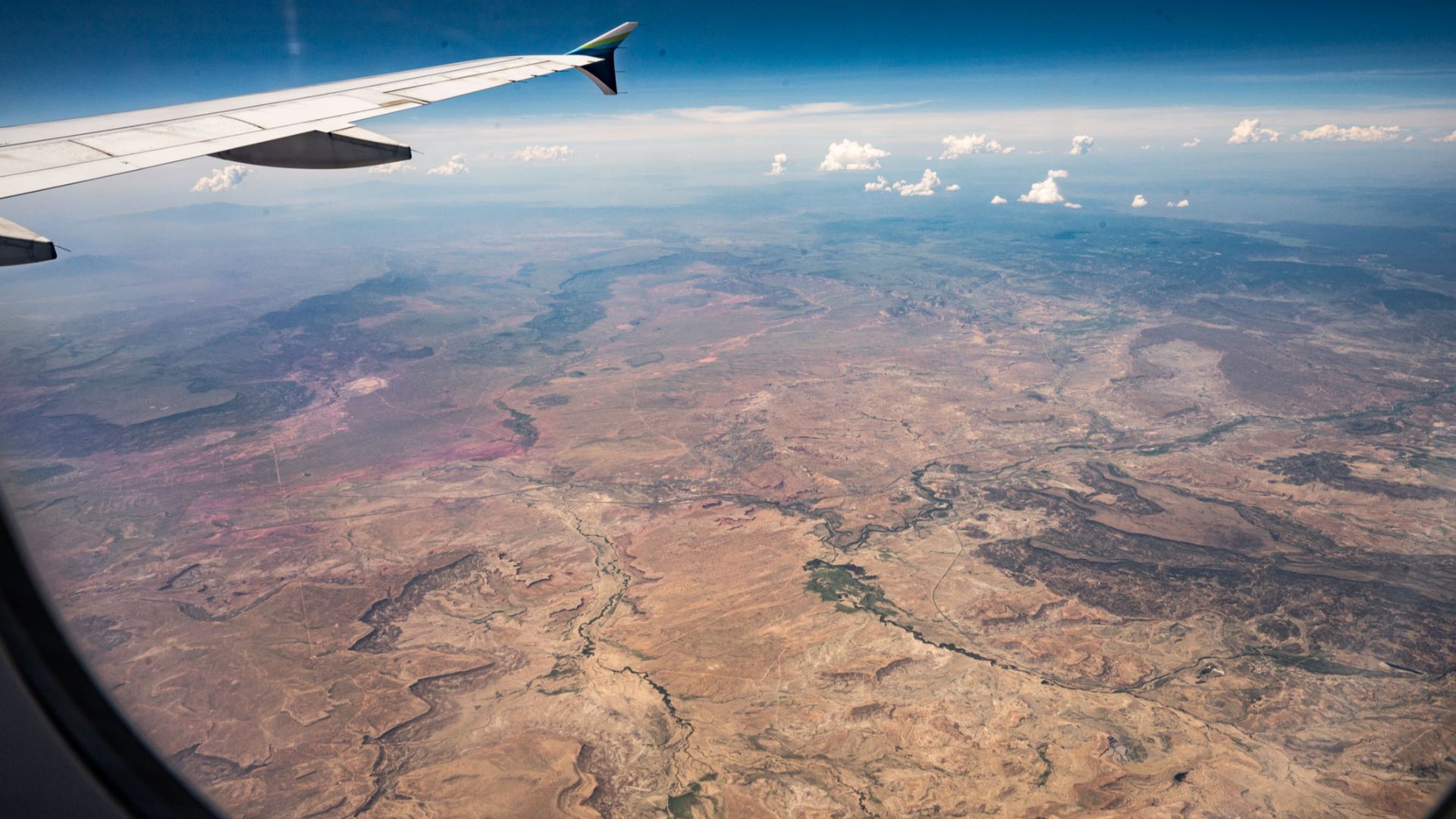
West of Albuquerque, the Pueblo of Laguna is one of New Mexico’s largest Pueblo communities. With centuries of continuous settlement, it maintains strong cultural traditions. Tribal enterprises support economic stability while leadership prioritizes education and the preservation of language and ceremonial practices.
Lakota Reservations Of The Great Sioux Nation
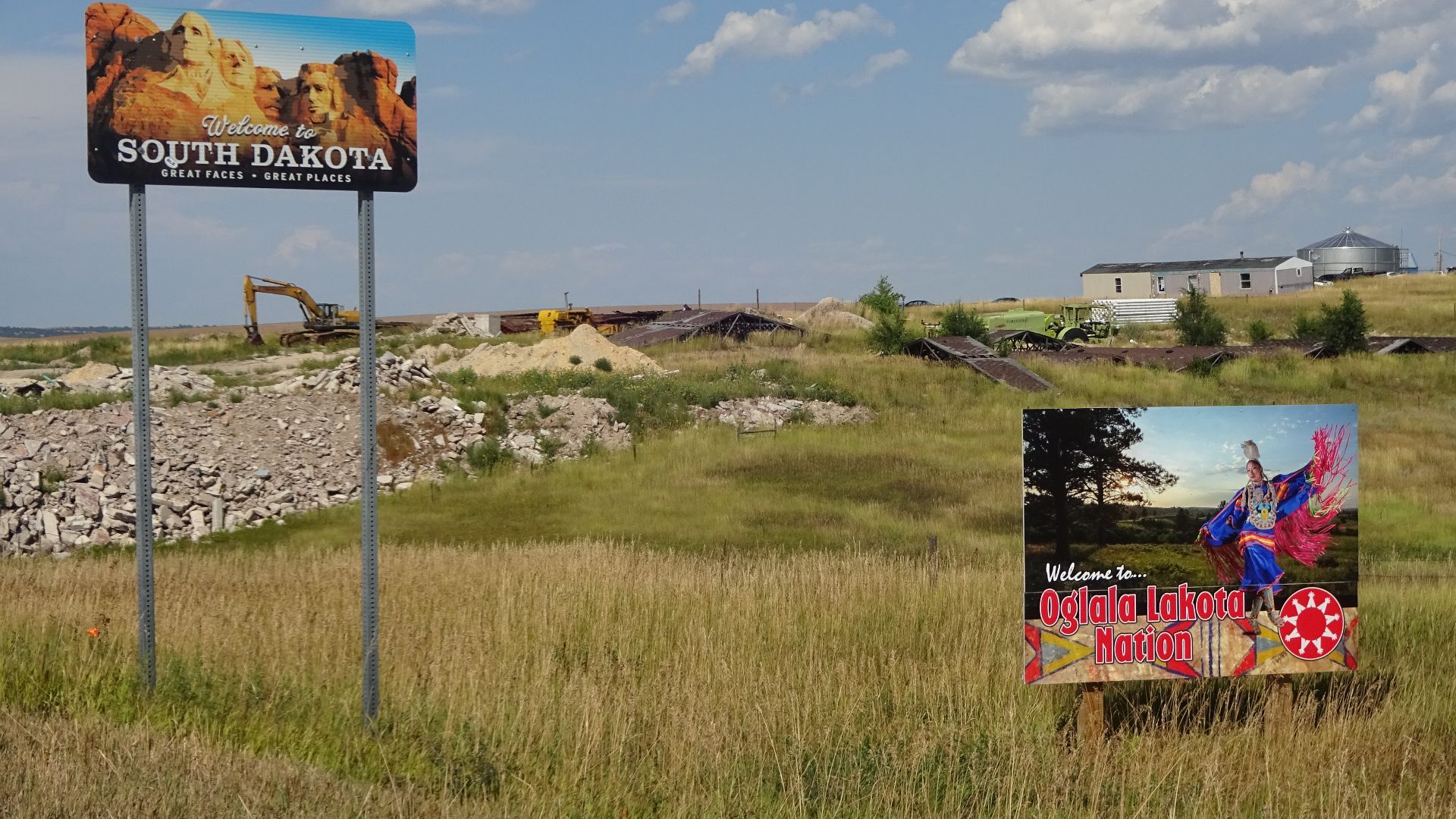
Several reservations in South Dakota collectively represent the historic Great Sioux Nation, including Pine Ridge, Rosebud, and Cheyenne River. These lands are deeply connected to 19th-century treaties and landmark court decisions that continue to impact Native sovereignty.
 Steve Elliott from UK, Wikimedia Commons
Lakota Reservations Of The Great Sioux Nation (Cont.)
Each reservation supports distinct communities while sharing cultural, linguistic, and historical ties rooted in Lakota identity. Today, these reservations remain central to national discussions about treaty enforcement and self-determination. Together, they illustrate how historical agreements continue to influence modern governance.
 Unicorn Riot, Wikimedia Commons
Seminole Reservation System
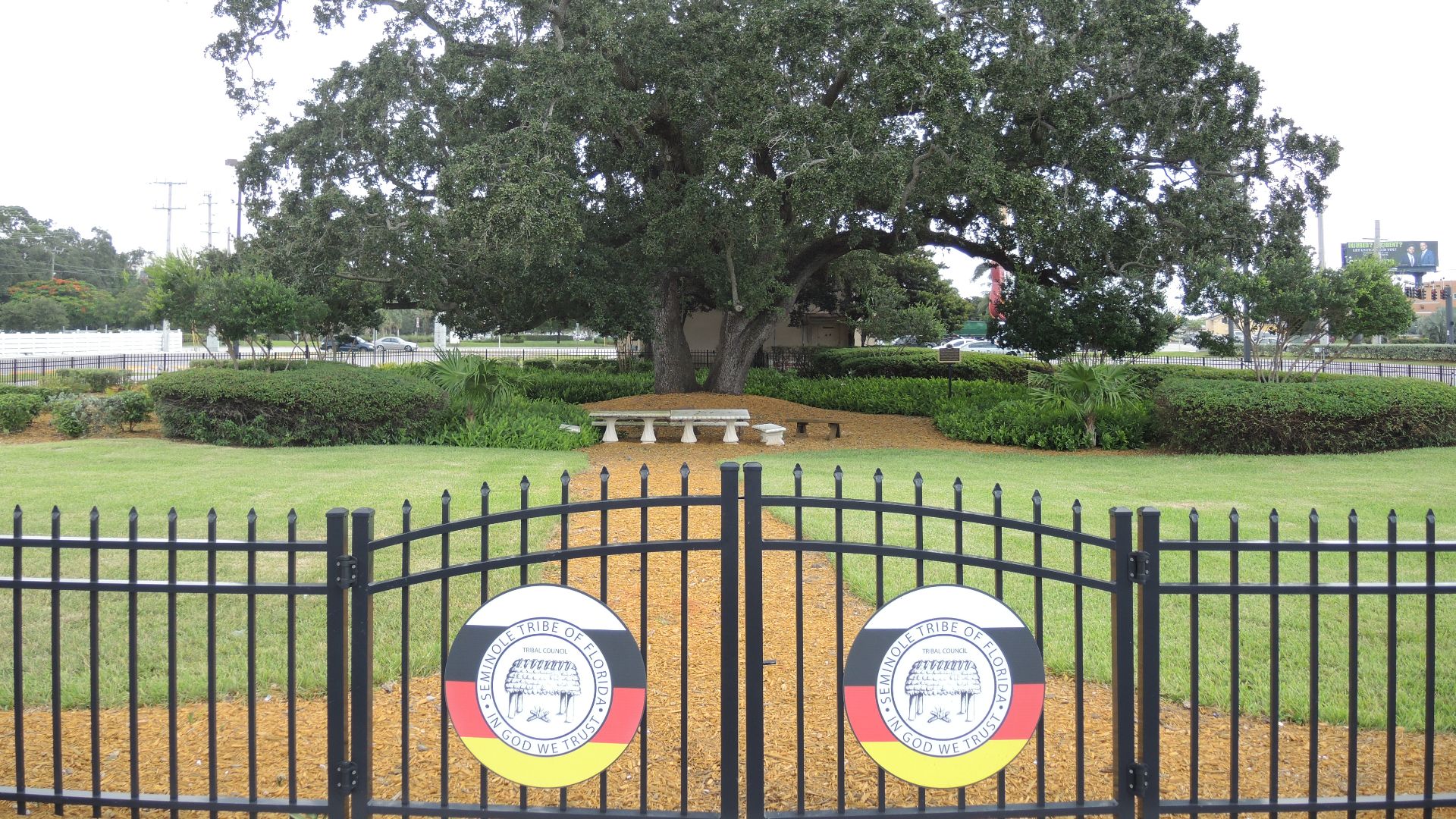
Spread across several locations in Florida, the Seminole Reservation System supports one of the most economically successful tribes in the country. Gaming, tourism, and agriculture fund extensive social services. Seminole leadership emphasizes sovereignty and cultural education.