

Surprising Revelations About Mysterious Peoples
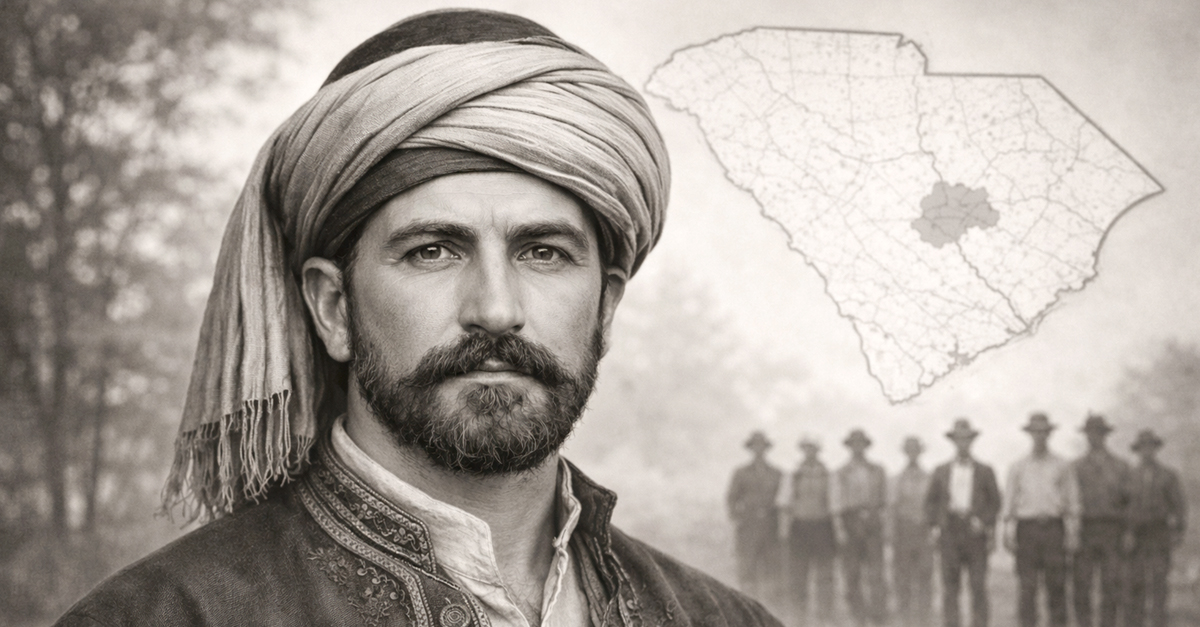
History is full of secrets and surprises. As time wears on and stories become facts the truth becomes muddled. For years, people doubted the origins of the mysterious “Turks” of South Carolina. However, the truth is far more interesting than the story could ever tell.
Who Are They?
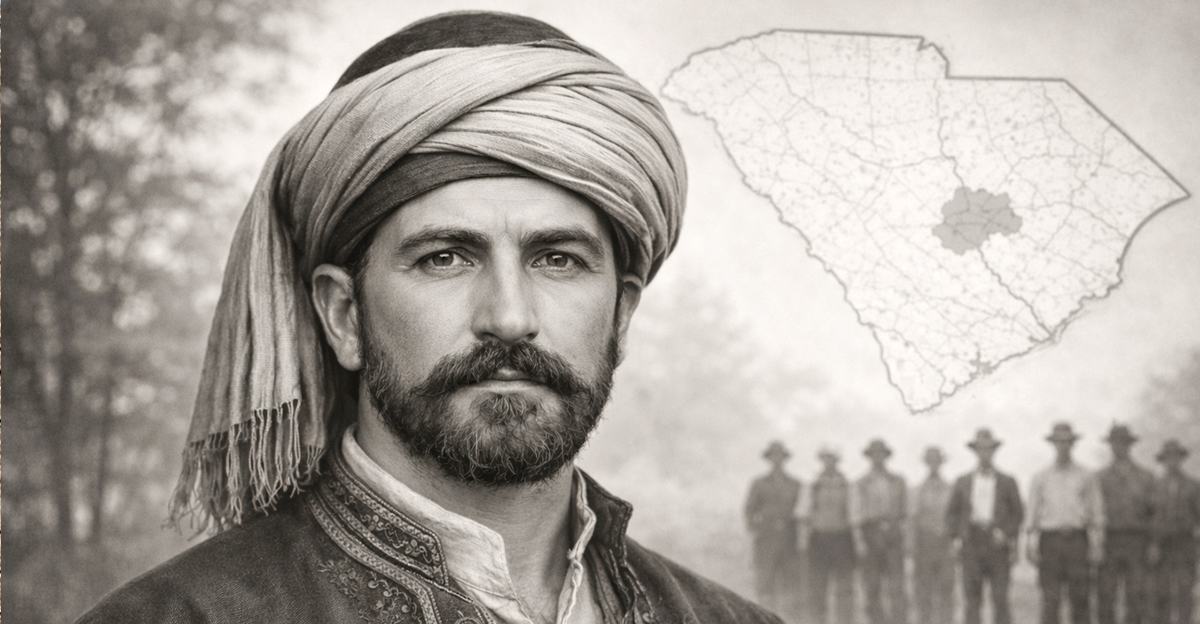
The “Turks of South Carolina” are a group that lives in Sumter County, South Carolina. They have lived there since the 18th century. The are as mysterious to outsiders as they are connected within their community.
 Miriam and Ira D, Wikimedia Commons
The Turkish People
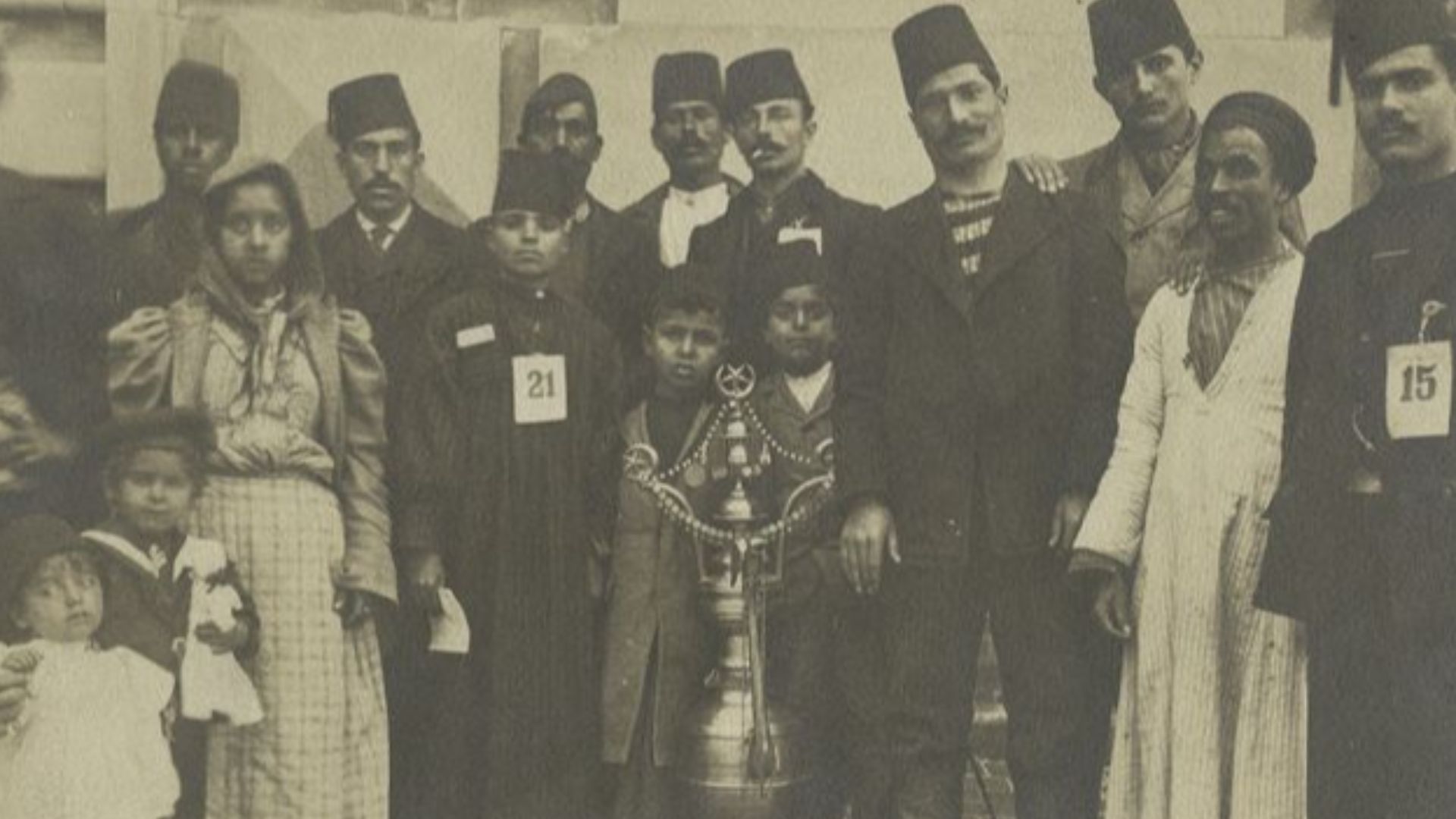
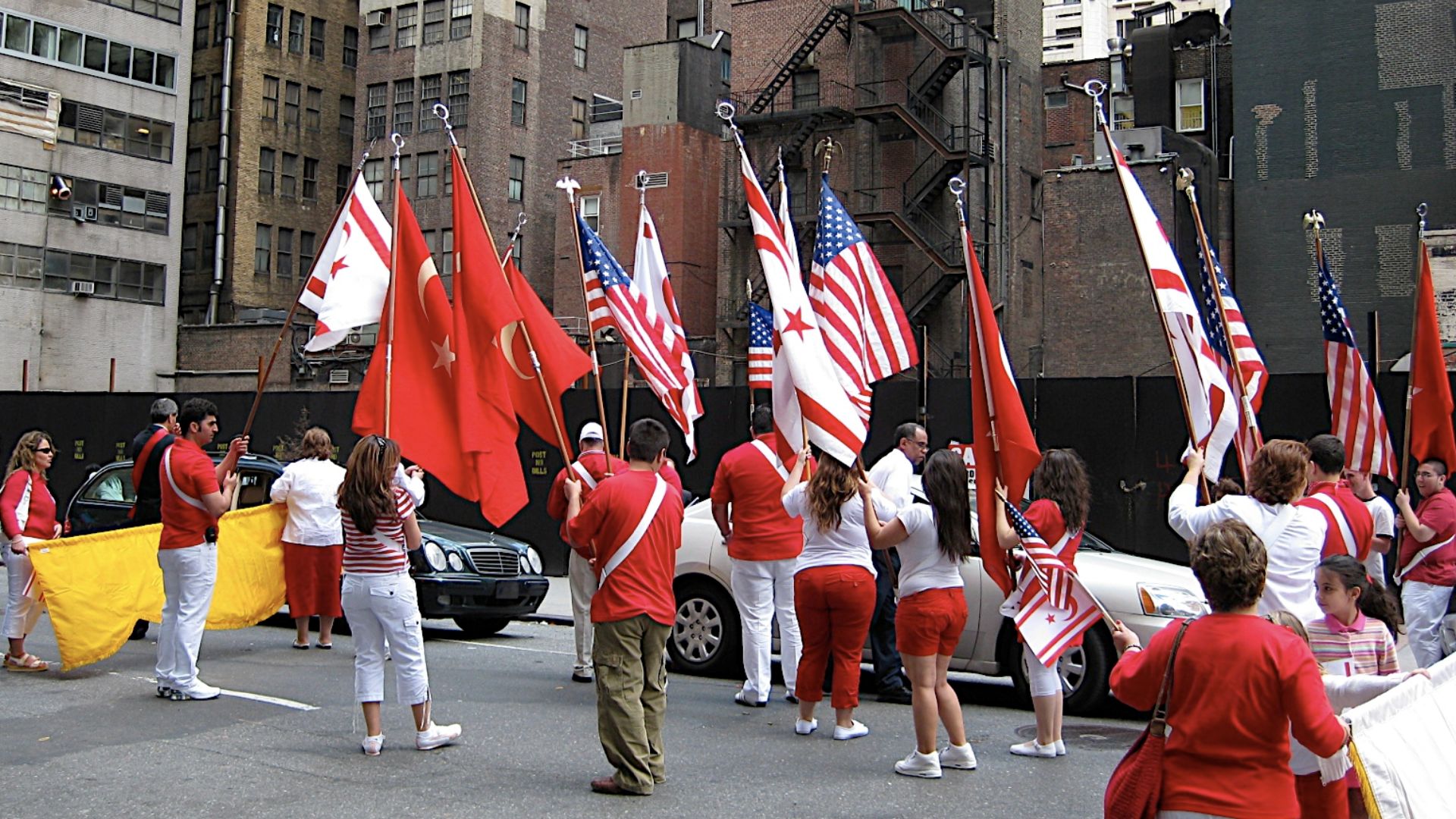
The term “Turks” is a misnomer created by outsiders who lack an understanding of the community. In truth, they preferred to be called the Turkish people. Their story provides a fascinating insight into the complications of the “American” identity.
 Photosofturks, Wikimedia Commons
Their Story
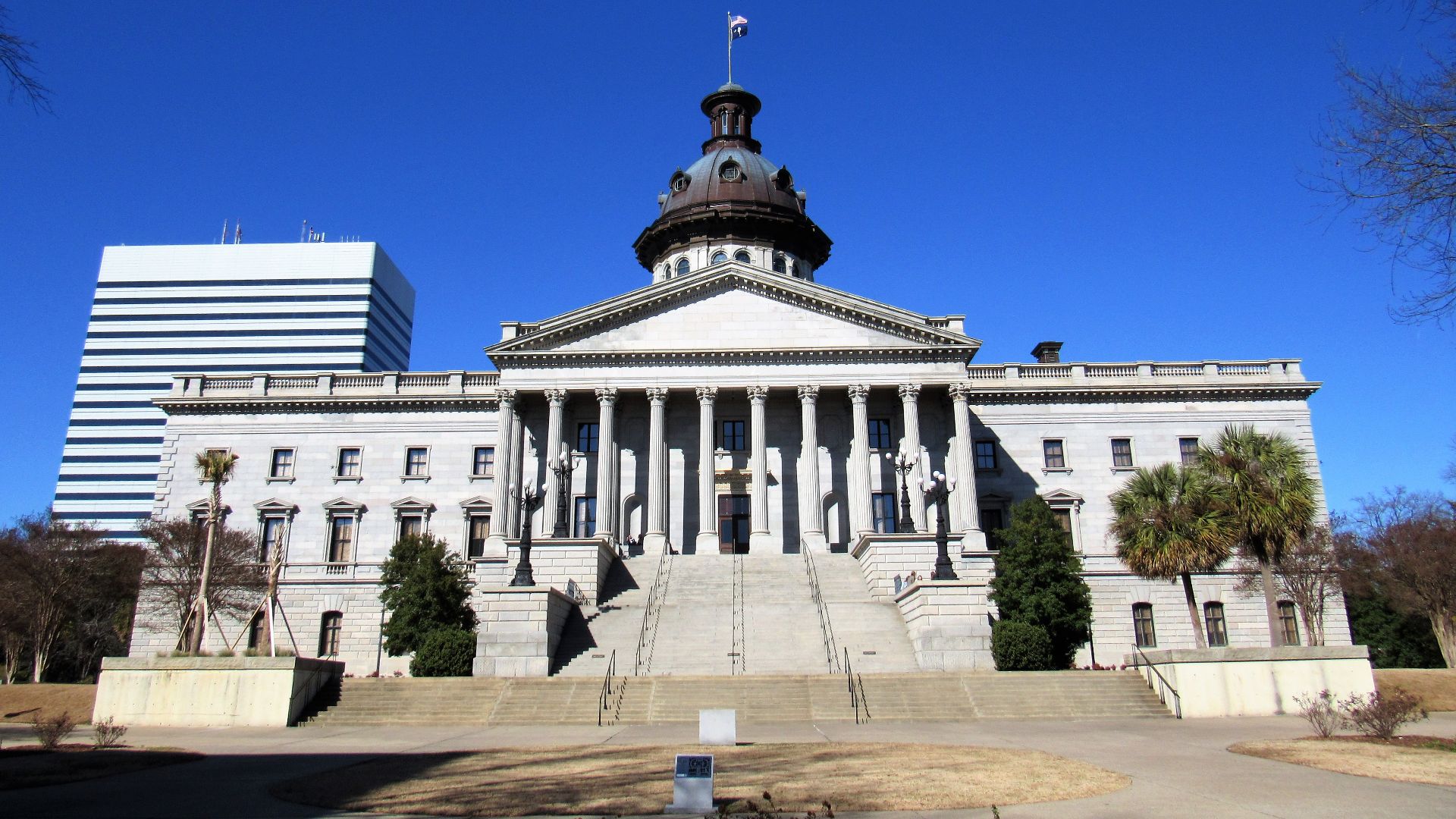
The story of South Carolina’s Turkish people is an interesting one. Within the community, they’ve always traced their origin back to one person: Joseph Benenhaley.
 Farragutful, Wikimedia Commons
Their Story
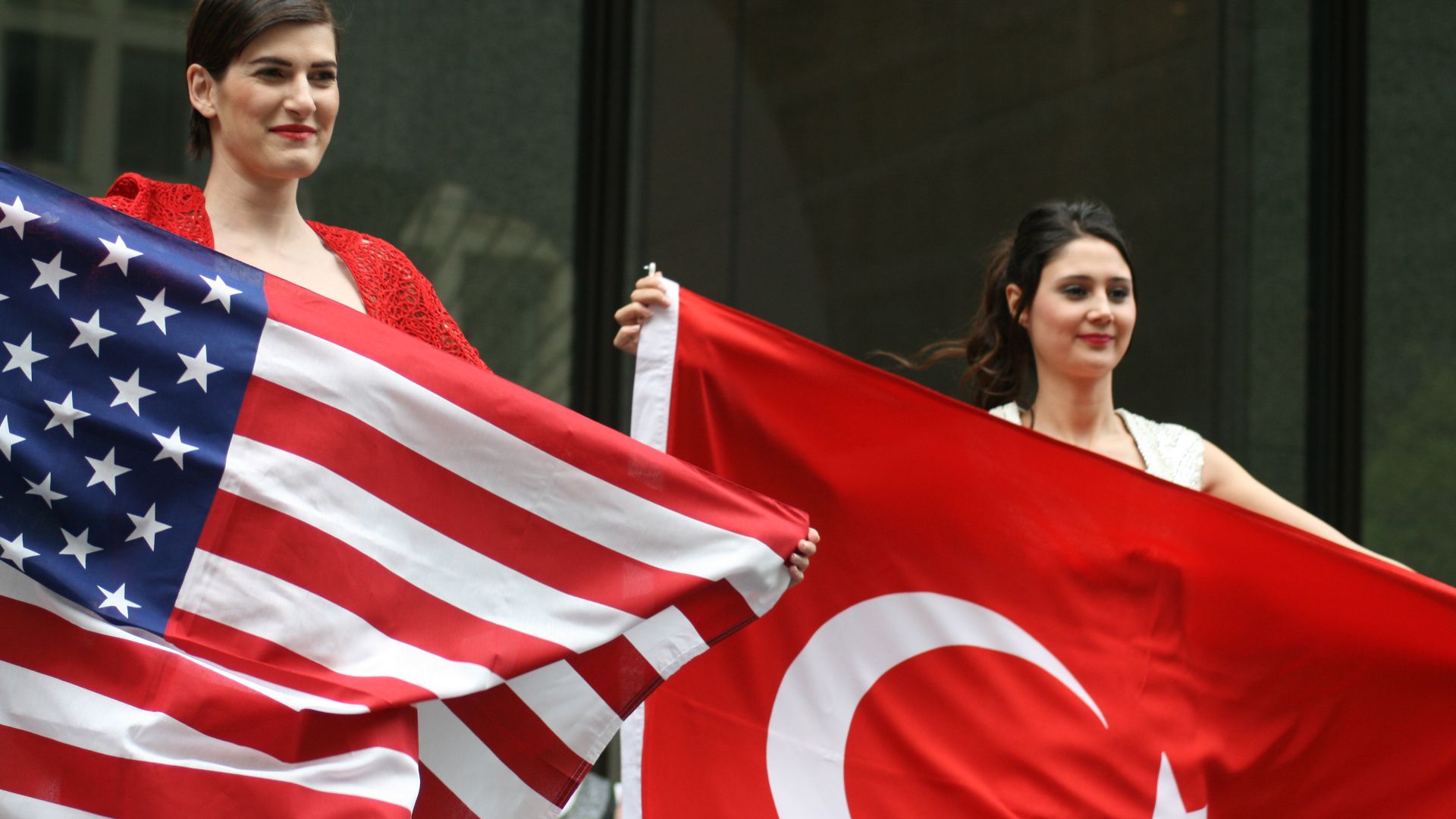
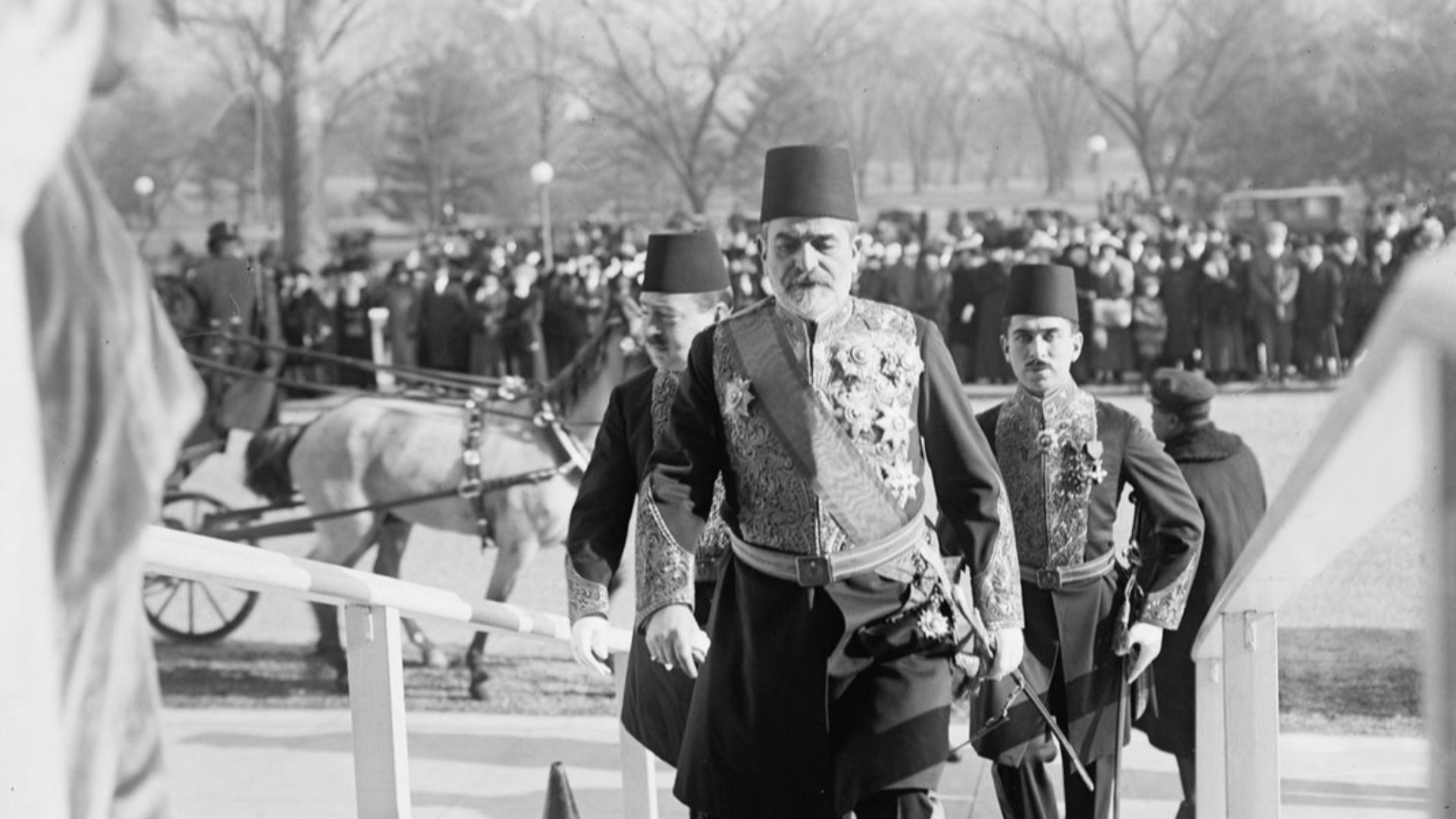
According to the Turkish people of South Carolina, Joseph Benenhaley was a “Caucasian of Arab descent” who’d served in the Revolutionary War. Perhaps known as Yusef be Ali, Benenhaley was supposedly an Ottoman refugee who’d found his way to South Carolina.
Their Story
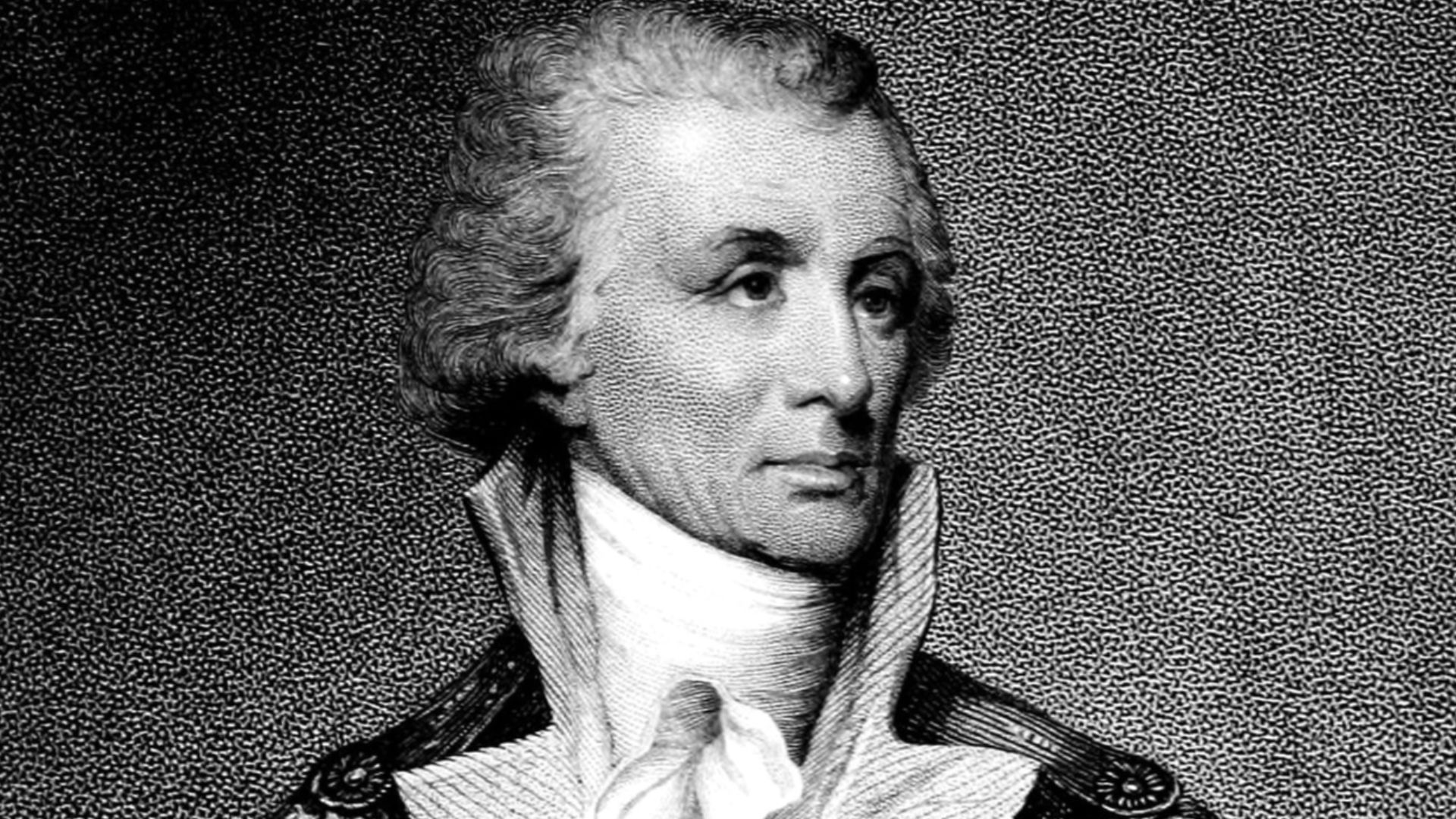
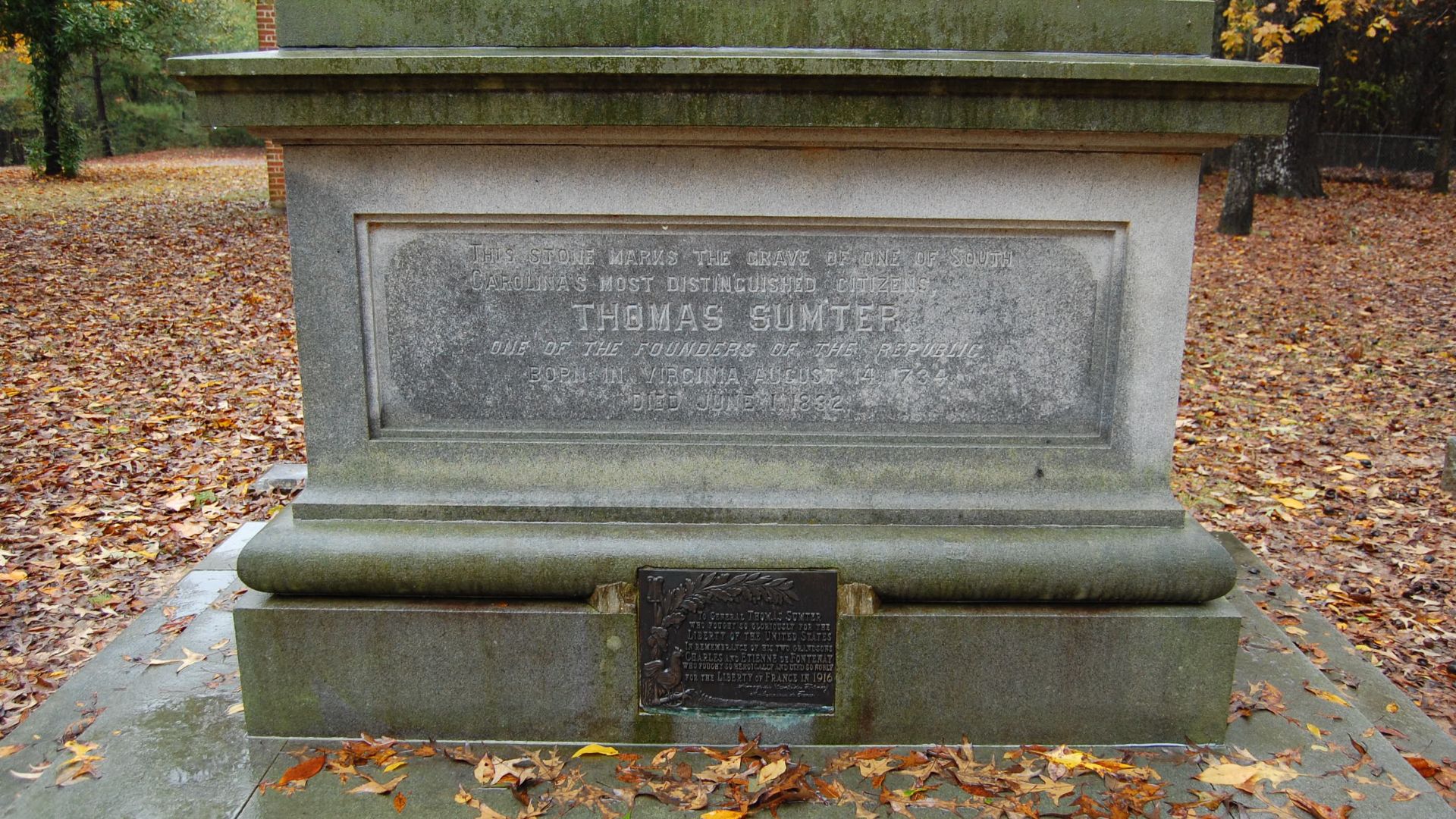
Reportedly, Benenhaley acted as a scout for General Sumter during the Revolutionary conflict. In response, Sumter rewarded Benenhaley with land to express his gratitude for his support. This simple exchange became the origin story of the Turkish people in the area.
 W. C. Armstrong, illustrator; G. Parker, engraver, Wikimedia Commons
Their Story
Benenhaley took land on Sumter’s plantation, where he farmed and raised a family. From there, outsiders married into the Benenhaley community, expanding the group and creating a subgroup of Americans who considered themselves to be of Turkish descent.
Their Story
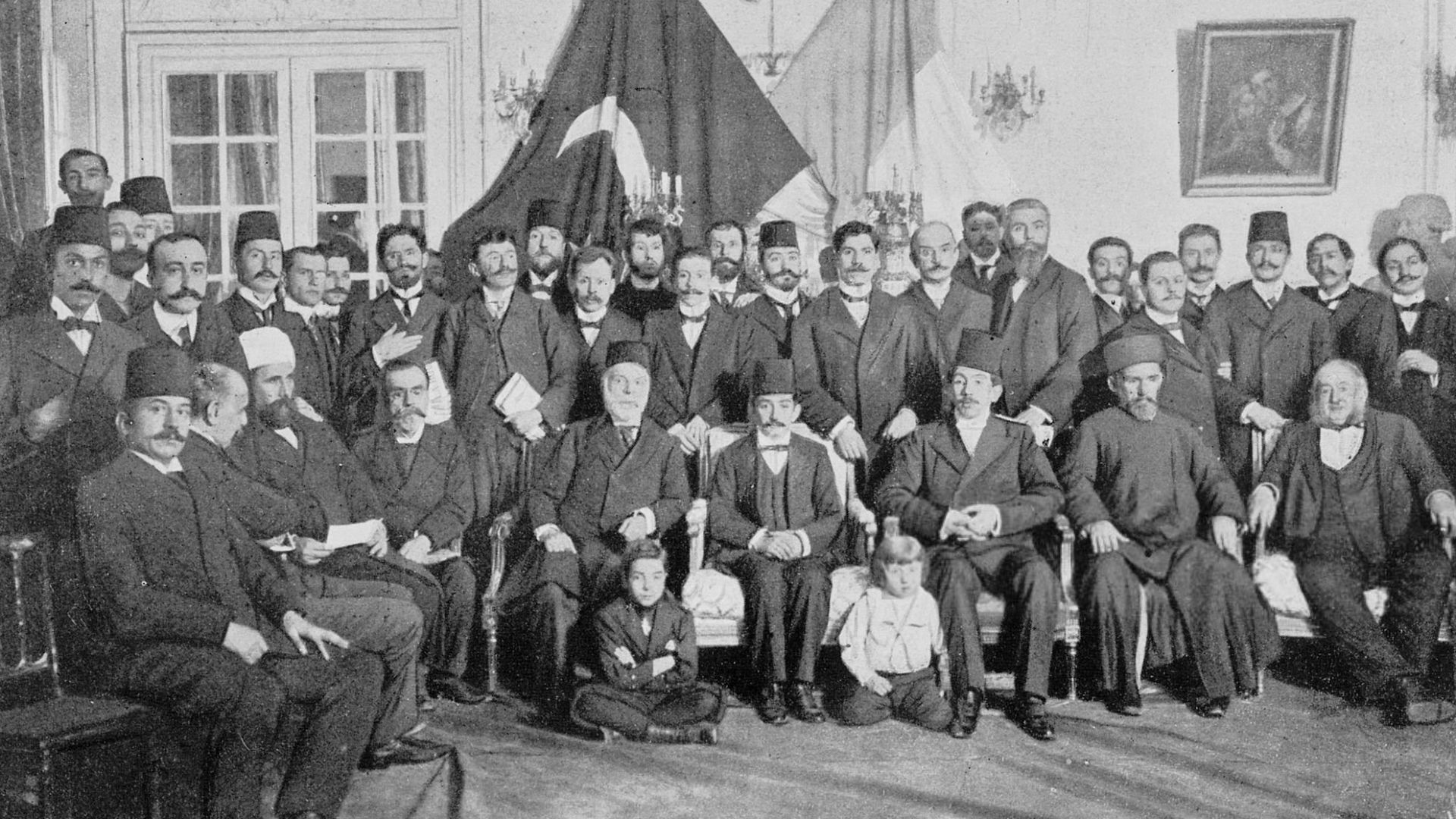
The biggest marvel of this story, aside from one refugee spawning an entire group of people, is how the “Turks” of South Carolina managed to remain isolated and enclosed for so long. By the 20th century, they numbered several hundred people within the area.
 Unknown author, Wikimedia Commons
A Pretty Fable
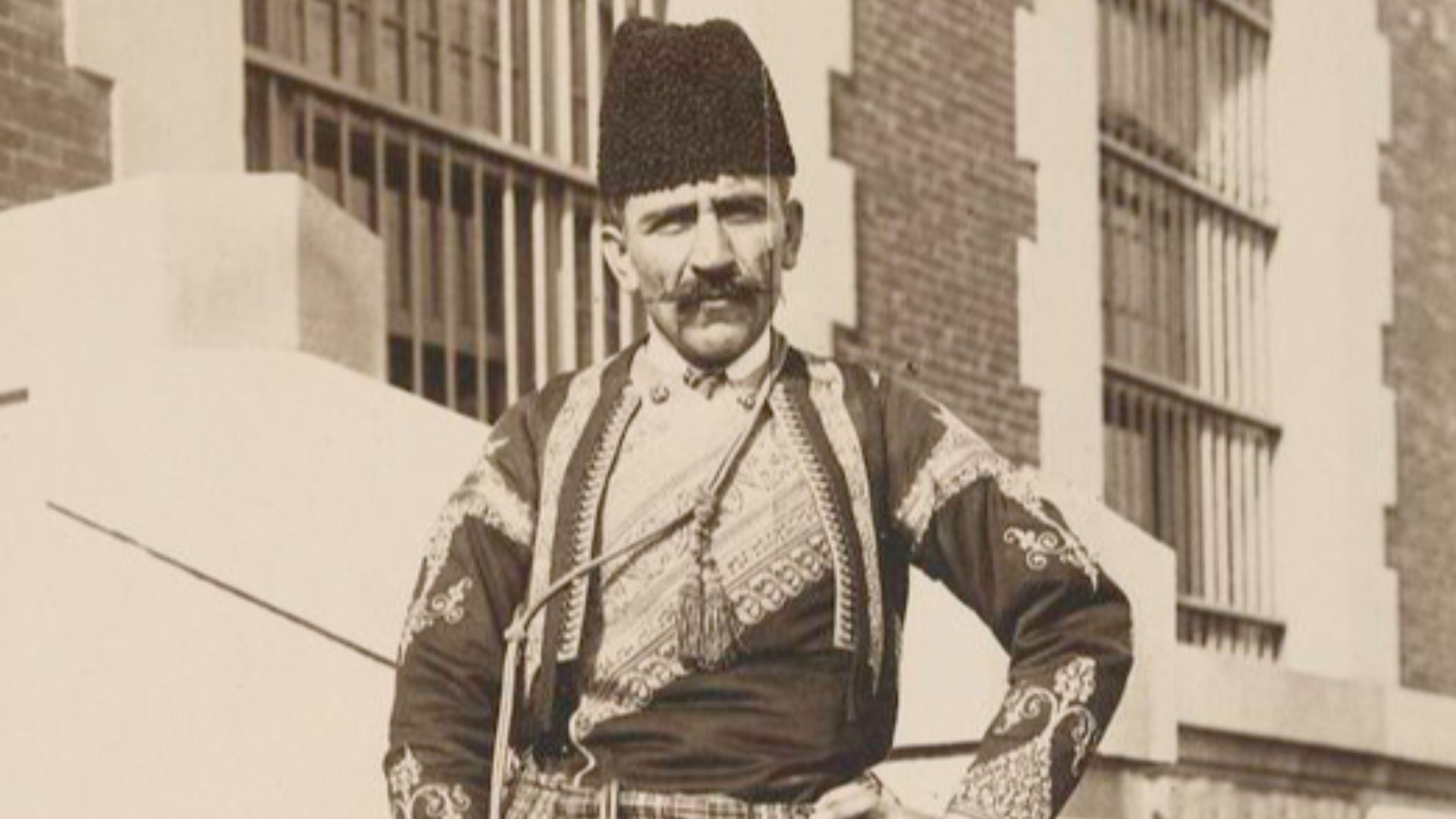
Outside of the community, few held stock in the story of Joseph Benenhaley. Most viewed it as a comforting fable that the Turkish people used to sustain themselves despite the struggles and hardships that they faced.
 Augustus Frederick Sherman, Wikimedia Commons
A Pretty Fable
One historian in the 1970s treated the group’s belief in their origins with particular scorn. They called them a “baffling breed” and implied that most stories relating to their origins were “flight[s] of fancy and geographical ignorance”.
 Unknown author, Wikimedia Commons
Unearthing The Truth
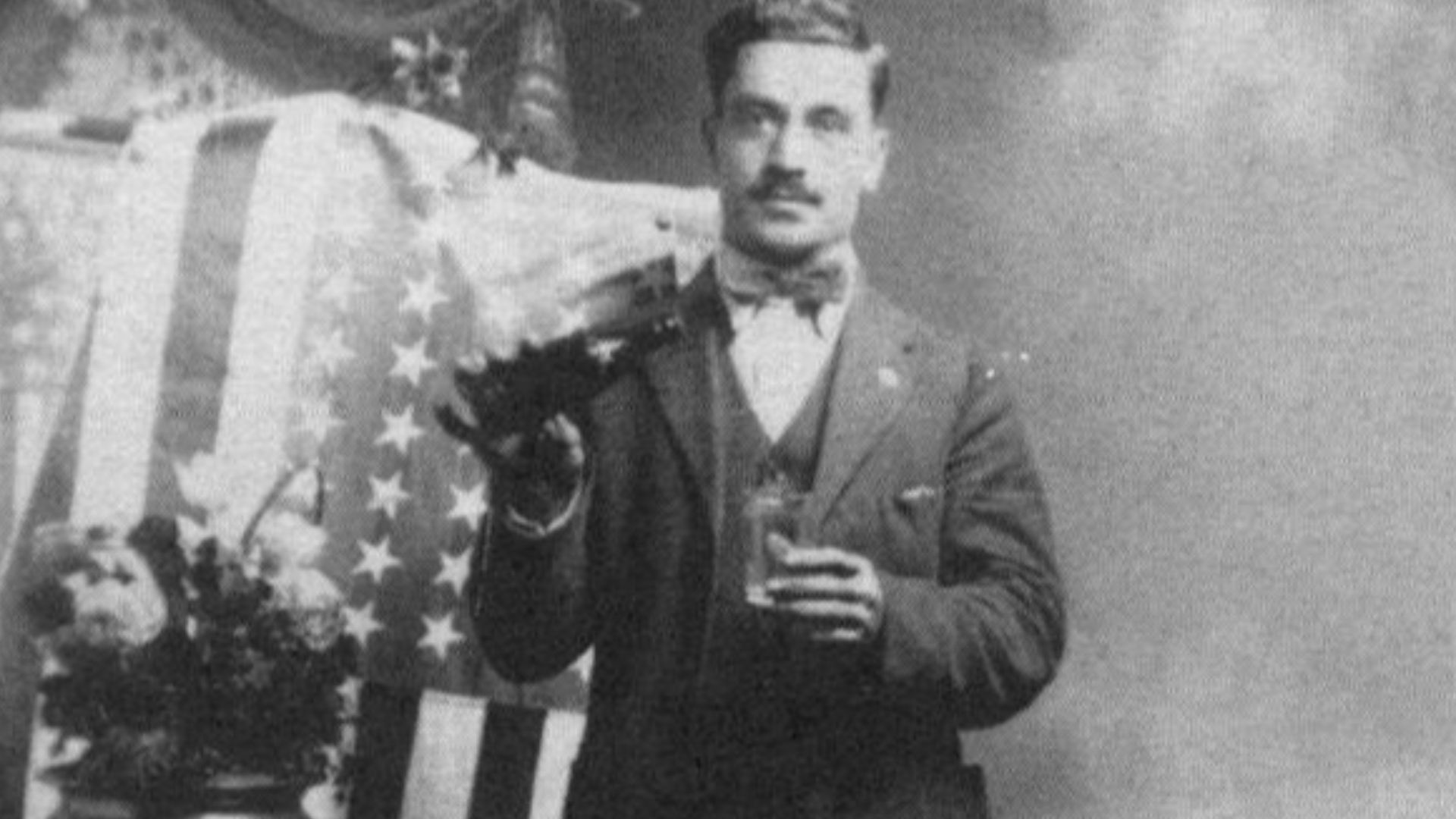
Despite all of this scorn, a 2018 study of the people made by Glen Browder and Terri Ann Ognibene shone a light on the details behind these stories. There may be more truth to the stories that the “Turks” told than people previously gave them credit for.
 Congressional Pictorial Directory, 104th, Wikimedia Commons
Unearthing The Truth
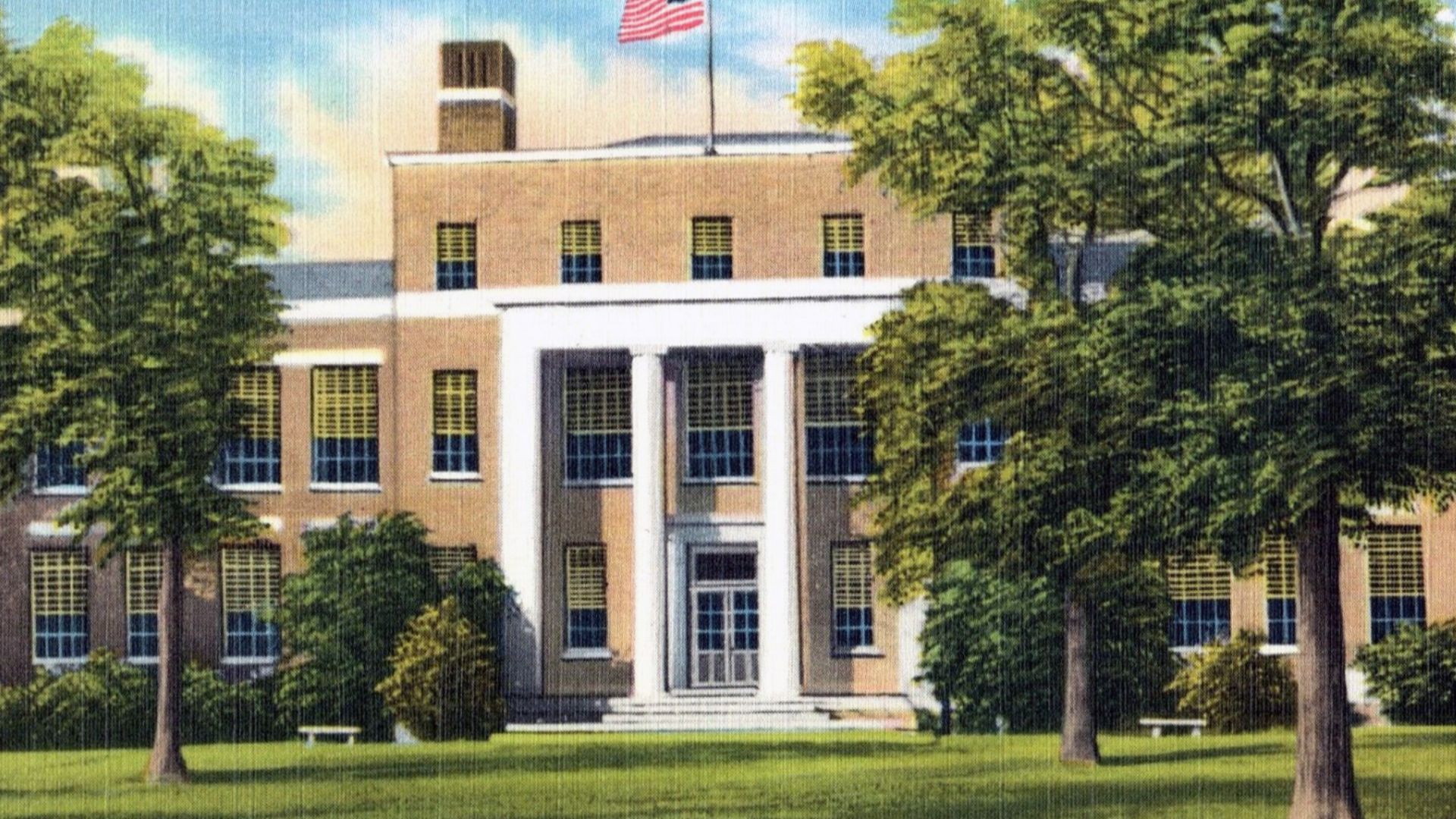
One of the biggest issues that the Turkish people of South Carolina faced was that they did not fit into the narrow definition of society that existed within South Carolina and indeed all of America. In a world of “this or that”, they wished to exist in a middle ground.
 Florence News Co. (publisher), Wikimedia Commons
Unearthing The Truth
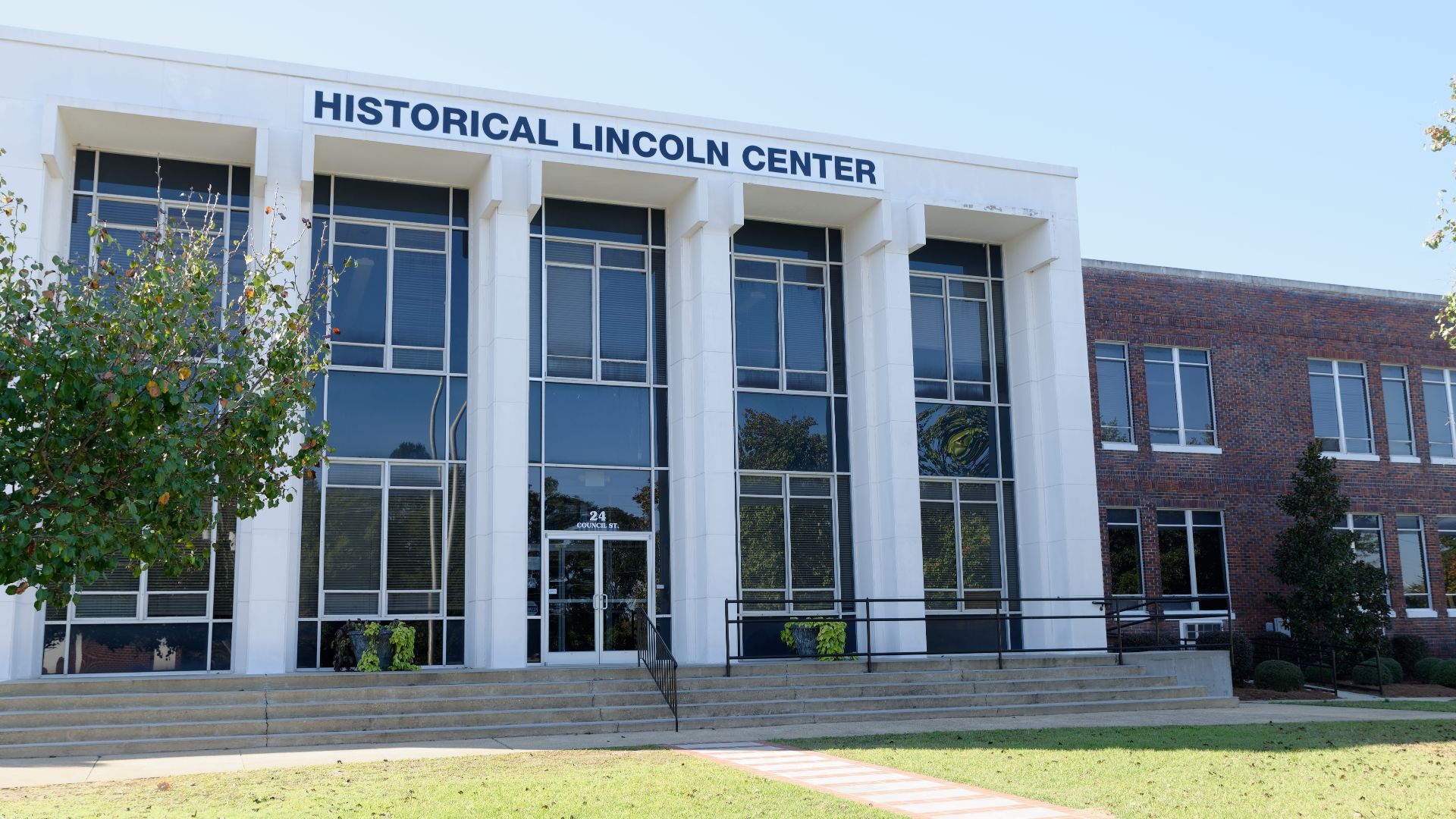
America has always struggled with a strict binary when it comes to race: you are white or you are Black. In South Carolina, seeped with racial segregation, this was deeply ingrained for years and the Turkish people struggled to assert their view of their identity against how everyone else saw them.
 Jud McCranie, Wikimedia Commons
Unearthing The Truth
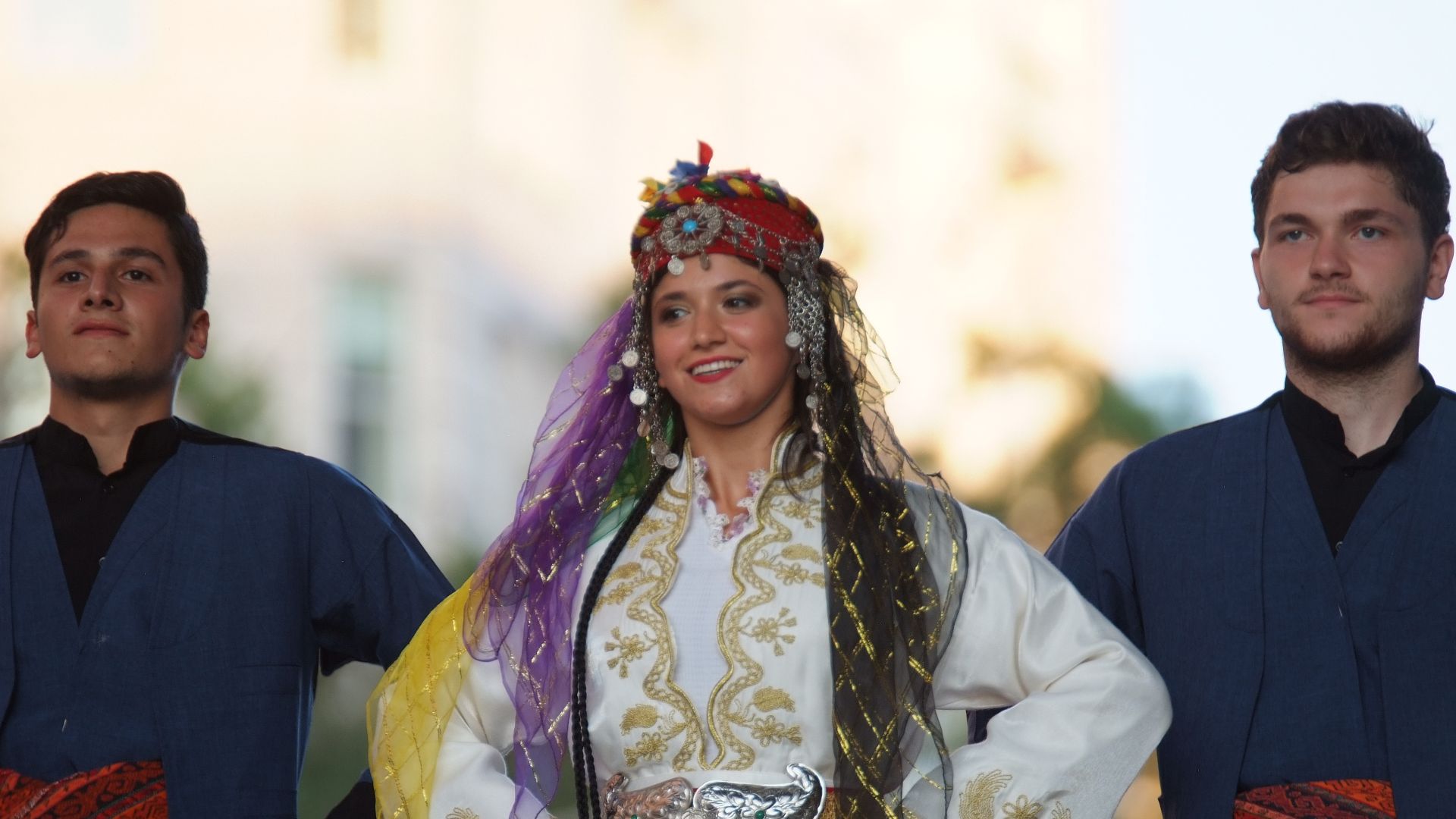
As indicated in the story of Joseph Benenhaley, the Turkish people saw themselves as “white” by the simple understanding of the terms that existed at the time. However, whenever they strayed out of their isolated community, they faced the same discrimination anyone of Black descent suffered.
 S Pakhrin from DC, USA, Wikimedia Commons
Unearthing The Truth
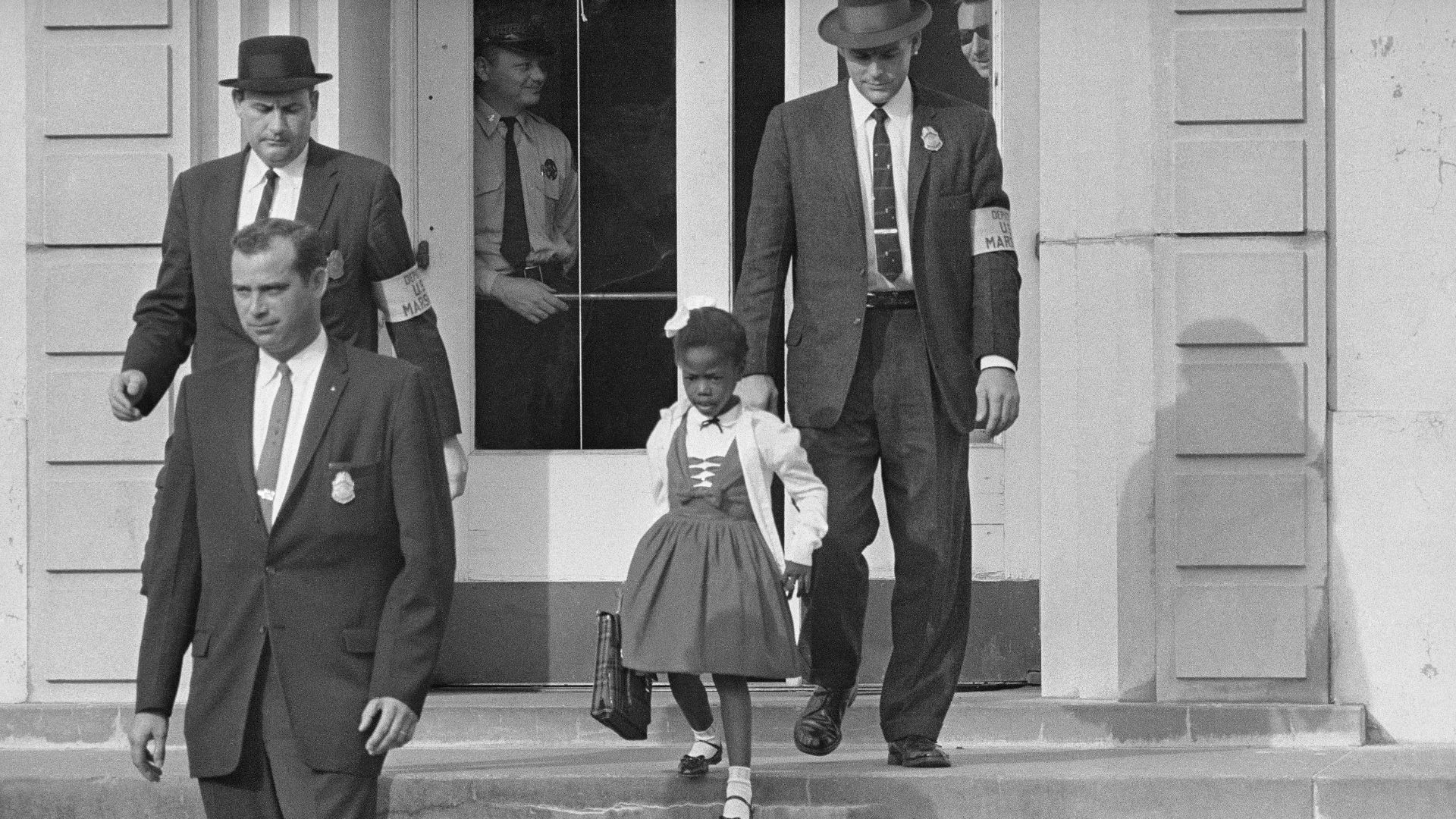
The Turkish people of South Carolina faced systemic oppression just as their Black neighbors did. To send their children to “white schools”, they were forced to fight the courts to gain that right. They were not welcomed in society.
 Uncredited DOJ photographer, Wikimedia Commons
Unearthing The Truth
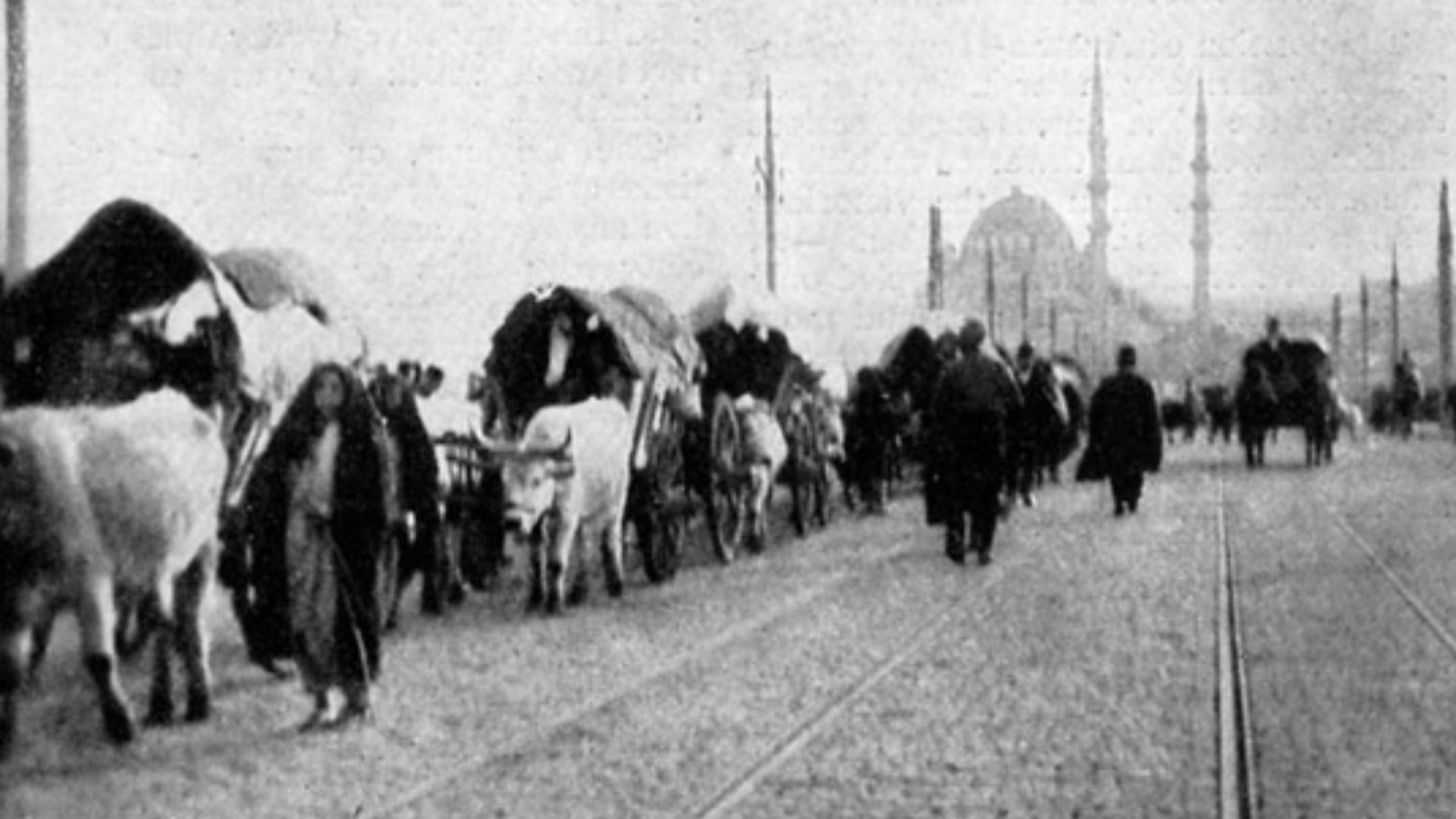
It is only in recent decades that the Turkish people of South Carolina have seen any advancement in society. Mainstream jobs, local healthcare, and even Little League baseball remained out of their reach for much of their history.
 Frederick Moore, Wikimedia Commons
Unearthing The Truth
The question remained: who were the Turks of South Carolina? They had their stories about who they were and where they came from. However, the rest of America had their own opinions. It seemed a question that was impossible to conclusively answer. That’s why two researchers decided to take the question on.
The DNA
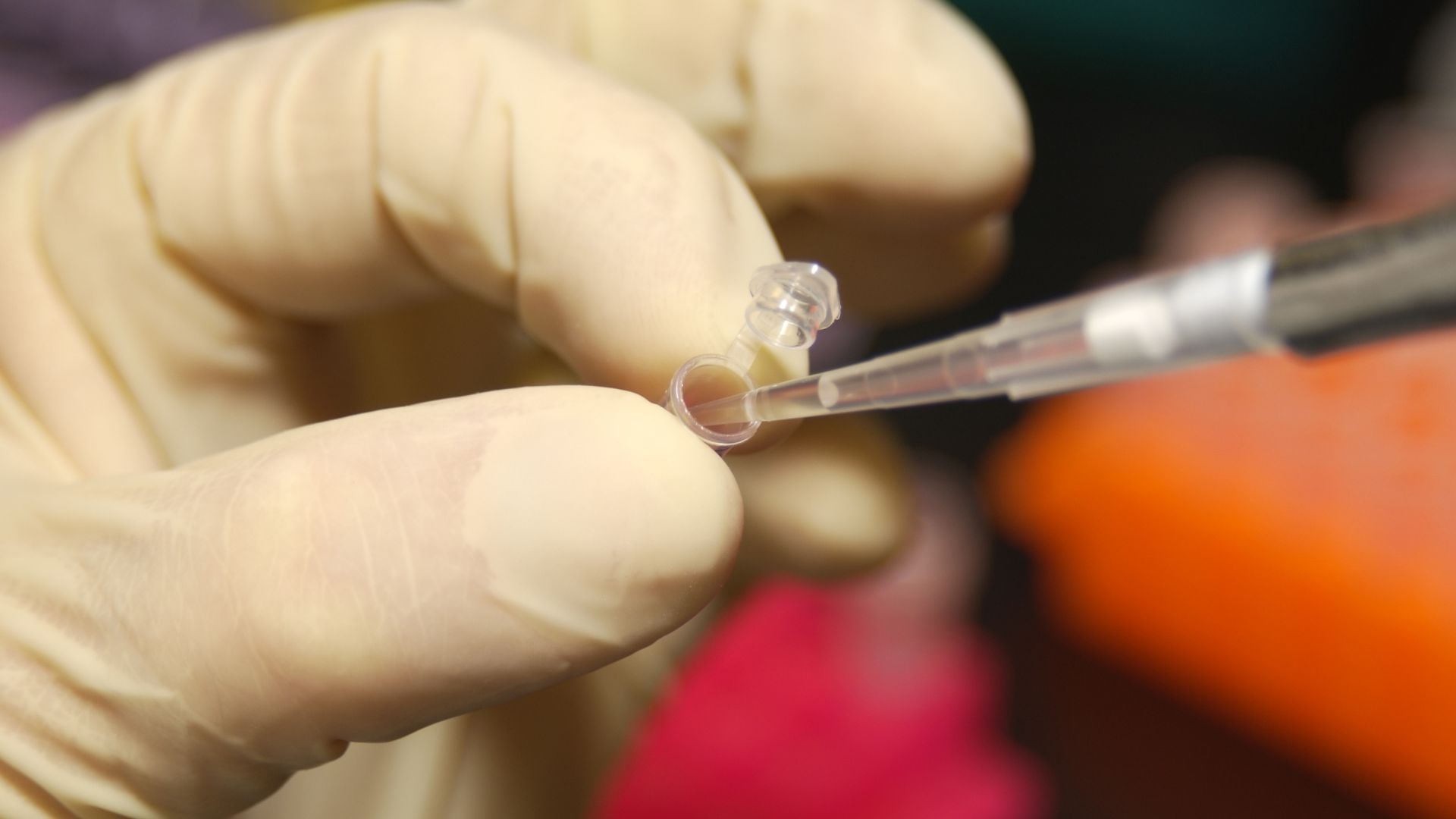
Genetic testing appeared the easiest way to settle the matter of the Turks' true origins. However, the Turkish people themselves never responded openly to the suggestion, always appearing hesitant to get involved in such things. Perhaps they were afraid of the answers, too.
 Unknown author, Wikimedia Commons
The DNA
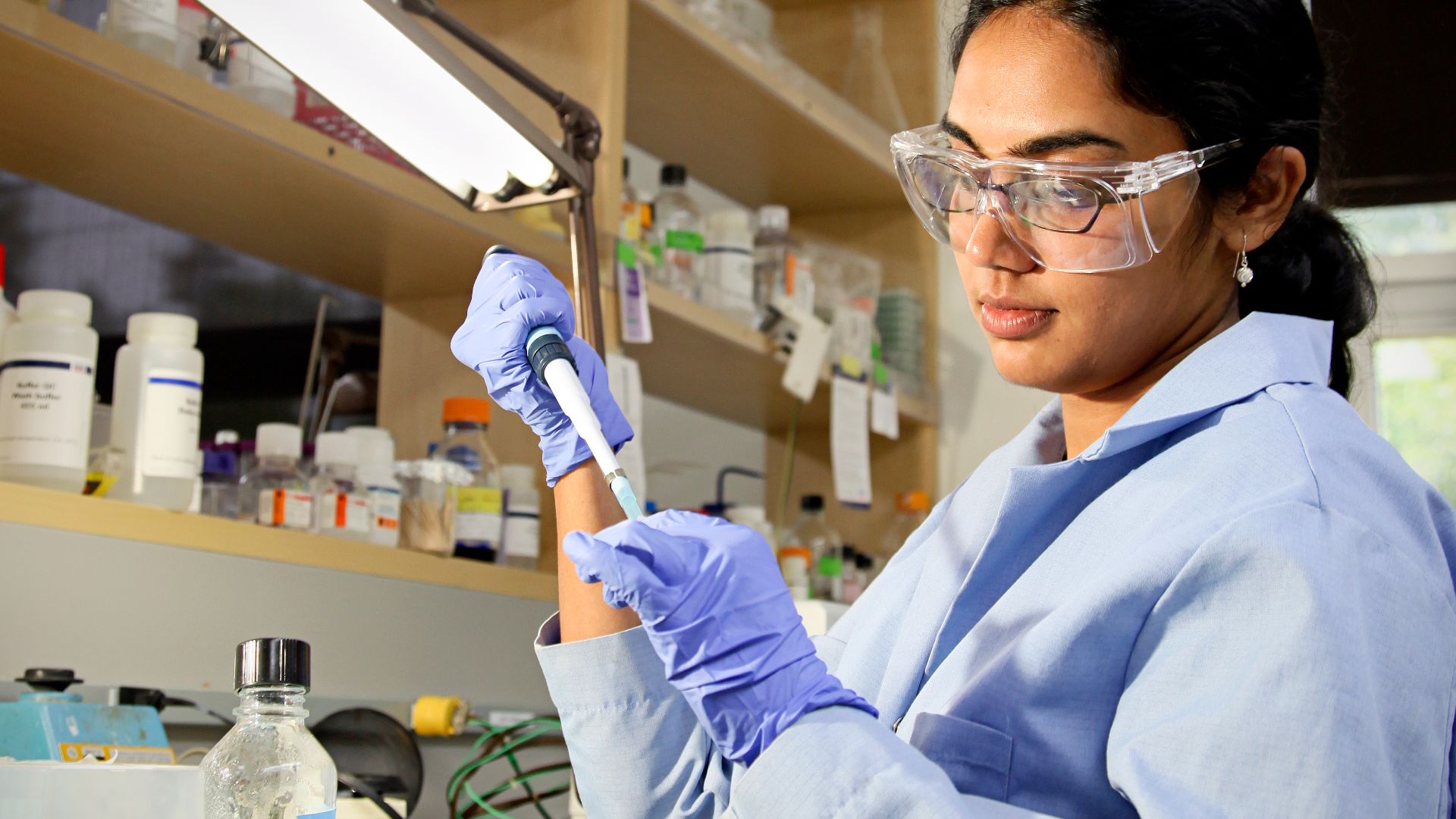
Glen Browder and Terri Ann Ognibene were able to obtain DNA from eight people who were reportedly direct descendants of Joseph Benenhaley himself. Although DNA testing is rarely conclusive, the results that Browder and Ognibene found were interesting.
 Maggie Bartlett, NHGRI, Wikimedia Commons
The DNA
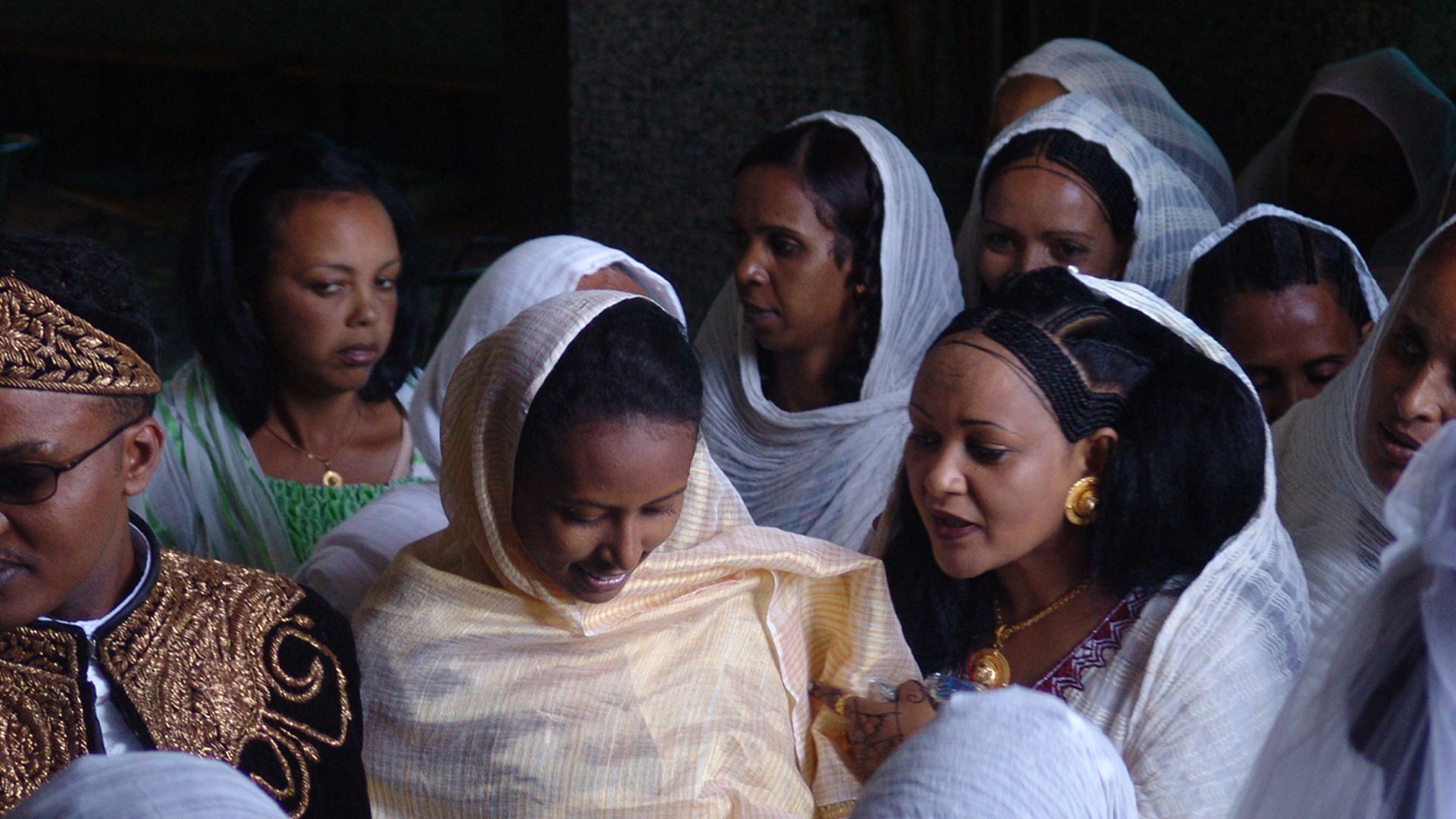
What Browder and Ognibene found was that their subjects had ancestry that included Mediterranean/Middle Eastern/North African history with significant inclusions of white Europeans and some evidence of Native American lineage. There was only one area that did not prove to be a significant contribution.
 Unknown author, Wikimedia Commons
The DNA
Despite spending much of their existence classified as “Black” by the majority of their fellow Americans, the testing Browder and Ognibene did have one major exception. No significant sub-Saharan African contributions within the DNA materialized.
 CharlesFred, Wikimedia Commons
The DNA
Of course, DNA testing cannot conclusively settle a matter. The margin of error for DNA testing and the fact that they only had eight participants is enough for anyone to cast doubt upon the findings. Bowder and Ognibene didn’t end their research there.
 Oak Ridge National Laboratory, Wikimedia Commons
The Census
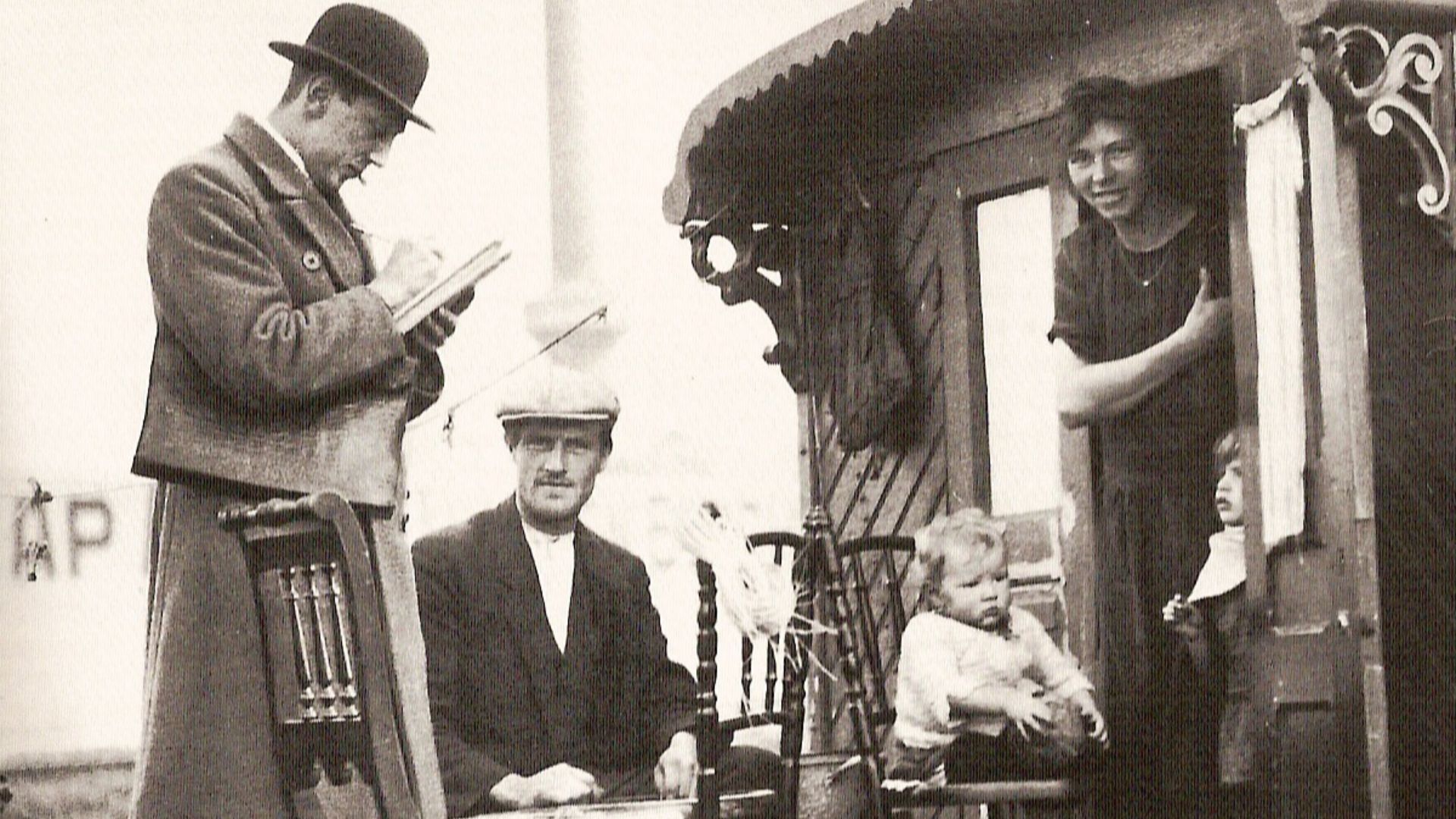
The next step in their study included gathering 270 descendants of Joseph Benenhaley to create a genealogical census. The focus of the census was on descendants that lived in the Dalzell area during the 1800s, hoping to provide the strongest link to the origin of the community.
The Census
Bowder and Ognibene felt that by focusing on descendants of families that lived in the area at the time of its development, they would be able to gain a picture of what the formation would be like. It was their goal to paint as conclusive a picture as possible.
 Unknown author, Wikimedia Commons
The Census
The stories of the Turkish people highlighted a simple life with simple values. Reportedly, they focused on family, school, church, and their farms. Any other jobs they got were the ones they found in the Dalzell area they’d settled in. The data in their census could either confirm or break this.
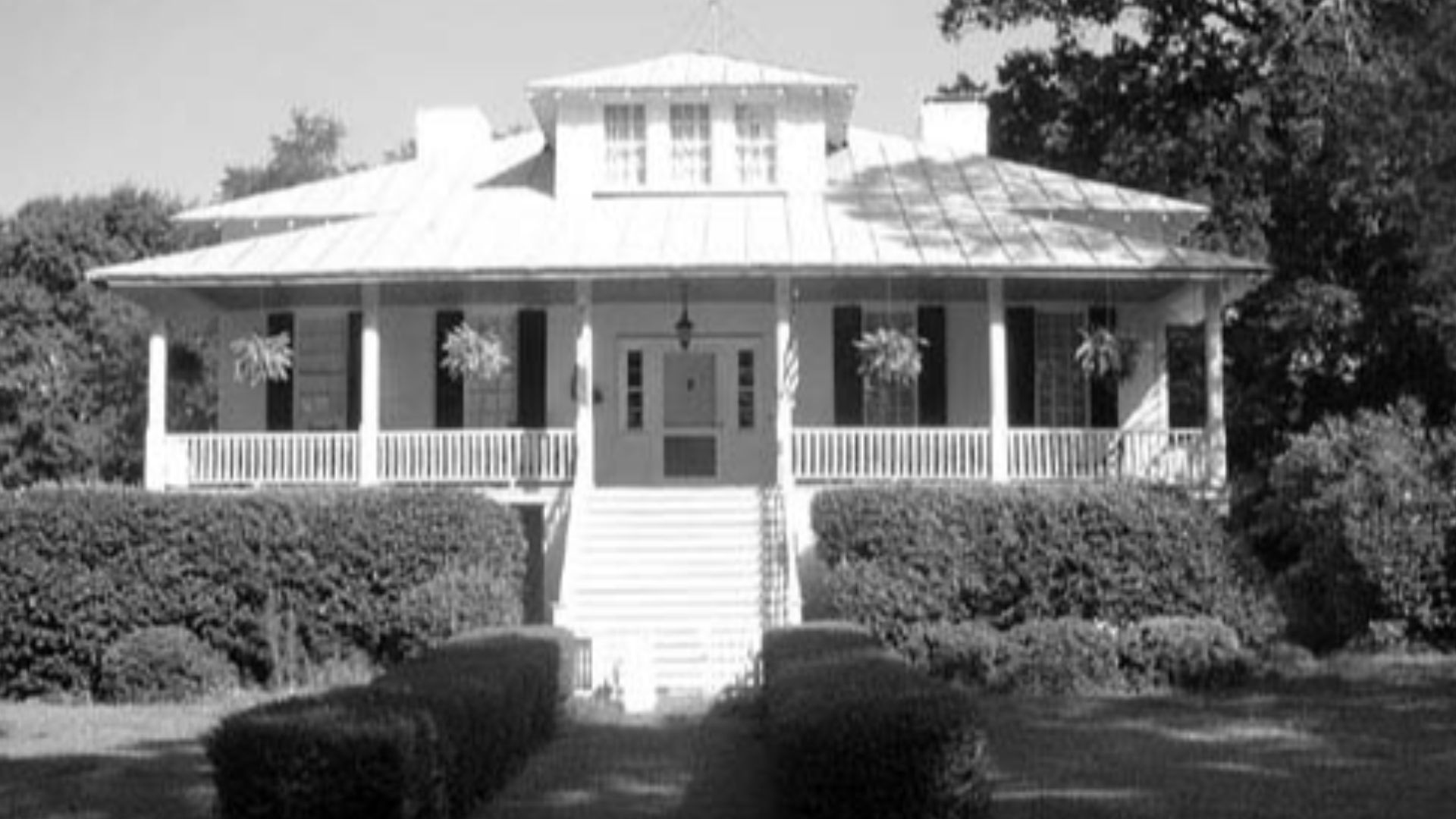 South Carolina Department of Archives and History, Wikimedia Commons
The Census
What Bowder and Ognibene found was a small community with little variations. 51% of the group was made up of people with Benenhaley as a last name. Nearly all of the remaining individuals belonged to the six known intermarried families. It certainly supported the claim of an isolated community growing around Benenhaley and his family.
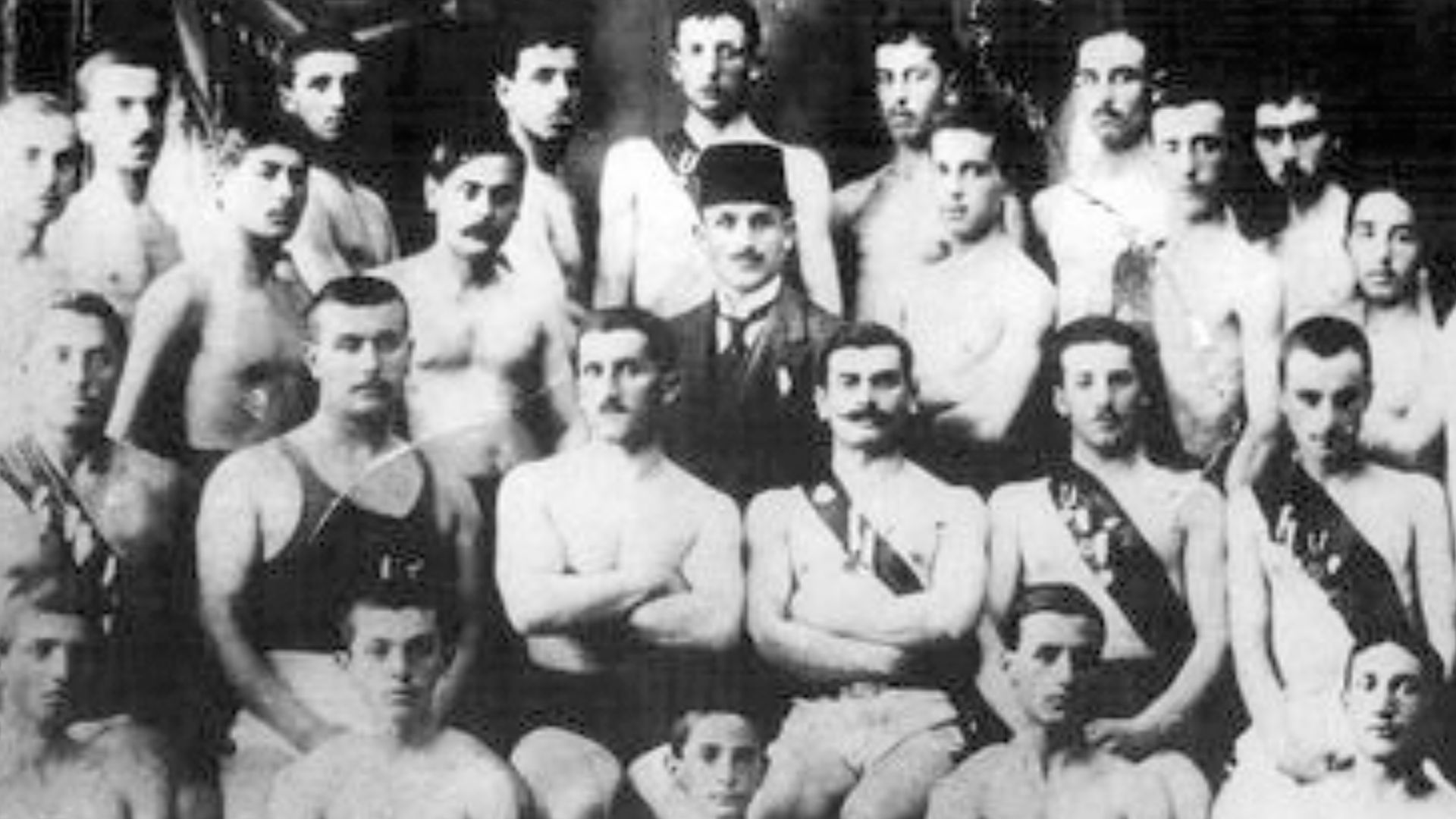 EfsunAskeri, Wikimedia Commons
The Departed
The last major area that Bowder and Ognibene looked at was the graveyards surrounding the two churches in which the Turkish people worshiped in the 1900s. What they found supported the rest of the findings they’d already collected.
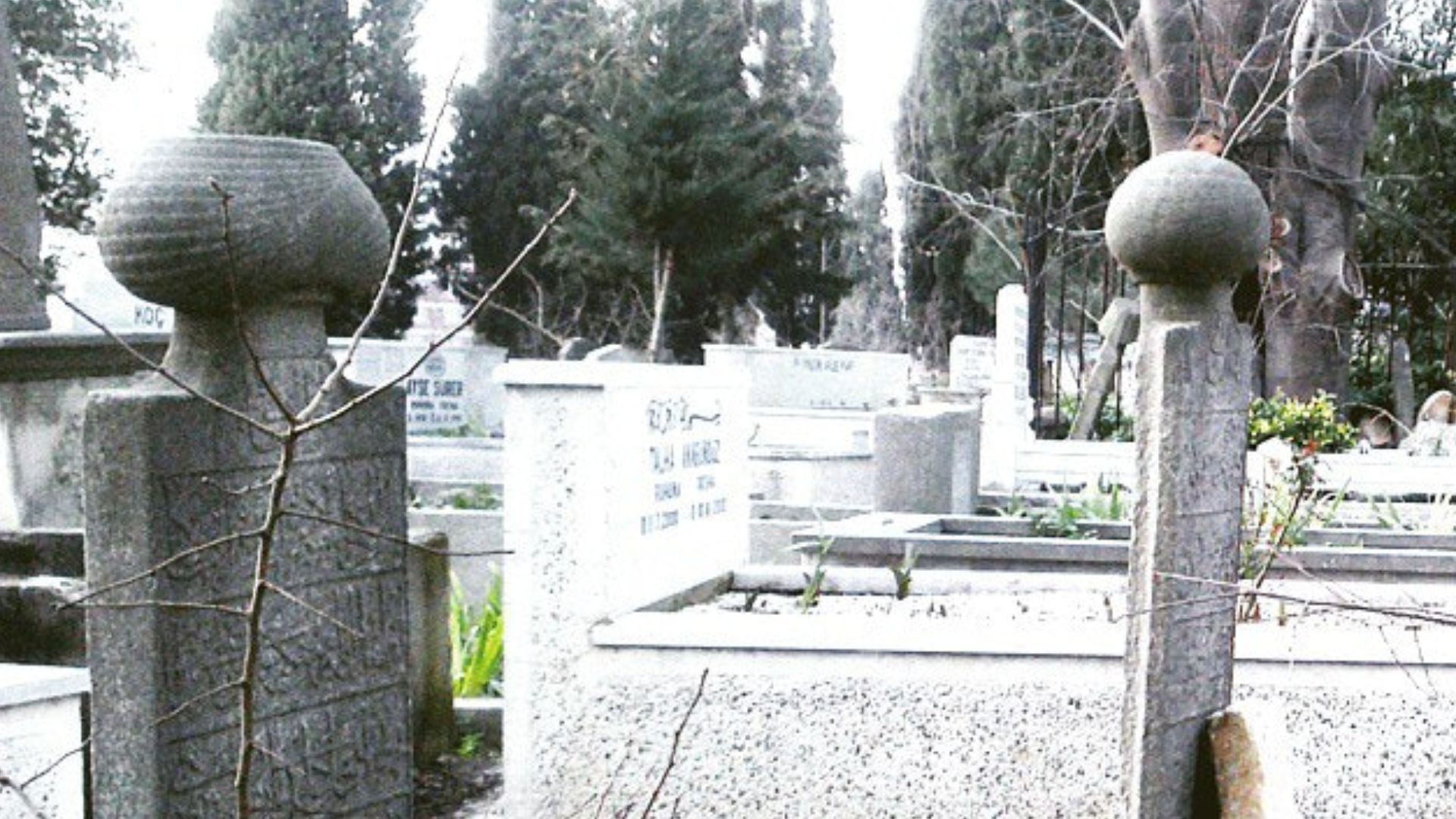 Aryabod Siharyvani, Wikimedia Commons
The Departed
Again, Benenhaley represented about 51% of those buried in the cemeteries. Of those who remained, it was primarily the six known intermarried families. Furthermore, few Turkish names are found outside of these churches, supporting the claims of isolation within this community.
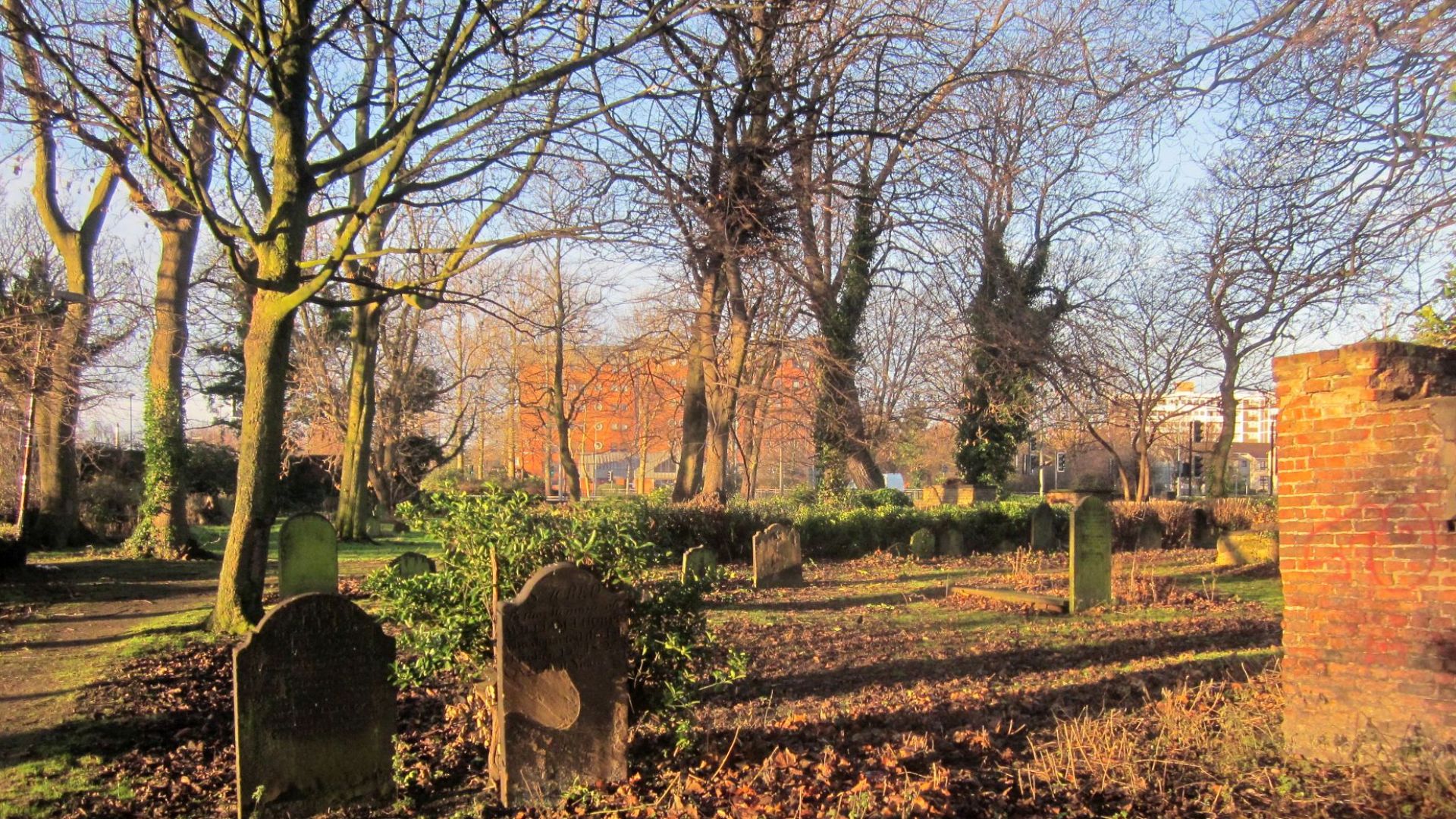 Derek Harper , Wikimedia Commons
The Elders
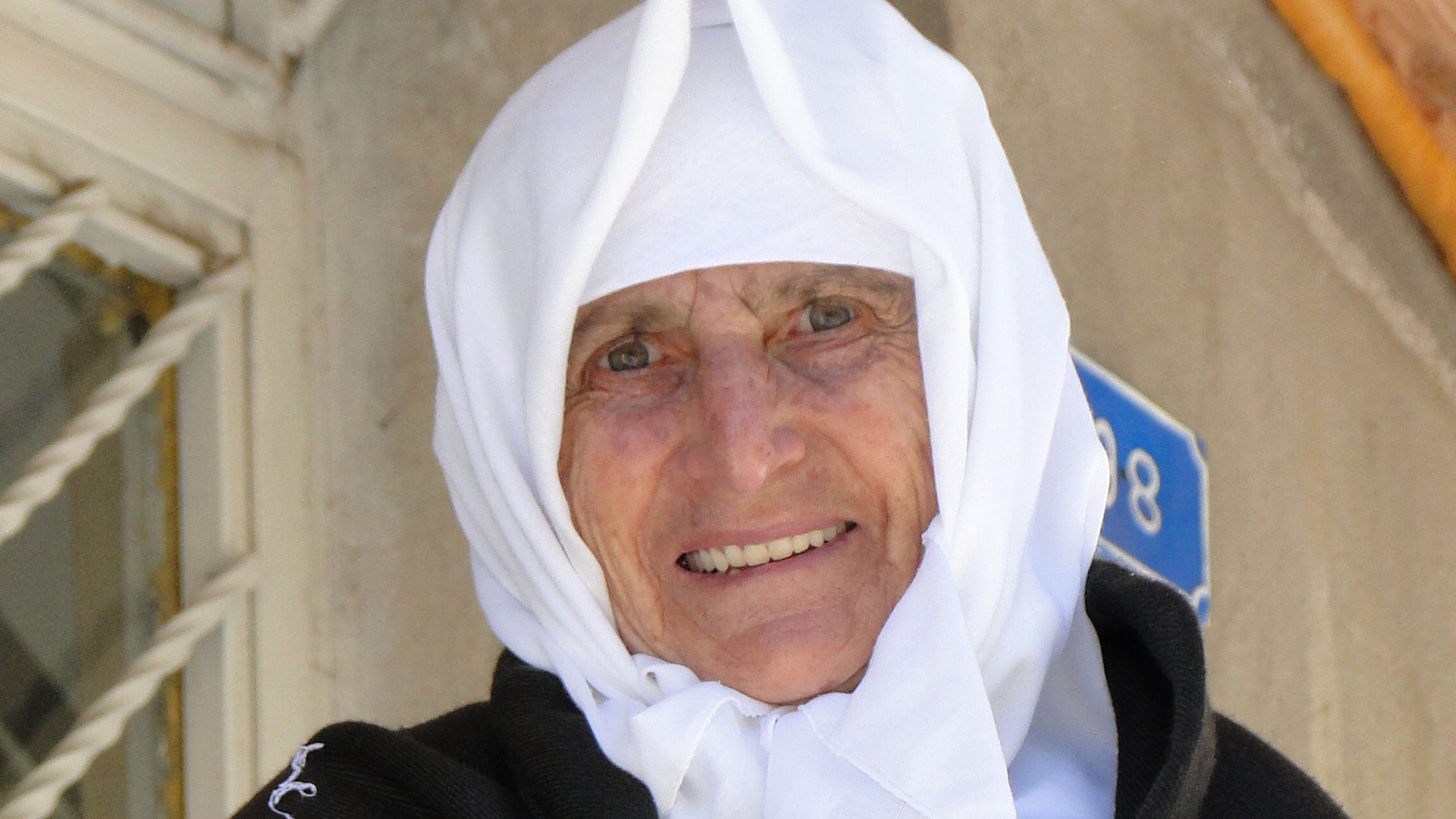
Sharing stories with outsiders is not something that is regularly done within the community. The Turkish elders suffer from bad memories and are not eager to talk about themselves—this is something historians have been struggling with since as late as the 70s.
 Adam Jones from Kelowna, BC, Canada, Wikimedia Commons
The Elders
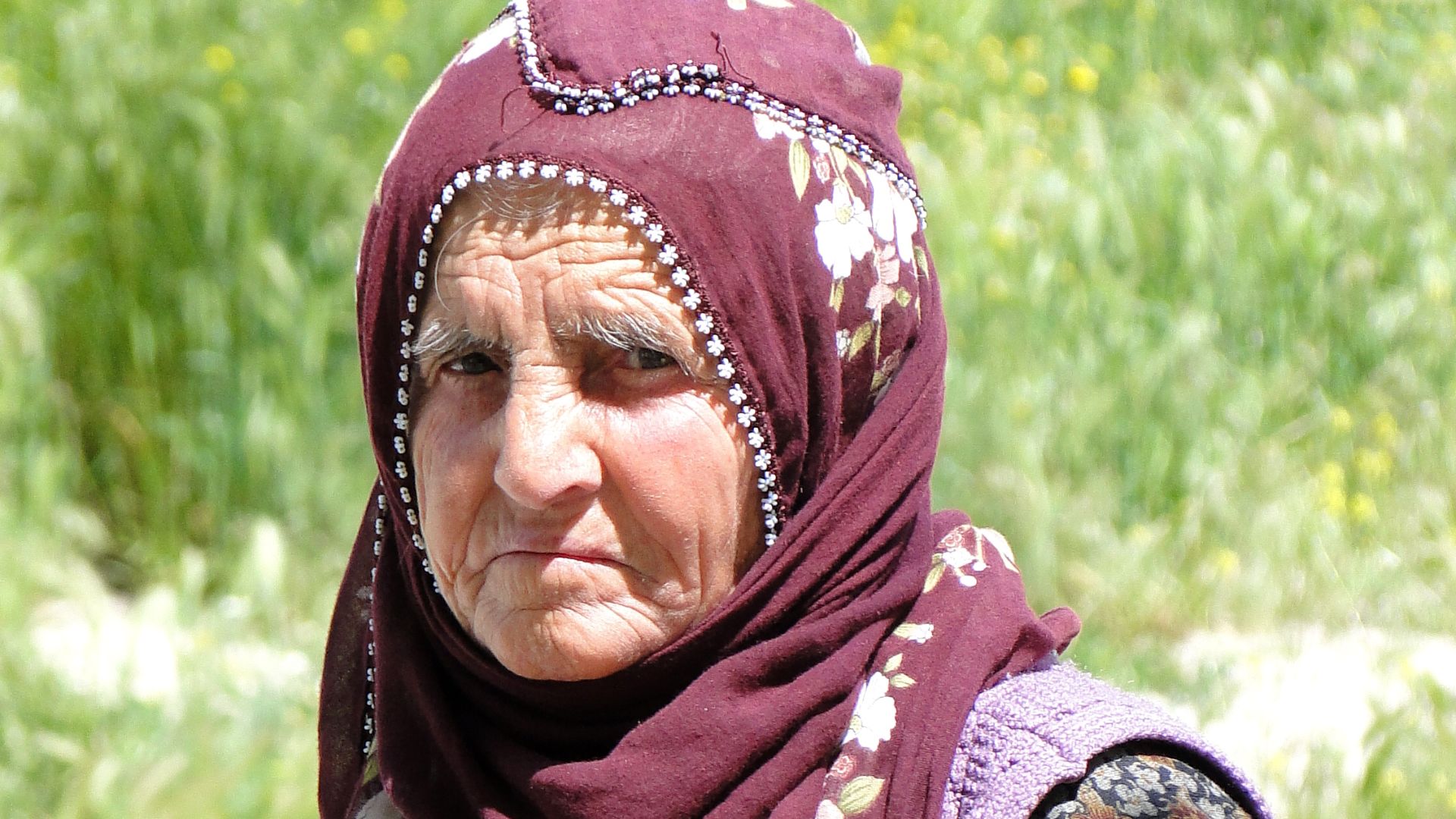
One scholar from the 70s stated that, “The people will tell any would-be historian that they don’t know anything, don’t think that anyone else does either, don’t see any point in it, and think that he should go talk to some other member of the community”. However, Bowder and Ognibene found four souls brave enough to share their experiences with them.
 Adam Jones from Kelowna, BC, Canada, Wikimedia Commons
The Elders
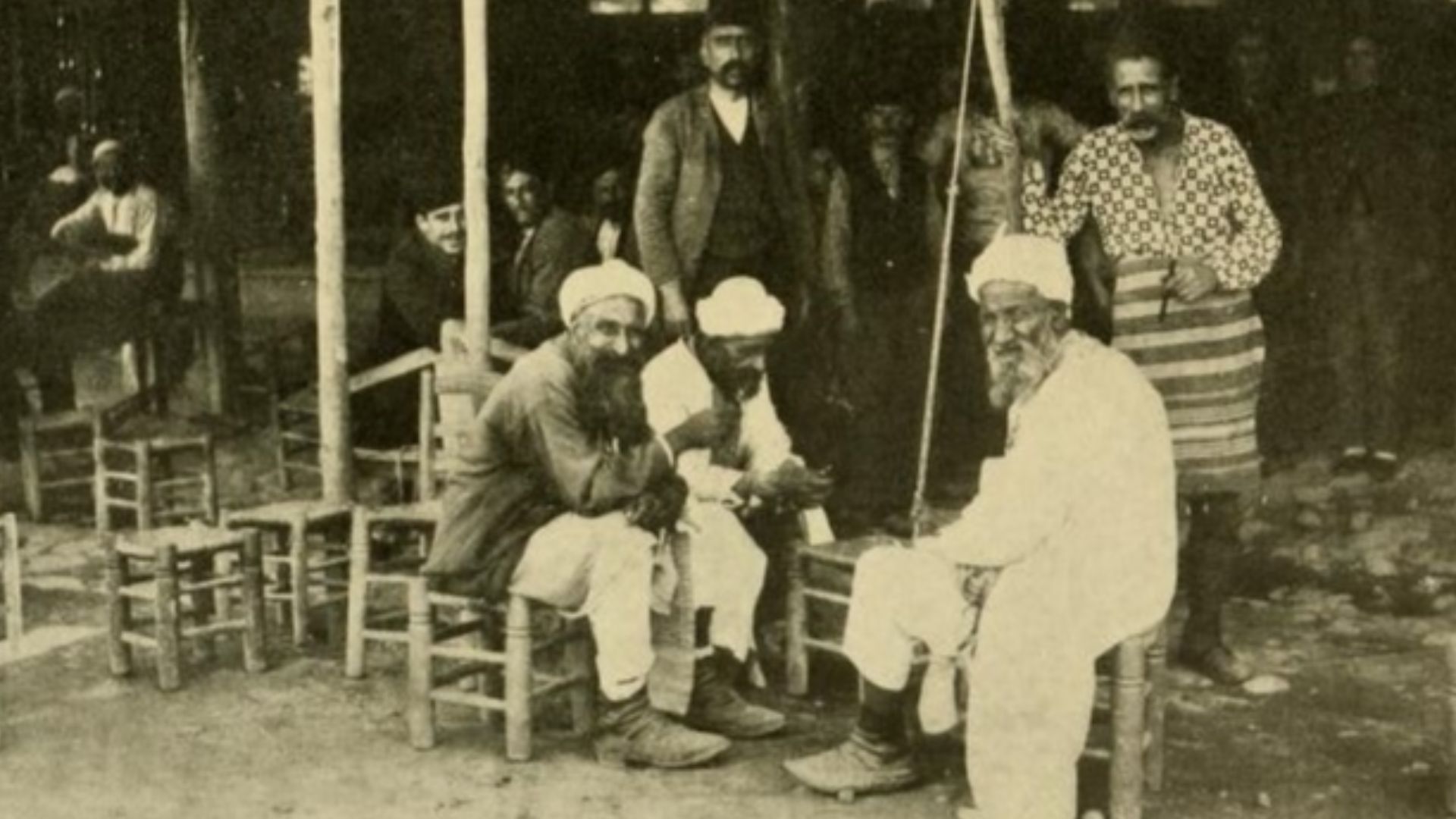
There was some rambling in the discussions that they had with their elders, as is the nature of these conversations and the ambiguity of ancestry and ethnicity. However, all four remained confident in two things.
 Unknown author, Wikimedia Commons
The Elders
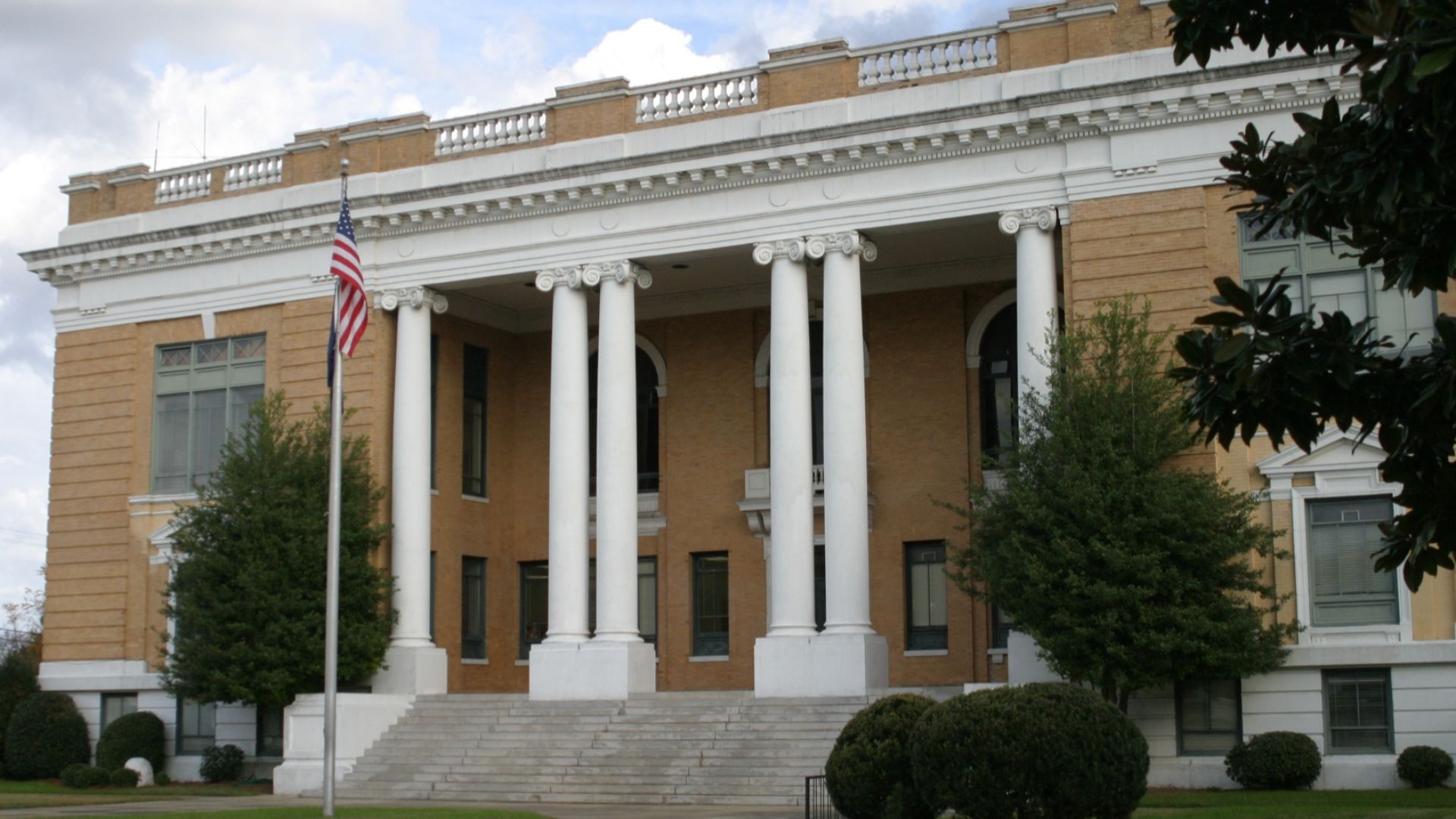
All four of their elders agreed: they were white people of Turkish descent and their origins are linked to General Sumter settling their ancestors in Sumter County. They were proud of their heritage, as anyone would be.
 The original uploader was Pollinator at English Wikipedia., Wikimedia Commons
The Elders
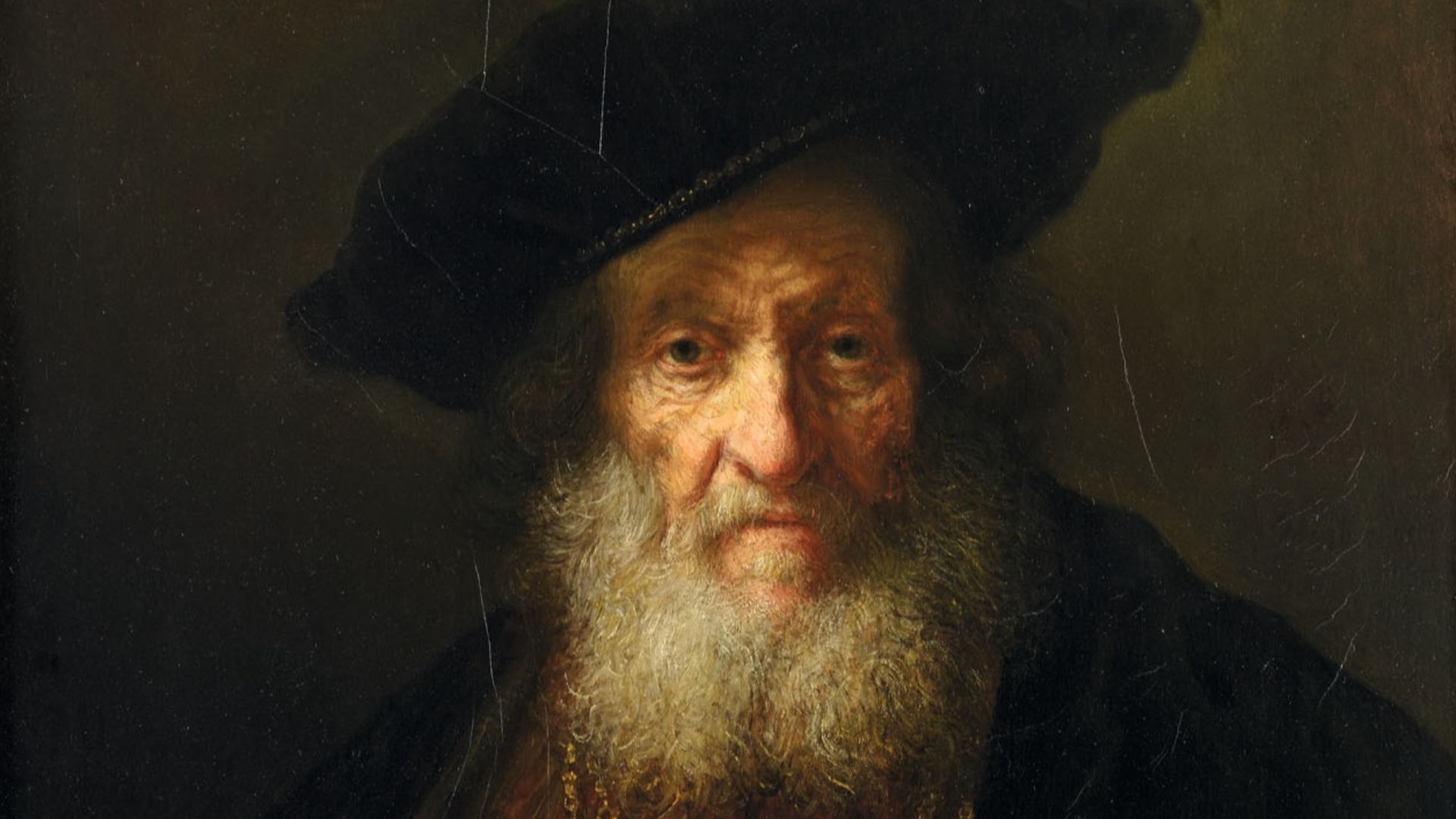
One of their elders, named “Boaz” for privacy, stated, “I assume I accepted it just like anyone else who would have been from whatever ethnic background they were from”. He has great pride in who he is, just as anyone else would.
 Rembrandt van Rijn and pupils, Wikimedia Commons
The Elders
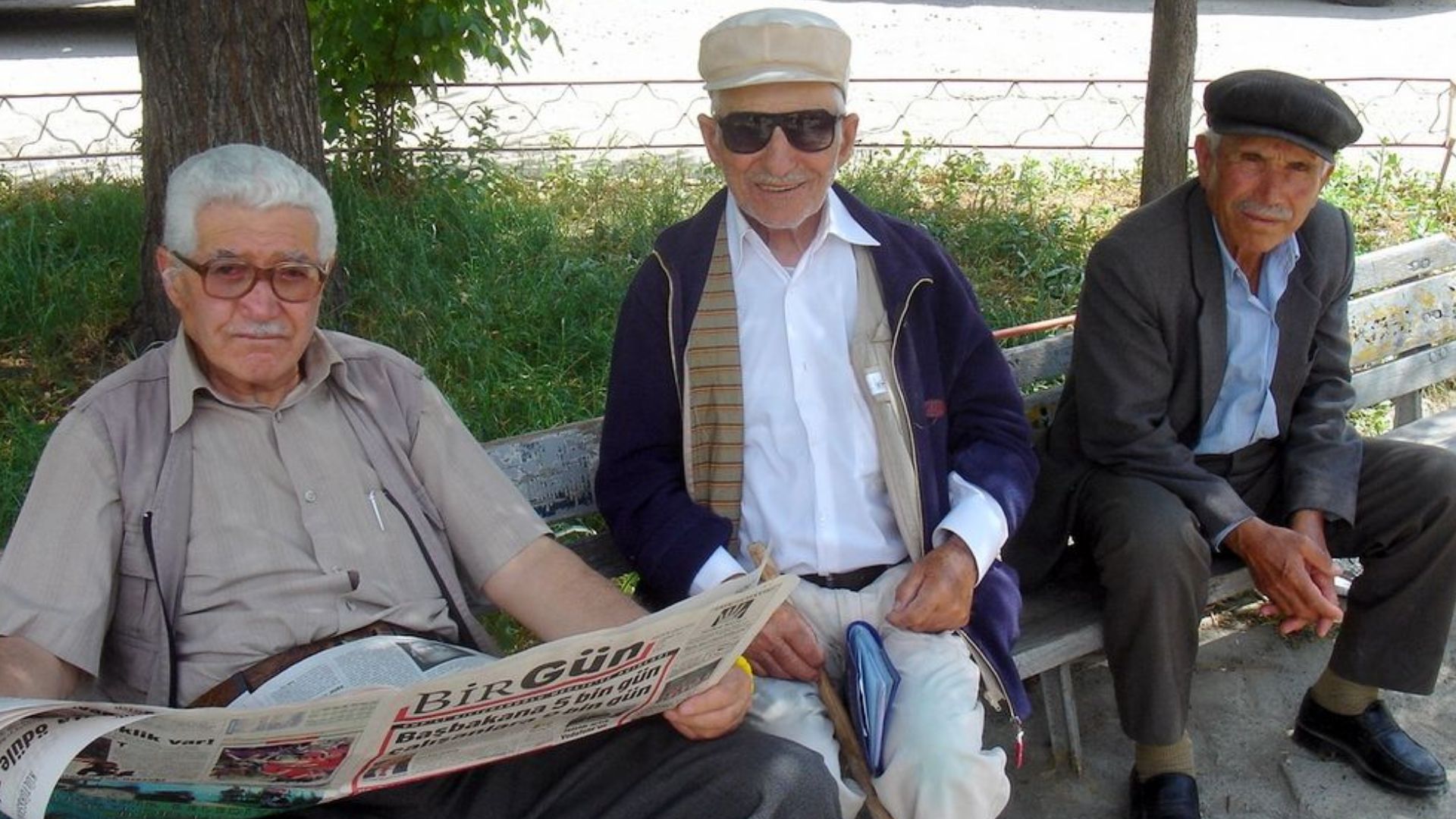
As for the matter of their isolation, Boaz saw it as a product of what is. He felt most people were comfortable with the people that reflected themselves. However, he didn’t deny the effect of discrimination.
The Elders
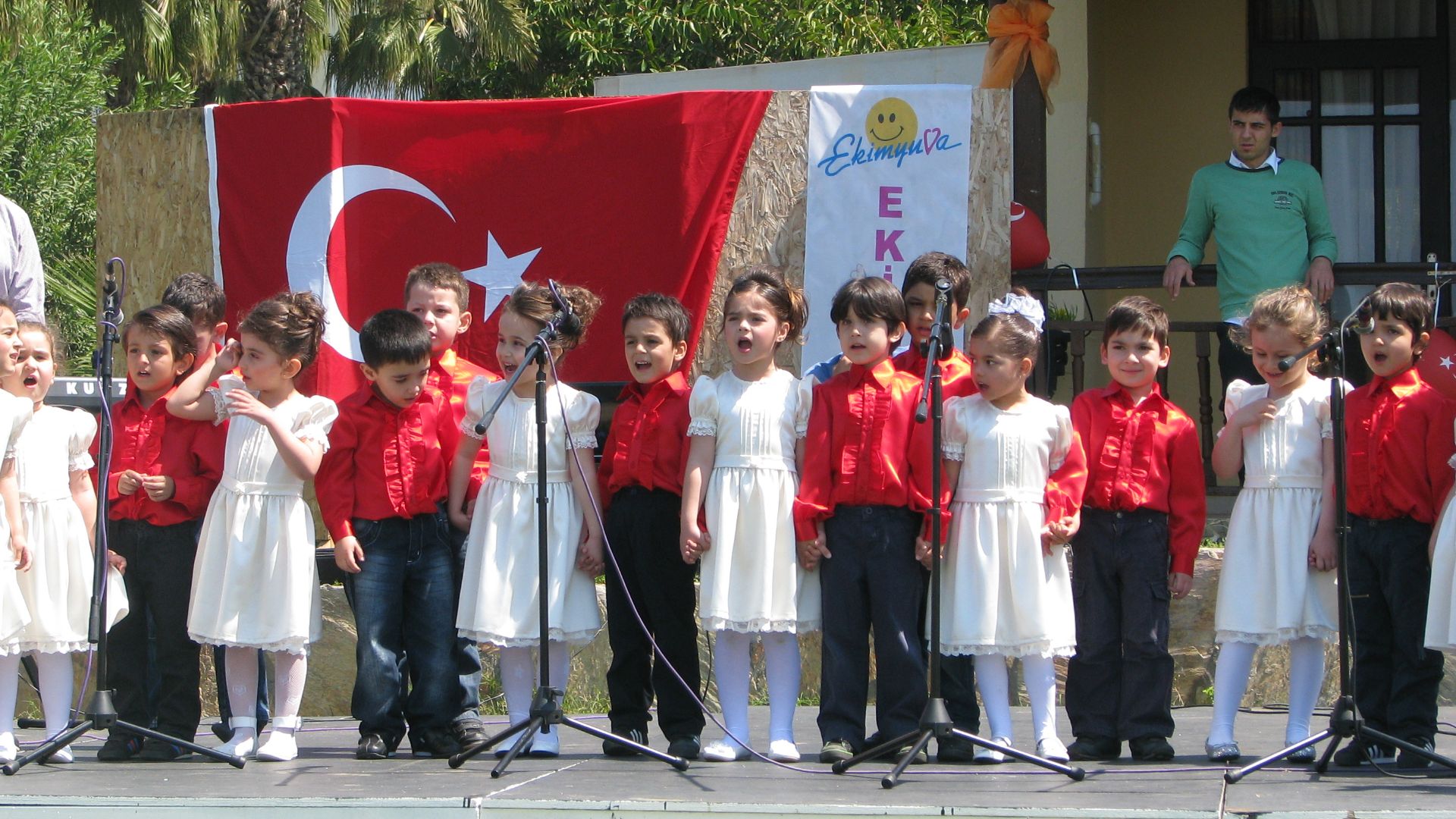
Boaz recalled that “the Turkish boys and girls were not allowed on teams like the American Legion baseball teams and those types of things”. While it was not as bad as the discrimination the Black communities suffered, Boaz recalls not being welcomed.
 user:ozgurmulazimoglu, Wikimedia Commons
The Elders
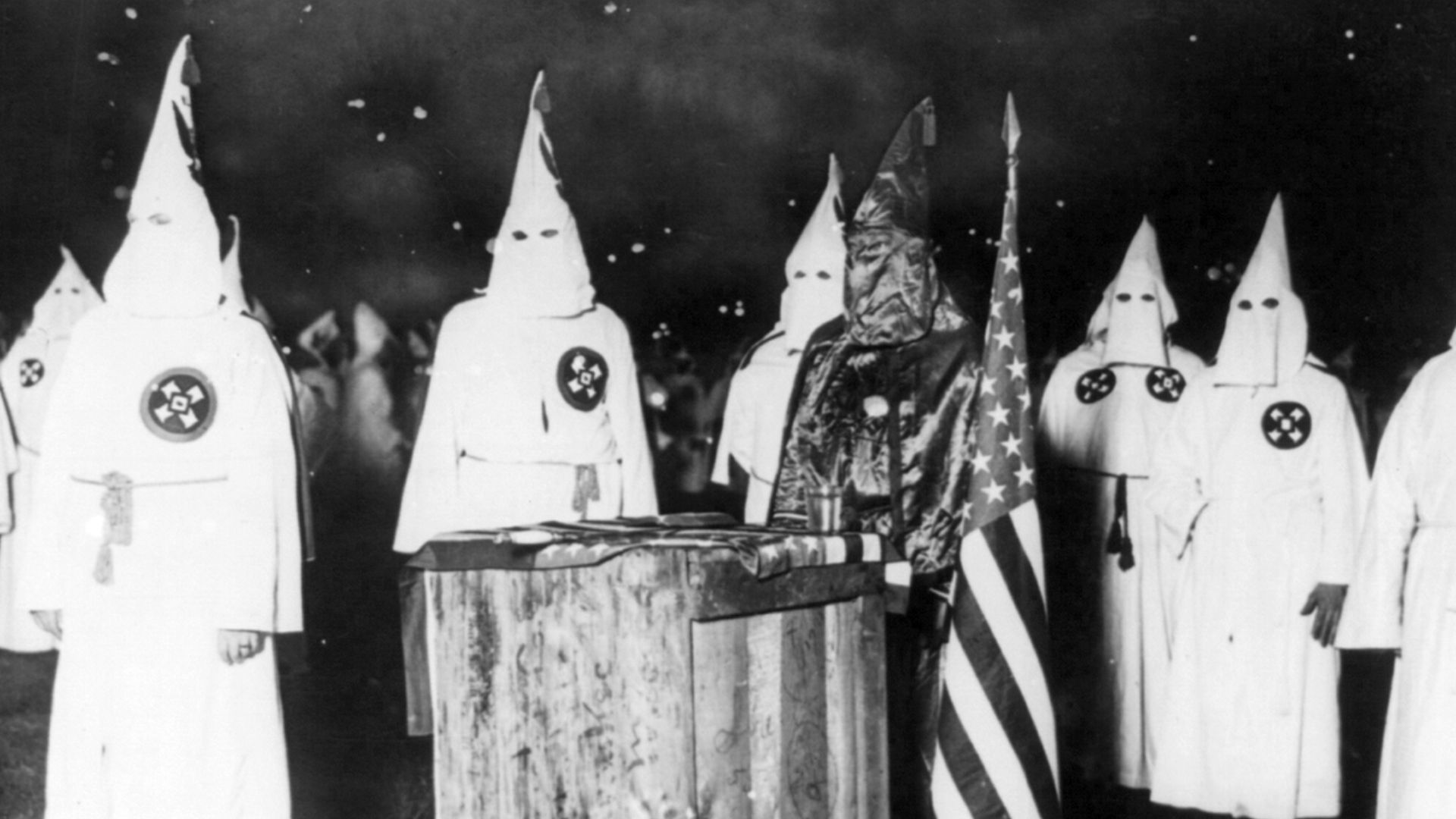
The other elders all recalled situations in which they suffered similar discrimination to that of the Black population. One recalled staying out of school for a year as integration was fought over. Some recalled hair stylists refusing to service “Turks”, and one’s family even had an altercation with the Klan.
 Underwood & Underwood, Wikimedia Commons
The Elders
While the elders did not express any great closeness with Black communities, they had nothing negative to say about them either. It appeared whatever grievances each community may have had with each other were forgotten in the face of the discrimination each faced by the white communities.
 Marjory Collins, Wikimedia Commons
The Turkish People Today
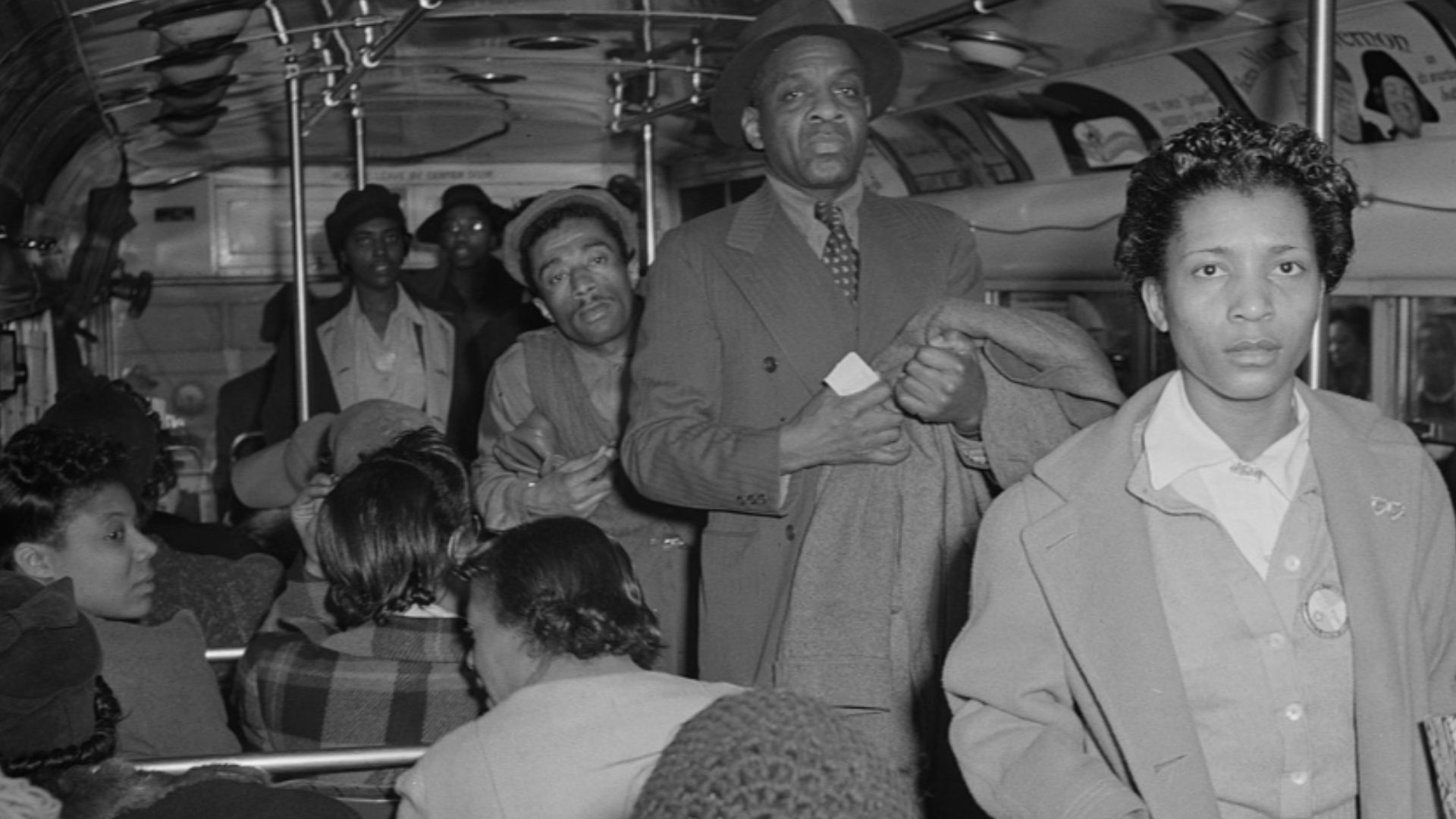
The 21st century brought many changes for the community. The biggest change is that they are not nearly as isolated as they once were. It was a slow process, but the Turkish people of South Carolina have become a full part of America.
 Robert Lyle Bolton, Wikimedia Commons
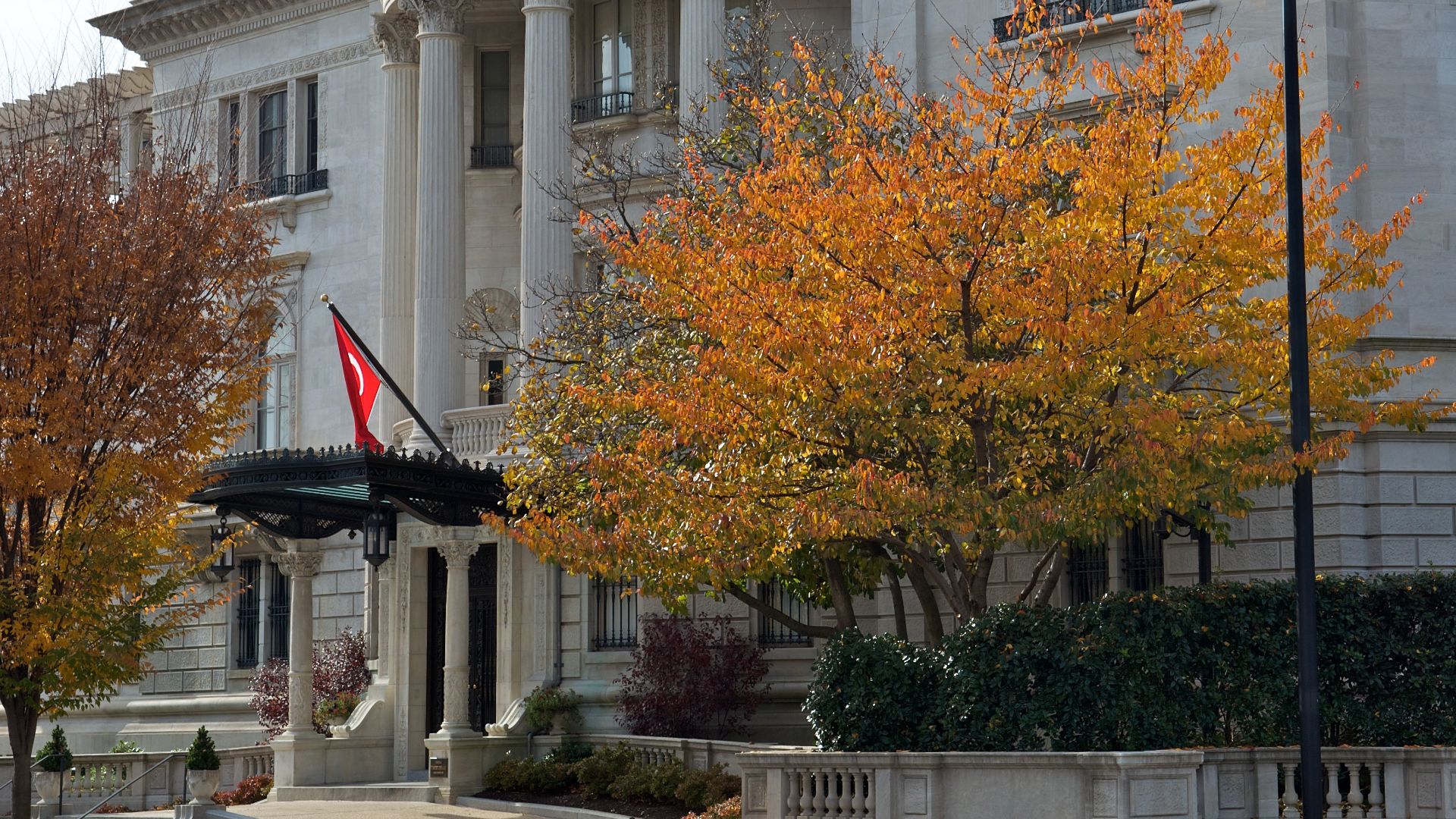
The Turkish People Today
Most people from the community are open to marrying outsiders now, something that they never would have done in the past (accounting for the repetition of the names in their graveyards and history). Many dare to explore the wider world outside of their community as well.
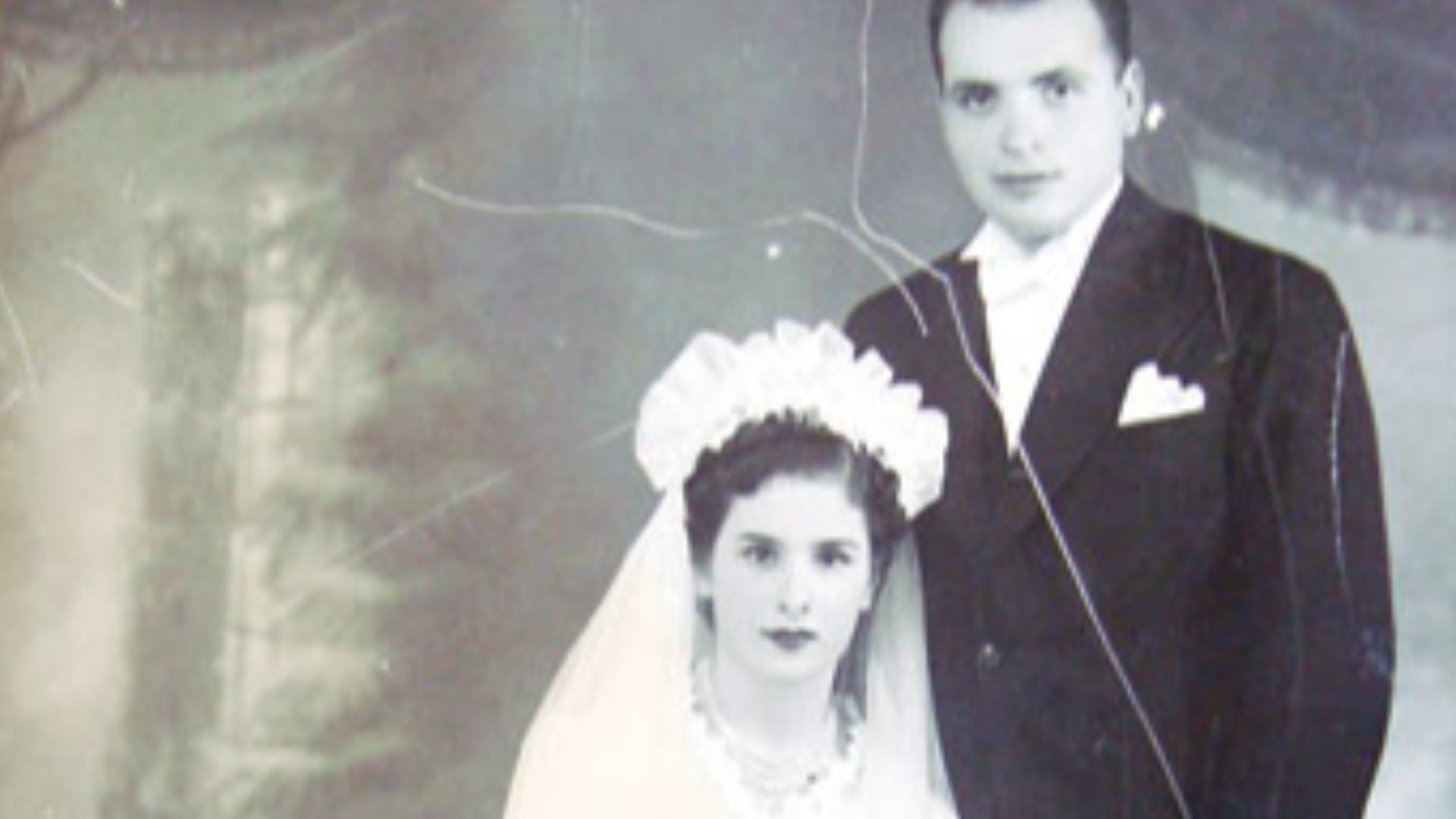 Unknown author, Wikimedia Commons
The Turkish People Today
The draw of college or to begin a new career has prompted many of the Turkish people to move to other areas. However, those who stay in their traditional lands have said that Sumter County generally treats them right these days.
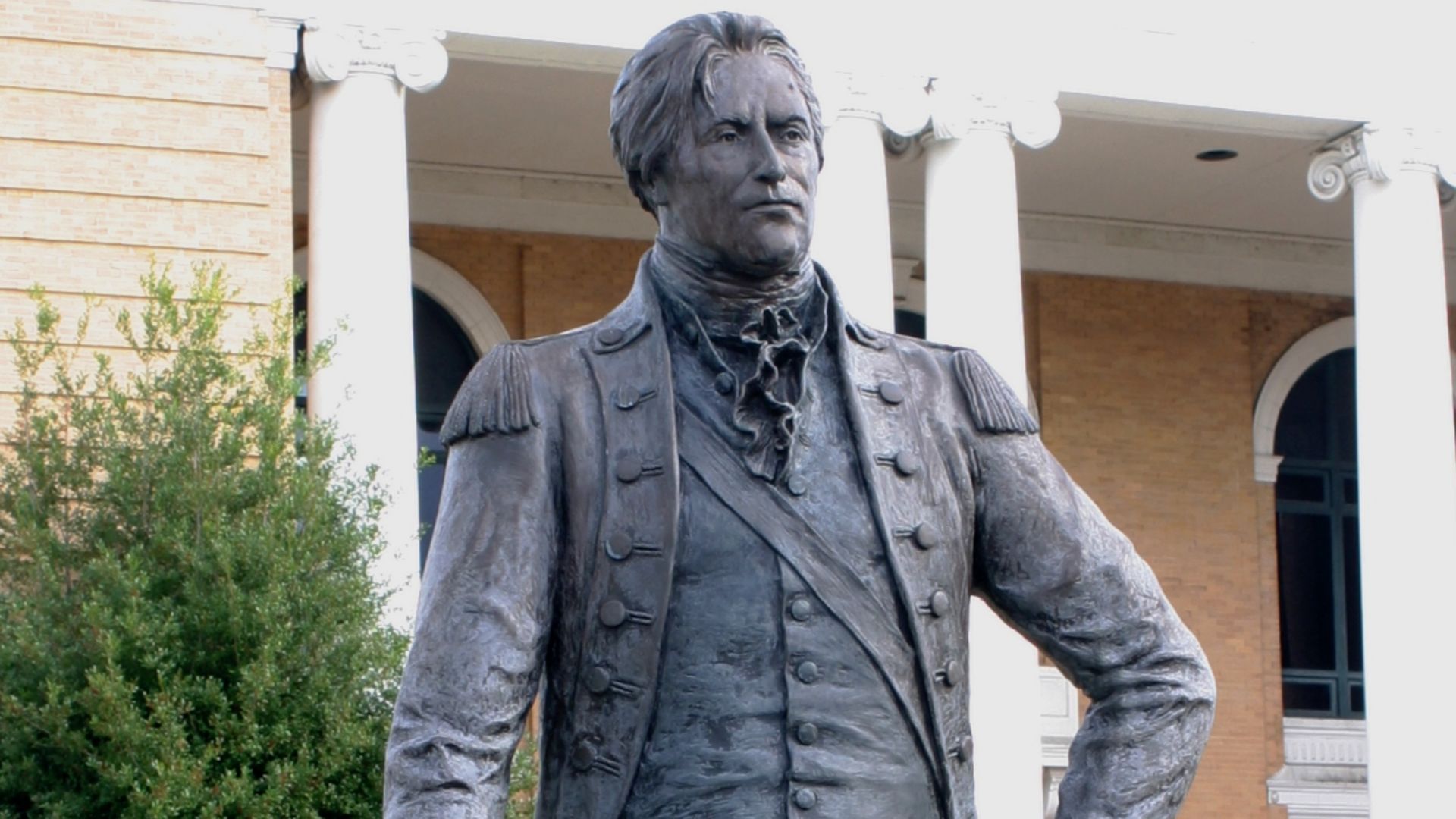 Pollinator at English Wikipedia, Wikimedia Commons
The Turkish People Today
The story of the Turkish people of South Carolina provides a fascinating and important insight into the American journey. It is a key reminder that not everyone has always been welcomed and that fighting for your identity is important.
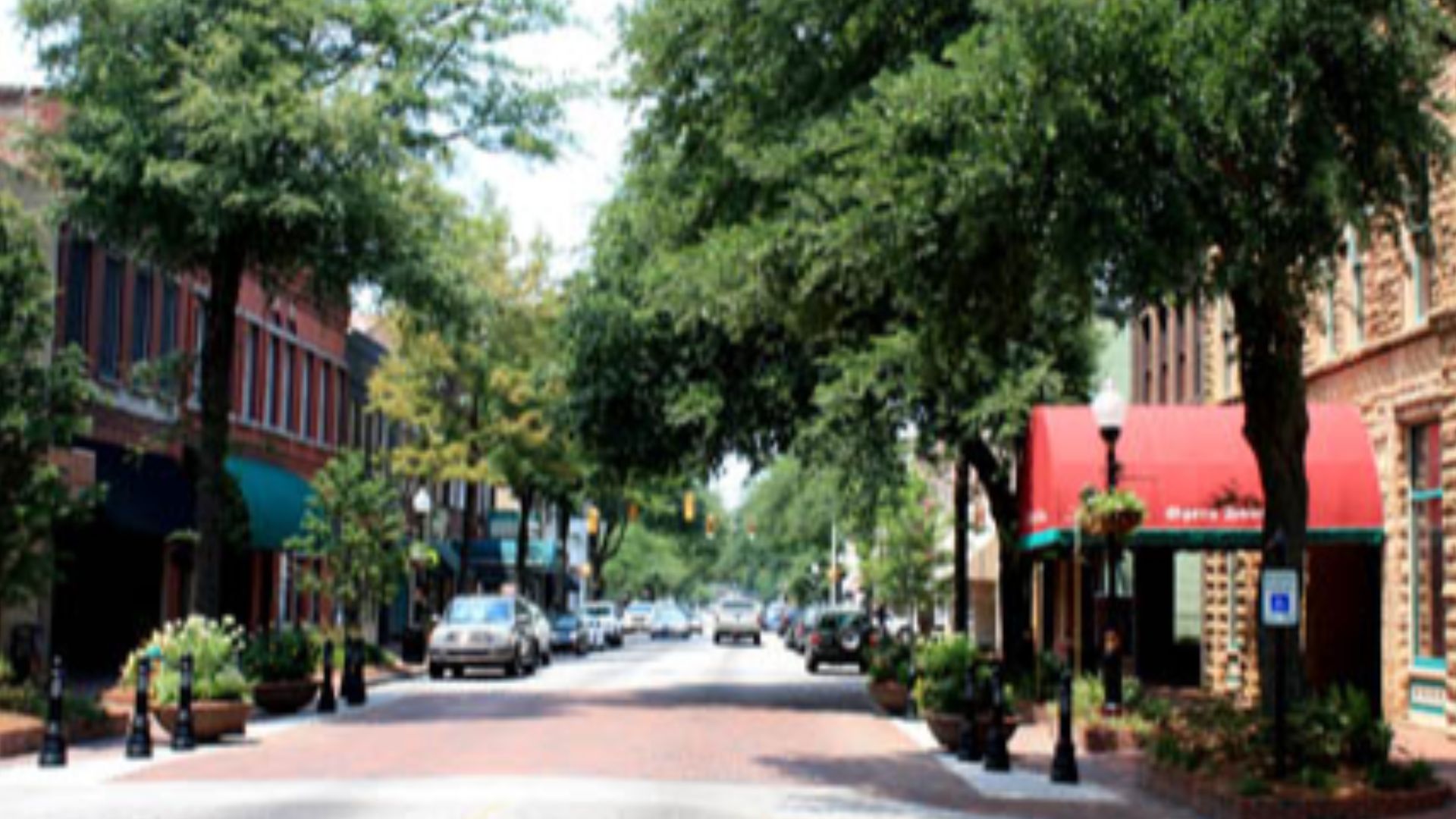 City of Sumter, Wikimedia Commons
You May Also Like:
The Truth About The Lumbee, The Most Controversial Native Tribe In America


.jpg)
