Everyday America Can Feel Surprisingly Different
A first visit to the United States can make ordinary routines suddenly seem unfamiliar. Habits involving restaurants, shopping, transportation, homes, and even eggs reflect systems that developed differently from those in many other countries. None of these customs applies to every American, but several are widespread enough to catch international visitors by surprise.

They Add The Tax At The Register
A visitor can see an item marked $20 and discover that the total is higher at checkout. U.S. sales taxes generally are not included in displayed prices, and rates can vary by state and locality. The official Visit The USA tourism site specifically warns international travelers about this difference.
They Calculate Tips After The Meal
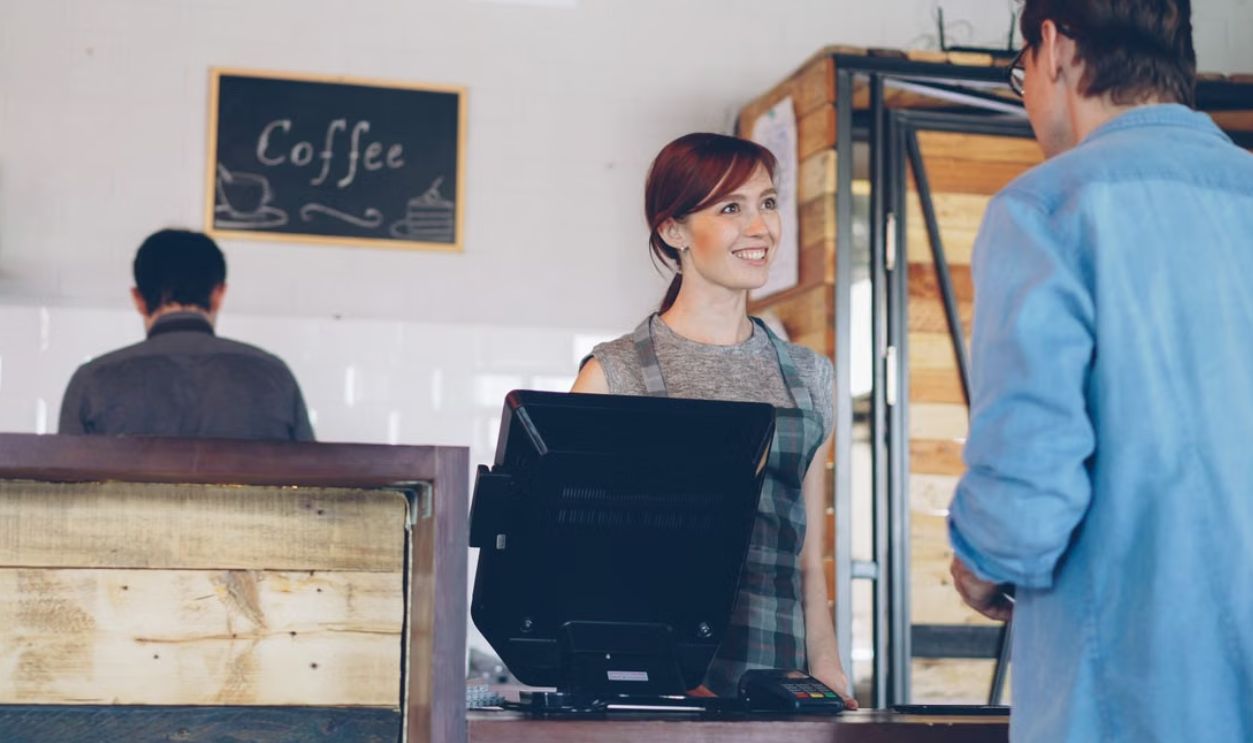
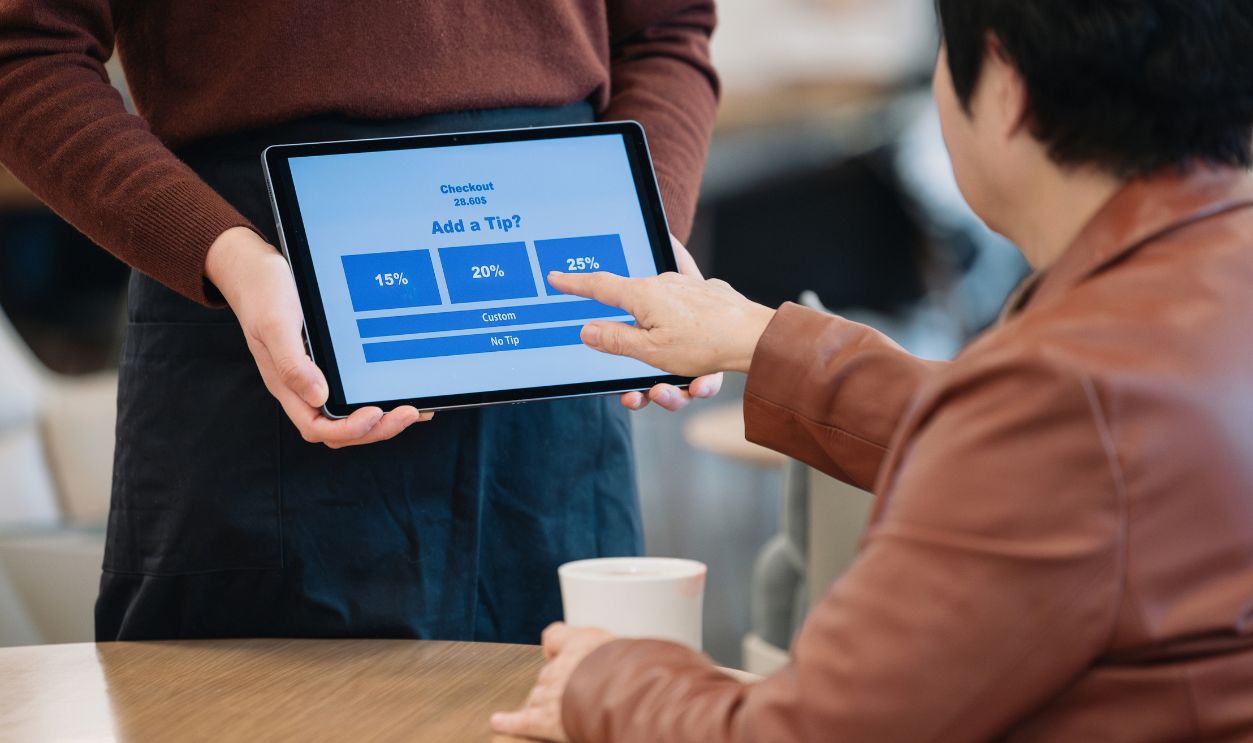
Restaurant tipping can require some unexpected mental arithmetic. Pew Research Center found that tipping is especially common at sit-down restaurants, while tipping guides commonly suggest roughly 15% to 20% or more depending on the service. Visitors from places where service charges or wages make tipping less central can therefore find the American system unfamiliar.

They Face Tip Screens Almost Everywhere
The confusion no longer ends with waiters and bartenders. Pew found that digital payment systems have helped expand prompts for tips into more transactions, even as Americans themselves disagree about when tipping is appropriate. Only 25% of surveyed Americans said they always or often tipped when buying coffee, showing that even locals do not follow one universal rule.
They Measure Distance In Miles
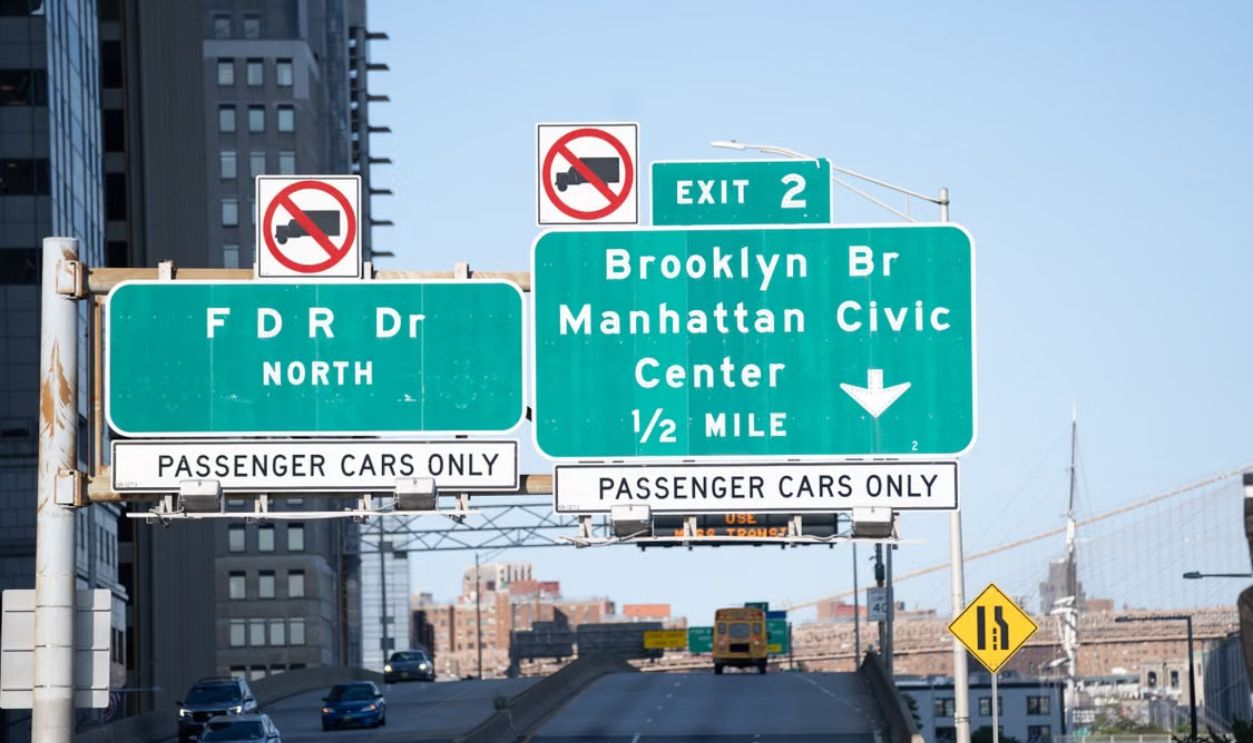
Visitors accustomed to kilometers quickly encounter miles on American road signs and speed limits. NIST describes the United States as a hybrid system where customary and metric measurements are both used, although customary units remain prominent in everyday life. The metric system has actually been legal in the United States since 1866, which makes the continued everyday use of miles, feet, and inches even more interesting.
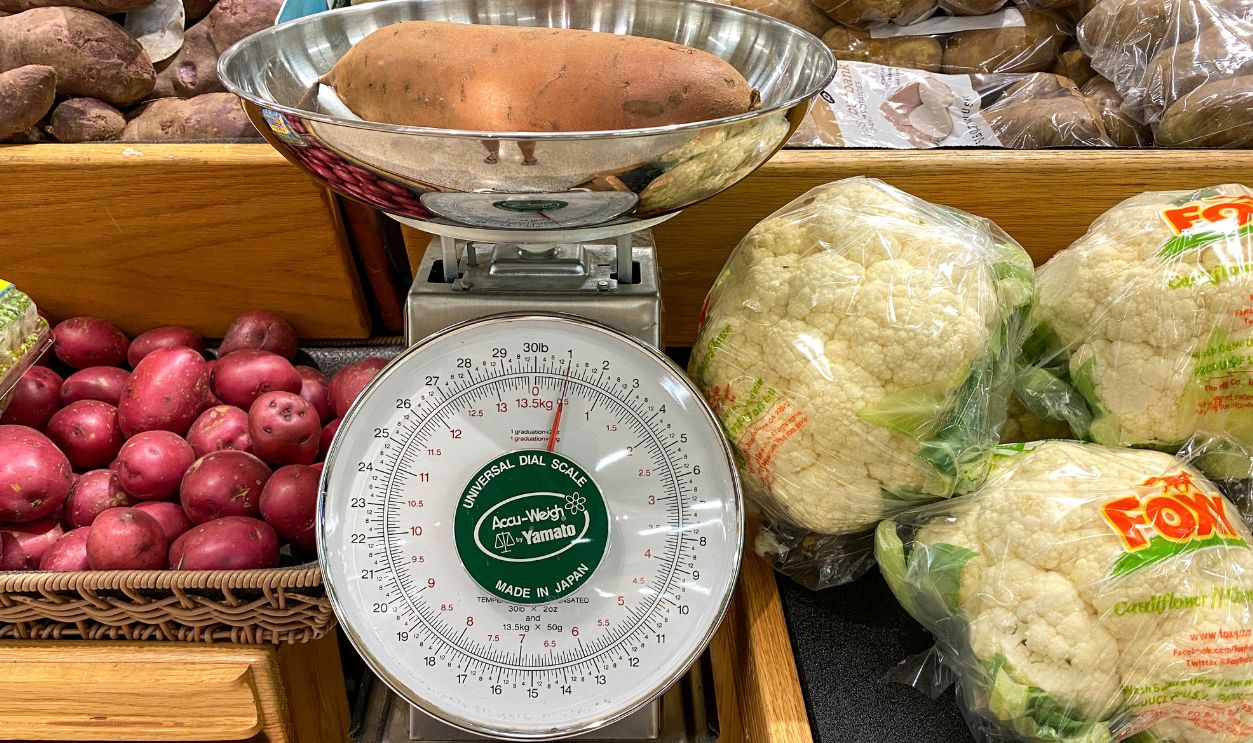
They Talk About Pounds Instead Of Kilograms
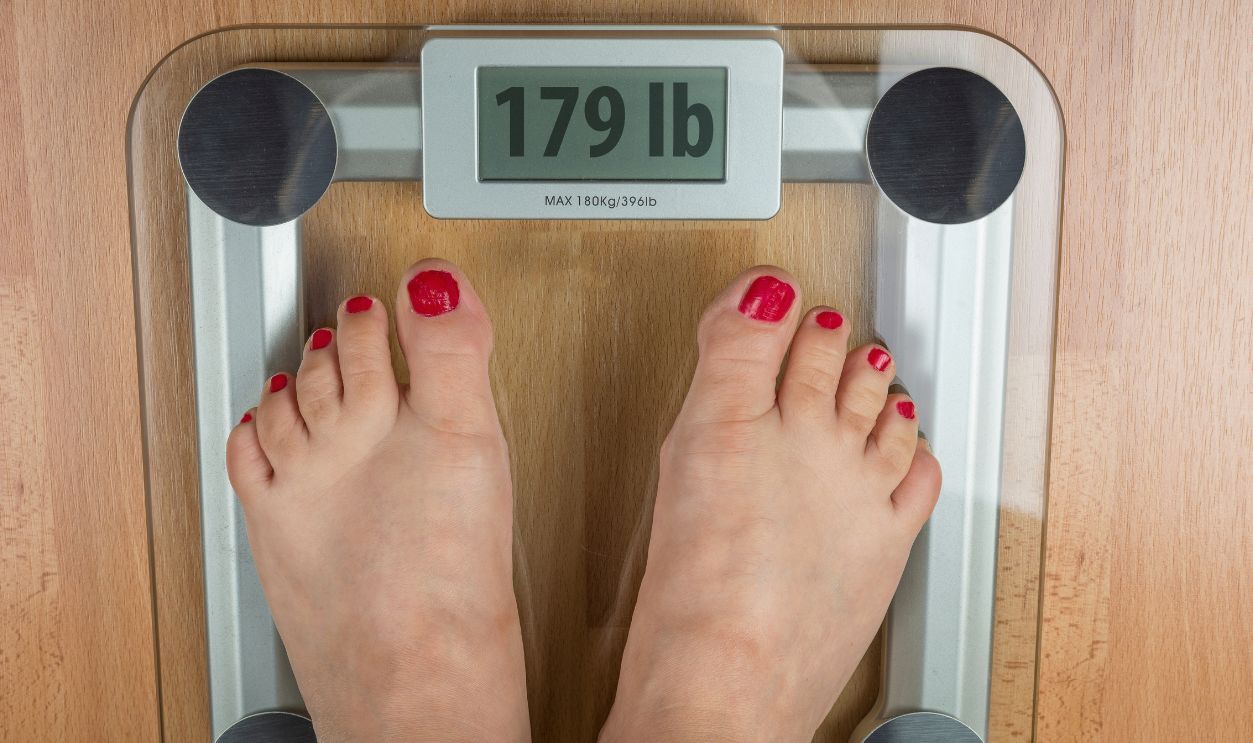
Body weight, grocery quantities, and many other everyday measurements are commonly expressed in pounds. NIST recommends calling these units the "U.S. customary system," rather than the Imperial system, because the two are not identical. American customary units are themselves legally defined in relation to the International System of Units.
They Use Fahrenheit For The Weather
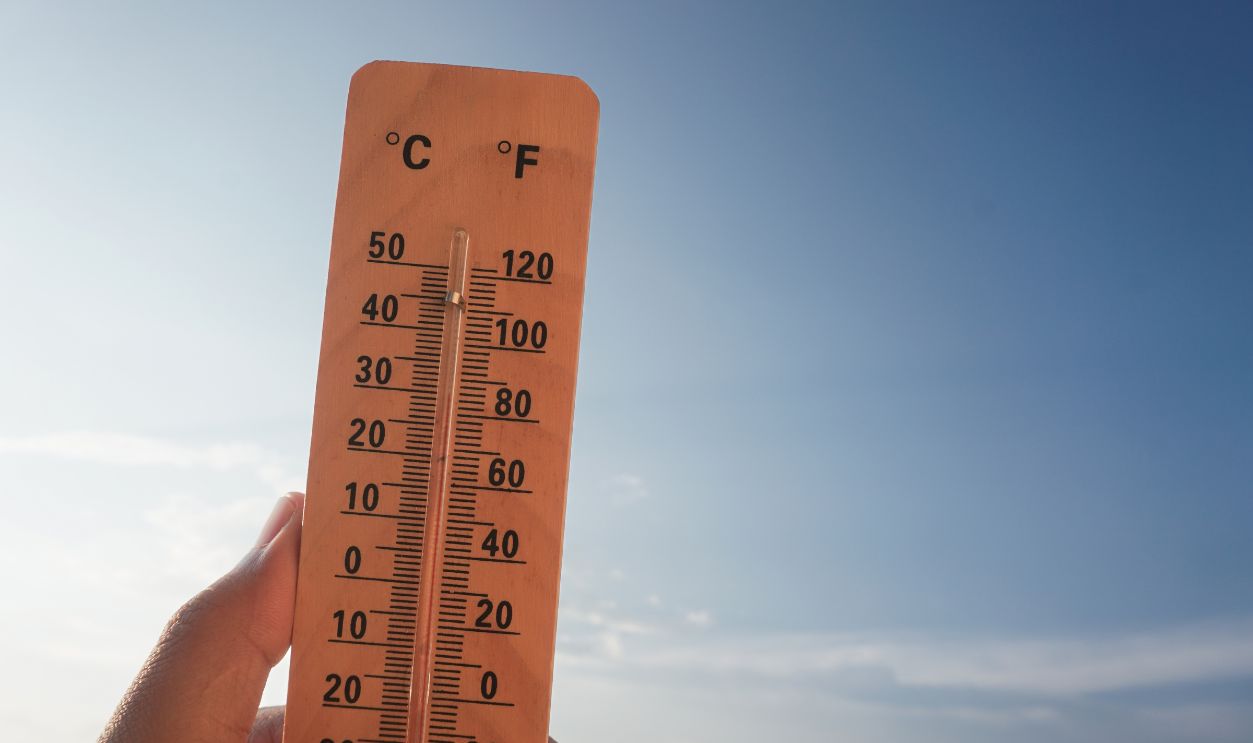
A forecast of 80 degrees sounds alarming if someone instinctively thinks in Celsius. Fahrenheit remains the familiar everyday temperature scale for weather in the United States, even though metric measurements are common in science, medicine, and many industries. NIST describes modern American measurement as a mixture rather than a country completely isolated from the metric system.
 Aria sandi hasim, Shutterstock
They Drive Almost Everywhere
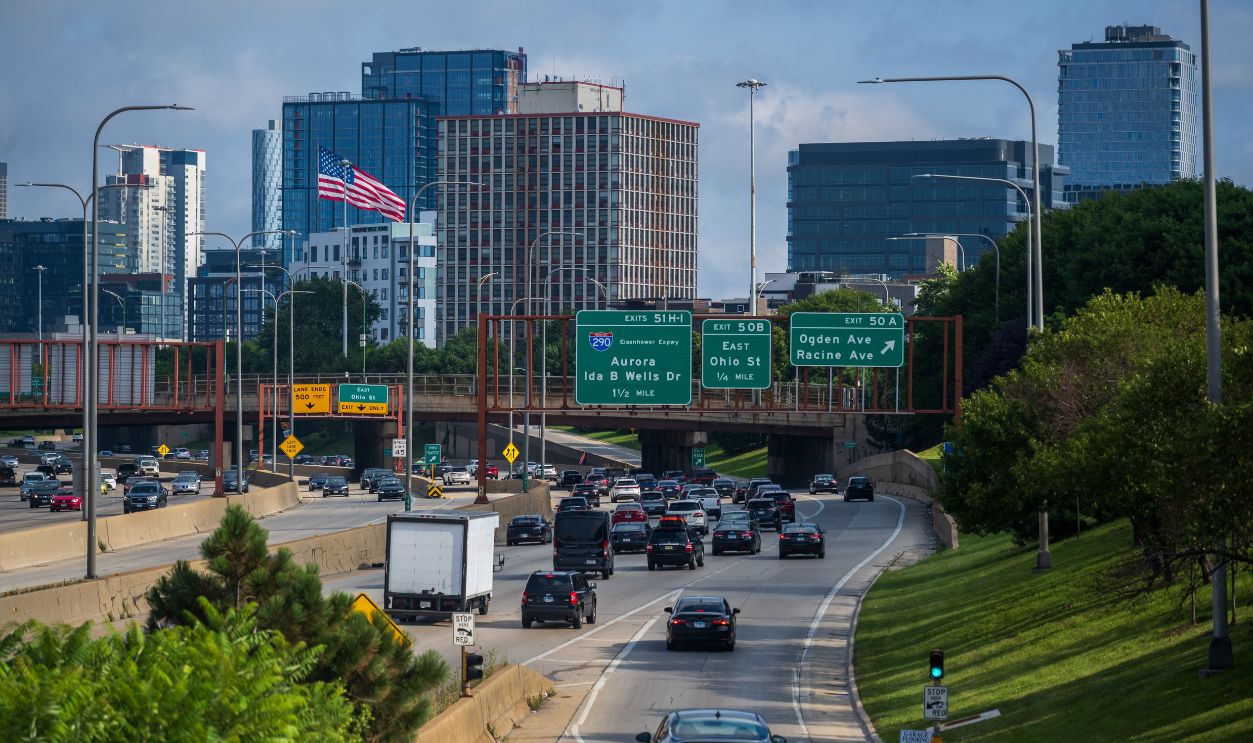
The dominance of cars can be striking to visitors from places with extensive public transportation. Census Bureau data show that 69.2% of U.S. workers drove alone to work in 2024, while only 3.7% used public transportation. Those national figures help explain why so much American infrastructure assumes that people will arrive by car.
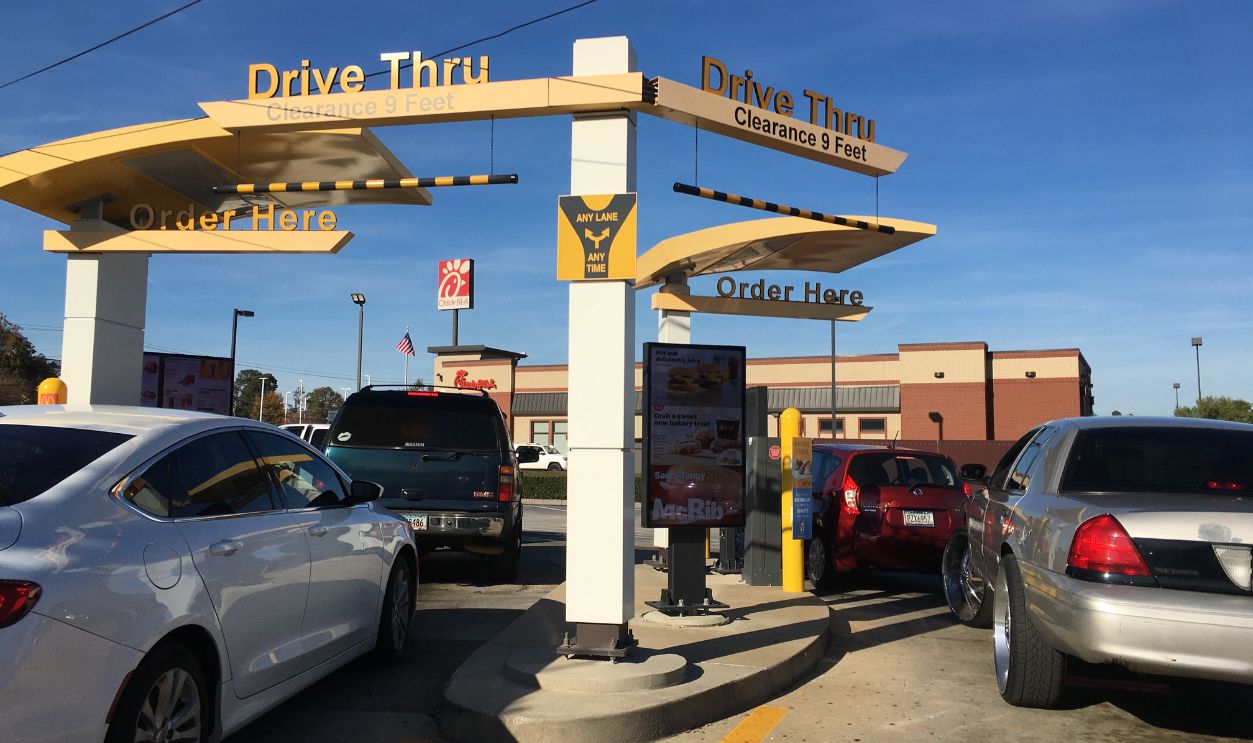
They Turn Errands Into Drive-Throughs
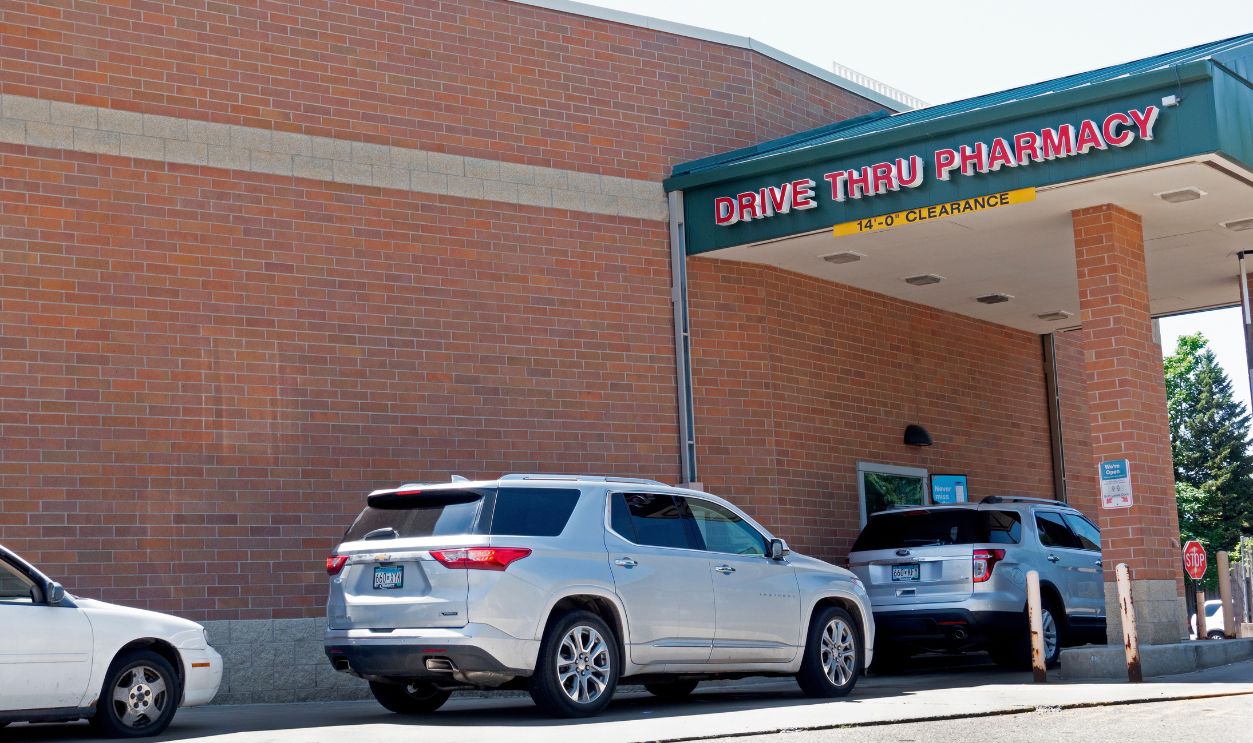
Americans did not stop after creating drive-through restaurants. Banks, pharmacies, and other businesses adopted the same basic idea as car ownership expanded during the 20th century. Walgreens says that more than 70% of its stores had a pharmacy drive-through by the early 2000s, illustrating how thoroughly the concept spread.
They Collect Medicine Without Leaving The Car
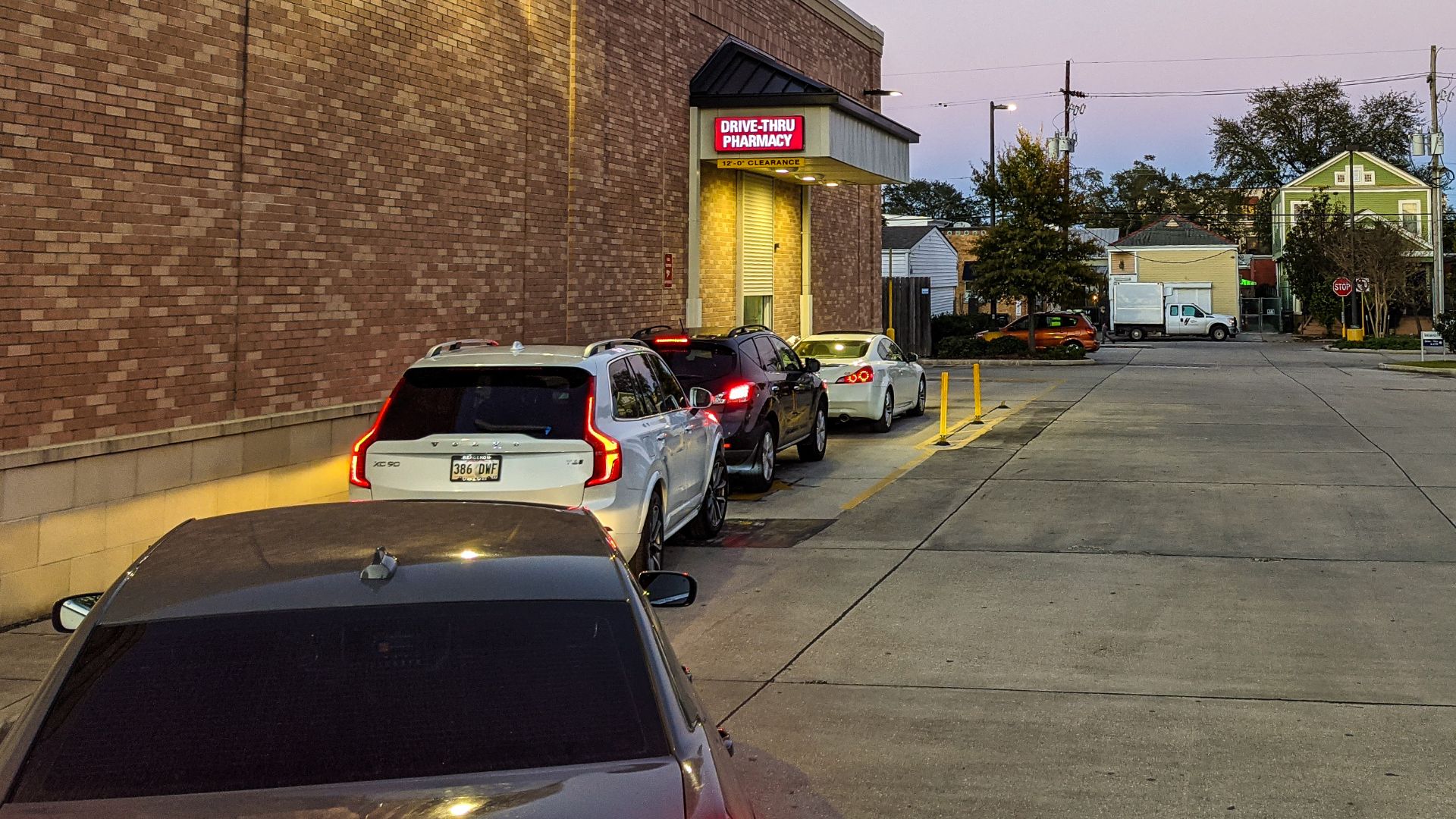
A pharmacy window beside a traffic lane can look peculiar to someone encountering one for the first time. Walgreens opened its first freestanding corner store with a drive-through pharmacy in 1992, helping popularize the service. The format was designed around convenience, allowing prescriptions to become another errand that could be completed from a vehicle.
 Bart Everson, Wikimedia Commons
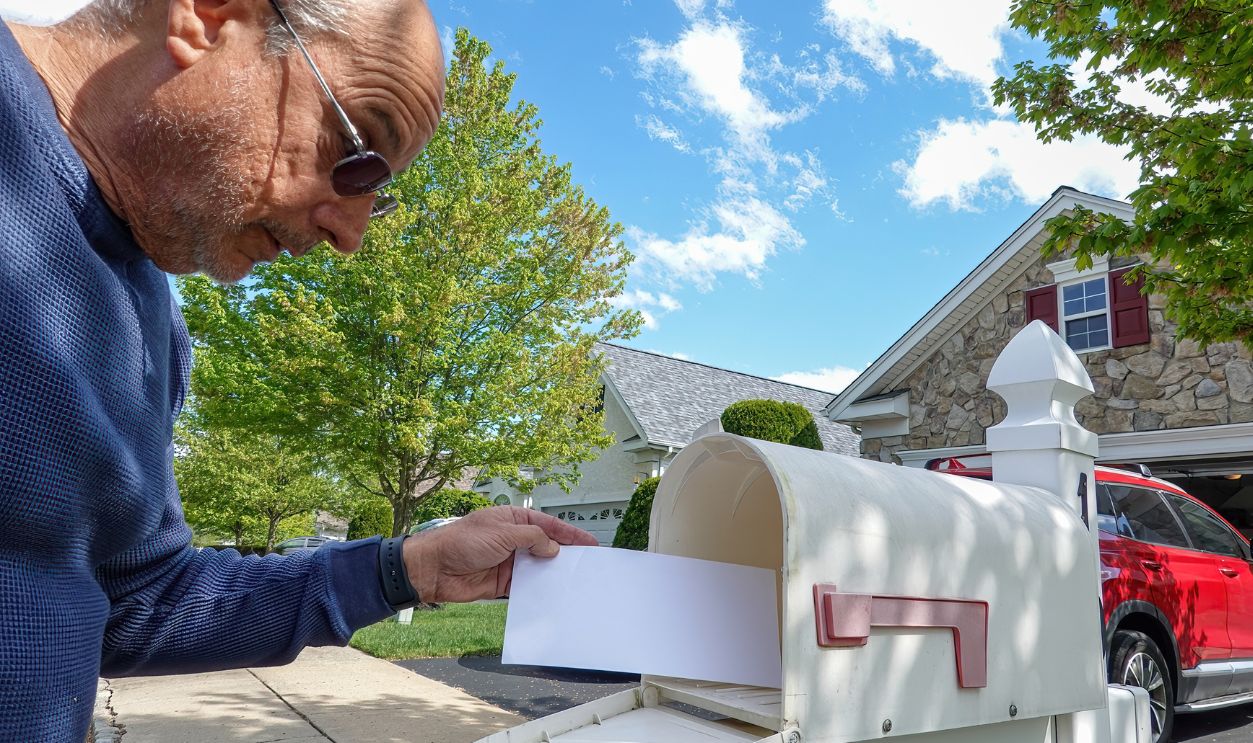
They Put Mailboxes Beside The Road
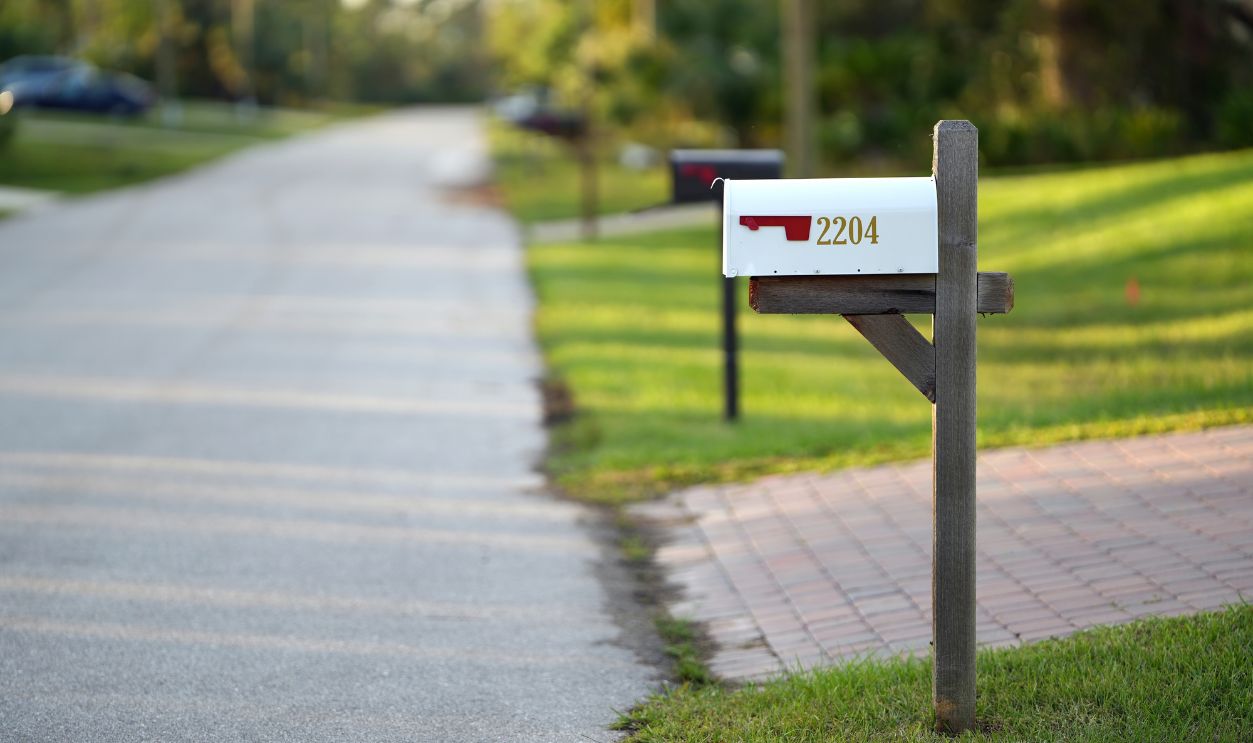
The familiar American curbside mailbox is designed around vehicle-based delivery. U.S. Postal Service standards define curbside boxes specifically as mailboxes that can be served by a carrier from a vehicle. In areas where this form of delivery is used, both residents and postal workers can handle mail without the carrier walking to every front door.
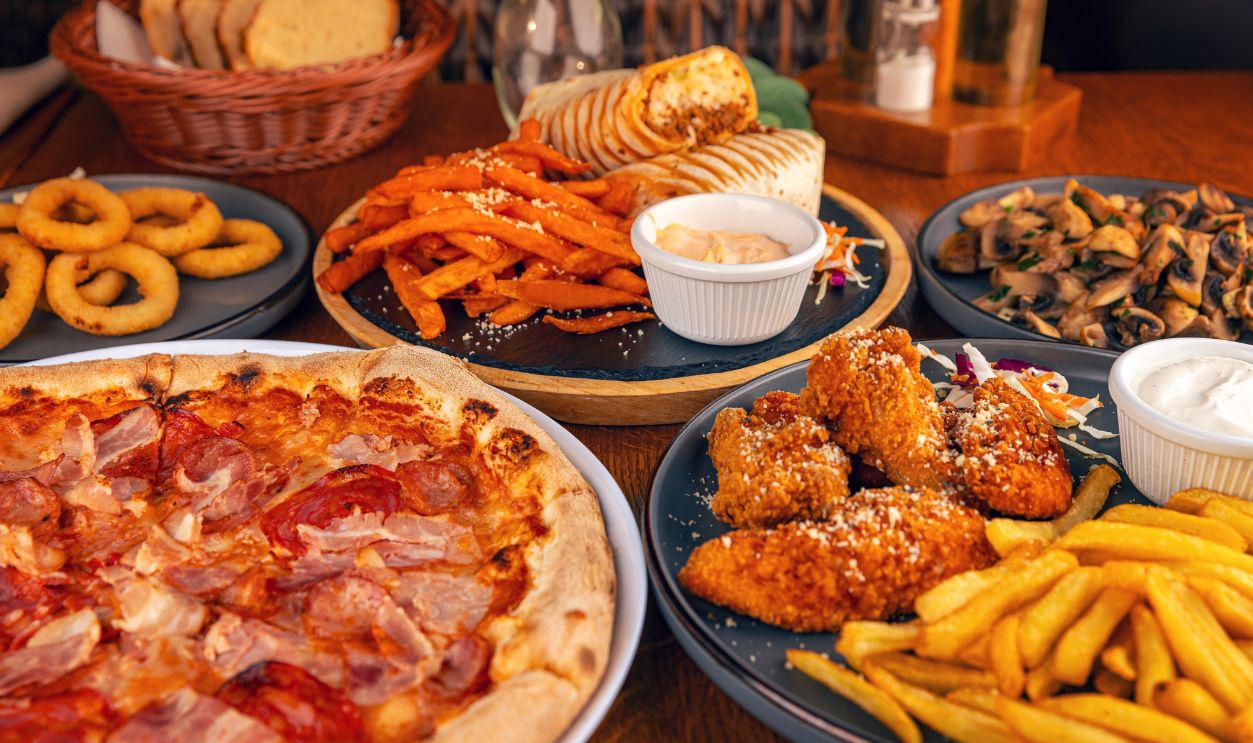
They Serve Some Seriously Large Portions
Visitors sometimes joke about American restaurant portions, but research has found measurable international differences. One study comparing university students in the United States, France, and Brazil found the estimated American portion-size norm was 42% larger than the French norm when results across the foods studied were combined. The researchers also found that portion expectations varied significantly by country.
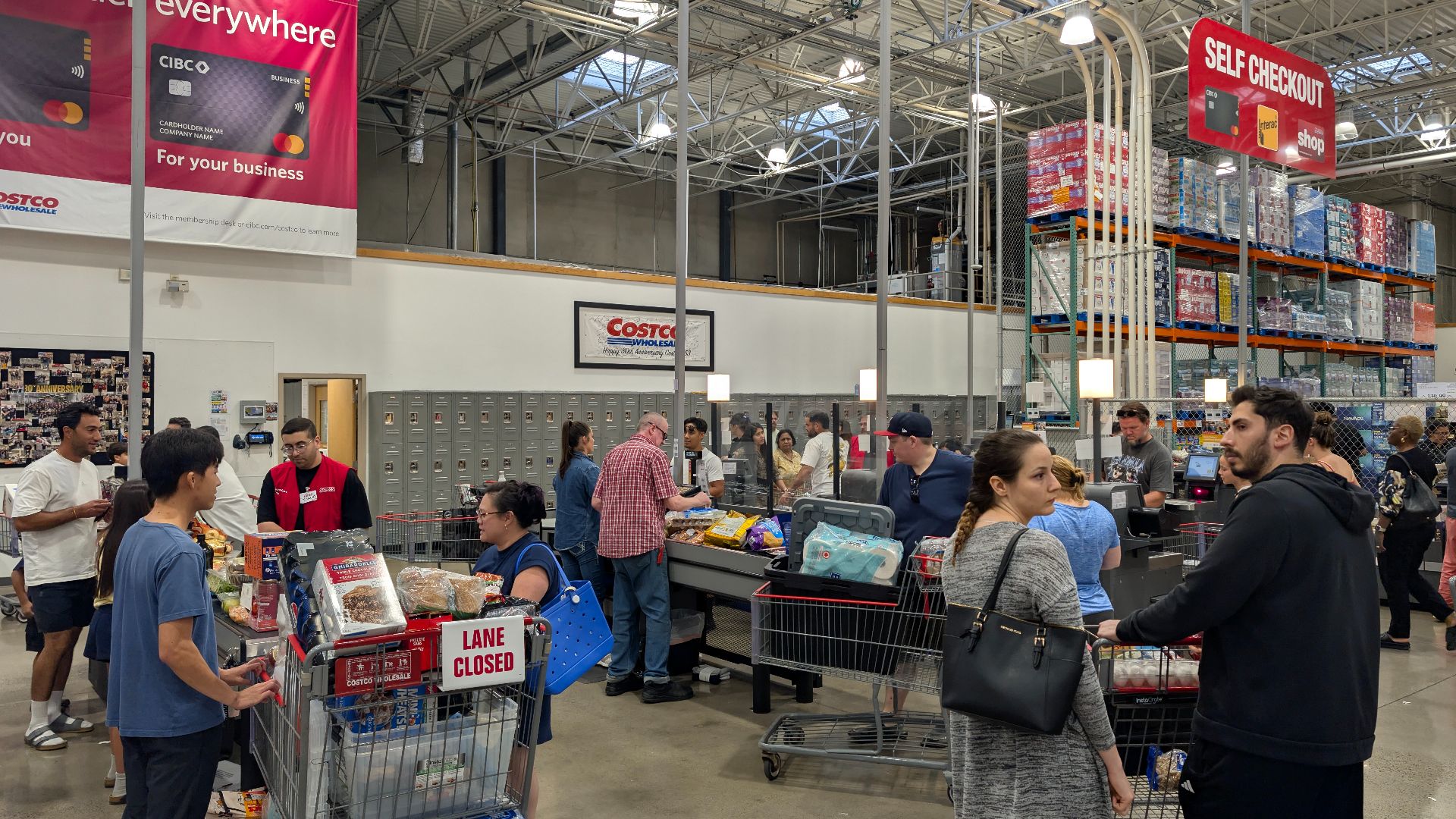
They Buy Groceries In Enormous Stores
American food shopping increasingly includes supercenters and warehouse clubs alongside traditional supermarkets. USDA data show that warehouse clubs and supercenters accounted for 26.4% of food-at-home spending in 2025, up from 9.4% in 1997. Their growth has helped make large stores and bulk packages a familiar part of American shopping.
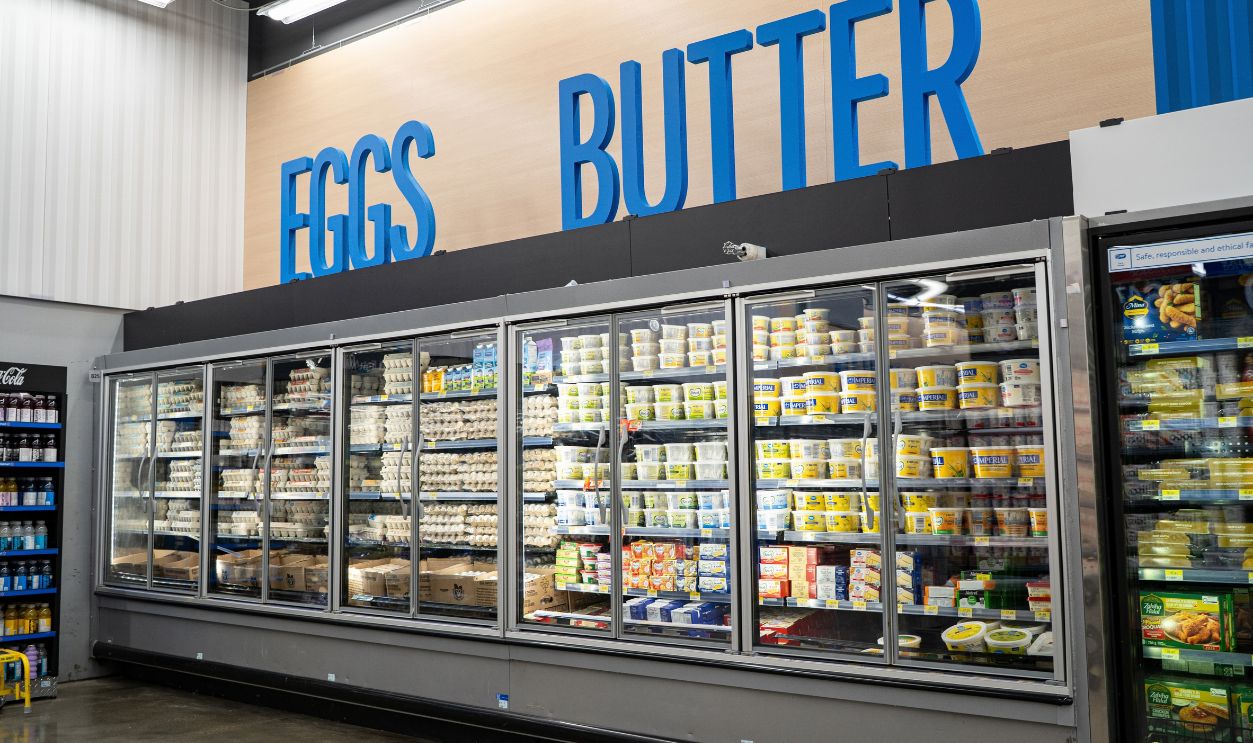
They Keep Their Eggs In The Refrigerator
An American supermarket's refrigerated egg case can puzzle Europeans accustomed to seeing eggs on ordinary shelves. USDA explains that American producers wash and refrigerate eggs, while most European Union countries generally do not wash them and sell them unrefrigerated. Once American eggs have been refrigerated, USDA advises keeping them cold to reduce food-safety risks.
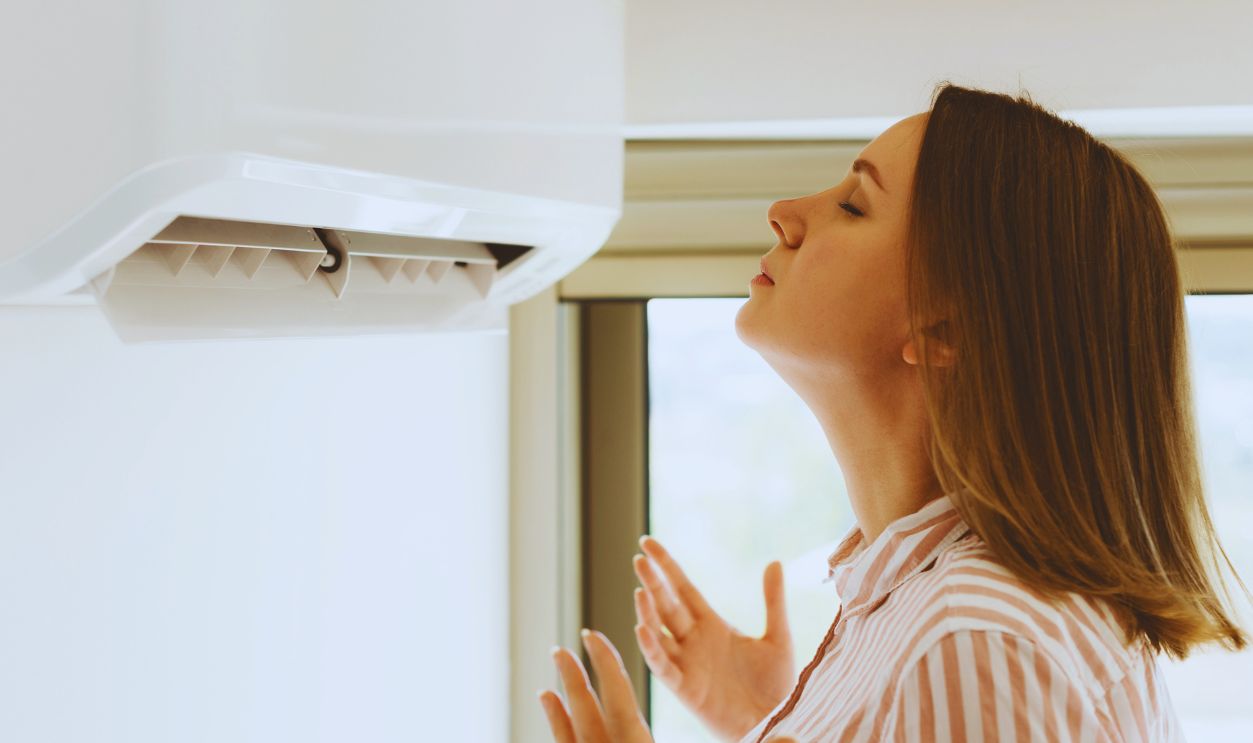
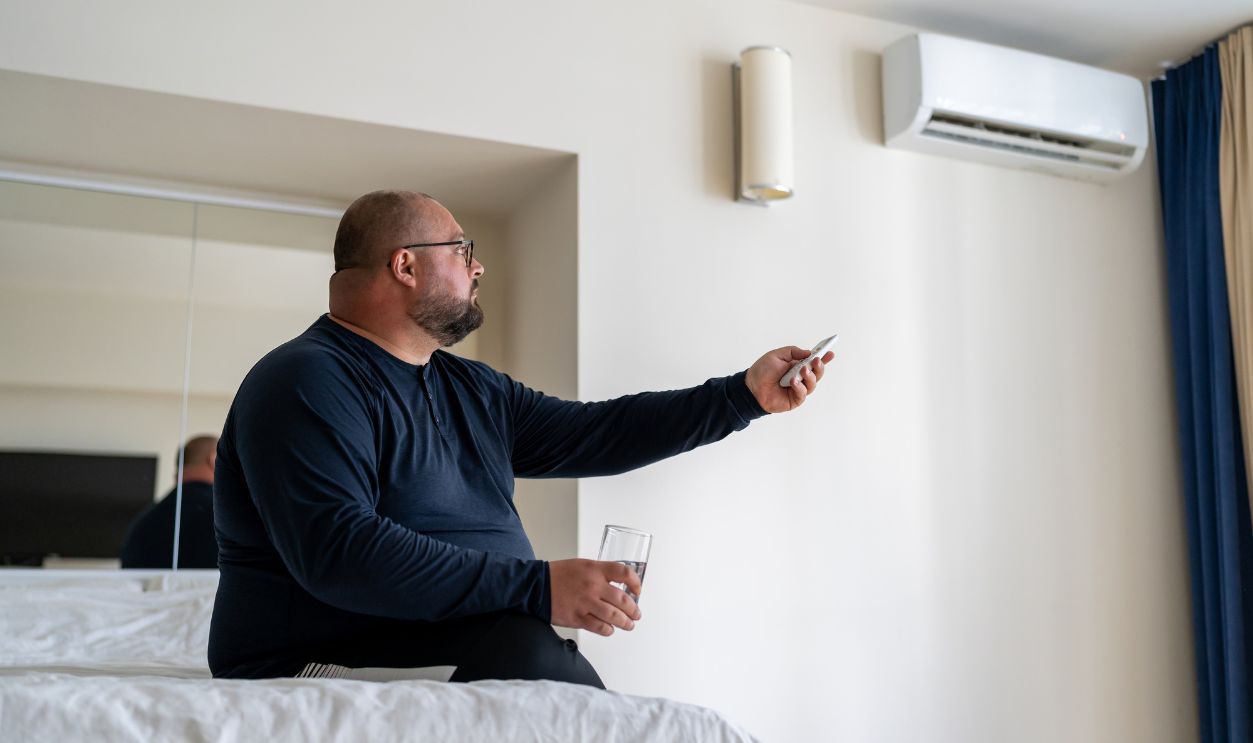
They Treat Air Conditioning As Normal
Powerful indoor air conditioning can surprise travelers from regions where residential cooling is less widespread. The U.S. Energy Information Administration reported that 88% of American households used air conditioning in 2020, with central systems or central heat pumps serving as the main equipment in about two-thirds of homes. In the South, the share of households using air conditioning reached 93%.
They Can Make Summer Indoors Feel Like Fall
The prevalence of air conditioning extends well beyond a few especially hot states. EIA data show that residential air-conditioning use increased substantially over the decades, from 57% of homes in 1980 to about 89% in 2020. That helps explain why visitors can move from intense summer heat outside into dramatically cooler homes, stores, hotels, and other buildings.
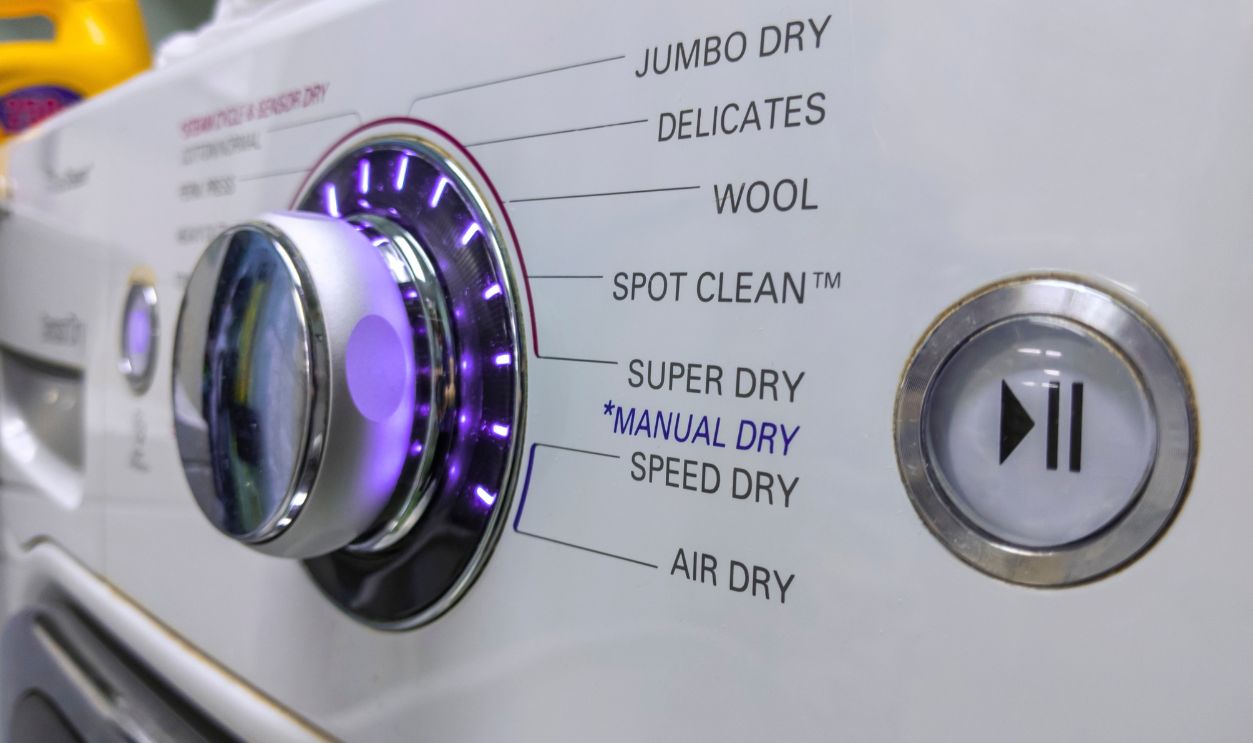
They Rely Heavily On Clothes Dryers
Hanging laundry outside or on indoor racks is routine in many parts of the world, but American homes frequently contain electric or gas dryers. Preliminary EIA data for 2024 counted about 111 million U.S. homes with a clothes dryer out of roughly 133 million homes surveyed. That makes machine drying an ordinary household routine for a large majority of American households.
 Colleen Michaels, Shutterstock
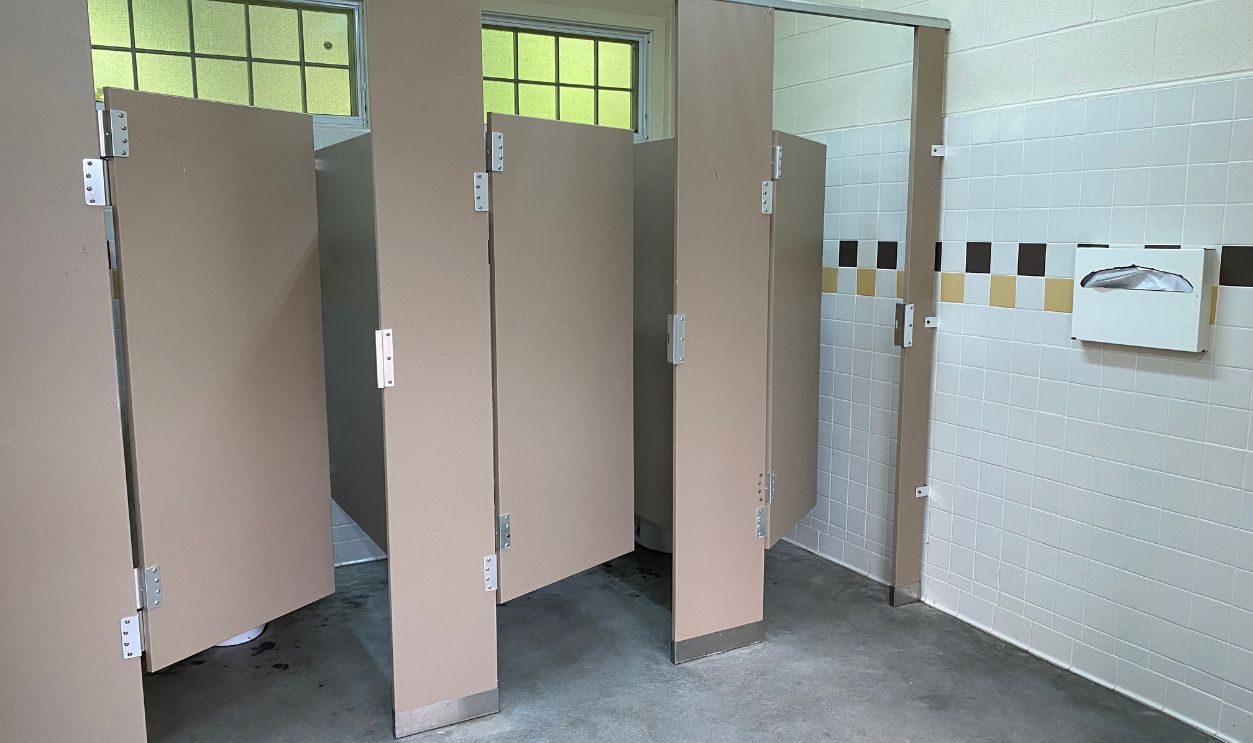
They Have Surprisingly Open Bathroom Stalls
One American feature can be uncomfortable even for Americans themselves: the gaps around public restroom stall doors. Sociologist Harvey Molotch told WBEZ that U.S. stalls are unusually open compared with those in many other countries, allowing more sound, visibility, and exposure than fully enclosed designs. Visitors accustomed to nearly floor-to-ceiling cubicles can find the difference especially noticeable.
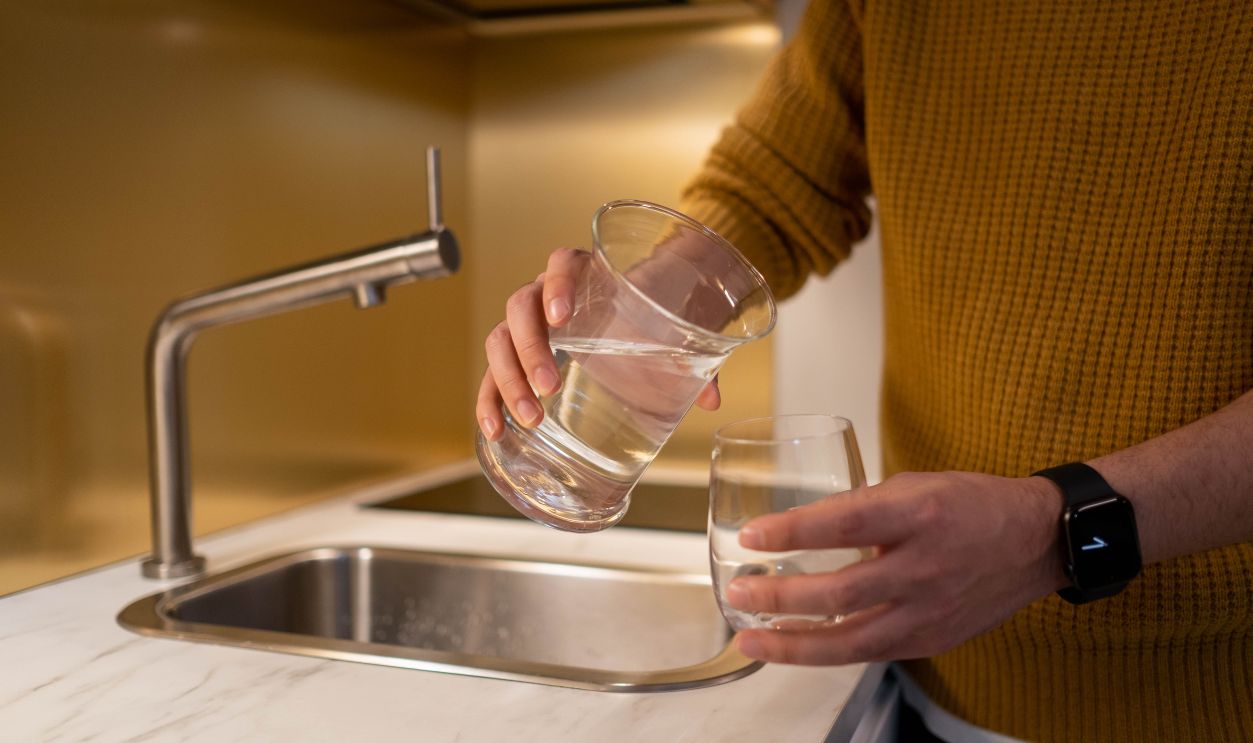
They Drink Straight From The Tap
Ordering or accepting tap water can feel unusual to travelers from places where bottled or filtered water is preferred. The CDC says nine out of ten Americans receive tap water from public water systems, which must meet federal safety standards. Public tap water is generally safe, although local contamination and advisories can occur.
They Take College Sports Extremely Seriously
Visitors sometimes expect professional teams to dominate American sports culture, then encounter enormous stadiums devoted to university teams. Pew found that Americans commonly identify football as the country's defining sport, while both professional and college competitions form part of the national sports landscape. College basketball's March Madness tournament is another major annual sporting event with nationwide attention.

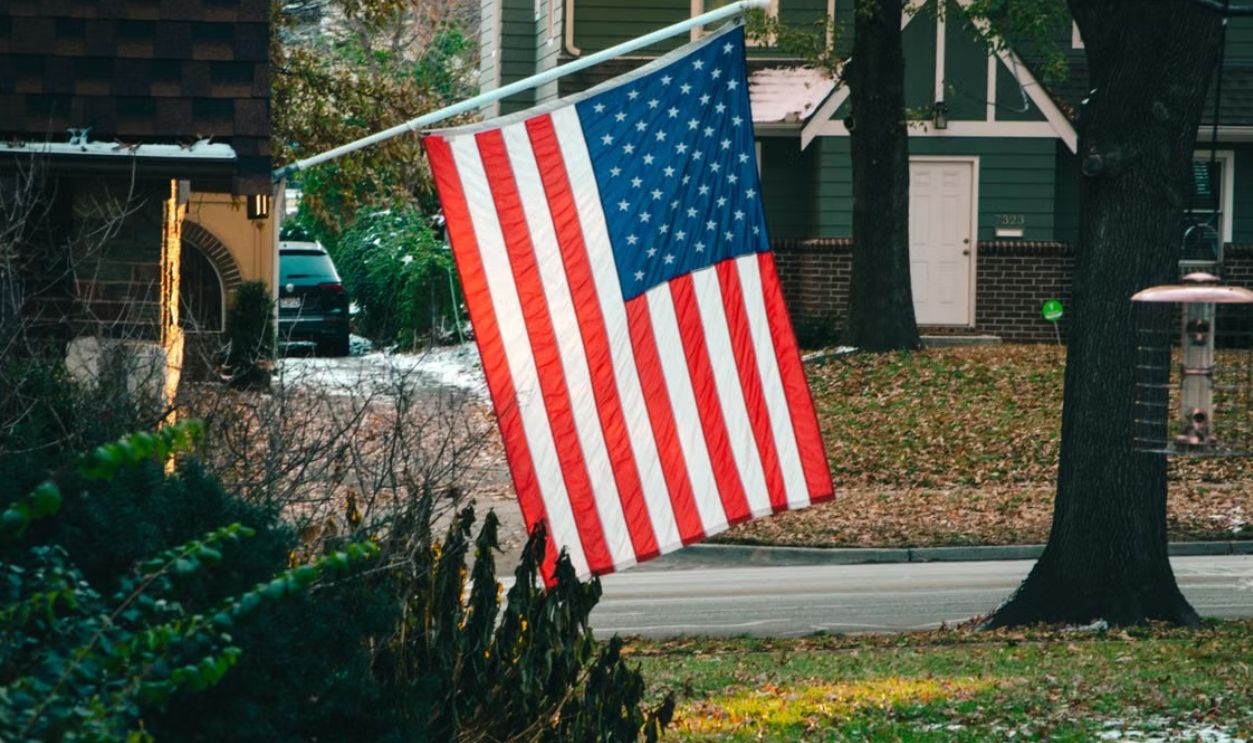
They Put National Flags On Everyday Things
American flags appear on homes, businesses, vehicles, clothing, and countless other objects. In a Pew survey from 2010, 59% of respondents said they displayed the flag at their home, office, or automobile. The prevalence of everyday flag displays can stand out to visitors from countries where national symbols are used more sparingly outside official events.
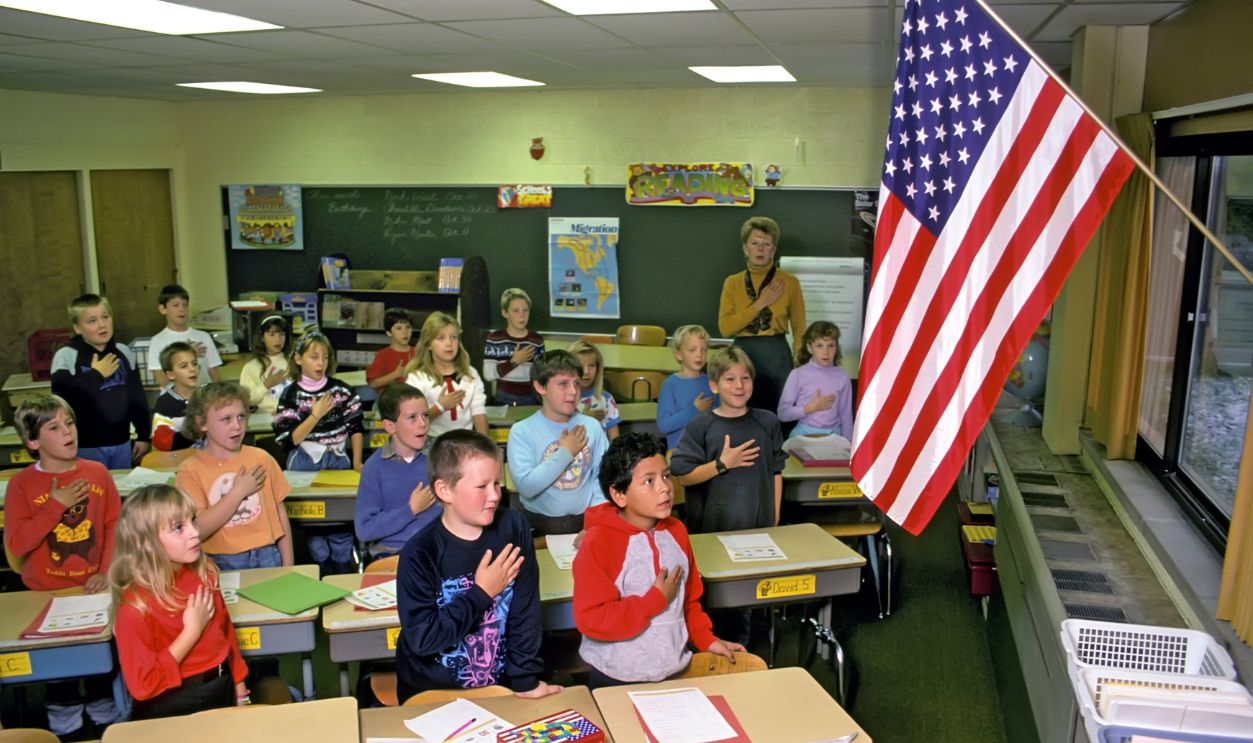
They May Start The School Day With A Pledge
The Pledge of Allegiance has long been associated with American school life, although students cannot constitutionally be forced to recite it. The Library of Congress notes that the Supreme Court ruled in 1943 that government could not compel students to salute the flag or say the pledge. The continuing tradition of a spoken pledge to a national flag can nevertheless seem unusual to visitors unfamiliar with American civic rituals.
 Dennis MacDonald, Shutterstock
They Treat Pets Like Members Of The Family
The intensity of American pet culture can catch some visitors off guard. Pew found in 2023 that 62% of U.S. adults owned a pet and 97% of those owners considered their animals part of their family. About half of pet owners went further and said their pets were as much a part of the family as human members.

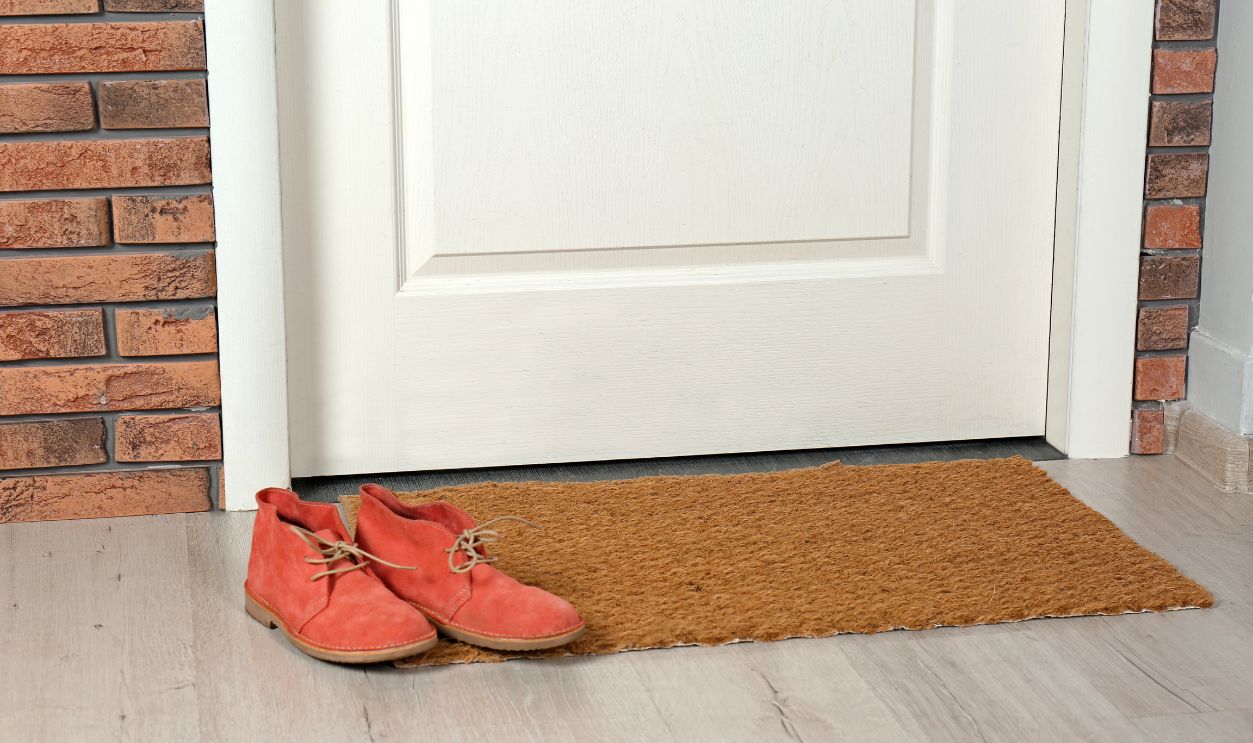
They Do Not Agree About Shoes Indoors
The stereotype that Americans always wear shoes inside is too simple. A YouGov survey found that 55% of Americans said they would follow whatever their host preferred, while the rest were almost evenly divided between preferring shoes on and shoes off. That uncertainty itself can confuse visitors from cultures where removing shoes at the door is an automatic social rule.
They Get Less Guaranteed Vacation Than Visitors Expect
One of the biggest workplace surprises is not a social custom at all. The federal Fair Labor Standards Act does not require employers to provide paid vacation, paid holidays, or payment for other time not worked, although employers can offer these benefits voluntarily or through agreements. Visitors from countries with statutory paid annual leave requirements may therefore be surprised by how much American vacation policy depends on the employer.

They Build Daily Life Around Convenience
Drive-through pharmacies, curbside mailboxes, clothes dryers, giant food retailers, and car commuting may seem like unrelated quirks. Together, however, they reflect how many American systems developed around saving time and accommodating automobiles. The growth of drive-through businesses after World War II was closely connected to expanding car ownership and consumer interest in speed and convenience.
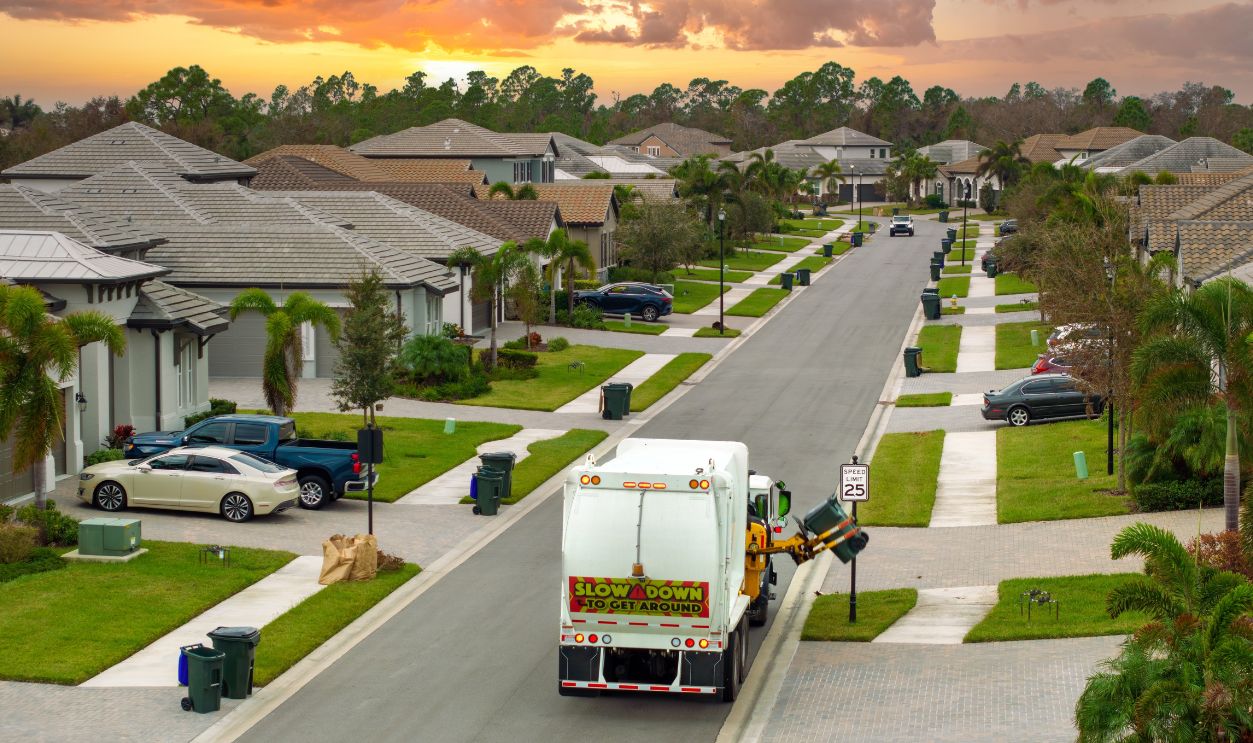
They Live In A Country Of Detached Houses
The physical scale of American residential areas can surprise visitors from densely populated countries. Census Bureau data counted nearly 88 million detached single-unit homes among roughly 142 million U.S. housing units in 2021. Detached houses, roads, yards, parking, and car-oriented development help give many American communities a noticeably different physical layout from dense urban neighborhoods overseas.
They Mix Metric And Customary Units Without Thinking About It
America is not quite as non-metric as its reputation suggests. NIST points out that grocery shoppers encounter liters, grams, pounds, quarts, and other units side by side, while health care and scientific fields rely heavily on SI measurements. To Americans this mixture can feel completely ordinary, while visitors may wonder why one country appears to be using two systems at once.
The Strange Habits Usually Have A History
Many supposedly bizarre American habits make more sense once their origins are understood. Car-oriented development encouraged drive-through businesses, food-safety rules shaped refrigerated eggs, decentralized taxation helped create checkout surprises, and historical policy choices preserved customary measurements. What looks confusing from the outside is often simply the result of Americans growing up with a different set of everyday systems.
 Billy F Blume Jr, Shutterstock
You May Also Like:
Four Tips For A Successful Vacation
Cities That Completely Reinvented Themselves
The Countries Americans Say They Would Move To If Money Were No Object