When A City Decides To Start Over
Cities rarely stay frozen in time. Industries collapse, transportation changes, neighborhoods decline, and sometimes an economic crisis forces leaders to rethink what a city is supposed to be. From former factory towns to polluted ports, these cities found very different ways to build a new identity.

Bilbao Turned Industry Into An Attraction
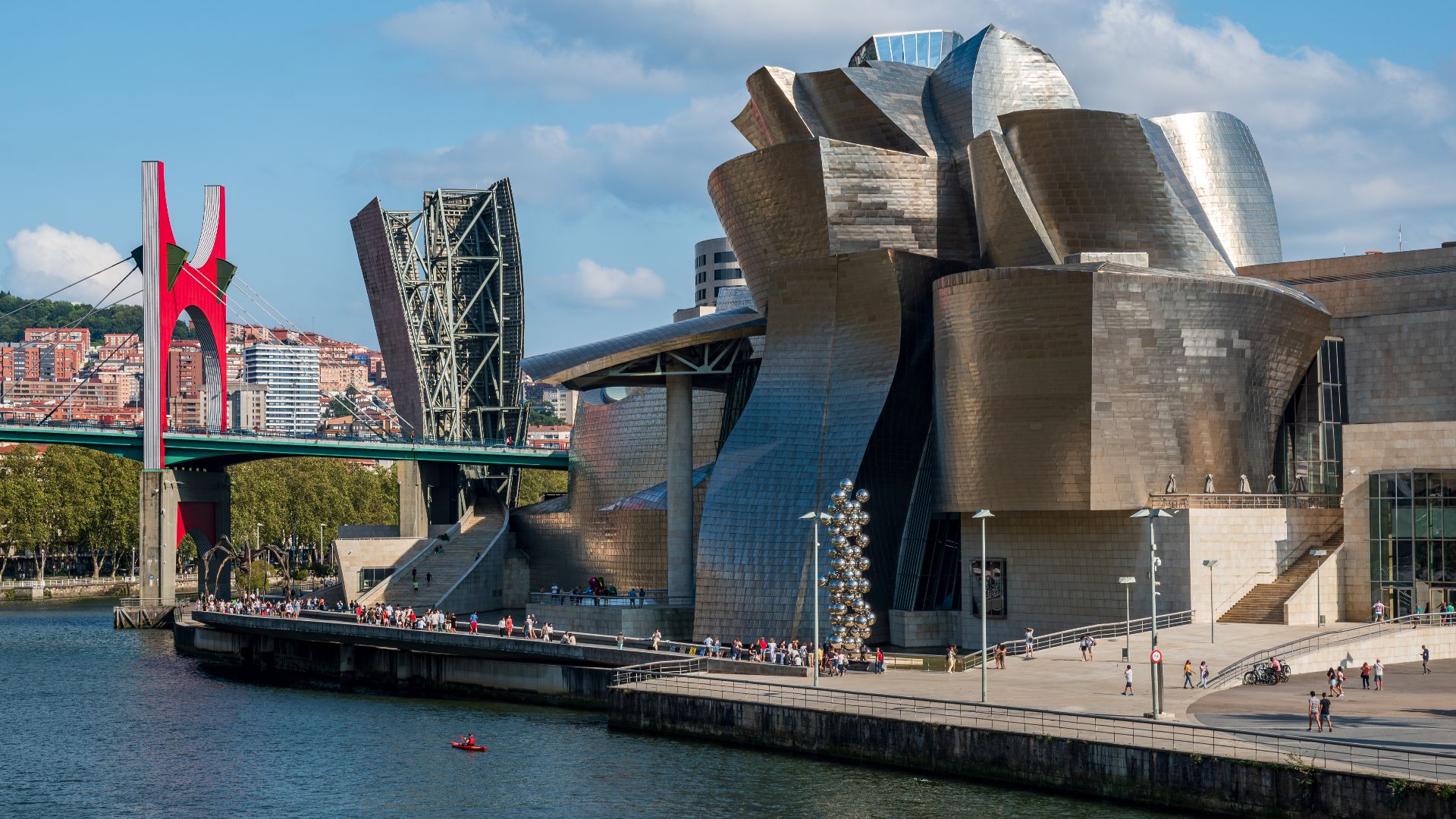
Bilbao was once defined by steelworks, shipyards, industrial pollution, and a busy port along the Nervión estuary. As heavy industry declined during the late twentieth century, regional authorities invested in cleaning the estuary, improving transportation, and redeveloping former industrial land. The Guggenheim Museum, which opened in 1997, became the most internationally recognizable piece of a much larger transformation toward services, culture, and tourism.
 Jose Ligero Loarte, Wikimedia Commons
Pittsburgh Found A Future Beyond Steel
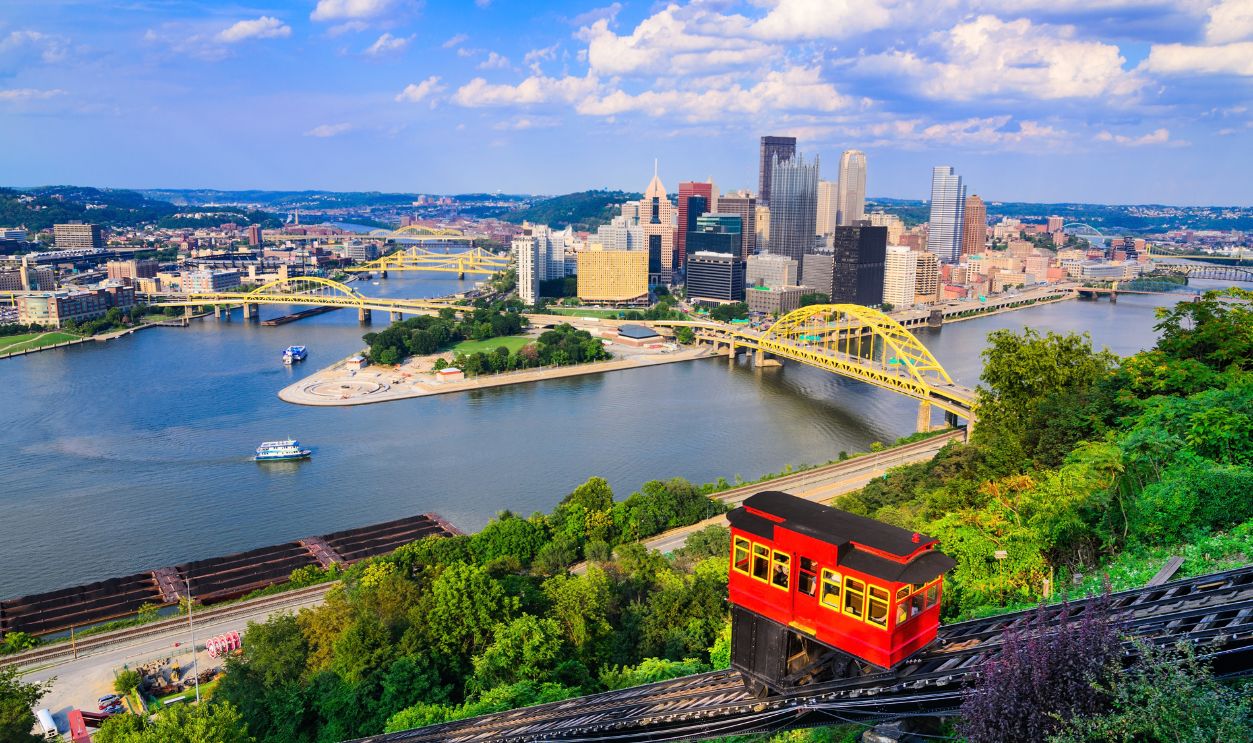
Pittsburgh built much of its wealth and identity around steel, but the industry suffered a devastating contraction during the late twentieth century. The city eventually developed new economic strengths around universities, health care, research, robotics, technology, and advanced manufacturing. Brookings has described Pittsburgh's evolution as a shift from a manufacturing economy toward a major innovation center.
Singapore Engineered An Economic Transformation
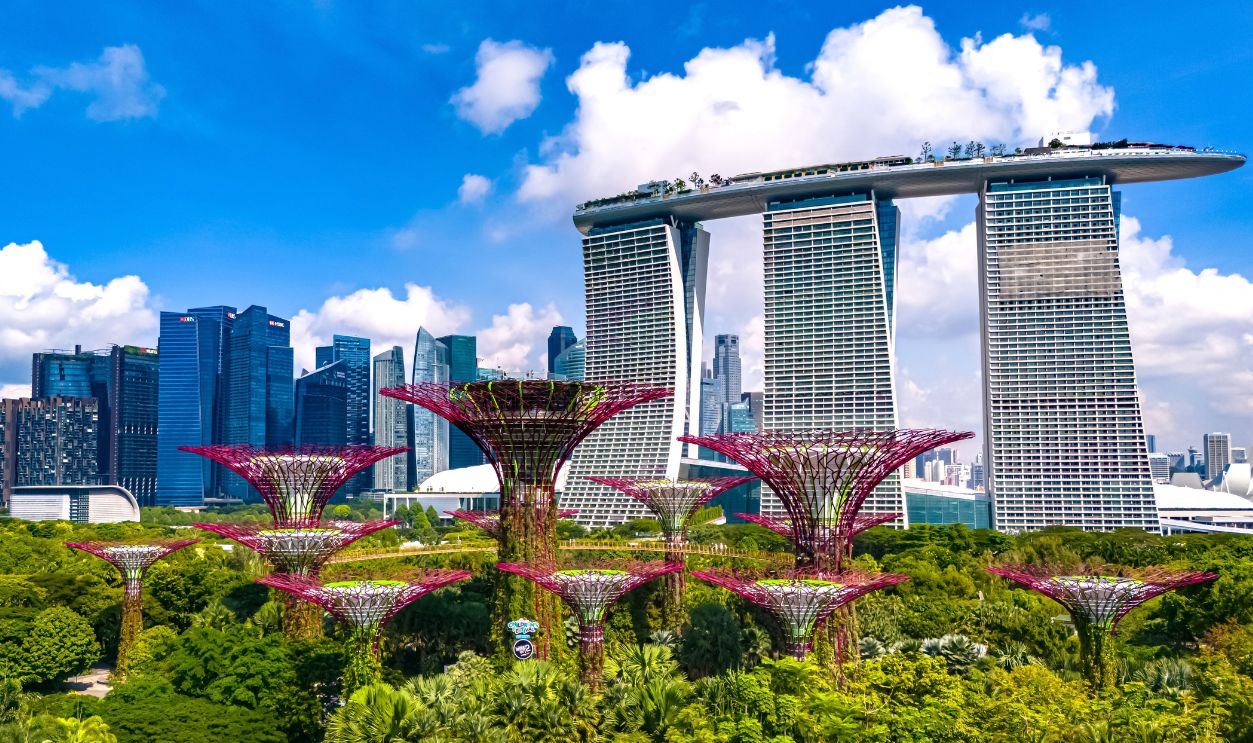
When Singapore became independent in 1965, it faced limited natural resources and significant economic challenges. Rapid industrialization, infrastructure investment, education, trade, and policies designed to attract international business helped turn the city-state into a high-income economy. The World Bank notes that manufacturing and services eventually became the twin pillars of Singapore's high-value economy.
Medellín Connected Neighborhoods That Once Felt Isolated
Medellín became internationally associated with violence and the drug trade during some of the darkest periods of Colombia's recent history. Later urban policies connected hillside communities with the rest of the city through metro lines, cable cars, escalators, libraries, public spaces, and community facilities. Medellín opened its first Metrocable line in 2004 and became an influential example of using transportation and public investment as tools for social and urban integration.
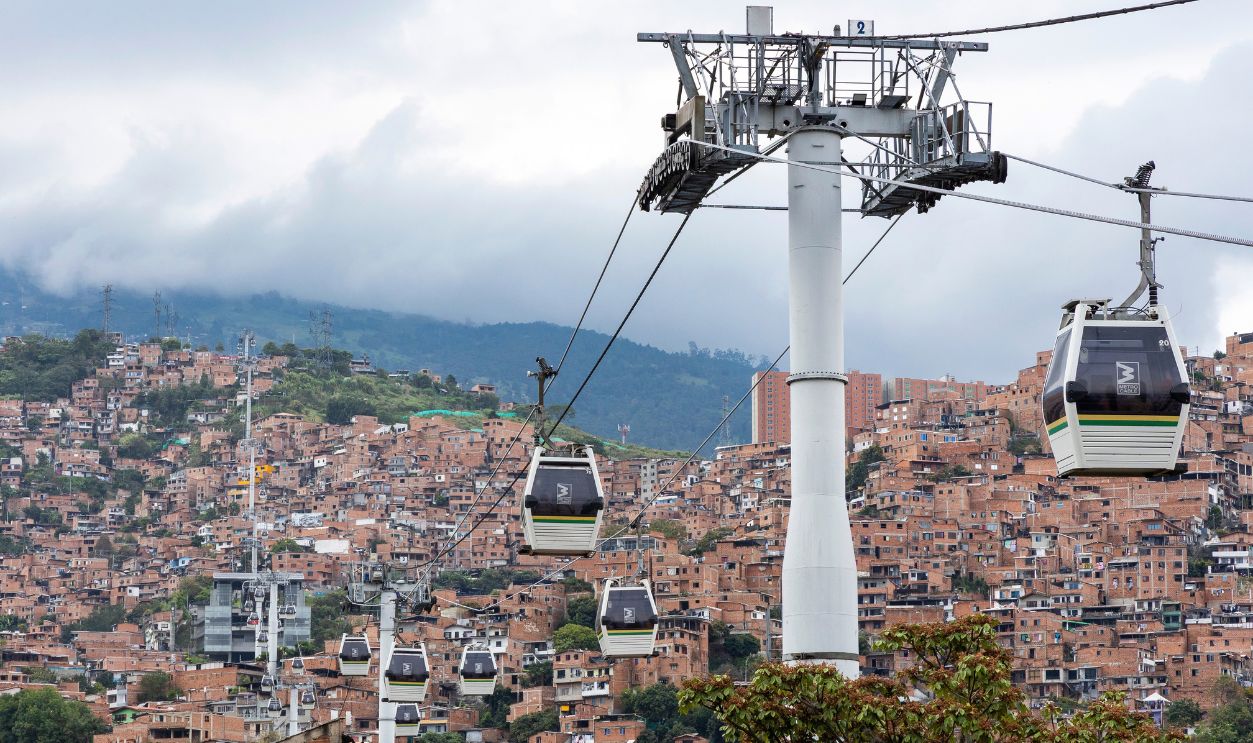 Luis Echeverri Urrea, Shutterstock
Copenhagen Reclaimed Its Industrial Waterfront
Parts of Copenhagen's harbor were once dominated by shipping and heavy industrial activity. As major industrial companies left, former port areas became available for housing, recreation, public spaces, and new neighborhoods. Copenhagen now actively promotes cycling, harbor swimming, green space, and people-focused development as central parts of its urban strategy.
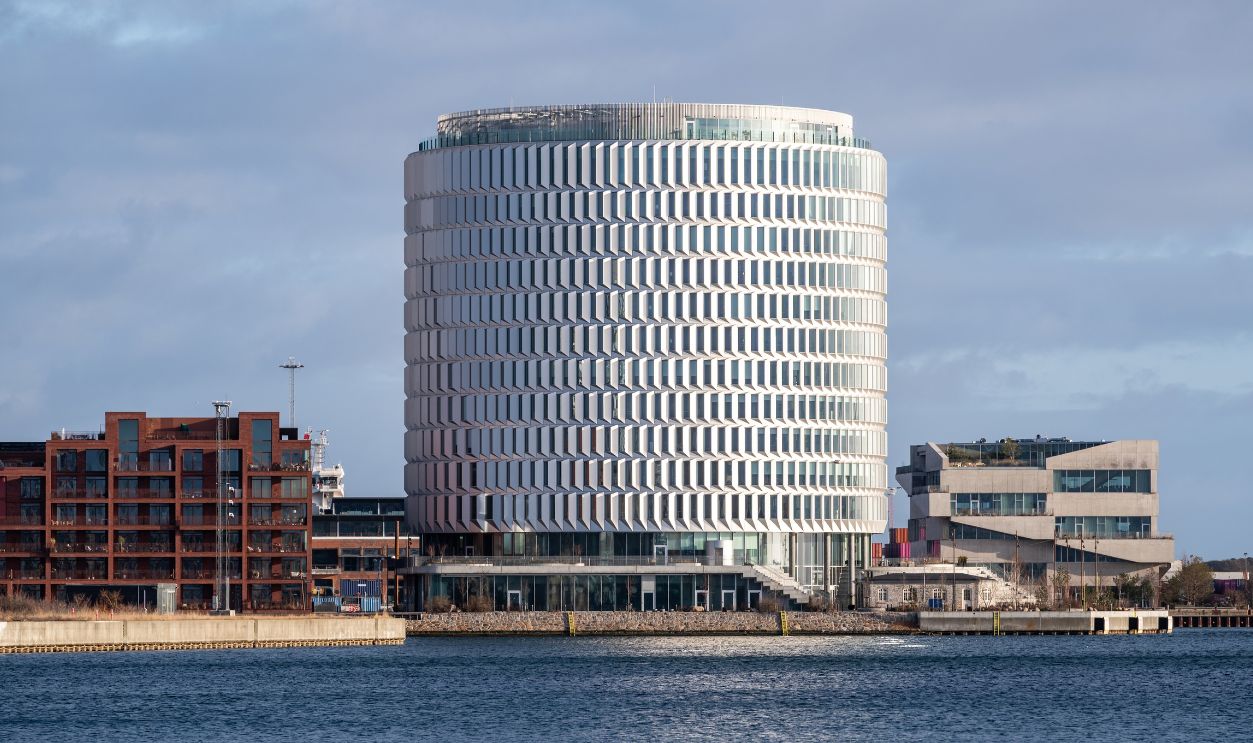
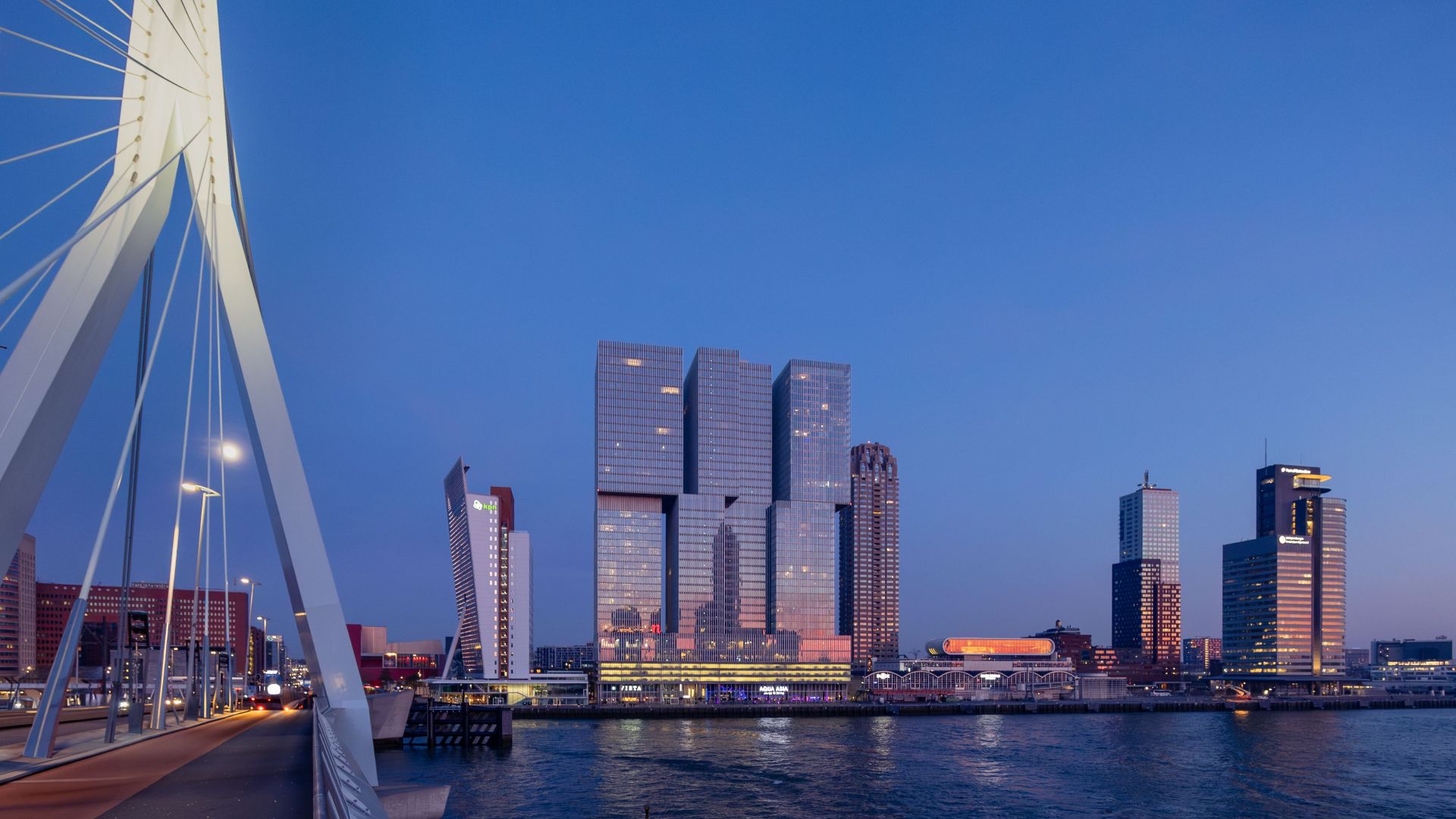
Rotterdam Rebuilt Instead Of Re-Creating The Past
Much of central Rotterdam was destroyed by German bombing in May 1940. Rather than reconstructing the old city exactly as it had been, planners embraced modern architecture and a radically different urban layout during the postwar rebuilding. That willingness to experiment eventually helped give Rotterdam one of Europe's most distinctive modern skylines while the city retained its identity as a major port.
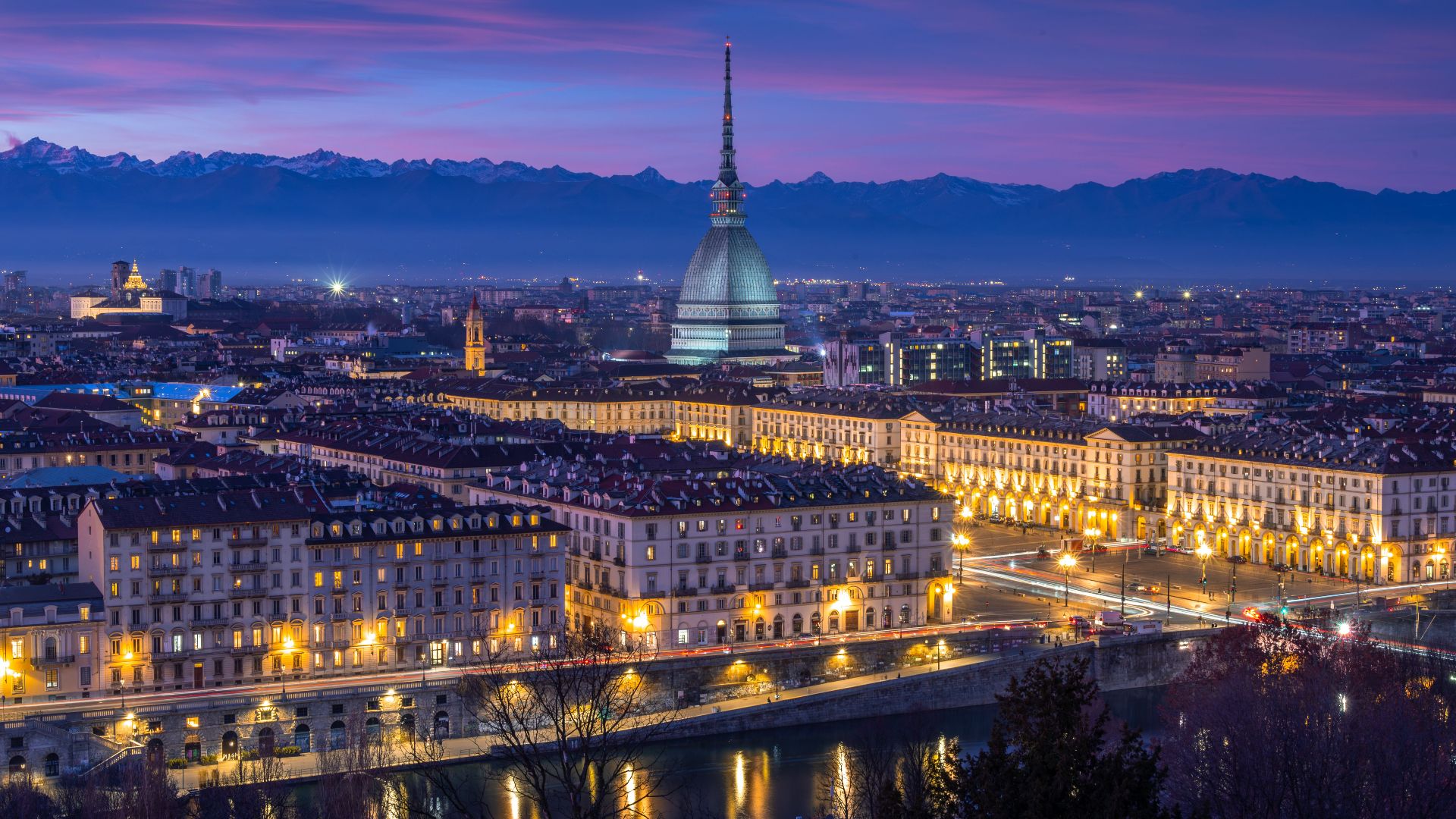
Turin Looked Beyond The Automobile
For decades, Turin was closely identified with Fiat and Italy's automobile industry. Factory closures and industrial decline forced the city to reconsider that identity, while the 2006 Winter Olympics accelerated investment in transportation, public spaces, cultural attractions, and redevelopment. The Games helped introduce Turin internationally as something more than an industrial company town, although some Olympic facilities later became costly reminders that reinvention can have mixed results.
Łódź Gave Its Factories New Jobs
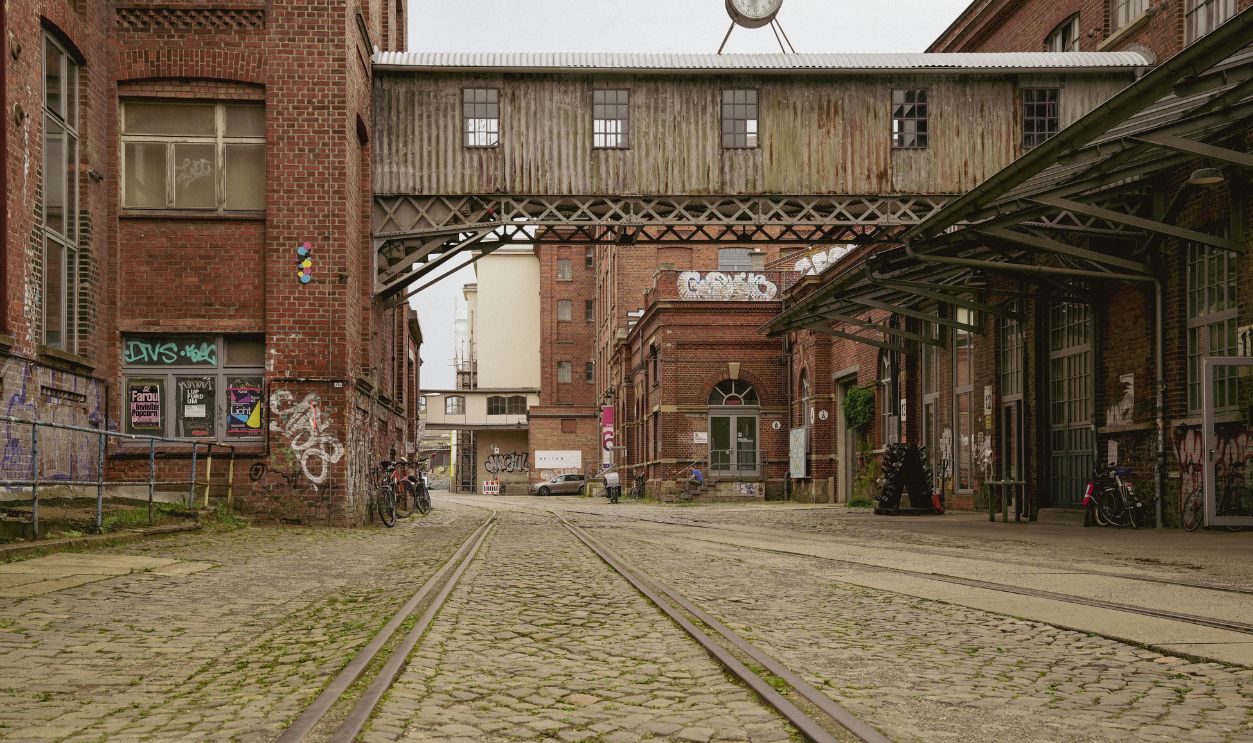
Łódź grew into a major textile manufacturing center, leaving the Polish city filled with enormous brick mills and factory complexes. After industrial decline, many of those buildings gained new lives as restaurants, shops, offices, cultural venues, and creative spaces. Instead of erasing its manufacturing architecture, Łódź increasingly made that architecture a central part of its contemporary identity.
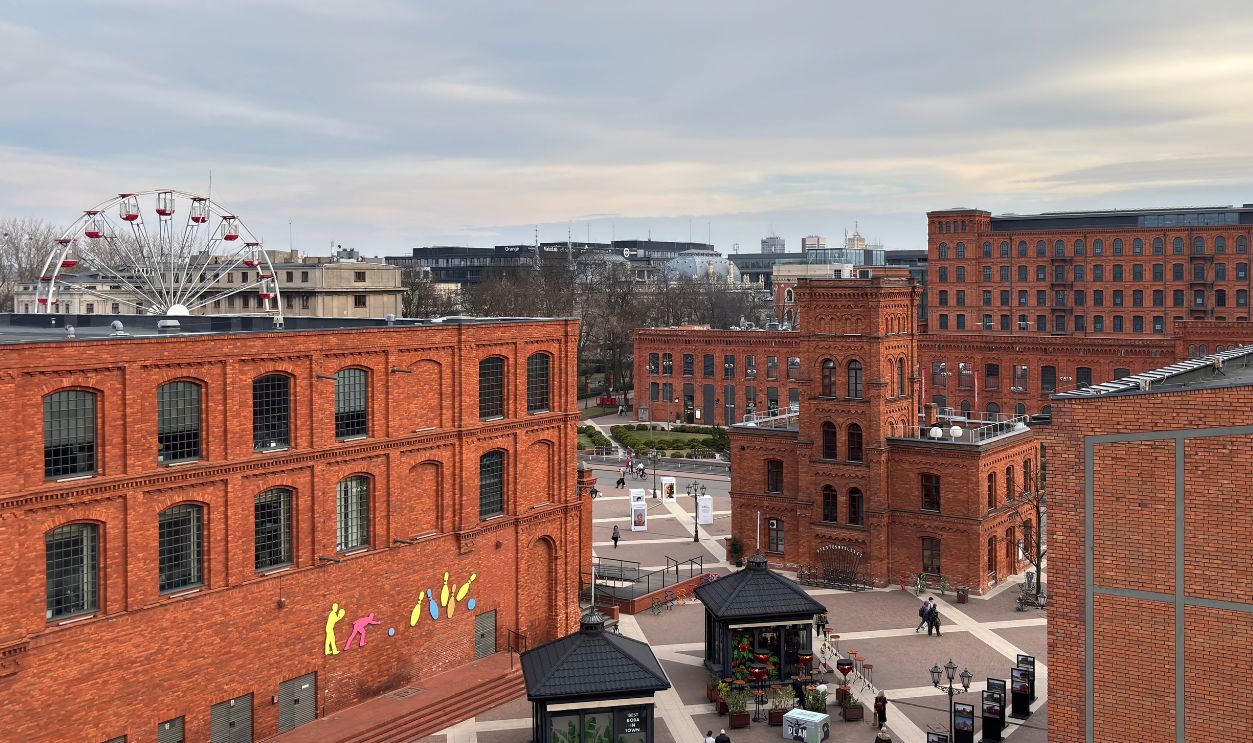 Travelling Tourist, Shutterstock
Essen Turned Coal Country Green
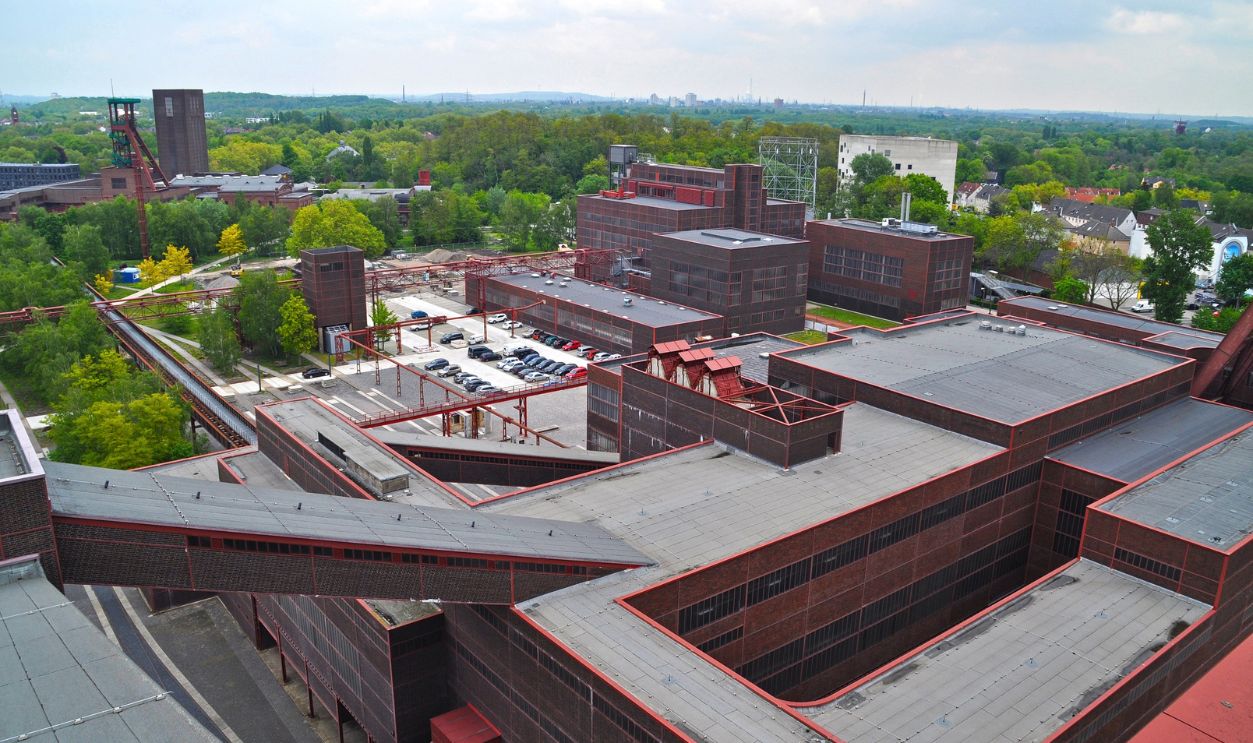
Essen sits in Germany's Ruhr region, an area once synonymous with coal mines, furnaces, and heavy industry. The former Zollverein coal mine and coking complex became a UNESCO World Heritage Site and now accommodates museums, culture, design, businesses, and public activities. Its transformation from an industrial complex into a major cultural landscape reflects the Ruhr's broader effort to build a future without abandoning its industrial history.
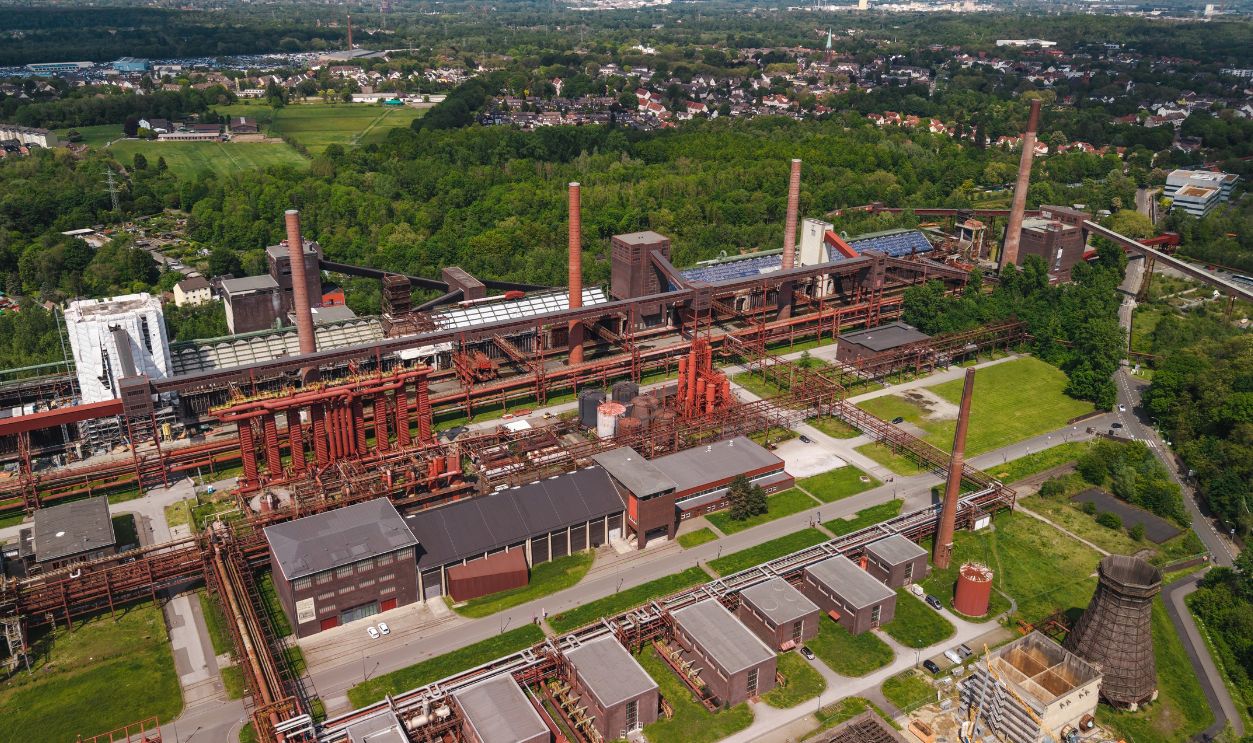 StockMediaSeller, Shutterstock
Hamburg Built A New District On Old Docks
Hamburg has pushed its city center toward the Elbe through the massive HafenCity development. Roughly 157 hectares of former port and industrial land are being transformed into a mixed waterfront district containing housing, offices, education, culture, shops, recreation, and public spaces. The project is designed to expand the area of Hamburg's city center by about 40 percent.
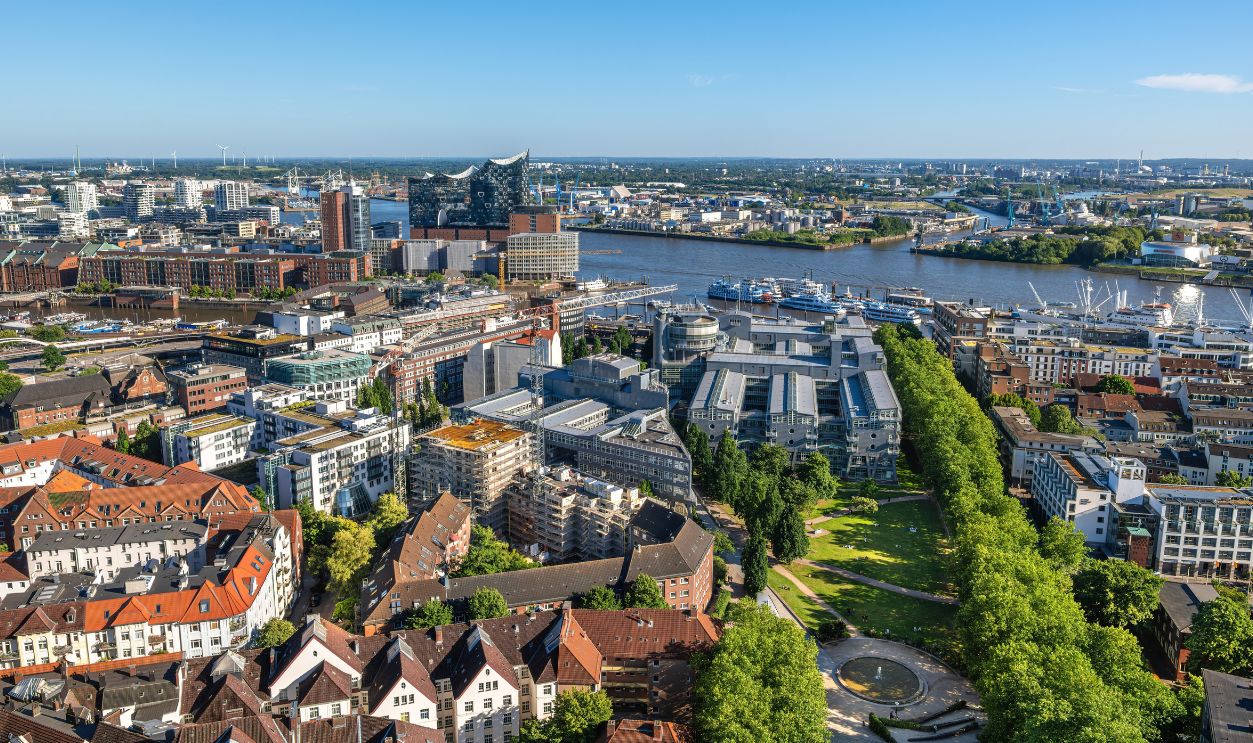
Providence Uncovered Its Rivers
Downtown Providence once treated its rivers more like obstacles than attractions, with roads, railroad infrastructure, and parking occupying much of the surrounding landscape. During redevelopment in the 1980s and 1990s, infrastructure was relocated and the riverfront was reclaimed with Riverwalk and Waterplace Park. Those changes helped turn the waterways back into visible public spaces in the center of Rhode Island's capital.
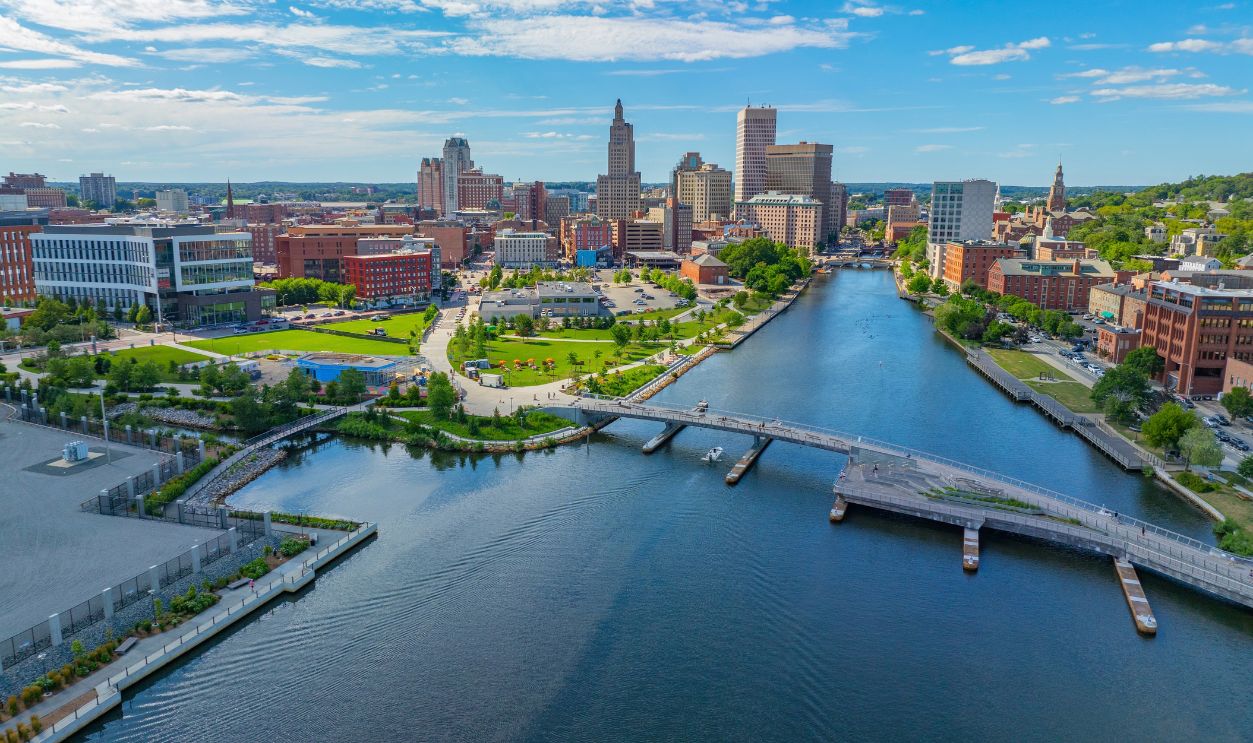
Leipzig Recovered From A Brutal Industrial Collapse
Leipzig suffered severe economic disruption after German reunification as factories built around the East German planned economy struggled to compete. Major investments in infrastructure and redevelopment accompanied the arrival of companies including BMW, Porsche, DHL, and Amazon. Formerly struggling industrial districts such as Plagwitz also became associated with renovated buildings, cultural spaces, and a growing creative scene.
London Created A Financial District From Old Docks
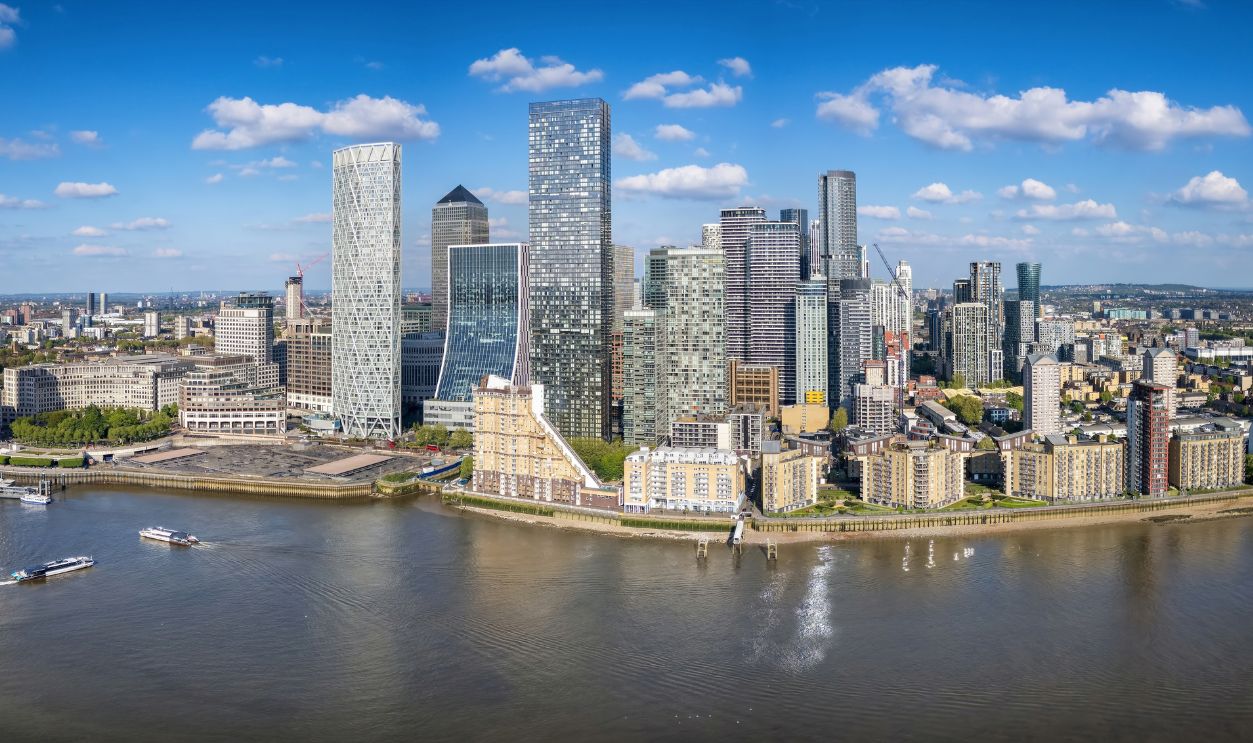
London's Docklands declined dramatically after changes in shipping left large areas of the old port underused. The London Docklands Development Corporation was established in 1981, and Canary Wharf later emerged on the Isle of Dogs as a major office and financial district. Where warehouses and docks had once dominated, skyscrapers housing major international businesses eventually reshaped the eastern London skyline.
Manchester Made Its Industrial Heritage Work Again
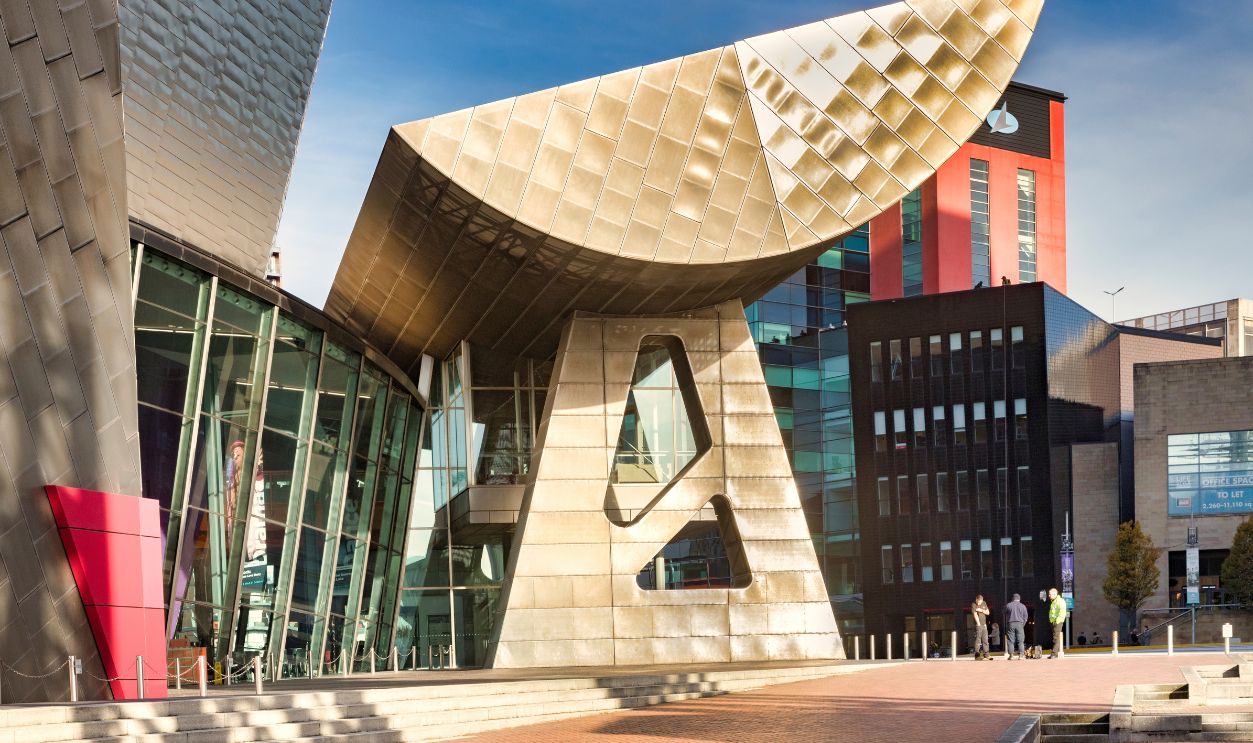
Manchester was one of the great cities of the Industrial Revolution, but the decline of traditional manufacturing left factories, warehouses, and docklands searching for new purposes. Former industrial areas have since been redeveloped around housing, technology, media, culture, offices, entertainment, and education. The former Manchester docks at Salford Quays, for example, evolved into a major cultural and media area that includes MediaCity and The Lowry.
Shenzhen Grew Into A Technology Powerhouse
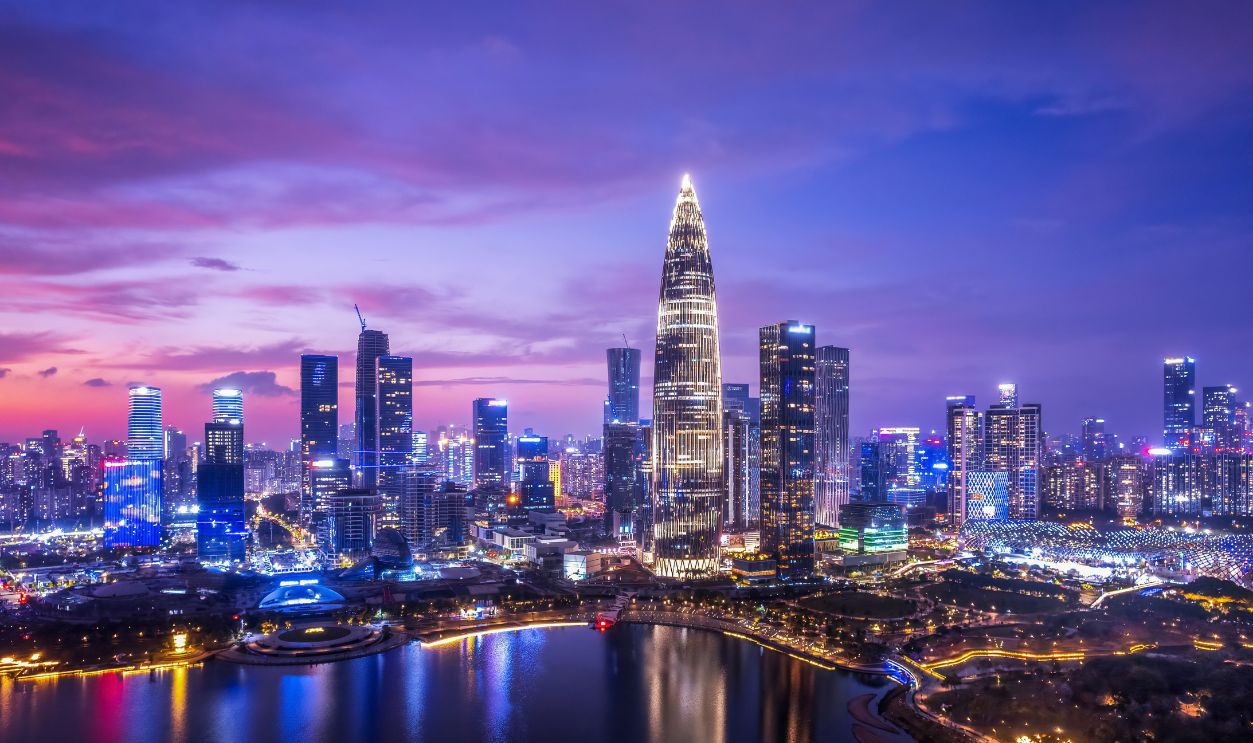
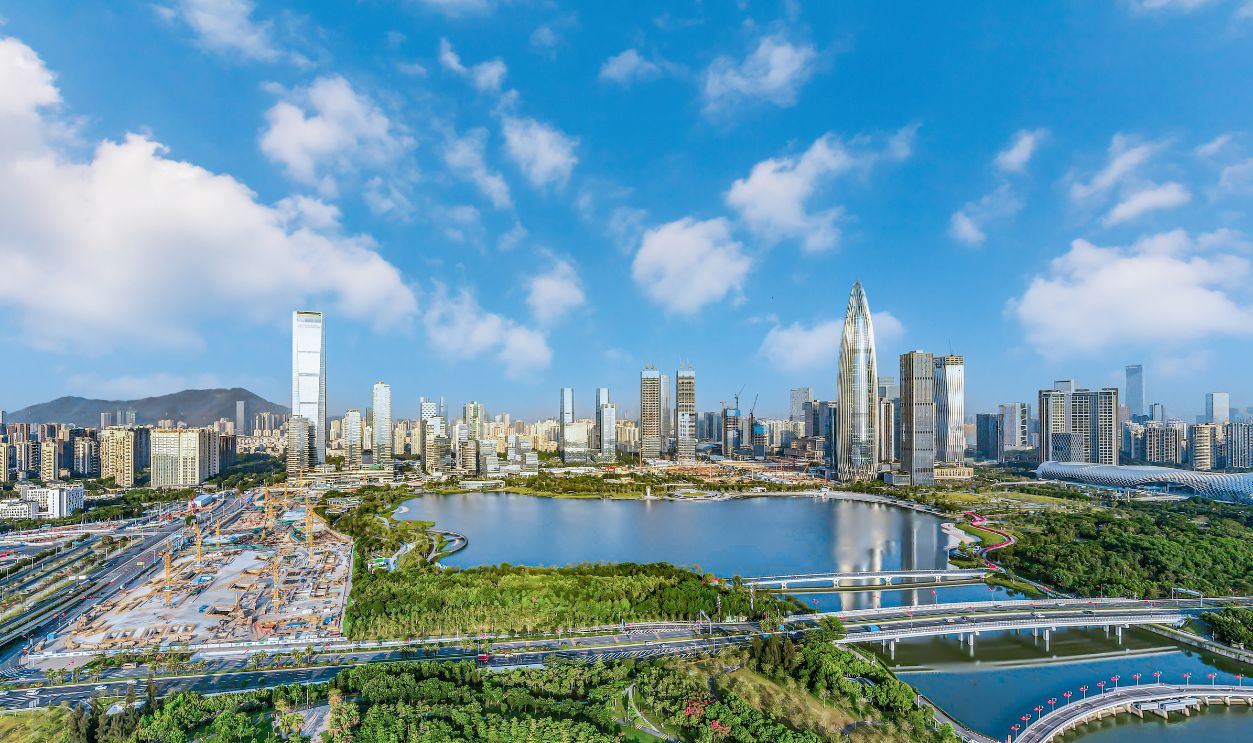
Few urban transformations happened as quickly as Shenzhen's. After becoming China's first Special Economic Zone in 1980, the area grew from a relatively small community beside Hong Kong into a vast manufacturing and technology metropolis. Research from the World Intellectual Property Organization describes Shenzhen's progression from participation in global production networks toward technological development and indigenous innovation.
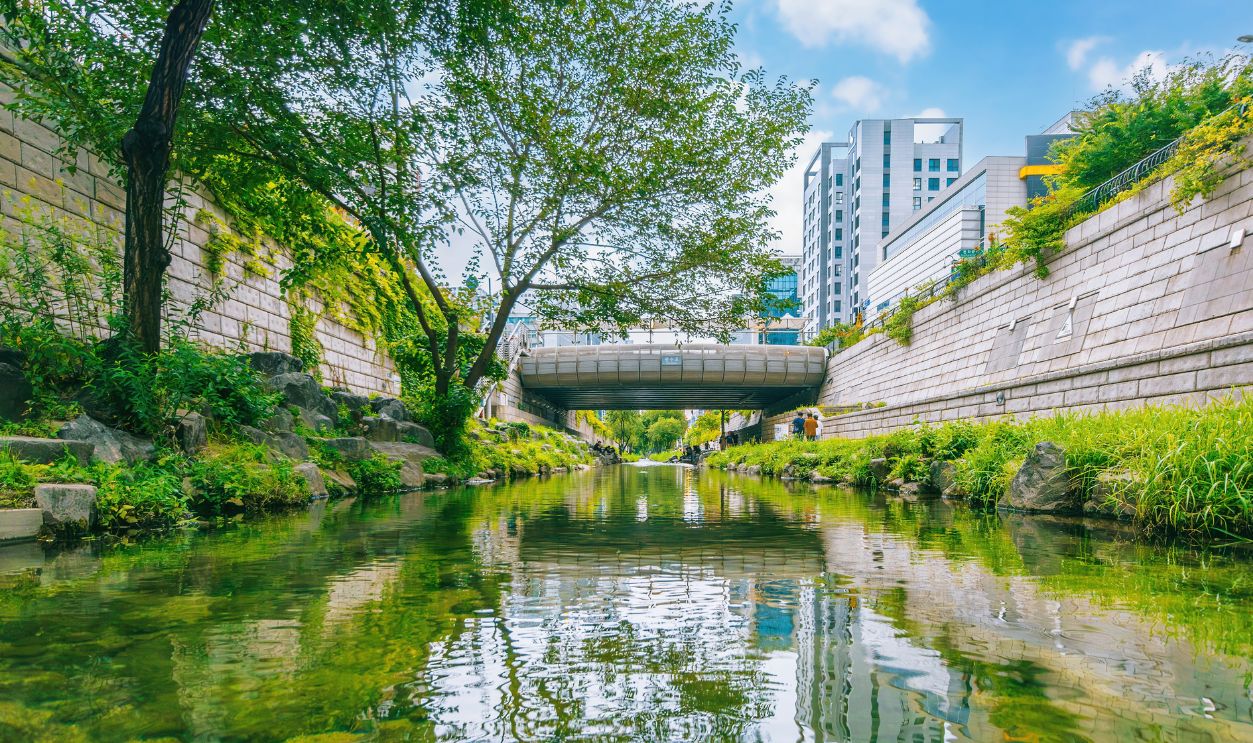
Seoul Removed A Highway To Bring Back A Stream
For decades, central Seoul's Cheonggyecheon waterway was covered by roads and an elevated highway. Between 2003 and 2005, the city carried out an enormous restoration project that removed the road infrastructure and restored 5.84 kilometers of the stream corridor. The result replaced automobile infrastructure with water, walkways, greenery, lighting, and public space in the heart of the city.
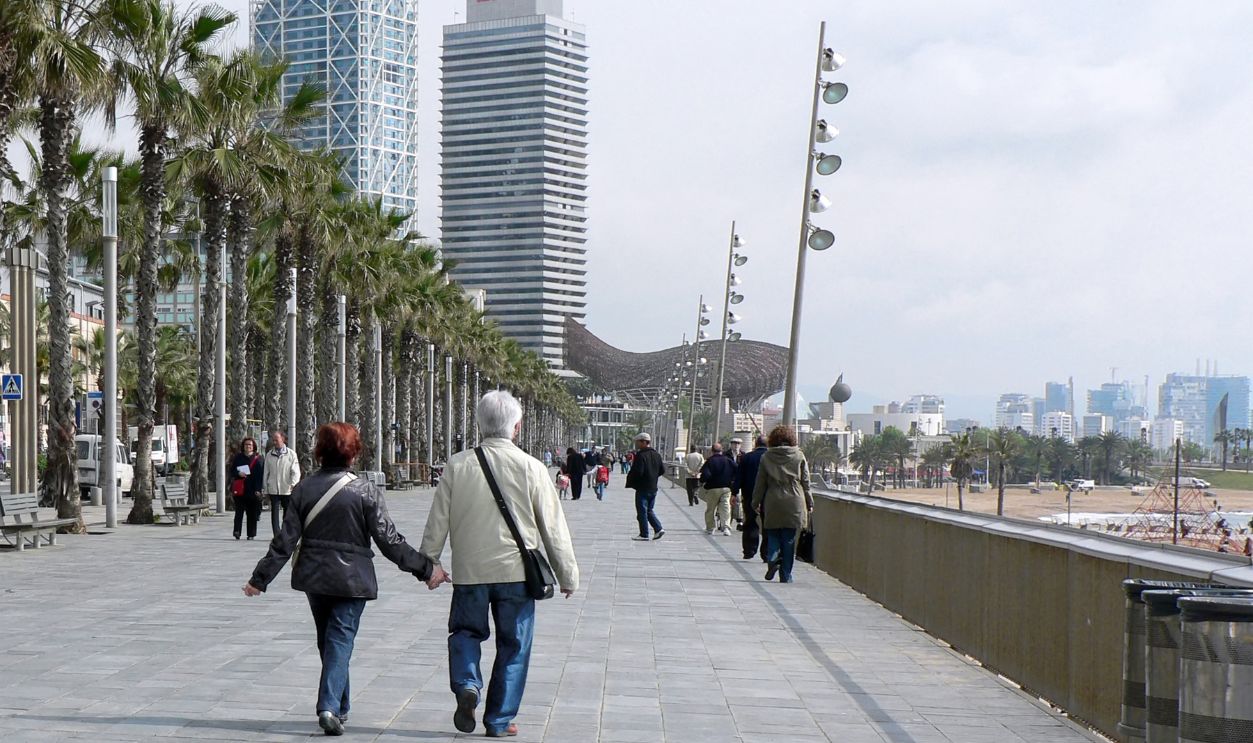
Barcelona Used The Olympics To Face The Sea
Before the 1992 Olympics, parts of Barcelona's coastline were separated from surrounding neighborhoods by industrial land and railway infrastructure. Olympic redevelopment included the creation of the Olympic Village, changes to rail lines, new infrastructure, and the recovery of coastal areas. Those projects became part of a broader effort to reconnect Barcelona with its waterfront rather than simply build temporary sporting venues.
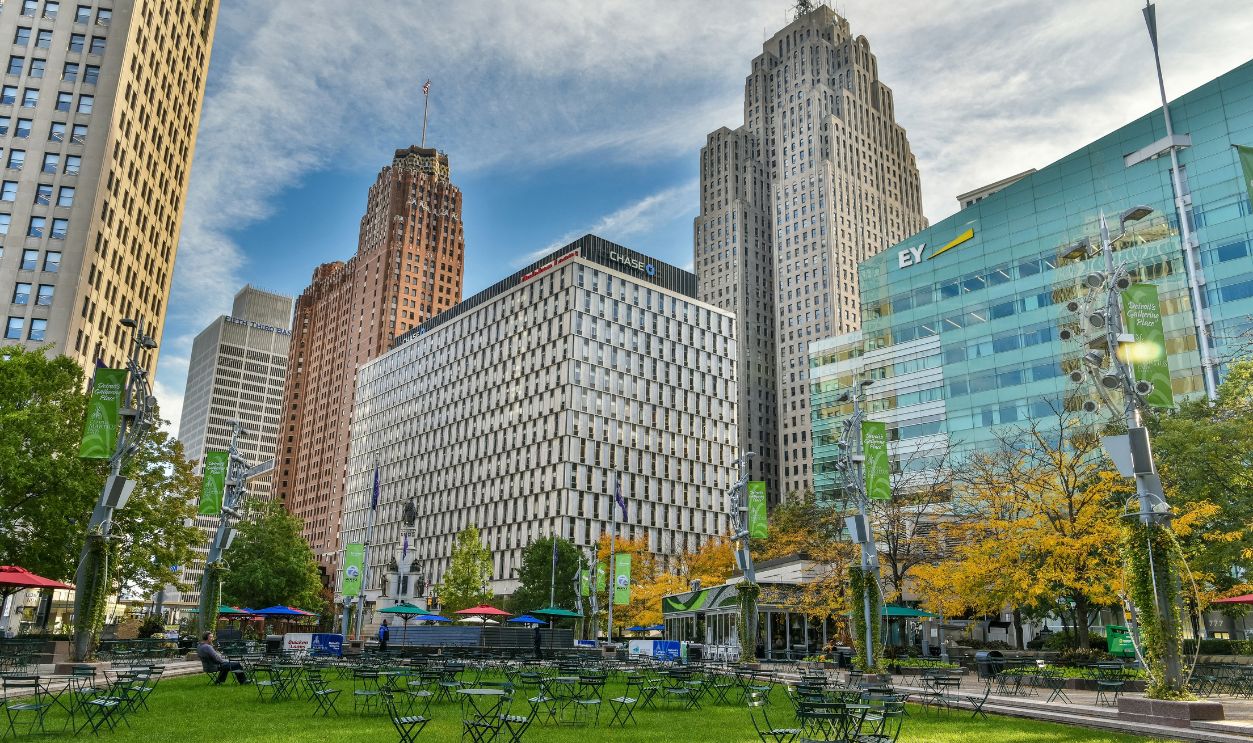
Detroit Is Building Beyond Its Motor City Past
Detroit's enormous automobile industry once supported a much larger population and economy, but decades of population loss and financial problems culminated in the city's 2013 bankruptcy filing. Even during the bankruptcy period, investment was emerging downtown alongside technology-oriented companies and redevelopment projects. The automobile industry remains fundamental to Detroit's identity, but the city's rebuilding efforts increasingly include technology, entertainment, housing, small businesses, and redesigned public spaces.
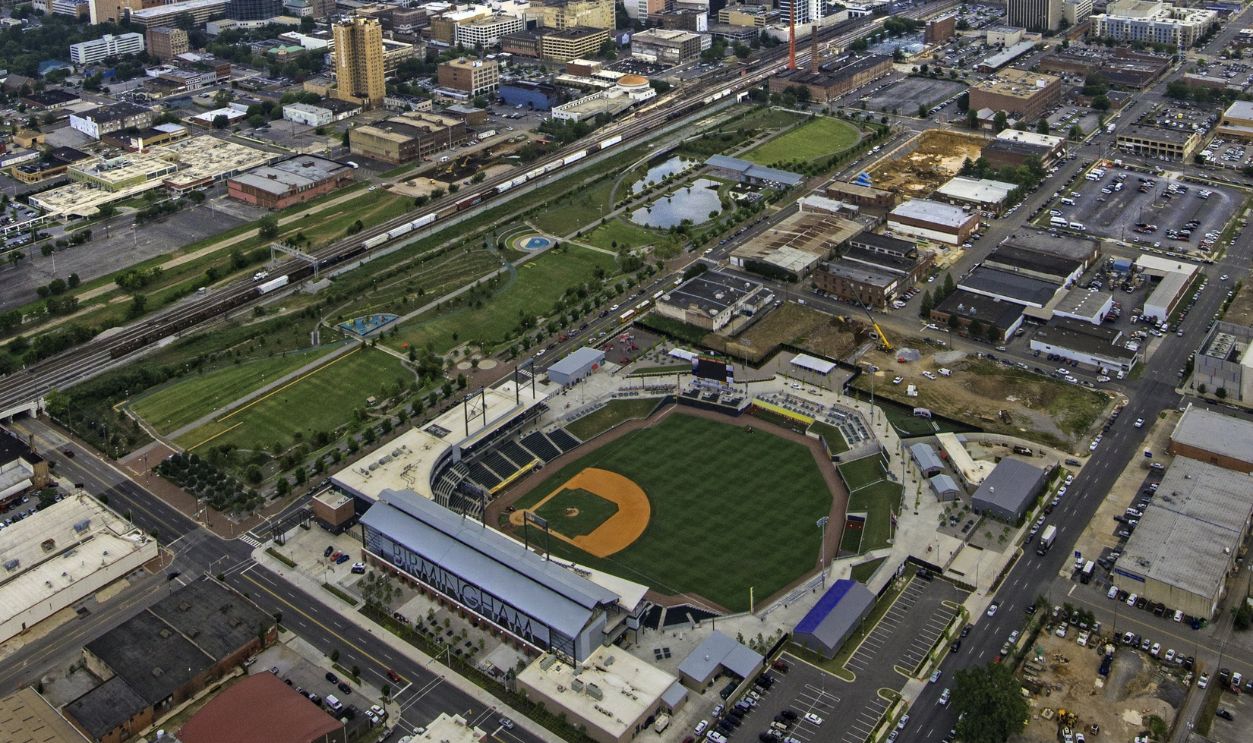
Birmingham Turned A Rail Yard Into A Gathering Place
Birmingham, Alabama, developed as an industrial center tied closely to iron, steel, railroads, and manufacturing. More recent downtown investment has included housing, entertainment, technology businesses, universities, and new public spaces. Railroad Park transformed former railroad land into a 19-acre green space connecting downtown with the Southside and the University of Alabama at Birmingham.
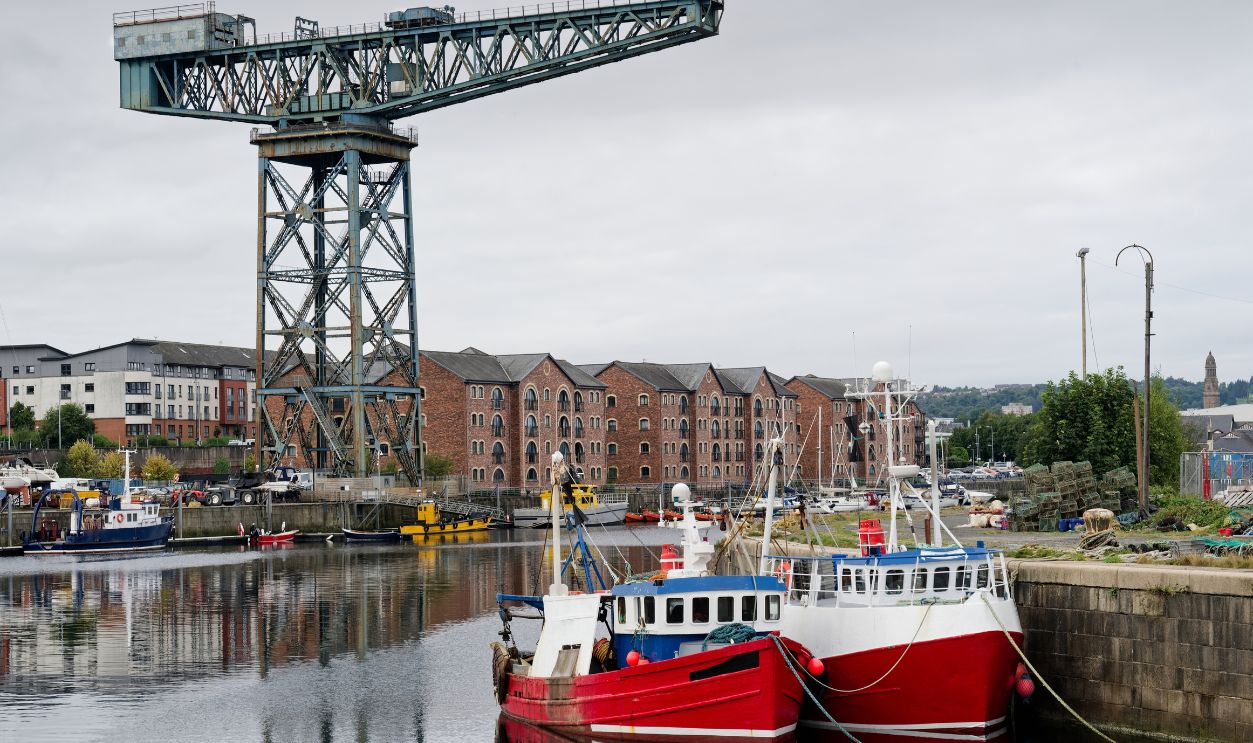
Glasgow Made Culture Part Of Its Comeback
Glasgow suffered as shipbuilding and other traditional industries declined during the twentieth century. City leaders increasingly turned toward services, tourism, architecture, the arts, and cultural investment, with Glasgow's selection as European City of Culture in 1990 providing an especially visible moment in that campaign. The strategy did not erase the city's economic and social challenges, but it dramatically changed Glasgow's international image and influenced regeneration efforts elsewhere in Britain.
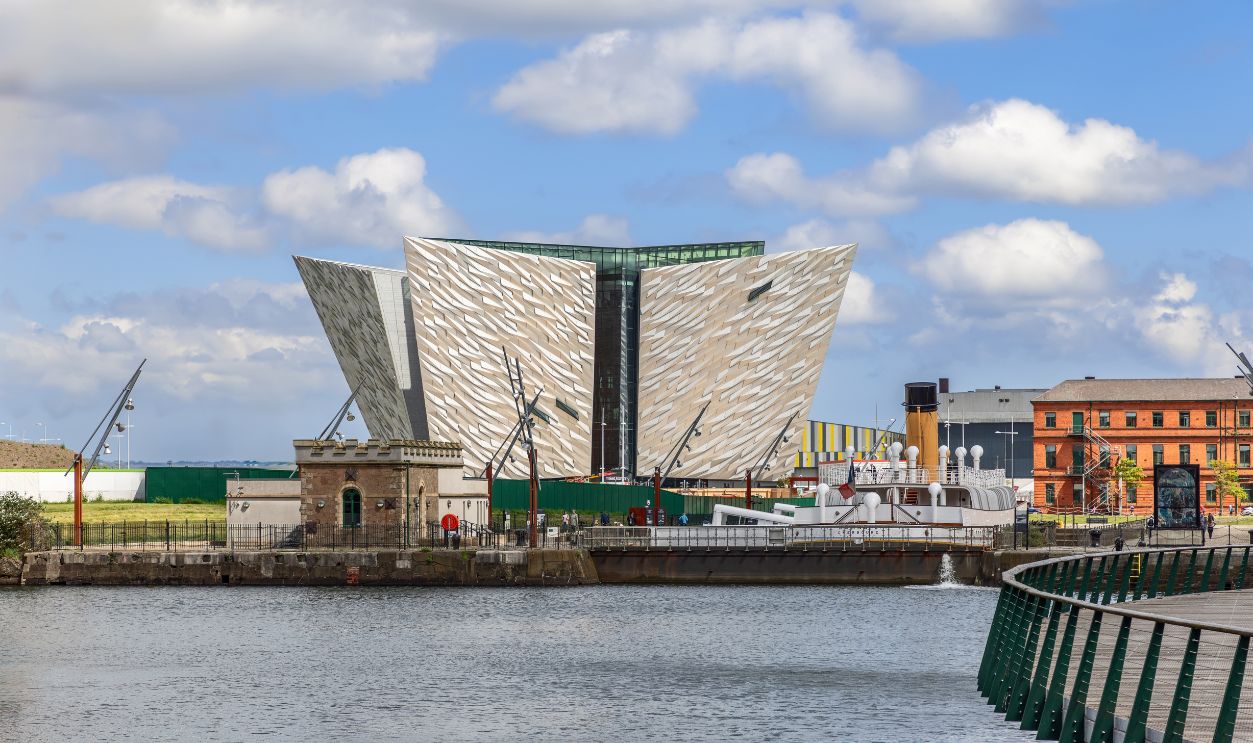
Belfast Turned Shipbuilding History Into A New District
Belfast's waterfront once contained the enormous Harland and Wolff shipbuilding operations that constructed Titanic and many other vessels. As shipbuilding employment declined, former industrial property became the focus of the Titanic Quarter redevelopment. Plans combined offices, homes, businesses, tourism, heritage, and cultural attractions, allowing the city to reuse the story of its maritime past as part of a new waterfront identity.
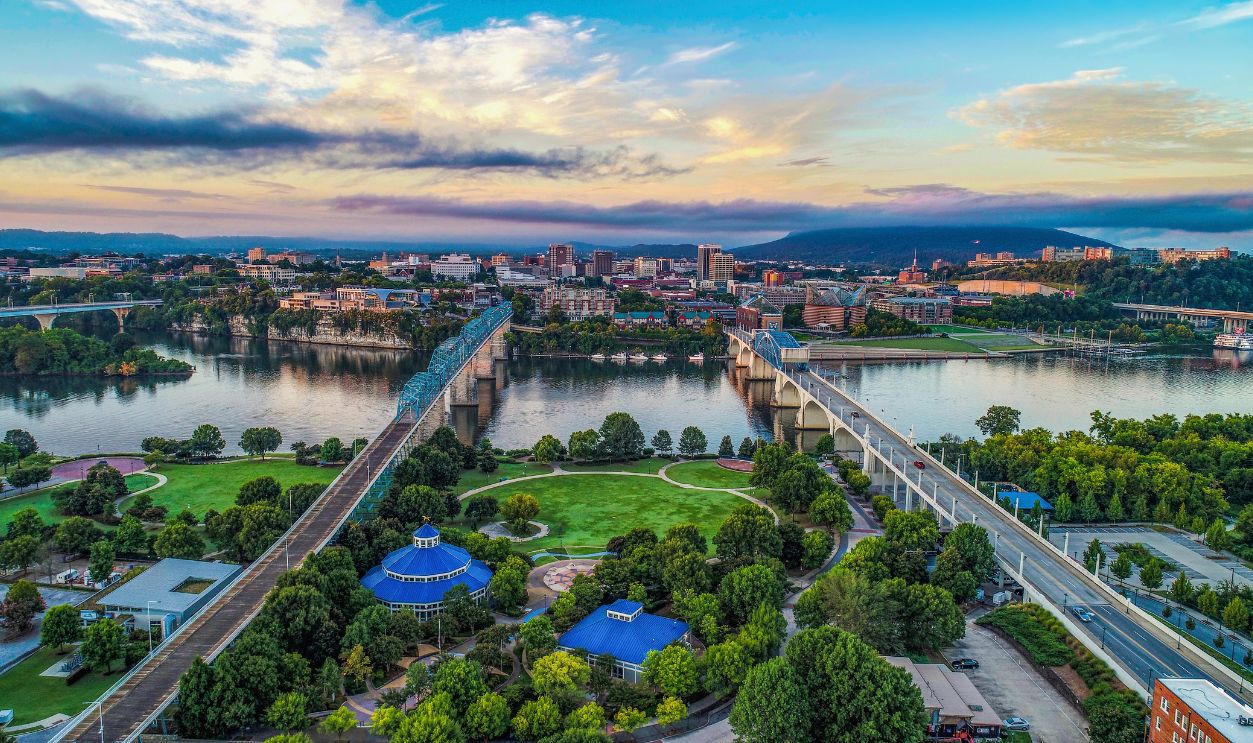
Chattanooga Cleaned Up Its Reputation
Chattanooga spent much of the twentieth century as an industrial city dealing with serious air pollution. Environmental cleanup, riverfront redevelopment, outdoor recreation, cultural attractions, and public investment gradually gave the Tennessee city a very different reputation. In 2025, Chattanooga was designated North America's first National Park City, a striking change for a place once nationally associated with industrial pollution.
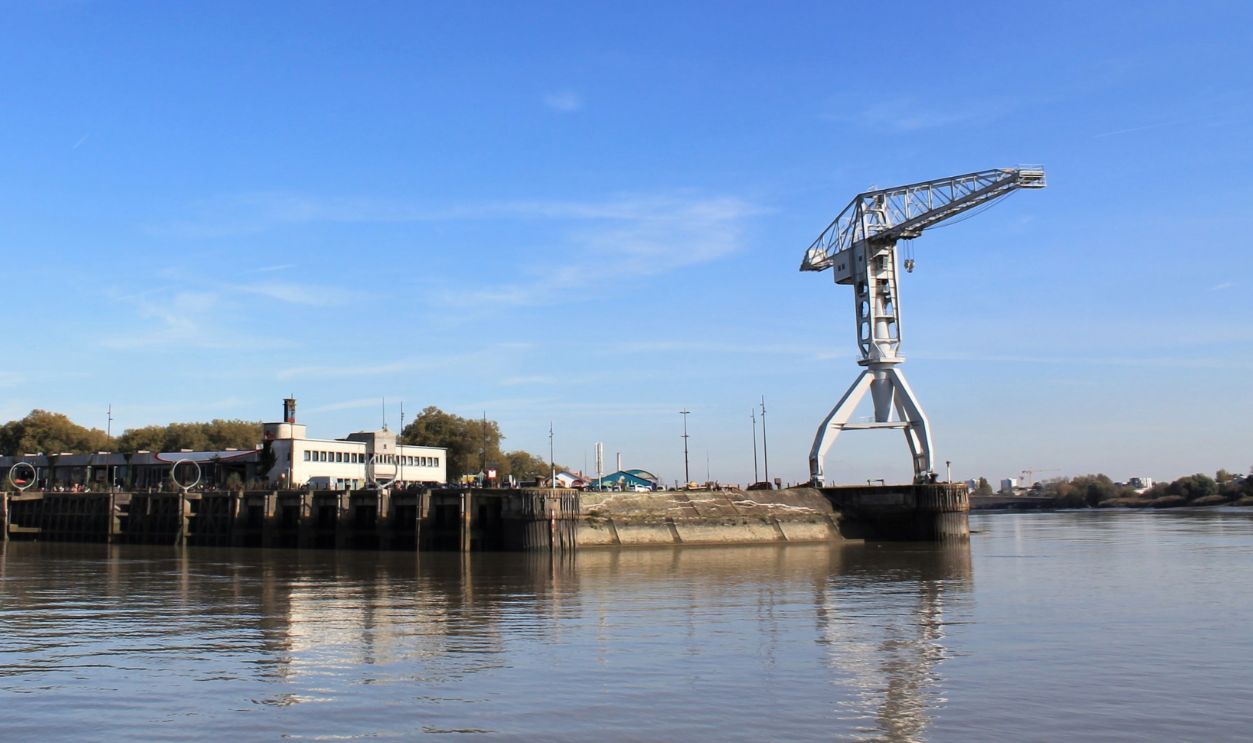
Nantes Turned Industrial Ground Into A Playground
The Île de Nantes sits in an area shaped by the city's shipbuilding and industrial past. Former industrial spaces have been repurposed for culture, restaurants, businesses, public art, and attractions including the mechanical creations of Les Machines de l'Île. Instead of disguising the area's industrial character, much of the redevelopment uses warehouses, docks, and machinery as part of its visual identity.
 Lock and Mary photography, Shutterstock
Reinvention Does Not Mean Erasing The Past
The most interesting urban transformations often preserve pieces of the city that came before. Essen kept its coal infrastructure, Manchester repurposed industrial buildings, Łódź reused textile mills, and Belfast built a new district around its shipbuilding heritage. Reinvention can therefore mean finding a new purpose for an old identity rather than simply replacing it.
There Is No Single Formula For Starting Again
These cities changed through very different combinations of infrastructure, culture, environmental cleanup, economic diversification, transportation, and redevelopment. Some transformations unfolded over decades, while places such as Shenzhen expanded at extraordinary speed. What they share is the recognition that when the economy or physical fabric of a city changes, the city itself does not have to remain trapped in its former role.
You May Also Like:
Four Tips For A Successful Vacation
Ancient Cities That Survived In Places Modern Travelers Would Think Impossible