It Feels Familiar, Until It Doesn’t.
Atlantic Canada shares plenty with nearby New England, but the region quickly reveals its own rhythms, landscapes, languages, and travel quirks. From half-hour time zones to enormous tides and lobster that feels like everyday food, Americans often discover that Canada’s eastern edge is much more distinctive than expected.
Atlantic Canada Means Four Provinces
Atlantic Canada includes New Brunswick, Nova Scotia, Prince Edward Island, and Newfoundland and Labrador. The first three are collectively known as the Maritime provinces, while Newfoundland and Labrador is part of Atlantic Canada but not the Maritimes. That distinction may sound minor until you begin traveling through a region with dramatically different geography and cultures.
 Dennis Sylvester Hurd, Wikimedia Commons
The Coastline Defines Everything
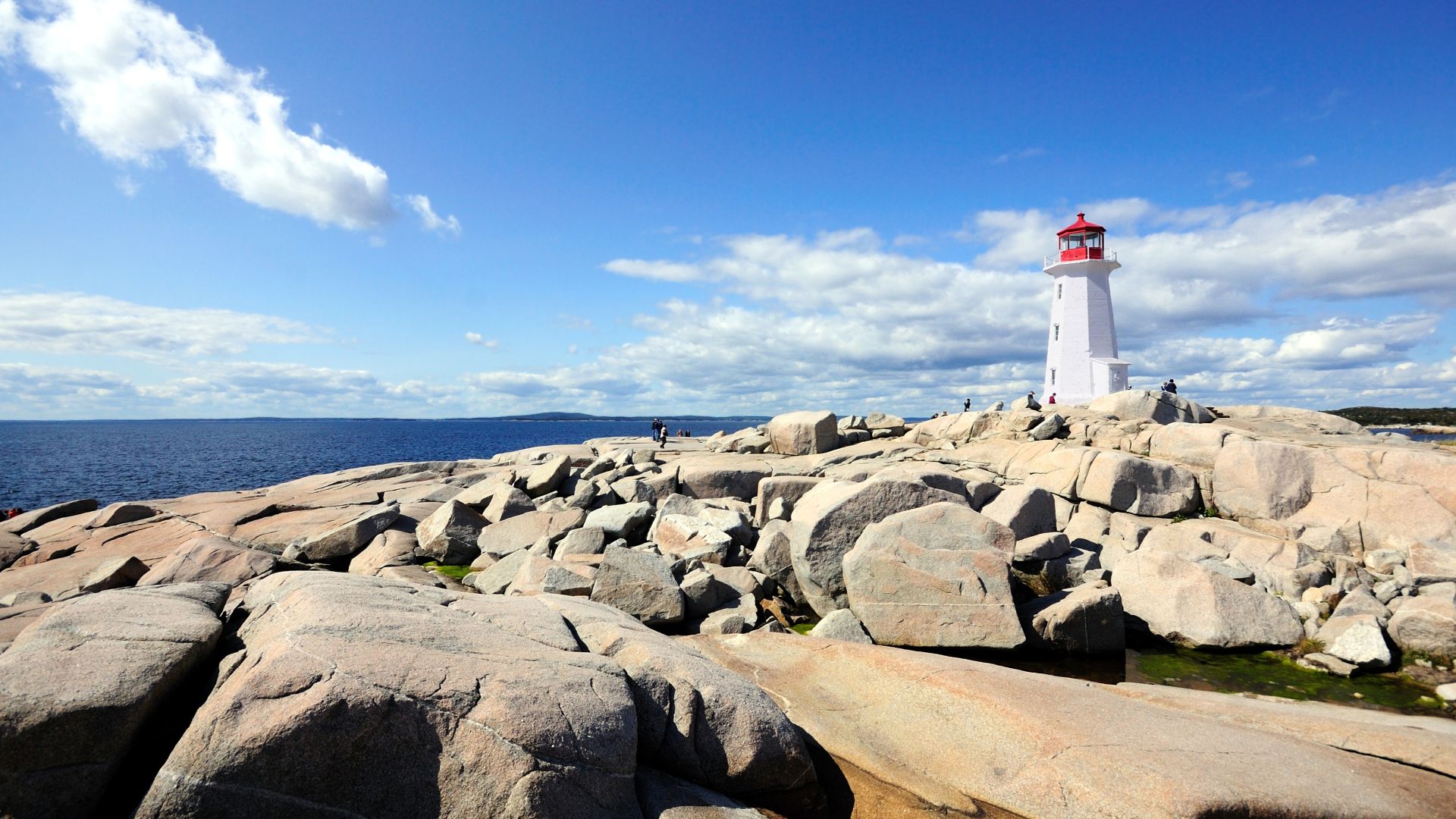
The sea is difficult to escape here. Natural Resources Canada describes Atlantic Canada as having roughly 42,000 kilometres of coastline, ranging from beaches and salt marshes to cliffs, rocky shores, and tidal flats. Fishing communities, lighthouses, ferries, seafood, and rapidly changing coastal weather all make much more sense once you realize how thoroughly the ocean shapes daily life.
 Taxiarchos228, Wikimedia Commons
Small Towns Feel Very Small
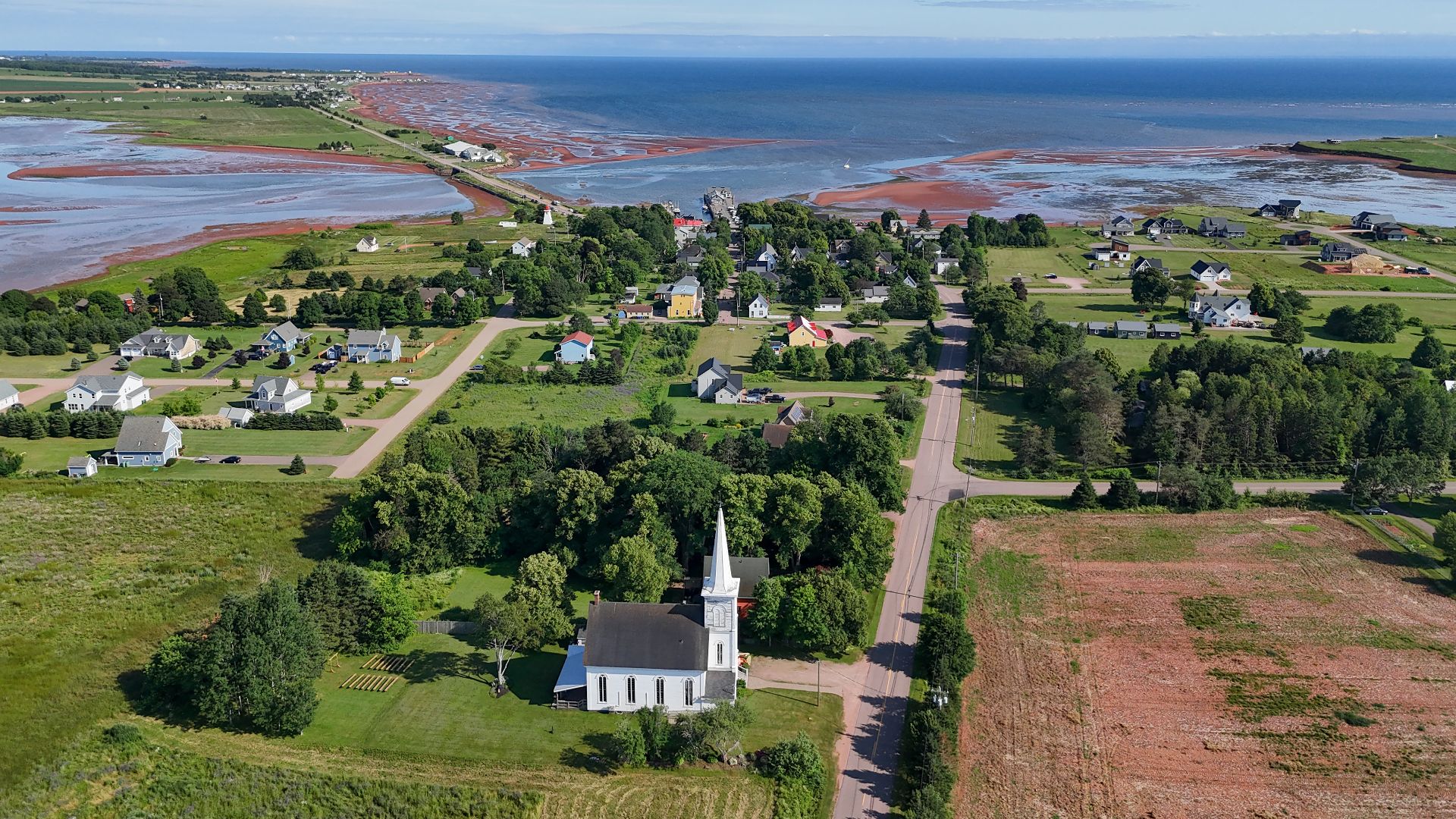
Americans accustomed to heavily urbanized corridors may notice how quickly cities give way to villages, farms, forests, and open coastline. Statistics Canada has consistently found a relatively high share of rural residents in the Atlantic provinces, with Prince Edward Island historically standing out in particular. That rural character is part of the appeal, but it also means travelers should not expect big-city services around every corner.
 Quintin Soloviev, Wikimedia Commons
Road Trips Stretch Out
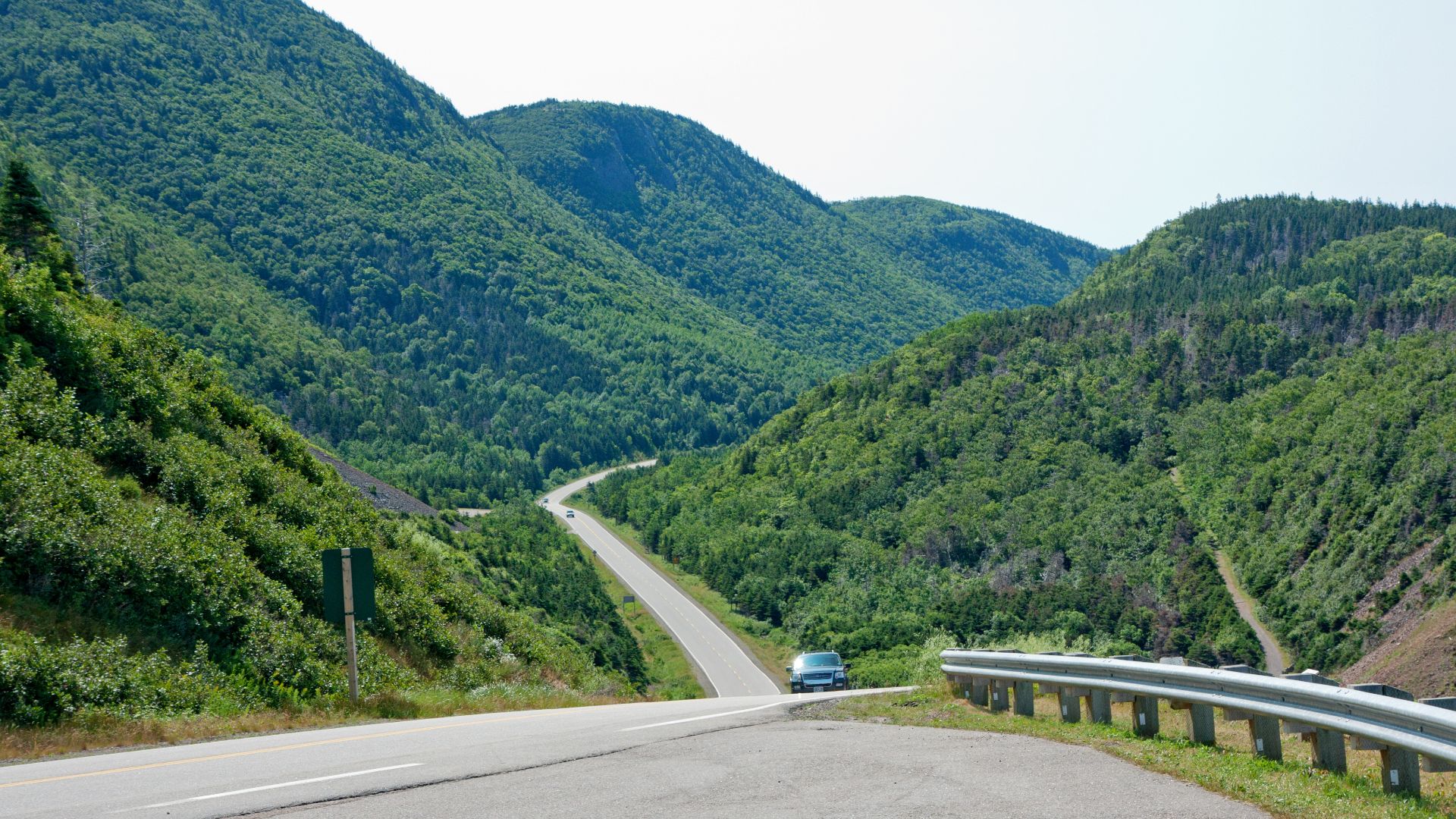
A destination can look close on a map while still taking much of the day to reach. Cape Breton’s Cabot Trail alone loops for nearly 300 kilometres, while getting a vehicle to Newfoundland from Nova Scotia involves a ferry journey measured in hours rather than minutes. Build itineraries around actual driving and sailing times instead of trying to collect several distant highlights in one day.
 Andrea Schaffer from Sydney, Australia, Wikimedia Commons
Kilometres Replace Miles
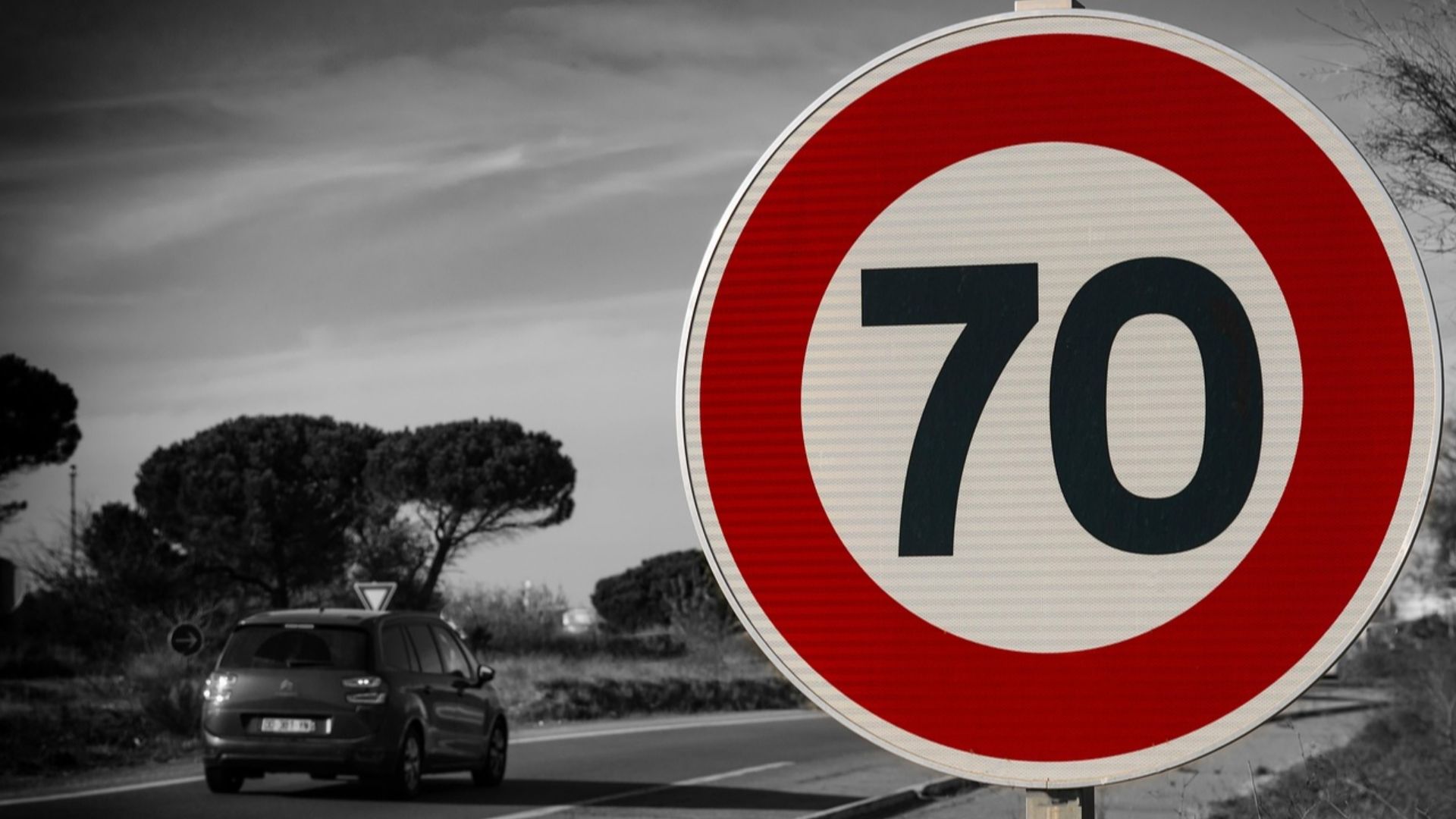
The speed-limit signs look familiar until you notice the numbers are in kilometres per hour. Canadian road guidance and vehicle standards use metric measurements, so 100 on a highway sign does not mean you have discovered the world’s fastest coastal road. American drivers should set navigation apps and rental-car displays appropriately before getting distracted by the scenery.
Gas Prices Use Litres
The numbers at a gas station can initially look surprisingly low to an American driver. Canadian fuel prices are normally displayed in cents per litre rather than dollars per gallon. The format takes a little mental adjustment, especially on a long road trip where distances, speed, and fuel are all being measured differently.

Canadian Cash Feels Different
Canadian bank notes are polymer rather than traditional paper and contain transparent security windows. The Bank of Canada also uses distinct colours for different denominations, including blue $5 notes, purple $10 notes, green $20 notes, red $50 notes, and brown $100 notes. Americans handling Canadian cash for the first time tend to notice the difference immediately.

Tax Changes The Sticker Price
The number on a restaurant menu or retail tag may not be the final amount you pay. Atlantic provinces use the Harmonized Sales Tax, although rates are not currently identical across all four provinces. Nova Scotia’s HST dropped to 14 percent in April 2025, while New Brunswick, Prince Edward Island, and Newfoundland and Labrador use 15 percent on applicable taxable purchases.
 Oscar C. Williams, Shutterstock
New Brunswick Really Is Bilingual
French is far more than decorative signage in New Brunswick. The province is constitutionally bilingual, and provincial government services are available in both English and French. Travelers driving north or east through the province may encounter communities where French becomes an ordinary part of shops, conversations, road signs, and local life.

Acadian Culture Is Everywhere
The French-speaking culture Americans encounter in Atlantic Canada is not simply an extension of Quebec. Acadian communities have their own history, identity, food, music, festivals, and traditions stretching back centuries. New Brunswick’s Acadian Peninsula is one of the most obvious places to experience that living culture, while significant Acadian heritage also survives in Nova Scotia and Prince Edward Island.
Prince Edward Island Glows Red
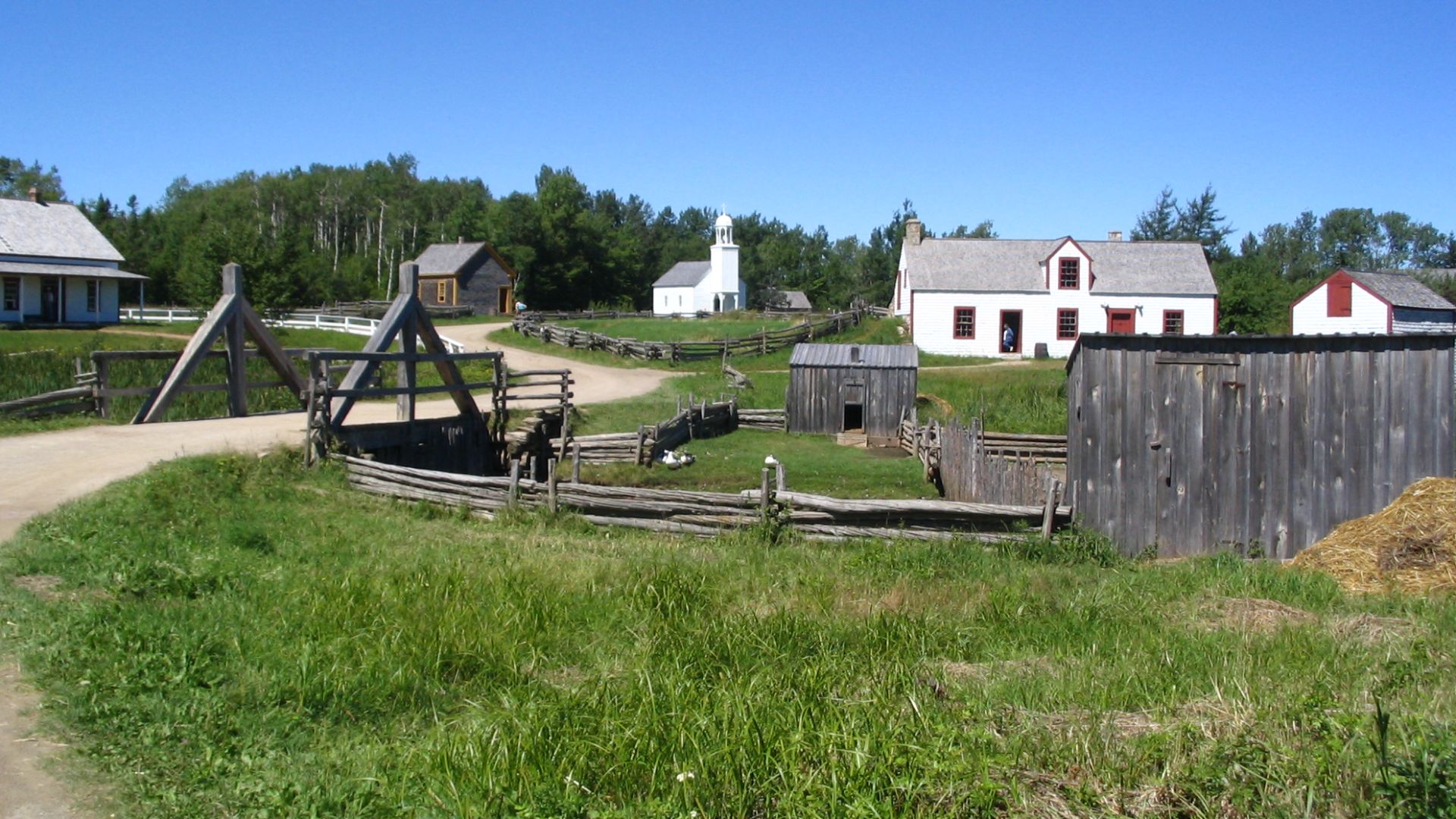
PEI really does look different underfoot. Red sandstone cliffs and red-sand shorelines are among the island’s signature landscapes, alongside dunes, wetlands, farmland, and long beaches. The saturated soil and cliffs can make an ordinary coastal drive look almost artificially colorful on a bright day.
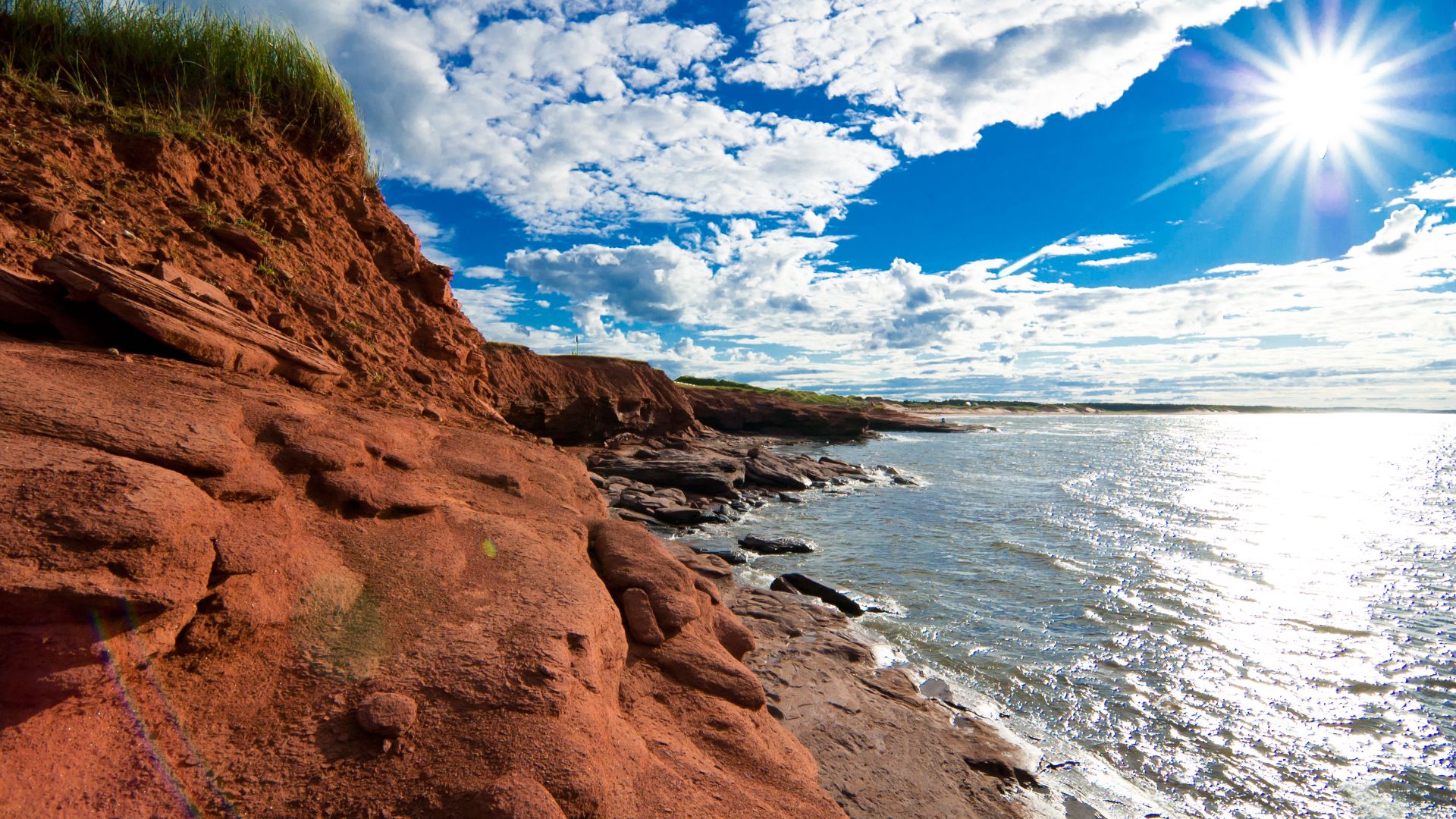 Ryan Tir from Vaughan, ON, Canada, Wikimedia Commons
The Island Bridge Has A Quirk
Driving onto Prince Edward Island over the Confederation Bridge is straightforward, but the payment arrangement can surprise first-time visitors. The bridge operates around the clock without reservations, and the toll is collected when vehicles leave Prince Edward Island rather than when they arrive. That makes the journey onto the island feel unusually effortless until departure day arrives.
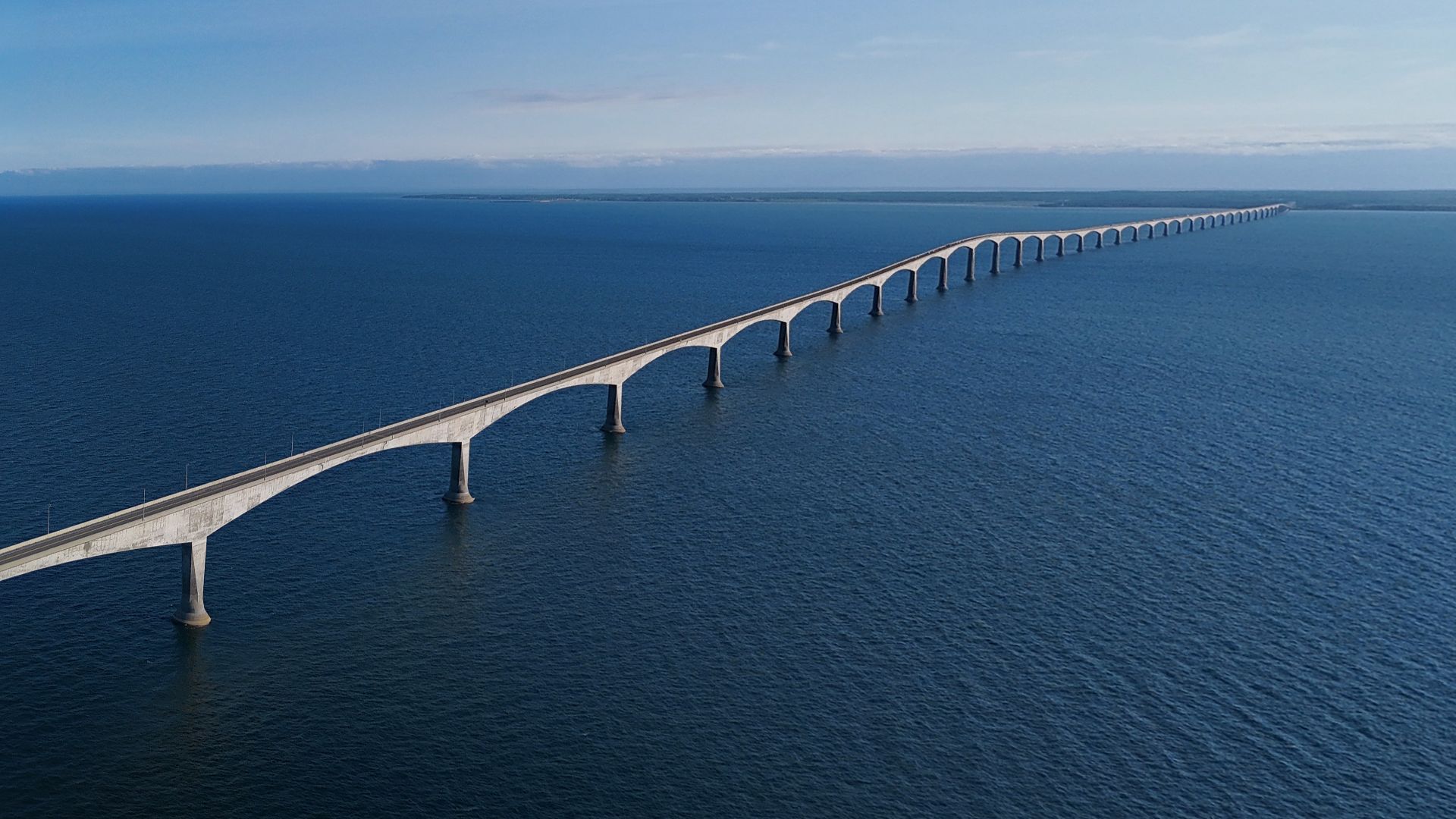 Quintin Soloviev, Wikimedia Commons
Fundy Tides Rewrite The Shore
The Bay of Fundy does not simply have noticeable tides. Parks Canada identifies them as the highest tides in the world, with the difference between high and low water reaching about 12 metres at Fundy National Park and as much as 16 metres near the head of the bay. A shoreline you photographed in the morning can look like a completely different landscape several hours later.
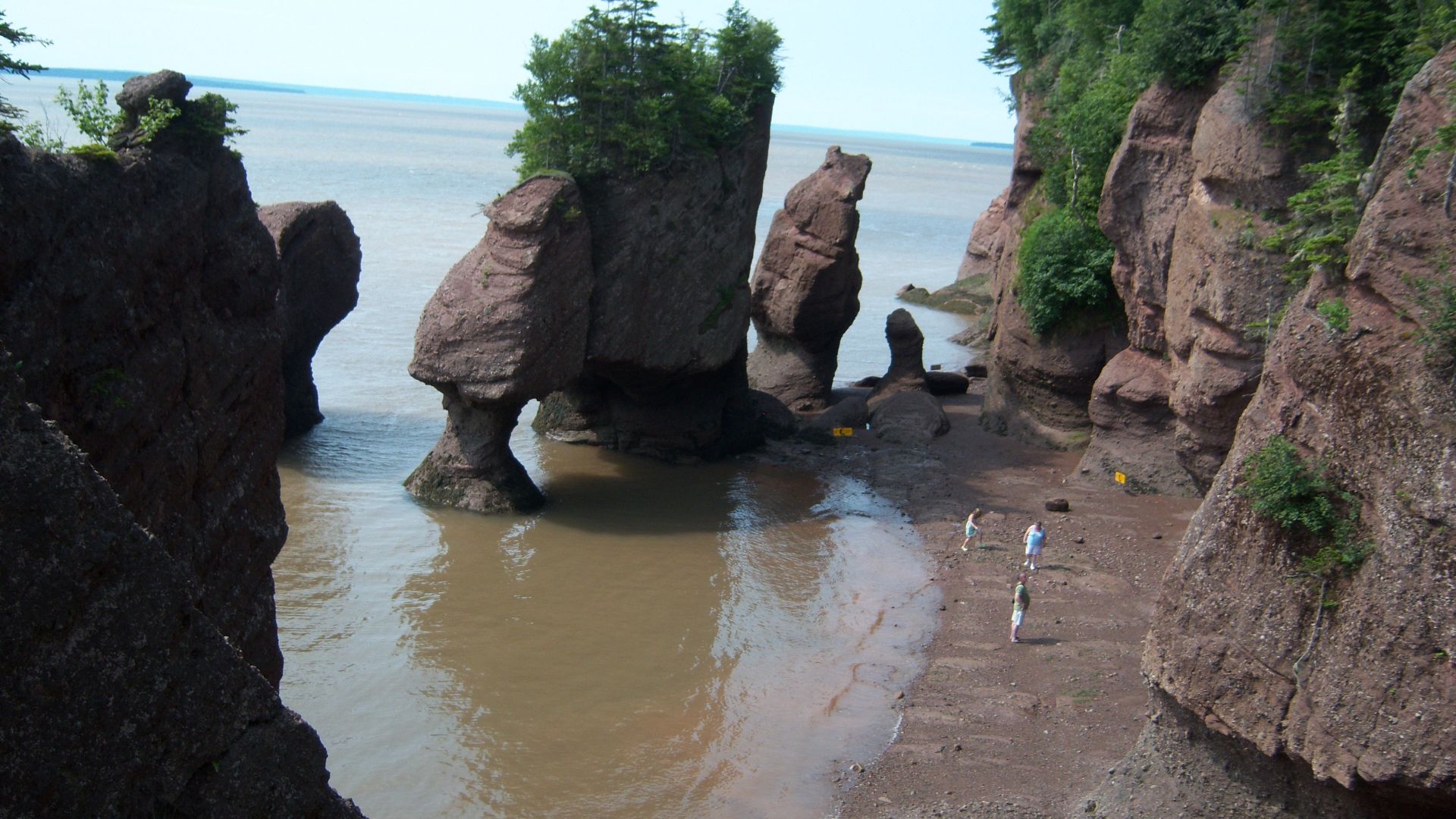
Tide Tables Become Travel Tools
In Fundy country, checking the tide can be as important as checking restaurant hours. Parks Canada notes that the average interval between high and low tide is about six hours and 13 minutes. Travelers who want to walk tidal flats or see dramatic high water need to plan around nature’s schedule rather than simply arriving whenever the road trip reaches the coast.
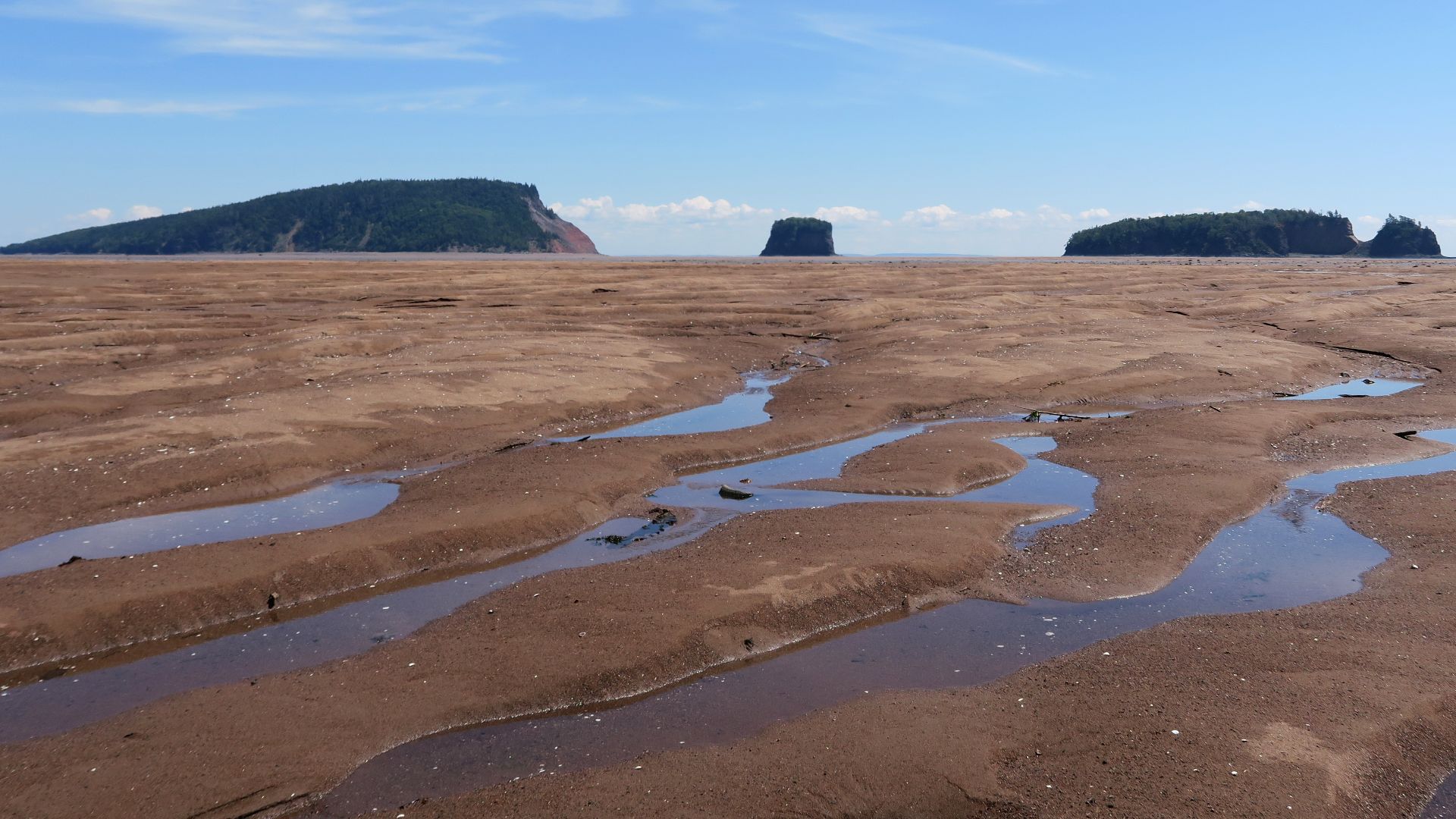 LeonardoDog, Wikimedia Commons
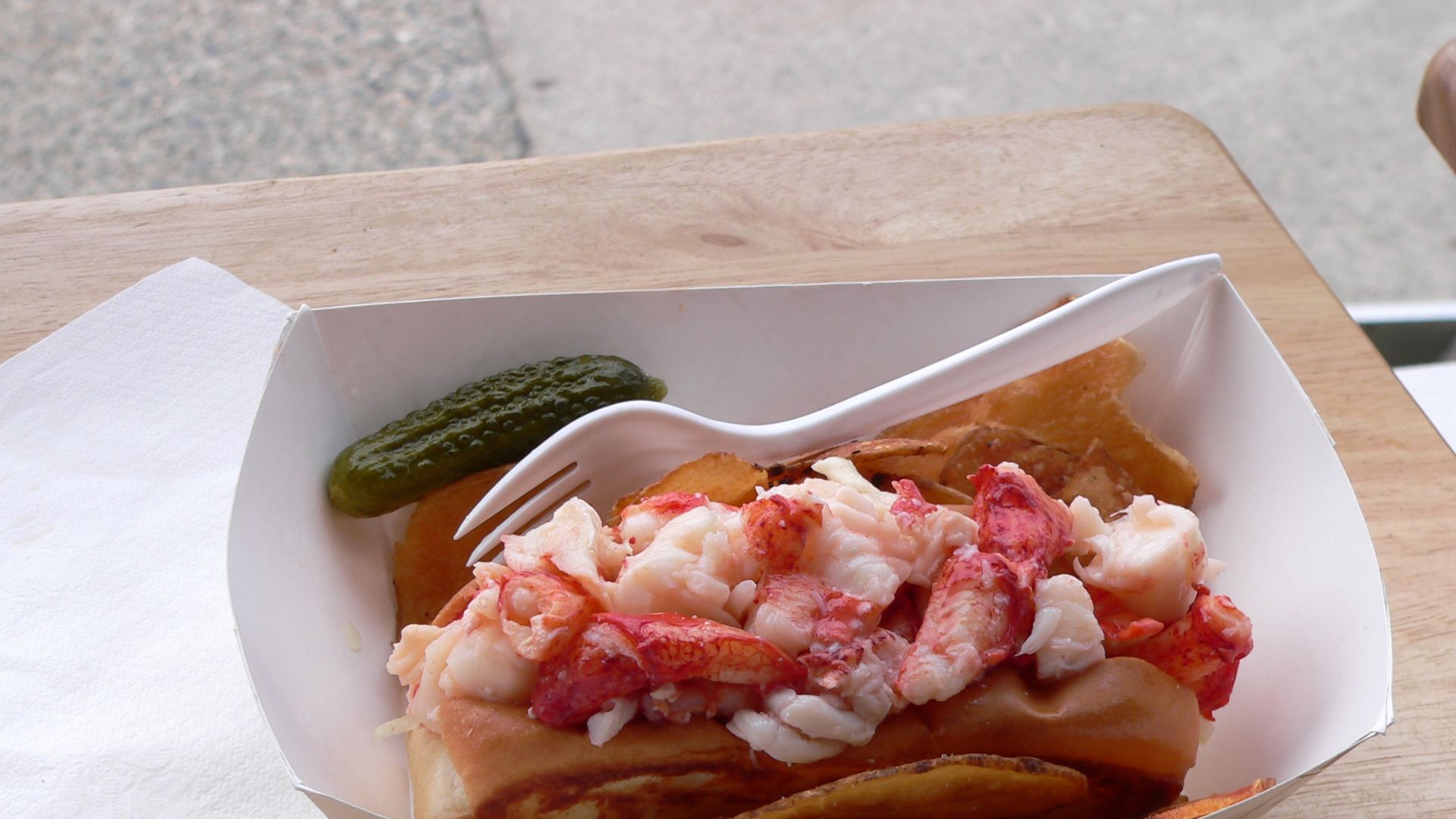
Lobster Is Everyday Food
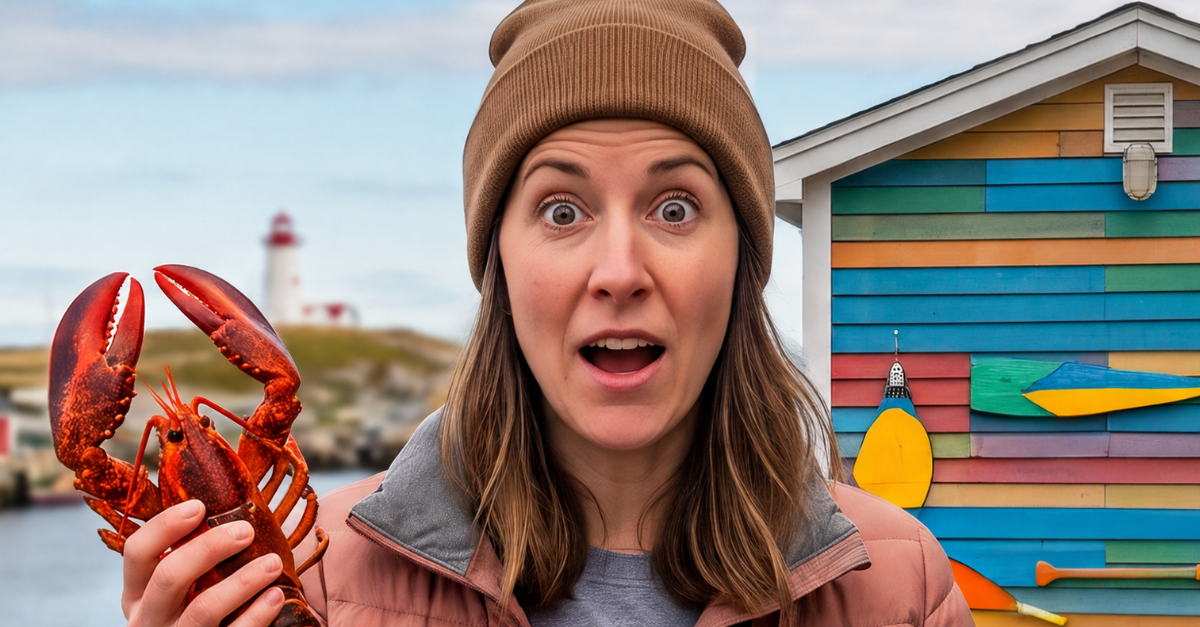
Lobster may feel like special-occasion dining in much of the United States, but parts of Atlantic Canada treat it far more casually. Nova Scotia promotes lobster rolls, boils, tacos, poutine, sandwiches, and even dedicated culinary trails, while commercial lobster fishing occurs off the province year-round. The result is a seafood culture where something Americans associate with white-tablecloth dining can appear beside a roadside stop.
 Lee Coursey, Wikimedia Commons
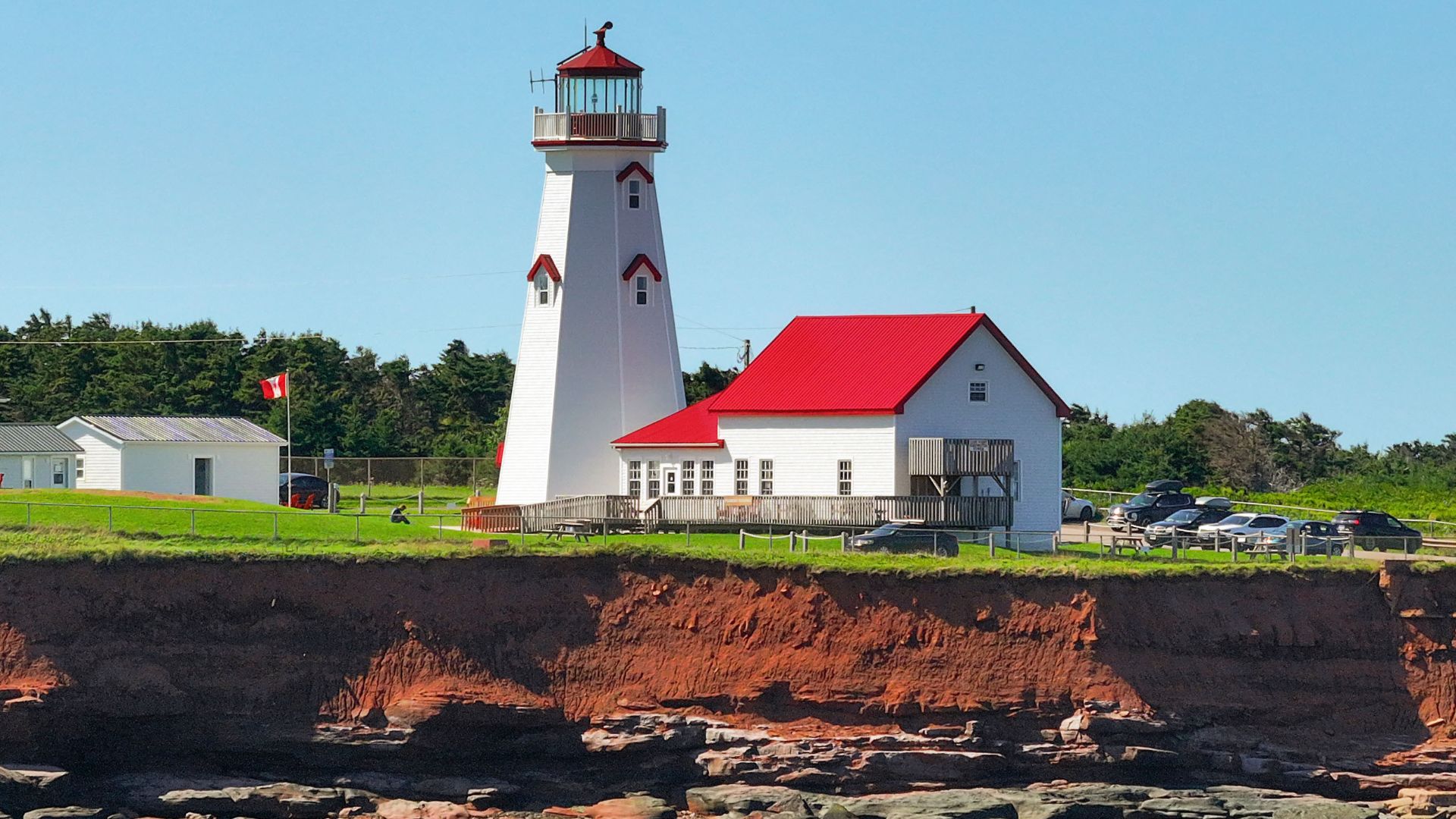
Lighthouses Are Not Just Decoration
The postcard image of a lonely lighthouse turns out to have serious historical depth. Prince Edward Island tourism says the province has dozens of lighthouses and range lights along its compact coastline, reflecting the importance of sea transportation, fishing, and commerce. Several historic lights now operate as seasonal museums, making lighthouse hunting a legitimate road-trip activity rather than a photography cliché.
 Quintin Soloviev, Wikimedia Commons
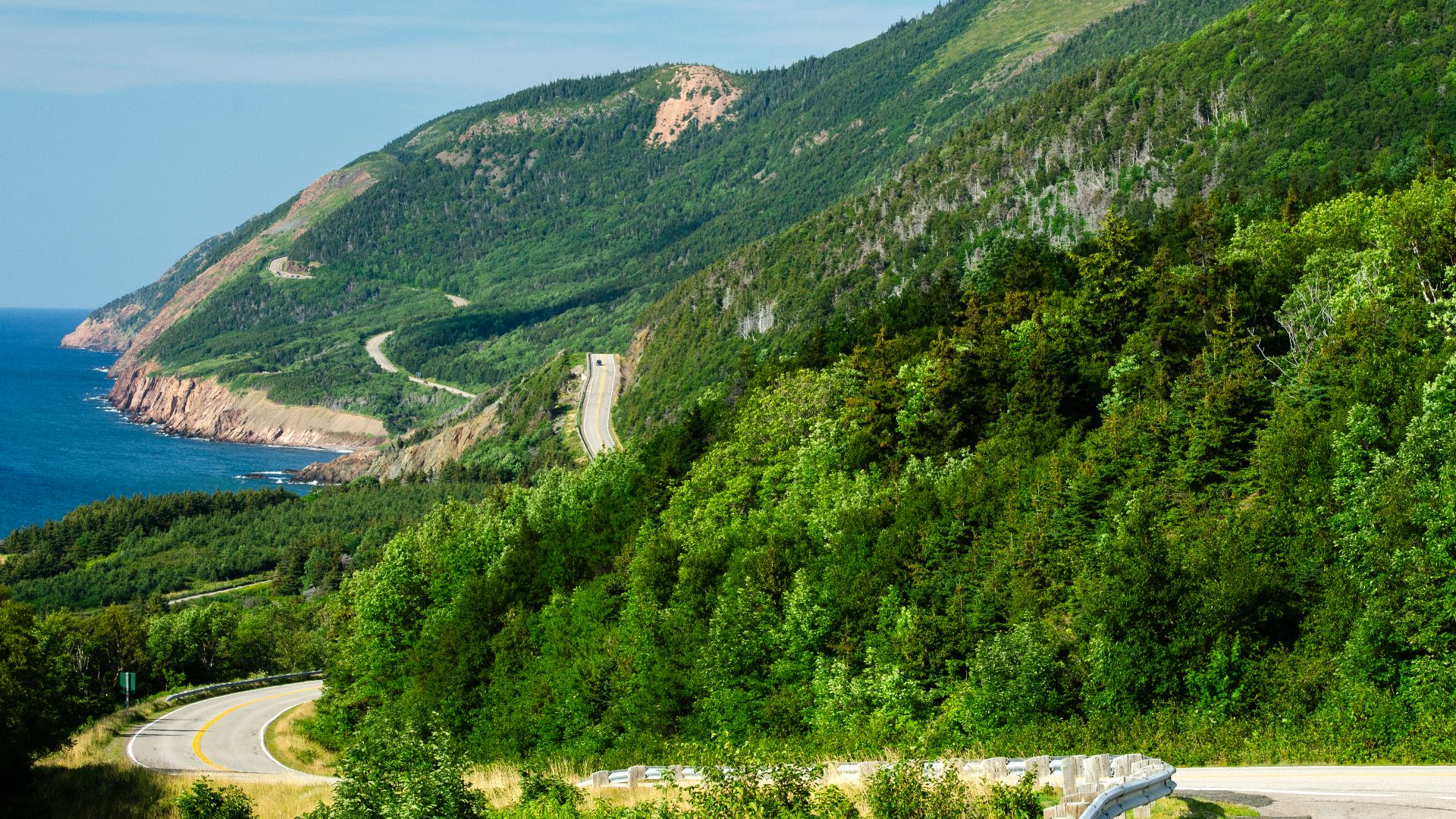
The Cabot Trail Takes Time
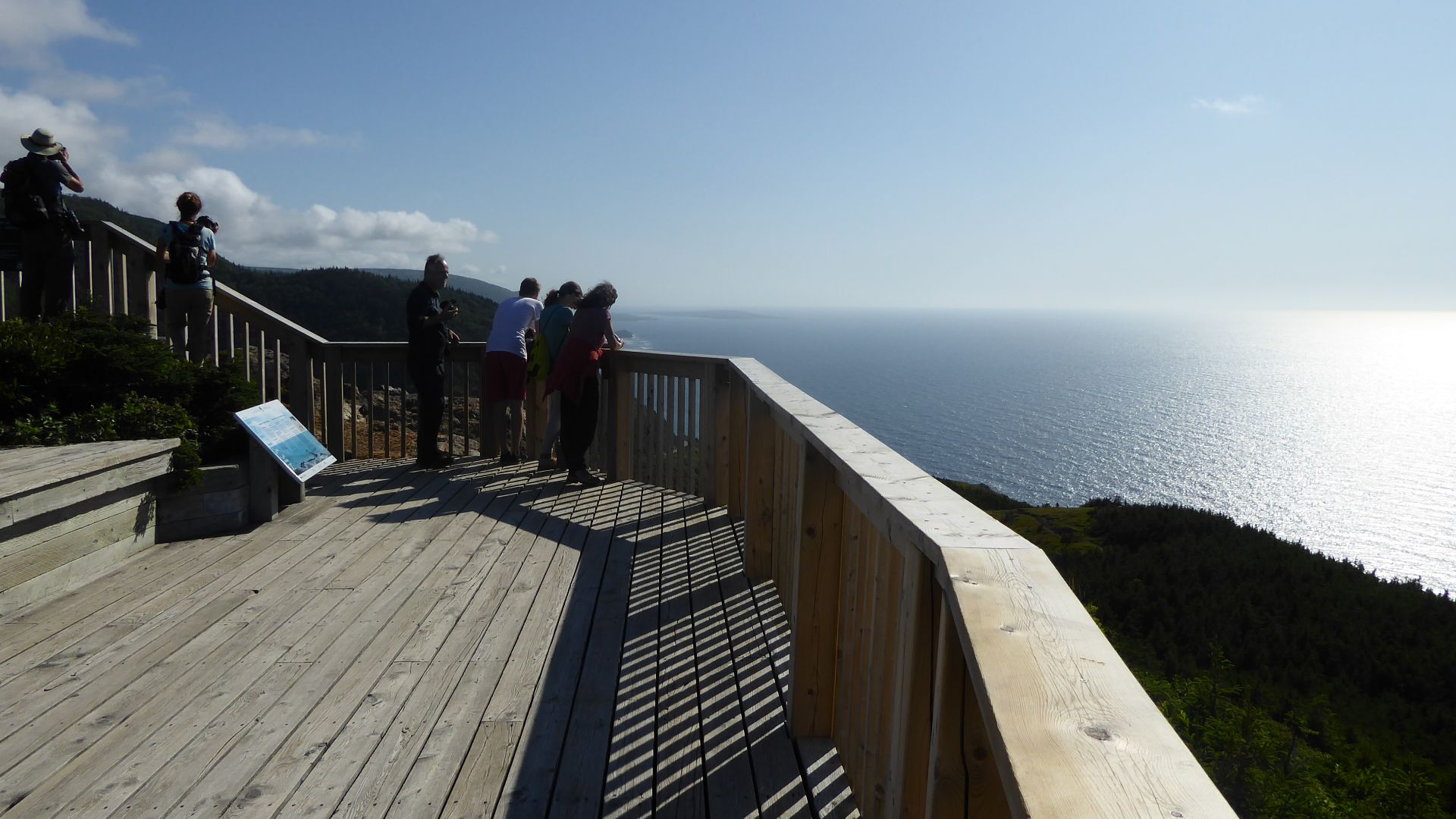
Cape Breton’s Cabot Trail deserves more than a hurried lap between breakfast and dinner. The route runs for nearly 300 kilometres around northern Cape Breton, including more than 100 kilometres inside Cape Breton Highlands National Park. Lookouts, hiking trails, coastal cliffs, and steep highlands turn the drive itself into one of the main attractions.
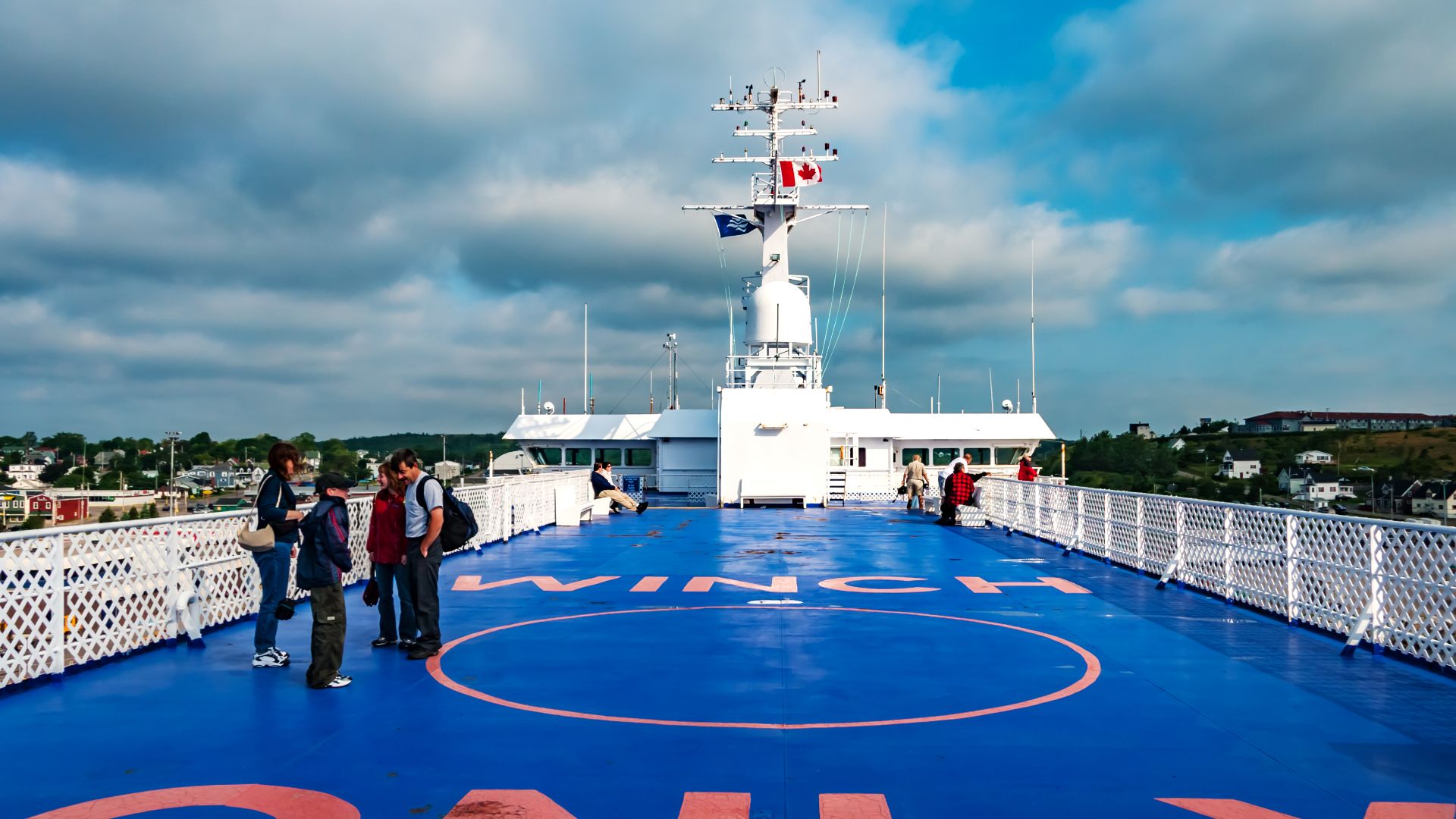
Ferries Are Part Of The Highway
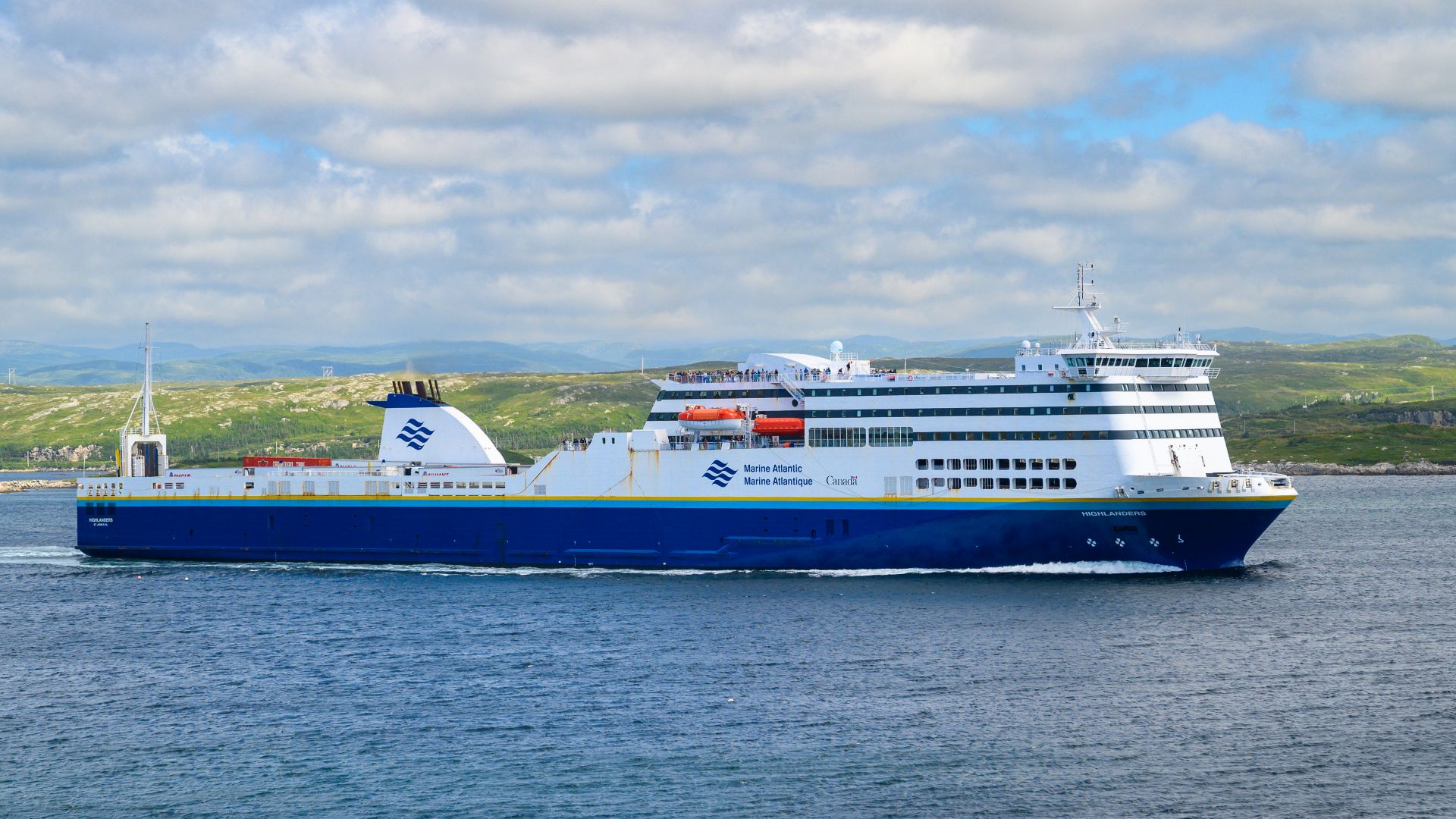
Americans used to driving continuously between destinations may be surprised by how naturally ferries fit into Atlantic Canadian transportation. Marine Atlantic connects Nova Scotia with Newfoundland, while smaller ferries appear on regional driving routes such as the approach to Cape Breton Highlands. In this part of Canada, boarding a ship can be a normal stage of a road trip rather than a separate cruise experience.
 Michel Rathwell from Cornwall, Canada, Wikimedia Commons
Newfoundland Is A Serious Crossing
Getting a car to Newfoundland requires some commitment. Marine Atlantic’s year-round North Sydney to Port aux Basques route takes approximately seven hours, while the seasonal North Sydney to Argentia crossing takes roughly 16.5 hours. Cabins, sailing schedules, reservations, and weather therefore become important parts of planning a Newfoundland road trip.
 Gordon Leggett, Wikimedia Commons
The Clock Gets Weird
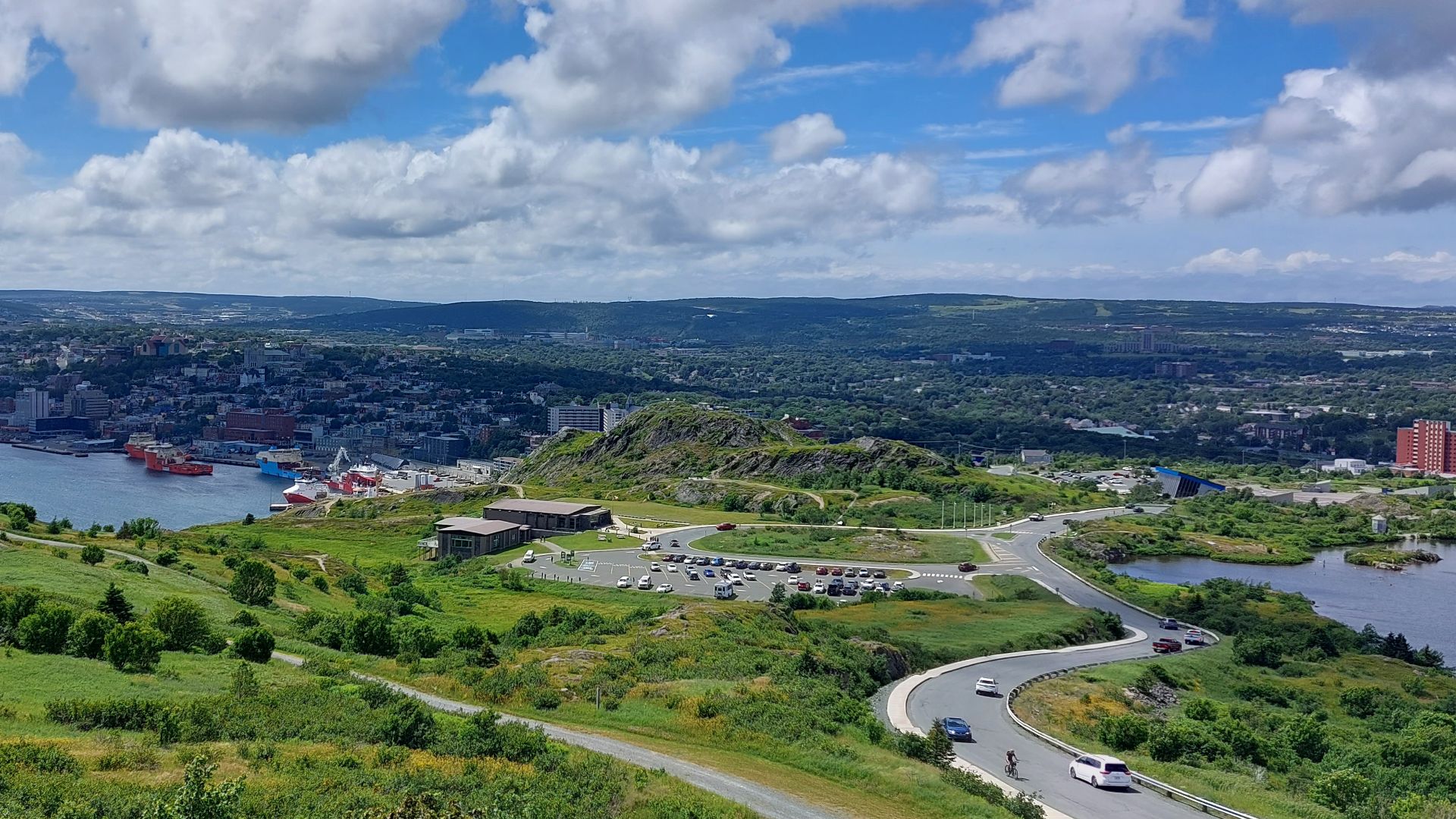
Newfoundland delivers one of travel’s best double takes when you check the time. Newfoundland Time is offset by half an hour from neighboring Atlantic Time, so St. John’s runs 30 minutes ahead of much of the Maritime region. Most of Labrador uses Atlantic Time, meaning the province itself even contains more than one time zone.
 CyberDetroit, Wikimedia Commons
Puffins Have A Season
Those colorful little seabirds are real, plentiful, and not available on demand. Newfoundland and Labrador tourism says Atlantic puffins breed in colonies around the province from early May into mid-September. Travelers visiting specifically for wildlife should therefore match their dates to seasonal patterns instead of assuming puffins will be waiting beside every cliff.
 Becky Matsubara from Contra Costa County, California, Wikimedia Commons
Icebergs Are Never Guaranteed
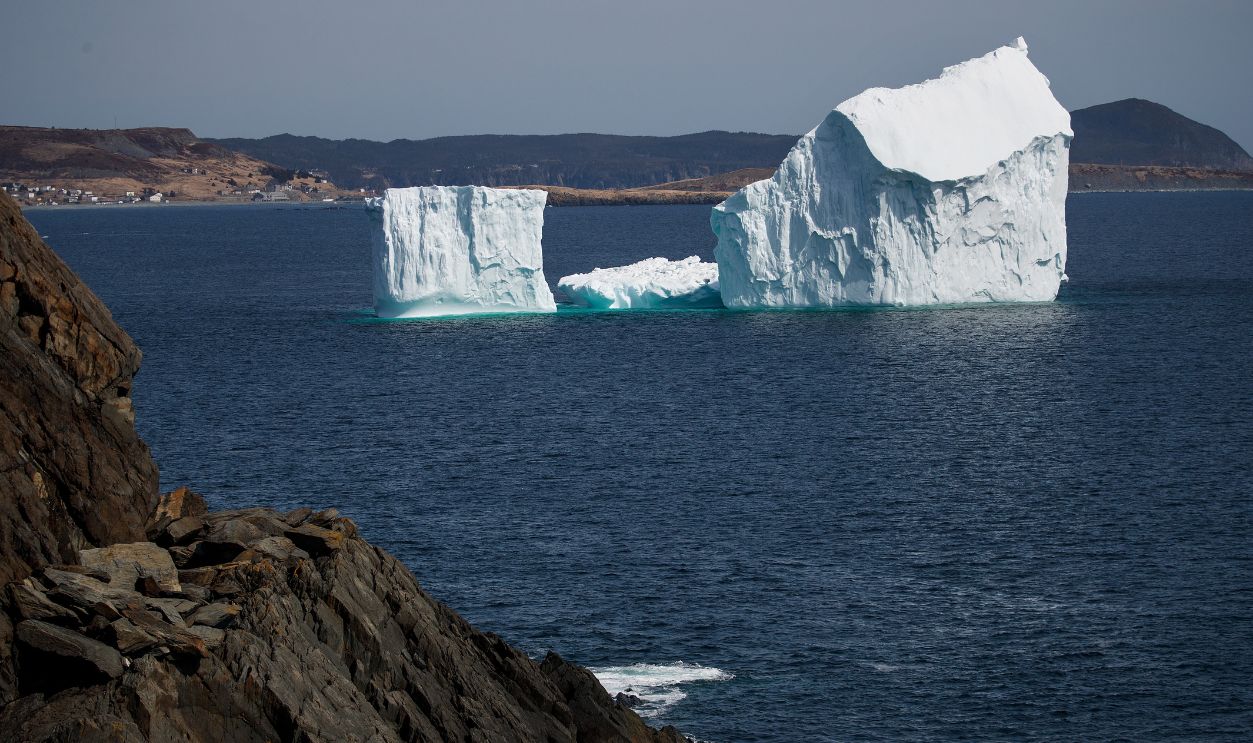
Newfoundland’s famous Iceberg Alley can produce astonishing views, but sightings remain dependent on ocean and weather conditions. Icebergs move along the coast seasonally, and their numbers and locations can vary dramatically from year to year and even from day to day. Treat an iceberg sighting as an extraordinary bonus rather than a guaranteed attraction included with the hotel room.
Fog Can Change The View
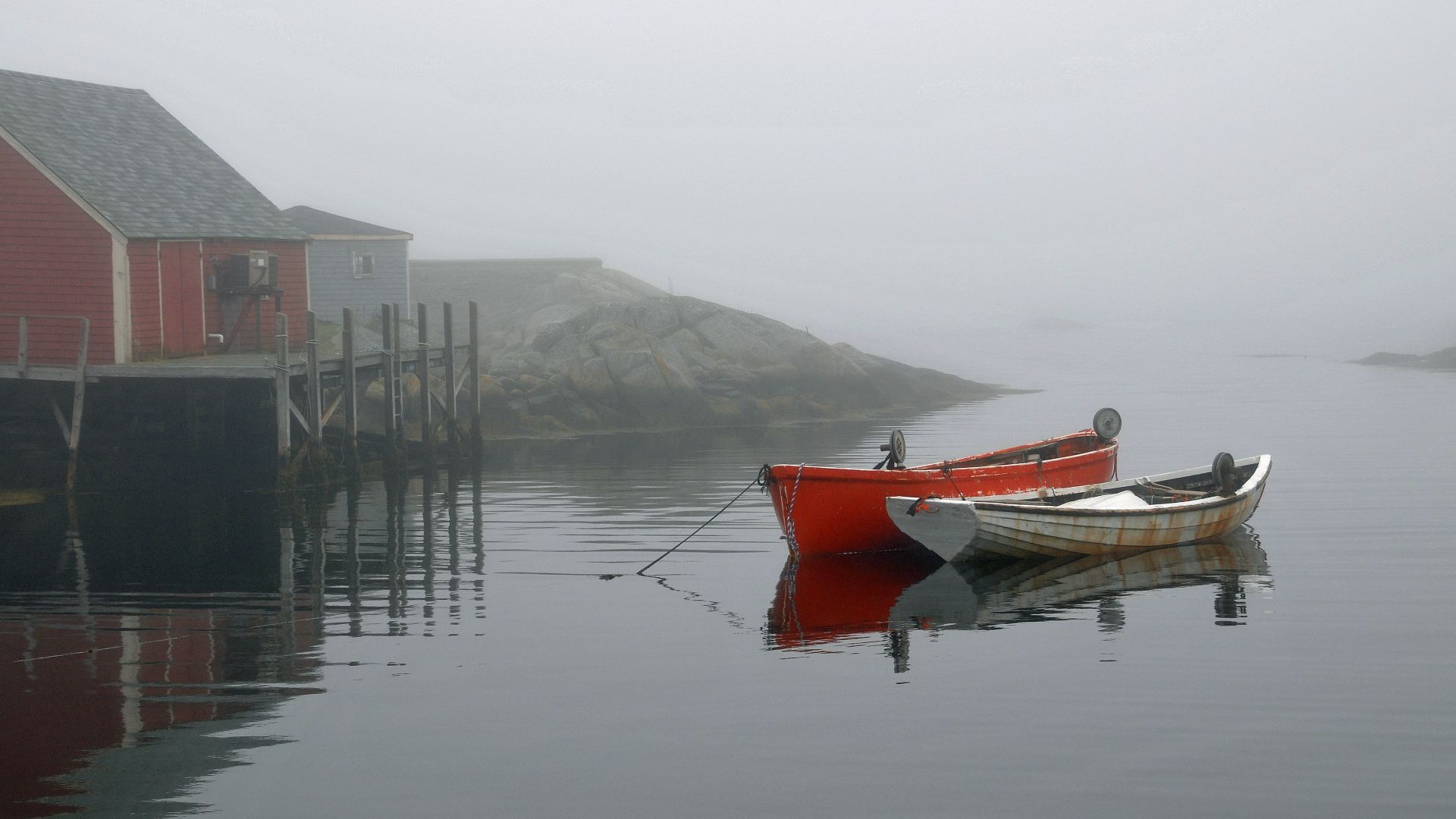
A brilliant coastal panorama can disappear surprisingly quickly behind a grey wall. Environment and Climate Change Canada says coastal regions are especially prone to fog, with Atlantic fog reaching its seasonal maximum around July. The interaction between warmer air and cold Atlantic waters can create dense fog around Newfoundland and south of Nova Scotia, so scenic-drive plans need a little flexibility.
 Dennis G. Jarvis, Wikimedia Commons
Layers Beat A Single Jacket
Atlantic coastal weather rewards people who dress for several versions of the same day. Tourism Nova Scotia advises visitors to wear layers because temperatures, wind, and fog can change with location and proximity to the ocean. A sunny inland stop can be followed by a chilly, windy waterfront without traveling particularly far.

Indigenous Culture Is Present Tense
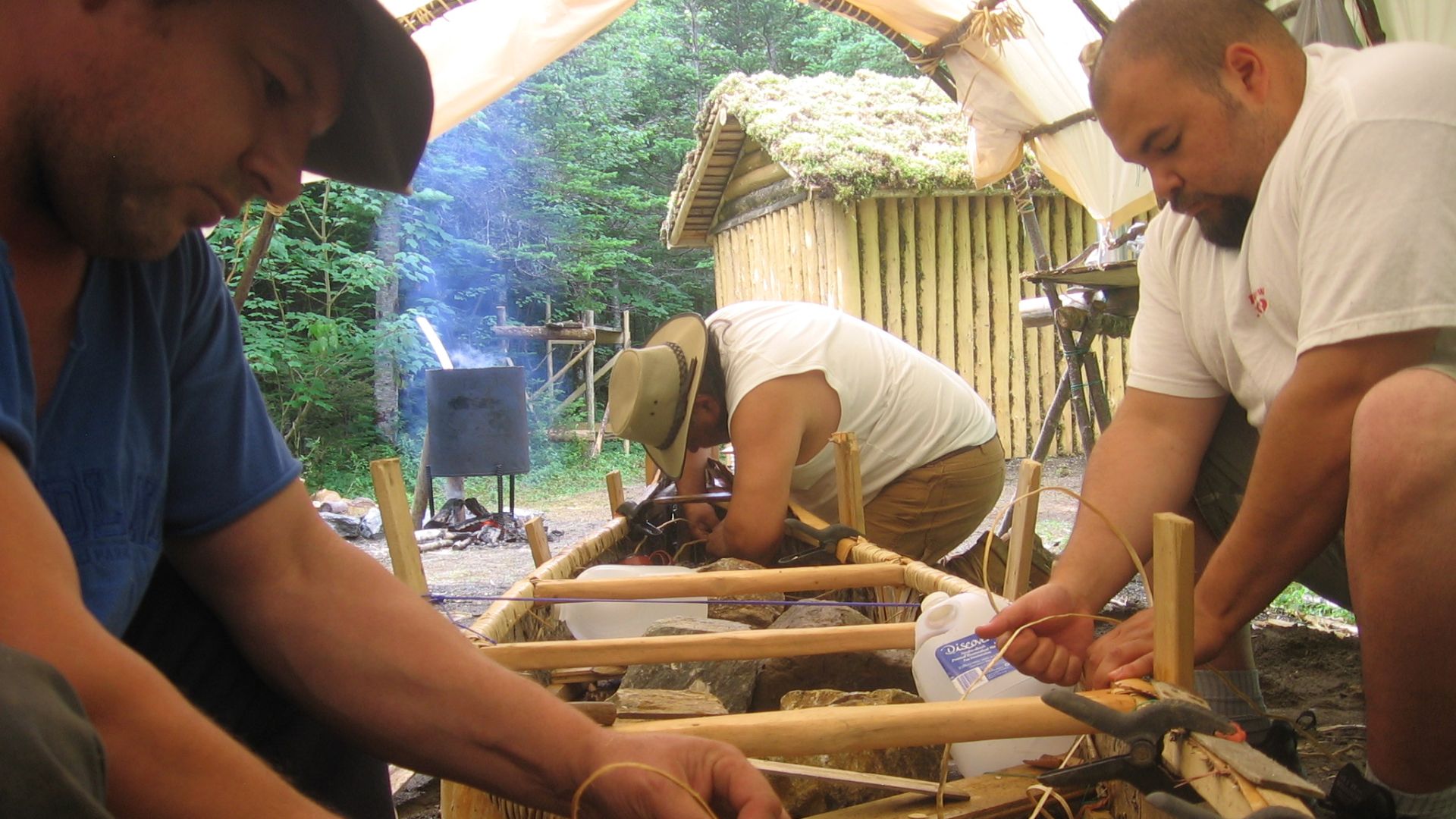
Atlantic Canadian history does not begin with European fishing villages. Mi’kmaq communities remain an important cultural presence across much of the region, while other Indigenous nations have deep connections to Atlantic lands and waters. Prince Edward Island tourism, for example, highlights Mi’kmaq-led experiences, traditional place names, crafts, food, storytelling, and cultural programming for visitors.
 Newfoundlandguy, Wikimedia Commons
Atlantic Canada Is Not One Culture
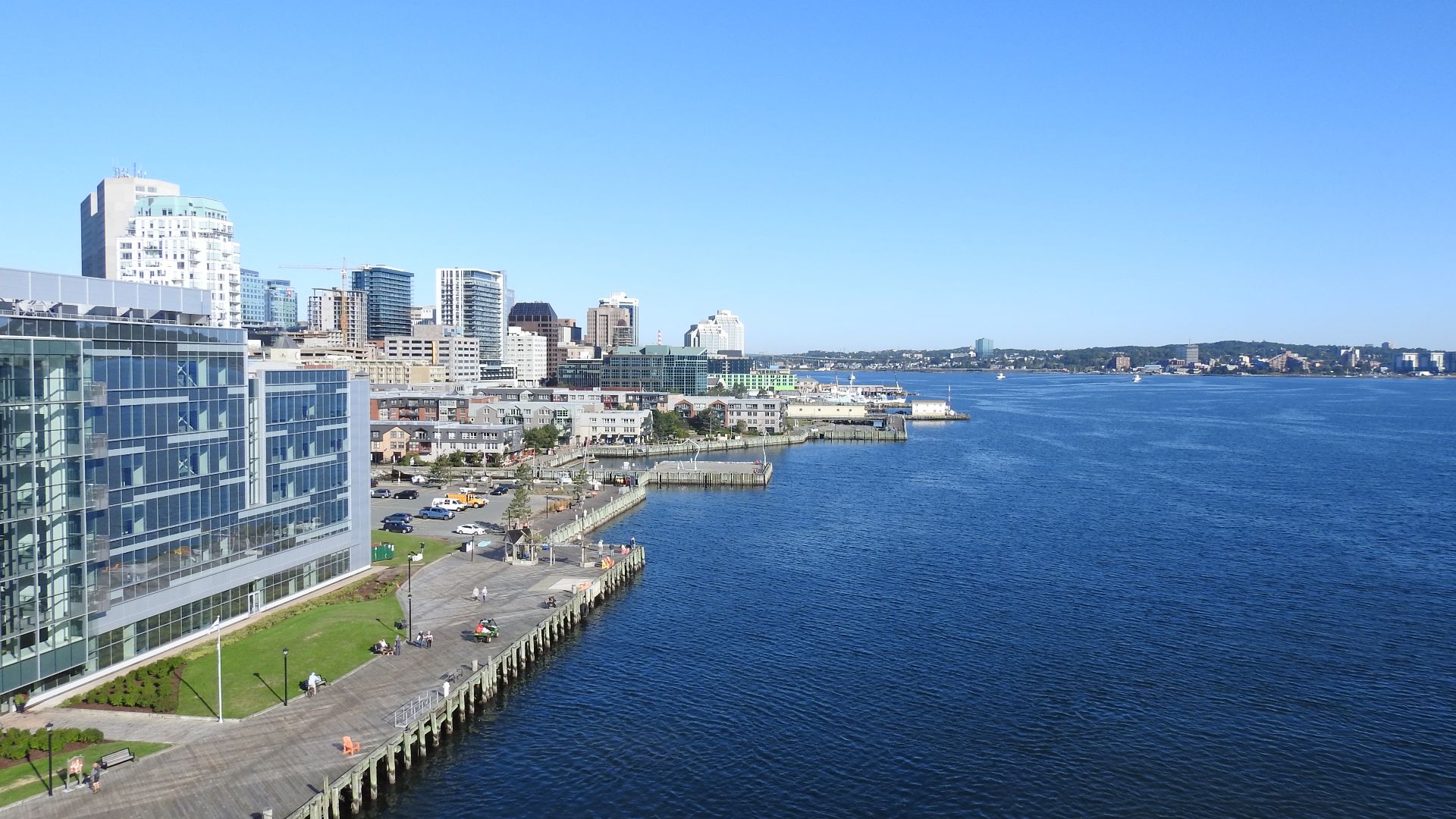
The biggest surprise may be how quickly the region changes from one place to another. Bilingual Acadian communities in New Brunswick, red-soil PEI villages, Cape Breton highlands, Halifax’s waterfront, and Newfoundland outports do not feel like interchangeable versions of the same destination. Atlantic Canada works best when Americans stop treating it as one small corner of Canada and start giving each province enough time to reveal its own character.
 WabbitWanderer from London, Canada, Wikimedia Commons
You May Also Like:
Things Europeans Notice Immediately When They Take An American Road Trip
Things Canadians Notice Immediately When They Visit Texas
10 Forbidden Places You're Not Allowed To Visit
Sources: 1, 2, 3, 4, 5, 6, 7, 8, 9, 10, 11, 12, 13, 14, 15, 16, 17, 18, 19, 20, 21, 22, 23, 24, 25, 26, 27, 28, 29, 30, 31, 32, 33, 34, 35, 36, 37