The Roads Feel Almost Unbelievably Big
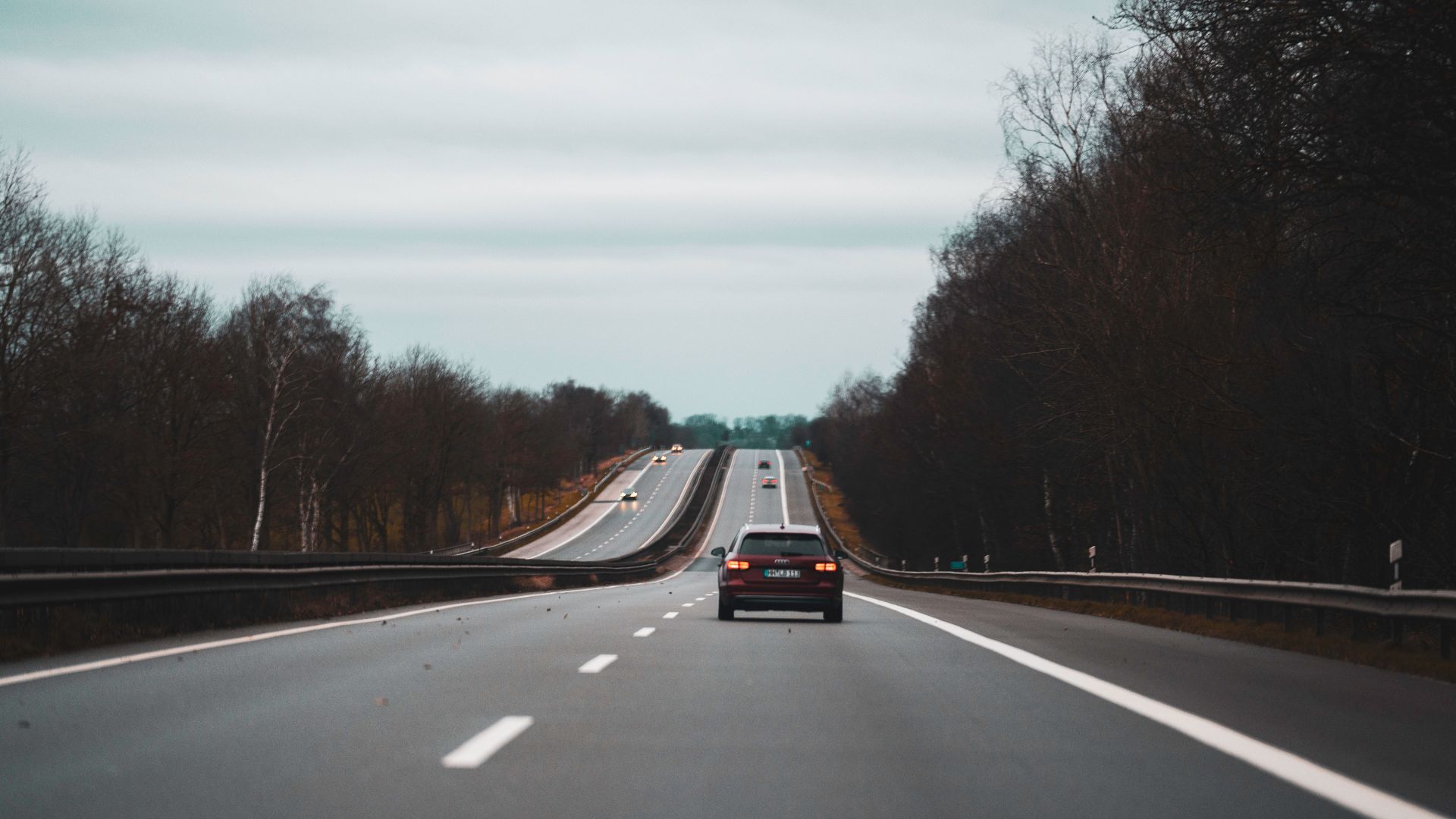
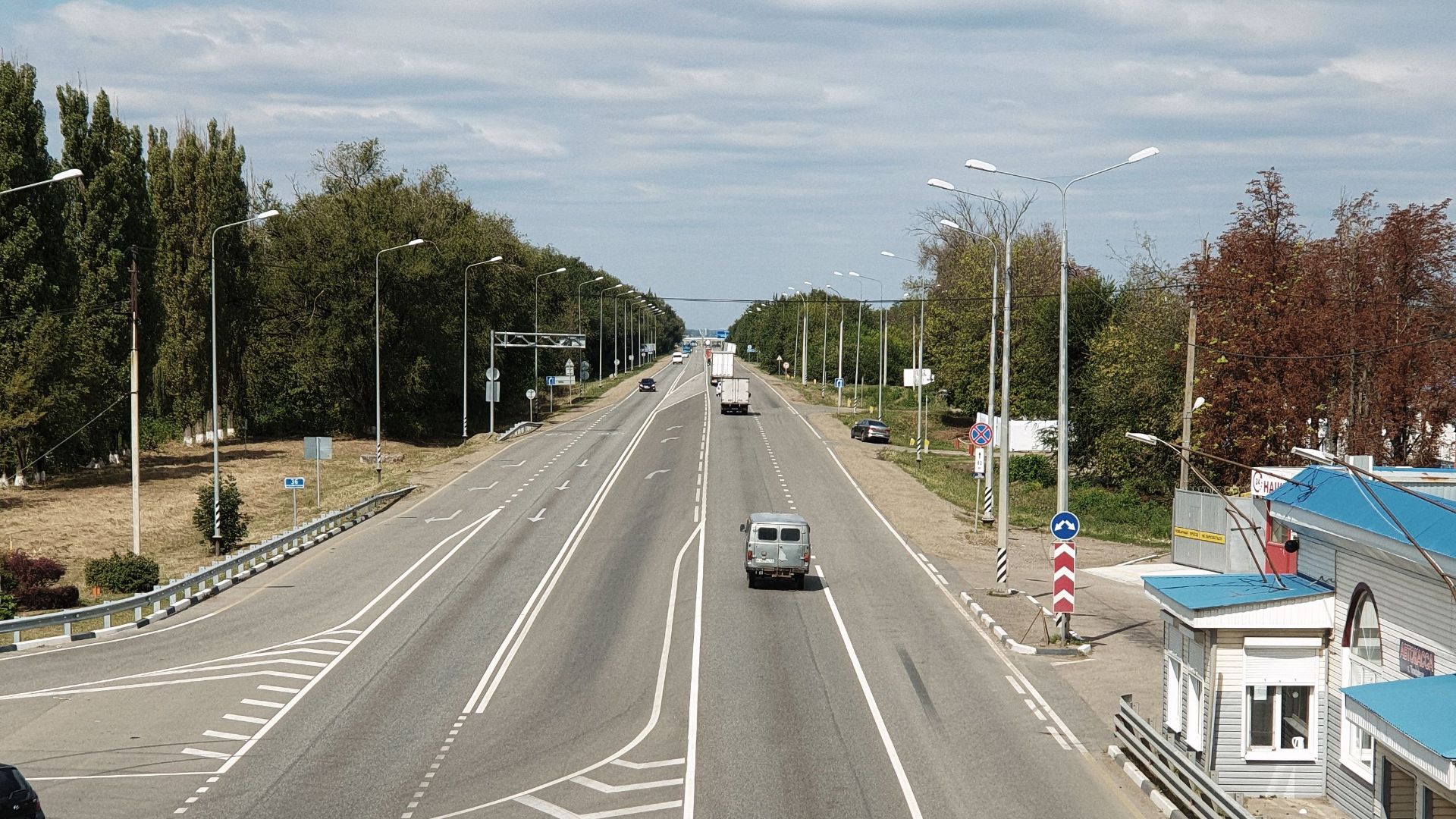
One of the first things many Europeans notice is the sheer size of American roads. Highways can stretch for hours with wide lanes, broad shoulders, huge interchanges, and distant exits. Even ordinary roads can feel oversized compared with the tighter streets and compact routes many travelers know from Europe.
The Distances Change Your Sense Of Time
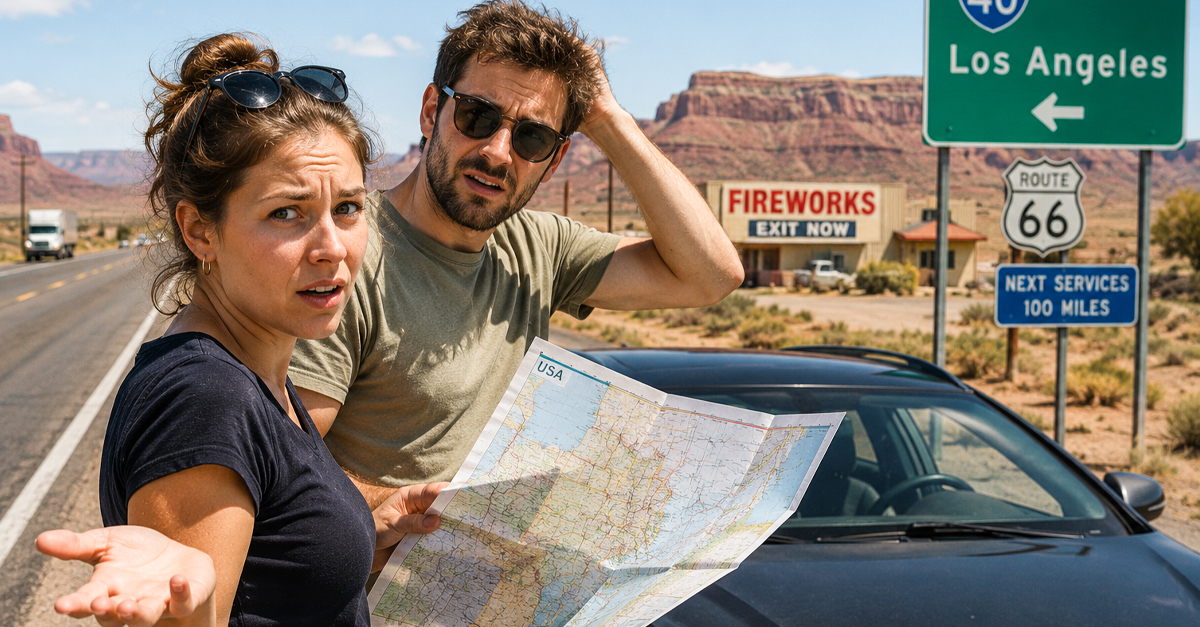
In the United States, “a short drive” can mean something very different. A three-hour drive may be treated as reasonable, while a six-hour drive might still be considered manageable for one day. Europeans often realize quickly that American road trips require thinking in states, regions, and full travel days.
Everything Is Built Around The Car
American road trips reveal just how car-centered much of the country is. Hotels, restaurants, supermarkets, pharmacies, gas stations, national parks, and roadside attractions are often designed around parking lots and drive-up access. In many areas, walking from place to place feels unusual or impractical.
The Rental Car Feels Essential, Not Optional
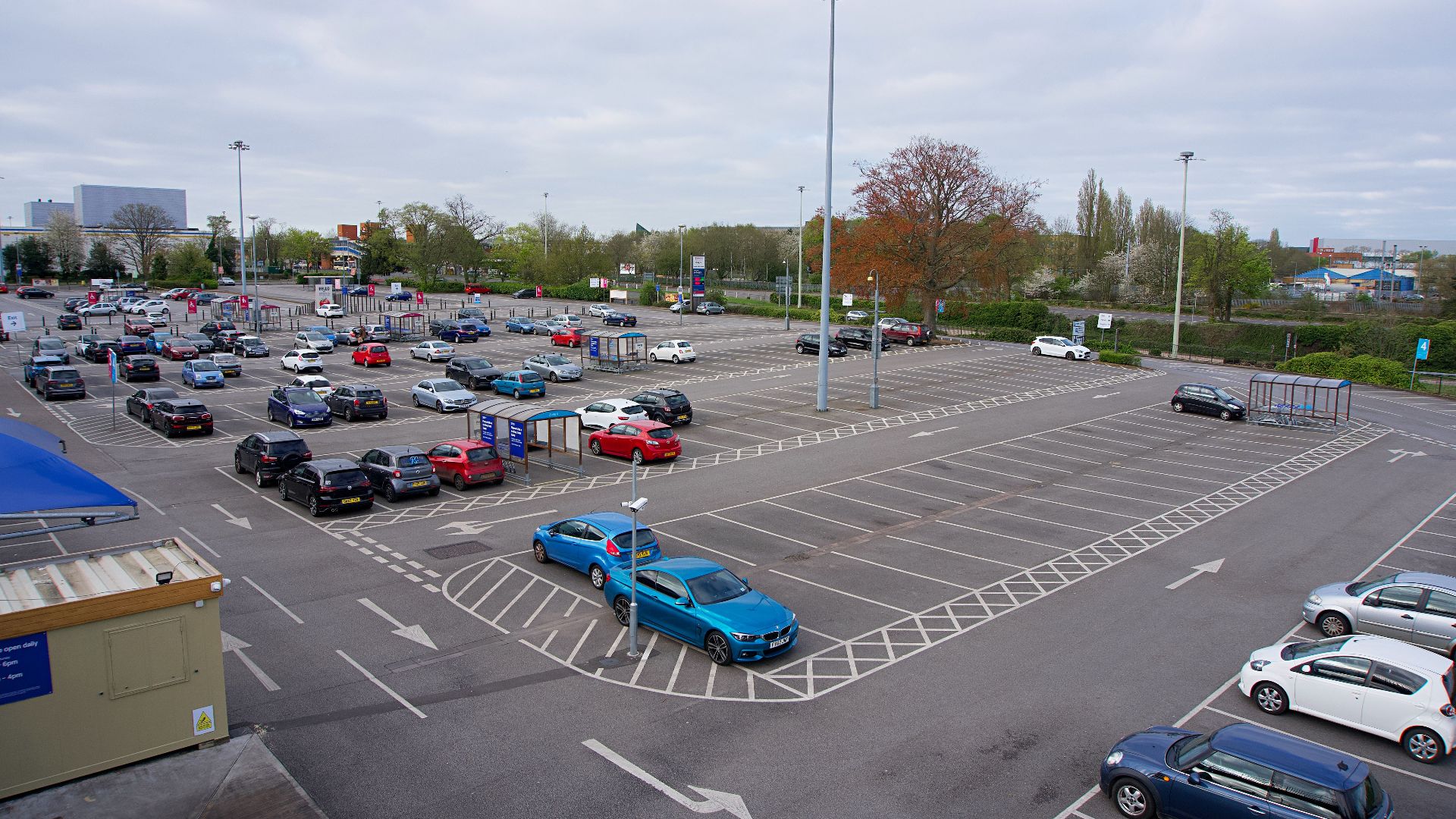
In many European cities, a traveler can rely on trains, trams, buses, or walking. On many American road trips, the car becomes the whole trip. Without it, even reaching a restaurant, trailhead, motel, or grocery store can be difficult. That dependence surprises visitors who are used to denser transport networks.
Gas Stations Are Their Own Little Worlds
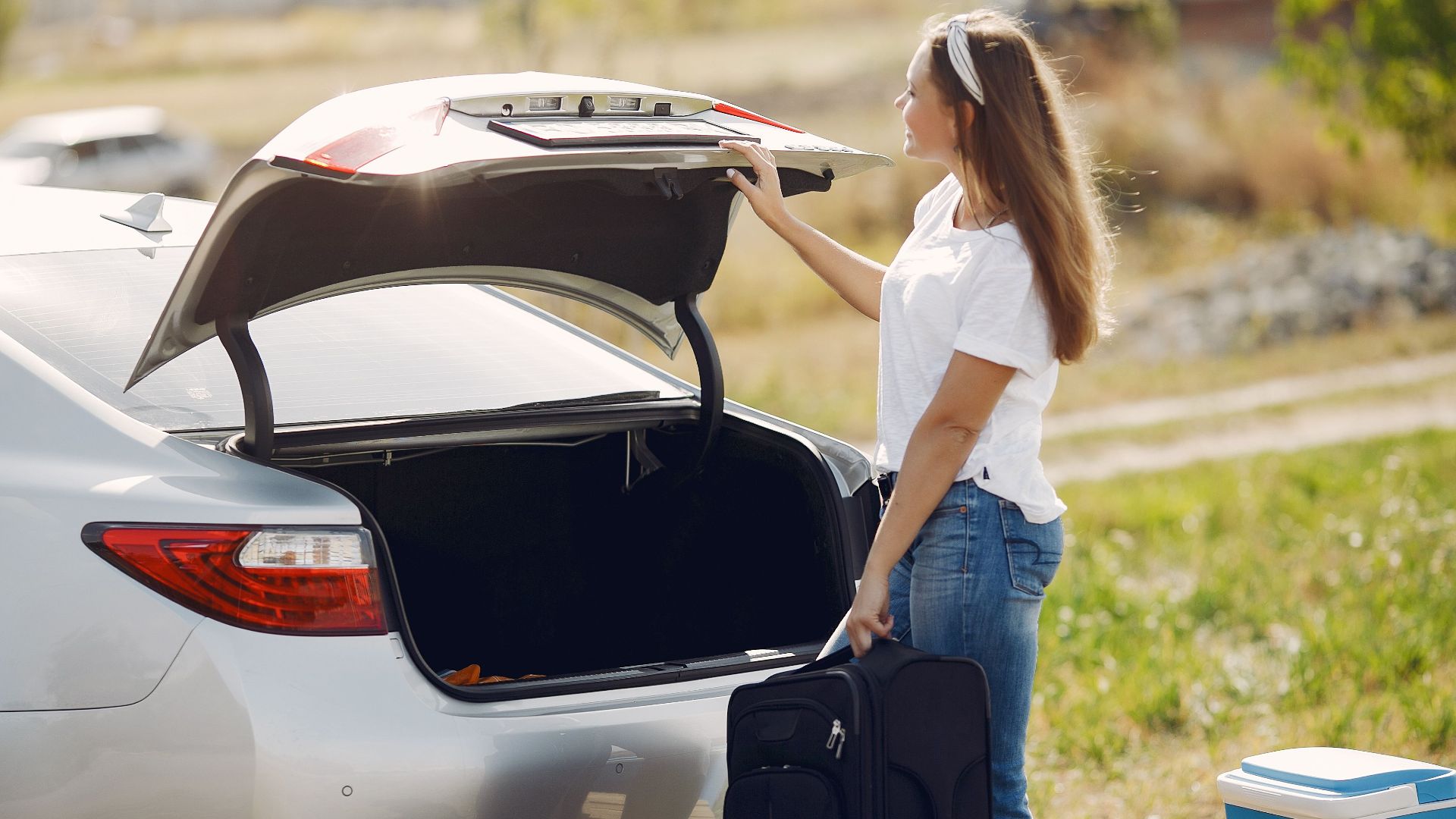
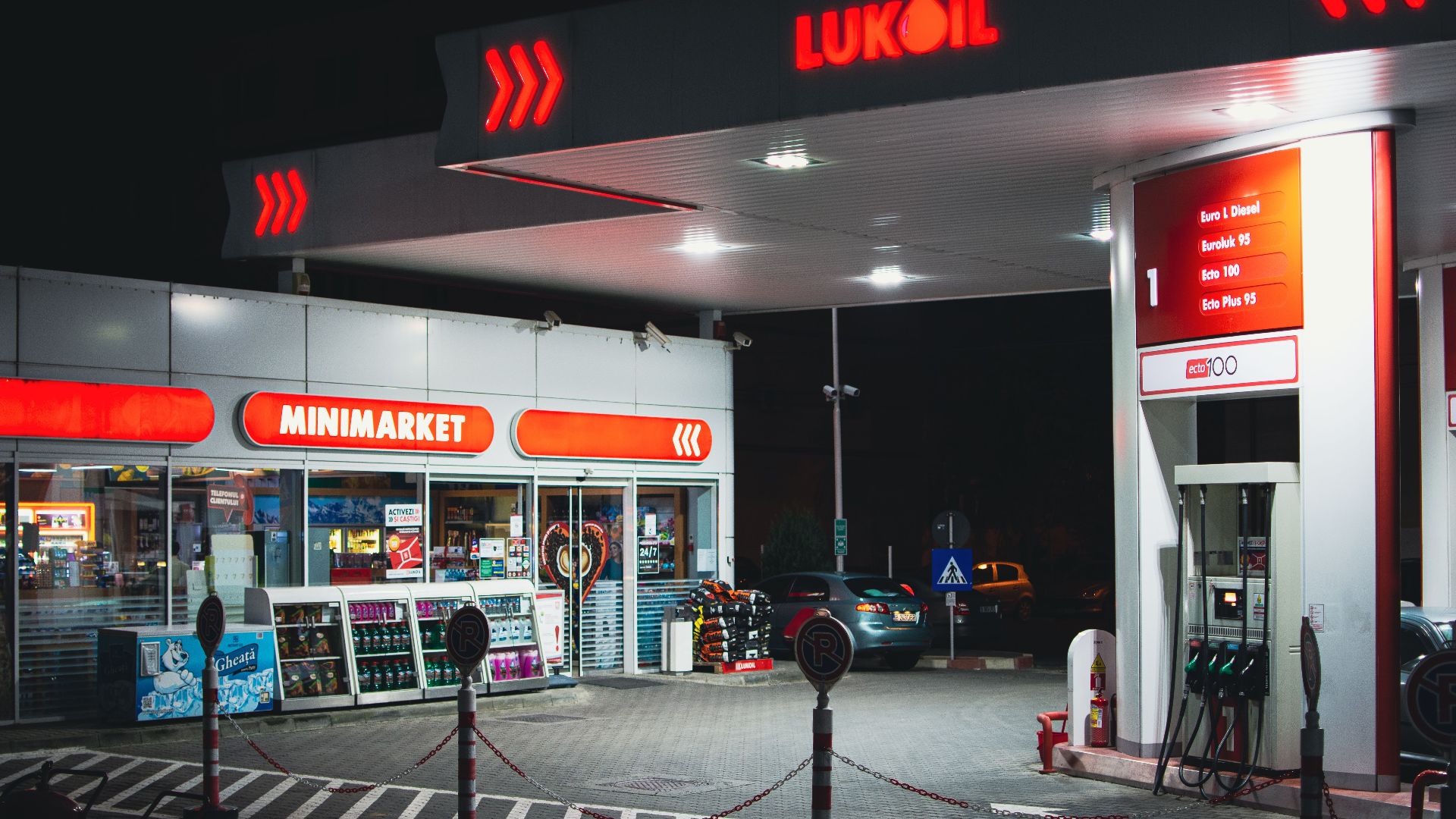
European travelers may expect gas stations to be quick fuel stops. In America, many are mini travel centers with coffee, hot food, bathrooms, snacks, souvenirs, phone chargers, lottery tickets, and sometimes entire restaurants. On long drives, the gas station becomes part rest stop, part pantry, and part cultural experience.
The Snack Selection Can Be Overwhelming
American road trip snacks are a spectacle. Shelves are packed with jerky, chips, candy, soda, giant iced coffees, energy drinks, pretzels, cookies, and combinations that seem designed for maximum novelty. Europeans often notice not just the variety, but the scale of the packaging and drink sizes.

Drive-Thrus Are Everywhere
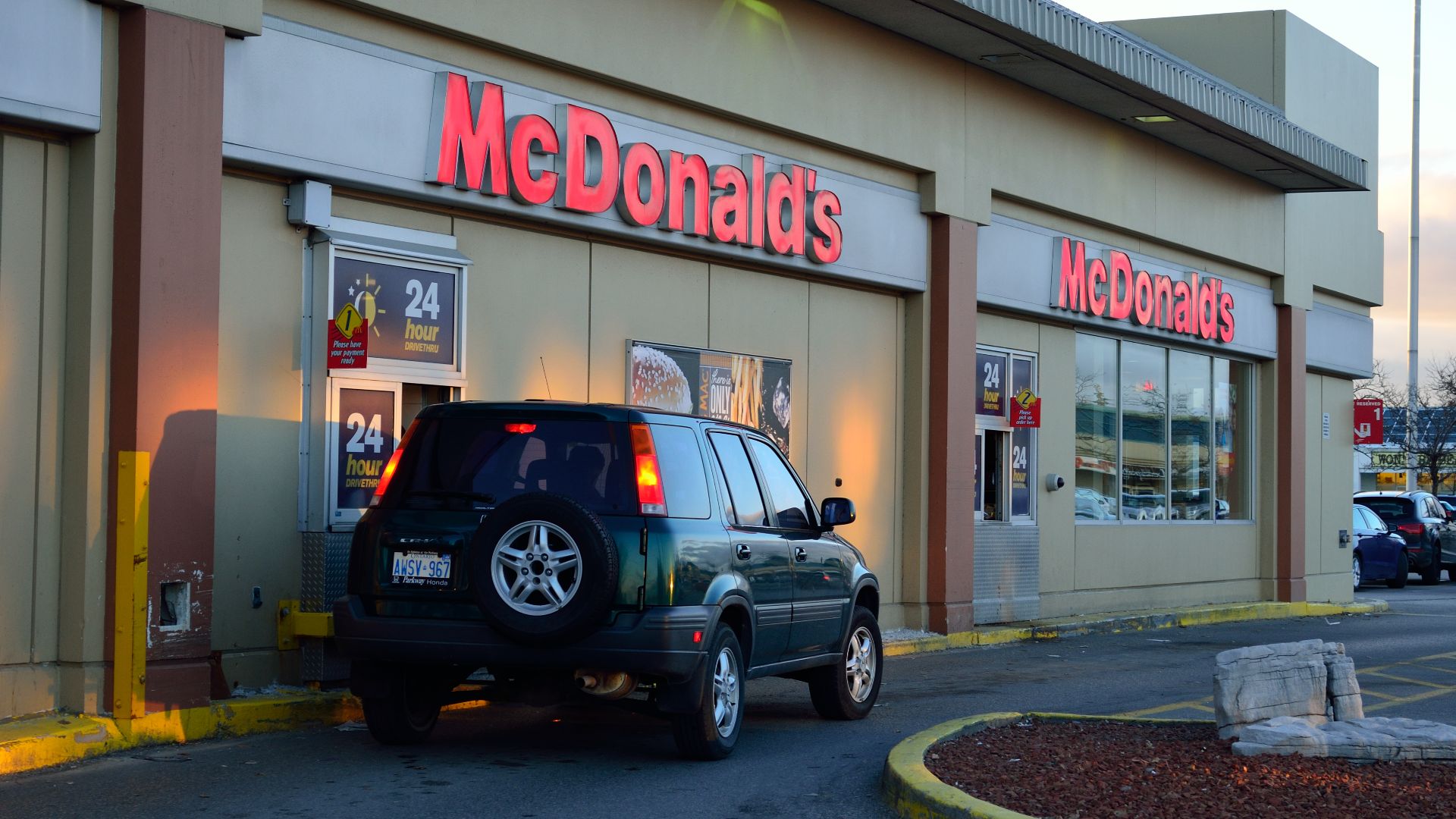
Fast food drive-thrus are common in the US, but on a road trip they become impossible to miss. Coffee, burgers, tacos, pharmacies, banks, and even some liquor stores can be accessed without leaving the car. To many Europeans, it feels both convenient and deeply revealing about American driving culture.
 Raysonho @ Open Grid Scheduler / Grid Engine, Wikimedia Commons
The Cup Holders Suddenly Make Sense
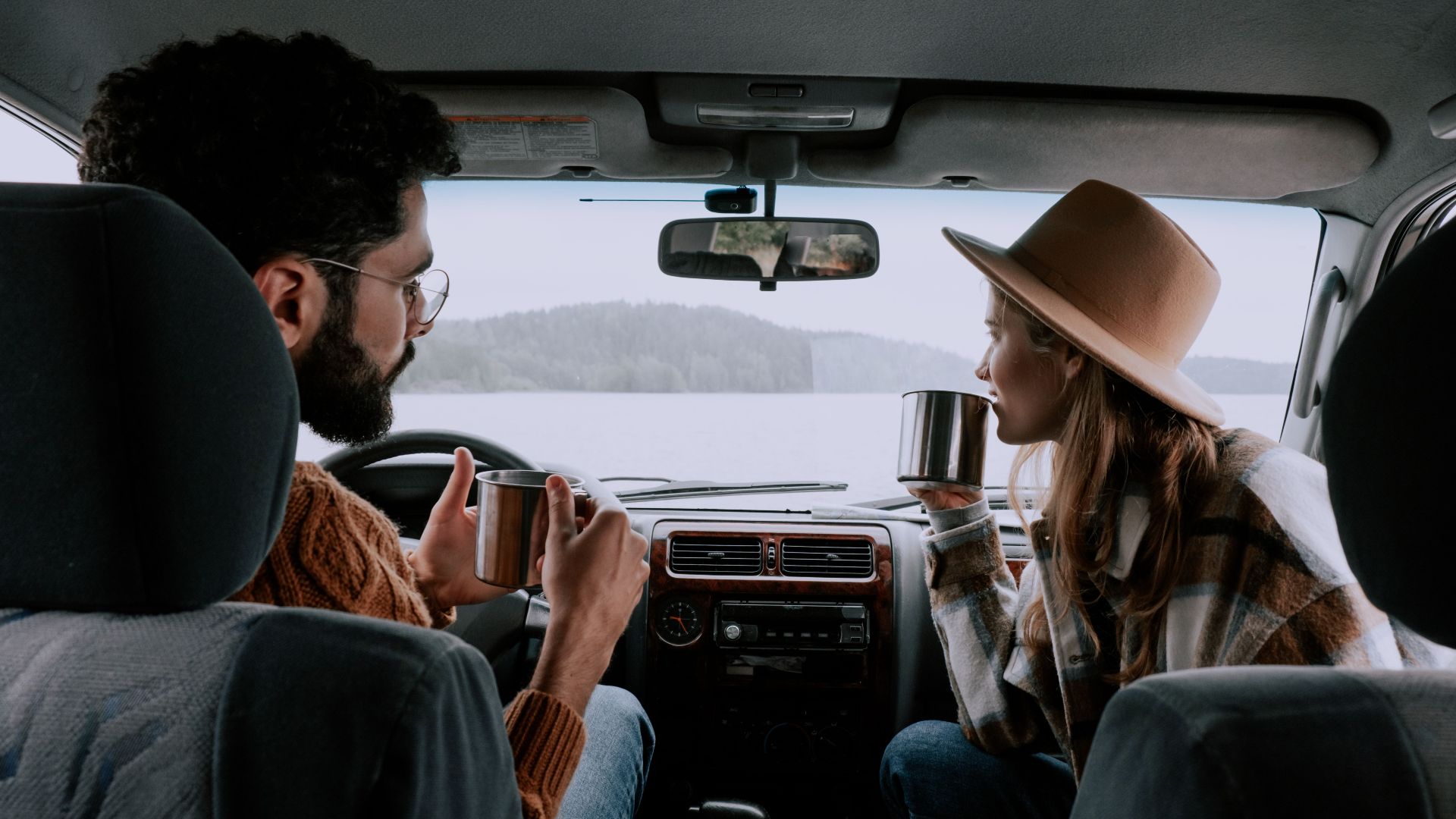
American cars often have more cup holders than passengers. Once the road trip begins, that design choice becomes clear. Drivers and passengers are constantly managing coffee, water, soda, iced tea, milkshakes, and drive-thru drinks. The vehicle becomes a moving dining room.
The Cars And Trucks Are Huge
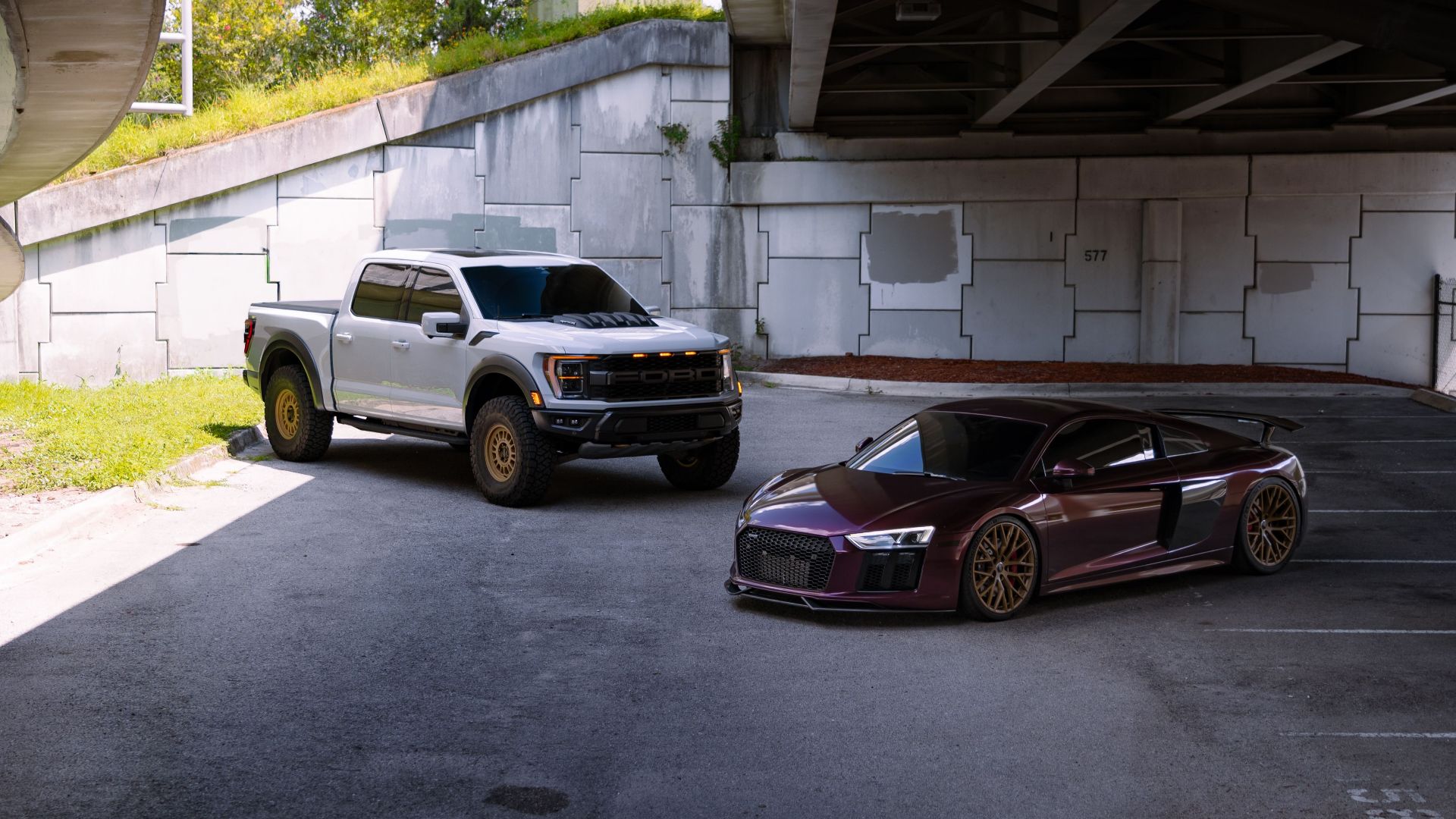
Pickup trucks, SUVs, and large family vehicles dominate many American roads. Europeans used to smaller city cars may be struck by how high, wide, and heavy everyday vehicles look. Even parking lots seem designed to accommodate cars that would feel enormous on many older European streets.
Automatic Cars Are The Norm
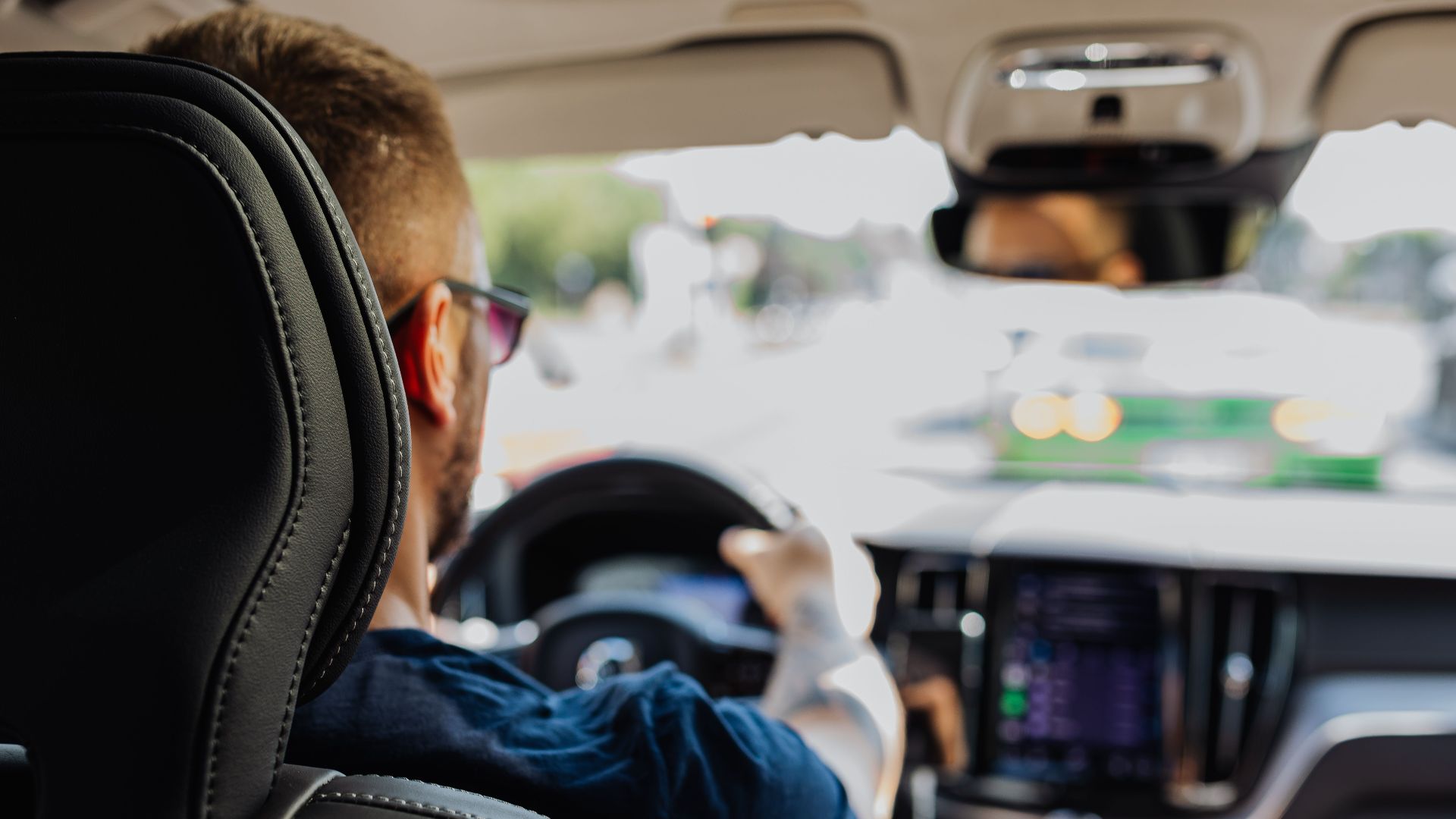
Many European drivers learn on manual transmissions, but most rental cars in the United States are automatic. That can feel luxurious, strange, or slightly disorienting at first. After a few hours on long highways, though, many visitors understand why automatic driving fits the American road trip rhythm.
Highways Can Be Beautiful And Boring At Once
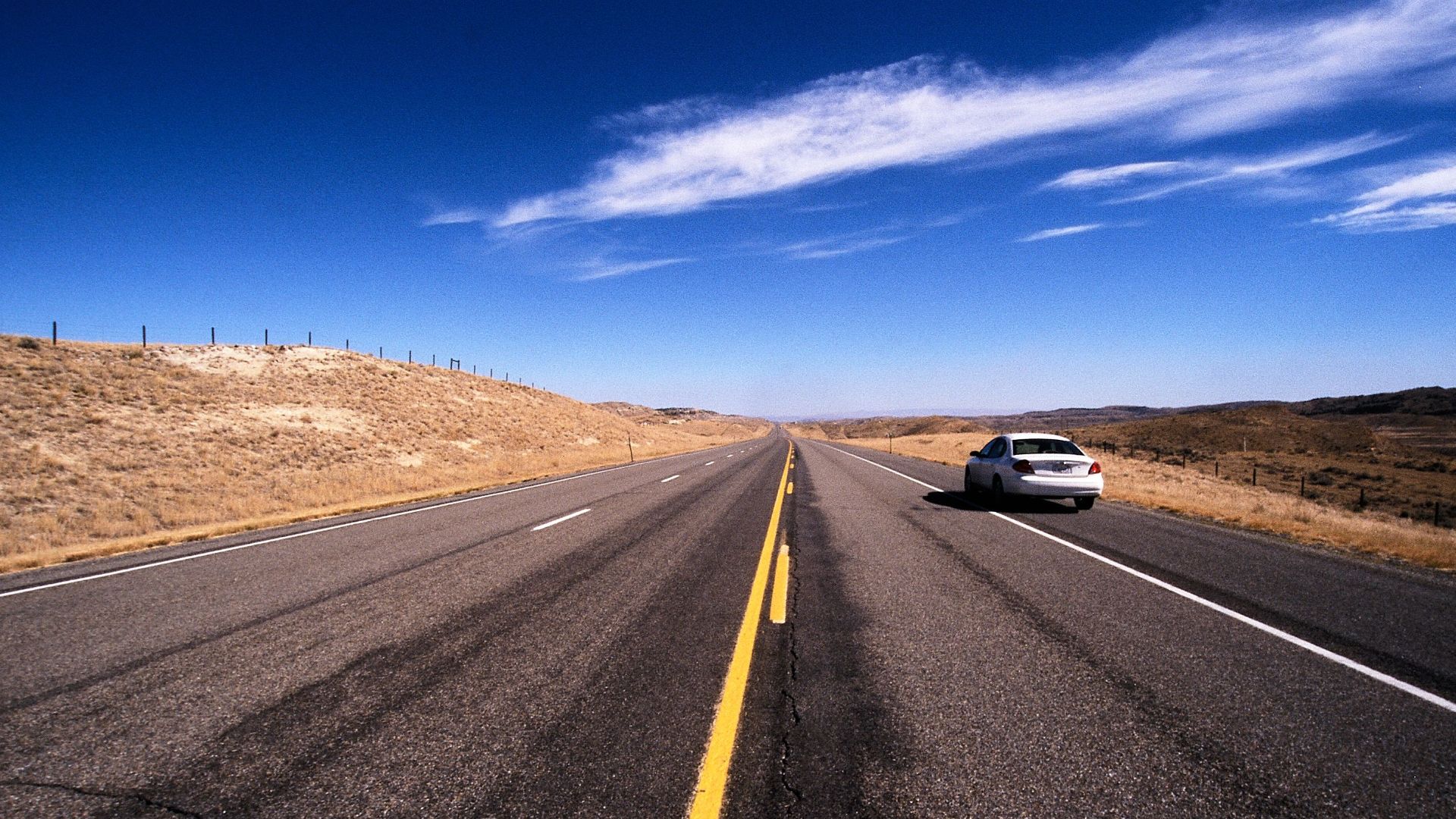
American highways can deliver astonishing landscapes, especially through deserts, mountains, forests, and coastlines. They can also involve long, flat stretches where scenery barely changes for hours. Europeans often notice how a single drive can move from cinematic beauty to hypnotic monotony.
Rest Areas Feel Different From Country To Country
Some American rest areas are simple, clean, and practical. Others are sparse, dated, or far apart. European travelers who are used to full-service motorway stops may be surprised by how much varies from state to state. Planning bathroom breaks can become part of the route.
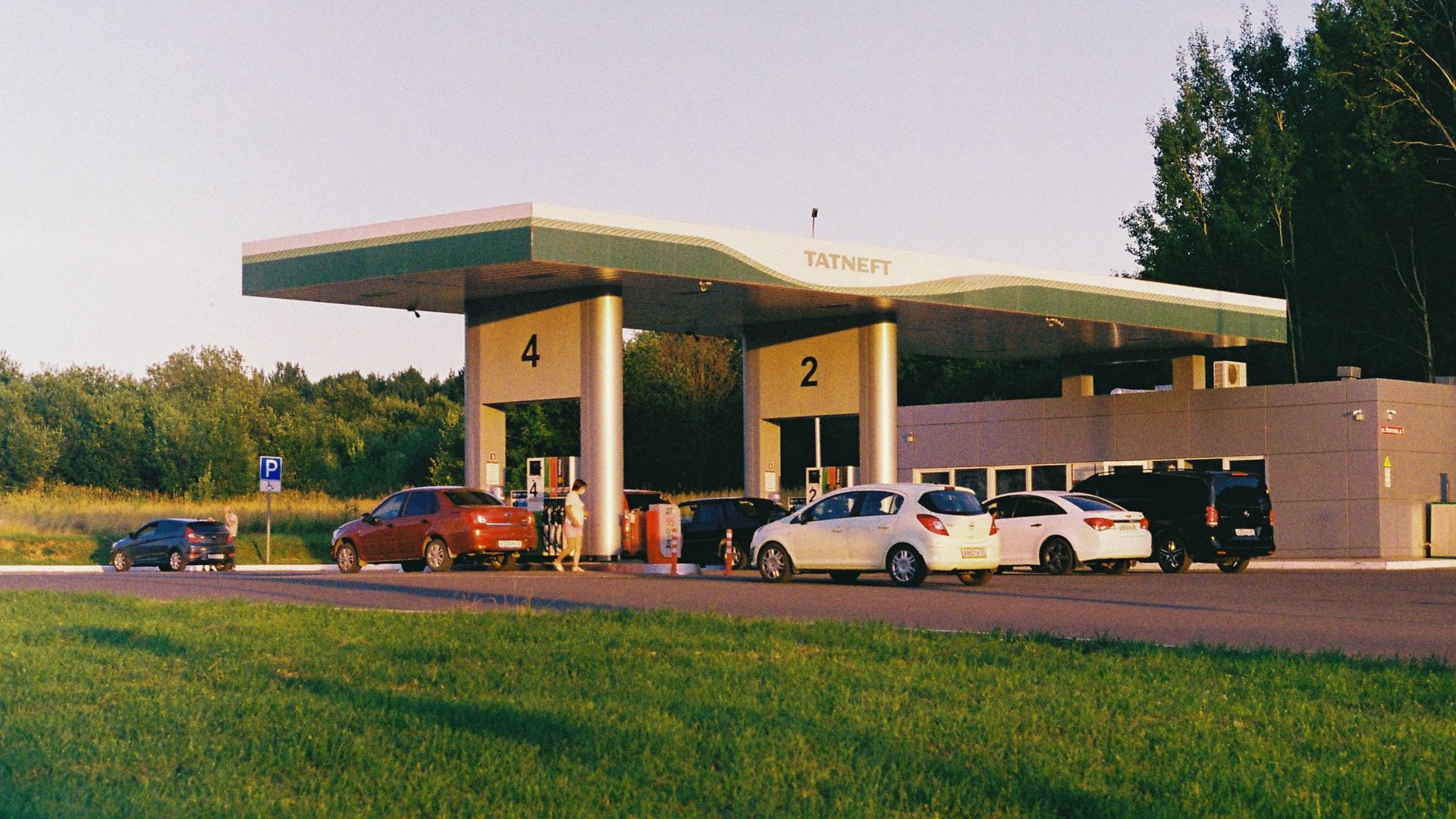
The Billboards Are Hard To Ignore
American highways often come with enormous billboards advertising lawyers, fast food, hotels, fireworks, casinos, churches, tourist traps, and emergency medical clinics. To Europeans from countries with stricter roadside advertising, the visual noise can feel intense, funny, and very American.
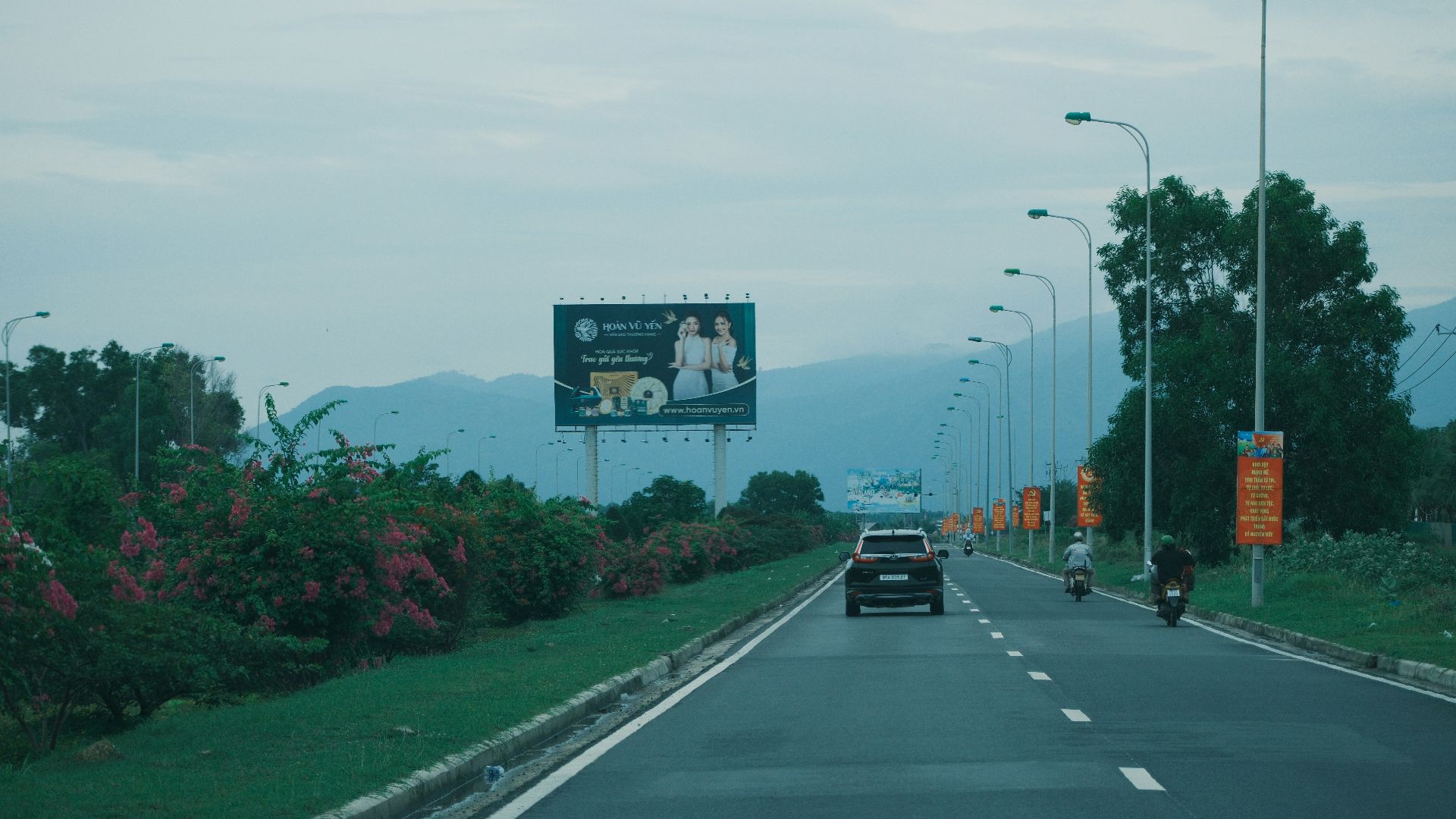
Roadside Attractions Are Wonderfully Strange
A giant ball of twine, a dinosaur statue, a UFO museum, a mystery cave, or a “world’s largest” anything can suddenly appear along the route. Europeans often notice that American road trips embrace odd detours. The journey is not just about famous landmarks, but also about proudly eccentric stops.
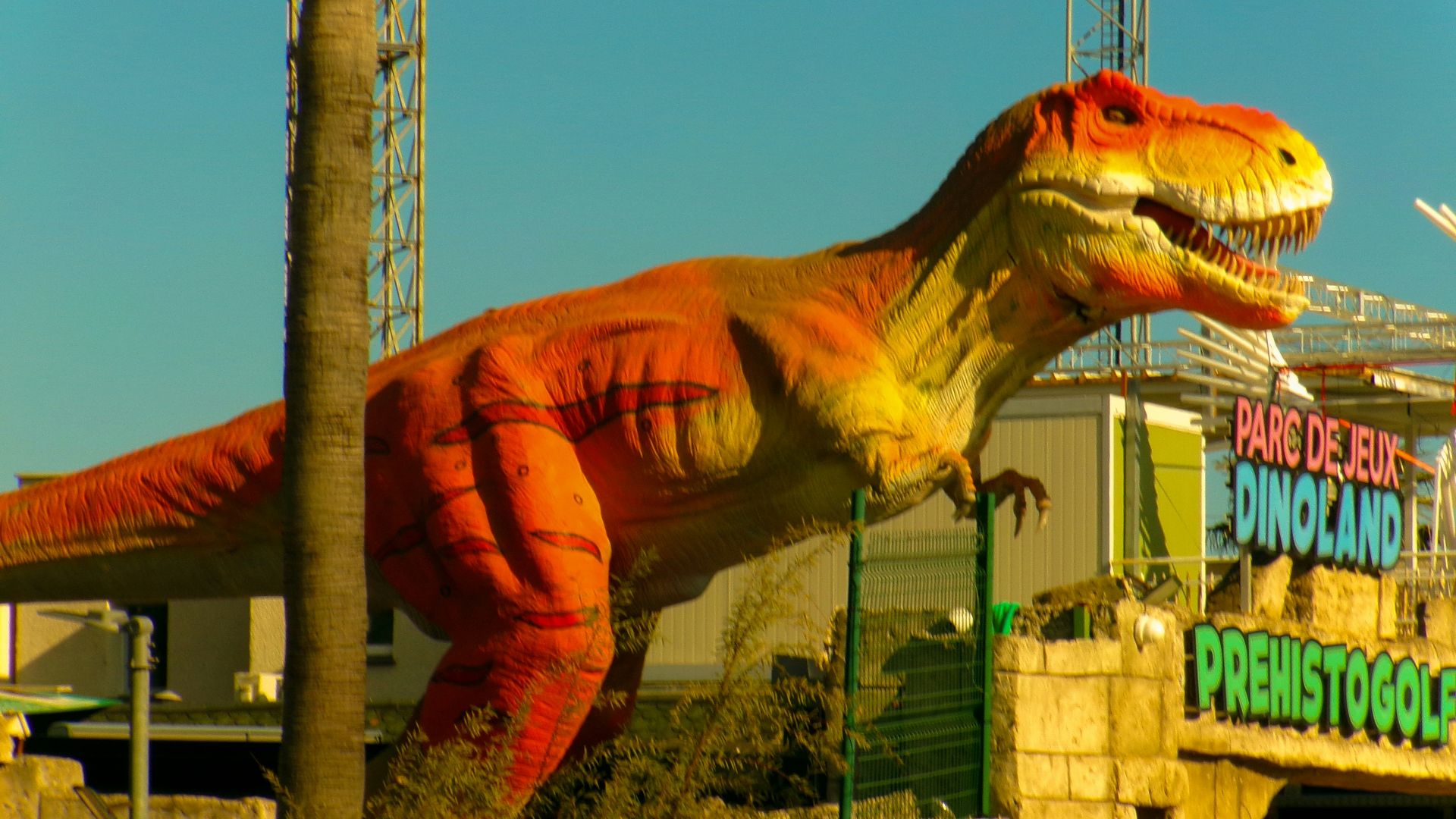
Motels Feel Like Movie Sets
For many Europeans, motels carry decades of American film and television associations. Pulling up to a low-rise building with parking outside the room can feel familiar and surreal at the same time. Some motels are charming and retro. Others feel like a reminder to read reviews carefully.
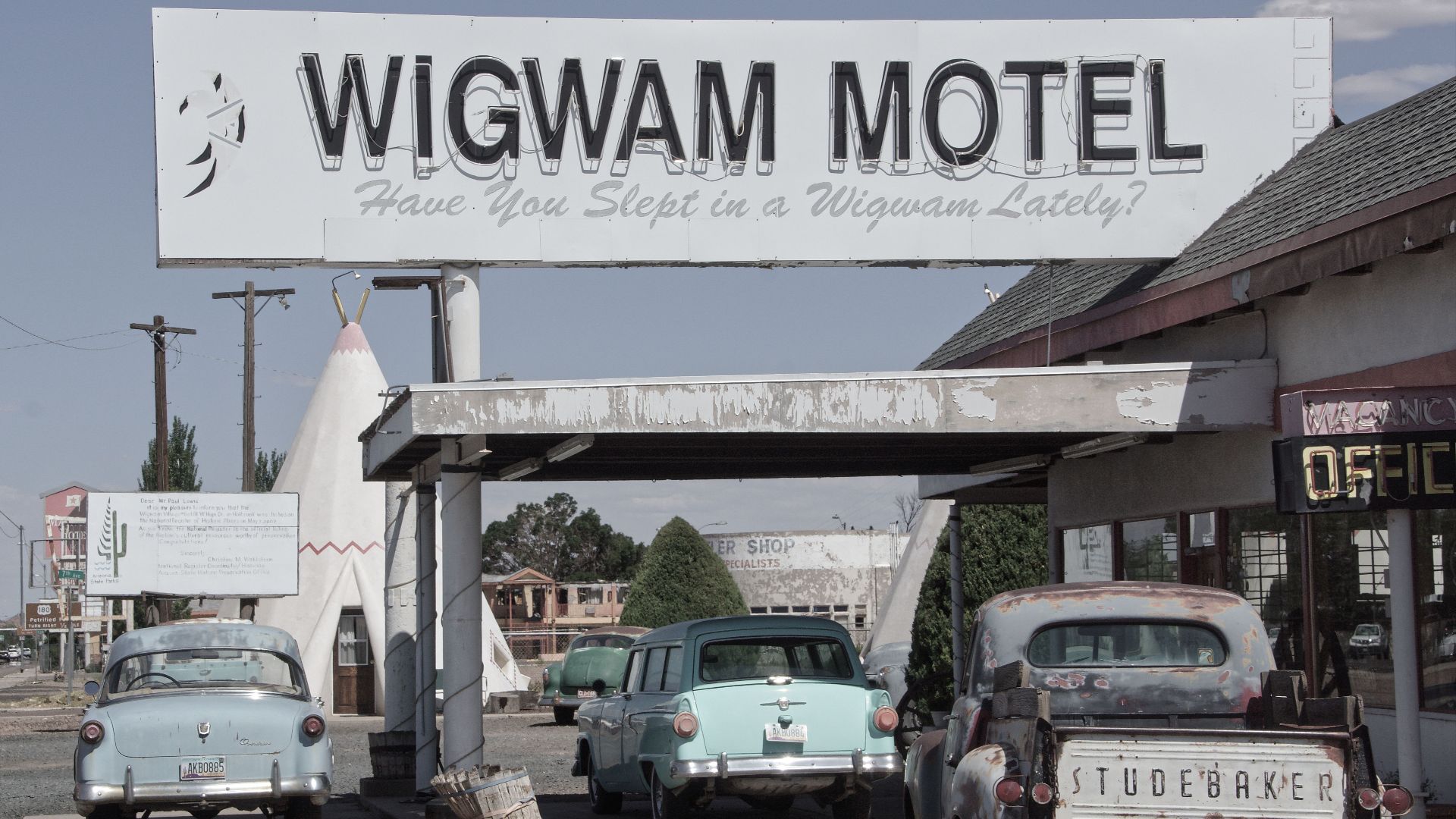
Tipping Follows You Onto The Road
Visitors may expect tipping in restaurants, but road trips introduce more situations: diners, hotel staff, shuttle drivers, valet parking, tour guides, and coffee counters. Europeans from lower-tipping cultures often find themselves constantly wondering when, where, and how much to tip.

Sales Tax Still Feels Like A Trick
Seeing one price on the shelf and paying a higher price at the register can frustrate European travelers. Sales tax varies by state and locality, and it is often added at checkout rather than included in the displayed price. On a long road trip, that inconsistency becomes very noticeable.

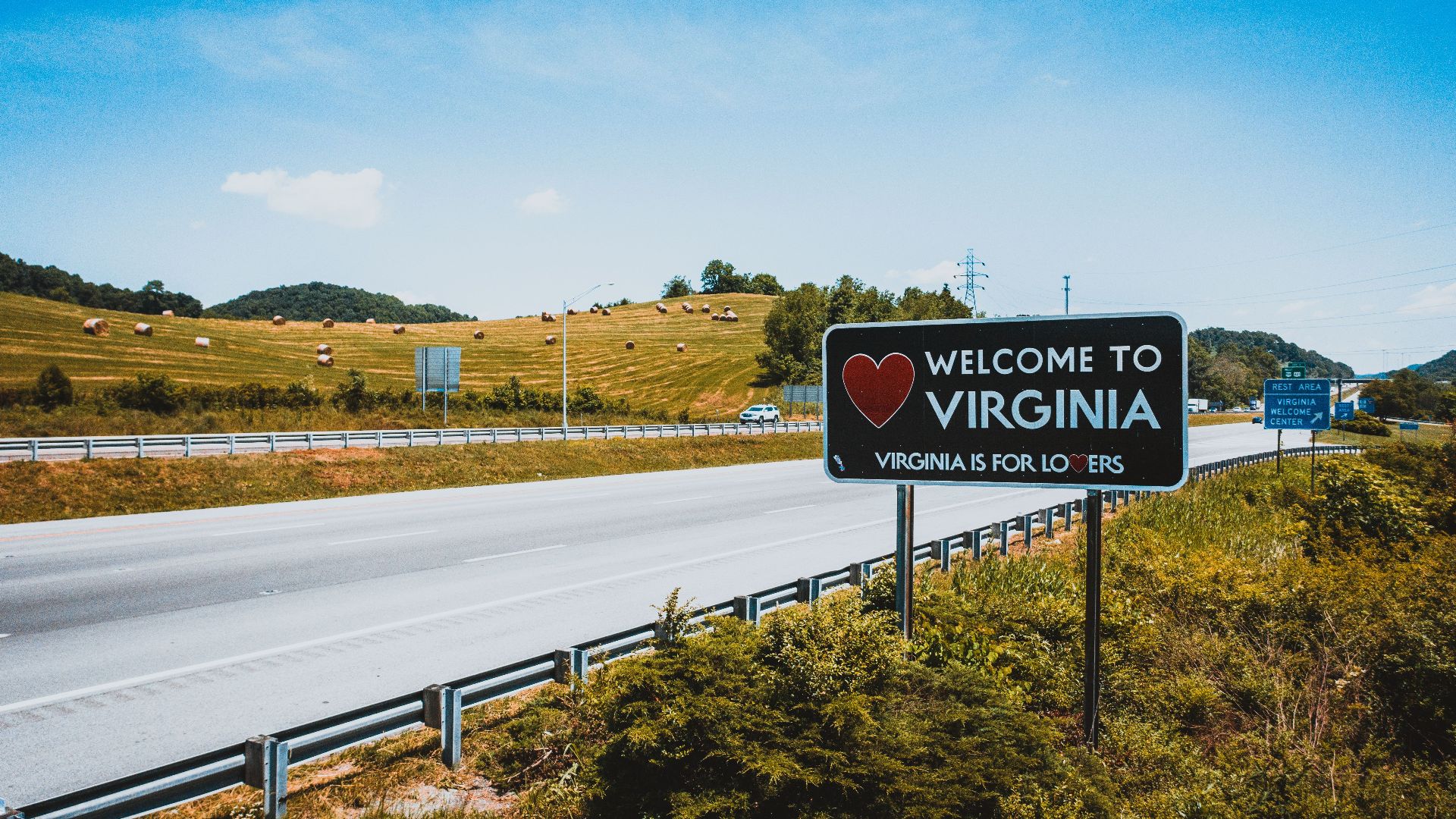
State Lines Actually Matter
Crossing from one state into another can change speed limits, alcohol rules, road signs, gas prices, taxes, landscapes, and even the mood of the towns. Europeans are used to crossing national borders, but American state lines can still feel surprisingly meaningful during a long drive.
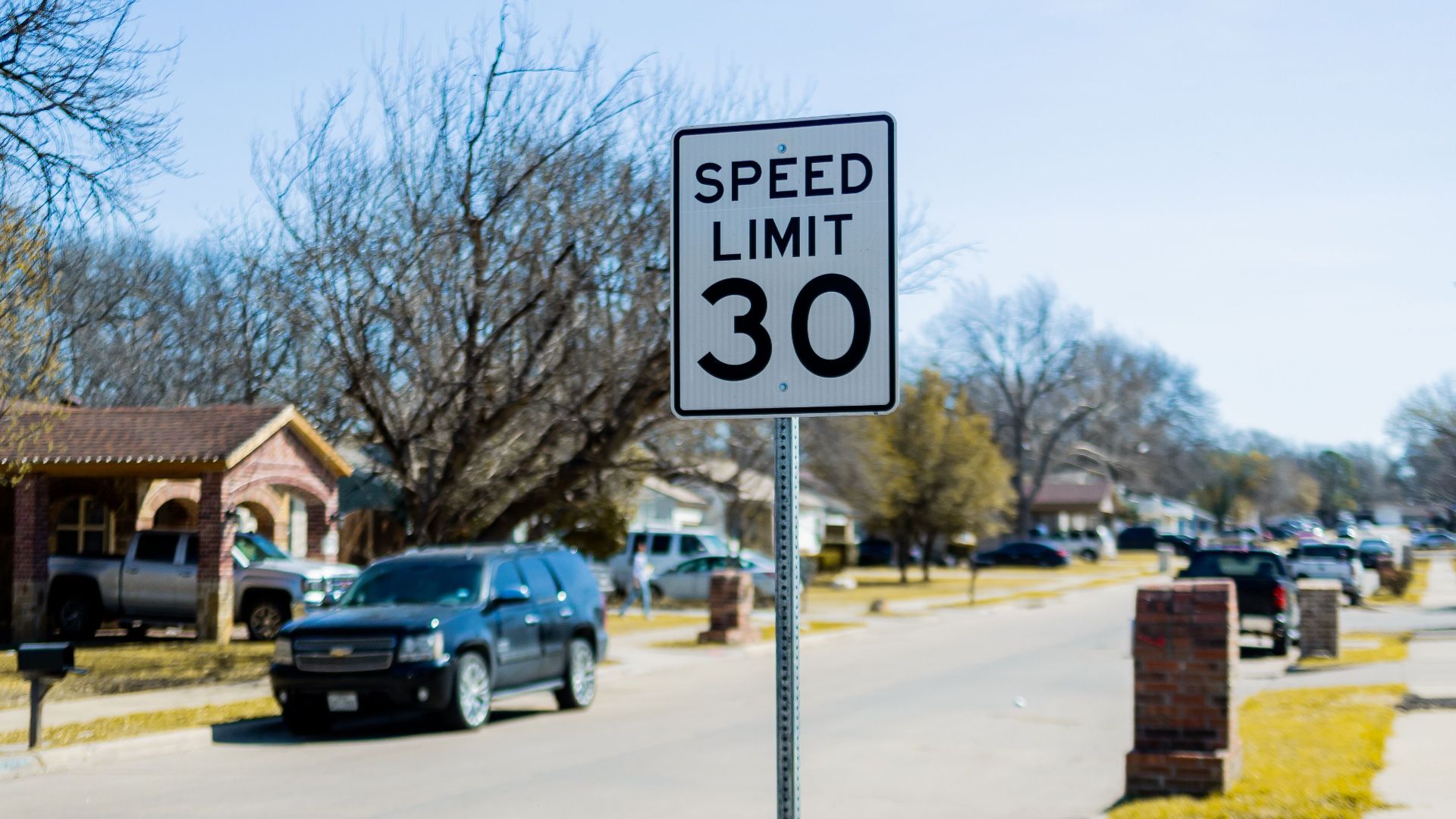
Speed Limits Can Feel Inconsistent
American speed limits vary by state, road type, and location. Wide-open highways may allow fast driving, while small towns can suddenly require drivers to slow down sharply. Europeans often learn quickly to watch signs carefully, especially when a rural road passes through a police-patrolled town.
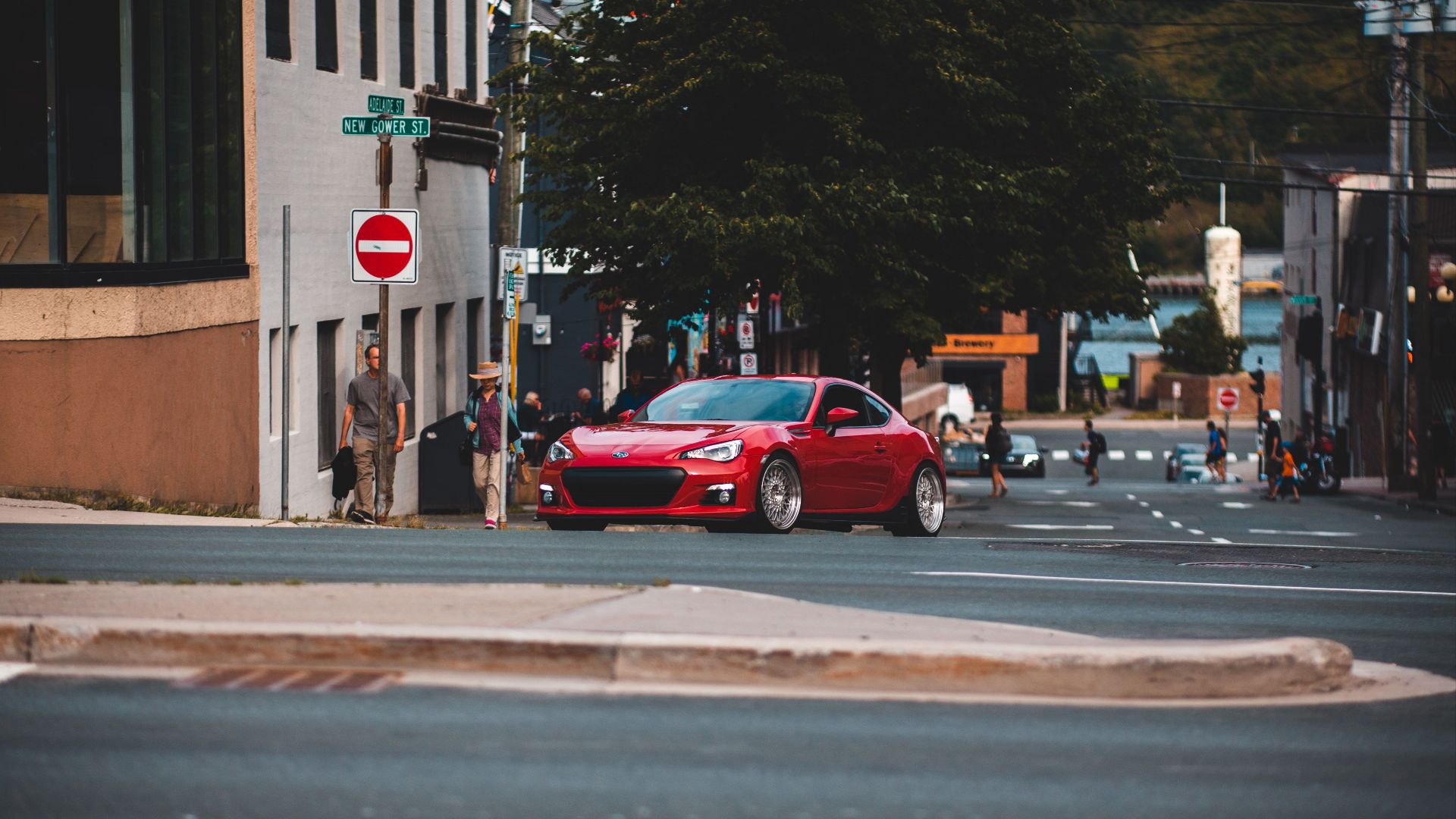
Right Turns On Red Can Be Confusing
One rule many European visitors notice is the ability to turn right at a red light in many US places after stopping, unless a sign says otherwise. It can feel unnatural at first. The rule is convenient, but it requires extra attention to pedestrians, cyclists, and local restrictions.
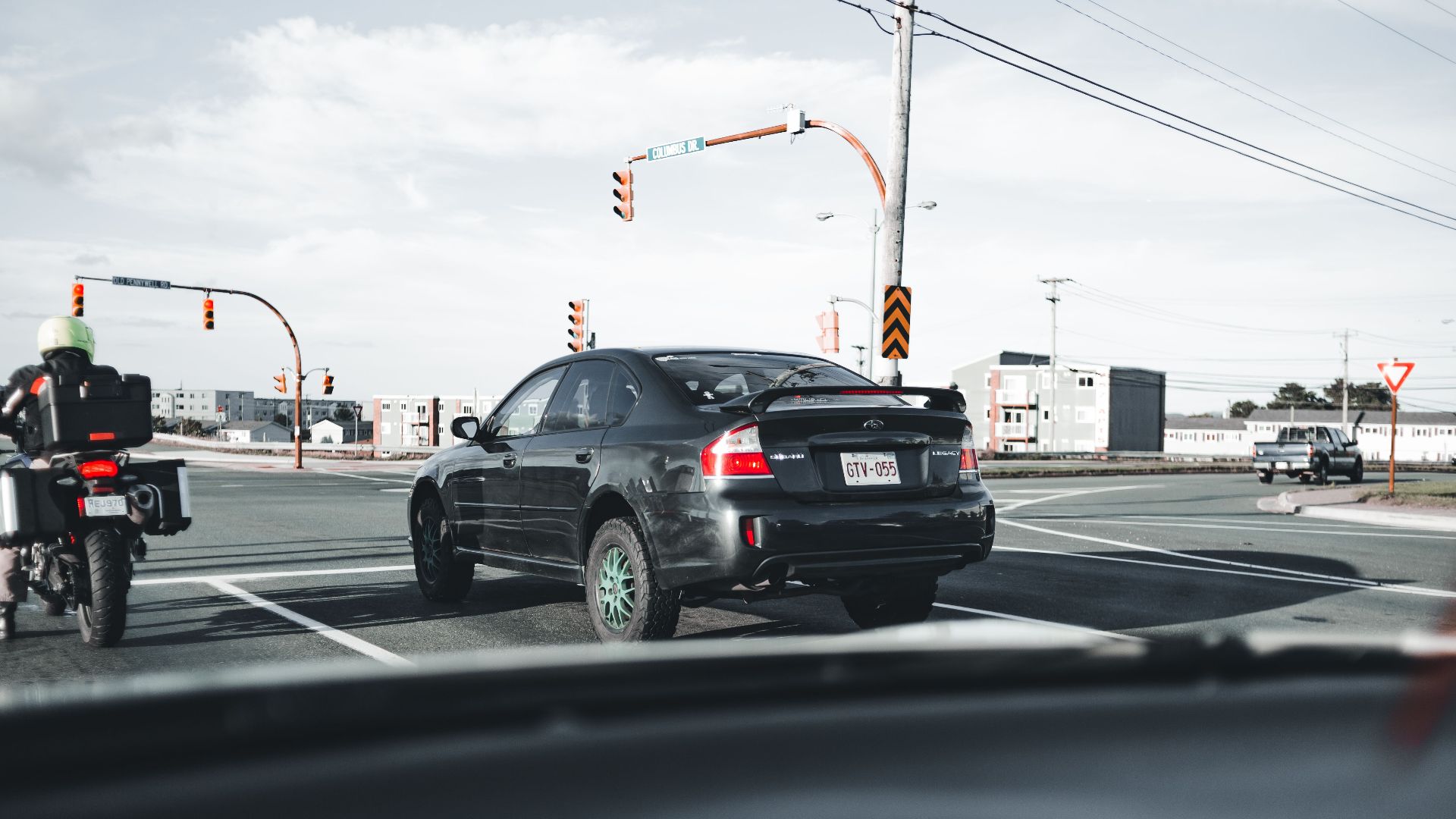
Four-Way Stops Feel Like A Social Experiment
At many intersections, drivers stop from all directions and proceed in order of arrival. For visitors unfamiliar with the system, four-way stops can feel like a polite negotiation conducted with eye contact, hesitation, and tiny hand gestures. It is strangely charming when everyone understands the rules.
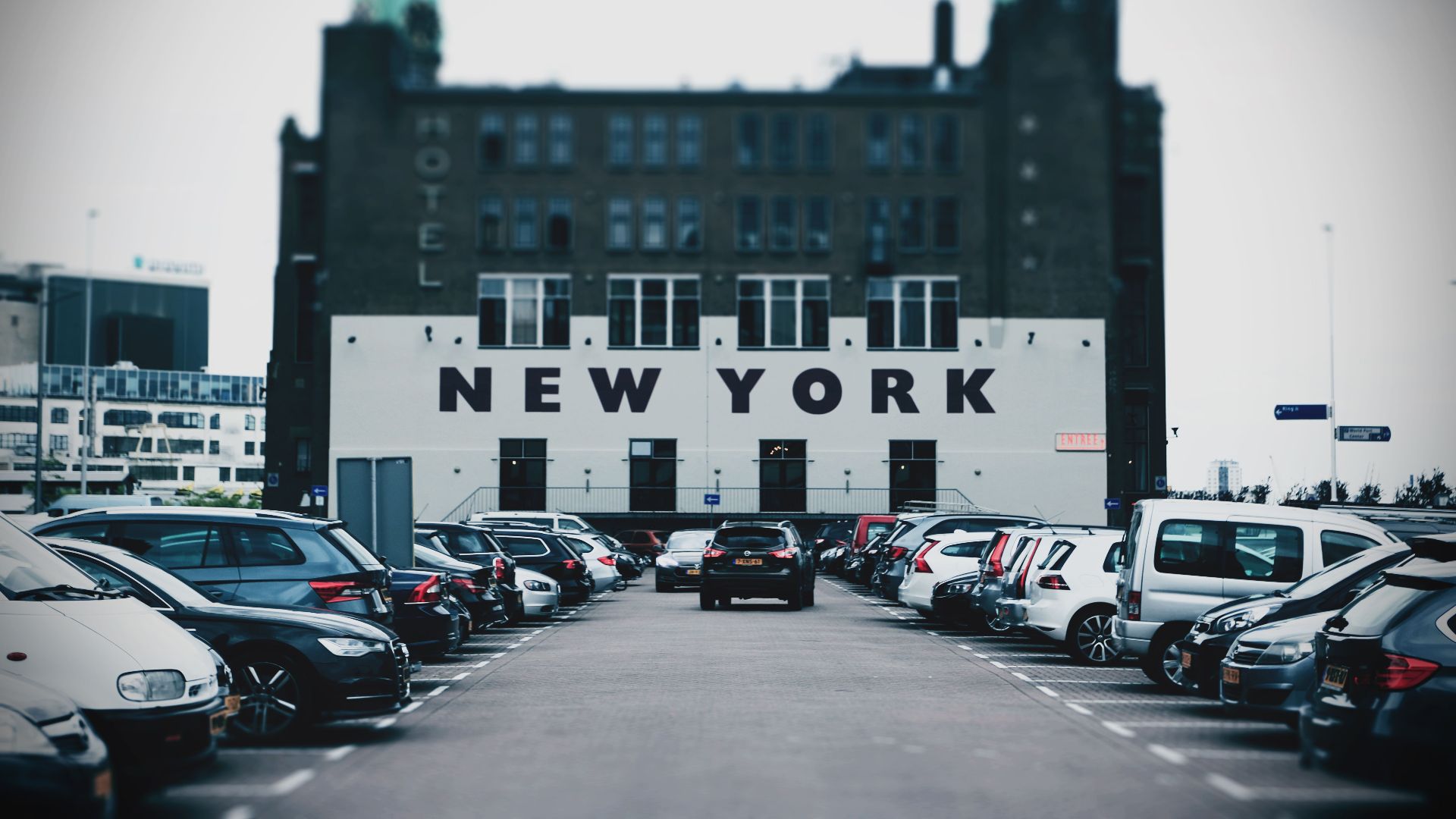
Parking Lots Can Be Massive
American shopping centers, malls, stadiums, national parks, and restaurants often come with parking lots so large they feel like destinations themselves. Europeans may notice that the walk from the car to the entrance can be longer than expected, especially outside big-box stores or roadside complexes.
Cities Can Feel Difficult Without A Car
Some American cities have strong transit systems, but many are challenging for visitors without a vehicle. Suburbs, hotels, malls, and attractions may be spread far apart. A European traveler may assume they can walk somewhere nearby, only to discover there is no sidewalk or safe crossing.
Diners Still Feel Iconically American
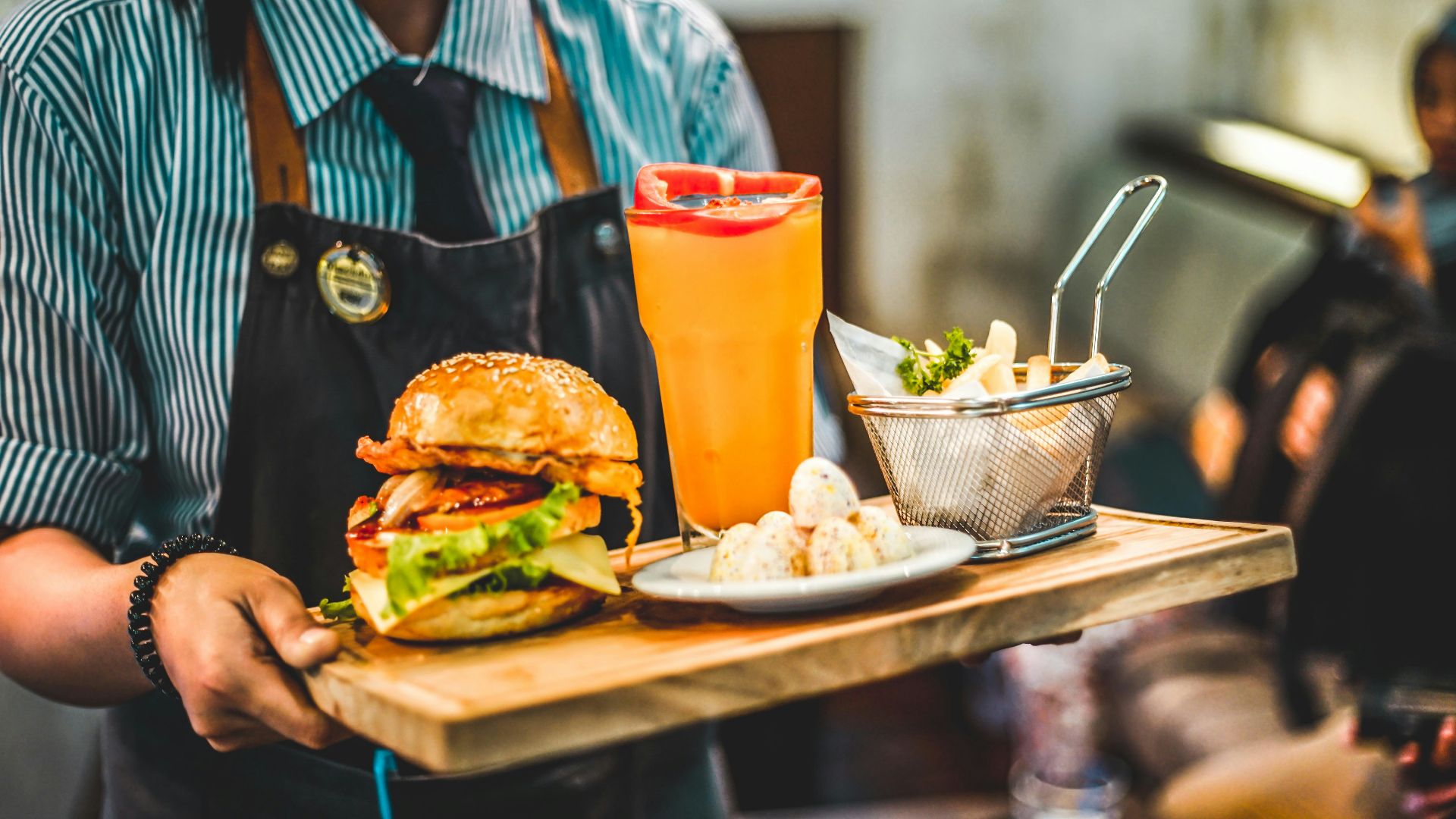
Roadside diners remain one of the great pleasures of an American road trip. Pancakes, bottomless coffee, booths, pies, hash browns, and friendly servers can feel straight out of popular culture. Europeans often notice the portions first, then the comfort of the ritual.

Portions Can Be Shocking
American restaurant portions can be much larger than expected. A casual lunch may arrive as a plate big enough for two meals, with refills and sides included. For road trippers, this can be both delightful and dangerous, especially when another four hours of driving follow.
National Parks Are Worth The Driving
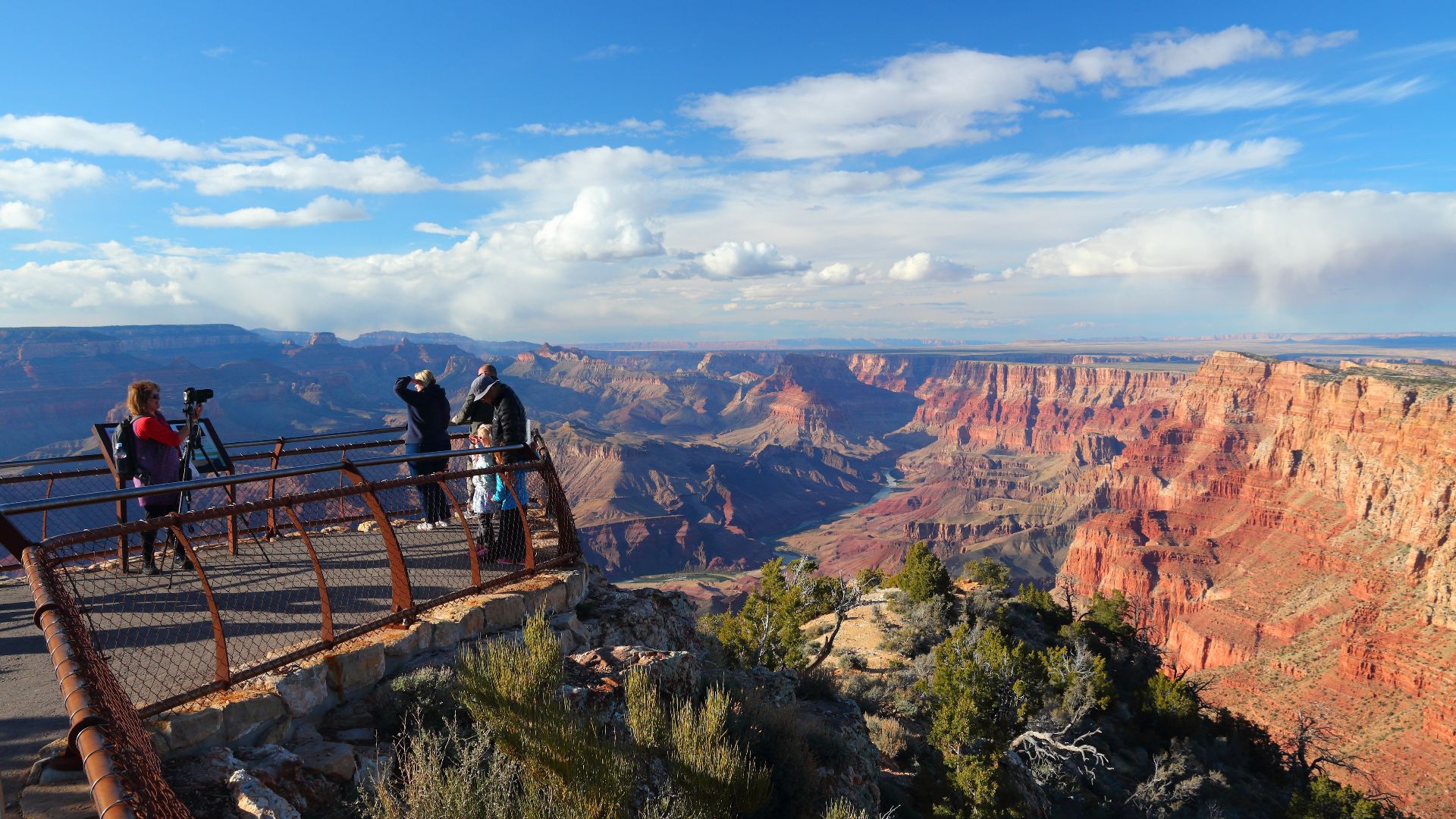
Many Europeans quickly understand why Americans tolerate long road trips once they reach national parks. Places like Yosemite, Yellowstone, Zion, the Grand Canyon, Acadia, and the Great Smoky Mountains can feel impossibly vast. The scale of the landscape justifies the scale of the driving.
 Marek Slusarczyk (Tupungato) Photo portfolio, Wikimedia Commons
The Weather Can Change Dramatically
An American road trip can cross deserts, mountains, coastlines, forests, plains, and cities in one journey. Weather can shift from blazing heat to snow, fog, thunderstorms, or dry desert air. Europeans often realize that packing for one climate may not be enough.
Some Areas Feel Very Empty
The United States has enormous stretches where towns are small, services are limited, and mobile reception can be unreliable. Europeans from densely settled regions may be surprised by how remote parts of the country feel. A full tank of gas suddenly becomes a serious travel decision.
The Road Trip Feels Like A Cultural Institution
In the US, road trips are not just transportation. They are tied to ideas of freedom, independence, youth, family vacations, migration, music, highways, and discovery. Europeans may arrive thinking they are renting a car, then realize they are stepping into one of America’s favorite myths.
The Best Moments Are Often Unplanned
Many travelers come for famous routes or landmarks, but the memorable parts may be smaller: a strange diner, a roadside conversation, a sunset over an empty highway, or a town nobody had planned to visit. That unpredictability is what makes the American road trip so different.

The Whole Country Feels Bigger Than Expected
Even Europeans who know the United States is large can be stunned by how large it feels on the ground. The maps make distances look manageable. The highway teaches otherwise. By the end, many travelers understand that American road trips are not just about where you go, but how far everything is from everything else.
You May Also Like:
Things Americans Do At Restaurants That Confuse Europeans When They Visit
Five Of The Most Romantic Wedding Destinations In The World