Canada Rewards Travelers Who Look Beyond The Big Cities
Canada’s best known destinations get plenty of attention, but smaller communities can deliver just as much scenery, history, food, and character. Condé Nast Traveler has highlighted places including Waterton, Canmore, Gimli, Elora, Saint Andrews, and Lunenburg among Canada’s most charming small towns. Many of the places that follow pair walkable centers with easy access to lakes, mountains, coastlines, or historic sites. For travelers willing to build a road trip around smaller dots on the map, the payoff can be substantial.
Waterton Feels Like A Village Inside The Rockies
Waterton’s townsite sits on the shore of Upper Waterton Lake inside Waterton Lakes National Park in Alberta. Visitors can walk a paved loop through the community, stop at Cameron Falls, and reach shops, restaurants, and other town amenities without spending much time in a car. The Prince of Wales Hotel, built in 1926 and 1927, stands on a bluff overlooking the lake and is a National Historic Site. It is the kind of compact mountain stop that makes slowing down surprisingly easy.
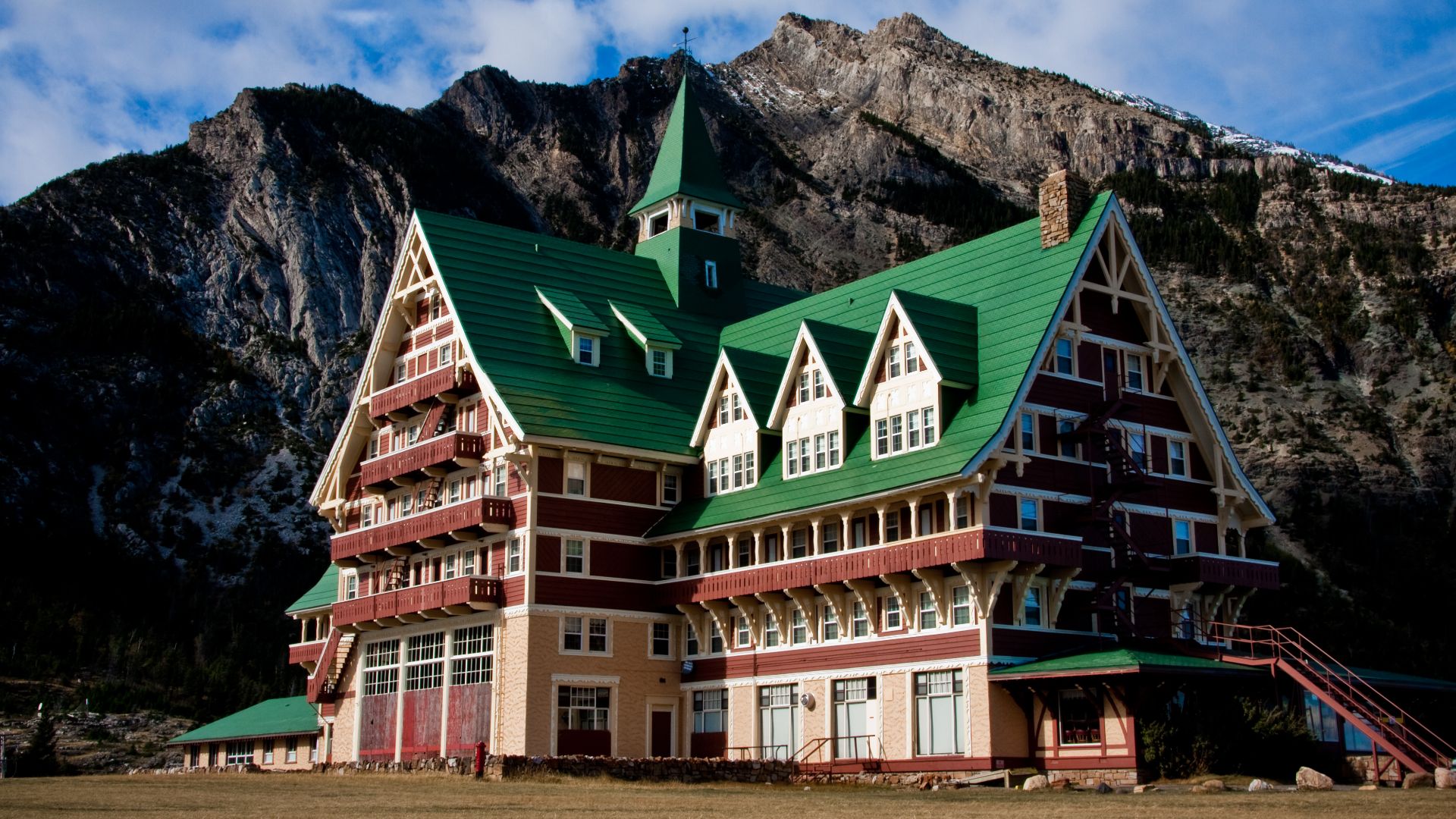 Tanyasiri Kaewjaturat, Wikimedia Commons
Canmore Puts The Mountains Right Outside Downtown
Canmore offers a Rocky Mountain setting without requiring visitors to stay inside nearby Banff National Park. The West Bow River Pathway connects downtown with the Three Sisters area along a roughly 8.5 kilometre return route that can be walked, run, or cycled. Closer to the center of town, the Policeman’s Creek Boardwalk provides an easy route with views toward surrounding peaks. After Waterton’s tiny national park village, Canmore feels busier, but it still keeps outdoor access remarkably close.
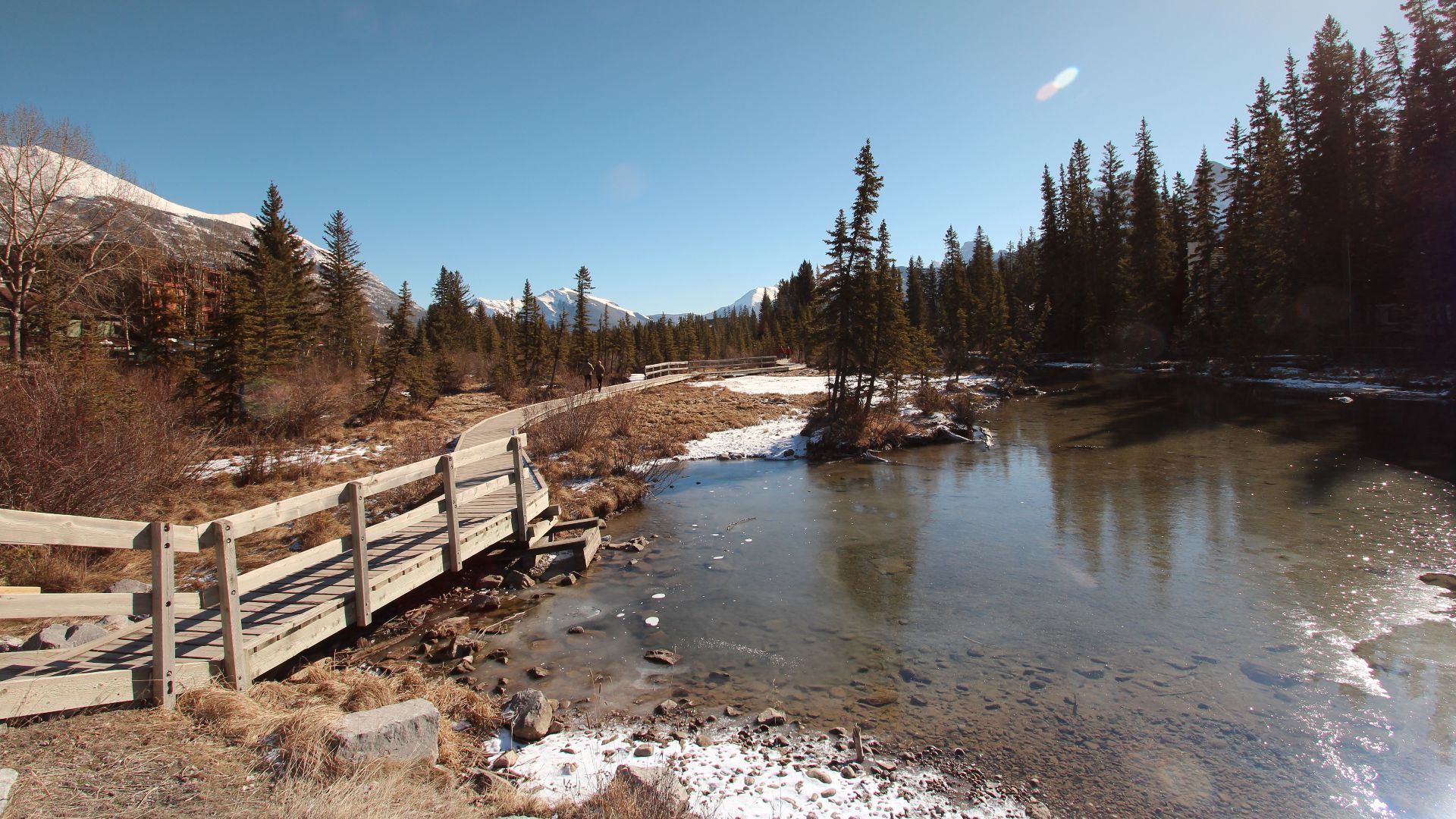 Thank you for visiting my page from Canada, Wikimedia Commons
Nelson Mixes Heritage Streets With Lake Country
Nelson sits on the shores of Kootenay Lake in southeastern British Columbia. The city promotes hiking, biking, skiing, fishing, and water sports alongside a restored heritage downtown and a strong arts community. Municipal tourism information says Nelson has roughly 350 restored heritage buildings, giving its tree lined streets an unusually intact historic character. From Alberta’s peaks, this is a natural next stop for travelers who like scenery with a more artistic edge.
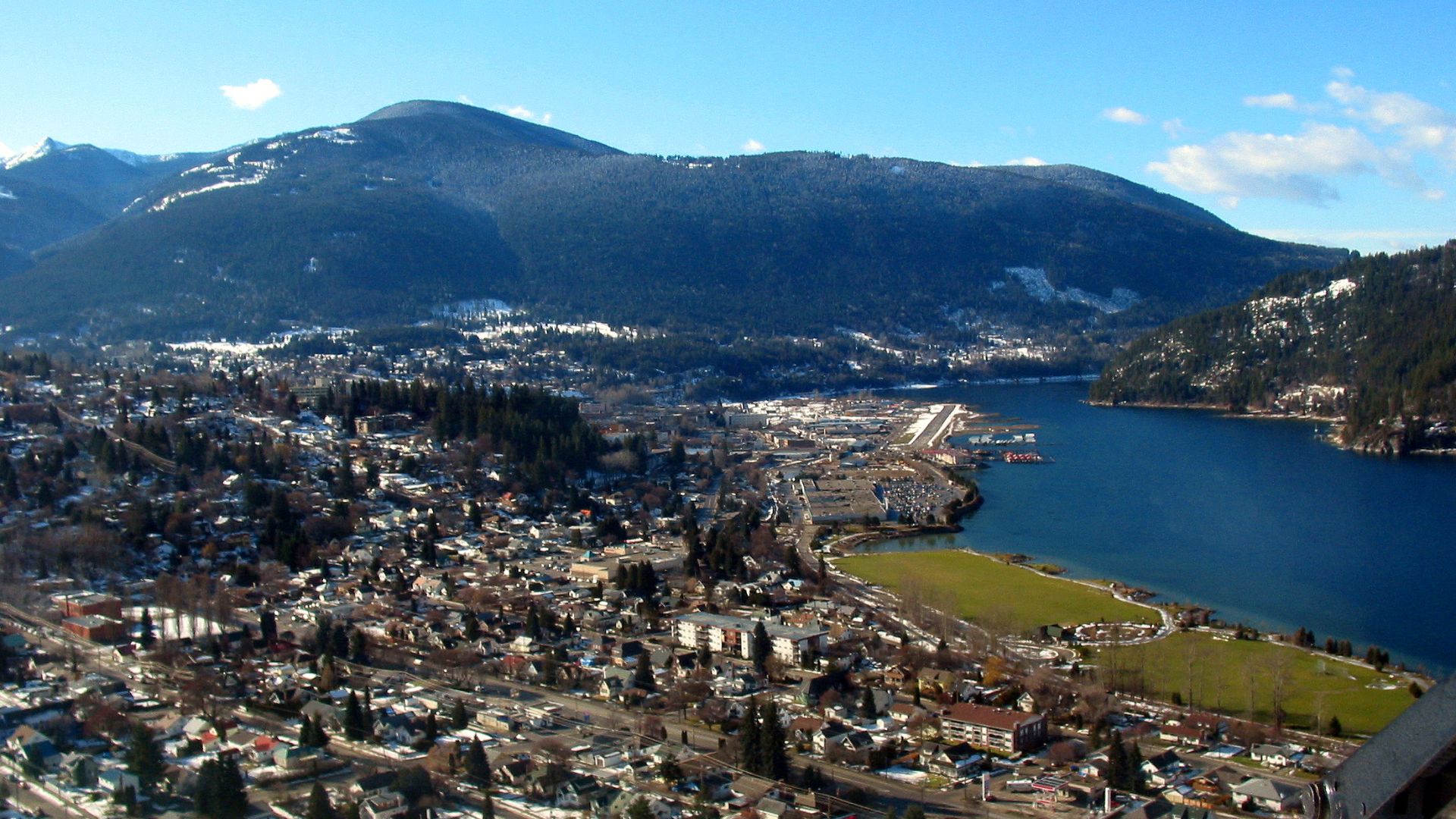 Shawn from Airdrie, Canada, Wikimedia Commons
Fernie Has A Downtown Built For Wandering
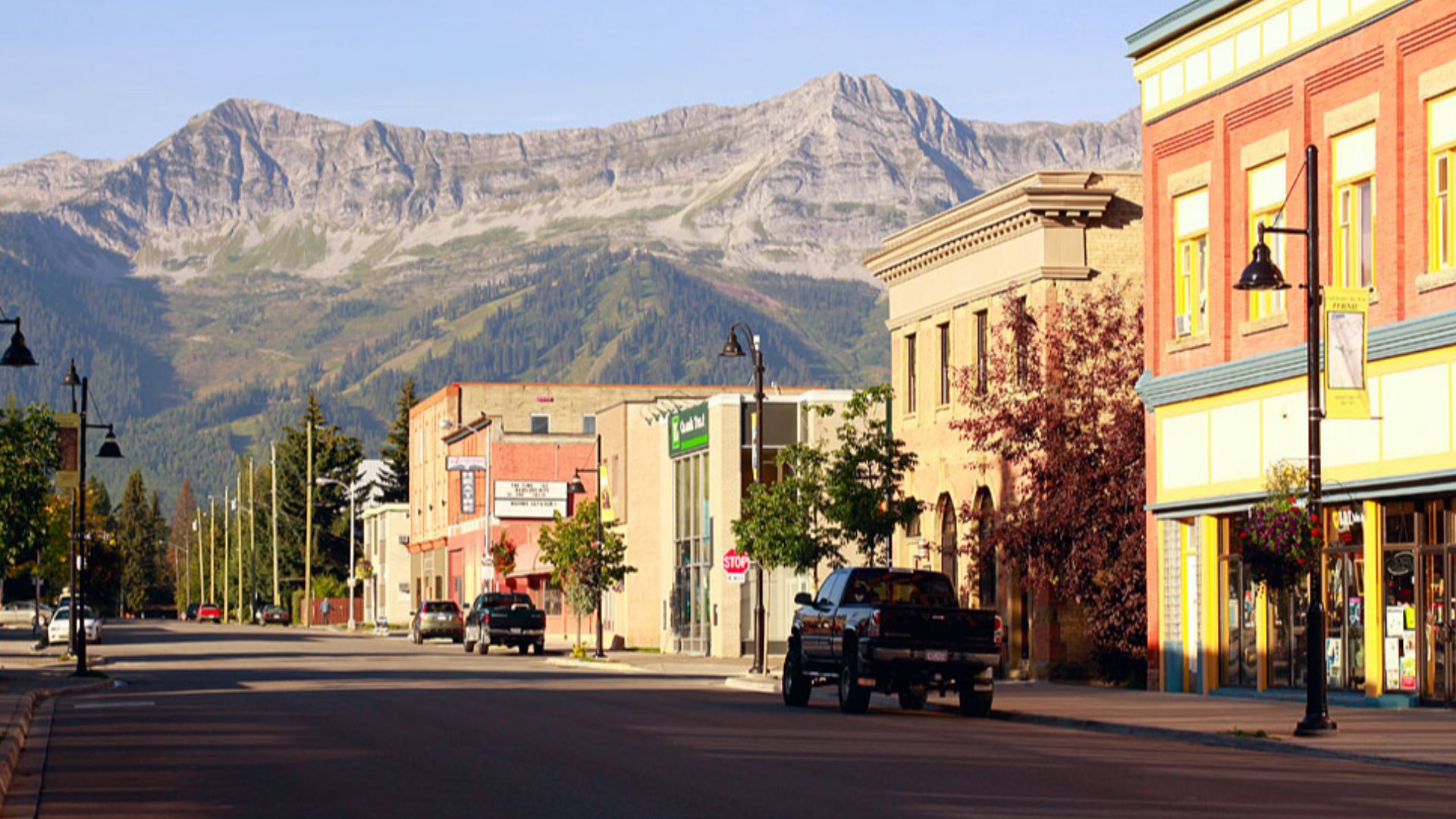
Fernie’s historic center is concentrated around 2nd Avenue, where boutiques, restaurants, heritage buildings, and mountain views sit within a compact area. A local heritage walking tour covers 16 historic buildings and locations representing several architectural styles. Brick and sandstone structures still tell the story of a community that rebuilt after major disasters during its early years. Compared with larger resort towns, Fernie’s appeal comes from how quickly a casual stroll can turn into a history lesson.
Revelstoke Keeps Its Railway Past In View
Downtown Revelstoke combines restored commercial buildings and heritage homes with locally operated shops, cafés, museums, and restaurants. The community’s history is closely tied to railways and logging, and visitors can explore that story at the Revelstoke Railway Museum and Revelstoke Museum and Archives. Centennial Park adds walking paths beside the Columbia River with views toward Mount Begbie. The shift from Fernie to Revelstoke keeps the mountain scenery going while giving the road trip a distinctly railway era atmosphere.
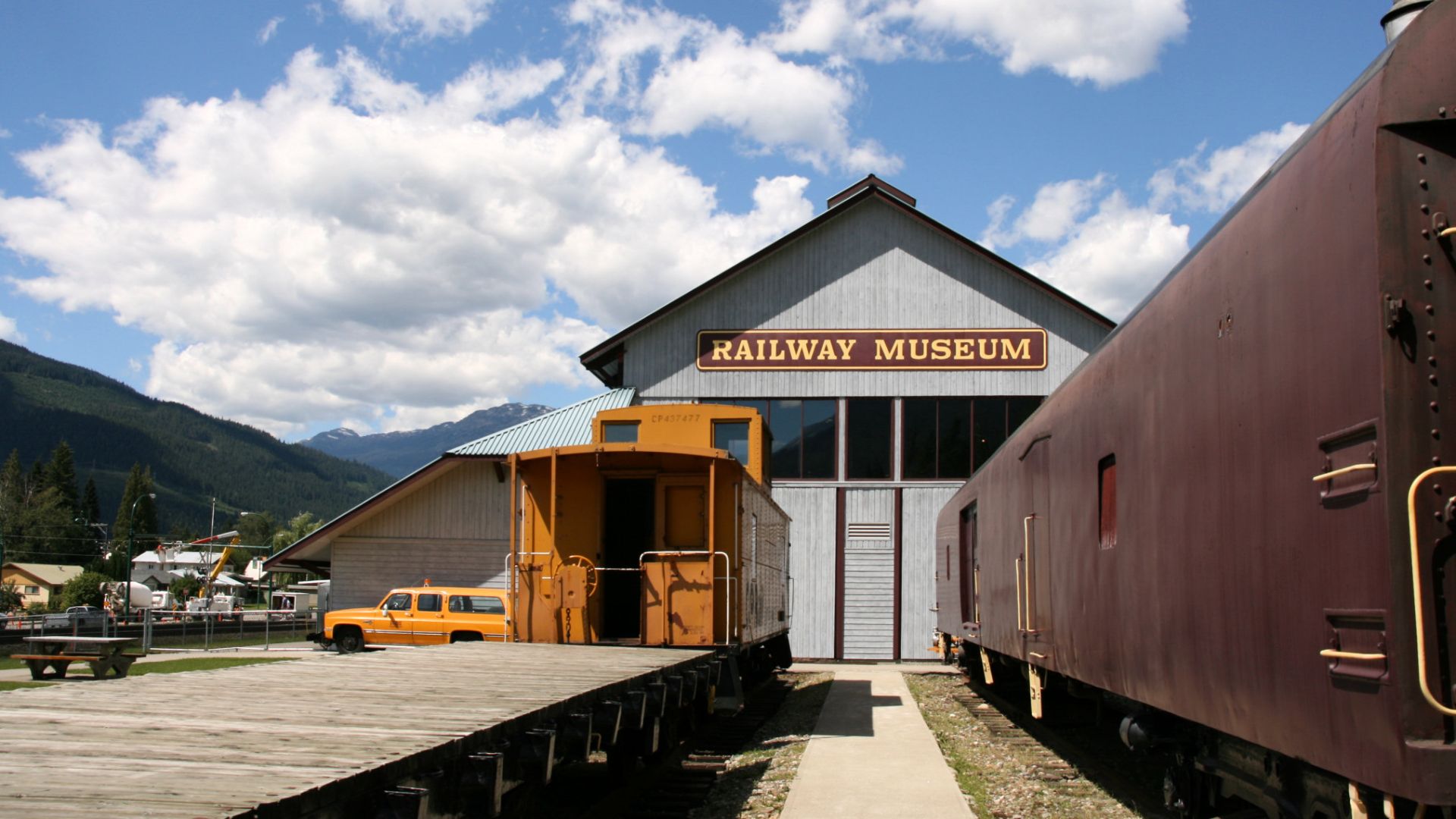 Marek Slusarczyk (Tupungato) Photo gallery, Wikimedia Commons
Gimli Brings Icelandic Heritage To Lake Winnipeg
Icelandic settlers founded Gimli on the shore of Lake Winnipeg, and that heritage remains visible through museums, public art, festivals, and the large Viking statue in Viking Park. The community is about an hour north of Winnipeg and draws summer visitors to its beaches, while winter brings ice fishing. Local menus also feature pickerel, the regional name commonly used for walleye, alongside Icelandic treats such as vinarterta. After several mountain towns, Gimli offers a completely different kind of waterfront escape.

Manitou Beach Has Water That Makes You Float
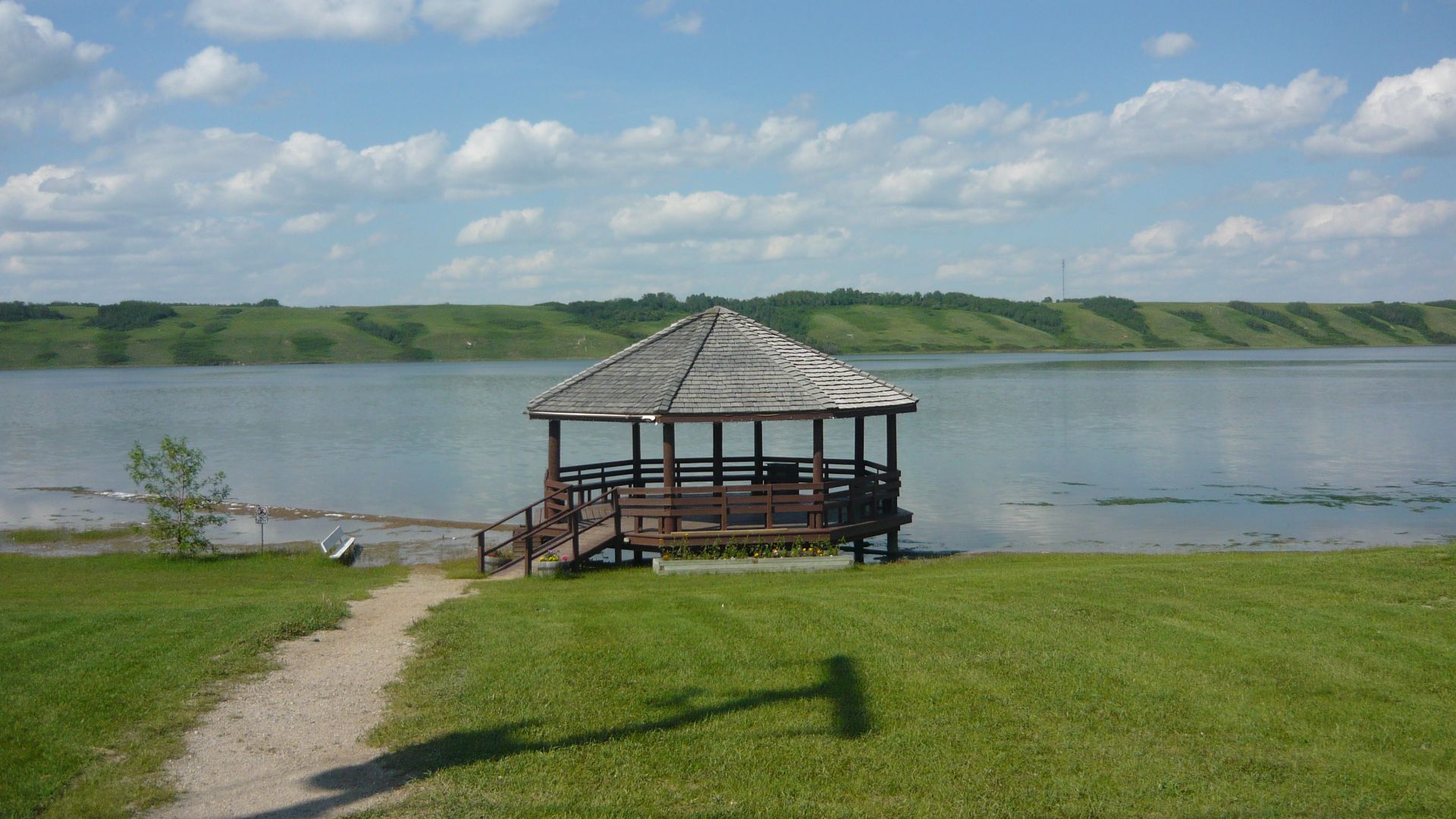
Manitou Beach sits beside Little Manitou Lake near Watrous, roughly between Saskatoon and Regina. Tourism Saskatchewan describes the lake as highly mineralized and salty enough to provide unusual buoyancy for swimmers. The resort village also has walking trails, a beach, a mineral spa, golf, and other recreational facilities. It is an unexpected Prairie detour, especially after the broad freshwater horizons around Gimli.
 Canadian2006, Wikimedia Commons
Elora Wraps A Village Around A Dramatic Gorge
Elora is known for the Elora Gorge, but the town also has independent shops, restaurants, galleries, and artists’ studios. It sits where the Grand and Irvine river systems meet, northeast of Guelph in southern Ontario. Cultural events include the Elora Festival and the annual Riverfest Elora music festival. The combination of limestone scenery and a lively village center makes Elora an easy bridge from natural attractions to Ontario small town culture.
 Davidandrewlander123, Wikimedia Commons
Goderich Puts A Historic Downtown Beside Lake Huron
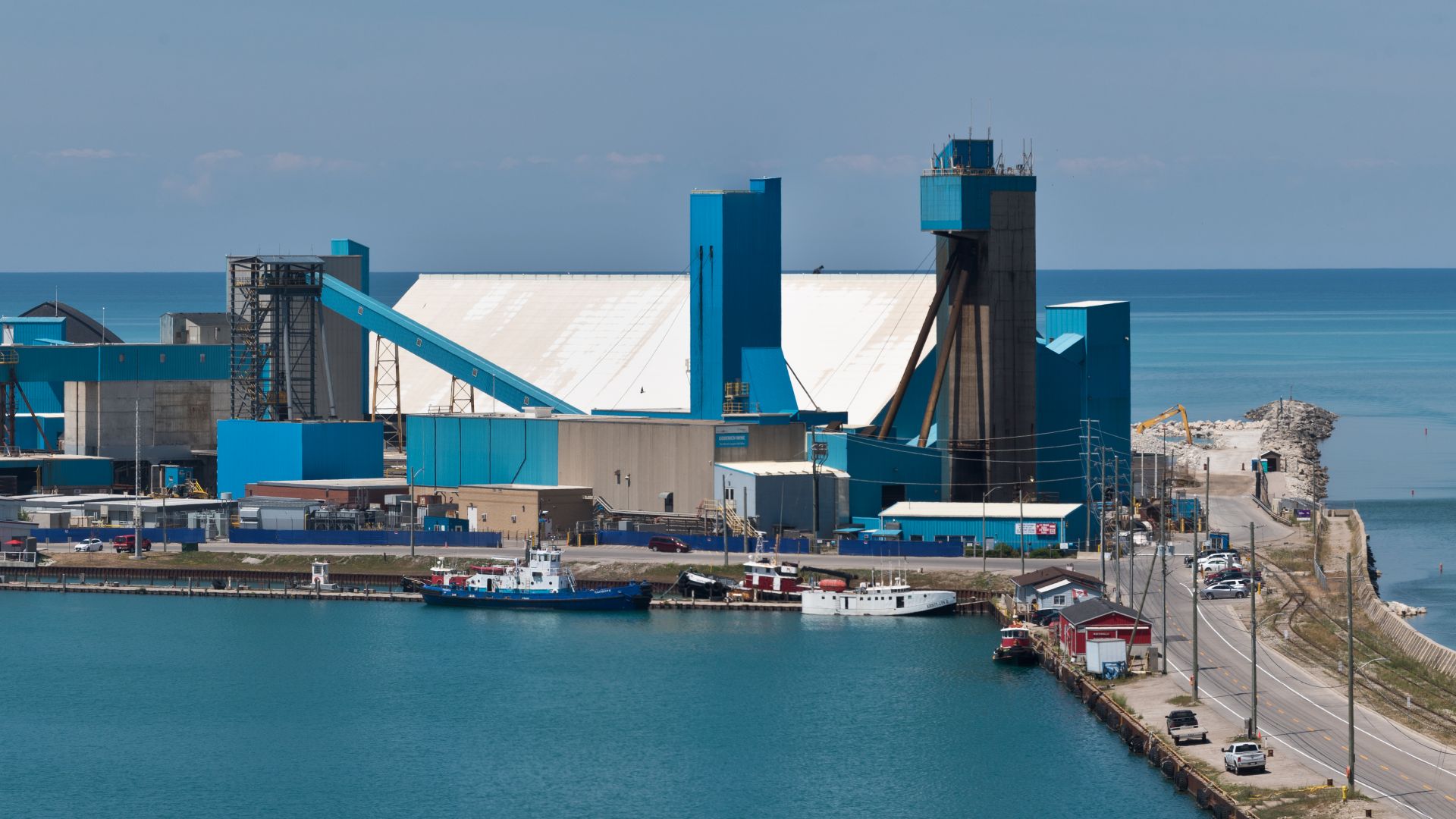
Goderich overlooks Lake Huron near the mouth of the Maitland River. Destination Ontario highlights its historic downtown, walkable town center, beaches, museums, galleries, and distinctive turquoise shoreline. Salt mining has also played a major role in the local economy since mines opened in the area in the nineteenth century. From Elora’s river gorge, the route opens dramatically onto one of the Great Lakes.
 Gordon Leggett, Wikimedia Commons
Perth Looks Made For A Slow Afternoon
Perth’s streets are lined with historic stone buildings and nineteenth century architecture along the Tay River in eastern Ontario. Visitors can browse antique stores, galleries, boutiques, cafés, and other independent businesses in the compact center. Destination Ontario also recommends self guided walks for travelers who want a closer look at the town’s architecture. After Goderich’s broad lake views, Perth offers a quieter inland setting with plenty to see on foot.

Niagara On The Lake Balances History And Wine Country
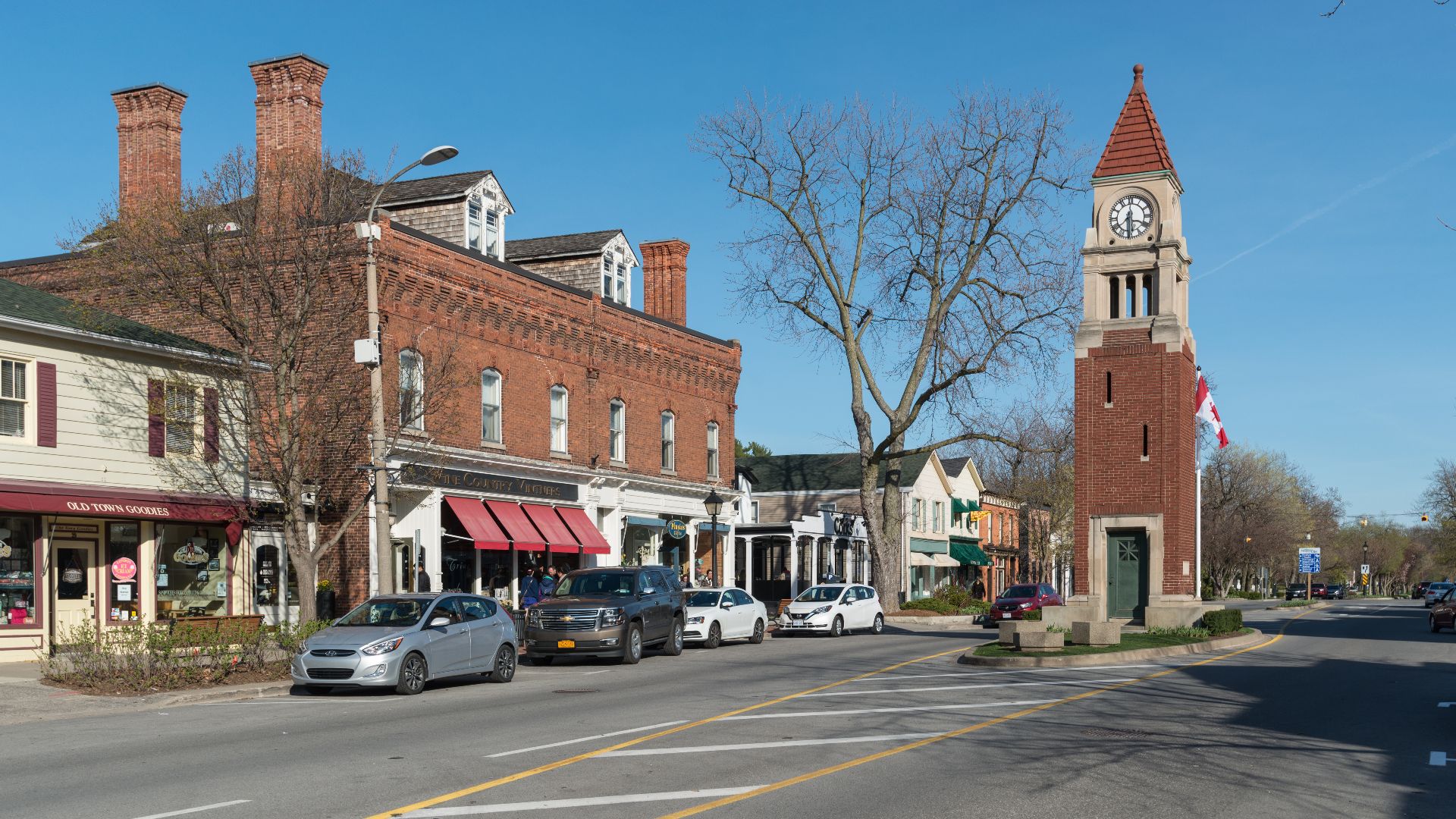
Niagara on the Lake sits where the Niagara River approaches Lake Ontario and is known for its preserved nineteenth century architecture. Its tree lined Heritage District contains boutiques, antique shops, cafés, and historic streets, while surrounding vineyards make wine tasting an easy addition to a visit. The town is also home to the Shaw Festival, which presents professional theater during much of the year. It is more famous than some stops on this list, but stepping away from nearby Niagara Falls can still feel like discovering an entirely different side of the region.
Baie Saint Paul Turns A Small Town Into An Arts Stop
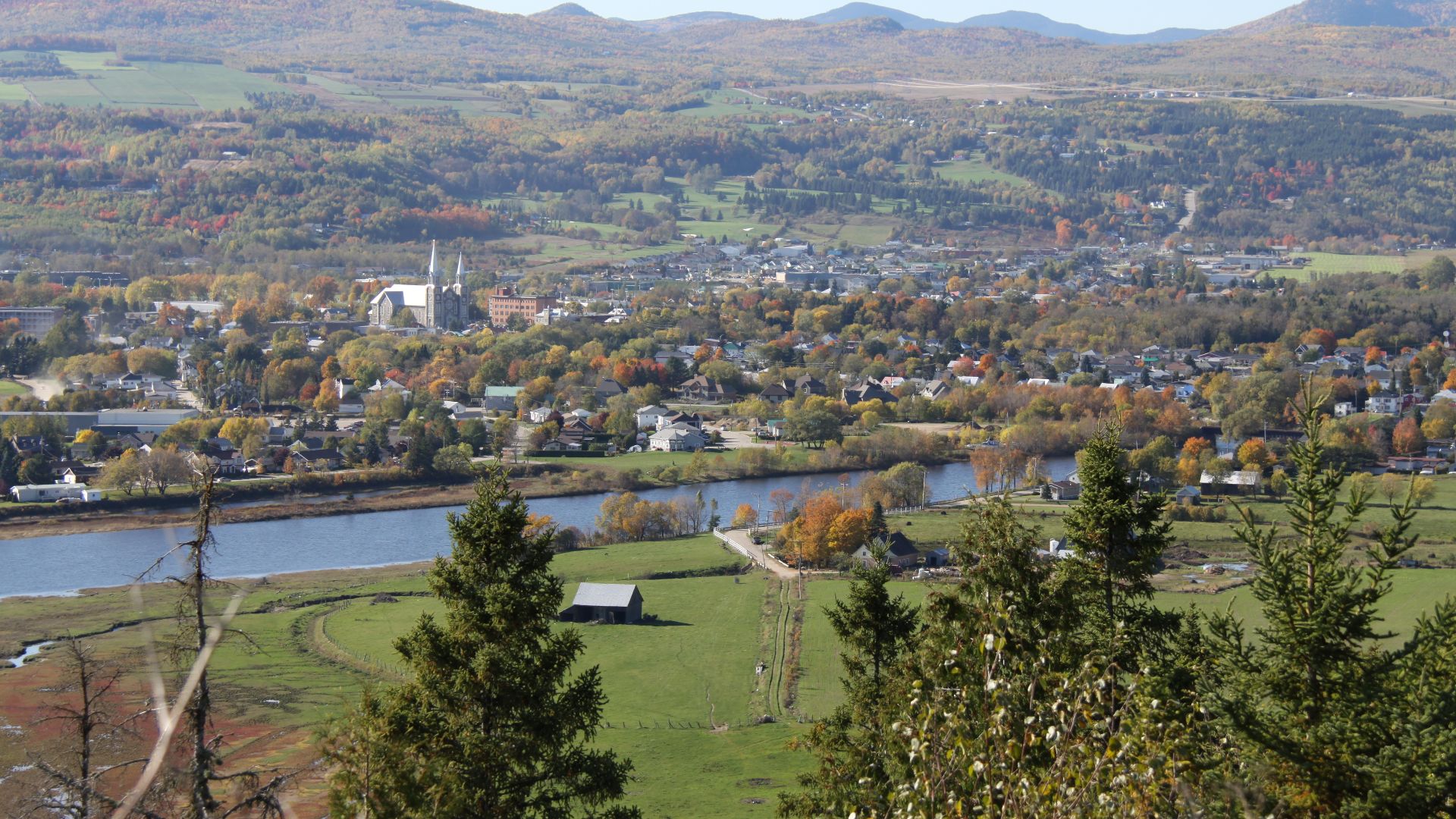
Baie Saint Paul sits in a Charlevoix valley where a river runs toward the St. Lawrence. Québec’s official tourism site describes it as a city of art and heritage filled with museums, galleries, restaurants, bistros, and performance spaces. The town also has a historical connection to the beginnings of Cirque du Soleil. From Ontario wine country, Baie Saint Paul shifts the journey into a distinctly Québécois mix of food, art, and river scenery.
 Paul Paradis, Wikimedia Commons
Tadoussac Makes Whale Watching Part Of Town Life
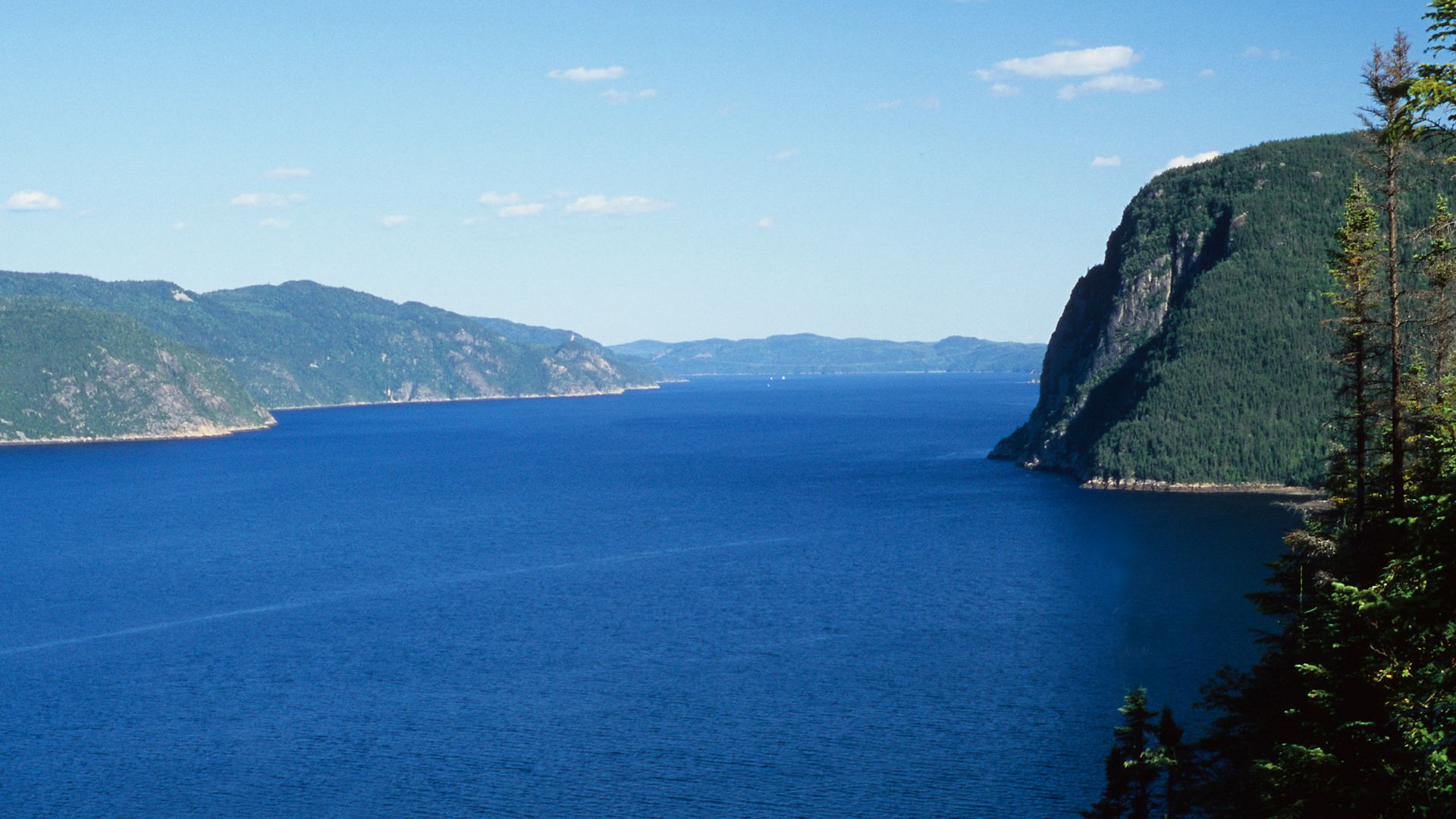
Tadoussac lies at the mouth of the Saguenay Fjord on the St. Lawrence and marks the beginning of Québec’s Whale Route. Marine mammals can be observed from boats and, at certain locations, directly from shore. Québec tourism information notes that the St. Lawrence attracts multiple whale species during the warmer months, with viewing commonly occurring from May into October. After Baie Saint Paul’s galleries and cafés, Tadoussac puts wild nature back at the center of the trip.
North Hatley Feels Like A Classic Lakeside Retreat
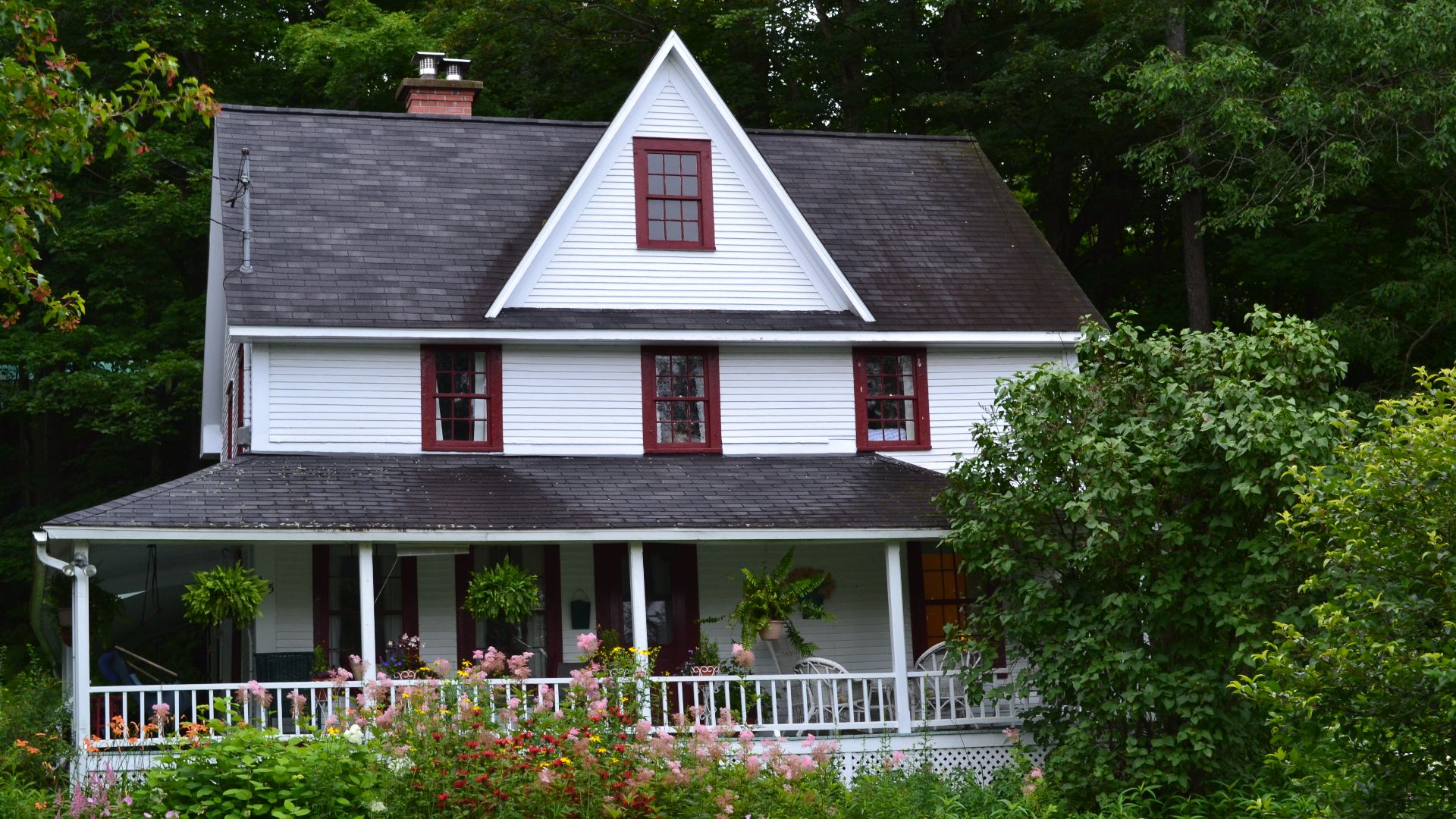
North Hatley sits at the northern end of Lake Massawippi in Québec’s Eastern Townships. The village is known for its preserved architectural character, century old homes, inns, restaurants, art galleries, antique shops, and boutiques. Tourism Eastern Townships lists its population at only a few hundred residents, reinforcing just how compact the village remains. Coming from Tadoussac’s rugged marine setting, North Hatley feels more like an old fashioned lake vacation.
 Cantons-de-l'Est, Wikimedia Commons
Saint Andrews Packs History Along The Bay Of Fundy
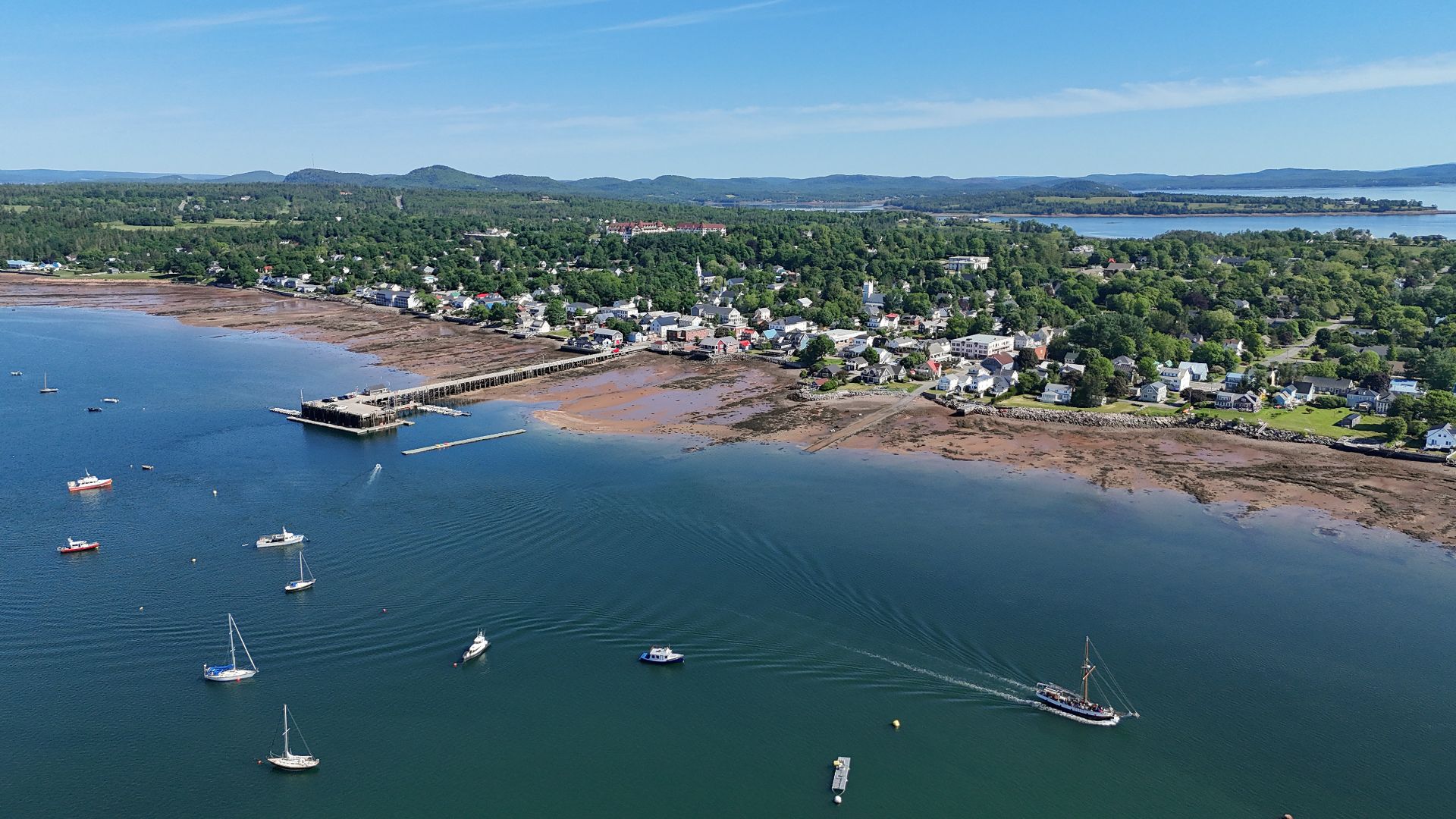
Saint Andrews, often called St. Andrews by the Sea, has long been a vacation destination on New Brunswick’s Bay of Fundy coast. Visitors can take whale watching excursions, explore historic Water Street, visit Kingsbrae Garden, and cross the ocean floor road to Ministers Island when tides allow. Parts of the town’s history stretch back to Loyalist settlement in the eighteenth century. North Hatley’s quiet lake gives way here to salt air, tidal scenery, and a much stronger maritime identity.
 Quintin Soloviev, Wikimedia Commons
Alma Sits Right At Fundy National Park
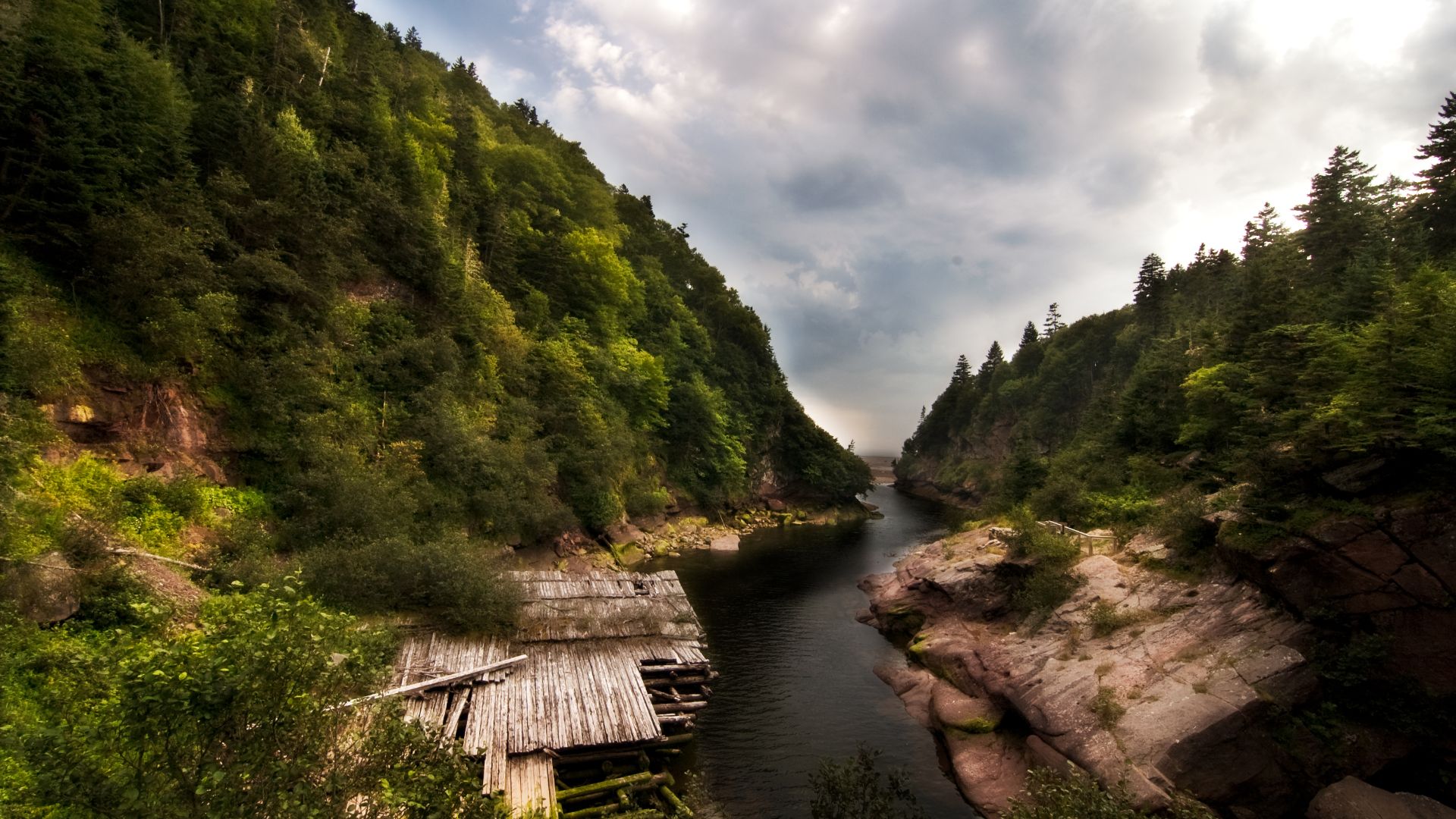
Alma is the small gateway community beside Fundy National Park in New Brunswick. At low tide, visitors can walk on exposed sections of the ocean floor near the village, while local restaurants emphasize seafood such as lobster and scallops. Fundy National Park adds more than 120 kilometres of walking and hiking trails plus paddling opportunities on Bennett Lake. After Saint Andrews, Alma takes the Bay of Fundy experience and brings travelers even closer to its famous tidal landscape.
Lunenburg Looks Like Maritime Canada Come To Life
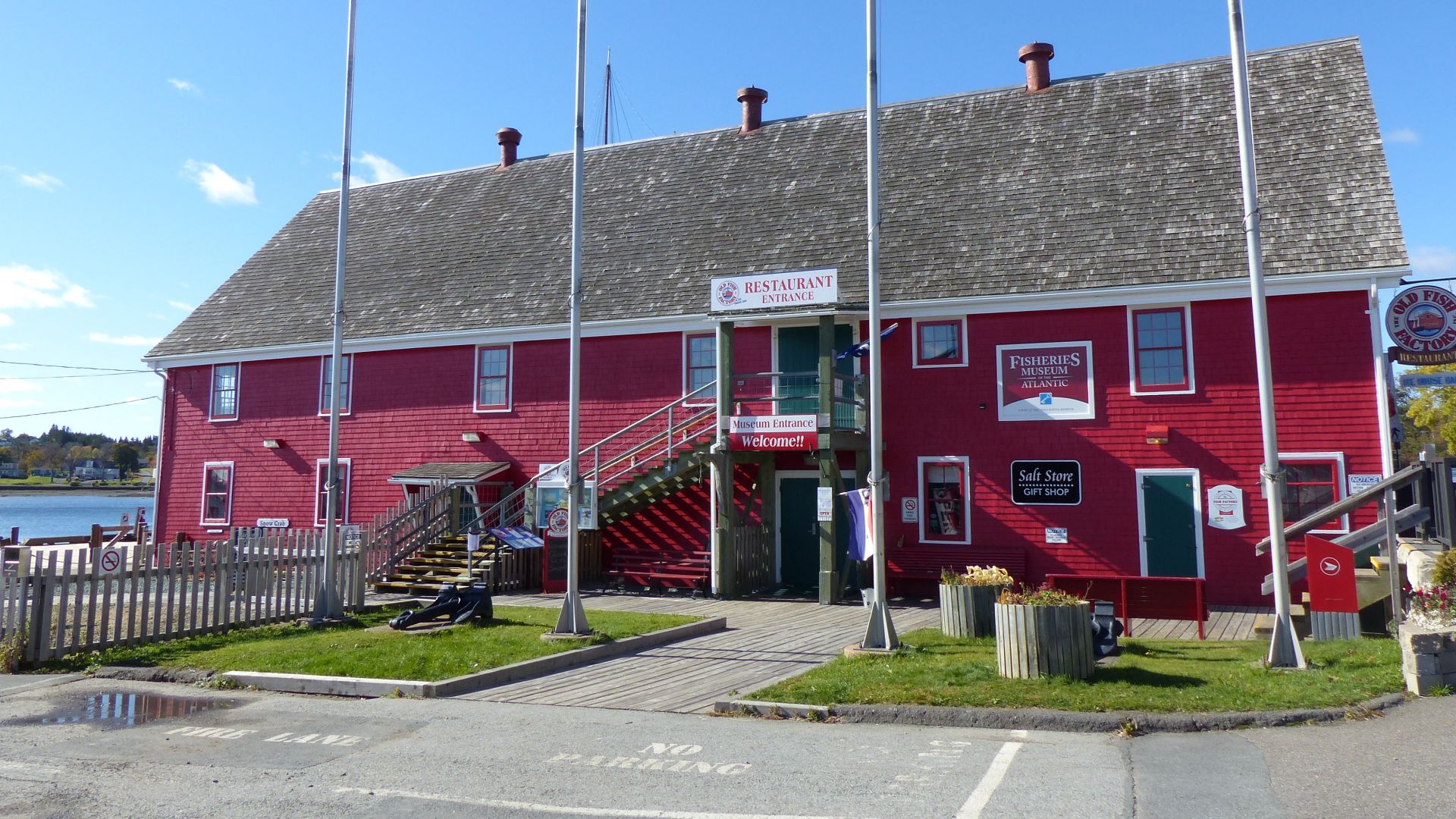
Lunenburg is a UNESCO World Heritage Site on Nova Scotia’s South Shore with colorful buildings, historic streets, and a working waterfront. Major attractions include the Fisheries Museum of the Atlantic and Bluenose II, the successor to the famous schooner depicted on Canada’s ten cent coin. Shops, galleries, restaurants, breweries, and boat experiences are concentrated around a highly walkable historic core. After Alma’s national park setting, Lunenburg feels like a full maritime townscape assembled around a harbor.
Mahone Bay Has A Postcard View Built In
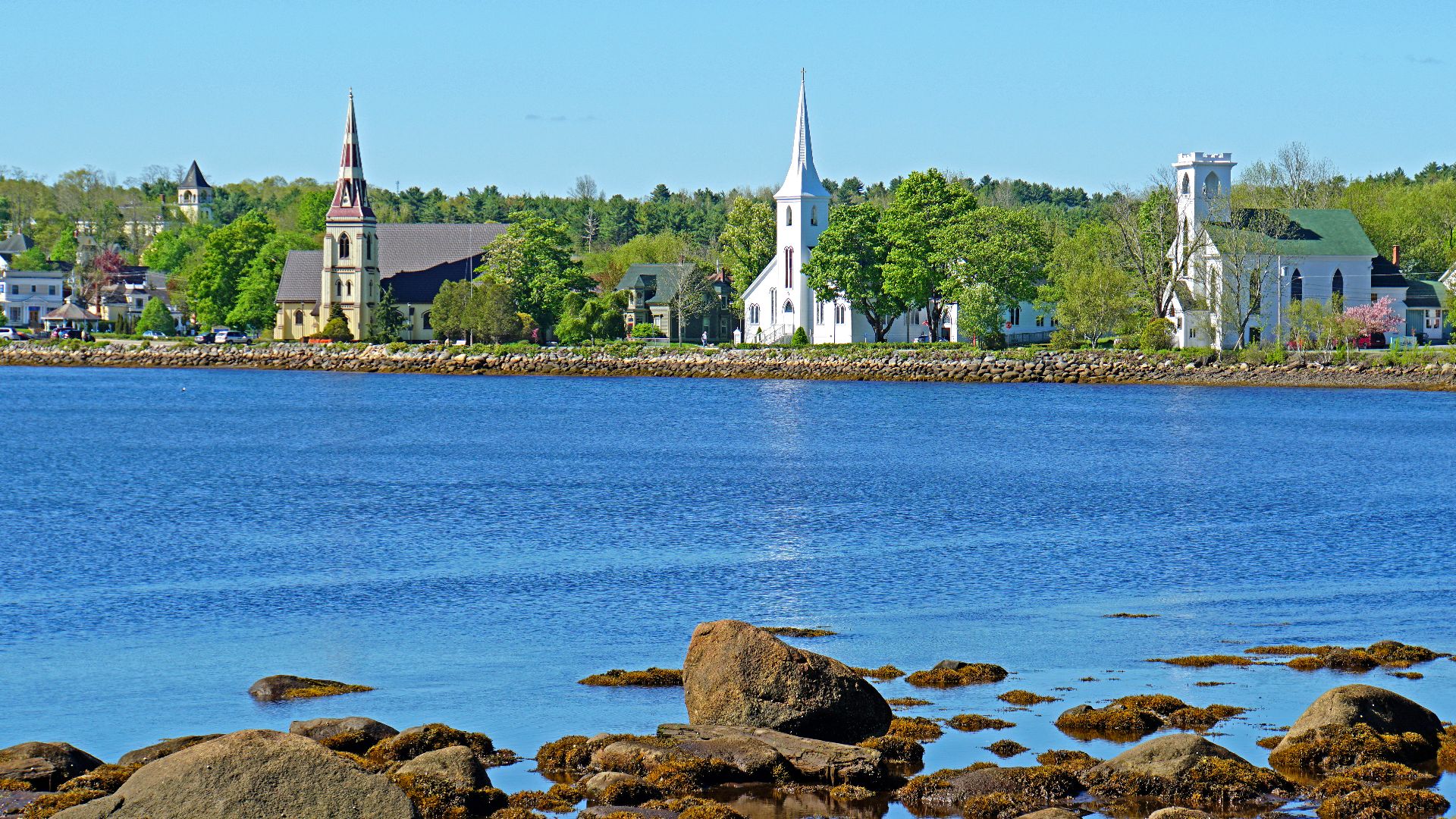
Mahone Bay is instantly recognizable for the three historic churches standing along its waterfront. St. James’ Anglican Church dates to 1887, St. John’s Lutheran Church to 1869, and Trinity United Church to the early 1860s. The town also connects visitors with paddling, walking trails, local shops, museums, and the Rum Runners Trail. Lunenburg may get more international recognition, but nearby Mahone Bay offers a gentler reason to keep exploring the South Shore.
 Dennis G. Jarvis, Wikimedia Commons
Annapolis Royal Carries Centuries Of History
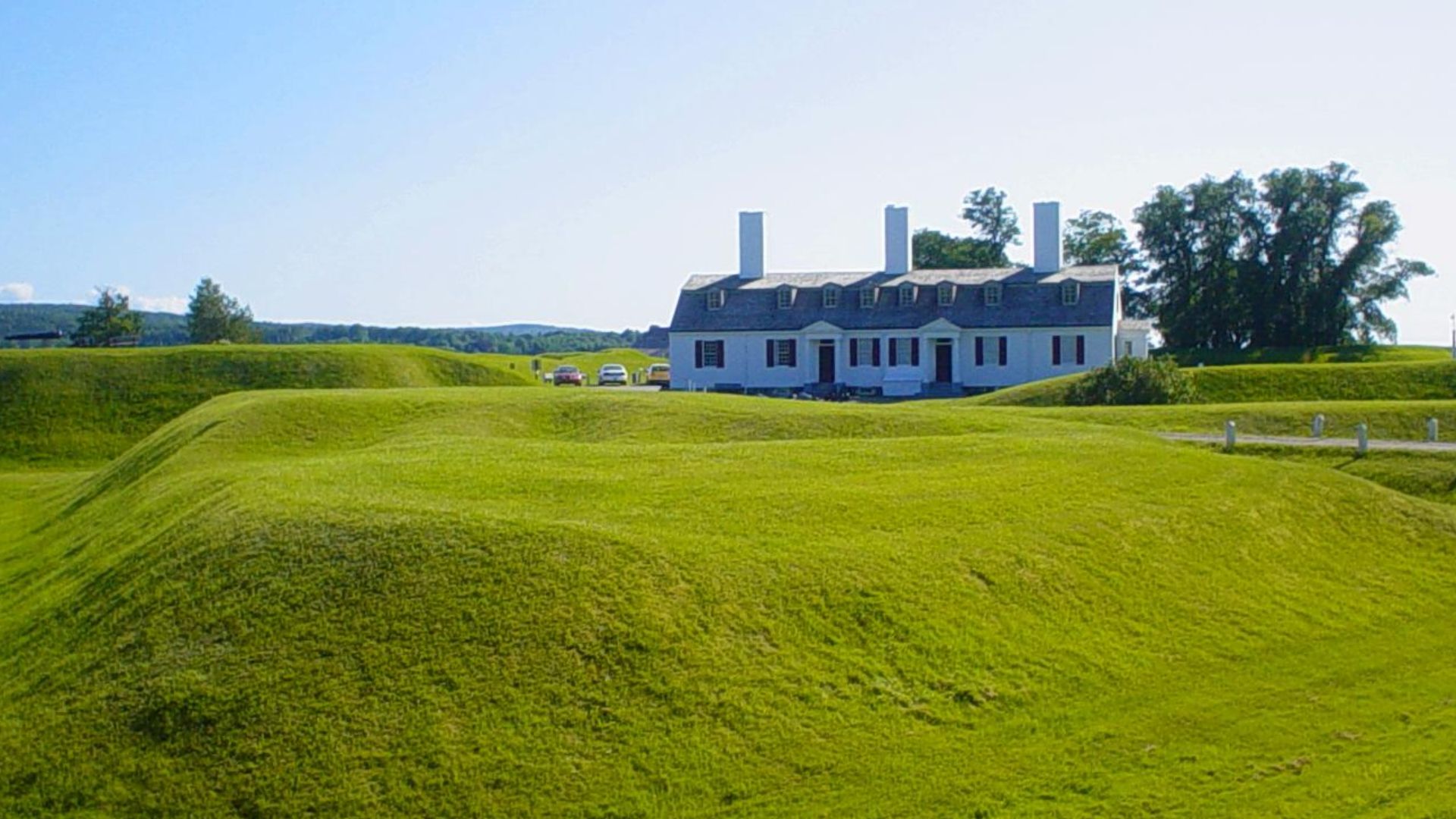
Annapolis Royal sits between mountain and water in Nova Scotia’s Annapolis Valley region. The community contains more than 135 registered heritage properties, a nationally designated historic district, and Fort Anne National Historic Site. Its 17 acre Historic Gardens present styles and plantings connected with different periods of Canadian history and include an extensive rose collection. After Mahone Bay’s harborfront charm, Annapolis Royal goes deeper into the province’s colonial and Acadian history.
 Andre Carrotflower, Wikimedia Commons
Victoria By The Sea Stayed Small On Purpose
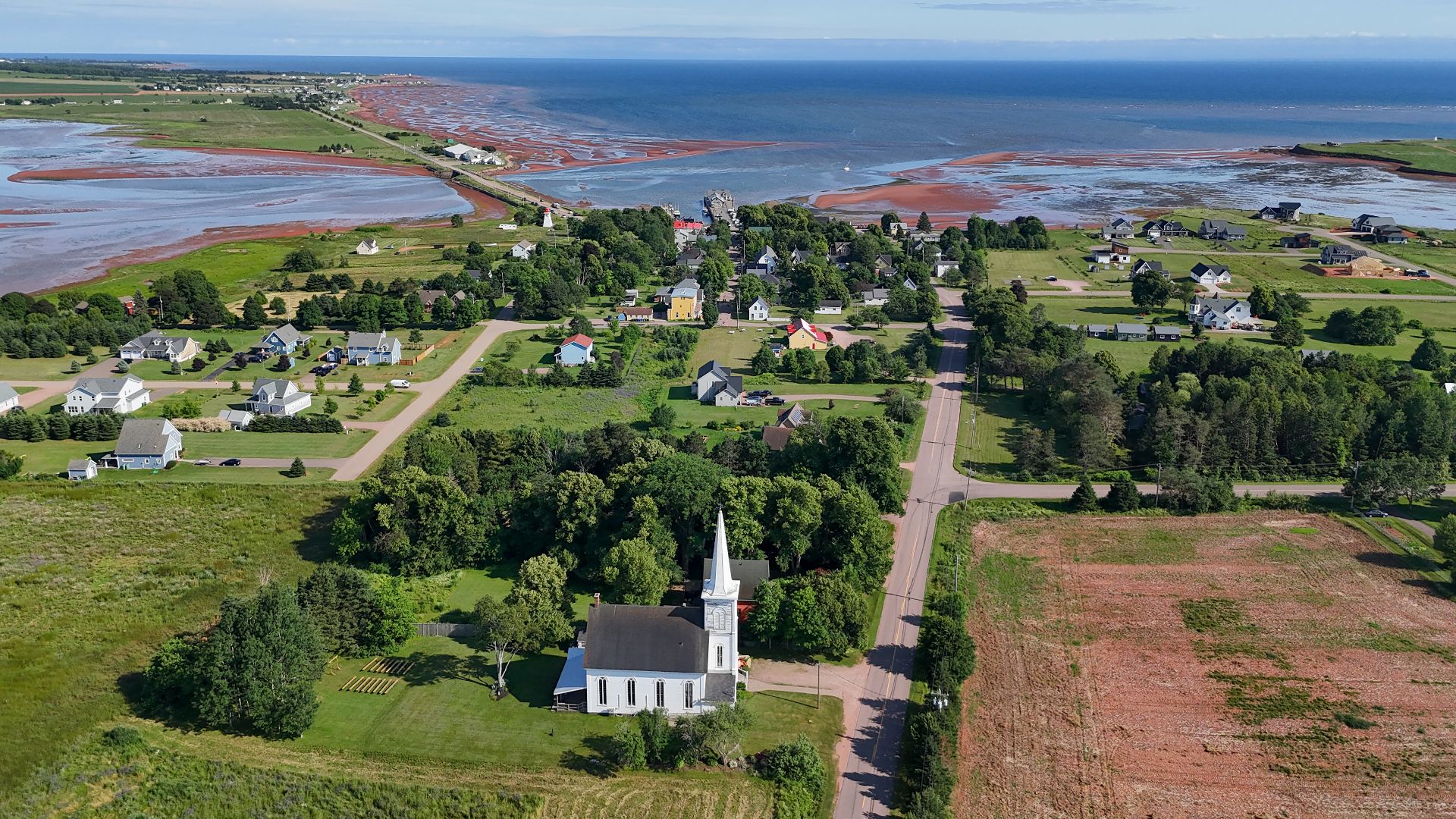
Victoria by the Sea is a historic fishing village on Prince Edward Island’s south shore. Tourism PEI notes that the Trans Canada Highway bypassed the community, as did major shopping centers and amusement developments, helping it retain its compact character. Visitors today can browse artisan studios, kayak from the harbor, walk the red sand shoreline, and attend performances at the Victoria Playhouse. From Nova Scotia’s heritage towns, the move to PEI brings an even smaller scale and an unmistakably island pace.
 Quintin Soloviev, Wikimedia Commons
Trinity Pairs Historic Streets With Wild Coastline
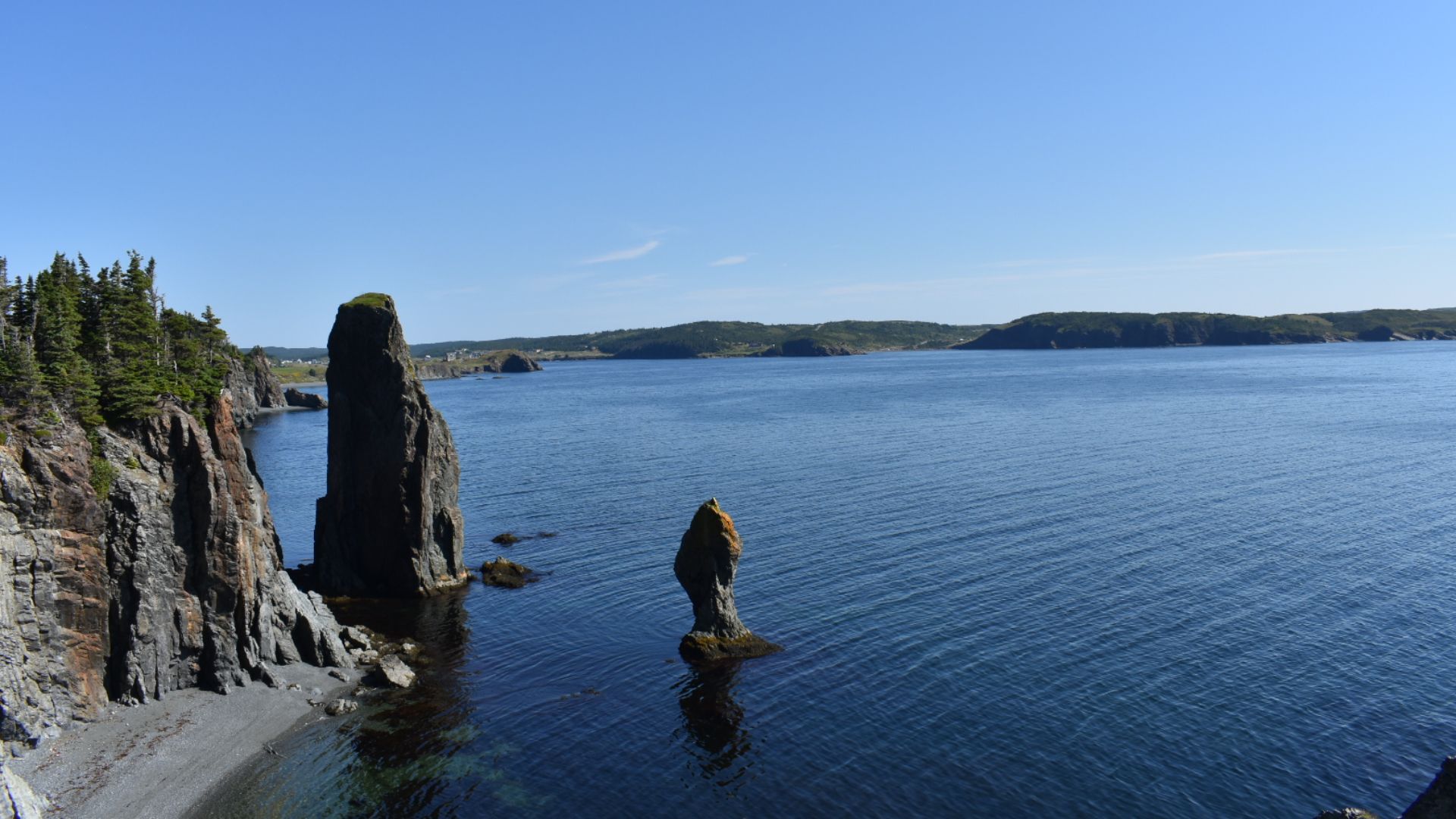
Trinity and the surrounding Port Rexton area combine preserved outport scenery with some of eastern Newfoundland’s best known coastal hiking. The 5.3 kilometre Skerwink Trail loops around Skerwink Head and passes cliffs, sea stacks, beaches, arches, and potential viewpoints for whales, seabirds, and icebergs. The wider region also supports theater and cultural attractions that interpret Newfoundland history. After PEI’s gentle red shoreline, Trinity introduces a noticeably rockier and more dramatic Atlantic landscape.
 Jon Kolbert, Wikimedia Commons
Bonavista Blends Fishing History With A Creative Revival
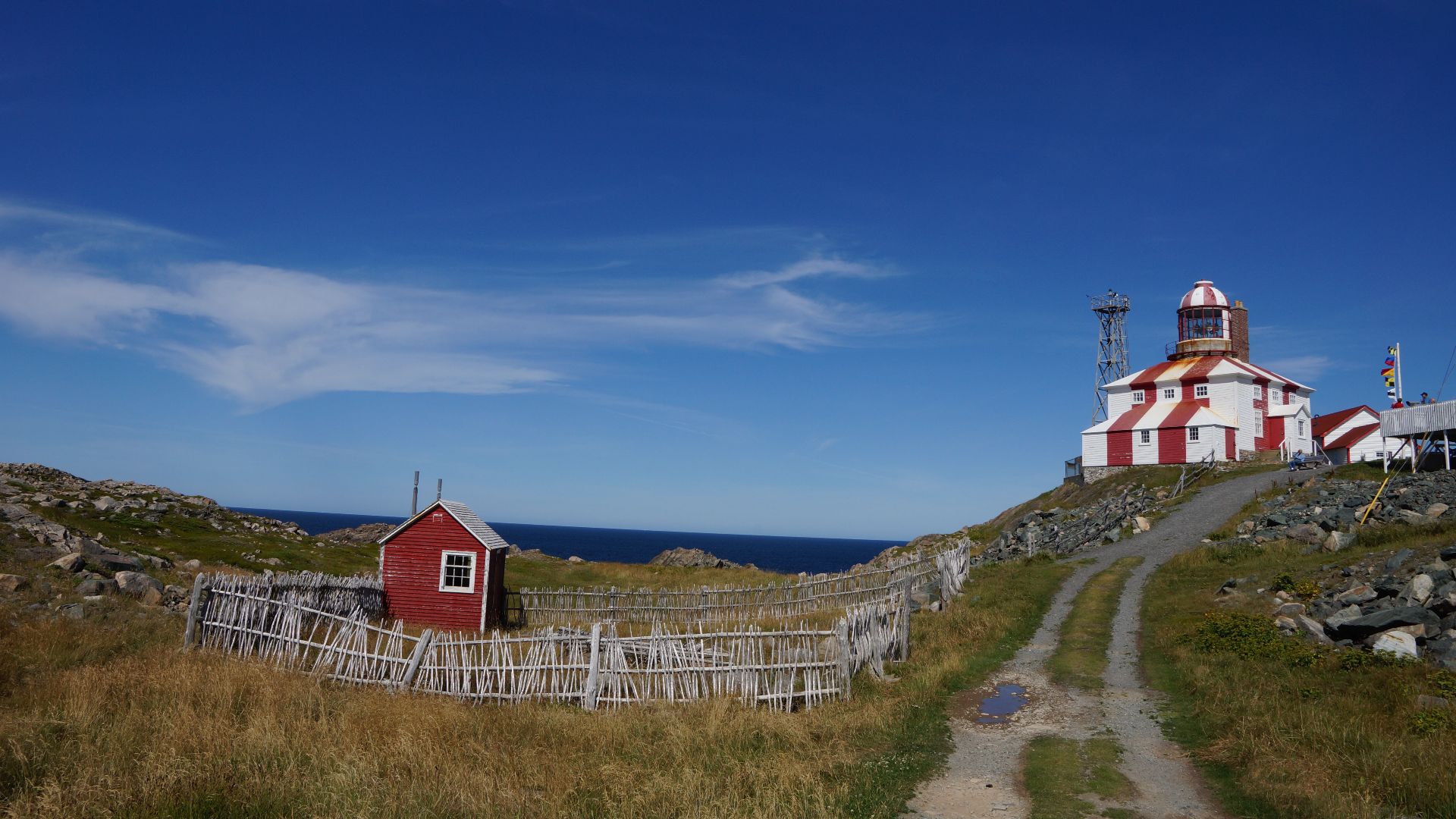
Bonavista mixes working harbors and restored historic buildings with cafés, shops, galleries, and new independent businesses. Visitors can explore the Ryan Premises National Historic Site, walk along the harbor, and visit the Cape Bonavista Lighthouse area. Coastal trails also provide opportunities to see whales, seabirds, and icebergs when conditions cooperate. Trinity feels intimate and theatrical, while Bonavista adds a slightly livelier town center without losing the rugged Newfoundland setting.
Elliston Lets You Watch Puffins From Shore
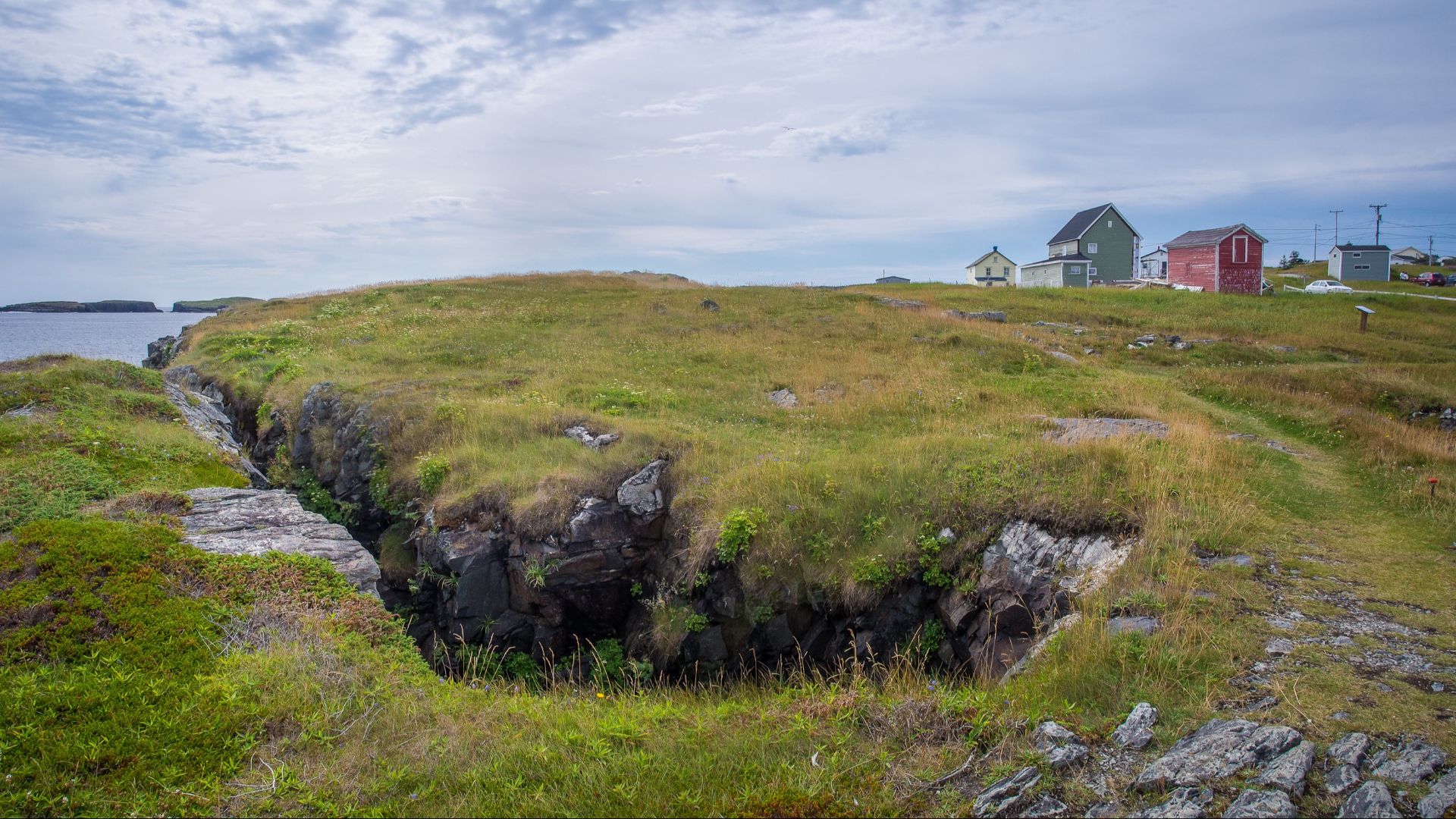
Elliston sits near the tip of the Bonavista Peninsula and is part of the Discovery UNESCO Global Geopark. The community is famous for traditional root cellars built into hillsides and for a large seasonal population of Atlantic puffins along the coast. Newfoundland and Labrador Tourism describes its viewing site as offering exceptionally close land based views of the birds in North America. Just a short move from Bonavista, Elliston proves that one of a road trip’s most memorable stops can also be one of its smallest.
 Kenny Louie from Vancouver, Canada, Wikimedia Commons
The Best Hidden Gems Make You Change Your Pace
What connects these places is not a single type of scenery or attraction. Some work because mountains meet the main street, while others put historic buildings, galleries, beaches, wildlife, or fishing harbors within an easy walk. Building a Canadian trip around smaller communities also creates natural reasons to stop between the country’s better known destinations. Sometimes the memorable part of the drive is the town that was supposed to be only a quick detour.
 Quintin Soloviev, Wikimedia Commons
You May Also Like: