A Country Built Around Convenience
Traveling in the United States can involve some culture shock, but not all of it is unpleasant. Many everyday systems are designed around speed, space, automobiles, and making errands easier, especially outside dense city centers. For European visitors accustomed to different infrastructure and service norms, some American conveniences can become surprisingly easy to appreciate.

Air Conditioning Feels Almost Inescapable
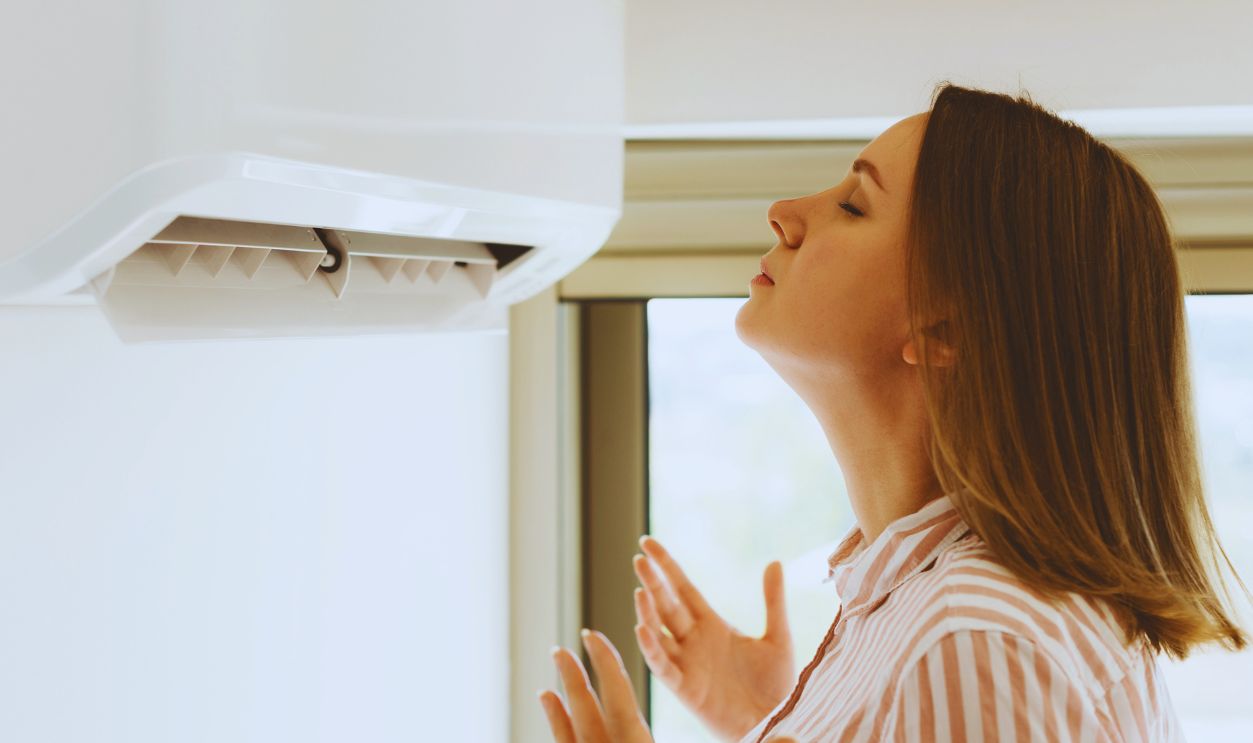
One of the first differences travelers may notice during an American summer is how seriously the country takes air conditioning. U.S. Energy Information Administration data showed that 87 percent of American households already had air conditioning in 2009, while the European Commission still describes residential cooling equipment as relatively uncommon in Europe compared with the United States. A visitor escaping a humid afternoon can quickly learn to appreciate the blast of cold air inside hotels, shops, restaurants, and cars
The Contrast Is Especially Noticeable In Summer
Cooling is becoming more common in Europe, but the difference has not disappeared. Eurostat reported that household energy used for cooling across the EU doubled between 2018 and 2024, reflecting growing demand during hotter summers. That helps explain why reliably cooled American accommodations and commercial spaces can feel particularly luxurious to travelers arriving during a heat wave.
Americans Take Ice Seriously
Ordering a cold drink in the United States frequently means receiving a glass packed with ice. Smithsonian has noted the contrast between the American enthusiasm for ice and the smaller quantities traditionally encountered in many European countries. Anyone walking around Florida, Arizona, or another hot destination may decide very quickly that the American approach has its advantages.

Refills Can Feel Surprisingly Generous
Another restaurant habit connected with American beverage culture is the refill. Smithsonian has described free drink refills as an established American restaurant norm, although policies naturally vary by business and beverage. A traveler accustomed to buying another soft drink separately may find the seemingly bottomless glass rather enjoyable.

The Car Is Treated Like A Second Living Room
American convenience makes considerably more sense once a visitor spends a few days driving. Restaurants and other businesses developed around motorists throughout the twentieth century, particularly as suburbs expanded and car ownership grew. Instead of treating the automobile merely as transportation, American businesses repeatedly found ways to let customers eat, shop, and complete errands without straying far from it.
Drive-Thrus Make Lunch Almost Effortless
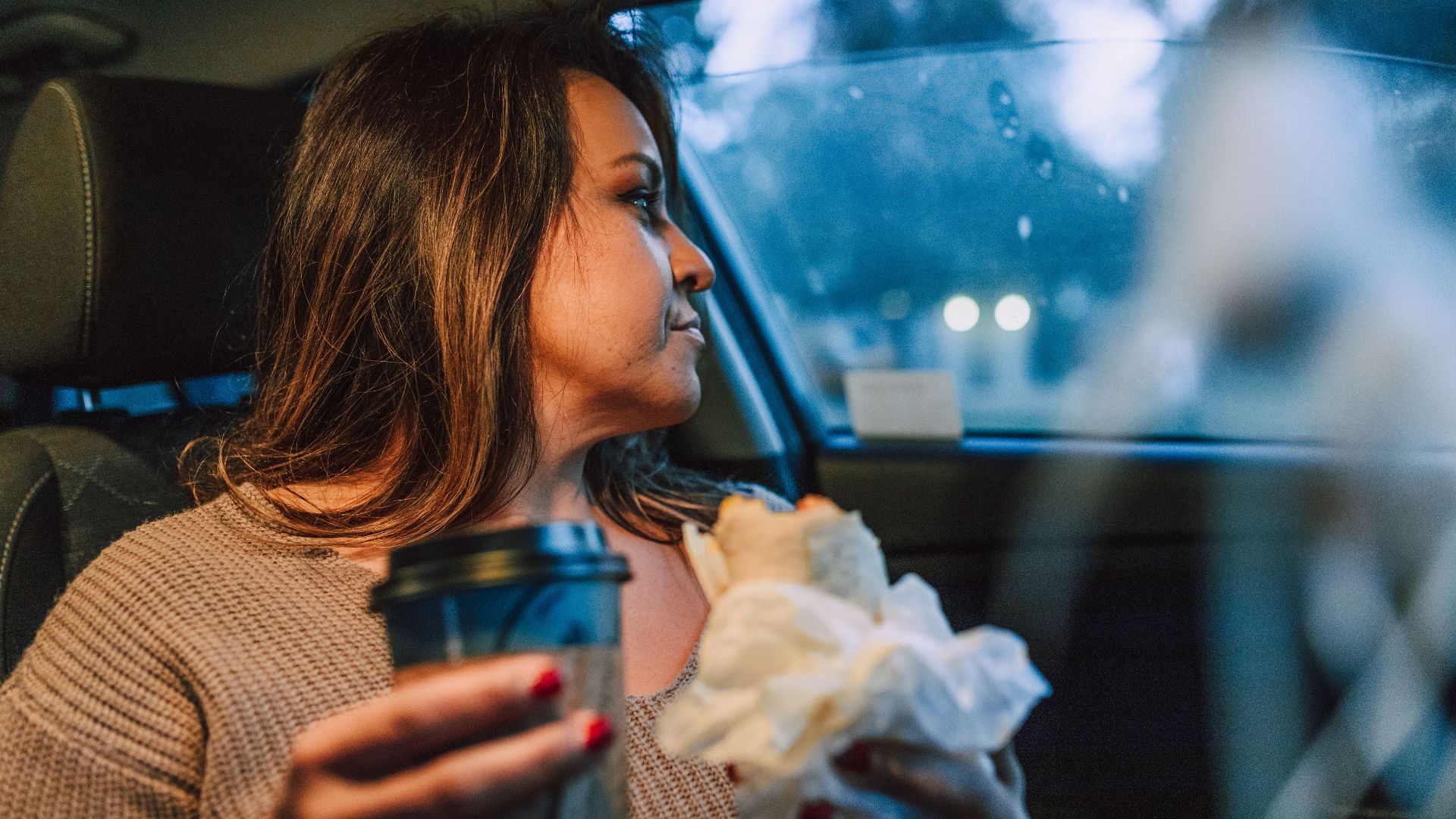
The drive-thru is one of the clearest products of that car-centered culture. Smithsonian traces the development of American drive-in restaurants through the twentieth century and notes that drive-through service eventually replaced many older carhop operations because it saved time and labor. For a traveler midway through a long road trip, getting lunch without searching for parking or unpacking the car can be genuinely convenient.
Even The Pharmacy May Have A Drive-Thru
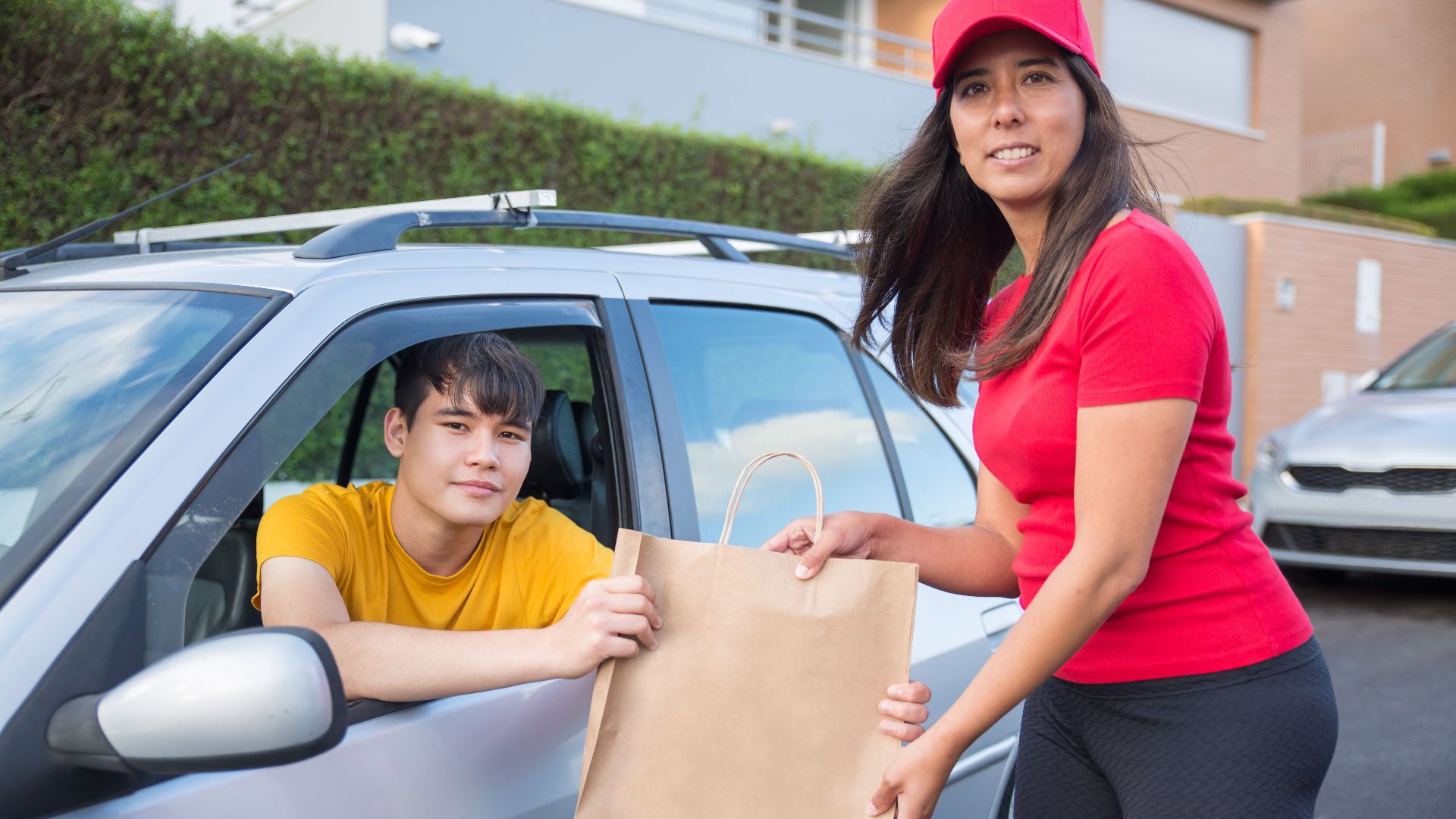
The American drive-thru concept extends well beyond hamburgers and coffee. Walgreens currently lets customers at participating locations collect many store orders and ready prescriptions through pharmacy drive-thru lanes, with curbside pickup available in some circumstances as well. European travelers staying with children or managing a packed itinerary may appreciate completing an ordinary errand without getting everyone out of the car.

Curbside Pickup Adds Another Option
Customers do not always have to enter the store even when there is no suitable drive-thru transaction. Walgreens, for example, offers online ordering with curbside, drive-thru, or in-store collection depending on the location and purchase. The ability to order from a phone and have purchases brought toward the vehicle illustrates just how thoroughly convenience has become part of American retail service.

Convenience Stores Live Up To Their Name
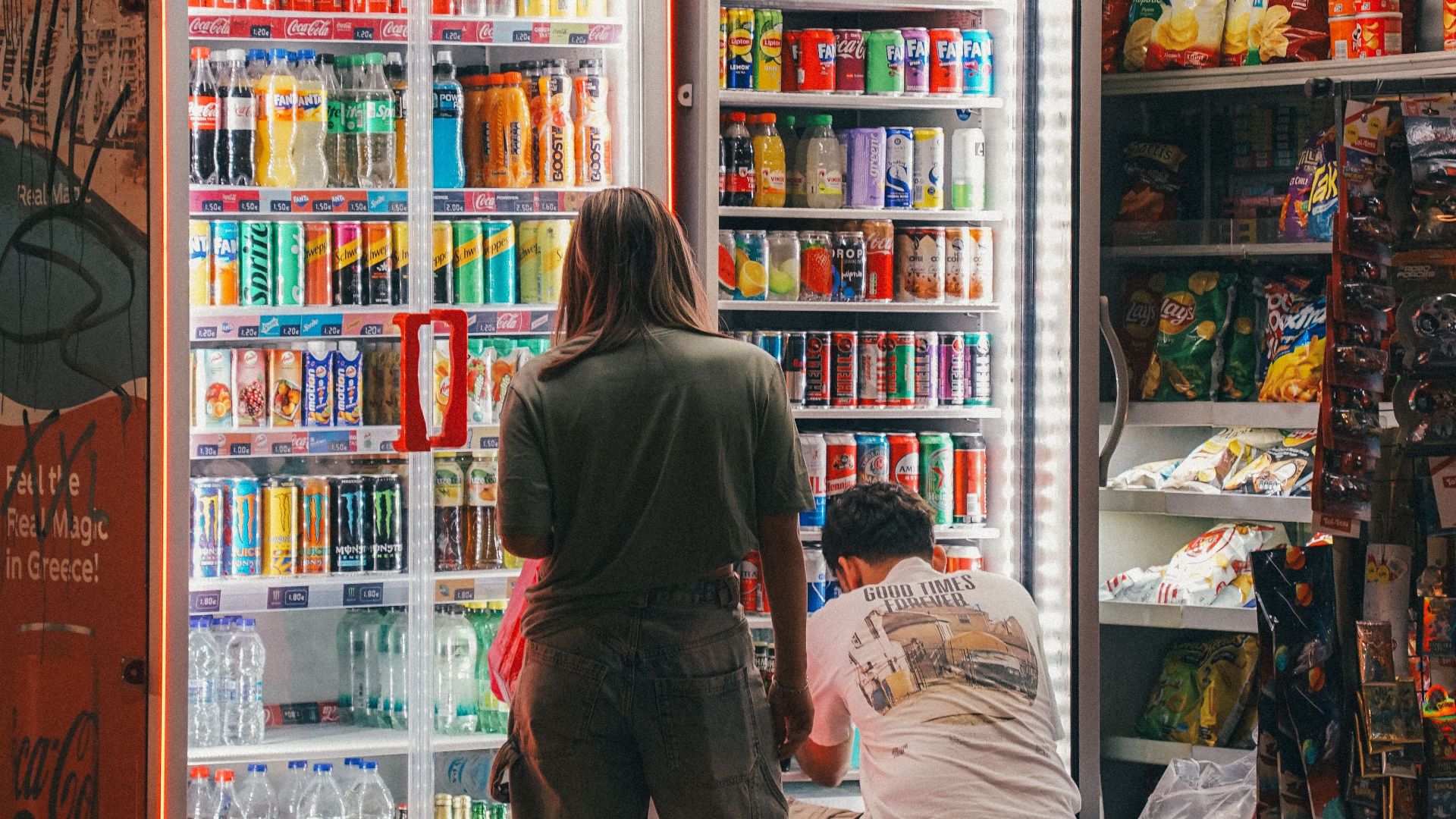
American convenience stores are designed specifically around quick transactions, accessible locations, extended hours, fuel, and grab-and-go food. The National Association of Convenience Stores says many operate around the clock, and the country had 151,975 convenience stores in 2026. For travelers moving between unfamiliar towns, having so many predictable places for drinks, snacks, toiletries, and basic supplies can remove a lot of planning.

Late-Night Errands Get Much Easier
Long opening hours can be especially useful after a delayed flight or an unexpectedly late arrival. NACS describes extended hours as a defining characteristic of the American convenience-store model, with many locations operating 24 hours a day. Knowing that basic food and travel necessities may still be available late at night gives visitors considerably more flexibility.
Fuel And Food Often Share The Same Stop
Stopping for gasoline in the United States frequently doubles as a chance to grab coffee, drinks, snacks, or prepared food. More than 122,000 U.S. convenience stores sold motor fuel in the 2026 count, representing more than 80 percent of all convenience stores. On a long interstate trip, combining several errands into a single stop can be an underrated luxury.

Self-Service Fueling Keeps Things Moving
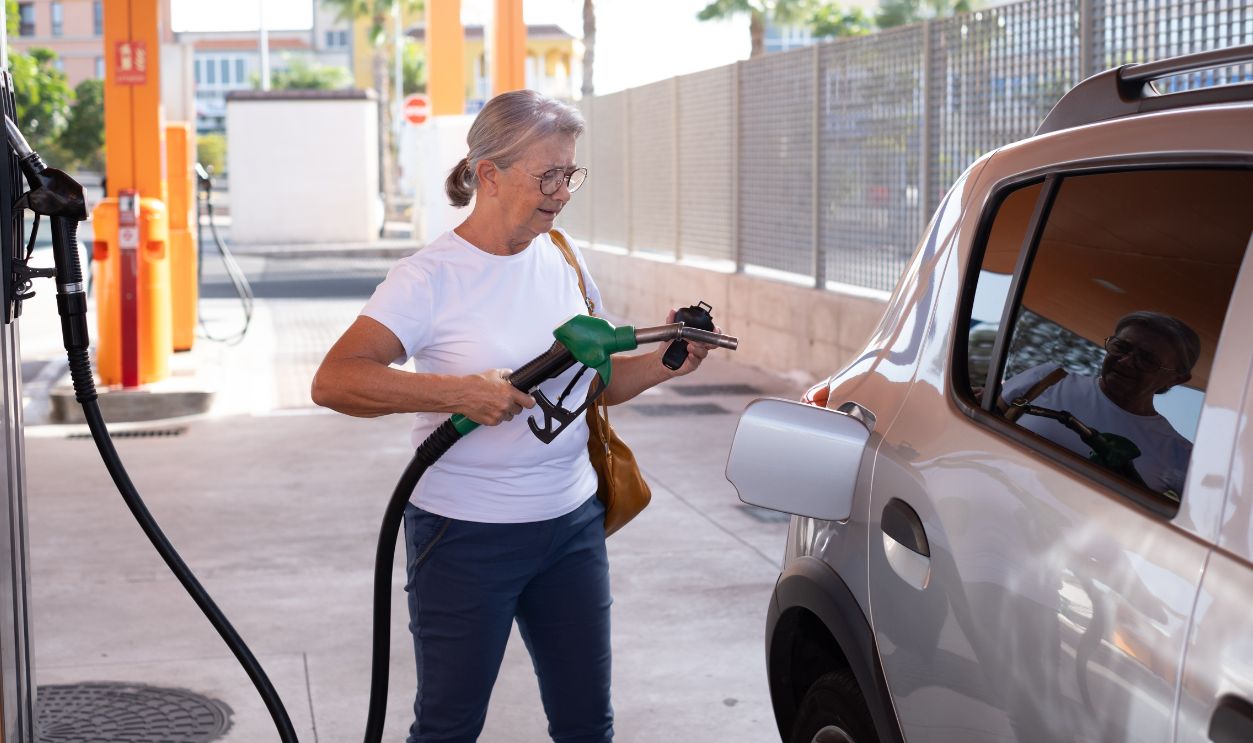
Most American motorists pump their own gasoline, with New Jersey remaining a notable exception. NACS says self-service is part of most convenience-store fueling operations and traces modern remote self-service fueling to the 1960s. Visitors comfortable using the system can arrive, refuel, and continue their trip with very little interaction or delay.
Paying At The Pump Saves Another Step
Card payment directly at the fuel pump is so established in the United States that federal consumer regulations explicitly discuss pay-at-the-pump authorization procedures. Instead of fueling and then walking into a shop to settle the bill, drivers can often complete the entire transaction beside the vehicle. It is a small convenience, but small conveniences become noticeable after several hundred miles of driving.

Interstate Rest Areas Are Made For Breaks
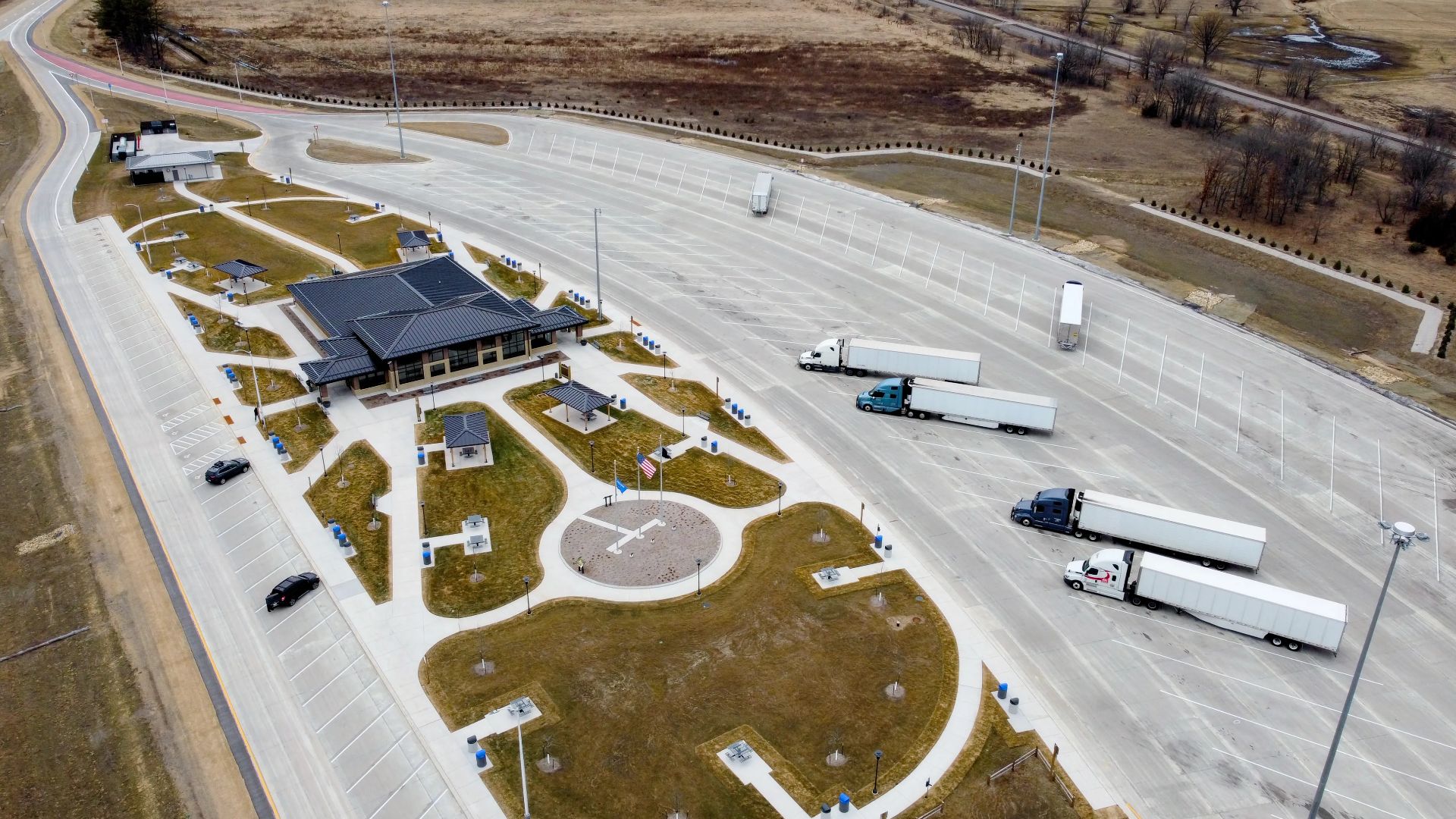
The American Interstate Highway System includes dedicated safety rest areas where motorists can stop without making a purchase. The Federal Highway Administration says these facilities are intended to let drivers rest, use restrooms, and recover from drowsiness before continuing. For European visitors tackling the enormous distances between American destinations, that infrastructure makes road trips less exhausting.
Highway Services Are Clearly Organized
American highways also make it relatively straightforward to leave the road for fuel, meals, or lodging and then return. Federal highway guidance distinguishes rest areas from commercial services located off the Interstate, creating an ecosystem of exits serving road travelers. Once visitors understand the signs, a spontaneous stop can require very little advance research.
Automatic Rental Cars Reduce The Learning Curve
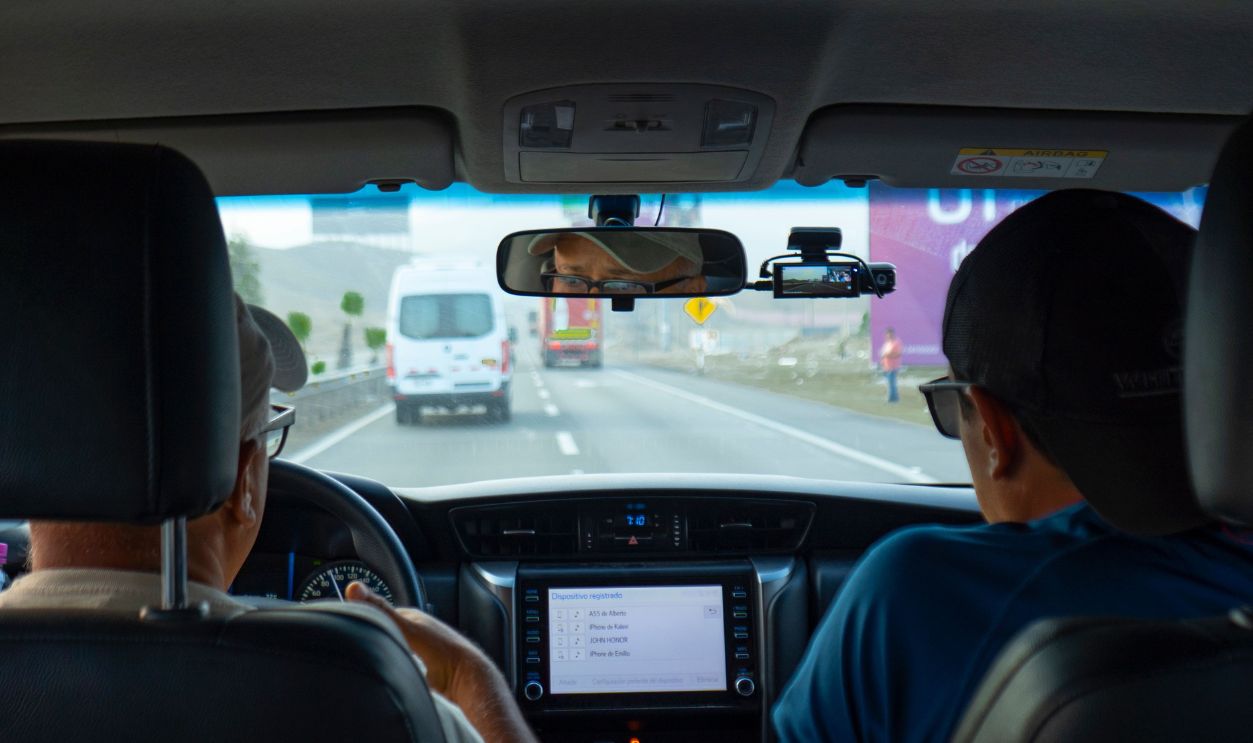
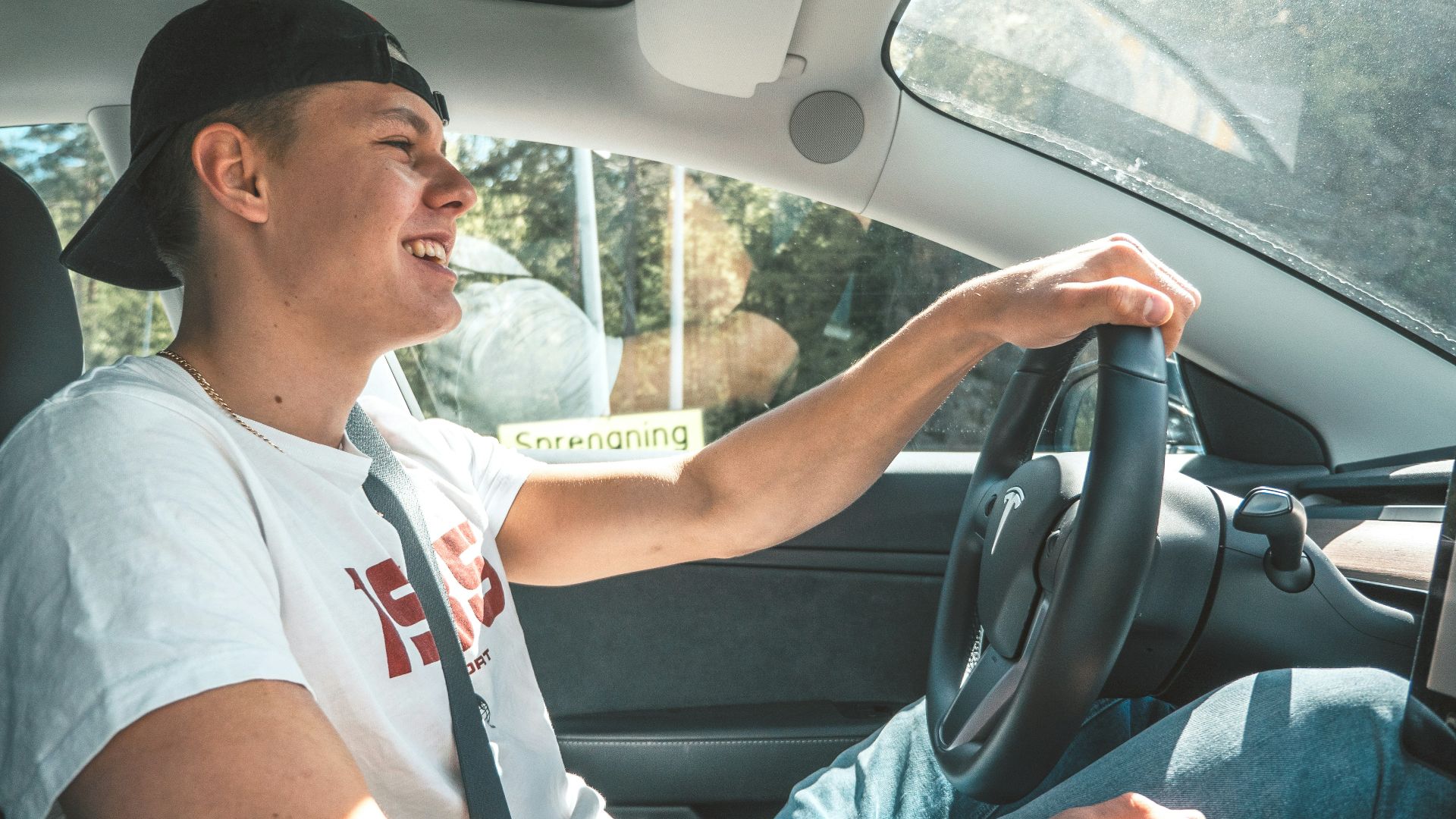
Manual transmissions remain familiar to many European drivers, but American rental fleets offer abundant automatic options. Hertz currently lists automatic or continuously variable transmissions across several mainstream U.S. rental categories, including compact cars. A visitor already adjusting to American road rules may be happy to have one less thing to think about behind the wheel.
Rental Cars Can Handle Plenty Of Luggage
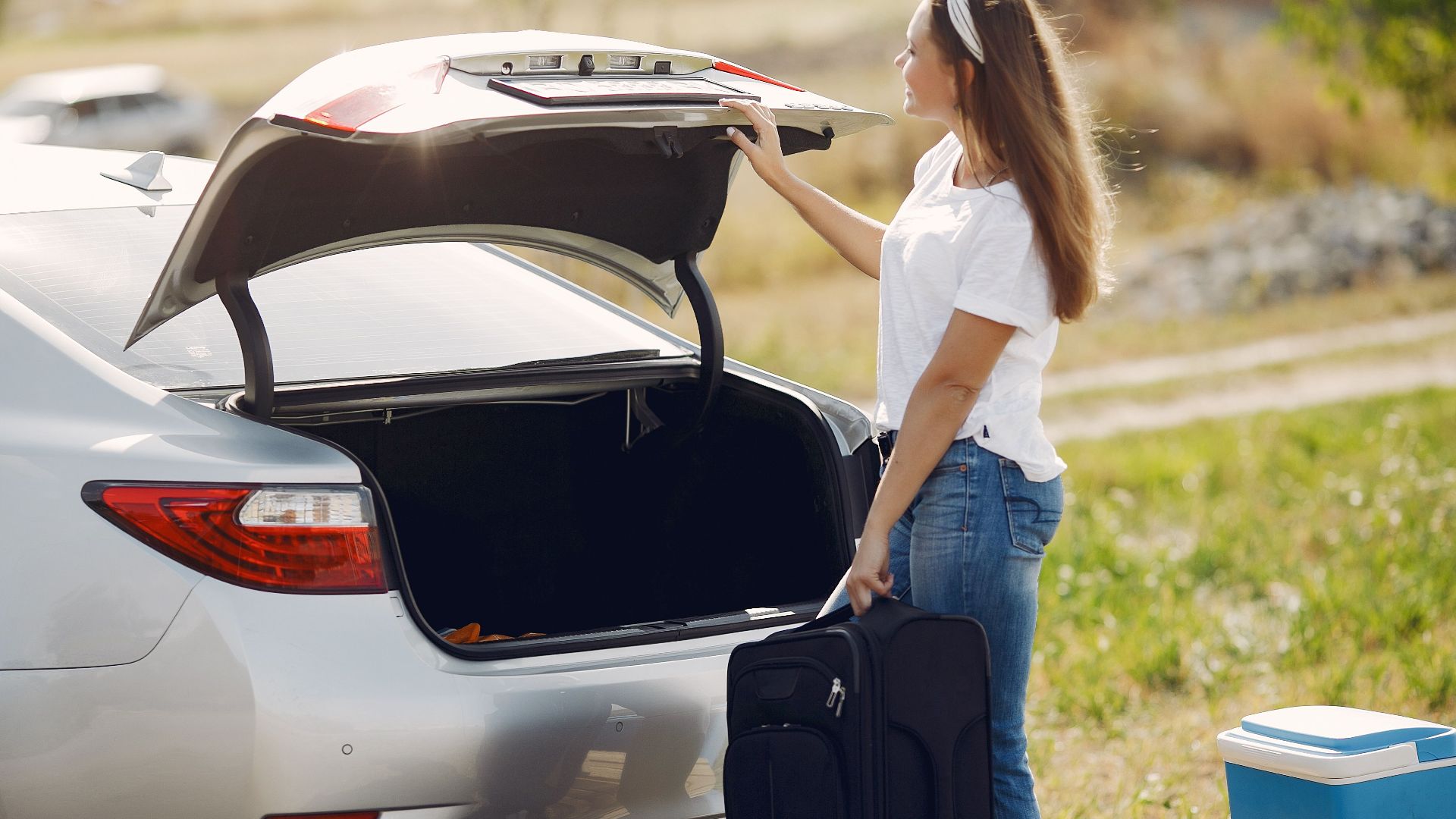
The amount of cargo space available in mainstream American rental vehicles can also make touring easier. Hertz lists compact rental examples with around 15 to 17 cubic feet of luggage capacity, while larger categories provide considerably more room. Travelers moving between hotels with several suitcases may quickly understand why road trips are such a popular American vacation format.
Suburban Hotel Parking Can Be Refreshingly Simple
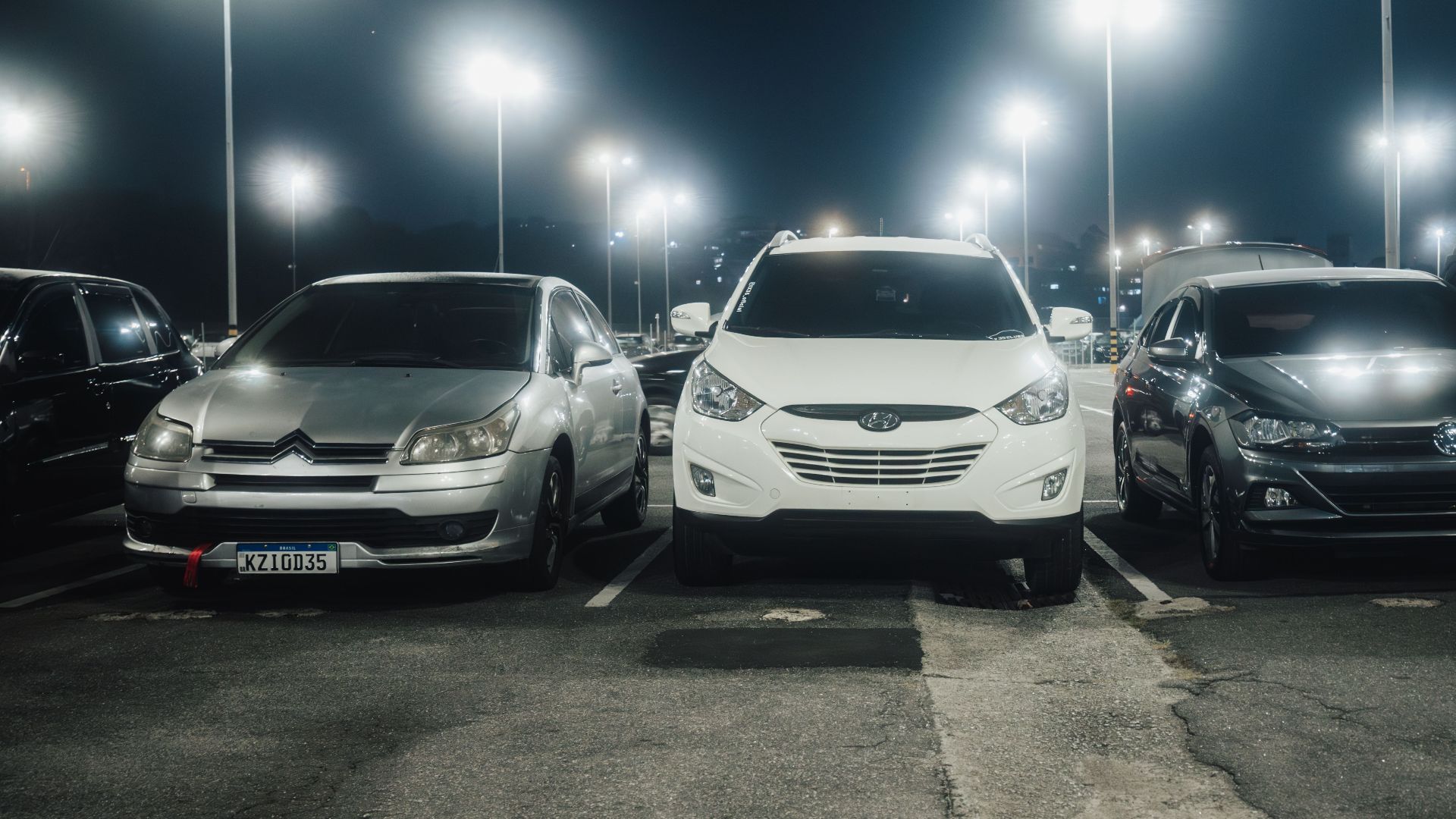
Parking costs vary sharply across the United States, especially in expensive downtown areas, but many suburban and roadside hotels still advertise complimentary parking. Hampton properties in places such as Hot Springs, Arkansas, specifically include free parking among their guest amenities. For travelers with rental cars, being able to park beside the hotel without locating a separate garage is a welcome convenience.
Breakfast May Already Be Waiting Downstairs
Complimentary breakfast is another amenity commonly promoted by several large American limited-service hotel brands. Hampton Inn Hot Springs, for example, includes a free hot breakfast, while numerous similar U.S. properties advertise the same benefit. Visitors can eat before sightseeing without finding a café, making an extra reservation, or adding another bill to the morning.

Hotel Wi-Fi Often Comes With The Room
Internet access has become another standard selling point at many American hotel brands. Hampton Inn Hot Springs lists free Wi-Fi alongside its complimentary breakfast and parking, while Marriott's Residence Inn properties also advertise complimentary Wi-Fi under applicable membership terms. For international visitors managing maps, tickets, translations, and messages from a phone, easy hotel connectivity can make travel considerably smoother.

Airport Shuttles Can Remove A Whole Journey
Some American airport hotels make the arrival process easier by providing their own shuttle transportation. The Hampton Inn & Suites beside San Diego International Airport, for example, advertises complimentary airport shuttle rides for guests. After a transatlantic flight, eliminating the need to arrange another ride can feel like a significant perk.
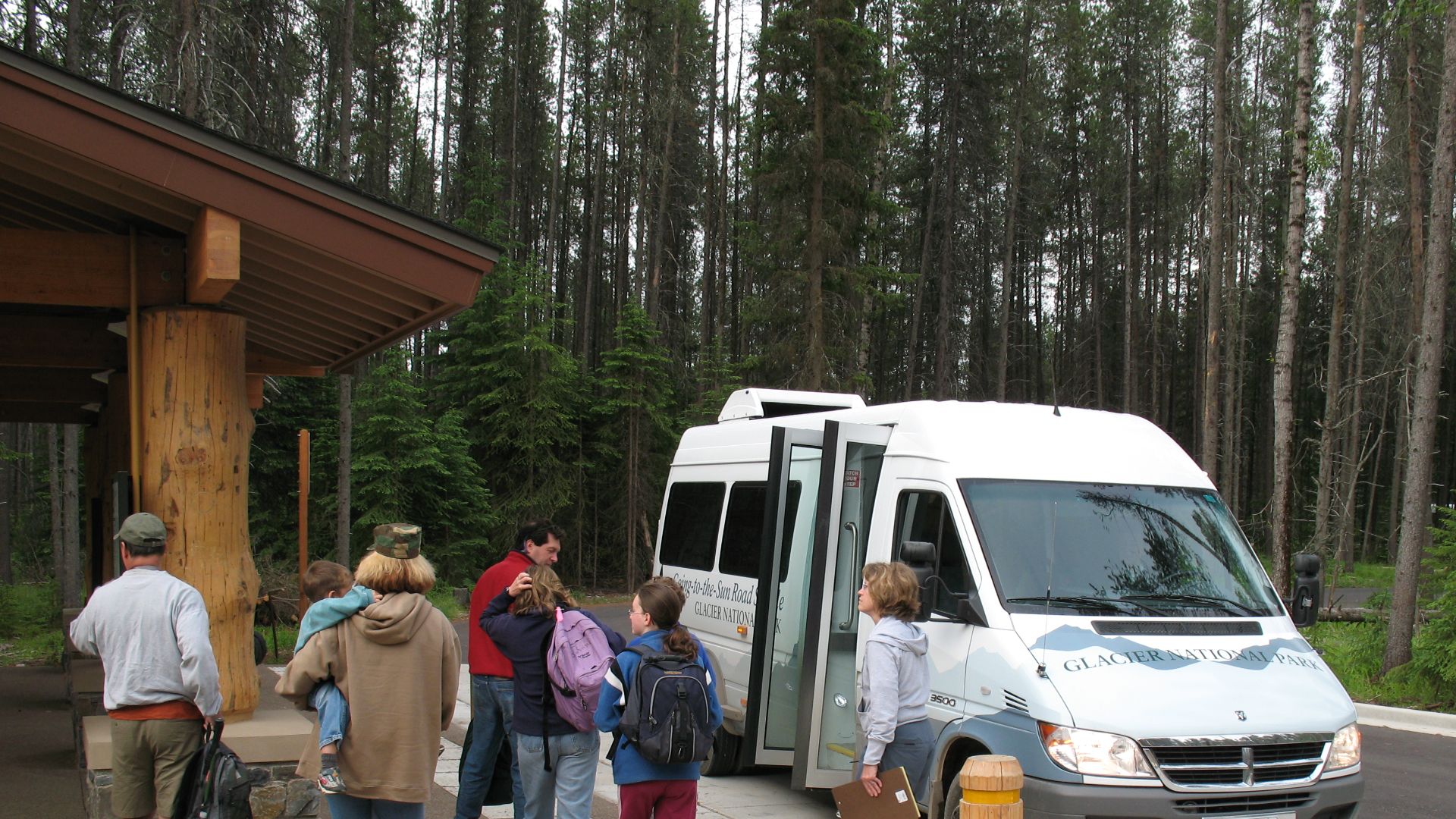 Photo: David RestivoGlacierNPS, Wikimedia Commons
Extended-Stay Hotels Can Feel Like Apartments
The American extended-stay hotel format offers travelers another level of convenience. Residence Inn properties advertise suites with kitchens or kitchenettes, allowing guests to store groceries and prepare meals instead of eating out every time. Families and travelers staying for more than a few nights may find that setup much easier than living entirely out of a conventional hotel room.

Laundry Can Be Right Inside The Hotel
Some extended-stay properties also provide on-site laundry alongside kitchens, Wi-Fi, and breakfast. Marriott's Residence Inn Mobile lists both laundry facilities and kitchen accommodations among its amenities. Travelers on longer trips can therefore pack fewer clothes and wash them without hunting for an outside laundry service.
The Clothes Dryer Feels Especially American
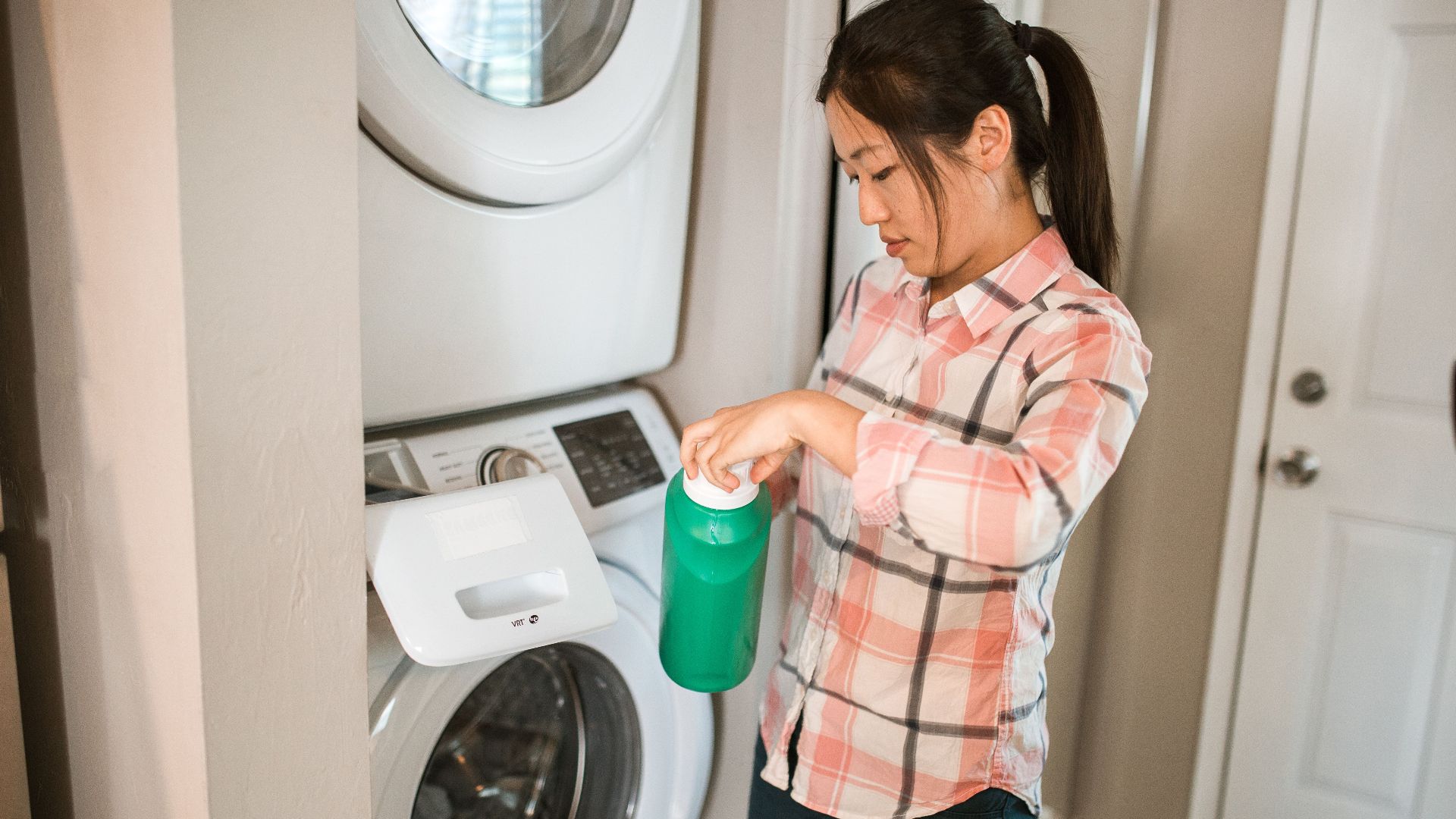
Machine drying is considerably more embedded in American household life than it is across much of Europe. ENERGY STAR says roughly 80 percent of American homes have a clothes dryer, while European Commission figures show about 50 million dryers were in use across the EU27 in 2020, roughly one for every four households. Visitors accustomed to line drying or indoor racks may enjoy the speed of tossing everything into a dryer and having it ready shortly afterward.

Accessibility Can Make Travel Much Easier
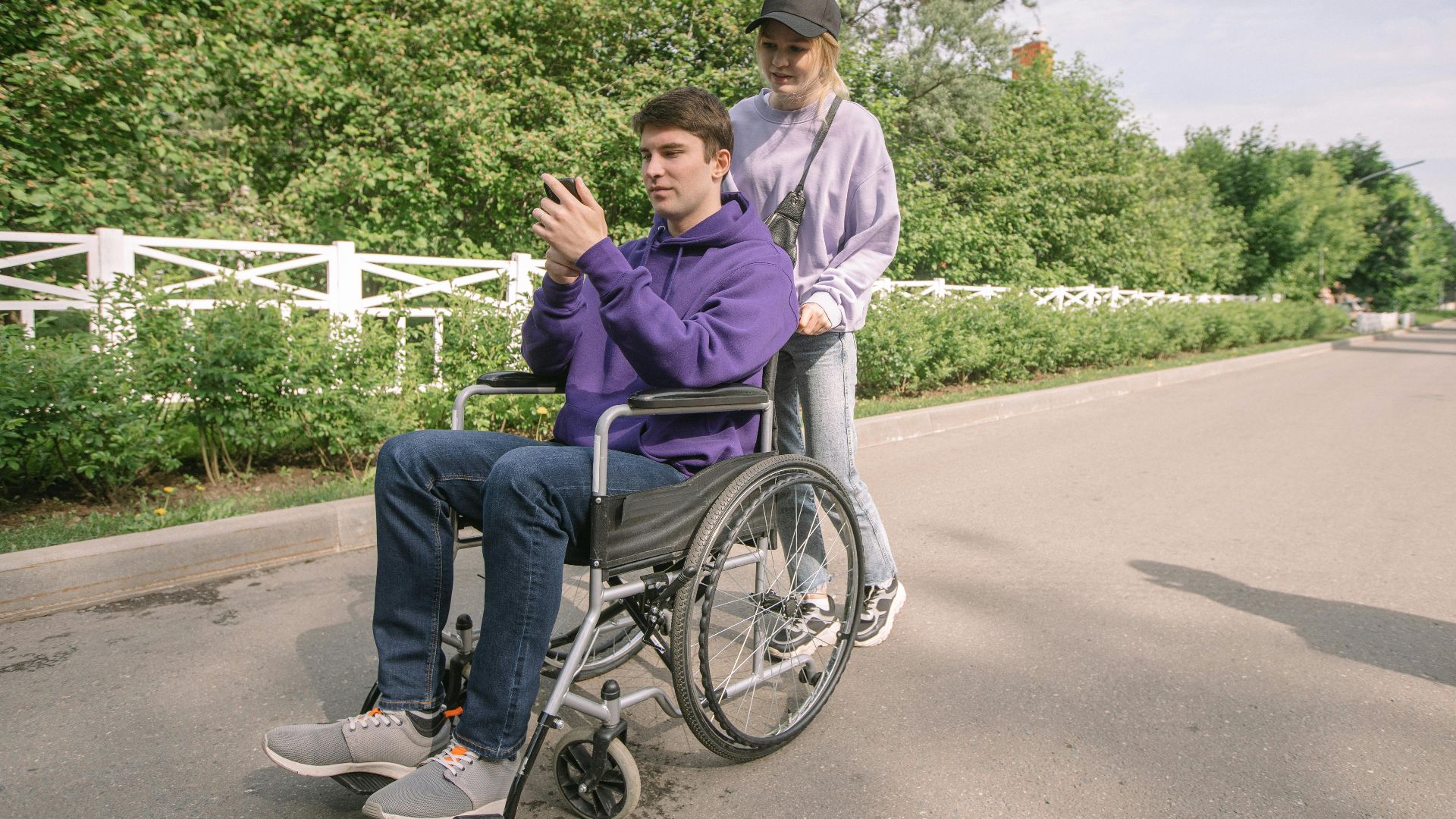
One of the most important American conveniences is not really a luxury at all. The Americans with Disabilities Act requires businesses serving the public, including hotels, restaurants, stores, and many transportation services, to provide people with disabilities equal access to their goods and services. Those requirements have influenced entrances, routes, restrooms, communication, and other features that can also benefit older travelers, families with strollers, and people carrying luggage.

Accessible Routes Are Part Of The Planning
The same philosophy is visible at many tourist attractions. National Park Service accessibility guidance specifically addresses parking spaces, accessible routes, entrances, restrooms, drinking-water facilities, transportation, benches, exhibits, and elevators or lifts. Travelers with mobility limitations can therefore often find detailed accessibility information before arriving at a park.
National Parks Make Wild Places Surprisingly Manageable
America's national parks may protect enormous landscapes, but visitor infrastructure can make parts of them remarkably approachable. The National Park Service evaluates features such as parking, accessible walkways, shuttle transportation, visitor centers, restrooms, and water stations as part of its accessibility planning. The result is that visitors can experience spectacular natural areas while still having access to many practical facilities associated with a carefully managed destination.

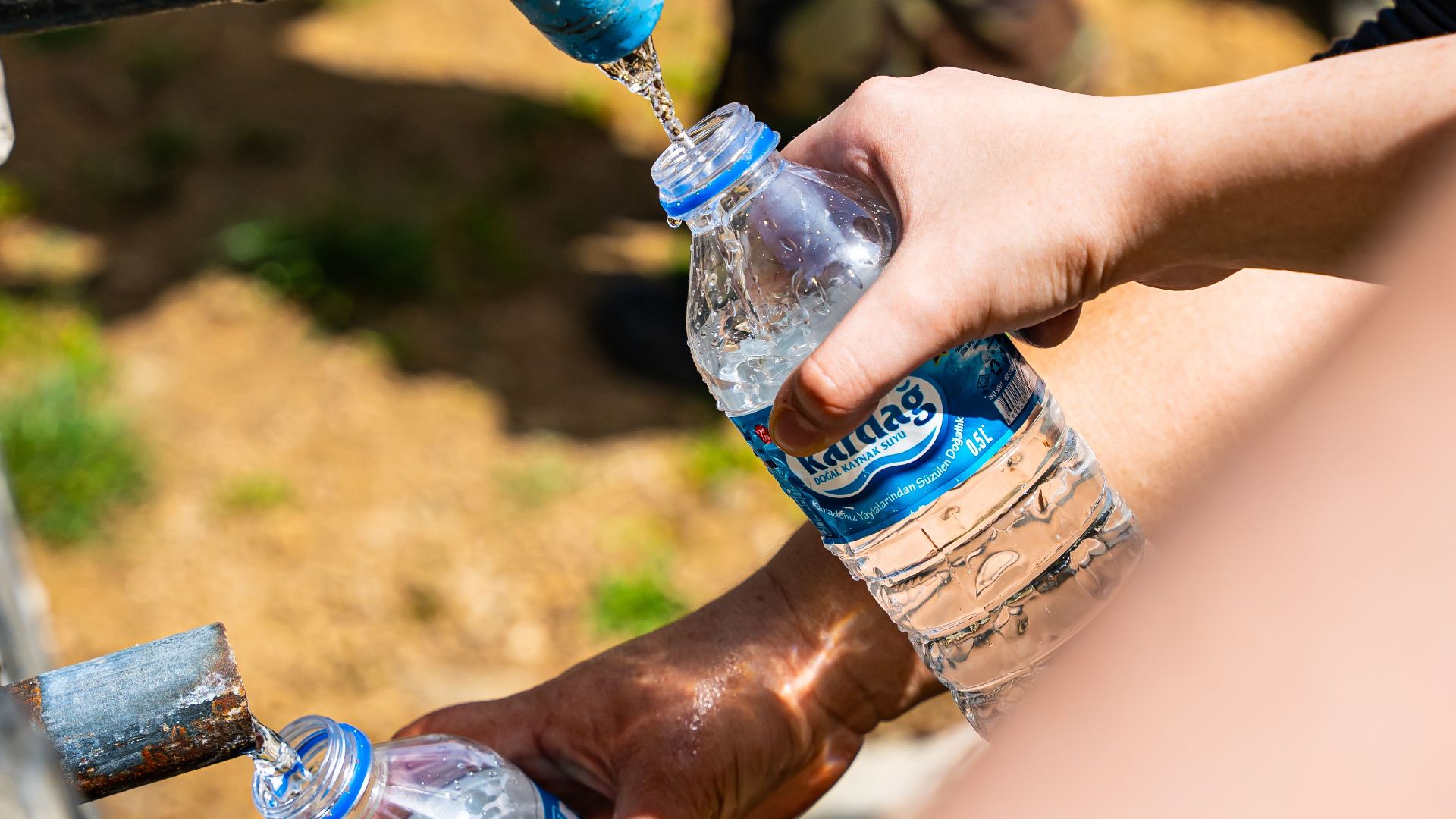
Water Filling Stations Are A Small But Useful Touch
The National Park Service specifically identifies accessible water fountains and bottle-filling stations as facilities visitors may need to locate. That matters in a country where sightseeing days can involve long drives, hot weather, and substantial distances between destinations. Filling a reusable bottle before getting back on the road is exactly the kind of modest convenience travelers start taking for granted.
Digital Hotel Features Cut Down On Hassle
American hotel chains are increasingly blending traditional amenities with app-based conveniences. Hampton Inn Hot Springs lists Digital Key among its services, and other Hilton properties also promote digital check-in and room-selection features for eligible members. After several days of travel, anything that reduces another stop at a front desk can be surprisingly appealing.

The Little Conveniences Start Adding Up
None of these features means American travel is automatically easier, and visitors still encounter drawbacks such as long distances, car dependence, varying parking costs, and different tipping customs. Yet the country's obsession with convenience has produced a network of cold interiors, highway services, drive-thrus, long-hours stores, hotel perks, and car-friendly errands that can make certain trips remarkably effortless. Europeans may arrive amused by some of these habits, only to discover that a cold drink, an automatic rental car, and a drive-thru pickup are rather easy to get used to.

You May Also Like:
Four Tips For A Successful Vacation