
Your passport says it's valid for another five months, so you're ready for that overseas vacation. Right? Not necessarily. Airlines and immigration officials can reject a perfectly unexpired passport for several surprising reasons. And discovering the problem at the airport could mean watching your vacation disappear before it even begins.
The Six-Month Passport Rule
Many countries require foreign visitors to have at least six months remaining on their passports, sometimes measured from their arrival date and sometimes from their planned departure. The U.S. State Department warns that travelers can be denied boarding for failing to meet these requirements. A passport expiring in December might therefore cause problems for a summer vacation.
Europe Has Different Rules
The European Schengen Area generally requires passports held by non-EU visitors to remain valid for at least three months after their intended departure. The passport must also have been issued within the previous ten years. These rules apply to popular destinations including France, Spain, Italy, and Germany. Travelers should check both dates before booking their flights.
Your Passport Might Be Too Old
Here's an especially surprising complication. Some older British passports were issued with extra validity when renewed early, making their expiration dates more than ten years after issuance. Under Schengen rules, those additional months don't extend the ten-year issuance limit. Consequently, a passport displaying a future expiration date can still be rejected because of when it was originally issued.

Even Minor Damage Can Matter
A passport doesn't have to be falling apart to cause trouble. Water damage, significant tears, stains, missing pages, or unofficial markings can make immigration officials question its validity. The State Department warns that airlines may refuse boarding to travelers carrying damaged passports. Ordinary wear is generally acceptable, but substantial damage usually means obtaining a replacement before traveling.
You Could Run Out Of Pages
Frequent international travelers sometimes overlook another requirement: blank passport pages. Certain countries require two or more available pages for visas or entry stamps, even when the passport remains valid for years. The State Department notes that some destinations require two to four blank pages. American travelers cannot simply have extra pages inserted into an existing passport; they must renew it.
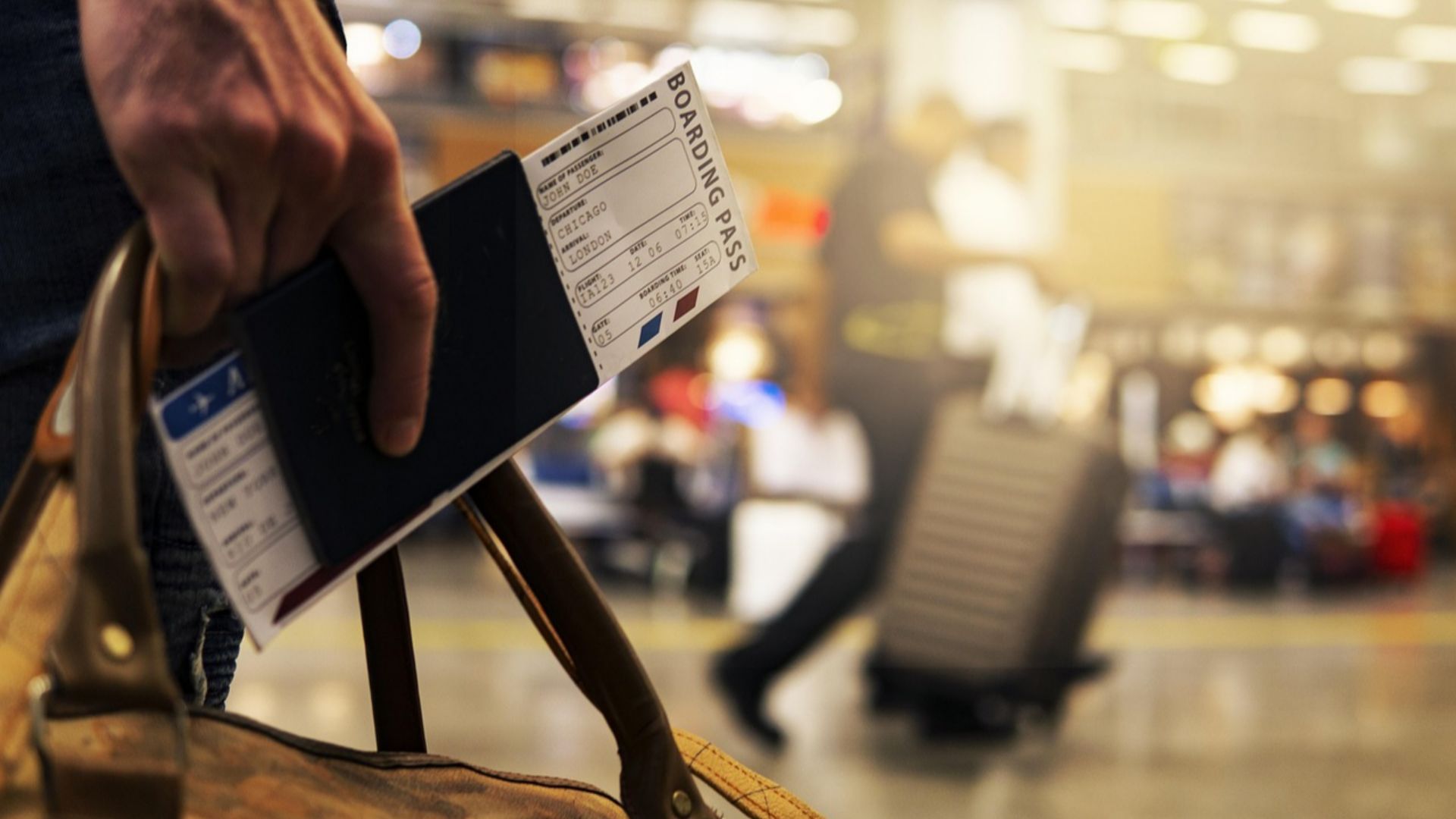
Your Information Must Match
Even a valid passport can create problems when the information on your airline reservation doesn't match your travel documents. A misspelled surname, incorrect birth date, or confusion involving a recently changed name may delay check-in. Passport printing errors can also cause complications. The State Department provides a correction process for mistakes involving names, birthplaces, and other biographical information.
Your Passport Isn't Your Visa
Having a valid passport doesn't automatically grant permission to enter another country. Depending on your nationality and destination, you might also need a visa, electronic travel authorization, or additional documentation. European authorities may request evidence of accommodation, sufficient funds, or onward travel. Meeting passport validity requirements is therefore only one part of satisfying a country's entry conditions.
 4300streetcar, Wikimedia Commons
The Airline Can Stop You
You might assume immigration officials will decide whether your passport is acceptable after you land. However, airlines routinely check documentation before allowing passengers to board international flights. If your passport fails a destination's requirements, the airline may refuse transportation. That means you could be stranded at your departure airport without ever reaching the country you intended to visit.
Don't Forget Your Connections
A complicated itinerary can introduce additional passport requirements. Countries where you change planes may impose their own transit rules, particularly if you must pass through immigration, collect luggage, or change airports. Requirements also depend on your nationality and whether you remain inside the international transit area. Always investigate every country on your itinerary, not just your final destination.

Check Before You Book
The safest approach is to examine your passport well before purchasing nonrefundable tickets. Check its expiration and issuance dates, inspect it for damage, and count the available blank pages. Then consult official entry requirements for every destination and transit country. Renewing early may seem inconvenient, but it's considerably cheaper than discovering your passport isn't acceptable at the boarding gate.
You May Also Like:
My passport expires months after my trip, but I was still told I couldn't travel. Why?
My passport expires in five months and I’m flying to Europe. Will I be turned away at check-in?